Ground Meat Pilaf
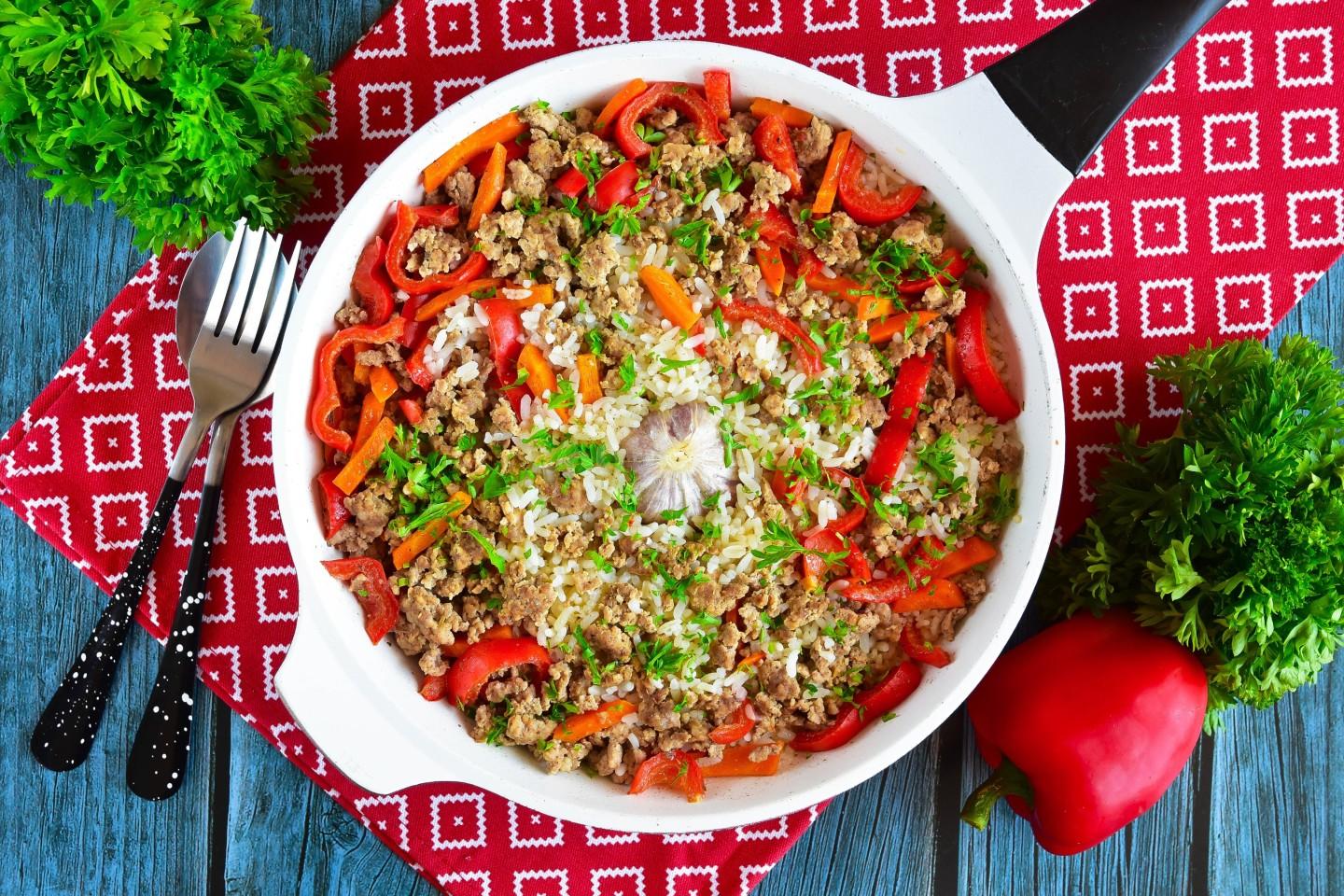
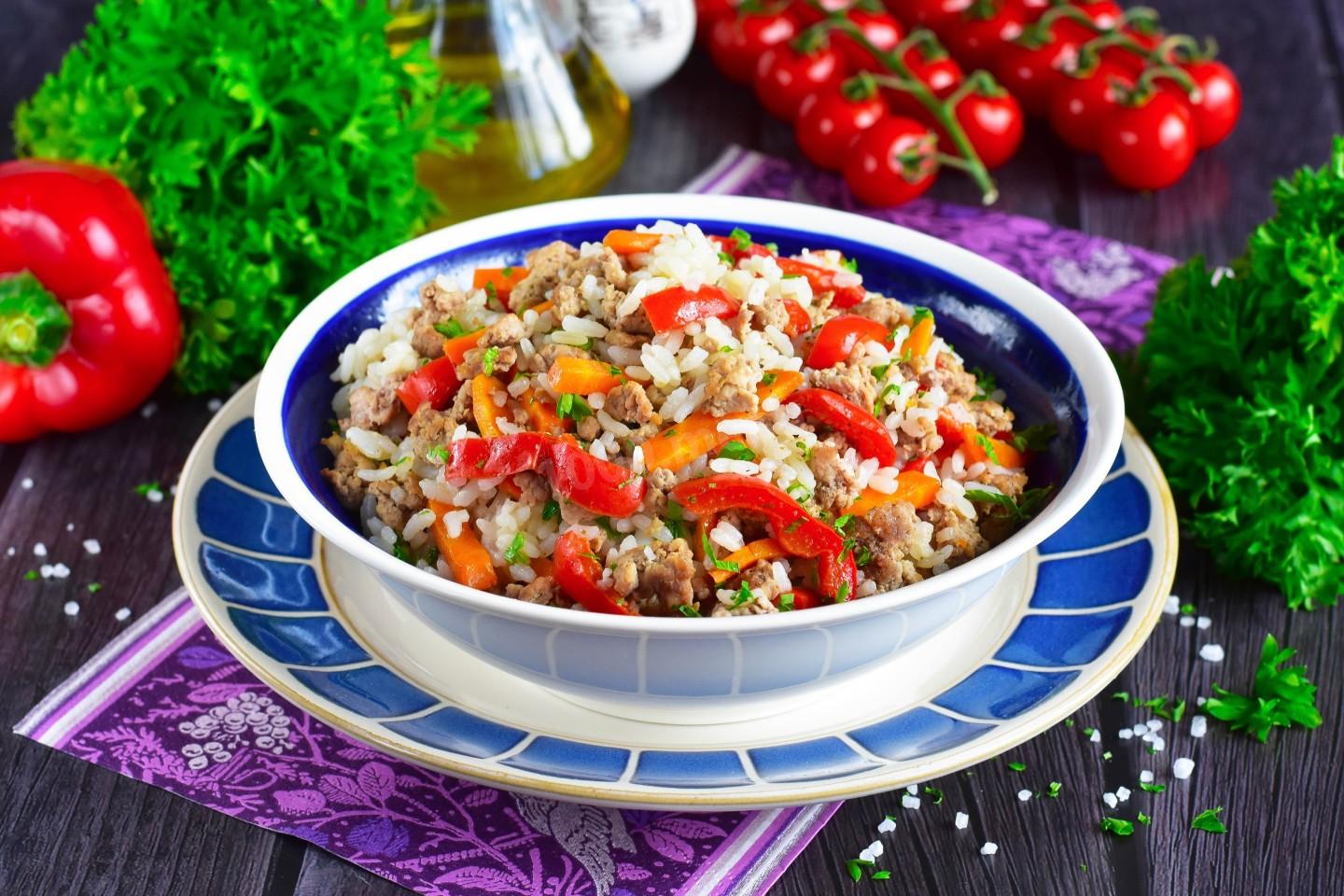
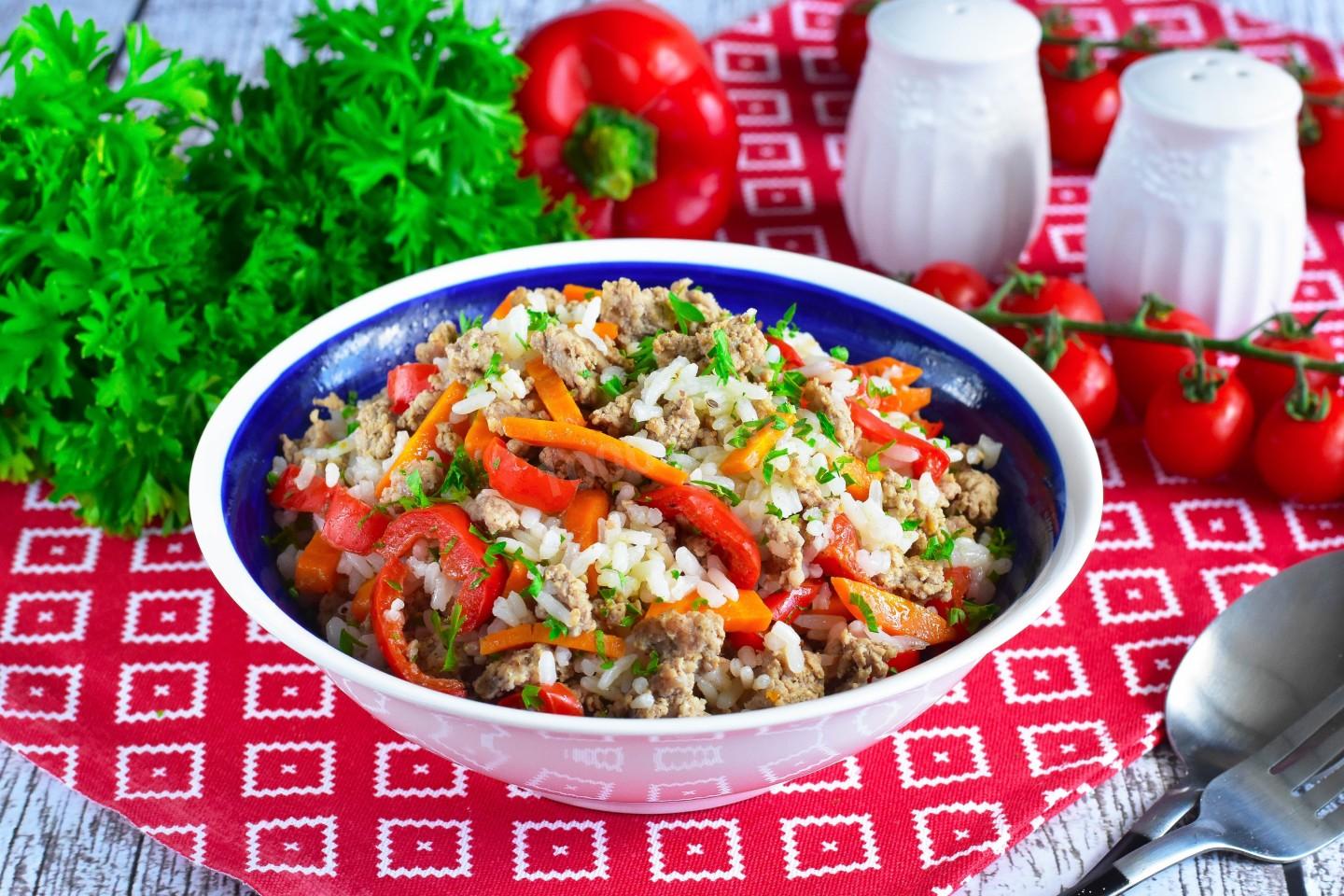
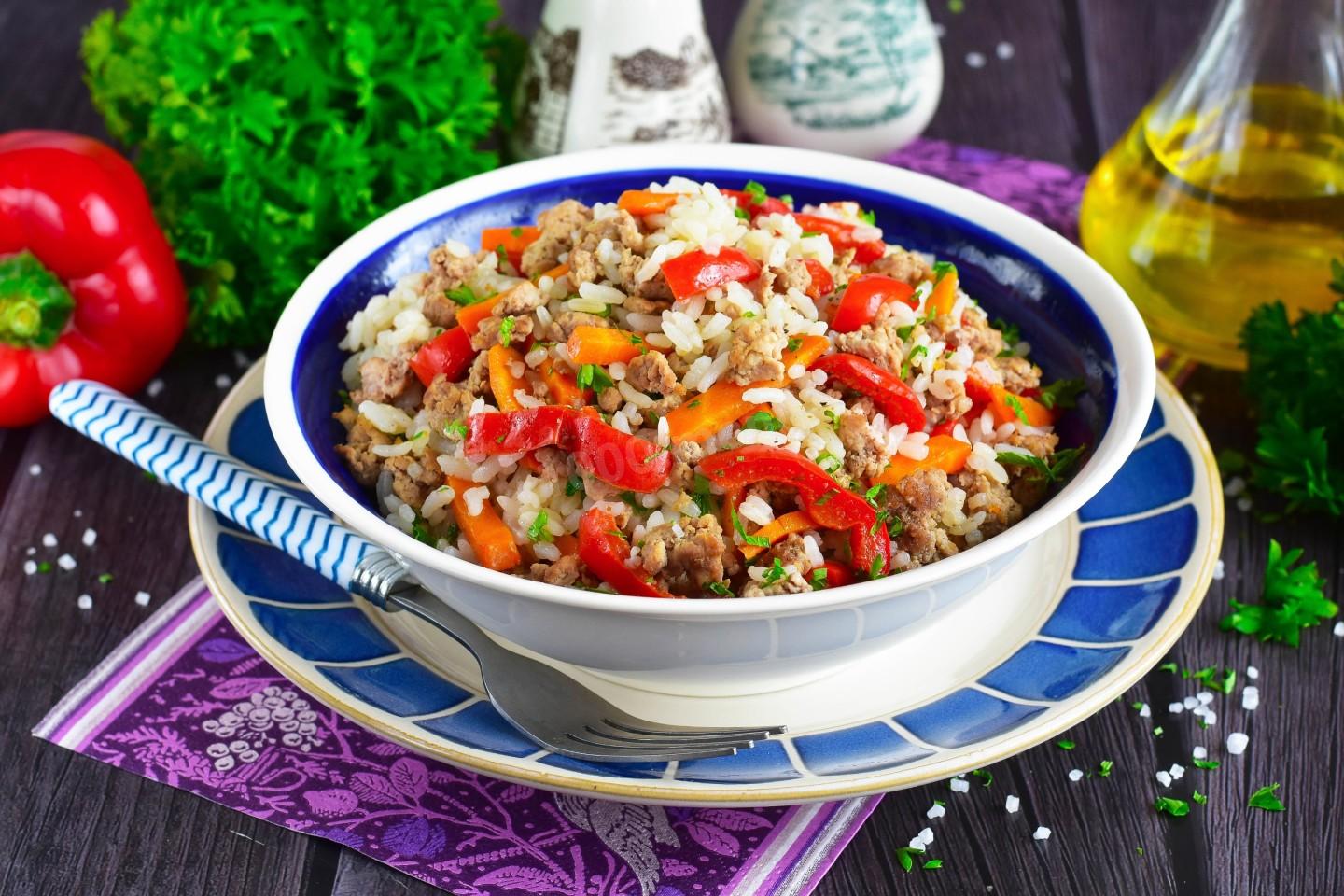
Fluffy, filling, simple, and fast — perfect for lunch or dinner! Pilaf made with ground meat comes together faster than the version with cubed meat, since ground meat doesn't need a long sear. It's every bit as hearty, and you'll have no trouble putting a satisfying meal in front of the whole family.


Cooking method
-
Step 1:
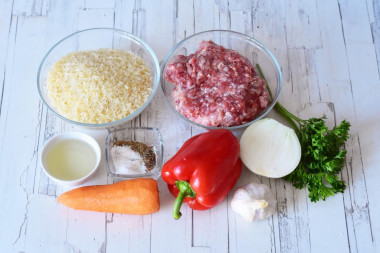
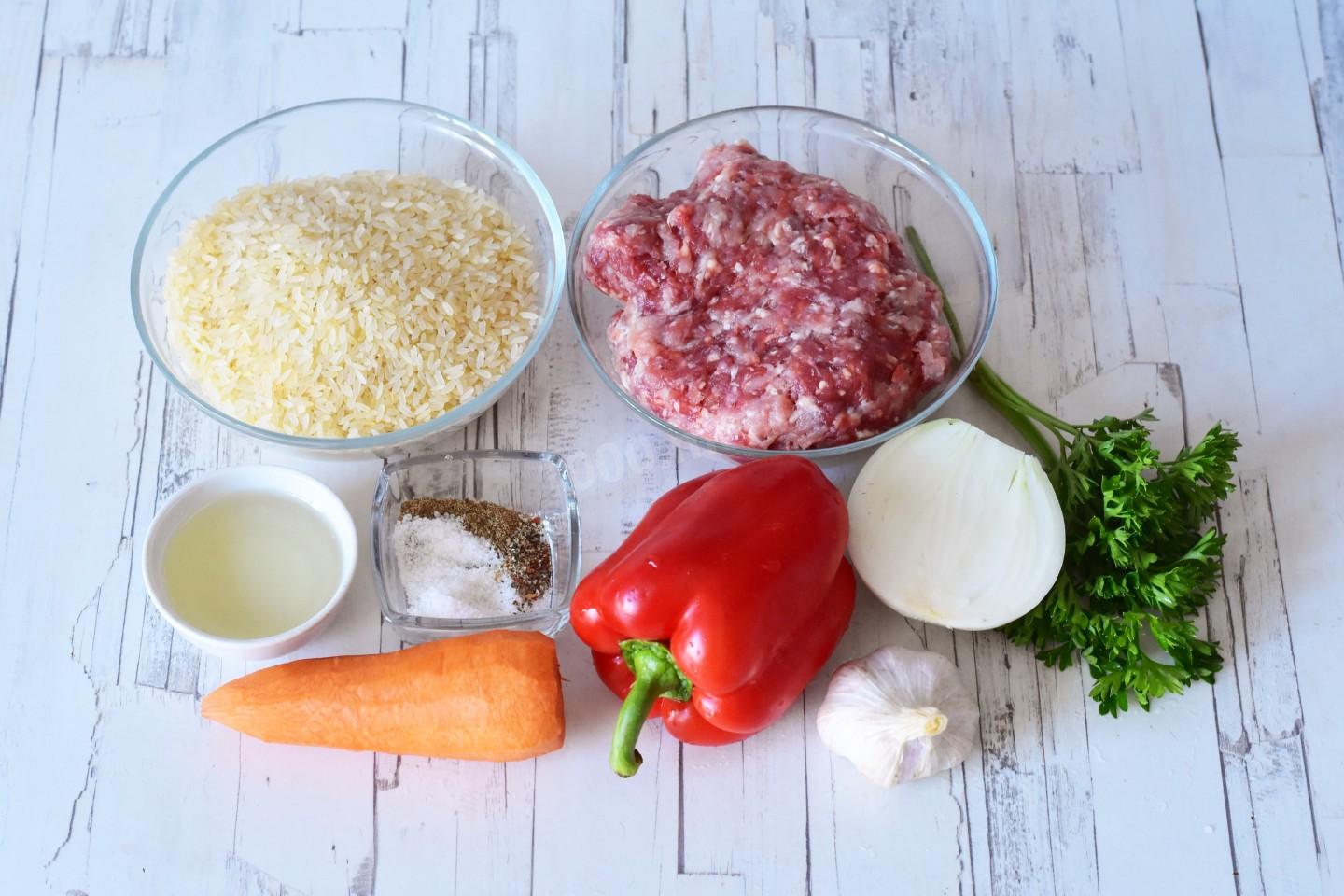
How do you make ground meat pilaf? It's quick and easy. First, gather your ingredients. Use any ground meat you like — a pork-and-beef blend or a single kind both work. Mine is a beef-and-pork blend with a little fat. You can also grind your own from whole cuts of meat. Give the head of garlic a good rinse and pull off the loose papery skin.
-
Step 2:
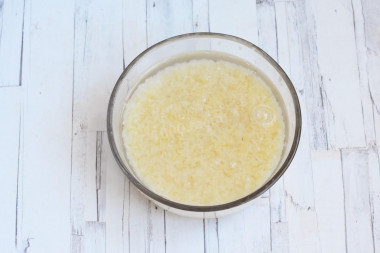
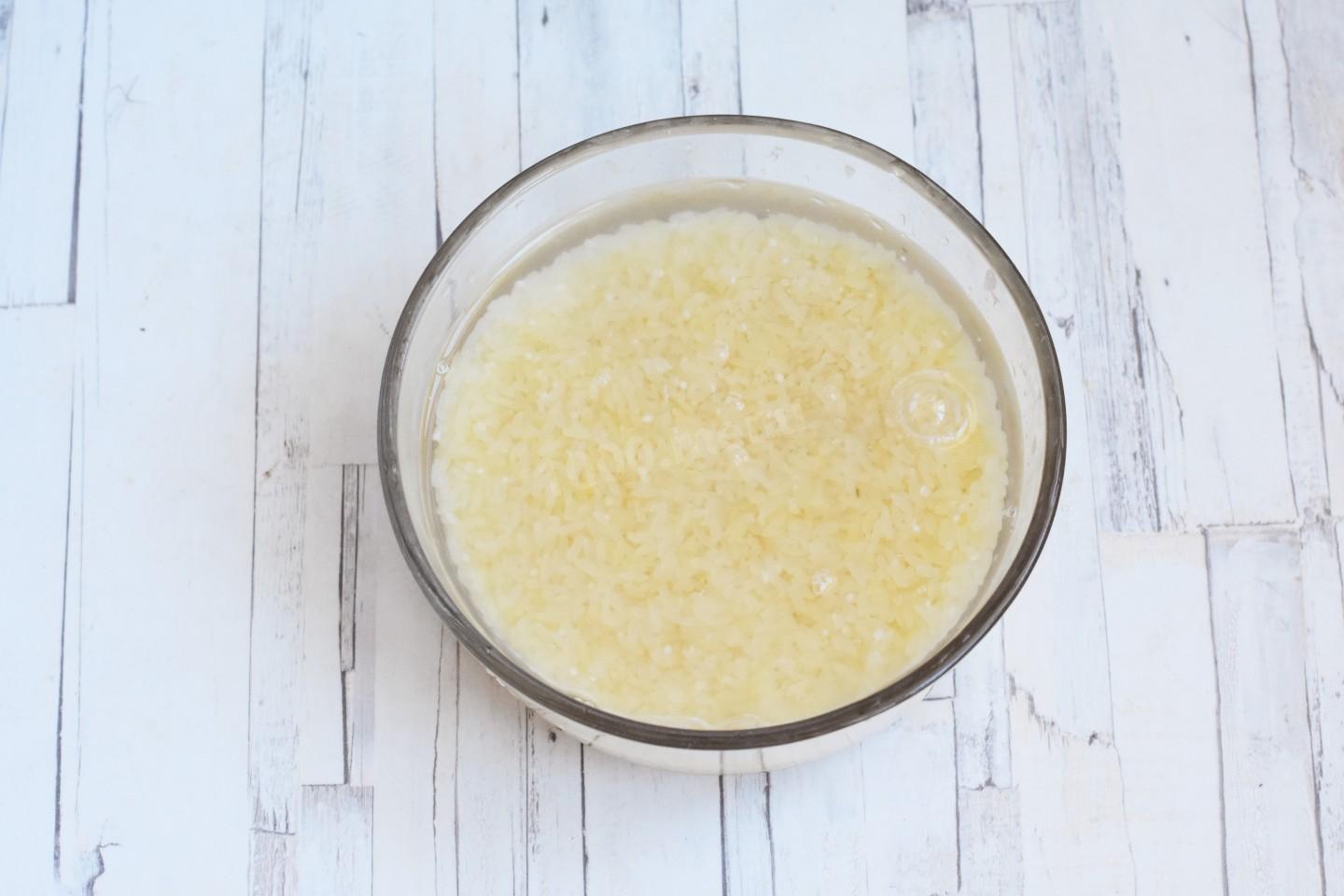
Cover the rice with clean drinking water and let it soak for 1 hour, then rinse it until the water runs clear. Soaking keeps the rice from turning mushy. Use a rice meant for pilaf or a parboiled variety — I used parboiled golden rice.
-
Step 3:
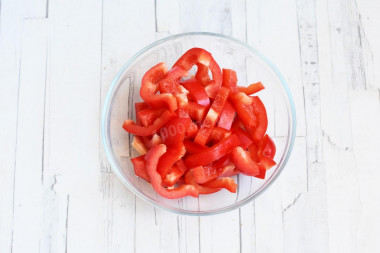
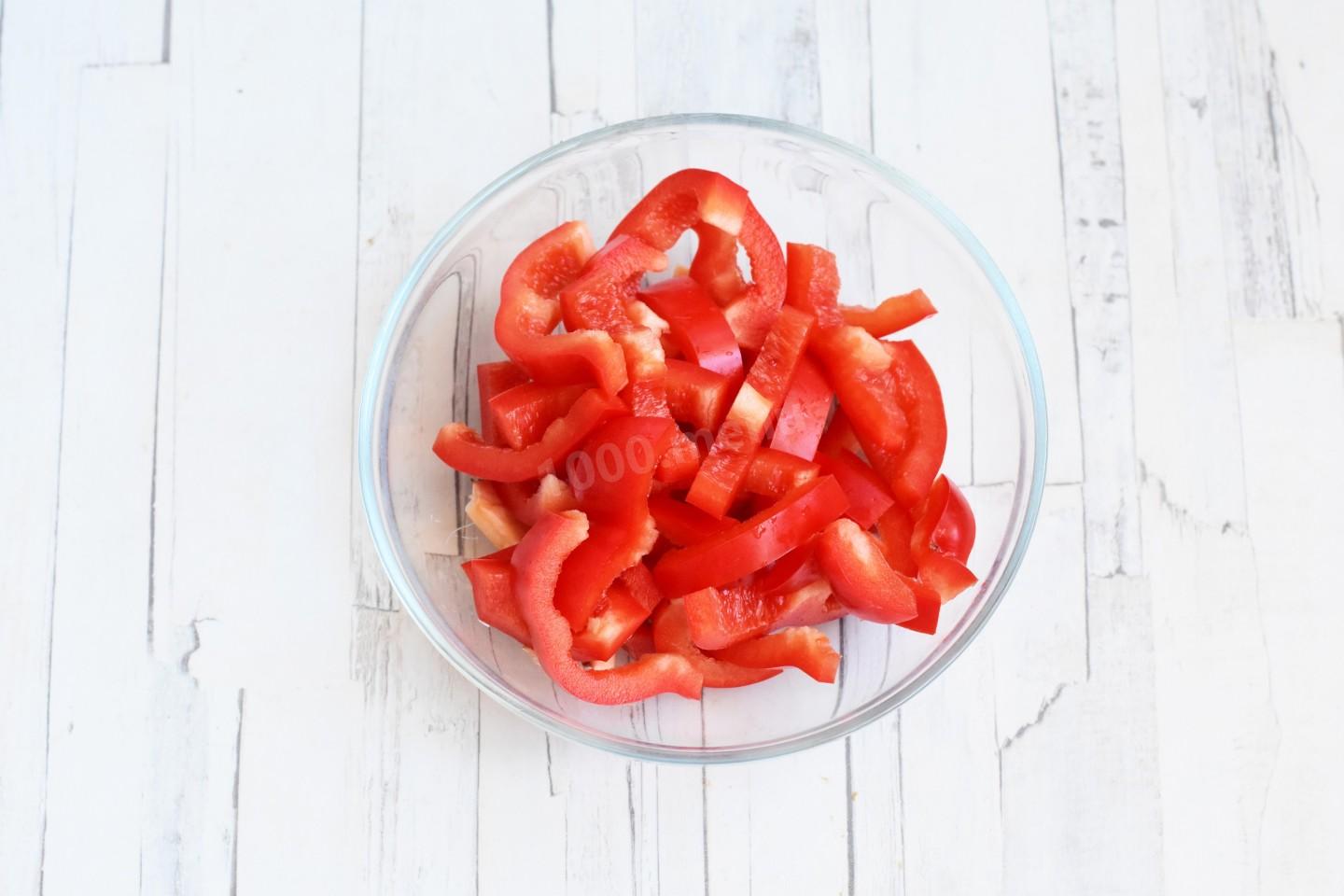
Remove the seeds and stem from the bell pepper and cut it into thin strips or small sticks.
-
Step 4:
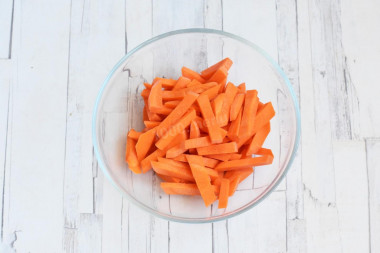
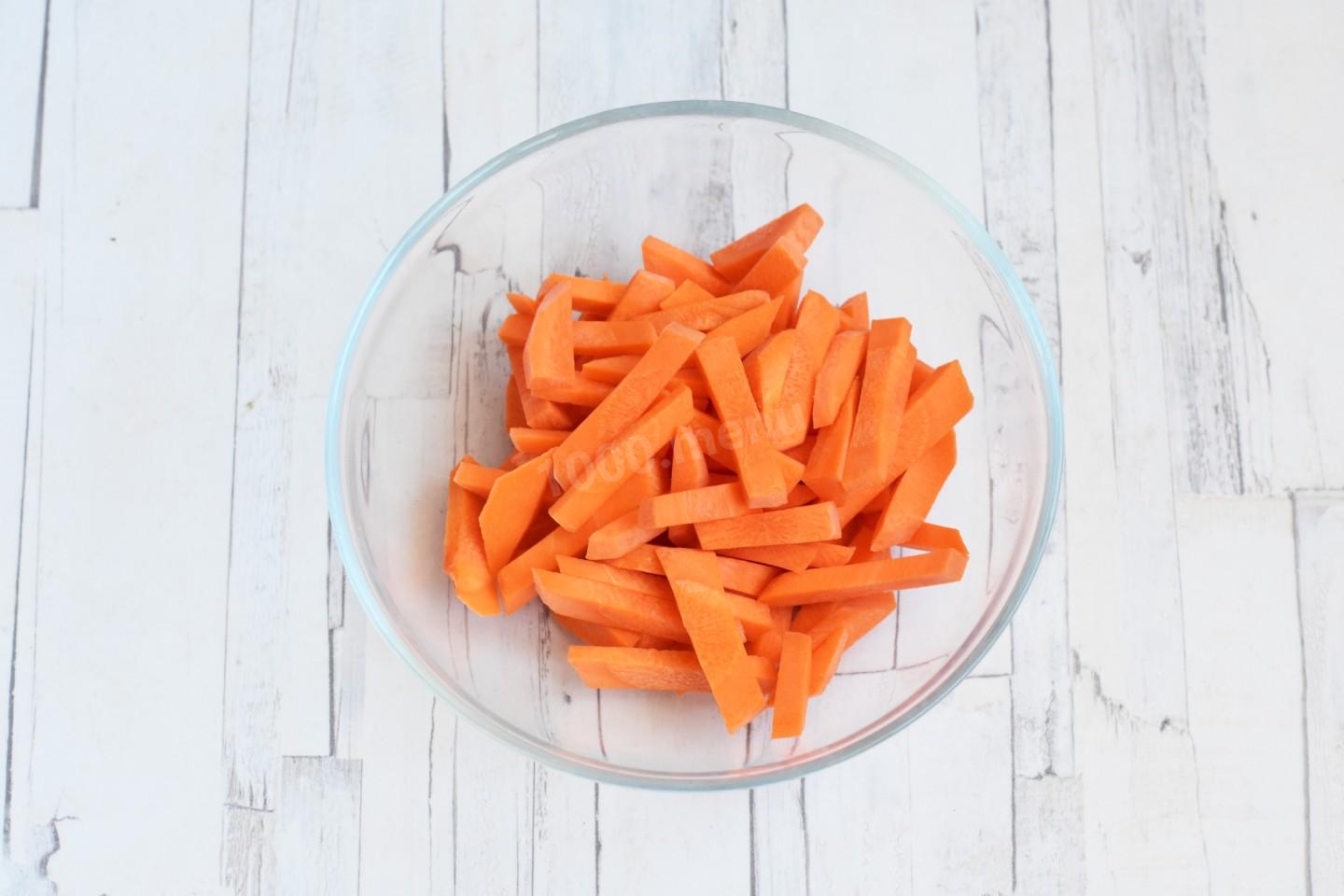
Peel the carrot and cut it into small sticks.
-
Step 5:
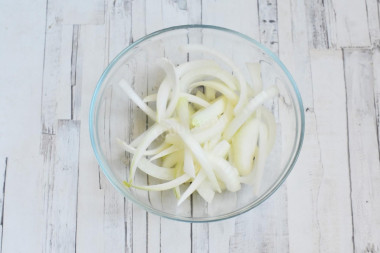
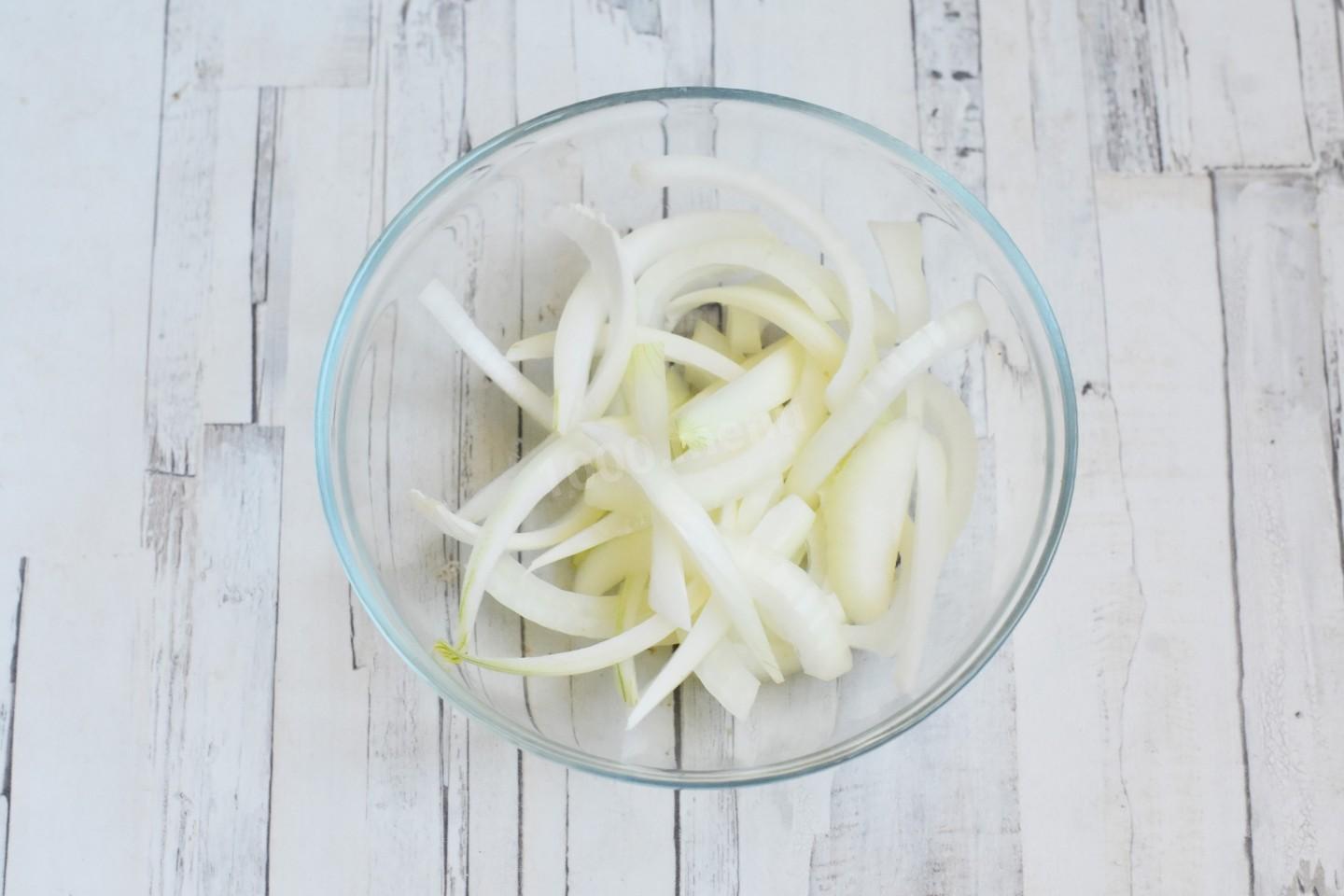
Peel the onion and slice it into half-moons.
-
Step 6:
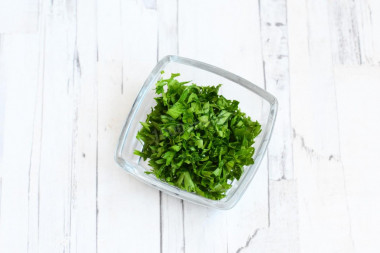
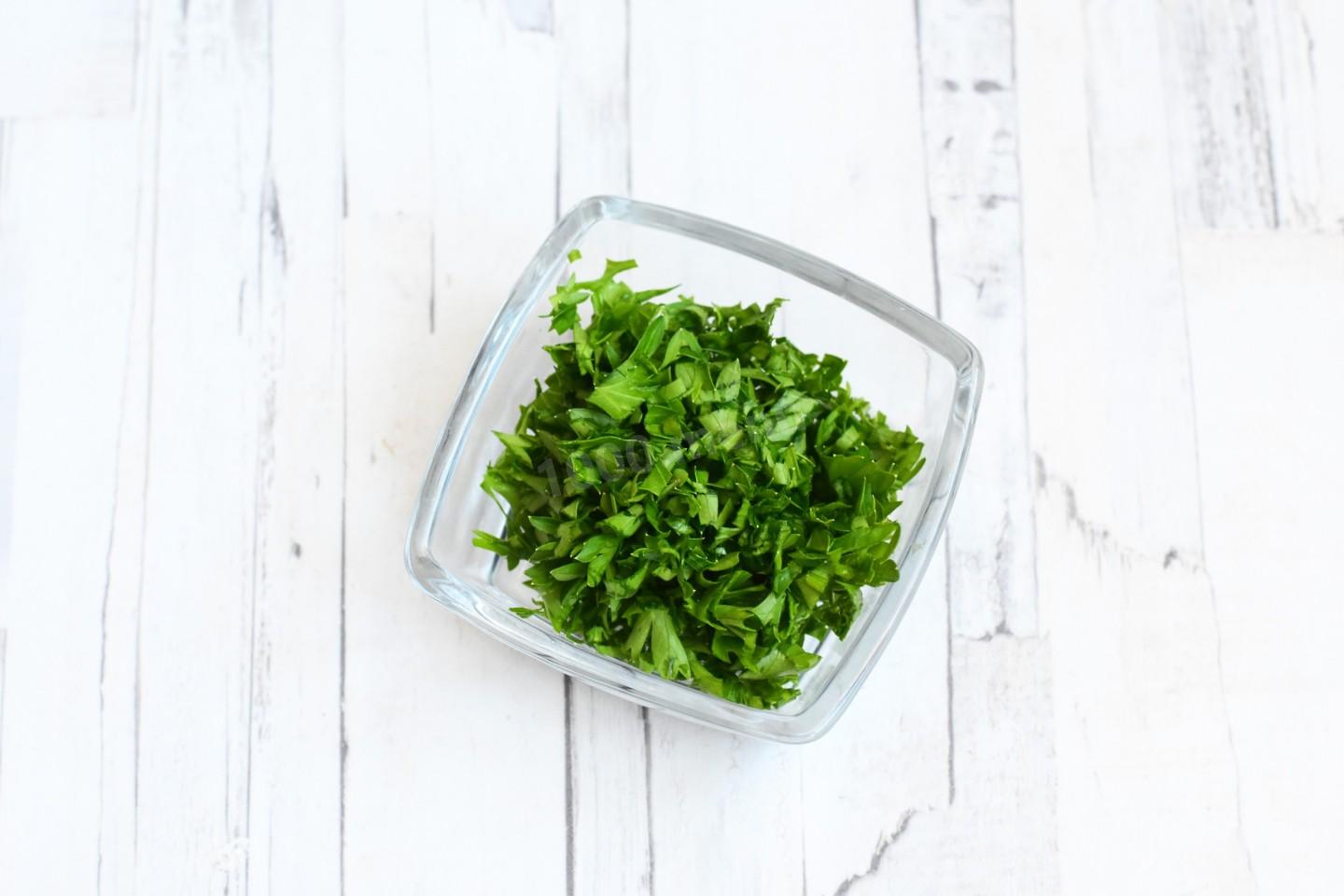
Wash, dry, and finely chop the parsley. Feel free to swap in or add other herbs — dill, cilantro, green onion, or a mix.
-
Step 7:
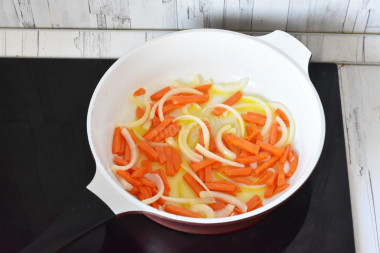
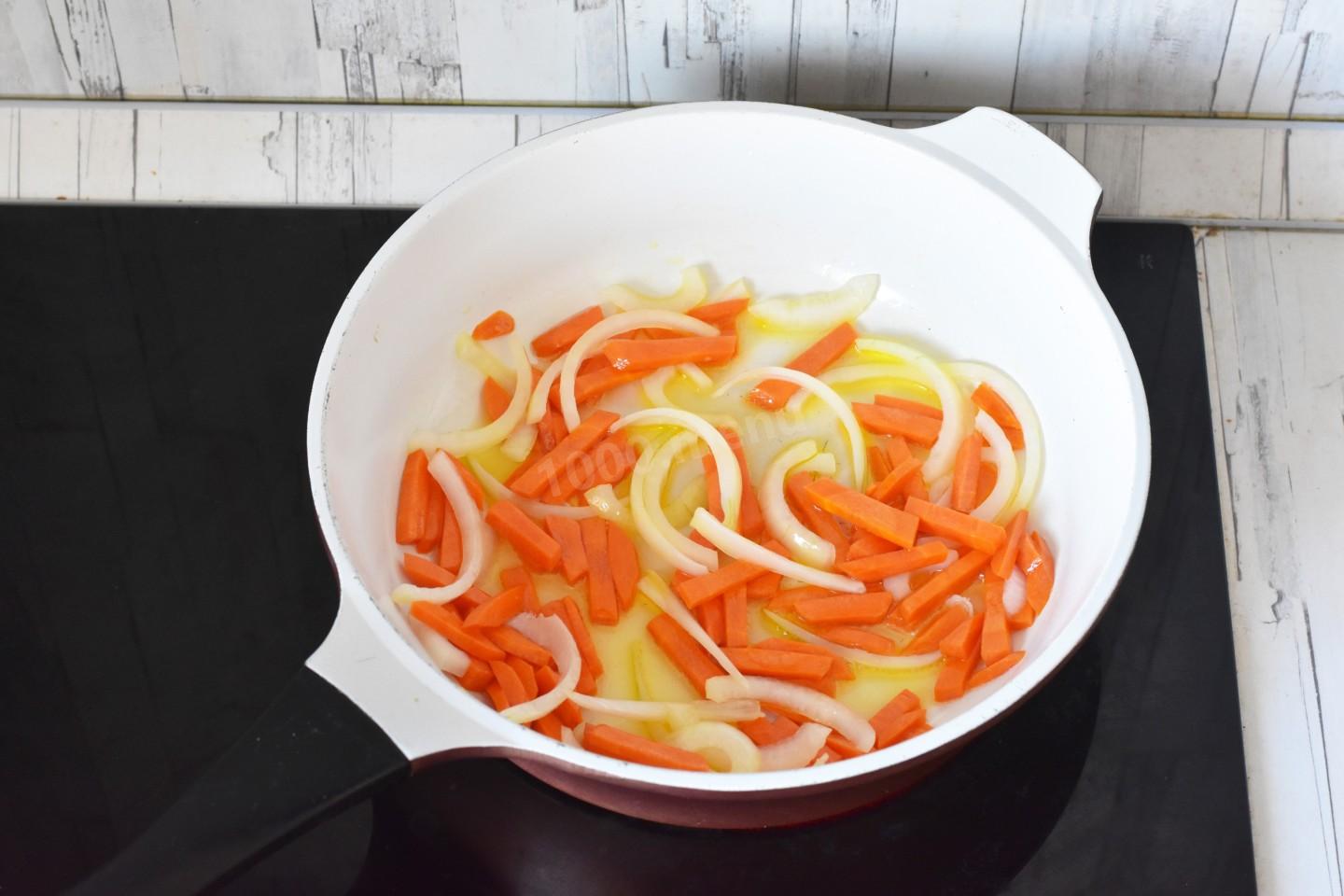
Heat the vegetable oil in a deep skillet over medium heat. Add the onion and carrot and stir-fry for 2 minutes. Instead of a skillet, you can use a cast-iron pot or a heavy-bottomed saucepan.
-
Step 8:
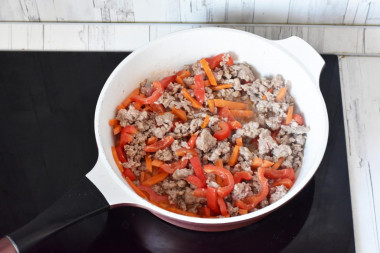
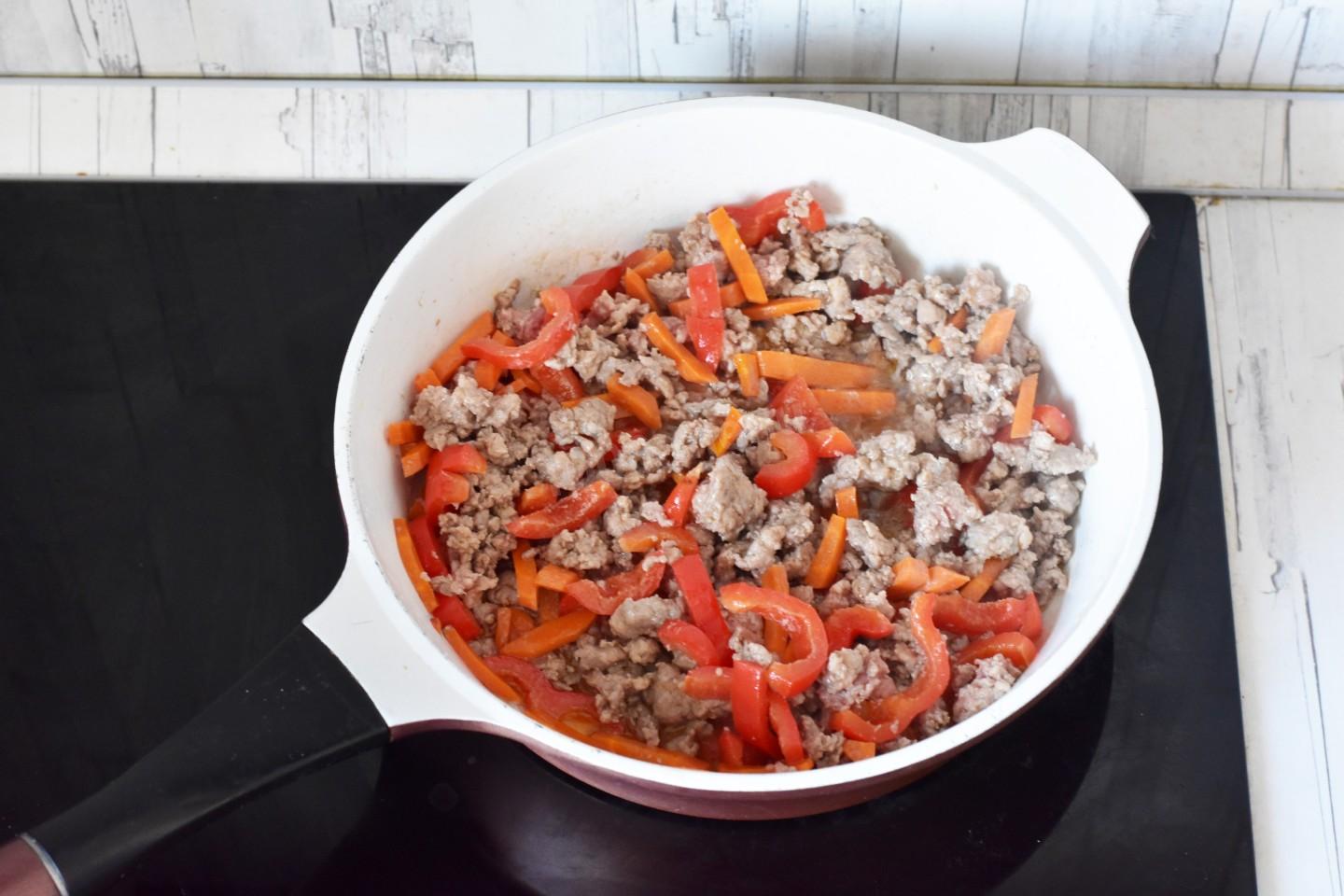
Add the bell pepper and ground meat. Cook, breaking up the clumps, for about 10 minutes, until the meat is partway done.
-
Step 9:
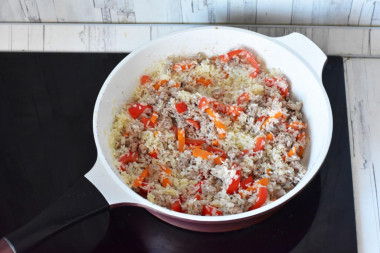
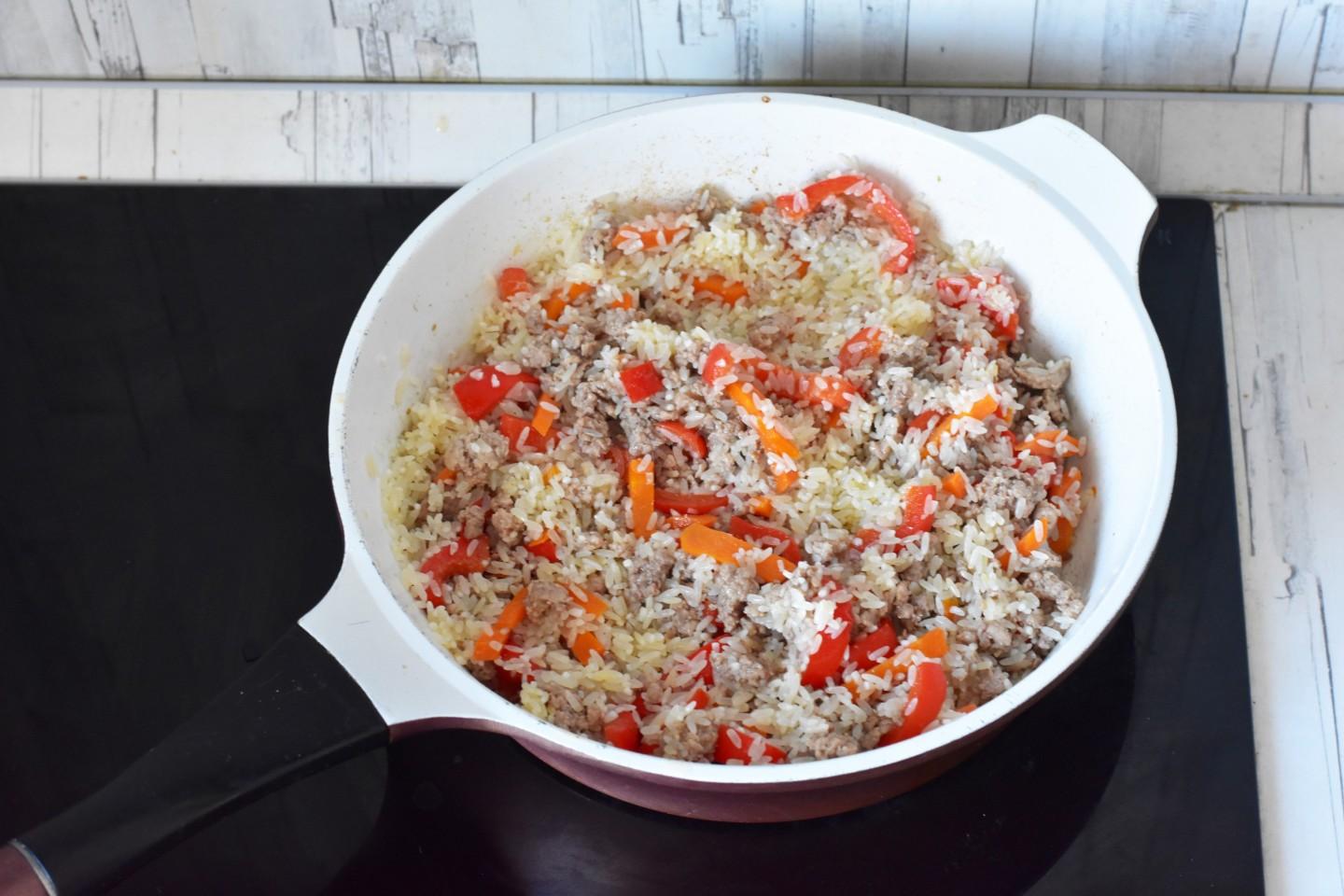
Add the rinsed rice and stir. Cook everything together for 5 minutes.
-
Step 10:
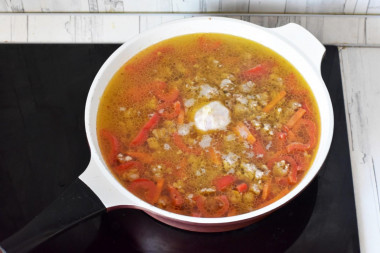
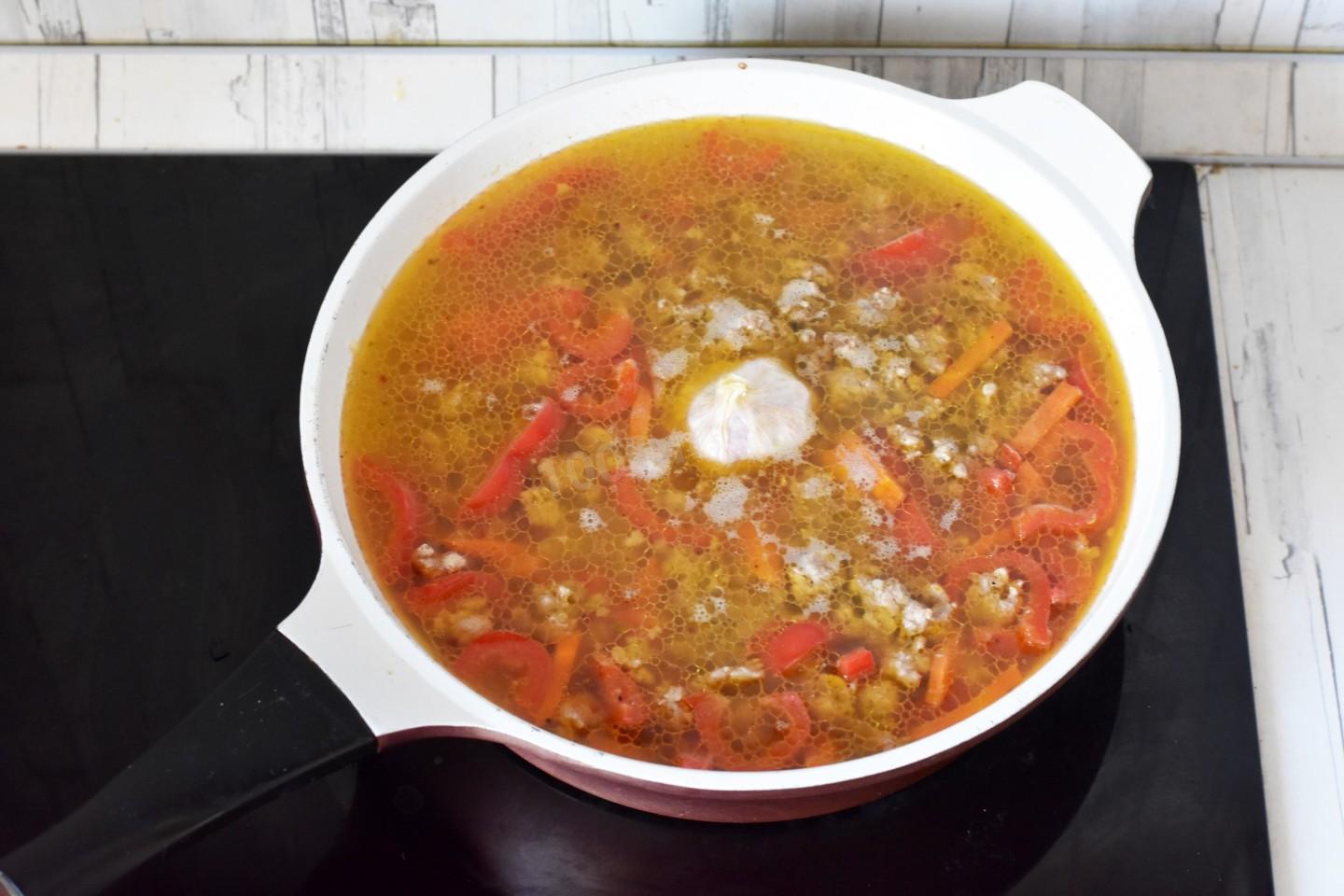
Pour in hot water until it fully covers everything in the pan. Season with salt and pepper to taste, adding any other spices you like. Nestle the whole head of garlic down into the pilaf.
-
Step 11:
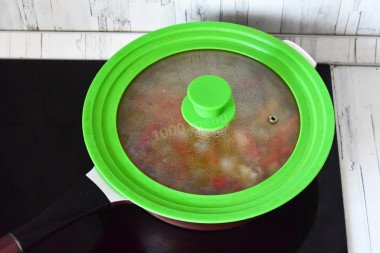
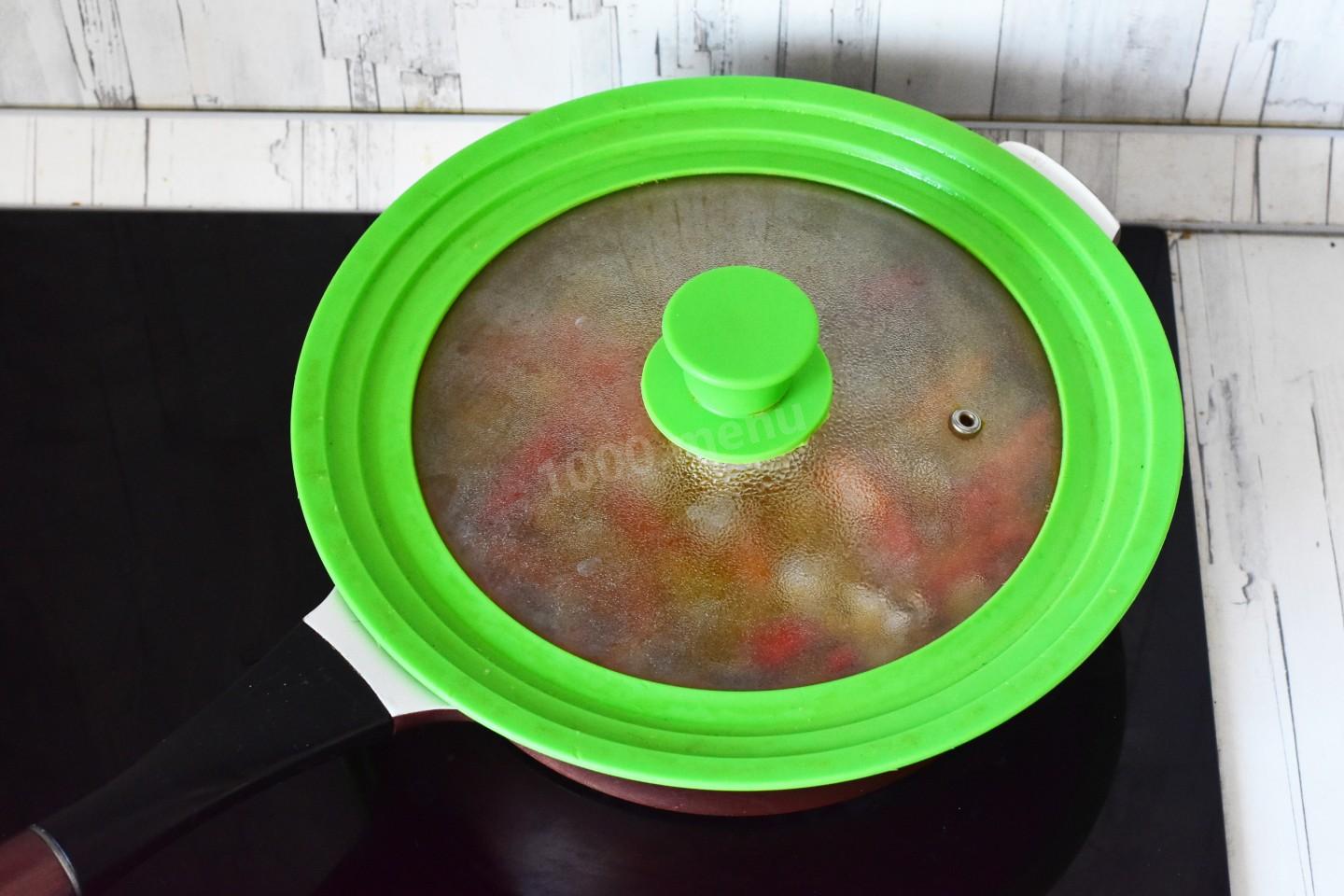
Cook the pilaf over low heat, covered, for about 20 minutes.
-
Step 12:
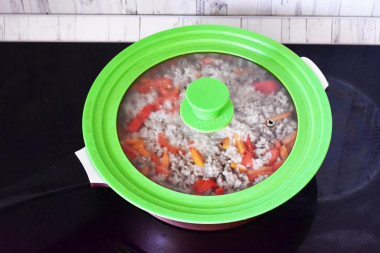
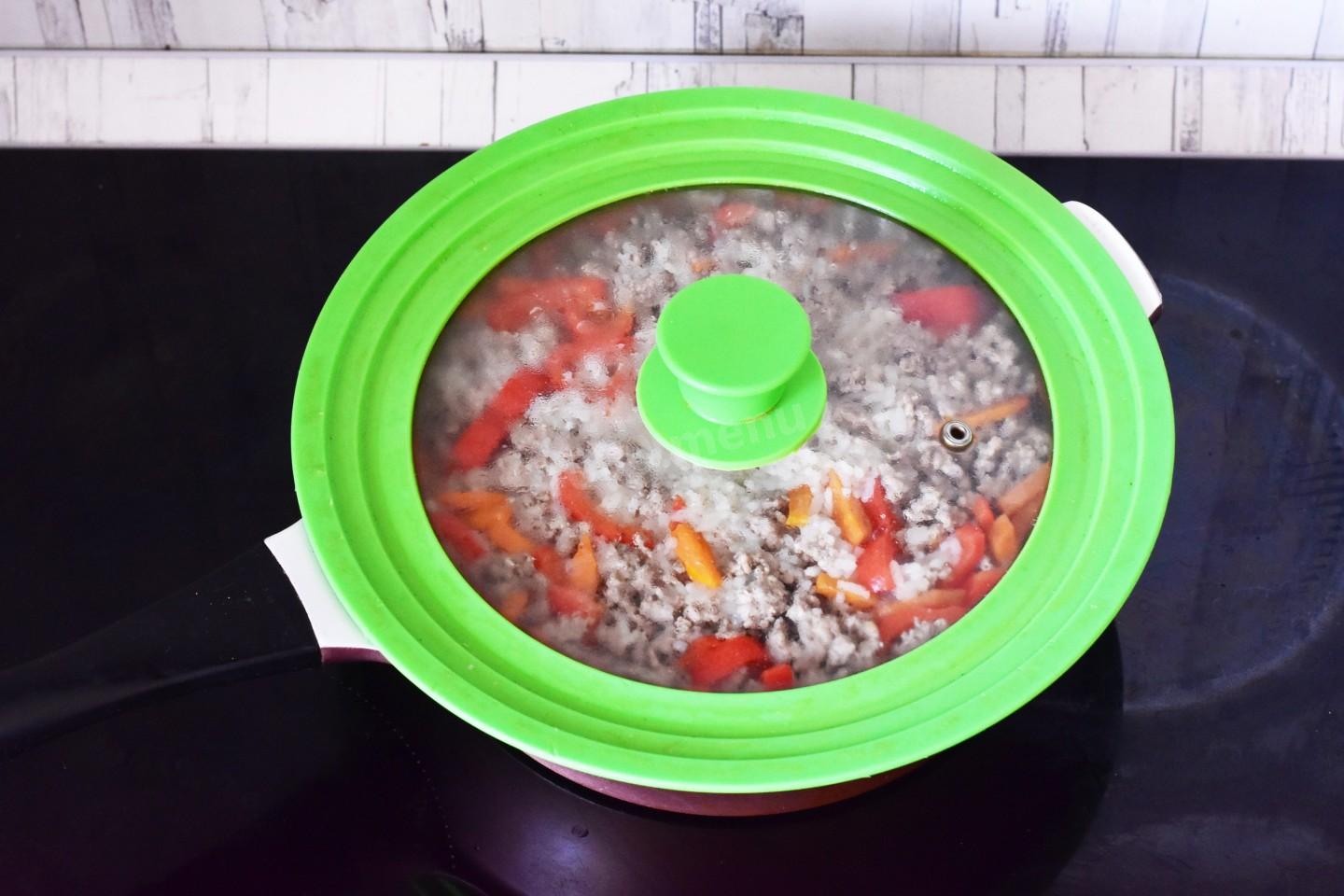
Take the pan off the heat and let the pilaf rest, covered, for about 10–15 minutes. Any liquid left at the bottom will gradually absorb into the rice.
-
Step 13:
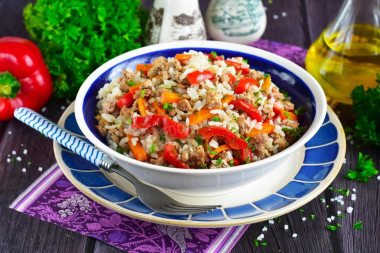
Serve the finished pilaf sprinkled with chopped herbs. Enjoy!
- Tip: For rice that comes out perfect every time, choose a good variety and rinse it until the water runs clear before cooking.
- Tip: The wrong pan can ruin even the best recipe. A heavy-bottomed skillet or pot holds heat evenly and is ideal for pilaf.
- A note on frying oil: Every oil has a smoke point — the temperature at which it starts to burn and break down. For high-heat cooking, use a refined oil with a high smoke point, and avoid heating delicate unrefined oils too far.
Caloric content of the products possible in the composition of the dish
- Onion - 41 kcal/100g
- Wild rice, raw - 353 kcal/100g
- Brown rice, raw - 360 kcal/100g
- Brown rice, cooked - 119 kcal/100g
- White rice, enriched, raw - 363 kcal/100g
- White rice, enriched, cooked - 109 kcal/100g
- White rice, parboiled, long-grain, raw - 369 kcal/100g
- White rice, parboiled, long-grain, cooked - 106 kcal/100g
- Instant rice, dry - 374 kcal/100g
- Instant rice, ready to eat - 109 kcal/100g
- Rice - 344 kcal/100g
- Bell pepper - 27 kcal/100g
- Carrot - 33 kcal/100g
- Dried carrot - 275 kcal/100g
- Carrot, boiled - 25 kcal/100g
- Garlic - 143 kcal/100g
- Ground black pepper - 255 kcal/100g
- Fresh parsley - 45 kcal/100g
- Mixed ground meat - 351 kcal/100g
- Vegetable oil - 873 kcal/100g
- Salt - 0 kcal/100g
Similar recipes

- Second course
- Meat and meat products
- Vegetables
- Cereals and cereal products
- Spices seasonings spices
- Fats and oils
- Garlic
- Pepper
- Parsley
- Salt
- Vegetable oil
- Stewing
- Pilaf
- Stewed vegetables
- Meat second course
- Minced meat
- From carrots
- From sweet pepper
- From onion
- No eggs
- Recipes for lean dishes without butter
- From rice