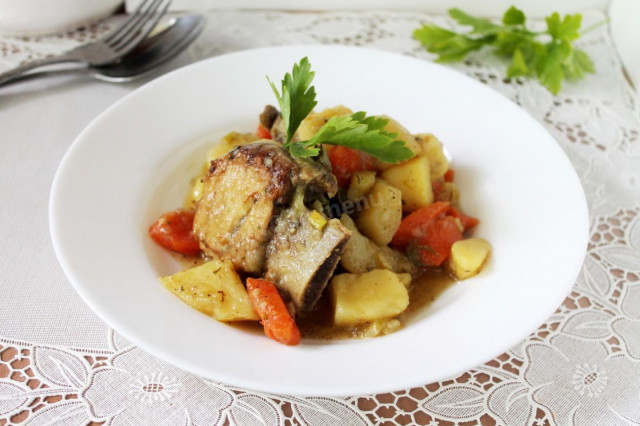
Homemade Canned Mackerel in Oil
Homemade canned fish is nothing surprising these days — everyone makes it! Let me share a recipe for canning mackerel at home. The fish comes out incredibly tasty and just melts in your mouth. It's definitely better than store-bought, and it's completely natural, with no questionable additives.

Cooking method
-
Step 1:
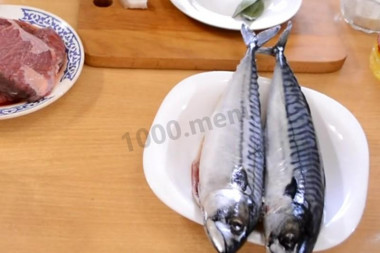
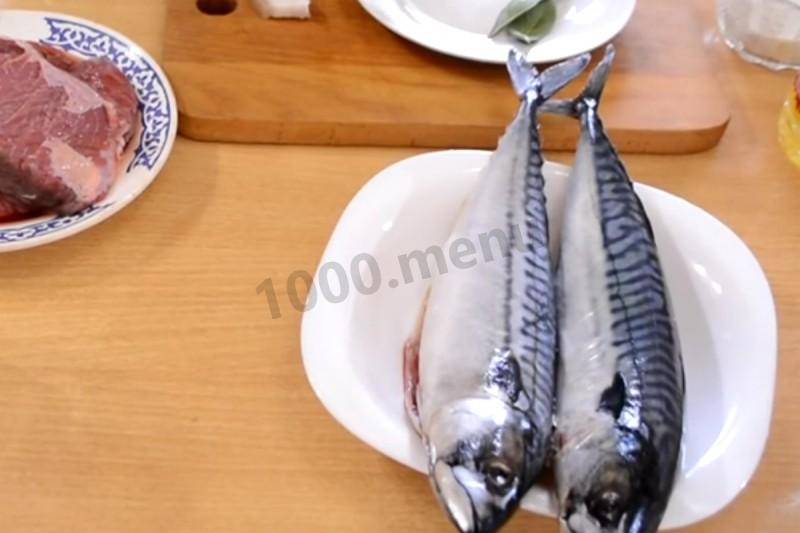
You can use either fresh or frozen mackerel. When shopping, pick fish with an even silvery color and dark stripes, no yellow spots or visible damage. How do you thaw frozen fish properly? Move it from the freezer to the bottom shelf of the fridge ahead of time. Don't let it thaw all the way — partly frozen mackerel is easier and neater to cut, and the pieces hold their shape.
-
Step 2:
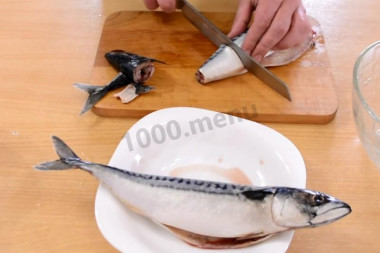
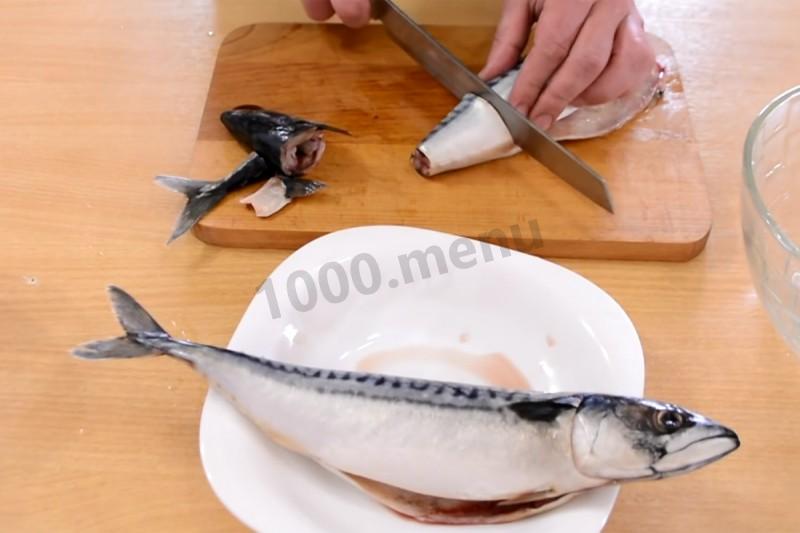
How do you clean mackerel? Rinse the fish and cut off the tail, fins, and head. Gut the body and be sure to scrape away the black membrane inside, since it turns bitter. You don't need to remove the skin. Rinse thoroughly again and pat dry. Cut into equal-length pieces.
-
Step 3:
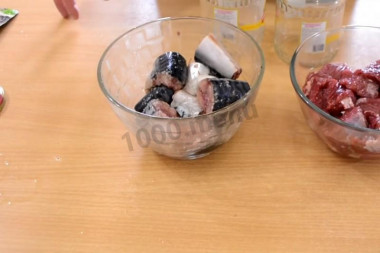
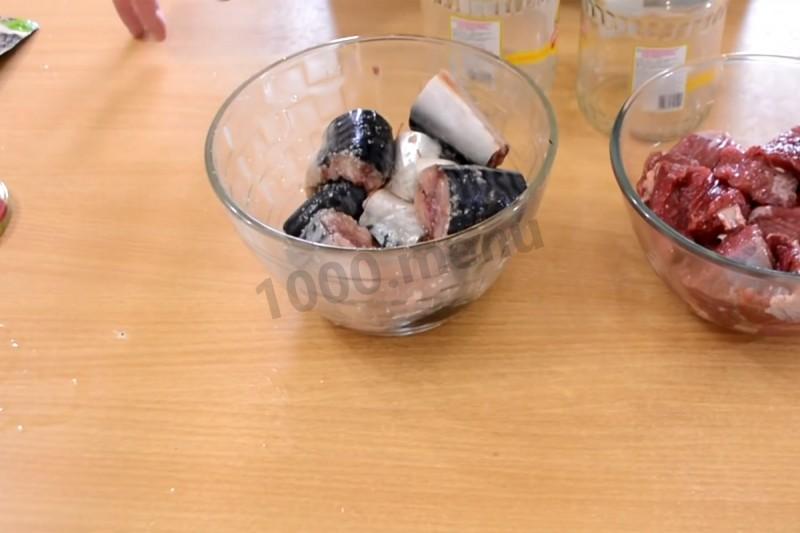
Put the fish pieces in a bowl and sprinkle with salt. For longer storage you can use curing (nitrite) salt — it holds back the bacteria that can cause food poisoning; always read the package directions before using it. Toss gently and let the salt dissolve, leaving the bowl for about an hour.
-
Step 4:
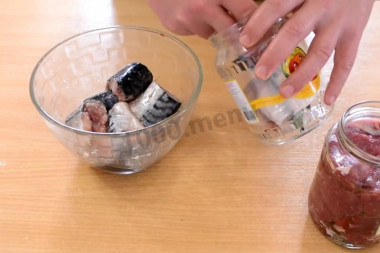
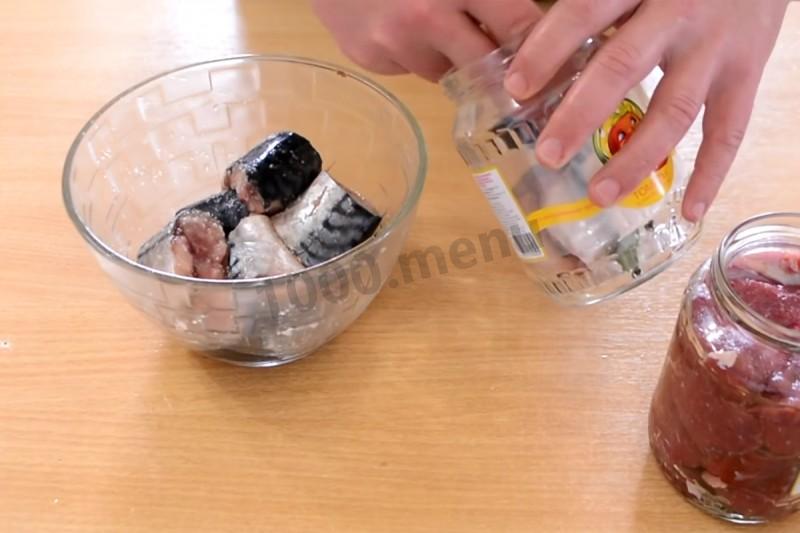
Wash a glass jar well and dry it with paper towels — no need to sterilize. Put a bay leaf and both kinds of pepper (whole black peppercorns and allspice) in the jar. Pack the fish pieces in tightly.
-
Step 5:
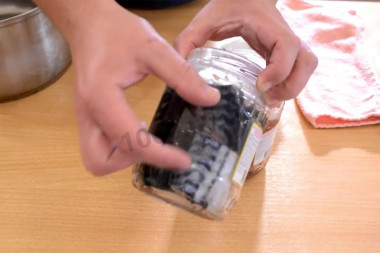
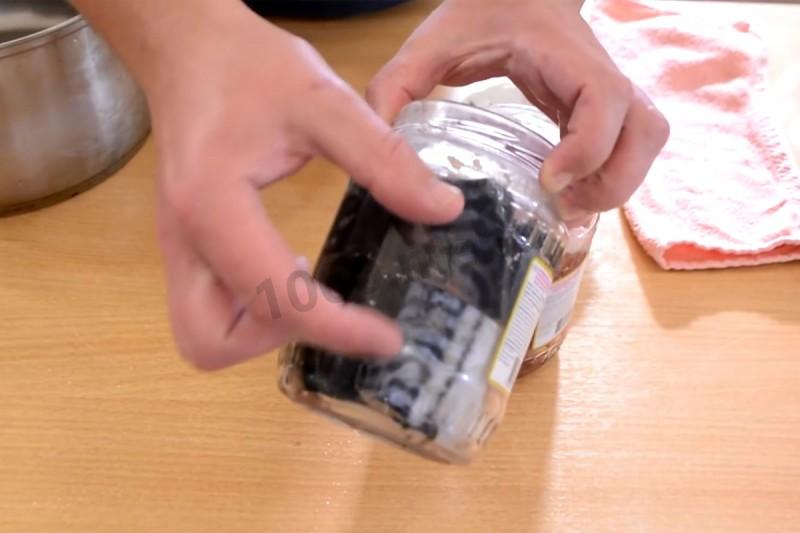
In a 700 ml (about 3-cup) jar with two medium fish, you'll get 2 layers of fish and about 1¼ inches (3 cm) of empty space at the top. That gap is essential — it leaves room for the fish juices, oil, and so on.
-
Step 6:
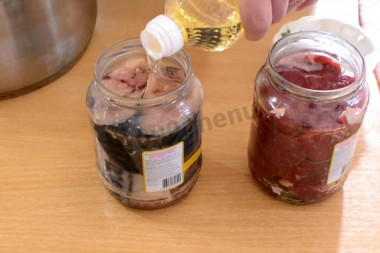
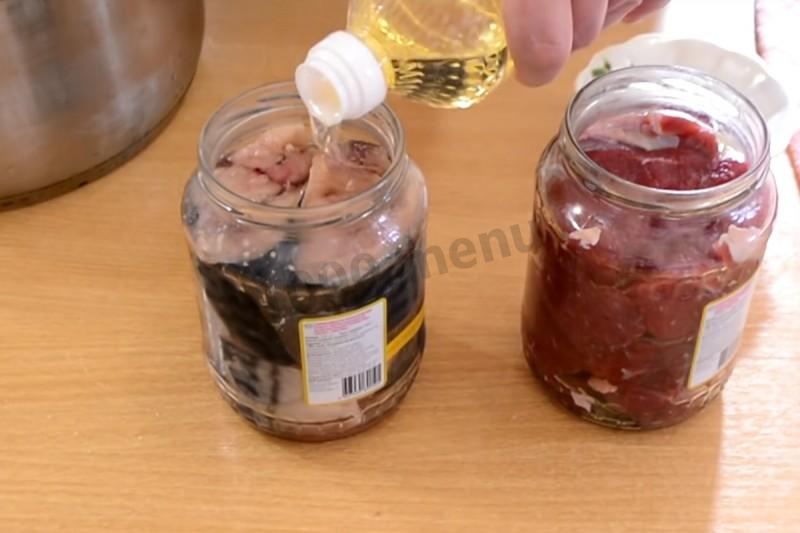
Add refined sunflower oil to the jar. Don't fill past the shoulder of the jar, or the oily brine will overflow.
-
Step 7:
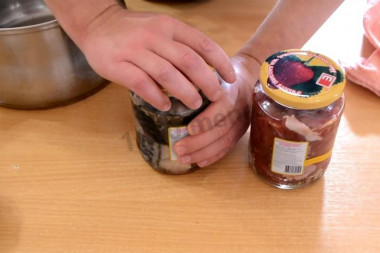
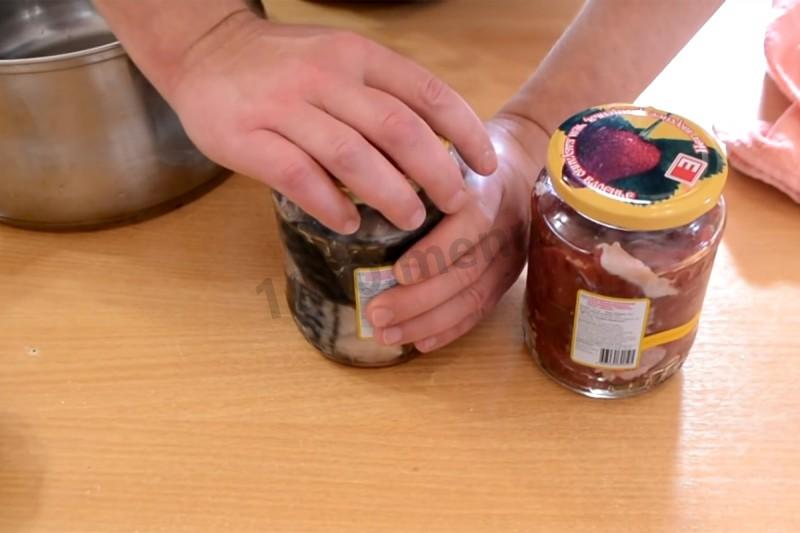
Wash a metal lid, boil it gently (about 10 minutes), and dry it. Seal the jar tightly. If it's not a screw-top lid but a standard one, seal it with a jar-lid tool.
-
Step 8:
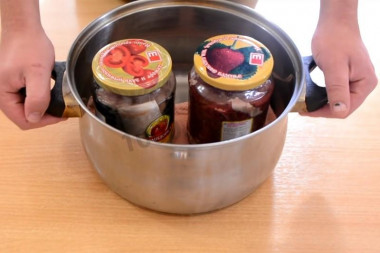
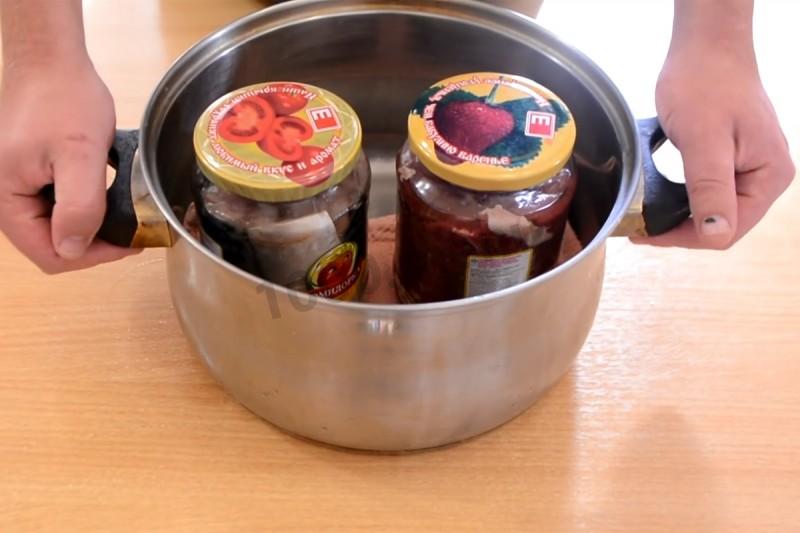
Line the bottom of a pot with a cotton towel so the jars don't crack. Set the sealed jars in and pour in water (plain tap water is fine) up to the level of the fish.
-
Step 9:
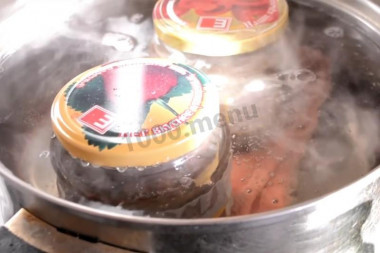
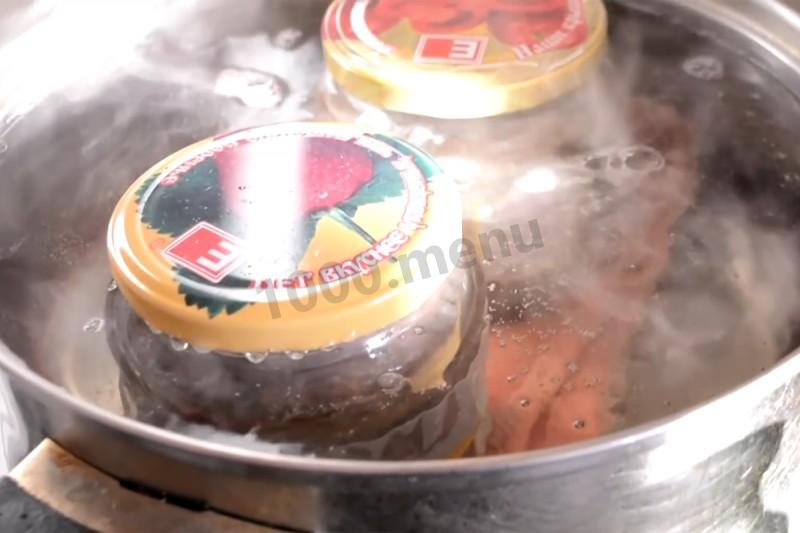
Set the pot over medium heat. Bring to a gentle boil and cook the jars for about 4–5 hours. Then turn off the heat, let the jars cool right in the water, and only then wipe them dry and move them to a cool place for storage.
-
Step 10:
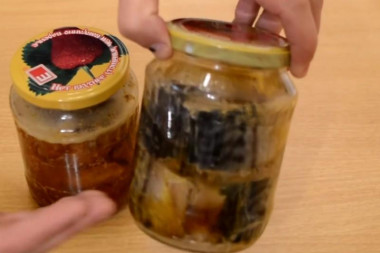
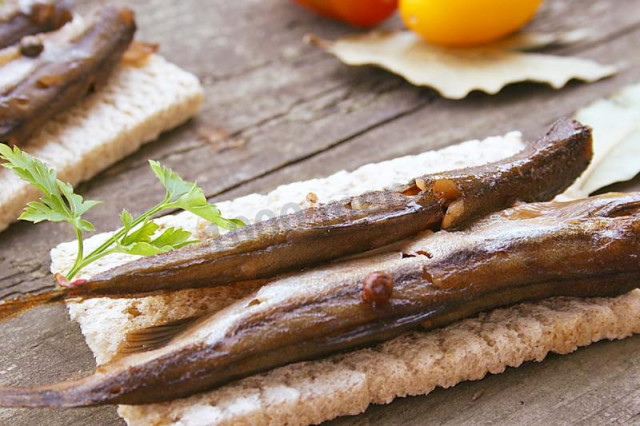
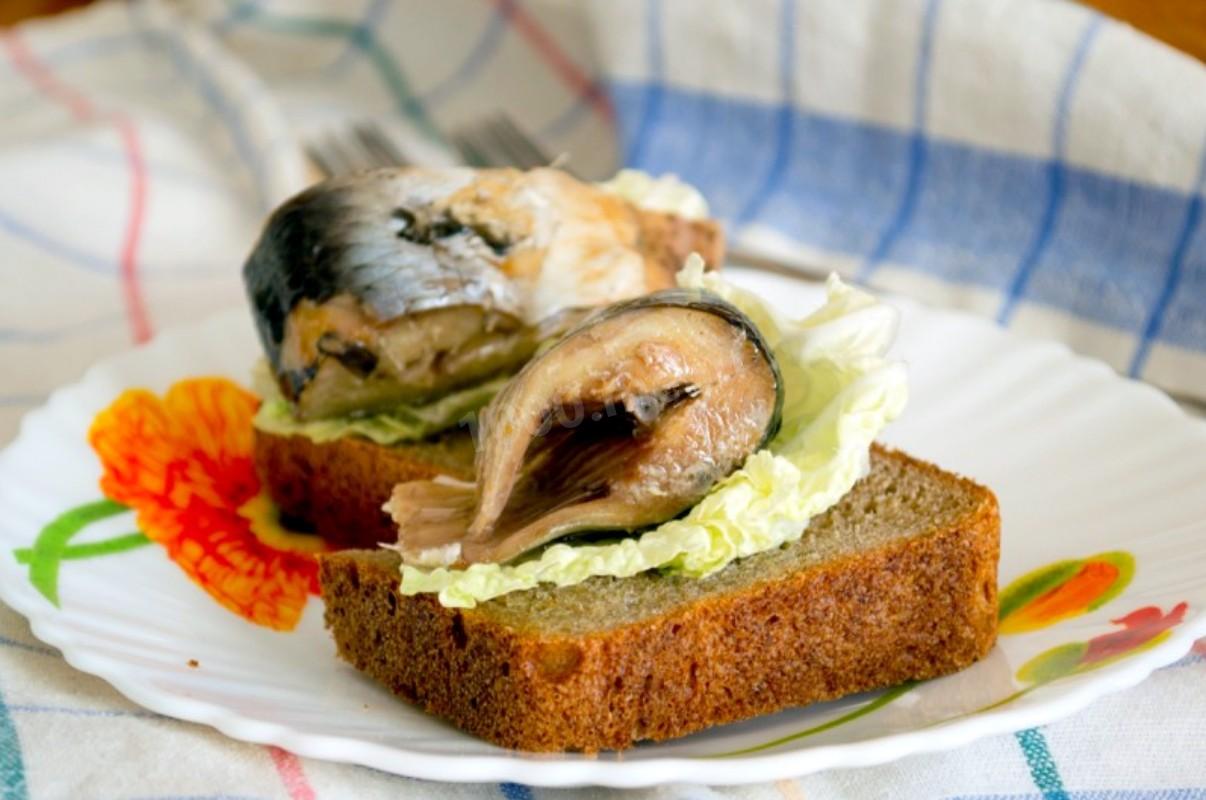
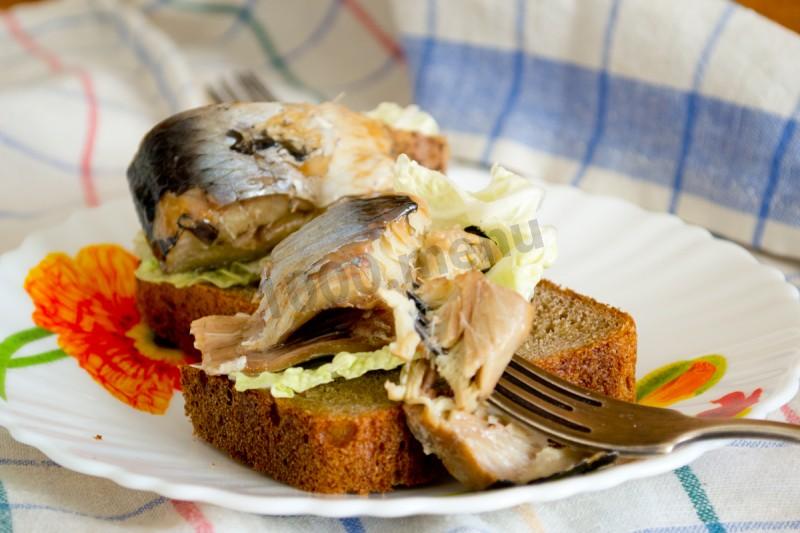
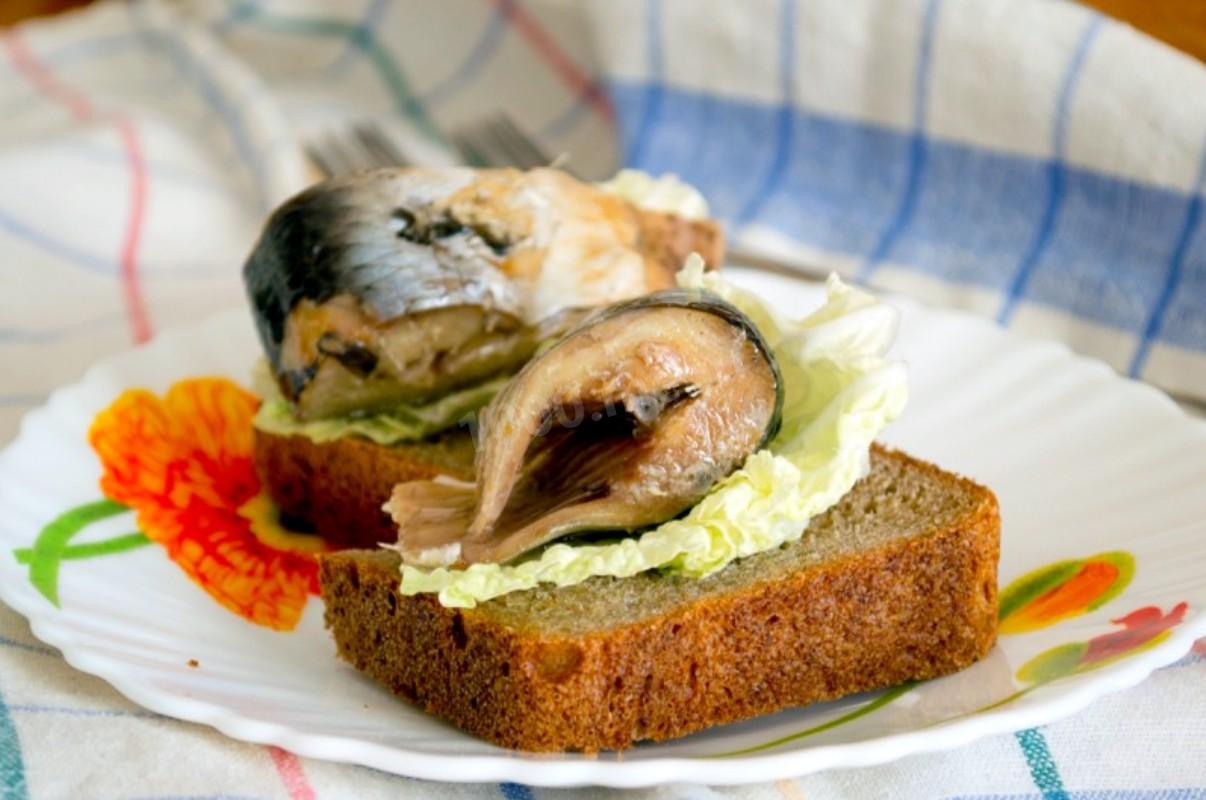
Here's the kind of appetizing fish you'll end up with (see the photo).
-
Step 11:
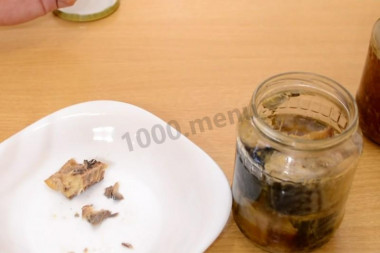
Time to taste. The mackerel comes out tender. The only bone left is the spine, which pulls away from the flesh easily, and you barely notice the little bones at all. Unlike store-bought, it doesn't fall apart into mush — it holds its shape. Store the canned fish in the fridge or a cellar.
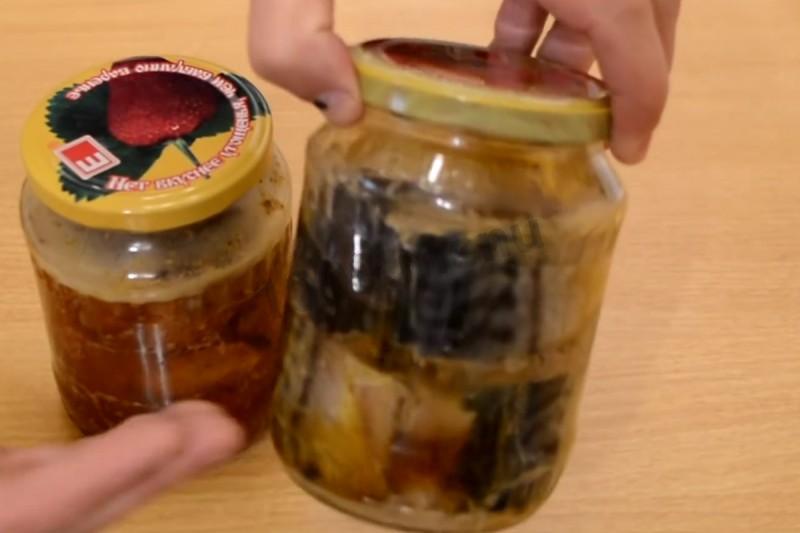
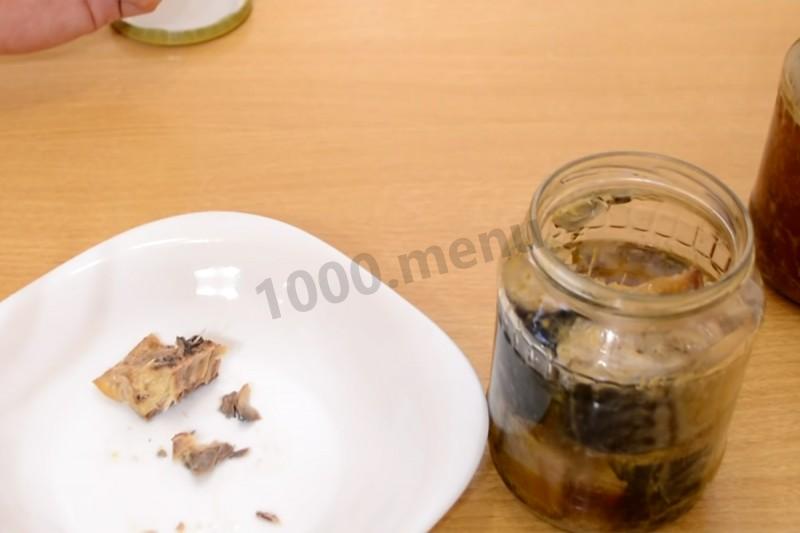
- The homemade canned mackerel turned out perfectly! Serve it with hot mashed potatoes, with the fish pieces arranged on a plate and topped with thinly sliced red onion rings. It's also great in salads and pies, and it makes a hearty, tasty filling for crêpes. And it's just as good on a slice of bread for a snack!
- Feel free to get creative and experiment with different spices — the flavor will come out a little different each time. For instance, you could add ground coriander (about 1 tsp) or a slice or two of lemon. You can also round it out with onion, carrot, garlic, or tomato paste.
- Since everyone's taste for salt, sweetness, bitterness, heat, and acidity is different, always add spices and seasonings to your own taste. If you're trying a seasoning for the first time, remember that some are especially easy to overdo (chili pepper, for one).
- For how to figure out how many jars you'll need, why jars sometimes burst and how to avoid it, plus more tips and tricks, see our article on putting up preserves for the winter.
Caloric content of the products possible in the composition of the dish
- Smoked mackerel - 221 kcal/100g
- Boiled mackerel - 211 kcal/100g
- Fresh mackerel - 181 kcal/100g
- Bay leaf - 313 kcal/100g
- Salt - 0 kcal/100g
- Sunflower oil - 898 kcal/100g
- Refined sunflower oil - 899 kcal/100g
- Pepper - 26 kcal/100g
- Allspice - 263 kcal/100g