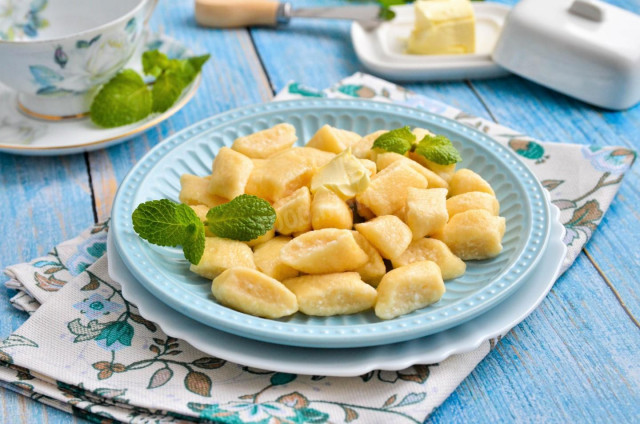
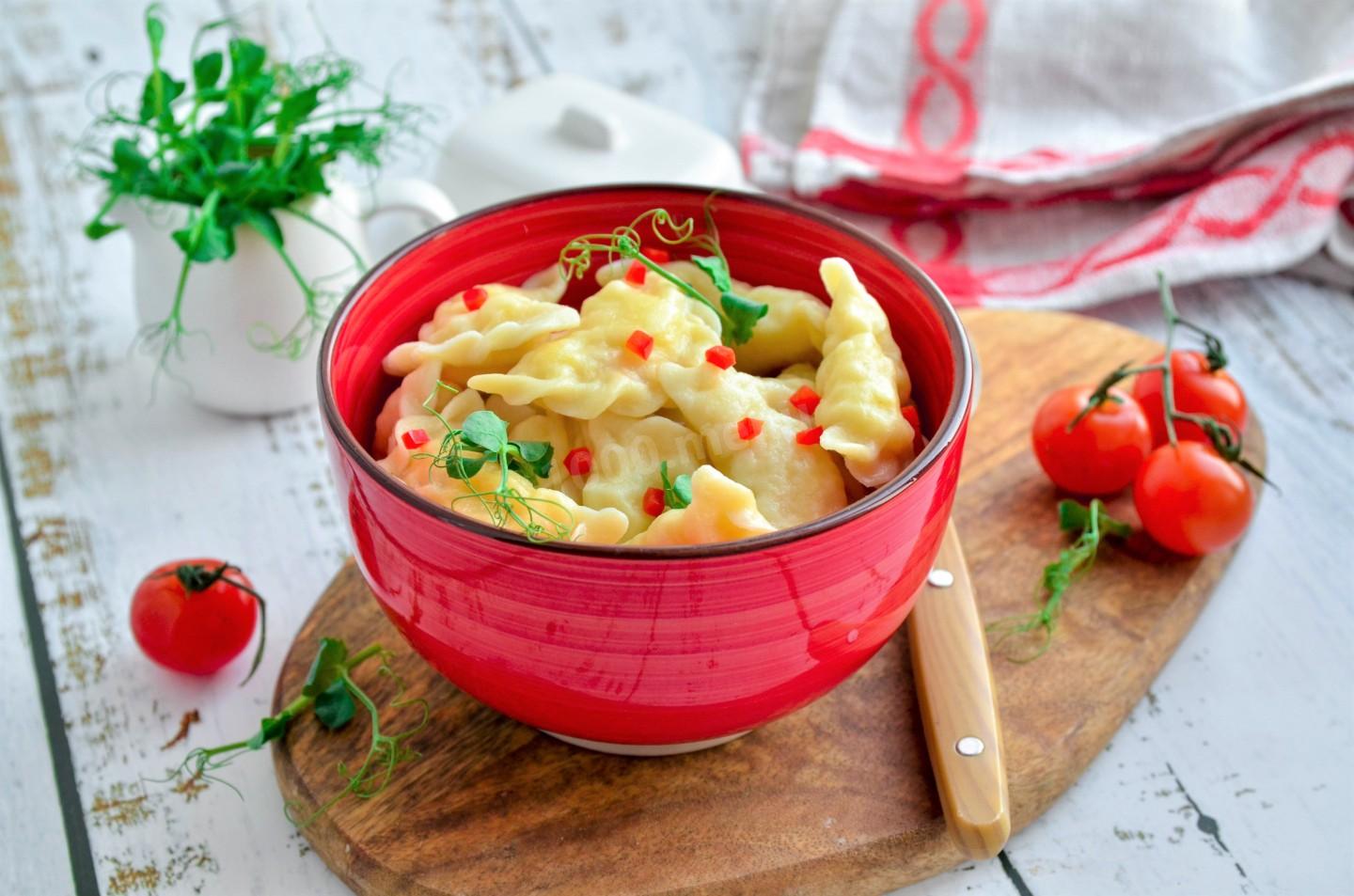
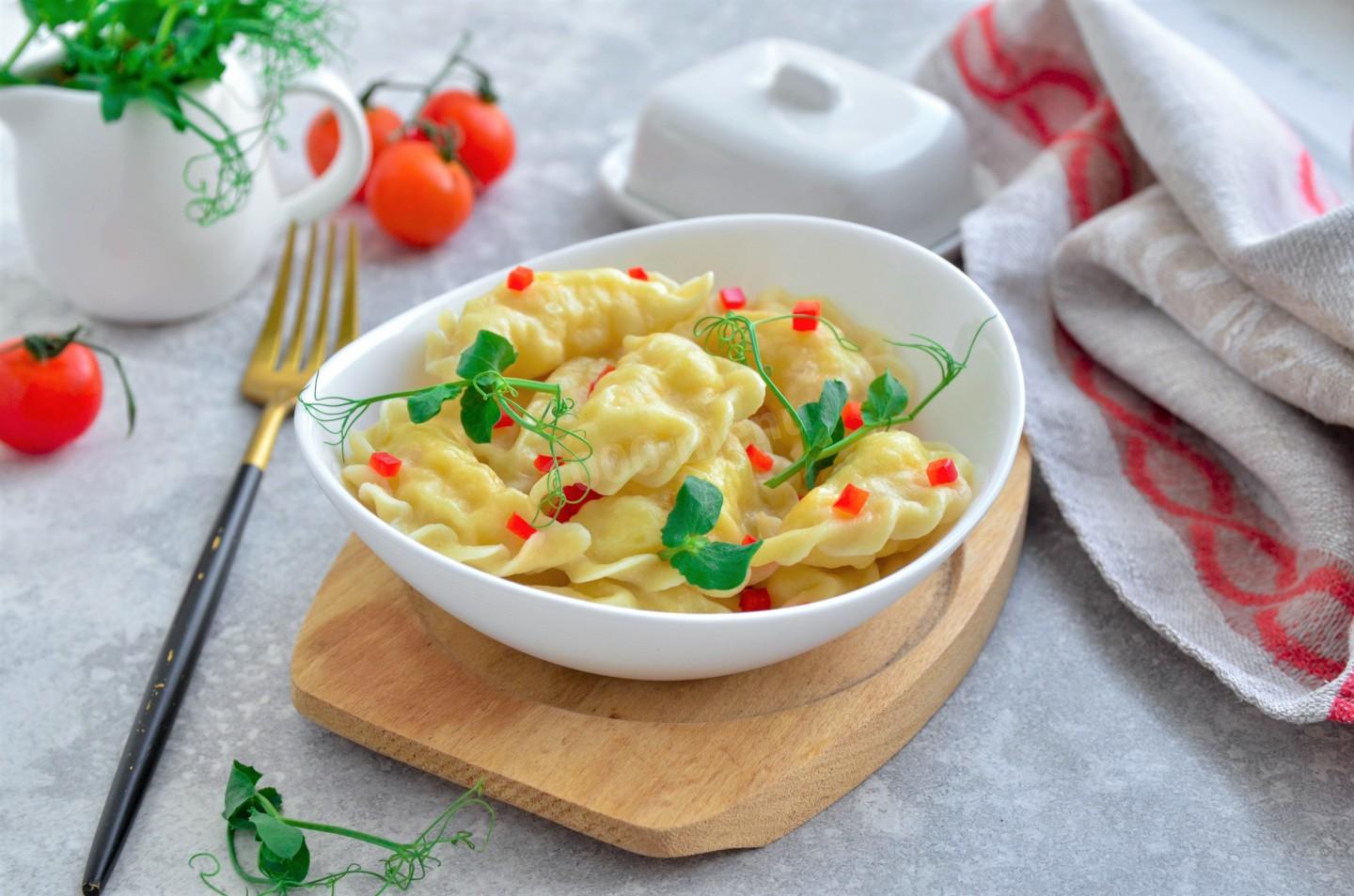
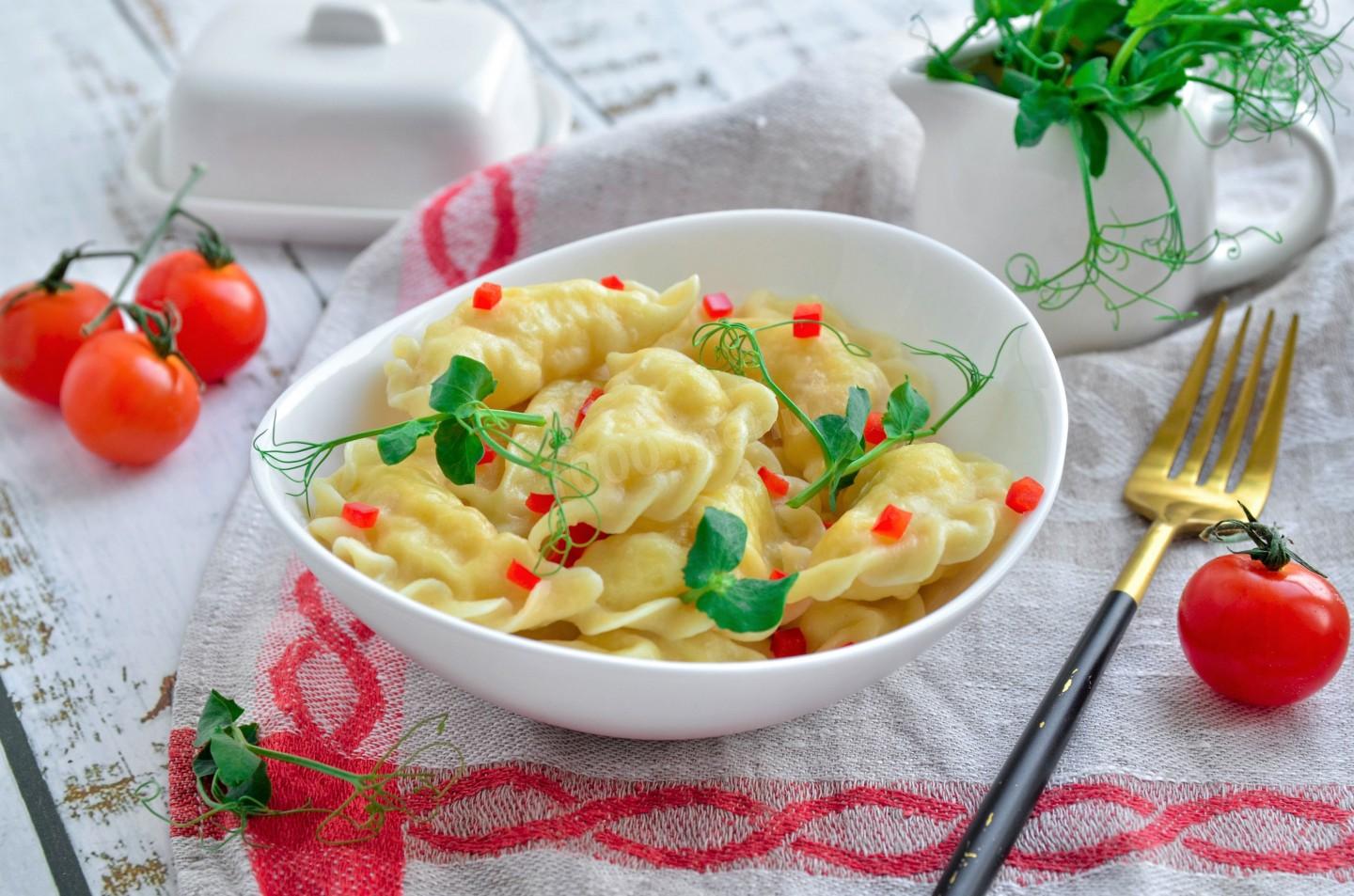
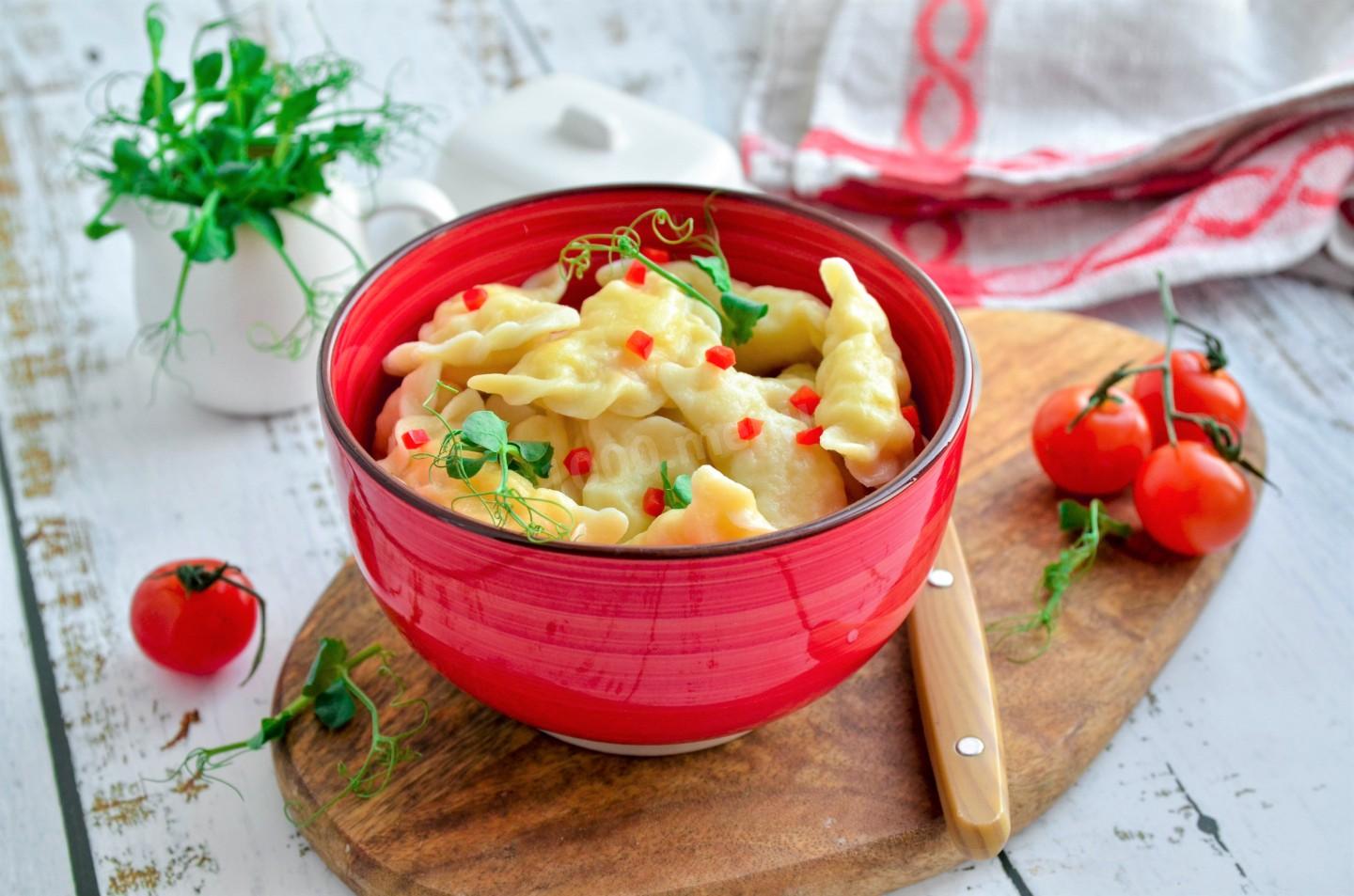
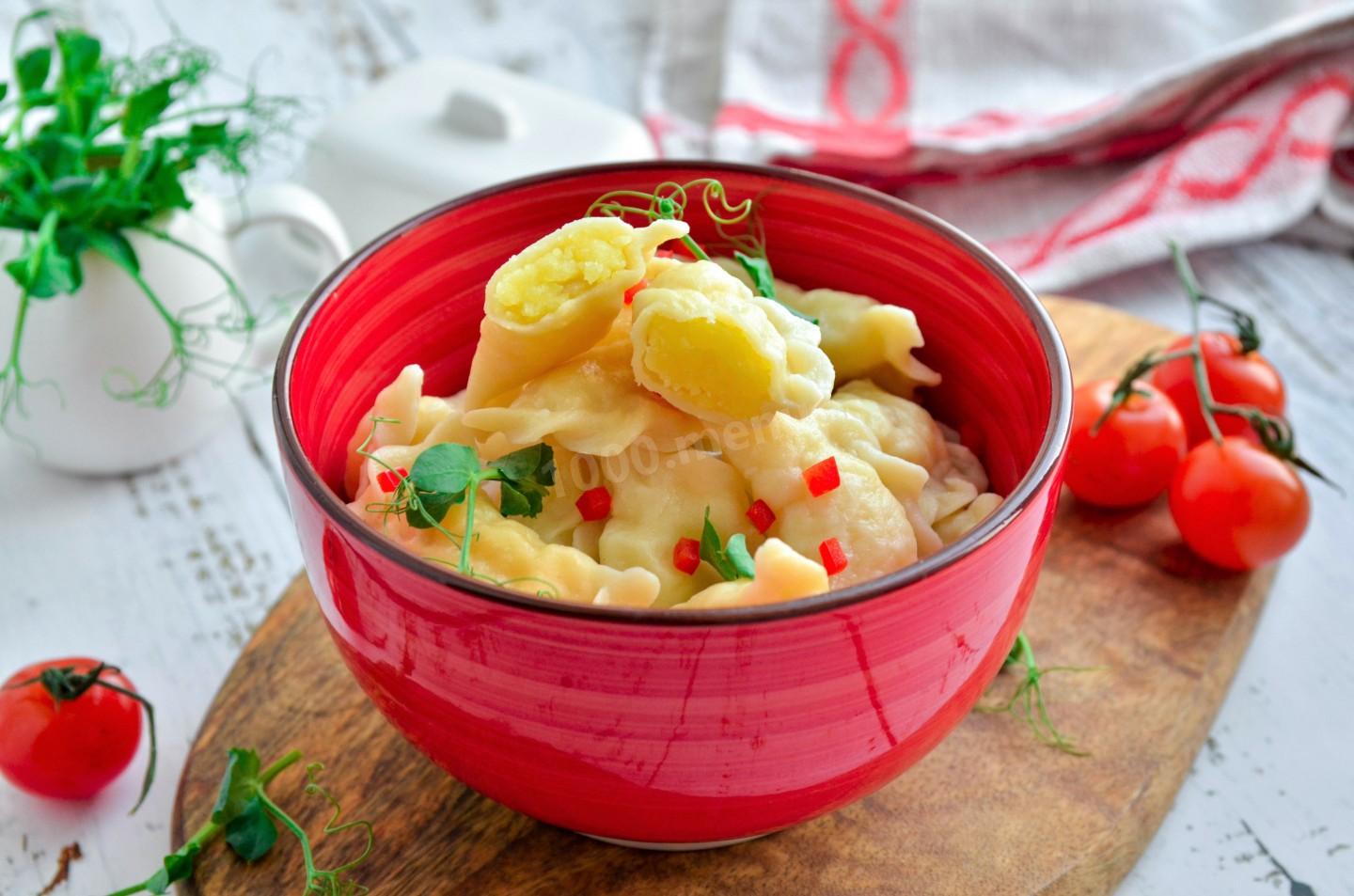
Vareniki with Potato in Hot-Water Dough
From the most affordable ingredients — simple, but very tasty! Vareniki with potato in hot-water dough are an all-time favorite. They're very budget-friendly: all you need is flour, onion, and potato. The dough is made with boiling water, which makes it elastic and easy to work with.

Cooking method
-
Step 1:
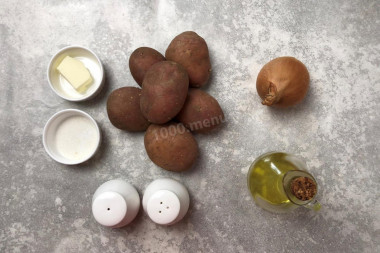
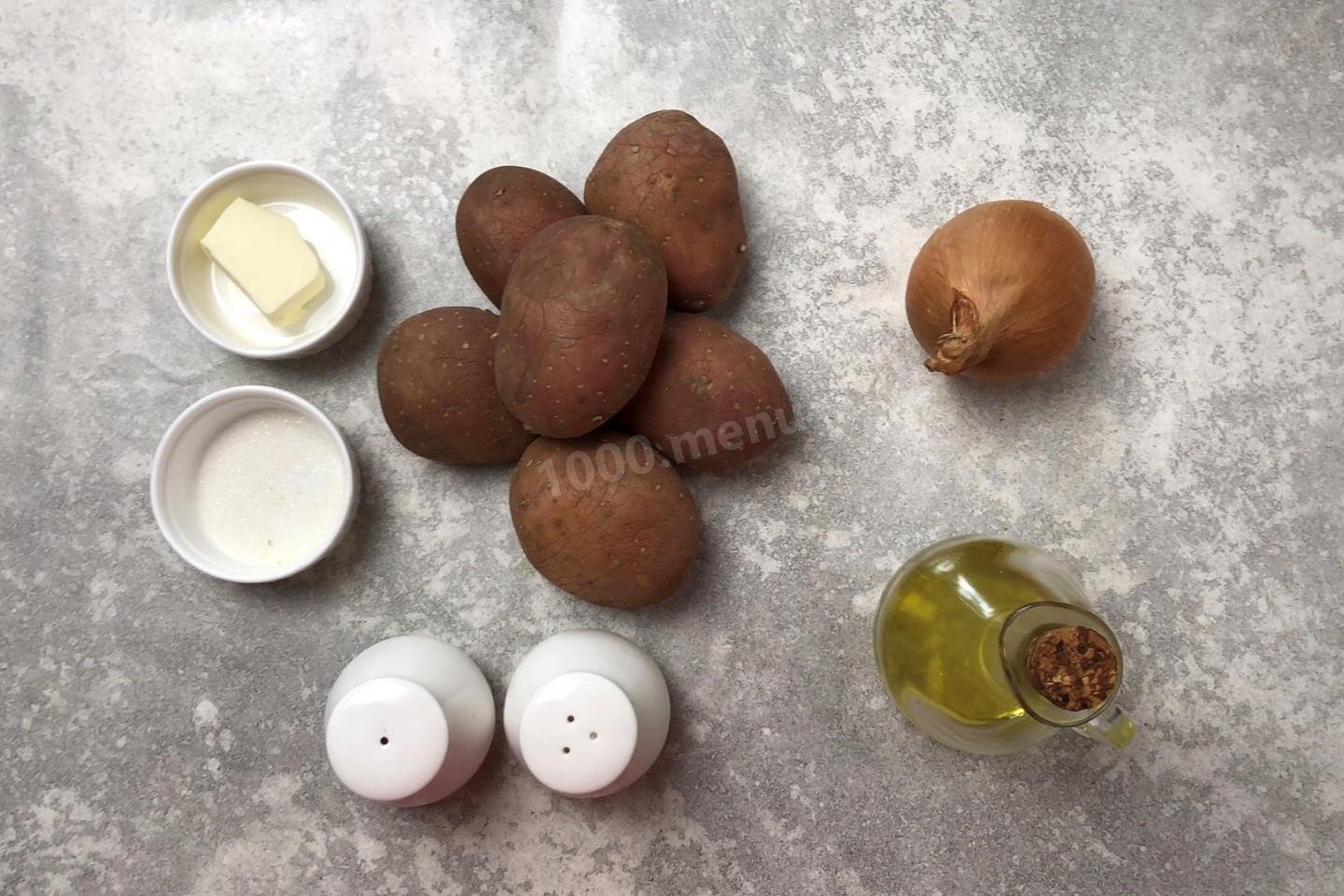
How do you make vareniki with potato in hot-water dough? Start with the filling — it needs time to cool. Gather the ingredients. Scrub the potatoes well under running water with a brush.
-
Step 2:
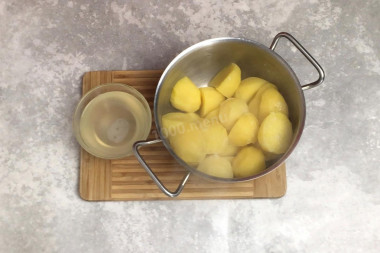
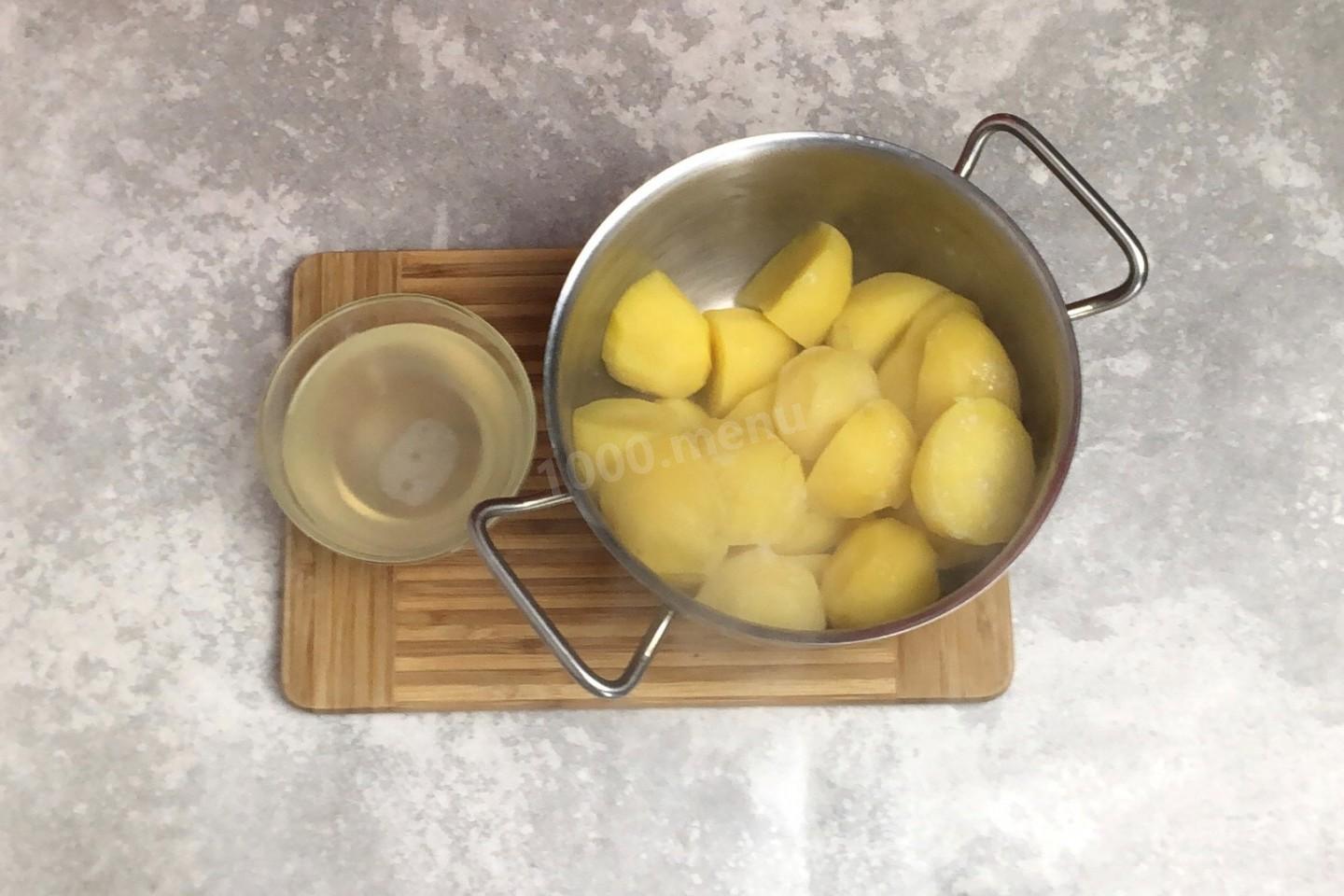
How do you make the potato-and-onion filling for the vareniki? Peel the potatoes and cut them into halves or quarters, depending on the size of the tubers. Put them in a pot. Cover with clean cold water. Set the potatoes to cook. Add salt. How long do you cook potatoes? Over medium heat it takes about 30 minutes. Check for doneness with a knife — it should slide easily into the pieces. Drain the water from the pot, reserving about 200 ml for the mash.
-
Step 3:
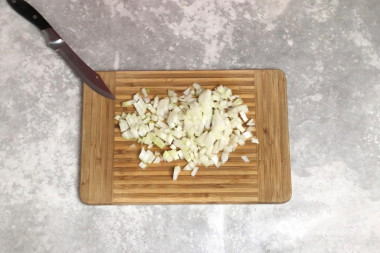
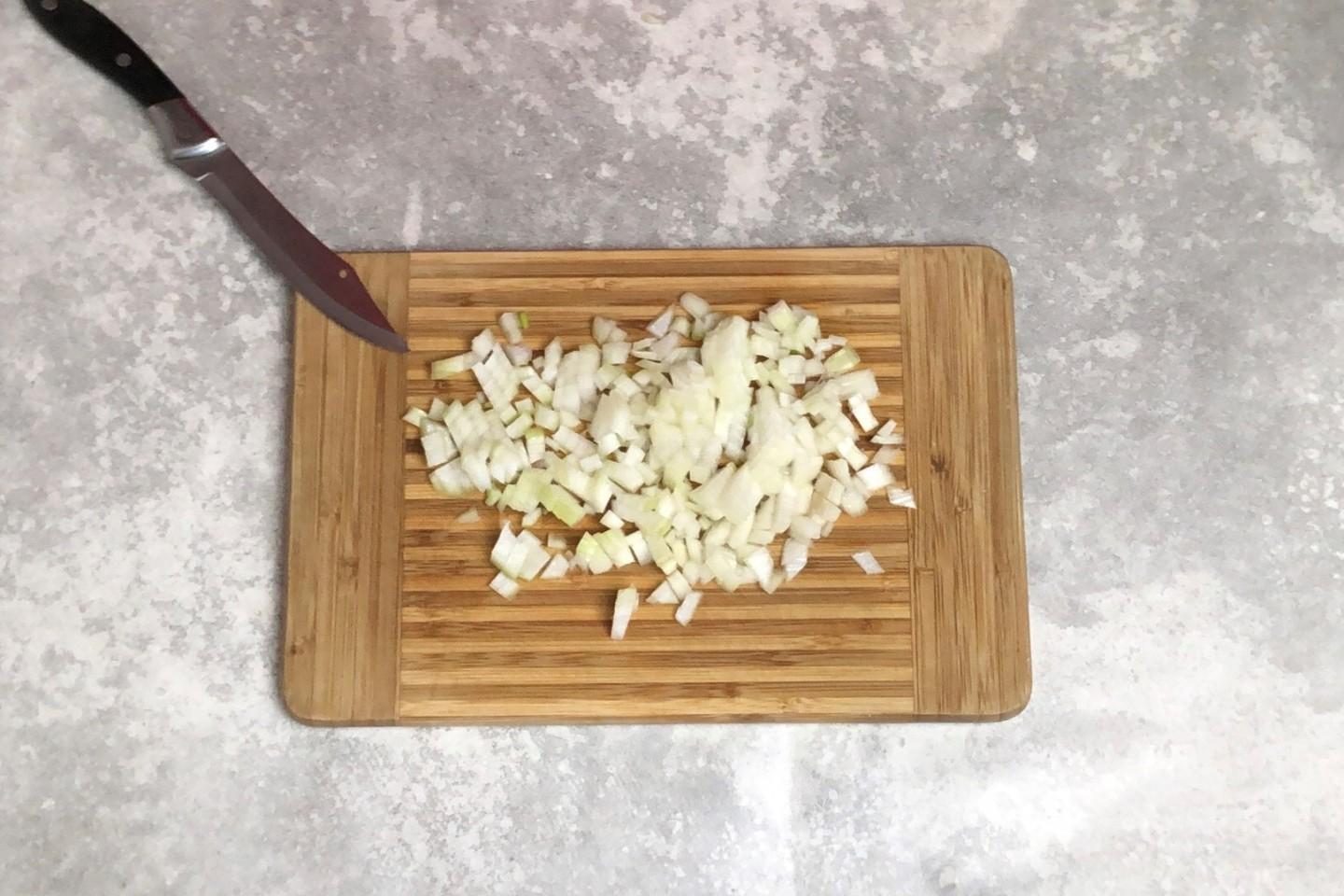
While the potatoes boil, work on the onion. Peel it, then cut it into small cubes — the onion goes into the filling, and the finer it's cut, the tastier the filling will be.
-
Step 4:
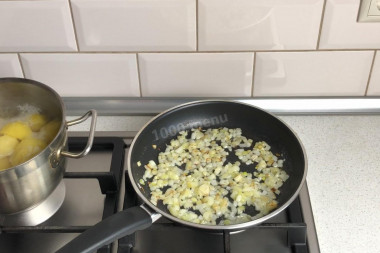
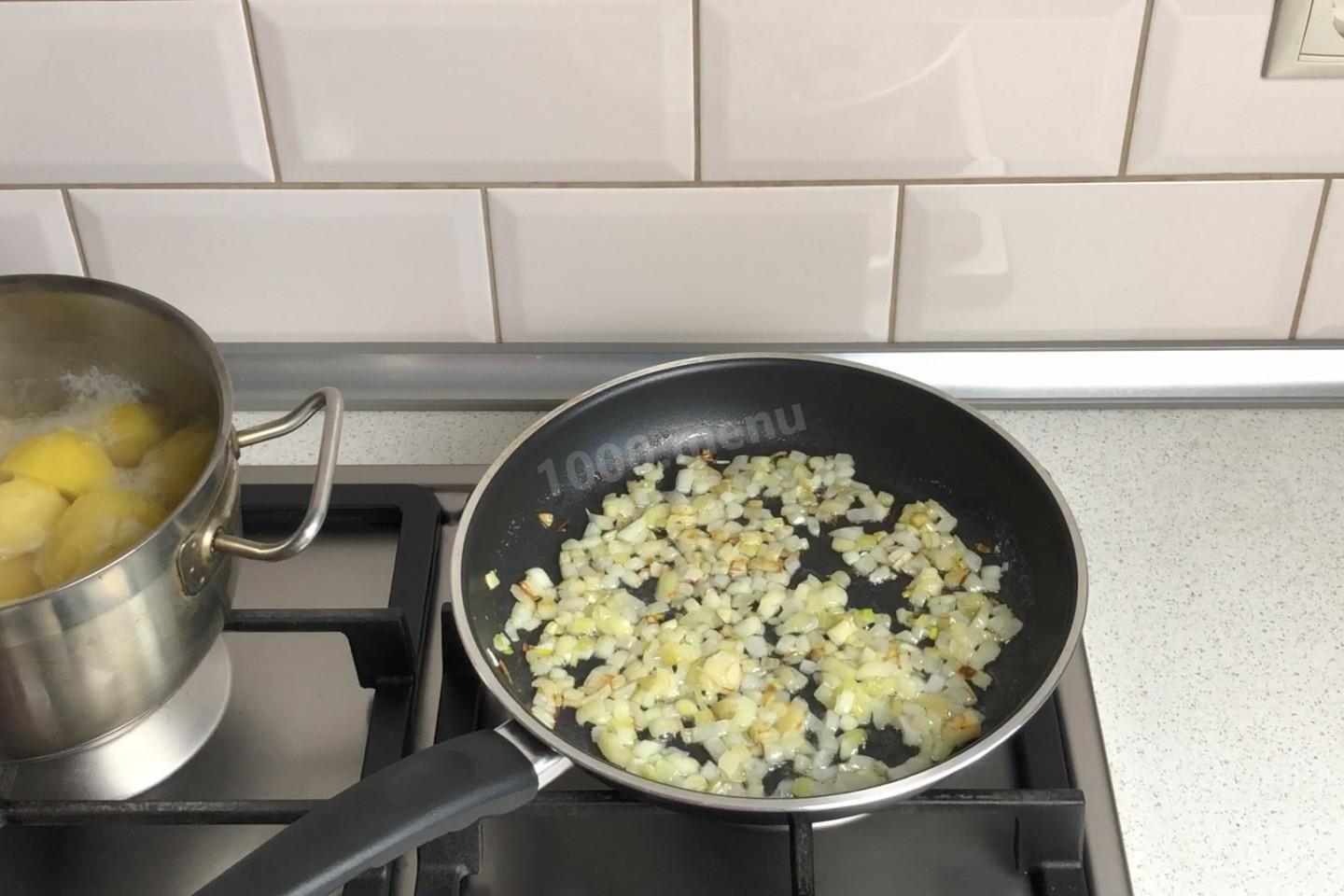
Heat a skillet over low heat and pour in the vegetable oil. Add the butter and melt it. Why use two kinds of fat? If you fry in butter alone, it can start to burn. Vegetable oil has a higher smoke point and prevents that. Add the onion. Add the sugar. Why the sugar? It helps the onion caramelize faster, taking on an appetizing golden crust. Sauté the onion until golden, about 5–7 minutes.
-
Step 5:
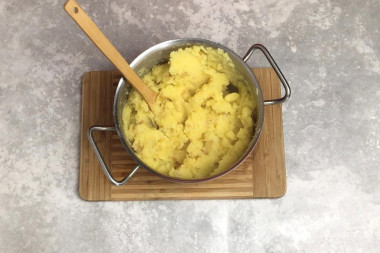
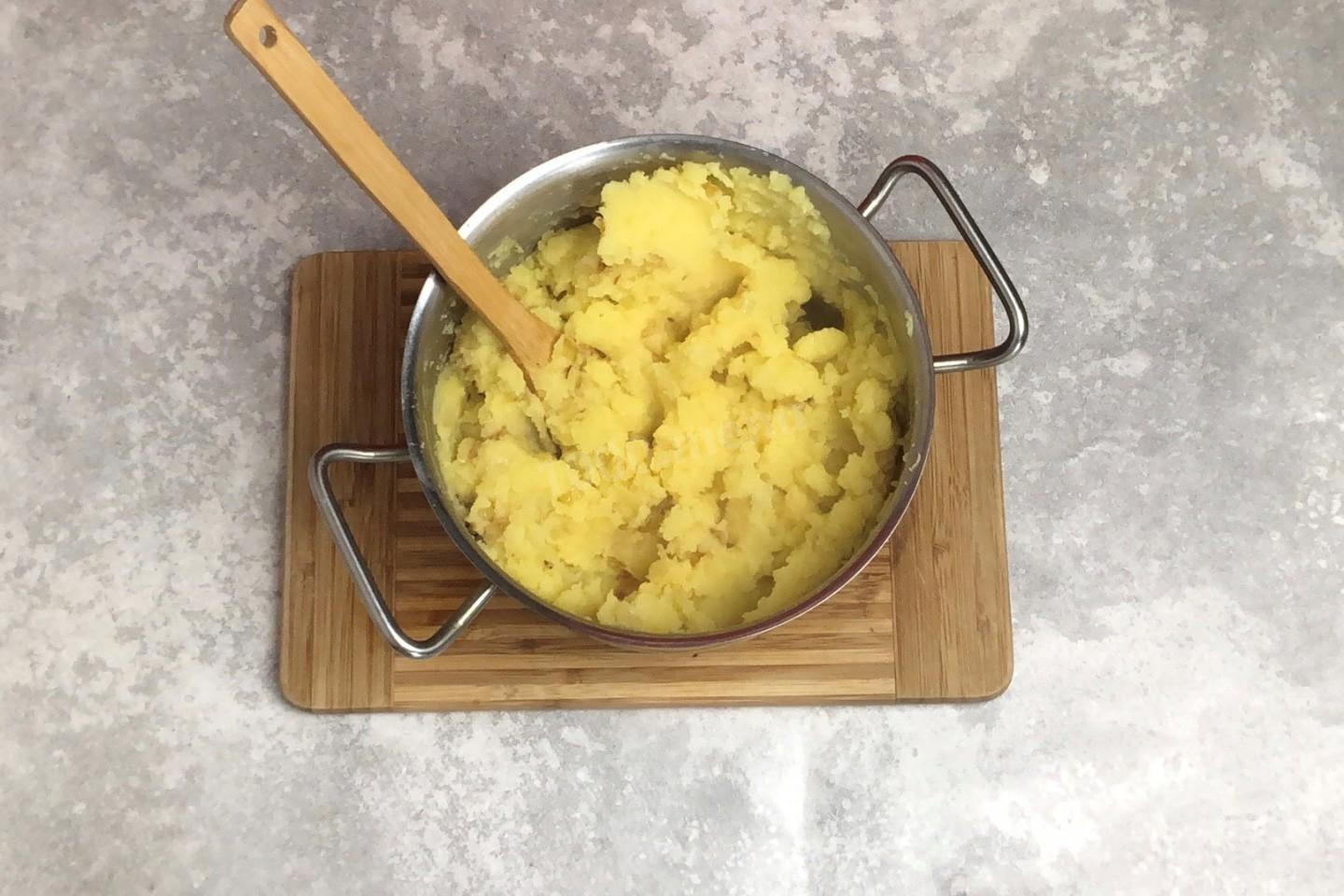
Mash the potatoes into a purée, adding the reserved cooking liquid. Add the sautéed onion along with the oil it was cooked in. Stir. Leave the filling to cool.
-
Step 6:
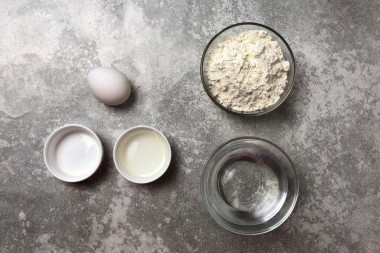
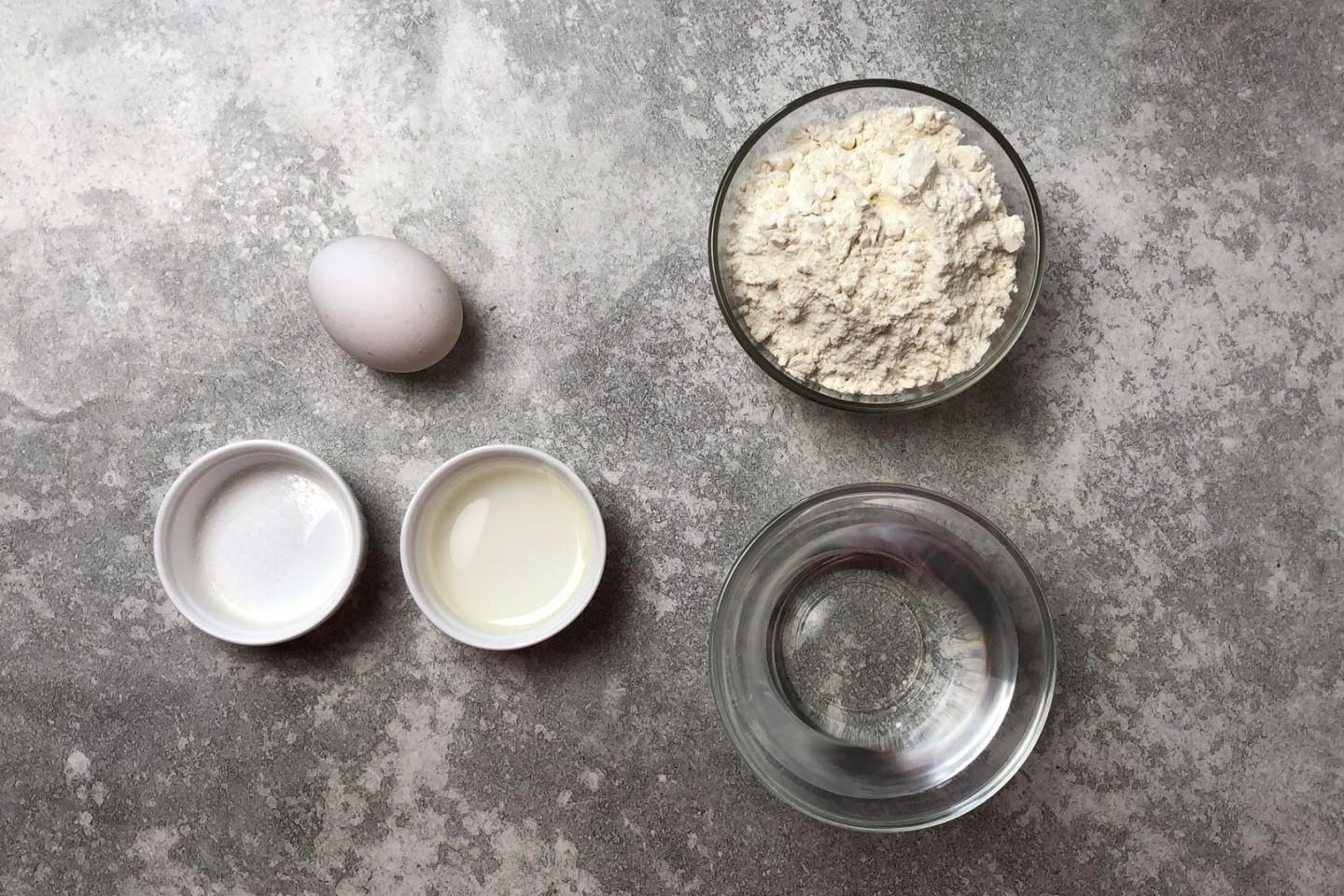
How do you make the hot-water dough for vareniki? While the filling cools, make the dough. Gather the ingredients for it. The flour amount is approximate — you may need less or more, depending on many factors: the quality of the flour, the size of the egg, the humidity. Go by the state of the dough, adding flour in batches. Be sure to sift it. Use odorless oil. Wash the egg well with baking soda and wipe it dry.
-
Step 7:
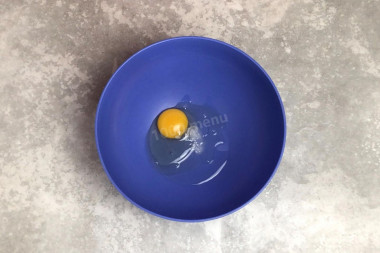
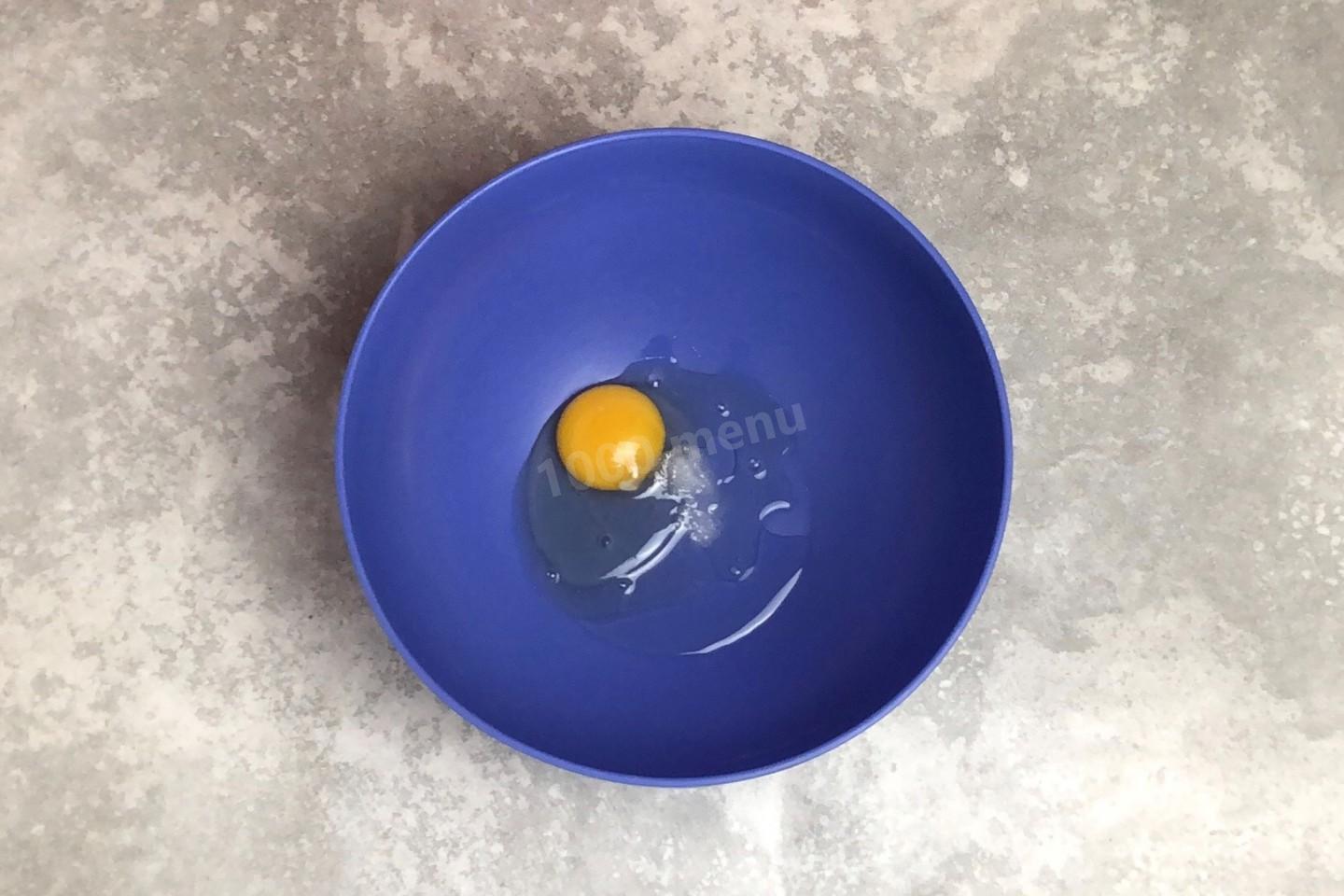
Take a large bowl and crack the egg into it. Add the vegetable oil and salt. Beat them lightly with a fork.
-
Step 8:
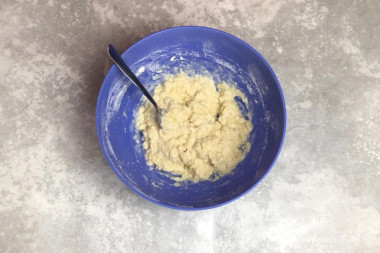
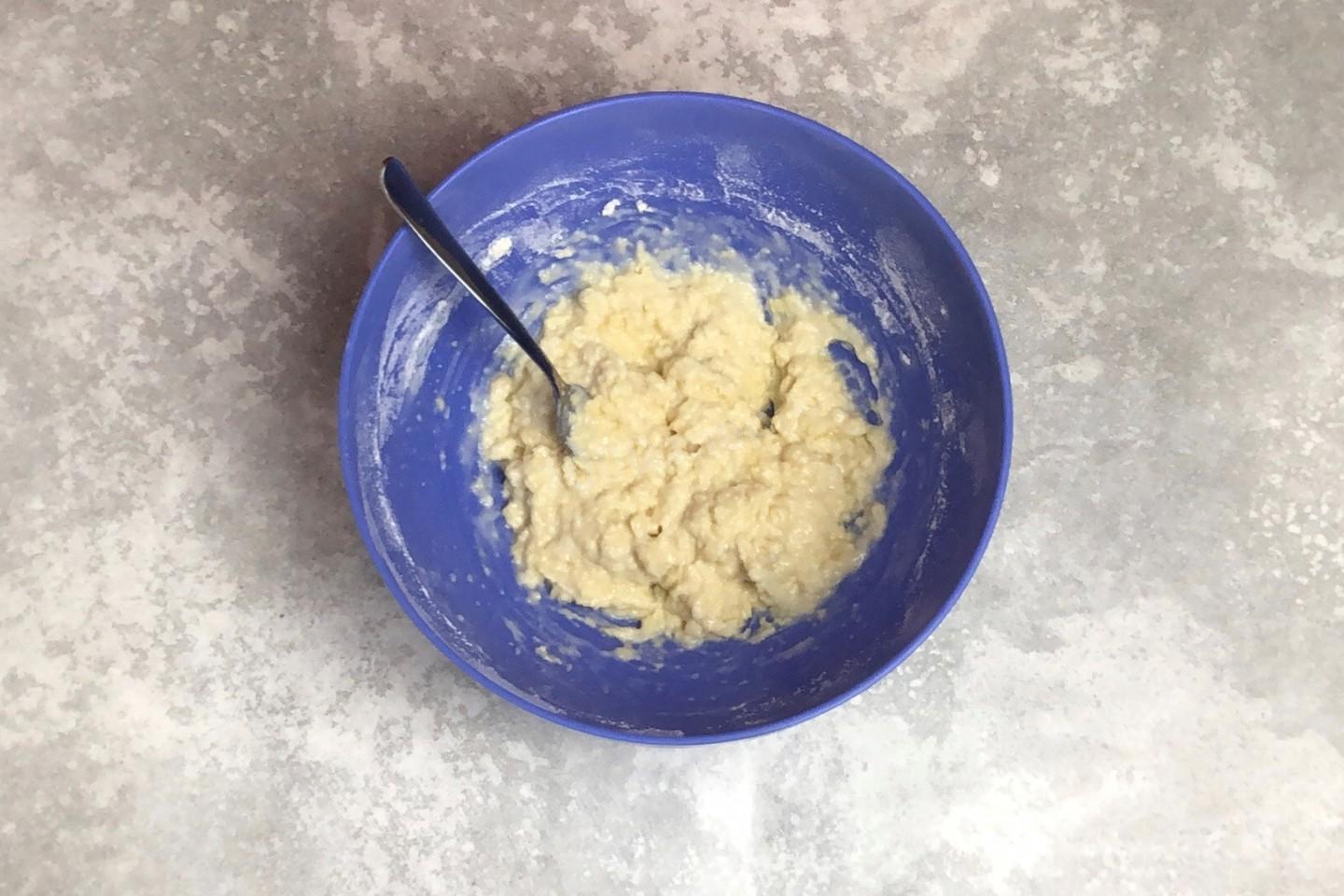
Add 150 grams of flour and stir. You'll get a crumbly mixture. Pour boiling water into it, stirring the dough vigorously with a fork. You'll get a sticky dough. Why add boiling water? The hot water develops the gluten in the dough very quickly — that's what makes it smooth and elastic. Without boiling water, that takes much longer.
-
Step 9:
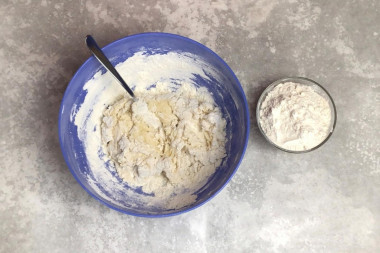
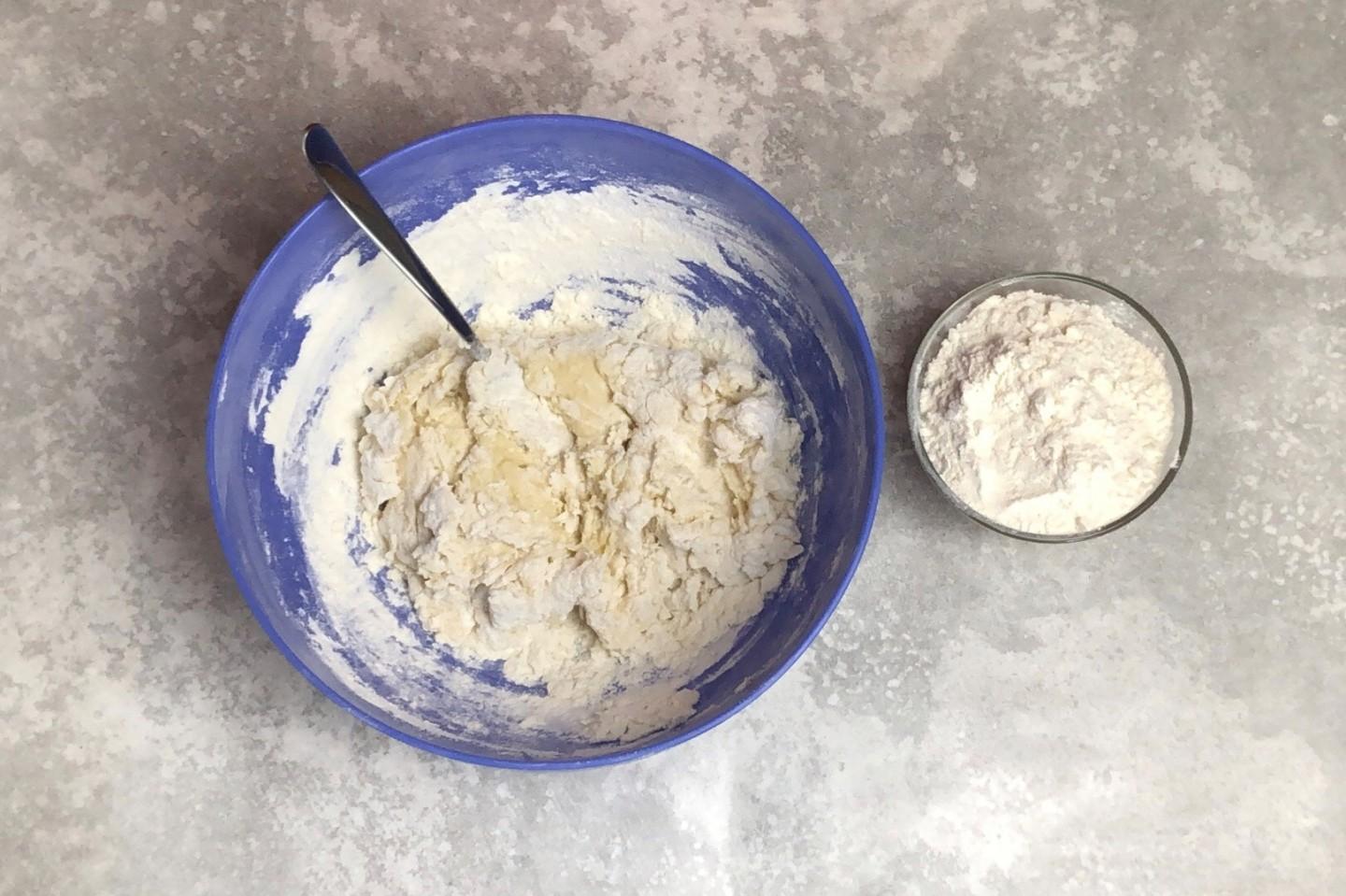
Start adding flour in batches. Stir with a fork at first.
-
Step 10:
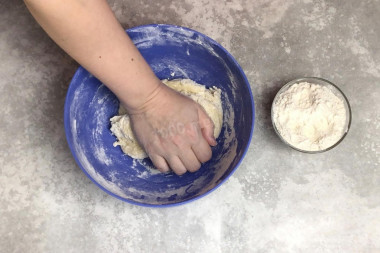
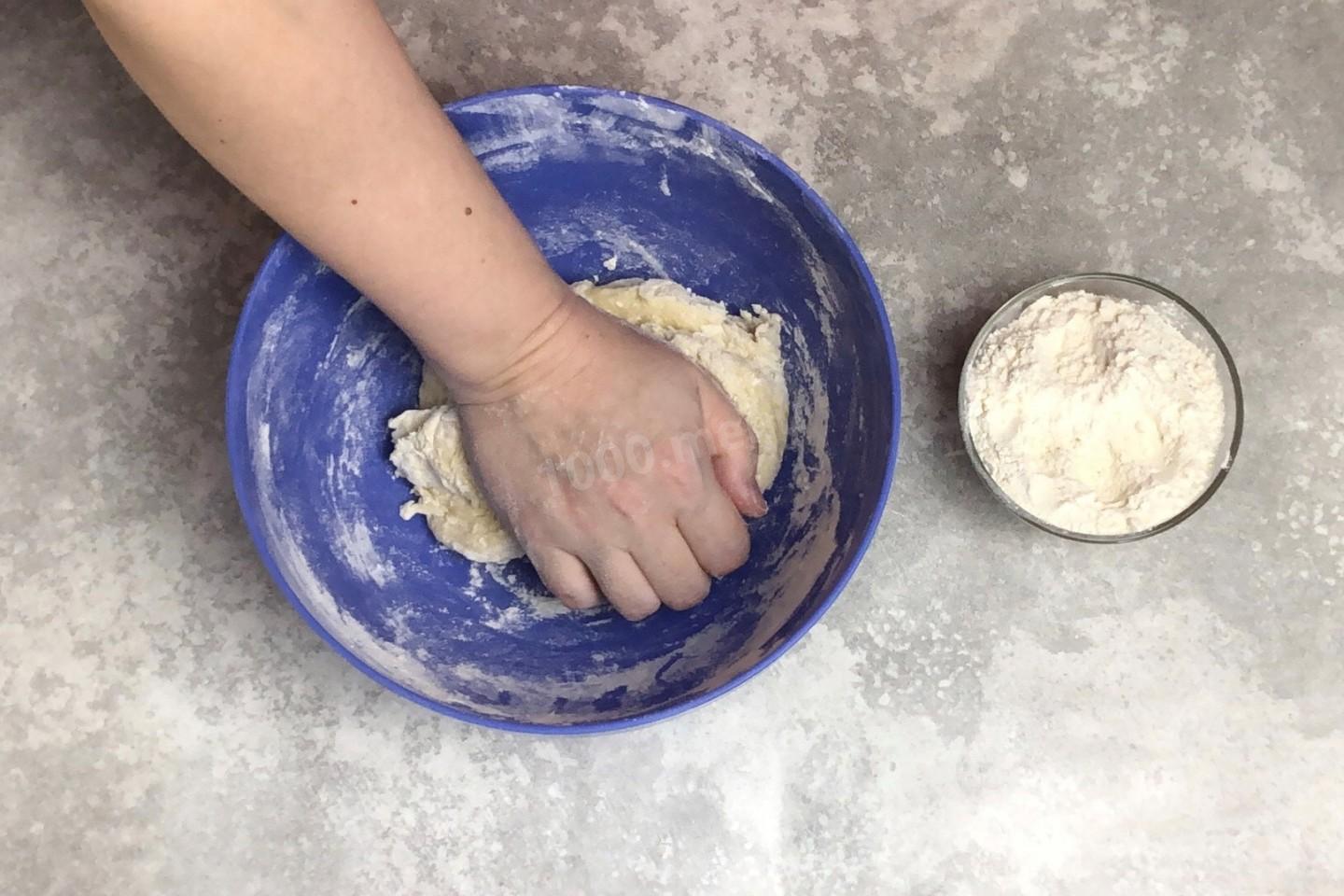
Then switch to your hands, to feel the dough's consistency better. By its state you'll know when there's enough flour. The dough should turn soft but not sticky. I used less flour, about 350 grams.
-
Step 11:
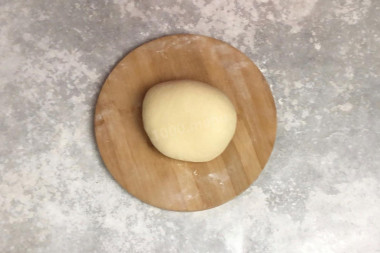
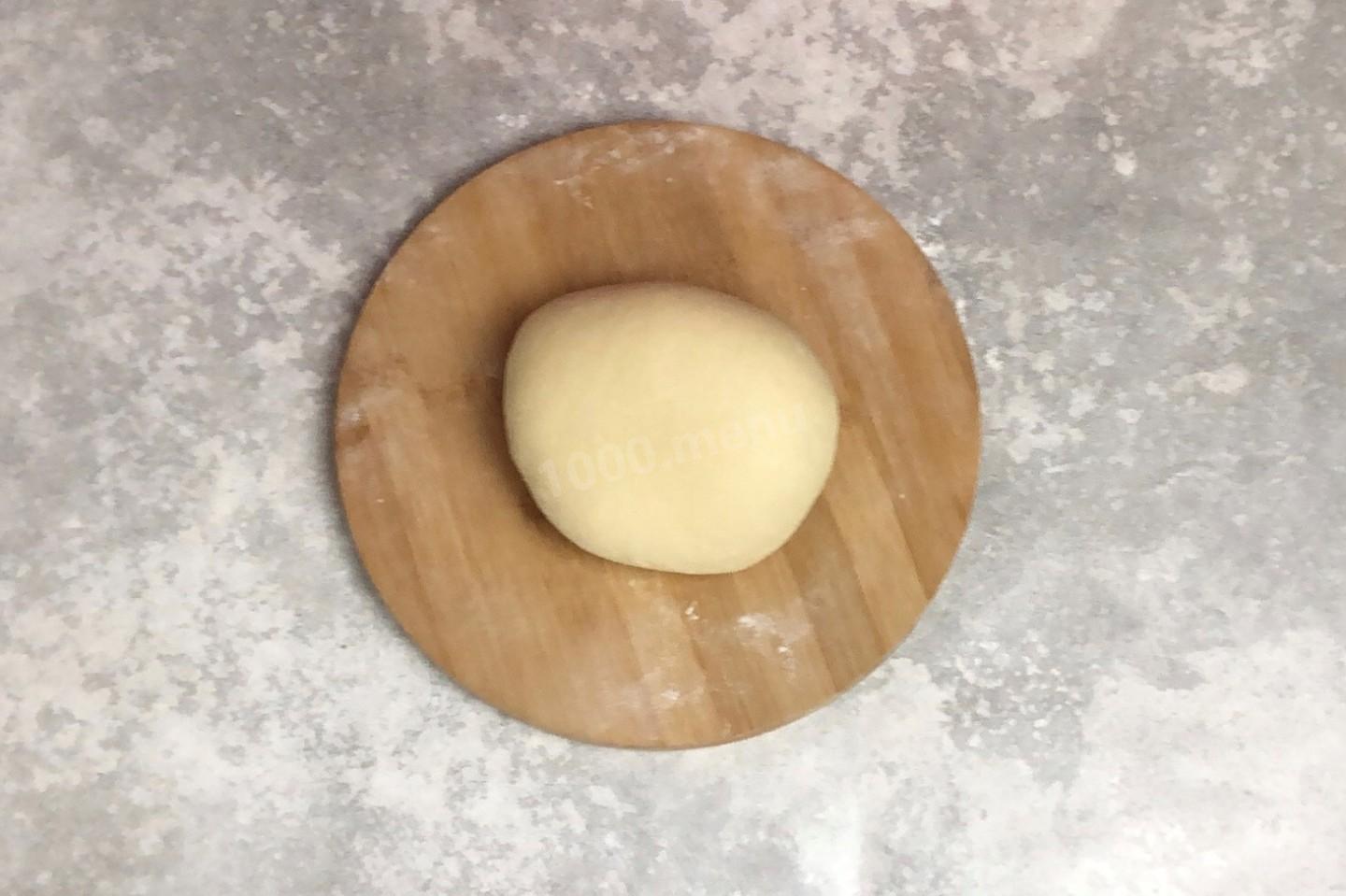
Finish kneading the dough on a board. Form it into a ball, cover with a towel, and leave it for 10 minutes. Then knead it again and let it rest once more under a towel or cling film.
-
Step 12:
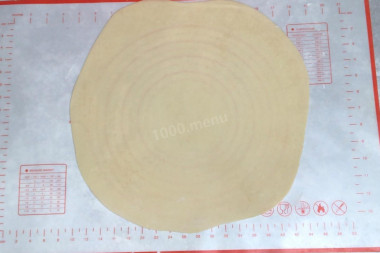
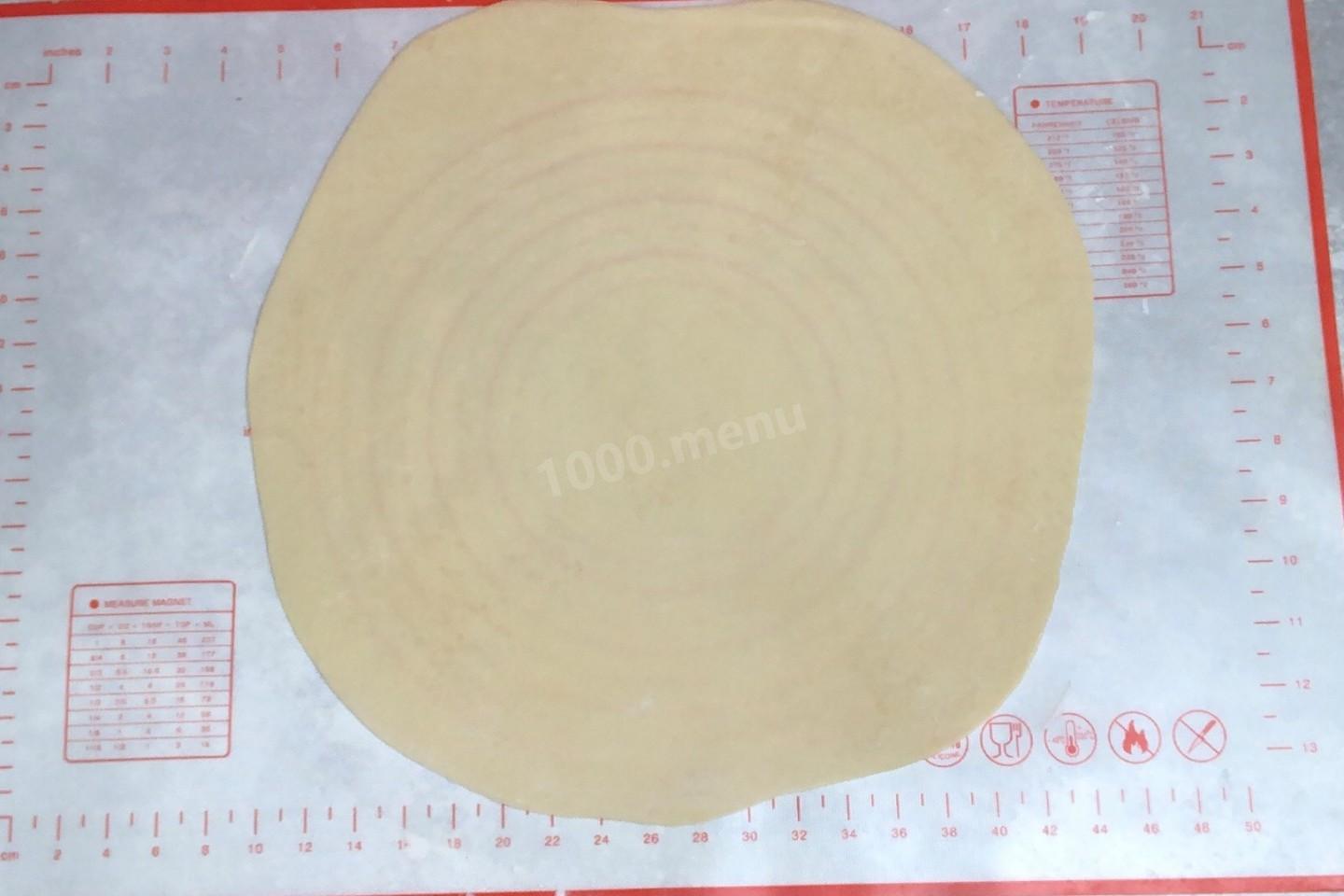
The finished dough is very pliable and doesn't stick to the work surface at all. Roll it out to a few millimeters thick.
-
Step 13:
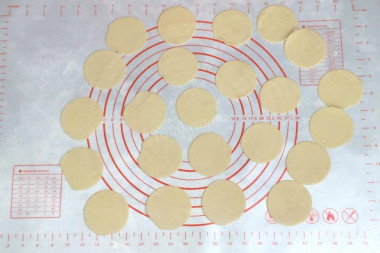
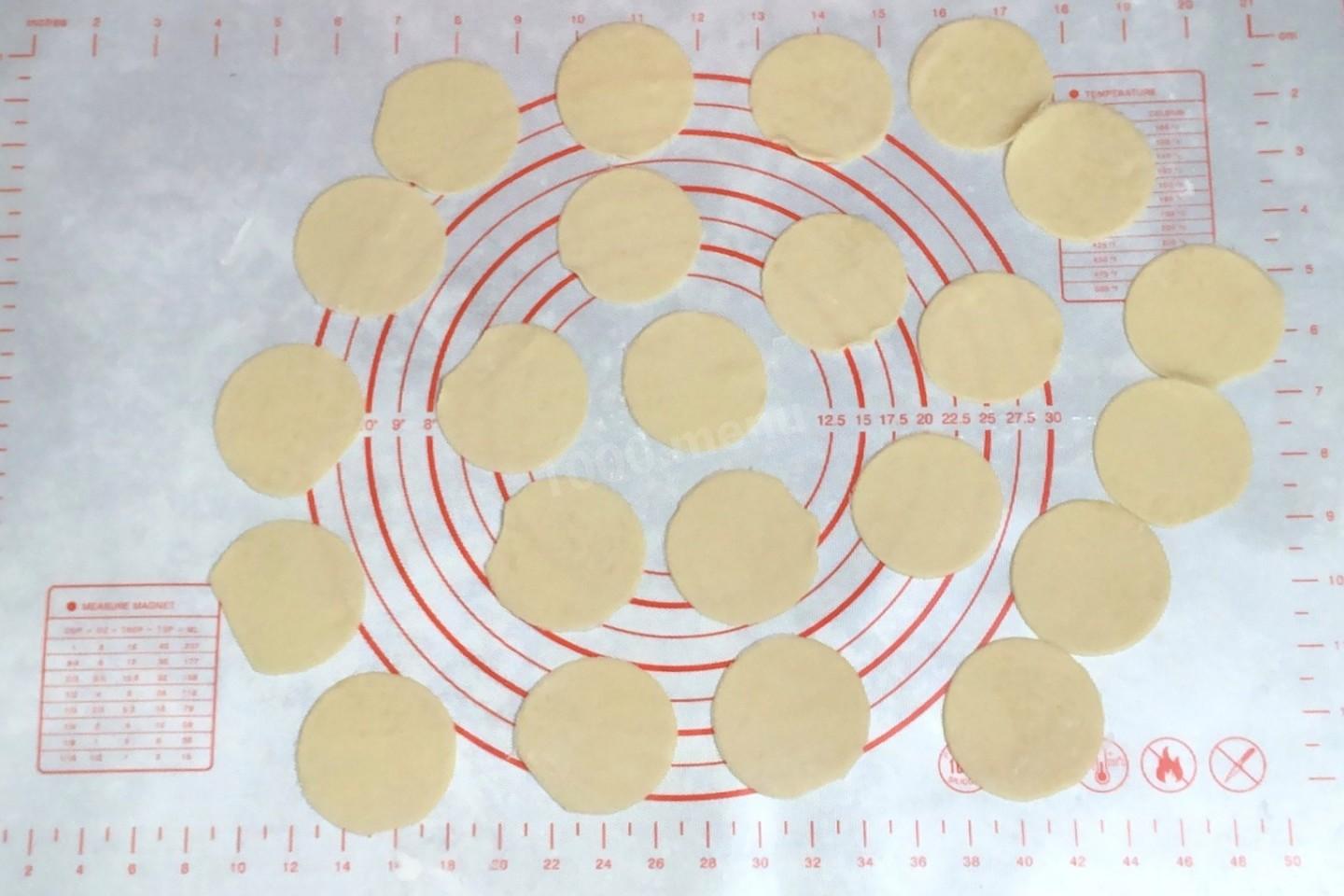
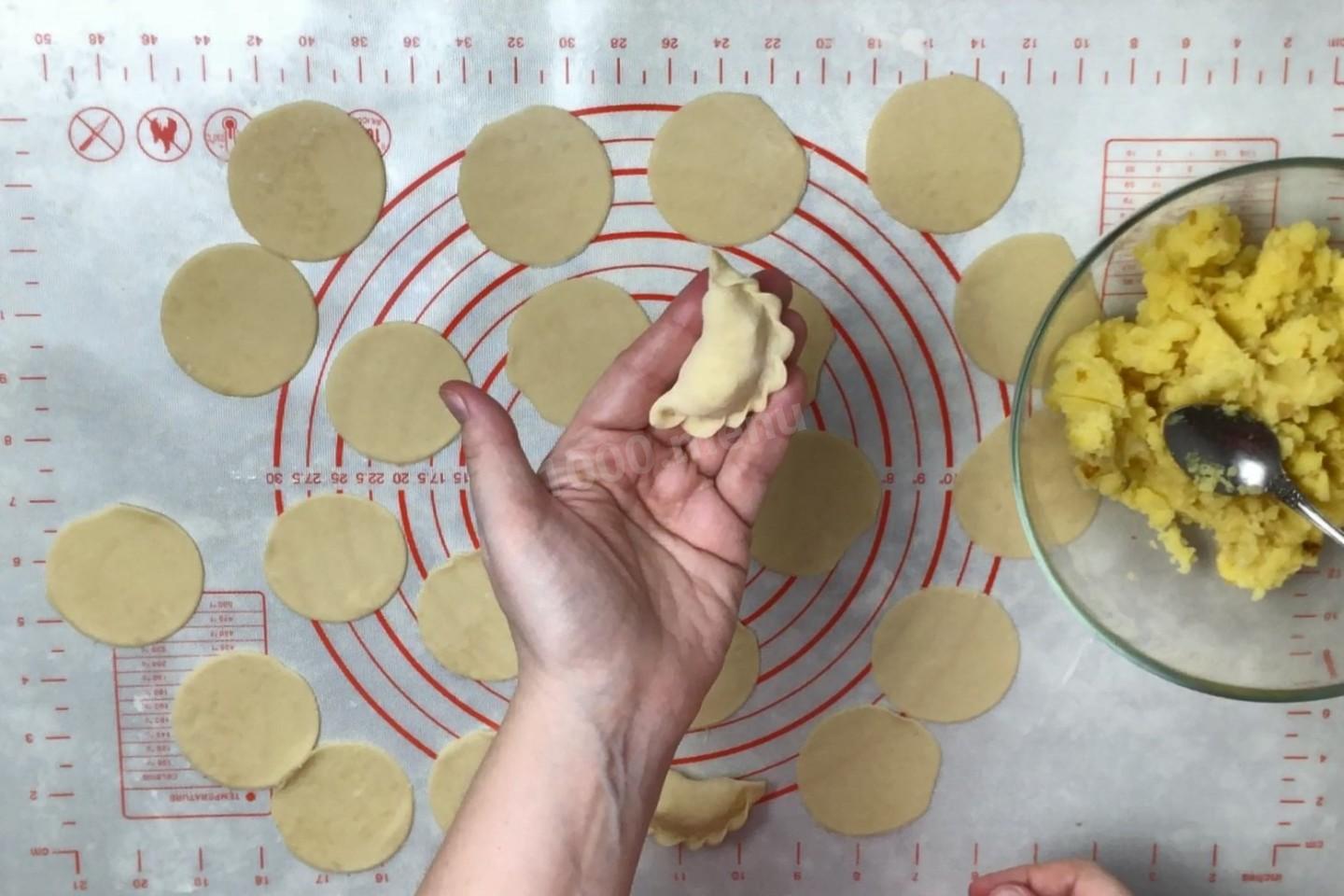
Using a suitable cutter, cut the dough into circles.
-
Step 14:
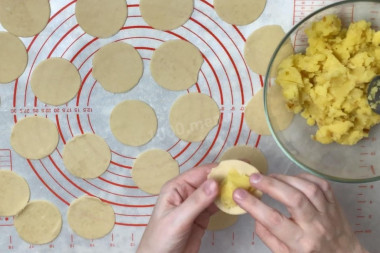
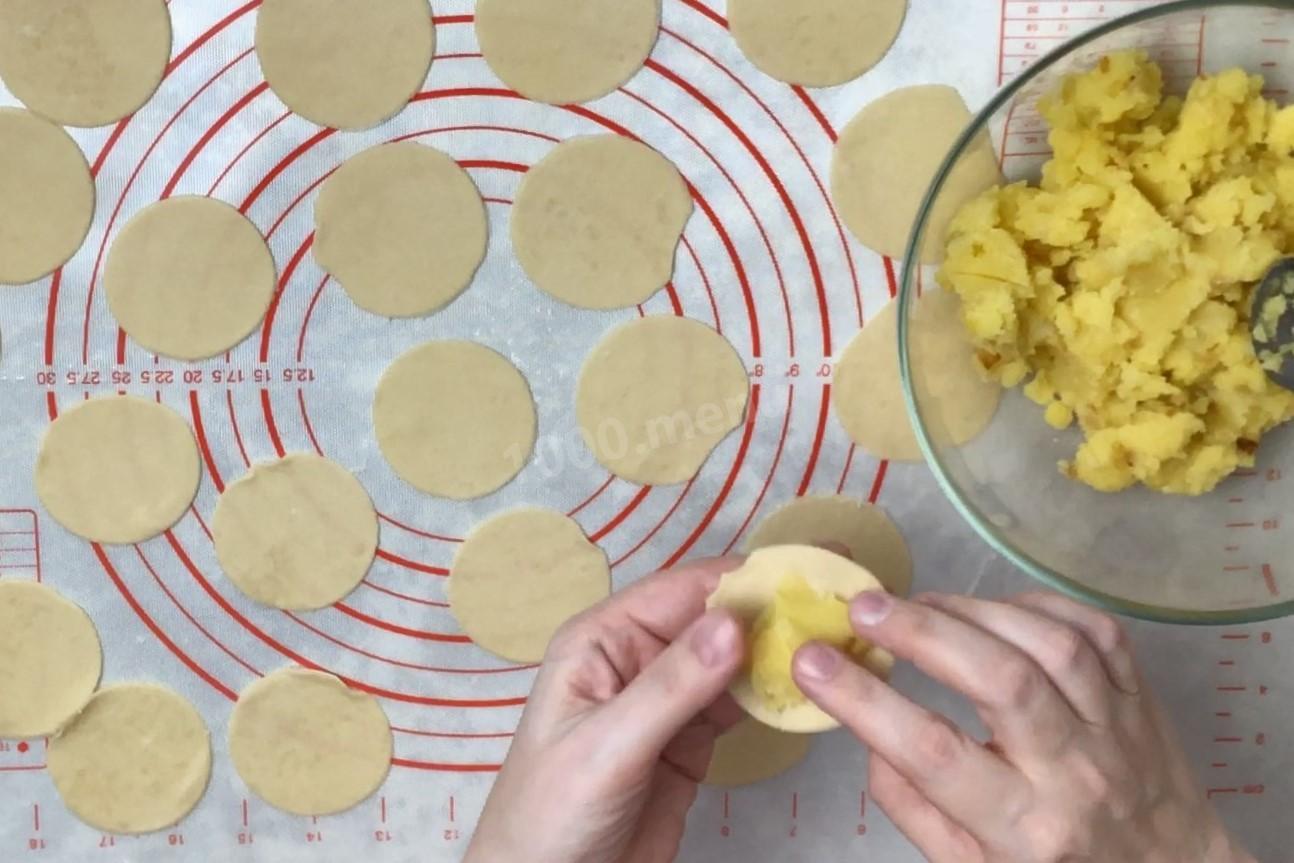
Put a teaspoon of the cooled filling on a round.
-
Step 15:
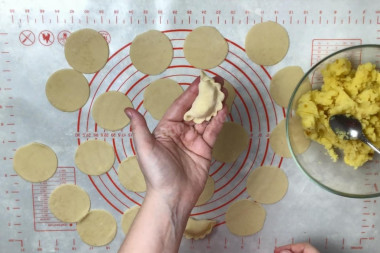
Seal the varenik any way you like — I make a decorative braided edge.
-
Step 16:
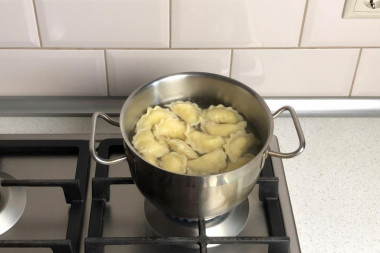
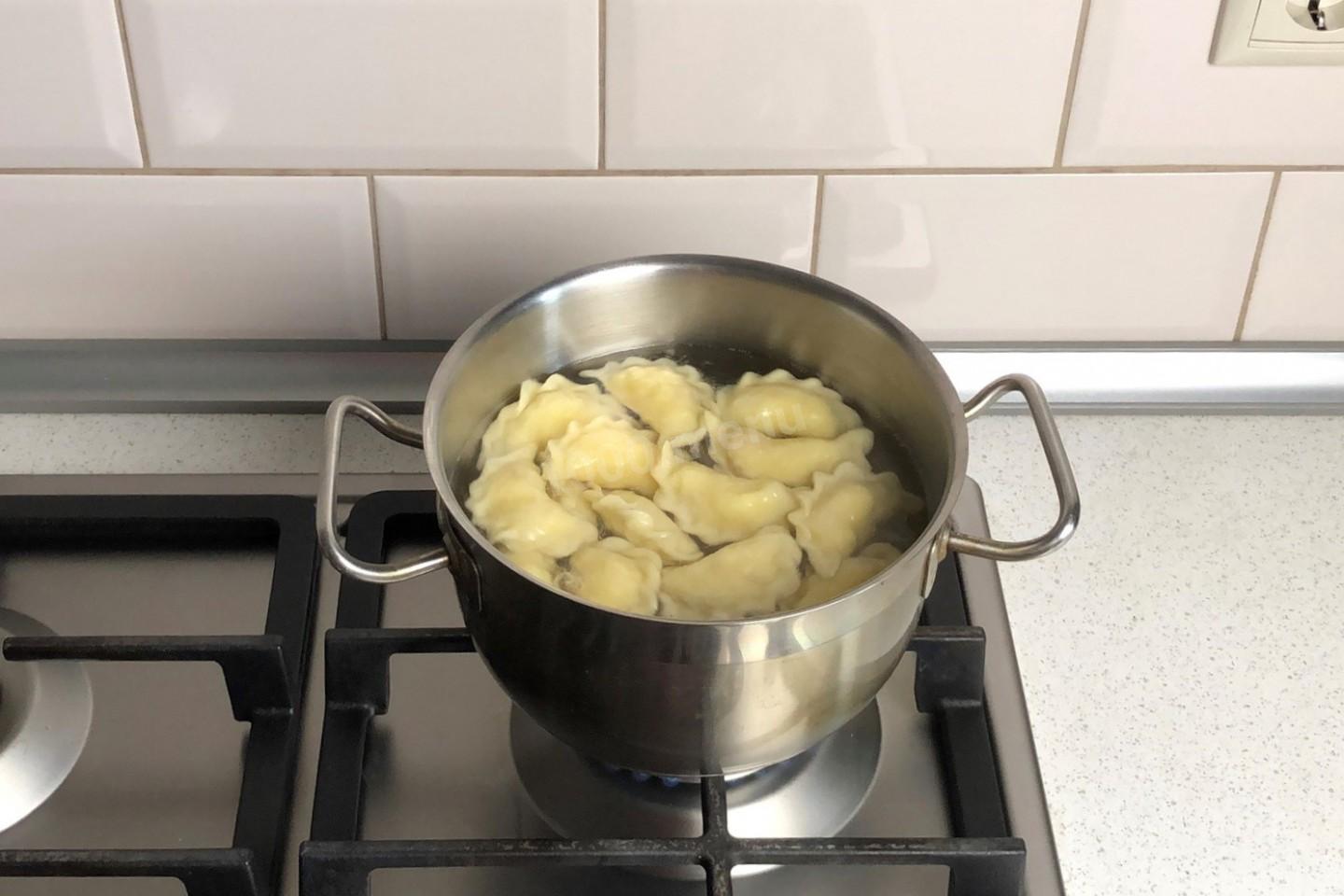
How do you cook vareniki? Bring water to a boil in a large pot. Use plenty of water so the vareniki float freely and don't stick together. Salt it. Drop in the vareniki and stir them right away so they don't stick to the bottom. Cook the vareniki for about 5 minutes after the water boils — they'll float up to the surface. Serve the vareniki with butter, sour cream, or sautéed onion.
- I make vareniki often and have tried different doughs. This is one of the good ones. This amount yielded about 50 large vareniki.
- For cooking, it's better to use filtered or bottled water with a neutral taste. If you use tap water, keep in mind that it can give the dish an unpleasant off-flavor.
- It's important to sift the flour to aerate it. Then the dough turns out airy and rises well during cooking.
- To keep your eyes from stinging when you cut the onion, rinse the onion and the knife in cold water. The cutting board won't absorb the unpleasant onion smell if you rub it with a piece of lemon before cutting.
Caloric content of the products possible in the composition of the dish
- Mature potatoes - 80 kcal/100g
- Baked potatoes - 70 kcal/100g
- Mashed potatoes - 380 kcal/100g
- Boiled potatoes - 82 kcal/100g
- Jacket potatoes - 74 kcal/100g
- Fried potatoes - 192 kcal/100g
- Chicken egg - 157 kcal/100g
- Egg white - 45 kcal/100g
- Egg powder - 542 kcal/100g
- Egg yolk - 352 kcal/100g
- Ostrich egg - 118 kcal/100g
- Whole durum wheat flour, fortified - 333 kcal/100g
- Whole durum wheat flour, all-purpose - 364 kcal/100g
- Fine semolina flour - 348 kcal/100g
- Flour - 325 kcal/100g
- Granulated sugar - 398 kcal/100g
- Sugar - 398 kcal/100g
- Butter 82% - 734 kcal/100g
- Unsalted table butter - 709 kcal/100g
- Unsalted farmhouse butter - 661 kcal/100g
- Salted farmhouse butter - 652 kcal/100g
- Ghee - 869 kcal/100g
- Vegetable oil - 873 kcal/100g
- Salt - 0 kcal/100g
- Water - 0 kcal/100g
- Onion - 41 kcal/100g
- Pepper - 26 kcal/100g