Lithuanian Cold Beet Borscht with Kefir
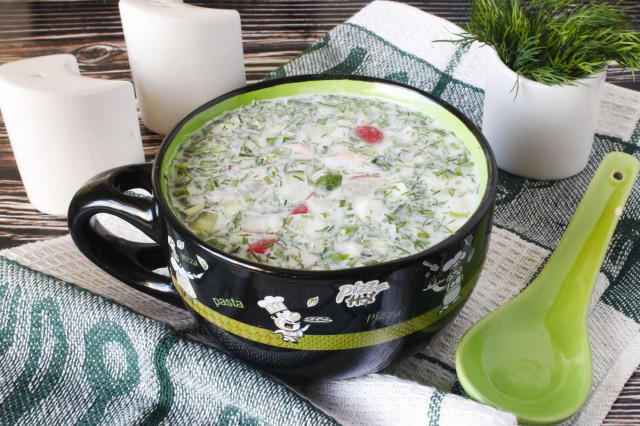
This soup won't go unnoticed at your table! Lithuanian cold beet borscht with kefir is a quick recipe for a refreshing, very tasty dish that's perfect for a hot summer day, when you don't even want to think about heavy, hot food. It comes together in just ten minutes from inexpensive, easy-to-find ingredients. This soup is hugely popular in Lithuania, where it's called šaltibarščiai and served with hot boiled potatoes. It makes a wonderful alternative to Russian okroshka and Belarusian kholodnik.

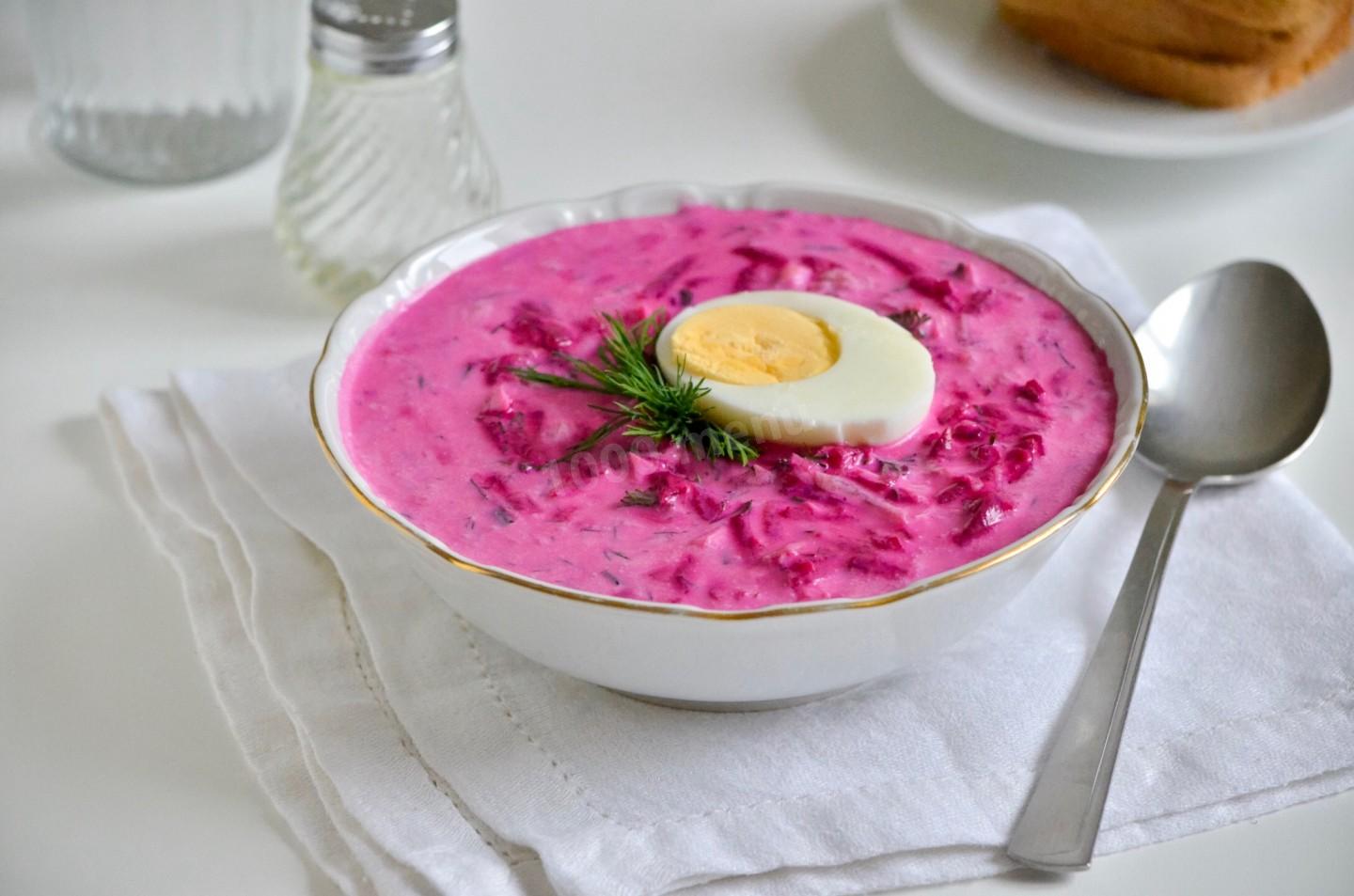
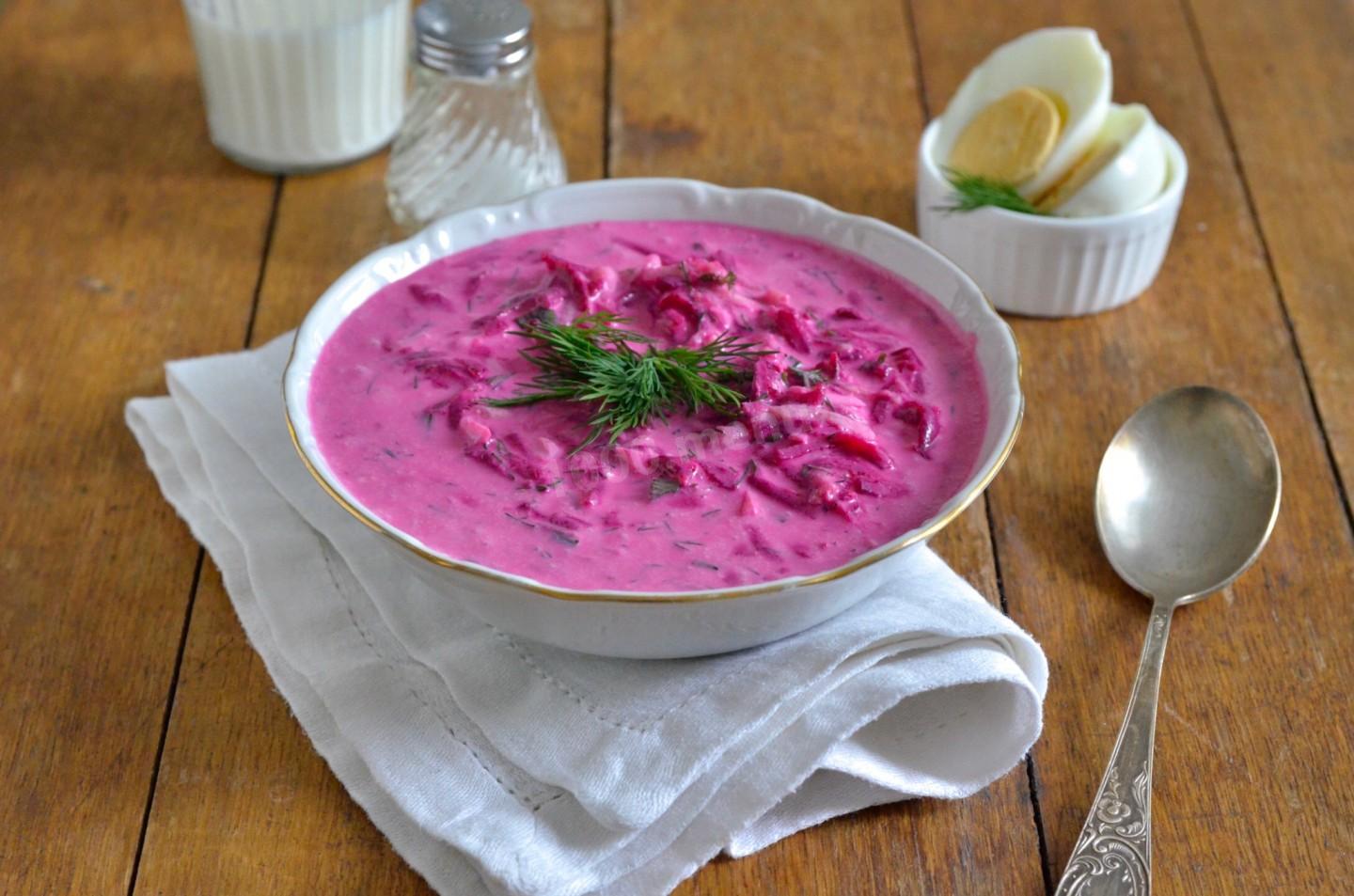
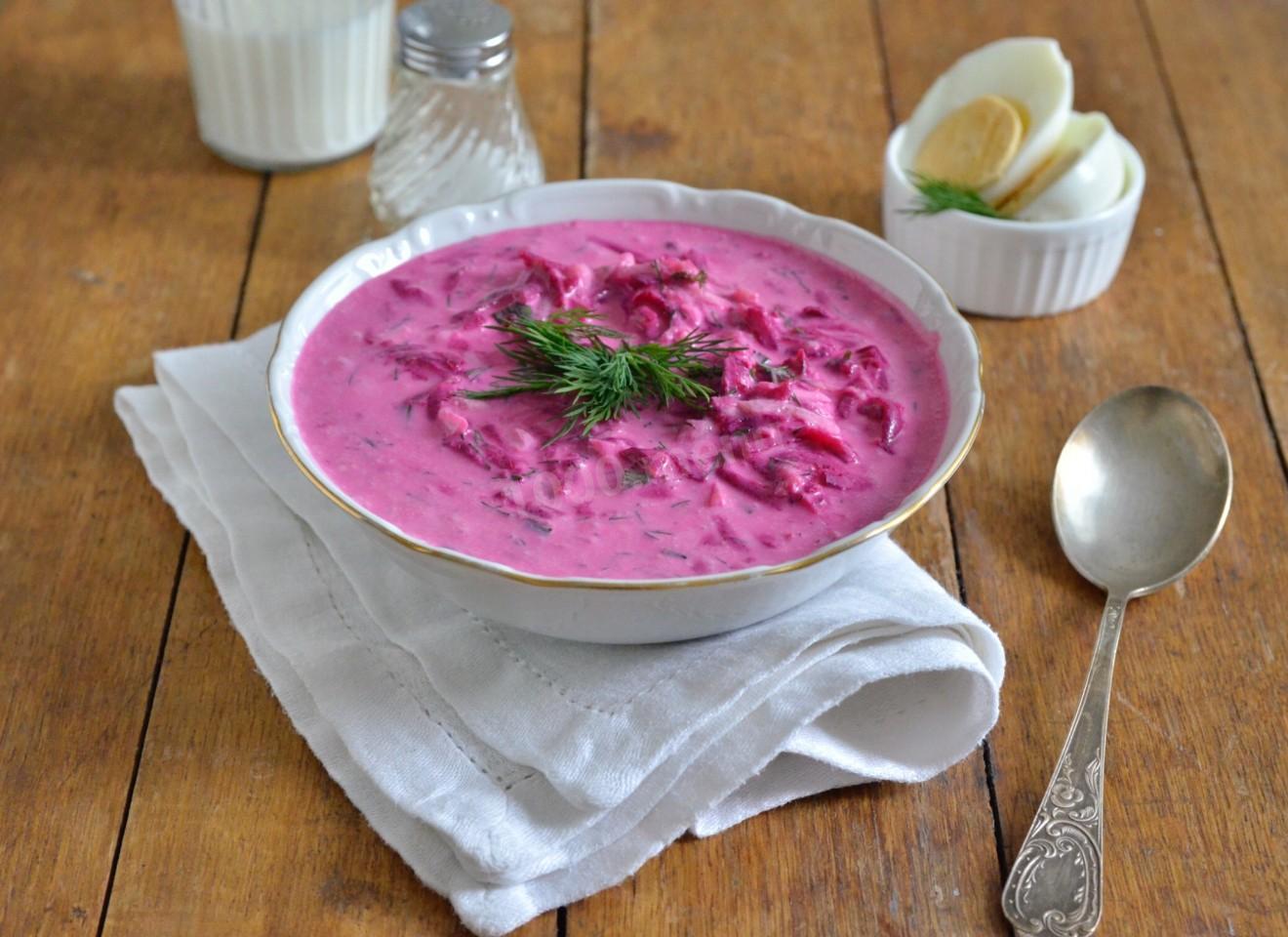
Cooking method
-
Step 1:
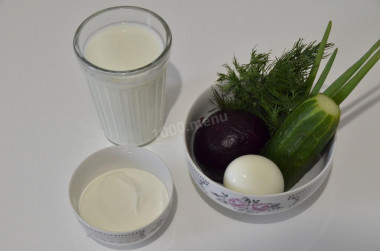
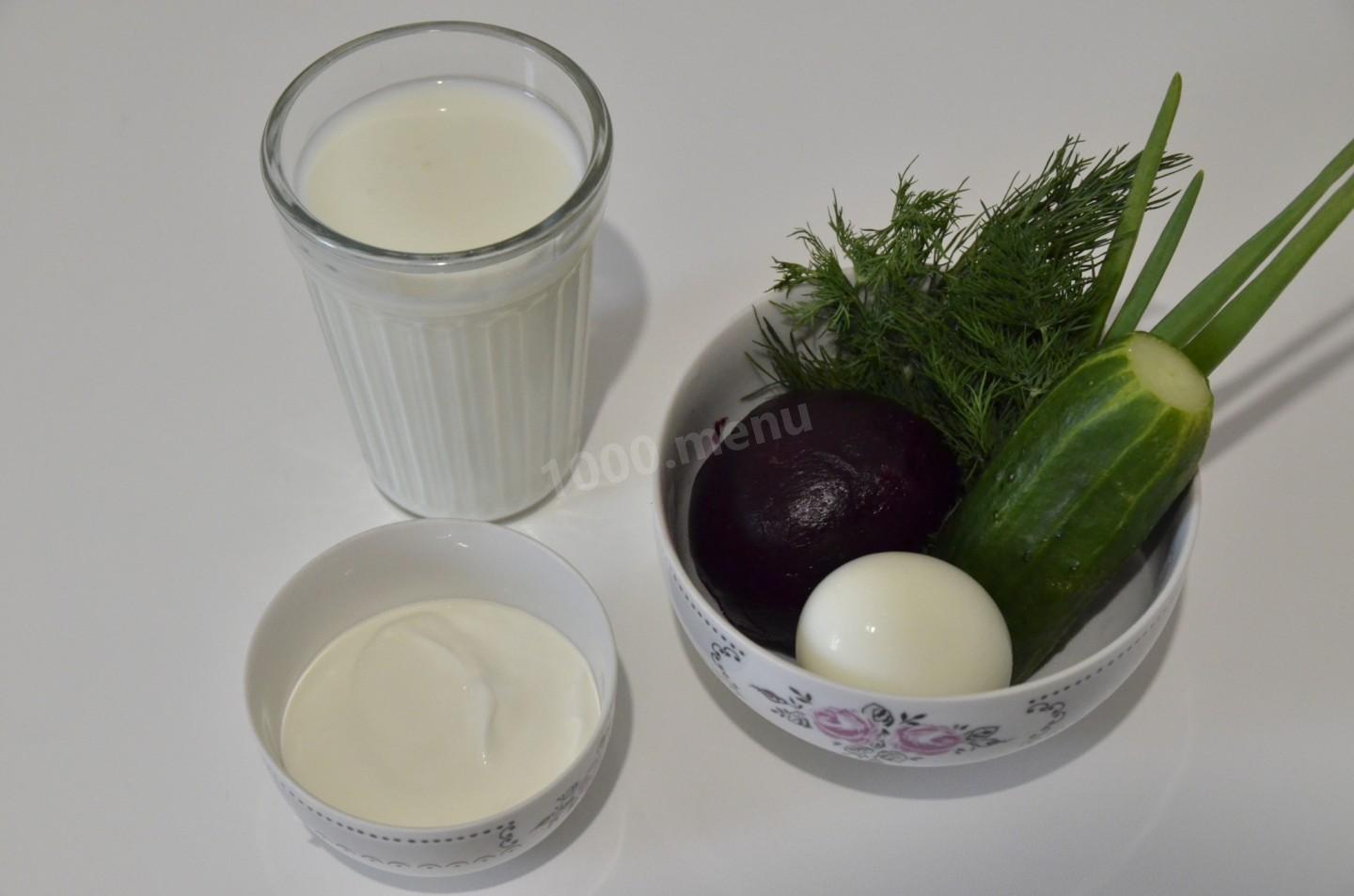
Gather all the ingredients. Boil the beet and egg ahead of time, then cool and peel them. Wash and pat dry the fresh herbs and the cucumber.
-
Step 2:
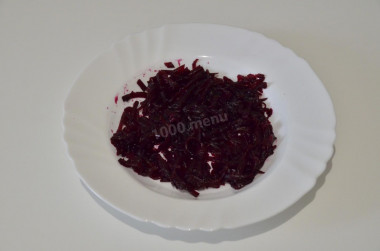
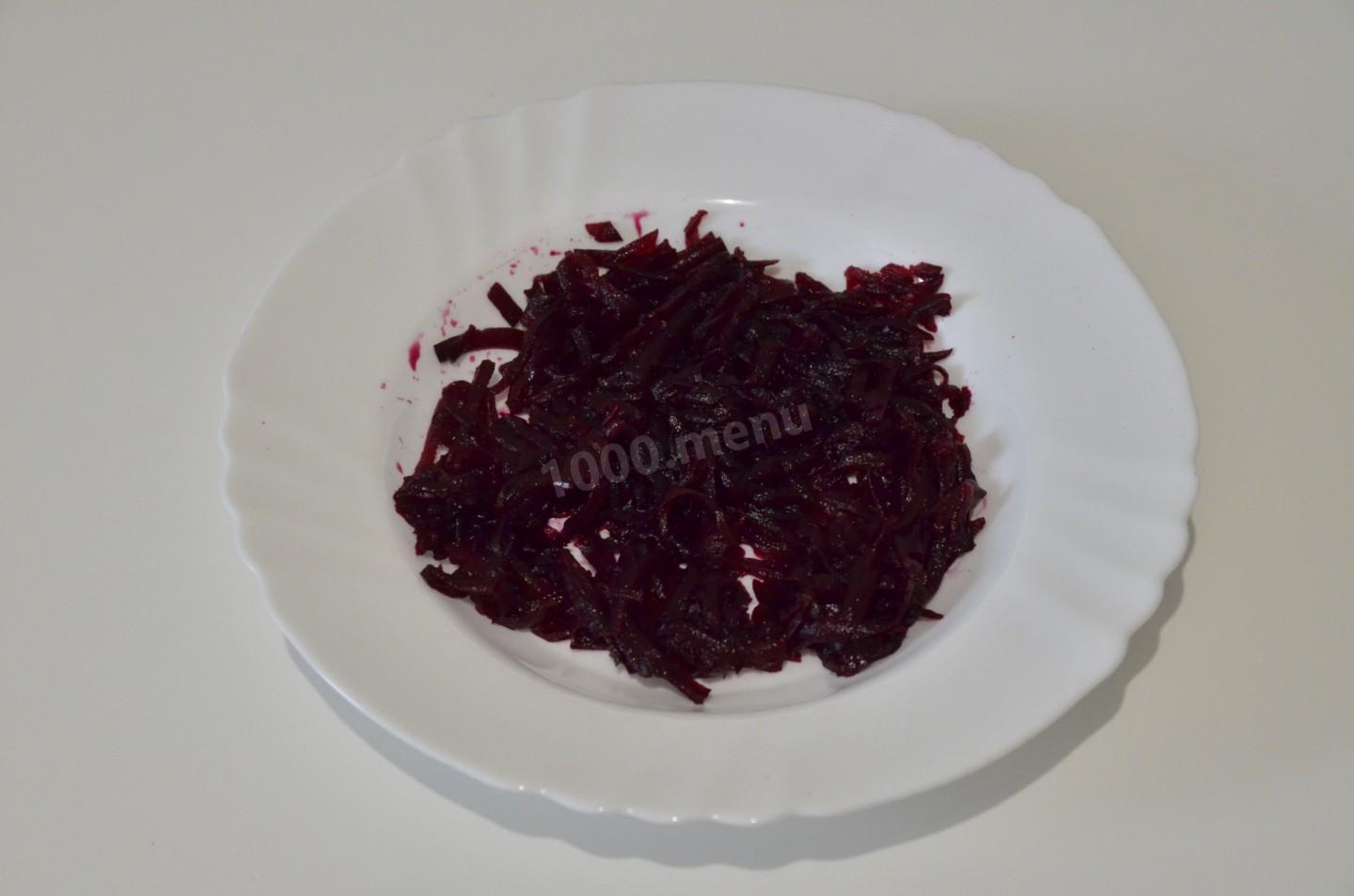
Grate the beet on the large holes of a grater.
-
Step 3:
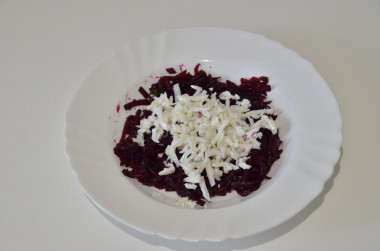
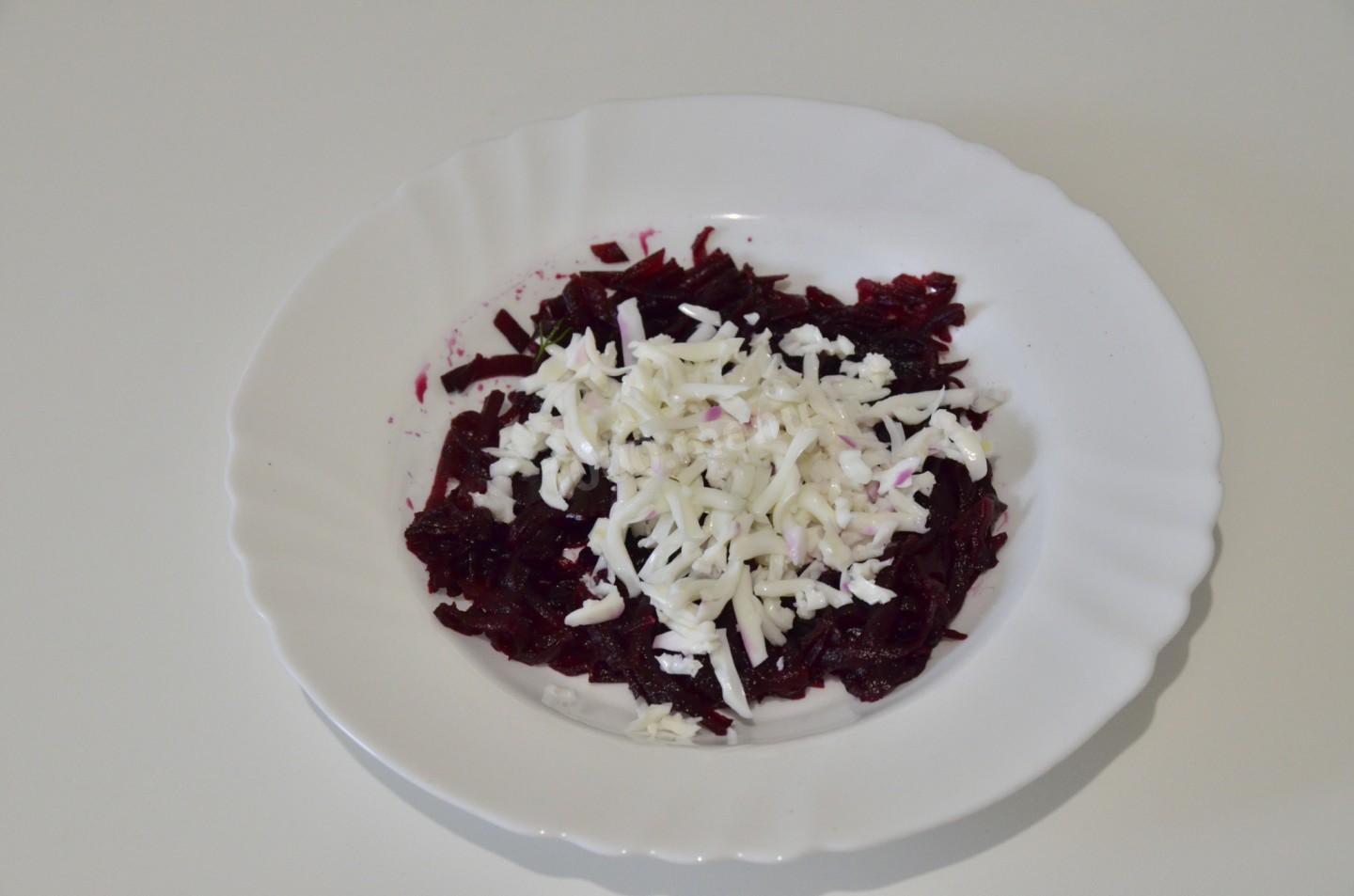
Separate the egg into white and yolk, then grate the white on the large holes of the grater.
-
Step 4:
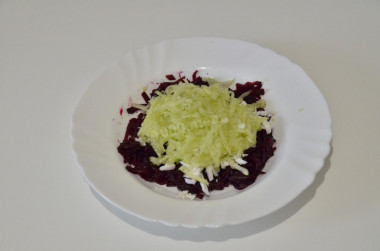
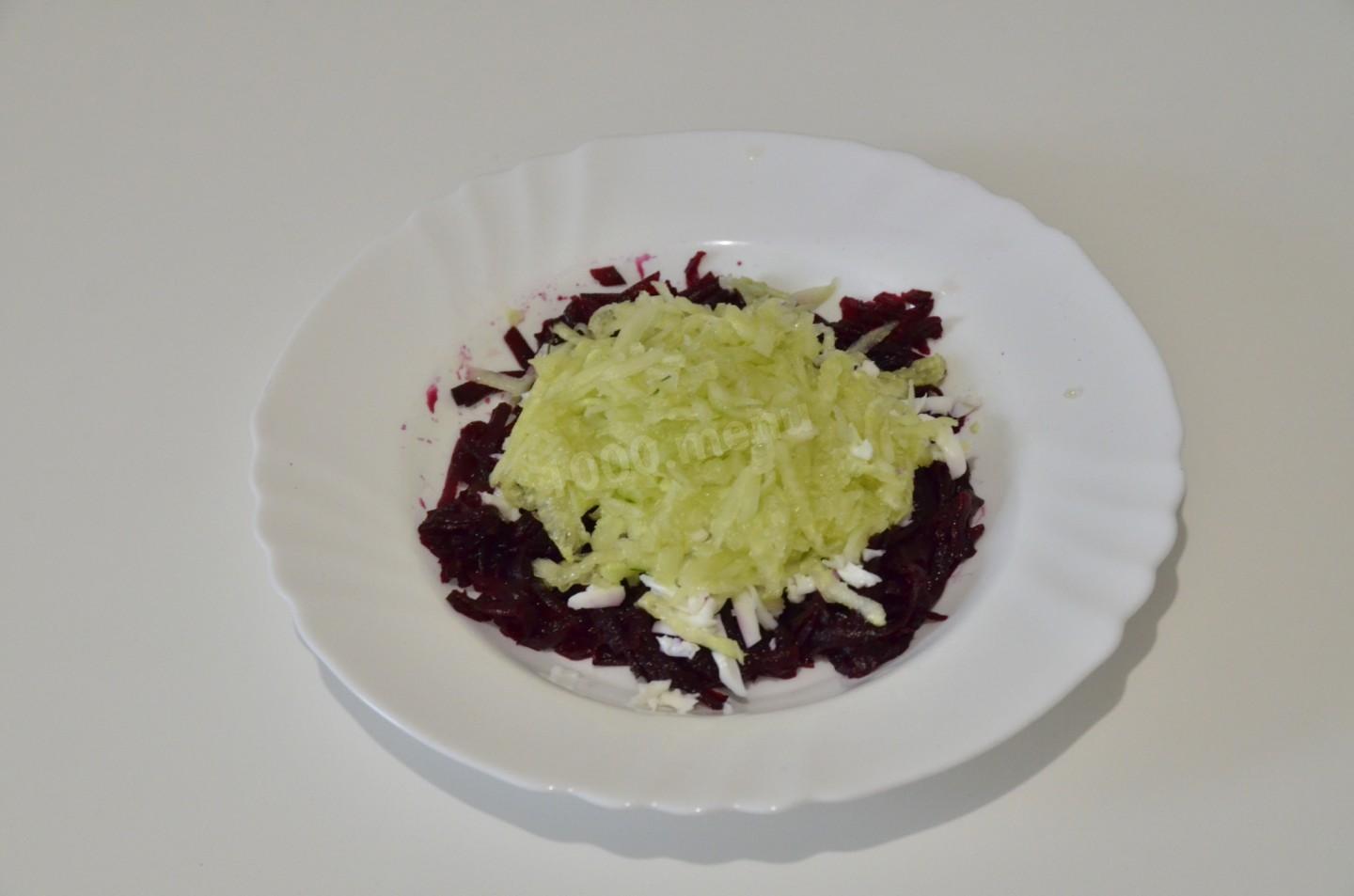
Peel the cucumber and grate it as well.
-
Step 5:
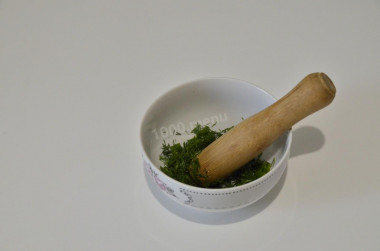
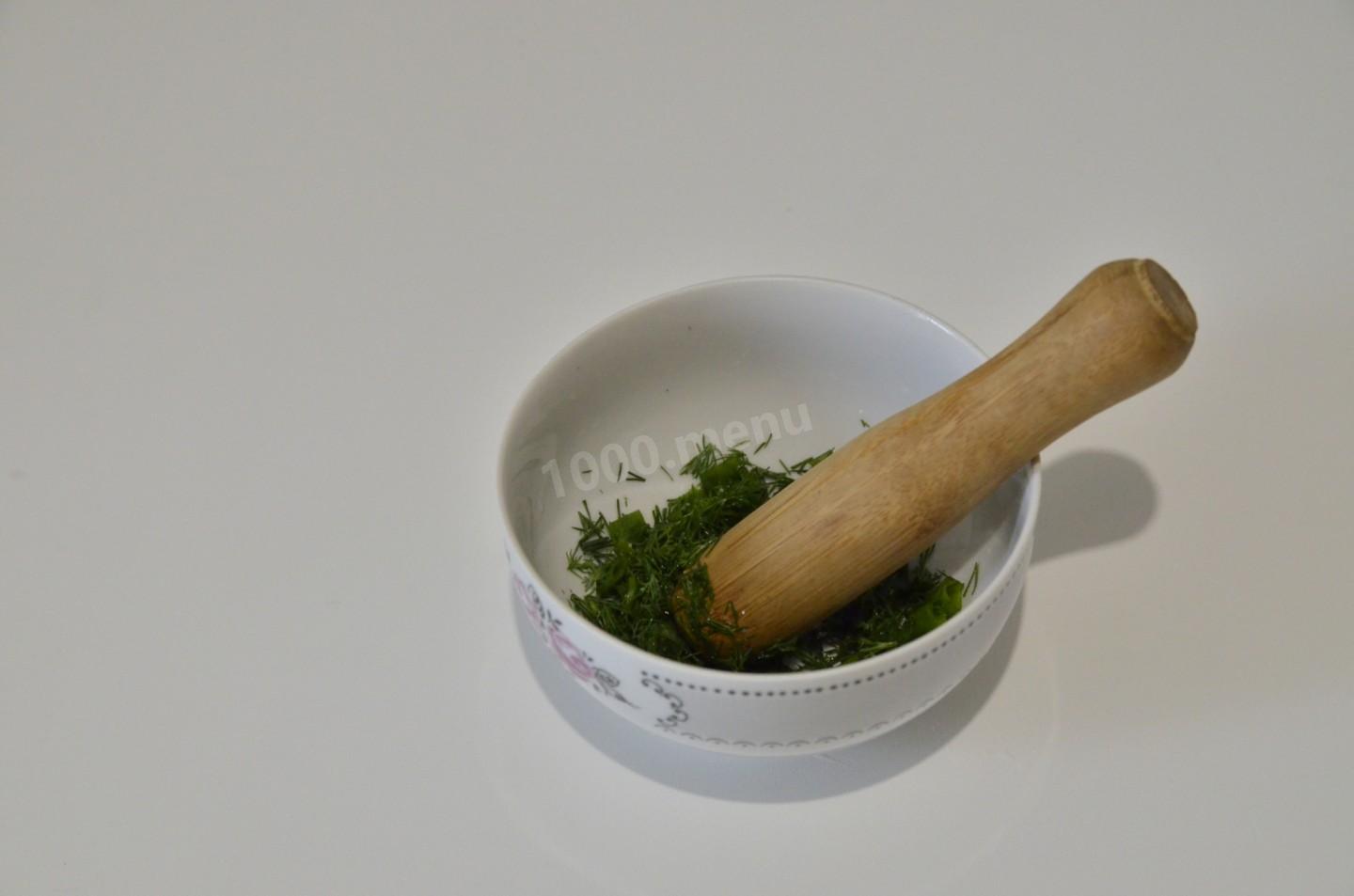
Chop the dill and green onion and mash them well with a little salt.
-
Step 6:
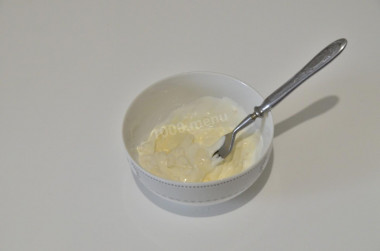
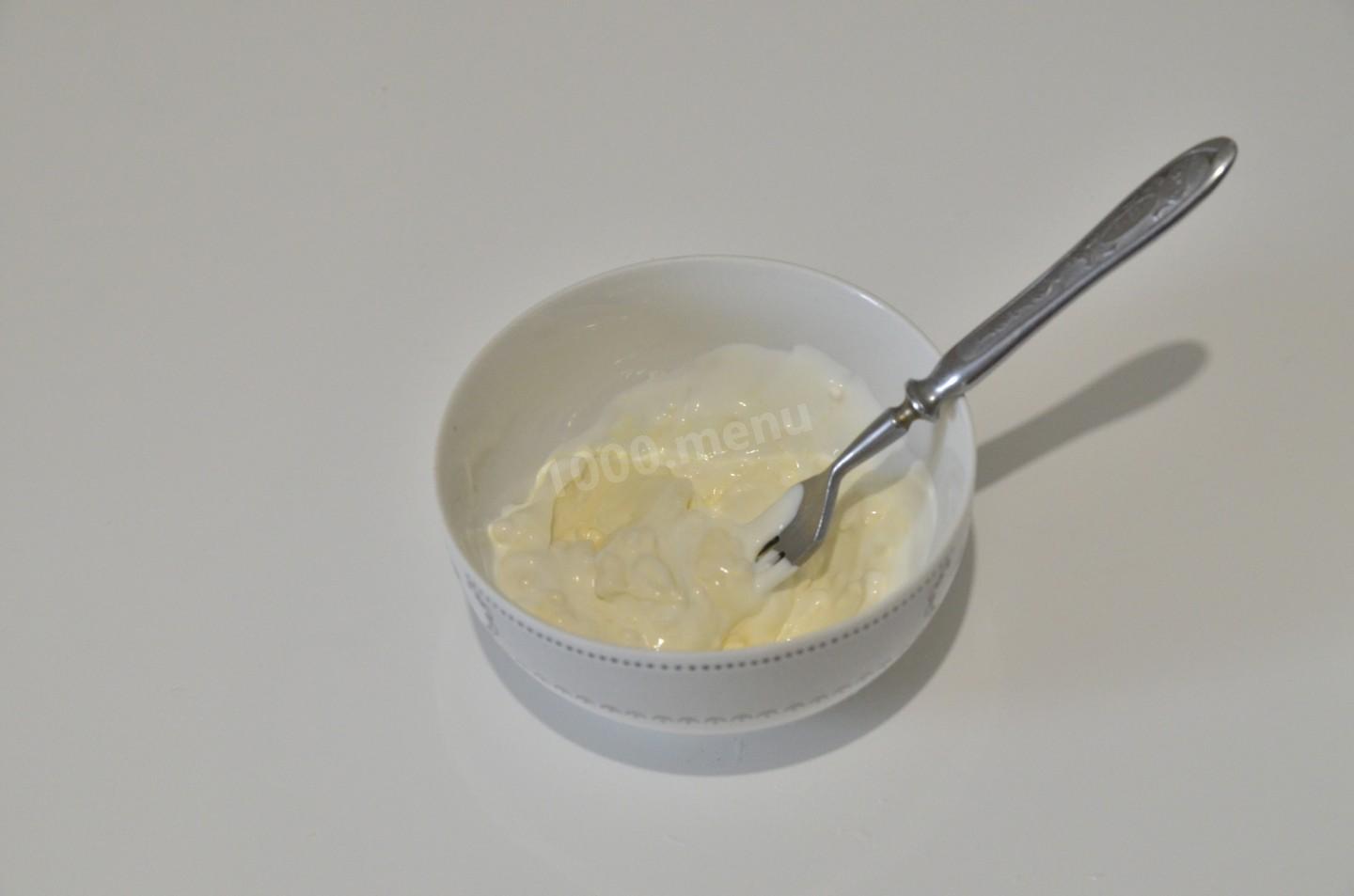
Mash the yolk with a fork and stir it into the sour cream.
-
Step 7:
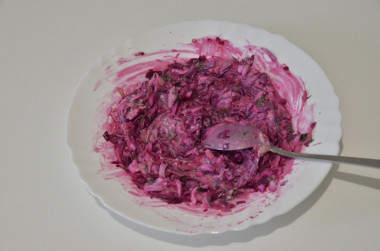
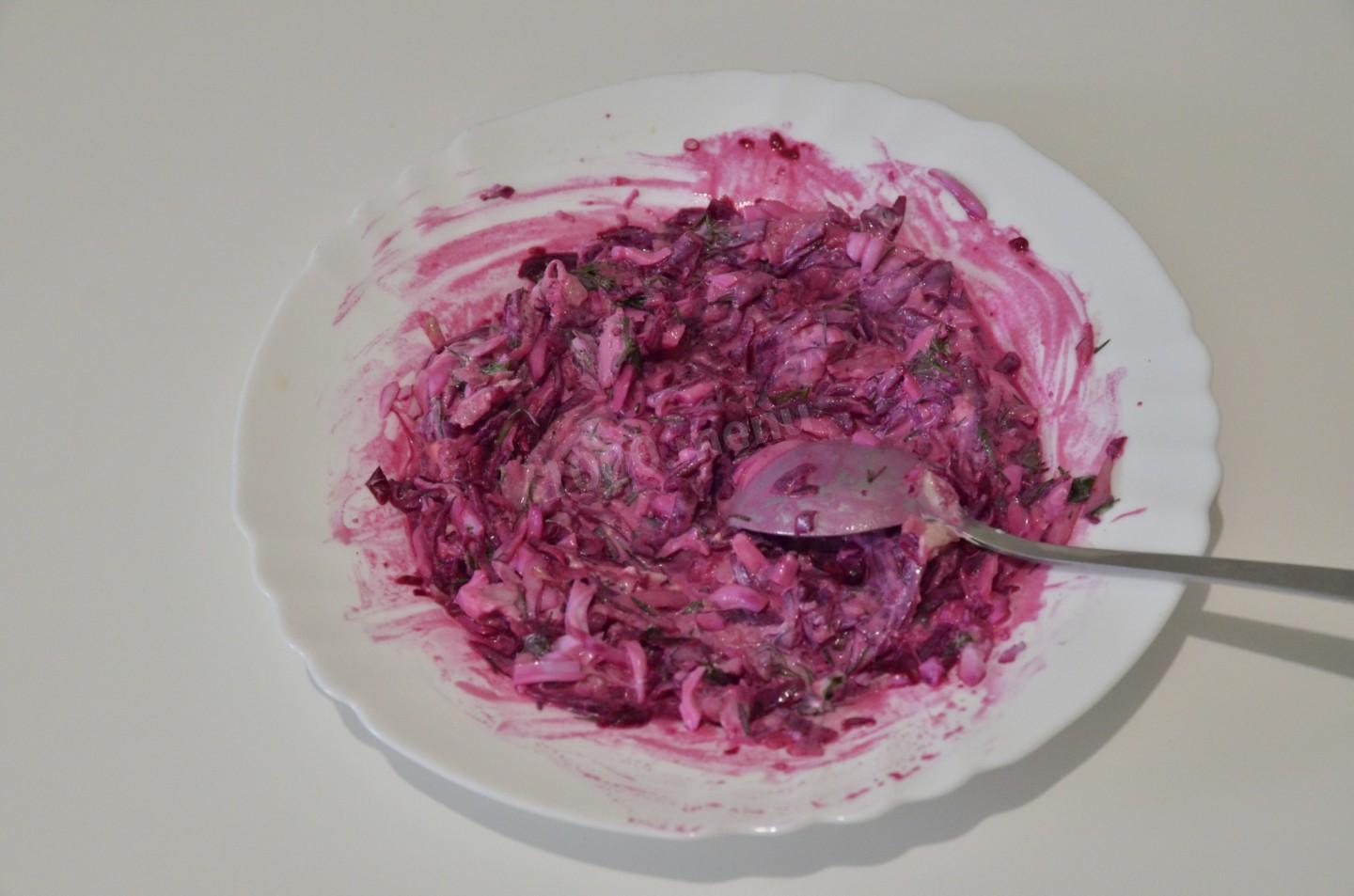
Combine the beet, egg white, cucumber, herbs, and the yolk–sour cream mixture.
-
Step 8:
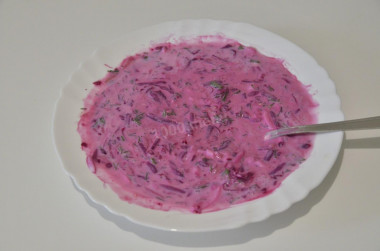
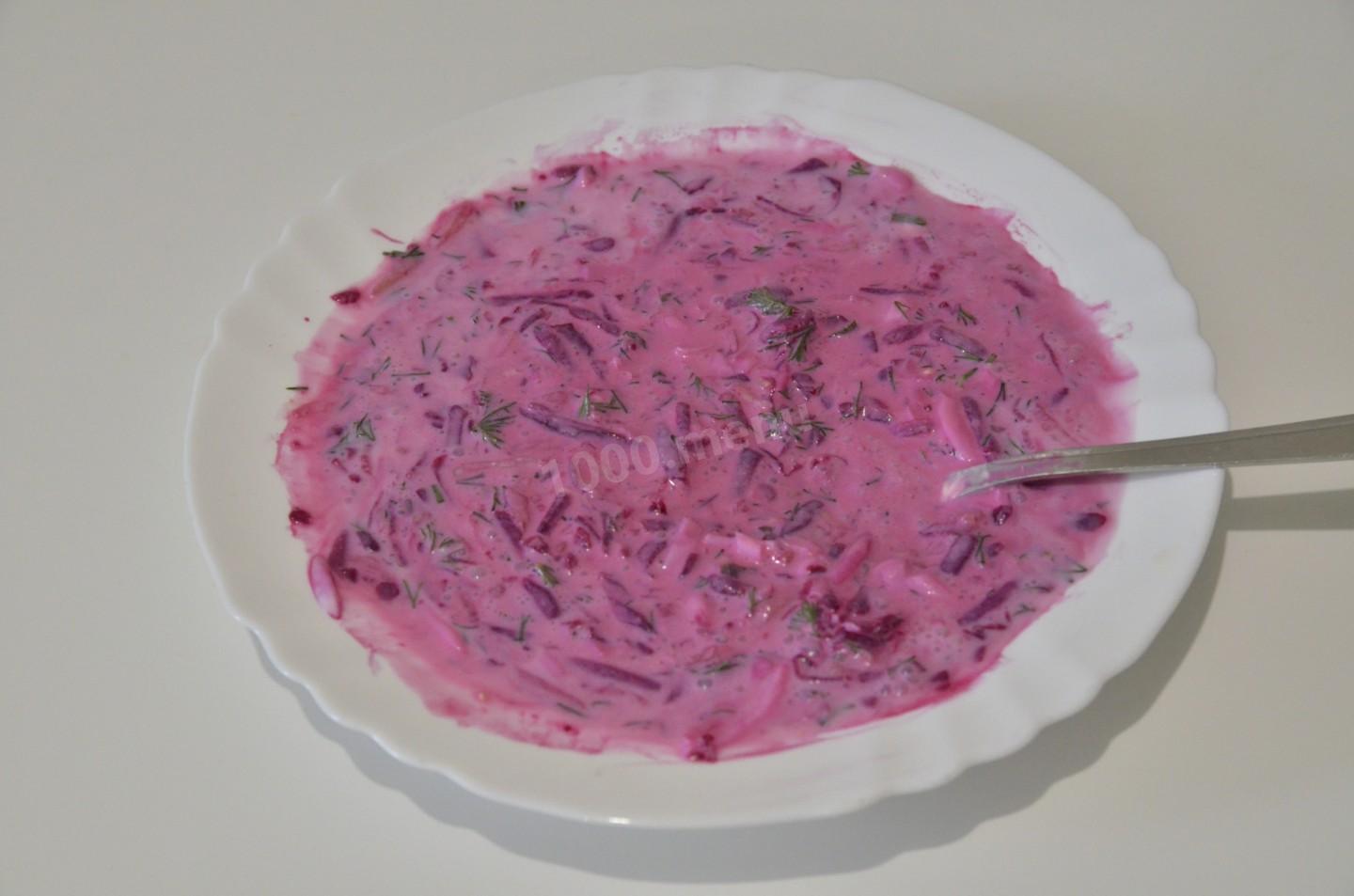
Pour in the kefir. Let the borscht rest for about half an hour. If the soup is too thick, you can thin it with cold boiled water.
- For cold borscht you don't have to boil the beets — you can roast them too, and Lithuanians often use pickled or fermented beets. If you do boil them, add a little sugar and a drop of vinegar or lemon juice to the water; that helps the cooked beets keep their bright color. It's best to use full-fat kefir, which is the key to a rich flavor, though anyone watching their waistline can use the low-fat kind. You can grate the vegetables or cut them into cubes or sticks — that's up to you. If you like, add radishes and potatoes, though in Lithuania it's traditional to serve cold borscht with boiled potatoes instead of bread. For those who can't imagine a meal without meat, there are versions with chicken and smoked meats. In place of kefir you can use buttermilk, yogurt, ayran, soured milk, or whey. For a sharper kick, add garlic, horseradish, mustard, or vinegar. Cold borscht should be eaten fresh; it loses its flavor after sitting. Sometimes ice cubes are added when serving. Remember this recipe come summer's heat, and I'm sure it will earn a permanent place in your regular menu.
Caloric content of the products possible in the composition of the dish
- Fresh cucumber - 15 kcal/100g
- Sour cream, 30% fat - 340 kcal/100g
- Sour cream, 25% fat - 284 kcal/100g
- Sour cream, 20% fat - 210 kcal/100g
- Sour cream, 10% fat - 115 kcal/100g
- Sour cream - 210 kcal/100g
- Chicken egg - 157 kcal/100g
- Egg white - 45 kcal/100g
- Egg powder - 542 kcal/100g
- Egg yolk - 352 kcal/100g
- Ostrich egg - 118 kcal/100g
- Beet - 40 kcal/100g
- Dried beet - 278 kcal/100g
- Boiled beet - 49 kcal/100g
- Fresh dill - 38 kcal/100g
- Full-fat kefir - 62 kcal/100g
- Kefir, 1% fat - 38 kcal/100g
- Low-fat kefir - 30 kcal/100g
- Doktor Bifi kefir, 1.8% fat - 45 kcal/100g
- Kefir, 2.5% fat - 53 kcal/100g
- Green onion - 19 kcal/100g
- Salt - 0 kcal/100g