Zatirukha Soup with Chicken and Egg
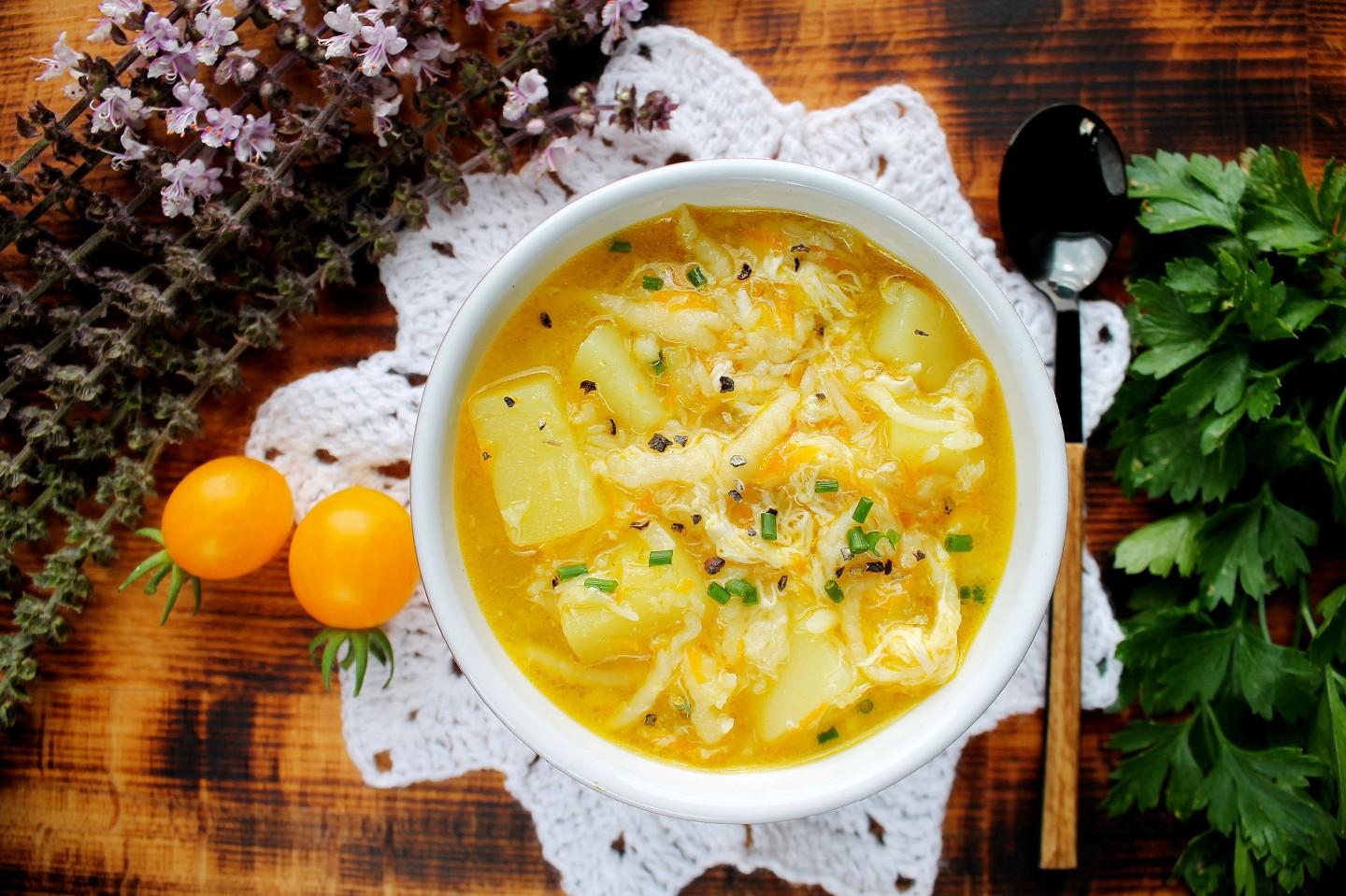
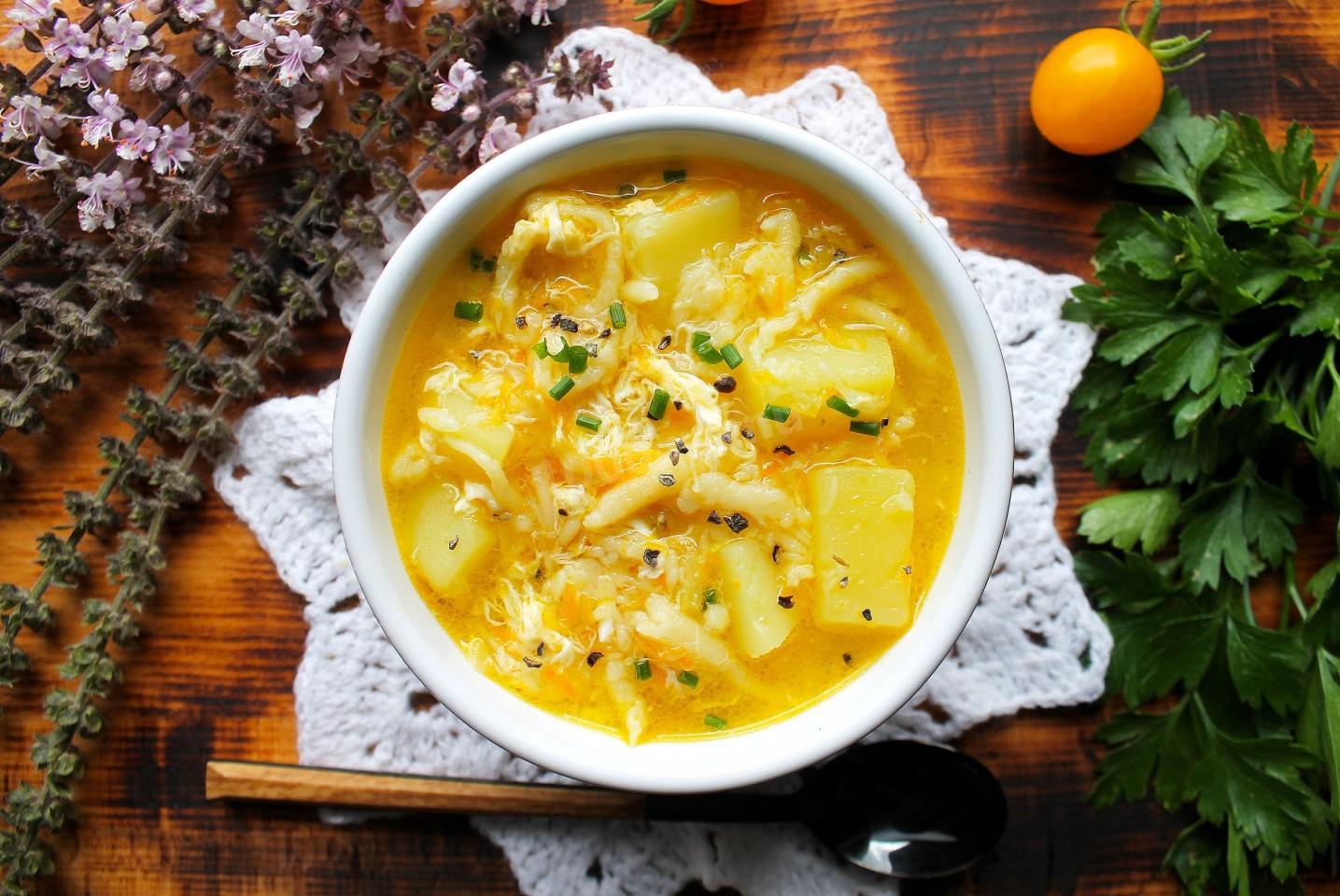
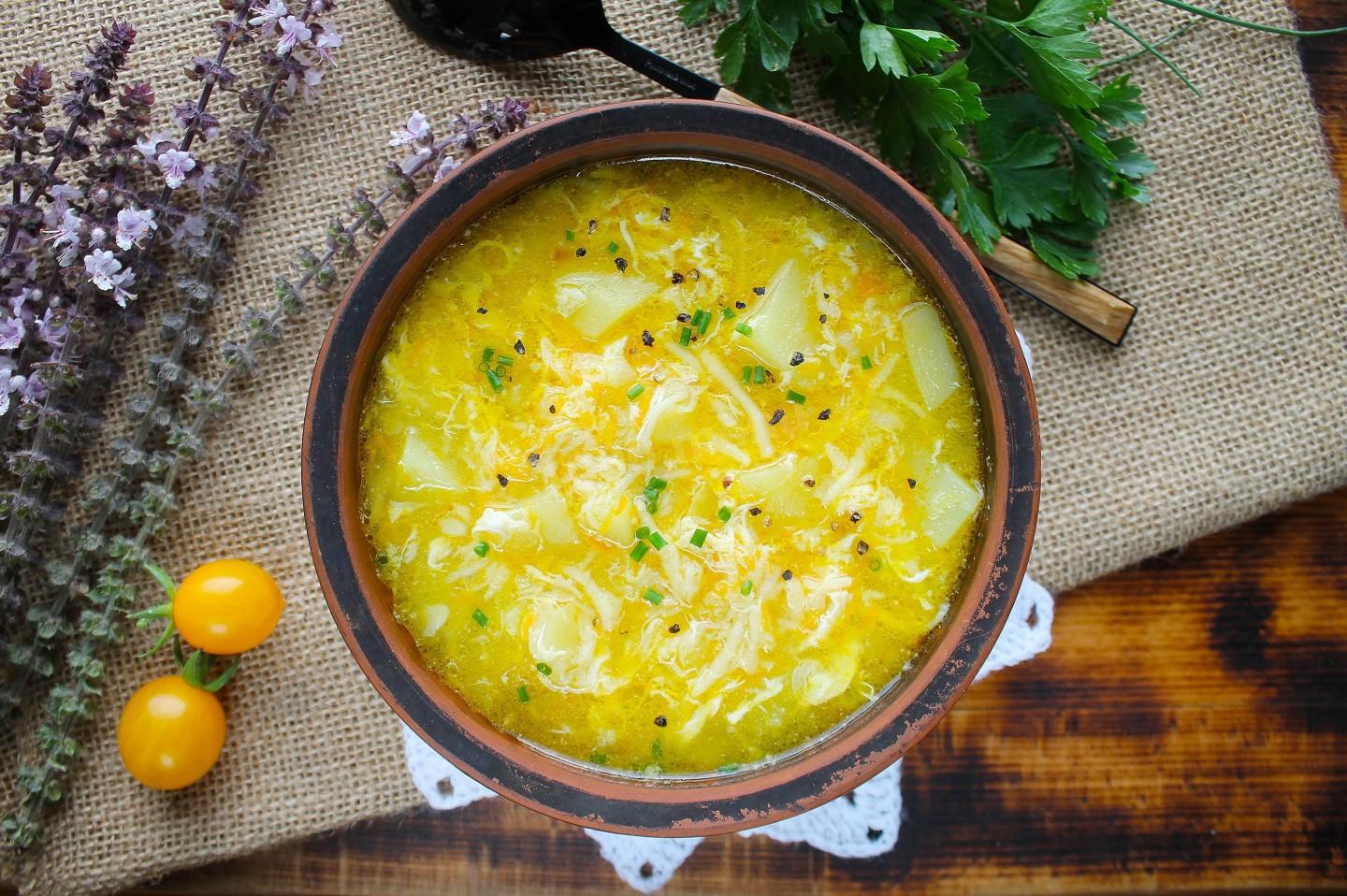
Bright, tasty, unusual, and the simplest thing to make! Zatirukha is a peasant noodle soup whose key ingredient is zatyrka — little hand-rubbed crumbs of flour and egg. The potatoes and eggs make it hearty and delicious. Kids especially love it!

Cooking method
-
Step 1:
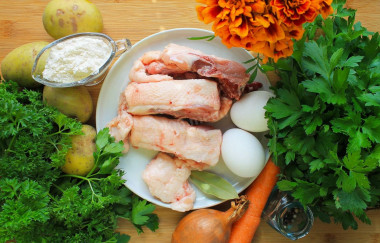
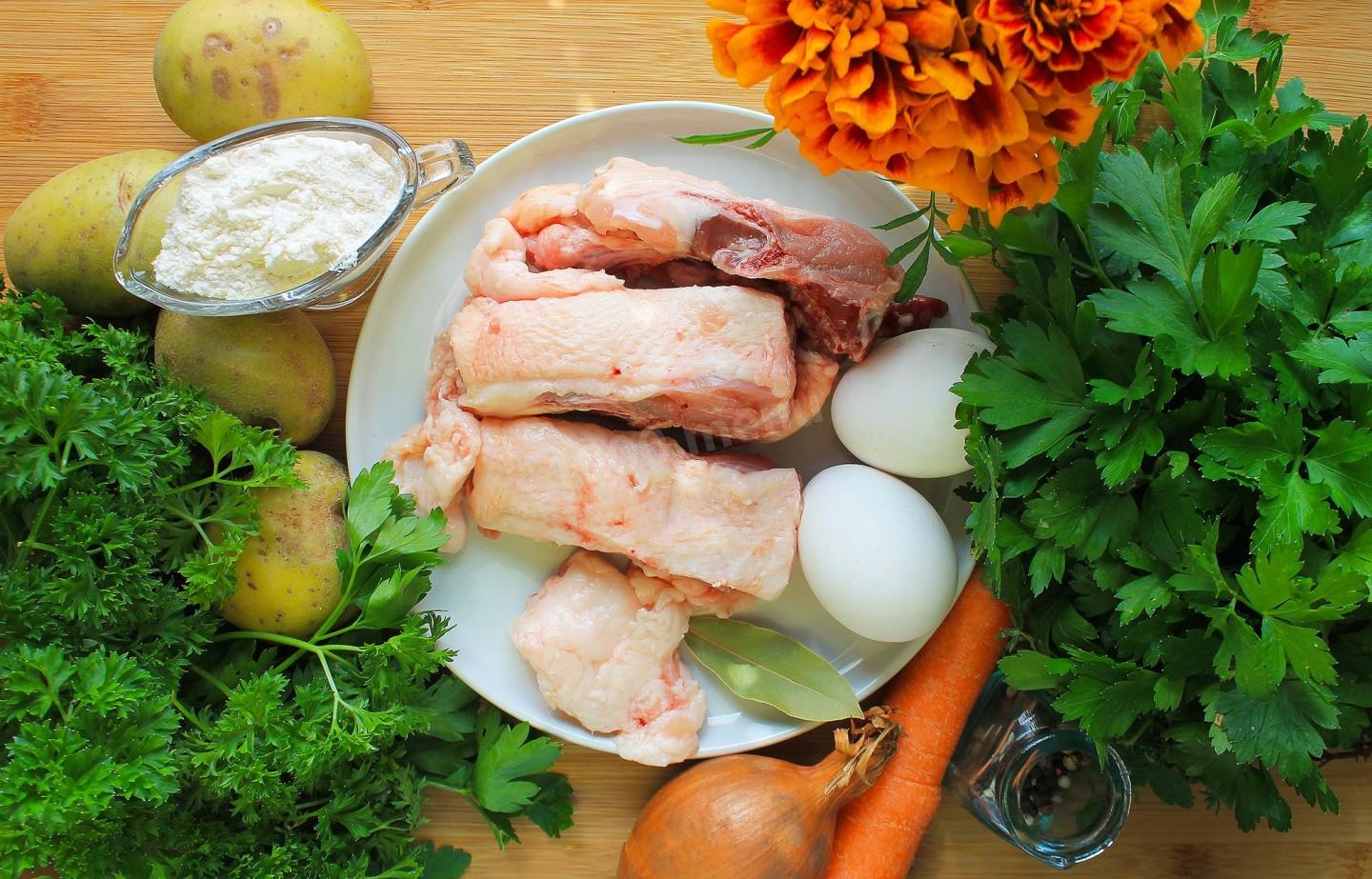
How do you make zatirukha soup? Get all the ingredients listed in the recipe ready. Instead of chicken you can use pork, beef, or turkey, or make the soup on plain water — it'll still be very tasty. I used chicken backs for the soup.
-
Step 2:
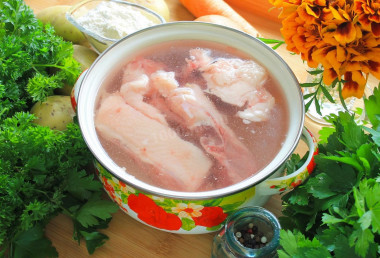
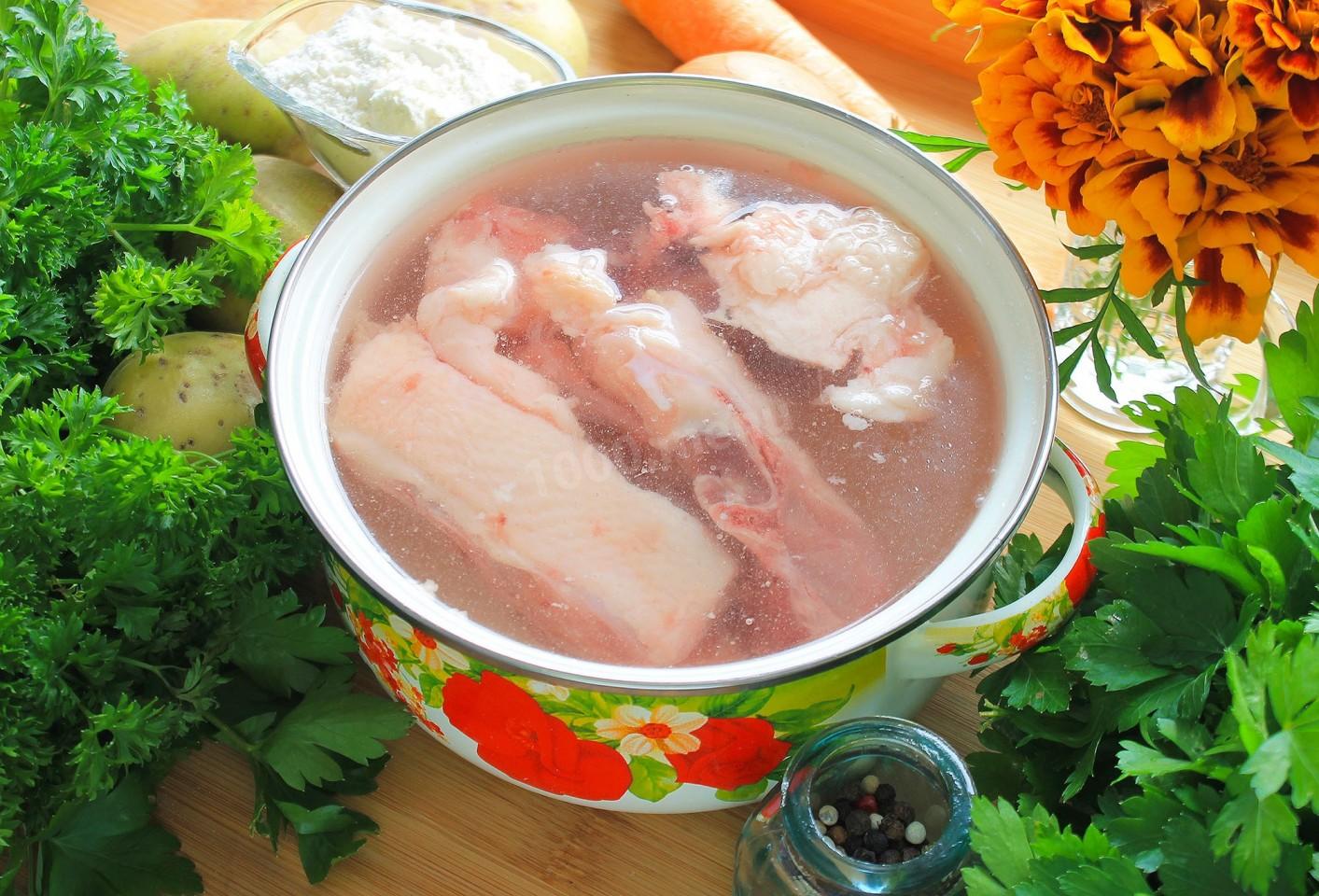
So, wash the meat and put it in a pot. Cover with cold water and bring to a boil over high heat. Skim off the foam, salt to taste, lower the heat, and cook the broth until the chicken is fully done. The amount of water depends on how thick you want the soup. I used 1.5–1.7 quarts of water and the soup came out medium-thick.
-
Step 3:
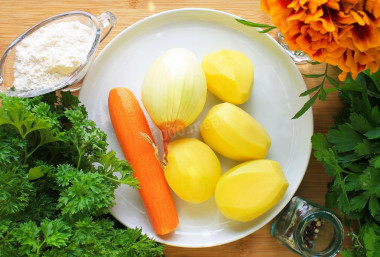
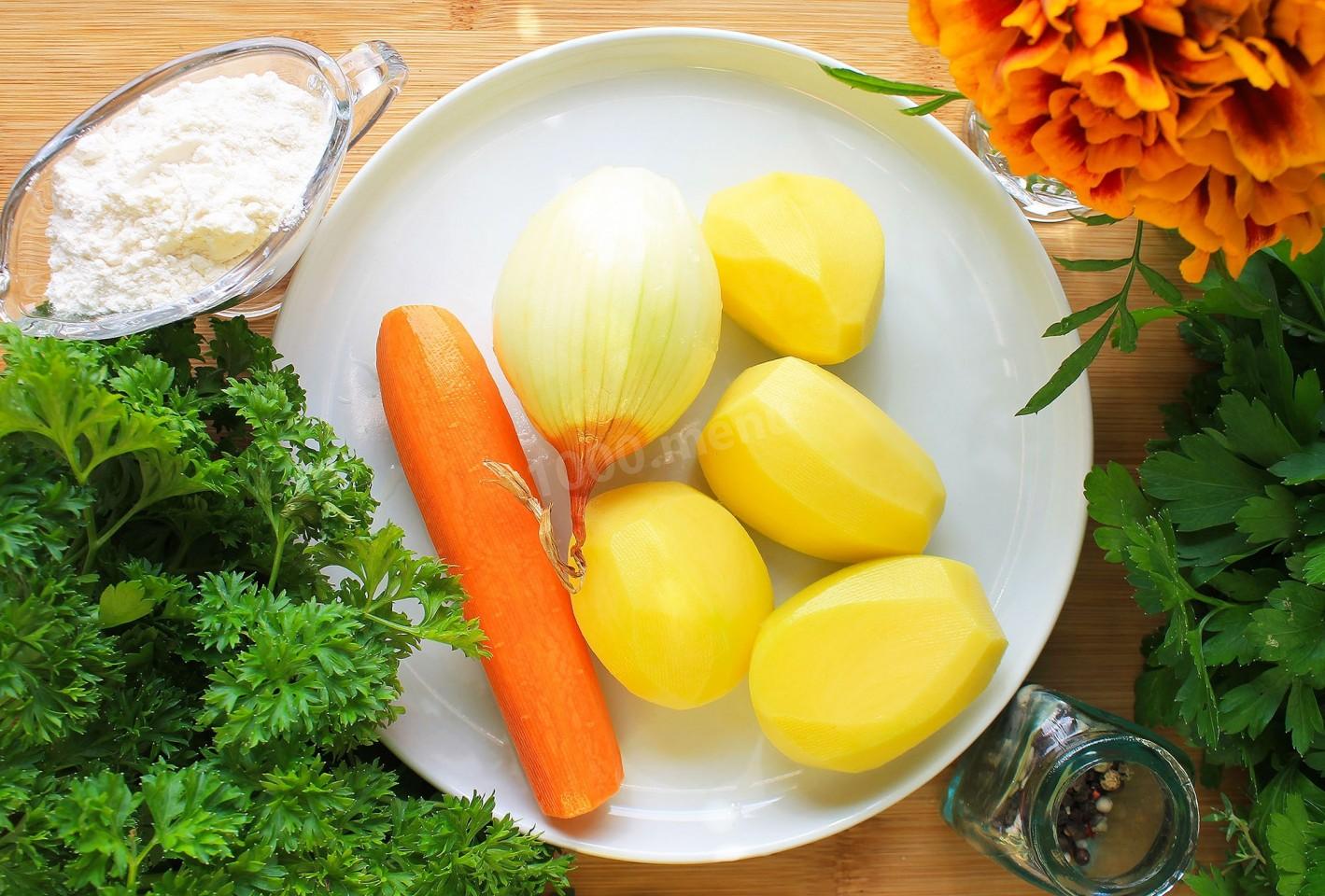
Meanwhile, prep the rest. Peel the onion, carrot, and potatoes. Rinse the vegetables in clean water.
-
Step 4:
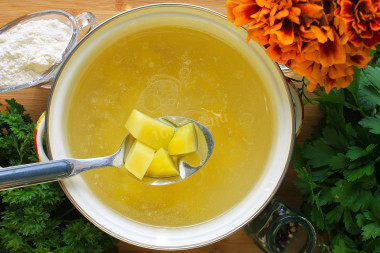
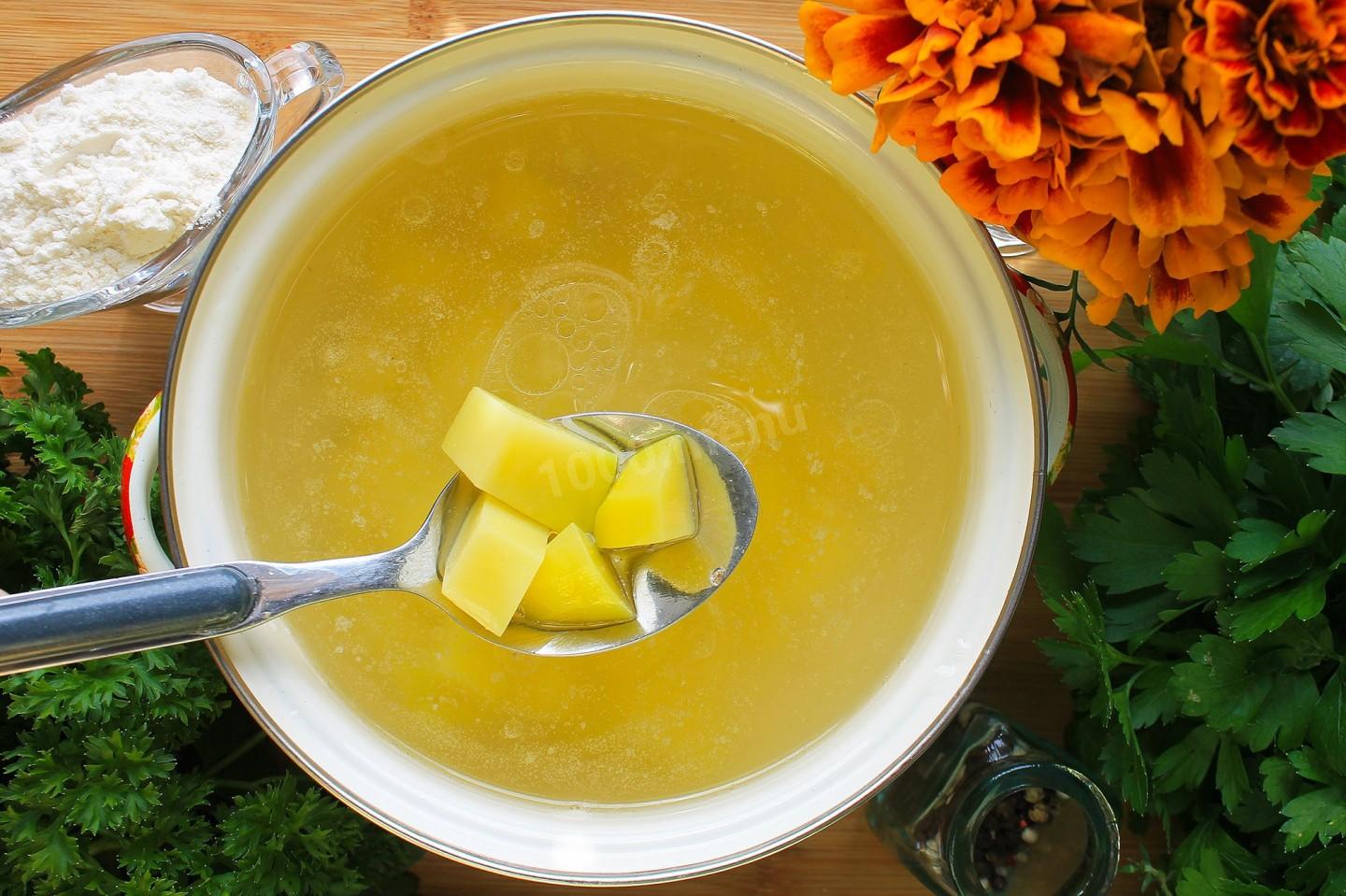
Cut the potatoes into small cubes or sticks, whichever you prefer. When the meat is done, take it out of the pot. Add the potatoes to the broth, bring back to a boil, then turn the heat down and cook the soup until the potatoes are done. That takes 15 to 20 minutes.
-
Step 5:
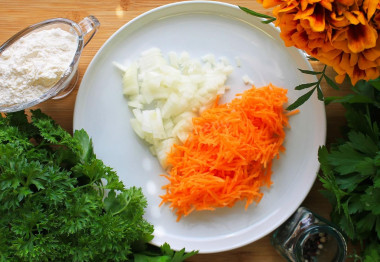
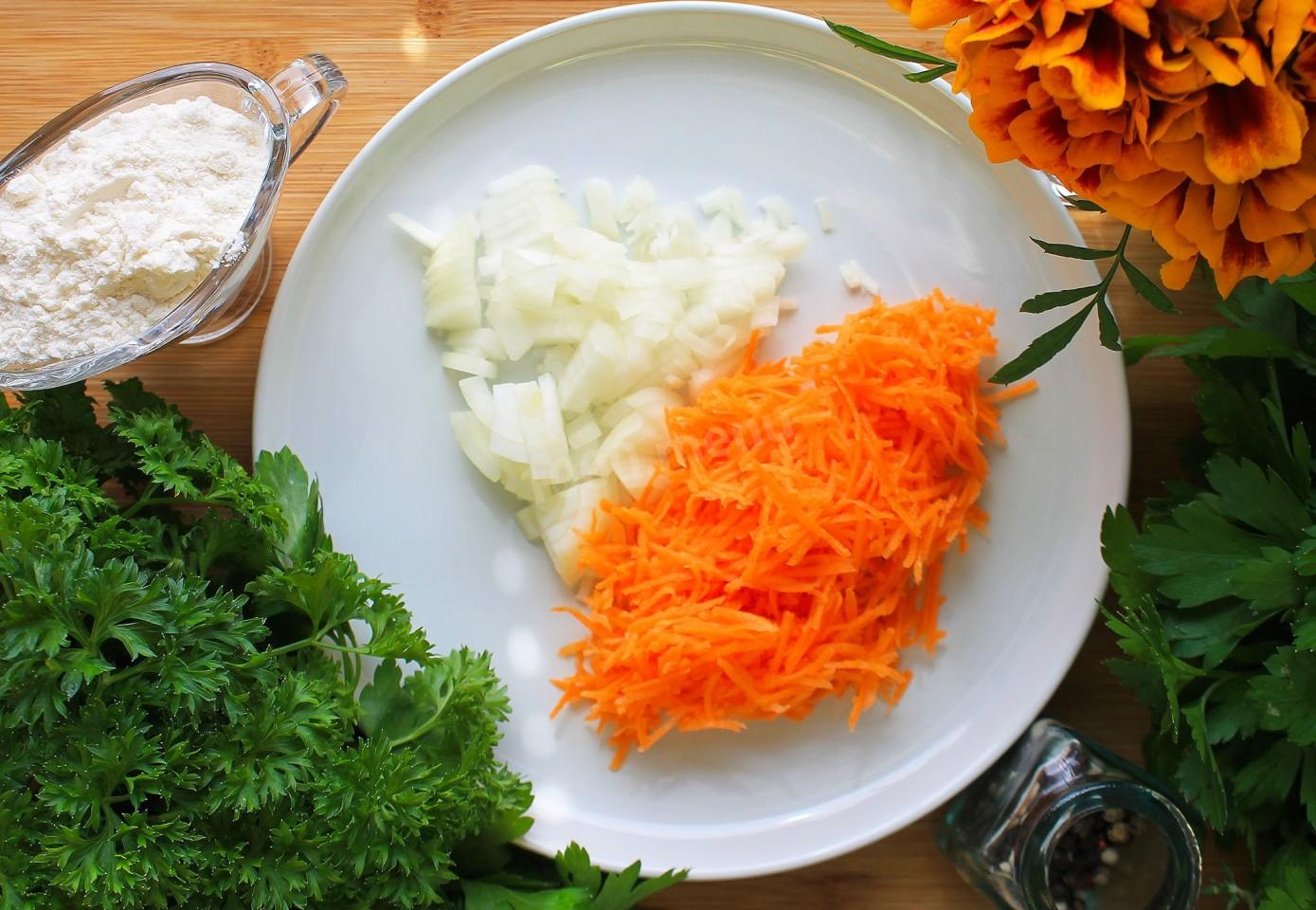
Grate the carrot on the coarse side and chop the onion finely.
-
Step 6:
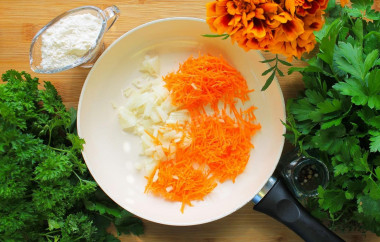
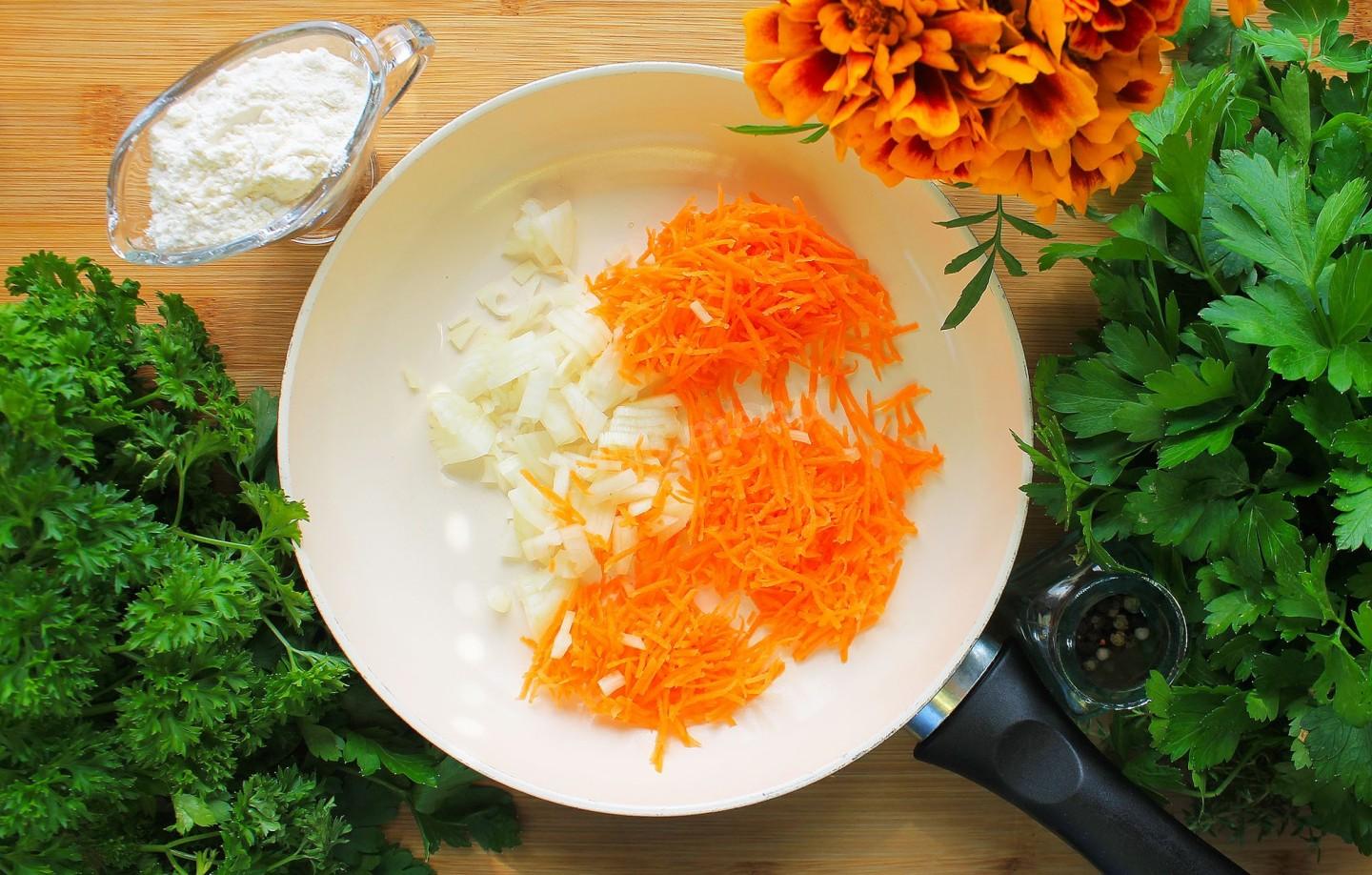
Heat a little odorless vegetable oil in a skillet. Sauté the onion and carrot until golden.
-
Step 7:
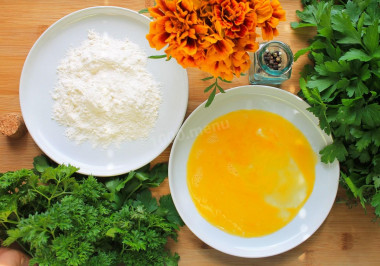
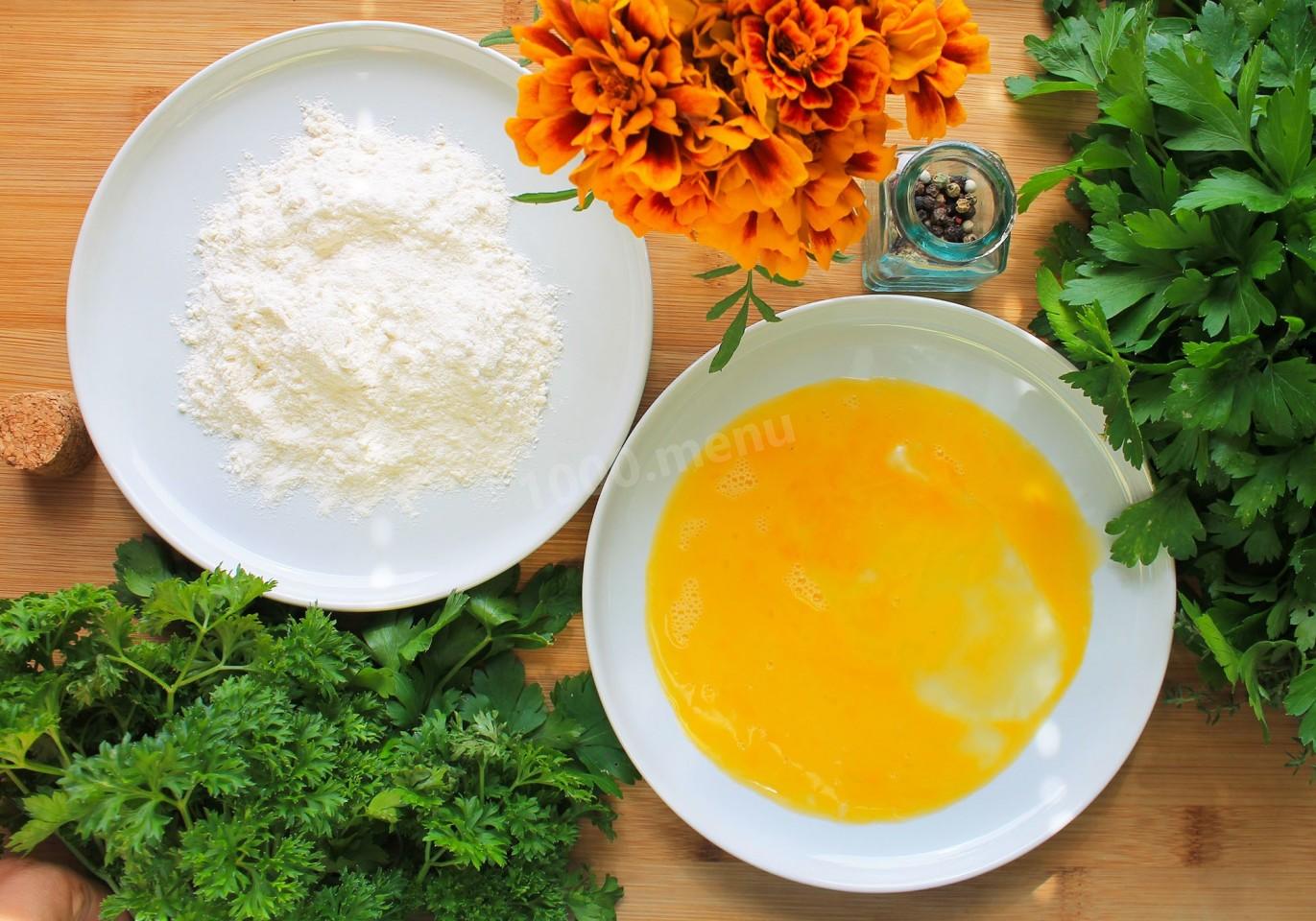
Wash the eggs and dry them with paper towels. Crack one egg into a bowl and beat it with a fork or whisk. For convenience, I poured the egg onto a flat plate. Spread the flour out on a clean countertop, or pour it onto a flat plate as well.
-
Step 8:
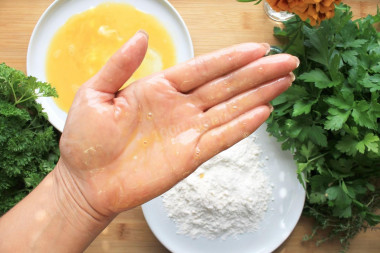
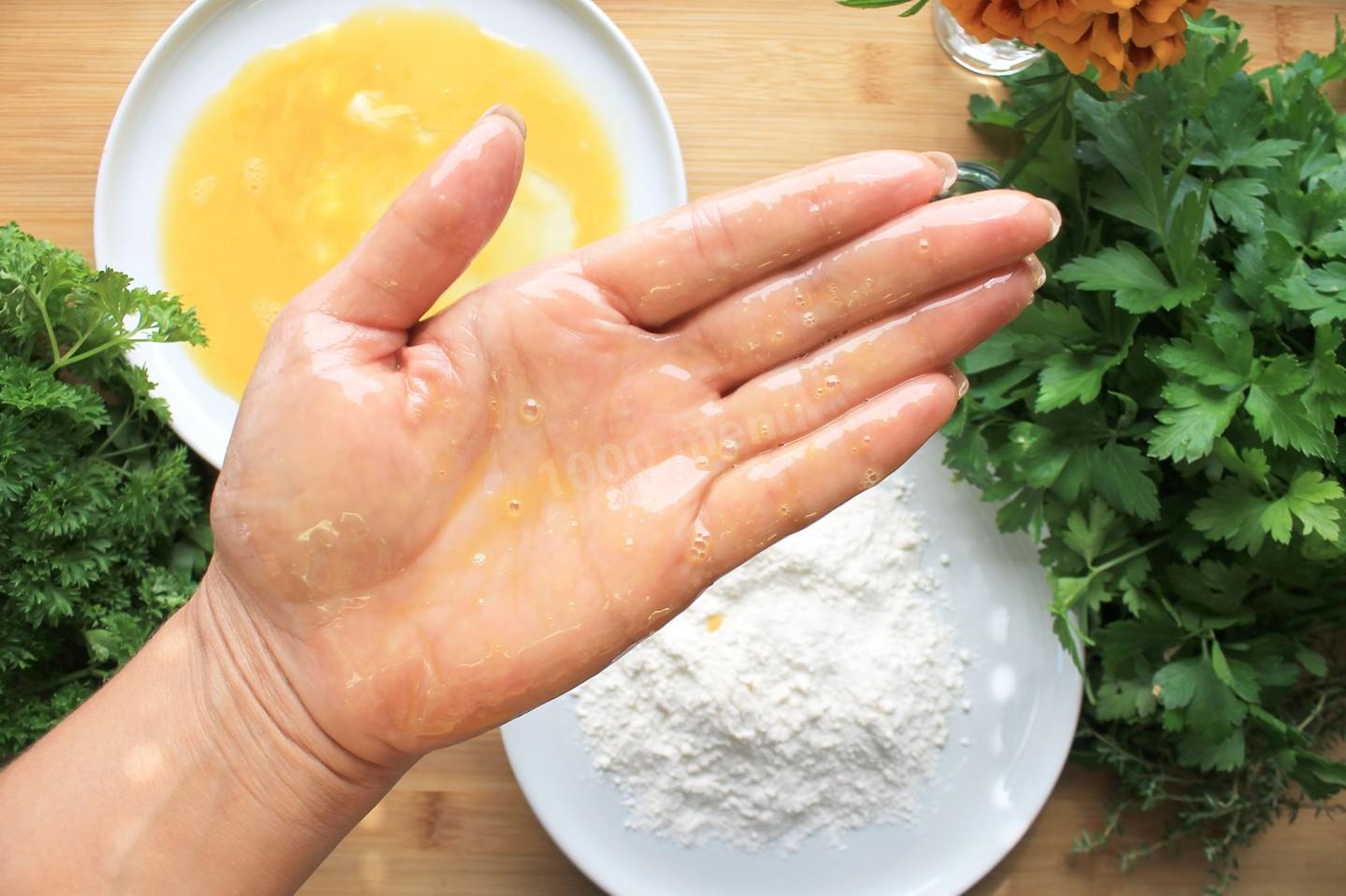
Wash your hands well with soap and dry them. Dip both hands first into the egg.
-
Step 9:
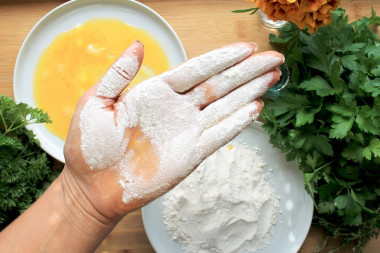
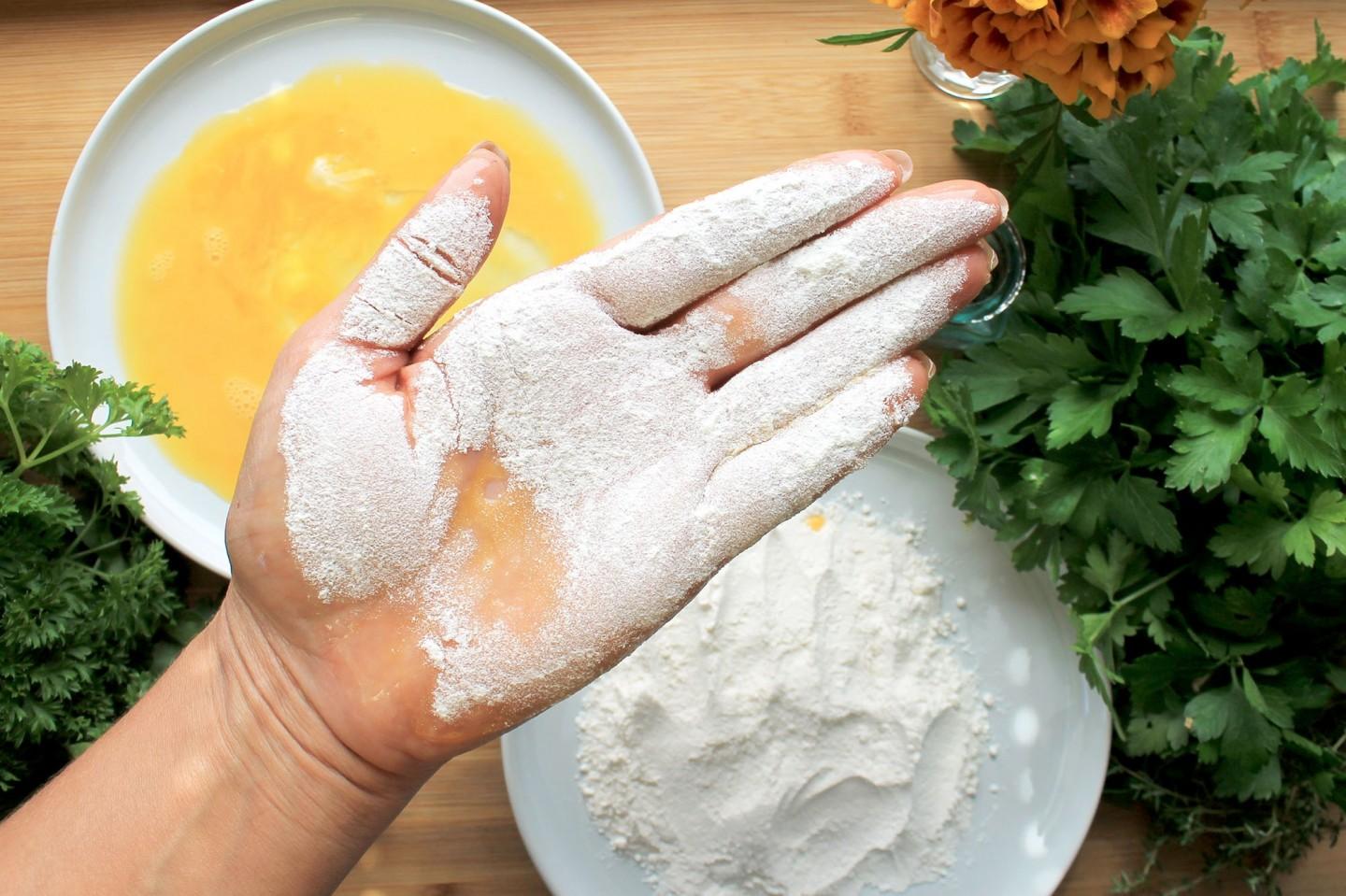
Then into the flour.
-
Step 10:
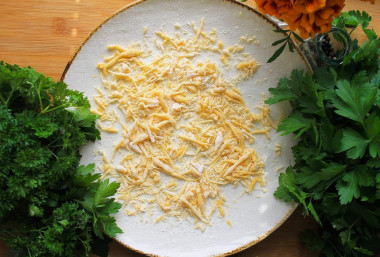
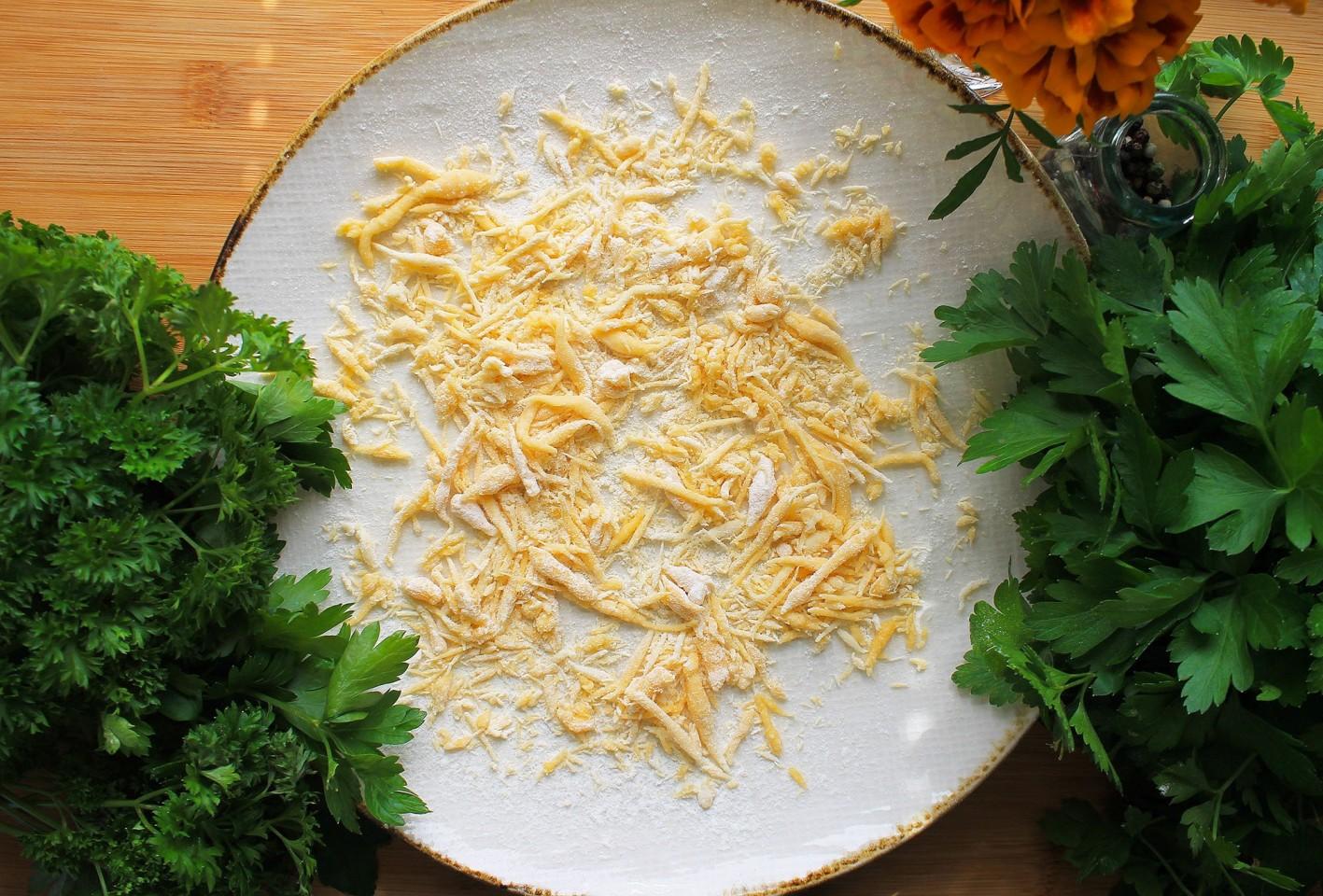
Rub your palms together over a tray or plate. The flour and egg roll up into little crumbs — that's the zatyrka. I found it handier to make these noodle bits a slightly different way: I'd dip my left palm first in the egg, then in the flour, and rub the egg-flour mixture on my left palm with the thumb of my right hand. Make the zatyrka whatever way is easiest for you. Once it has dried a little (it takes about 5 minutes), sift it through a fine sieve.
-
Step 11:
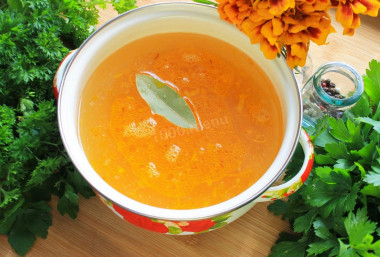
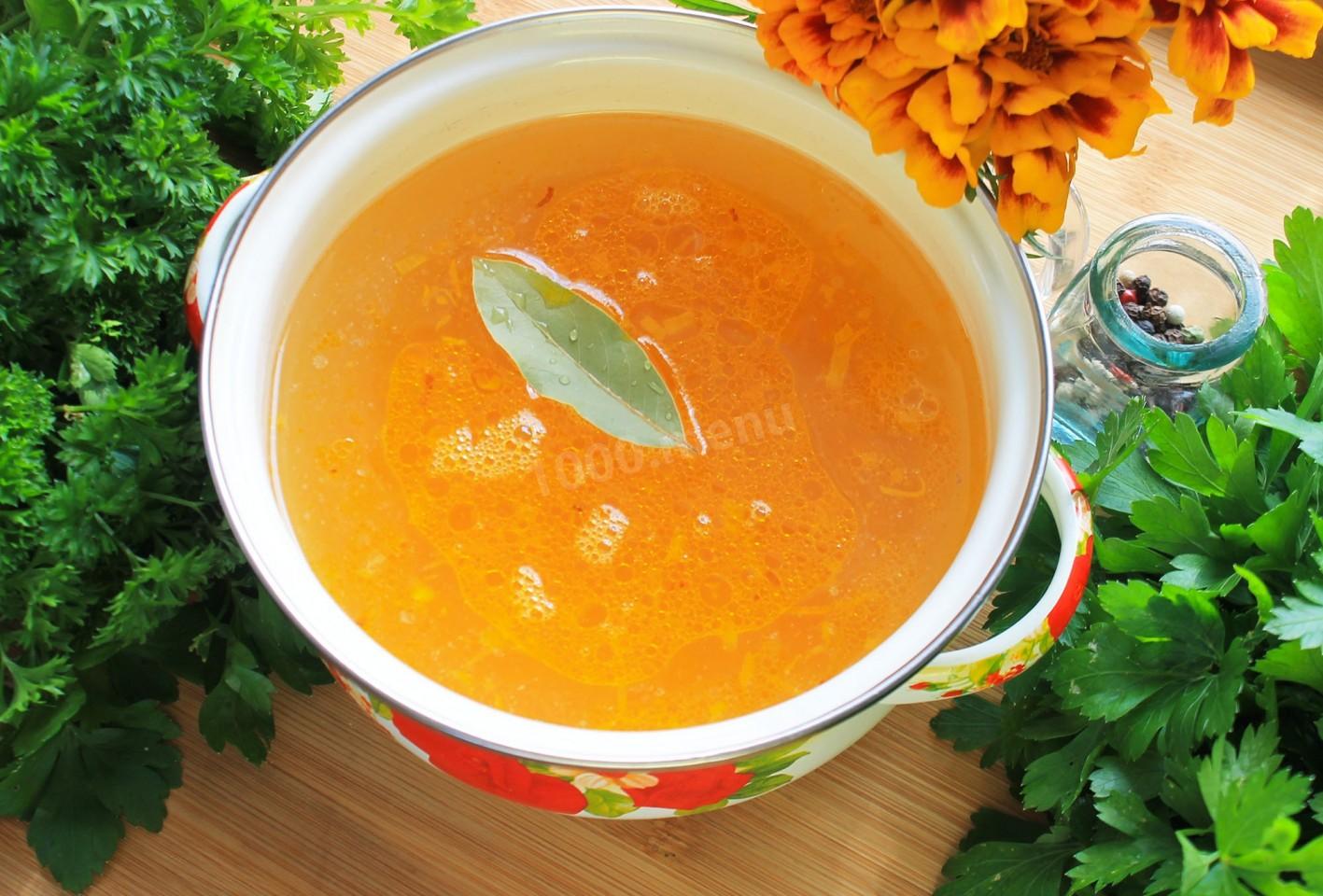
Add the chicken meat, the sautéed vegetables, and the bay leaf to the soup. Turn the heat up a little.
-
Step 12:
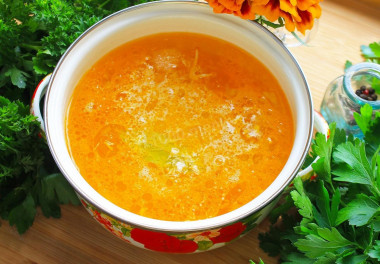
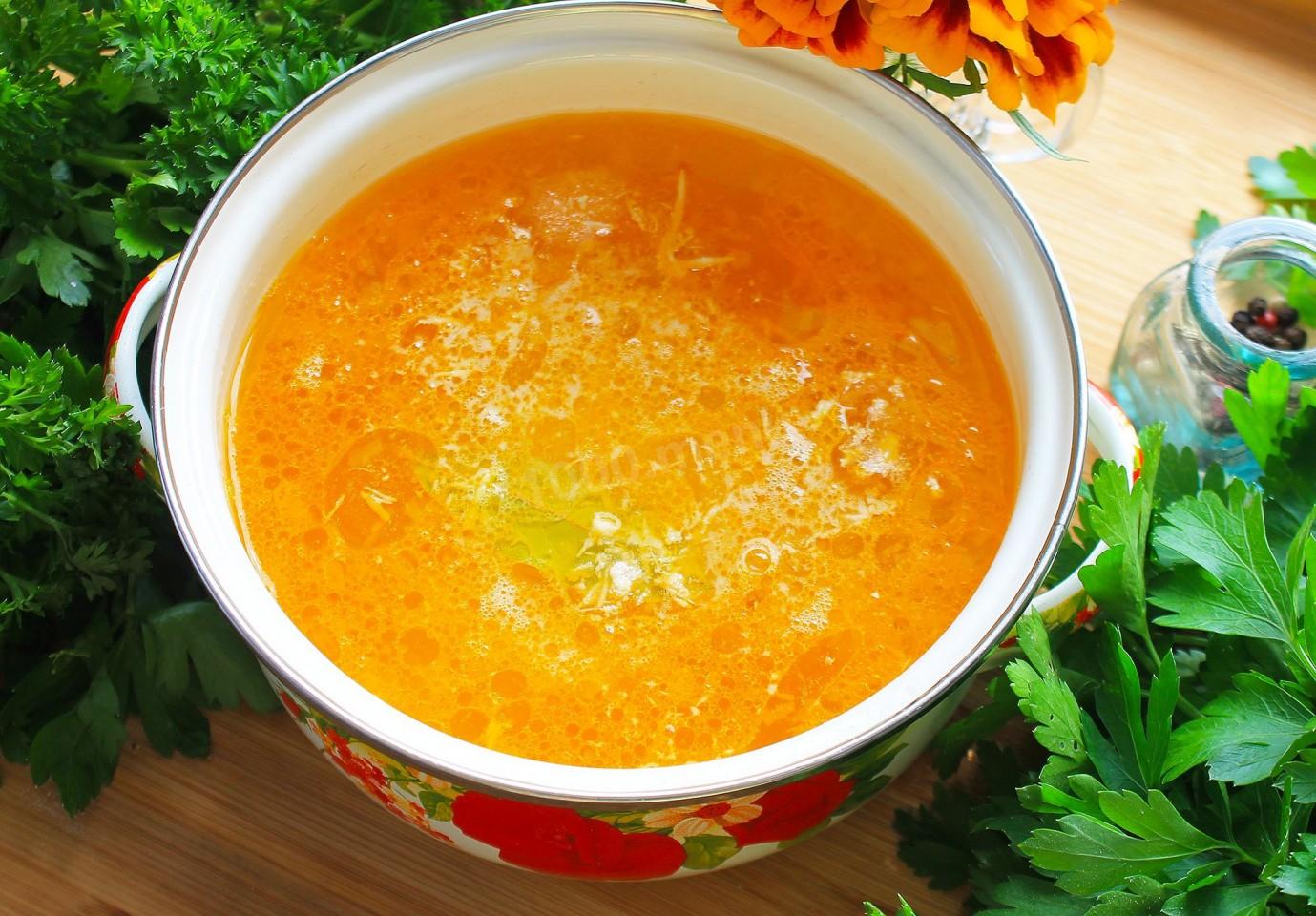
When it starts to boil, add the zatyrka to the pot. Taste for salt and add more if needed.
-
Step 13:
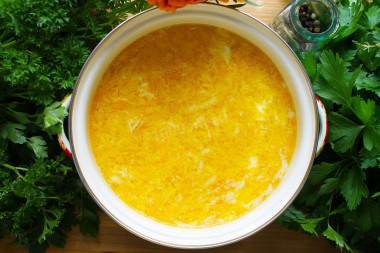
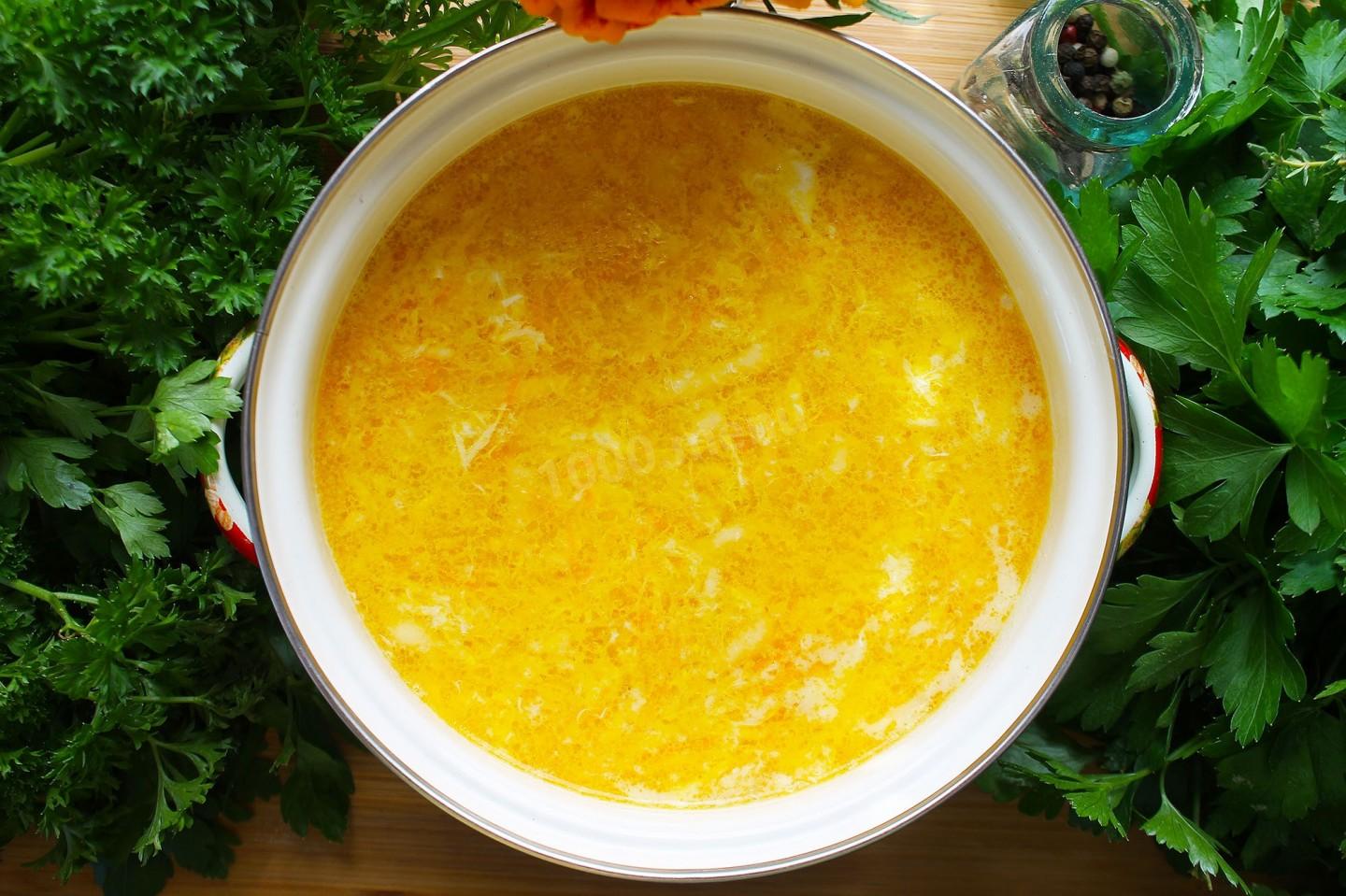
Beat the second egg and pour it into the soup in a thin stream, stirring the egg into the pot. This gives you pretty, delicate egg ribbons. Let the soup simmer over medium heat for about a minute.
-
Step 14:
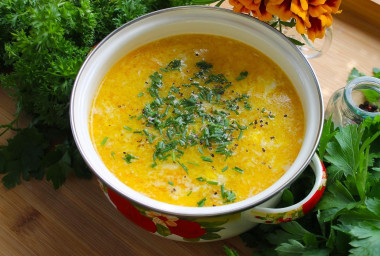
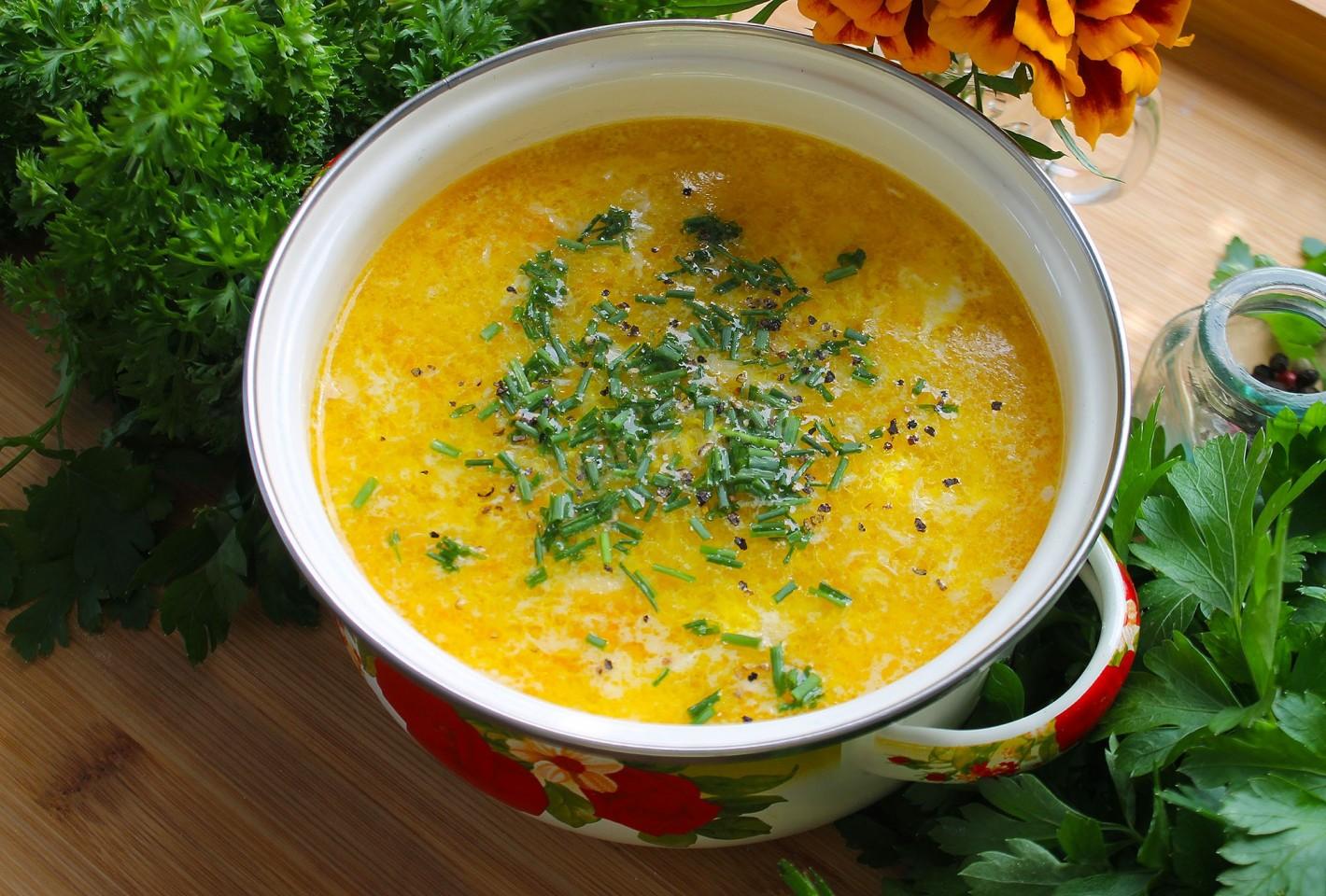
Add the finely chopped fresh herbs. Take the soup off the heat.
-
Step 15:
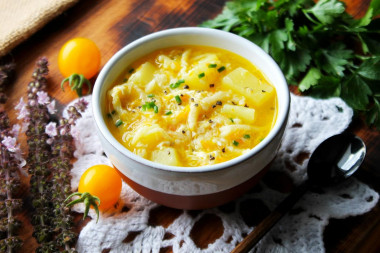
When serving, offer everyone ground black pepper for their bowl. Done!
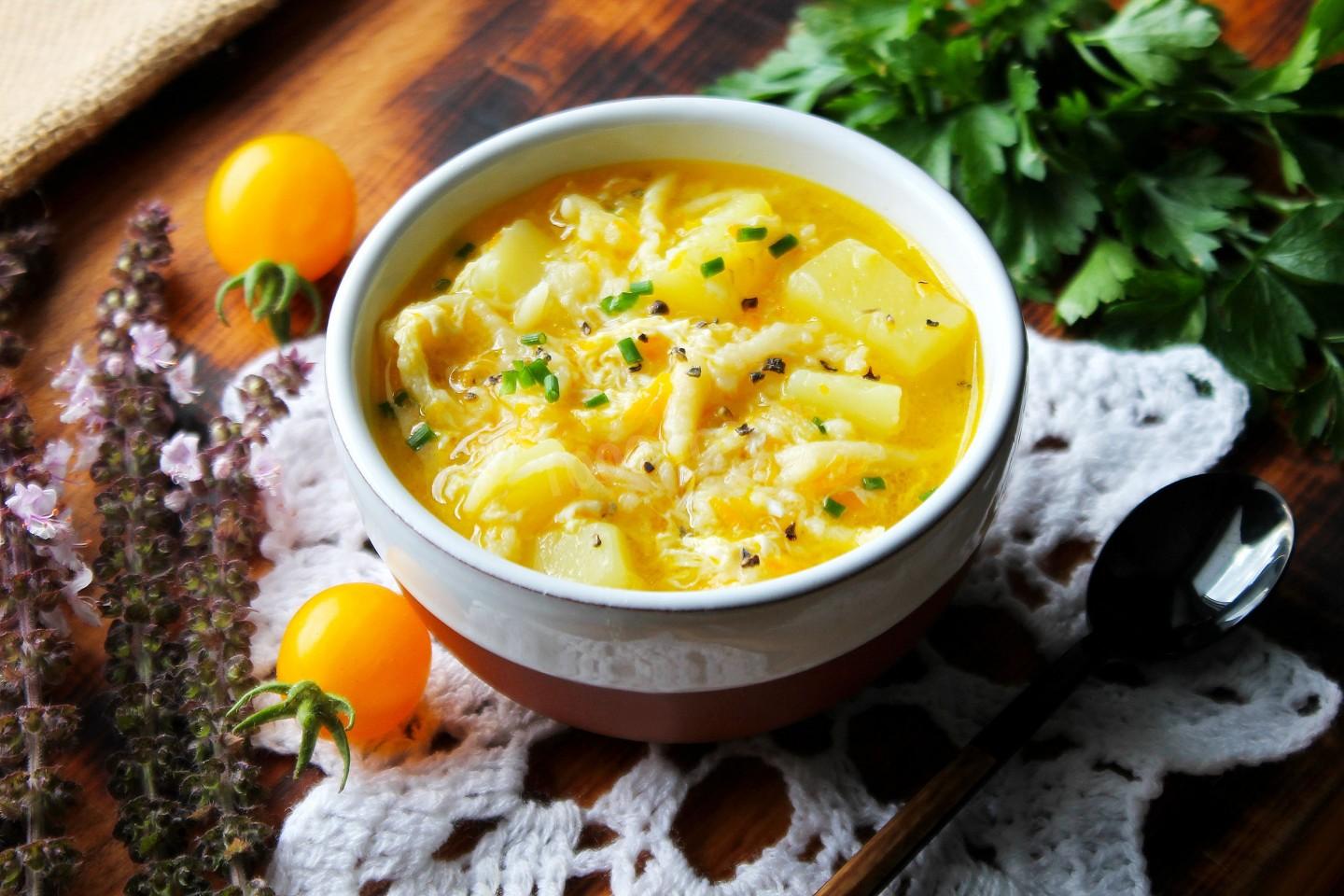
- Enjoy!
- Important! Whether or not the recipe gives an amount of water for the soup, it's best to go by your own preference (thick or thinner soup), the size of your pot, and the ingredients you're using. Keep in mind that the author has their own idea of how much meat, potatoes, grain, and other ingredients belong in the soup, and it may not match yours. In practice, if you're cooking it for the first time, don't make a whole pot at once. Make a small batch to taste — for one or two people. To do that, scale all the recipe's ingredients down to 1–2 servings, and figure the water at about one cup per serving for a very thick soup, up to 1.5–2 cups for a thinner one. Don't forget that some of the liquid boils off as it cooks. After tasting a small portion, you can adjust both the amount of liquid and the proportions of ingredients to your liking. From then on, like most experienced cooks, you'll be able to add water and ingredients by eye.
- How do you tell if an egg is fresh? Crack it into a separate container. First of all, there should be no off smell. The white of a fresh egg will be clear and clean. The yolk shouldn't spread and will be shiny, domed, and uniform.
- Always wash eggs before using them, since even a seemingly clean shell can carry harmful bacteria. It's best to use a food-safe wash and a brush.
Caloric content of the products possible in the composition of the dish
- Category I chicken - 238 kcal/100g
- Chicken of the II category - 159 kcal/100g
- Chicken, flesh without skin - 241 kcal/100g
- Chickens - 140 kcal/100g
- Onion - 41 kcal/100g
- Ripe potatoes - 80 kcal/100g
- Baked potatoes - 70 kcal/100g
- Mashed potatoes - 380 kcal/100g
- Boiled potatoes - 82 kcal/100g
- Potatoes in their skins - 74 kcal/100g
- Fried potatoes - 192 kcal/100g
- Chicken egg - 157 kcal/100g
- Egg white - 45 kcal/100g
- Egg powder - 542 kcal/100g
- Egg yolk - 352 kcal/100g
- Ostrich egg - 118 kcal/100g
- Carrots - 33 kcal/100g
- Dried carrots - 275 kcal/100g
- Boiled carrots - 25 kcal/100g
- Bay leaf - 313 kcal/100g
- Ground black pepper - 255 kcal/100g
- Whole durum wheat flour fortified - 333 kcal/100g
- Whole durum wheat flour universal - 364 kcal/100g
- Flour krupchatka - 348 kcal/100g
- Flour - 325 kcal/100g
- Vegetable oil - 873 kcal/100g
- Salt - 0 kcal/100g
- Fresh frozen soup greens in a package - 41 kcal/100g
- Greens - 41 kcal/100g
Similar recipes
- National cuisine
- Old recipes
- Soups
- Eggs
- Meat and meat products
- Vegetables
- Flour
- Spices seasonings spices
- Fats and oils
- Зелень
- Bay leaf
- Pepper
- Salt
- Vegetable oil
- Russian cuisine
- Cooking
- Egg soup
- Meat soup
- Potato soup
- Poultry
- Chicken with vegetables
- From carrots
- From potatoes
- From onion
- Recipes for lean dishes without butter