Cherries in syrup for winter
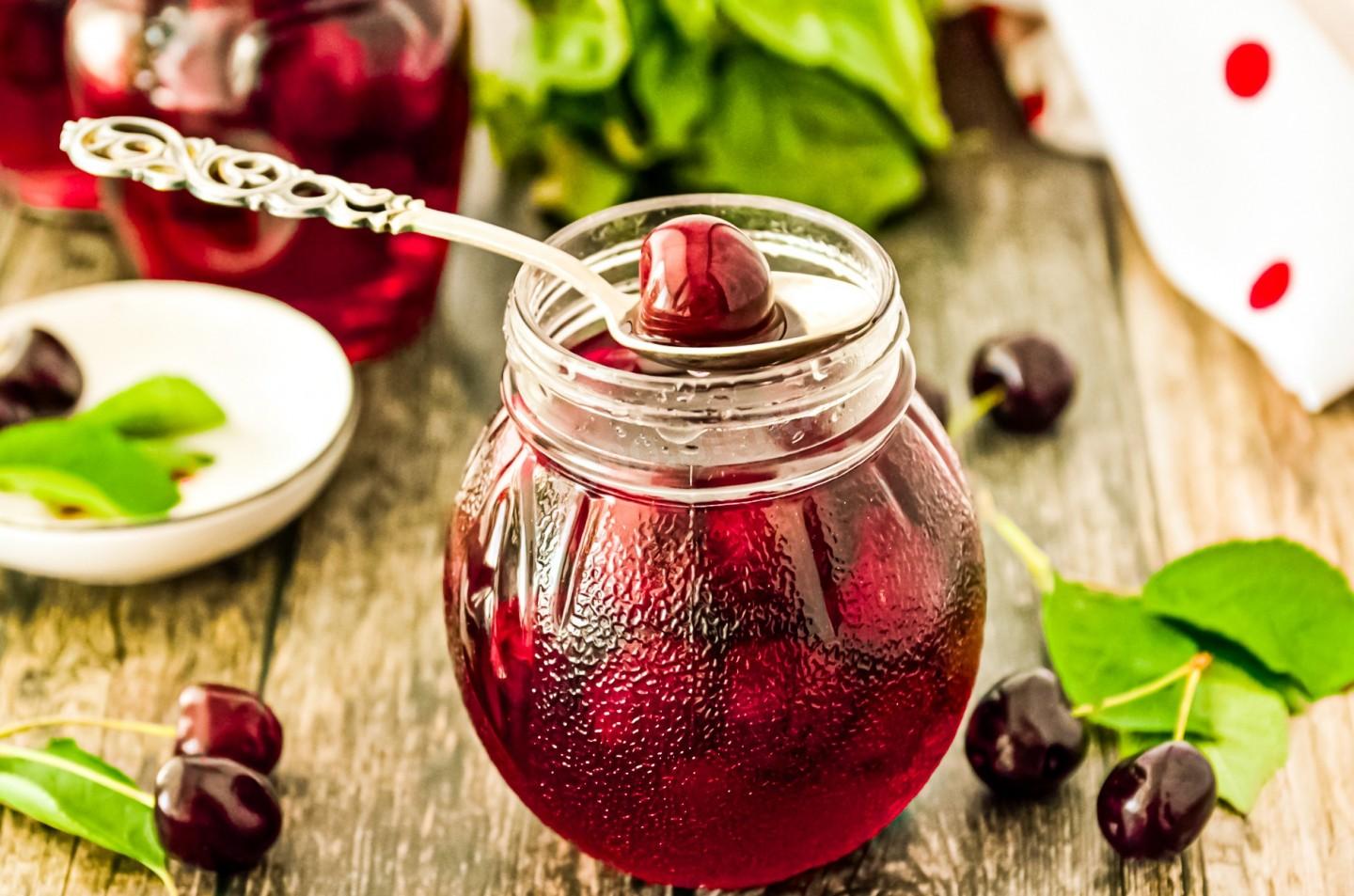
The fastest, simplest, easiest way to put up cherries! Cherries in syrup for winter take very little time: there's no pitting, cooking, or sterilizing involved. It's something between jam and compote. This way, you can make even sour cherries sweet and delicious.

Cooking method
-
Step 1:
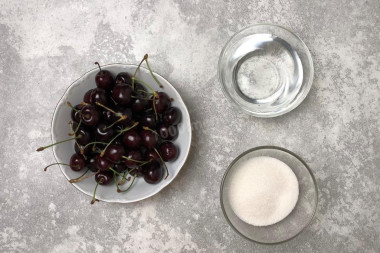
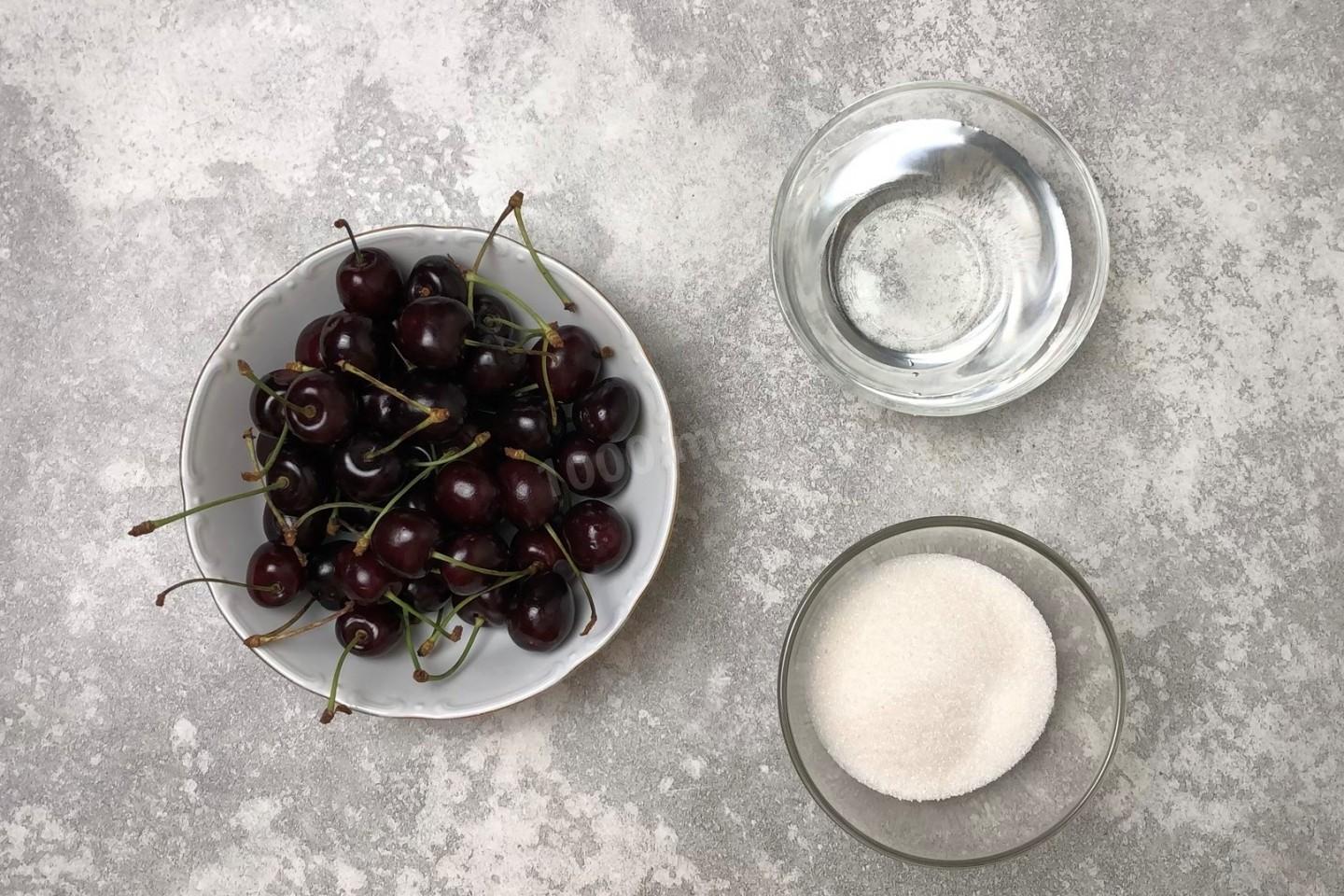
How do you make cherries in syrup for winter? Gather the ingredients. It's best to use tart cherries; too-sweet ones come out cloying. The amounts of water and sugar are approximate — they depend on your jars and how many cherries you put in them.
-
Step 2:
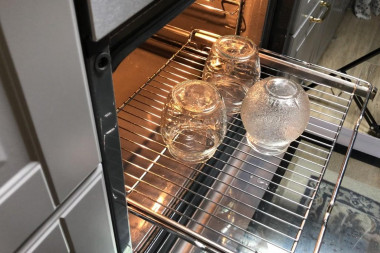
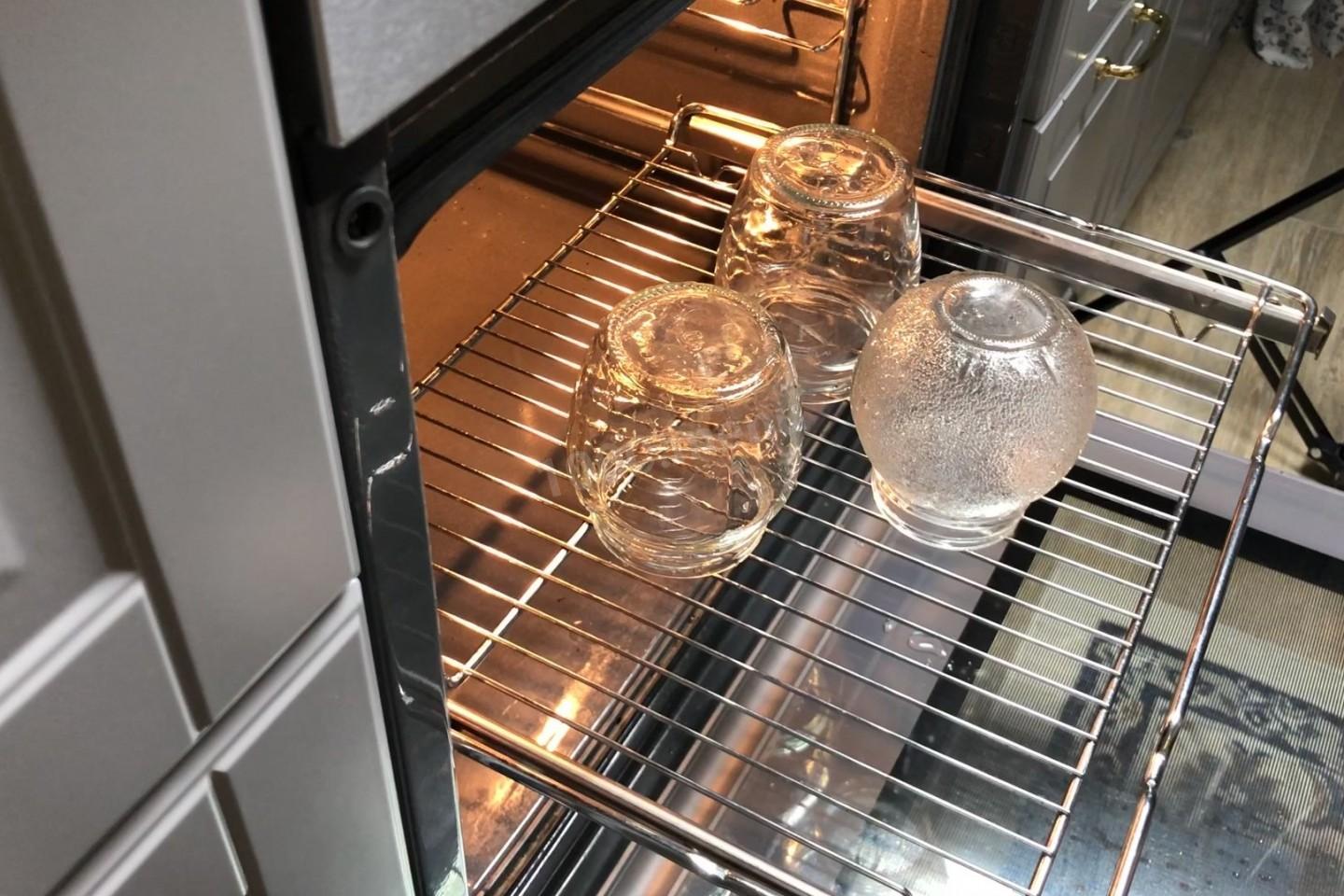
Sterilize the jars first. We won't sterilize the cherries themselves, but the jars are a must. Do it however you like; I do it in the oven. Put clean jars in a cold oven and turn the heat to 250°F (120°C). Once the oven is hot, time them for 15 minutes. Take the hot jars out with oven mitts.
-
Step 3:
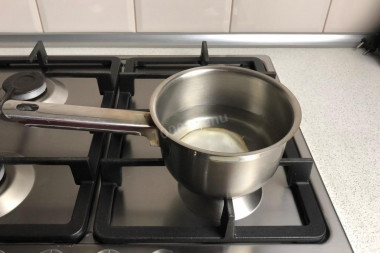
Boil the lids for a few minutes — that sterilizes them too. Mine are jars with screw lids; metal canning lids are sterilized the same way.
-
Step 4:
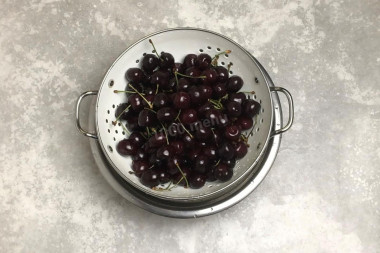
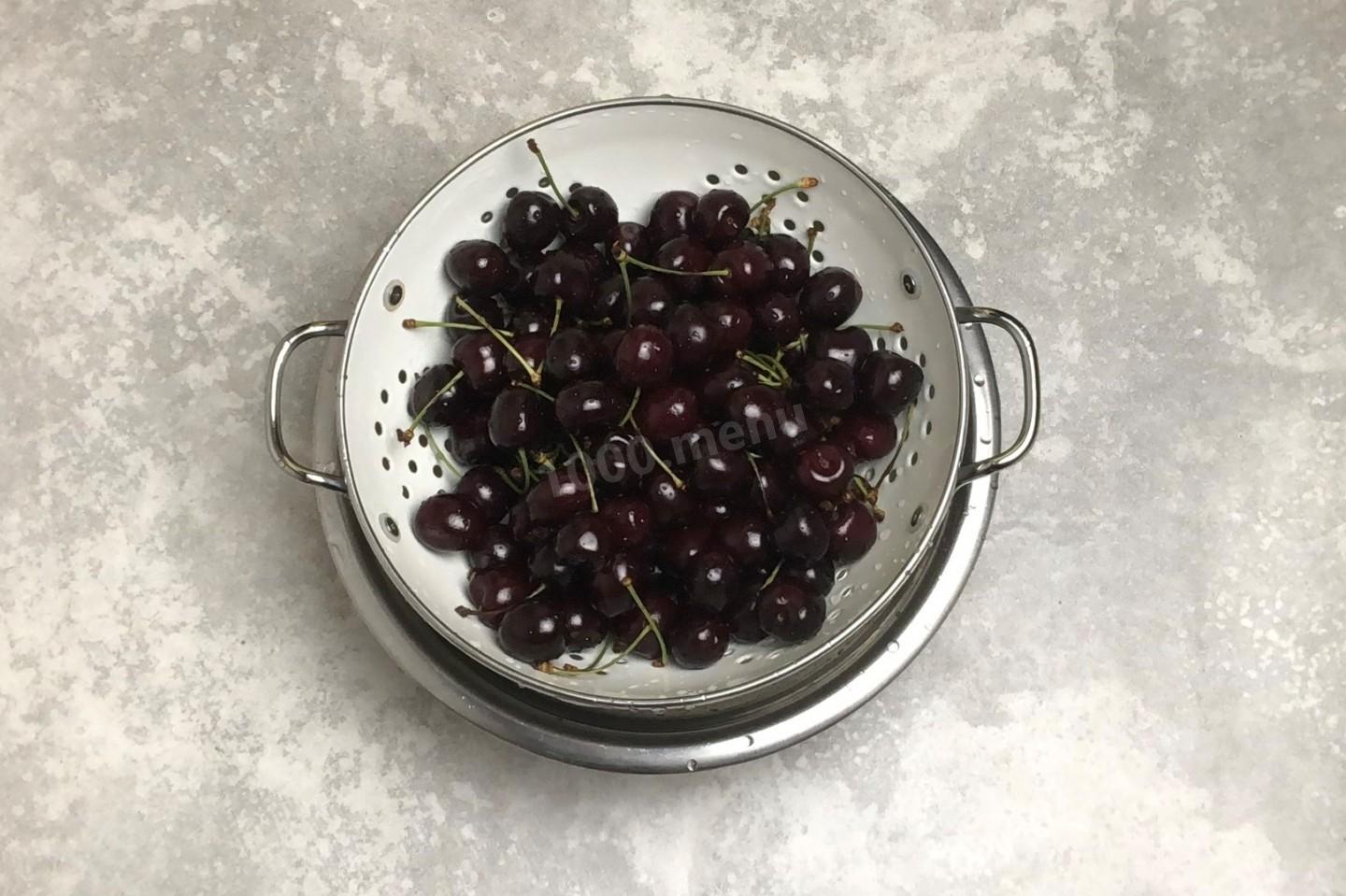
Rinse the cherries under running water, then tip them into a colander to drain.
-
Step 5:
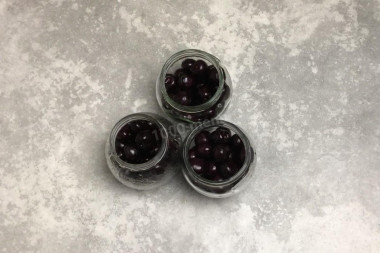
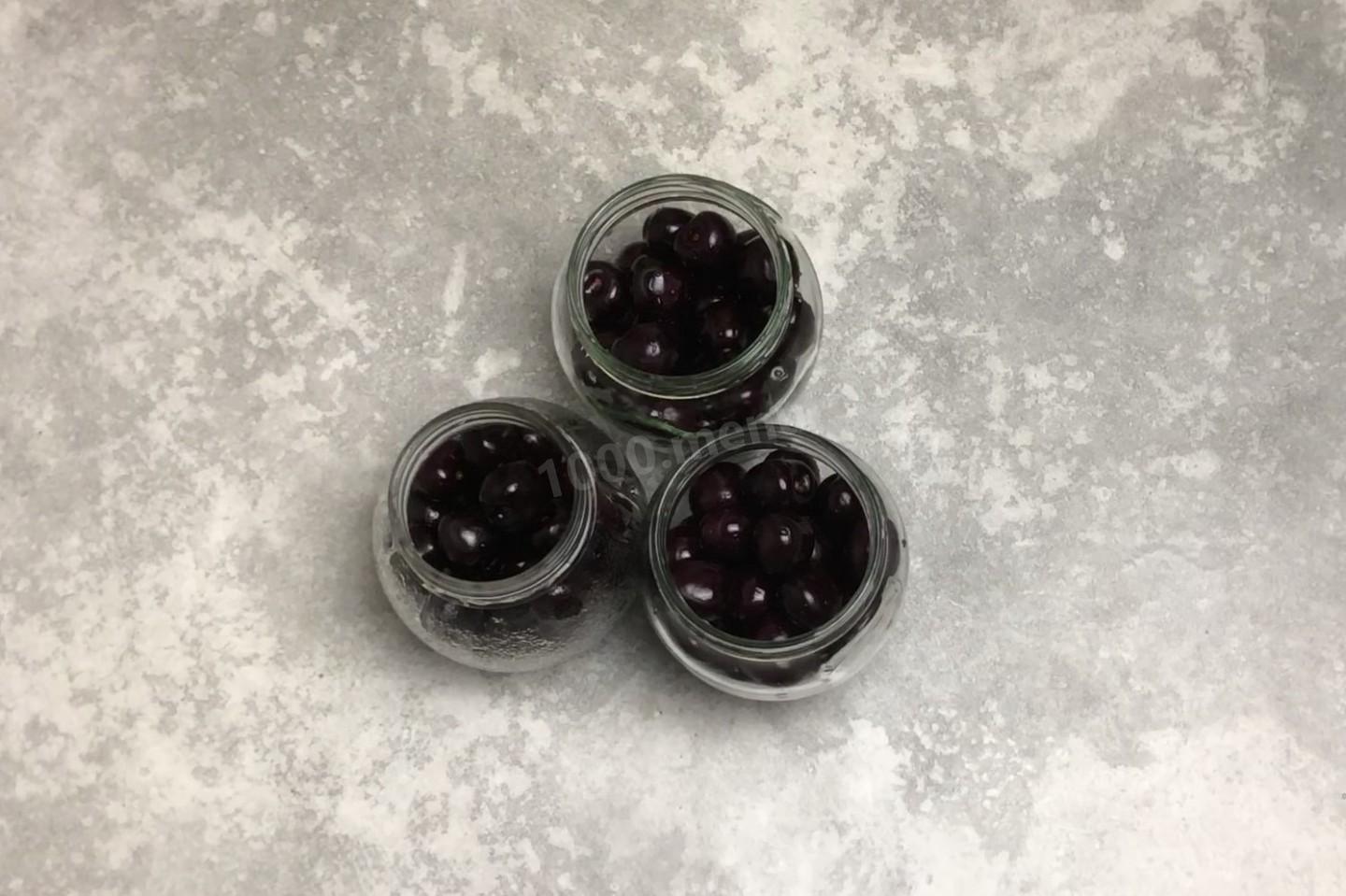
Fill the prepared jars with cherries, about two-thirds full. Don't pit them — leaving the pits in keeps the cherries juicier. Remove the stems.
-
Step 6:
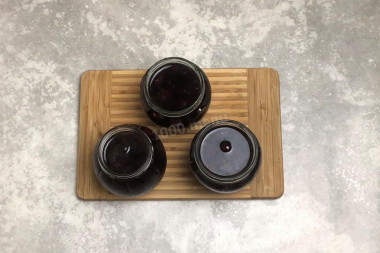
Boil the water. Pour the boiling water over the jars right up to the rim.
-
Step 7:
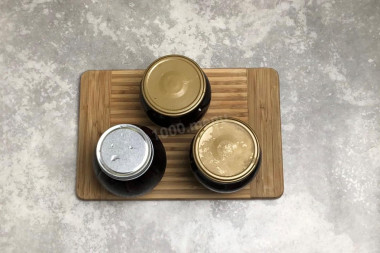
Cover the jars with the lids and leave them for 20 minutes.
-
Step 8:
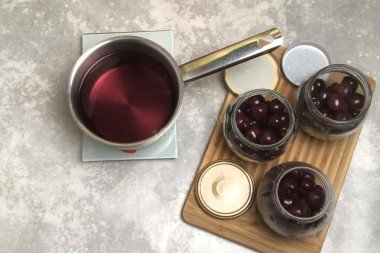
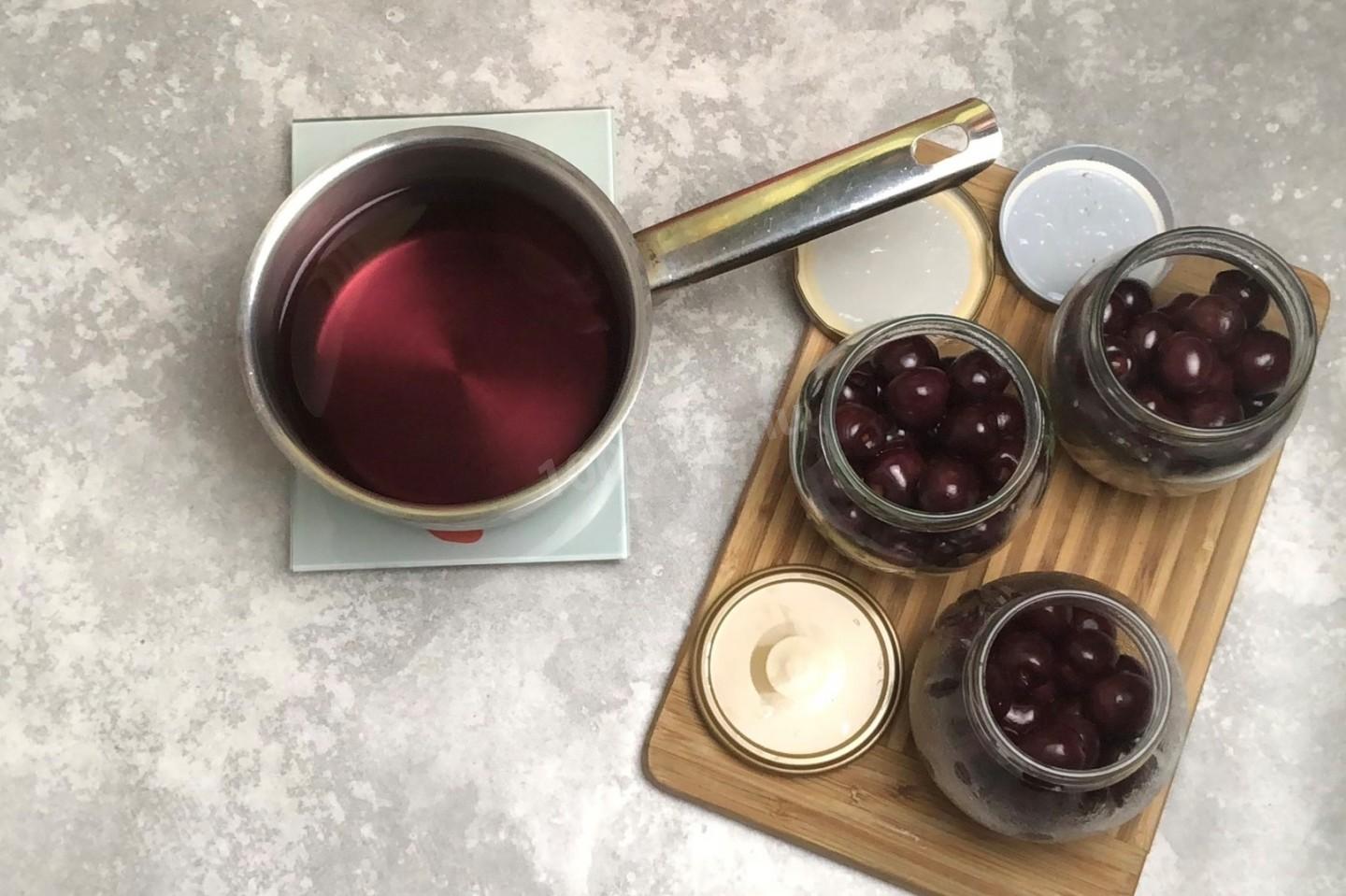
Next you'll need a kitchen scale or measuring cup to measure the liquid accurately. Carefully drain the liquid from the jar, taking care not to let the cherries fall out.
-
Step 9:
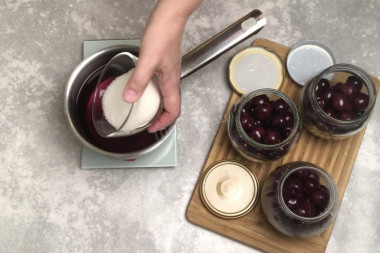
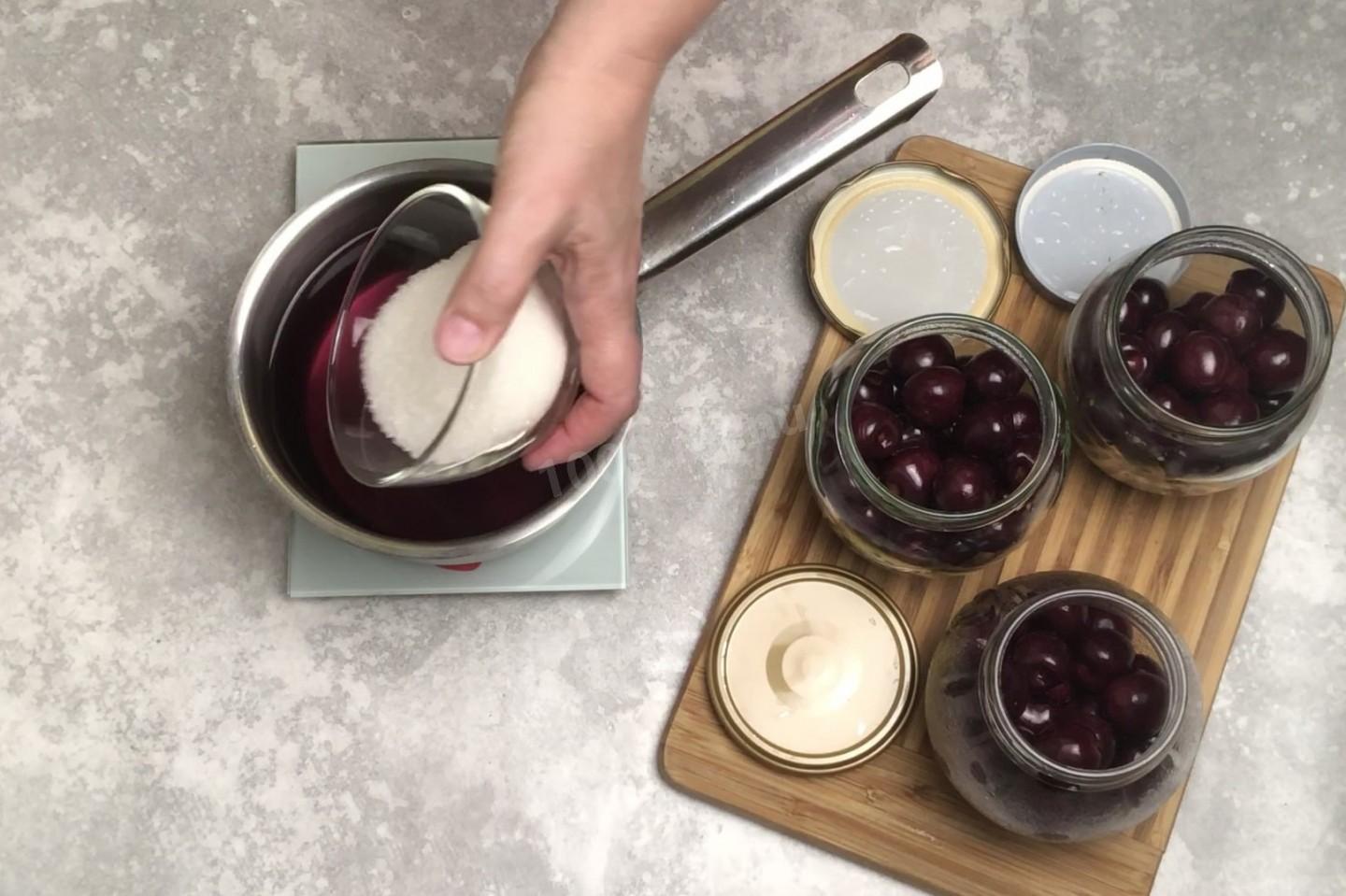
Add sugar to the water at a rate of 250 grams of sugar per 500 ml of water.
-
Step 10:
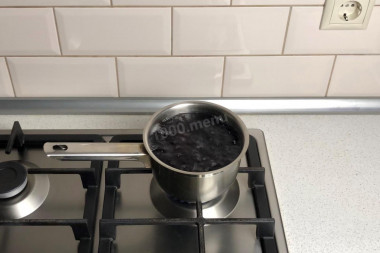
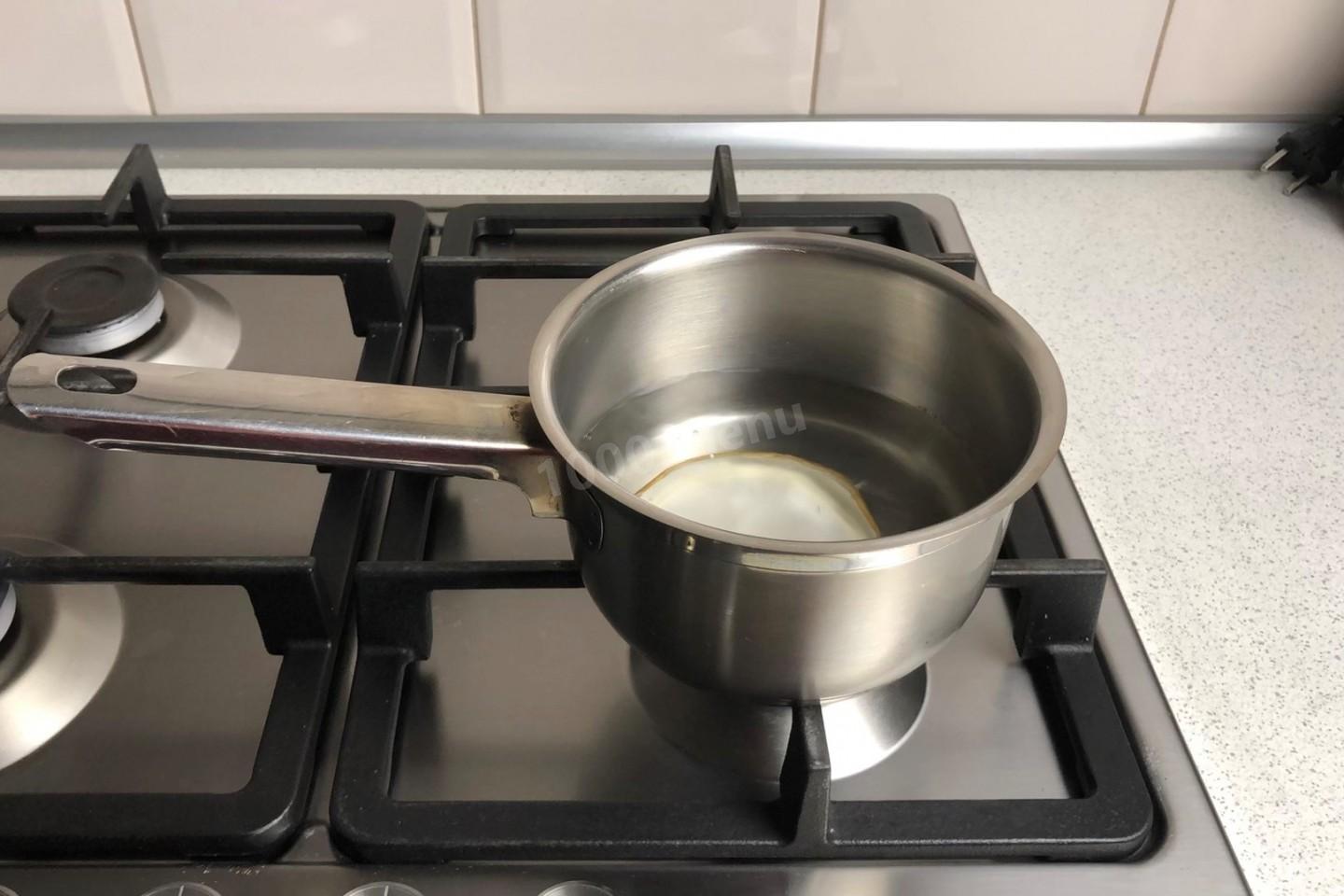
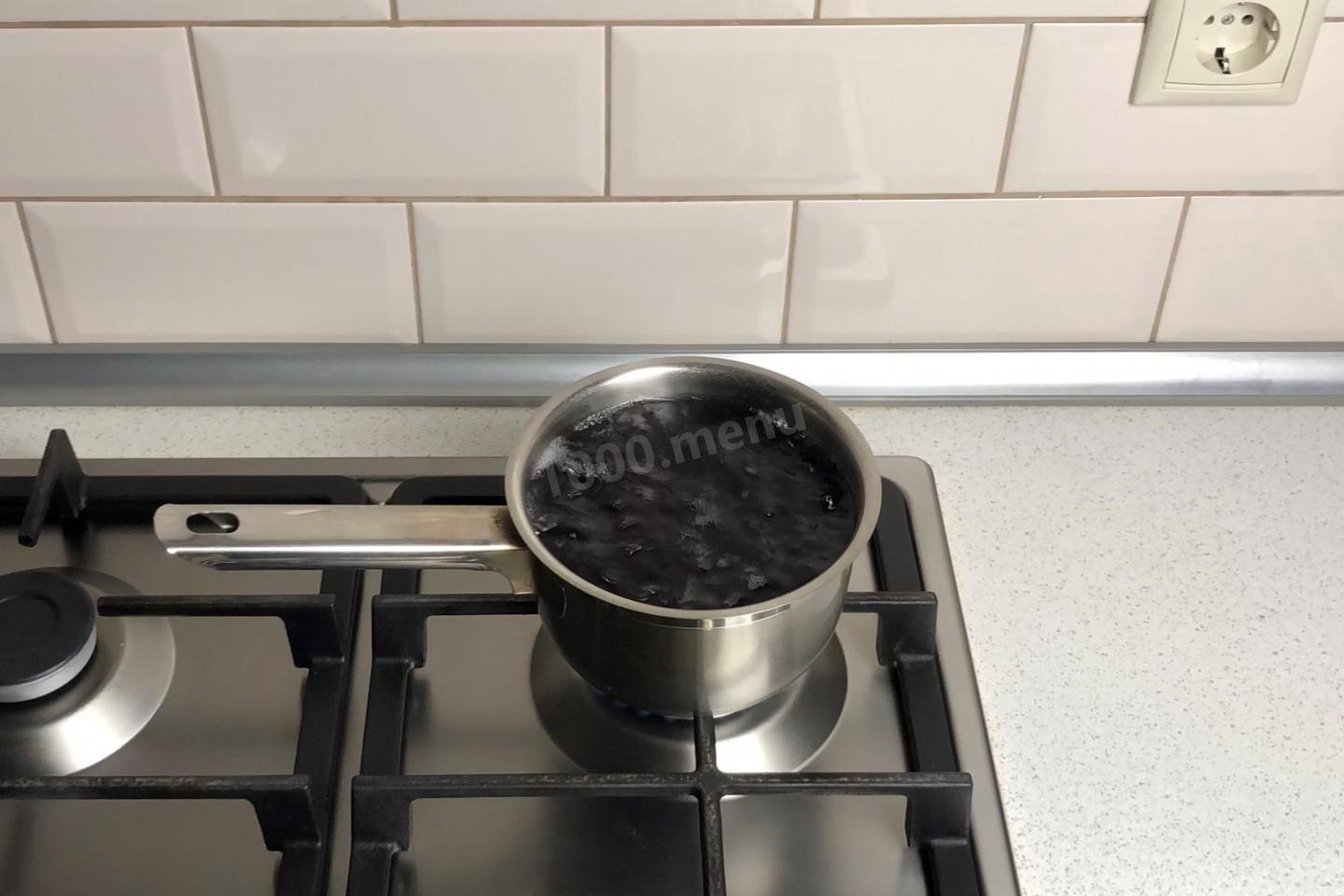
Set the pot of syrup over medium heat and bring it to a boil. The sugar should dissolve completely — stir it as it heats.
-
Step 11:
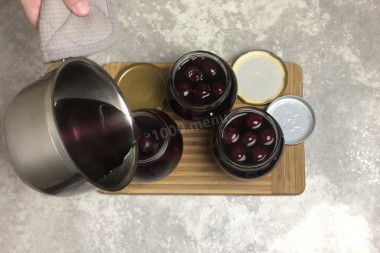
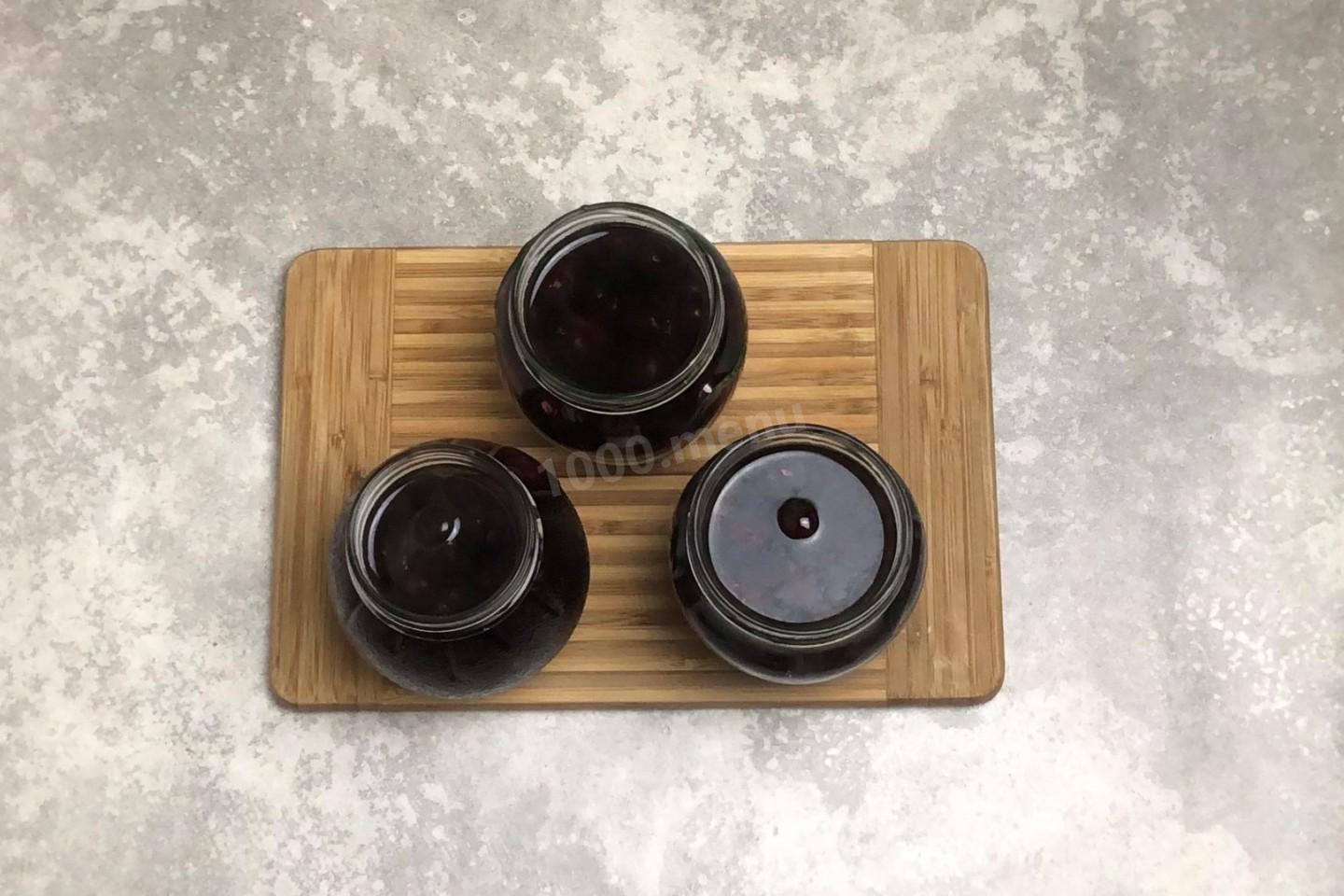
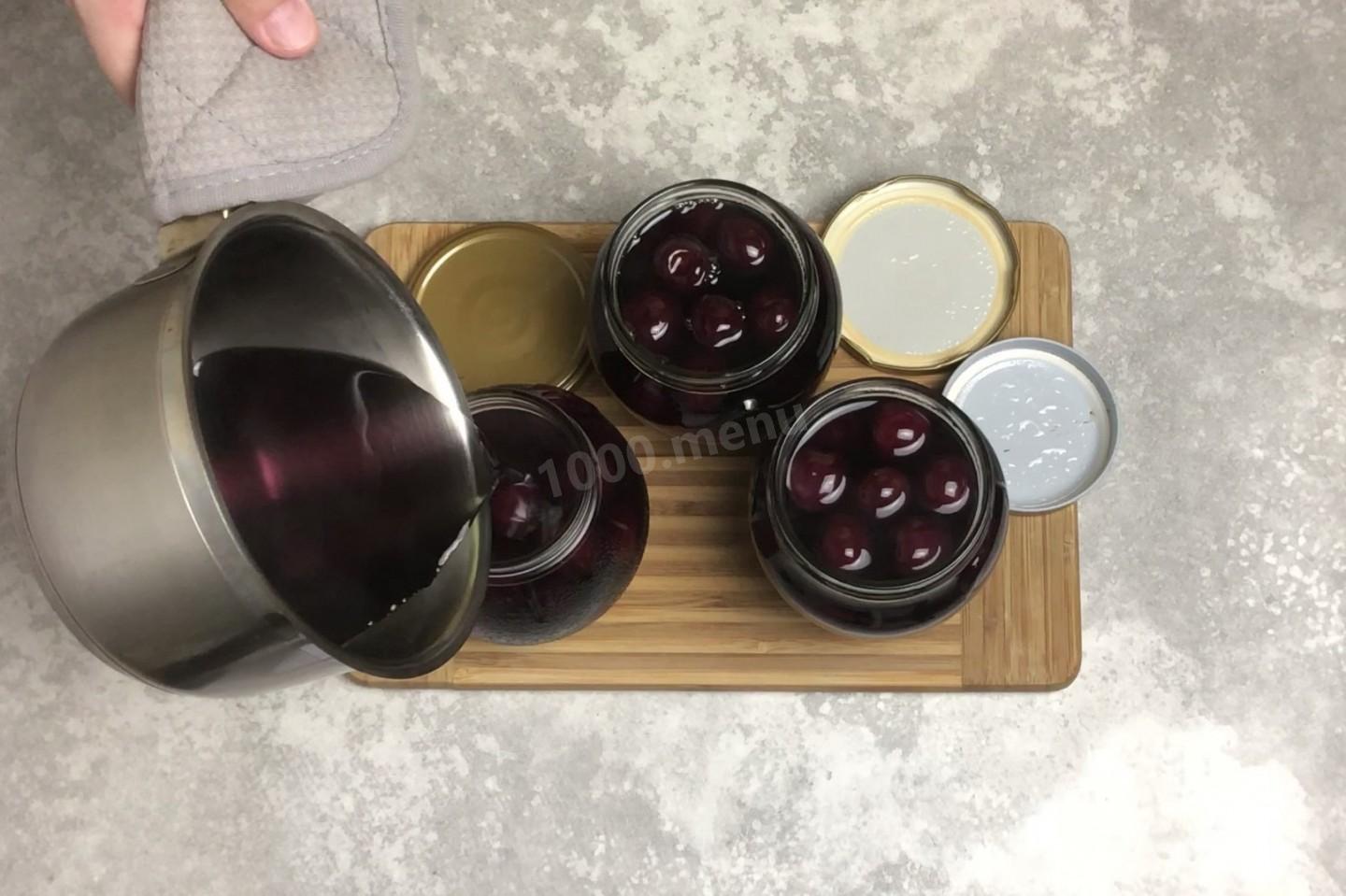
Pour the boiling syrup back over the jars up to the rim. Careful — it's very hot!
-
Step 12:
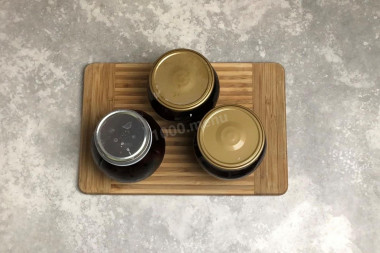
Seal the jars right away and tighten the lids firmly. If you're using metal canning lids, seal them with a canning tool.
-
Step 13:
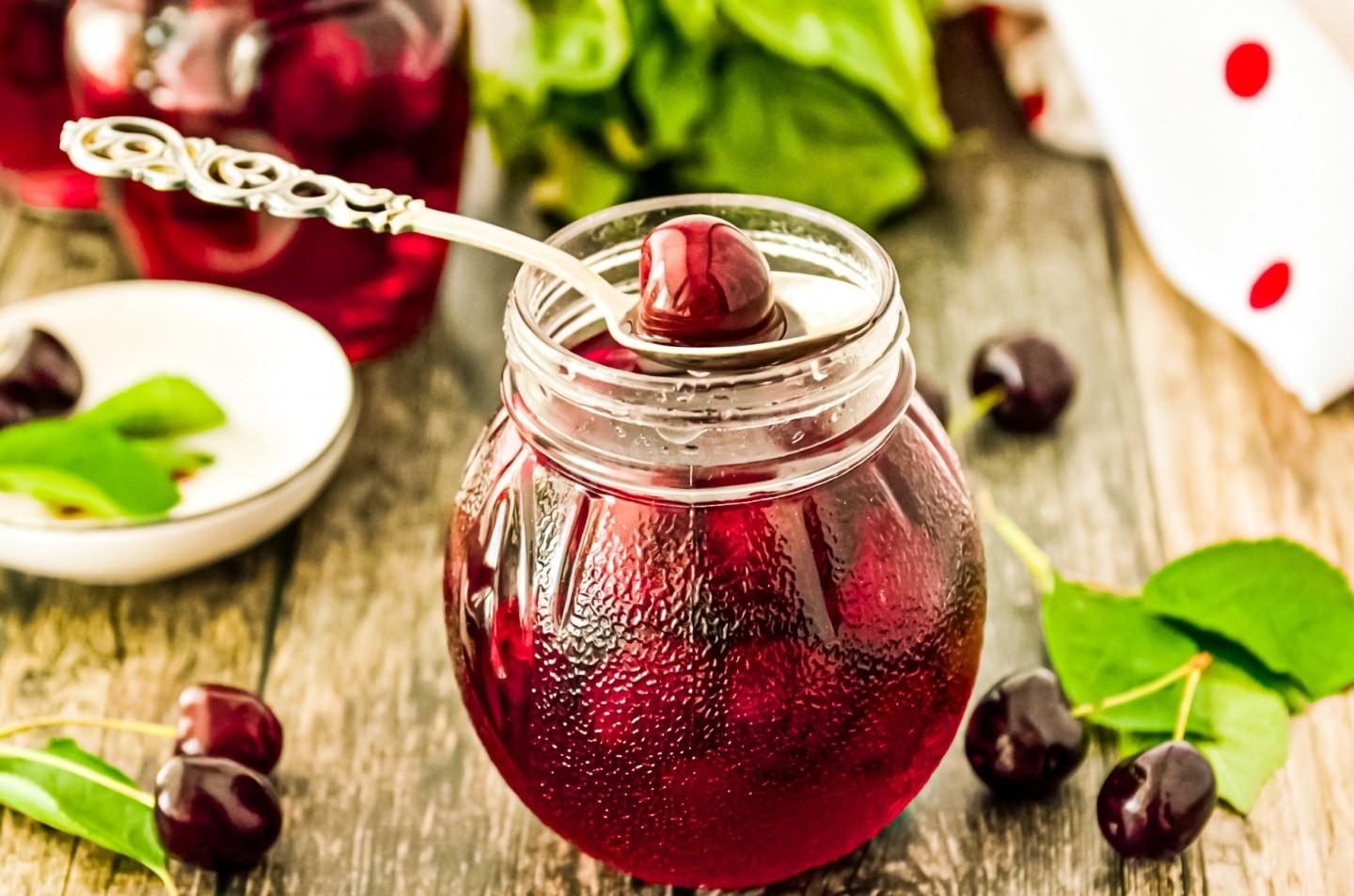
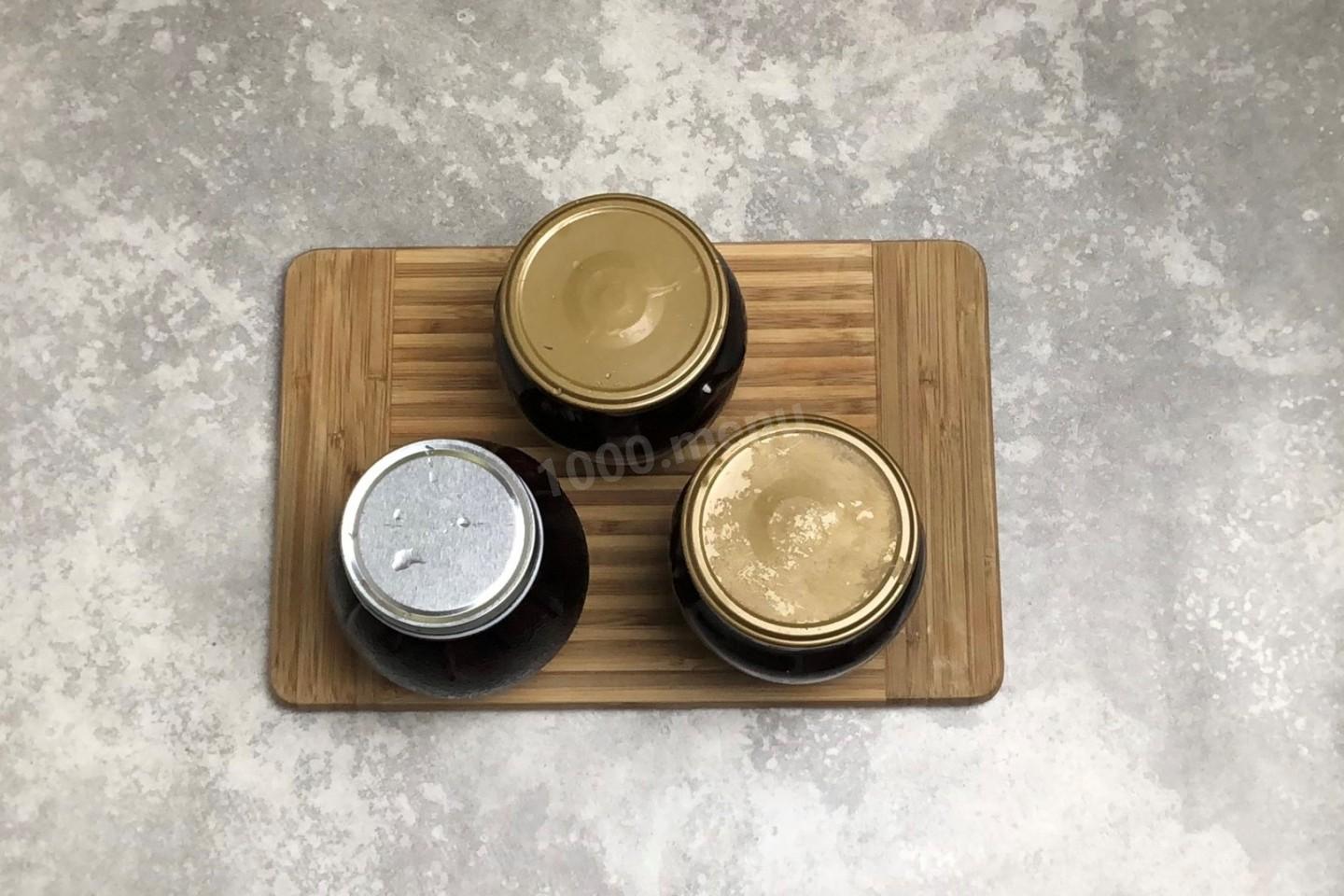
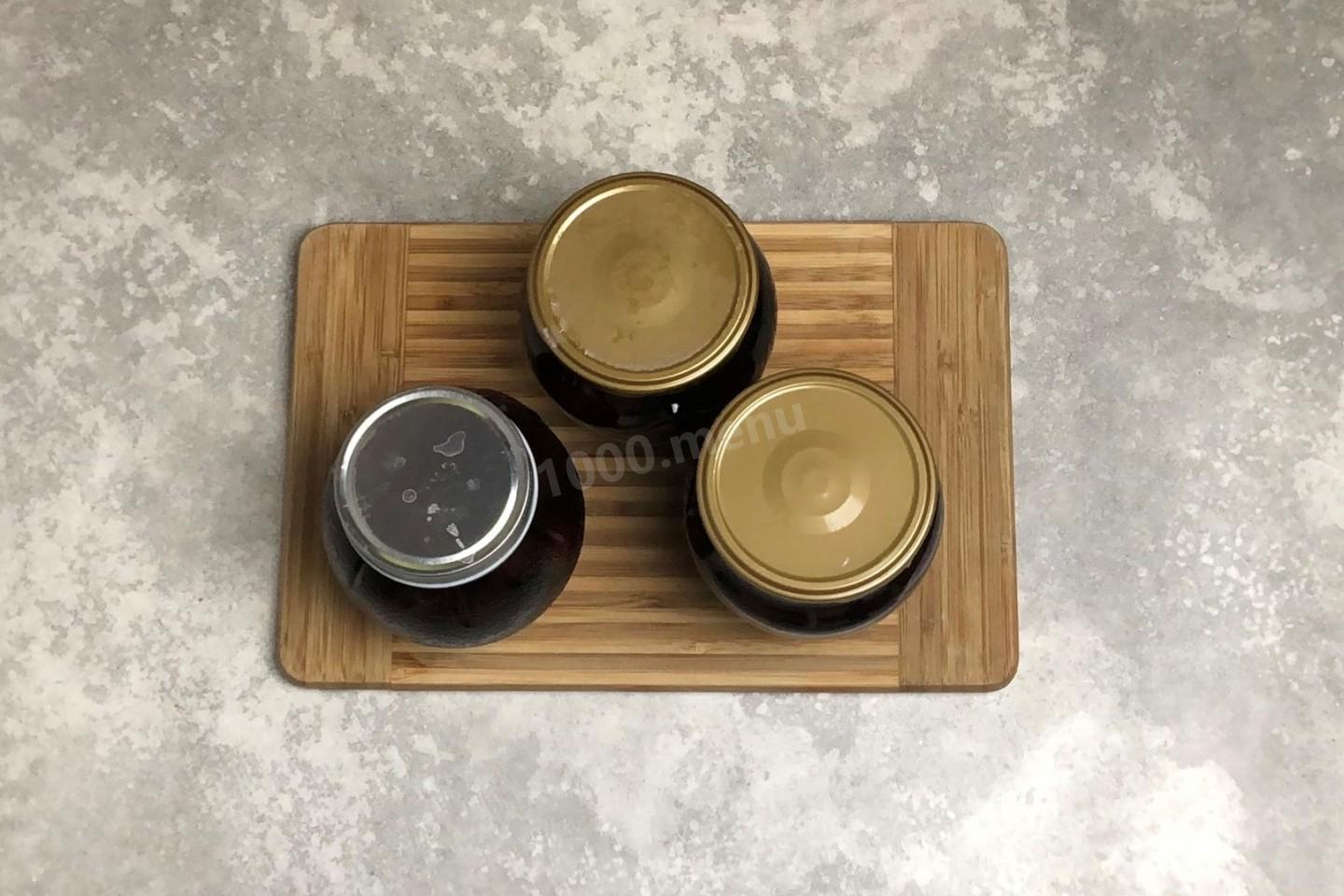
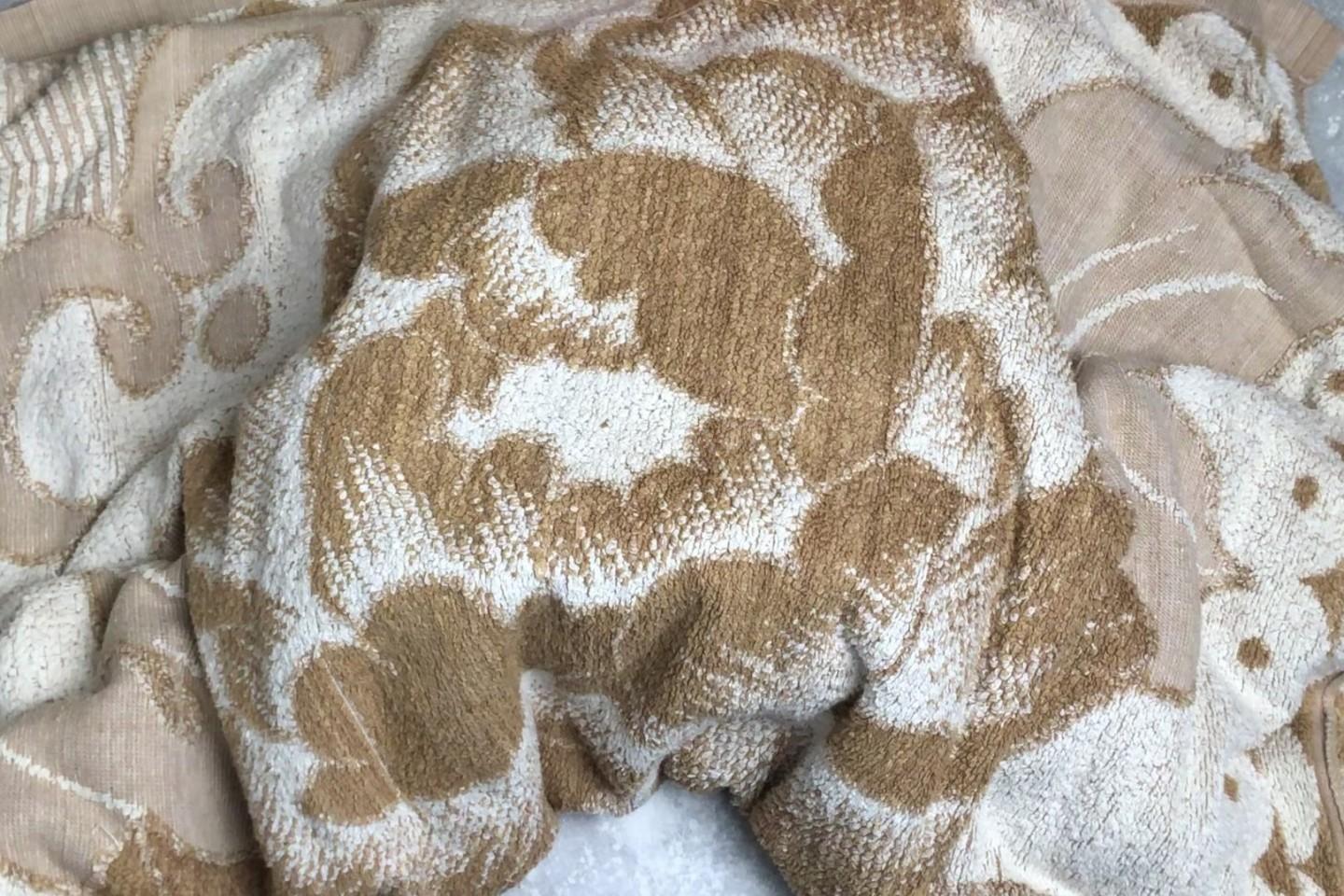
Turn the jars upside down — that further sterilizes the lids. Cover them with a blanket and leave them until completely cool. The finished jars can be stored without refrigeration — thanks to the cherries' acidity and the high sugar content, they keep well. The longer the cherries sit, the tastier they get.
- It's very simple and quick to make! We ate one jar right away — we had to open it for the photo. The cherries are juicy and delicious. You can dilute the syrup with water to make a tasty drink.
- Remember that ingredients like salt, sugar, and vinegar (and its substitutes) are used in winter preserving recipes not just for flavor but, above all, as preservatives. So never reduce the salt and sugar concentrations, and don't swap vinegar (essence) for one weaker than the recipe calls for, or the vinegar (salt/sugar) won't do its preserving job and the preserve will spoil.
- For cooking, it's best to use filtered or bottled water with a neutral taste. If you use tap water, keep in mind that it can give the dish an unpleasant off-flavor.
- For how to figure out how many jars you'll need, why jars burst and how to avoid it, plus tips and tricks, see the article on winter preserves.
Caloric content of the products possible in the composition of the dish
- Granulated sugar - 398 kcal/100g
- Sugar - 398 kcal/100g
- Sour cherry - 52 kcal/100g
- Sweet cherry - 64 kcal/100g
- Dried cherries - 292 kcal/100g
- Canned cherries - 61 kcal/100g
- Water - 0 kcal/100g