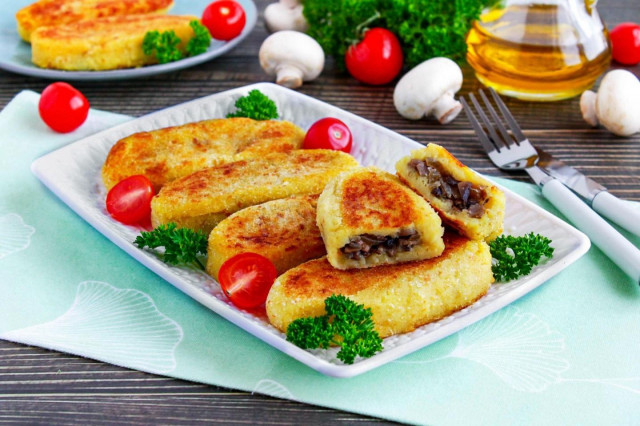
Sour-cream custard frosting for cake
Very tender and delicious—thick, airy, and creamy! This sour-cream custard frosting comes out tender, dense, and quite stable. It's rich, so it's best for cakes with sponge layers that should be moistened. It also works well for cupcakes, éclairs, and tartlet shells.

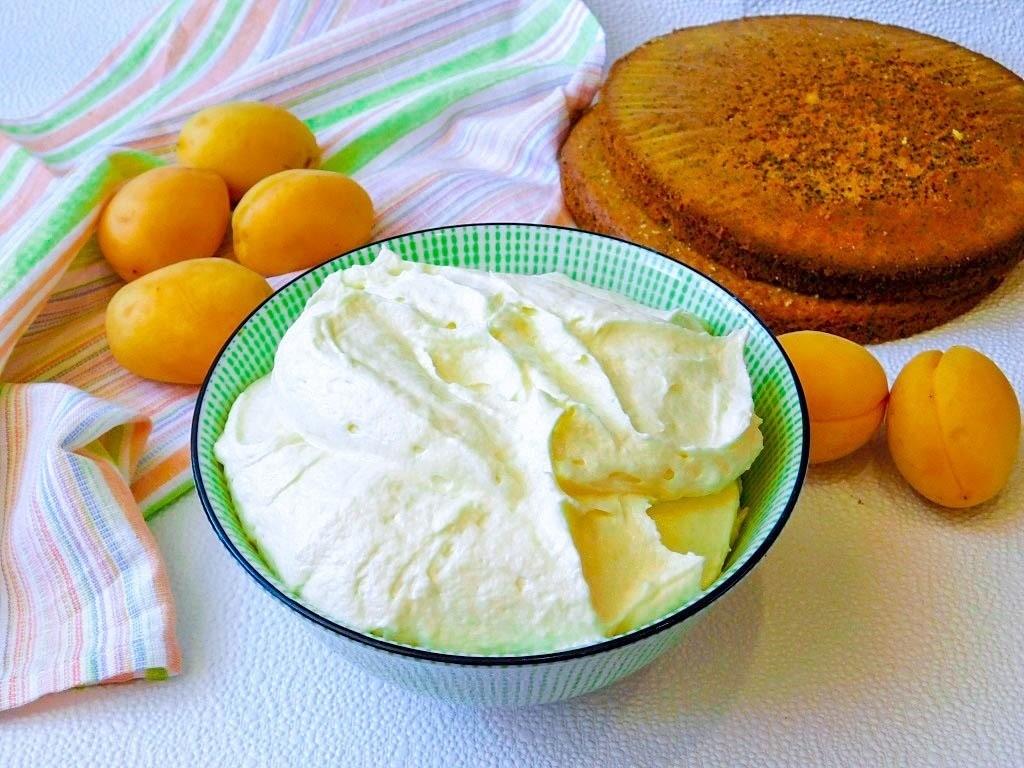
Cooking method
-
Step 1:
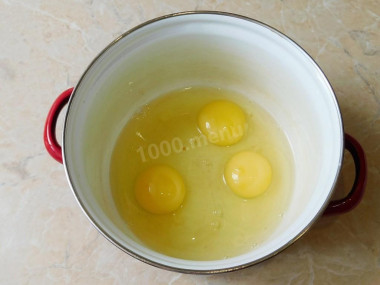
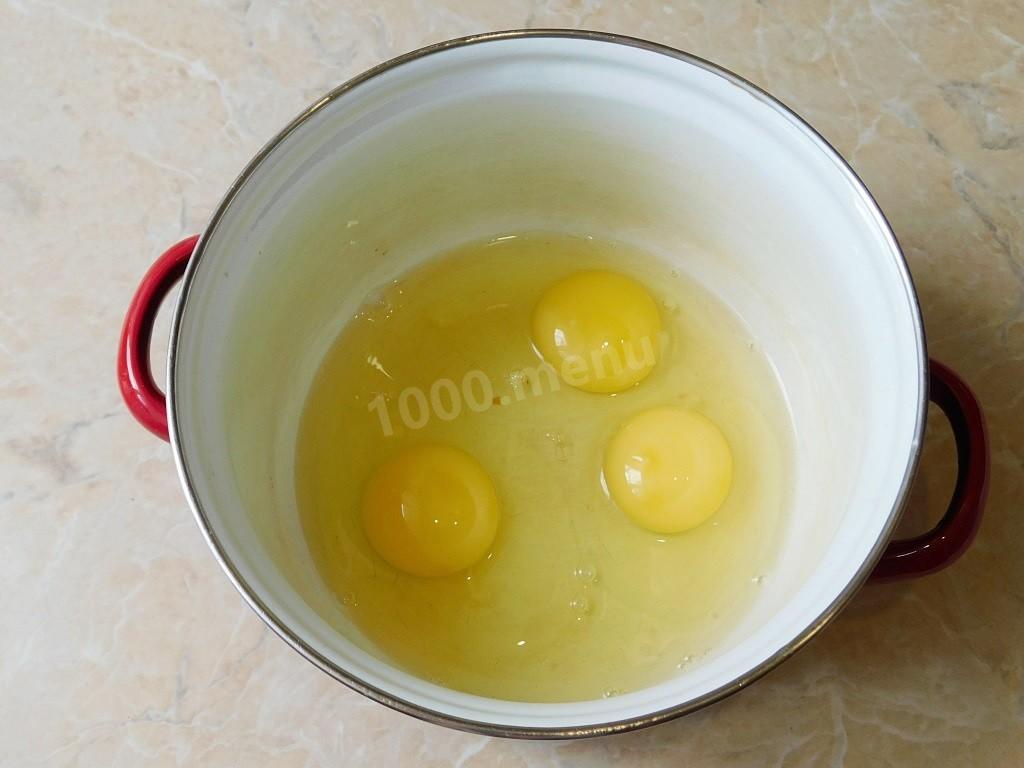
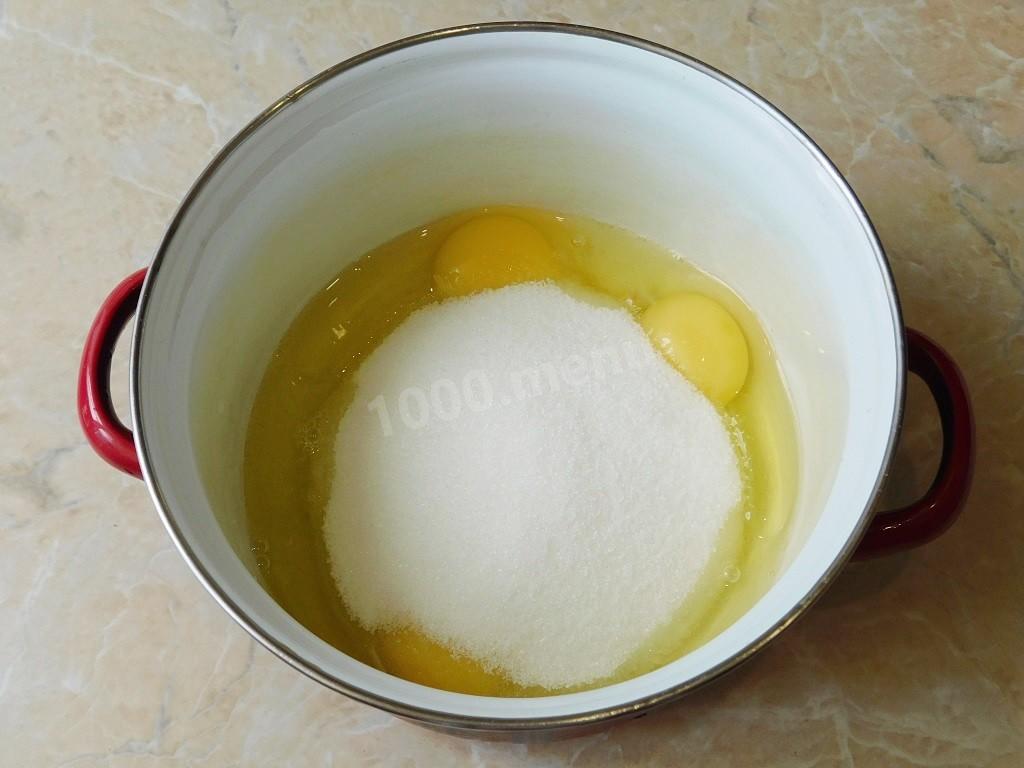
How do you make sour-cream custard frosting for a cake? Put the eggs in a small saucepan.
-
Step 2:
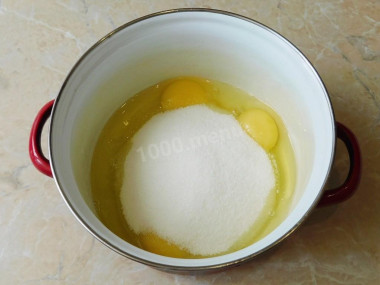
Add the measured sugar to the eggs.
-
Step 3:
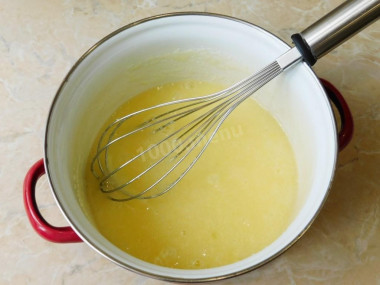
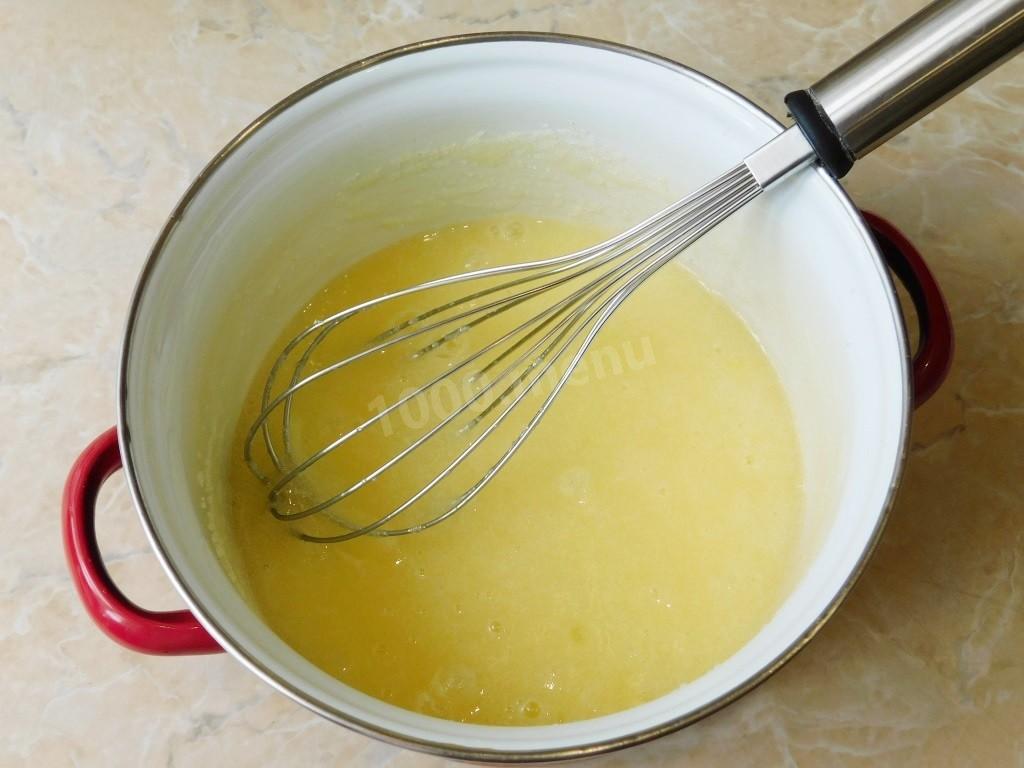
Whisk everything together so the sugar blends into the eggs.
-
Step 4:
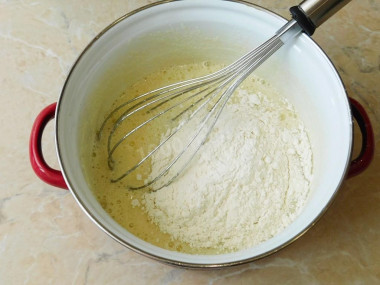
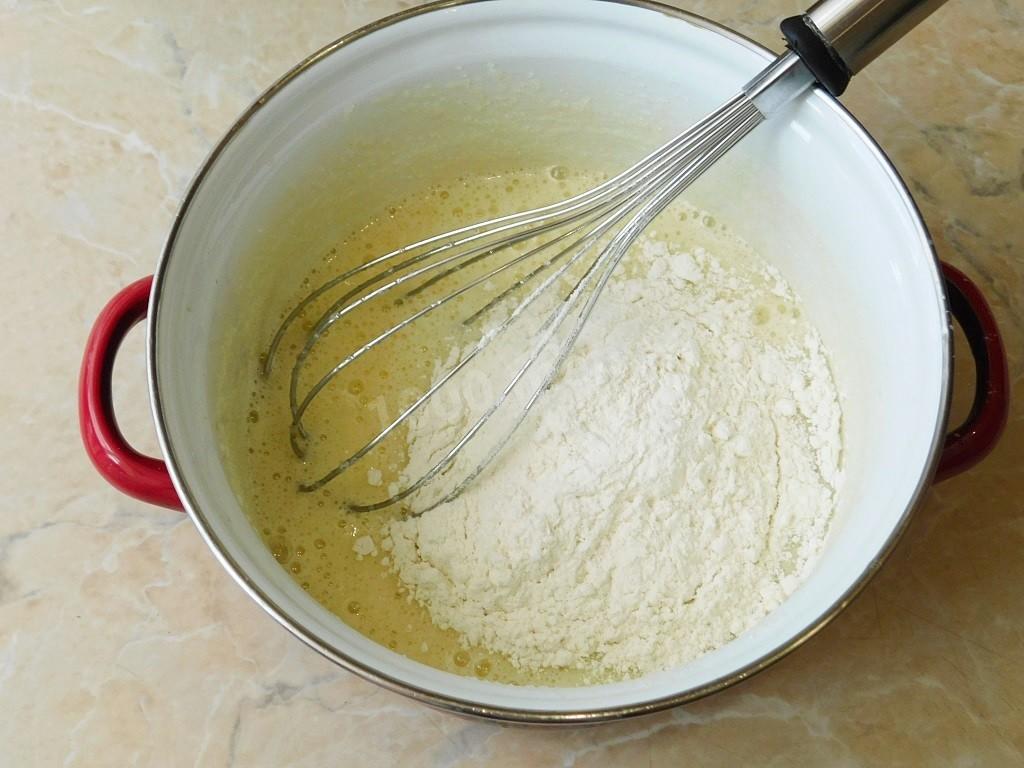
Then whisk in the sifted flour.
-
Step 5:
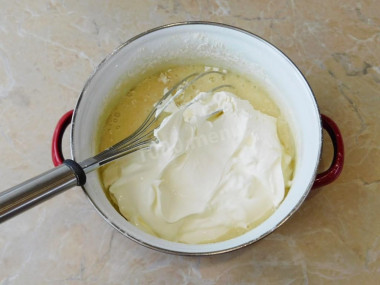
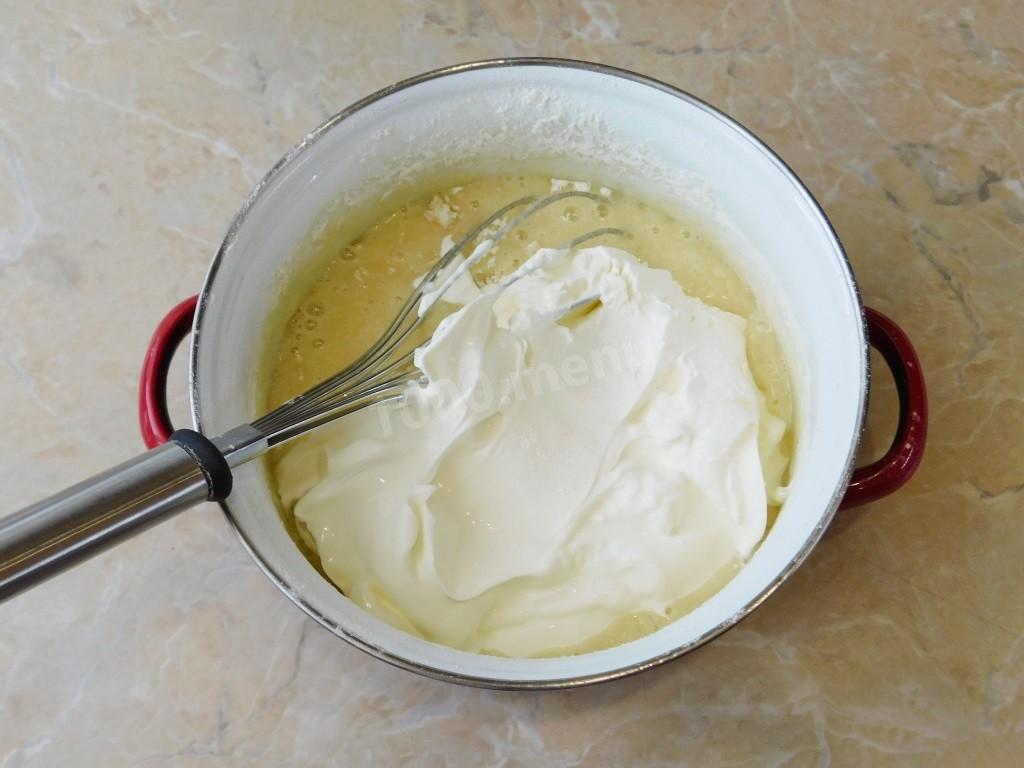
Add the measured sour cream to the mixture. Stir until smooth, with no lumps. Fill a larger pot with water and bring it to a boil. Set the pot of cream into the larger one—this is a double boiler. Cook the cream this way until it thickens, about 10 minutes.
-
Step 6:
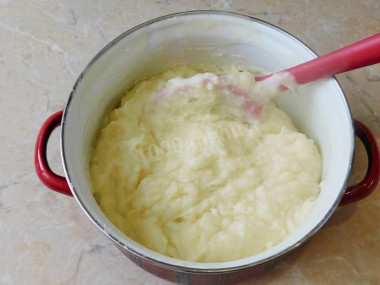
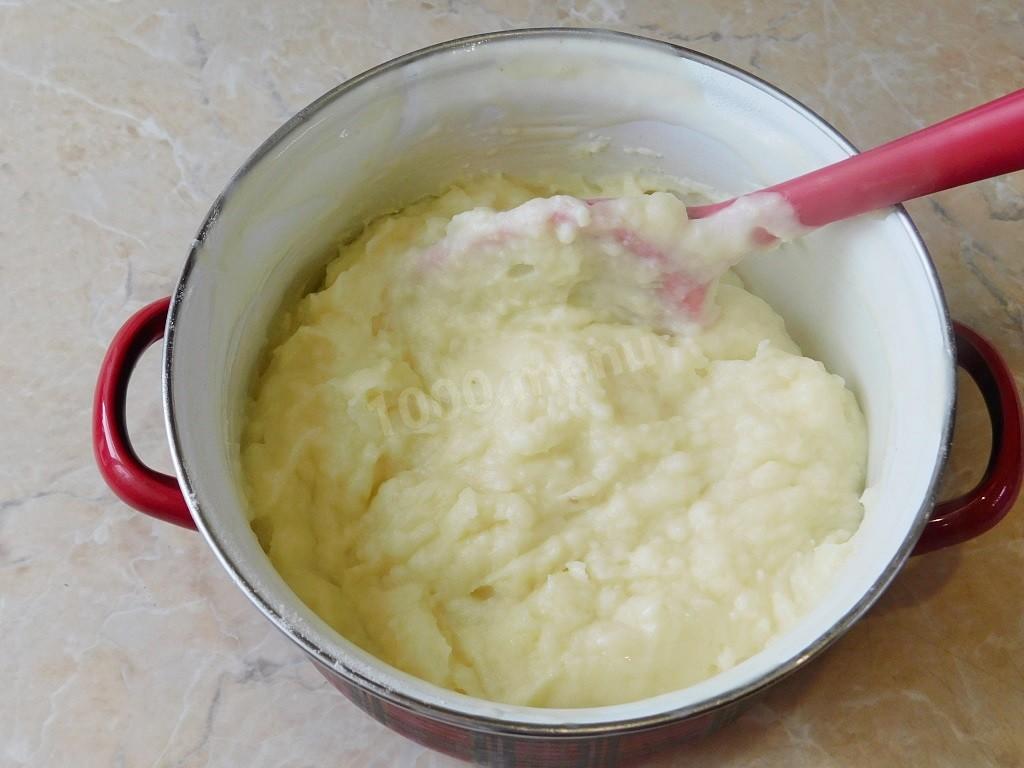
The cream should come out about this thick. Leave it to cool. As it cools, stir it now and then so a skin doesn't form on top.
-
Step 7:
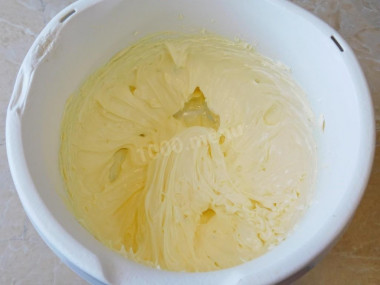
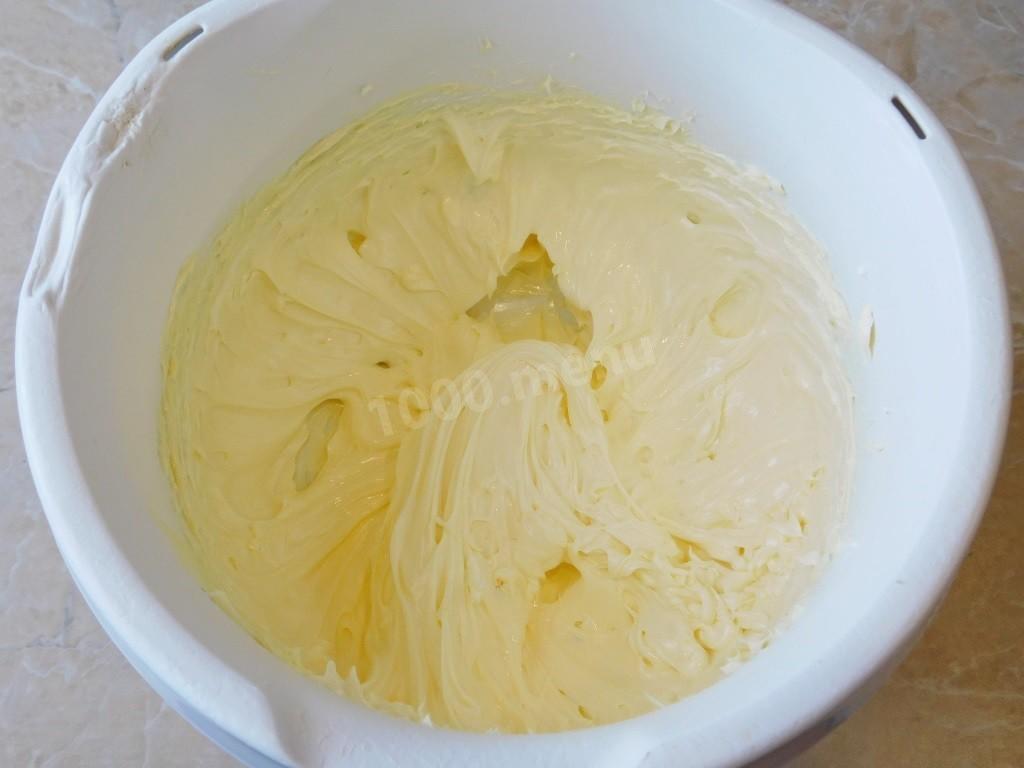
Once the cream has cooled, move on to the next step. Beat the soft butter until it's fluffy and white. The butter should be at room temperature, so plan ahead and take it out of the refrigerator the day before. Beat it on the highest speed. It will become smooth and airy.
-
Step 8:
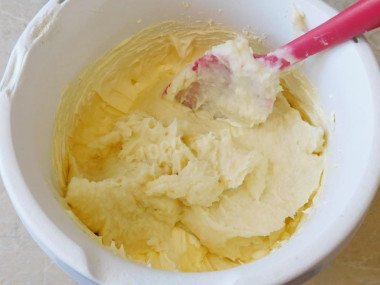
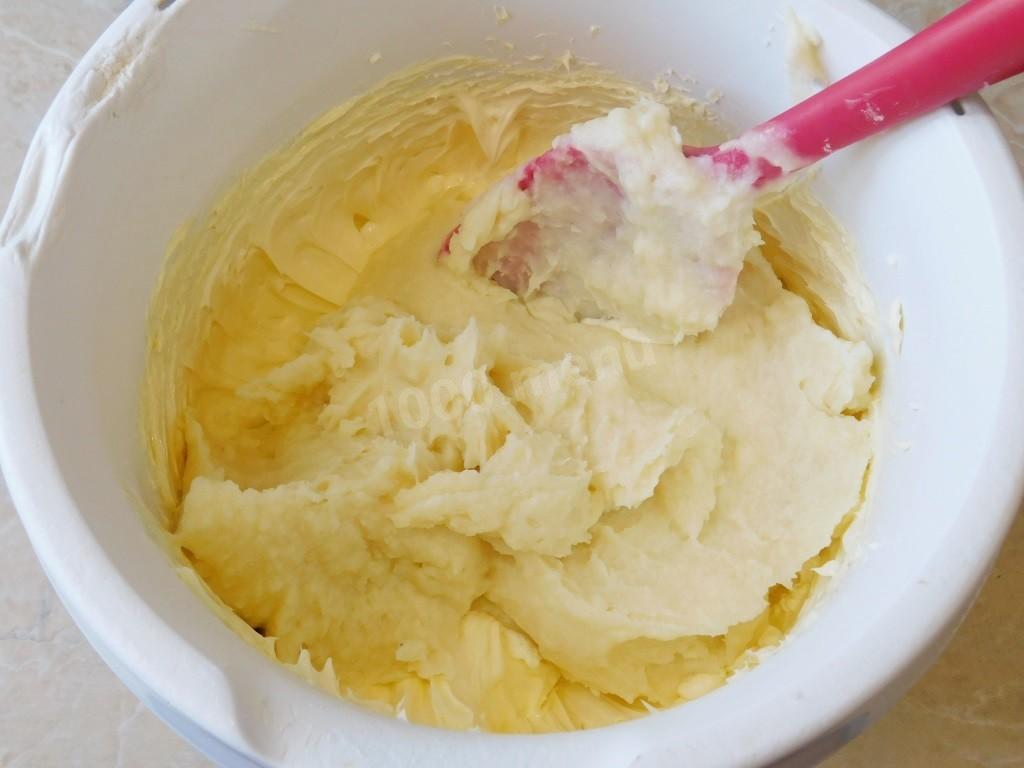
Mix the sour-cream custard into the whipped butter.
-
Step 9:
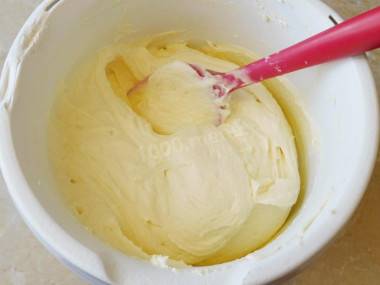
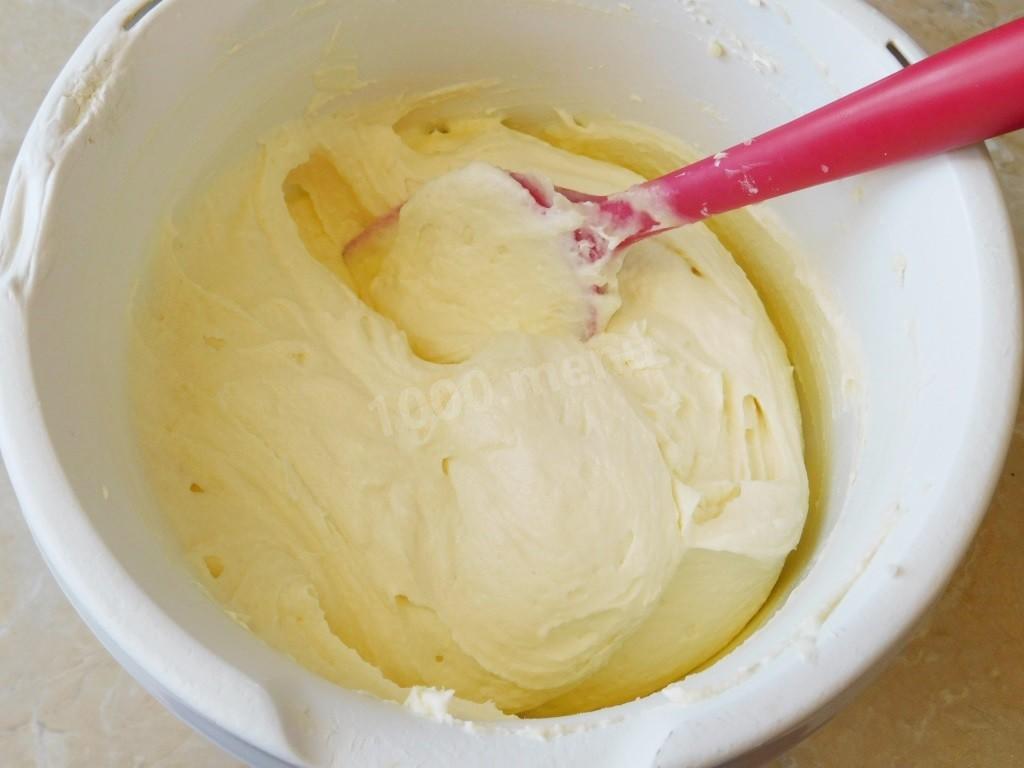
Blend it with a mixer. You should get a fluffy, textured frosting with a smooth, even consistency. Use the finished frosting for cakes and pastries as needed.
- For sour-cream custard, it's best to use higher-fat sour cream—at least 25% fat. This frosting is a real find for any baker. You can use it not only between cake layers but also to crumb-coat cakes and even to decorate them. It holds its shape perfectly. And its biggest advantage is that it's very simple and quick to make. You can keep the finished frosting in the refrigerator for several days, but take it out ahead of time before using so it softens.
- Important! To make sure the custard turns out, follow a few simple rules: Let the base thicken as it cooks (the flour should cook through, but watch that the custard doesn't scorch or form lumps). The cooked flour mixture must cool down—if you add butter to a warm mixture, the butter will melt and the frosting won't whip up. The butter should be good quality; poor butter can throw off the consistency and make the frosting runny.
Caloric content of the products possible in the composition of the dish
- Sour cream 30% fat - 340 kcal/100g
- Sour cream 25% fat - 284 kcal/100g
- Sour cream 20% fat - 210 kcal/100g
- Sour cream 10% fat - 115 kcal/100g
- Sour cream - 210 kcal/100g
- Chicken egg - 157 kcal/100g
- Egg white - 45 kcal/100g
- Egg powder - 542 kcal/100g
- Egg yolk - 352 kcal/100g
- Ostrich egg - 118 kcal/100g
- Whole durum wheat flour, fortified - 333 kcal/100g
- Whole durum wheat flour, all-purpose - 364 kcal/100g
- Coarse-grind flour (krupchatka) - 348 kcal/100g
- Flour - 325 kcal/100g
- Granulated sugar - 398 kcal/100g
- Sugar - 398 kcal/100g
- Butter 82% - 734 kcal/100g
- Amateur unsalted butter - 709 kcal/100g
- Unsalted peasant butter - 661 kcal/100g
- Salted peasant butter - 652 kcal/100g
- Clarified butter - 869 kcal/100g
- Vanillin - 288 kcal/100g