Armenian Pasuts Dolma
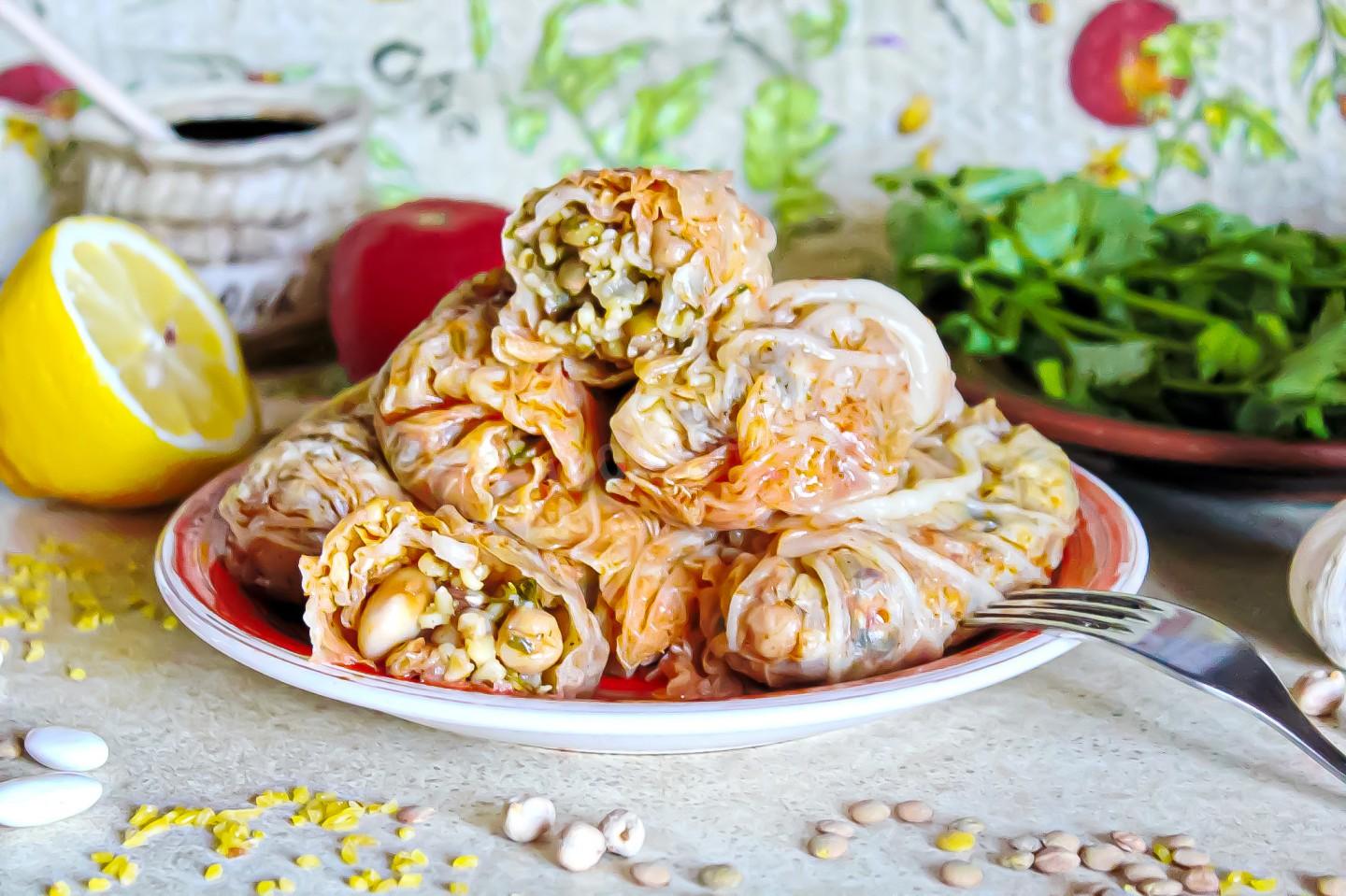
Original, unusual, hearty — perfect for a meatless table! Pasuts dolma is an Armenian dish: lean cabbage rolls stuffed with legumes instead of the usual meat. They're good both warm and cold. This dolma keeps well in the refrigerator for a long time, and the flavor only gets better for it.

Cooking method
-
Step 1:
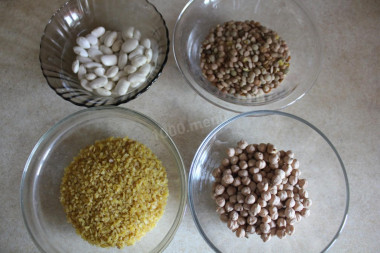
How do you make Armenian pasuts dolma? Prep the filling ingredients ahead of time — bulgur, lentils, beans, and chickpeas. Rinse them well and soak overnight. Then boil the chickpeas and beans in separate pots until half-cooked, about an hour. Rinse the bulgur and lentils and drain.
-
Step 2:
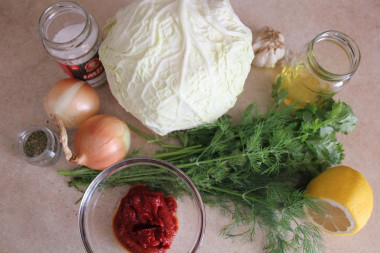
Prep the rest of the ingredients, too. Wash the herbs, peel the onions, and chop them finely. Cut the core out of the cabbage.
-
Step 3:
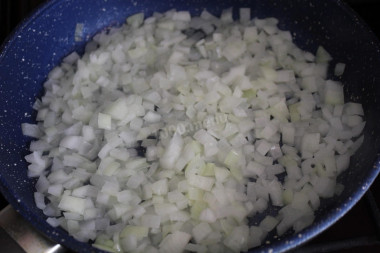
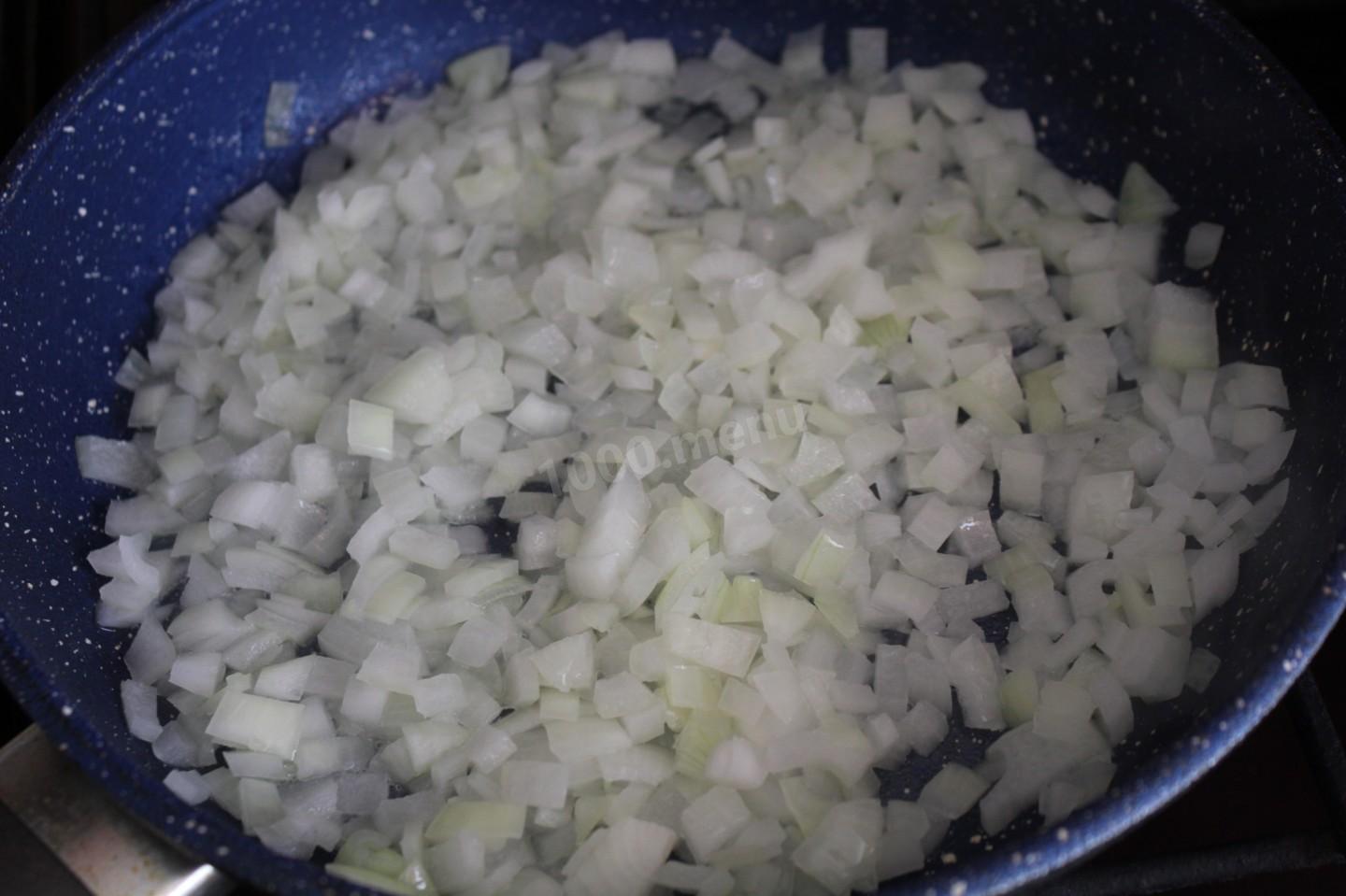
Add the onion to a skillet heated with vegetable oil. Fry over low heat, stirring now and then.
-
Step 4:
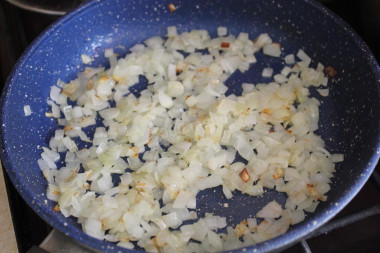
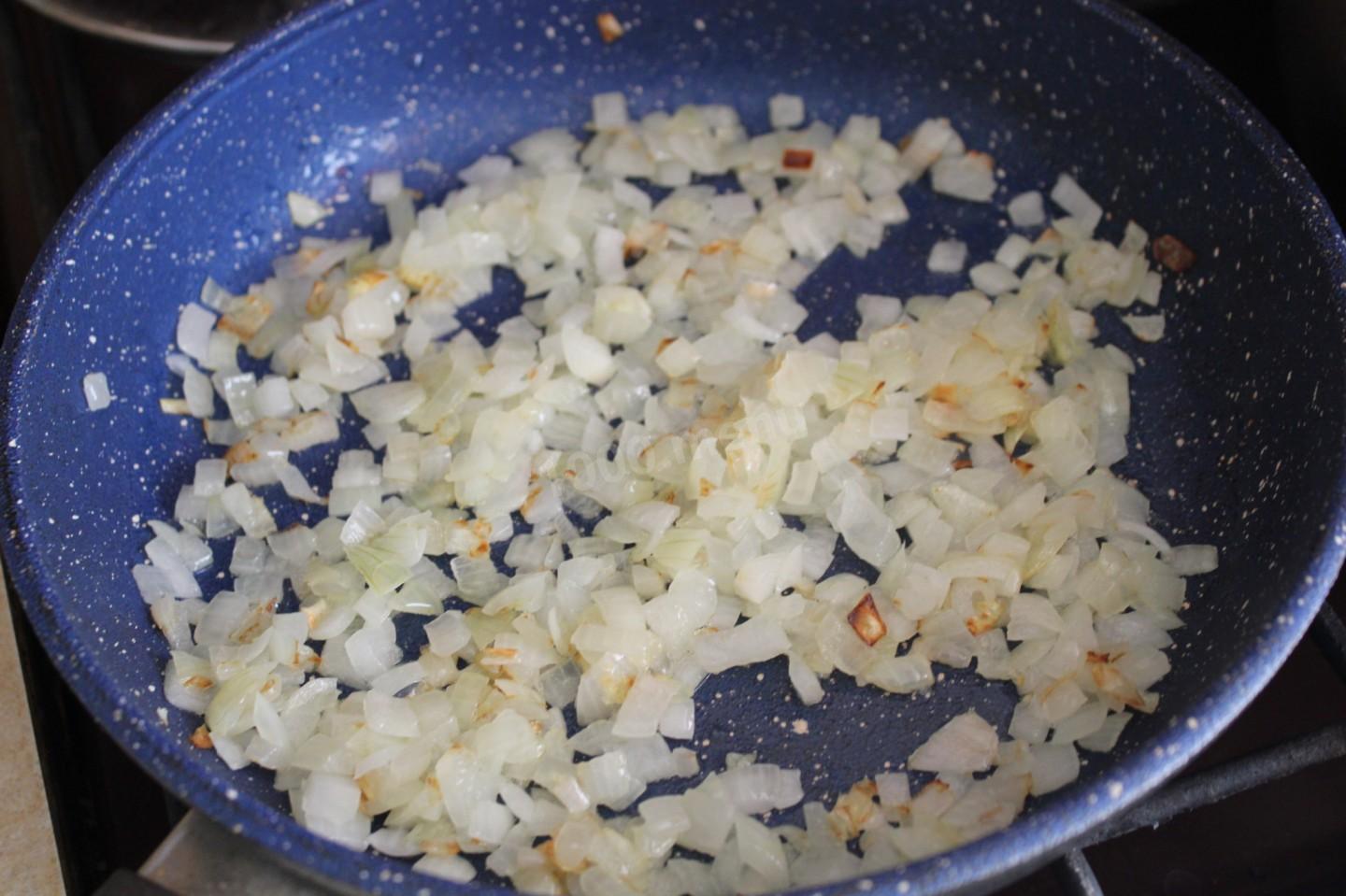
Once the onion turns golden and translucent, turn off the heat.
-
Step 5:
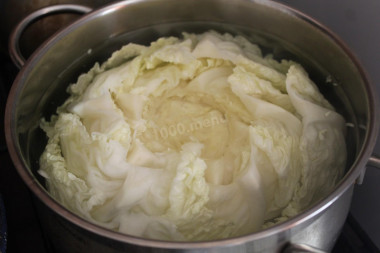
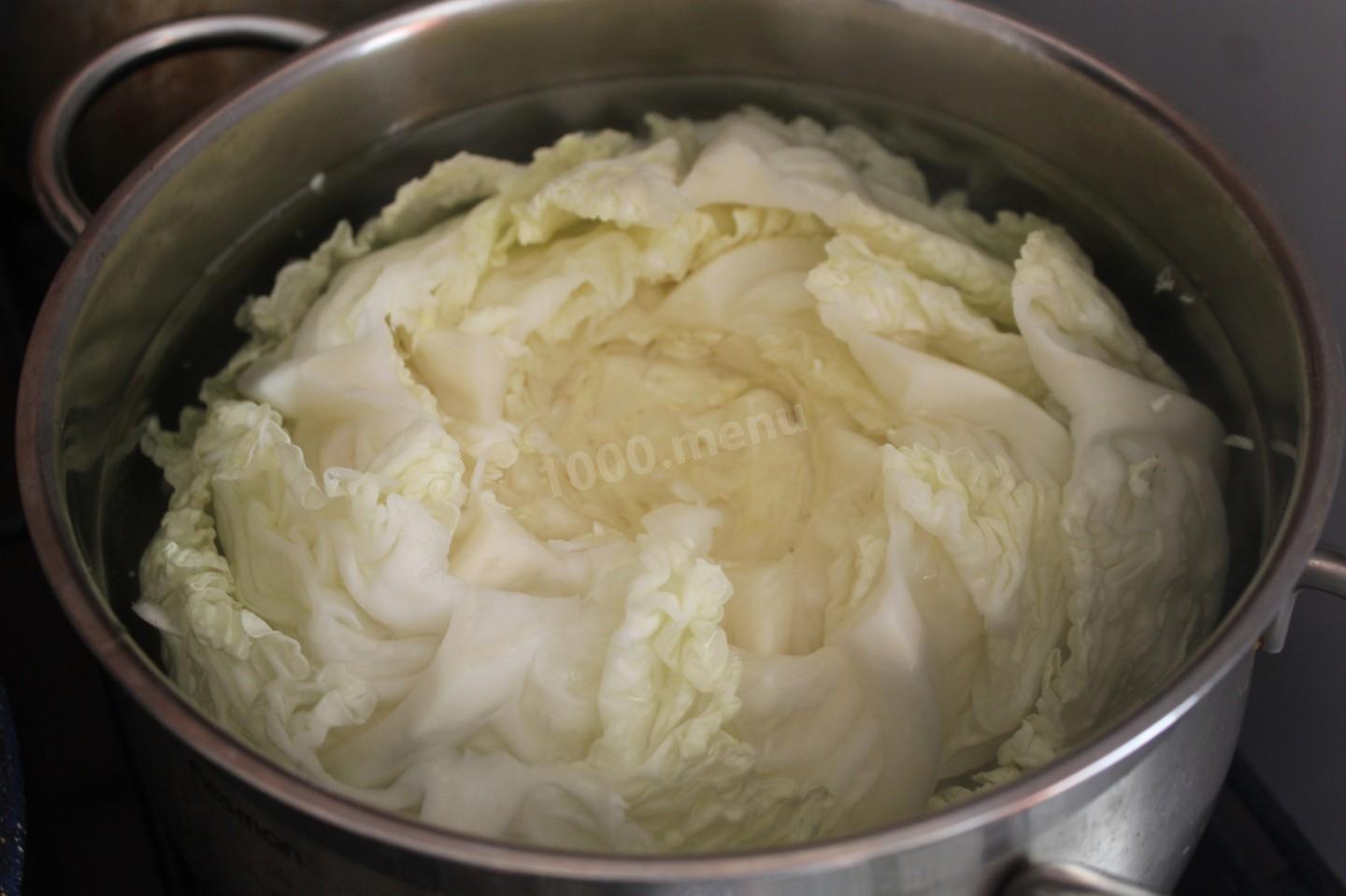
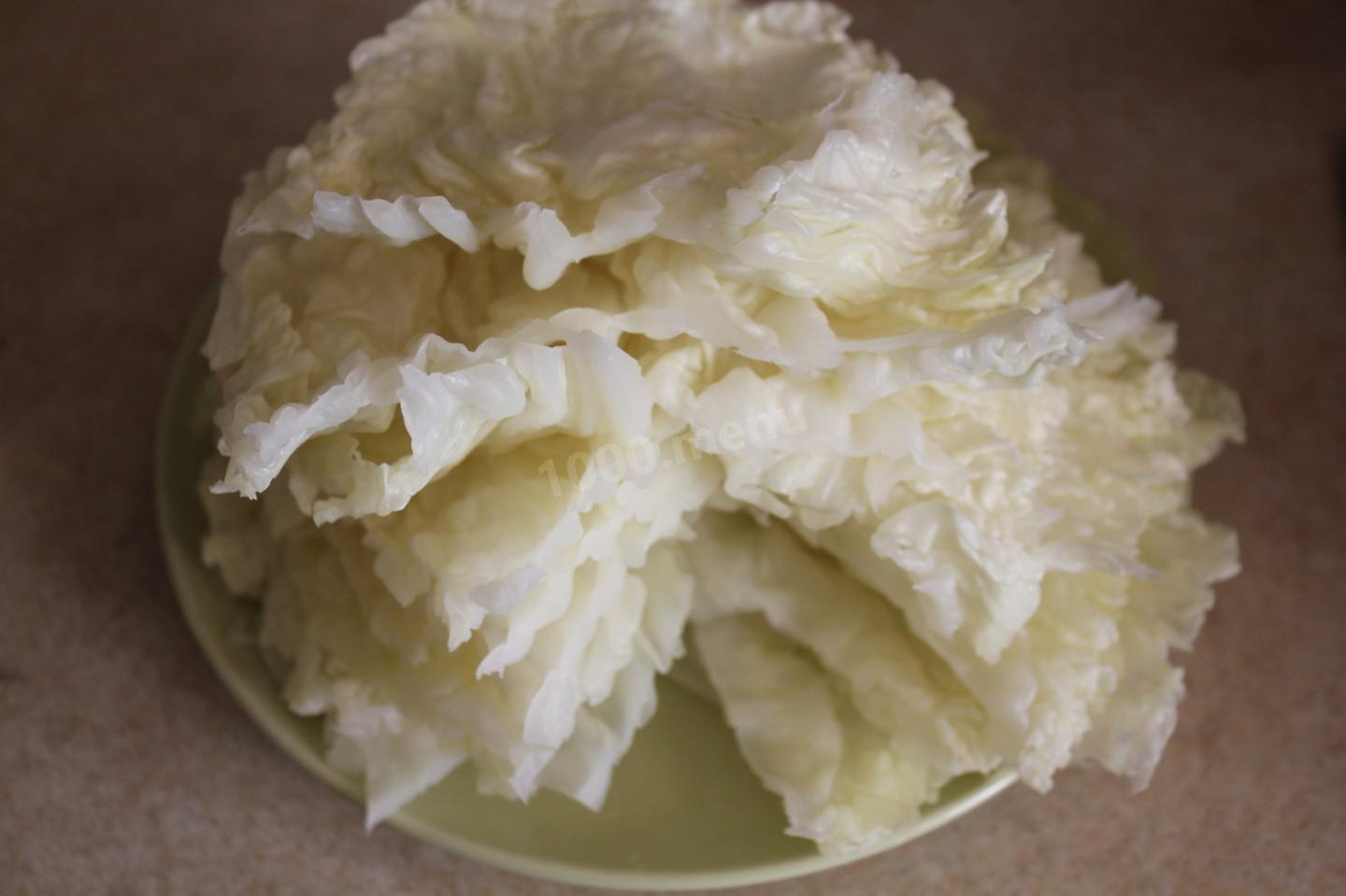
Take a pot large enough to hold the whole head of cabbage. Bring water to a boil in it. Lower the cabbage into the boiling water and cook for 7–10 minutes, until the leaves turn soft and pliable enough to wrap the filling.
-
Step 6:
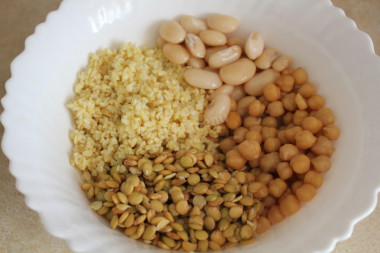
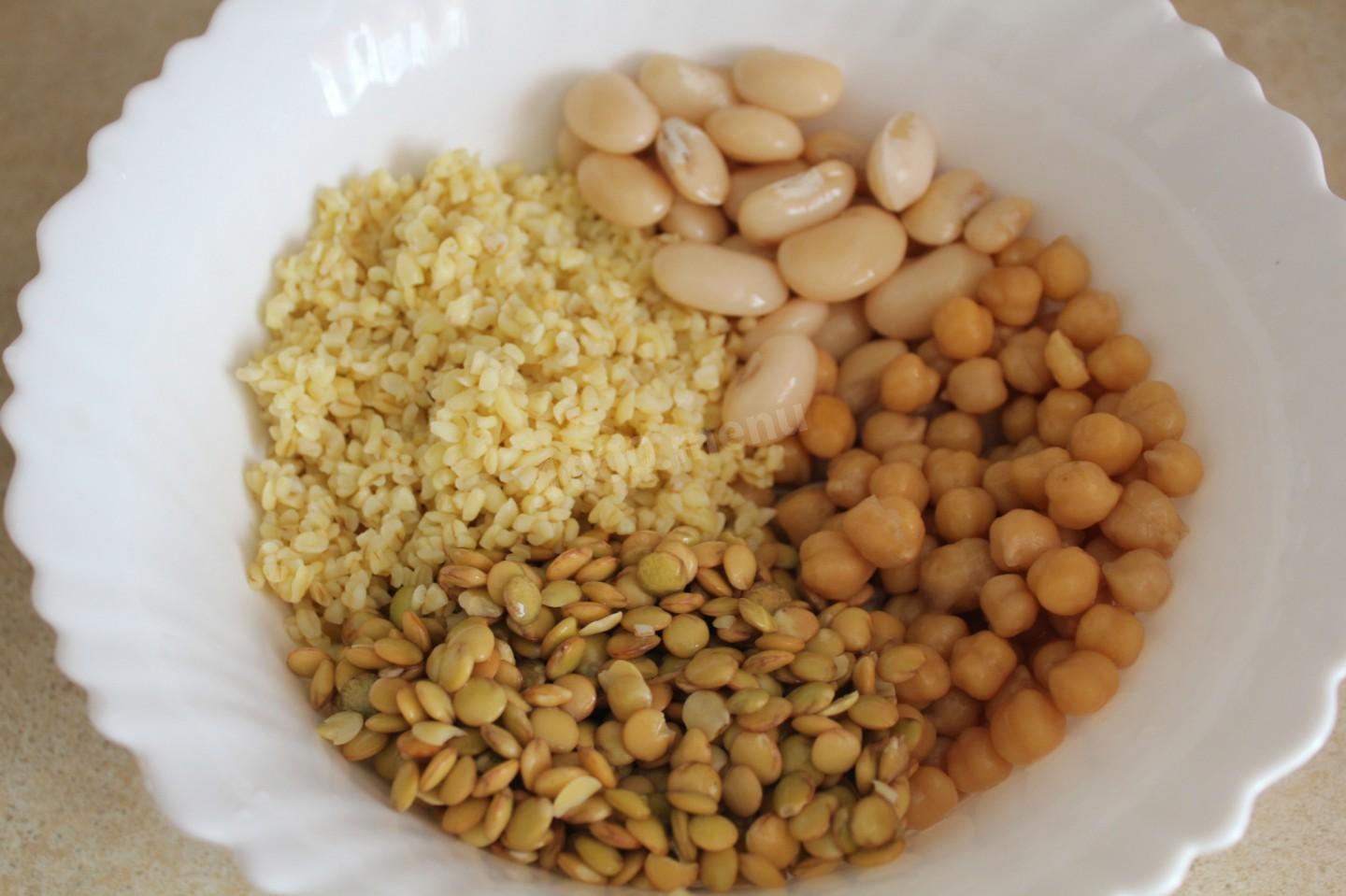
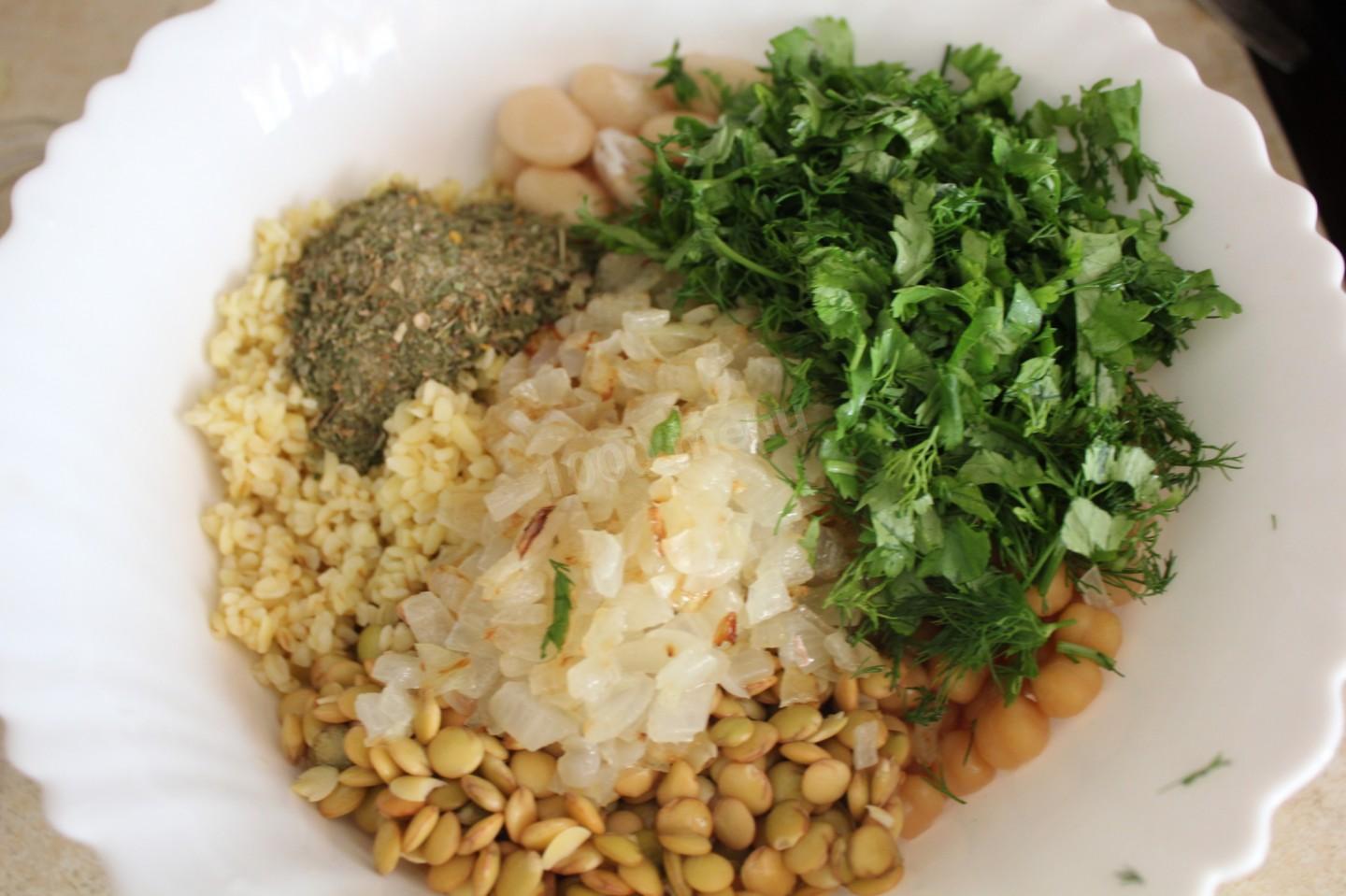
Combine the prepared legumes and grain in a deep bowl.
-
Step 7:
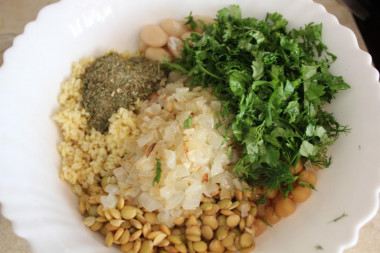
Add the khmeli-suneli — or your other favorite spices — along with finely chopped fresh herbs, finely grated garlic, and salt and pepper to taste.
-
Step 8:
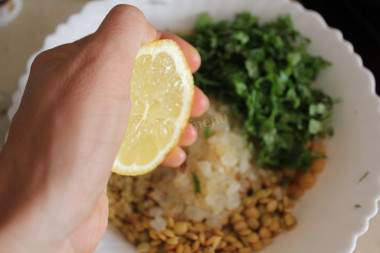
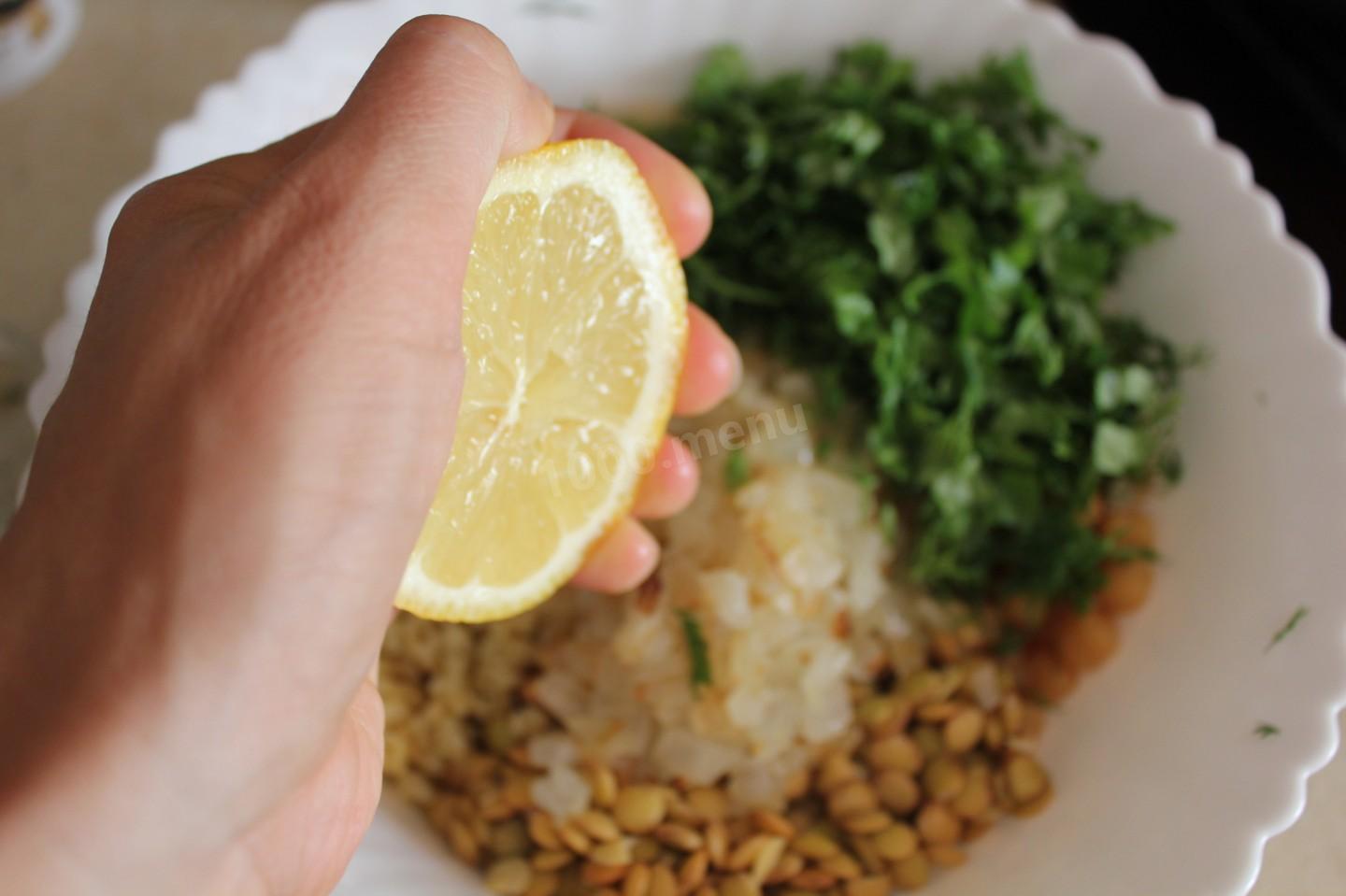
Pour in part of the lemon juice.
-
Step 9:
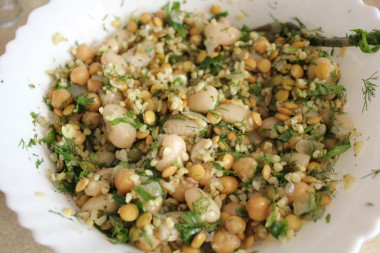
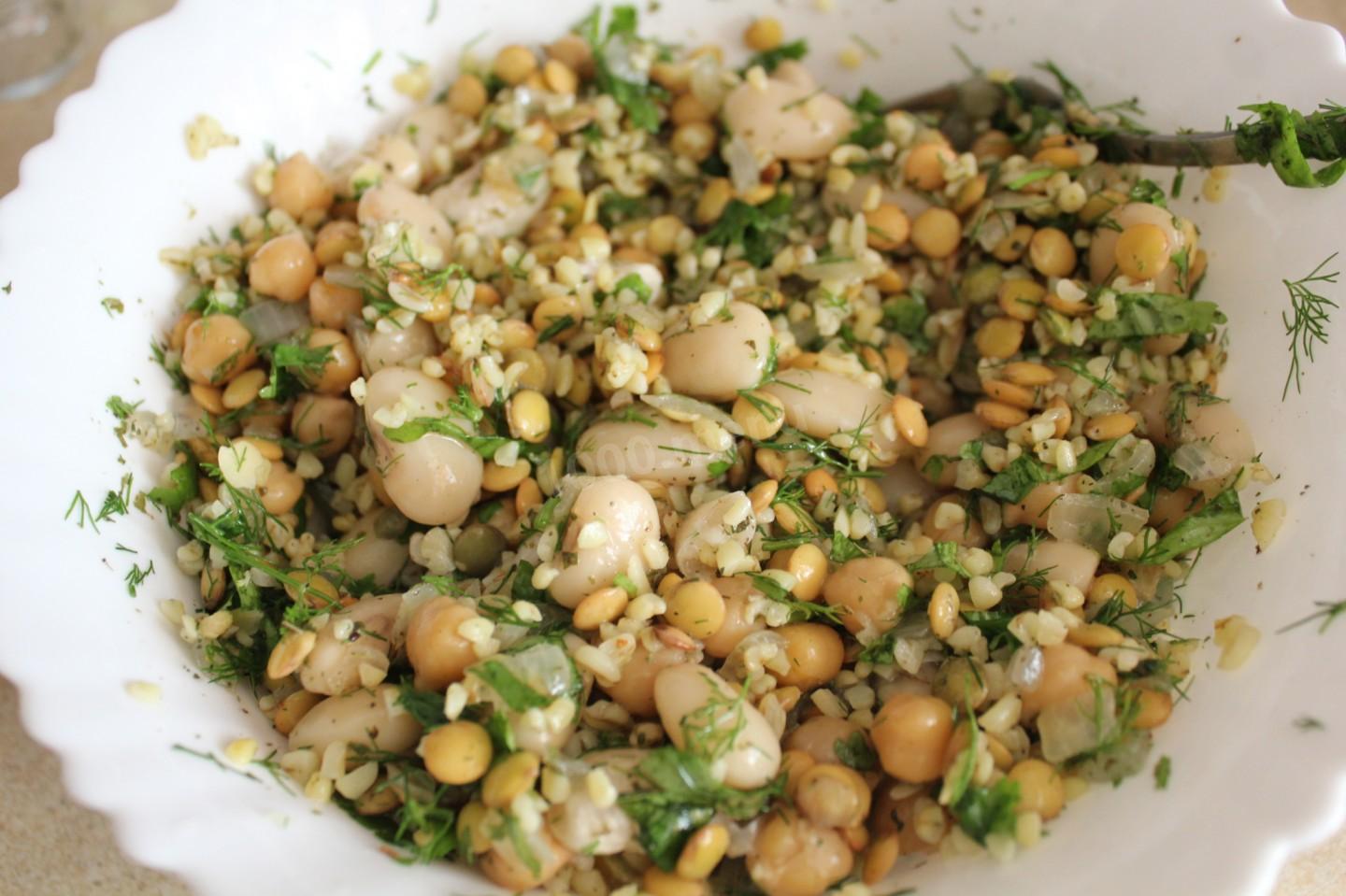
Mix all the filling ingredients together thoroughly, taste, and add more spices, herbs, salt, garlic, or lemon juice if anything is missing. The filling is ready.
-
Step 10:
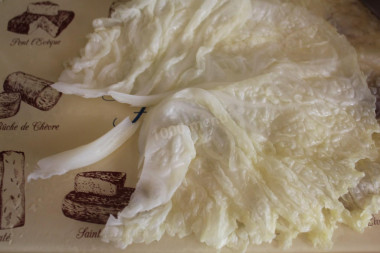
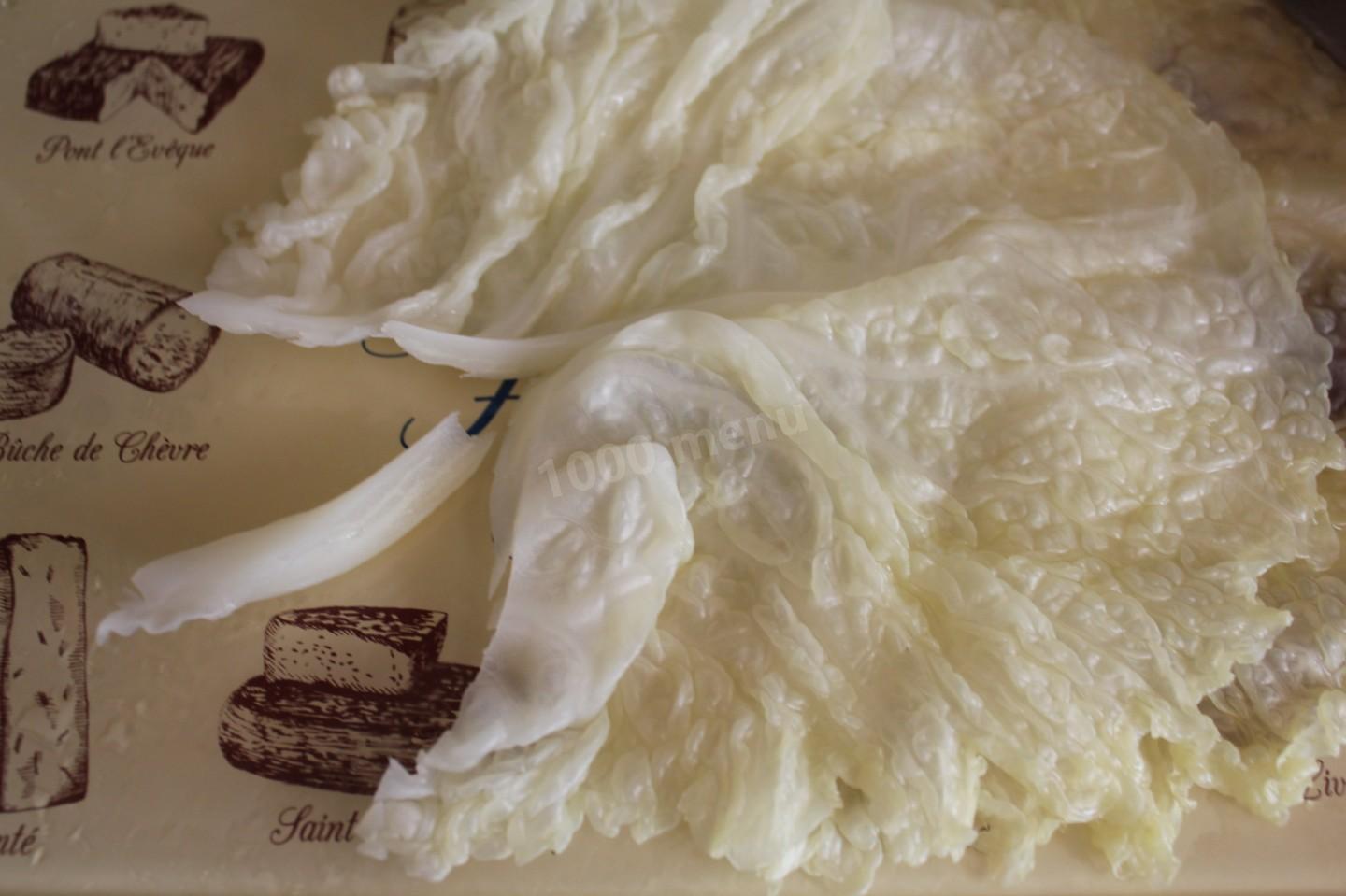
Once the cabbage is half-cooked, lift it out, separate it into individual leaves, and cut out the tough rib. Lay those ribs on the bottom of the pot where you'll cook the dolma. Alternatively, leave them in and pound them with a meat mallet to soften.
-
Step 11:
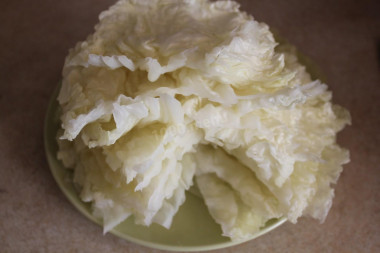
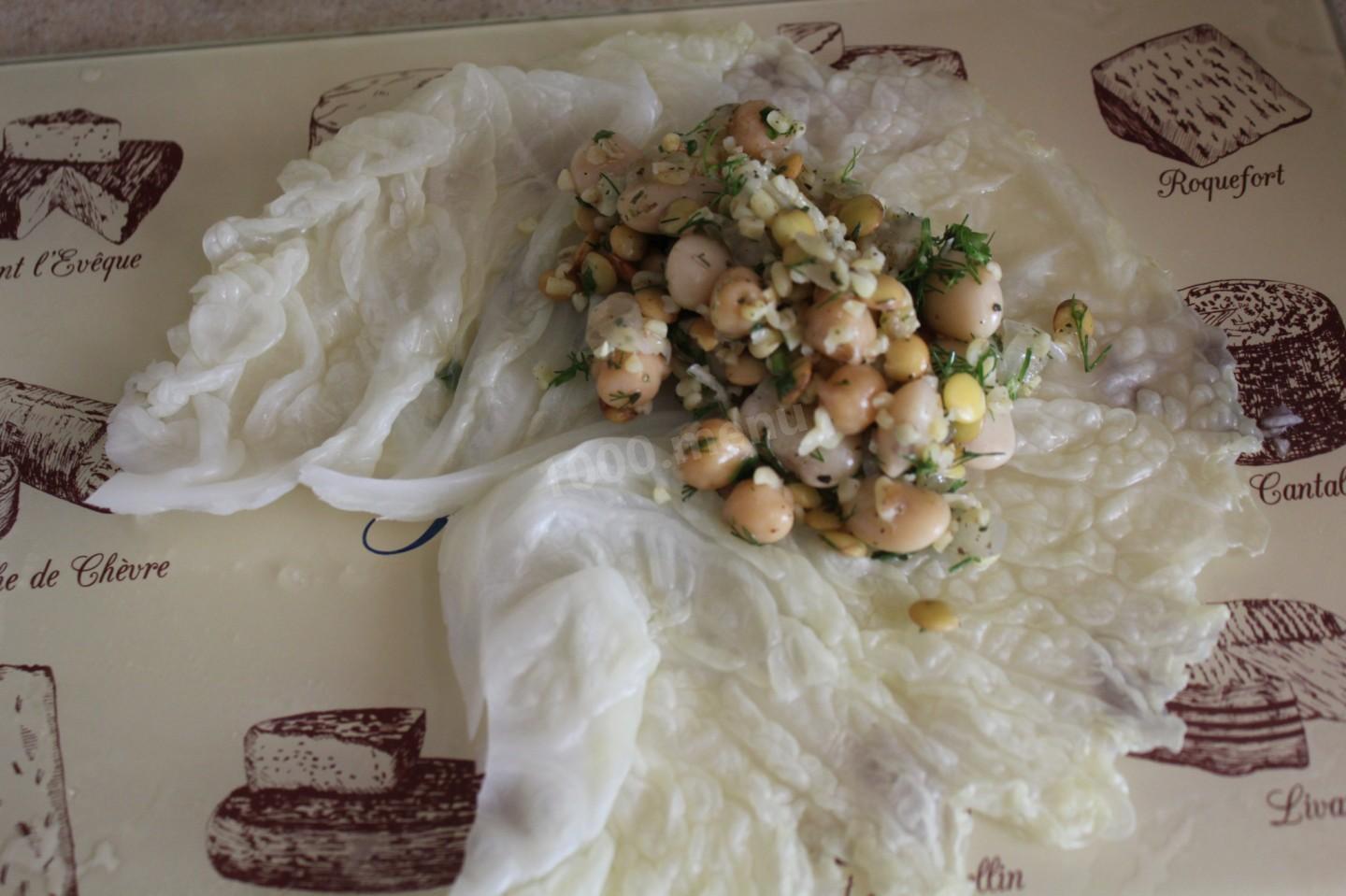
The cabbage leaves are ready. Now you can wrap the filling in them.
-
Step 12:
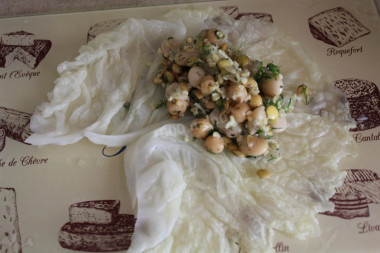
Take about a tablespoon of filling, place it near the edge of a leaf, and roll it up, tucking in the sides.
-
Step 13:
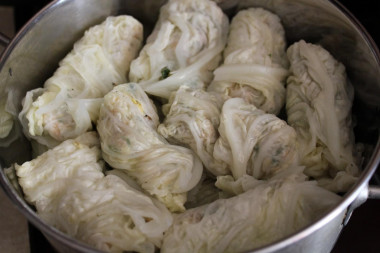
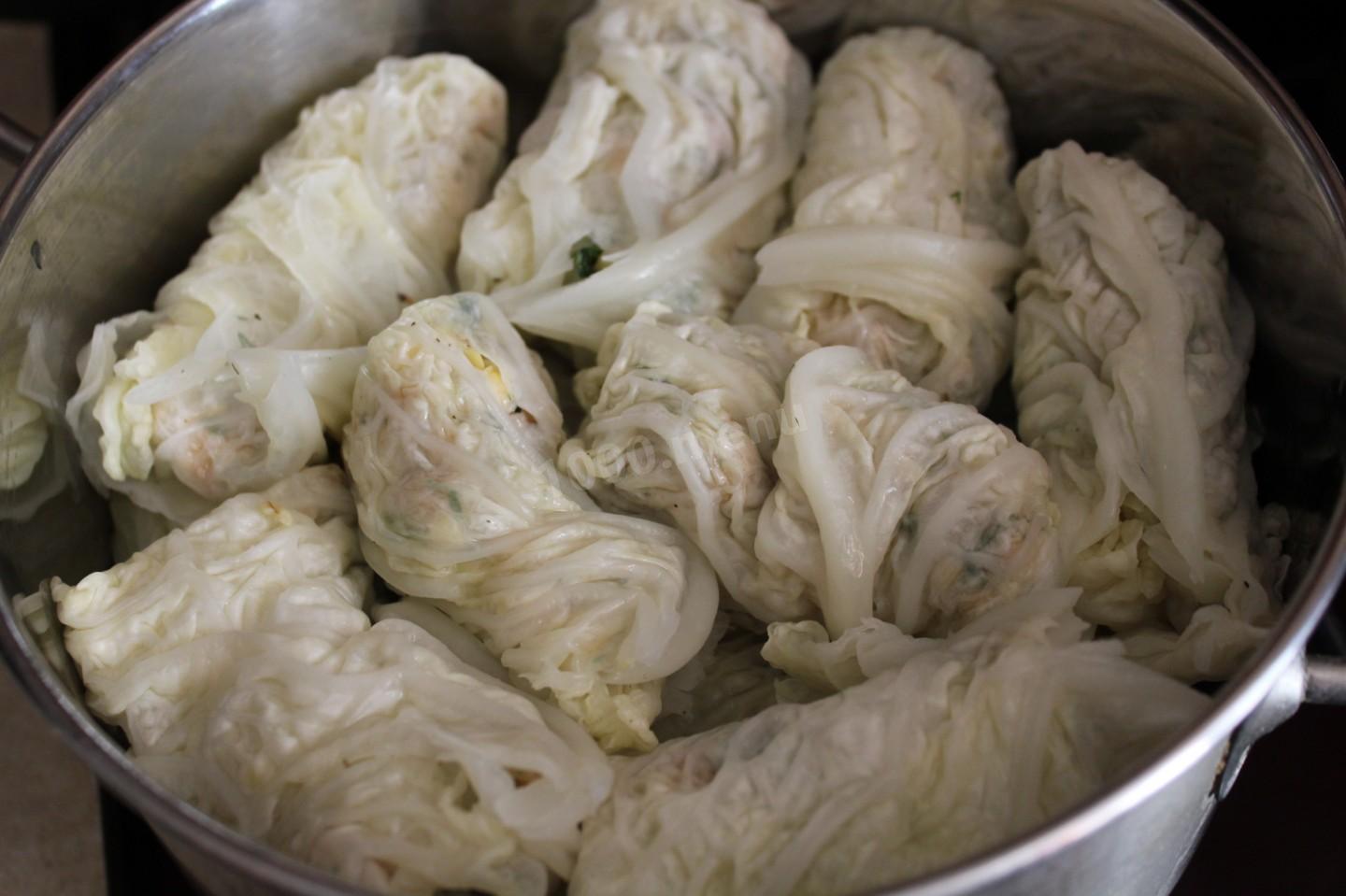
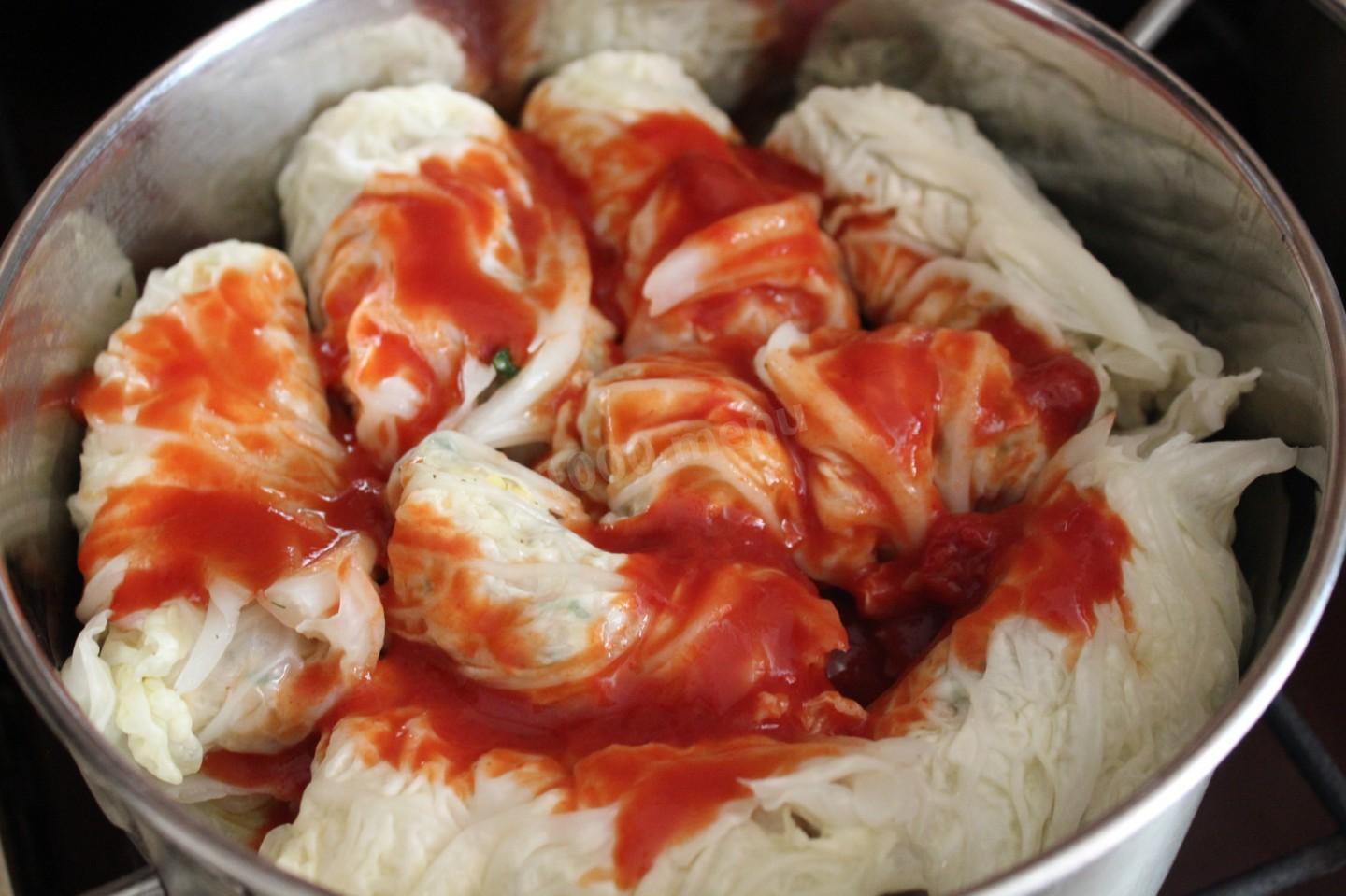
Roll them fairly tightly, but leave a little room, since the filling will swell as it cooks. Arrange the rolls in the pot.
-
Step 14:
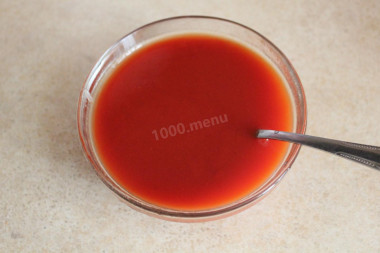
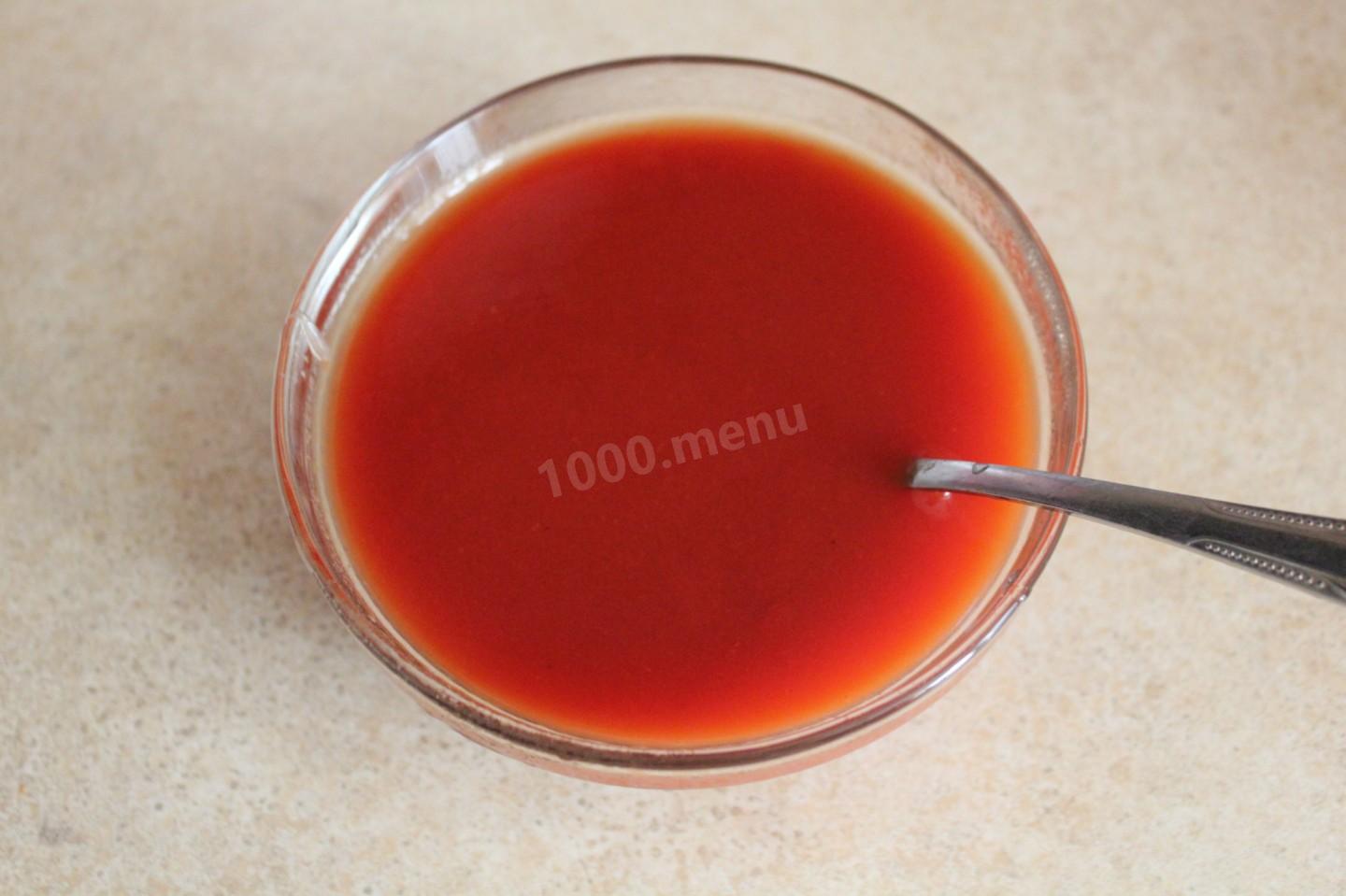
Take the tomato paste, thin it with a little water, add the remaining lemon juice, and stir well. You can also add a pinch of salt.
-
Step 15:
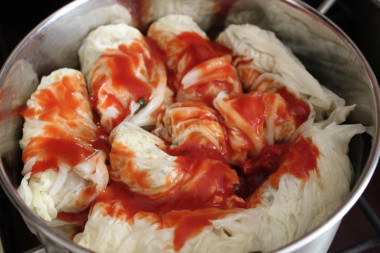
Pour this tomato mixture over the dolma.
-
Step 16:
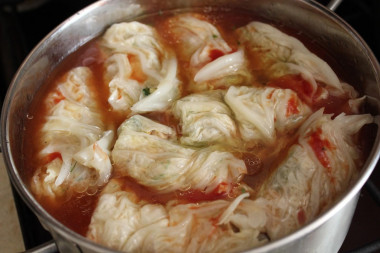
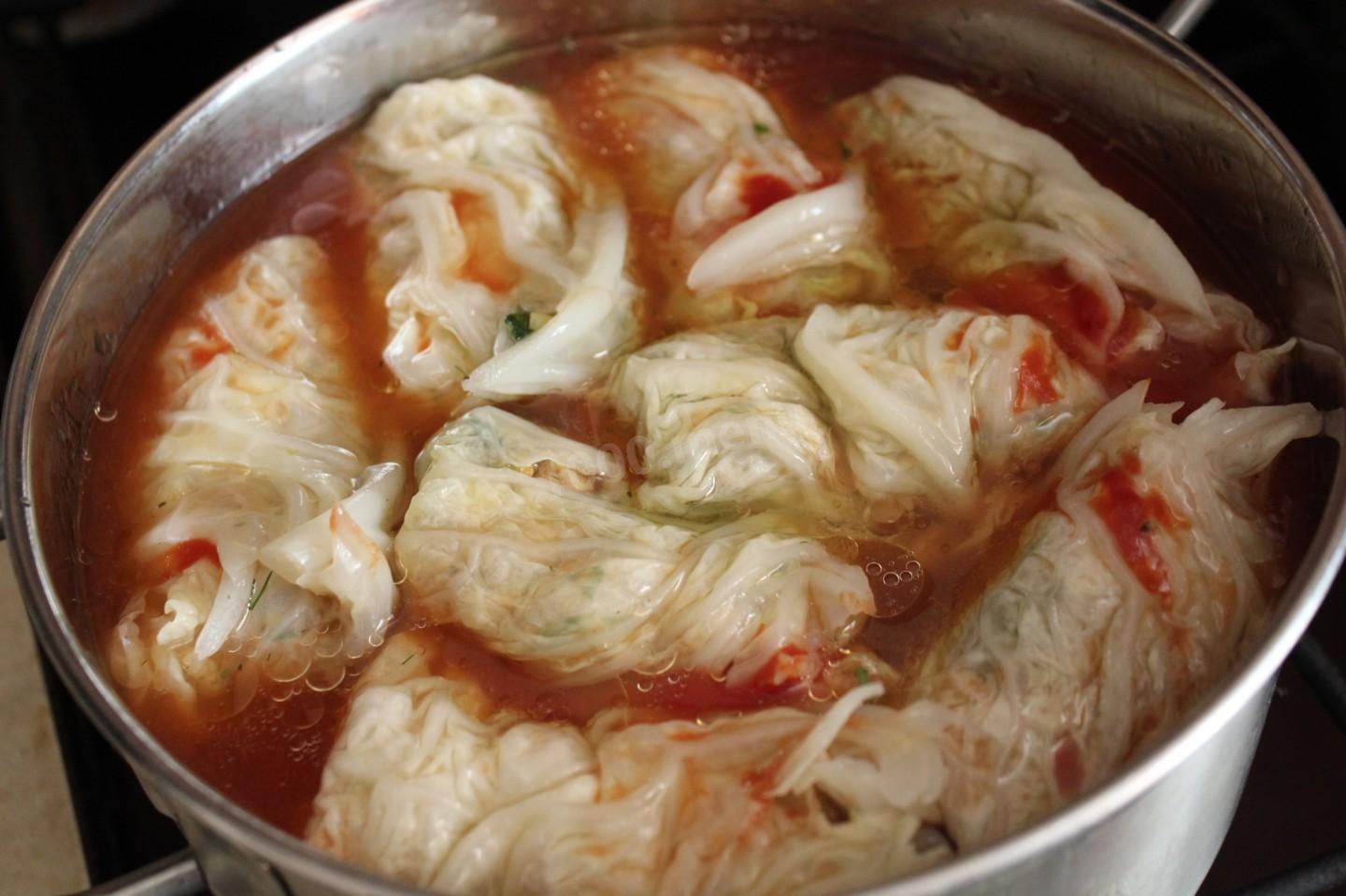
Then add enough water to the pot to cover the rolls, and pour a little vegetable oil over the top.
-
Step 17:
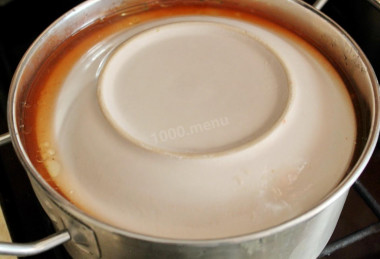
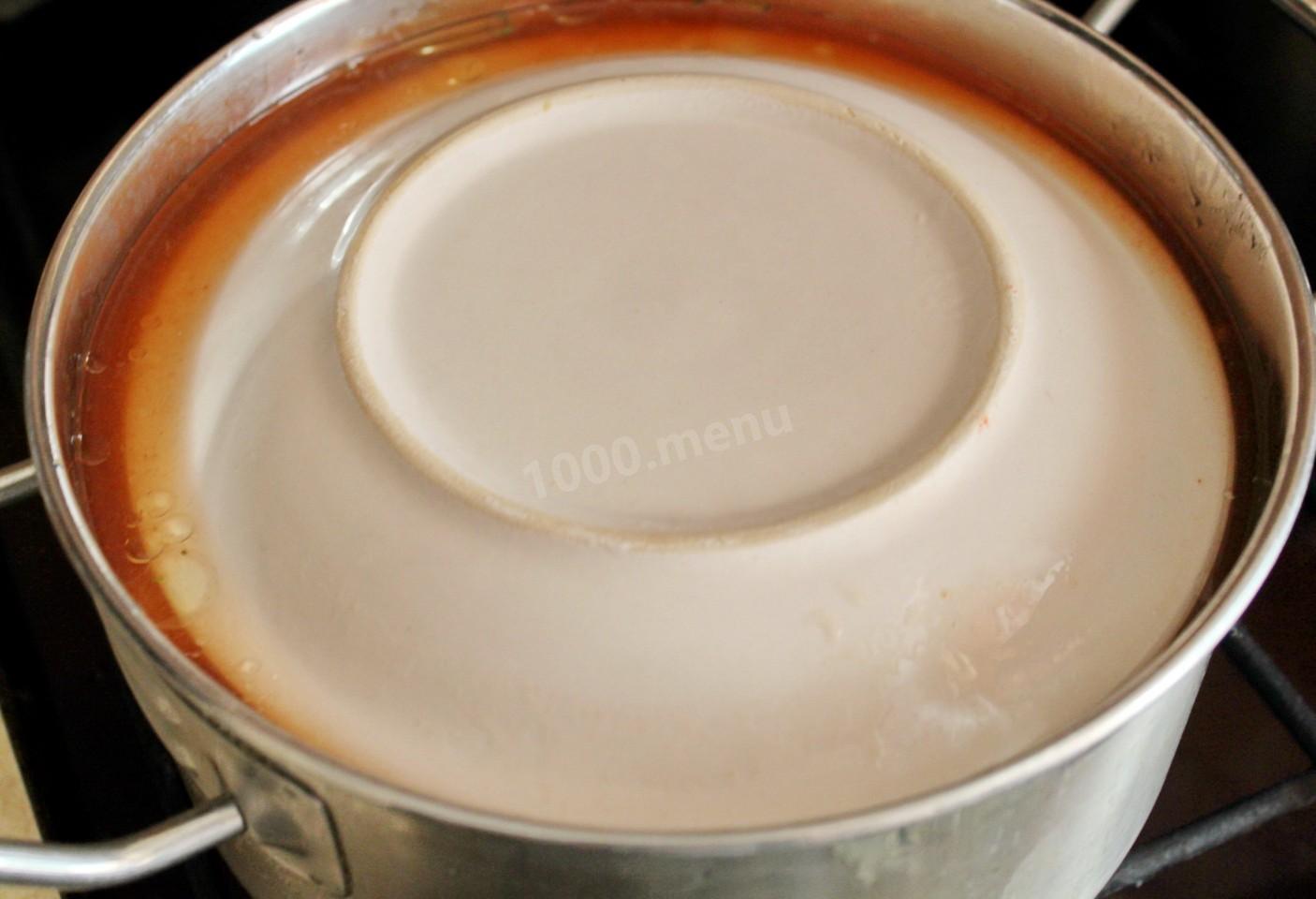
Cover the dolma with a plate smaller in diameter than the pot and set it over the heat to come to a boil. Once boiling, lower the heat to the minimum and simmer, covered, for about an hour. After an hour, check the dolma for doneness — both the leaves and the filling should be soft. Then your Armenian pasuts dolma is done. Traditionally this dish is eaten cold, or rather at room temperature. Enjoy!
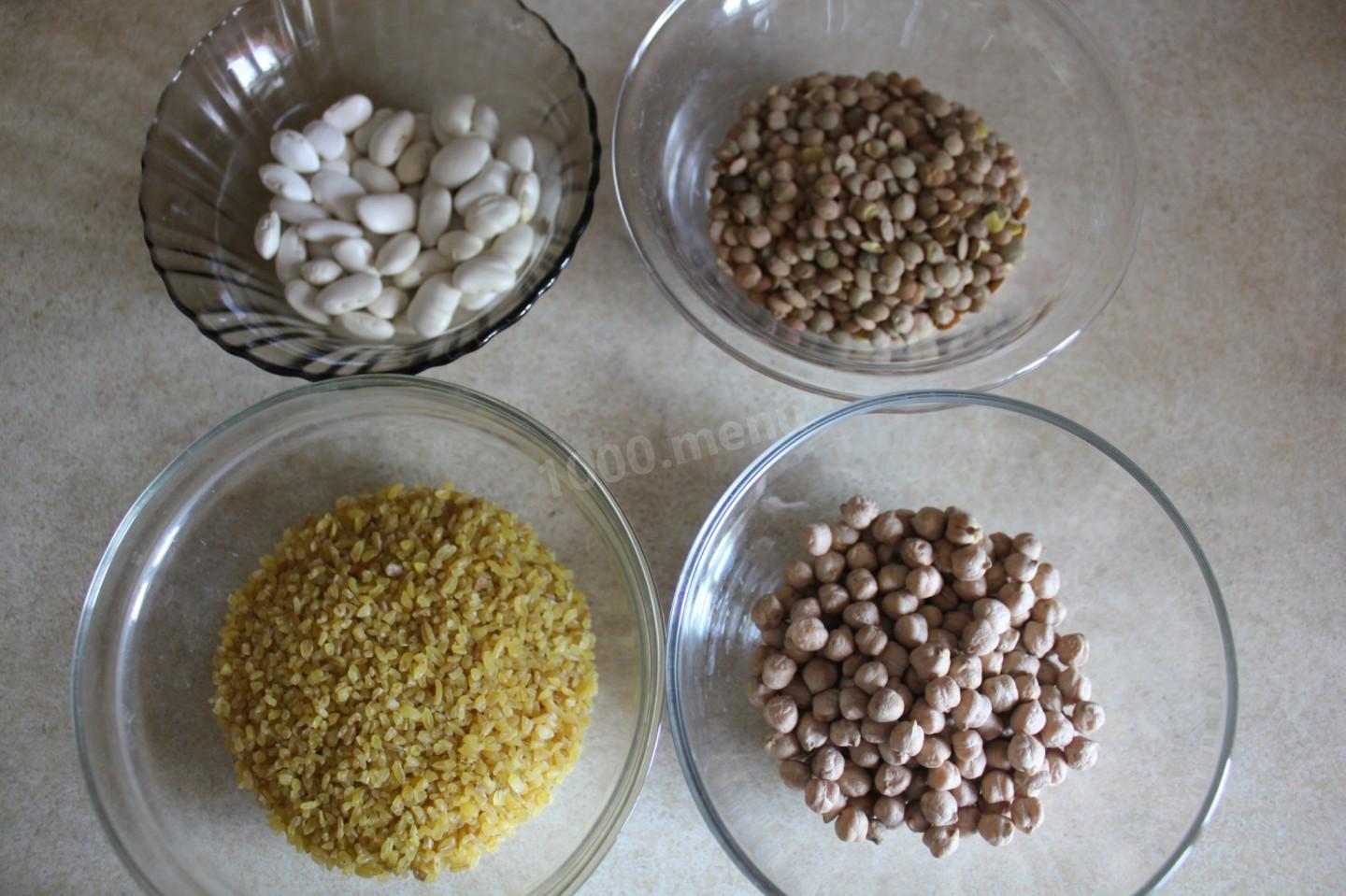
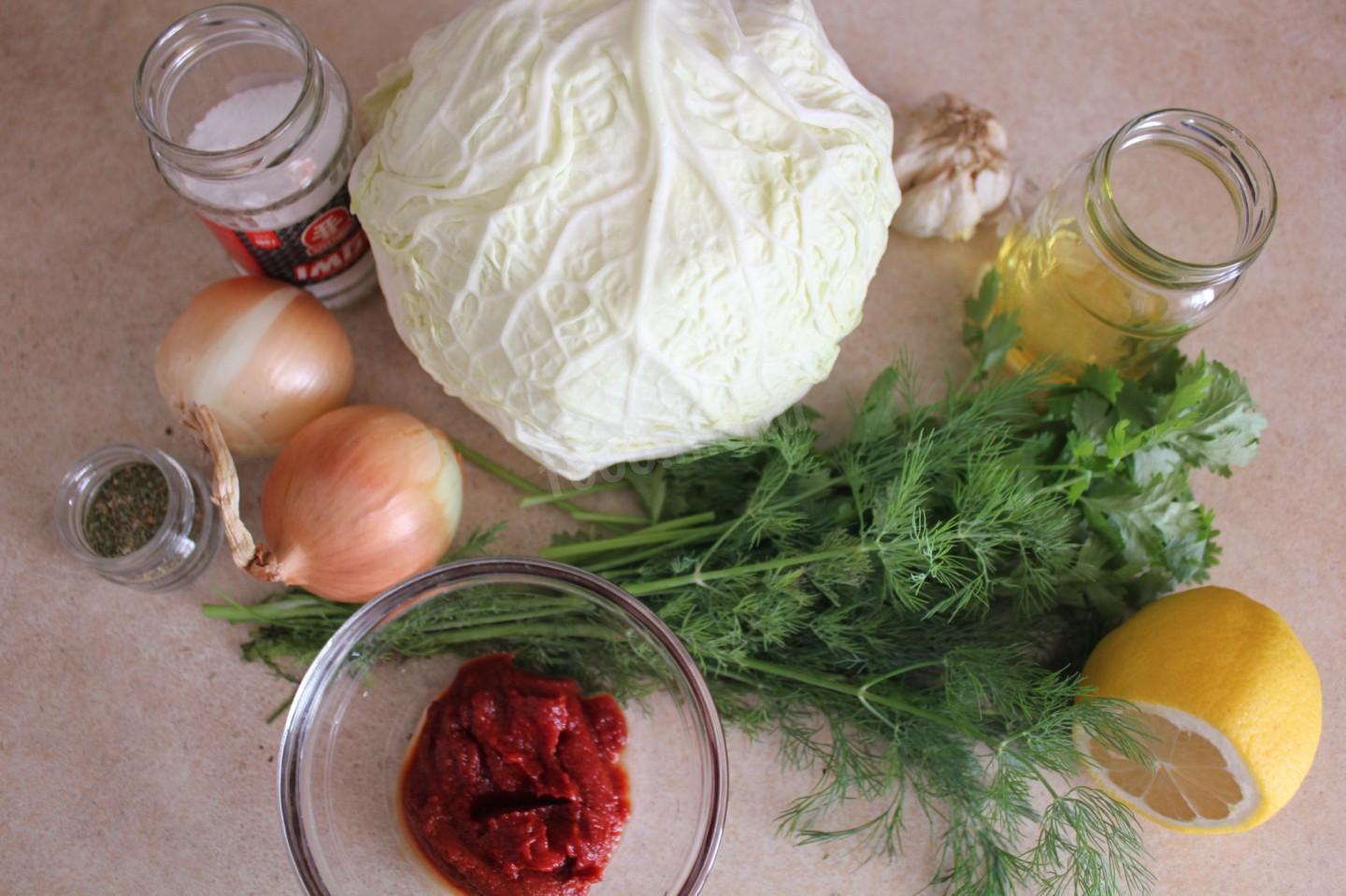
- In its original form, pasuts dolma is made with sauerkraut leaves. Mine is a simplified version using boiled cabbage leaves. Regular peas are sometimes added to the recipe, too; I made it without them. If you do use peas, you can soak them overnight but don't boil them — they'll cook through right inside the rolls. Some versions also fold walnuts into the filling. As for the grain, spelt is the best choice since it's more nutritious. Dzavar — whole-wheat groats — is another traditional option. But if you can't find either, you can use bulgur (cracked wheat), as I did.
- For tips on choosing the perfect pot for soup, porridge, or pickling cucumbers, see our article about pots.
- Important! For delicious, easy, and varied ways to cook with bulgur, check out the article "Bulgur: get to know it better and cook with confidence!"
- The tomato paste in this recipe can be swapped for tomatoes in their own juice, fresh tomatoes, or ketchup.
Caloric content of the products possible in the composition of the dish
- Green cabbage - 46 kcal/100g
- Frozen green cabbage in a package - 45 kcal/100g
- Beans - 328 kcal/100g
- White beans - 352 kcal/100g
- Scarlet runner beans - 23 kcal/100g
- Frozen beans in a package (300 g) - 102 kcal/100g
- Garlic - 143 kcal/100g
- Fresh dill - 38 kcal/100g
- Dried, uncooked lentils - 340 kcal/100g
- Dried boiled lentils - 106 kcal/100g
- Lentils - 340 kcal/100g
- Bulgur - 342 kcal/100g
- Vegetable oil - 873 kcal/100g
- Tomato paste - 28 kcal/100g
- Khmeli-suneli - 417 kcal/100g
- Salt - 0 kcal/100g
- Chickpeas - 364 kcal/100g
- Water - 0 kcal/100g
- Onion - 41 kcal/100g
- Lemon juice - 16 kcal/100g
- Fresh cilantro - 25 kcal/100g
Similar recipes

- Festive table
- Homemade dinner
- National cuisine
- Second course
- Vegetables
- Cereals and cereal products
- Legumes
- Spices seasonings spices
- Fats and oils
- Other
- From lentils
- From beans
- From peas
- Garlic
- Кинза
- Salt
- Dill
- Hops suneli
- Vegetable oil
- Water
- From juice
- Tomato paste
- Caucasian cuisine
- Cooking
- Frying
- Stewing
- In a frying pan
- Second lean dishes
- Голубцы
- Stewed vegetables
- Second courses of cabbage
- Recipes for March 8
- From cabbage
- From onion
- No eggs
- Low-calorie recipes
- Balanced nutrition
- Vegetarianism
- Lean table
- Recipes for lean dishes without butter
- Bulgur