Spanish Turrón
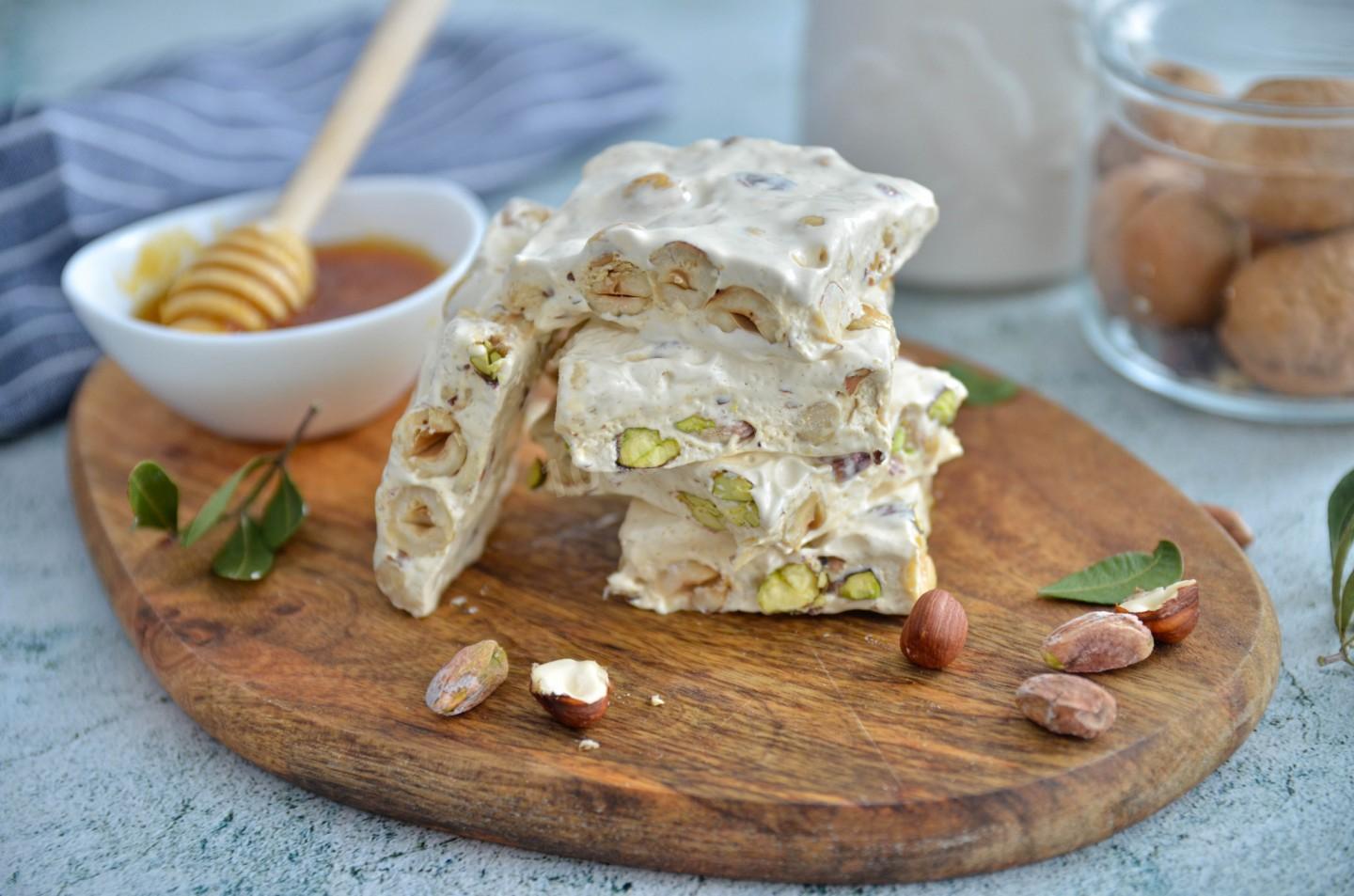
The famous Spanish Christmas treat! Turrón is made from honey, sugar, and nuts—very sweet, a lot like nougat. It takes a little kitchen skill, but the results are well worth the effort!


Cooking method
-
Step 1:
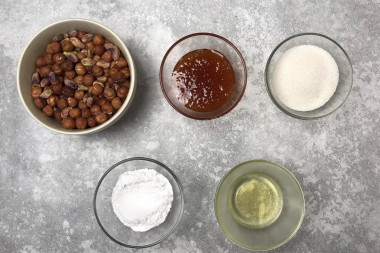
Gather your ingredients for the turrón. Almonds are the traditional nut, but hazelnuts and pistachios work beautifully too—that's what I'm using here.
-
Step 2:

Start with the nuts. If you're using almonds, blanch them: soak them in boiling water for a few minutes and the skins slip right off. Then dry the nuts in a skillet or the oven. I toasted mine in a skillet, which took about 10 minutes—keep the heat low and stir constantly so they don't scorch. It's best not to toast the pistachios, as they can lose their pretty green color.
-
Step 3:
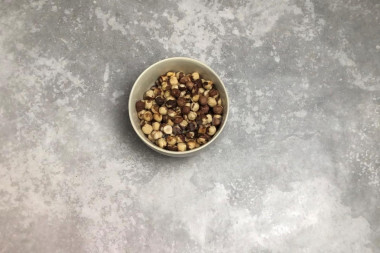
Once the nuts are nicely colored and fragrant, take them off the heat. Pour them onto a towel and rub them gently with your hands; the skins will loosen and come off easily. I didn't fuss too much—I only removed the skins that came off readily, which is perfectly fine.
-
Step 4:

Prepare your mold ahead of time, since the turrón sets quickly and the process needs your full attention. Grease the mold with a little vegetable oil, then line it with parchment and grease the parchment too. Cut an extra piece of parchment to fit the top as a "lid" and grease that as well. My mold is 10 x 8 inches (25 x 20 cm).
-
Step 5:
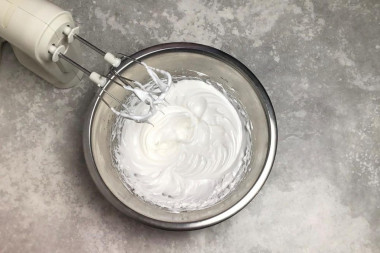
Whip the egg white, adding the powdered sugar a little at a time, until stiff peaks form. Set aside half, since the recipe needs only half the white—it's easier to measure once it's whipped than raw.
-
Step 6:
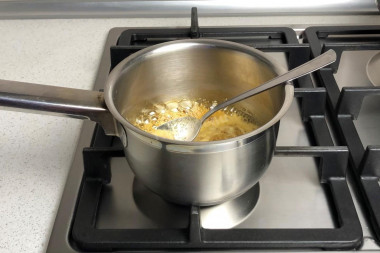
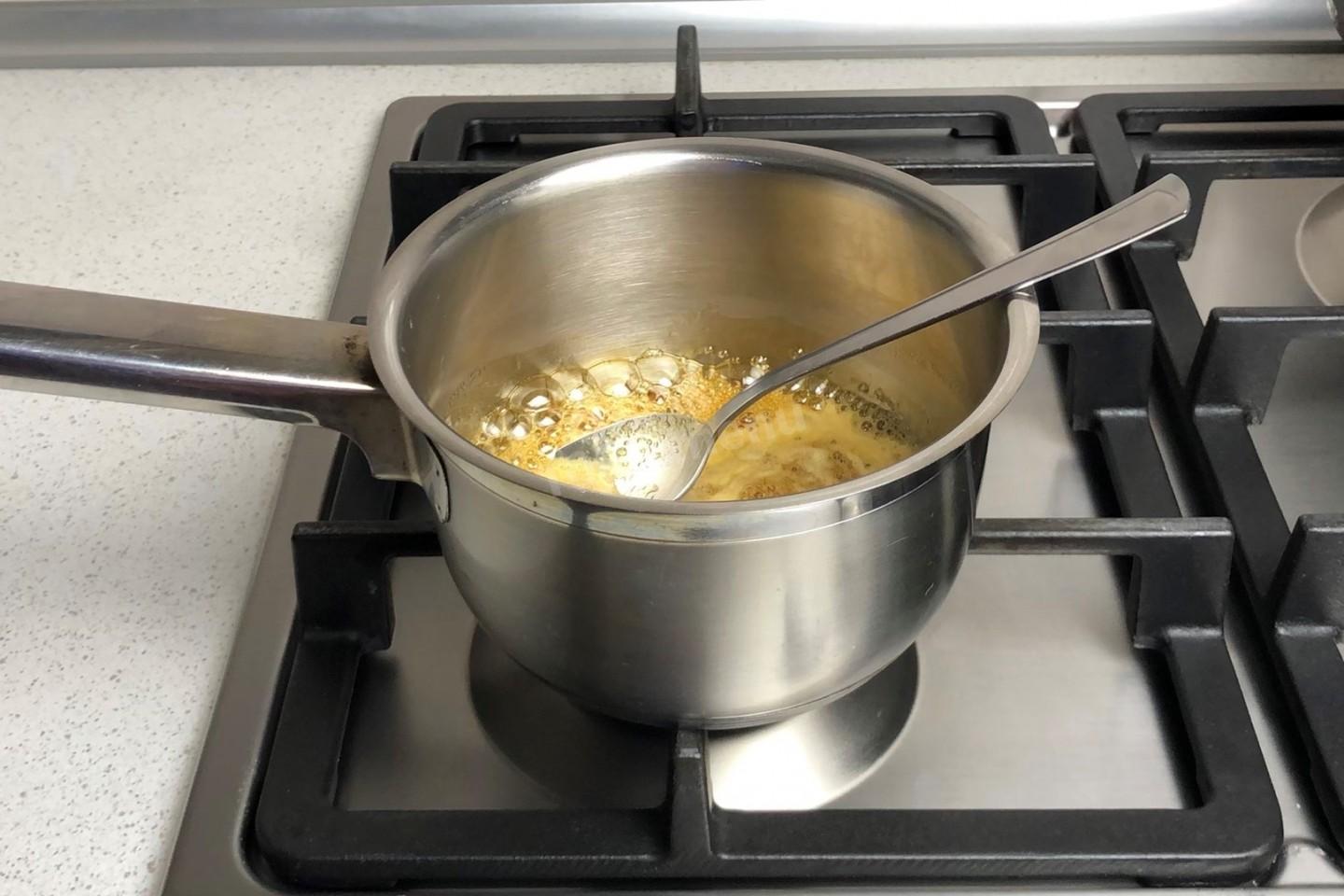
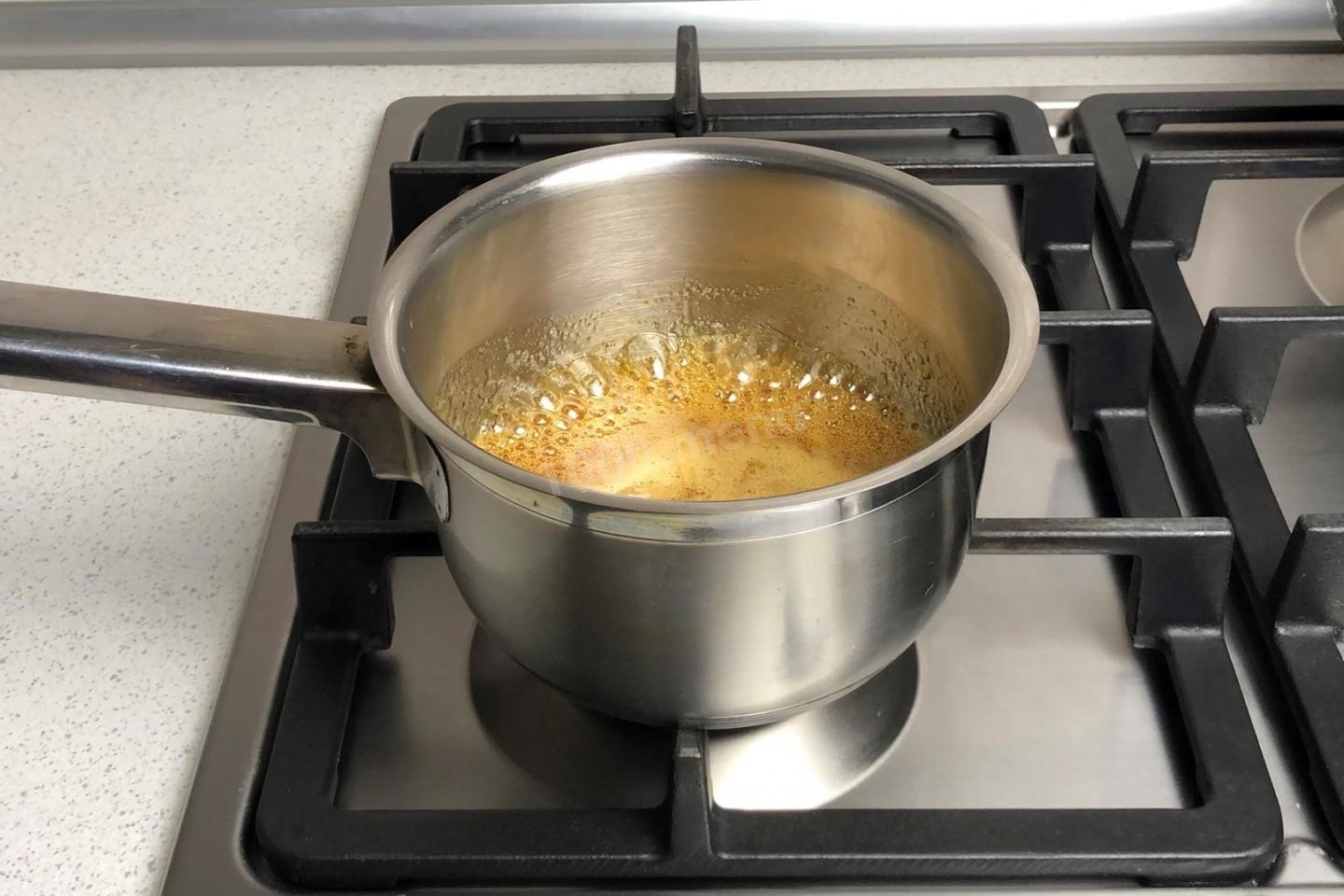
In a saucepan, warm the honey over low heat. It will first turn liquid, then come to a boil. Stir in the sugar.
-
Step 7:
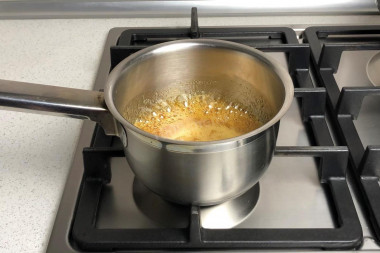
Mix and let it cook over low heat until the sugar dissolves completely.
-
Step 8:
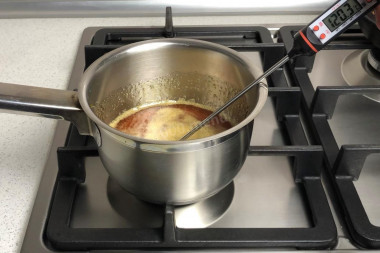
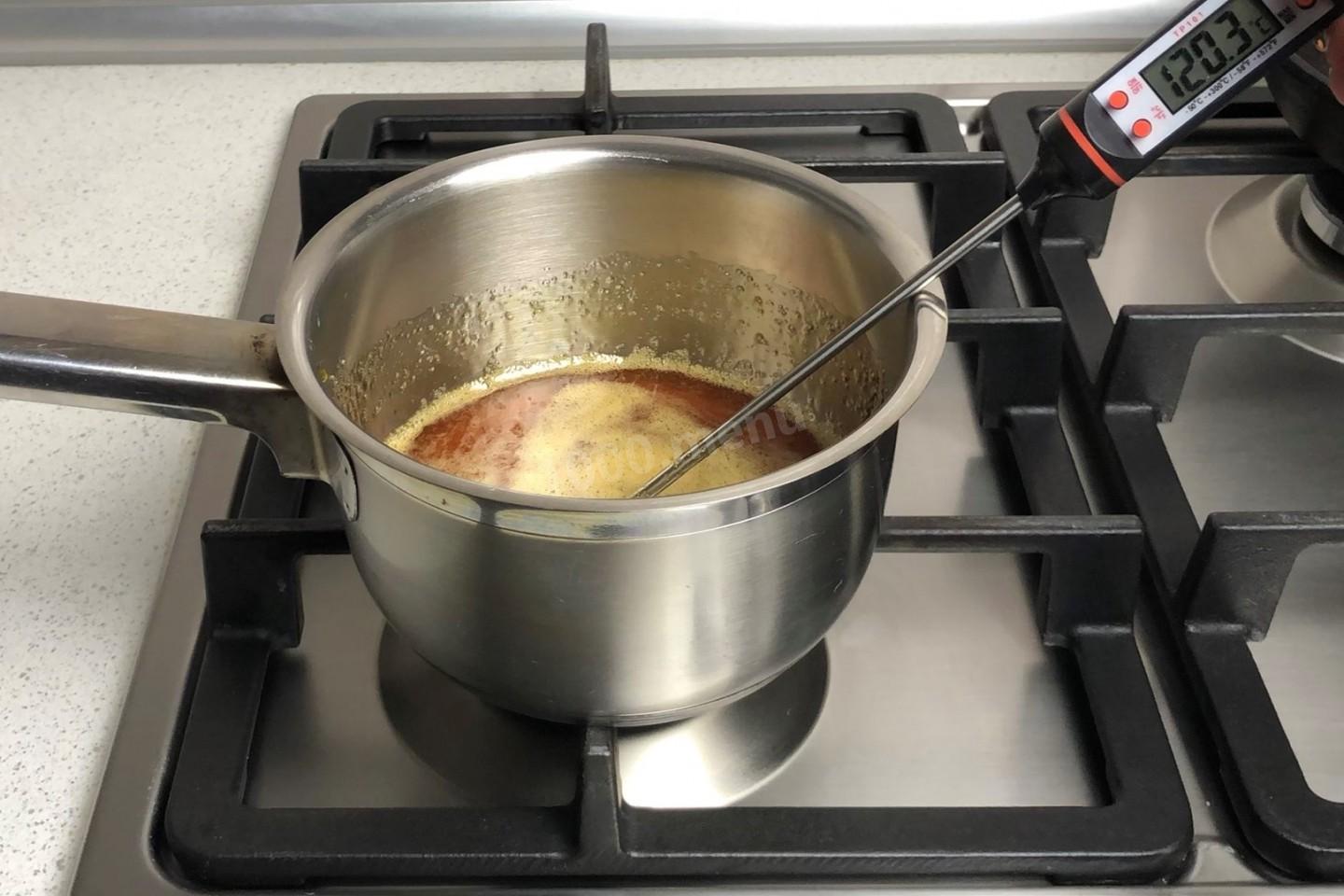
Cook the syrup to 250°F (120°C)—a candy thermometer is essential here. Without one, you'll have to do the soft-ball test: dip a wooden stick in the syrup, then in cold water; the cooled drop should feel soft and pliable. But a thermometer is the safer bet—they're inexpensive and easy to find.
-
Step 9:

Take the syrup off the heat and start whipping the egg white again, carefully drizzling in the syrup. Pour it slowly down the side of the bowl—the syrup is hot and can set into threads on the beaters.
-
Step 10:
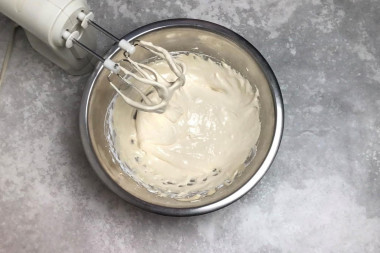
Whip the white until it's a thick, viscous, cream-colored mass.
-
Step 11:
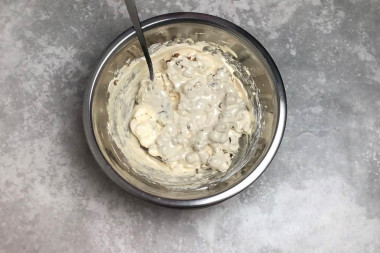
Fold in the nuts and stir to combine.
-
Step 12:
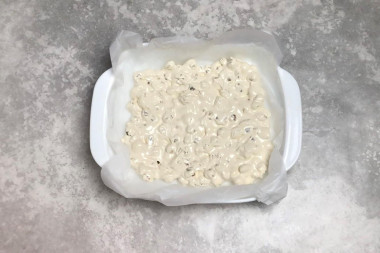
Spread the mixture into the prepared mold, smoothing it with a spoon as best you can—it's very sticky.
-
Step 13:
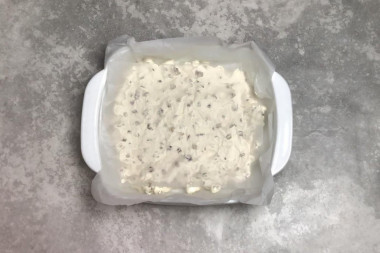
Lay the greased parchment "lid" on top and press down with your hand to level the mixture. Refrigerate the mold overnight. By morning the turrón will have set, and it'll be easy to lift out and cut into pieces.




- A really delicious sweet—somewhere between nougat and sherbet. Mine came out soft but still easy to slice. I think it's the egg: I used large (jumbo) eggs, but smaller ones would be better.
- Always wash eggs before using them—even a shell that looks clean can carry harmful bacteria. A food-safe brush and detergent work best.
- For egg whites that whip up well, use fresh, chilled eggs and a dry, clean, grease-free bowl. When separating the whites from the yolks, make sure not a drop of yolk gets into the whites. A small pinch of salt or a few drops of lemon juice (or vinegar) helps them whip. Start the mixer on low and increase the speed as you go. Use a glass, ceramic, or enameled bowl—never aluminum, which turns the whites gray!
- When using a mixer, make sure all the whites get caught up in the beating (the beaters should reach the bottom of the bowl), or you may end up with liquid whites at the bottom.
Caloric content of the products possible in the composition of the dish
- Honey - 400 kcal/100g
- Hazelnuts - 670 kcal/100g
- Granulated sugar - 398 kcal/100g
- Sugar - 398 kcal/100g
- Raw California walnut - 629 kcal/100g
- Pistachios - 638 kcal/100g
- Vegetable oil - 873 kcal/100g
- Powdered sugar - 374 kcal/100g
- Egg whites - 44 kcal/100g