Homemade Chicken Ham (in a Ham Maker)
Finger-licking homemade ham that has you reaching for seconds! What could be better than chicken ham made by hand in a ham maker? You always know exactly what your family is eating. It's easy to make, and the result is fantastic. Enjoy!

Cooking method
-
Step 1:
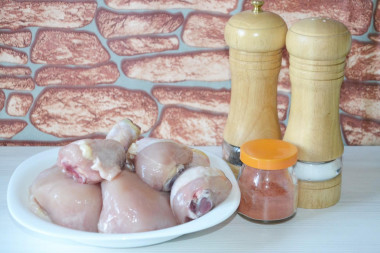
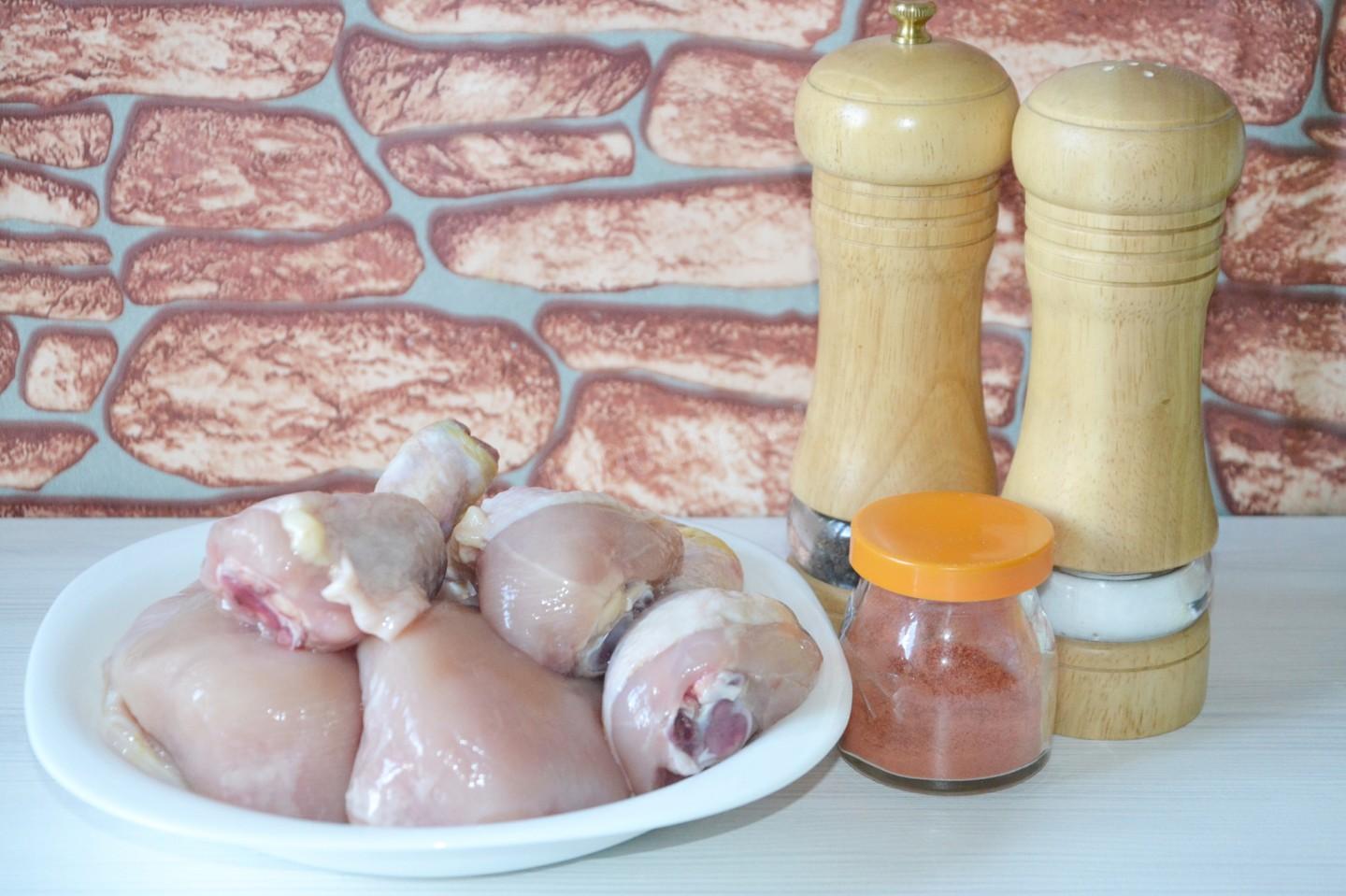
How do you make chicken ham in a ham maker? Gather your ingredients. The meat should be well chilled — it's even easier to cut that way. I use equal parts meat from drumsticks and thighs, plus chicken breast. Remove all the skin, sinew, and bones. Choose spices to your taste.
-
Step 2:
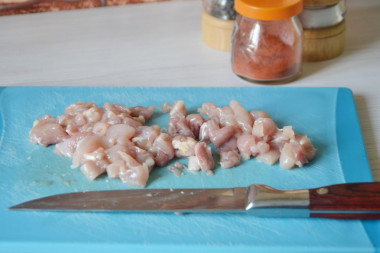
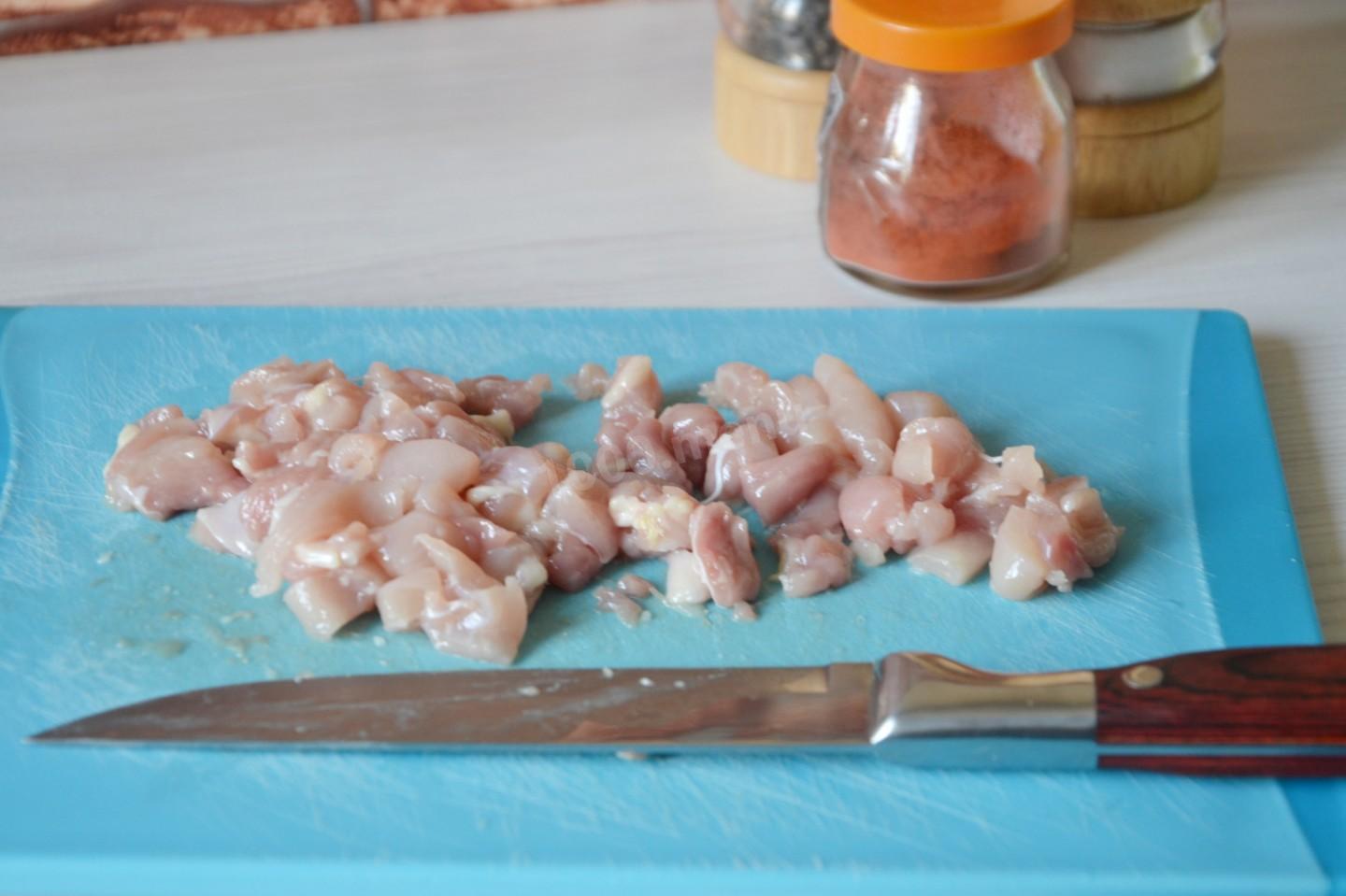
Remove the skin and bones from the drumstick and thigh meat and cut it into small pieces, roughly ½ inch (1 cm).
-
Step 3:
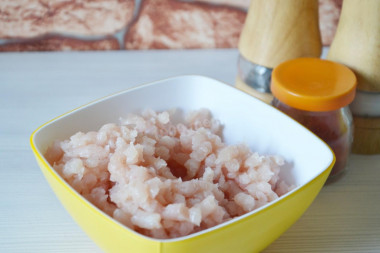
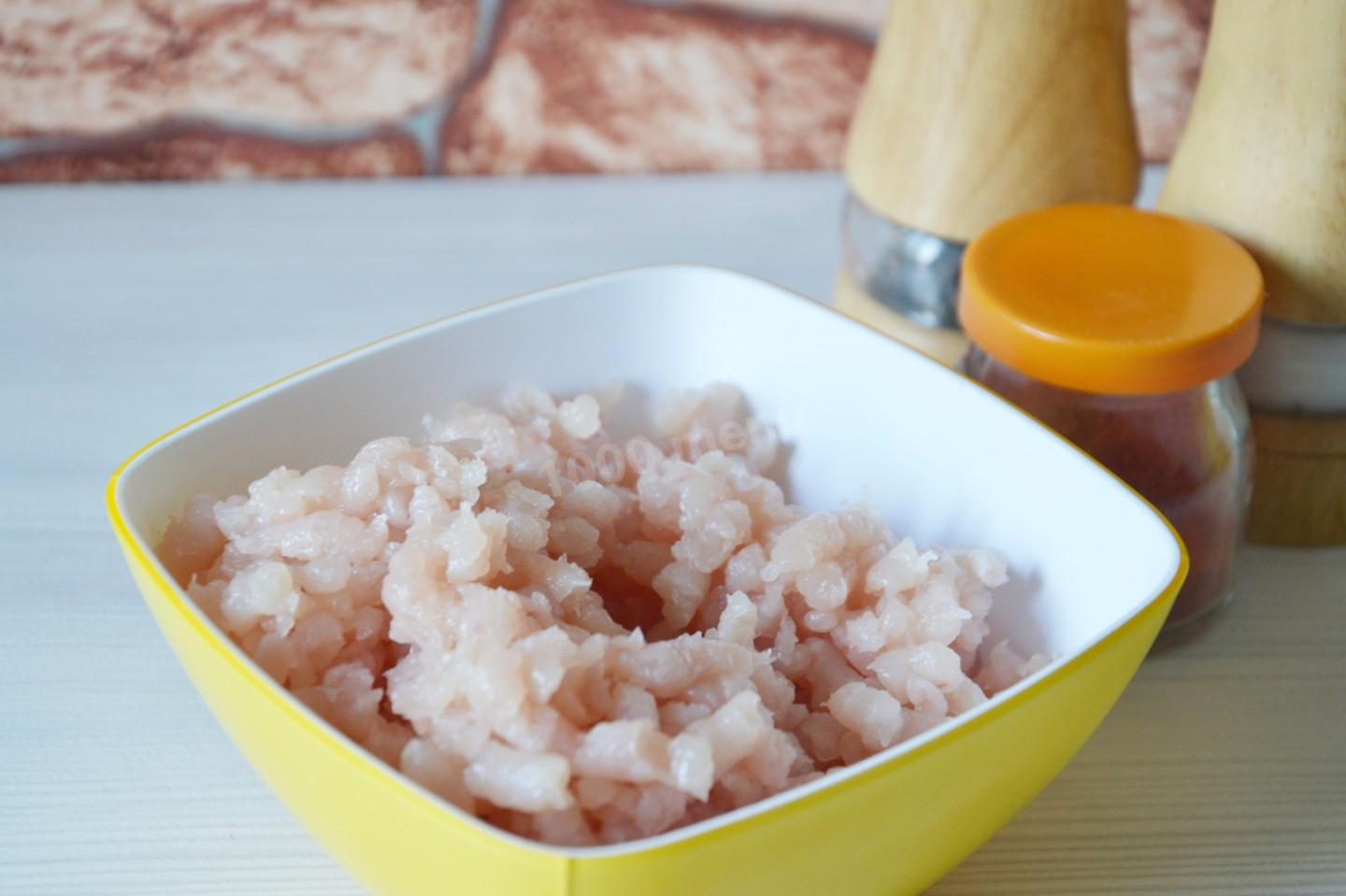
Run the chicken breast through a meat grinder, using a medium die.
-
Step 4:
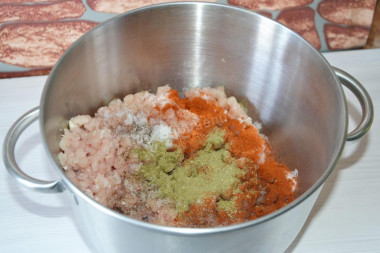
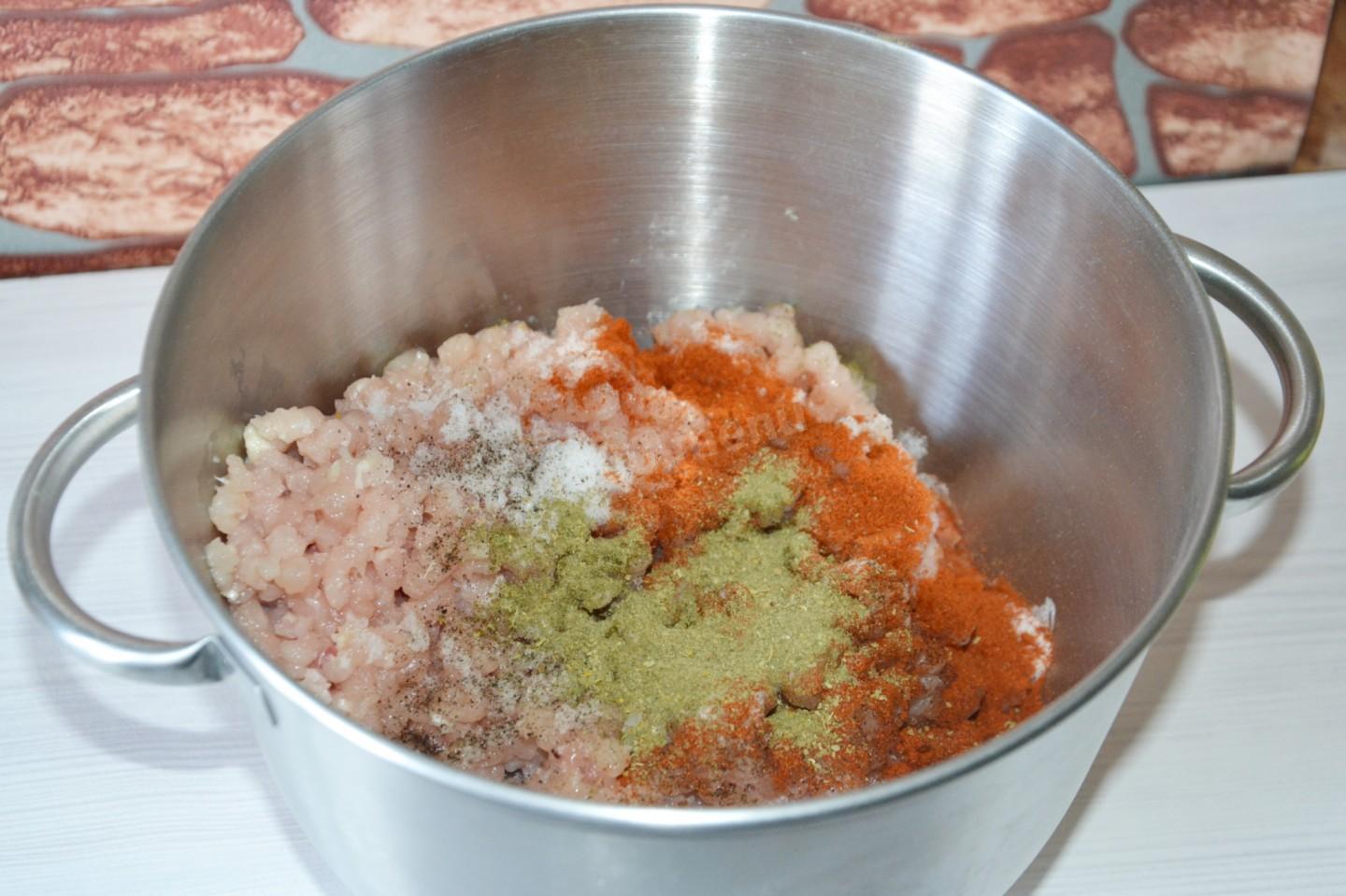
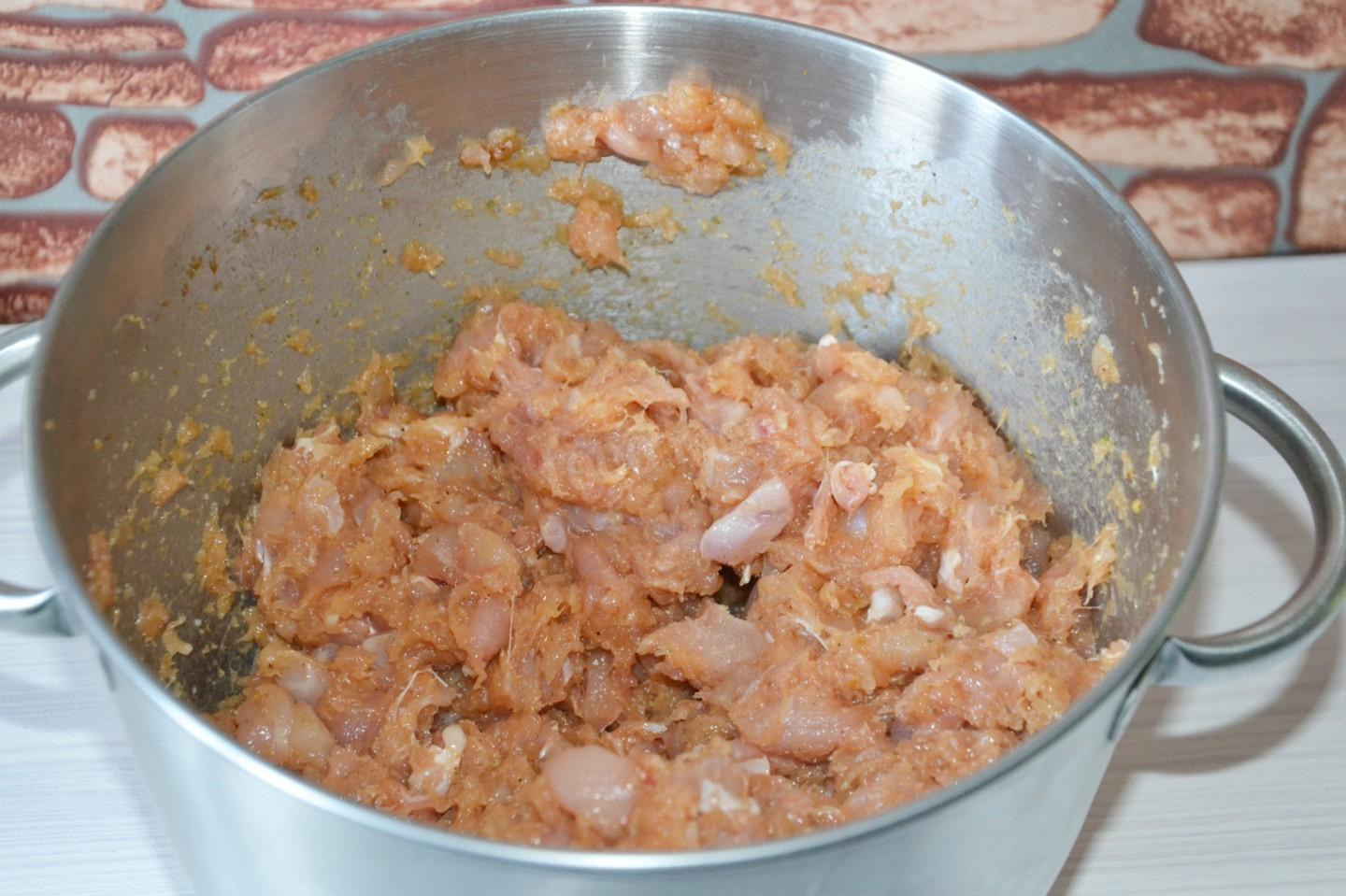
Now put all the meat in a large bowl that's easy to mix in. Add salt and pepper to taste, along with your favorite spices and herbs. I add ground paprika for color, so the ham isn't so pale.
-
Step 5:
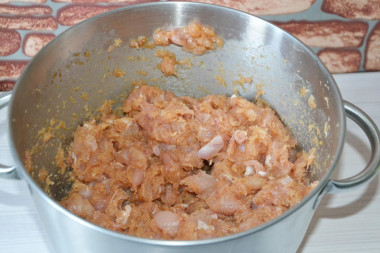
If you can, mix it with a stand mixer or food processor until it's uniform. Keep the meat cold — if it warms up from your hands, chill it in the fridge for 15–20 minutes.
-
Step 6:
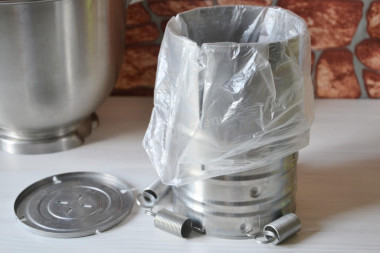
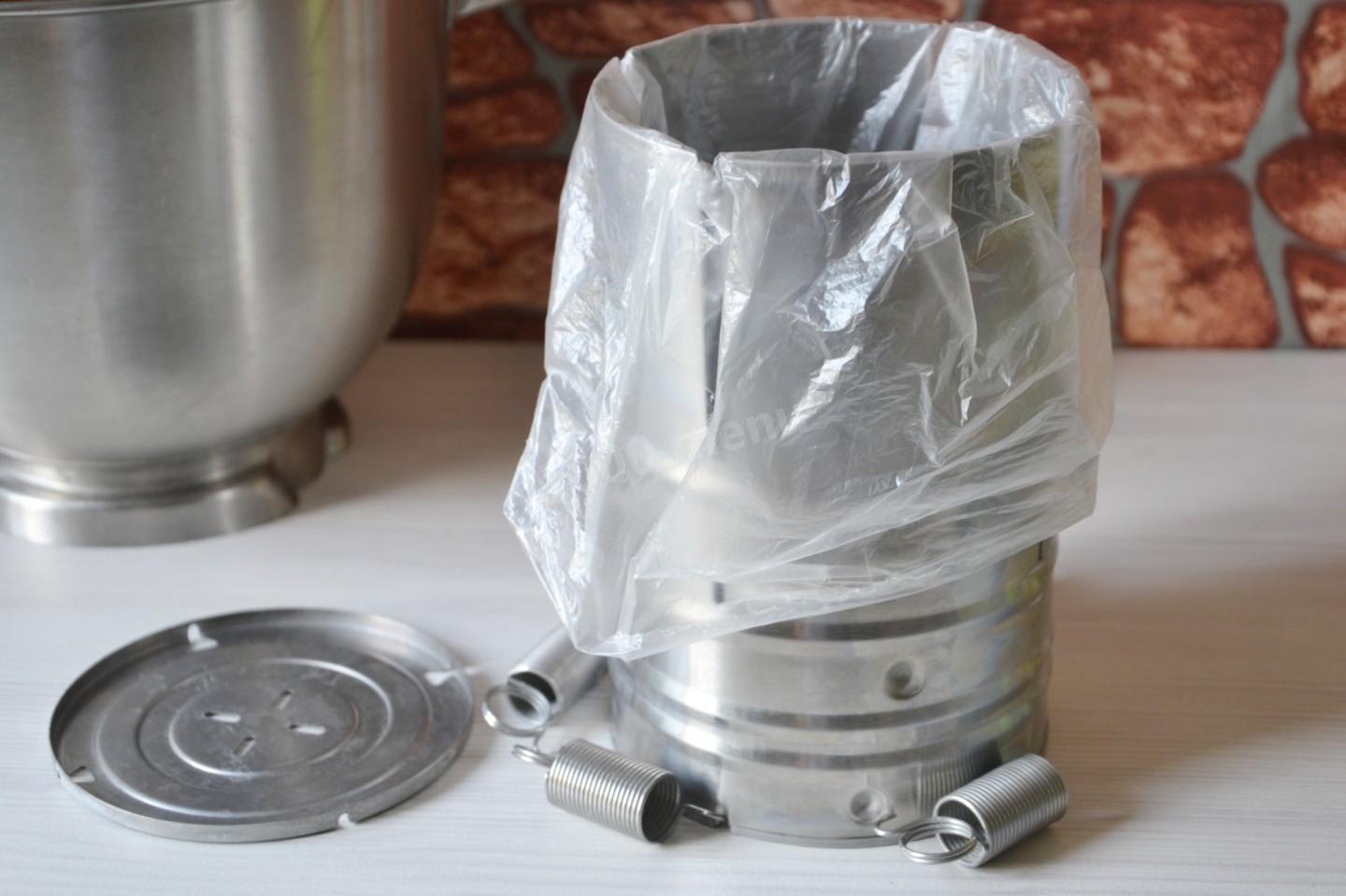
Hook the springs into the bottom lid of the ham maker and set it on the table so it doesn't shift and the springs don't pop loose — they could puncture the bag and let all the juice leak out, which we don't want. Line the ham maker with an oven bag or a food-safe bag, leaving plenty of overhang on the sides.
-
Step 7:
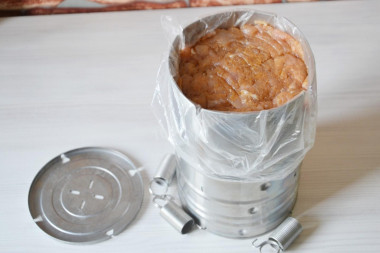
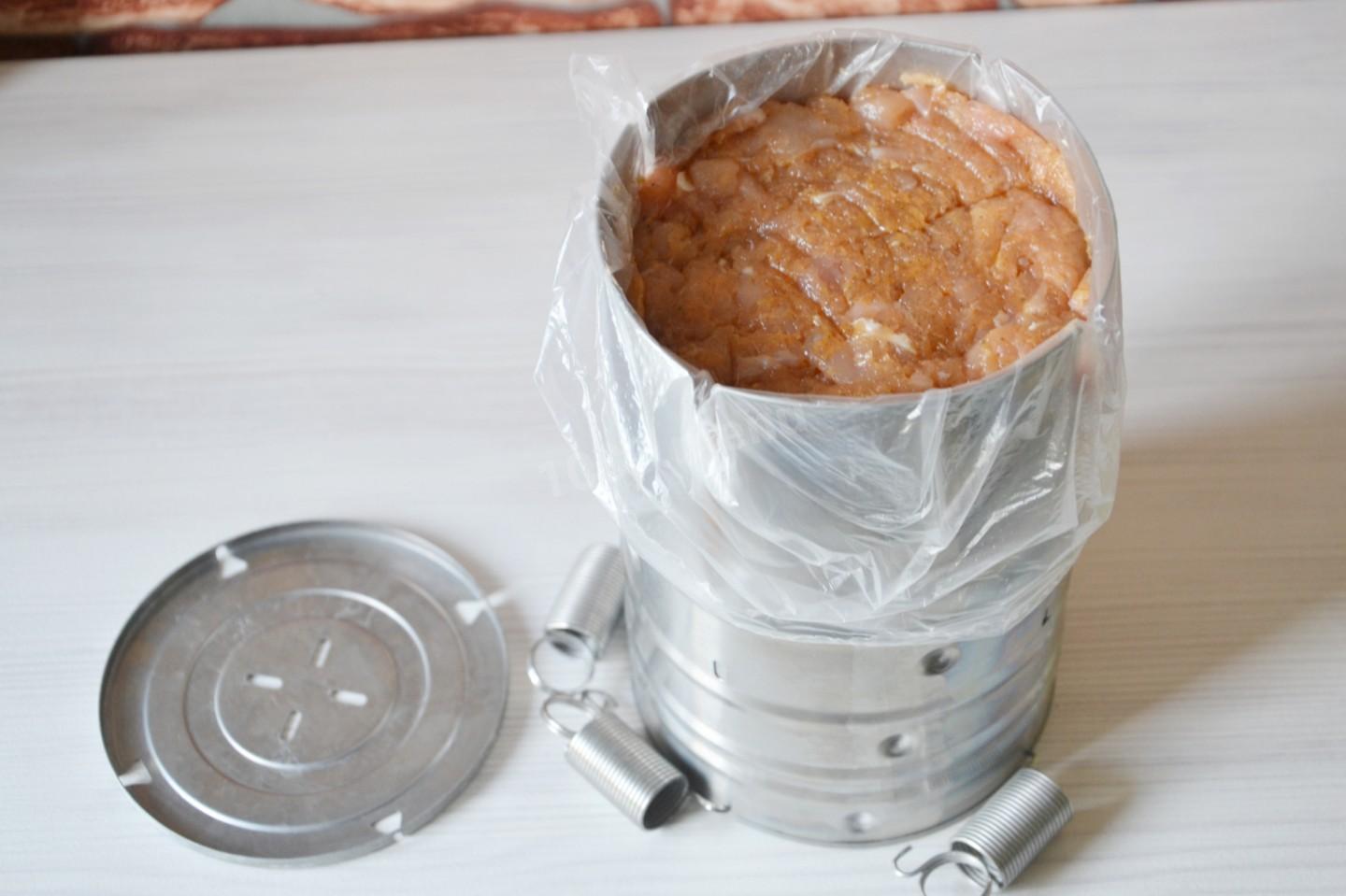
Pack the meat mixture into the ham maker, tamping it down firmly so there are no air pockets inside.
-
Step 8:
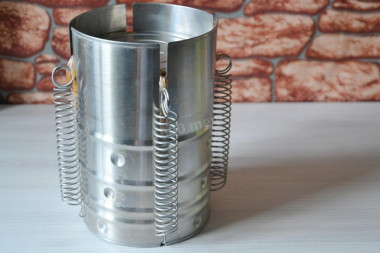
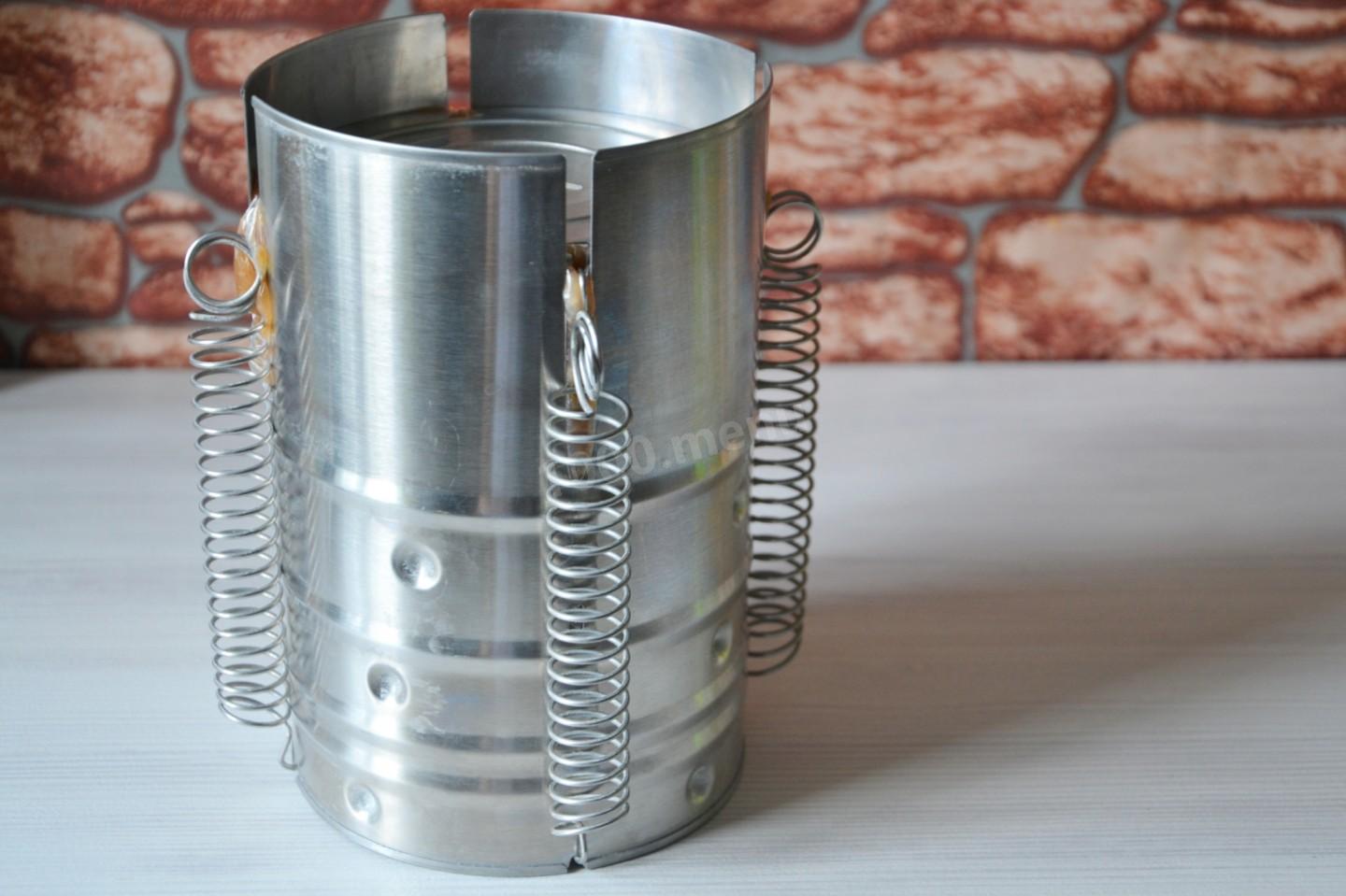
Fold the edges of the bag over, put the top lid on, and hook the springs into the holes on top. Now refrigerate the ham maker for 3–4 hours — ideally overnight. If you're not in a rush, let it chill longer.
-
Step 9:
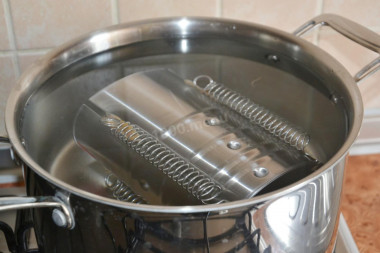
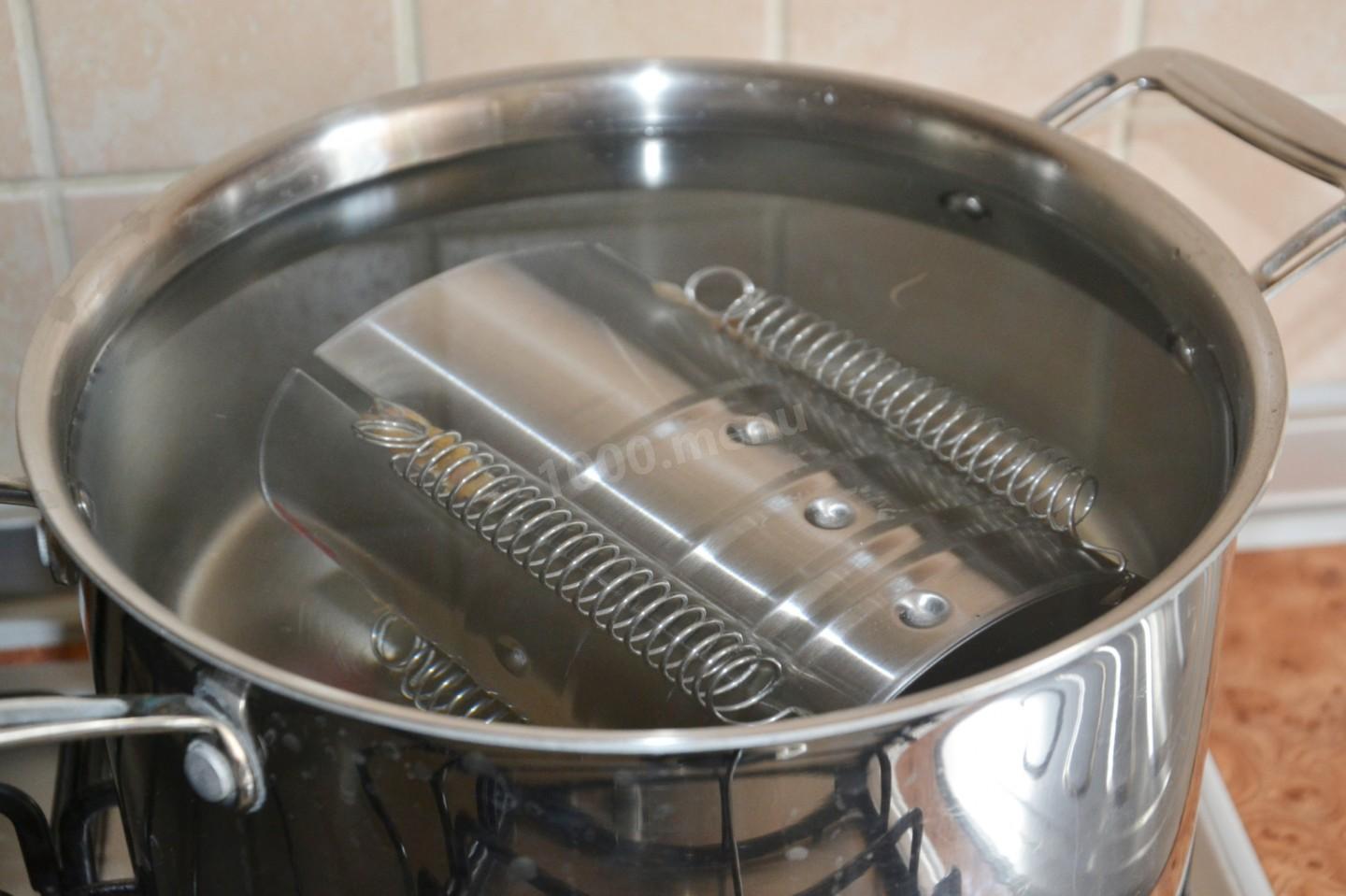
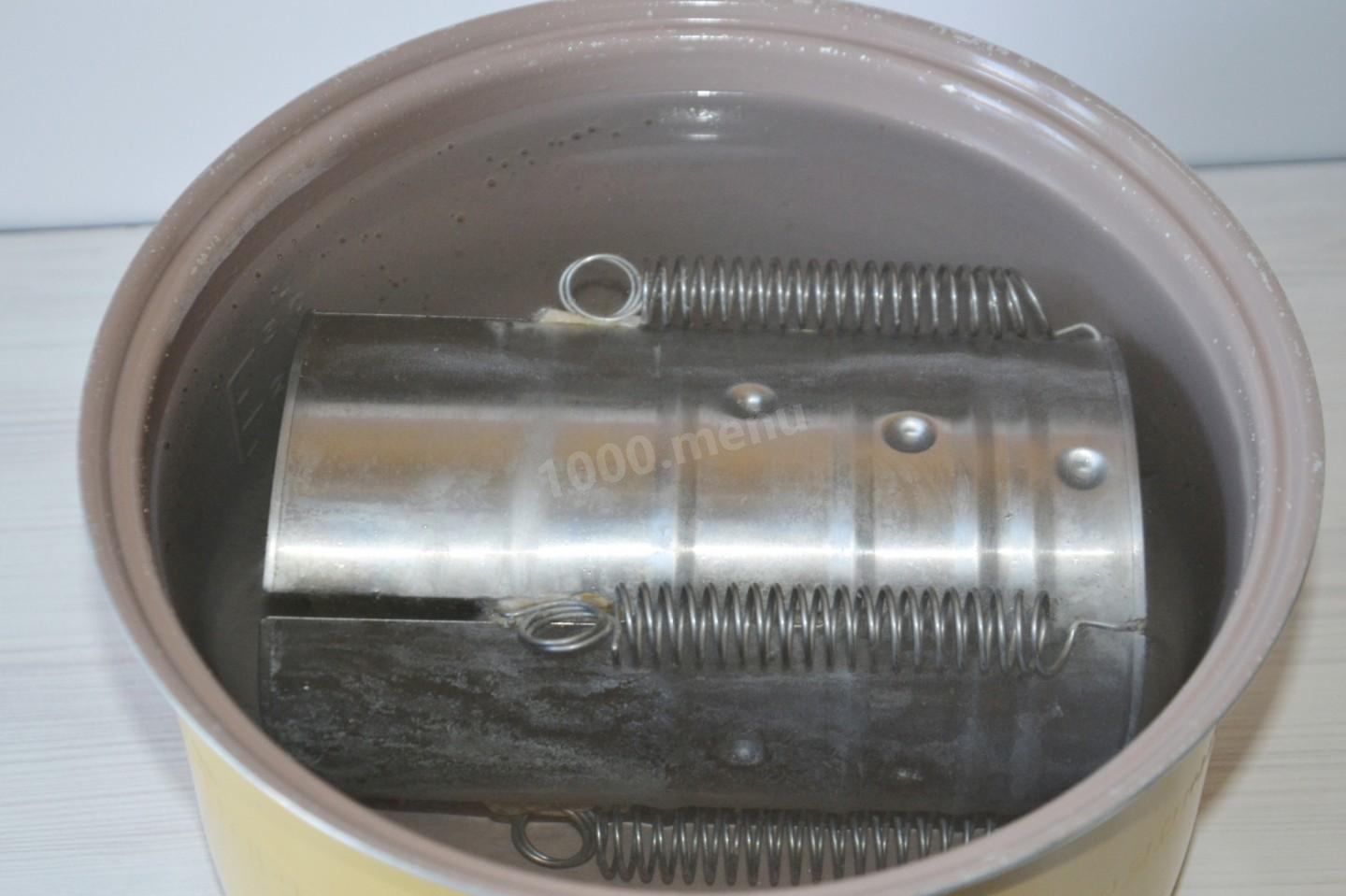
Then take a large pot — big enough for water to cover the ham maker while it cooks. Fill the pot with water and bring it to a boil, then reduce the heat so the water no longer boils. If you have a thermometer, keep the water no hotter than 185°F (85°C). Cook the ham for 2.5 hours.
-
Step 10:
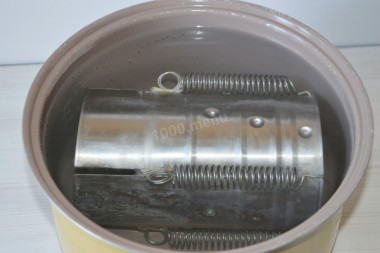
Once the cooking time is up, take the ham maker out of the pot and lower it into a container of cold water for about 10 minutes to cool. Then, without taking it apart, refrigerate it for 6–7 hours so the ham firms up completely — that way it'll be dense and slice beautifully.
-
Step 11:
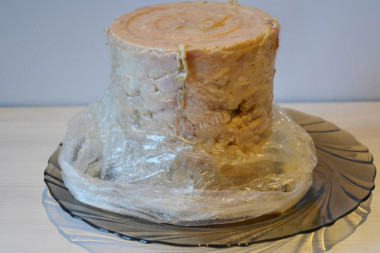
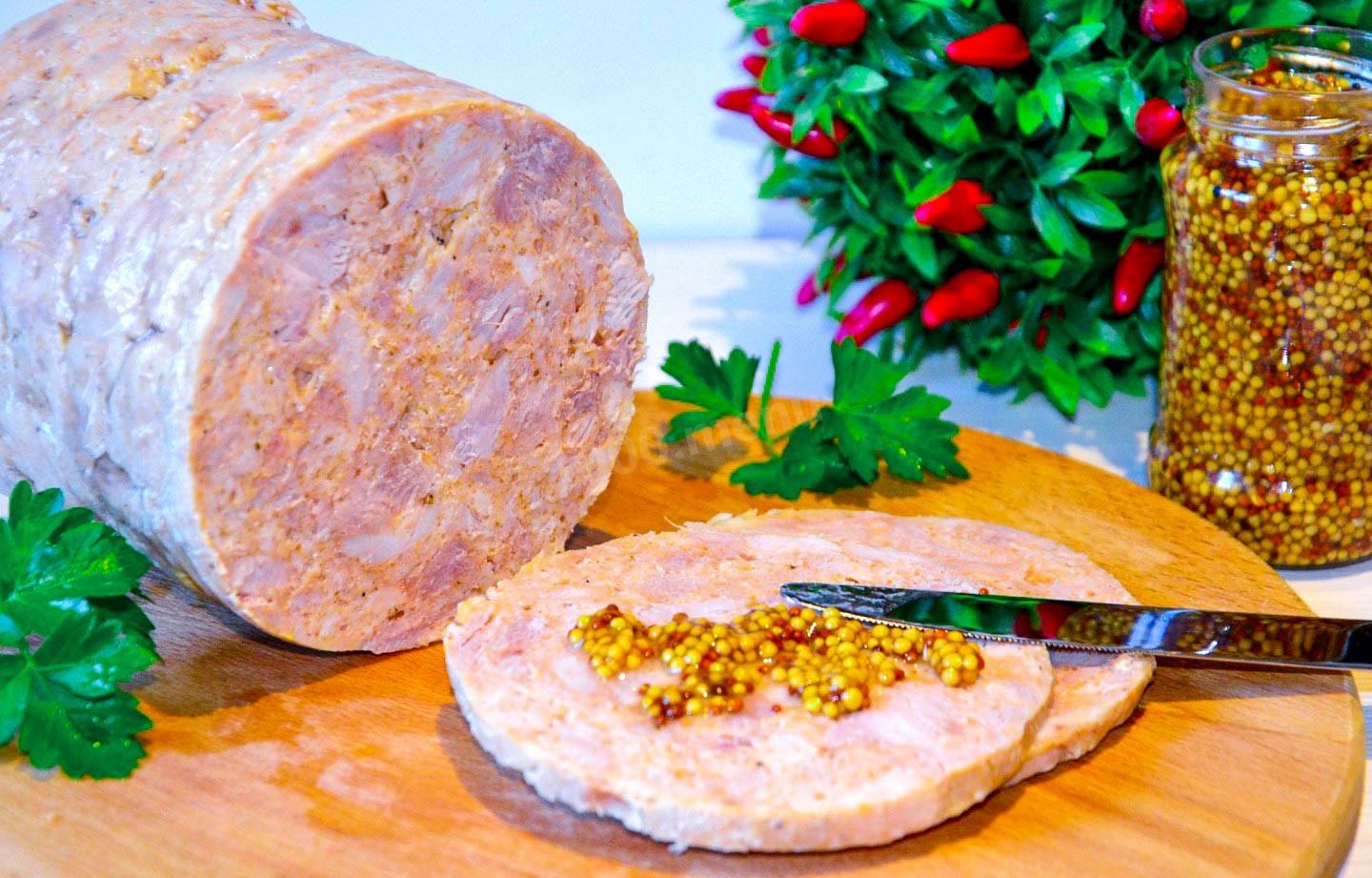
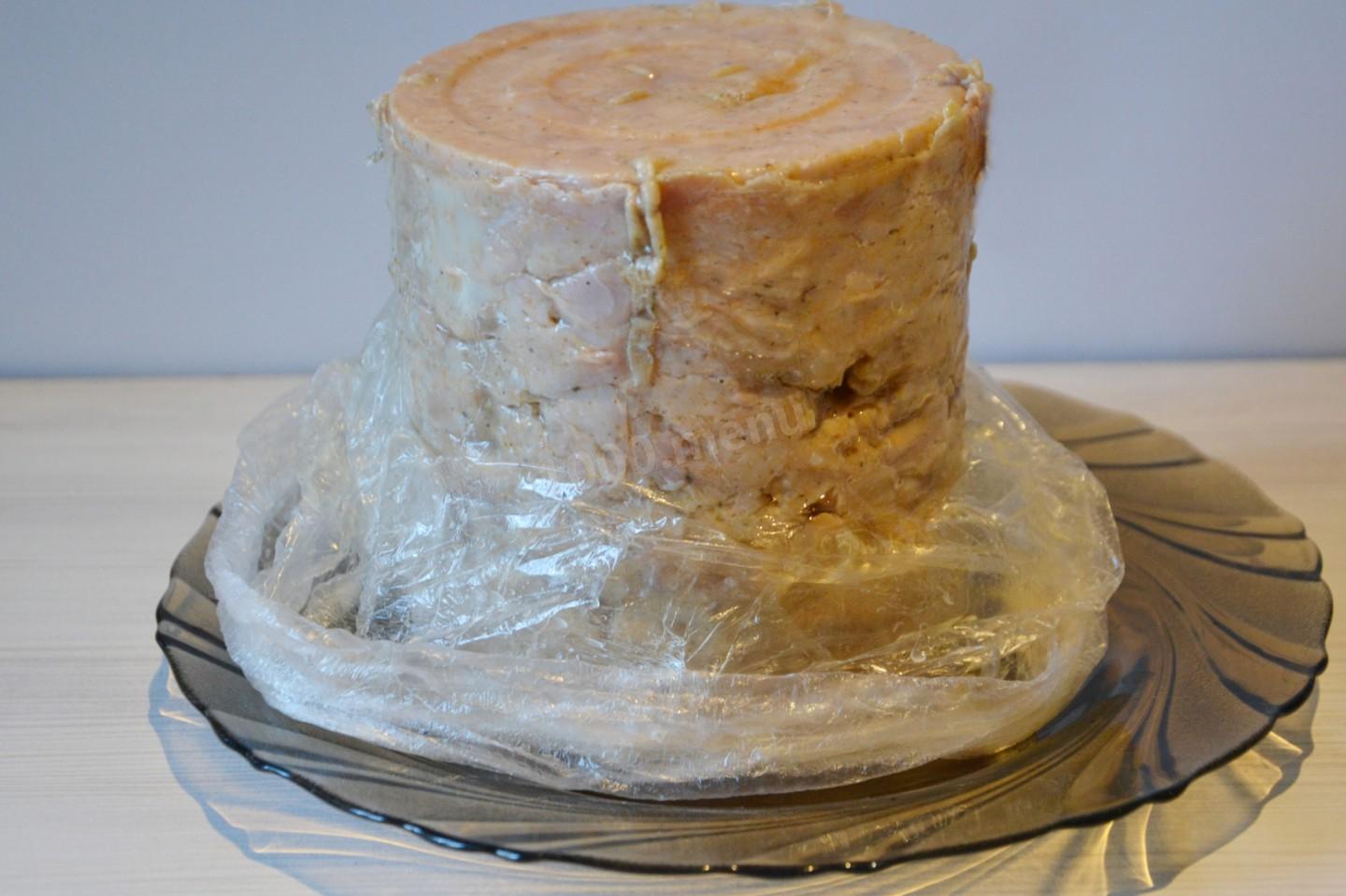
Here's what the finished ham looks like after a night in the fridge — dense, and it smells amazing!
-
Step 12:
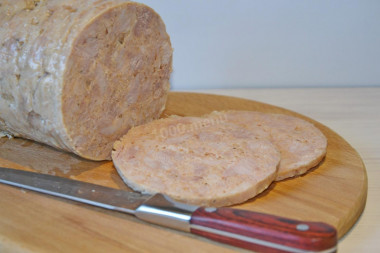
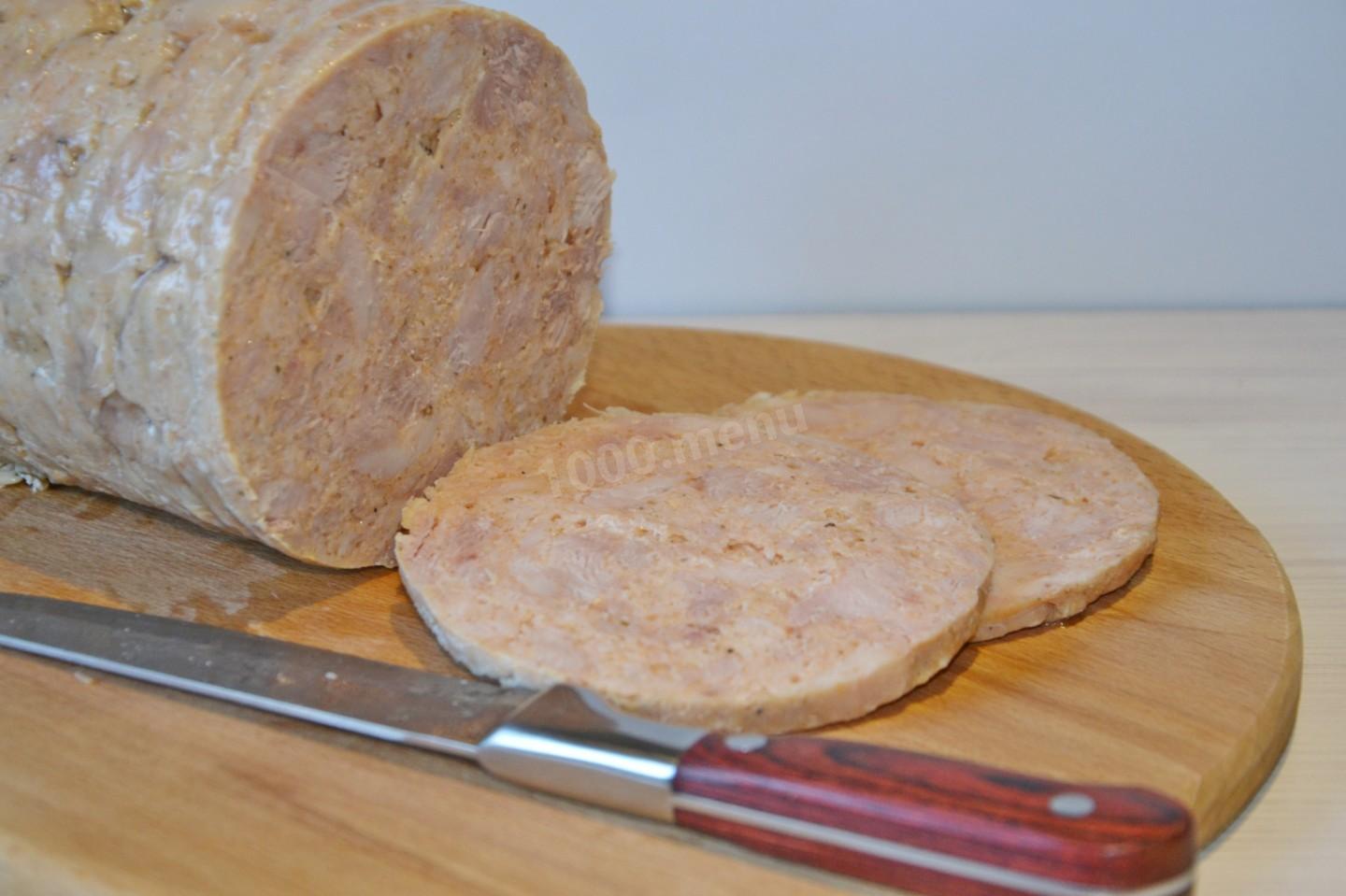
As you can see, it slices wonderfully — it doesn't crumble, and it's juicy and very fragrant. No store-bought cold cut compares to homemade ham! You can always pack it in a child's school lunch knowing exactly what's in it. And little ones won't turn it down either.
-
Step 13:
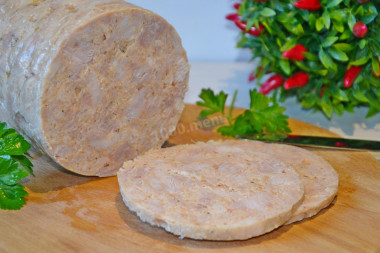
Enjoy — and good health to you!
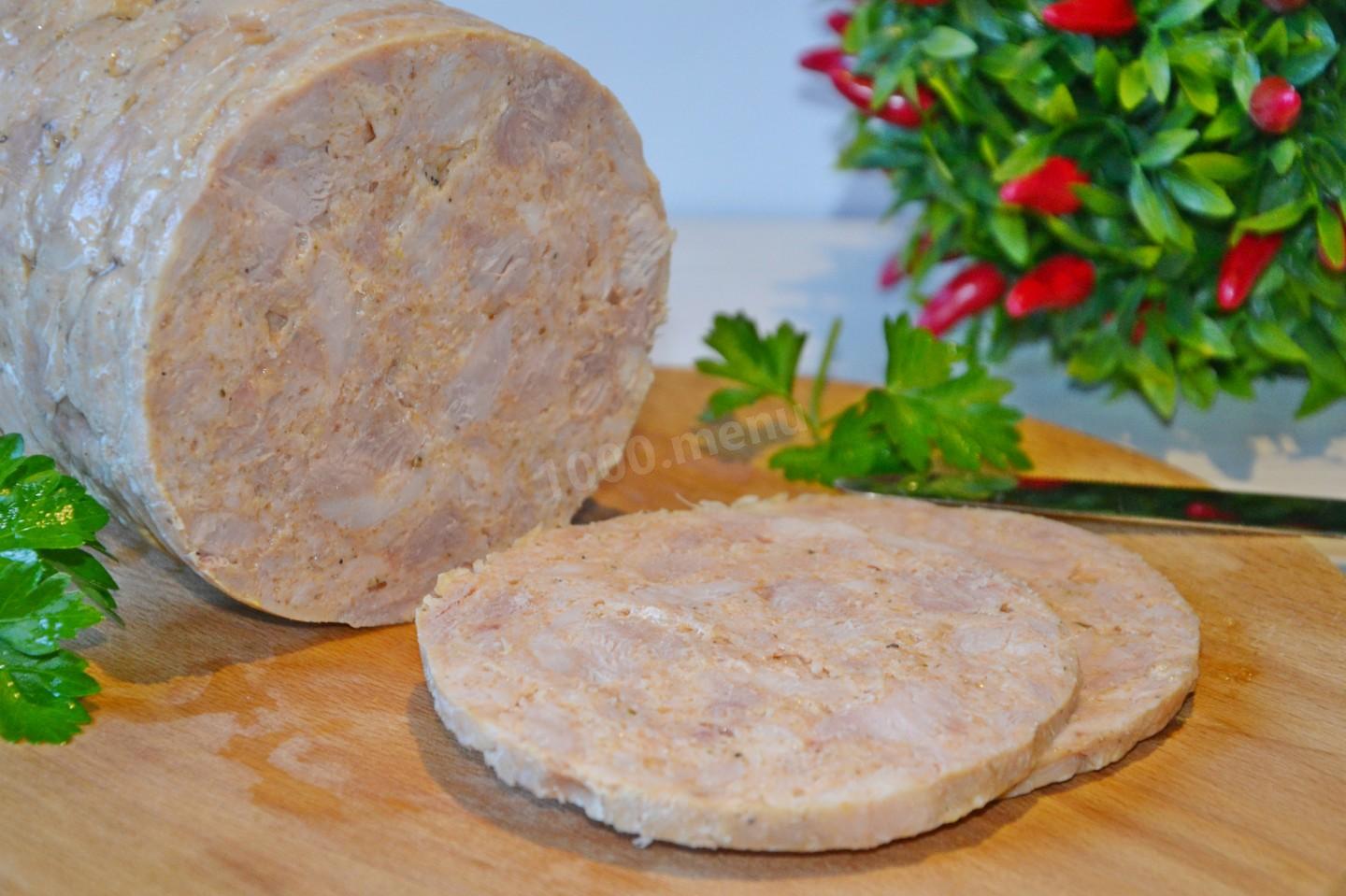
- Make this homemade ham once and you'll never want store-bought cold cuts again! It takes a bit of time, but you end up with nearly 3 lb (1.5 kg) of excellent meat. The hands-on work is short — most of the time is just chilling, first the raw mixture, then the cooked ham. In the end you get a wonderful meat appetizer!
- Note that meat protein begins to set at about 110–135°F (43–58°C). At that point the ground meat forms a firm network — a kind of sponge — that holds the moisture (juices and fat) that give the ham its flavor. IMPORTANT: harmful microbes in meat are inactivated at 160°F (72°C). The main way to ruin it is overheating. Above about 195°F (90°C), the protein squeezes out and rejects all its bound moisture and seizes up — the ham falls apart, dry, tough, and bland. So the ideal cooking temperature is 165–185°F (75–85°C).
- A ham maker is simply a mold for making ham at home. It has no special powers — it's just a container that gives homemade ham its neat round shape, so you can improvise with whatever you have on hand.
- Keep in mind the cooking water shouldn't exceed 185°F (85°C), and you stop cooking once the inside of the ham reaches 155–160°F (69–71°C). Otherwise the ham will just dry out or overcook.
Caloric content of the products possible in the composition of the dish
- Salt - 0 kcal/100g
- Paprika - 289 kcal/100g
- Pepper - 26 kcal/100g
- Chicken breast (fillet) - 113 kcal/100g
- Italian herbs blend - 259 kcal/100g
- Chicken thighs - 185 kcal/100g