Tomato Sauce for Pizza
The best pizza sauce — made from everyday ingredients and easy to put together! Tomato sauce is the one essential for everybody's favorite dish. Made from tomato paste, it comes out a rich red color and tastes just like the sauce at a pizzeria!


Cooking method
-
Step 1:
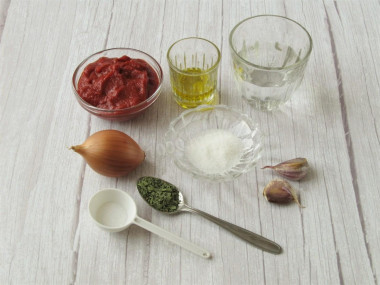
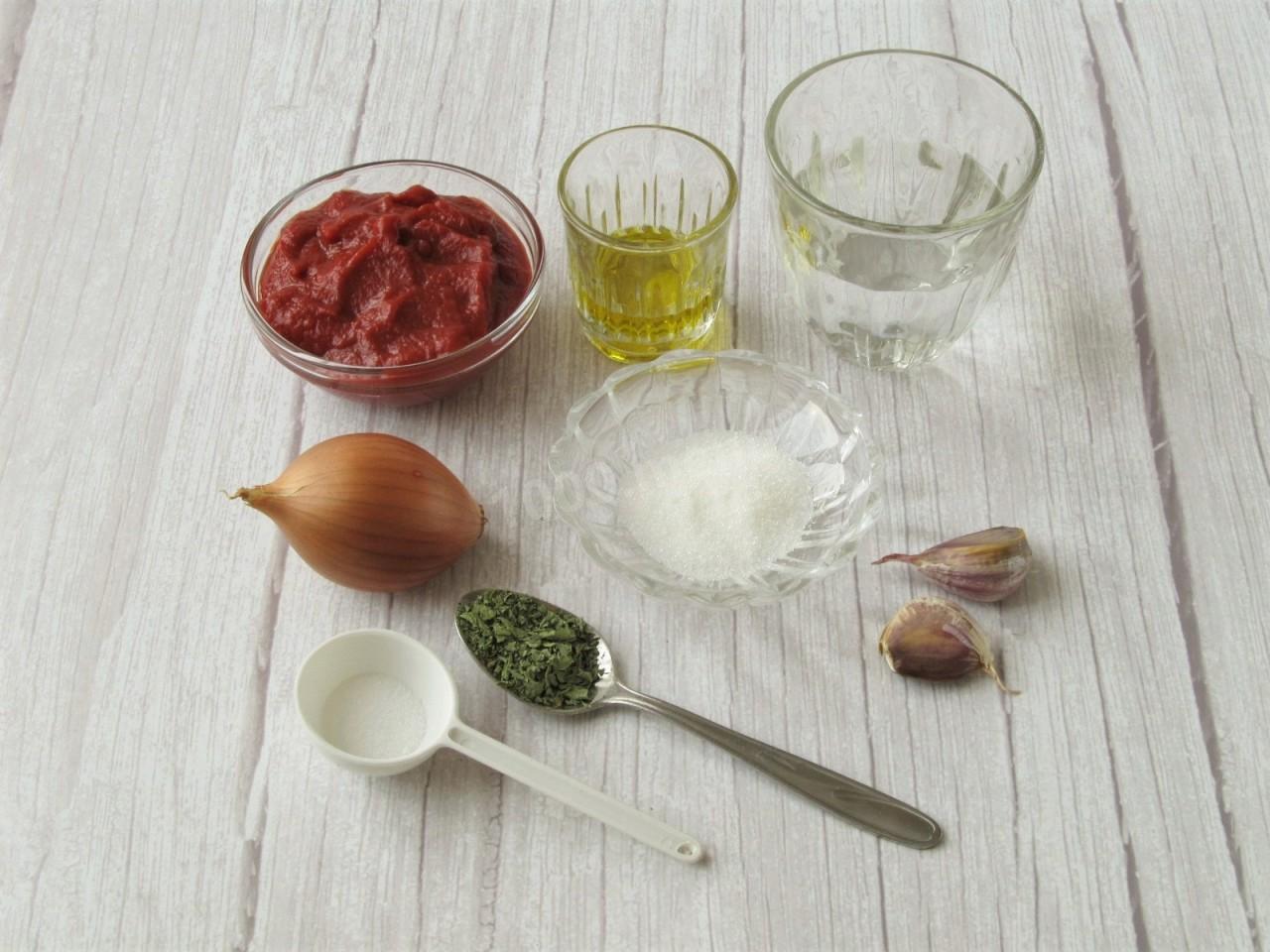
How do you make tomato sauce for pizza? Gather your ingredients. Choose a tomato paste with no additives — nothing but tomatoes. You can use plain neutral vegetable oil instead of olive oil, but olive tastes better. Besides basil, you can add other seasonings; I like oregano or an Italian herb blend.
-
Step 2:
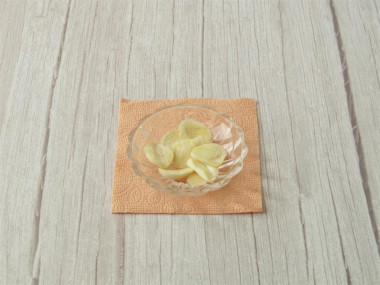
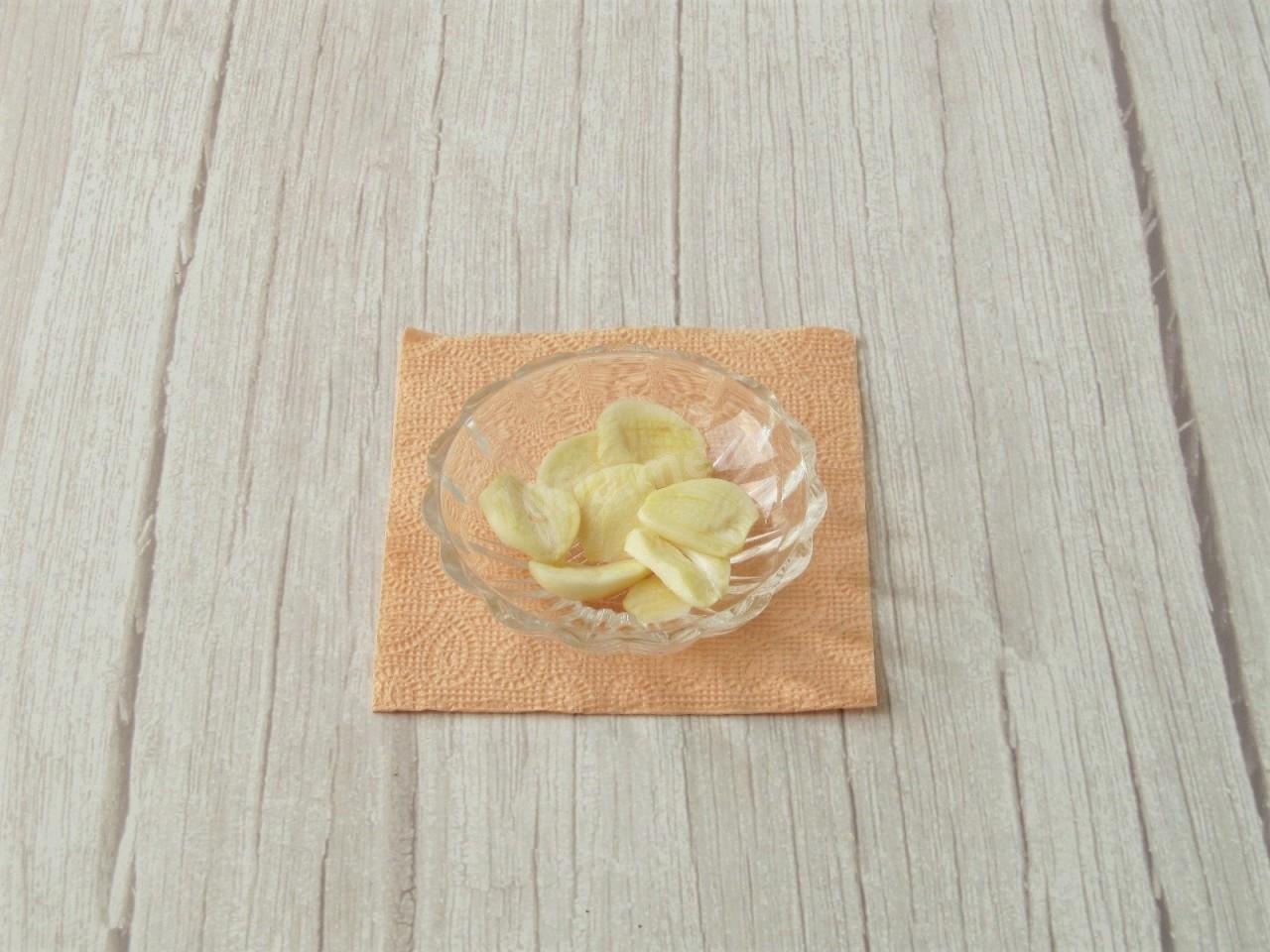
Peel the garlic and cut it into thin slices.
-
Step 3:
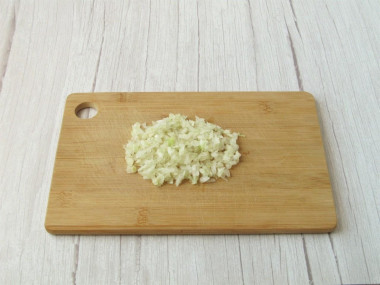
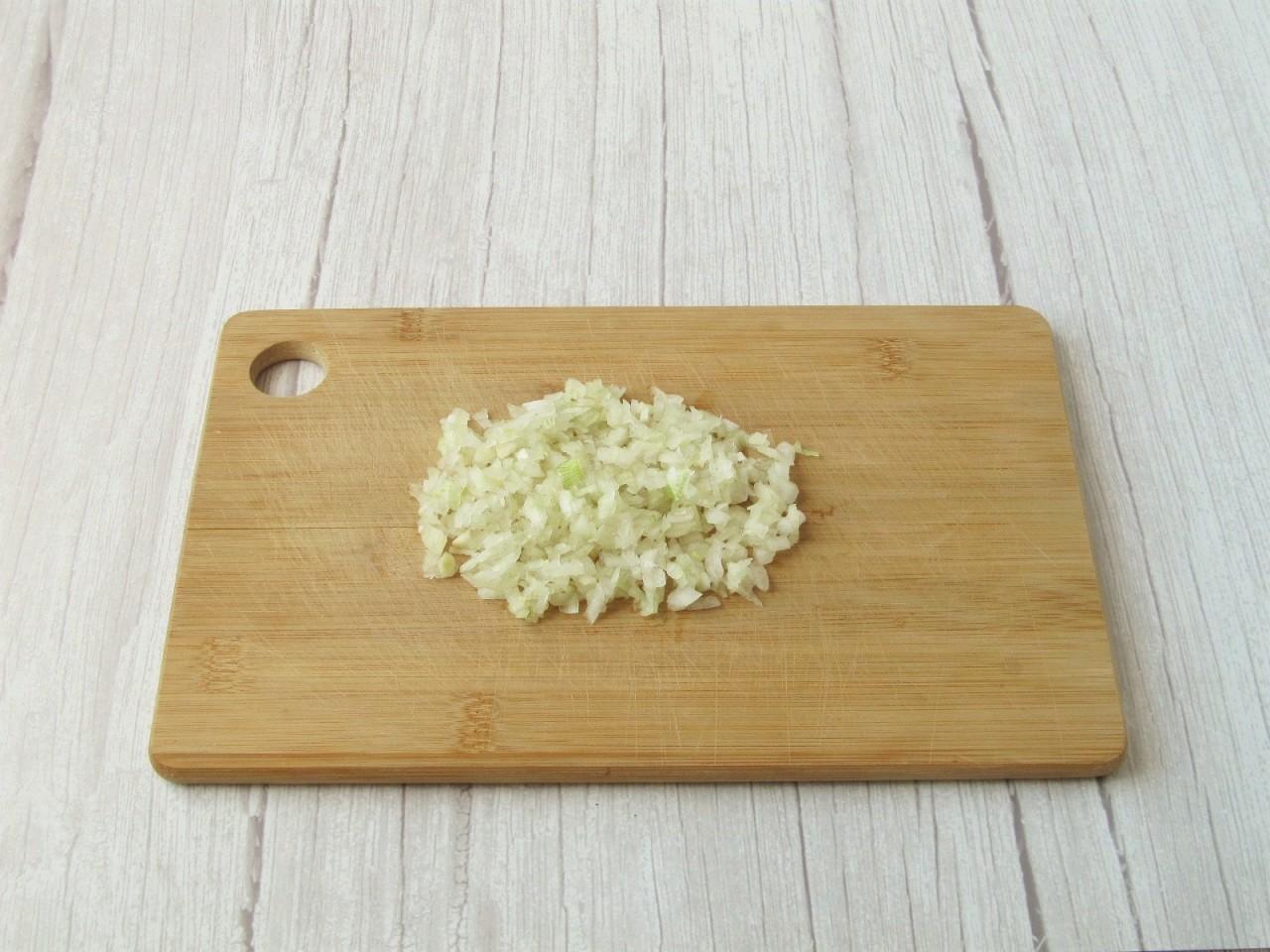
Peel the onion and chop it very finely.
-
Step 4:
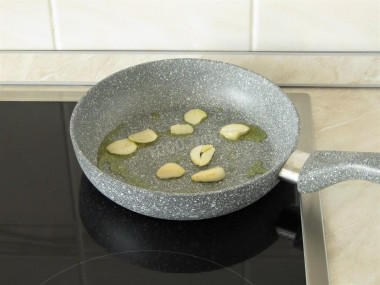
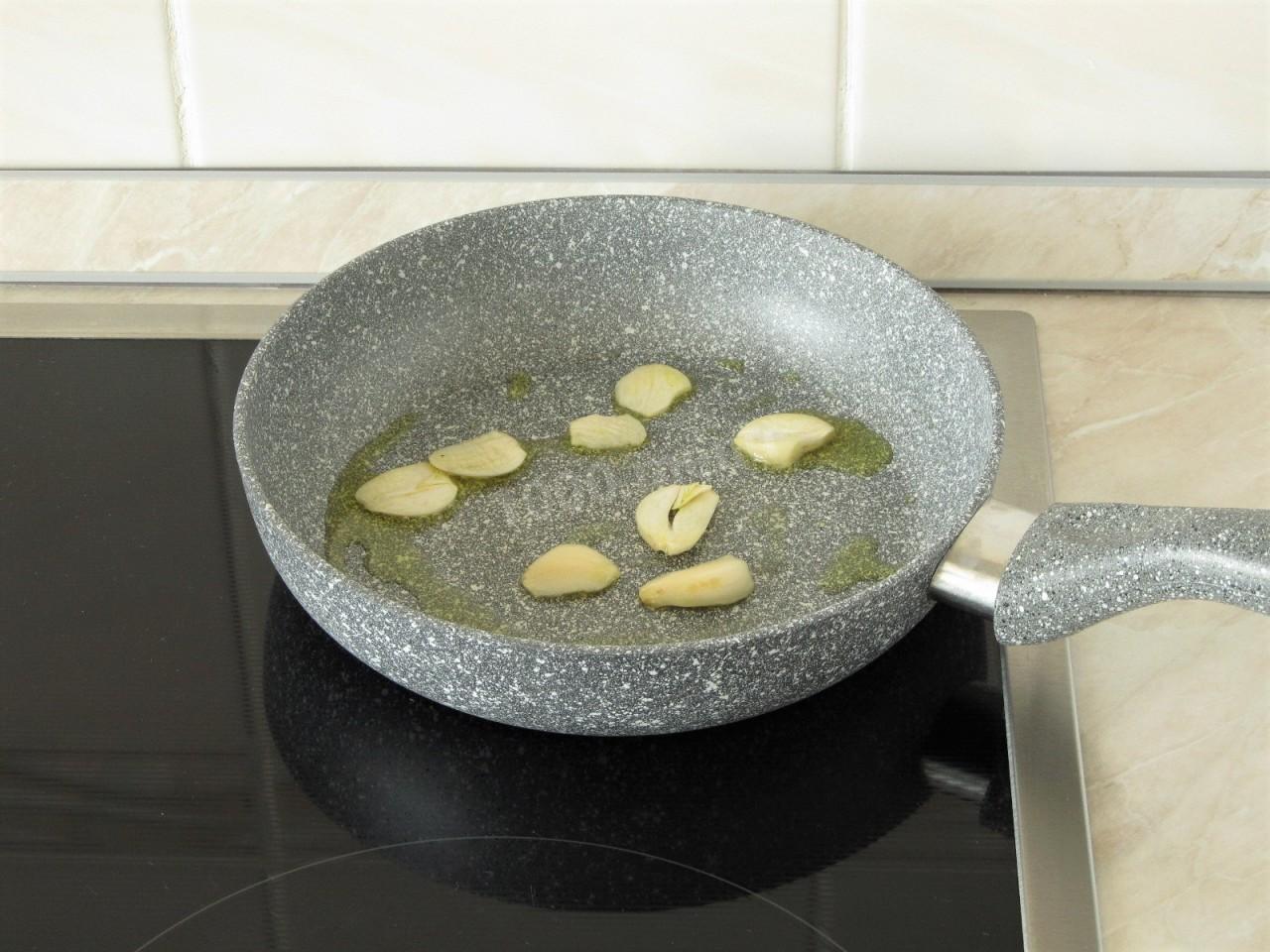
For the sauce, it's best to use a heavy-bottomed pan or a nonstick skillet. I used a skillet. Heat the olive oil and add the garlic slices. Over moderate heat, let the garlic infuse the oil for 1 minute, giving it a light, savory aroma; turn the slices a couple of times so they don't burn. Then remove the garlic from the pan.
-
Step 5:
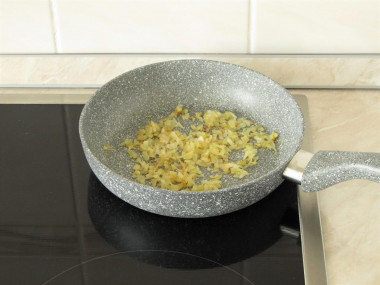
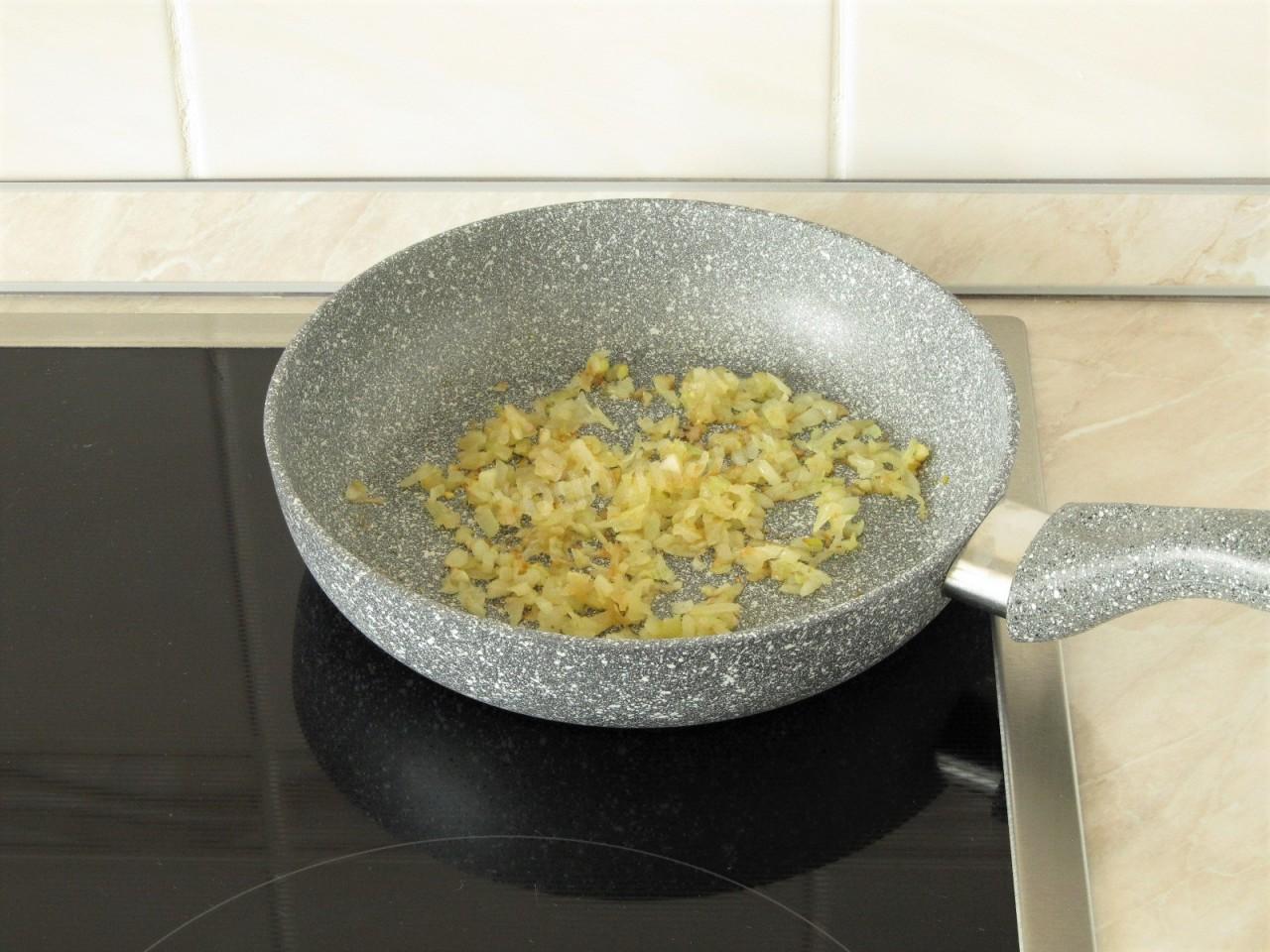
Add the chopped onion to the pan and sauté over low heat until golden, stirring now and then.
-
Step 6:
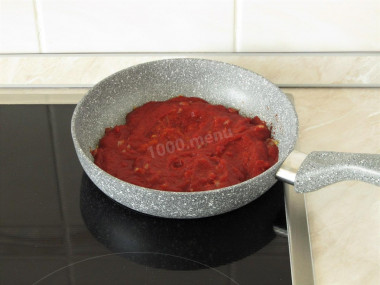
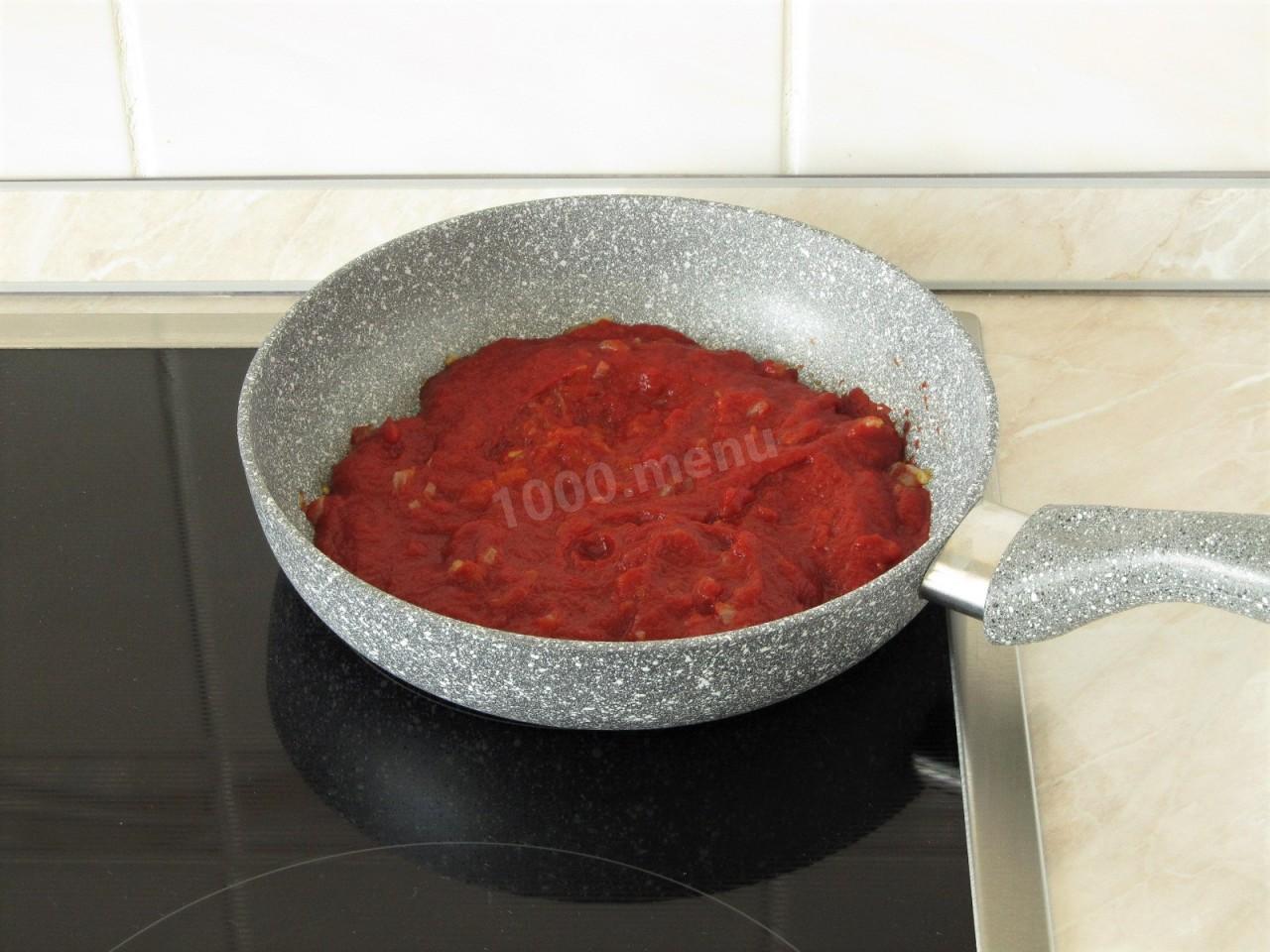
Add the tomato paste to the onion and stir. Warm the paste over low heat for 1 minute.
-
Step 7:
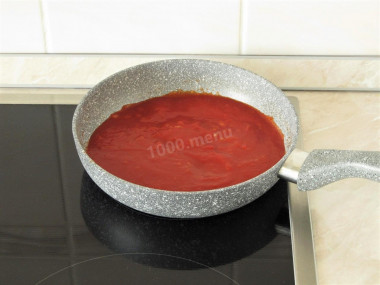
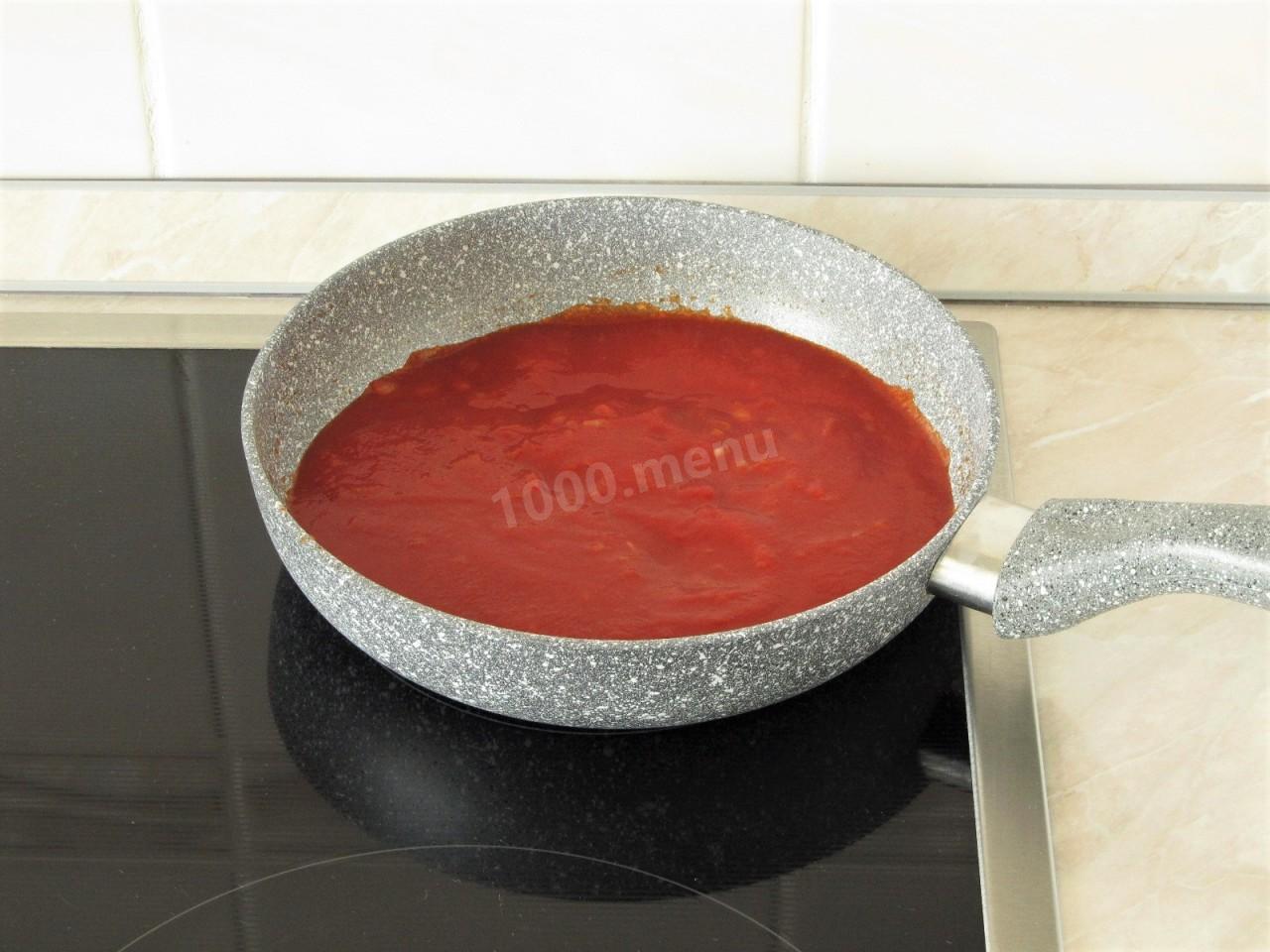
Pour in the water and stir.
-
Step 8:
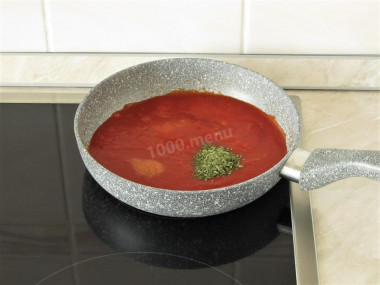
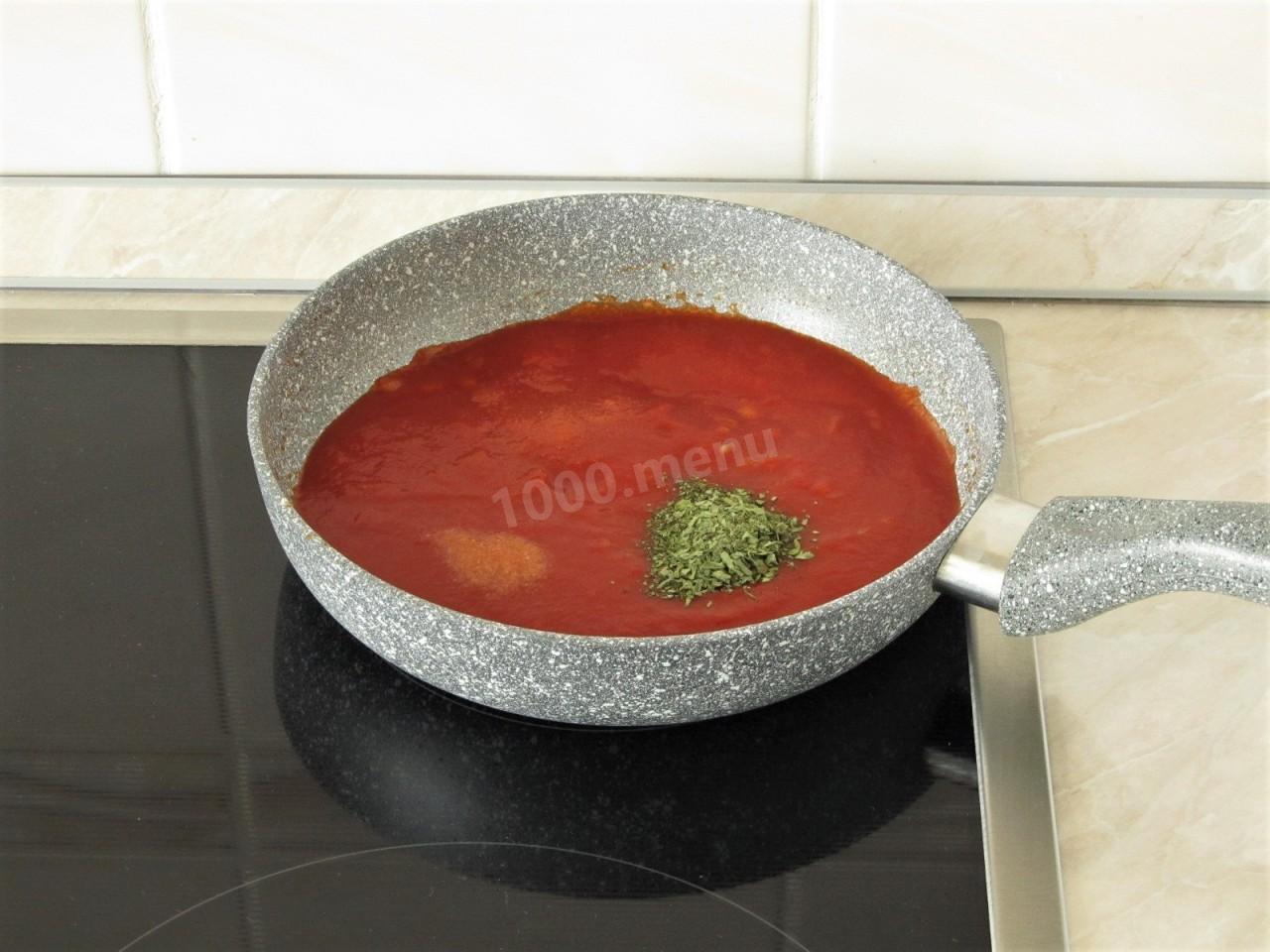
Add the salt, sugar, and dried basil (or other seasonings) and stir. Taste the sauce and adjust as needed. Bring it to a boil.
-
Step 9:
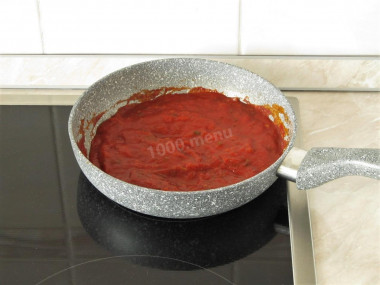
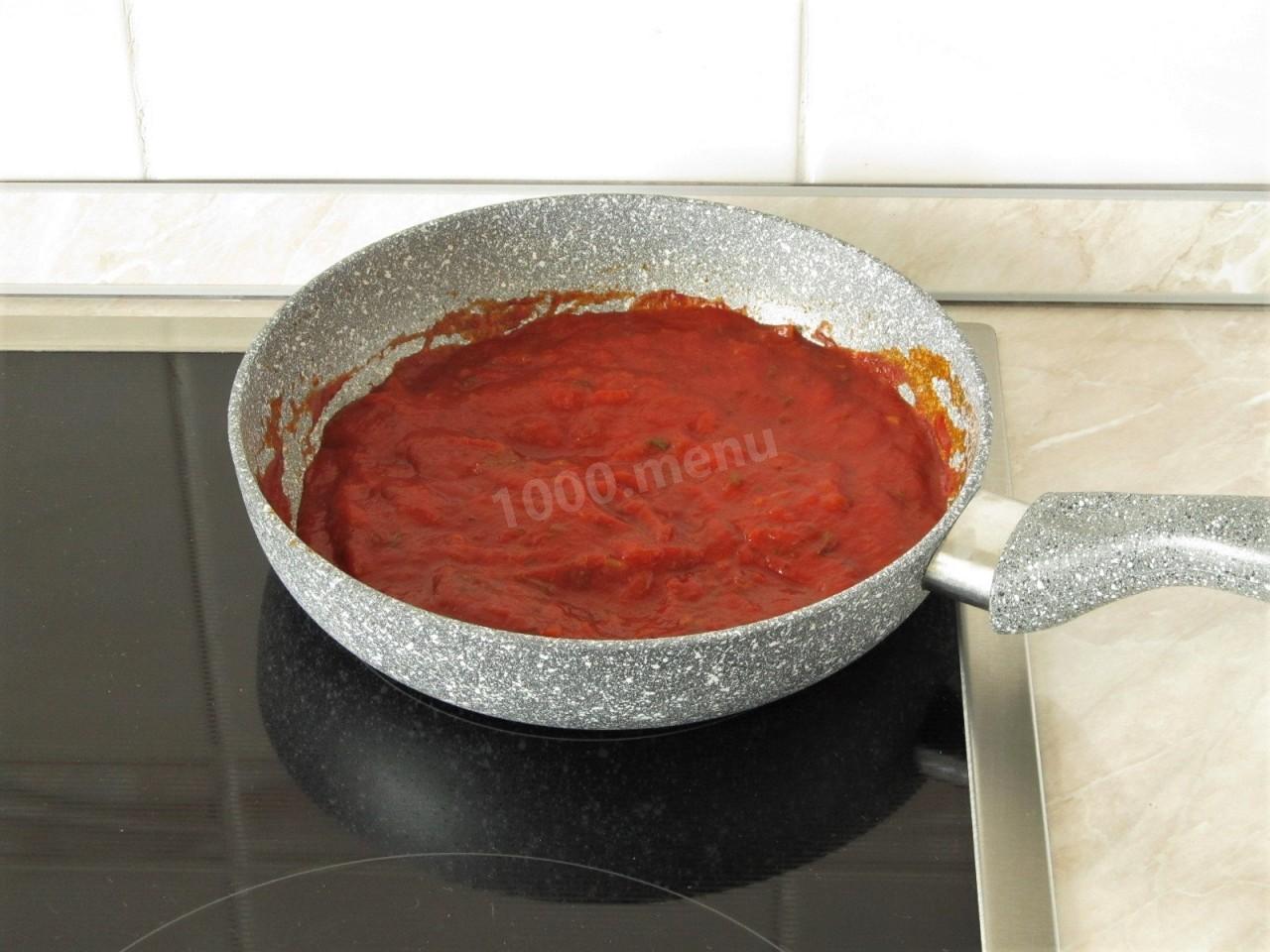
Simmer the sauce over low heat until thickened, about 5–7 minutes, stirring occasionally. Take it off the heat and let it rest, covered, for 15 minutes. Don't cook it too long, or it'll get too thick — and it thickens further as it cools.
-
Step 10:
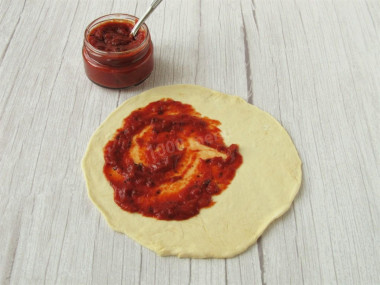
The tomato sauce is ready — now you can start on your pizza. Happy baking!
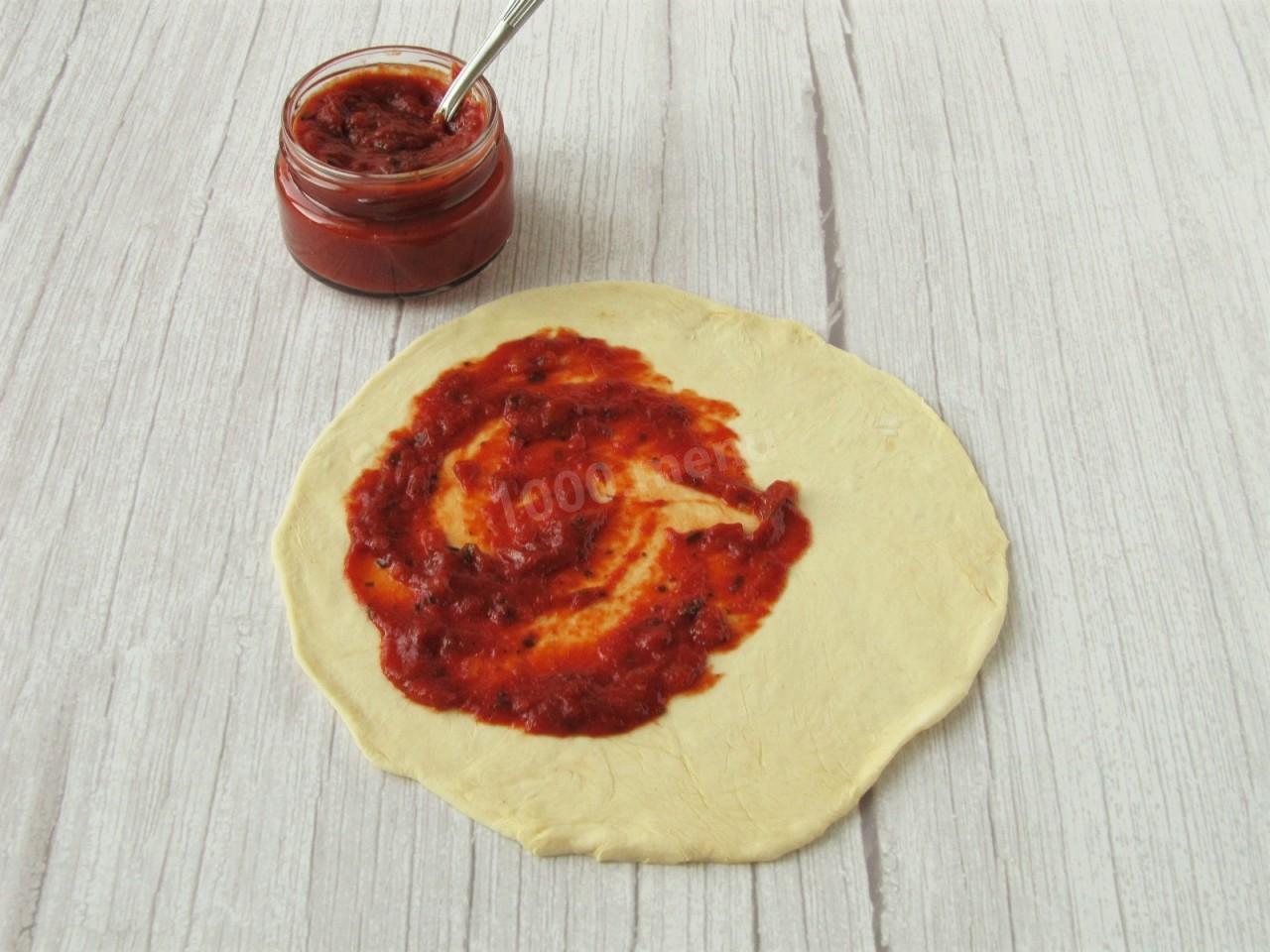
- You can also make pizza sauce from fresh or canned tomatoes. Among herbs, basil is all but essential in pizza sauce. Fresh basil works well in place of dried — it has a brighter taste and aroma; if you use fresh, there's no need to let the sauce rest, and you can use it right away. Round out the basil with oregano, or use a ready-made herb blend (Italian or Provençal). If you want garlic in the finished sauce, mince it very finely or press it and add it at step 8. For a tasty, wholesome sauce, choose a good-quality tomato paste — the ingredient list should be nothing but tomatoes and water, with no salt, fillers, thickeners, preservatives, or artificial colors. Good tomato paste is a deep red. This amount makes enough for about 3 medium pizzas. It's quick and simple, and in my view it's the best, healthiest replacement for store-bought sauces.
- It's best to cook with neutral-tasting filtered or bottled water. Tap water can give the dish an off, characteristic taste.
- Since everyone's tolerance for salt, sweetness, bitterness, heat, and acidity is different, always add spices and seasonings to your own taste. If you're using a seasoning for the first time, keep in mind that some are especially easy to overdo (chili pepper, for example).
- To keep your eyes from stinging when you cut onions, rinse the onion and knife with cold water first. And rub the cutting board with a piece of lemon before slicing so it doesn't hold onto the onion smell.
Caloric content of the products possible in the composition of the dish
- Garlic - 143 kcal/100g
- Fresh basil - 27 kcal/100g
- Dried basil - 251 kcal/100g
- Granulated sugar - 398 kcal/100g
- Sugar - 398 kcal/100g
- Tomato paste - 28 kcal/100g
- Salt - 0 kcal/100g
- Water - 0 kcal/100g
- Onion - 41 kcal/100g
- Olive oil - 913 kcal/100g