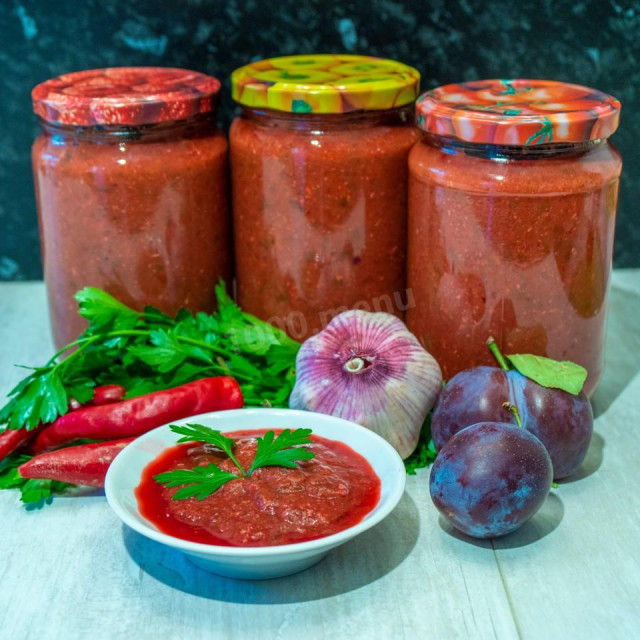
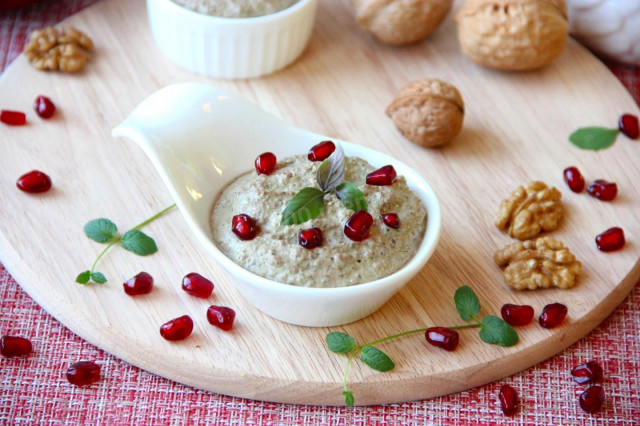

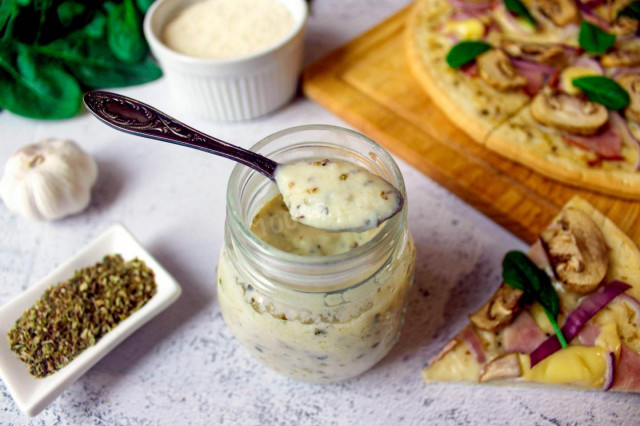
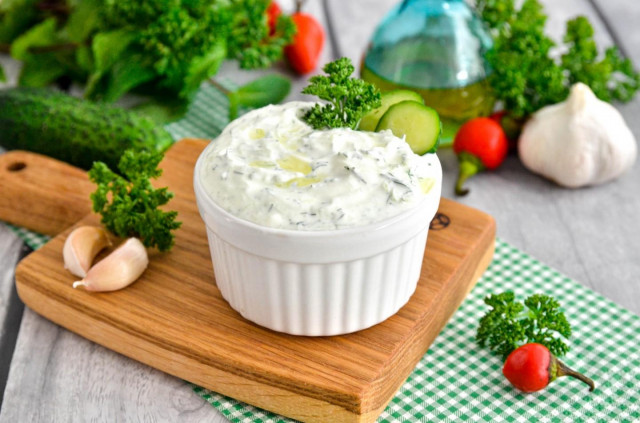
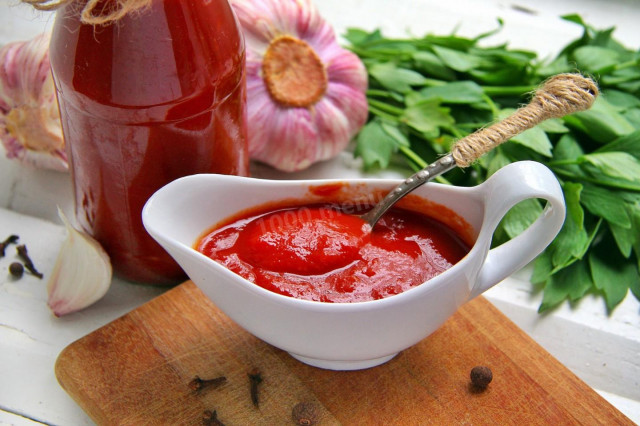
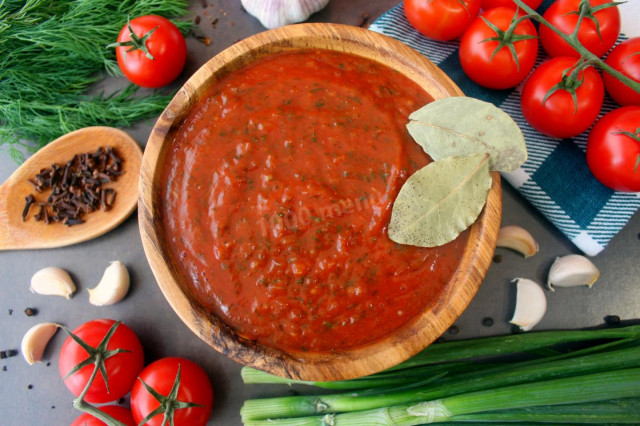
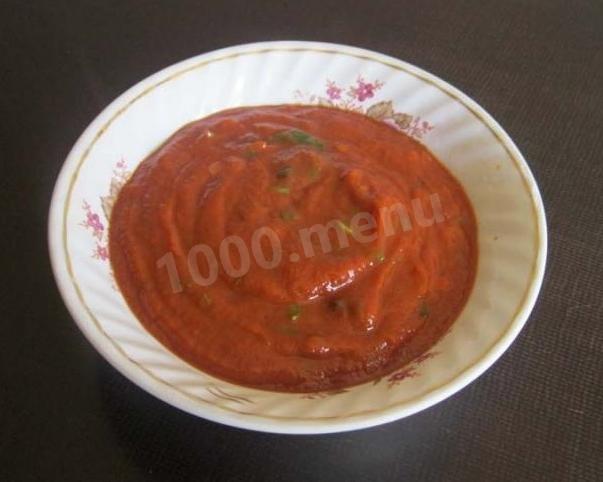
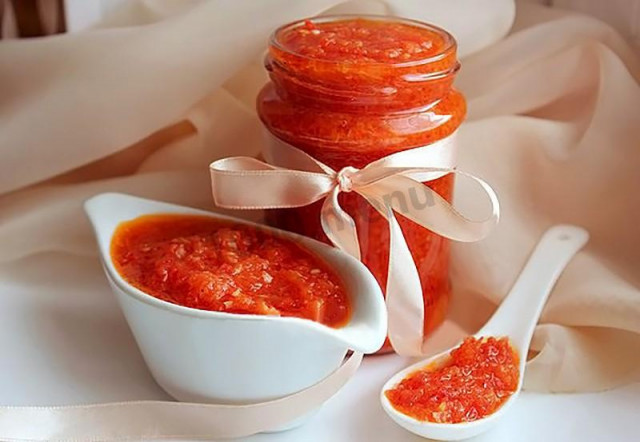
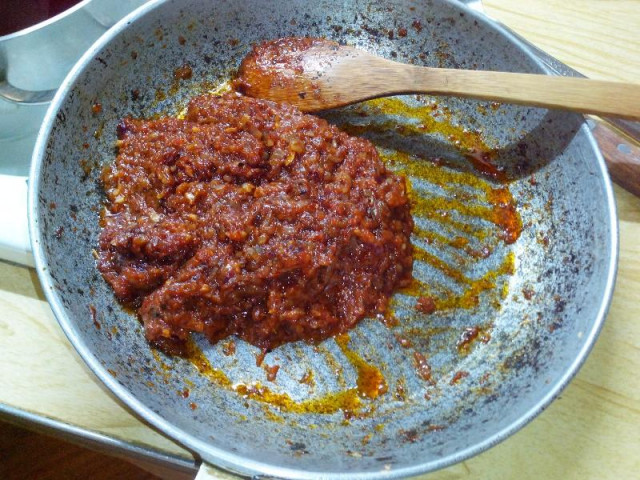
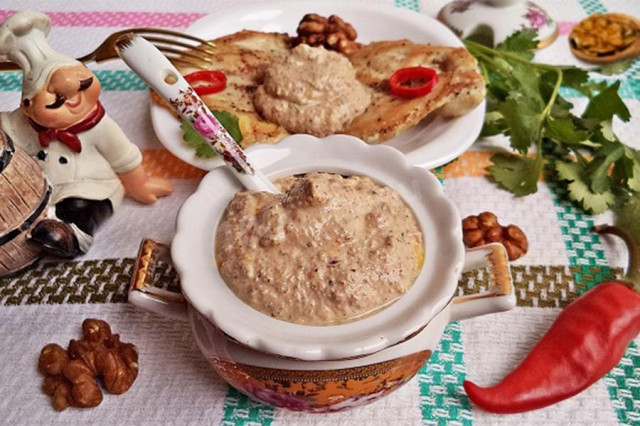
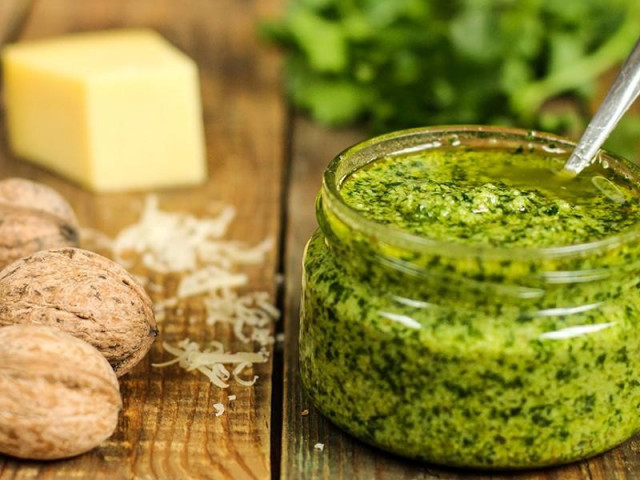
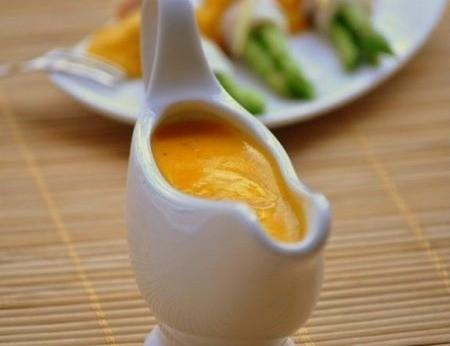

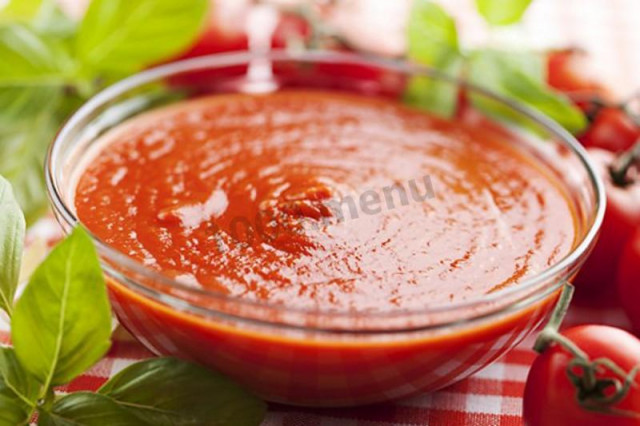
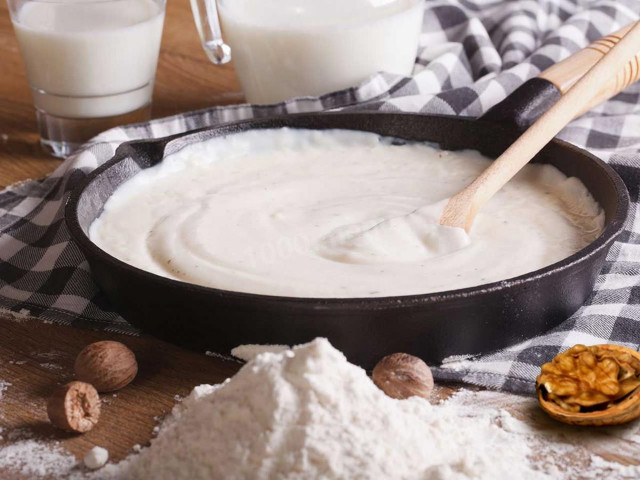

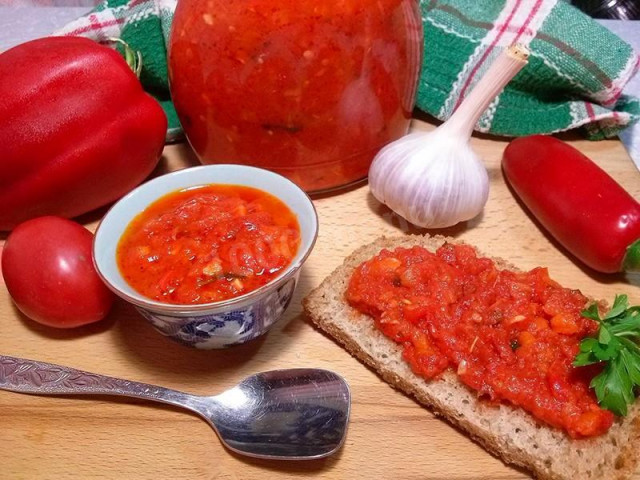
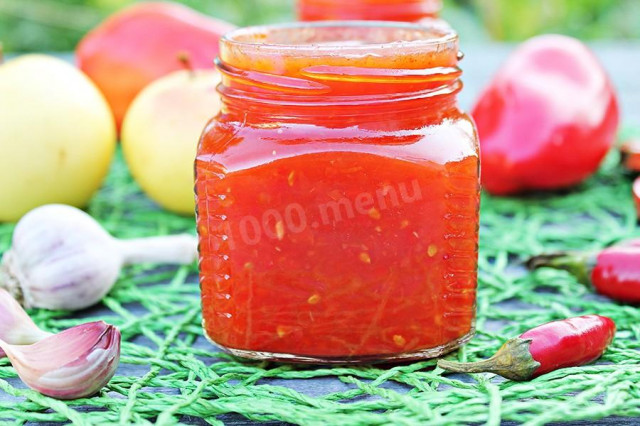
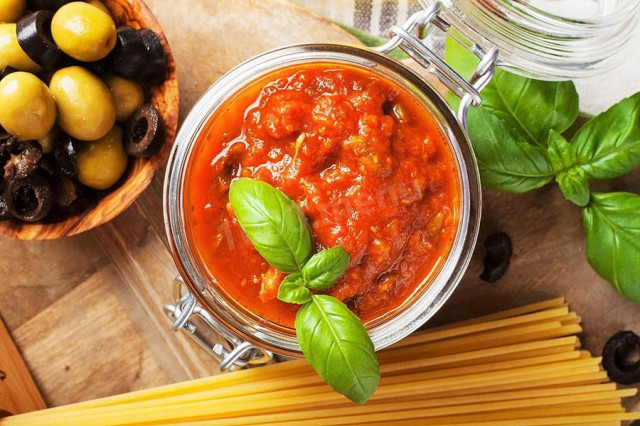
Traditionally, this Mediterranean dish was made without sauce in the modern sense: the dough base was brushed with olive oil, a kind of purée of ground tomatoes was spread on top, and cheese was always added. Italians are very protective of the original recipes, but every country has its own national flavor, thanks to which the classic recipes take on new forms. Culinary experiments have given a stunning result: the strict canon — a tomato topping — has changed beyond recognition. Even in its original form it ranges from simply mashed ripe vegetables with spices to a paste made carefully, down to the smallest detail.
The five most commonly used ingredients in the recipes:
| Product | Calories per 100g | Protein g per 100g | Fats g per 100g | Carbohydrates g per 100g |
|---|---|---|---|---|
| Sugar | 398 | 0 | 0 | 99.7 |
| Butter | 734 | 0.5 | 82.5 | 0.8 |
| Tomatoes | 23 | 1.1 | 0.2 | 3.8 |
| Tomato paste | 28 | 5.6 | 1.5 | 16.7 |
| Onion | 41 | 1.4 | 0 | 10.4 |
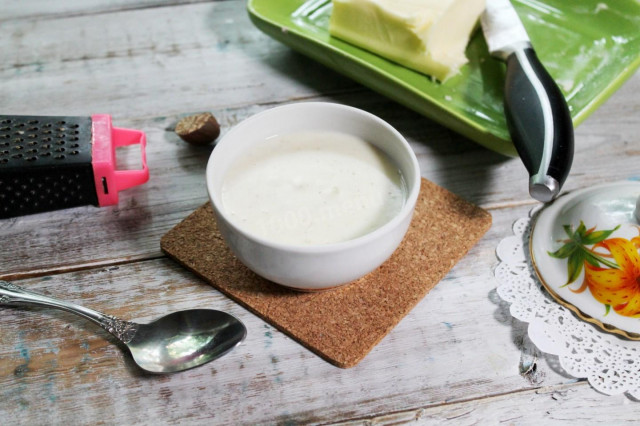
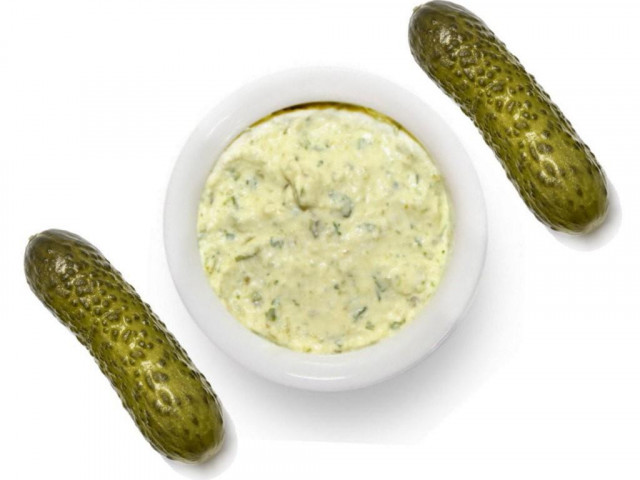
Still, the main job of the topping for your favorite baked dish is to make it soft and to highlight the taste of the filling. The rules for success are very simple — use quality products and combine them wisely. For flatbreads with meat or sausage, it's best to use classic tomato-based sauces; for mushrooms or seafood, white sour-cream or creamy dressings work better. Fans of unconventional solutions will appreciate a soy flavor, and those who love garlic should remember that a gravy high in it is traditionally brushed onto the edges of the finished baked product.