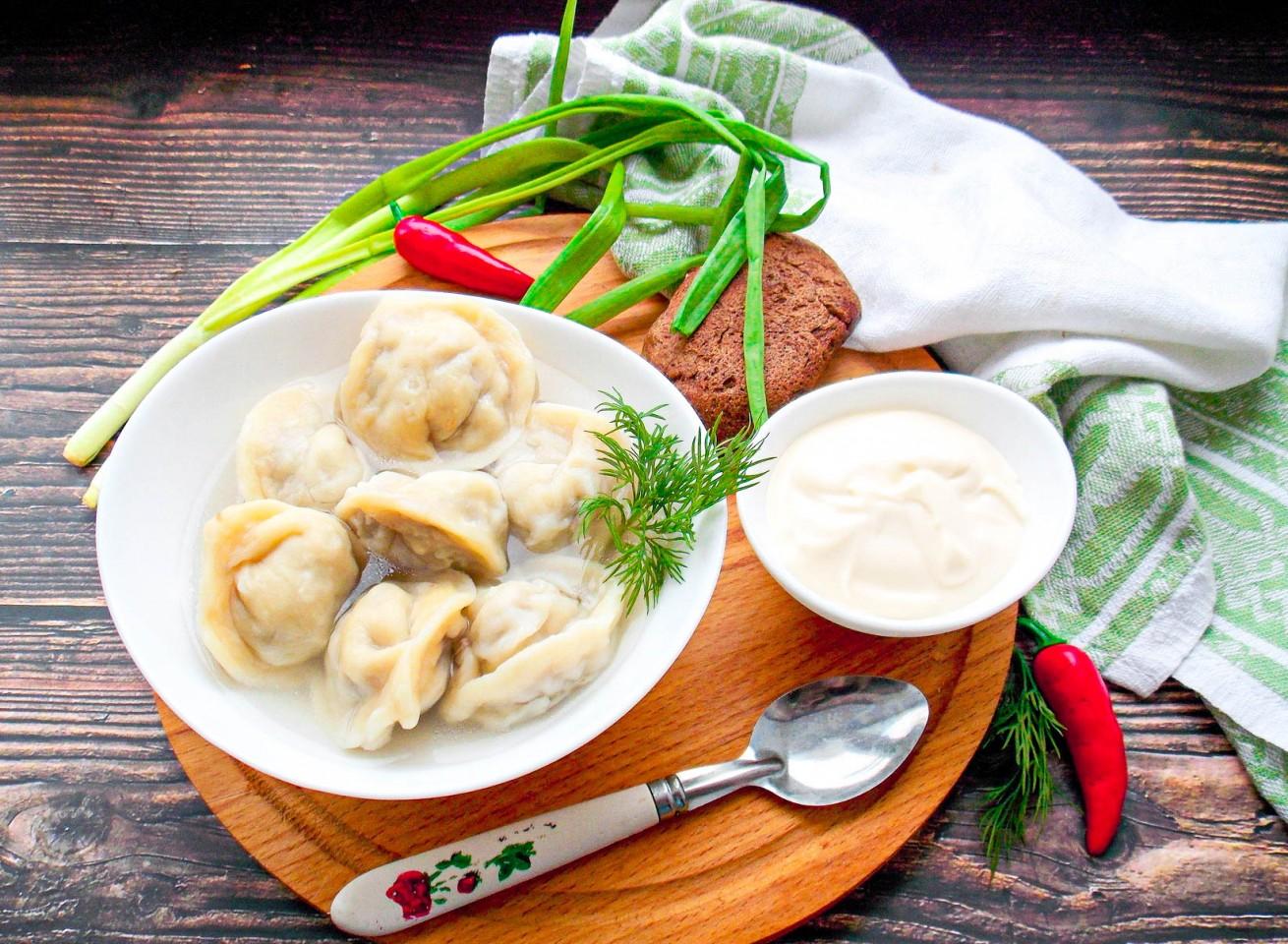
Pork and Chicken Pelmeni (Dumplings)
The tastiest, all-natural, and juicy — for the whole family! Pork and chicken pelmeni are another take on a delicious homemade dish that everyone loves, kids and adults alike. Here, ground chicken is added to the pork, which makes the filling less fatty and a little lighter.

Cooking method
-
Step 1:
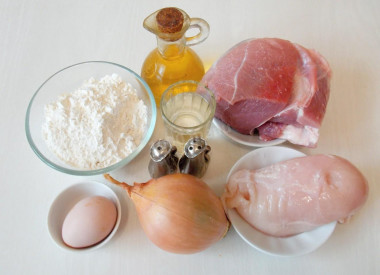
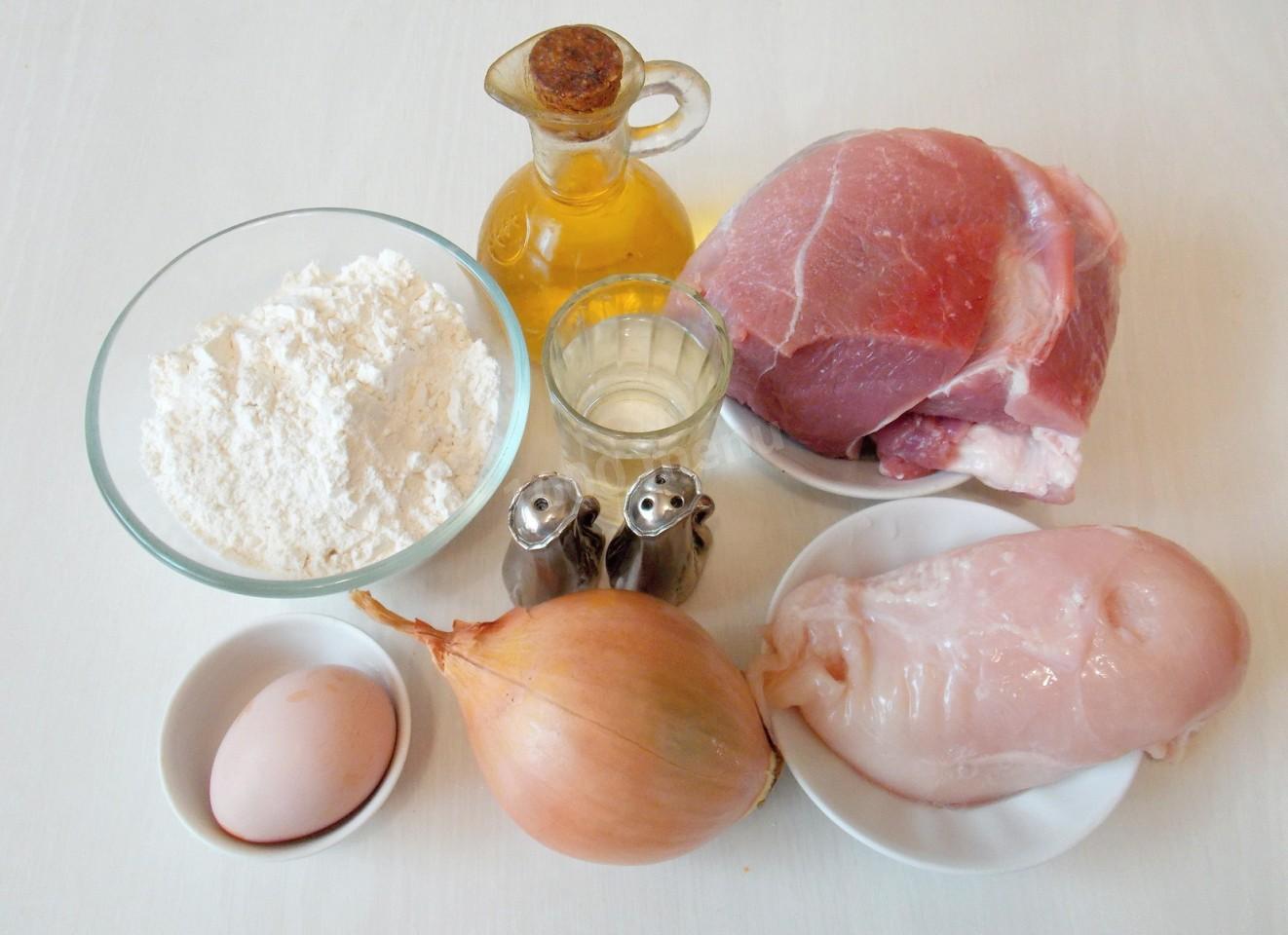
How do you make pork and chicken pelmeni? Gather the ingredients you'll need. Use boneless pork and chicken fillet from any part. The meat is best chilled, as the filling will come out juicier; if it's frozen, thaw it ahead of time by moving it from the freezer to the bottom shelf of the fridge. Wash and pat the meat dry well, then cut it into pieces.
-
Step 2:
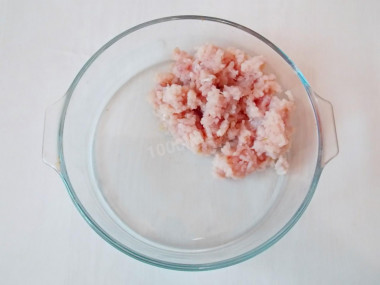
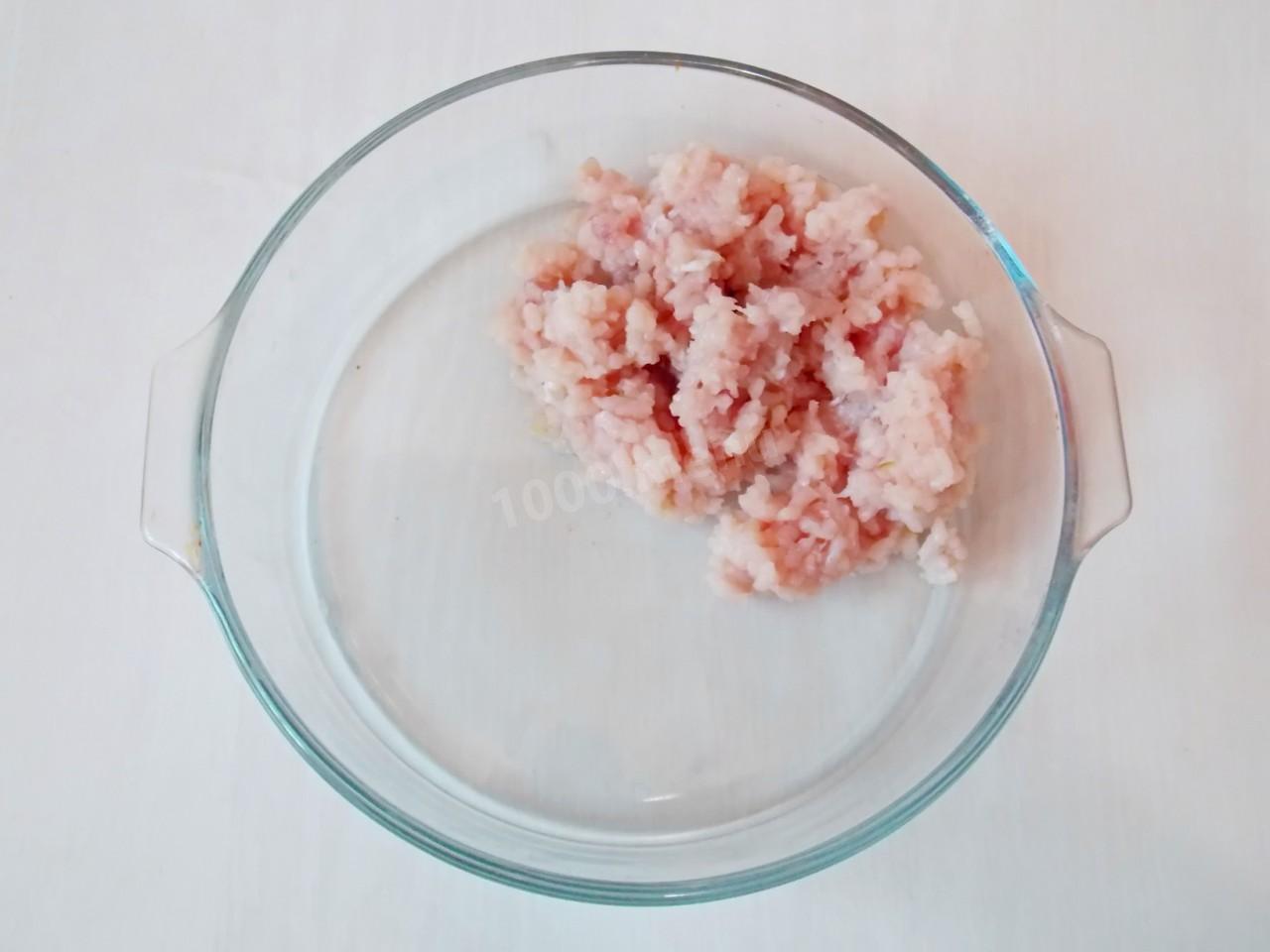
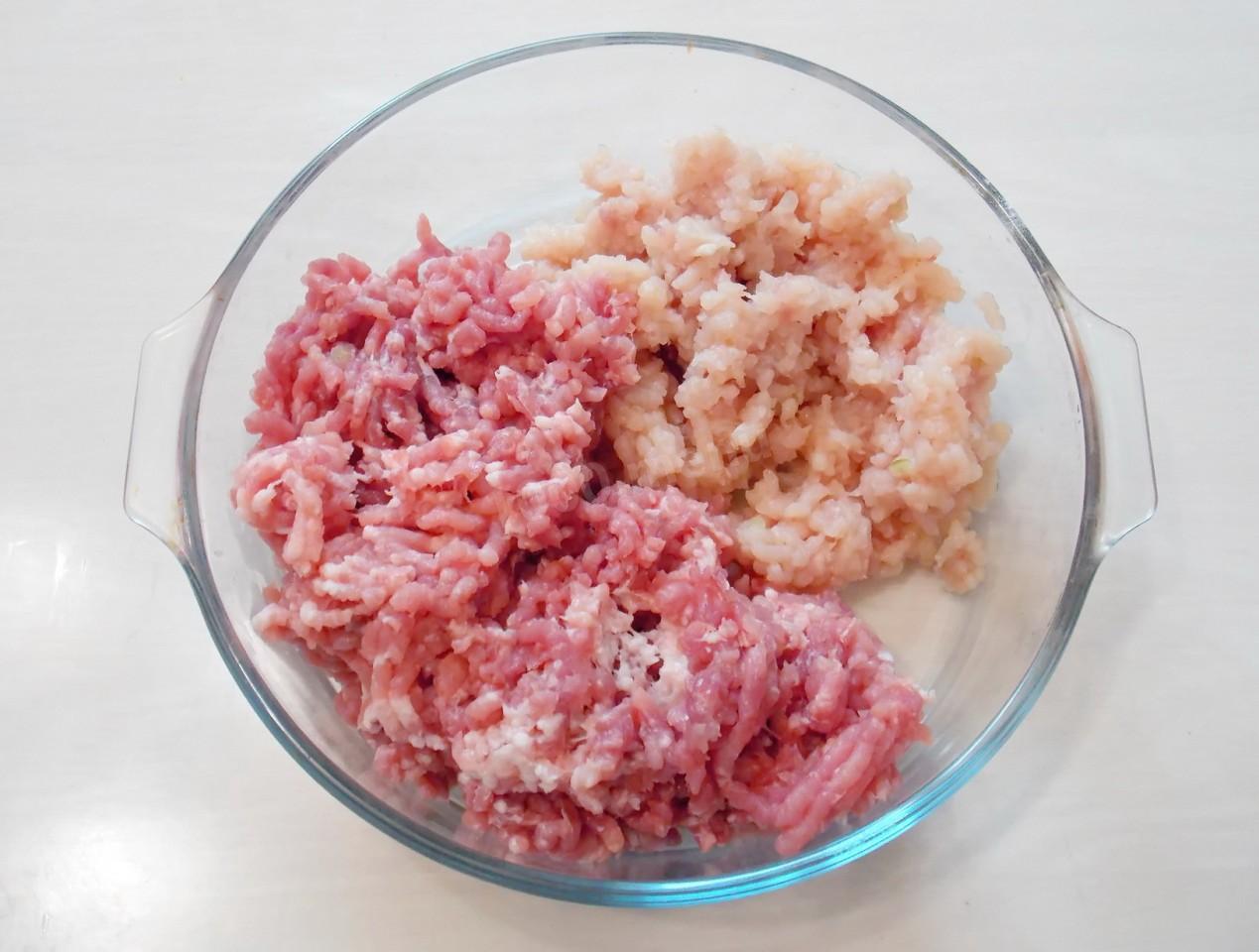
Make the filling. How do you make the ground meat? First, run the chicken fillet through a meat grinder fitted with a fine plate. I used the breast, though you can use any part as long as it's boneless and free of cartilage. I also remove the skin, since it's fatty, but you can leave it on if you like.
-
Step 3:
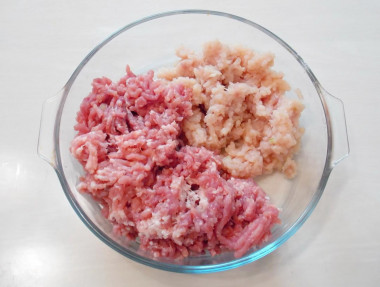
Then grind the pork. It's best to use pork that isn't too fatty and preferably free of sinew, so you don't damage the grinder.
-
Step 4:
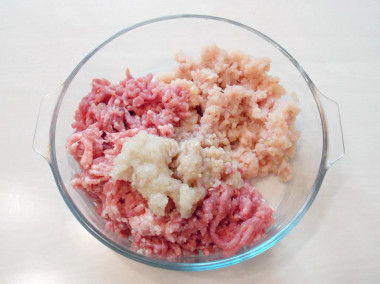
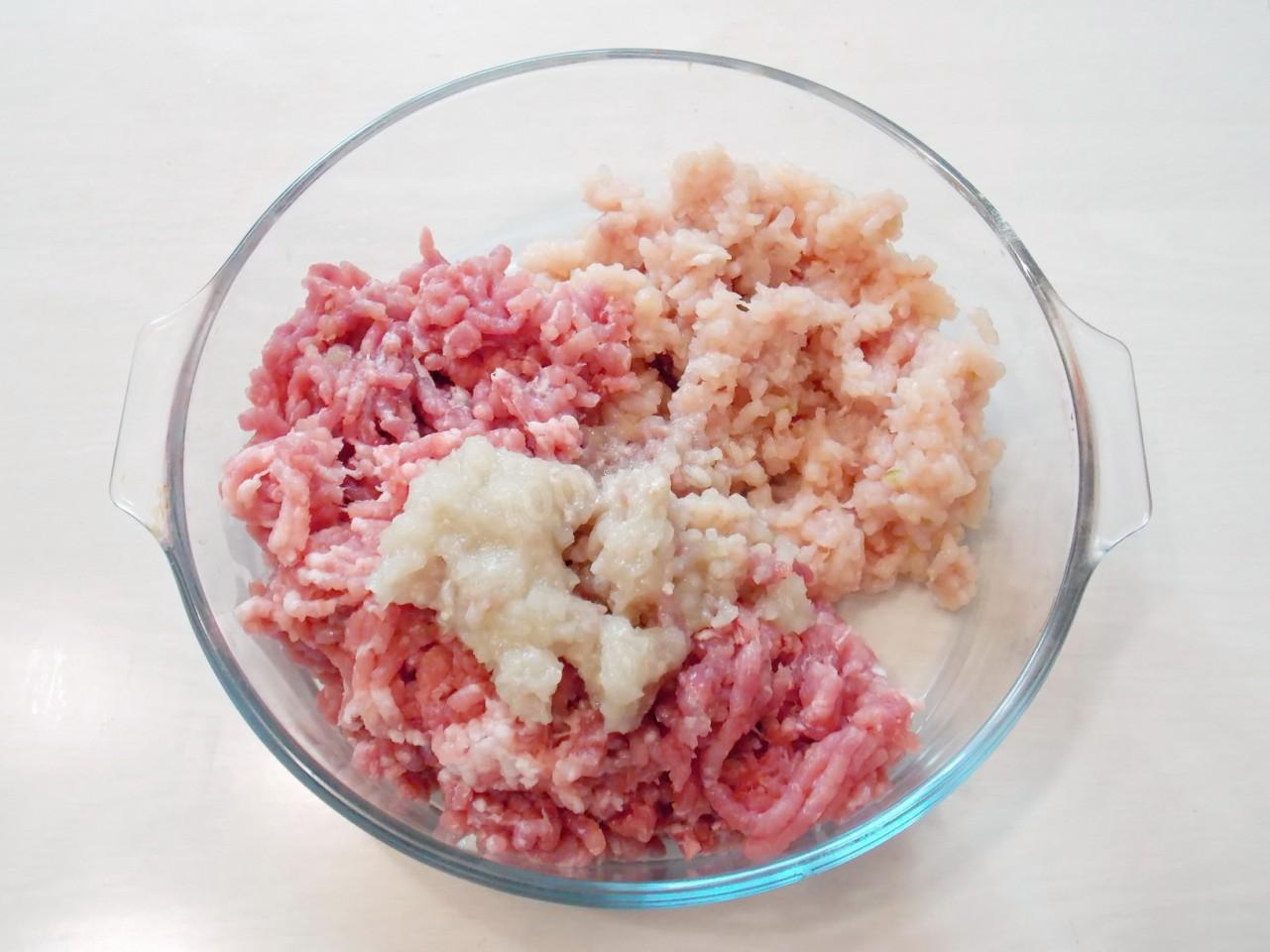
Grind the onion after the pork and add it to the pork-and-chicken mixture. You can use more onion if you like, but this is the best ratio for me. And instead of regular yellow onion, you can use red or white onion.
-
Step 5:
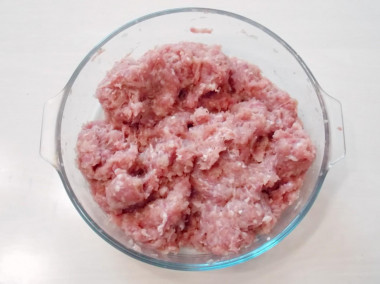
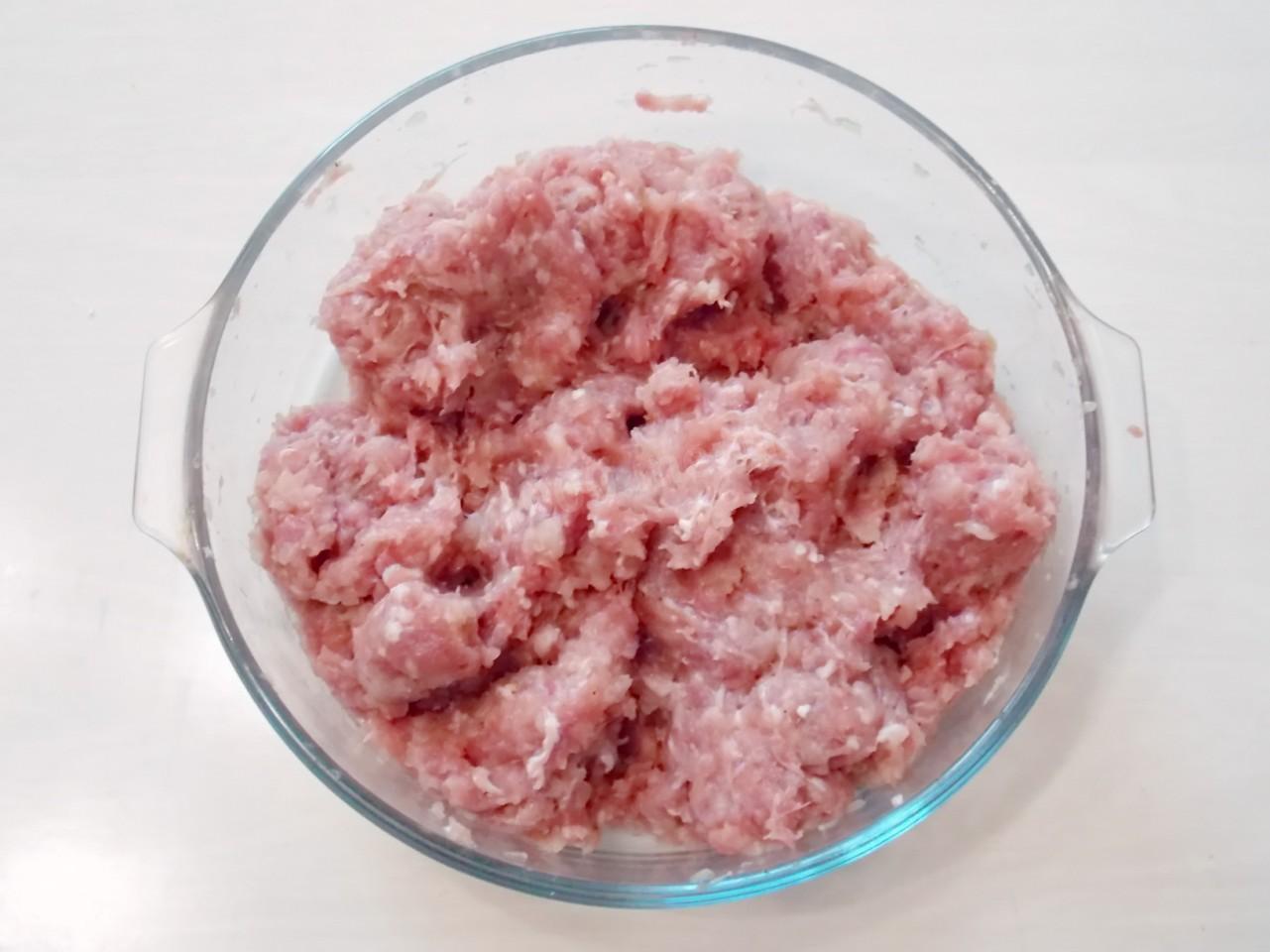
Pour 50 milliliters of water into the bowl with the ground meat, and add salt and pepper. Then mix it well. If the mixture feels very dense, add a little more water, or the filling won't be juicy in the finished pelmeni. Put the bowl of filling in the fridge for 30 minutes.
-
Step 6:
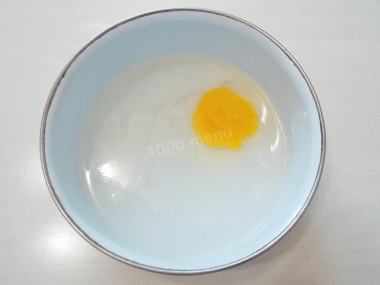
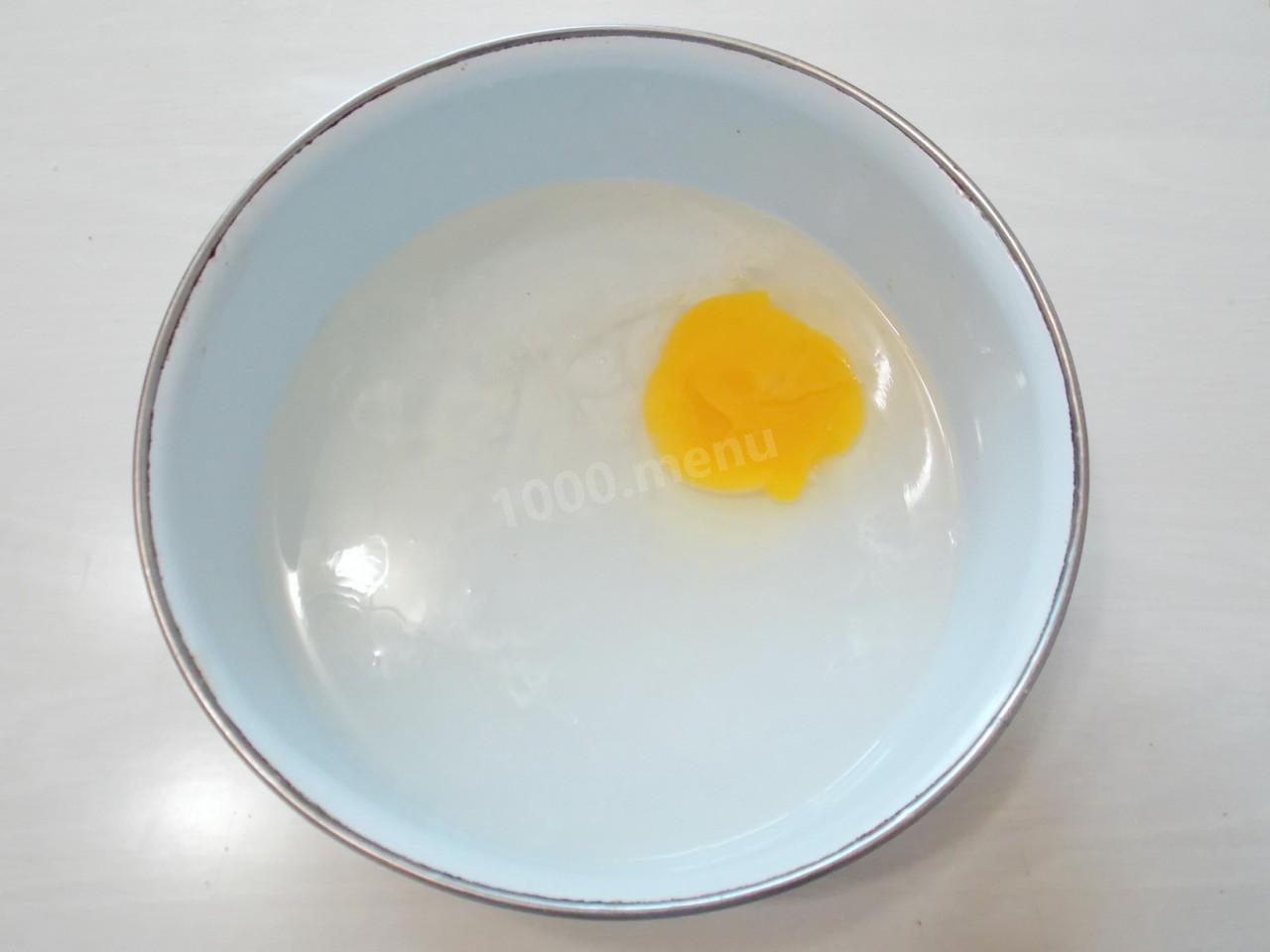
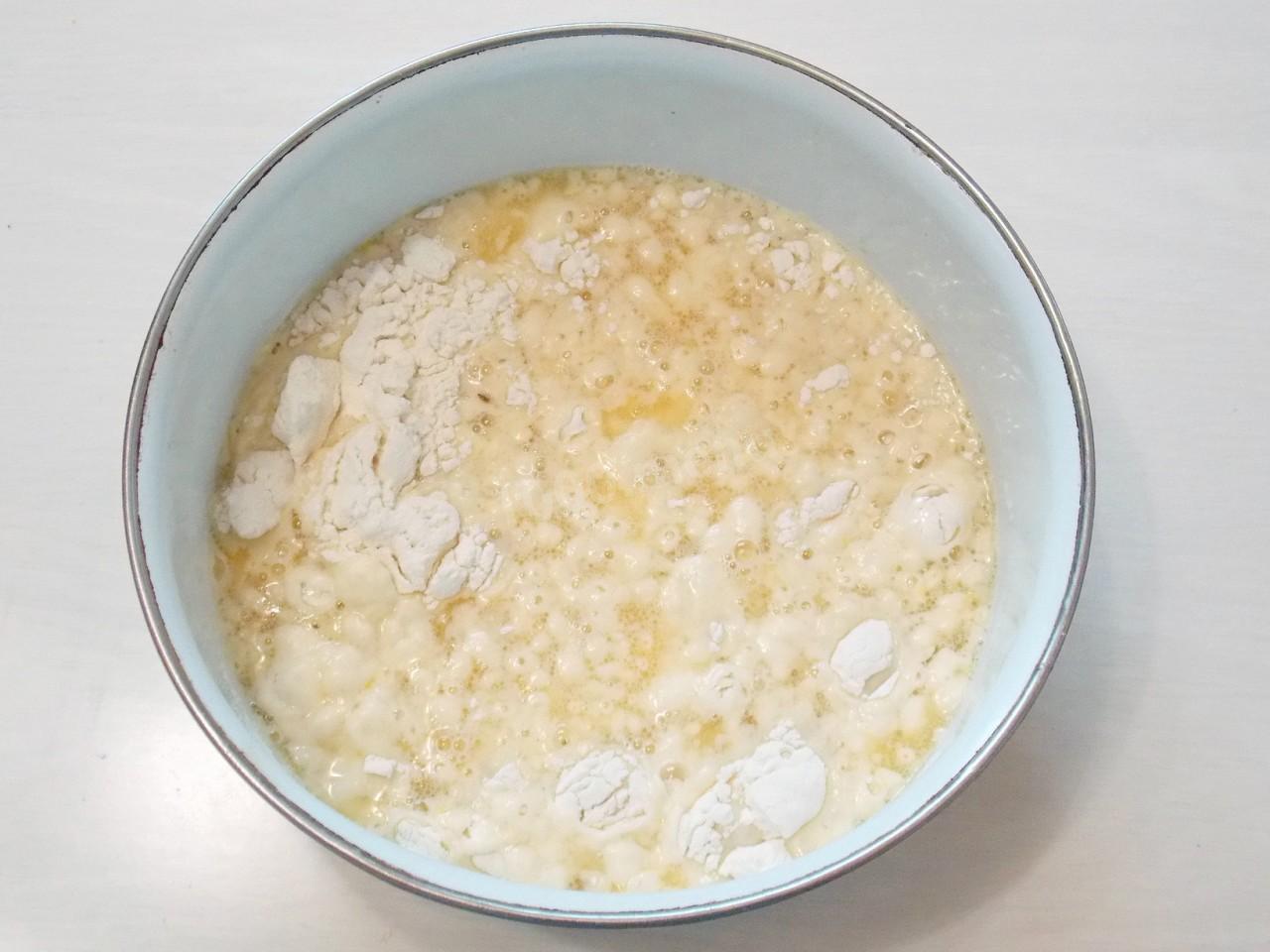
Meanwhile, make the dough. How do you make the dough? Pour water into a bowl — lukewarm is best — and add the egg and salt. Stir until smooth and the salt dissolves.
-
Step 7:
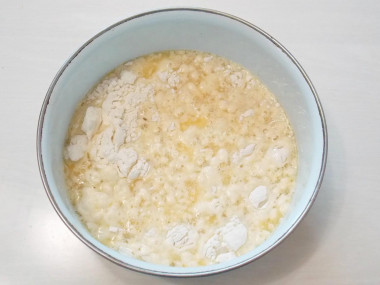
Sift about two-thirds of the flour into the bowl with the egg mixture, pour in the vegetable oil, and stir.
-
Step 8:
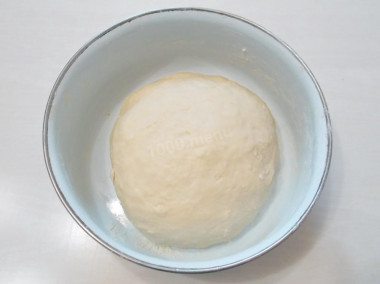
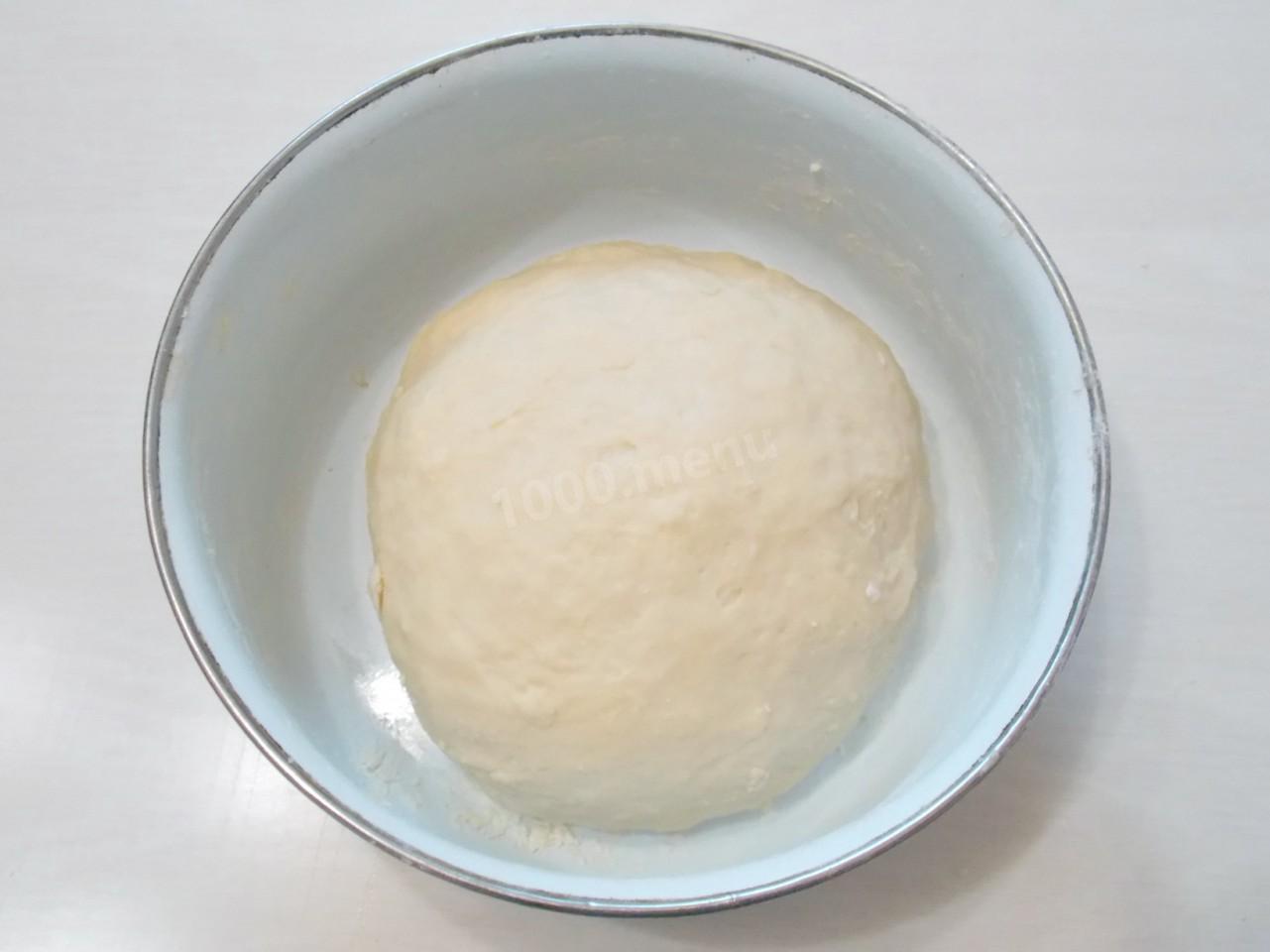
Adding the rest of the flour, knead the dough. It will be a little stiff, but that's normal. Wrap the dough in plastic and let it rest on the counter for 25 minutes. During this time the dough will "rest" and become soft and elastic.
-
Step 9:
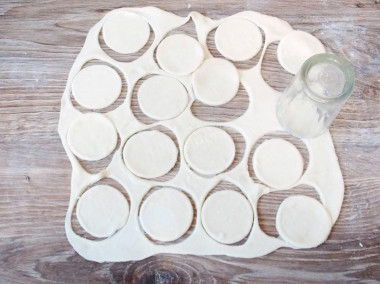
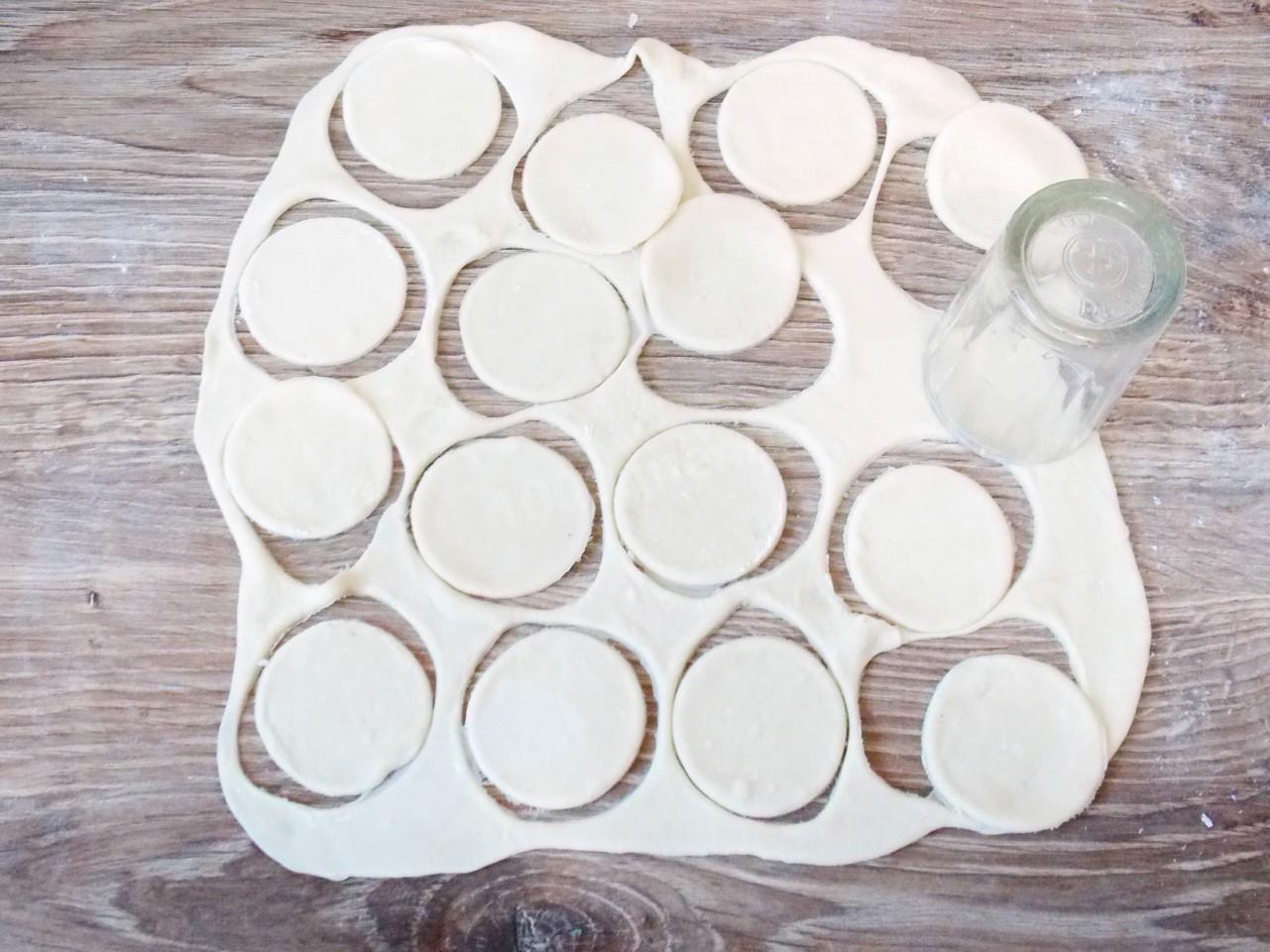
Dust your work surface with flour. Cut off a piece of dough and roll it into a ball. Roll it out into a thin sheet and cut out circles. You can do this with any round cutter; for lack of one, I used an ordinary shot glass. The larger the diameter of the circle, the bigger the finished pelmeni.
-
Step 10:
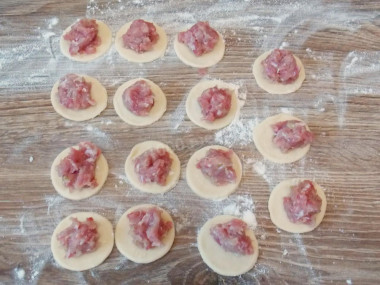
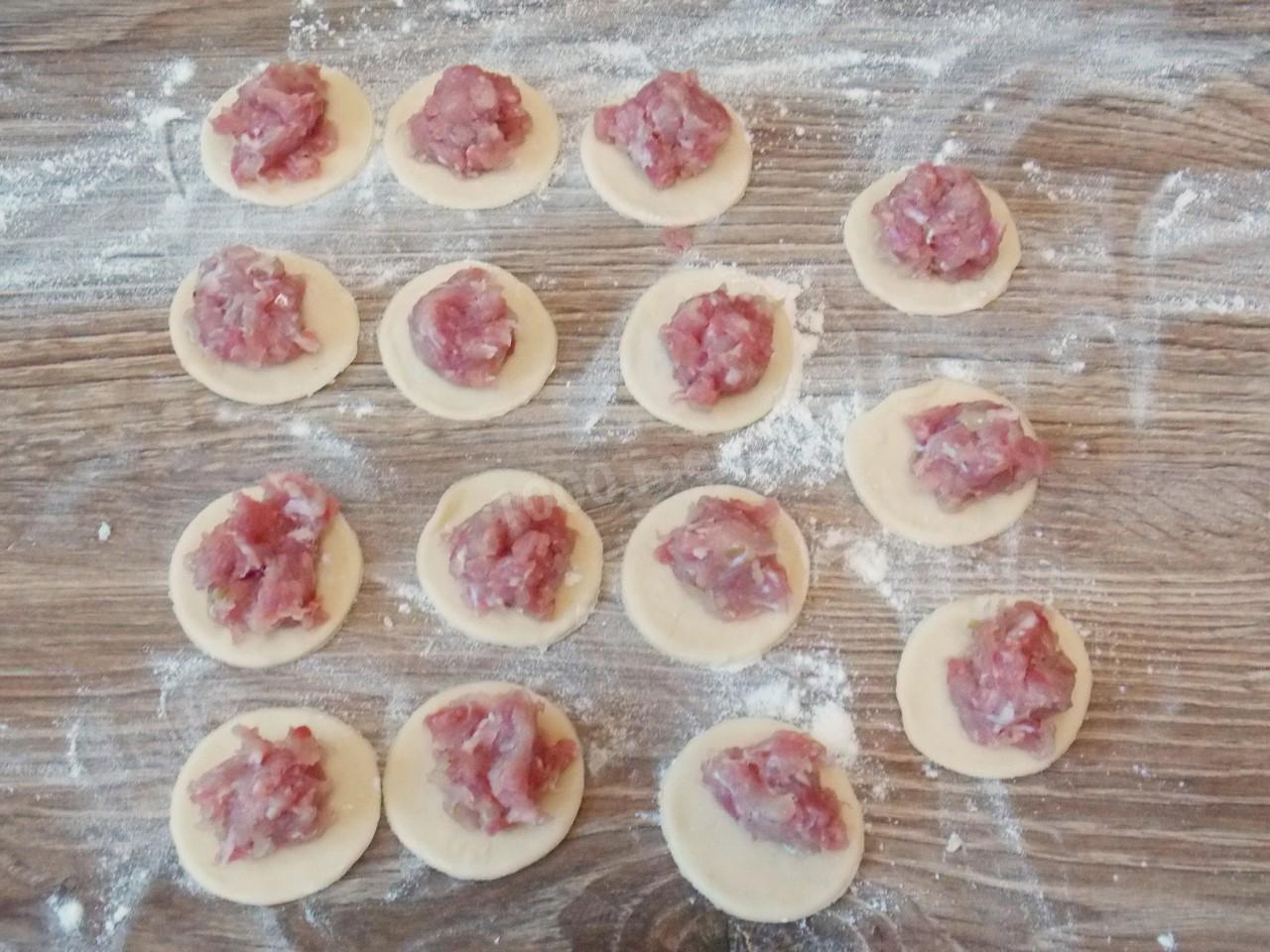
Place some filling on each circle of dough.
-
Step 11:
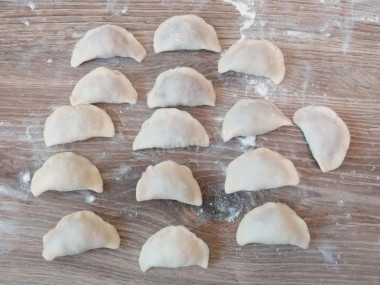
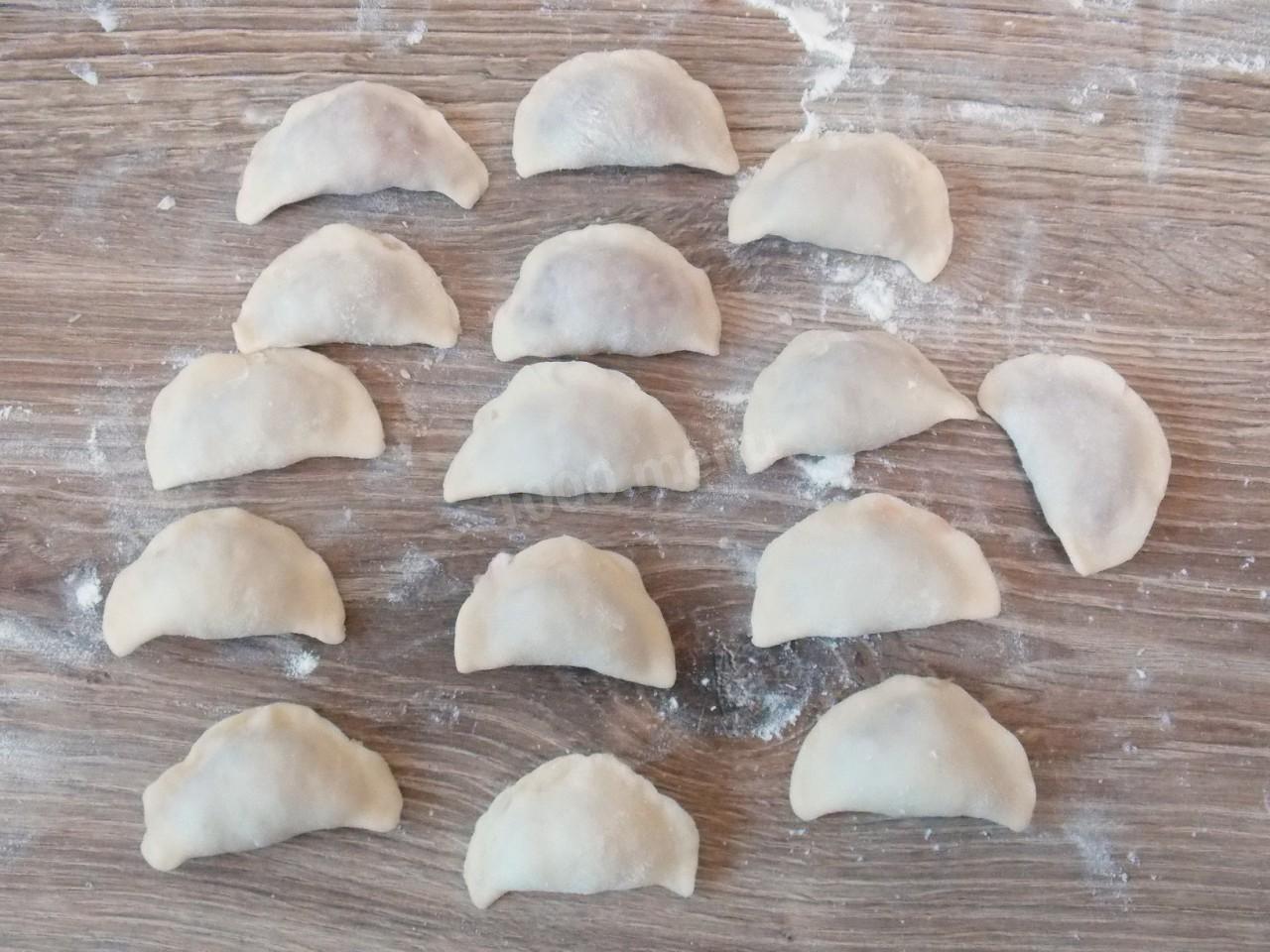
Bring the opposite edges of the dough circle together and pinch them firmly to seal.
-
Step 12:
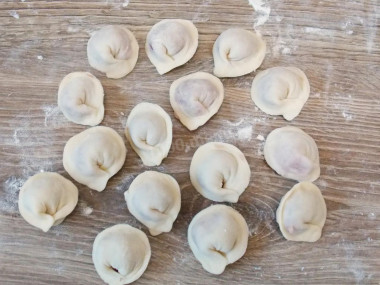
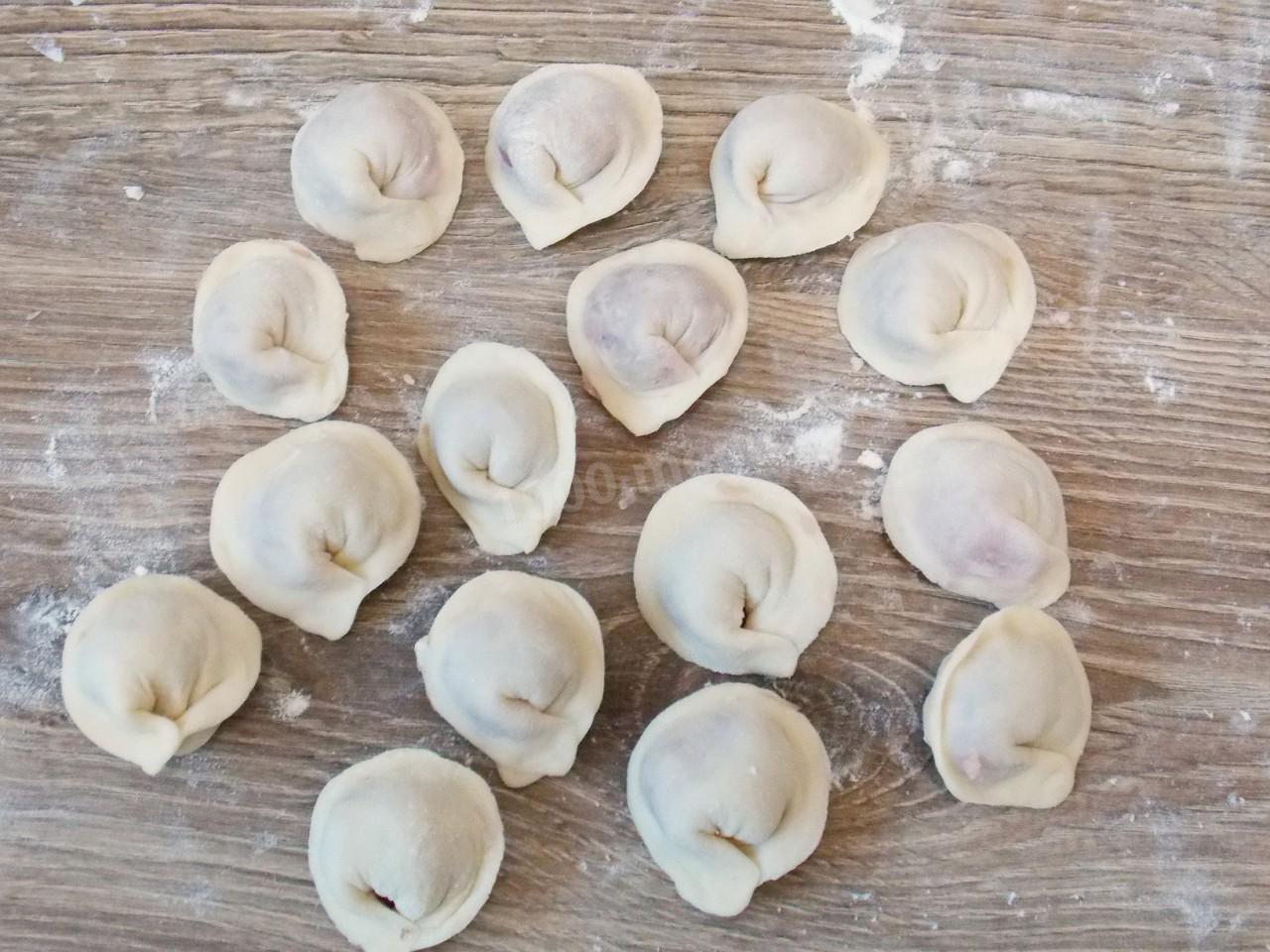
Now take the two ends of each dumpling and join them into a ring. Press them firmly together.
-
Step 13:
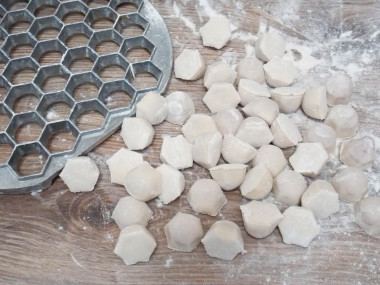
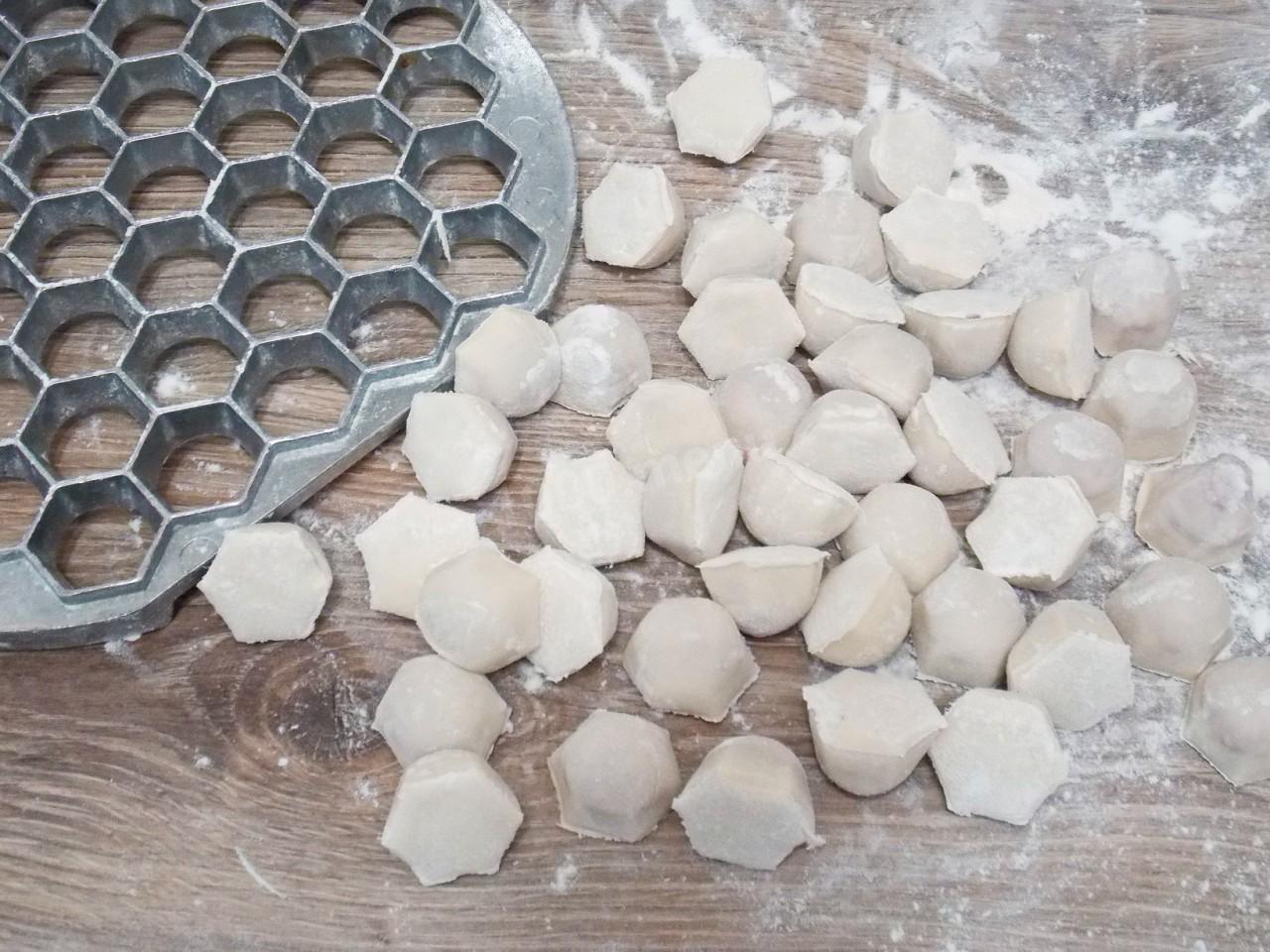
Sometimes, to make pelmeni faster, I use a special pelmeni mold. You can freeze the finished pelmeni, laying them out in a single layer in bags.
-
Step 14:
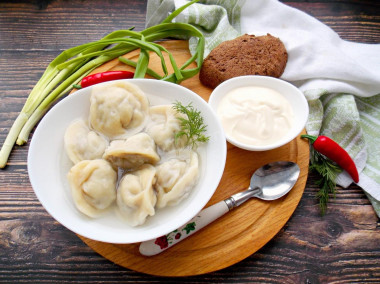
How do you cook pelmeni? Bring a large pot of water to a boil and add salt. Drop the pelmeni into the boiling water and stir so they don't stick to the bottom. You can add a bay leaf. Once they float to the surface, cook the pelmeni for about ten minutes.
-
Step 15:
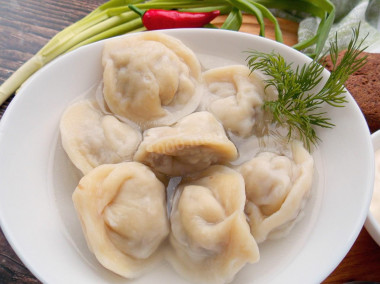
Serve the pelmeni with or without the broth they were cooked in. Enjoy!
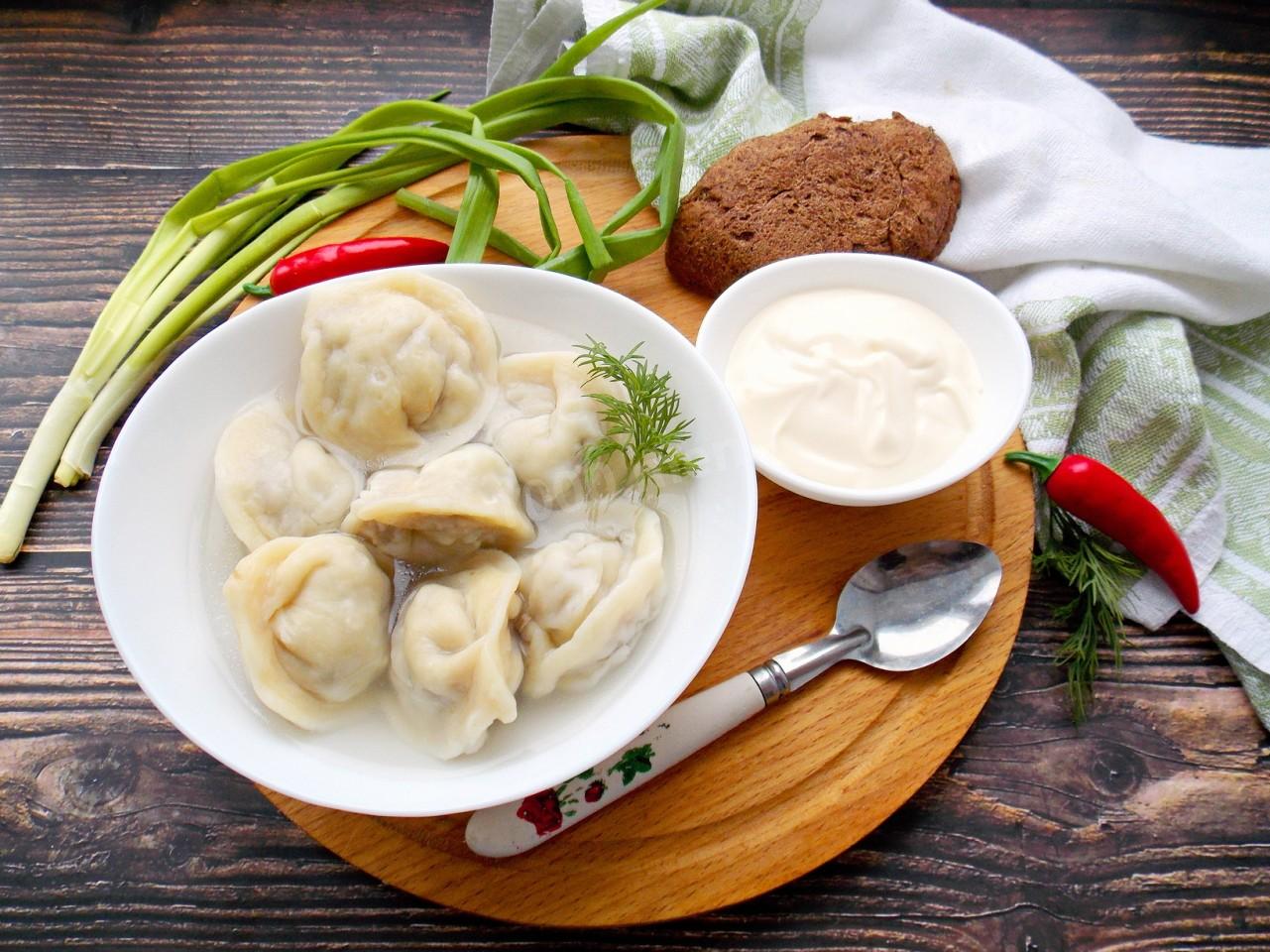
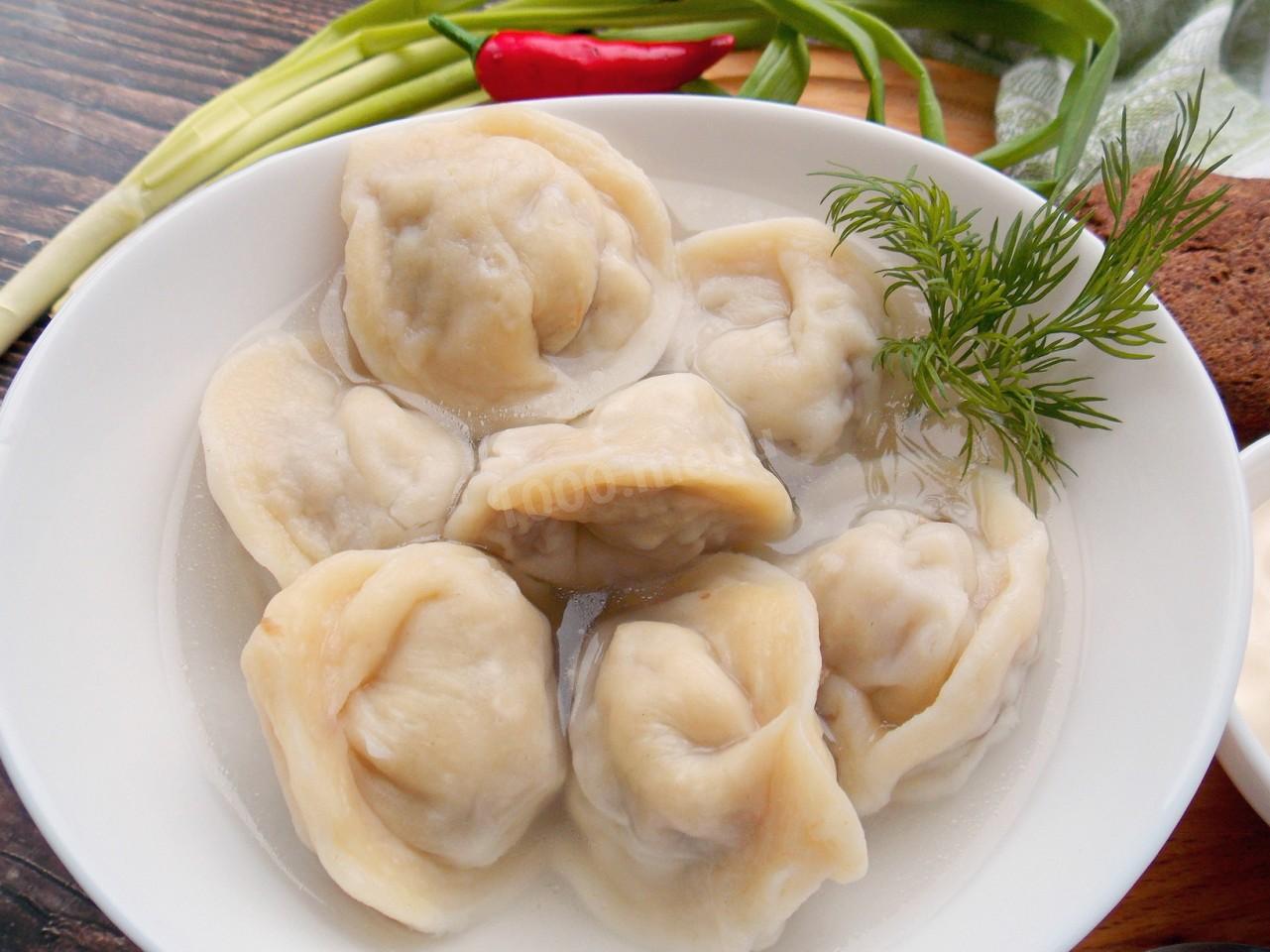
- Pelmeni are usually made in big batches ahead of time. They freeze beautifully, so you'll always have a quick, hearty lunch or dinner on hand. Pelmeni can be not only boiled but also fried or baked in the oven. You can add not just onion and pepper to the filling, but also garlic, dry adjika, or any spice you like. Serve pelmeni with sour cream, mayonnaise, herbs, or butter. Sometimes they're served with tomato sauce or grated horseradish, and even with wine vinegar.
- Note that the quality and flavor of the finished dish depend a lot on properly thawing the ingredients. For how to avoid mistakes and choose the best method, read the article on thawing.
- For how to choose the perfect pot for soup, porridge, or pickling cucumbers, see the article on pots.
- Be prepared for the possibility that you may need more or less flour than the recipe calls for. Go by the desired dough consistency rather than the exact amount of flour. To avoid mistakes, read up on flour and its properties!
Caloric content of the products possible in the composition of the dish
- Chicken egg - 157 kcal/100g
- Egg white - 45 kcal/100g
- Egg powder - 542 kcal/100g
- Egg yolk - 352 kcal/100g
- Ostrich egg - 118 kcal/100g
- Fatty pork - 333 kcal/100g
- Lean pork meat - 357 kcal/100g
- Pork, lean roast - 184 kcal/100g
- Bone-in pork chop - 537 kcal/100g
- Pork schnitzel - 352 kcal/100g
- Pork shoulder - 593 kcal/100g
- Wild boar leg - 113 kcal/100g
- Pork - 259 kcal/100g
- Ground black pepper - 255 kcal/100g
- Whole durum wheat flour, fortified - 333 kcal/100g
- Whole durum wheat flour, all-purpose - 364 kcal/100g
- Fine pastry flour - 348 kcal/100g
- Flour - 325 kcal/100g
- Vegetable oil - 873 kcal/100g
- Salt - 0 kcal/100g
- Water - 0 kcal/100g
- Onion - 41 kcal/100g
- Chicken breast (fillet) - 113 kcal/100g