Shrimp Carbonara in a Creamy Sauce
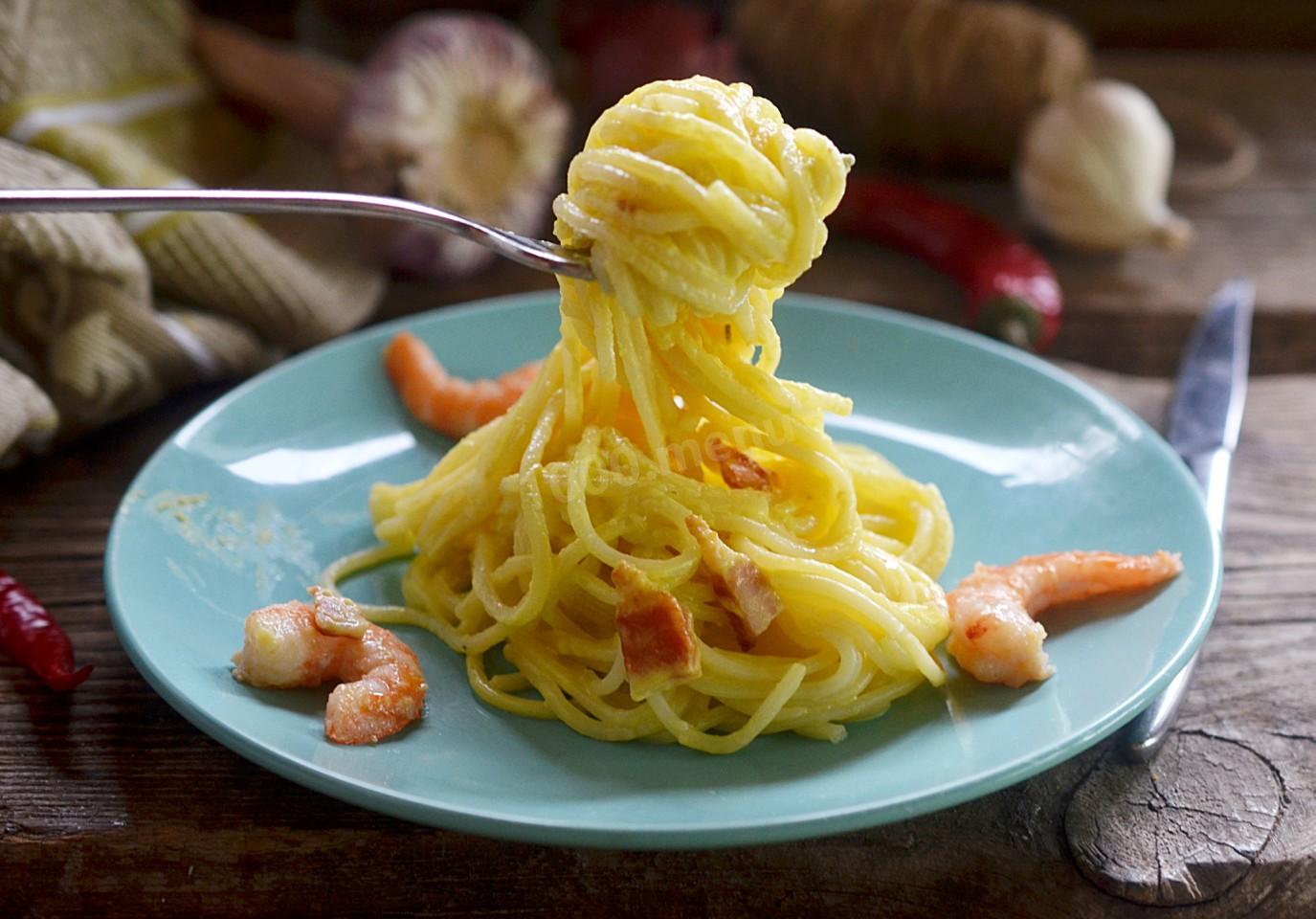
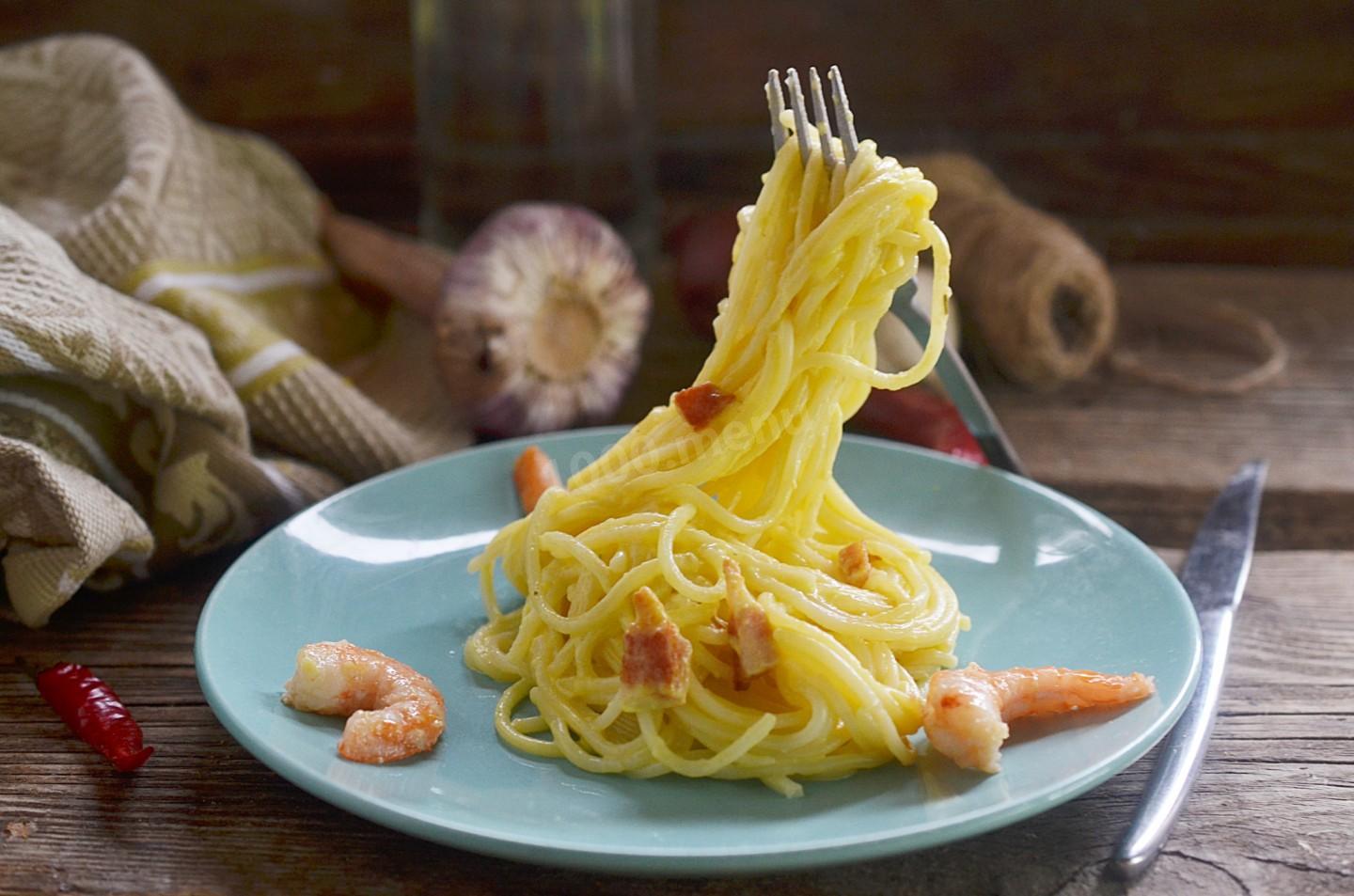
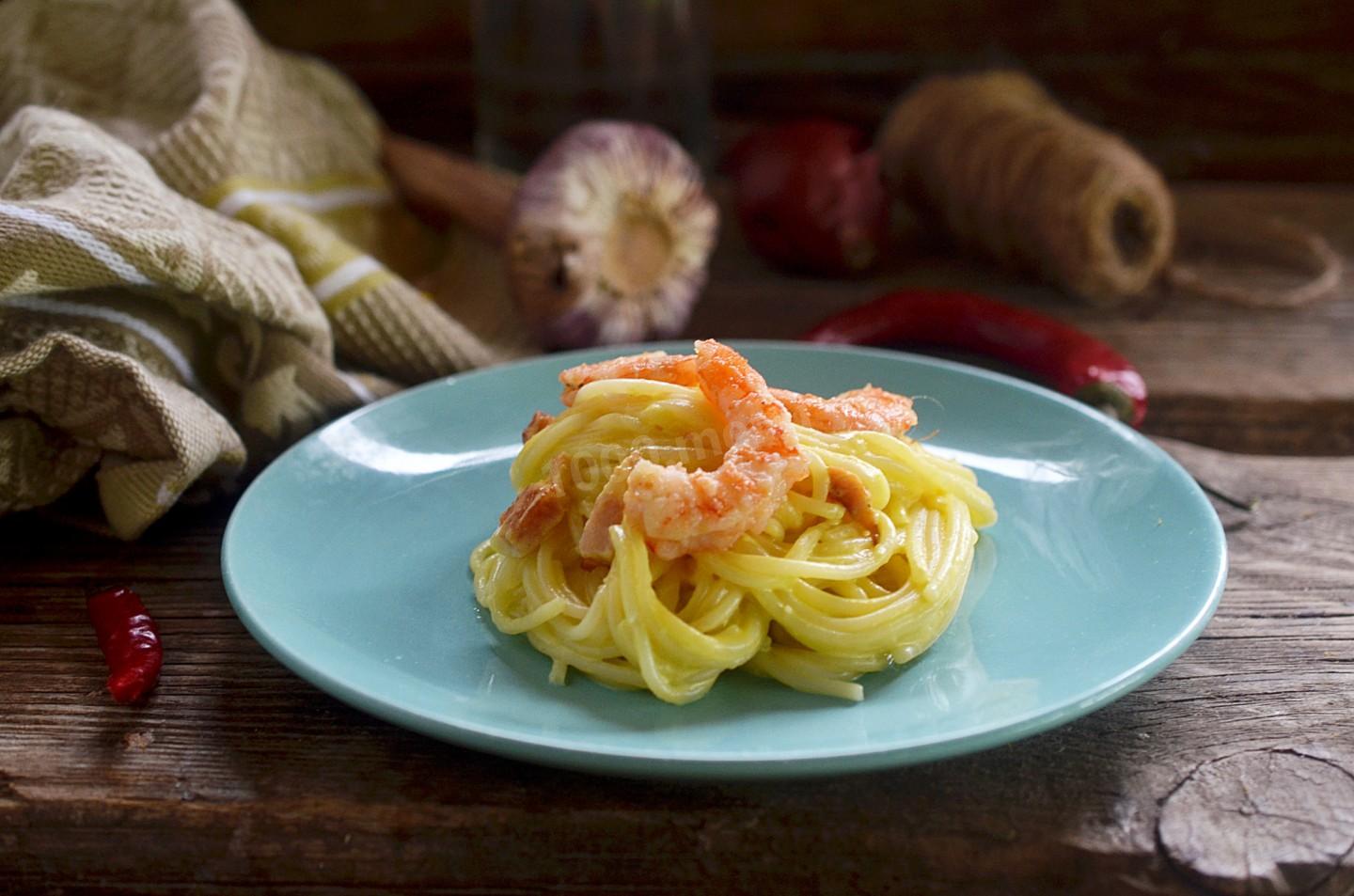
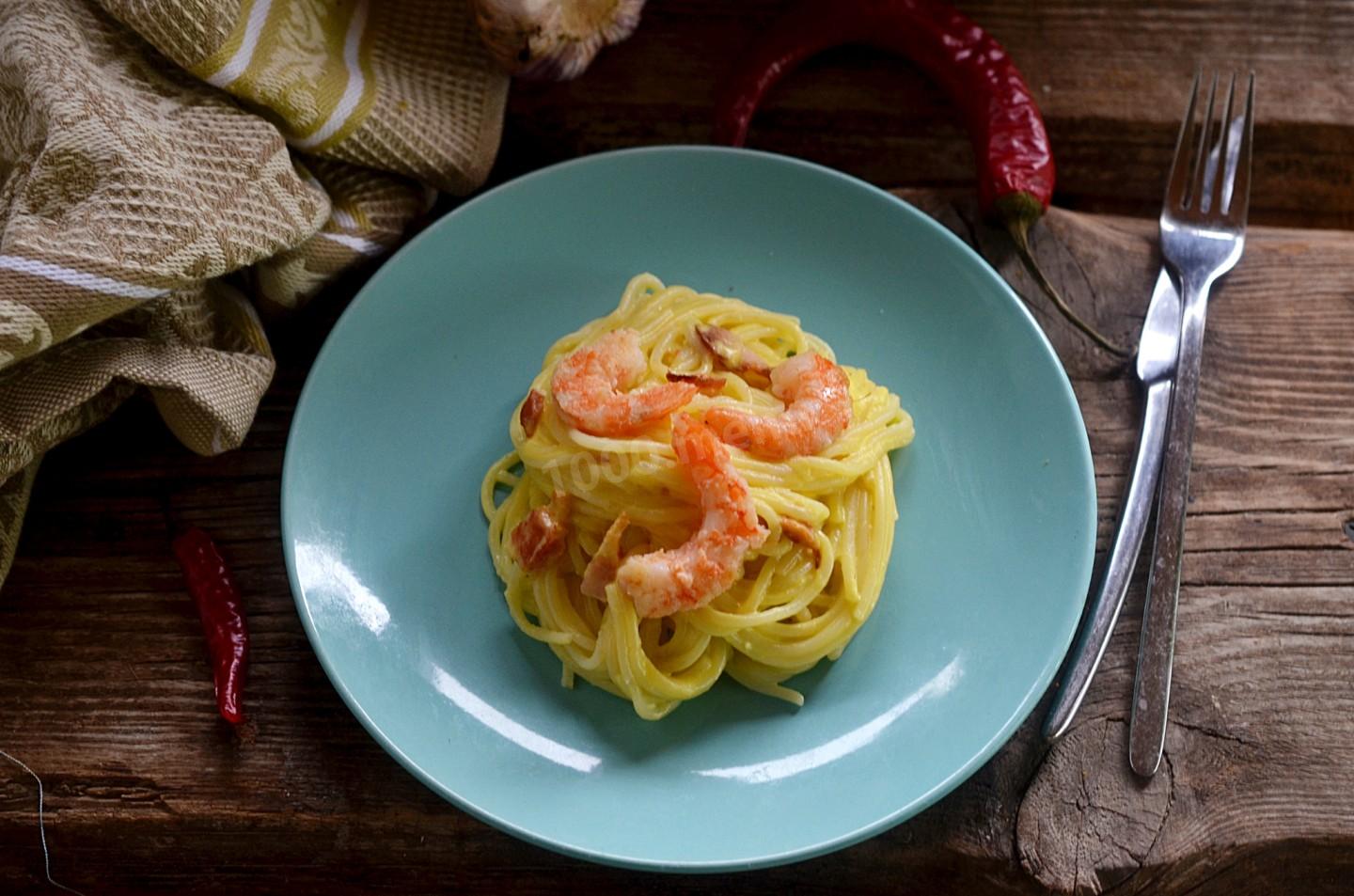
The classic carbonara recipe is simple and easy to pull off! Pasta carbonara is probably the calling card of Italian cooking, yet anyone can make it at home. Treat your loved ones to this delicious, special dish.

Cooking method
-
Step 1:
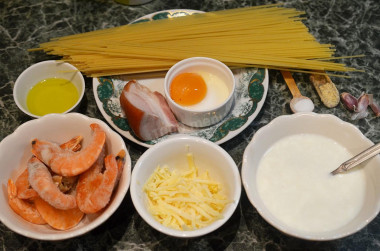
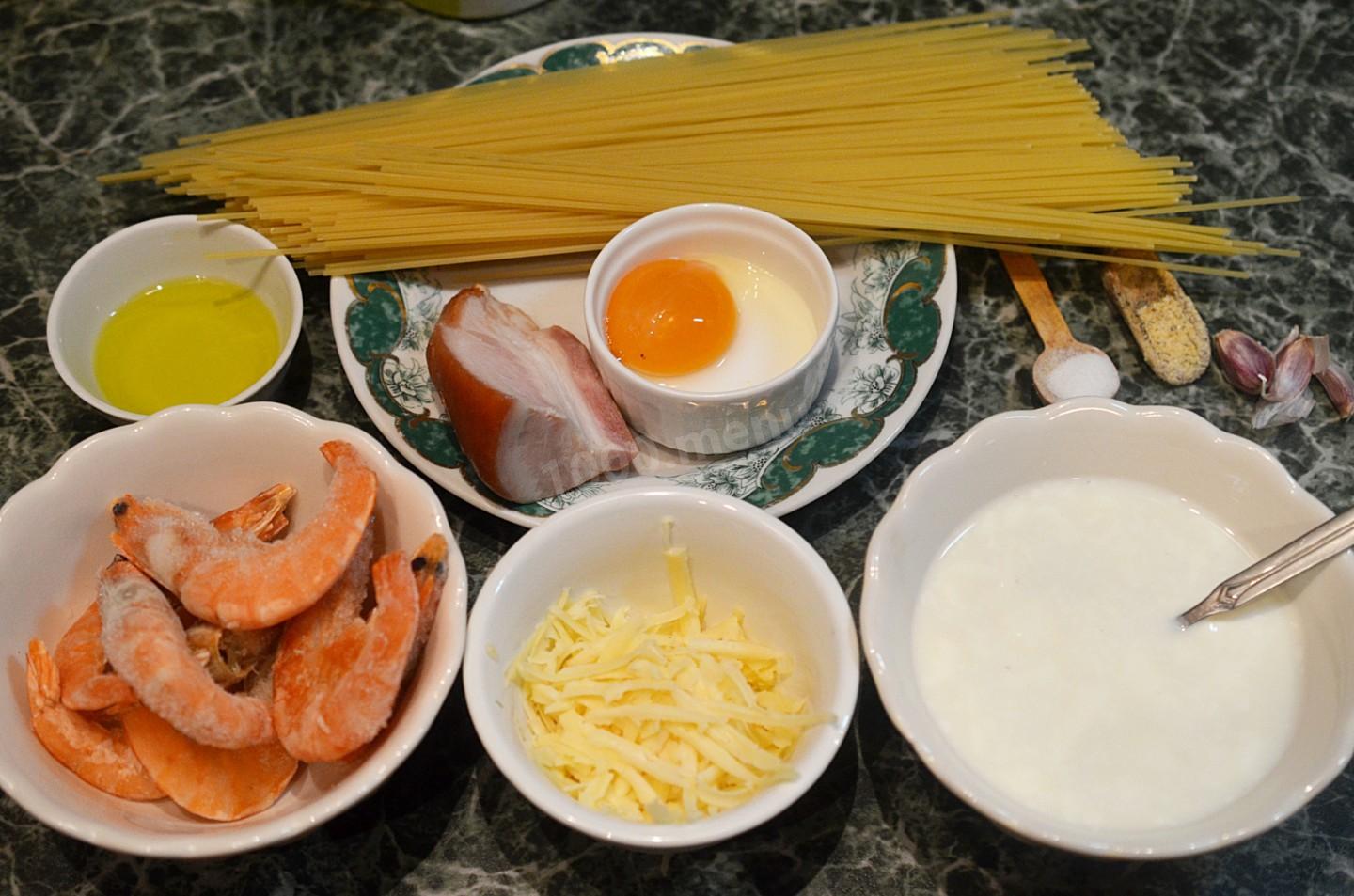
Get all your ingredients ready. Use whatever pasta you like — I went with regular spaghetti. The shrimp should be large (jumbo); small salad shrimp won't work here. Go with a medium-fat cream — something around a light cream (about 20% fat) is typical for sauces. Any bacon works: raw, dry-cured, or cooked-smoked, but keep in mind that smoked bacon will lend its flavor to the finished dish. And since real Parmesan can be hard to come by, you can substitute any good hard, aged cheese.
-
Step 2:
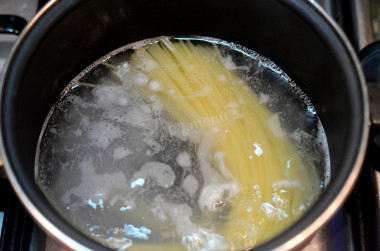
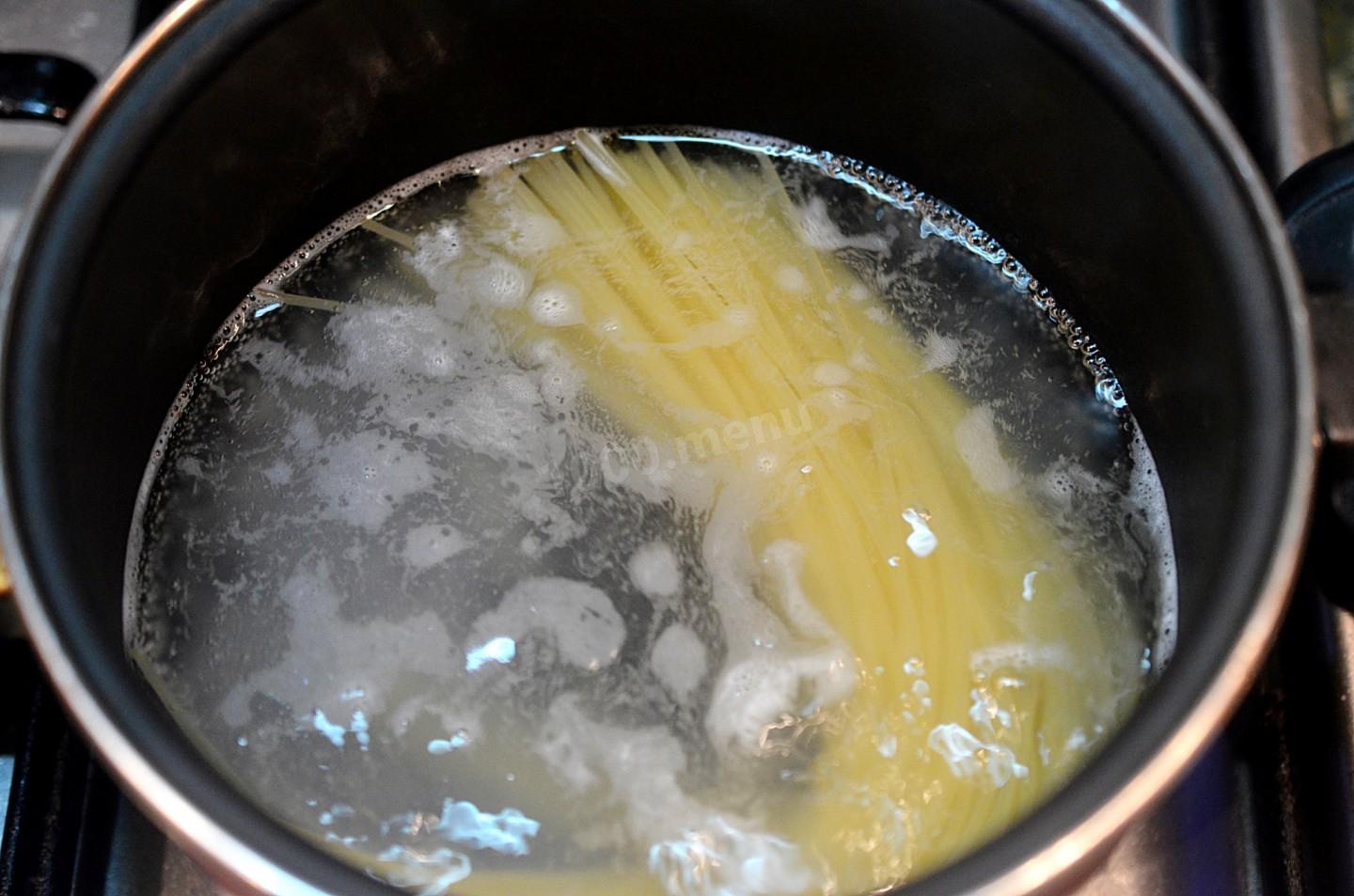
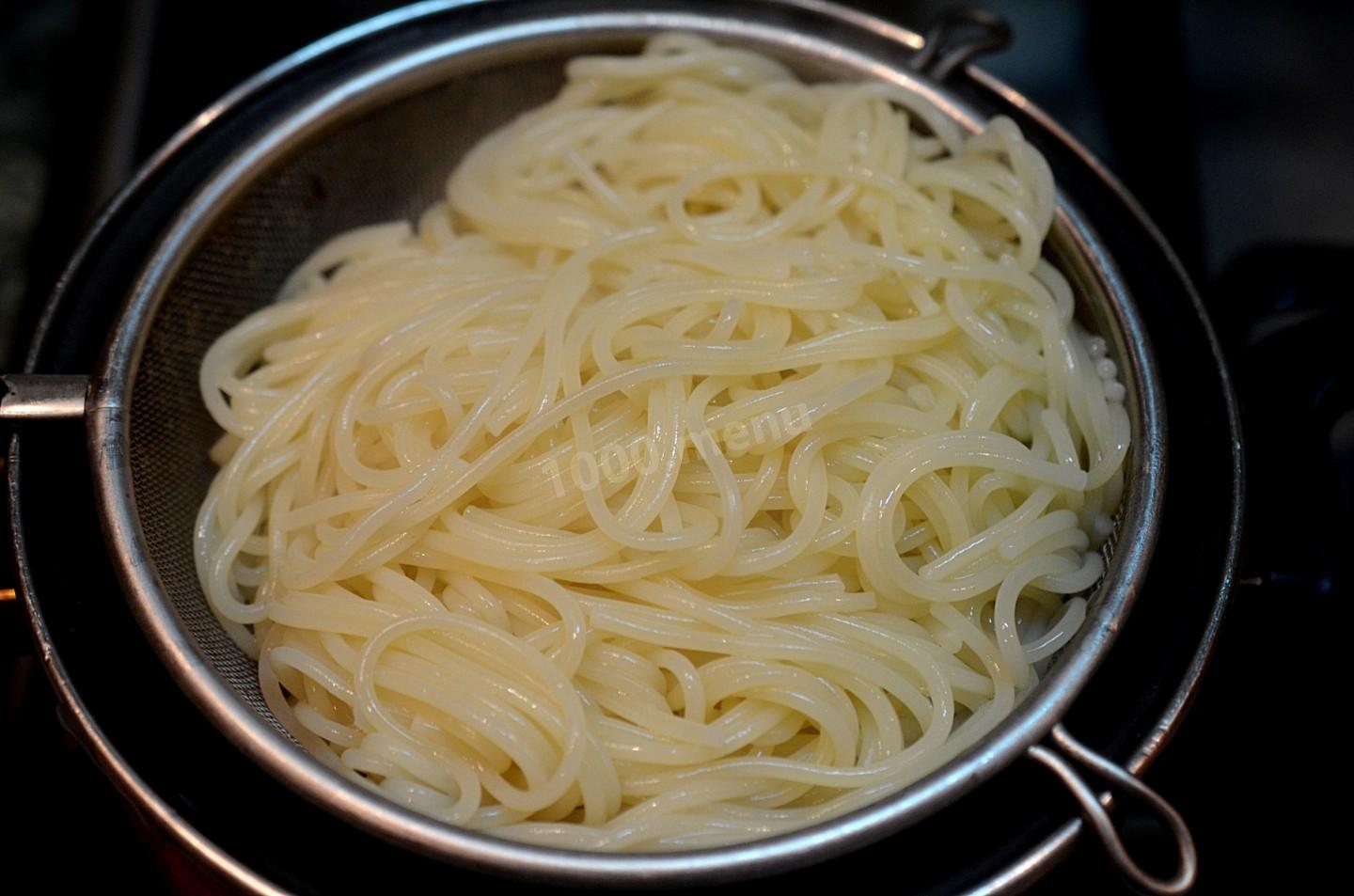
Cook the pasta according to the package directions. I usually cook mine to al dente, which is generally 1 minute less than the package says.
-
Step 3:
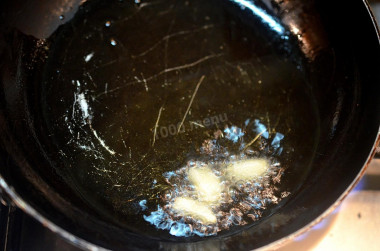
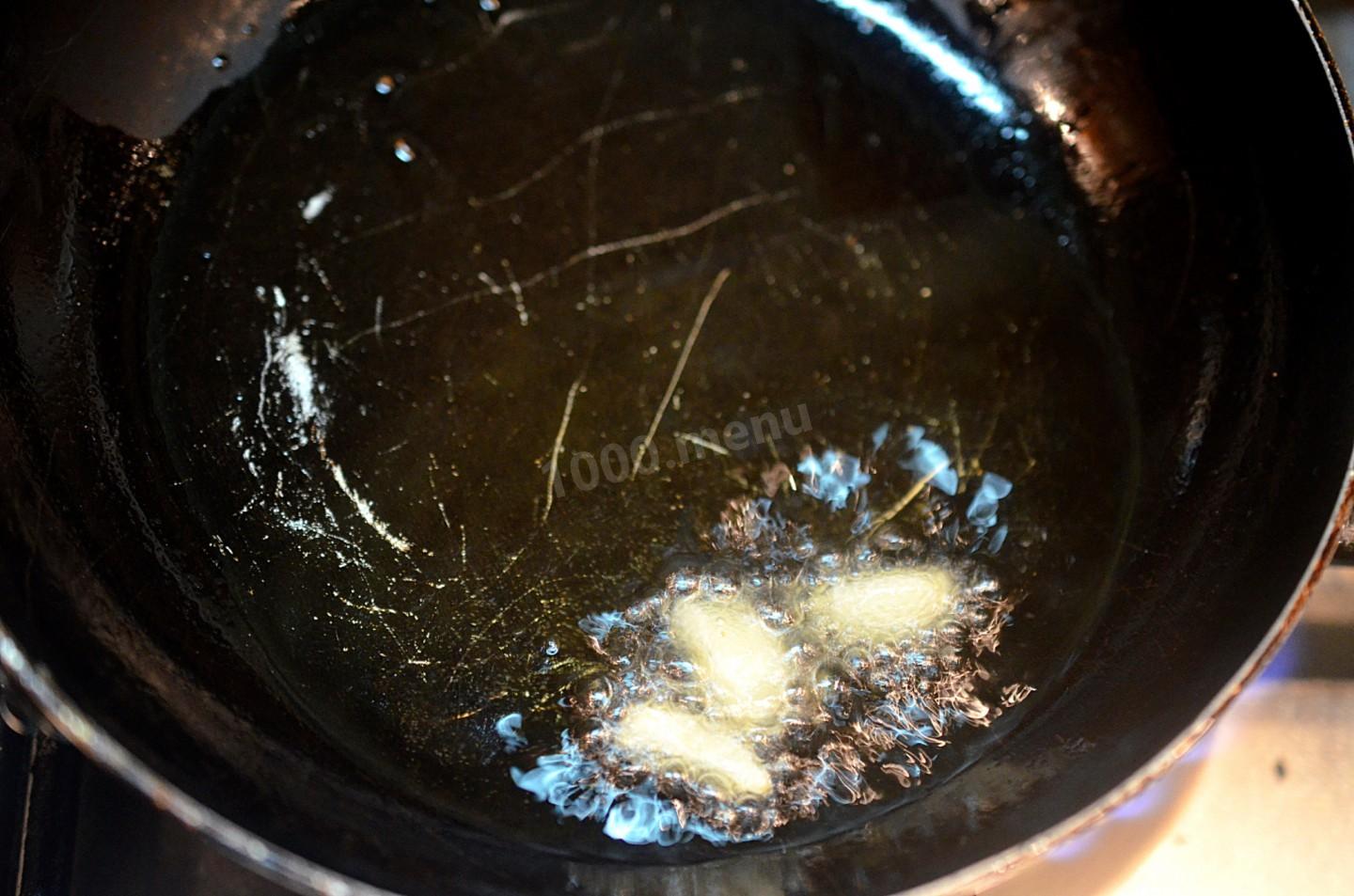
While the pasta cooks, heat the olive oil in a skillet and add the peeled garlic cloves. Fry over low heat until lightly golden, about 5 minutes, then take the garlic out — you just want it to flavor the oil.
-
Step 4:
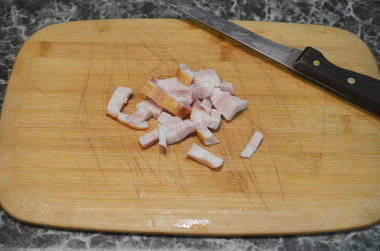
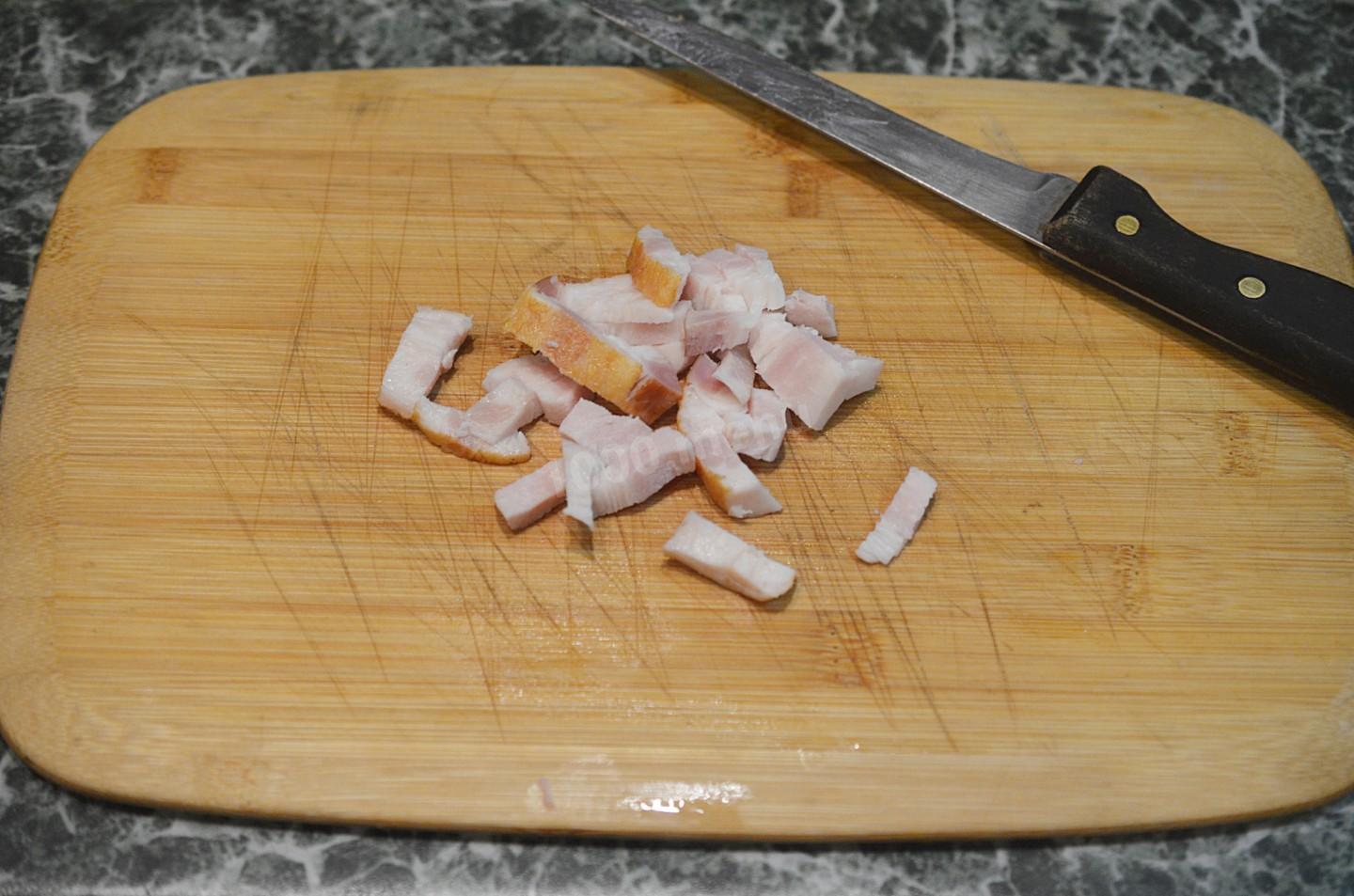
Cut the bacon into small cubes or thin strips.
-
Step 5:
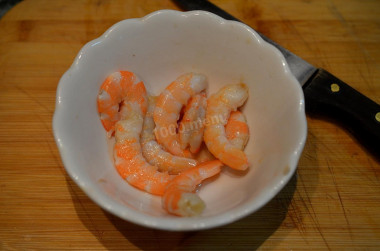
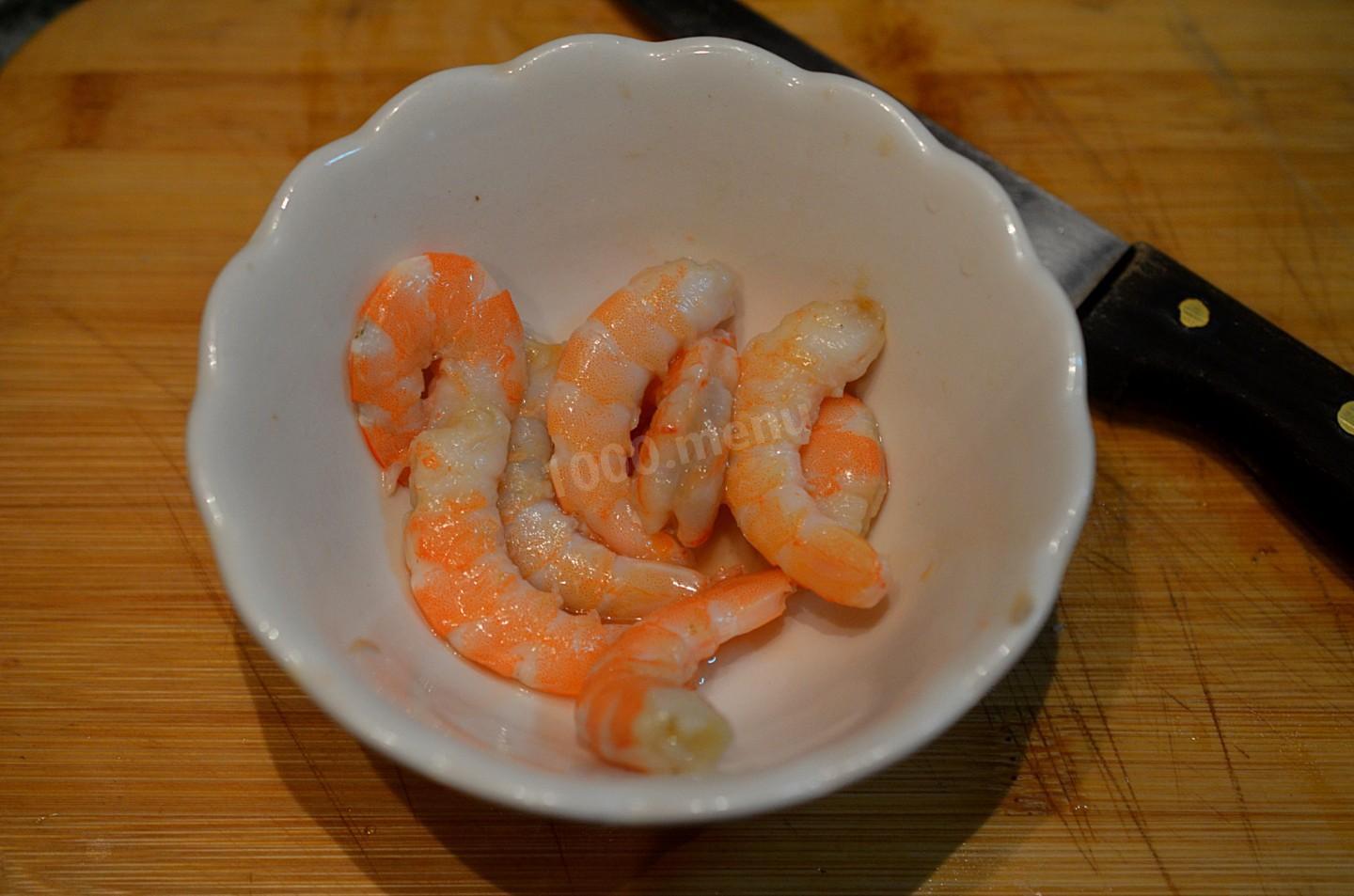
Thaw the shrimp. If they're pink, they're already cooked and just need thawing. If they're gray (raw), boil them for about 5 minutes. Peel the shrimp.
-
Step 6:
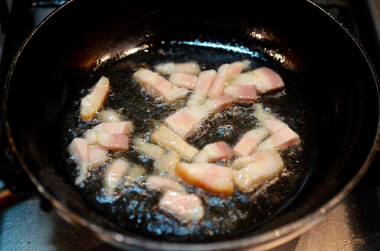
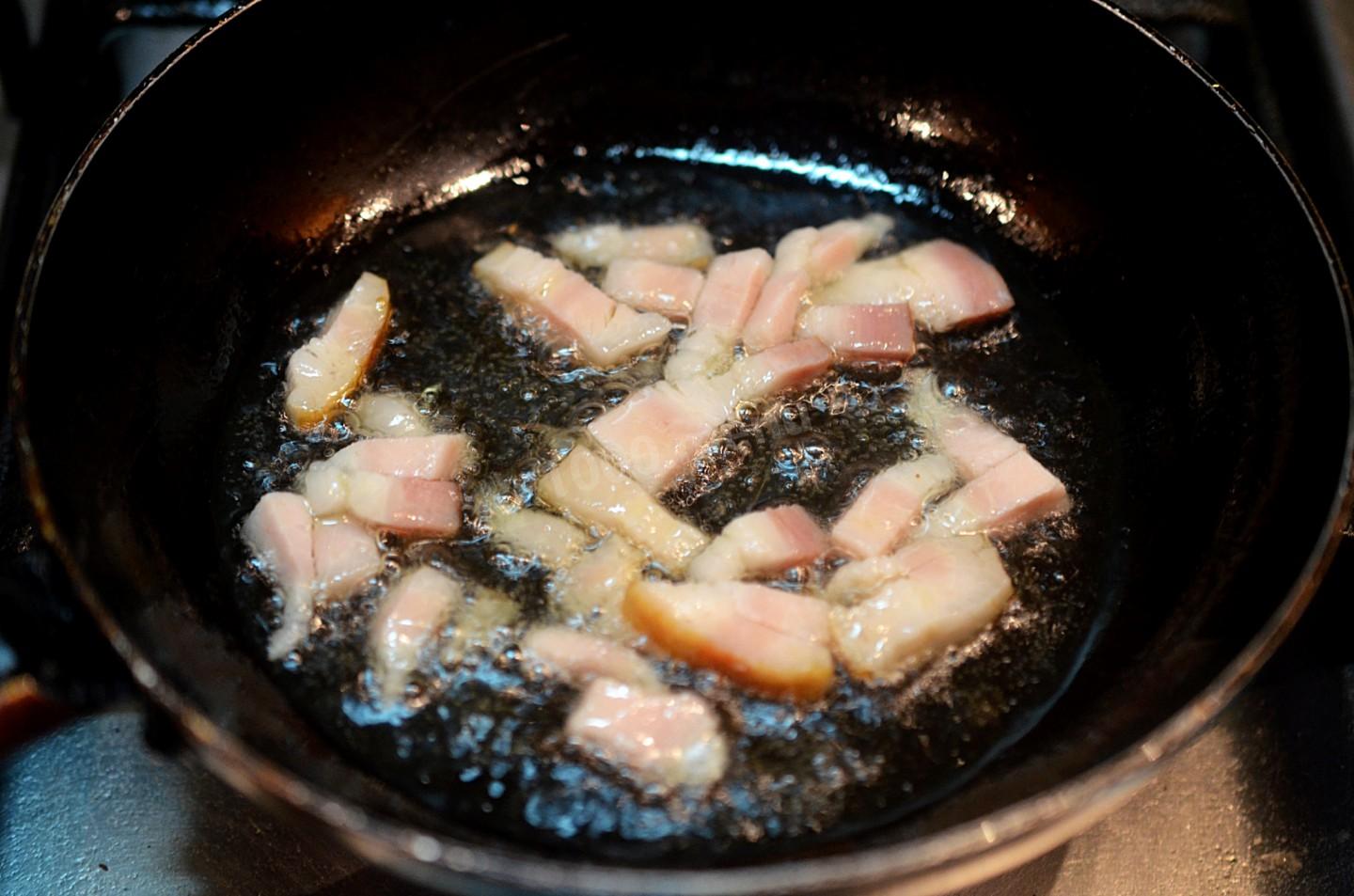
Add the bacon to the skillet first and fry it for about 5 minutes.
-
Step 7:
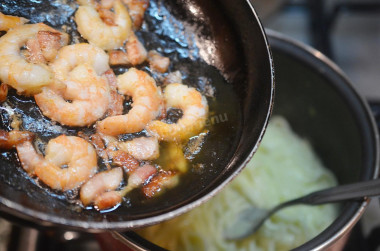
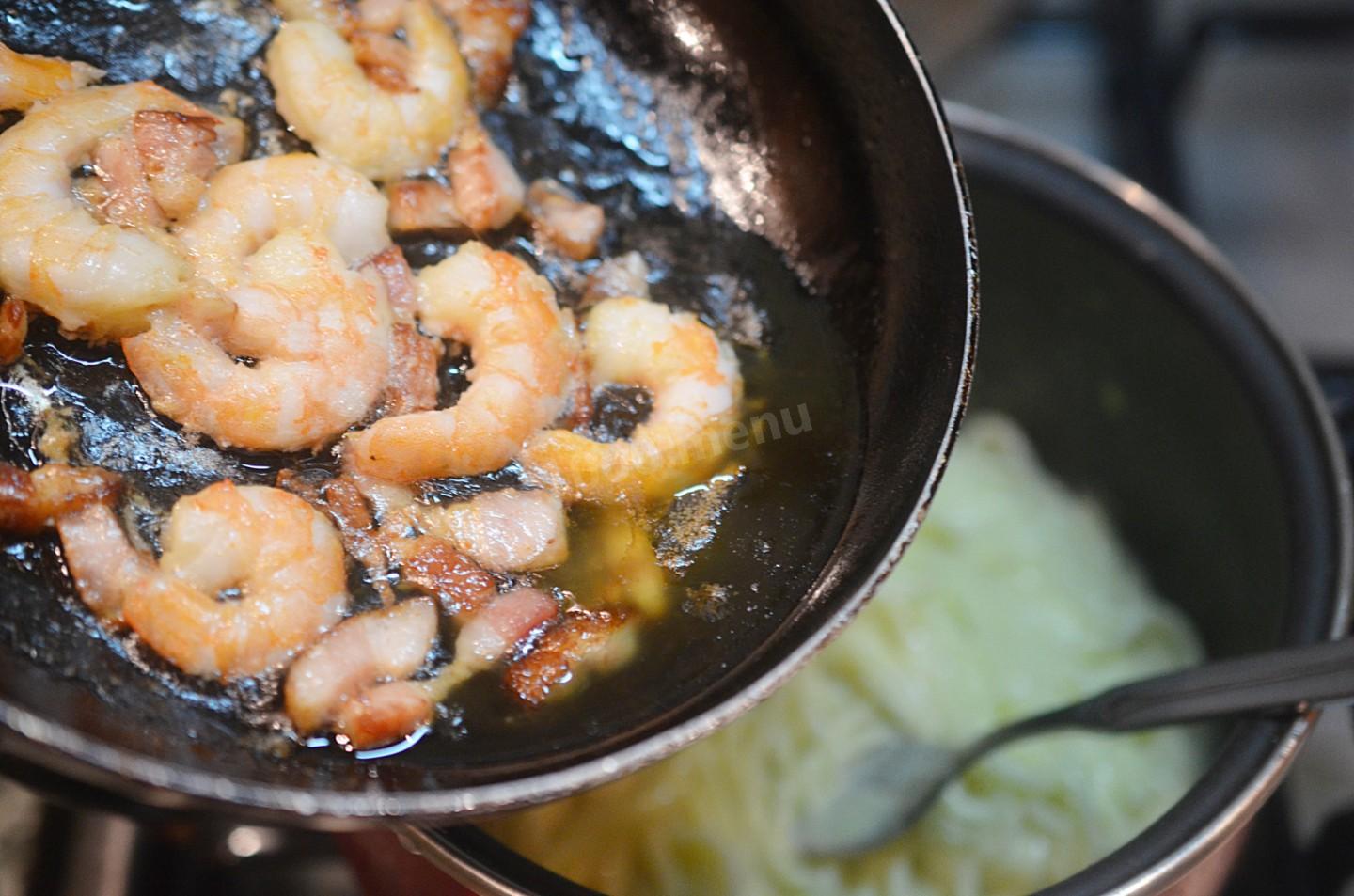
Then add the shrimp and cook everything together for another 5–7 minutes.
-
Step 8:
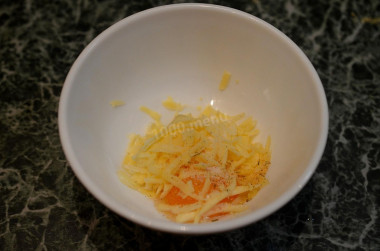
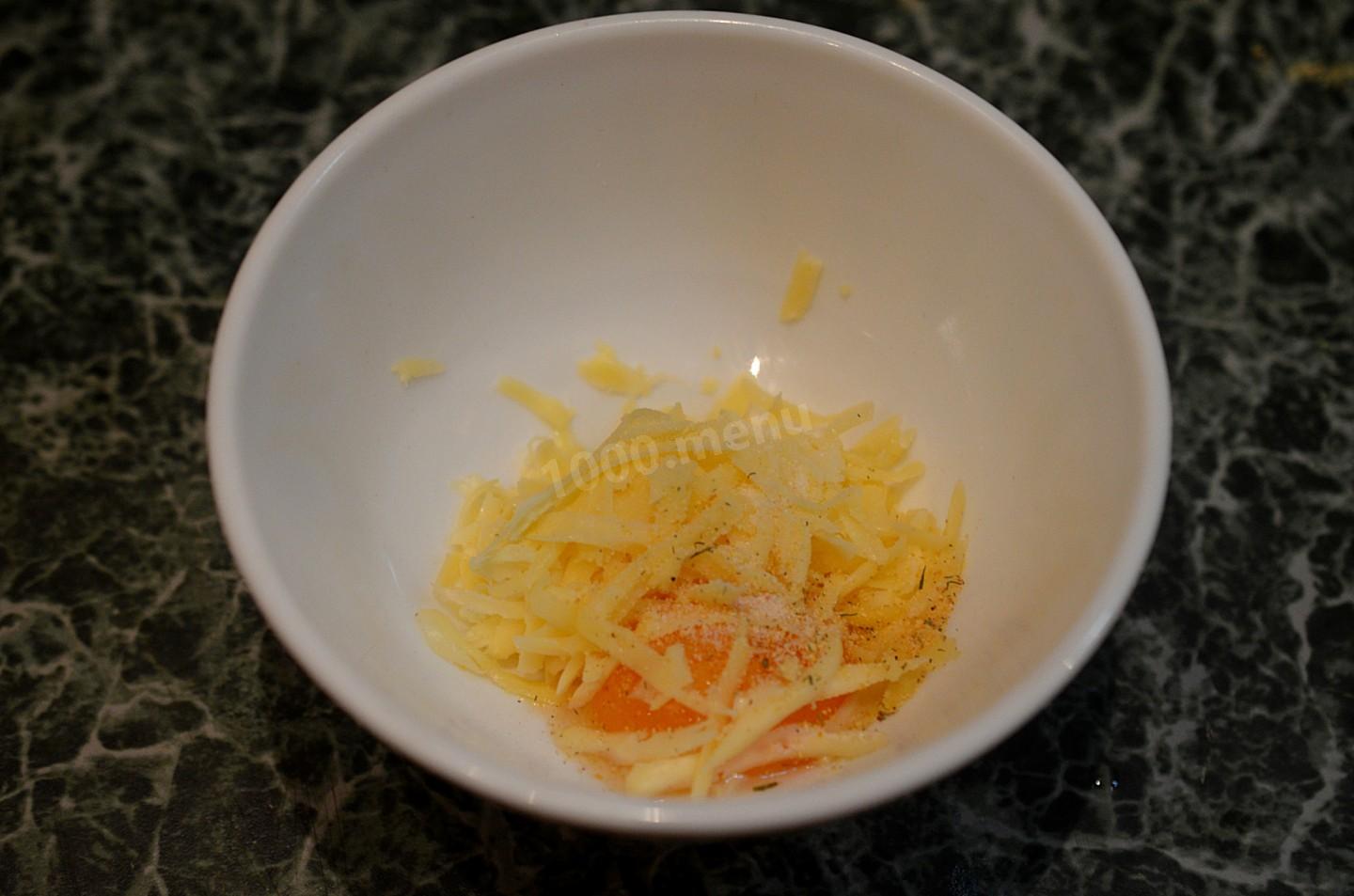
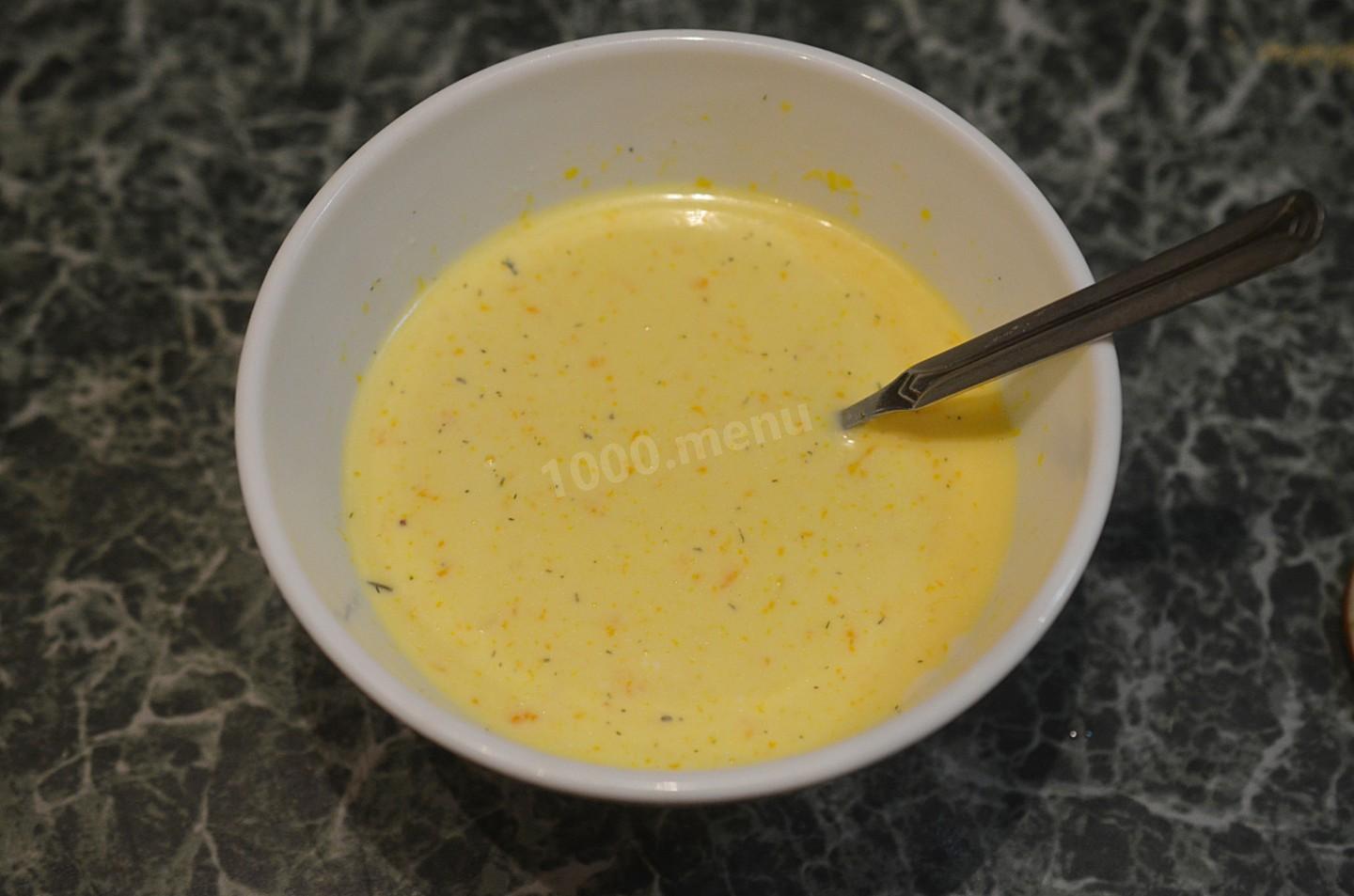
In a separate bowl, get the grated Parmesan ready. I use pre-grated Parmesan from a package; if you have a block, it doesn't matter what grater you use, since the cheese melts into the finished dish anyway. Combine the yolk with the grated cheese.
-
Step 9:
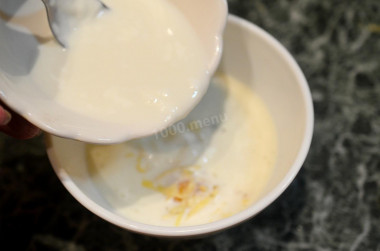
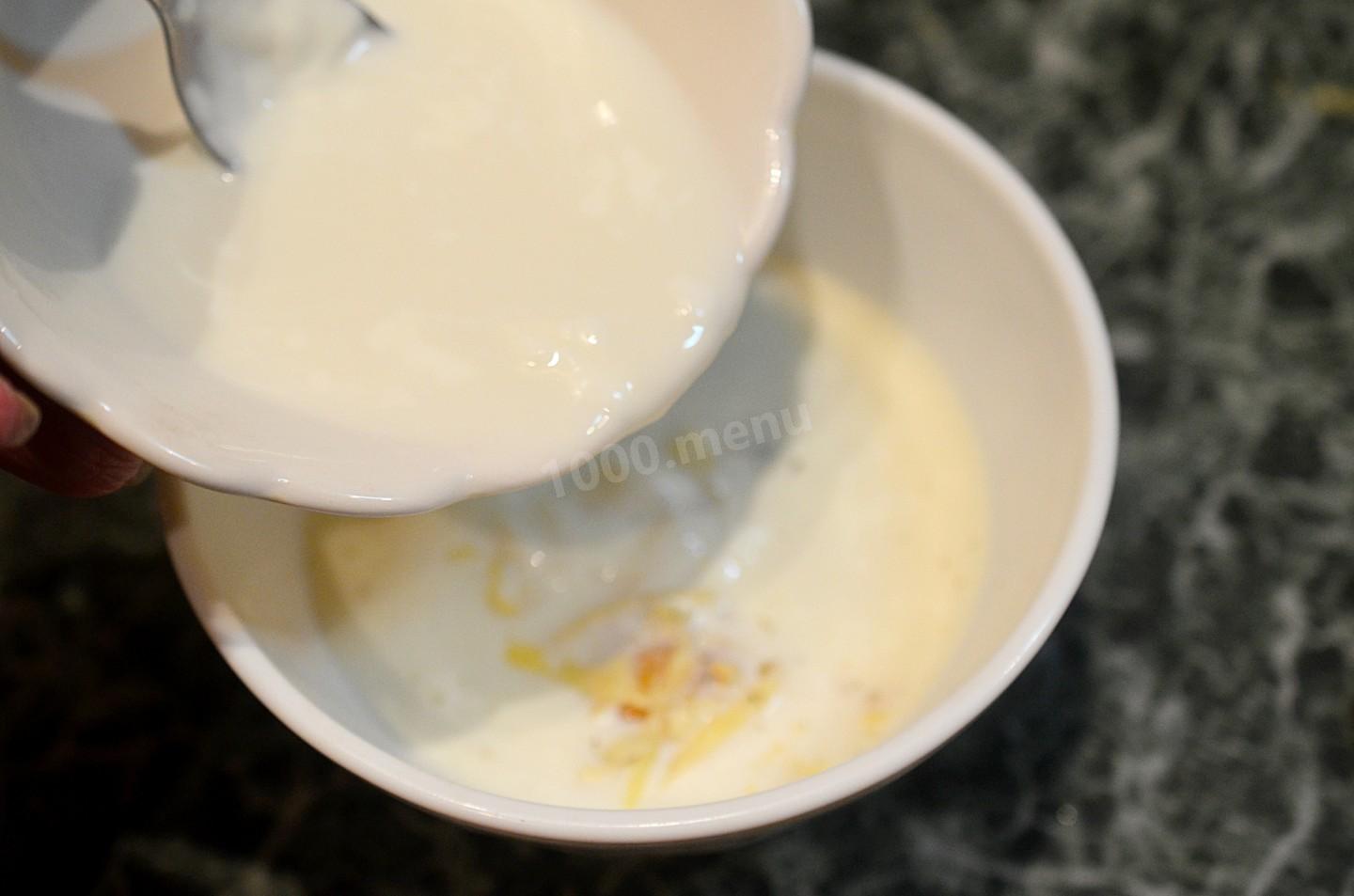
Pour in the cream.
-
Step 10:
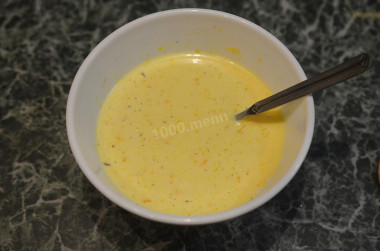
Stir the sauce until smooth.
-
Step 11:
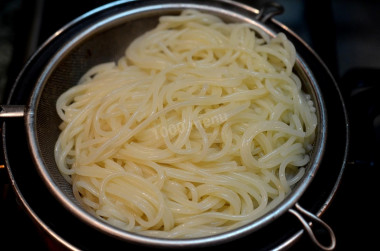
Drain the pasta in a colander, then return it to the pot.
-
Step 12:
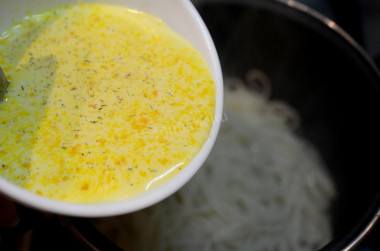
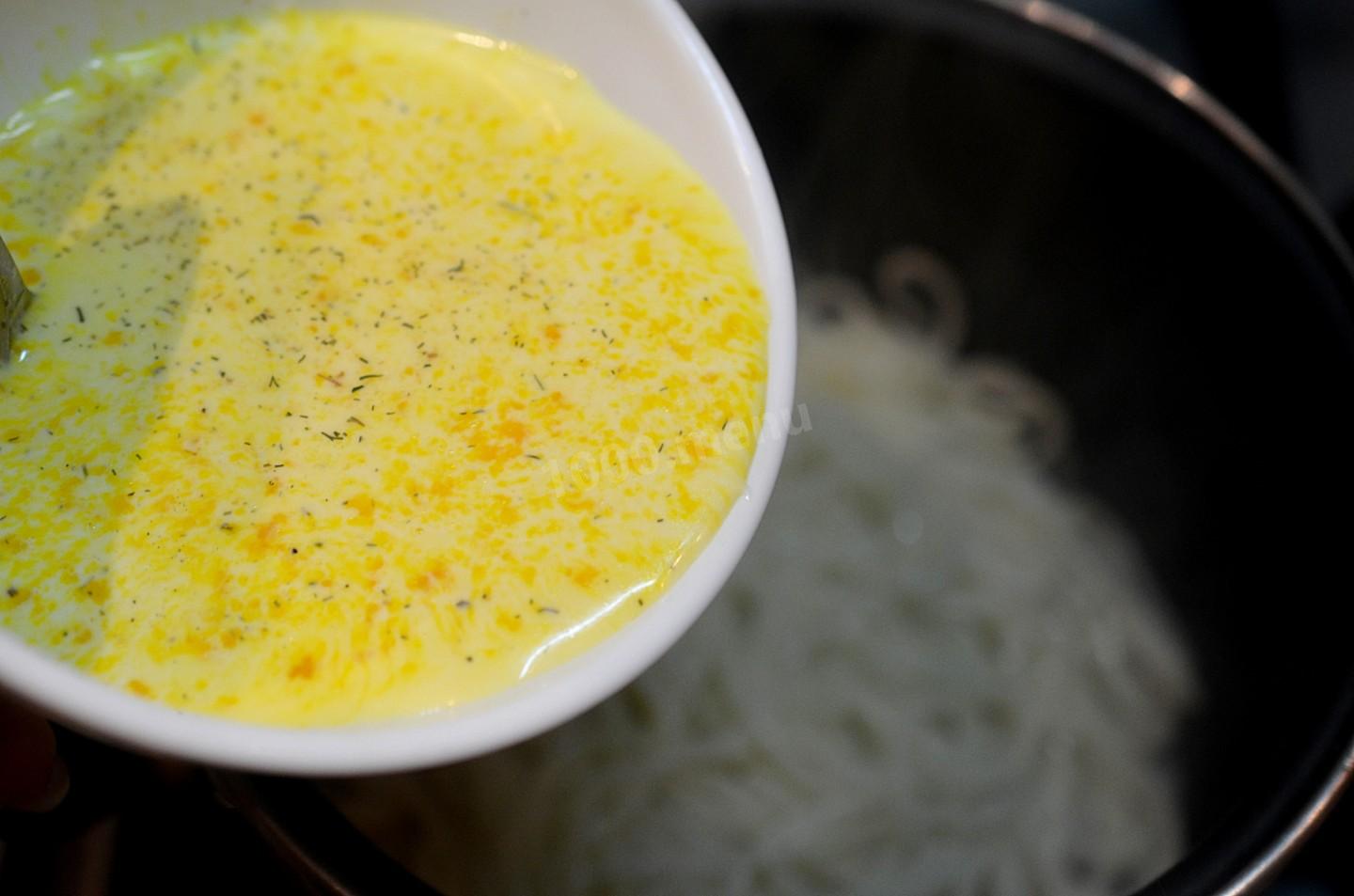
Pour the egg-and-cheese sauce over it.
-
Step 13:
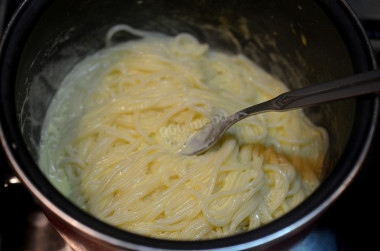
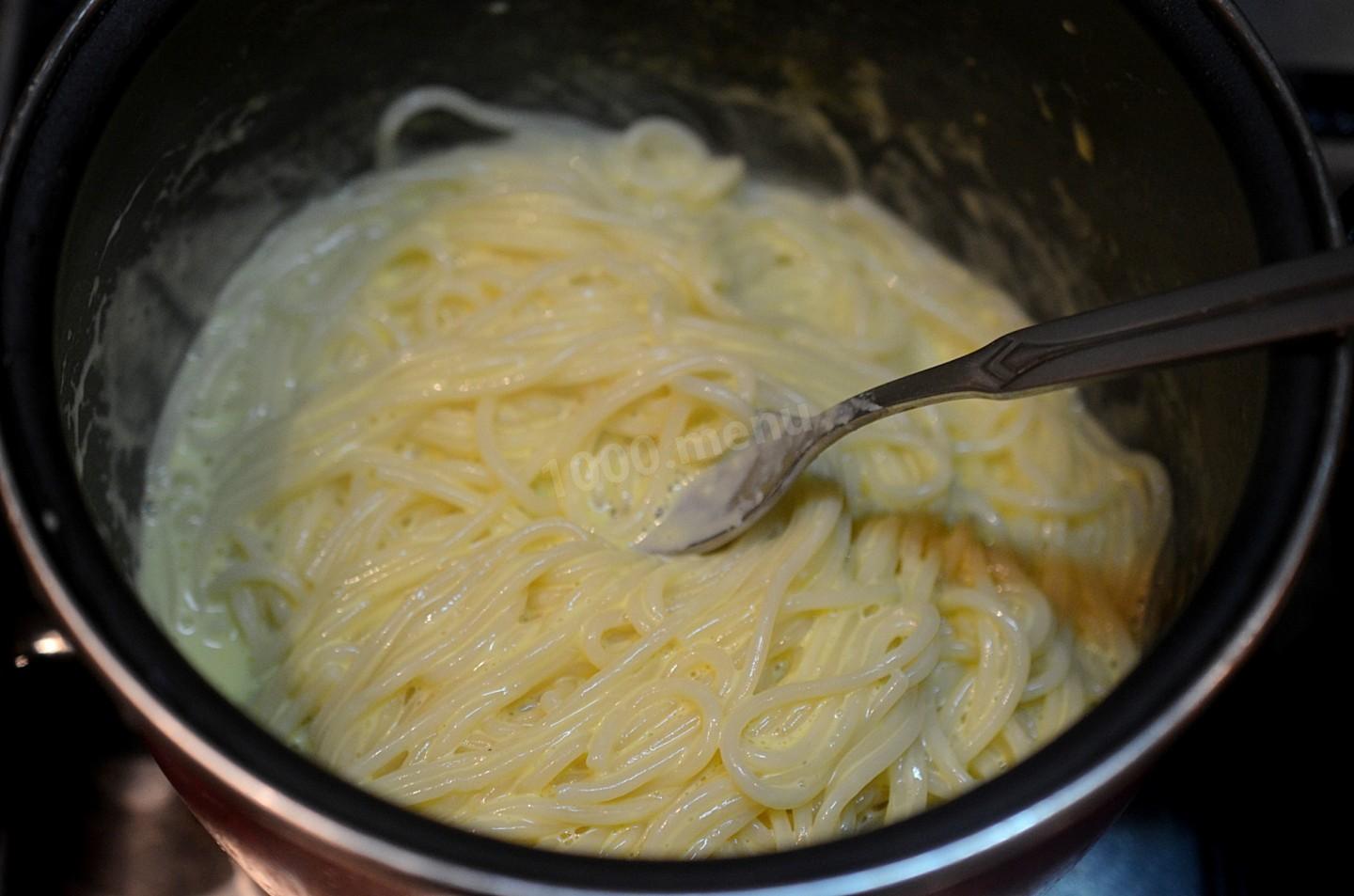
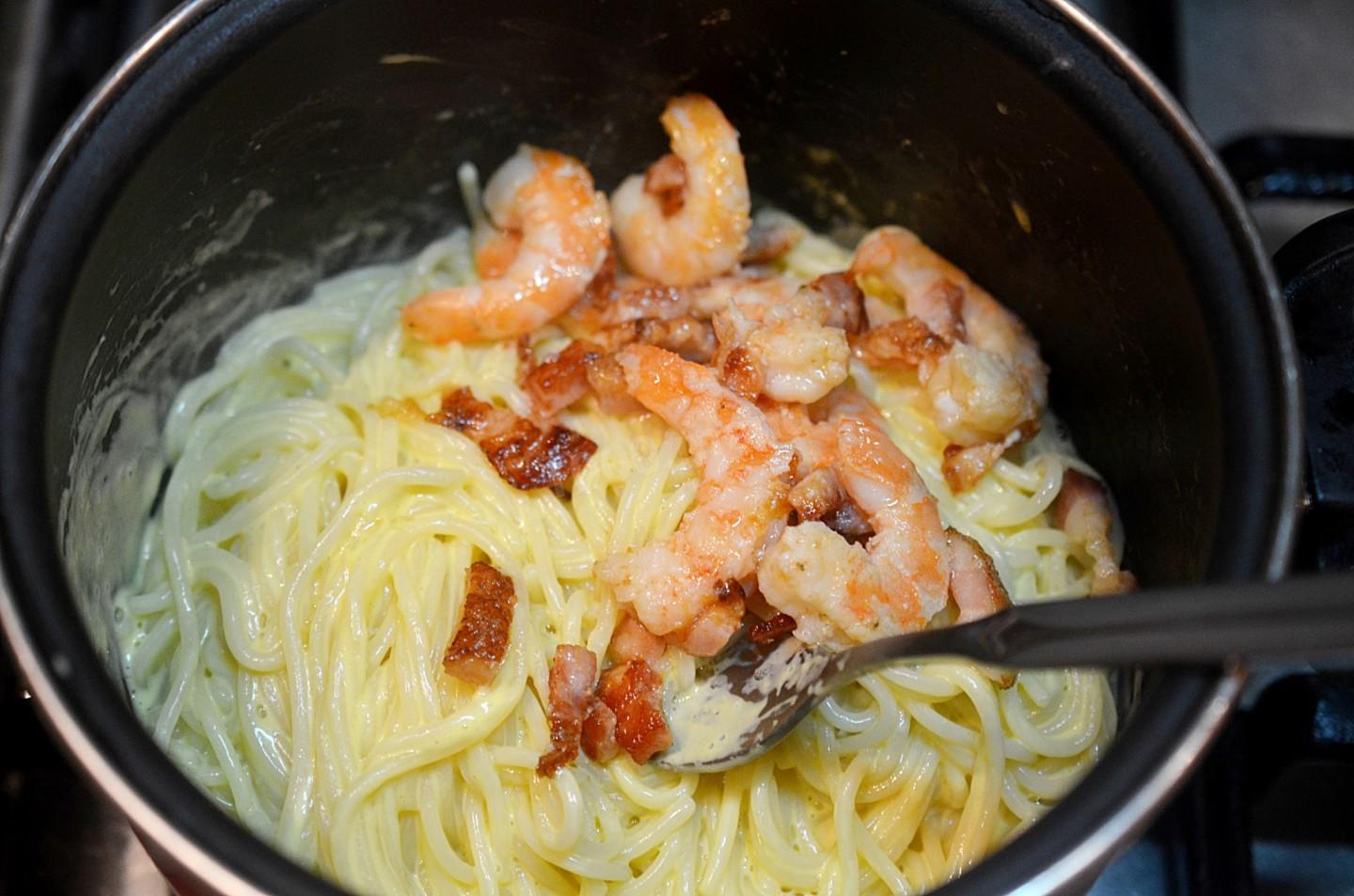
Toss vigorously so the sauce coats the pasta well and the cheese melts. (The residual heat of the pasta cooks the egg into a silky sauce.)
-
Step 14:
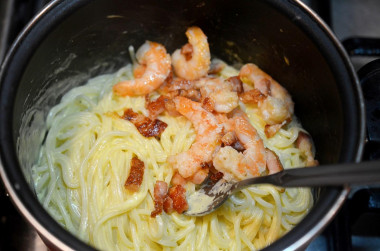
Add the shrimp and bacon from the skillet and toss again.
-
Step 15:
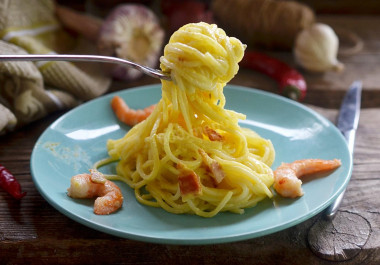
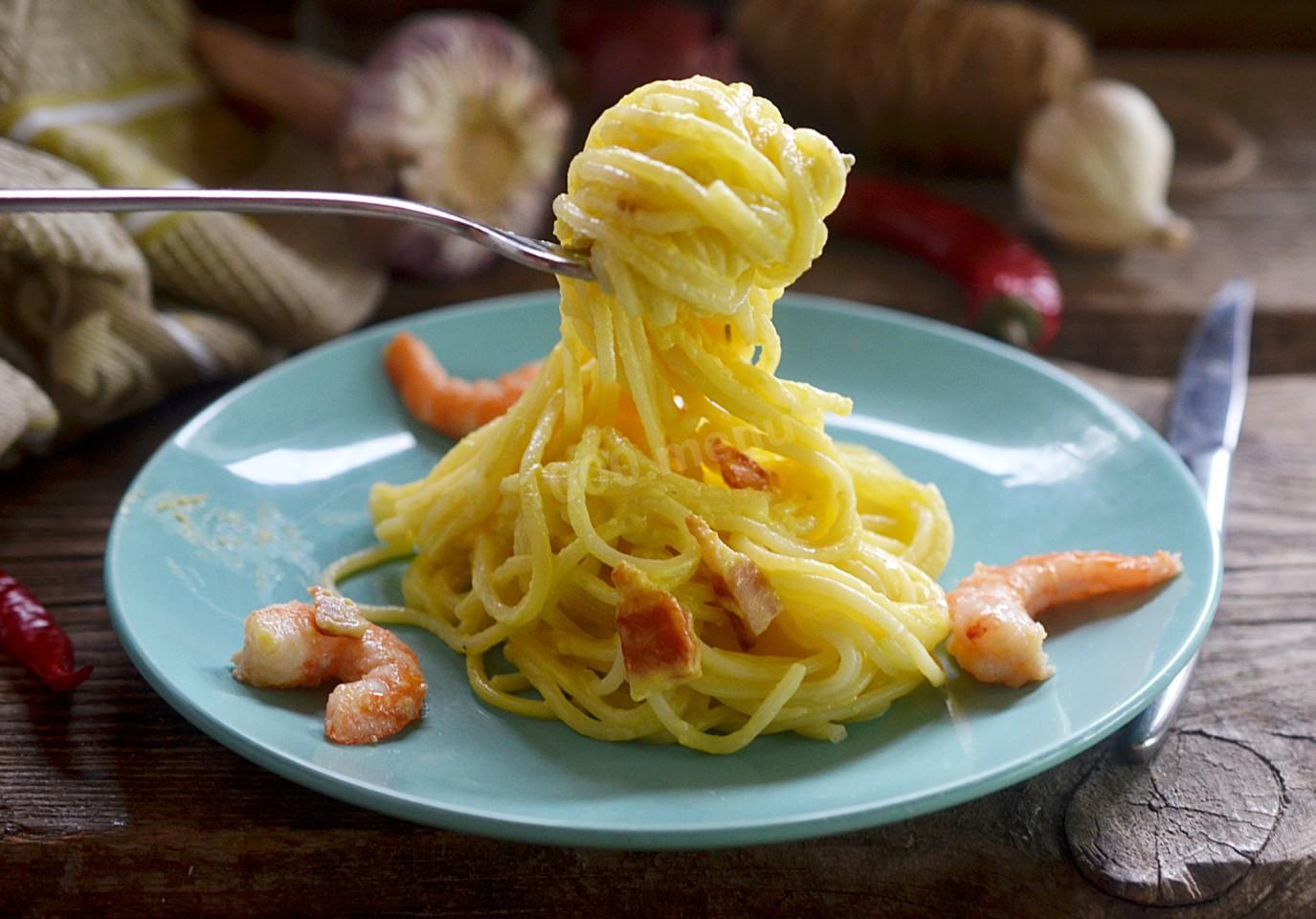
Your delicious carbonara is ready! Enjoy!
- How do you cook pasta properly? Use a roomy pot and figure on about 1 quart (1 liter) of water for every 3.5 oz (100 g) of pasta — the key is that the pasta can float freely. Salt the water to taste and bring it to a boil. It's important to add the pasta only once the water is boiling, or it may clump. Cook over medium heat, stirring now and then, until fully done or al dente (the package always gives a time). Drain the cooked pasta in a colander and let it dry; there's no need to rinse it. If you're not tossing it with sauce right away, you can return it to the pot and stir in a teaspoon of olive oil (or a pat of butter) to keep it from sticking.
Caloric content of the products possible in the composition of the dish
- Canned shrimp - 81 kcal/100g
- Boiled shrimp - 95 kcal/100g
- Peeled frozen shrimp - 60 kcal/100g
- Fresh shrimp - 97 kcal/100g
- Buttermilk - 36 kcal/100g
- Cream, 20% fat - 300 kcal/100g
- Cream, 10% fat - 120 kcal/100g
- Cream - 300 kcal/100g
- Garlic - 143 kcal/100g
- Cooked bacon - 447 kcal/100g
- Salt - 0 kcal/100g
- Olive oil - 913 kcal/100g
- Egg yolks - 352 kcal/100g
- Parmesan cheese, 45% fat - 389 kcal/100g
- Pepper - 26 kcal/100g
- Mixed herbs - 259 kcal/100g
- Spaghetti - 338 kcal/100g
Similar recipes


- Fast and tasty
- National cuisine
- Second course
- Eggs
- Meat and meat products
- Seafood
- Cheese
- Dairy products
- Pasta
- Spices seasonings spices
- Root flower leaves
- Fats and oils
- Garlic
- Pepper
- Salt
- Herb mixture
- Vegetable oil
- Mediterranean cuisine
- Cooking
- Stewing
- In a frying pan
- The second is fast and delicious
- Dishes in 30 minutes
- Meat second course
- Egg yolks
- Meat semi-finished products
- Shrimp
- Made of solid cheese
- Сливки
- Recipes for lean dishes without butter
- From pasta products
- Spaghetti recipes