Pasta with Pesto and Shrimp
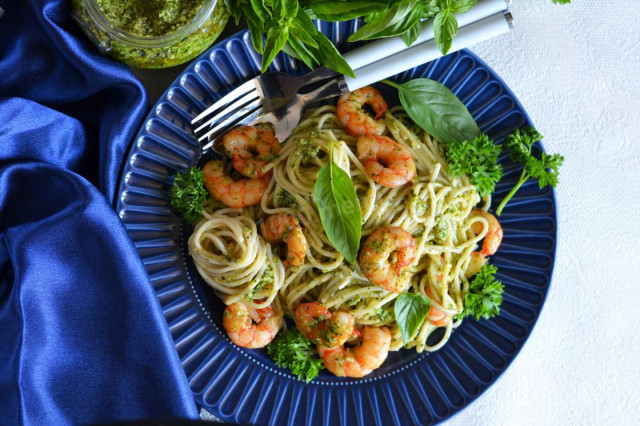
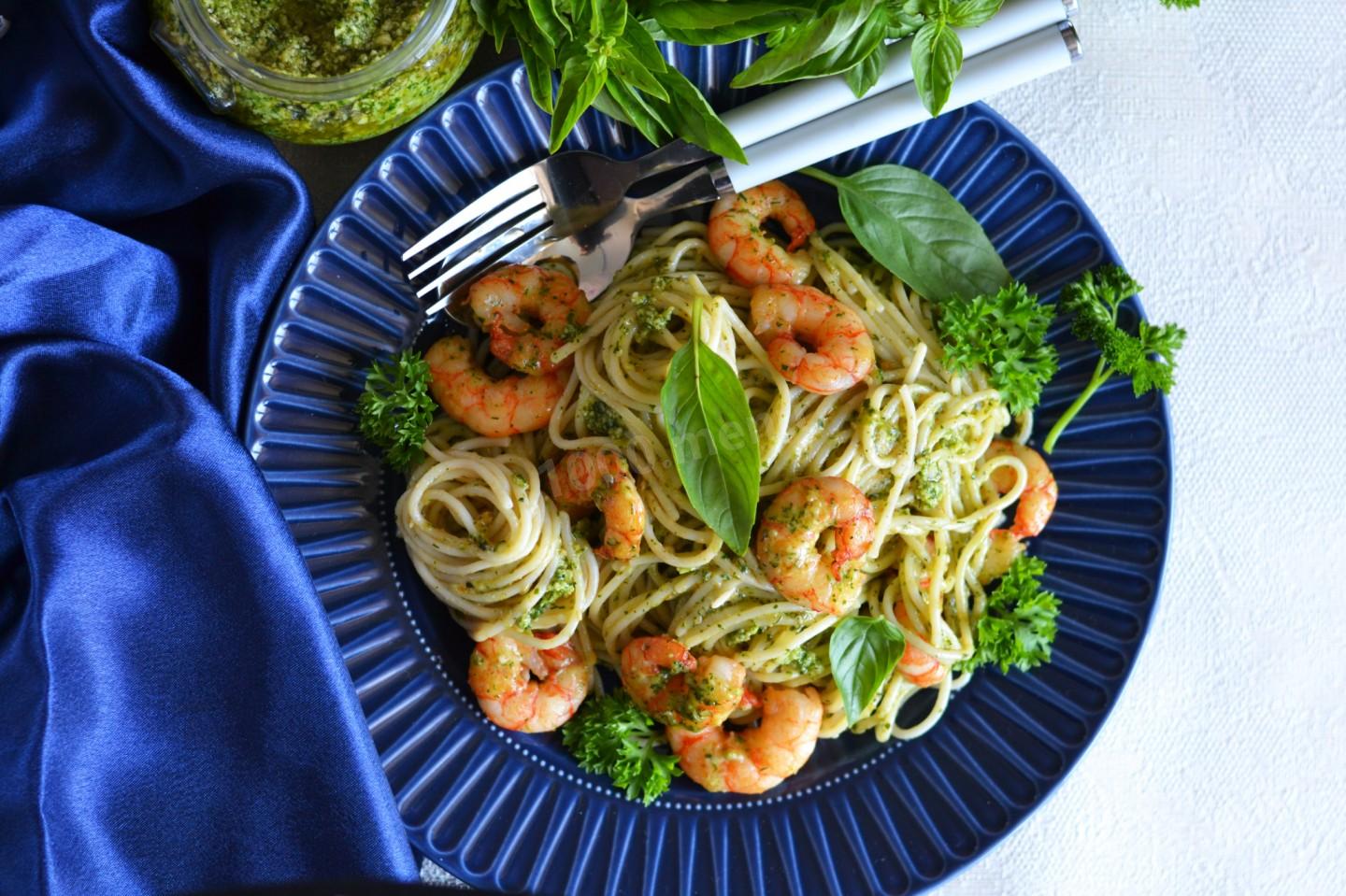
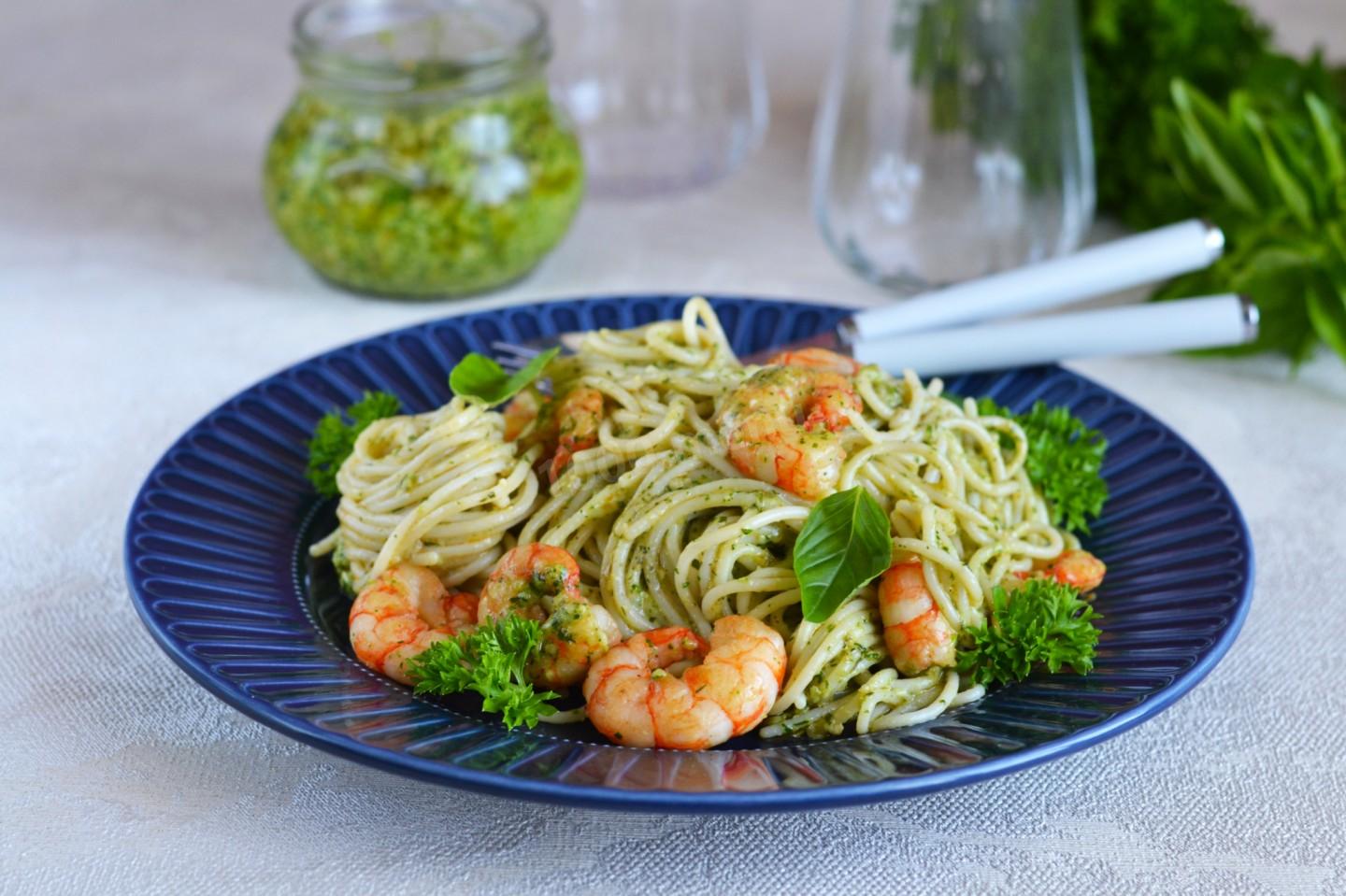
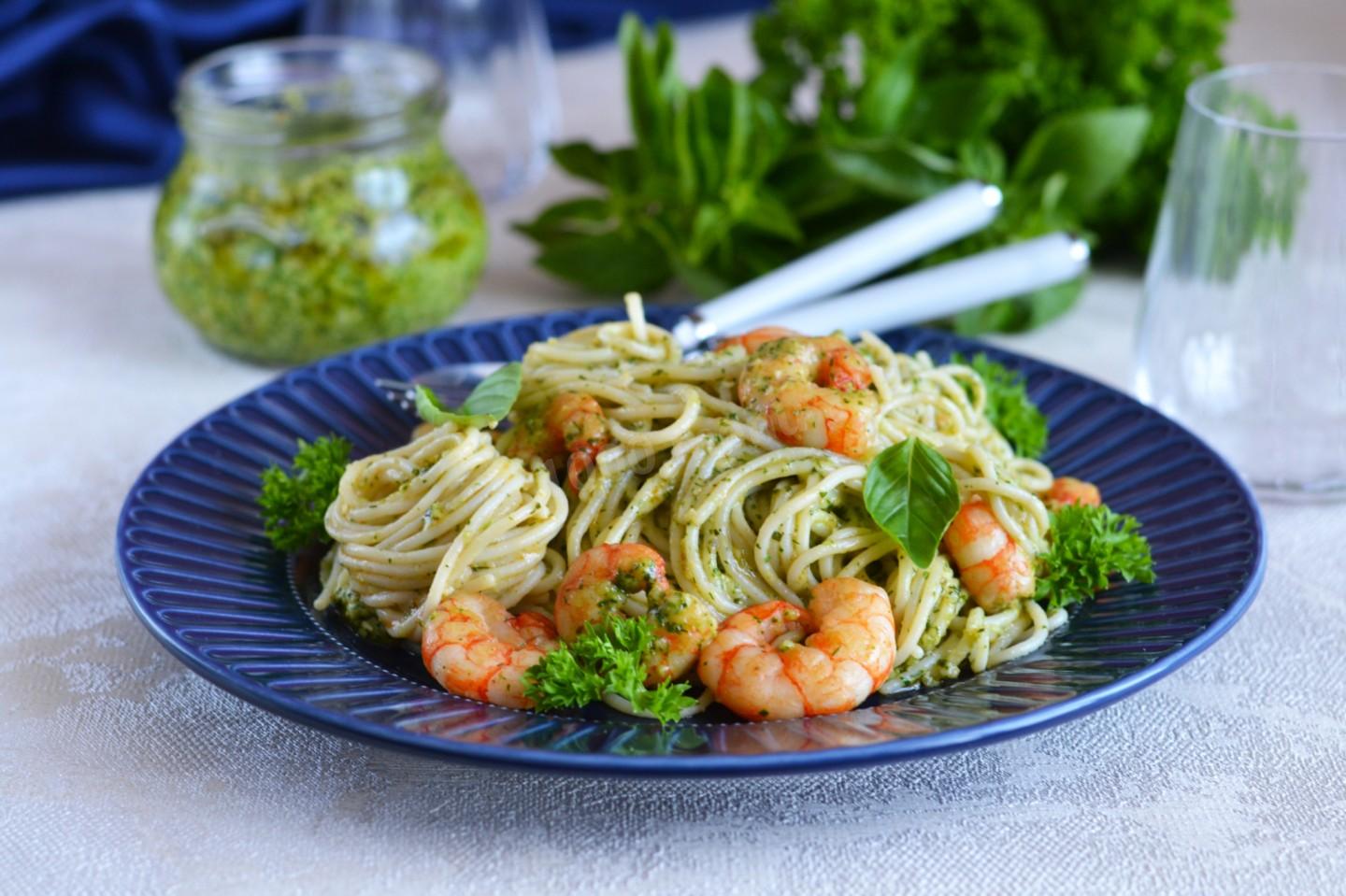
Real Italian flavor and an amazing aroma! Pasta with pesto and shrimp is so good that at first it's hard to believe you can make it at home—it's a true restaurant dish. Despite how fancy it seems, it comes together fast, especially if you use store-bought pesto.

Cooking method
-
Step 1:
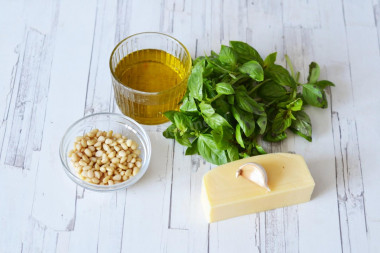
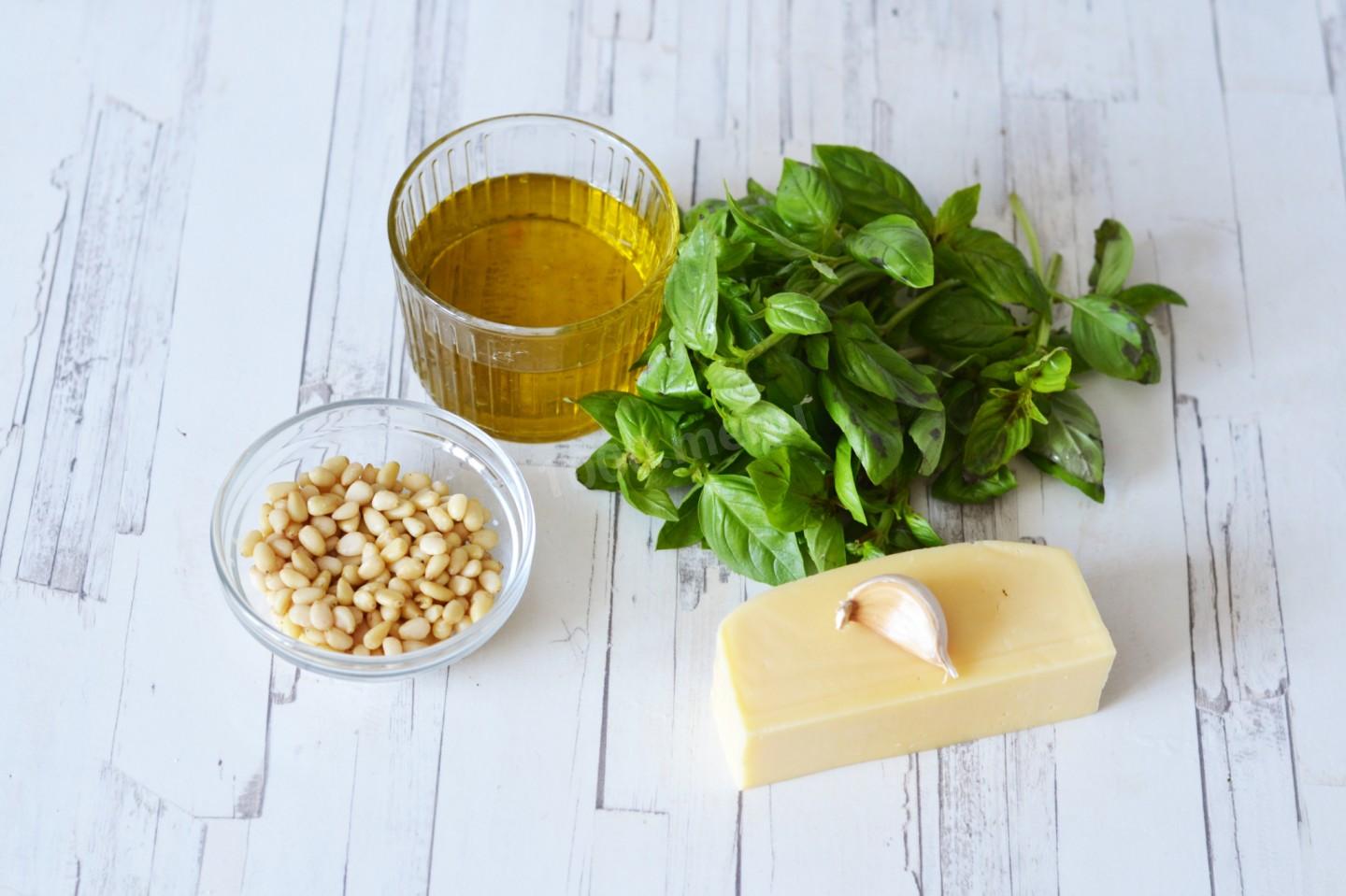
How do you make pasta with shrimp? First, make the pesto. Wash and dry the basil and pull the leaves off the stems. Peel the garlic; you can slice it into rounds.
-
Step 2:
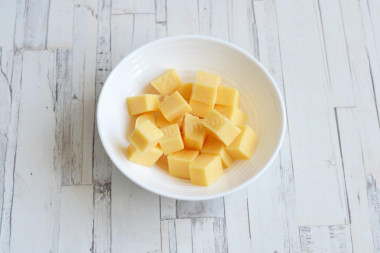
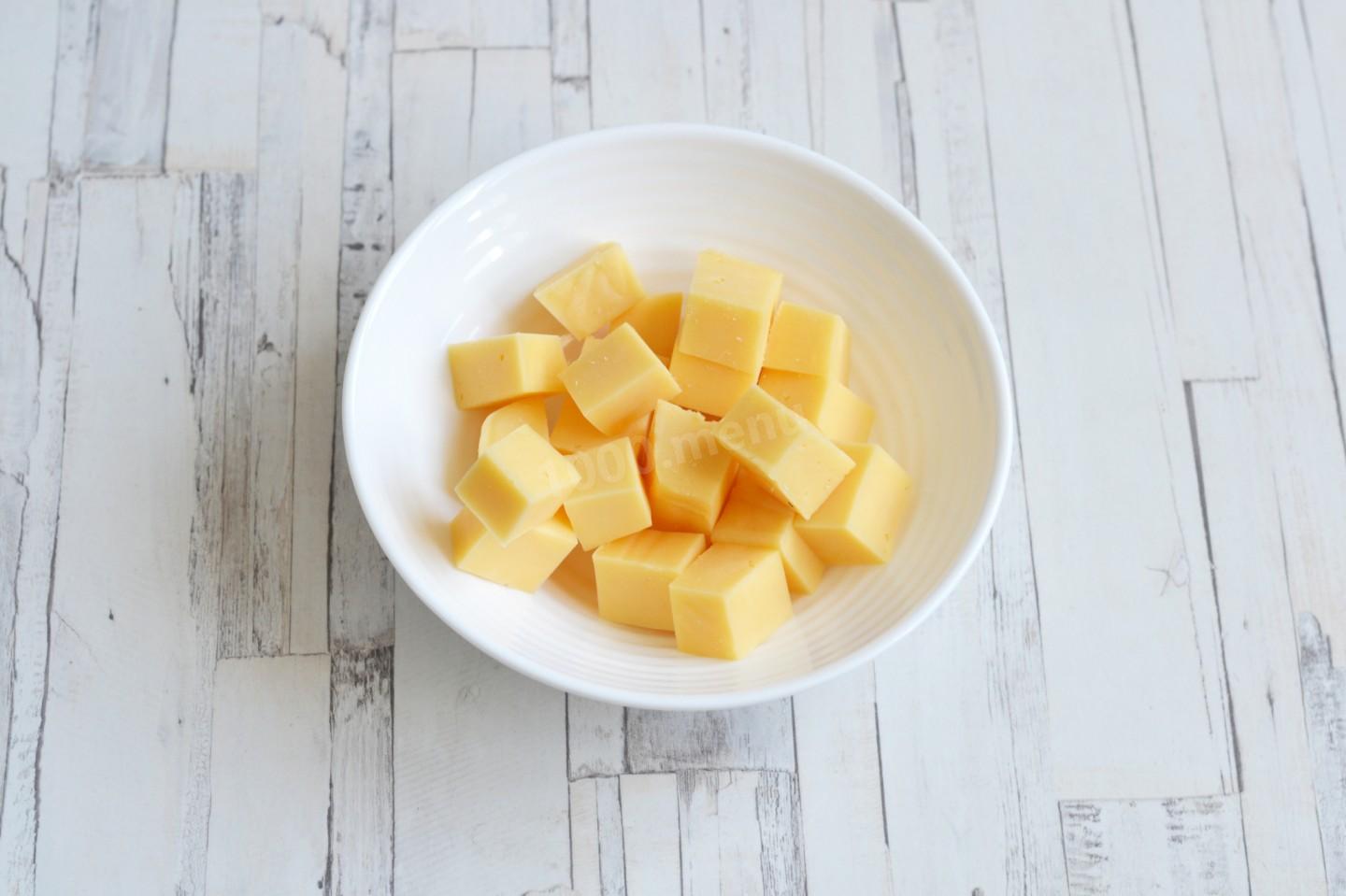
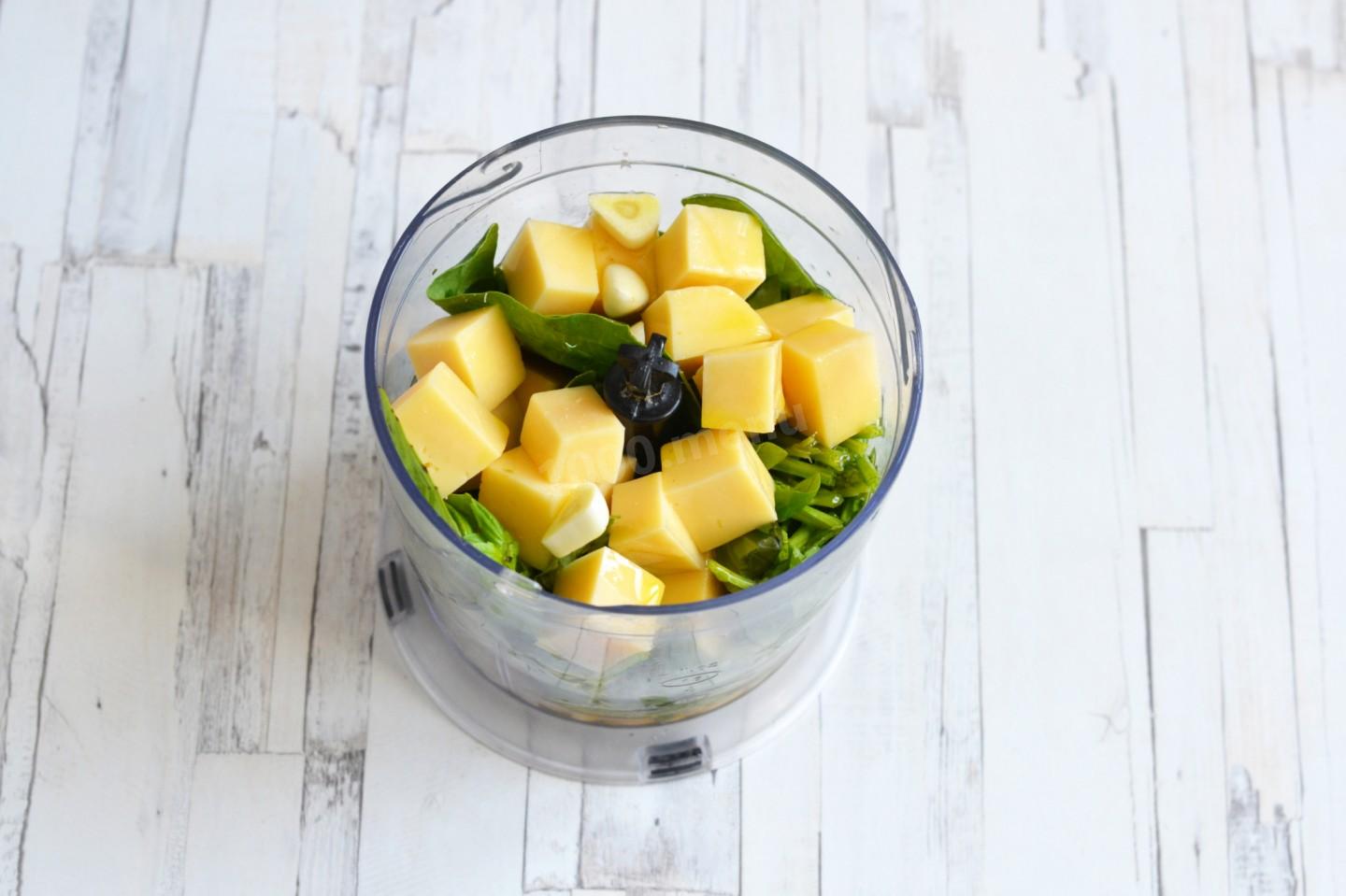
Cut the Parmesan into cubes. You can use Parmesan of any moisture level—mine is young.
-
Step 3:
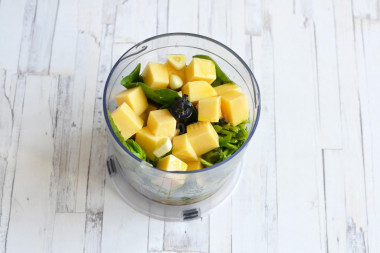
Put the pine nuts, basil leaves, cubed Parmesan, and garlic in a blender, then pour in the olive oil.
-
Step 4:
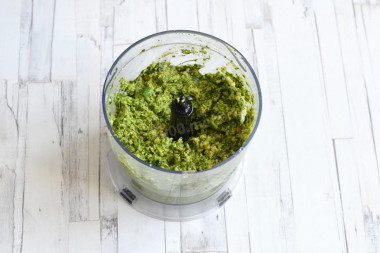
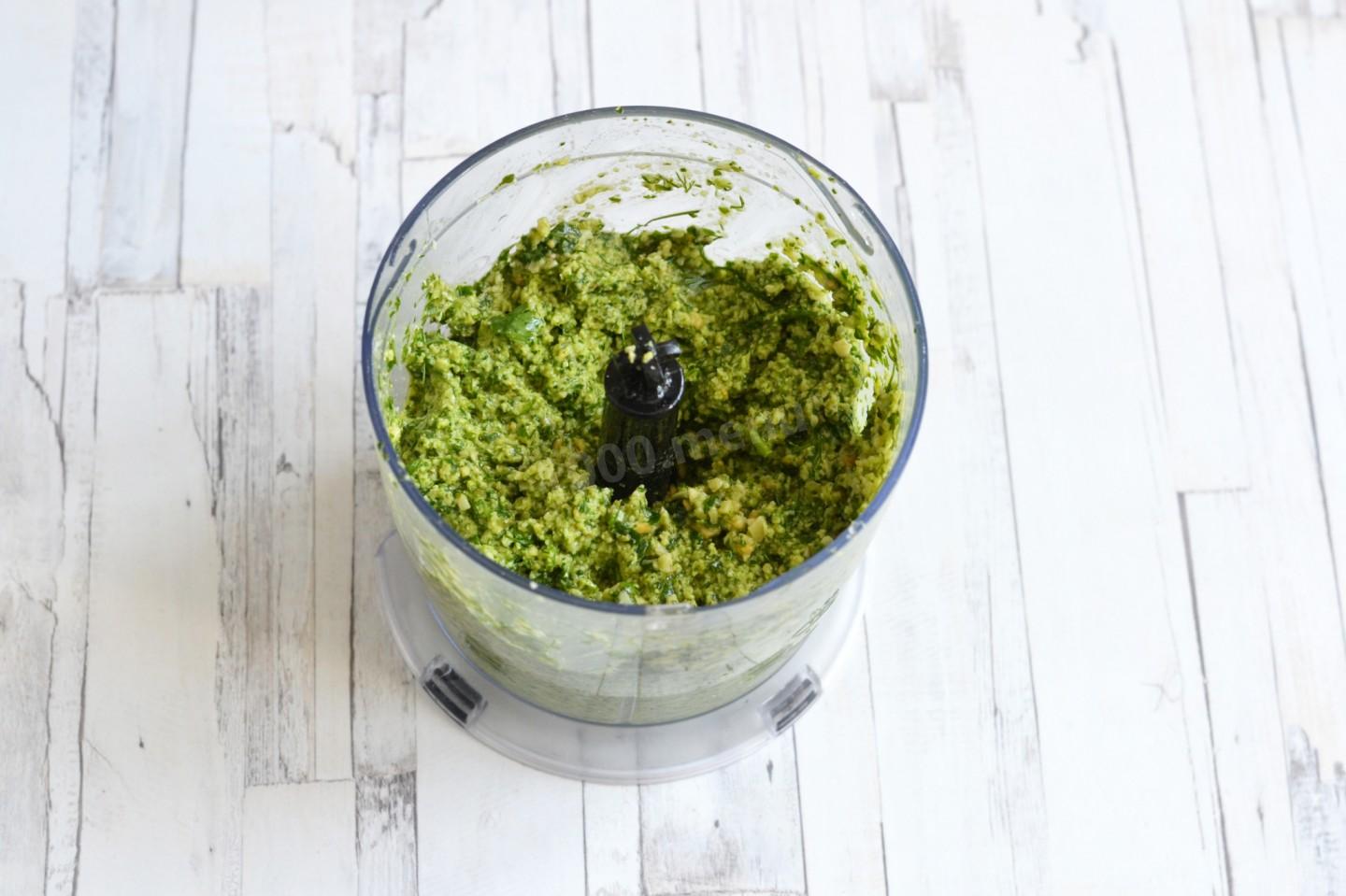
Blend everything until smooth. Adjust the consistency with olive oil—anywhere from a thick paste to a looser sauce that drips off the spoon.
-
Step 5:
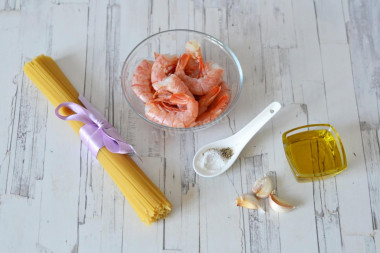
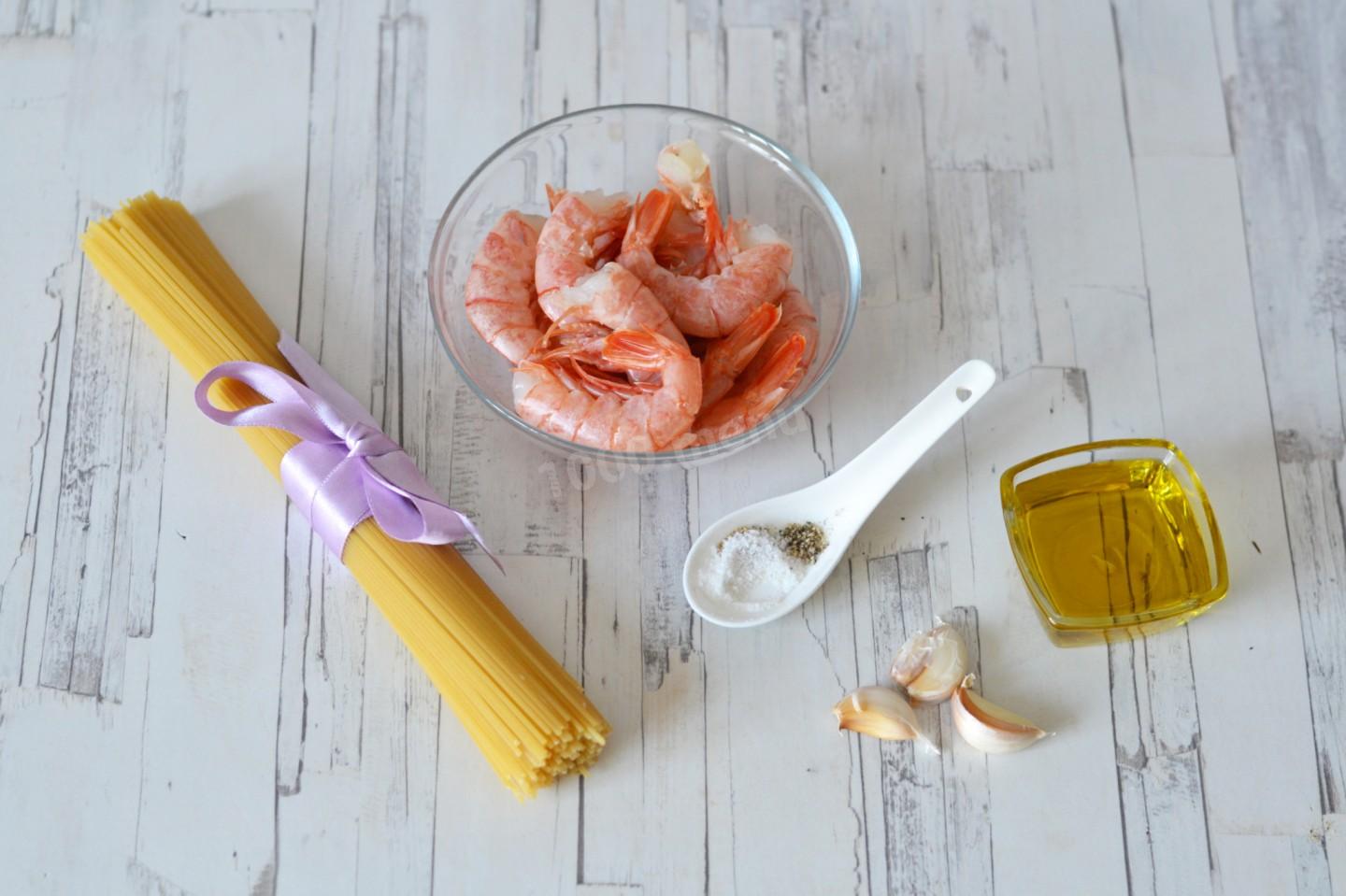
Gather the ingredients for the dish. You can use any pasta: long (spaghetti, linguine, fettuccine) or medium (farfalle, penne, fusilli, and so on).
-
Step 6:
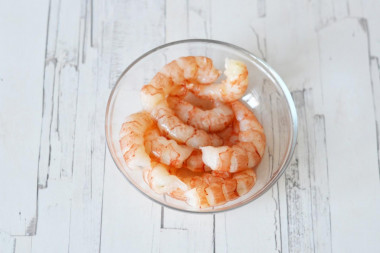
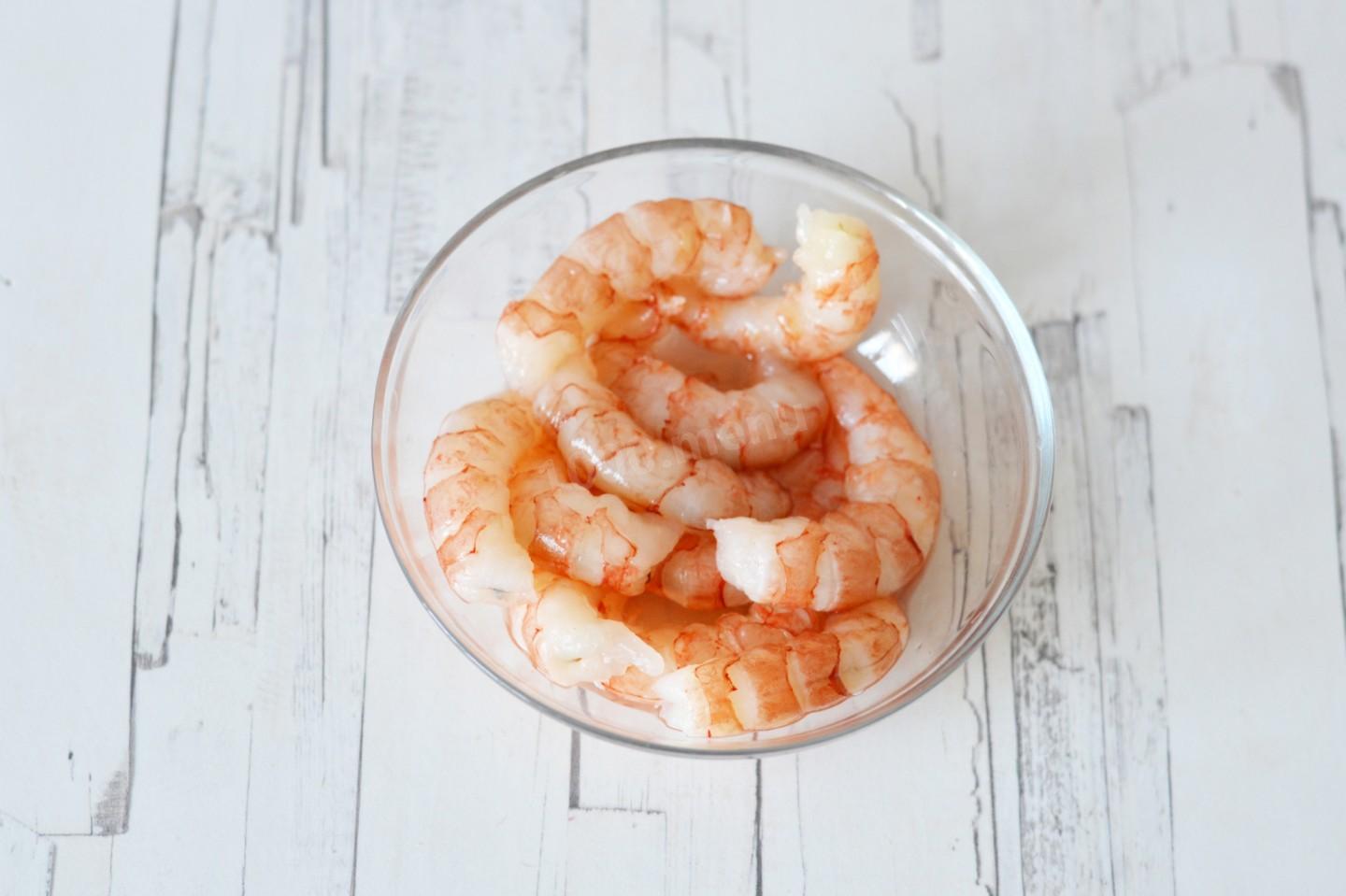
Thaw the shrimp first and remove the heads and shells. Use any shrimp you like—regular, jumbo, or even larger Argentine red shrimp, peeled or unpeeled. The shrimp should weigh at least 250 g peeled, so if you're buying unpeeled, head-on frozen shrimp, get about 1.5–2 times as much.
-
Step 7:
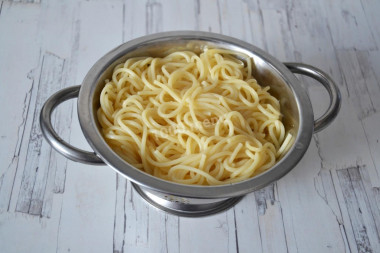
Bring a large pot of salted water to a boil, add the spaghetti, and cook until al dente. Drain the spaghetti in a colander, reserving about 50 ml of the pasta cooking water.
-
Step 8:
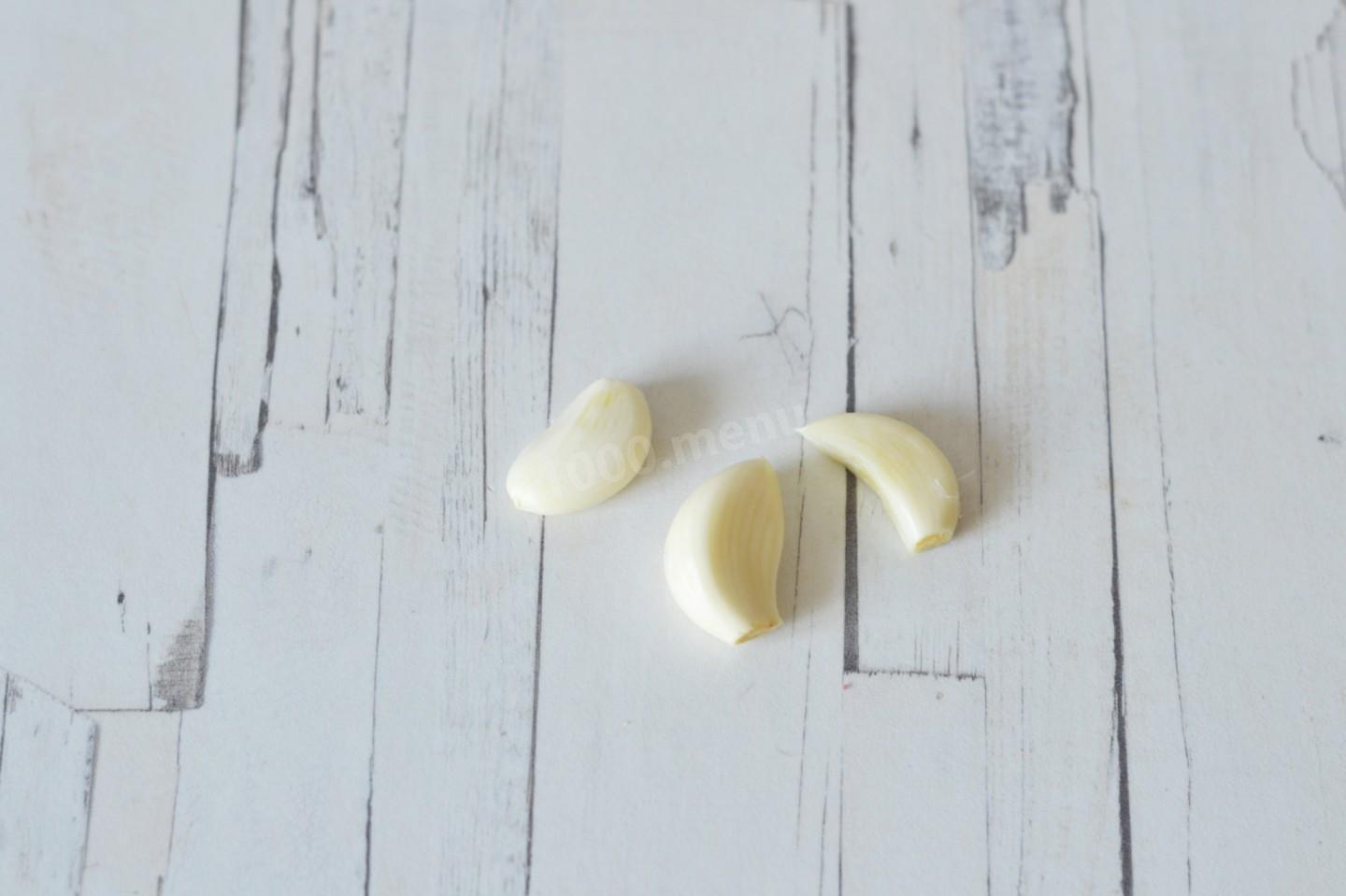
Peel the garlic cloves.
-
Step 9:
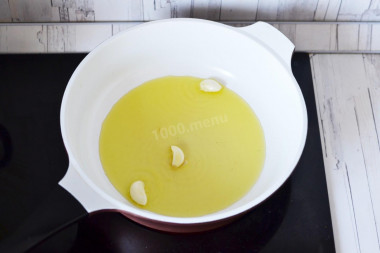
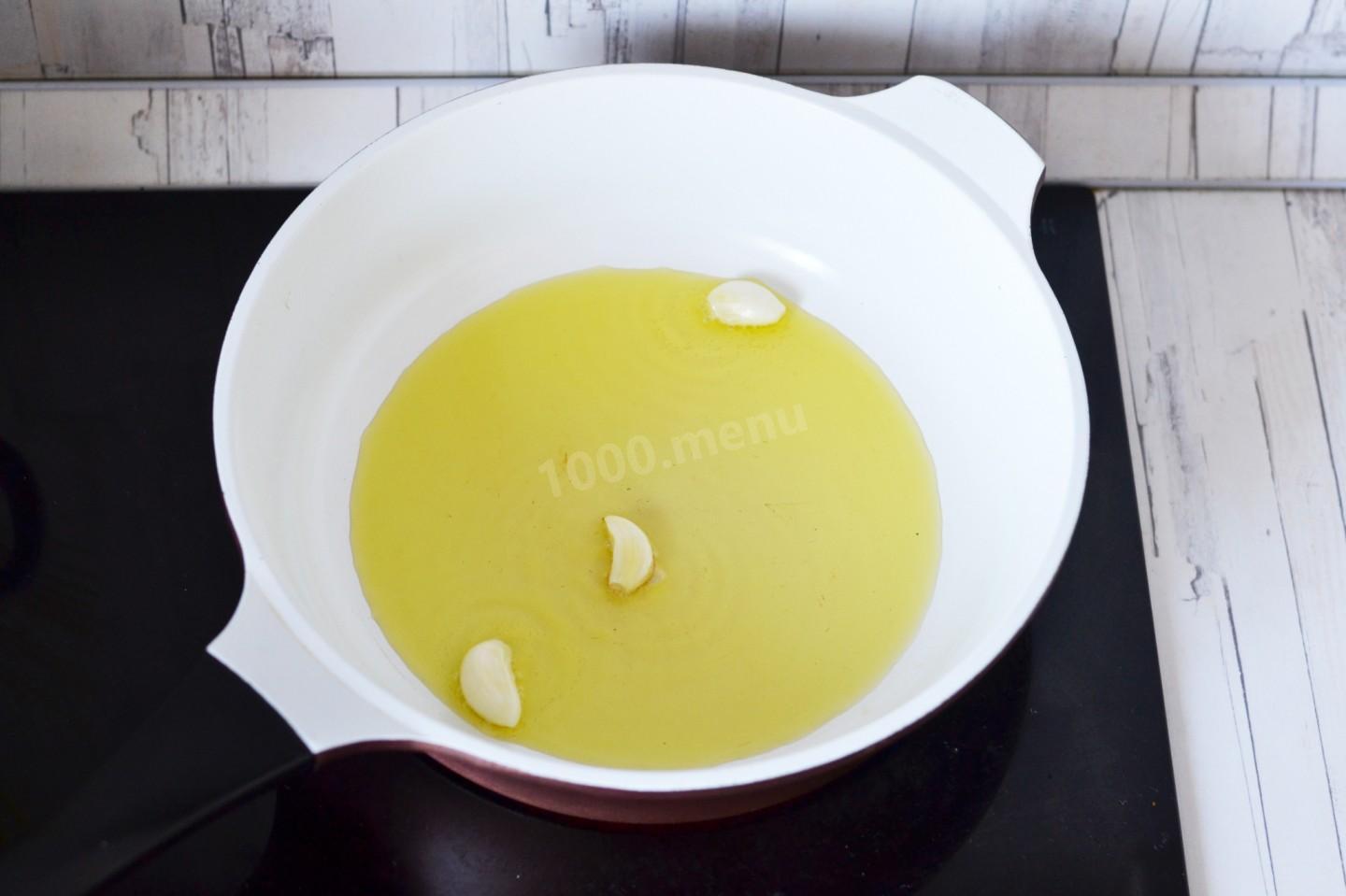
Heat the oil in a skillet, add the garlic cloves, and fry until golden. Then remove the garlic.
-
Step 10:
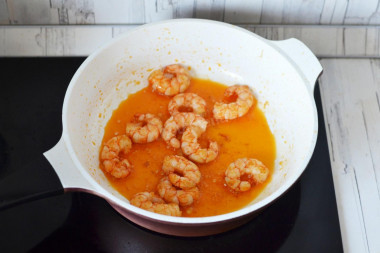
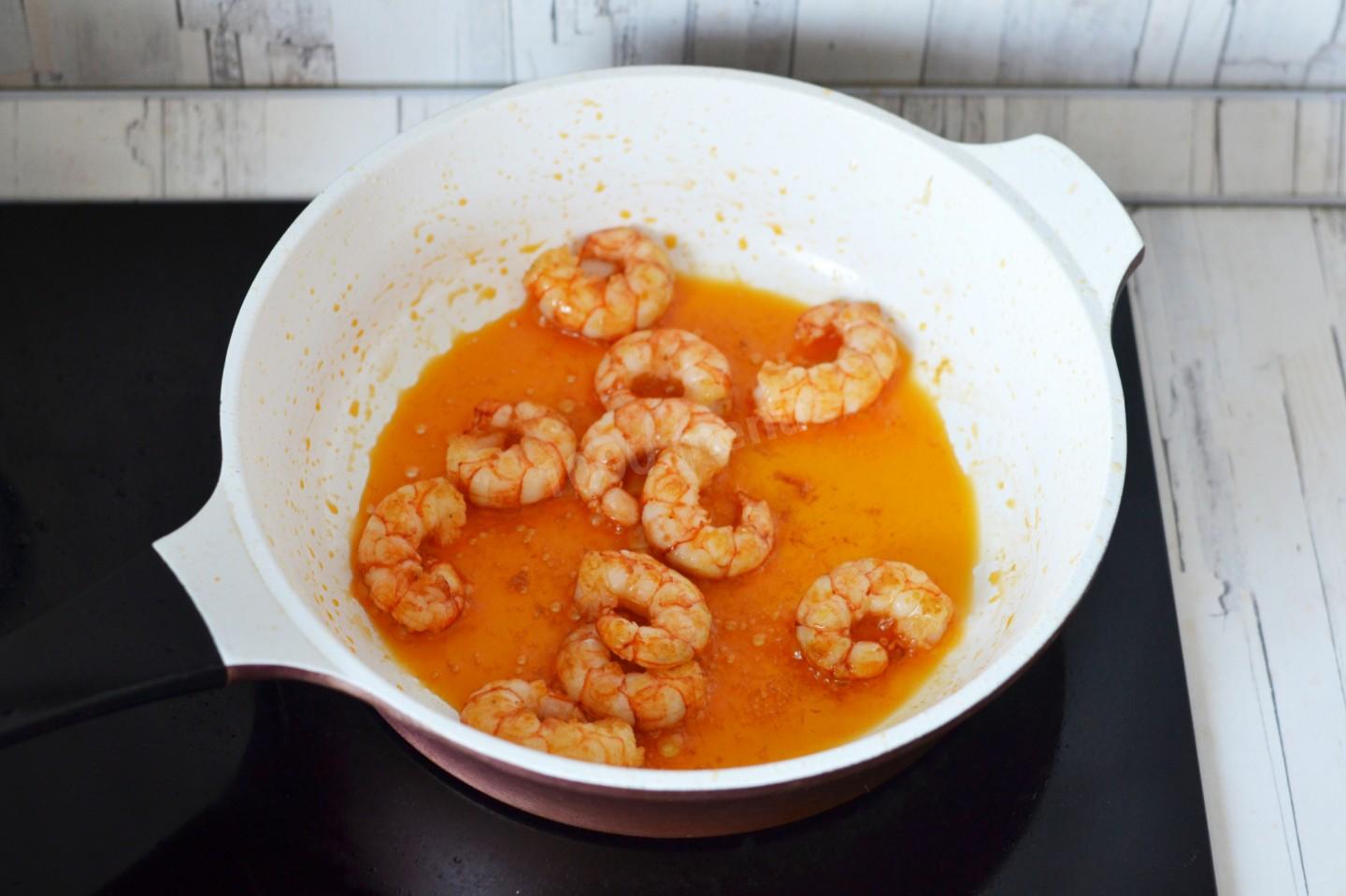
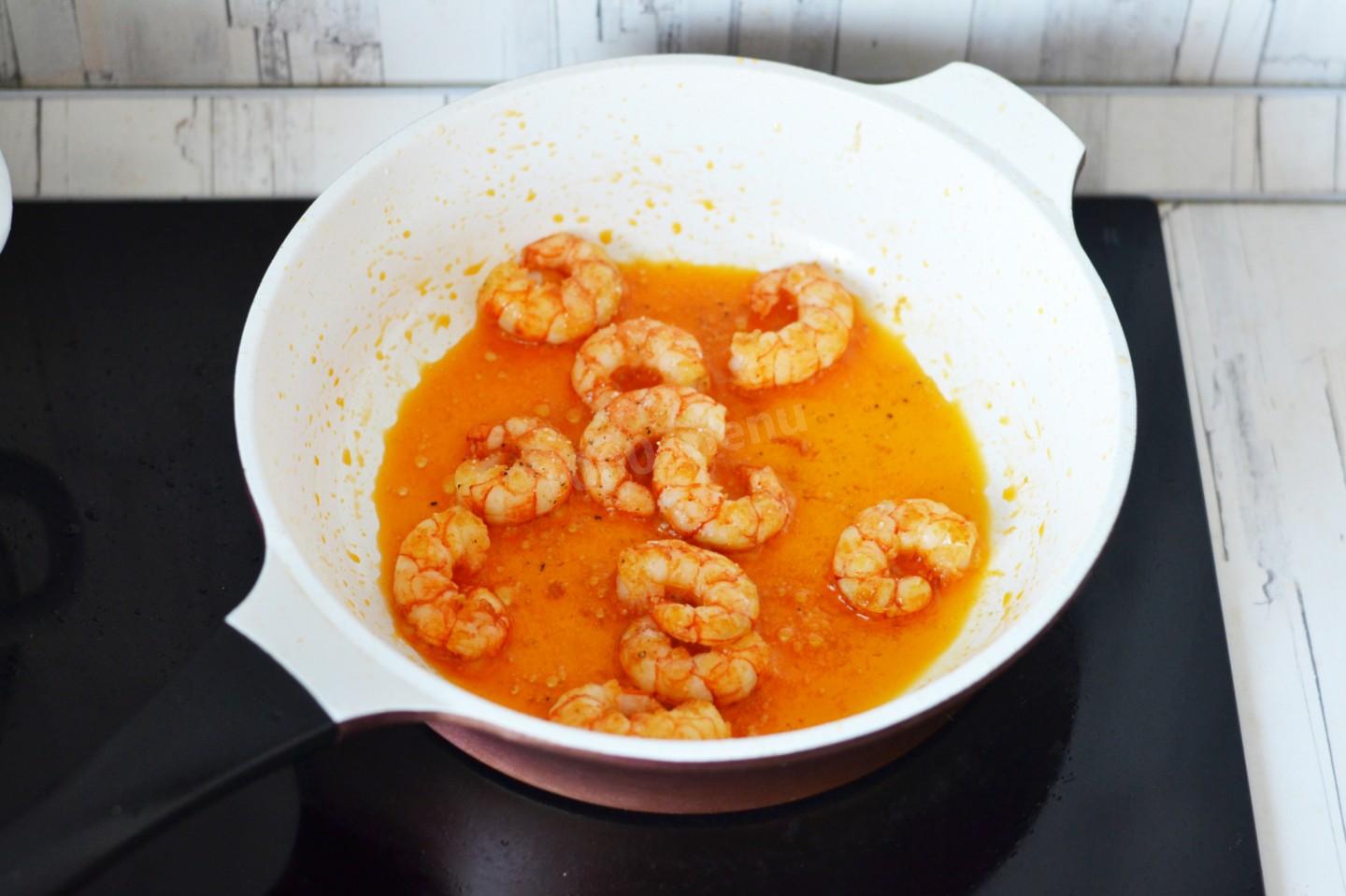
Add the peeled shrimp and sauté, stirring, for about 2 minutes.
-
Step 11:
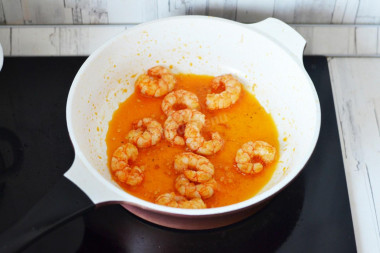
Near the end, season the shrimp with salt and pepper and pour in the reserved pasta water.
-
Step 12:
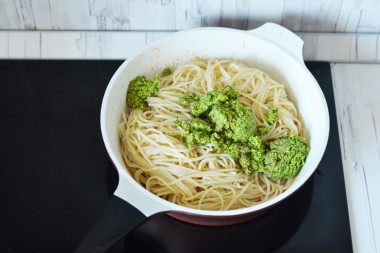
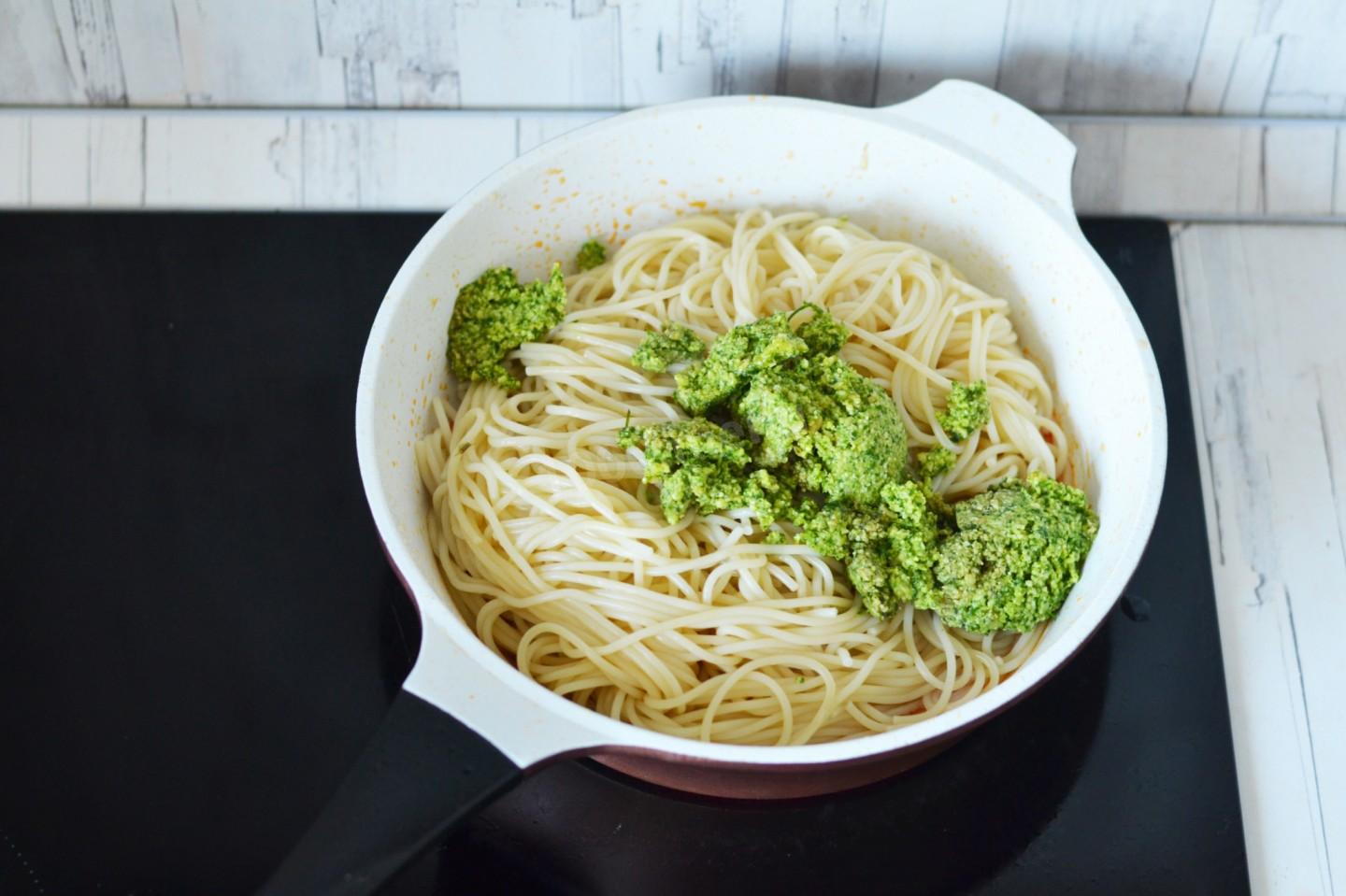
Add the cooked spaghetti and the pesto to the shrimp.
-
Step 13:
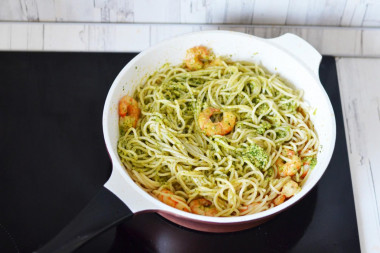
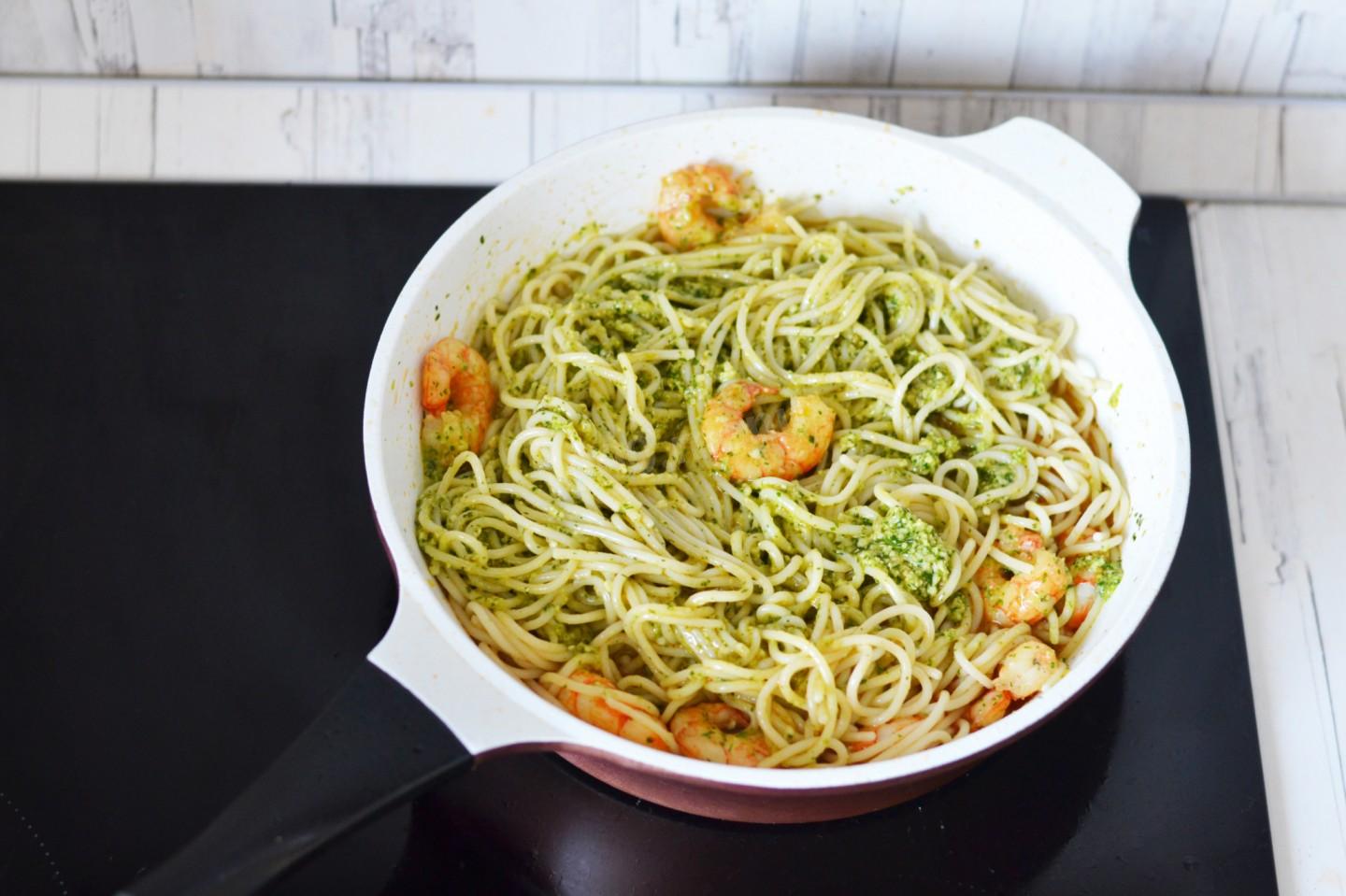
Toss everything until evenly coated—all the pasta should be slick with pesto.
-
Step 14:
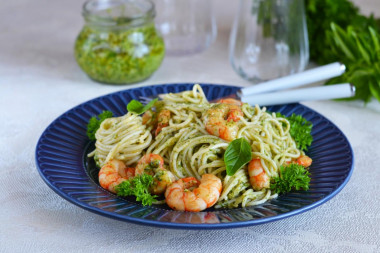
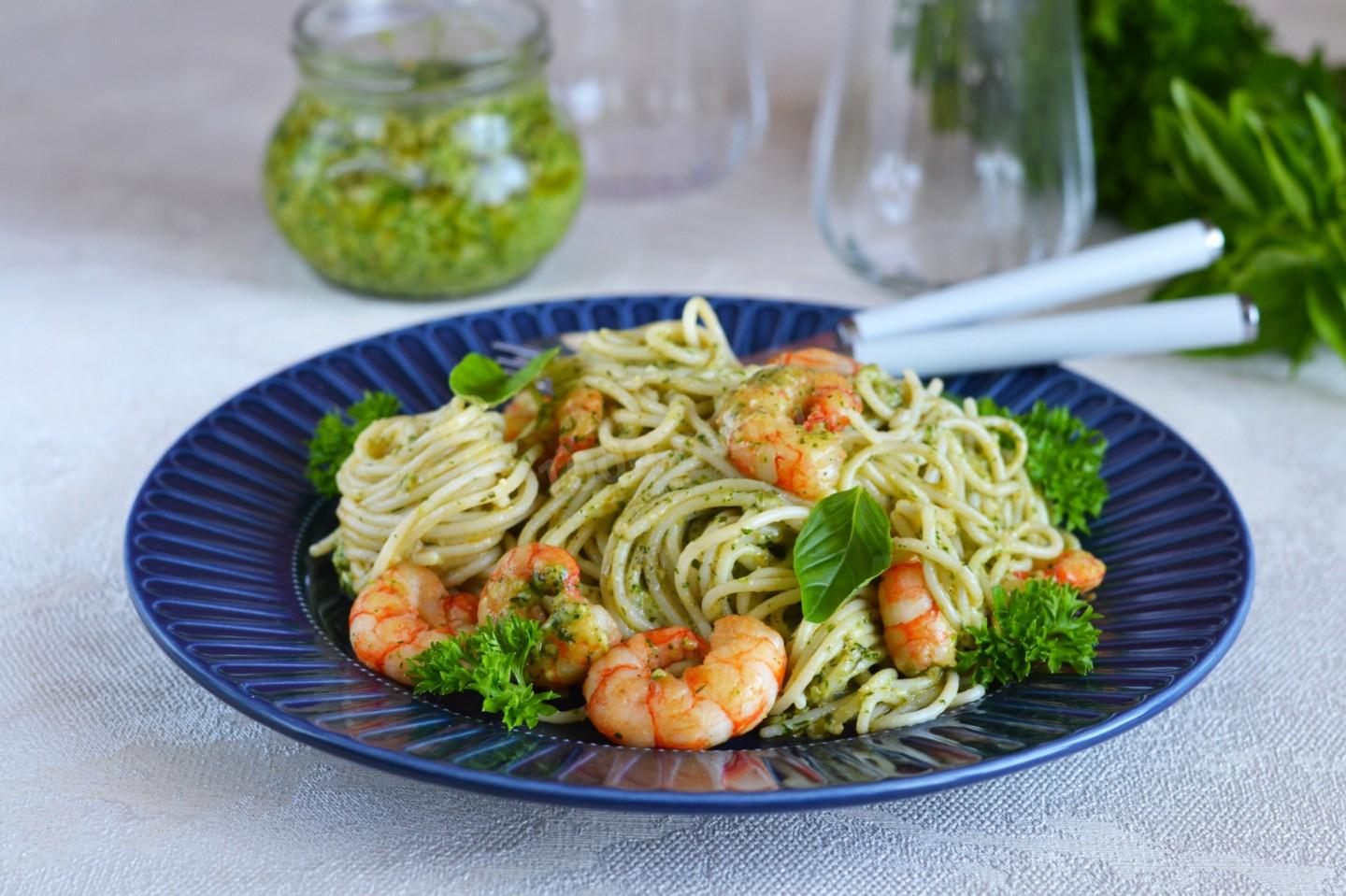
Divide the finished pasta among plates and serve, garnished with fresh herbs. Enjoy!
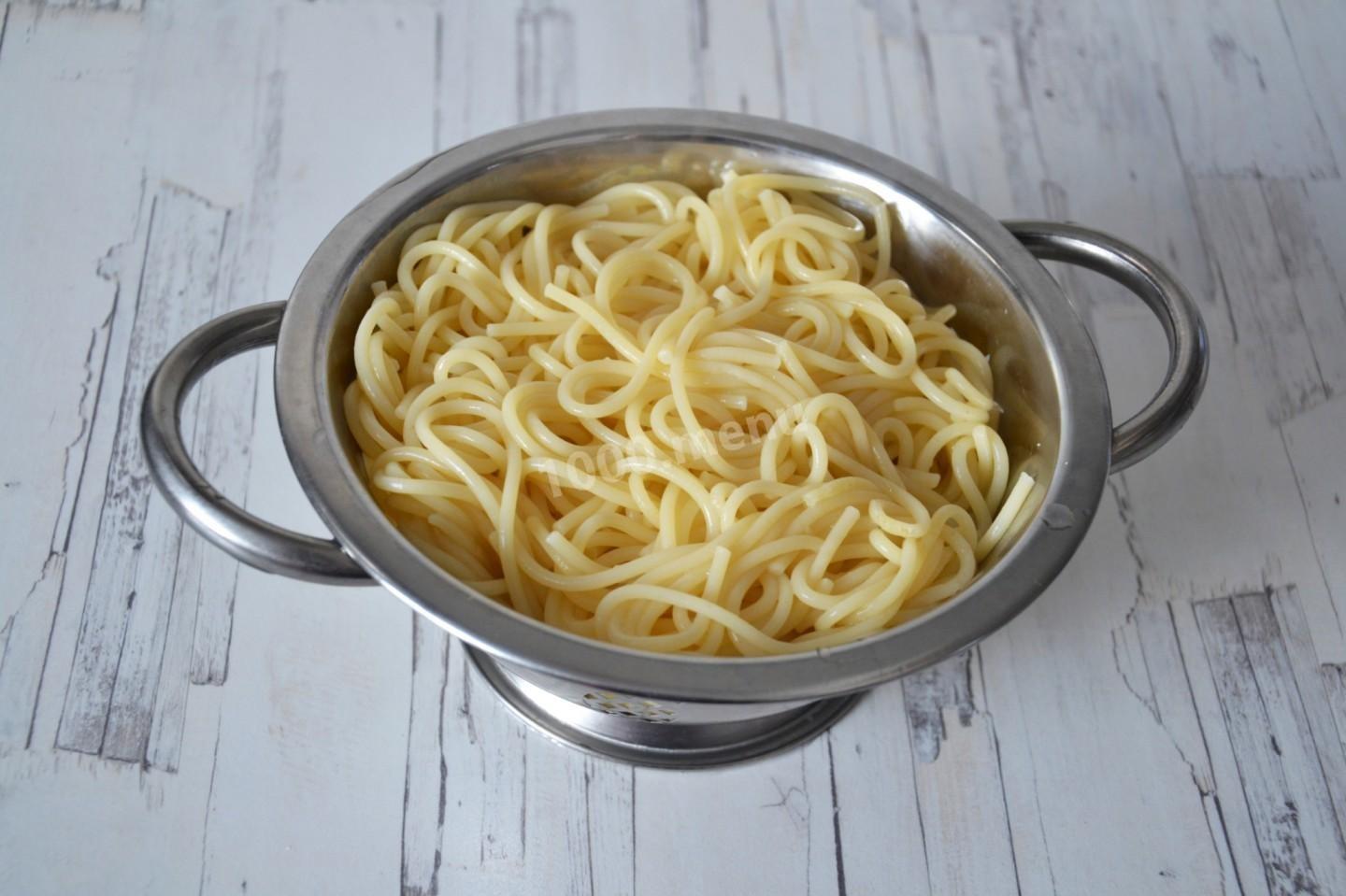
- How do you cook pasta properly? Use a roomy pot and figure about 1 liter of water for every 100 grams of pasta—the pasta should float freely. Salt to taste and bring the water to a boil. It's important to add the pasta only once the water is boiling, or it can clump. Cook over medium heat, stirring now and then, until done or al dente (the package always gives a time). Drain in a colander and let the water run off; there's no need to rinse it. If you're not tossing it with sauce right away, return the drained pasta to the pot and add a teaspoon of olive oil (or a pat of butter), stirring gently so it doesn't stick.
- You don't have to make the pesto from scratch—store-bought works fine.
- I'd suggest saving the shrimp shells; you can use them to make a fragrant bisque.
Caloric content of the products possible in the composition of the dish
- Canned shrimp - 81 kcal/100g
- Boiled shrimp - 95 kcal/100g
- Shrimps peeled frozen - 60 kcal/100g
- Fresh shrimp - 97 kcal/100g
- Garlic - 143 kcal/100g
- Fresh basil - 27 kcal/100g
- Dried basil - 251 kcal/100g
- Ground black pepper - 255 kcal/100g
- Beech nuts - 568 kcal/100g
- Pinya - 635 kcal/100g
- Cedar nuts - 620 kcal/100g
- Salt - 0 kcal/100g
- Olive oil - 913 kcal/100g
- Parmesan cheese 45% fat content - 389 kcal/100g
- Spaghetti - 338 kcal/100g
Similar recipes

- National cuisine
- Second course
- Seafood
- Cheese
- Nuts
- Pasta
- Spices seasonings spices
- Fats and oils
- Garlic
- Basil
- Pepper
- Salt
- Vegetable oil
- Mediterranean cuisine
- Cooking
- Frying
- Shrimp
- Made of solid cheese
- No eggs
- Recipes for lean dishes without butter
- Nuts with cheese
- Pine nuts
- From pasta products
- Spaghetti recipes