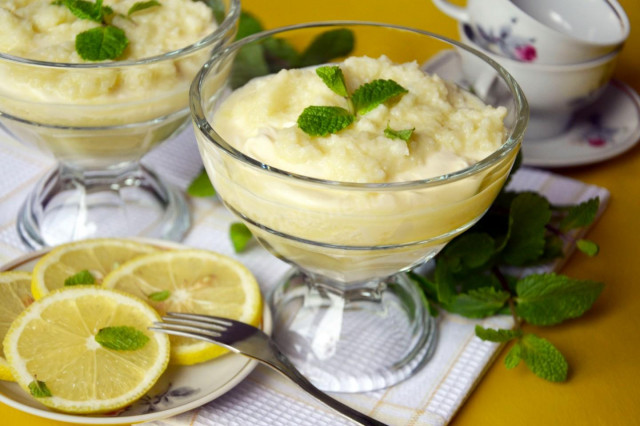
Milk Jelly with Gelatin
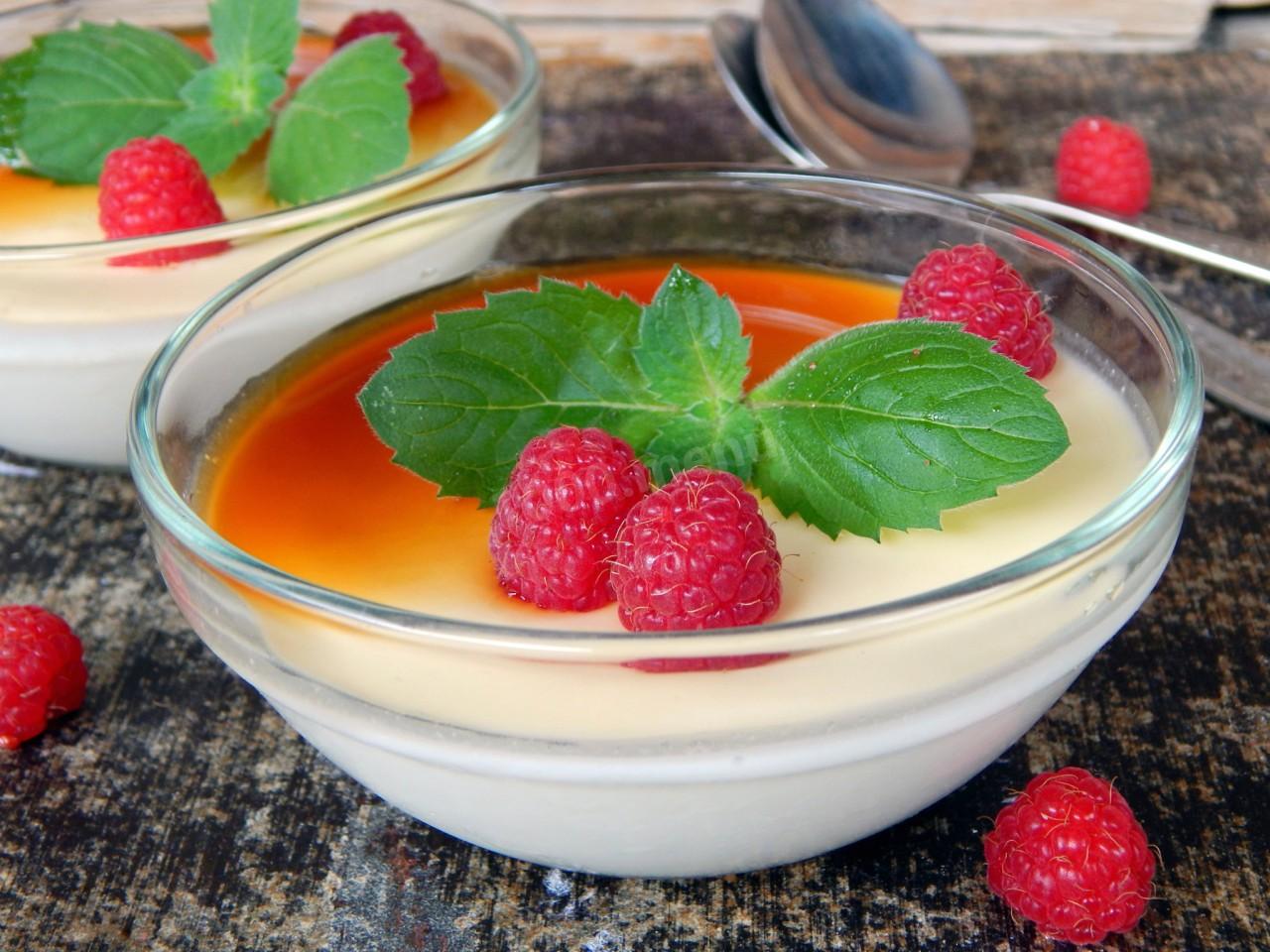
A very delicate, delicious treat for holidays and everyday alike! Milk jelly with gelatin is one of the simplest and tastiest homemade desserts. Even the youngest cook can manage it. You can vary the flavor each time with different add-ins: cocoa, coffee, chocolate, berry syrups, or fresh fruit and berries.

Cooking method
-
Step 1:
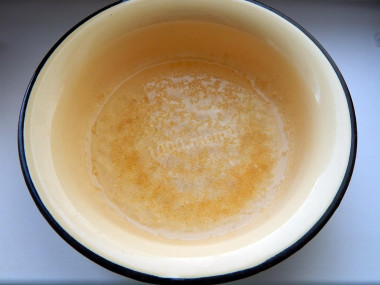
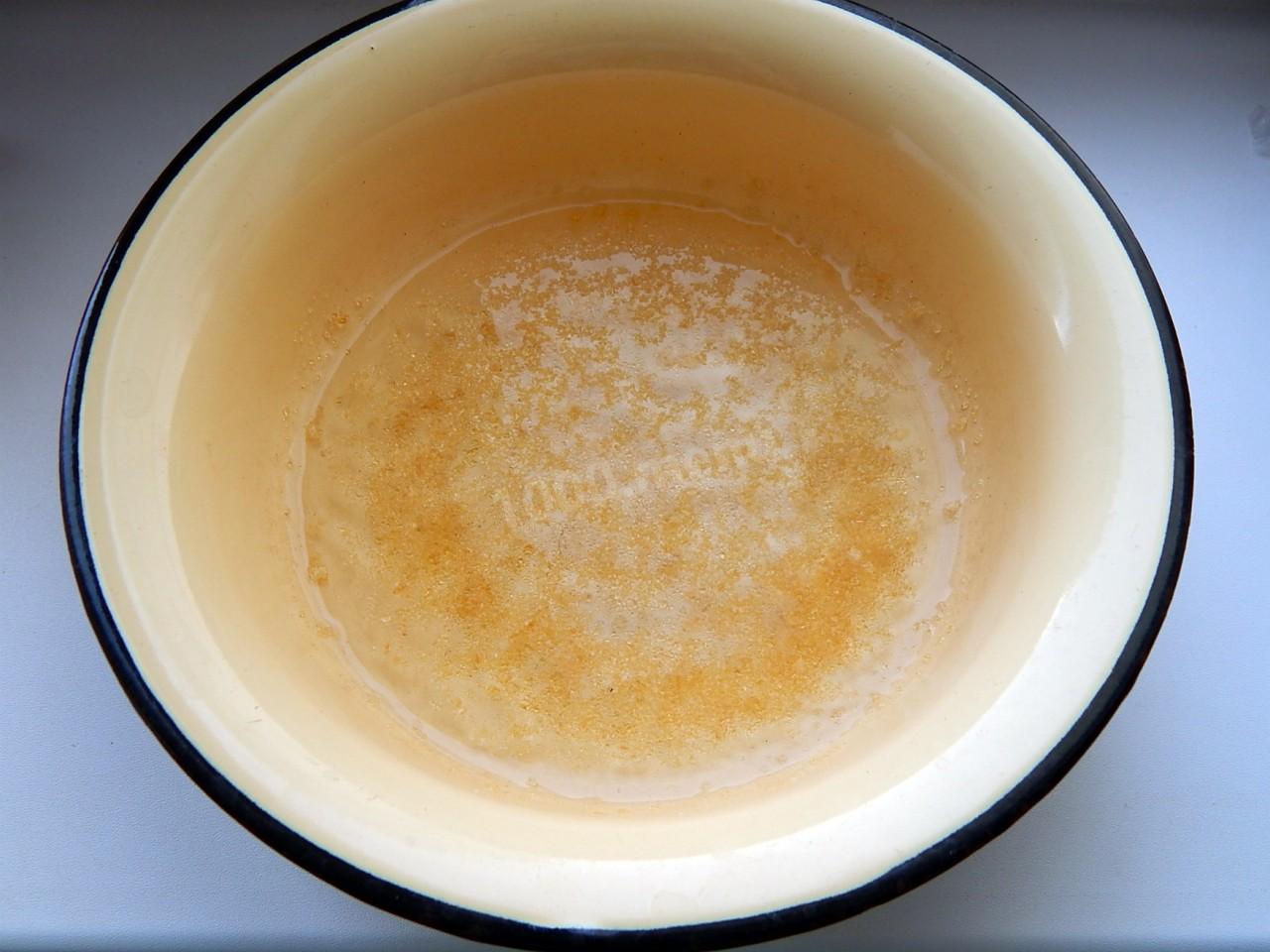
How do you make milk jelly with gelatin? Start by preparing the gelatin. Soak it in boiled water at room temperature — usually you leave it to soak for half an hour. But these days some gelatin comes with package directions specifying the amount of liquid and soaking time, which can vary, so keep that in mind, follow the instructions, and read the article on gelatin at the end of the recipe.
-
Step 2:
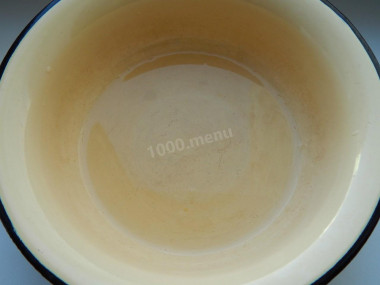
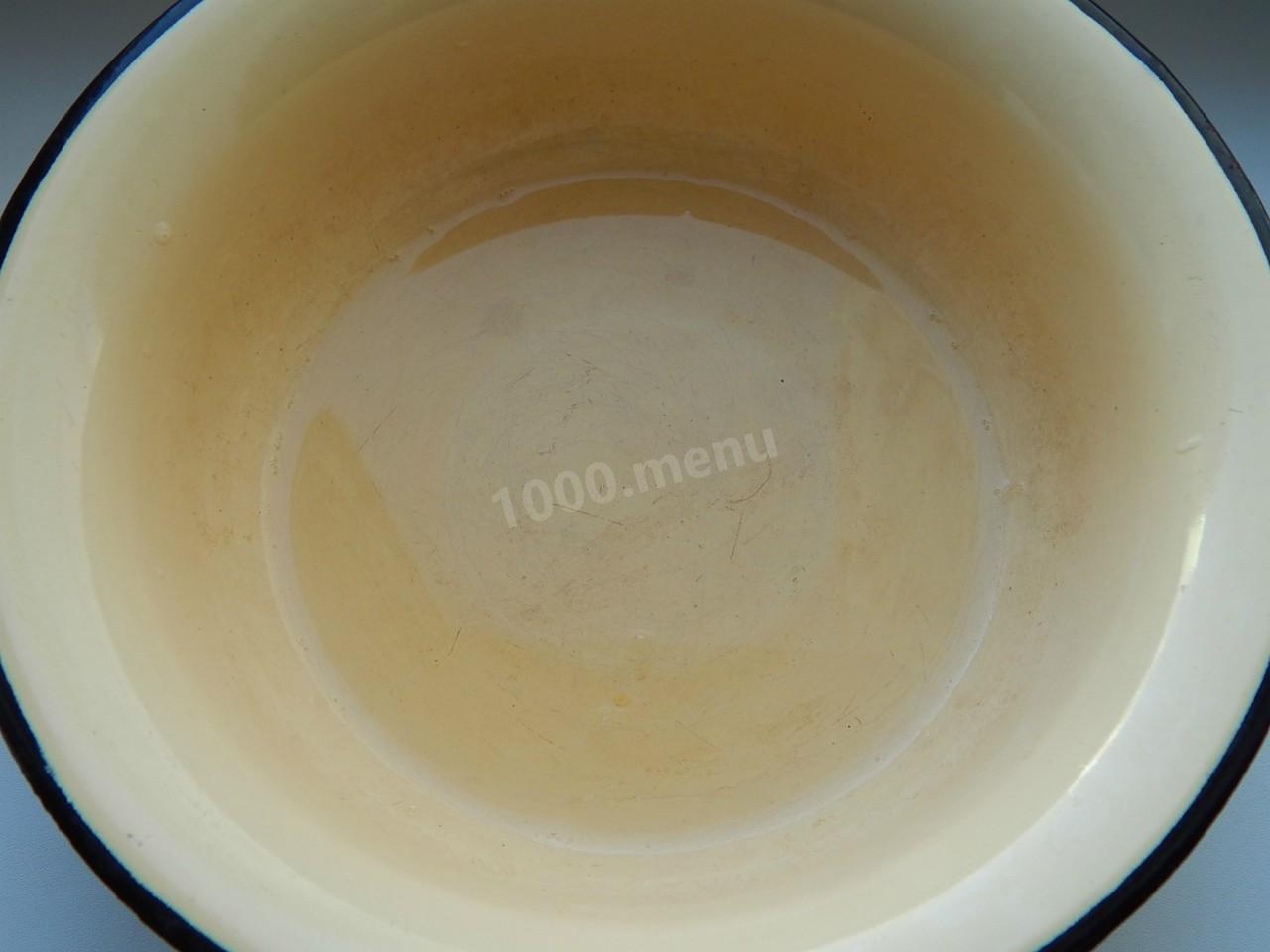
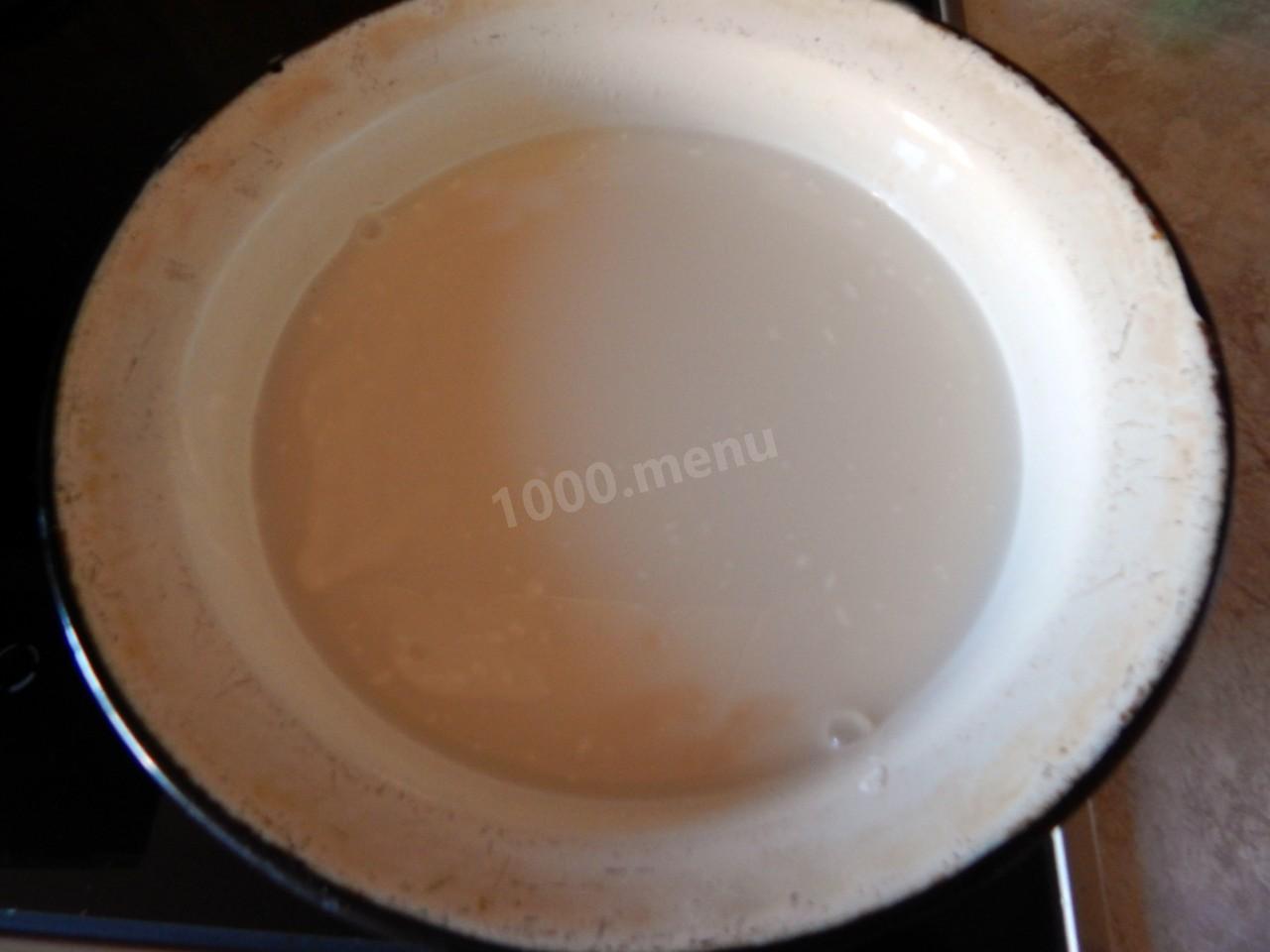
I had powdered gelatin, which, after the soaking time on the package, turned into a smooth, grain-free liquid.
-
Step 3:
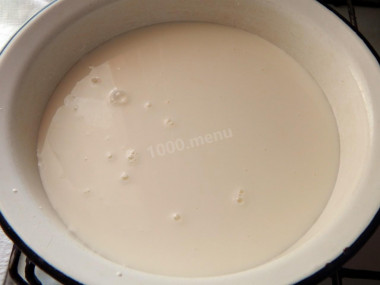
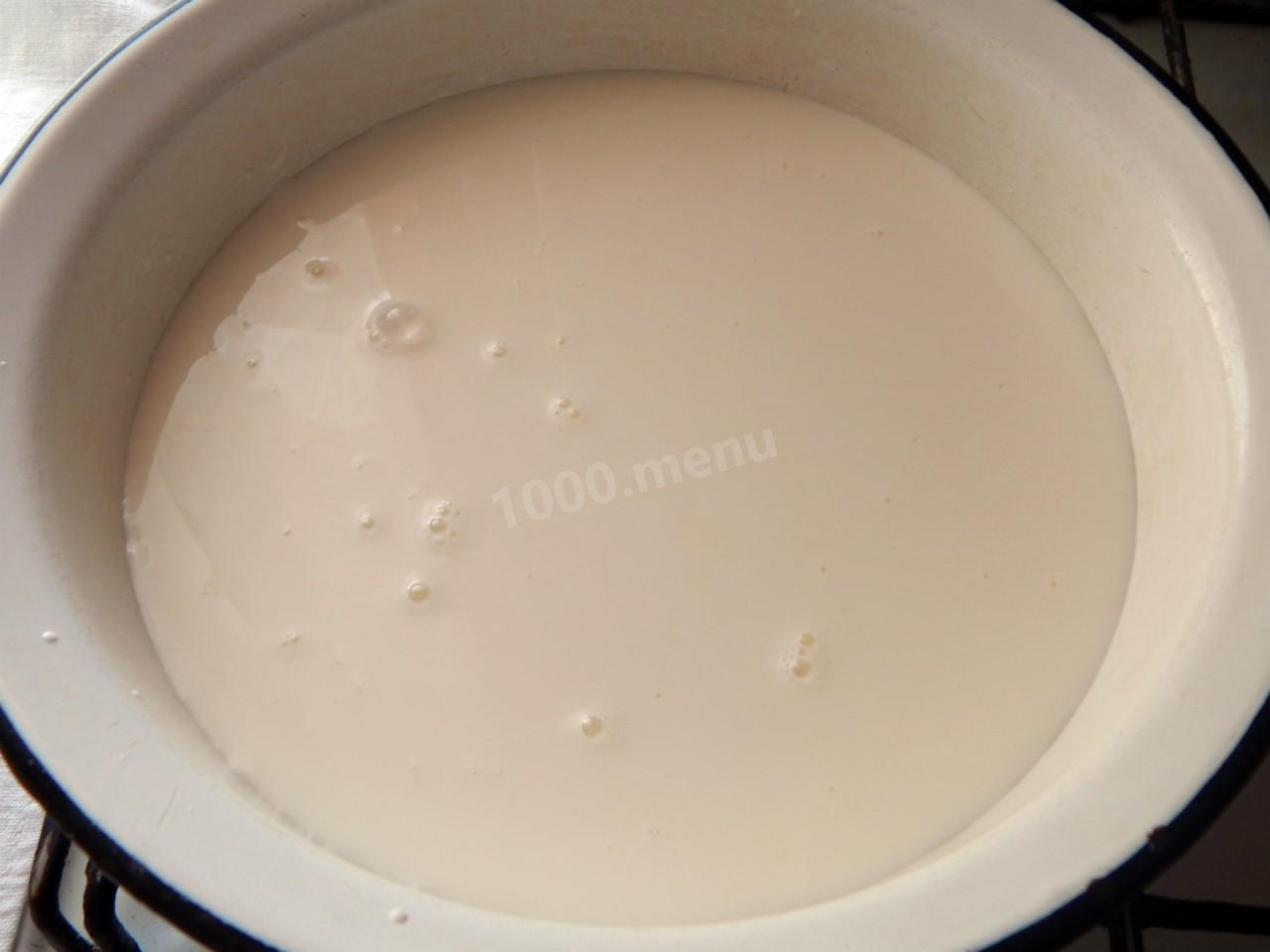
Pour the milk into a metal saucepan or a deep cup. Set it over the heat and bring it to a boil. Add the sugar — you can increase or decrease the amount to taste and depending on what you'll serve the jelly with: sweet syrup, berries, chocolate, or nothing at all. Stir the milk until the sugar fully dissolves, let it come to a boil once more, and remove it from the heat.
-
Step 4:
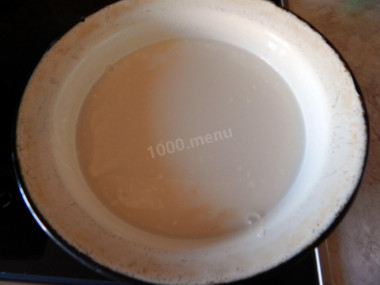
Pour the dissolved gelatin into the milk mixture — pour it in a thin stream with one hand while stirring with the other, so the gelatin blends well into the hot milk. Add the vanillin and stir again.
-
Step 5:
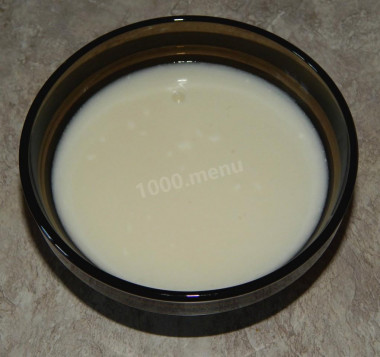
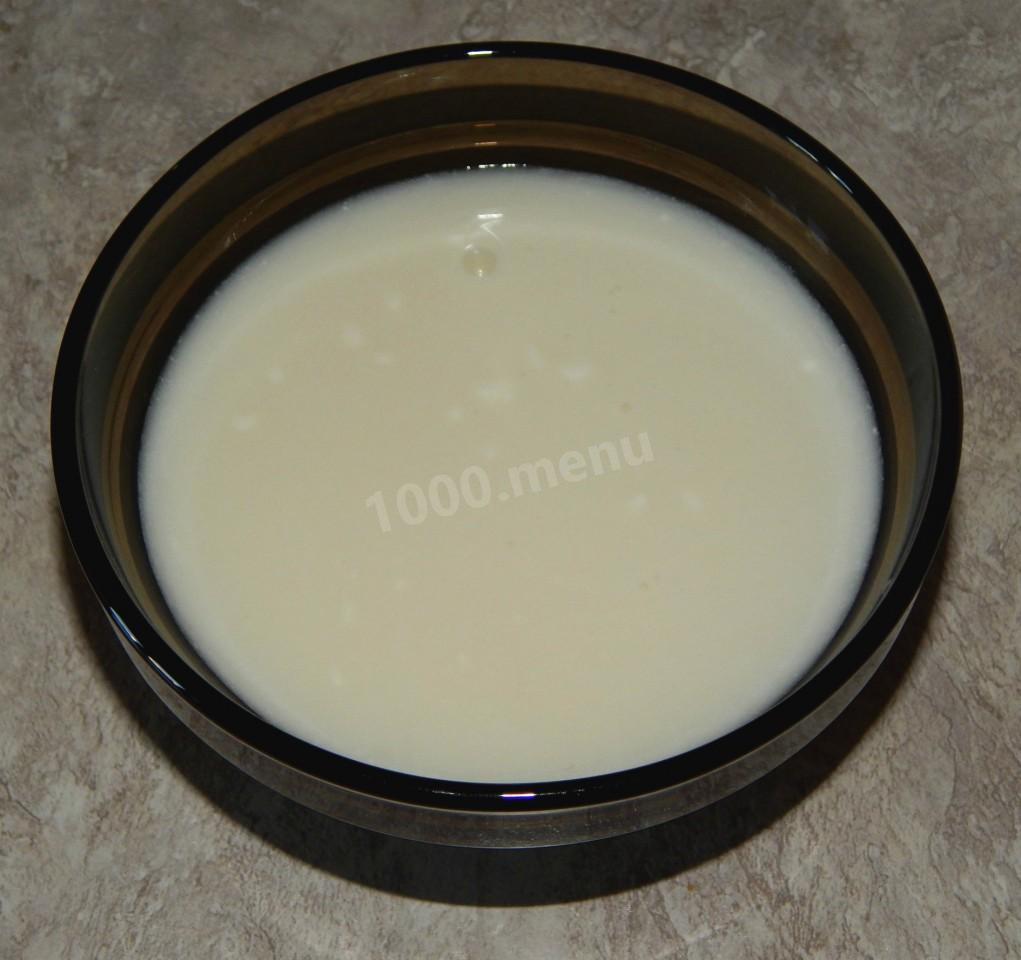
Pour the jelly mixture into molds or directly into the bowls you'll serve it in. Let it cool to room temperature on the counter first, then move it to the refrigerator. Twenty minutes in the fridge is enough for the jelly to set.
-
Step 6:
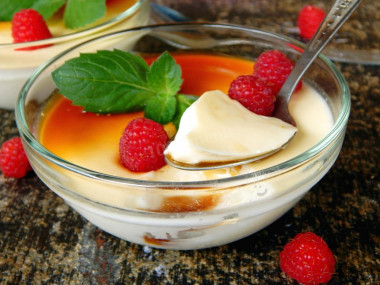
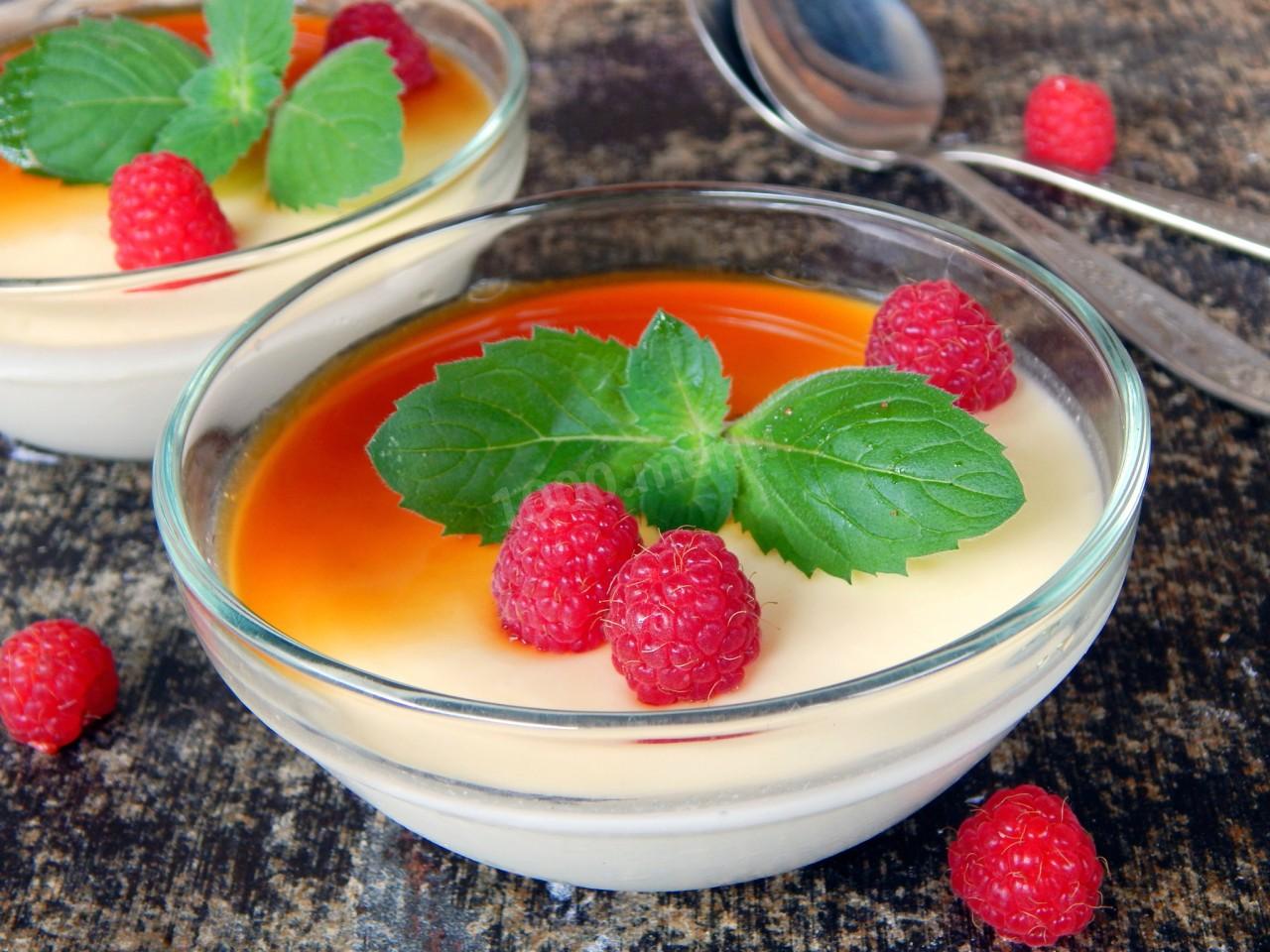
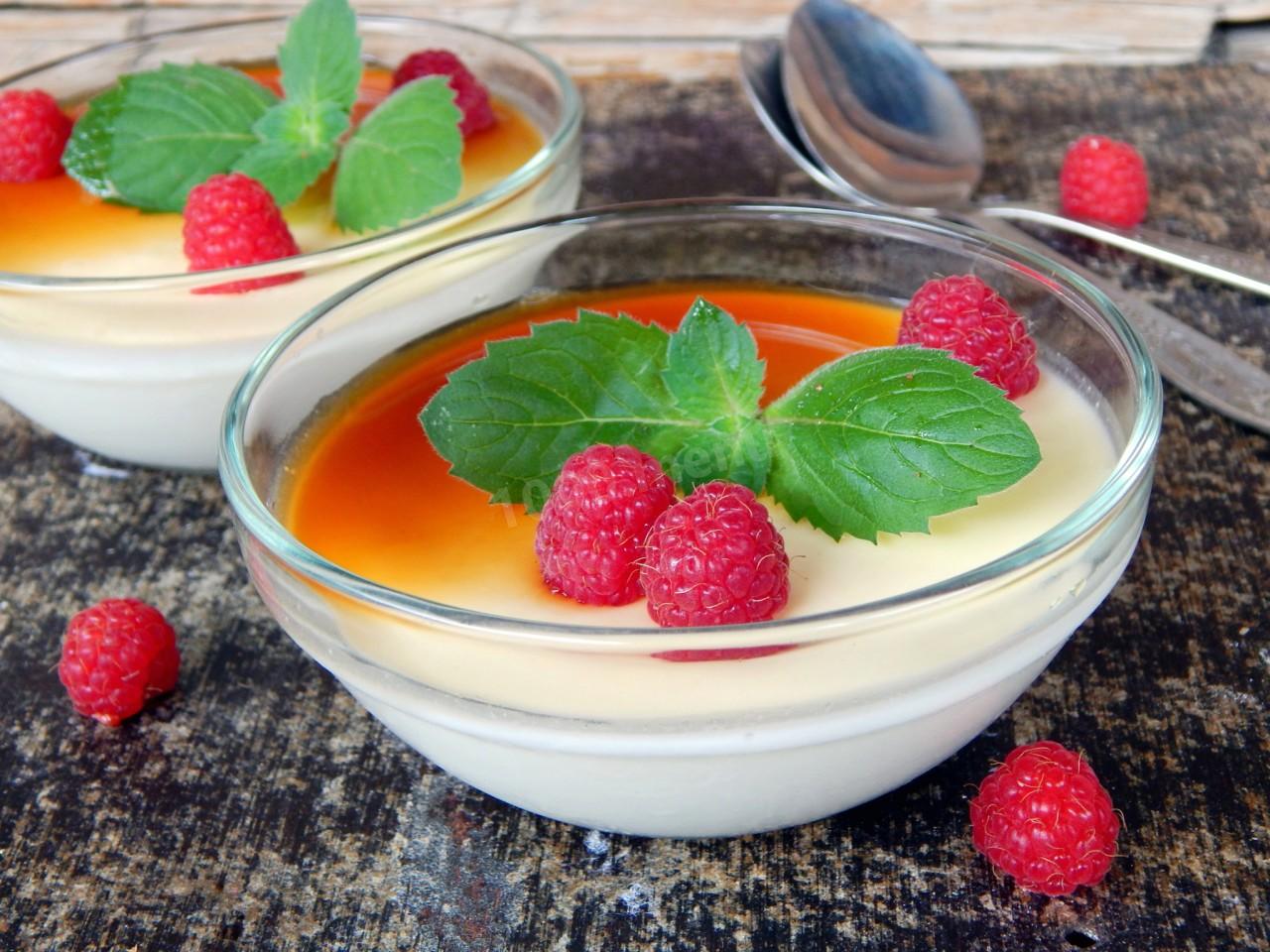
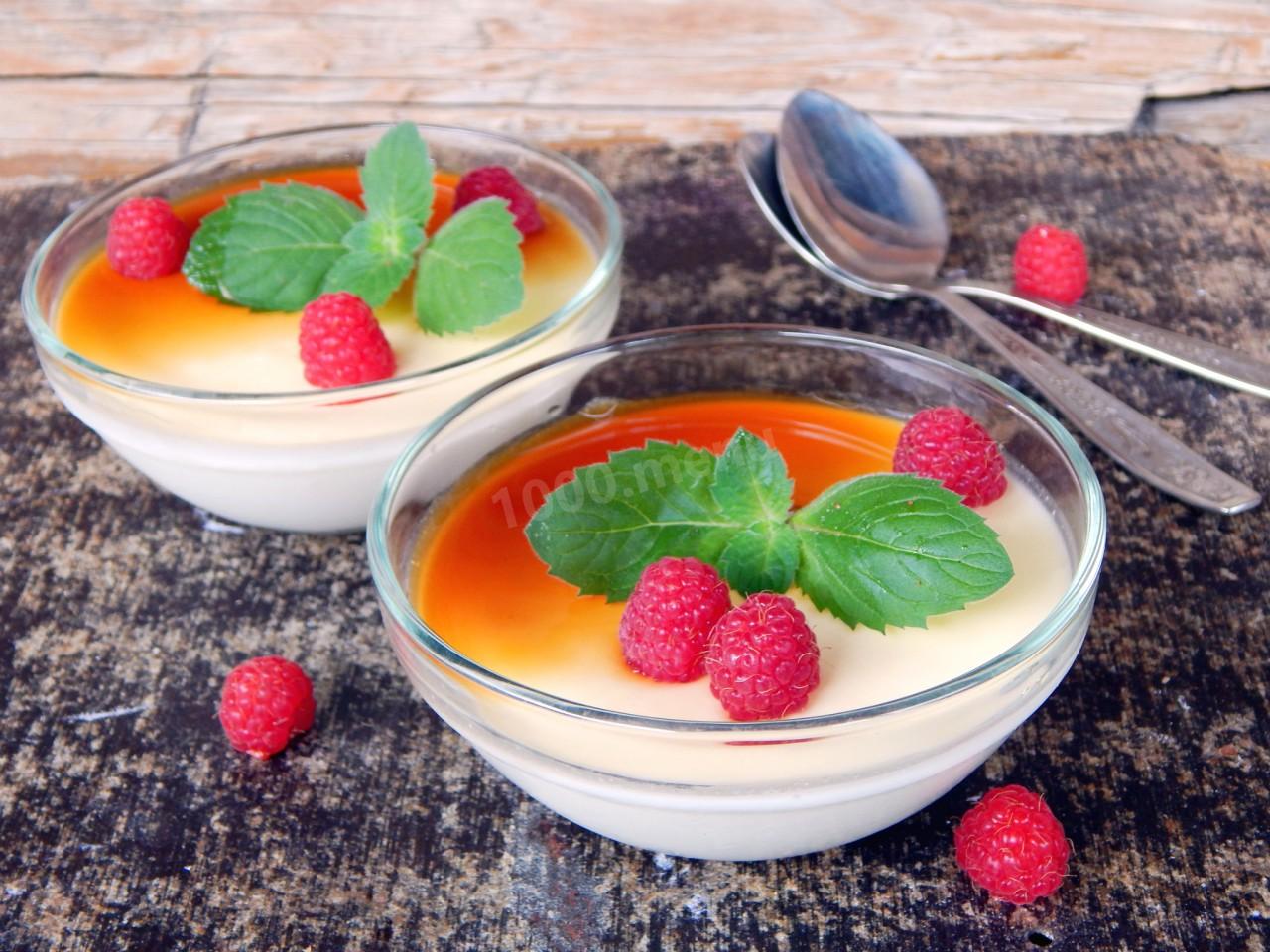
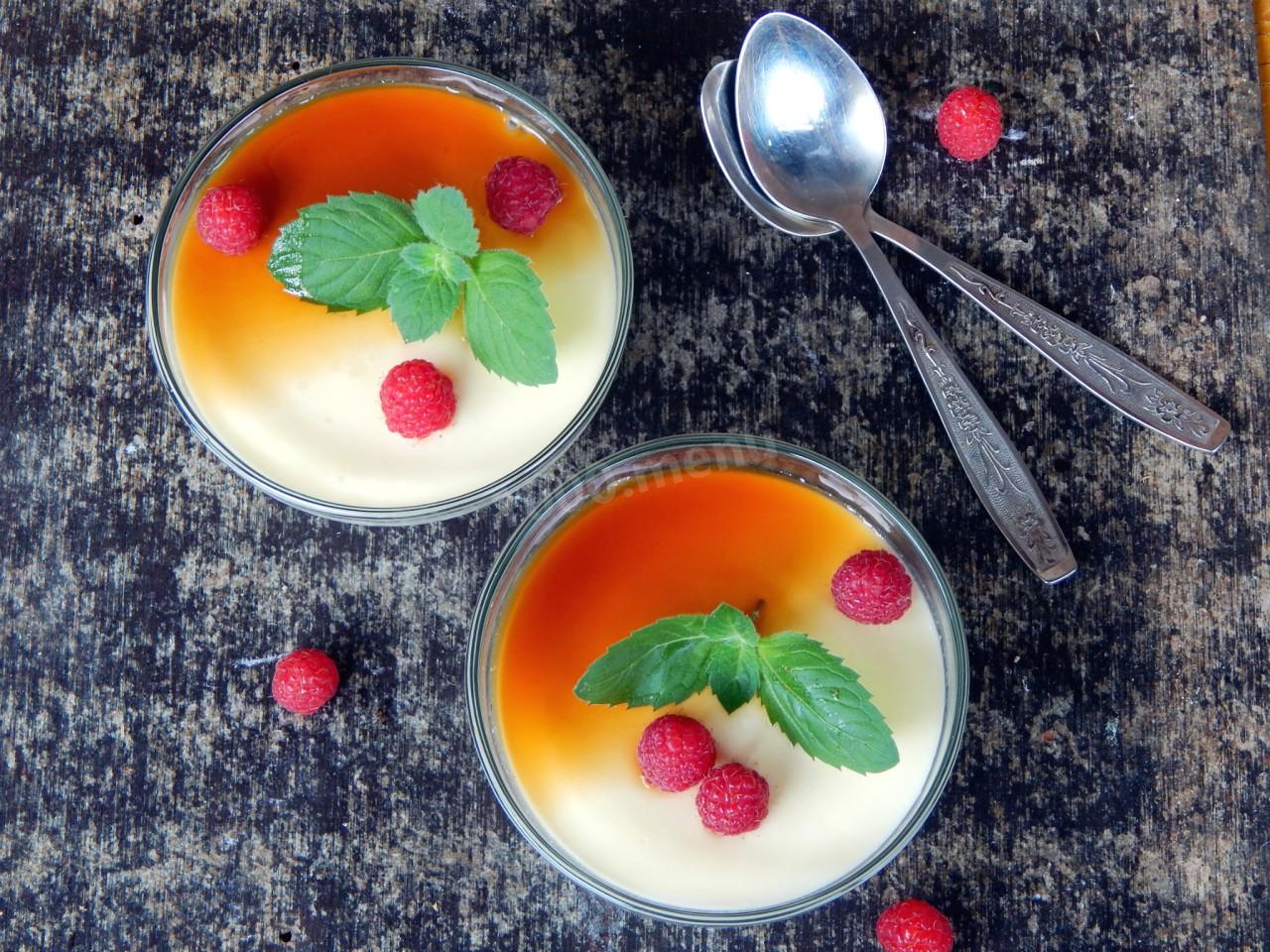
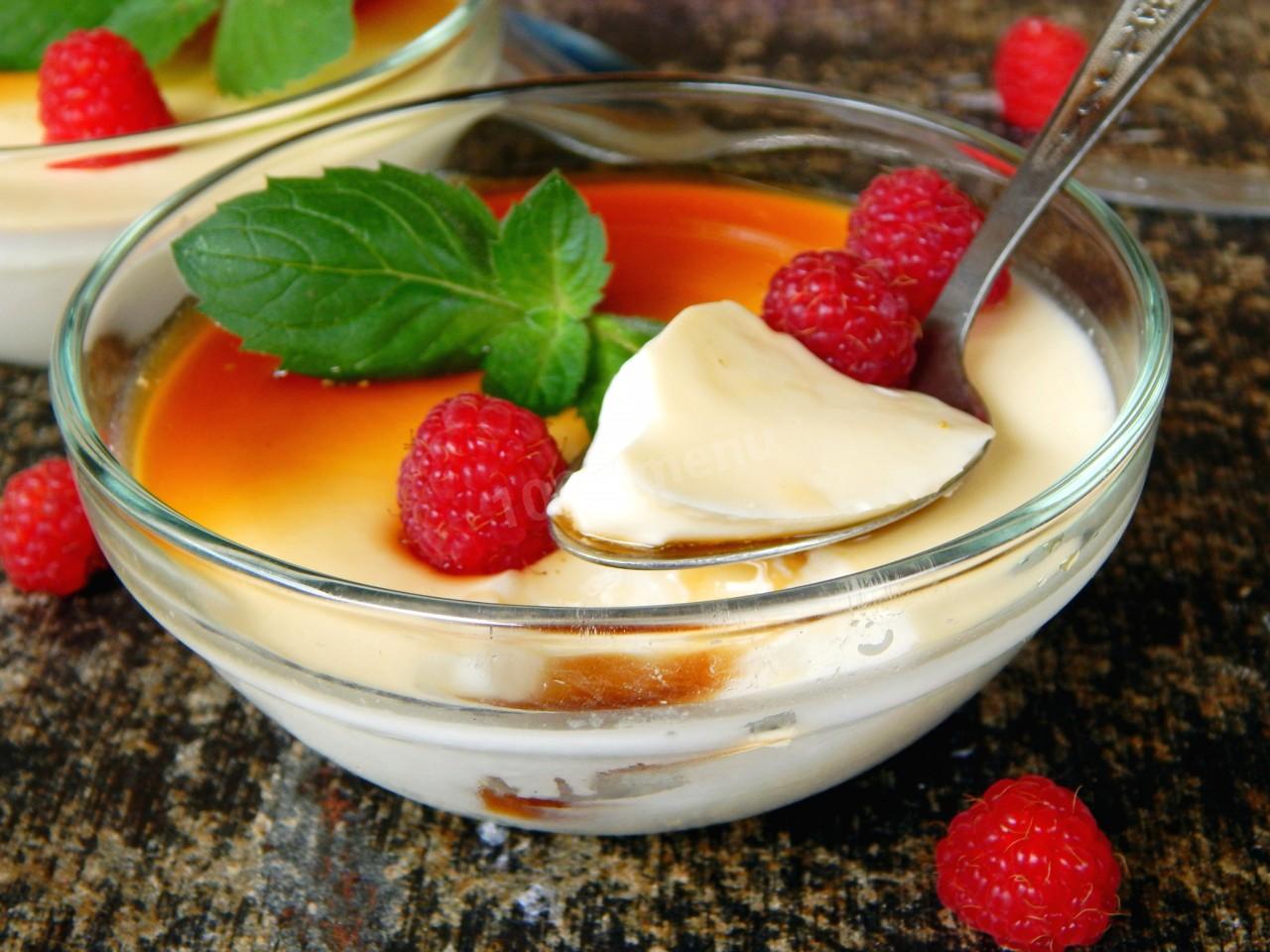
Coffee syrup, which is easy to make from instant coffee, is a perfect match for milk jelly. Make coffee (without milk) with or without sugar, to taste. Let it cool to room temperature and drizzle it over the jelly before serving. You can garnish the jelly with mint sprigs and fresh raspberries. Enjoy!
- For why gelatin sometimes won't set, how to avoid unpleasant gelatin lumps in your dish, and all the tips and tricks of working with it, see our article on gelatin.
- For the difference between vanilla, vanillin, vanilla extract, and vanilla sugar — and how to use and substitute them correctly so as not to spoil a dish's flavor — see this article.
- Since everyone's tolerance for saltiness, sweetness, bitterness, sharpness, acidity, and heat is different, always add spices and seasonings to your own taste! If you're using a particular seasoning for the first time, keep in mind that some are especially easy to overdo (chili pepper, for example).
Caloric content of the products possible in the composition of the dish
- Whole cow's milk - 68 kcal/100g
- Milk 3.5% fat - 64 kcal/100g
- Milk 3.2% fat - 60 kcal/100g
- Milk 1.5% fat - 47 kcal/100g
- Concentrated milk 7.5% fat - 140 kcal/100g
- Milk 2.5% fat - 54 kcal/100g
- Granulated sugar - 398 kcal/100g
- Sugar - 398 kcal/100g
- Gelatin - 355 kcal/100g
- Water - 0 kcal/100g
- Vanillin - 288 kcal/100g