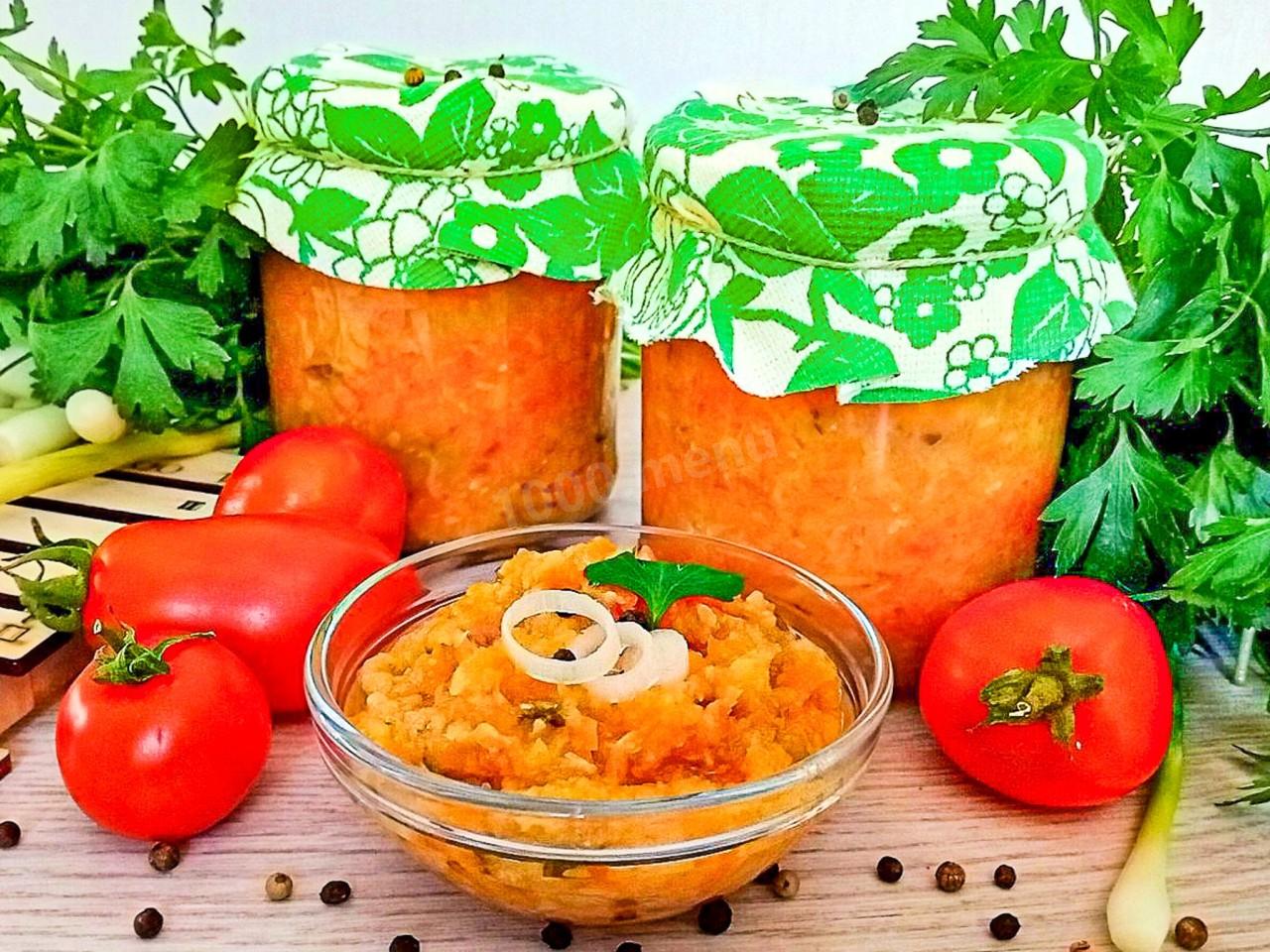
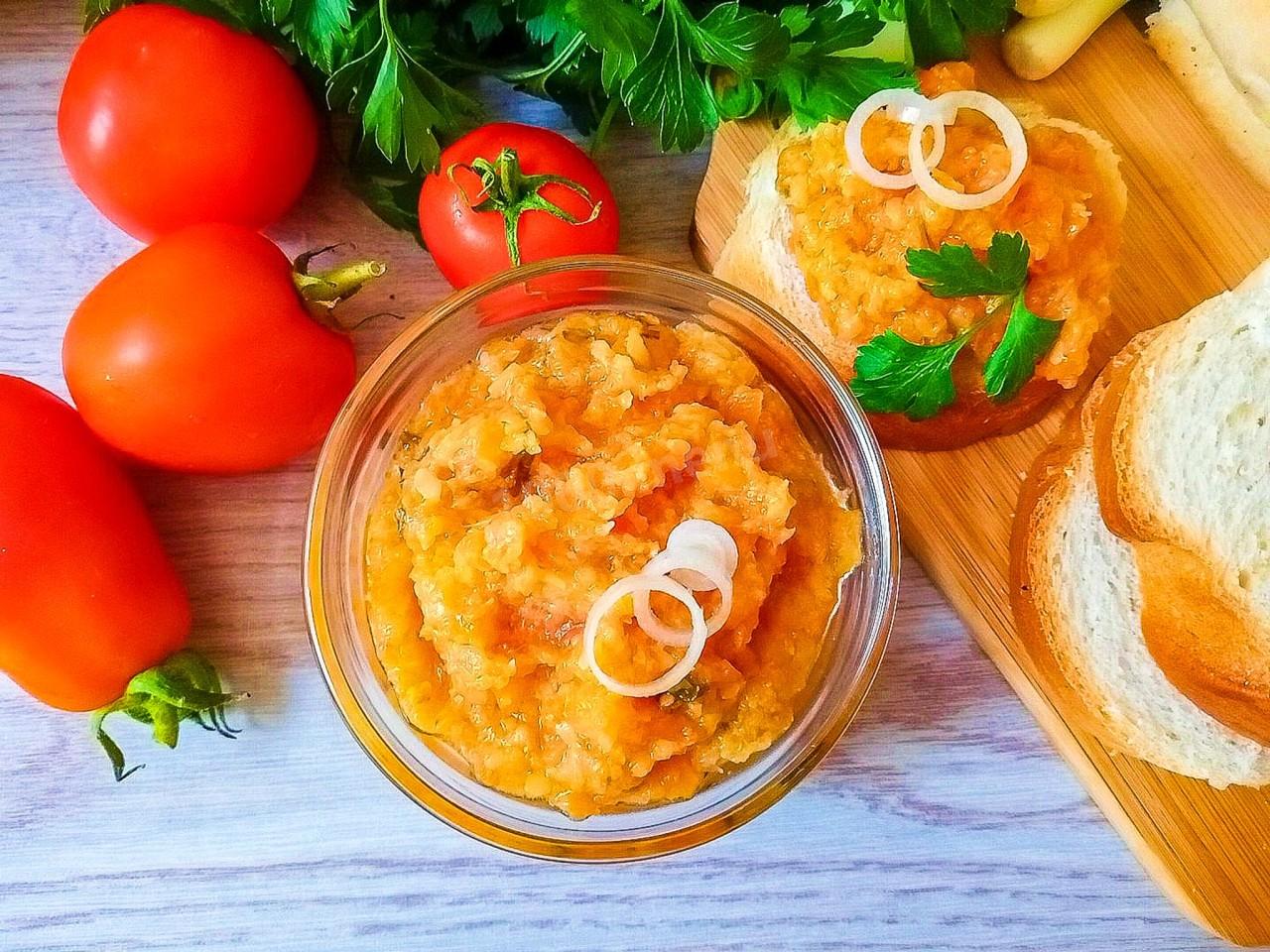
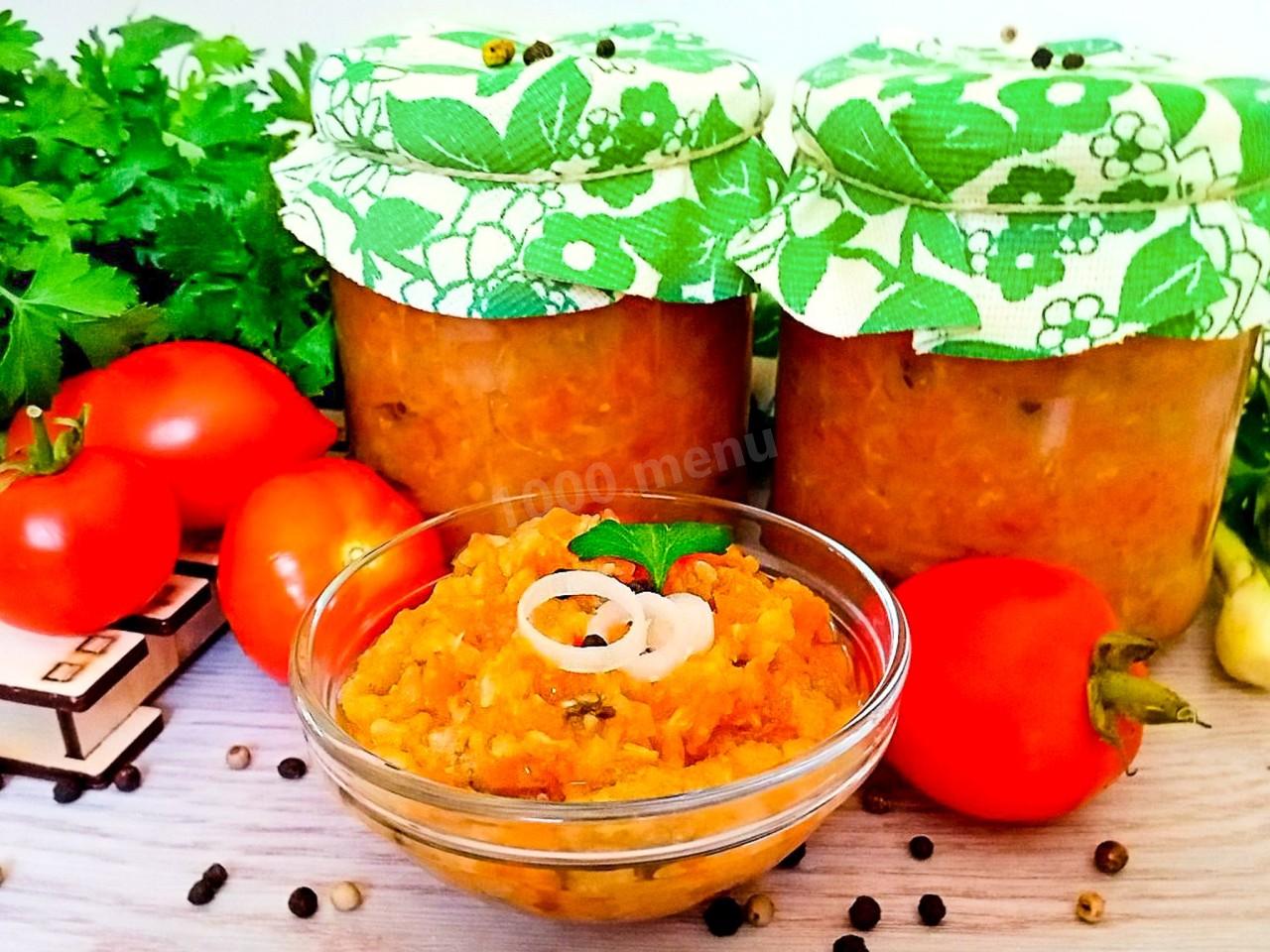
Zucchini Spread for Winter (No Tomato Paste)
A delicious, low-calorie appetizer from everyday ingredients! This tomato-paste-free zucchini spread for winter has a nice texture from being ground in a meat grinder. You can dial the heat and zip up or down with more garlic and spices, and swap the vegetables to taste.

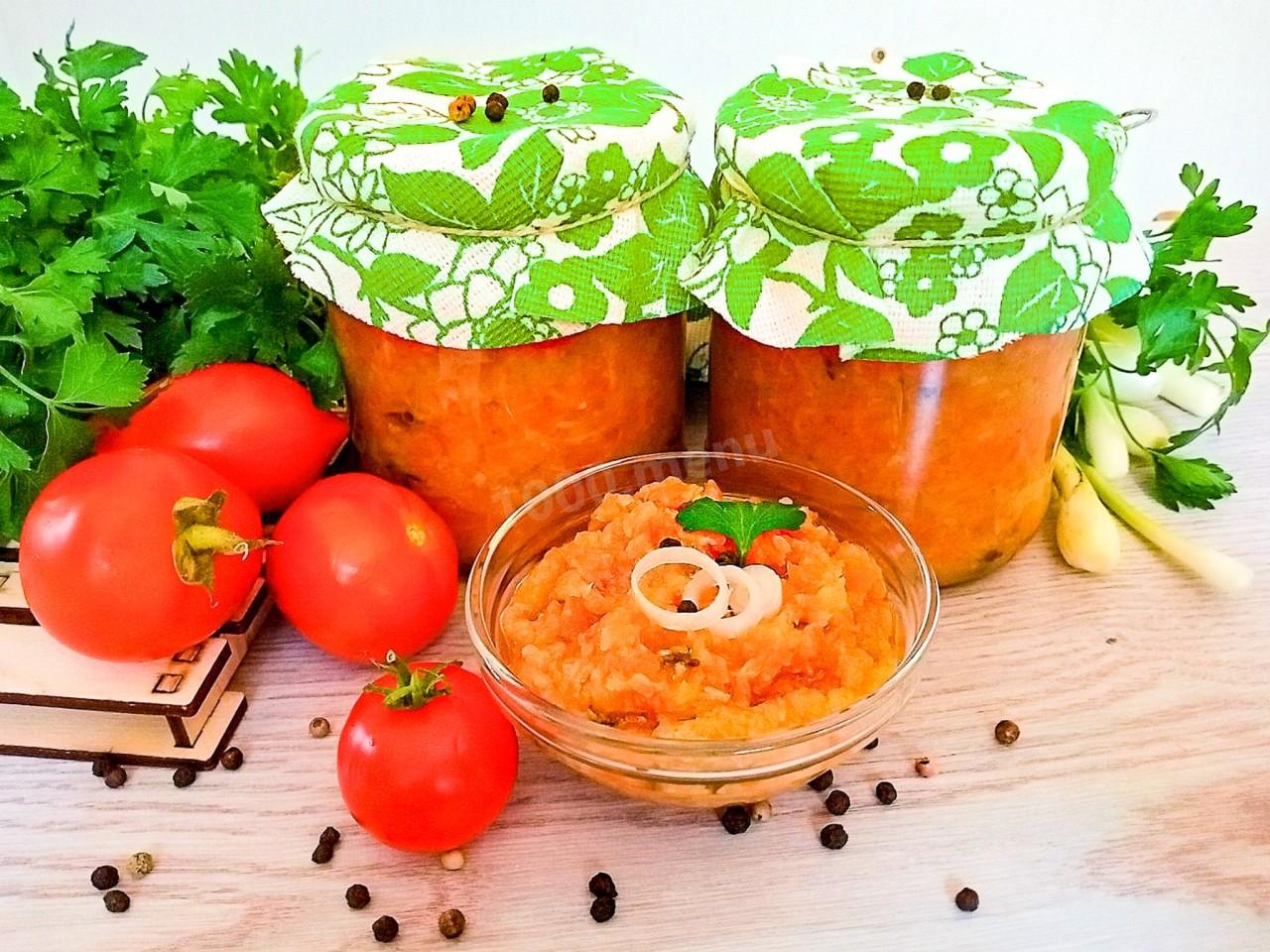
Cooking method
-
Step 1:
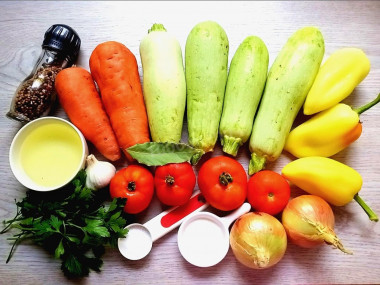
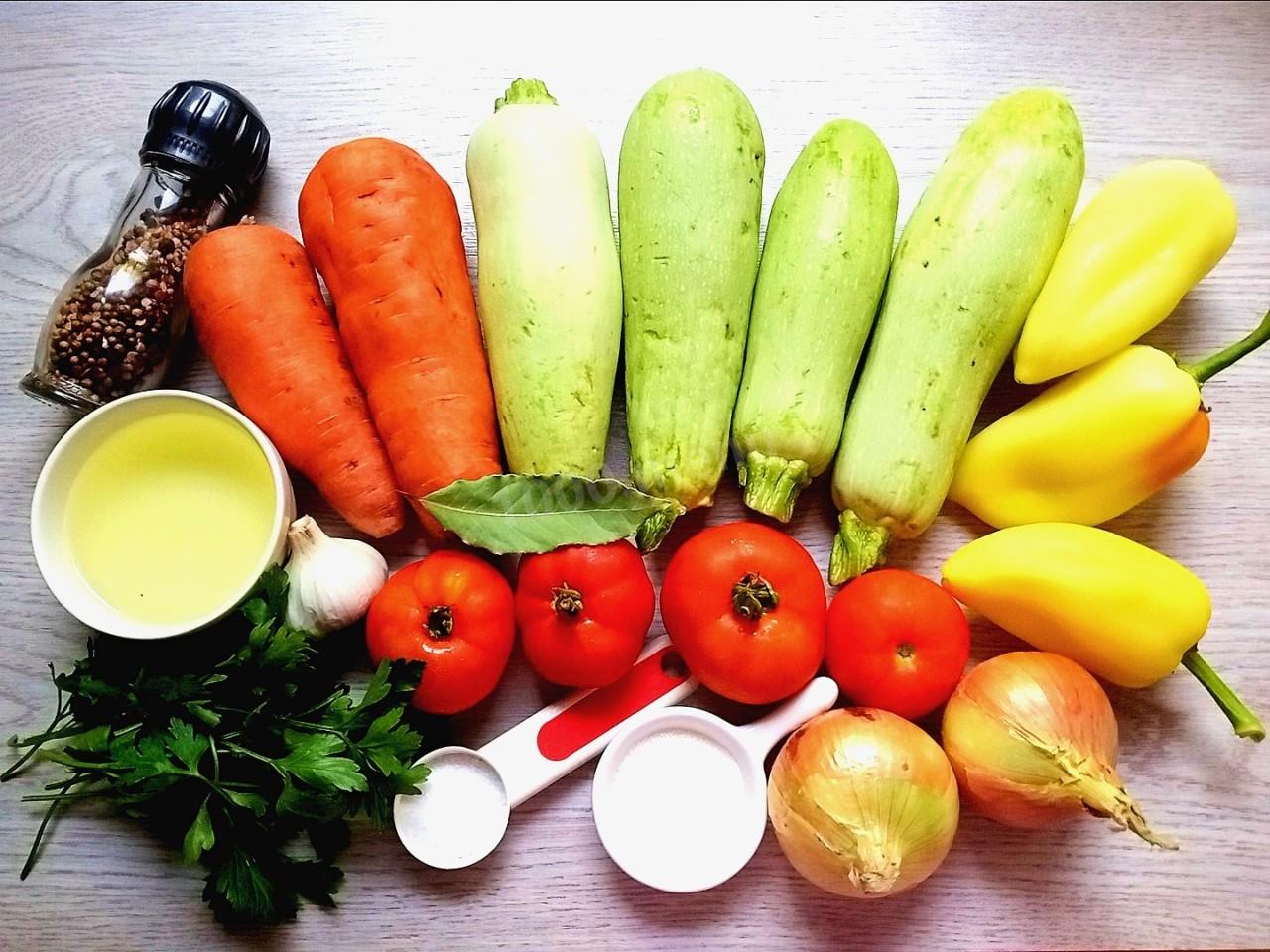
How do you make zucchini spread without tomato paste for winter? Prep the ingredients. Fresh young vegetables are best, but more mature ones work too. All the vegetable weights are for trimmed, peeled produce. Use a neutral, odorless oil—unrefined oil can turn the spread bitter.
-
Step 2:
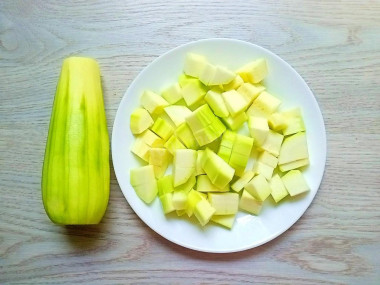
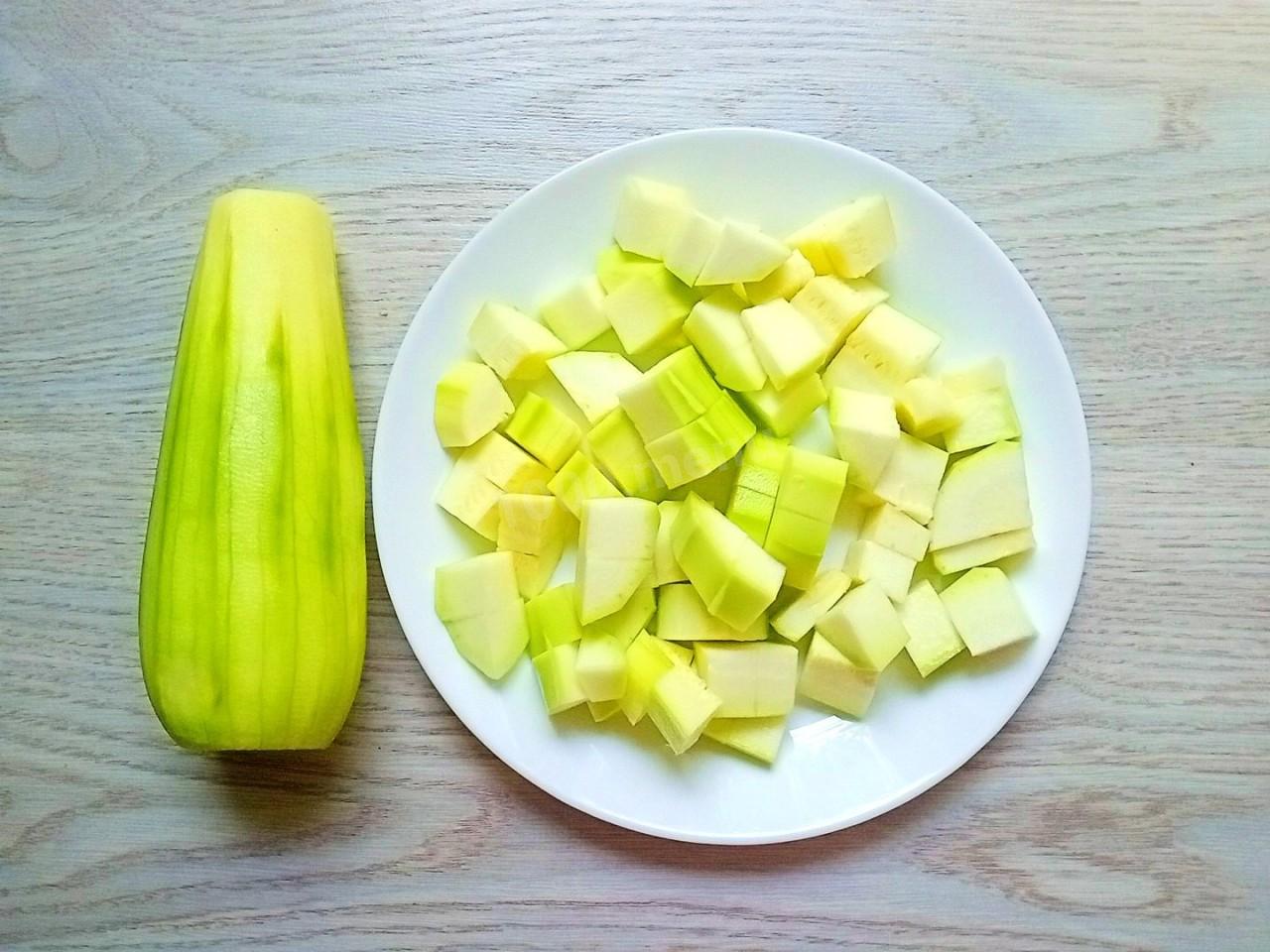
Wash the zucchini well, dry it, and peel off the skin. If it's mature, scoop out the seeds too; if it's very young, you can leave the skin on. Summer squash works here as well. Cut it into medium cubes.
-
Step 3:
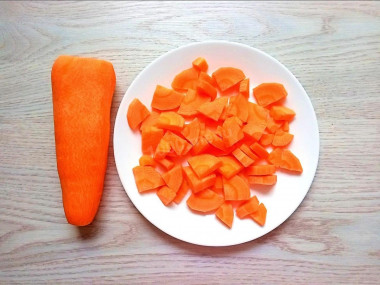
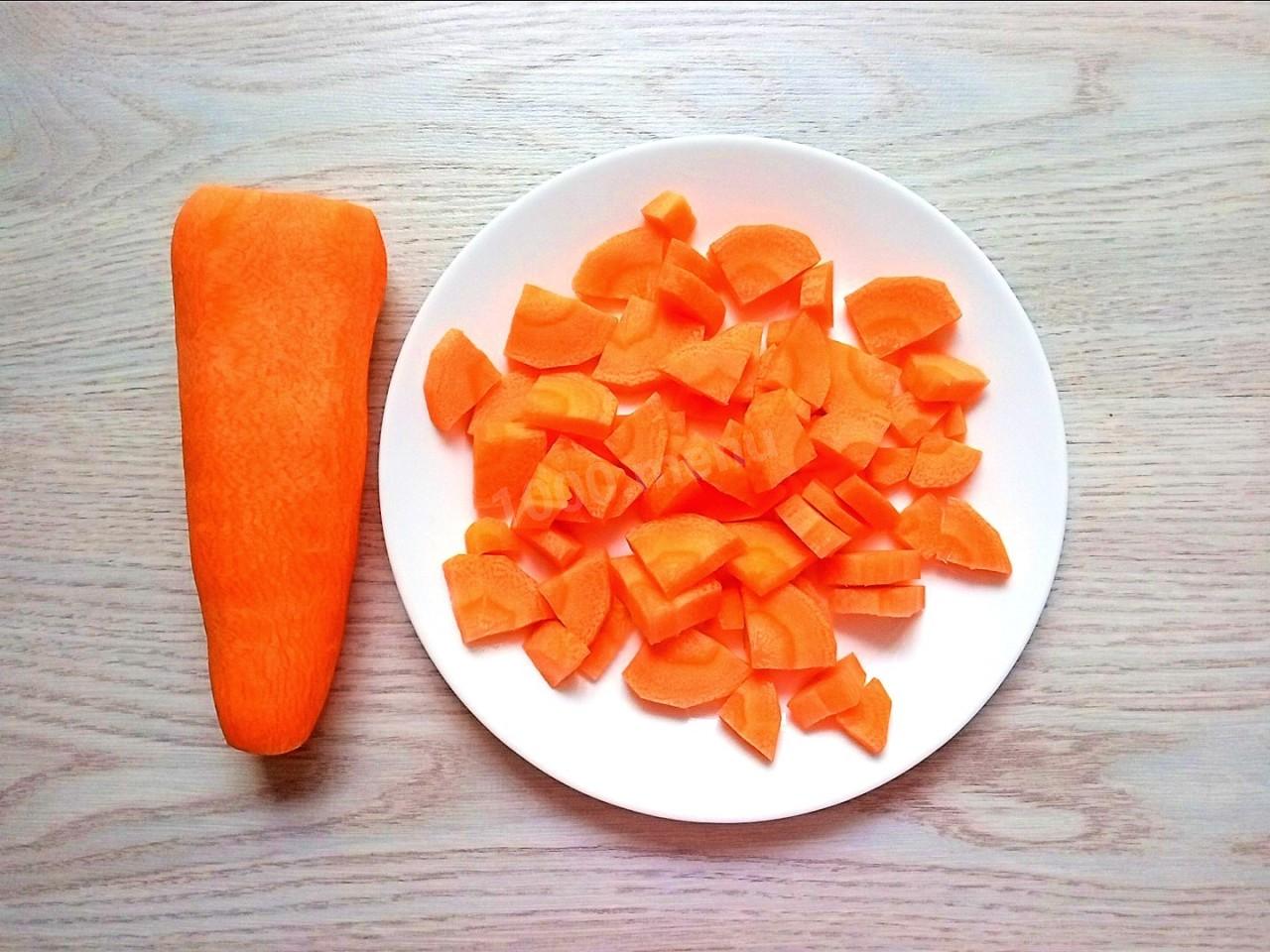
Scrub the carrots clean with a brush, peel them, and cut into half-moons. You can cut them smaller, since carrots take longer to cook than zucchini.
-
Step 4:
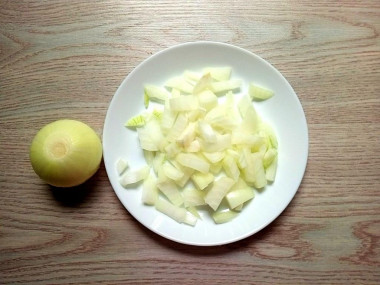
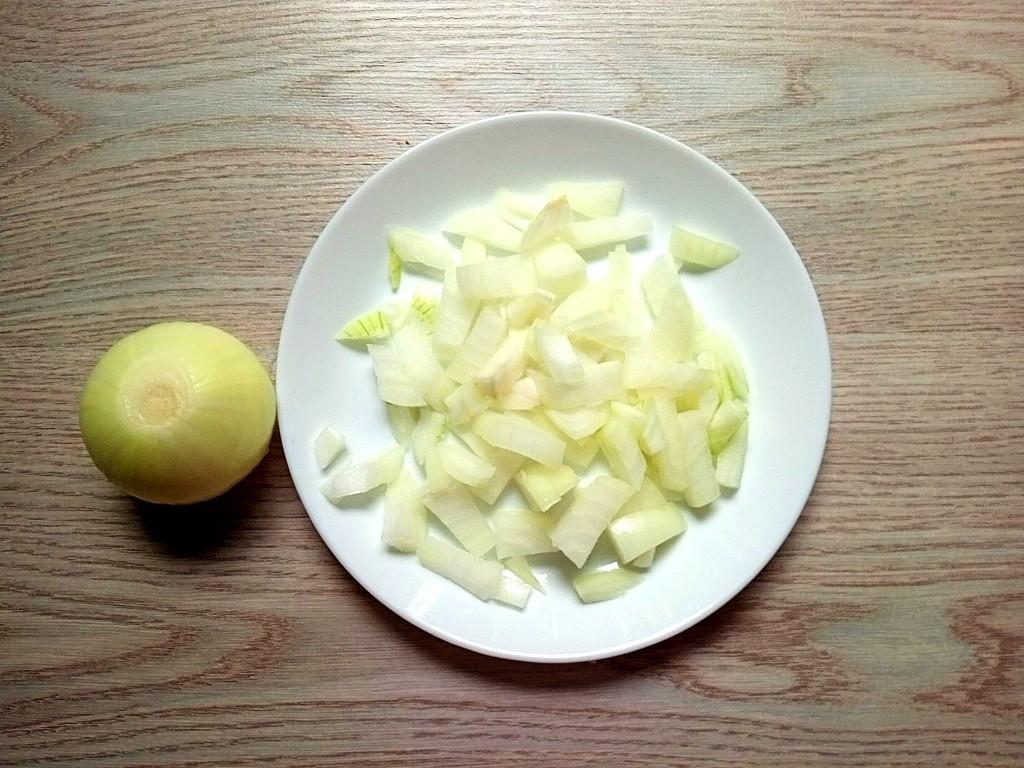
Peel the onion, rinse it, and cut into large cubes. To keep your eyes from stinging, rinse the knife and the cut onion in cold water.
-
Step 5:
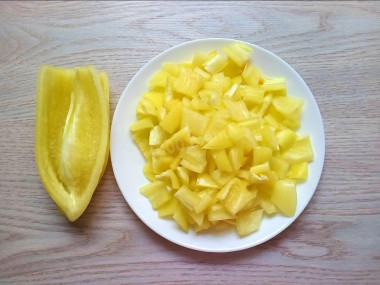
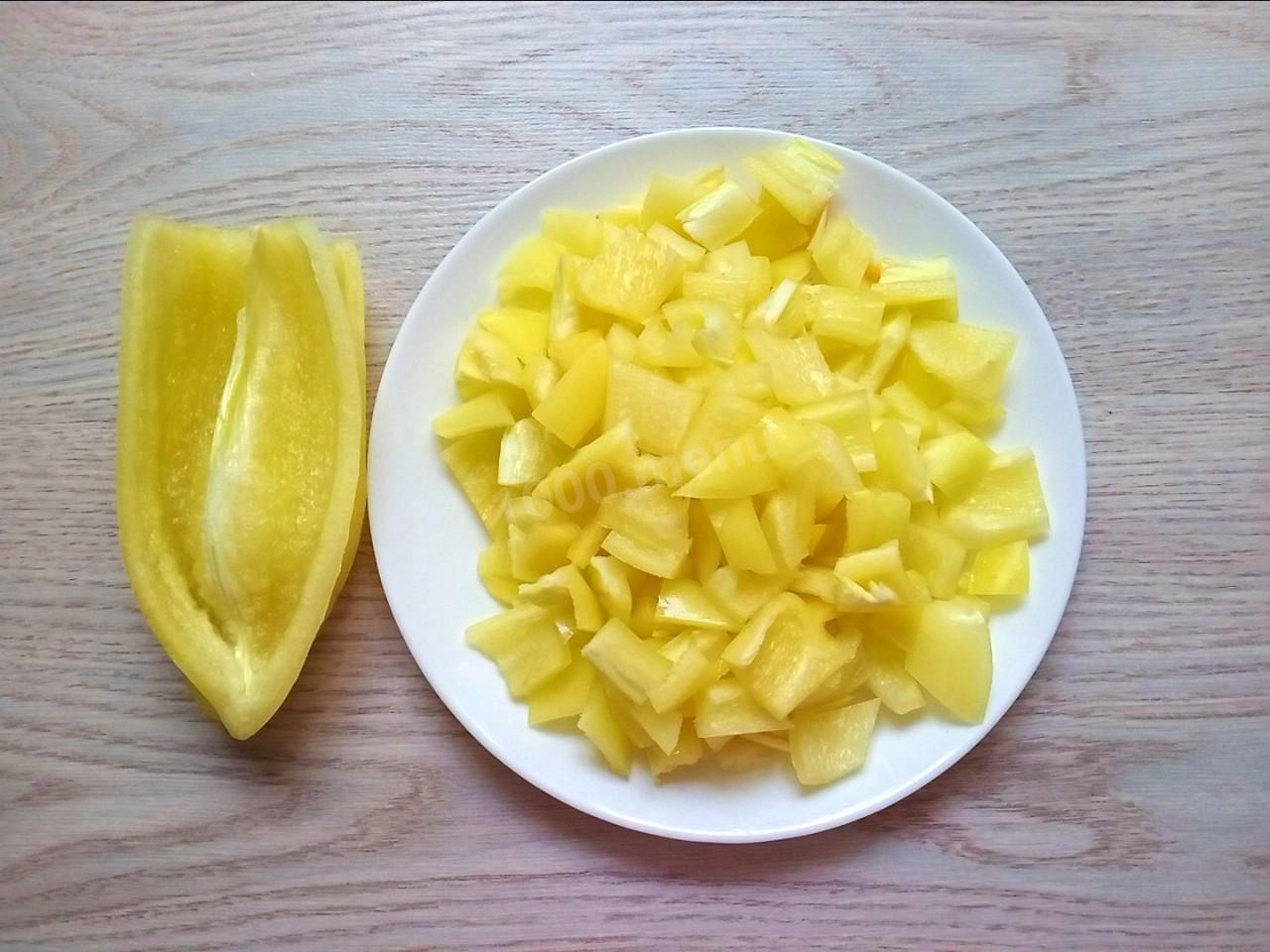
Wash and dry the bell pepper and cut out the stem and seeds. Use peppers of any color—red and orange ones make the spread brighter. Cut the pepper into medium pieces.
-
Step 6:
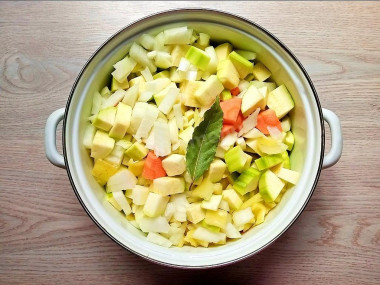
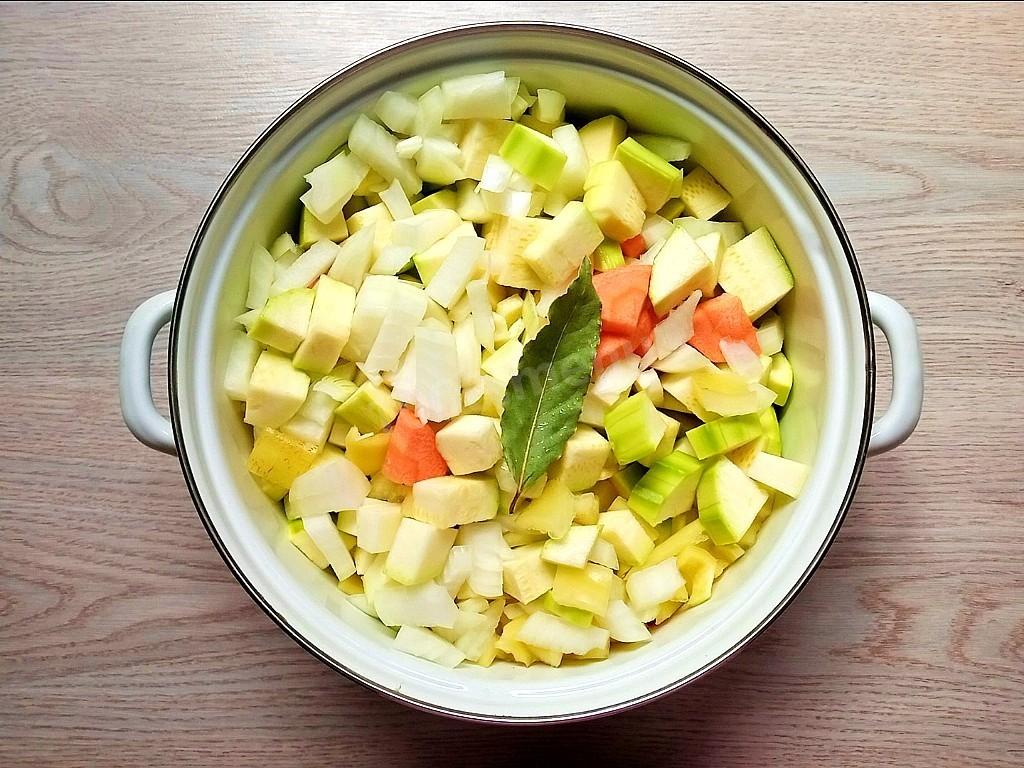
Put the chopped vegetables in a wide enameled pot or preserving pan. Stir, pour in the water, and add the bay leaf—leave it out entirely or add a few more leaves, to taste. Bring to a boil and cook for about 40 minutes, until the vegetables are soft.
-
Step 7:
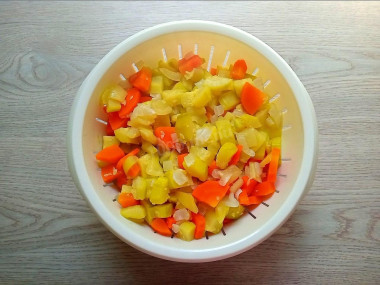
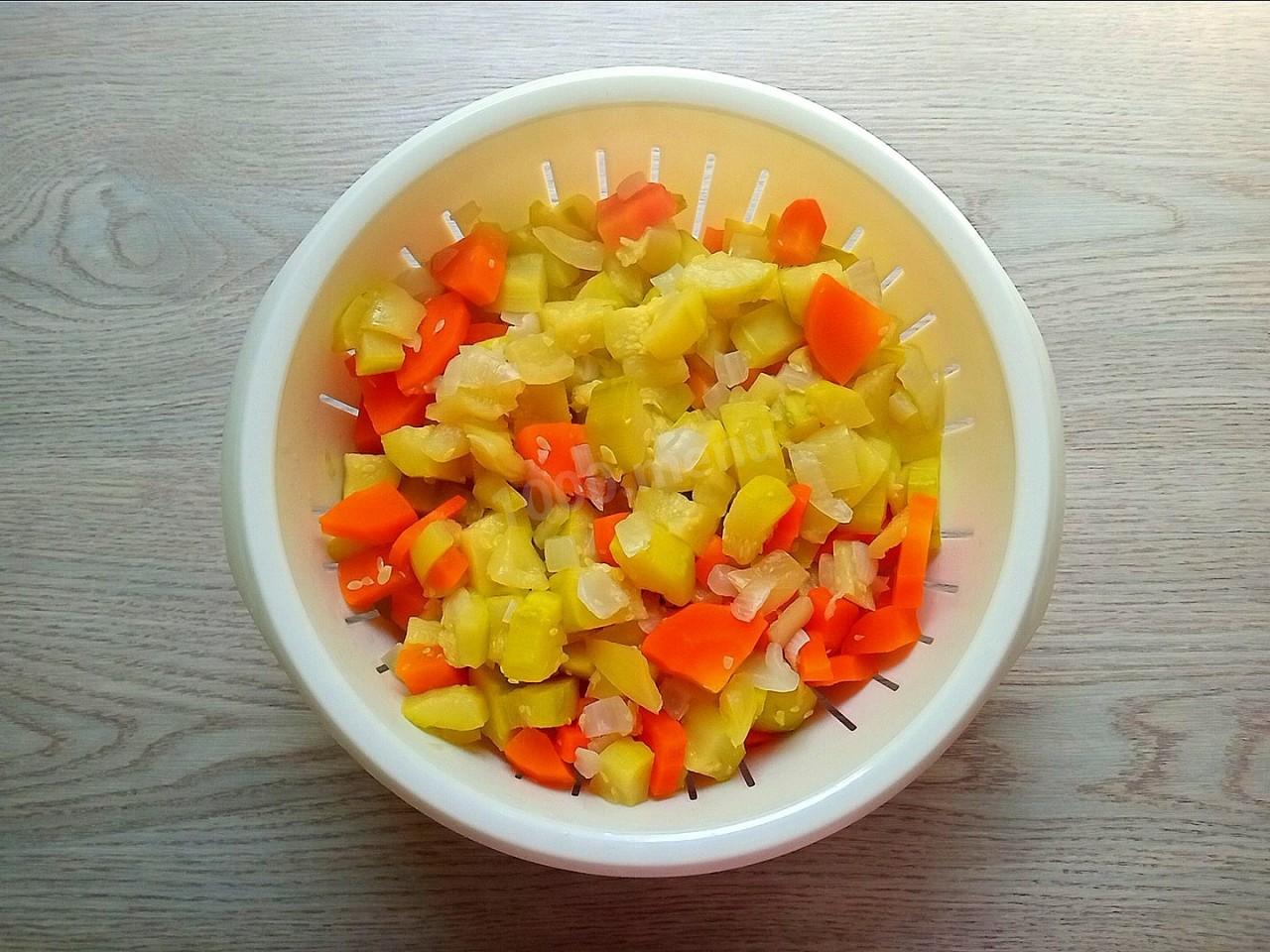
Drain the vegetables in a colander and let the liquid run off. The vegetable broth that's left is rich and flavorful—you can use it as a base for soup, gravy, or sauce.
-
Step 8:
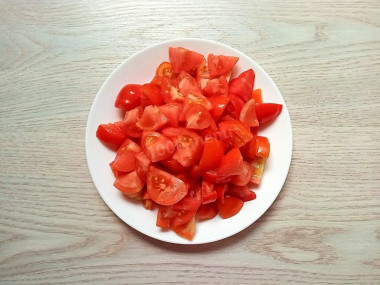
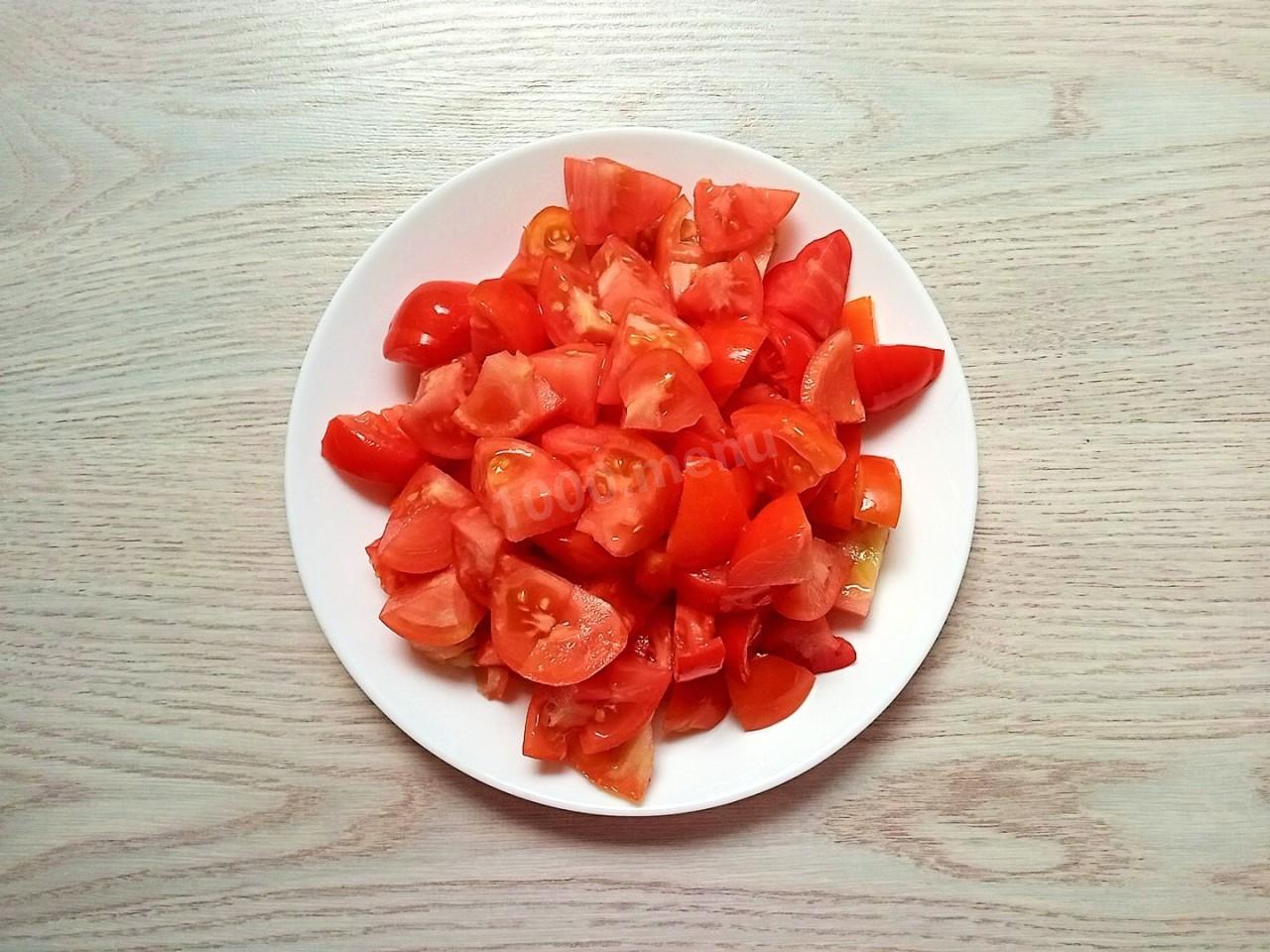
Meanwhile, wash the tomatoes, pat them dry, and cut them into rough pieces. Use fleshy tomatoes that aren't too watery.
-
Step 9:
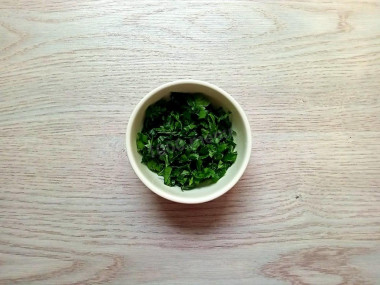
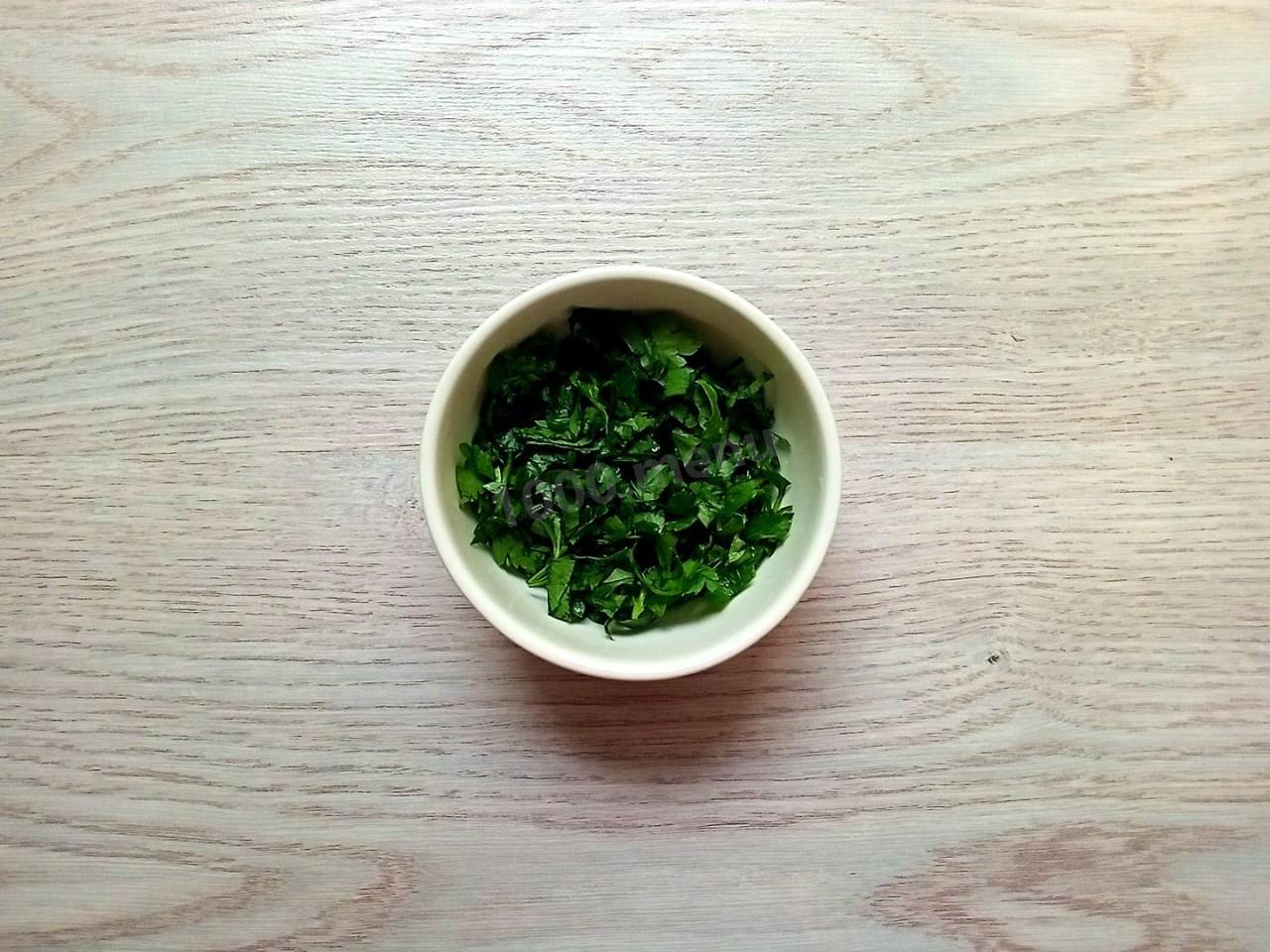
Rinse the parsley under running water, dry it lightly, and finely chop it. You can use any other fresh herb you like instead.
-
Step 10:
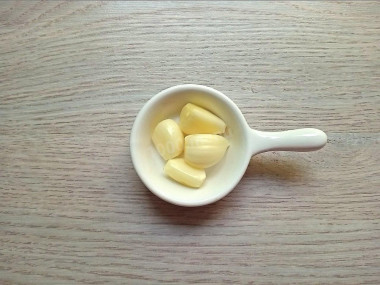
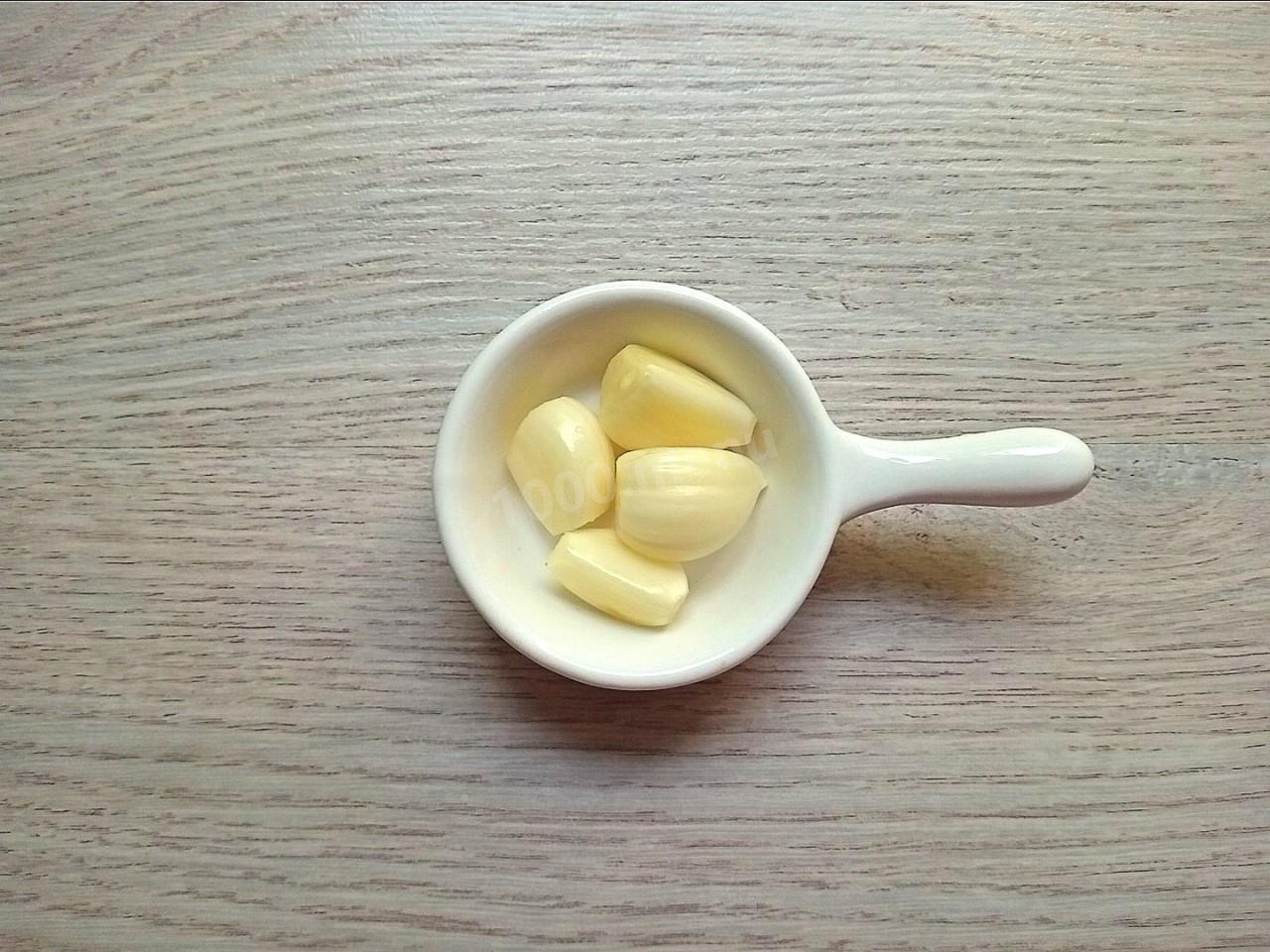
Peel and rinse the garlic. For a spicier spread, add more cloves to taste. There's no need to mince it separately.
-
Step 11:
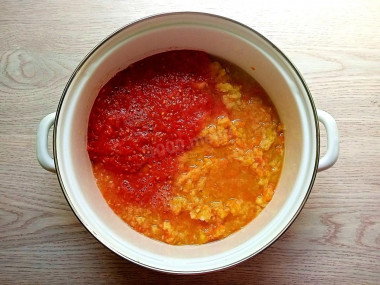
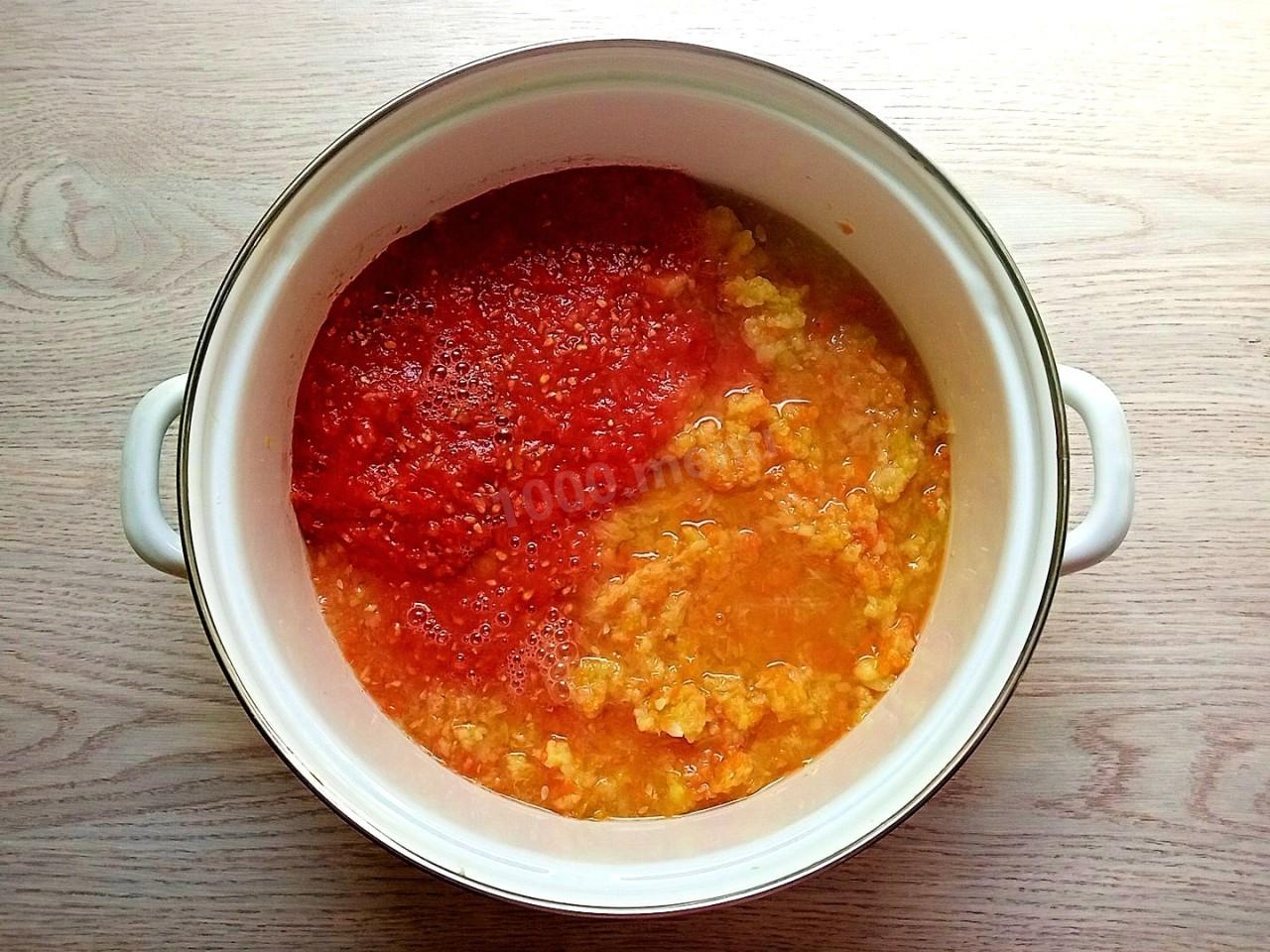
Run the stewed vegetables through a meat grinder along with the tomatoes and garlic. Remember the stewed vegetables are hot—spoon them in so you don't get burned.
-
Step 12:
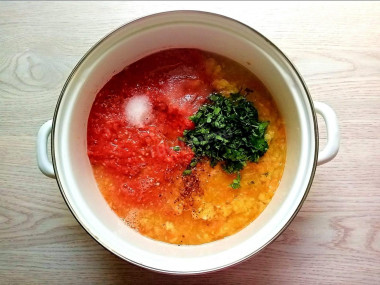
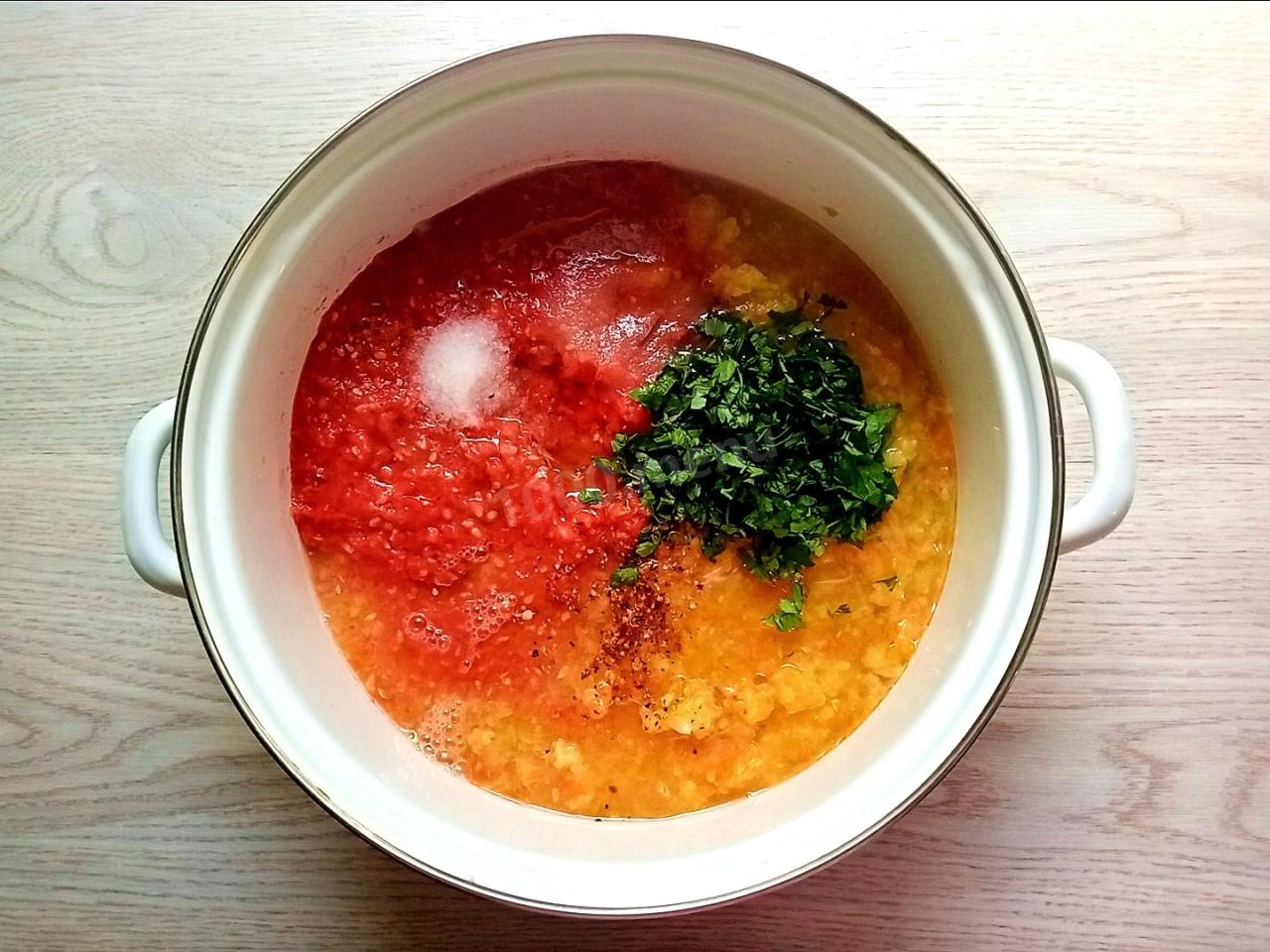
Add the parsley, salt, sugar, pepper blend, and vegetable oil to the pot. Now's the time to add your favorite spices, too—paprika and dried aromatic herbs are great. Simmer the mixture in a pot or a multicooker on a suitable setting for about 30 minutes, until the liquid cooks off. Adjust the thickness however you like, and stir often so it doesn't stick to the bottom.
-
Step 13:
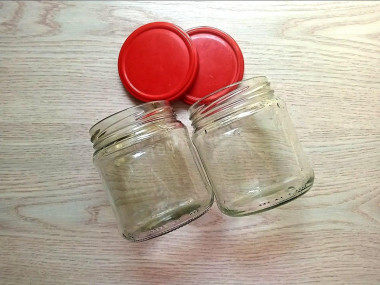
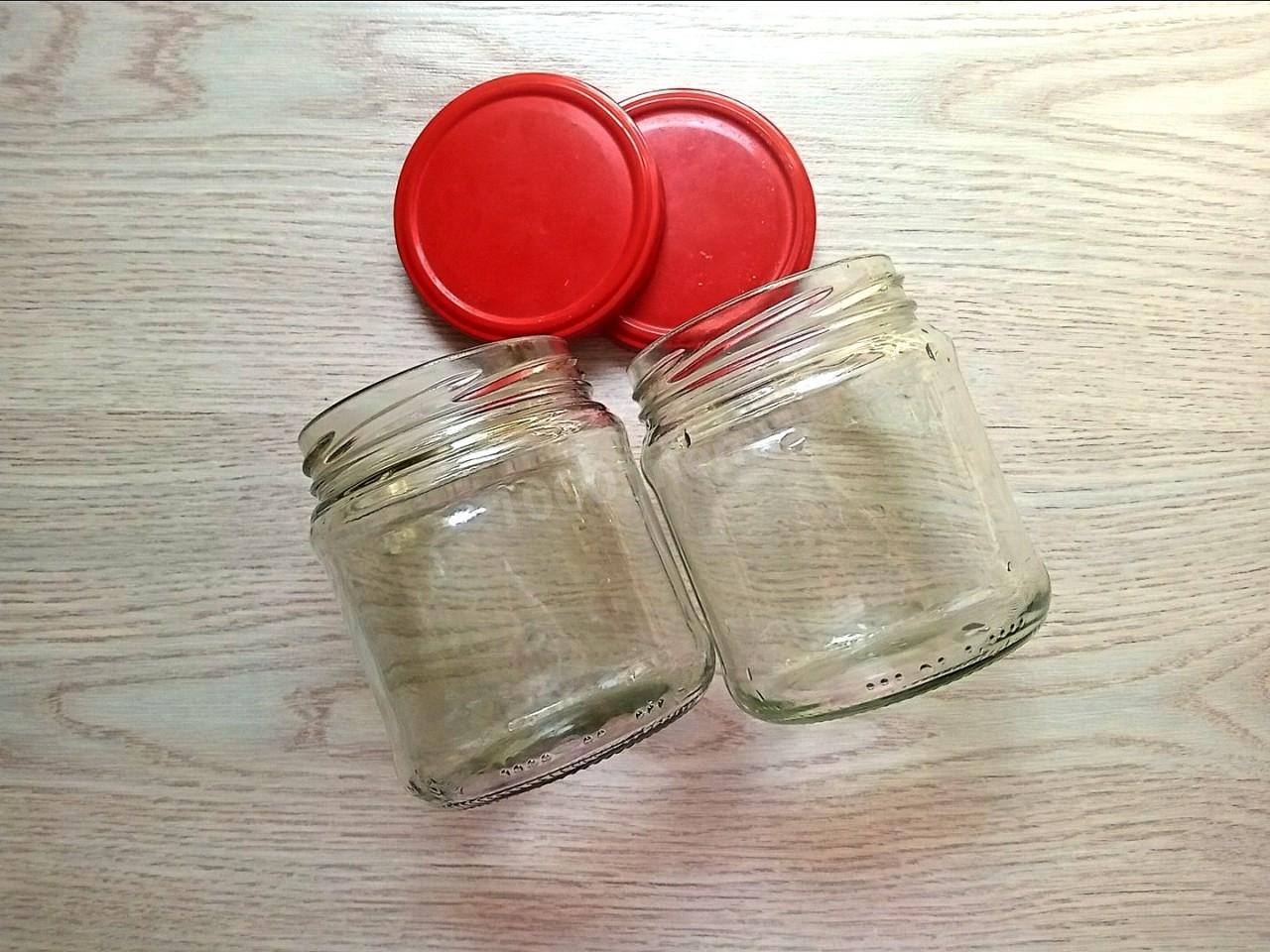
Wash the jars and lids well with baking soda. Sterilize them however is convenient—in the oven, microwave, or over steam. Cover the lids with water and boil them for 5 minutes. Be careful—the jars and lids are hot!
-
Step 14:
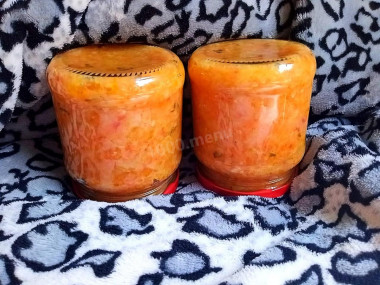
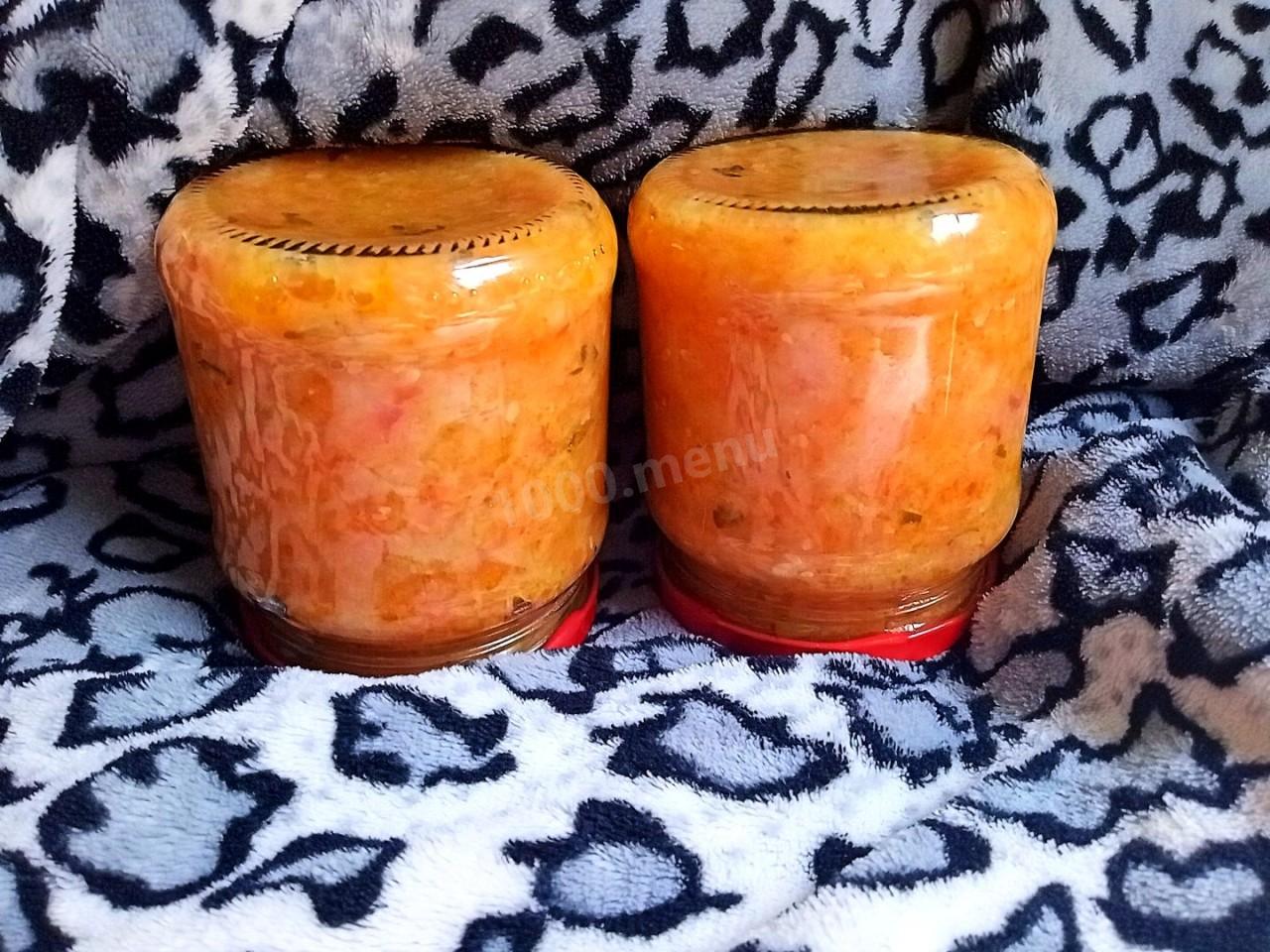
Pack the boiling-hot spread into the dry jars and seal them tightly. Turn the jars upside down and wrap them in a warm blanket or terry towel until completely cooled—this gives the preserve some extra sterilizing.
-
Step 15:
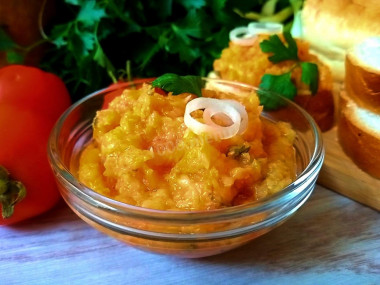
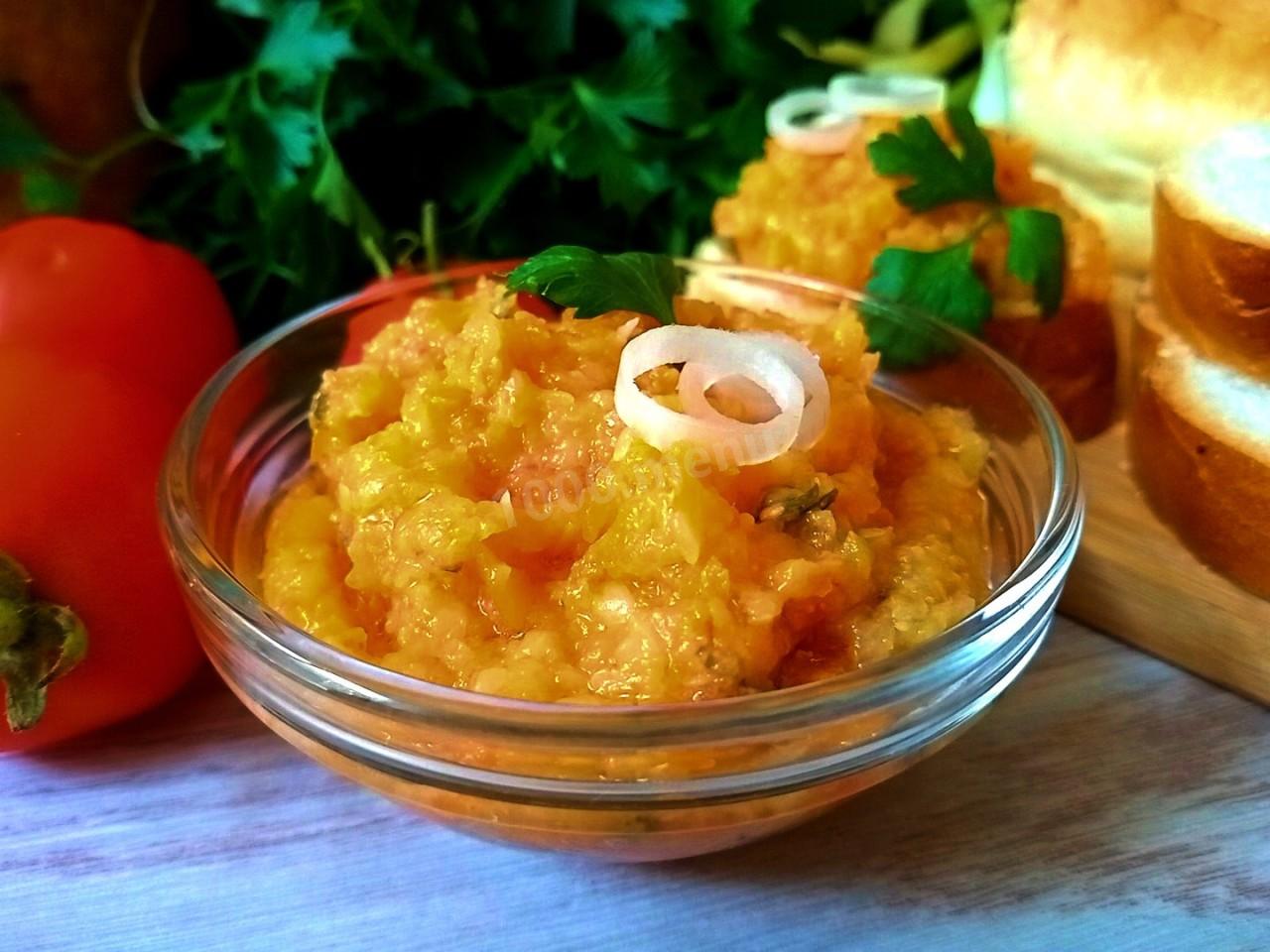
Store the finished spread in the fridge or a cool cellar. Or open a jar, spread the mixture on a slice of bread, and serve it as an appetizer with lunch or dinner. Zucchini spread is tasty both warm and cold. Enjoy!
- Instead of a meat grinder like mine, you can purée the stewed vegetables with an immersion blender.
- This amount of vegetables gave me two half-liter jars plus half a jar to taste. The yield depends on how far you cook the vegetables down—cook off all the liquid and you'll get less spread, but thicker.
- This recipe uses no vinegar, which would normally act as a preservative, so be sure to wash the vegetables, jars, and lids thoroughly.
- For how to figure out how many jars you'll need, why jars blow and how to prevent it, plus more tips and tricks, see a guide on putting up food for winter.
- Which zucchini is best? Choose young ones with tender skin. Wash and peel them—you can leave a very thin skin on. With more mature zucchini, cut away the tough peel and scoop out the seedy center.
- It's best to use filtered or bottled water with a neutral taste. If you use tap water, keep in mind it can give the dish an off, characteristic flavor.
Caloric content of the products possible in the composition of the dish
- Tomatoes - 23 kcal/100g
- Zucchini - 23 kcal/100g
- Sweet pepper - 27 kcal/100g
- Carrots - 33 kcal/100g
- Dried carrots - 275 kcal/100g
- Boiled carrots - 25 kcal/100g
- Garlic - 143 kcal/100g
- Bay leaf - 313 kcal/100g
- Ground black pepper - 255 kcal/100g
- Parsley greens - 45 kcal/100g
- Granulated sugar - 398 kcal/100g
- Sugar - 398 kcal/100g
- Vegetable oil - 873 kcal/100g
- Salt - 0 kcal/100g
- Water - 0 kcal/100g
- Onion - 41 kcal/100g