Broccoli and Salmon Soup
A rich, vibrant, and seriously delicious fish soup! Watching what you eat or sticking to a diet? This salmon and broccoli soup is just the thing — light, wholesome, and filling enough to stand in for lunch or a late dinner. Tasty and quick to put together!

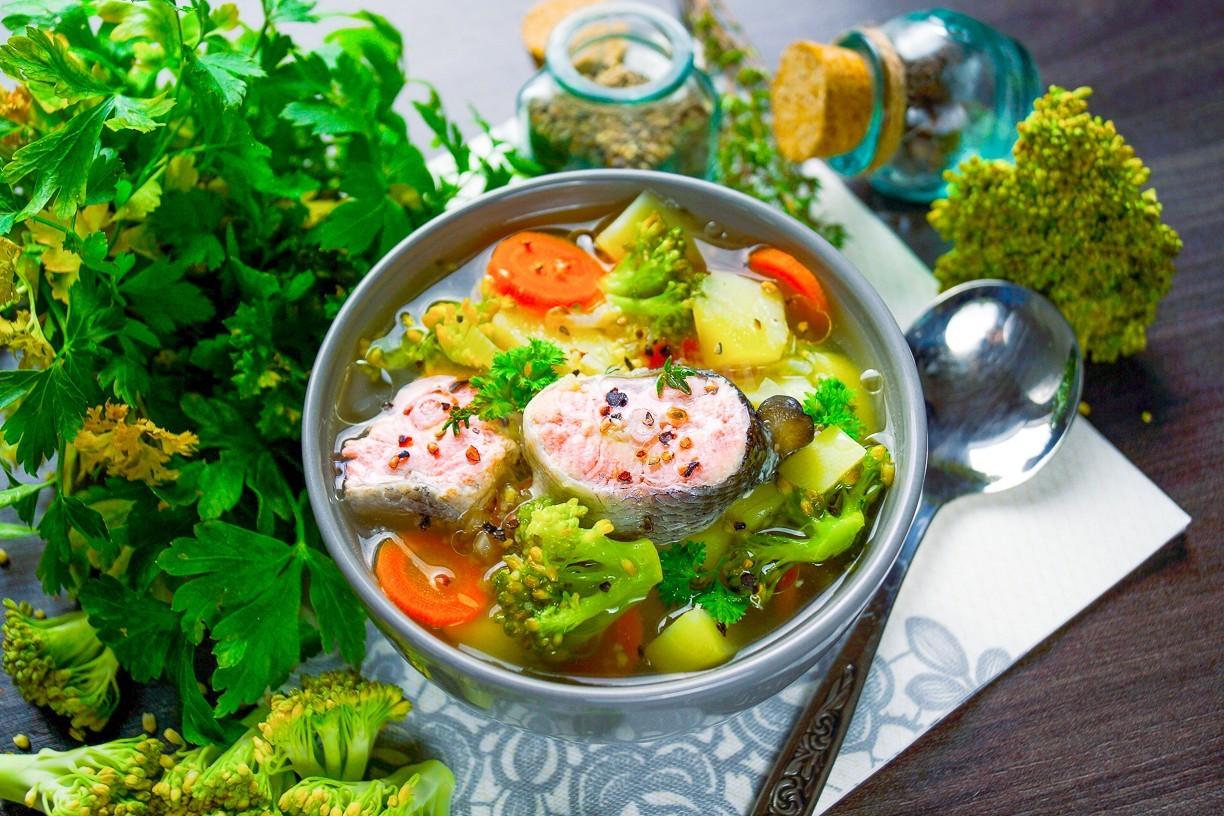
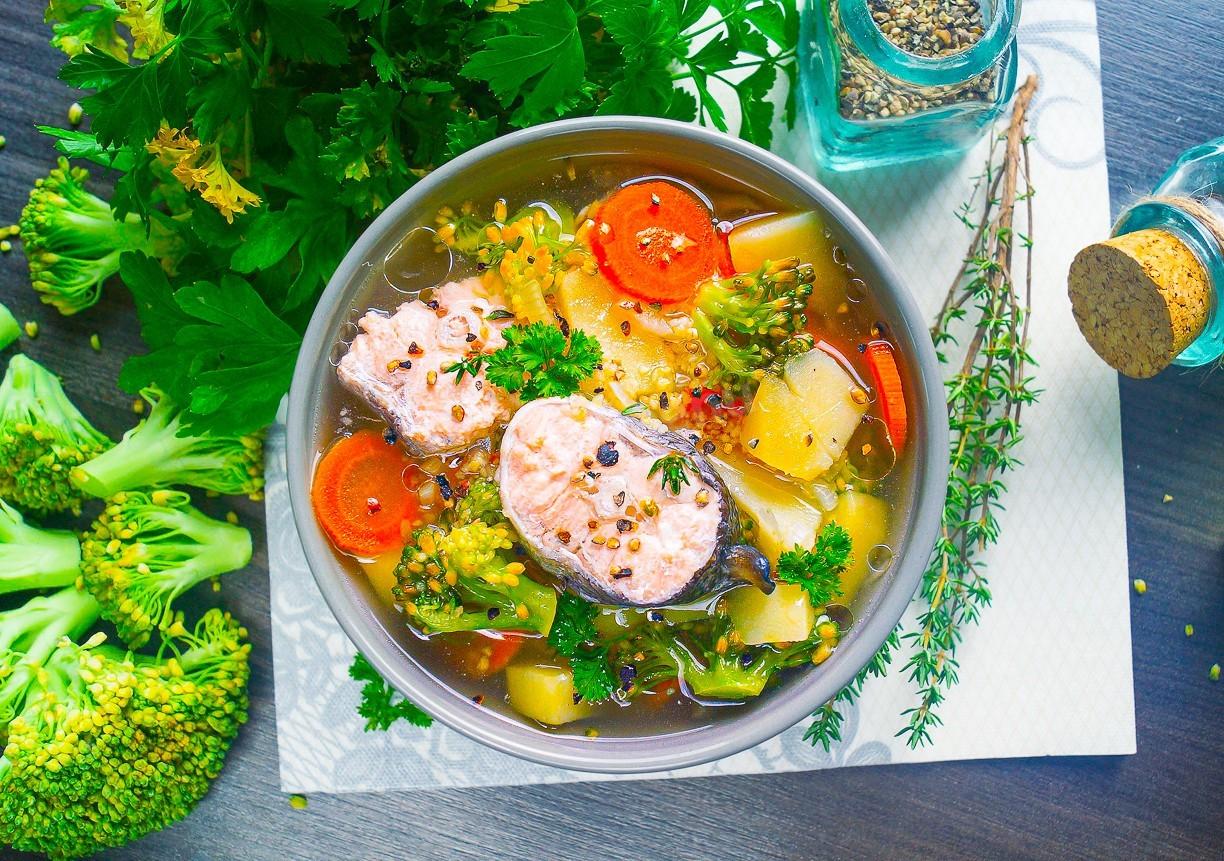
Cooking method
-
Step 1:
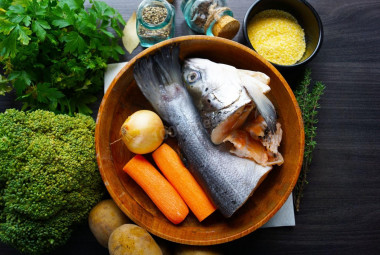
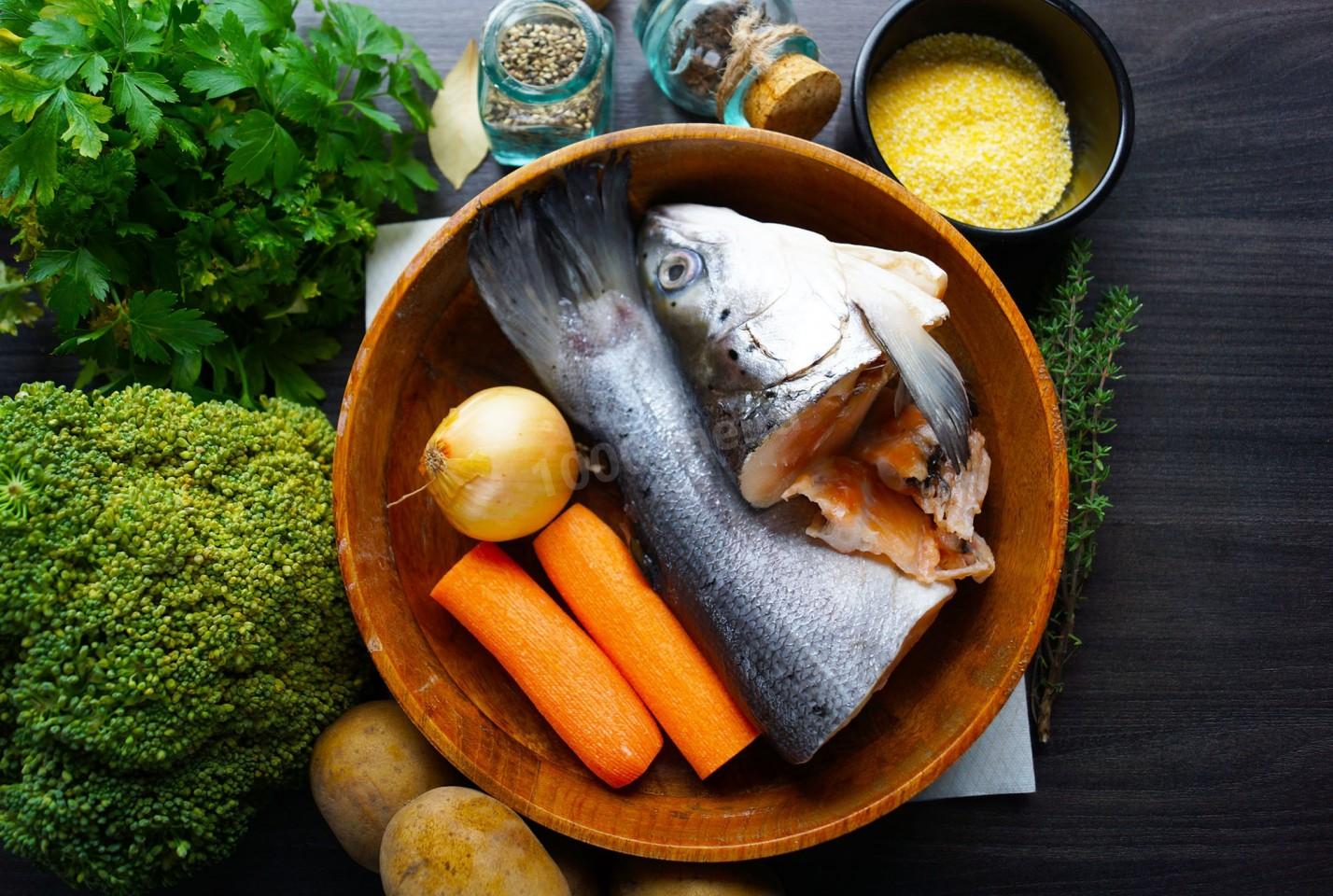
How do you make salmon and broccoli soup? Gather everything on the ingredient list. If your fish is frozen, pull it out of the freezer ahead of time and let it thaw at room temperature.
-
Step 2:
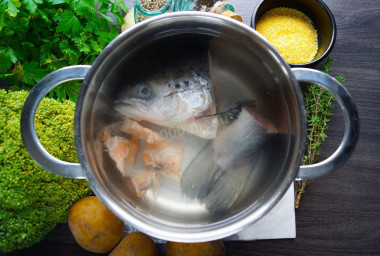
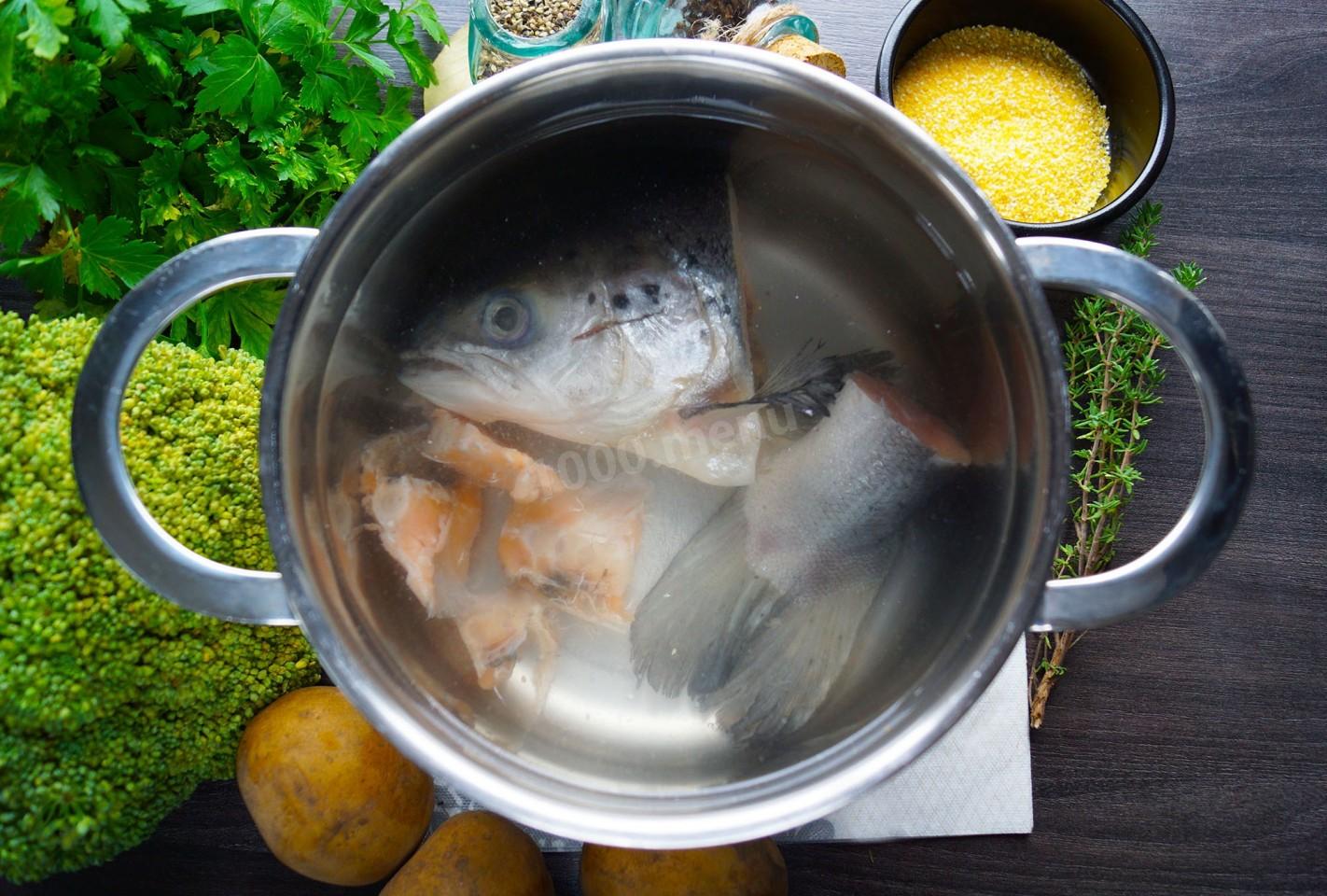
The head, tail, fins, and bones make the best broth. Scale the tail and pull the gills out of the head — otherwise the broth turns bitter and cloudy. Put the head, tail, and bones in a pot and cover with cold water. Bring to a boil over high heat, skim off the foam, salt to taste, then cover and simmer over moderate heat for about 20 minutes.
-
Step 3:
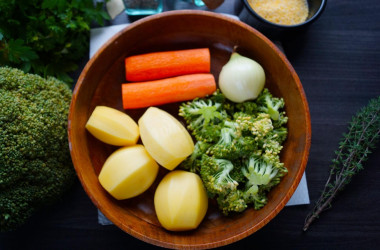
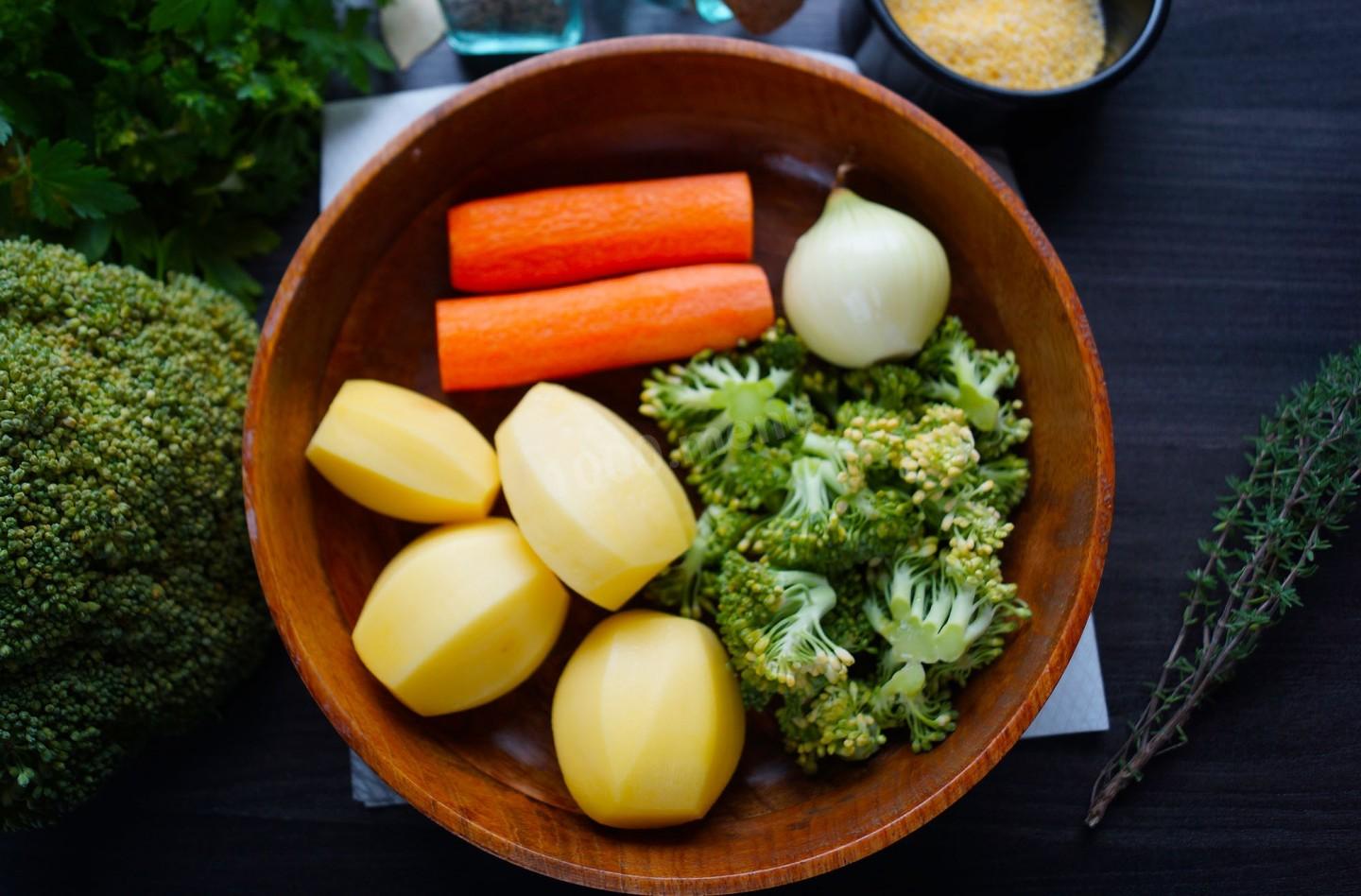
Meanwhile, prep the vegetables. Peel the potatoes, onion, and carrot. Cut the broccoli into small florets. Rinse all the vegetables and herbs under cold running water.
-
Step 4:
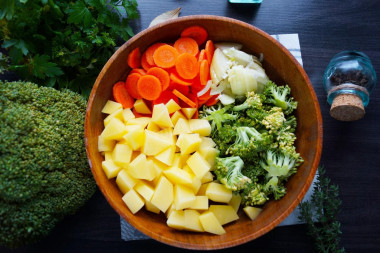
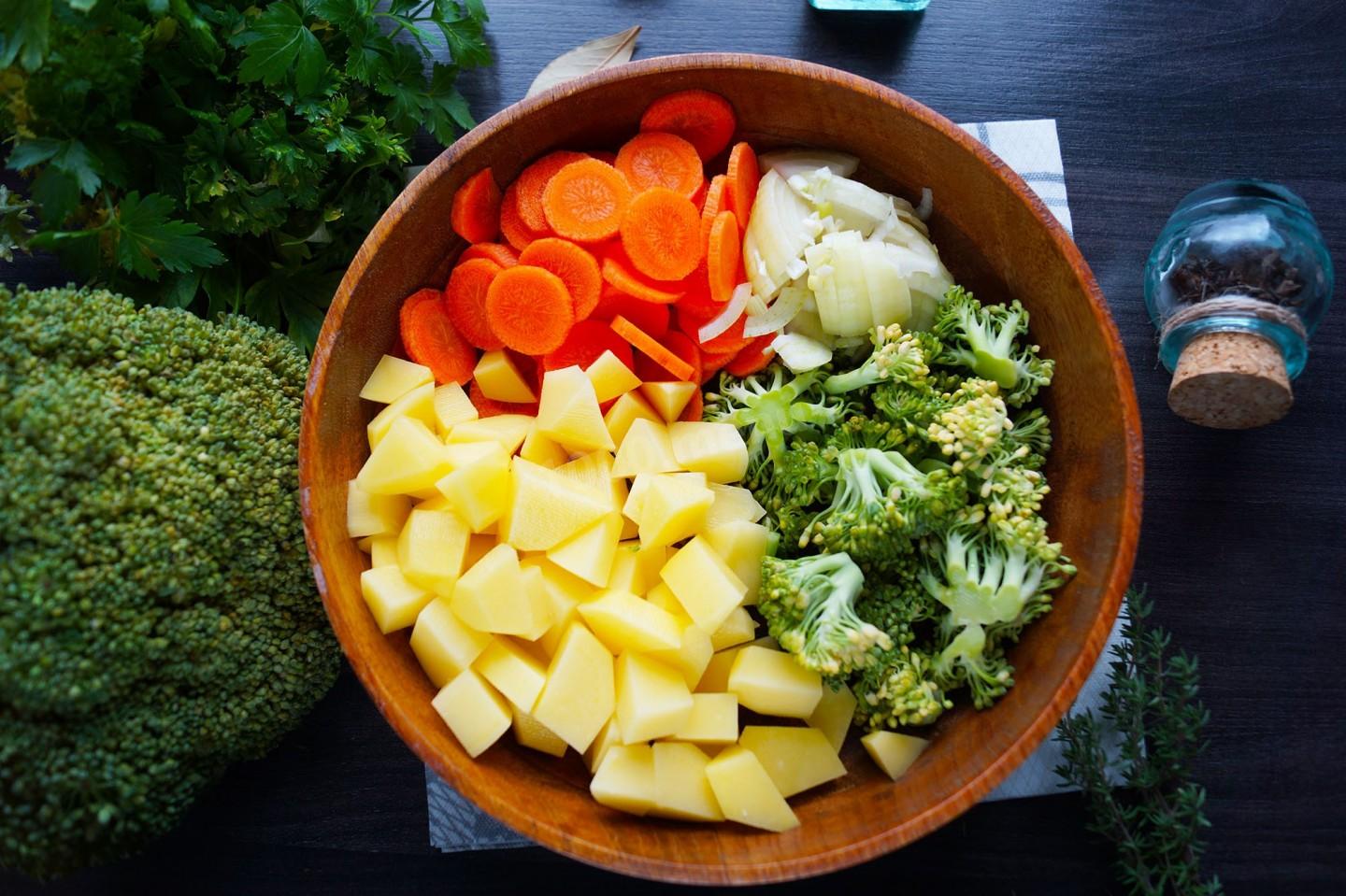
Cut the potatoes into sticks or small, even cubes. Chop the onion however you like, and slice the carrot into thin rounds or half-moons.
-
Step 5:
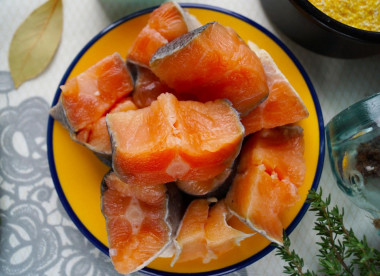
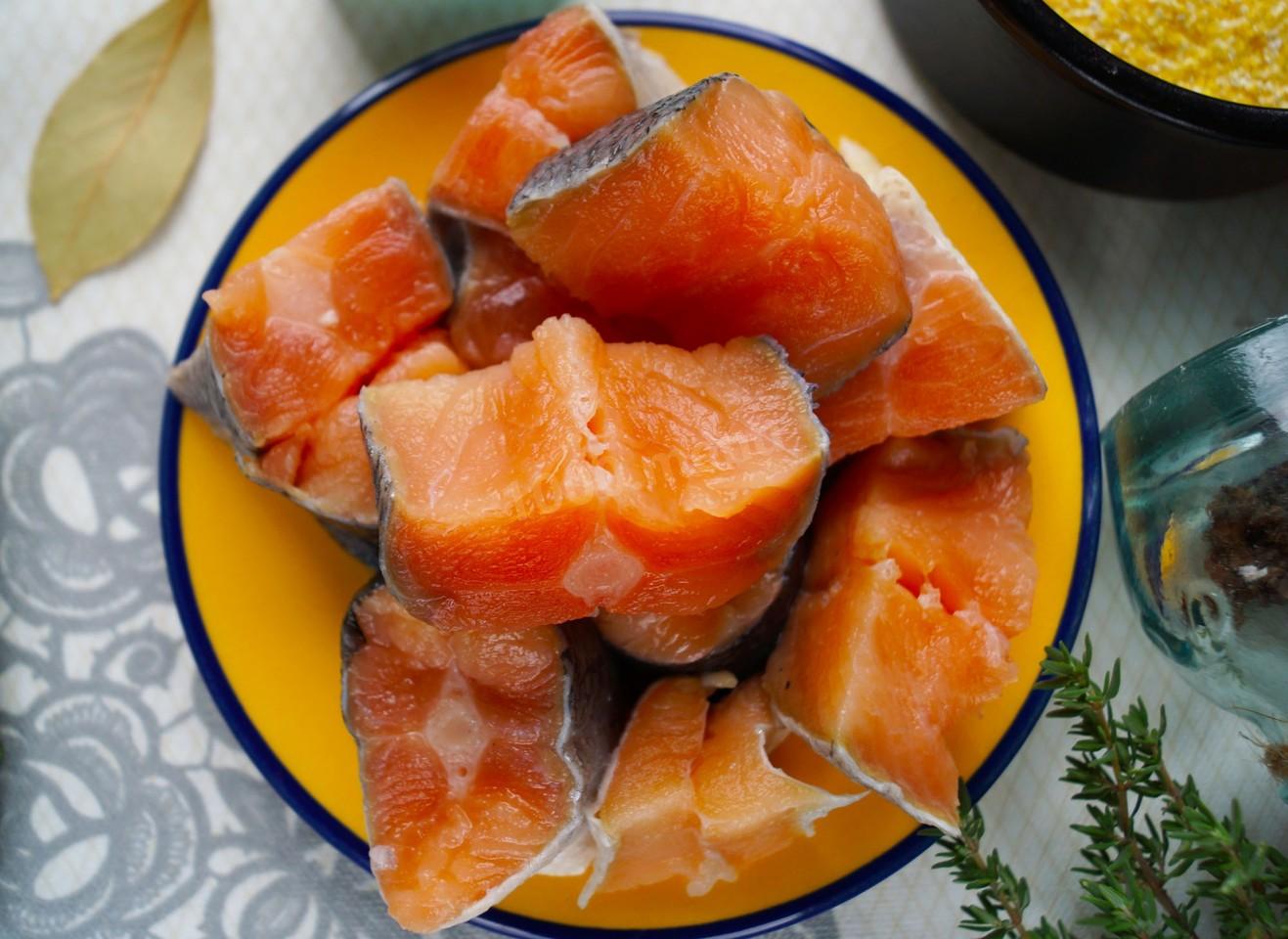
Cut the salmon into small, bite-sized pieces.
-
Step 6:
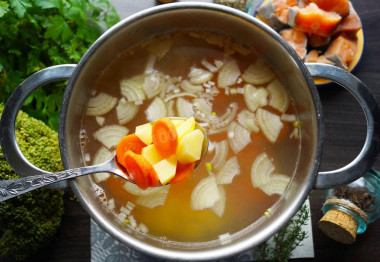
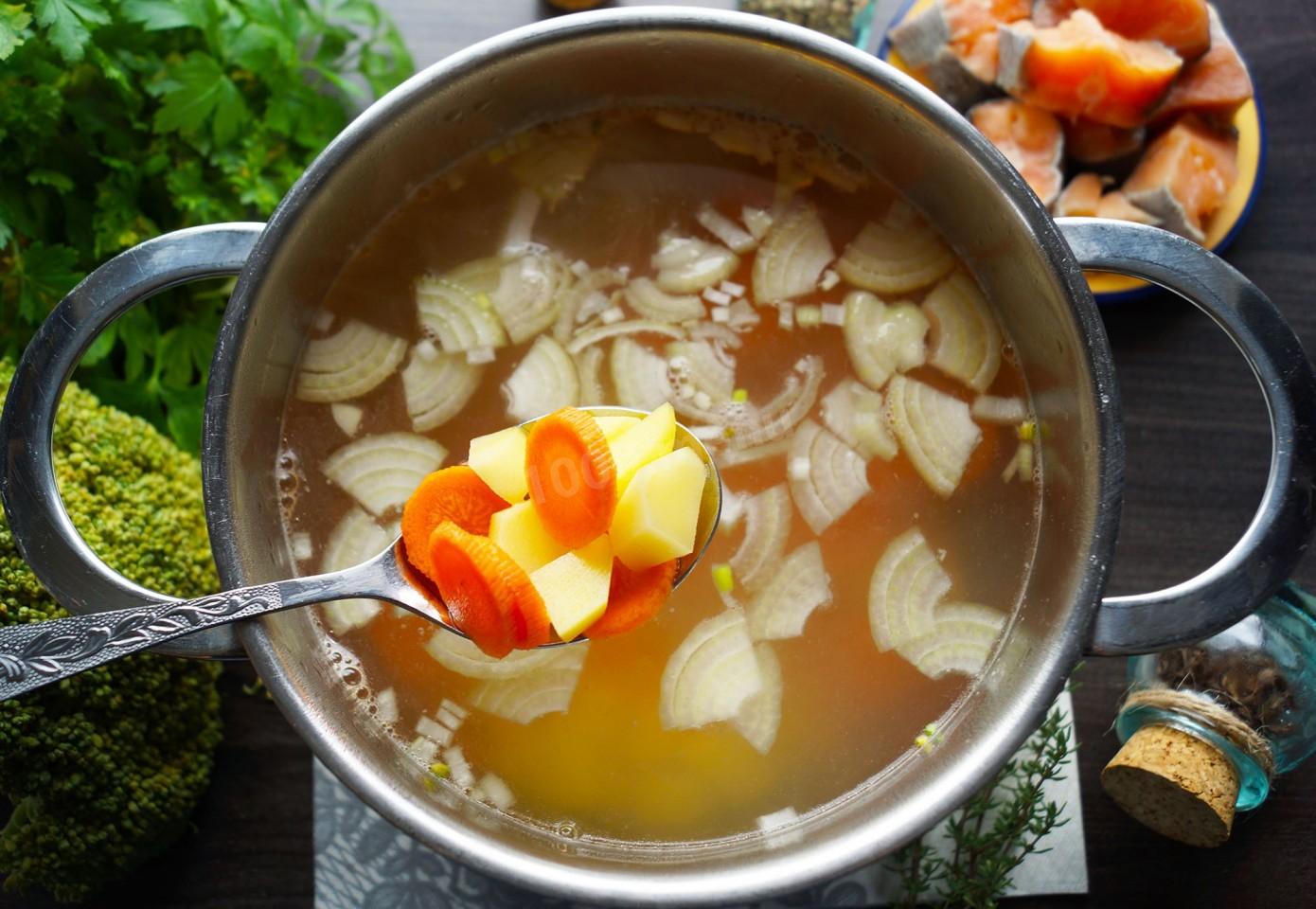
Once the broth is ready, strain it to catch any small bones, and set the head and tail aside on a plate. Add the potatoes, carrot, and onion to the broth. Bring back to a boil over high heat, then lower the flame and cook until the vegetables are tender (10 to 15 minutes, depending on the size of your potatoes).
-
Step 7:
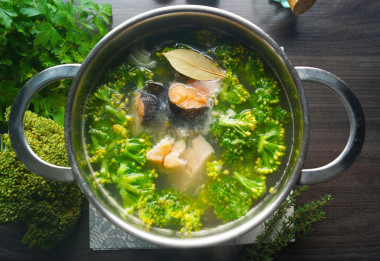
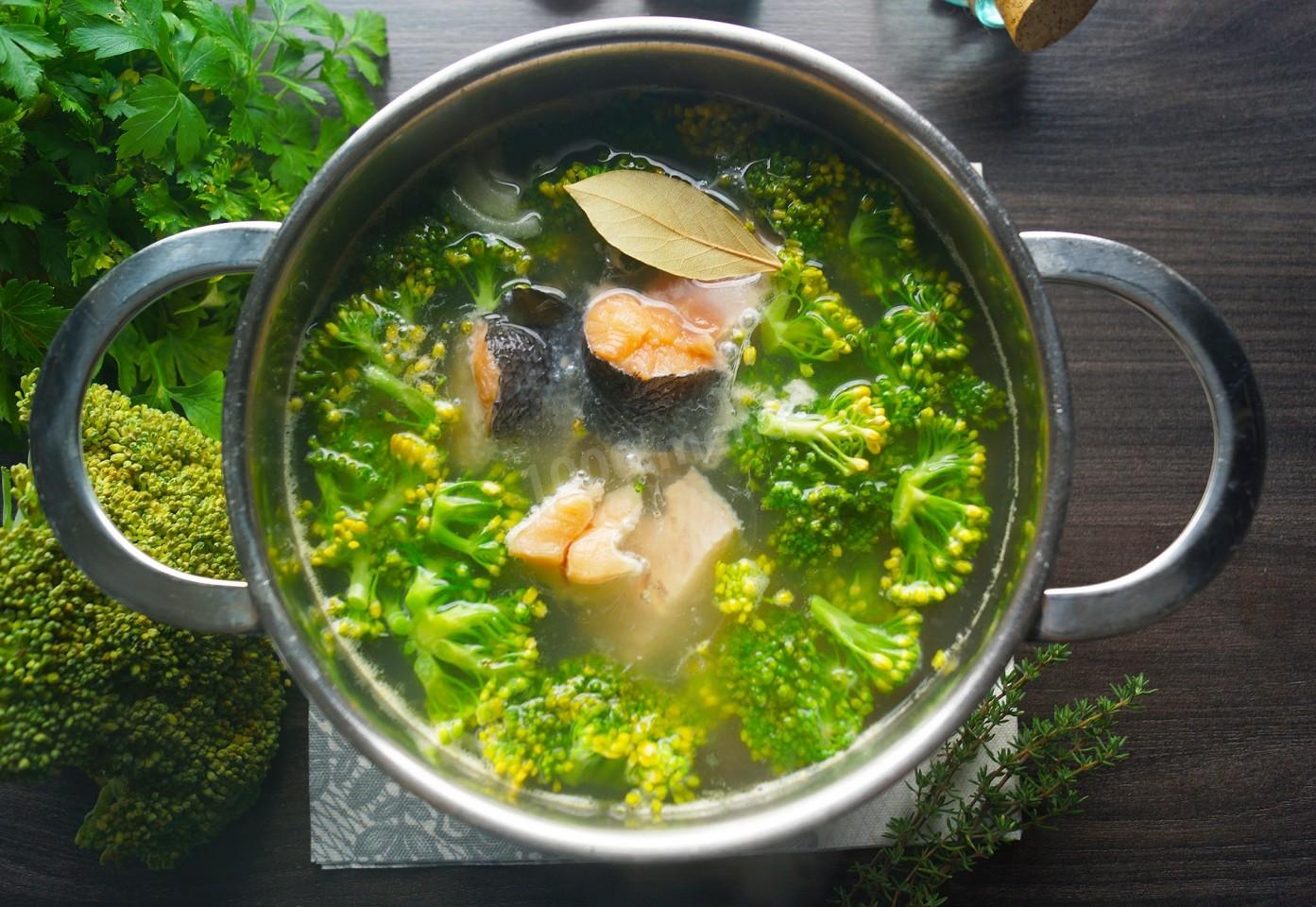
Add the salmon, bay leaf, and broccoli. Let it simmer gently over moderate heat for about 5 to 7 minutes. The soup is ready — you can leave it just like this.
-
Step 8:
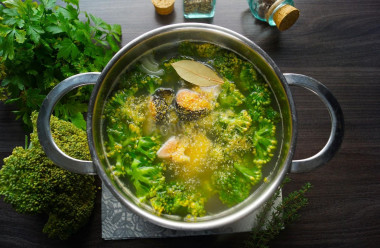
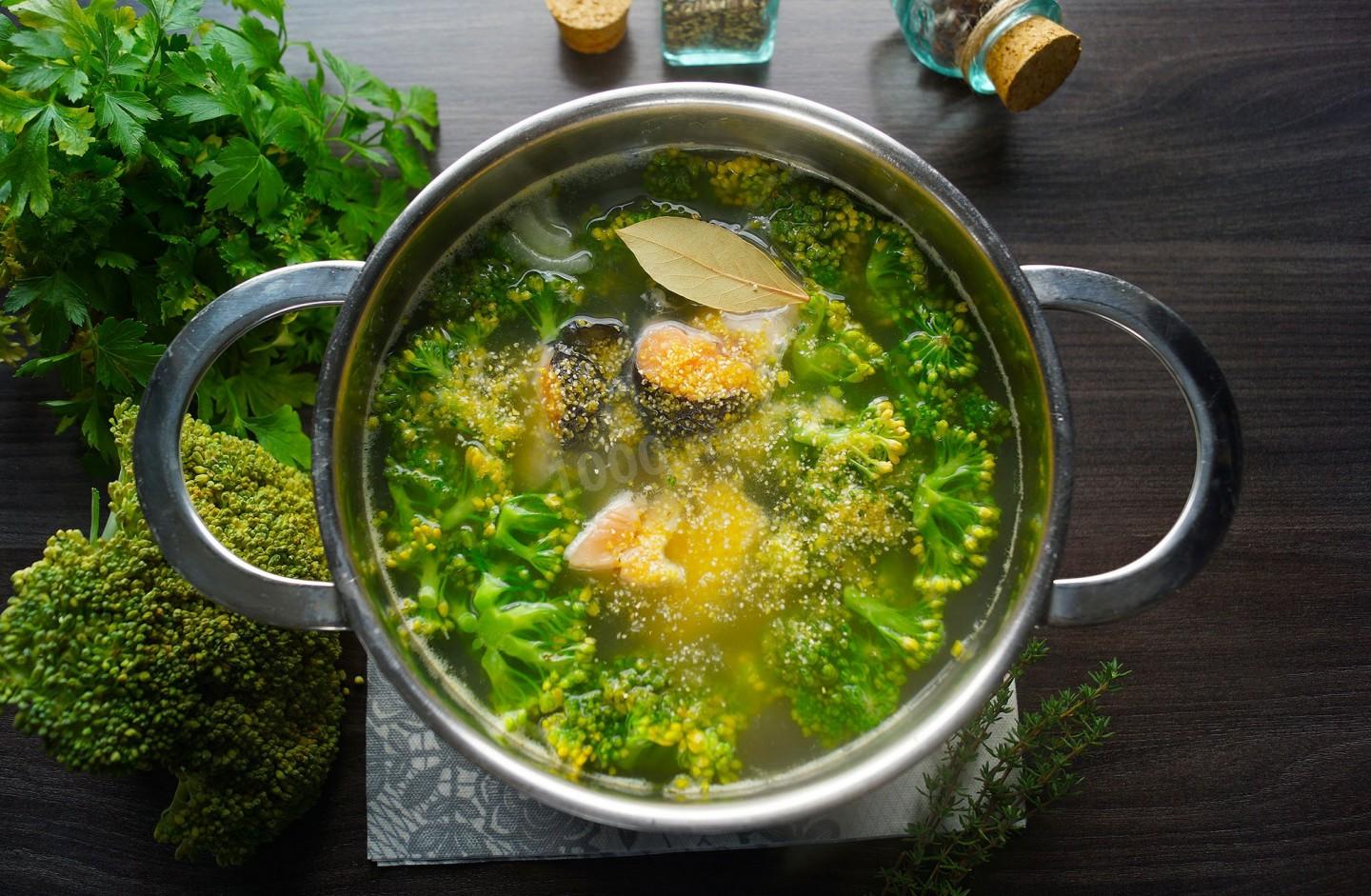
To make the soup thicker and more filling, stir in a tablespoon of cornmeal, semolina, or cream of wheat if you like. Stir it in, and as soon as it returns to a simmer, turn off the heat, cover the pot, and let the soup rest. The grain will finish cooking as it sits.
-
Step 9:
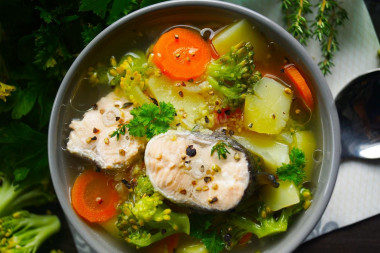
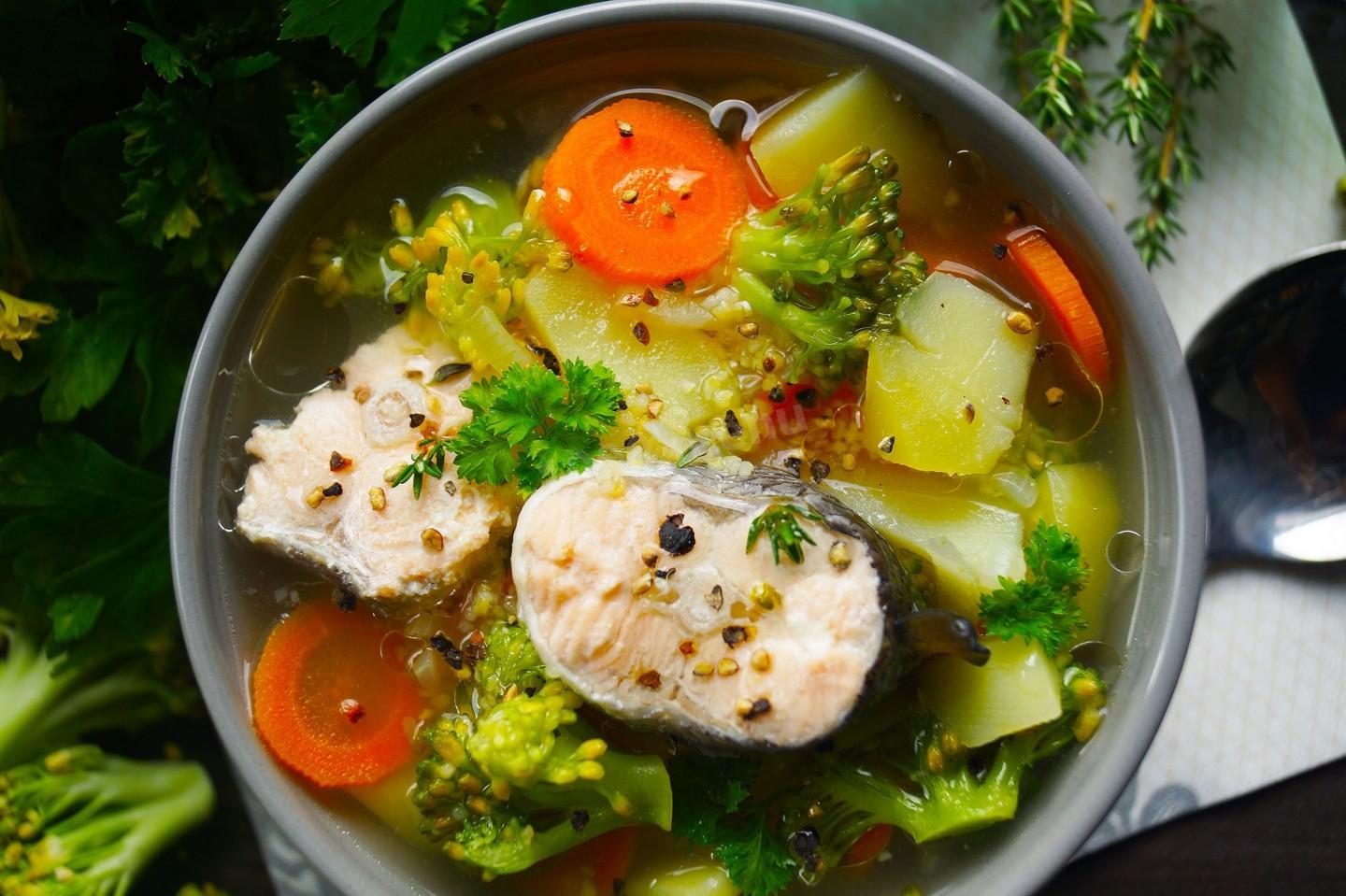
Serve with freshly ground black pepper or allspice and a sprinkle of finely chopped herbs.
- Enjoy!
- A note on the water: whether or not the recipe gives you an exact amount, it's best to go by your own taste (do you like your soup thick or brothy?), the size of your pot, and the ingredients you're working with. The first time you make a soup, don't commit to a whole pot — make a small tasting batch for one or two people. Scale all the ingredients down to 1–2 servings and figure the water at roughly one cup per serving for a thick soup, up to 1.5–2 cups for a brothier one, keeping in mind that some will boil off. Taste that small batch and adjust the liquid and proportions to suit you. Before long you'll be eyeballing it like a pro.
- For the best result, use filtered or bottled water with a neutral taste. Tap water can leave an off, telltale flavor in the dish.
Caloric content of the products possible in the composition of the dish
- Onion - 41 kcal/100g
- Ripe potatoes - 80 kcal/100g
- Baked potatoes - 70 kcal/100g
- Mashed potatoes - 380 kcal/100g
- Boiled potatoes - 82 kcal/100g
- Potatoes in uniform - 74 kcal/100g
- Fried potatoes - 192 kcal/100g
- Carrots - 33 kcal/100g
- Dried carrots - 275 kcal/100g
- Boiled carrots - 25 kcal/100g
- Broccoli - 33 kcal/100g
- Bay leaf - 313 kcal/100g
- Corn groats - 337 kcal/100g
- Salt - 0 kcal/100g
- Water - 0 kcal/100g
- Red Fish - 191 kcal/100g
Similar recipes
- Soups
- Fish and seafood
- Vegetables
- Cereals and cereal products
- Spices seasonings spices
- Other
- Bay leaf
- Salt
- Water
- Cooking
- Fish soups
- Cabbage soup
- Potato soup
- Soups with cereals
- Fish with vegetables
- Red fish
- From carrots
- From potatoes
- From cabbage
- From onion
- No eggs
- Recipes for lean dishes without butter
- Corn