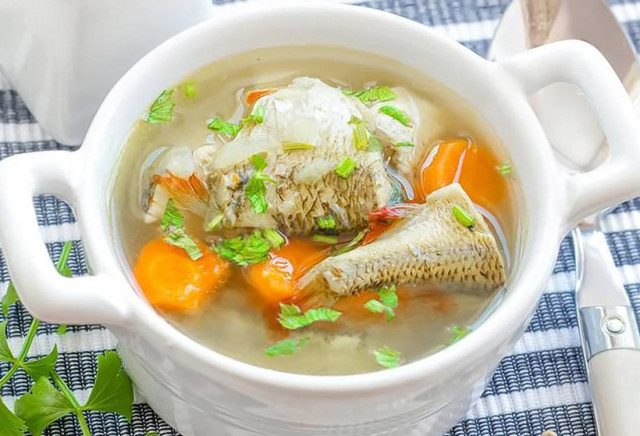
Creamy Semolina Porridge with Milk
That comforting, familiar bowl of semolina porridge. I recently spotted semolina at the store. It's basically the same as the fine farina I grew up with, but coarsely milled from durum wheat. Semolina has a golden hue thanks to its high carotene content, it holds its shape a little better as it cooks, and the porridge comes out more fragrant. Like fine farina, it's essentially ground grain, so it cooks up fast and easy. Even so, simple dishes have their little tricks — skip them and the result just won't be as tasty and inviting.


Cooking method
-
Step 1:

For semolina porridge with milk you'll need: milk, semolina, salt, sugar, butter, and lemon balm for garnish.
-
Step 2:
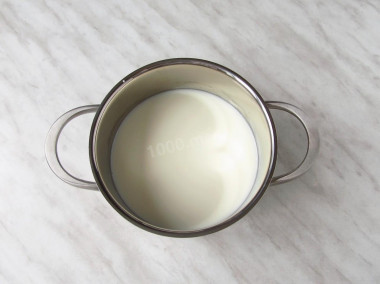
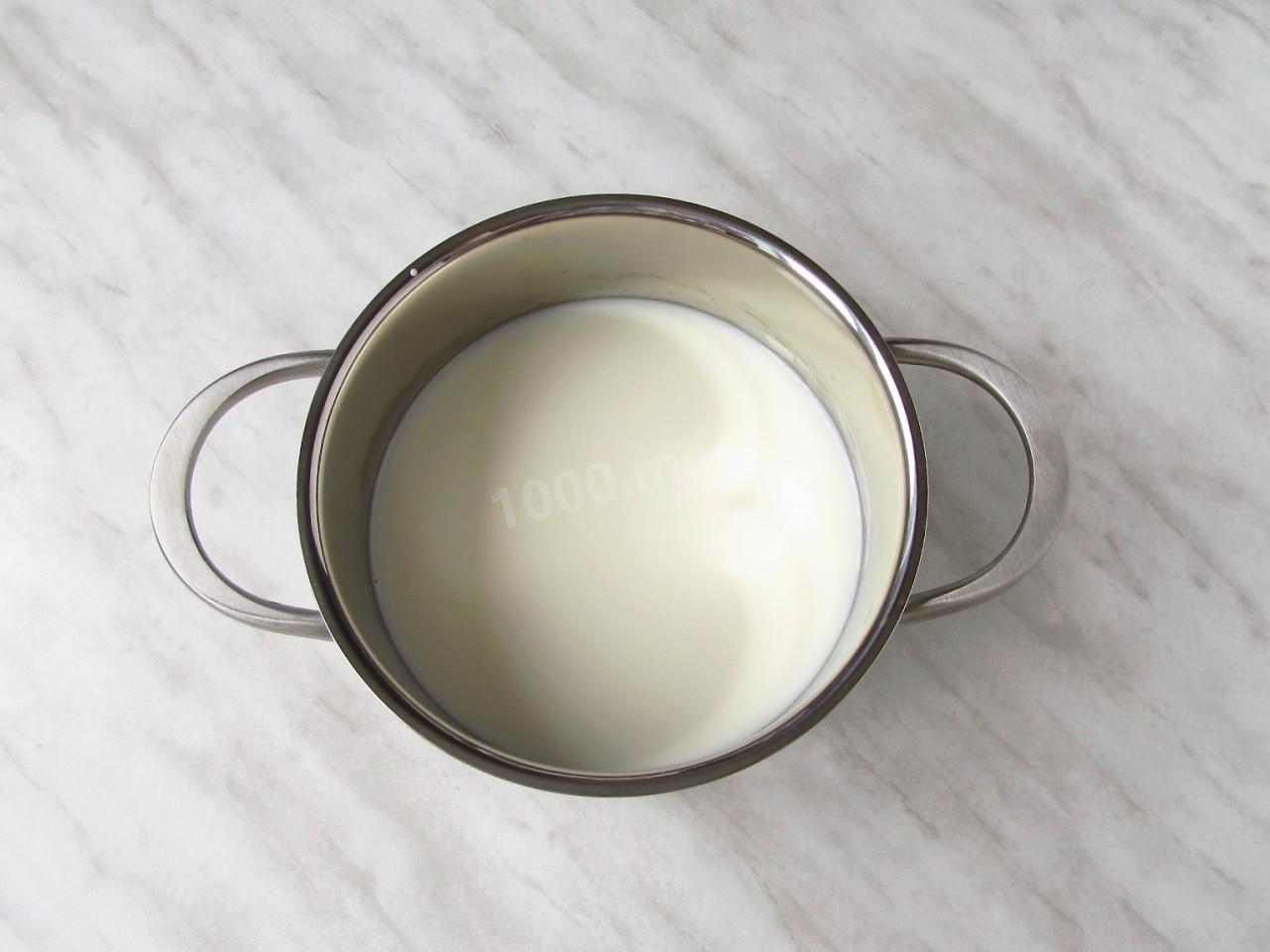
Pour the milk into a saucepan, set it over the heat, and bring to a boil. If you like, you can swap a little of the milk for water.
-
Step 3:
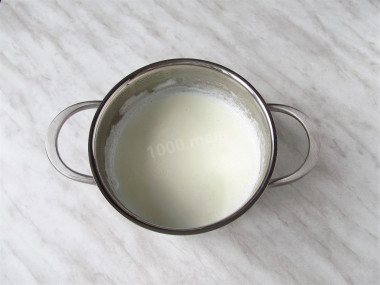
Add salt and sugar to the boiling milk and stir.
-
Step 4:
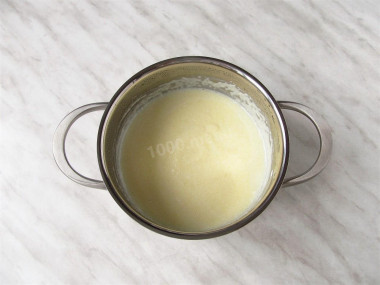
Pour the semolina into the milk in a thin stream near the edge of the pan, stirring constantly so no lumps form. Turn the heat down low and cook the porridge, stirring the whole time so it doesn't stick to the bottom, for no more than three minutes.
-
Step 5:

Take the pan off the heat, cover it tightly, and let it sit for 10–15 minutes until the grains fully swell. You can drape a towel over the pan to hold in the heat.
-
Step 6:
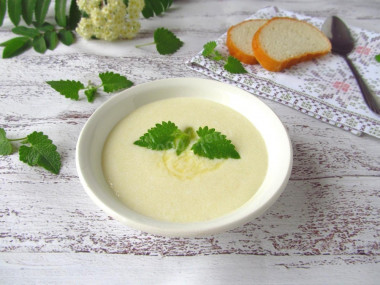
Serve the semolina porridge with a pat of butter and, if you like, a few fragrant lemon balm leaves on top. Enjoy!



- If you use regular fine farina, the cooking time drops to no more than 2 minutes. Despite the short time, the porridge actually softens better this way than it does at a rolling boil, because the steam off the milk is hotter than the milk itself when you cook with the lid off. A tight-fitting lid is ideal — it traps as much heat and steam as possible while the porridge rests. That resting stage, off the heat, is where the real flavor develops: the porridge isn't boiling away or stewing under the lid and losing its protein, vitamins, and taste. In porridge made this way, you can pick out the small, individual grains, and there's no skin on the surface. That skin forms when proteins and gluten cook out, which lowers the nutritional value and dulls the flavor. Semolina porridge made this way comes out both tastier and better for you.
Caloric content of the products possible in the composition of the dish
- Whole cow's milk - 68 kcal/100g
- Milk 3.5% fat content - 64 kcal/100g
- Milk 3.2% fat content - 60 kcal/100g
- Milk 1.5% fat content - 47 kcal/100g
- Concentrated milk 7.5% fat content - 140 kcal/100g
- Milk 2.5% fat content - 54 kcal/100g
- Semolina - 340 kcal/100g
- Granulated sugar - 398 kcal/100g
- Sugar - 398 kcal/100g
- Butter 82% - 734 kcal/100g
- Amateur unsalted butter - 709 kcal/100g
- Unsalted peasant butter - 661 kcal/100g
- Peasant salted butter - 652 kcal/100g
- Melted butter - 869 kcal/100g
- Salt - 0 kcal/100g
- Melissa - 0 kcal/100g