Honeysuckle Berries for Winter
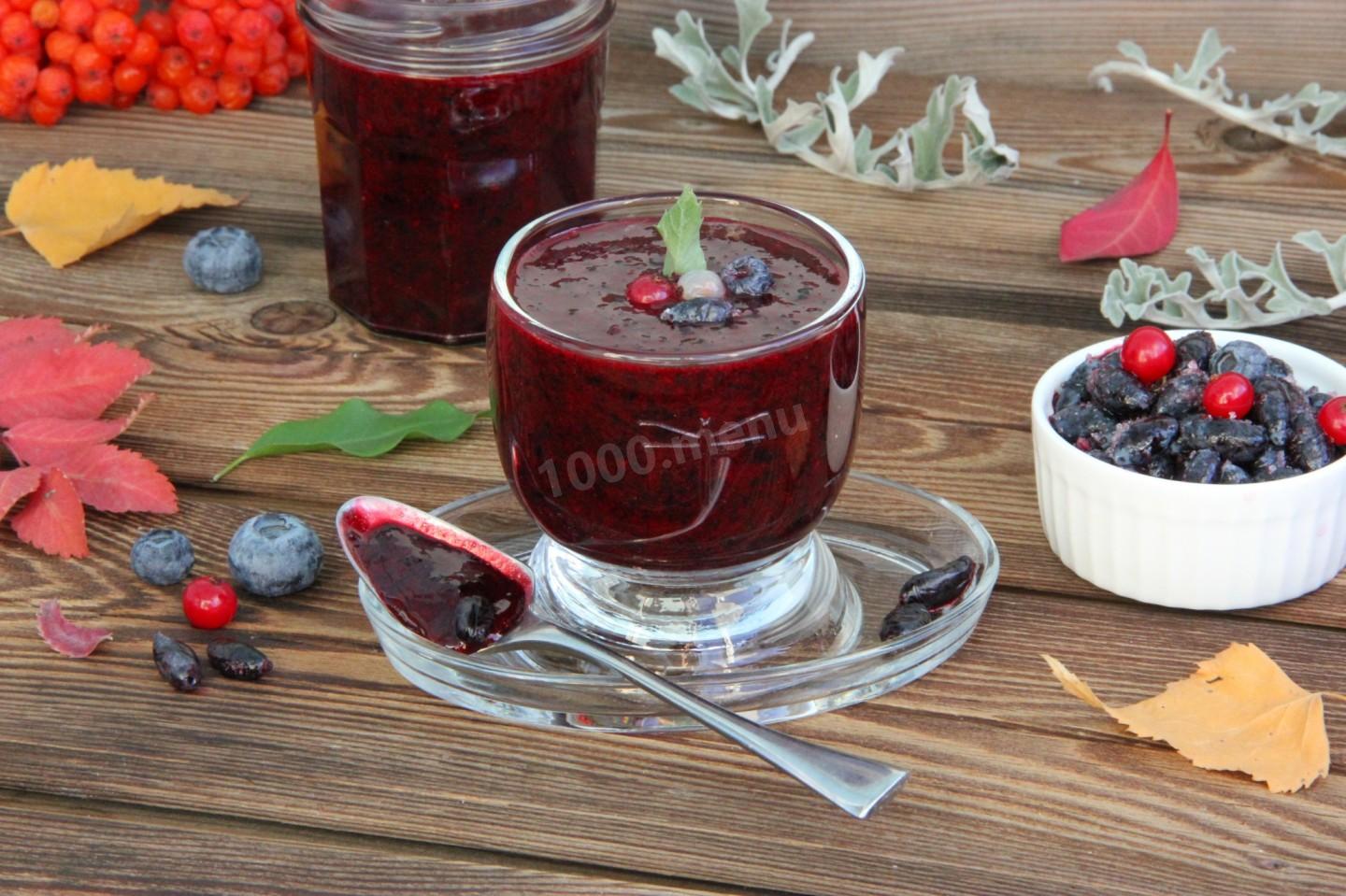
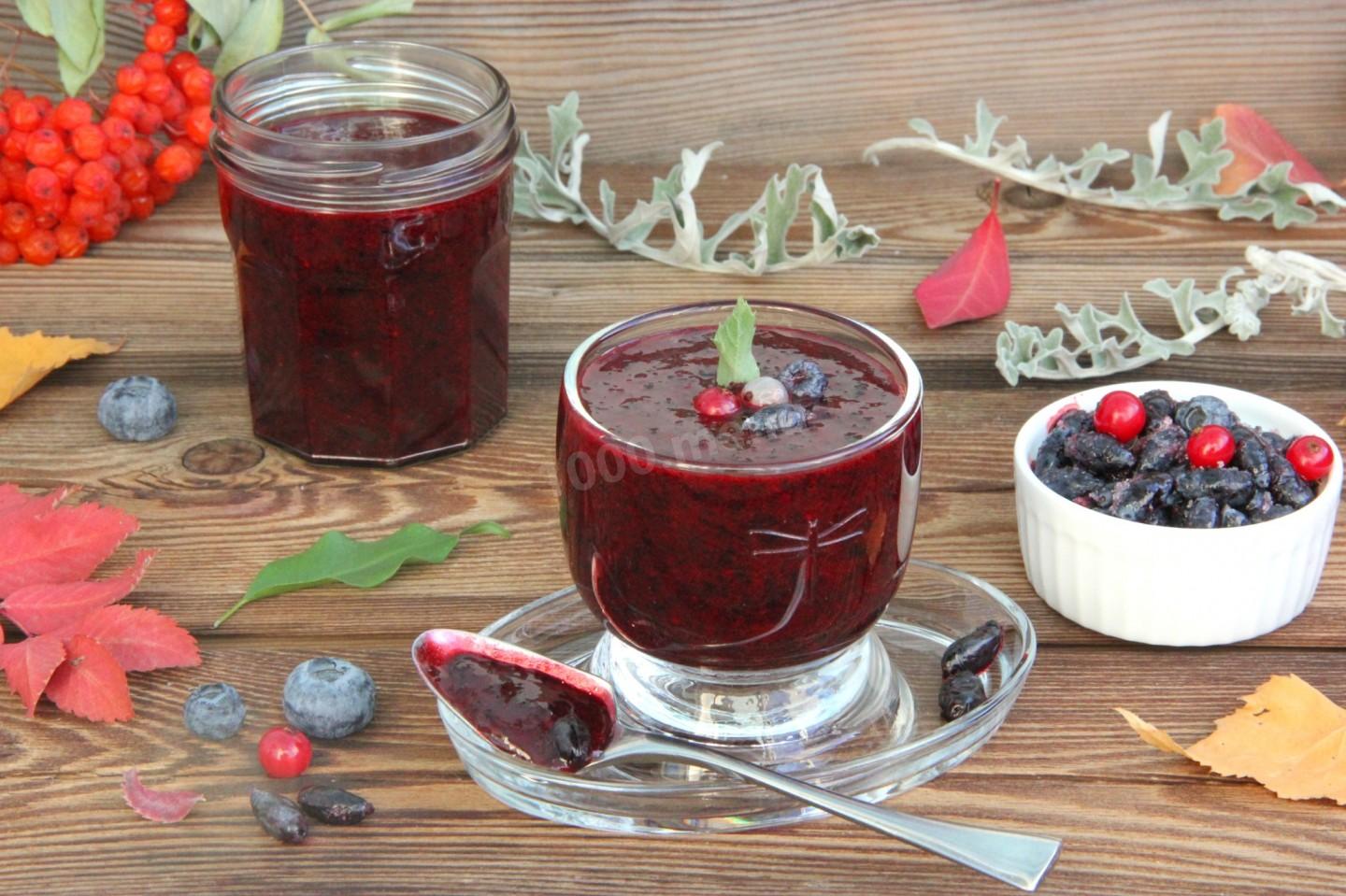
Sugared berries with no cooking - maximum nutrition and flavor! Raw honeysuckle berries straight off the bush aren't to everyone's taste. But add sugar and let the berries macerate, and the flavor turns into something else entirely - sweet and sour with a gentle hint of bitterness. Berries like these are a favorite with tea and baked goods, or stirred into cottage cheese, sour cream, or ice cream.




Cooking method
-
Step 1:
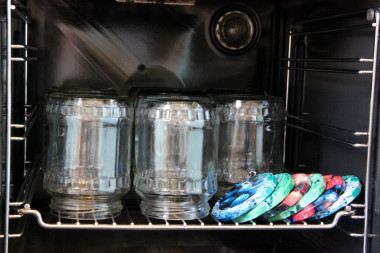
First, STERILIZE the jars. Wash them with baking soda and rinse well under running water. Place them wet in a cold oven, neck down, and lay out the lids too. Turn the oven to 300 F (150 C); once it reaches temperature, sterilize for 8 minutes for 0.7-liter jars, 15 minutes for 1-liter, 20 for 2-liter, and 25 for 3-liter. This is the most convenient sterilizing method for me - I've used it for years and it's never let me down.
-
Step 2:
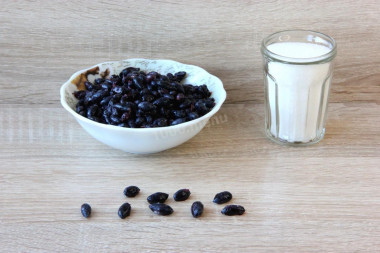
Both fresh and frozen berries work for this recipe. Fresh, in season, is of course the best. In Siberia we usually freeze berries of all kinds and cook with them later. I used frozen ones this time, and while I worked there was a wonderful aroma of fresh berries.
-
Step 3:

Pick over fresh honeysuckle to remove twigs, leaves, and any spoiled berries, and rinse well. Frozen berries just need a rinse in cold water and a chance to drain, since they were already prepped before freezing. Many people recommend drying them, but I only do that before freezing - there's no need now.
-
Step 4:
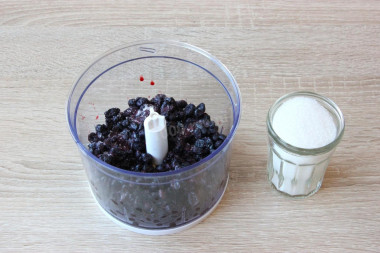
Put the berries straight into a blender, add a little sugar, and pulse.
-
Step 5:

The honeysuckle will release its juice, which is exactly what we want.
-
Step 6:

Now add the sugar in several stages, blending after each addition. If you have a lot of berries, work in batches, transferring each blended portion to a large bowl and then mixing everything together - or use an immersion blender or a large stand blender, whichever is easier.
-
Step 7:
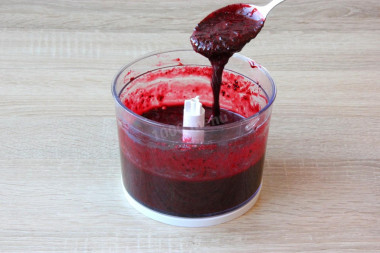
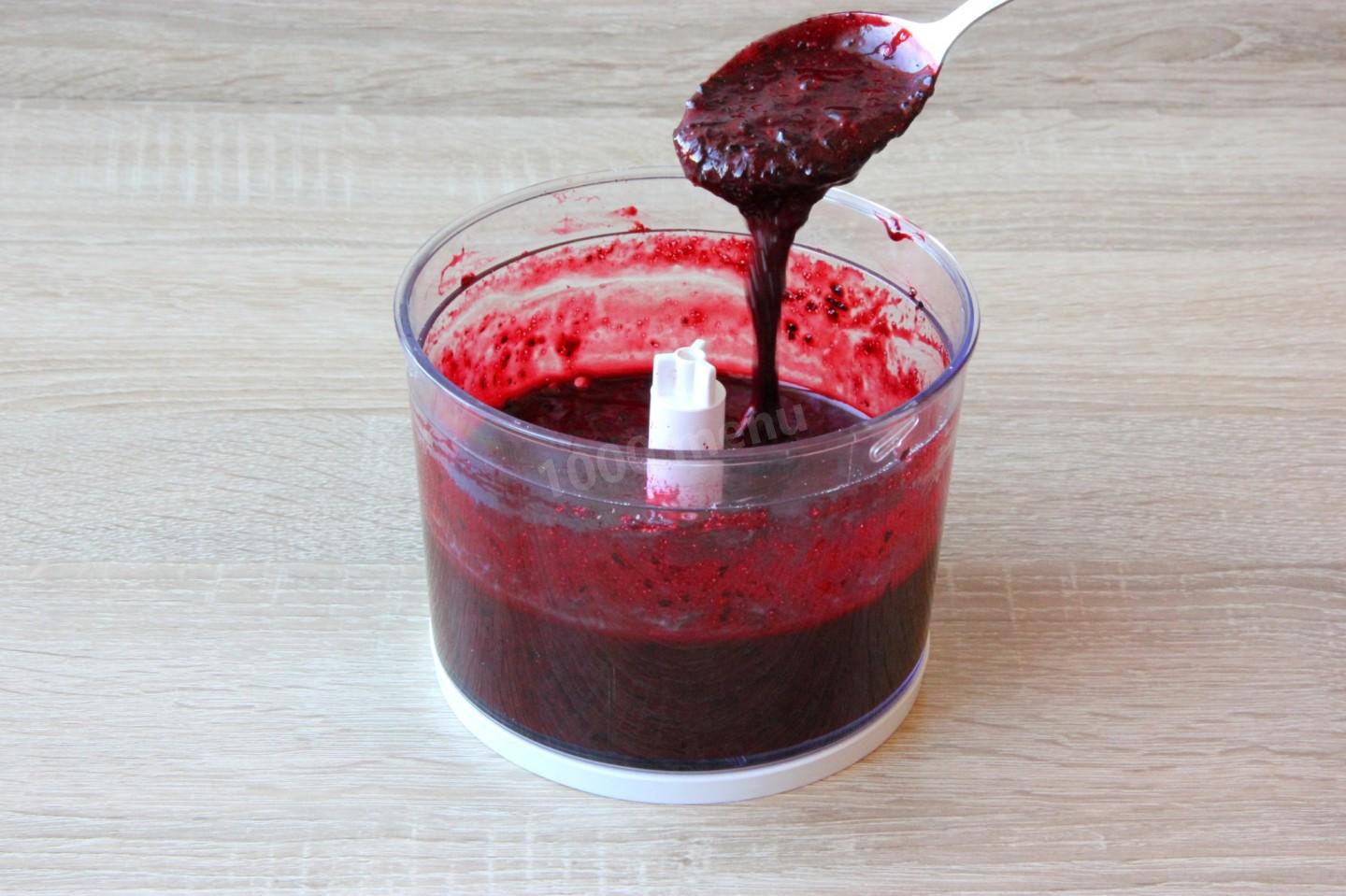
Honeysuckle has fairly tough skins, so the finished puree has an uneven texture with bits of pulp and skin. Let the puree sit on the counter for about 15 minutes, until the sugar fully dissolves, then pour it into sterilized jars and seal. Store in the fridge. You can also pour it into disposable 200-ml rectangular containers and keep them in the freezer.


- A word about the amount of sugar. For this preserve you can use a 1:1 ratio. More often I use 200 g less sugar than the weight of the prepped honeysuckle, so the berry flavor stays bright and isn't drowned out by sugar. You can use as little as 30% sugar by weight of the berries - that's plenty for freezer storage. For jam, the usual ratio is 1:1.5, but even there I prefer less sugar; 60% is enough for me. If the berries are very bitter, or you'll be storing them in a cellar, it's better to use 1:1 or more. Honeysuckle isn't heat-treated here - it's a live berry with full flavor and aroma - so to prevent fermentation, all your dishes and containers must be clean and ready for storage. Or just make a small batch you'll be able to eat quickly.
Caloric content of the products possible in the composition of the dish
- Granulated sugar - 398 kcal/100g
- Sugar - 398 kcal/100g
- Honeysuckle - 30 kcal/100g