Peasant Soup with Oats
Tasty and rich — a satisfying meal on its own. You can make this peasant soup with oats using any meat: pork, beef, or turkey. The oats give the soup a thick, velvety body and make it more filling. Simple and hearty, it's sure to be a hit with the whole family!

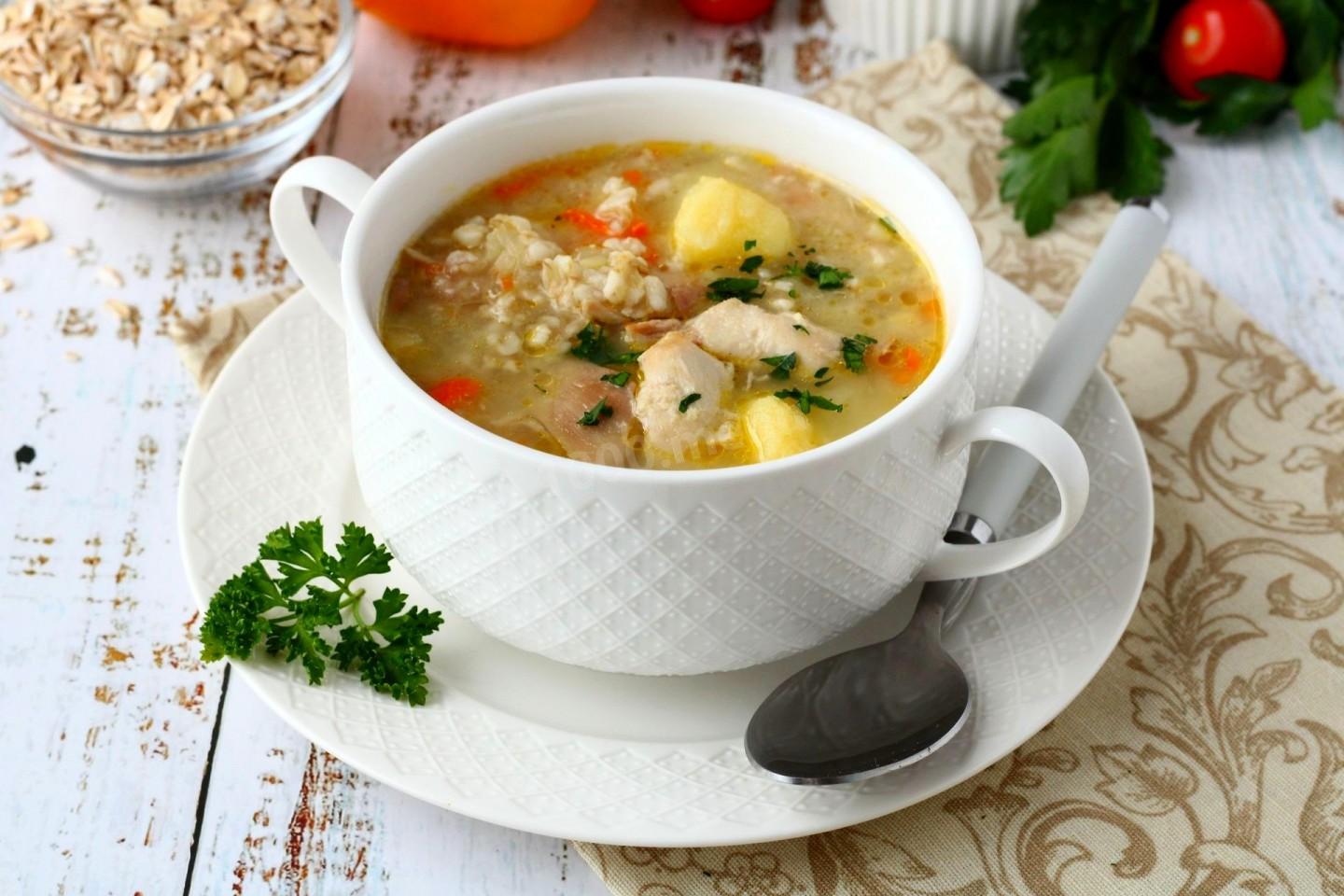
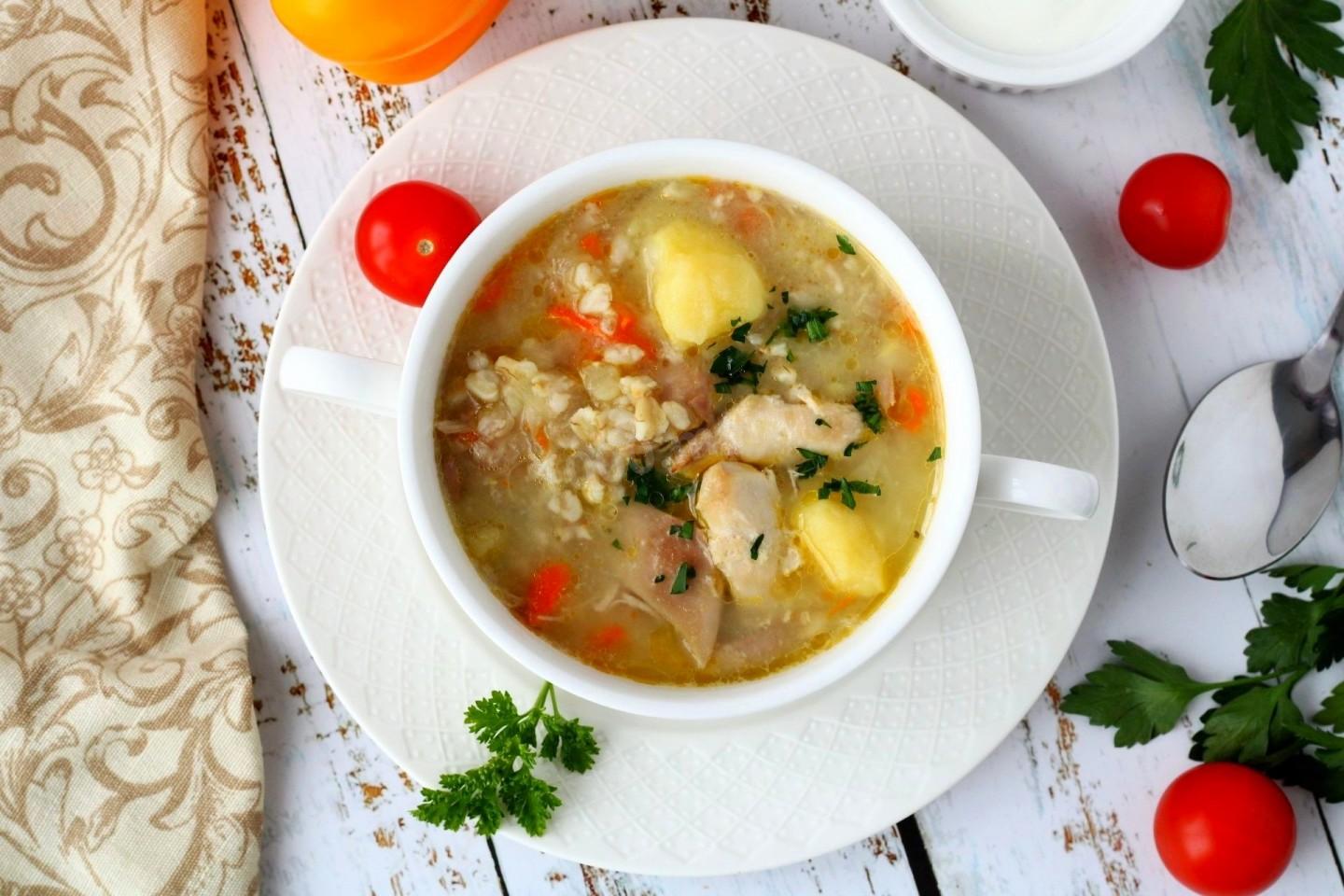
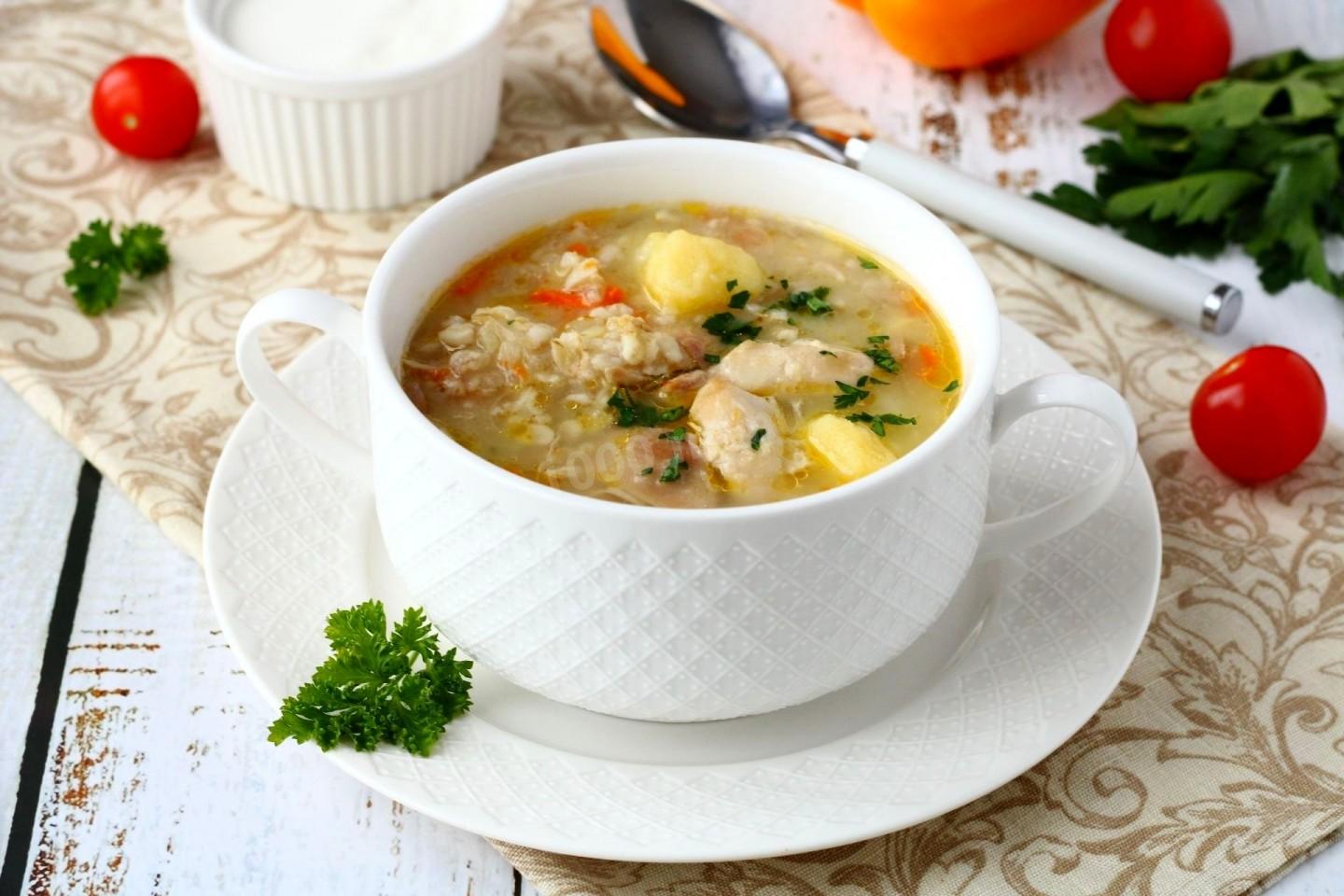
Cooking method
-
Step 1:
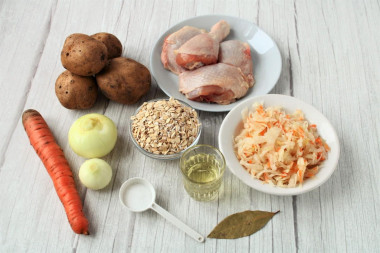
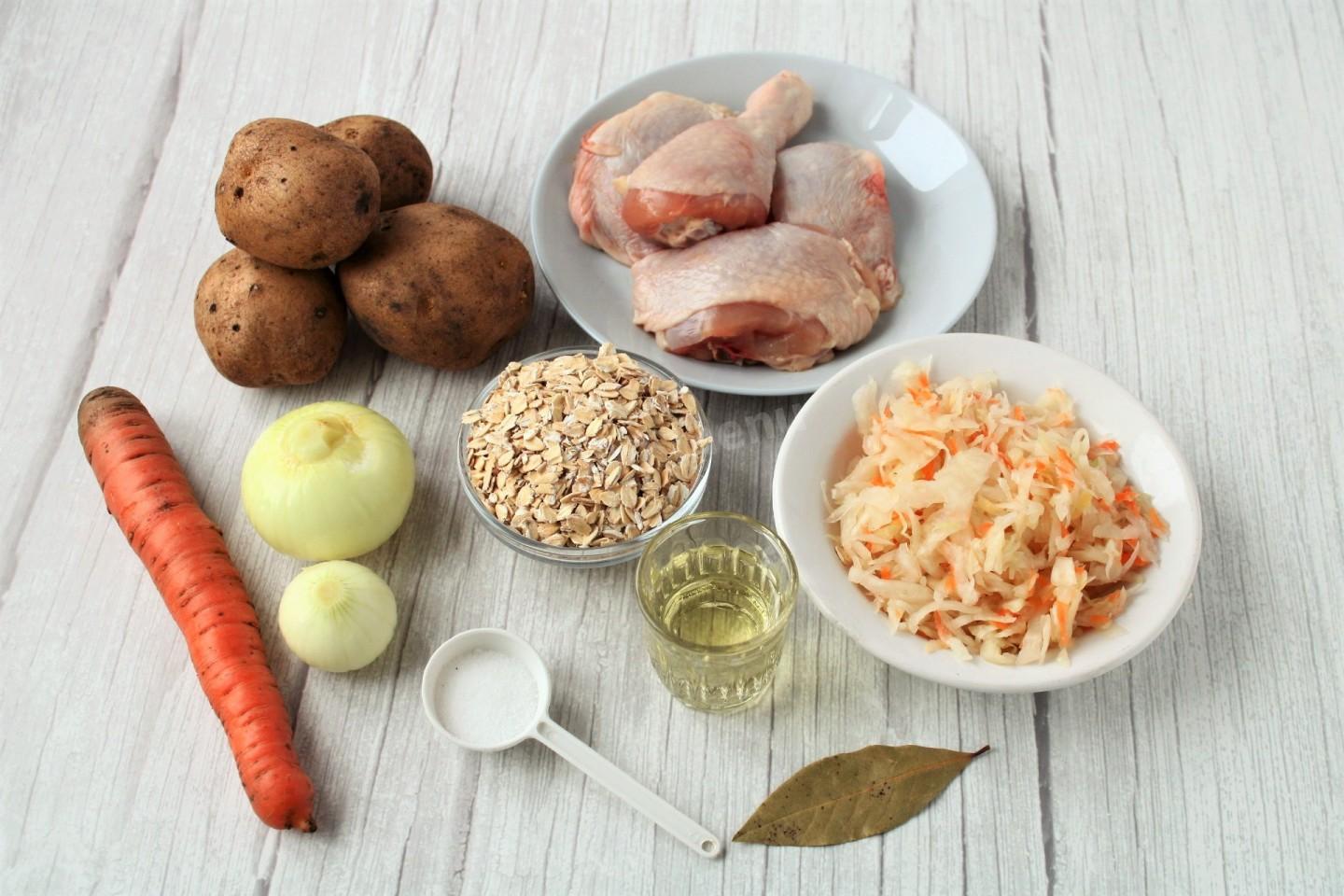
How do you make peasant soup with oats? Gather your ingredients. Any chicken pieces will work — I'm using drumsticks and thighs. It's important that the meat is fresh so the broth stays light and clear. You can use either fresh cabbage or sauerkraut. I took a small onion for the broth and a medium one for sautéing. Use a neutral, odorless vegetable oil.
-
Step 2:
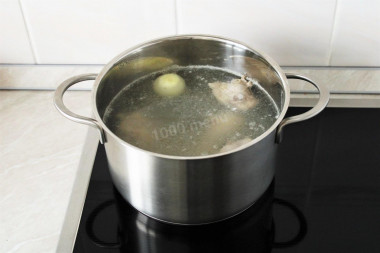
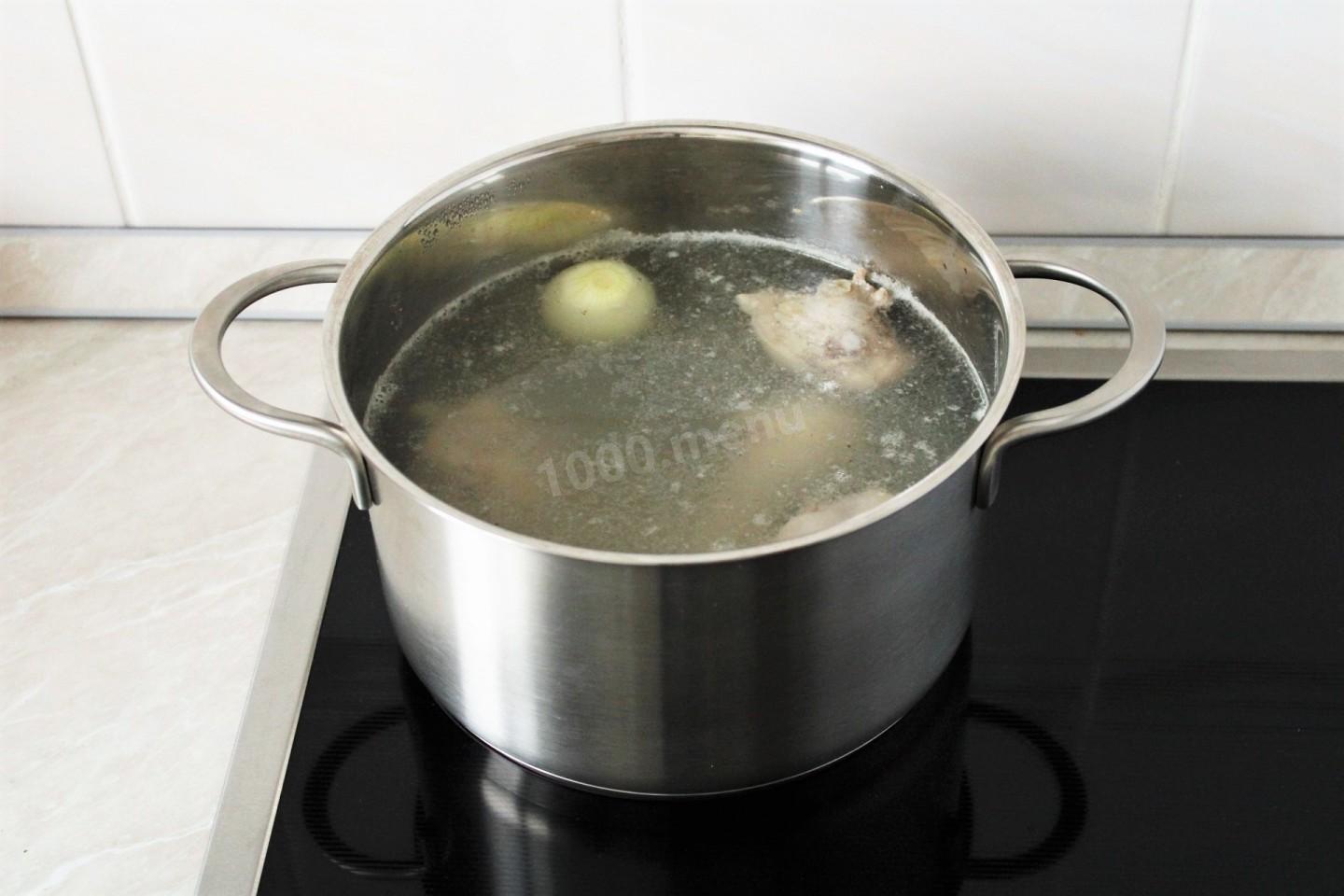
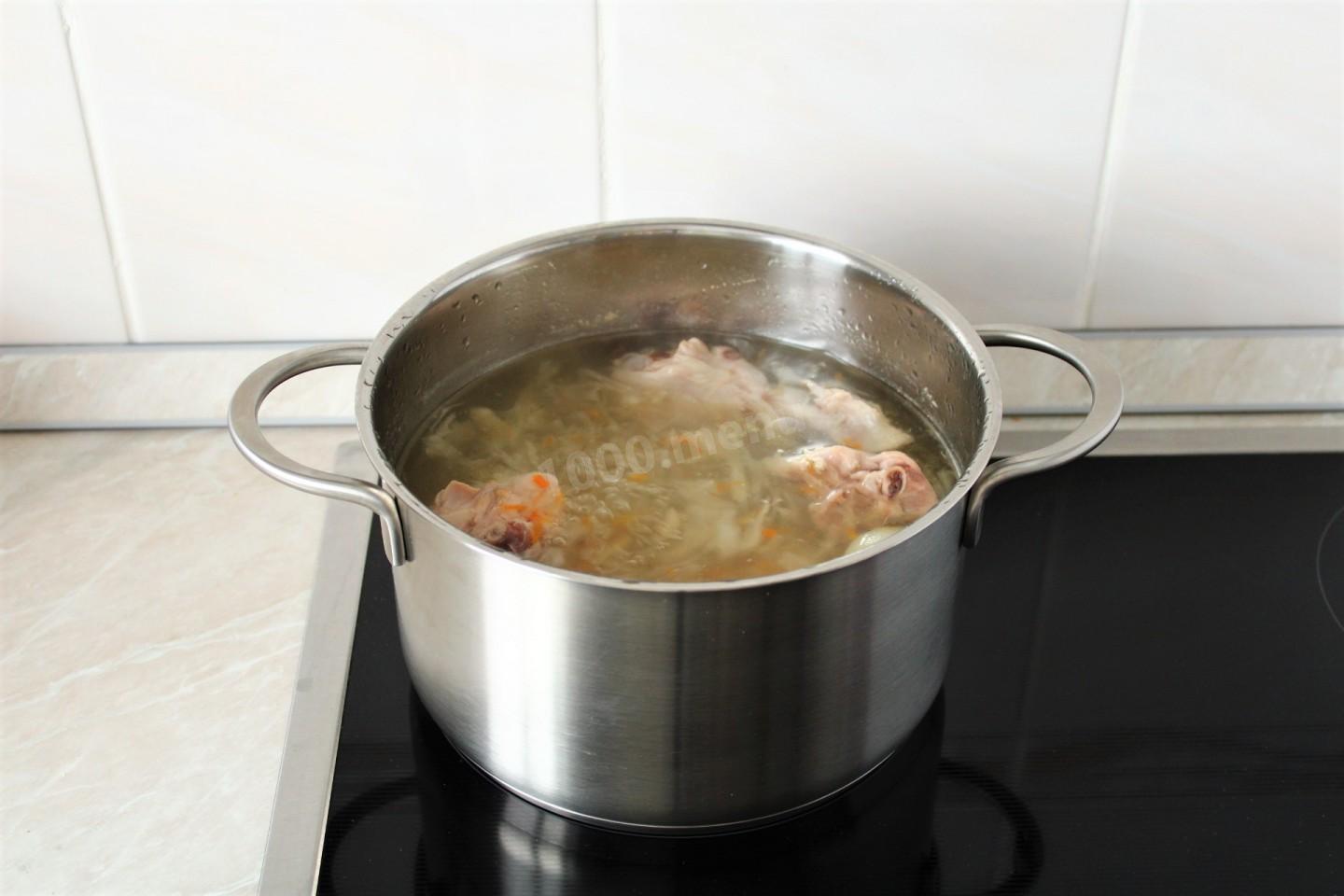
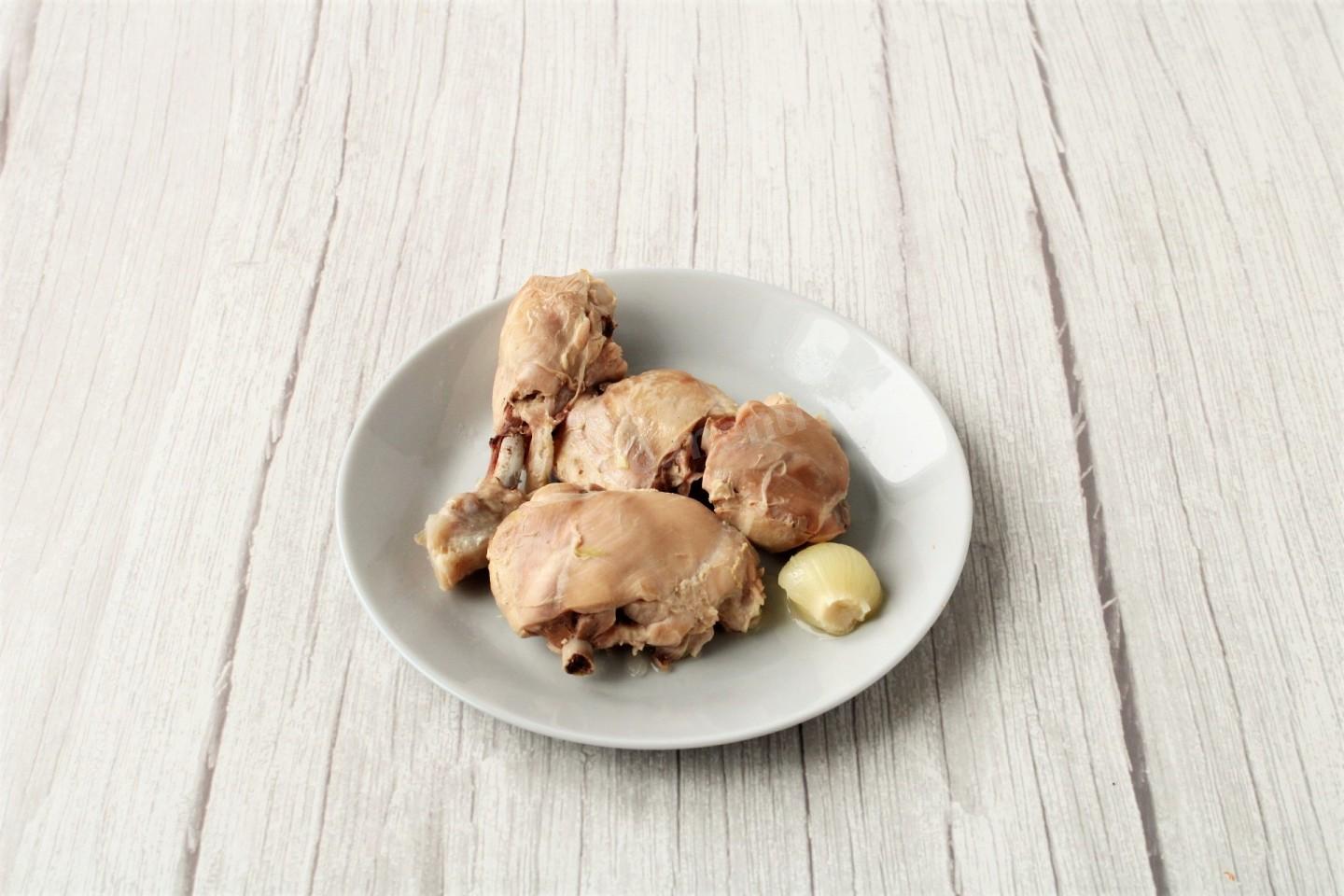
Wash the chicken and put it in a pot of suitable size. Cover with cold water. Bring it to a boil over high heat, skimming off the foam with a spoon. Lower the heat and drop in a whole peeled small onion. Simmer the broth over moderate heat for 20 minutes.
-
Step 3:
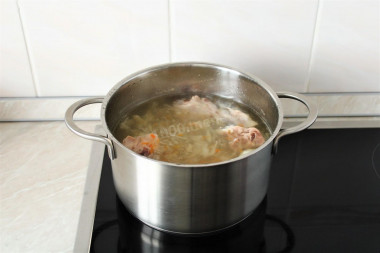
Rinse the sauerkraut with cold water if needed and add it to the pot. (If you're using fresh cabbage, add it after the broth is done.) Keep cooking over moderate heat until the cabbage is half-tender.
-
Step 4:
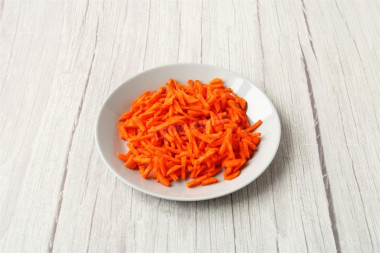
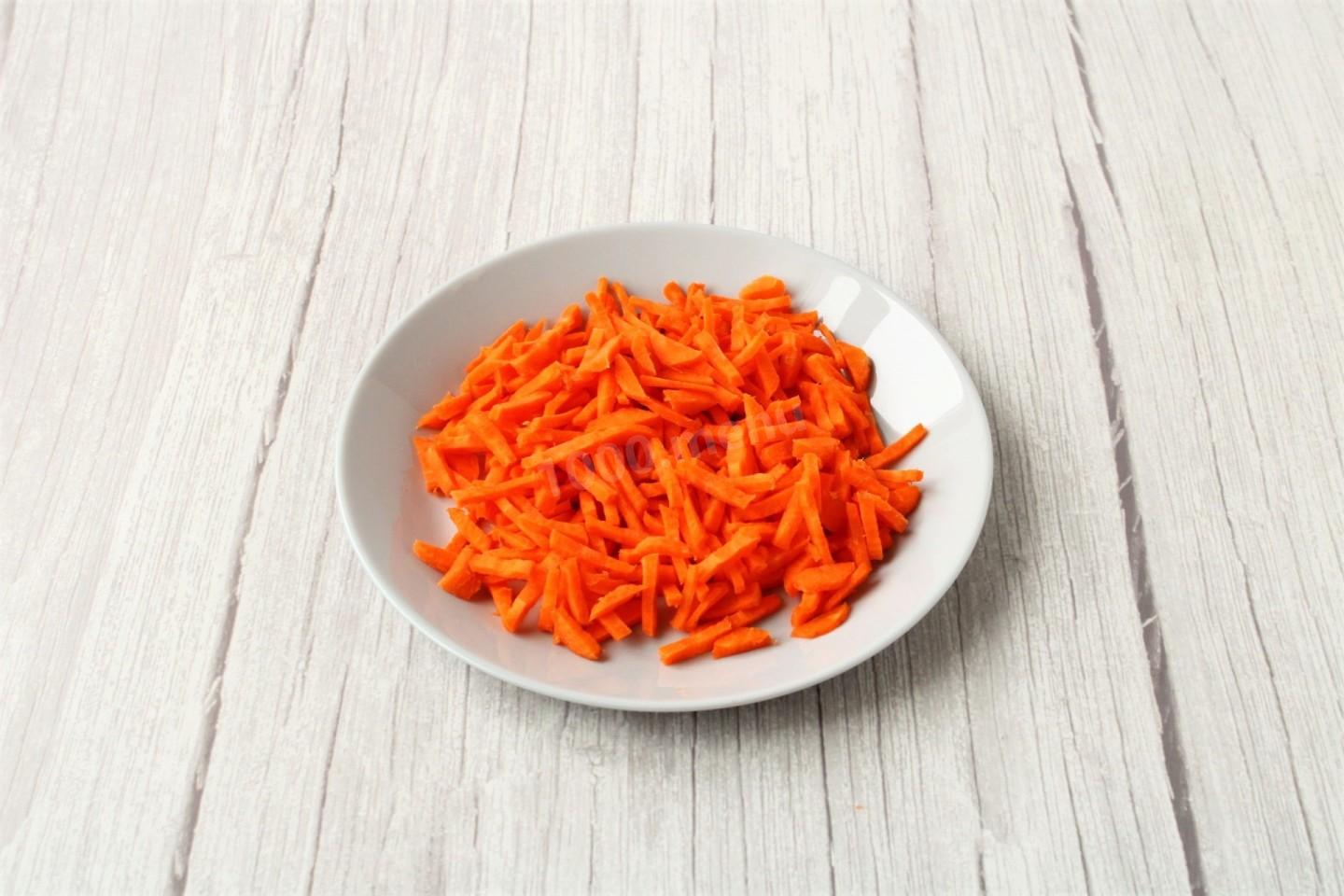
Scrub the carrot clean under running water with a brush and peel it. Cut it into matchsticks.
-
Step 5:
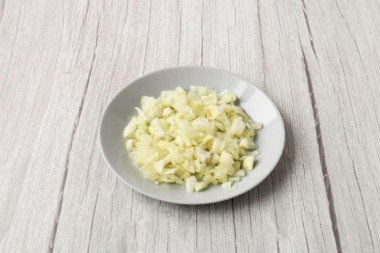
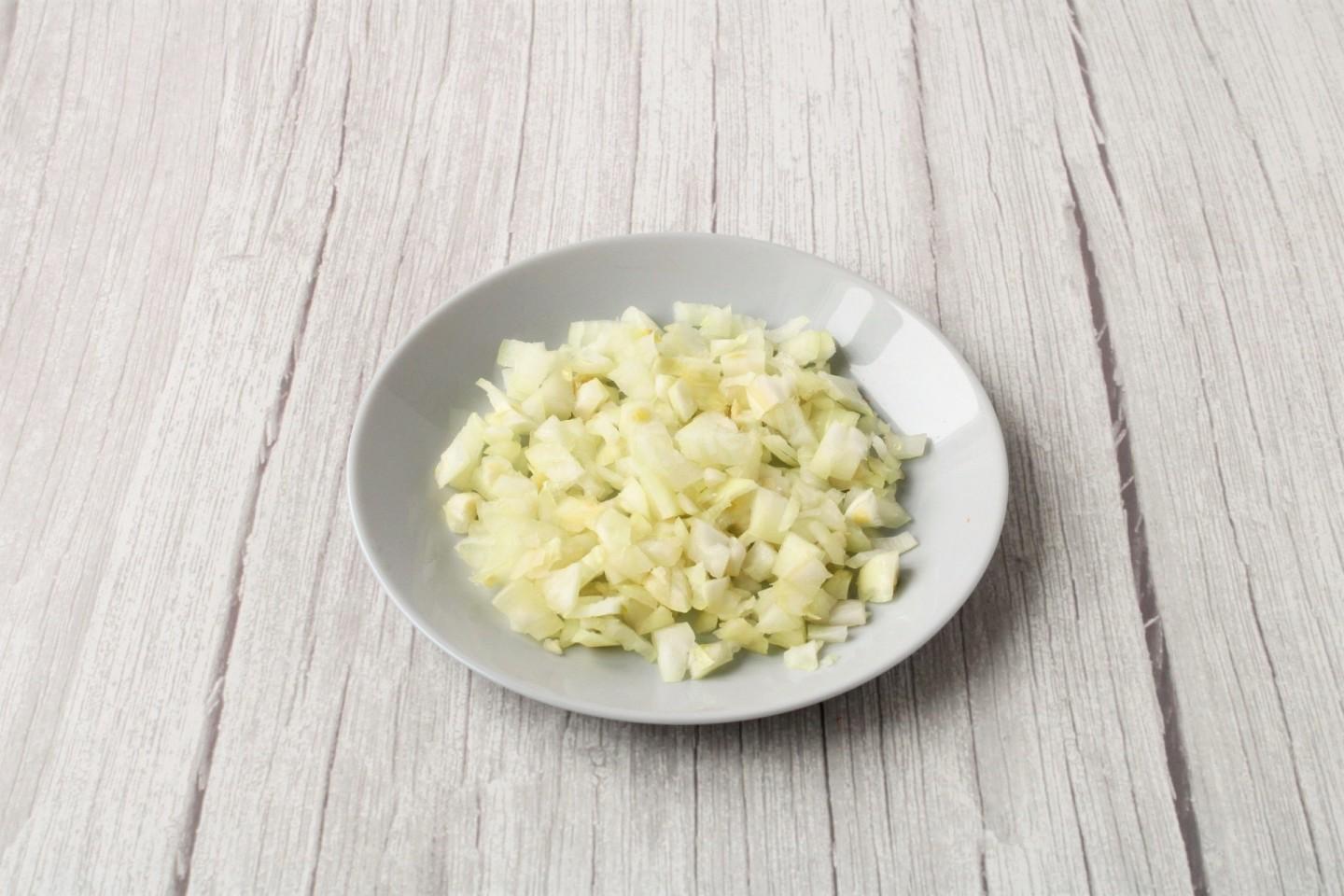
Dice the peeled large onion finely.
-
Step 6:
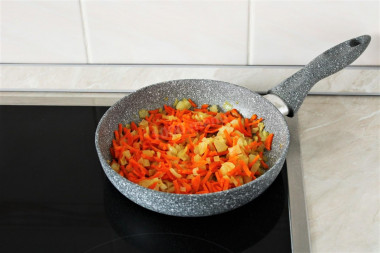
Pour vegetable oil into a skillet and sauté the vegetables over medium heat until soft, stirring so they cook evenly and don't burn.
-
Step 7:
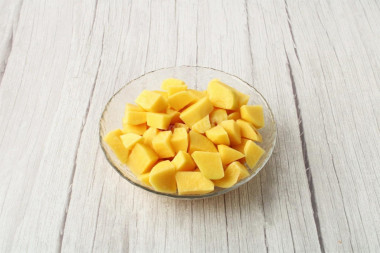
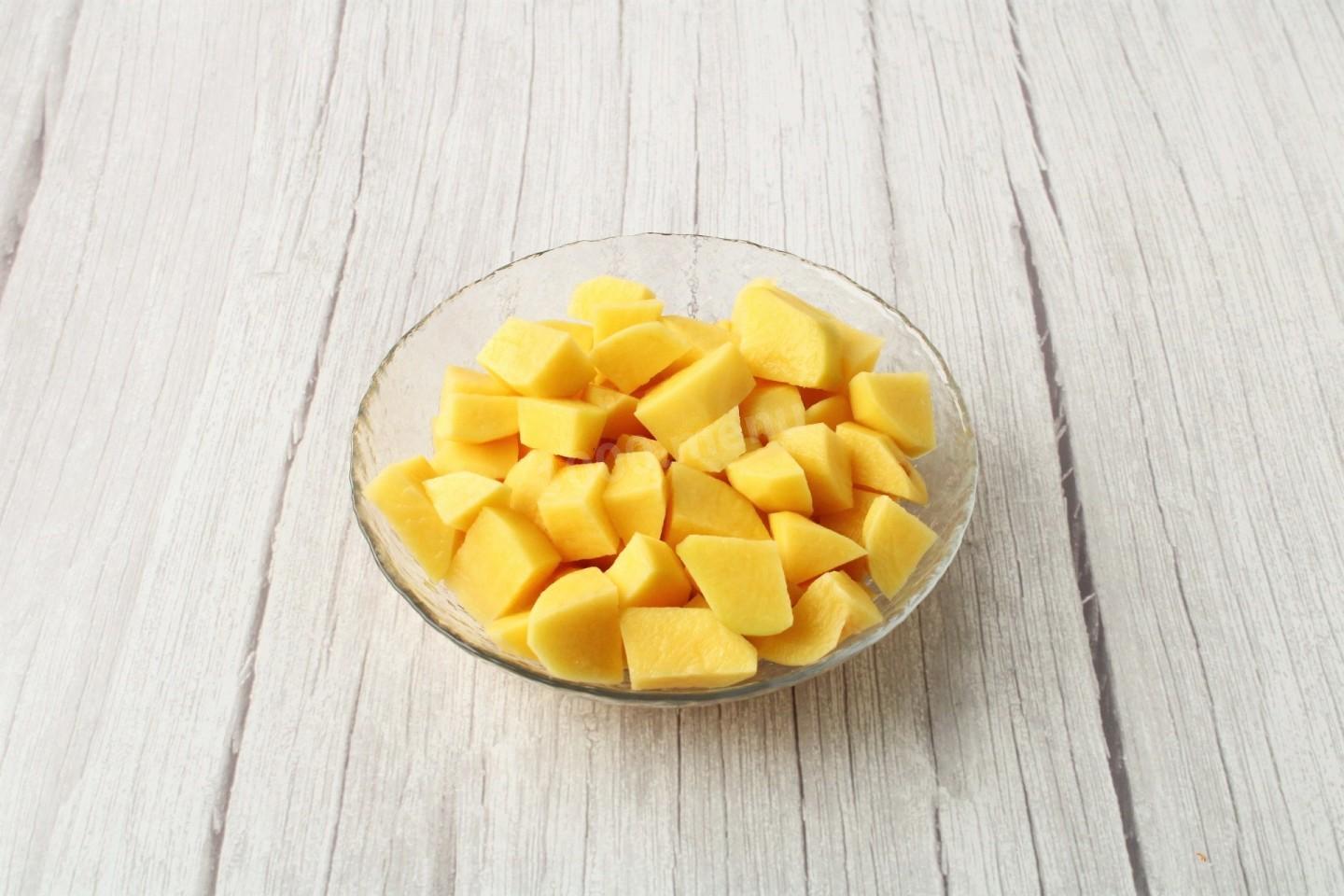
Wash, peel, and cut the potatoes into medium cubes.
-
Step 8:
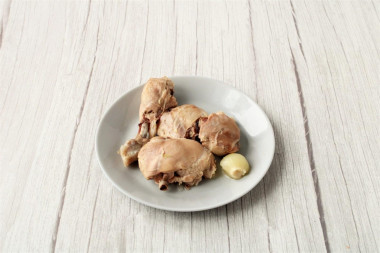
Check the chicken for doneness. Once it's tender and pulls easily off the bone, remove it from the broth along with the onion. You won't need the onion anymore. Let the chicken cool a little.
-
Step 9:
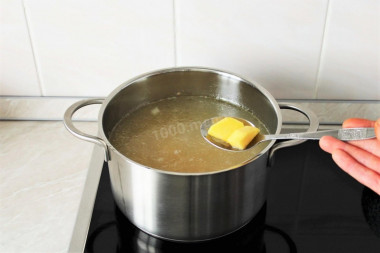
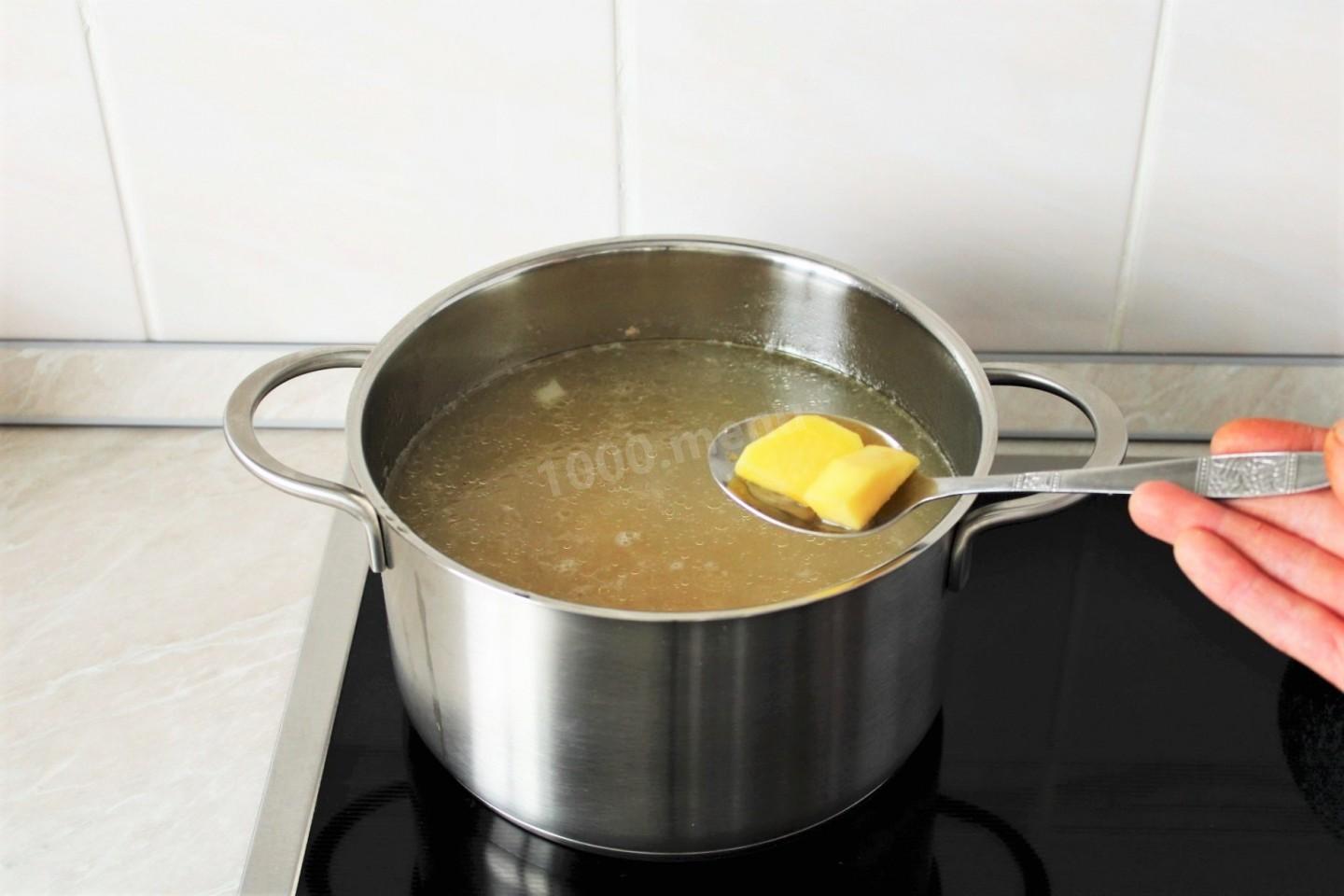
Add the prepared potatoes to the soup, bring it to a boil over higher heat, then cook over moderate heat for 5 minutes.
-
Step 10:
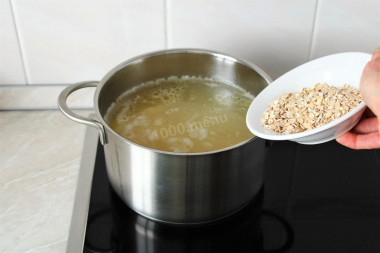
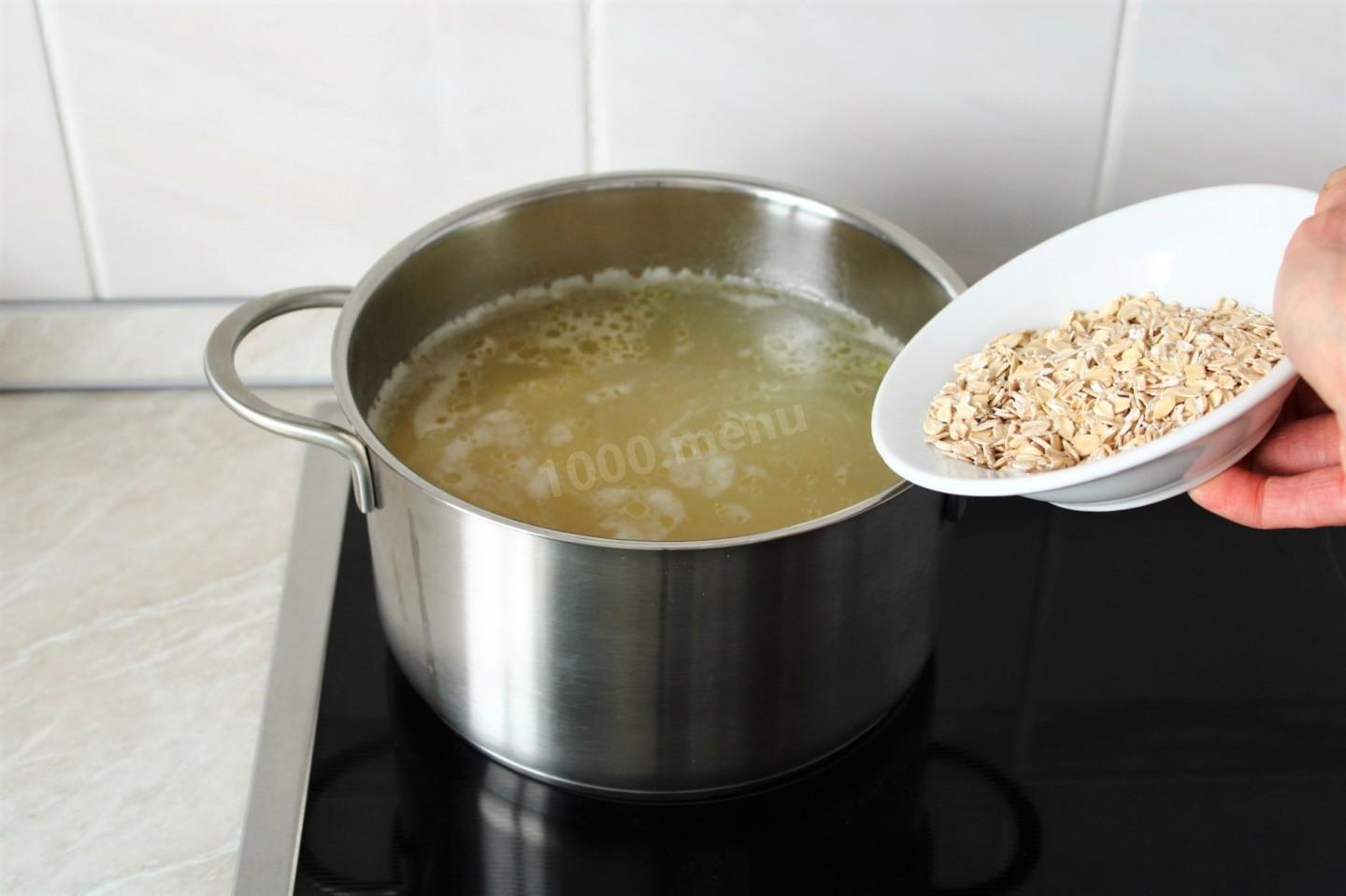
Stir in the oats and cook for another 5-7 minutes. Use old-fashioned rolled oats rather than instant — they make the soup tastier and give it the right consistency. Watch the heat while it cooks, keeping it at a gentle, moderate simmer rather than a hard boil.
-
Step 11:
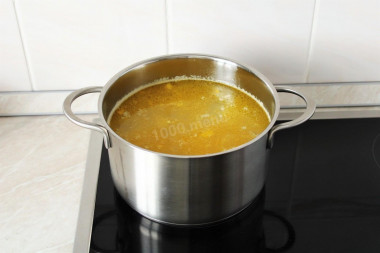
Add the sautéed vegetables to the pot and stir. Season with salt. Always salt soup near the end of cooking, once the main ingredients are just done and can absorb the salt evenly. Salting too early, while the vegetables are still firm, makes the soup take longer to cook and risks over-salting, since the salt stays in the liquid.
-
Step 12:
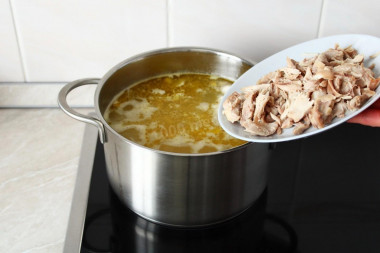
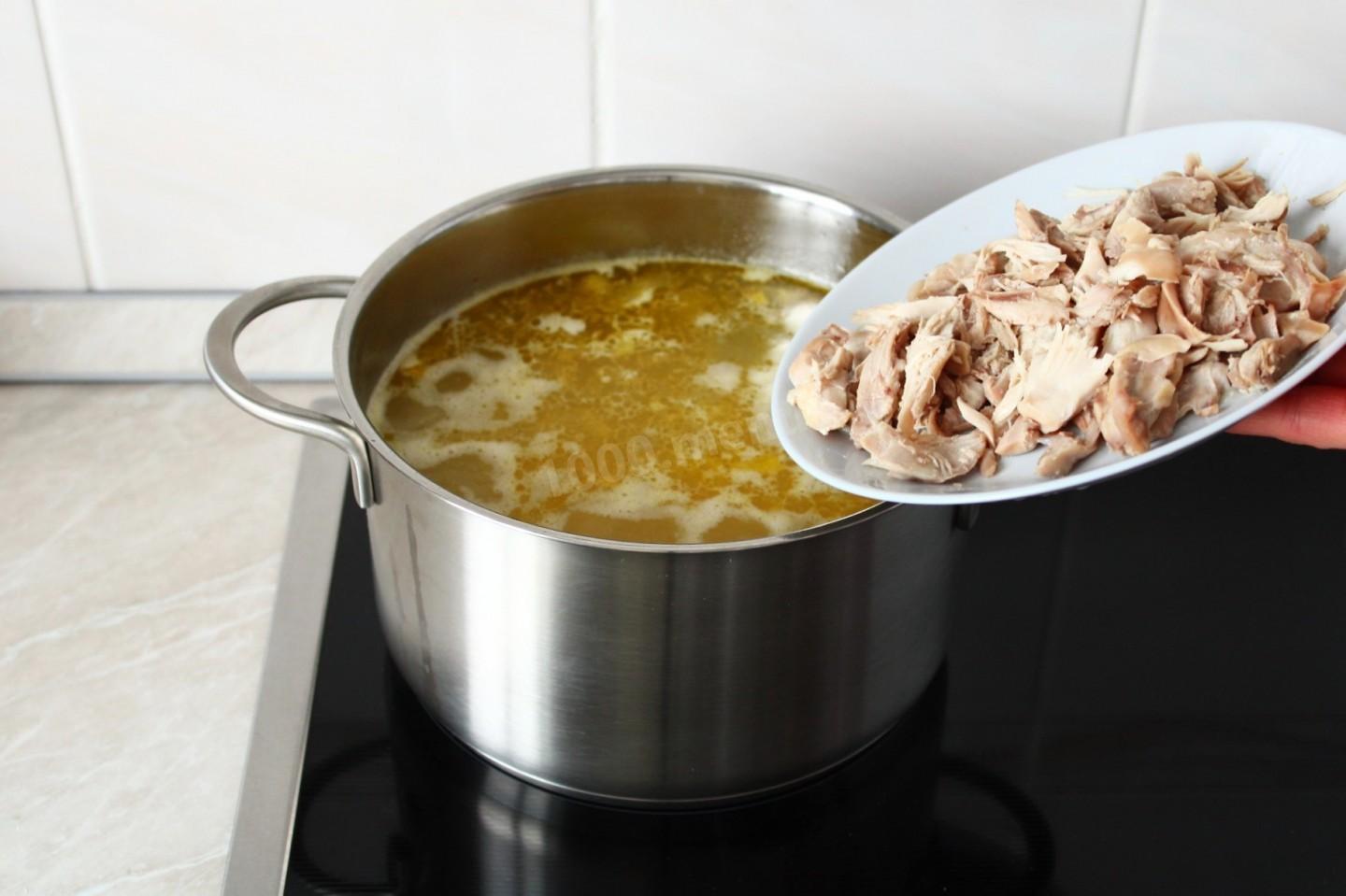
Pull the chicken off the bones and shred it by hand or chop it with a knife. Add the chicken pieces to the soup and stir. Cook over low heat for about 3 minutes. Stir the soup from time to time as it cooks, checking the components for doneness and tasting as you go.
-
Step 13:
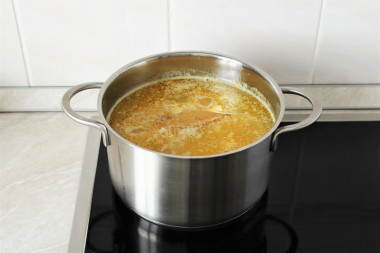
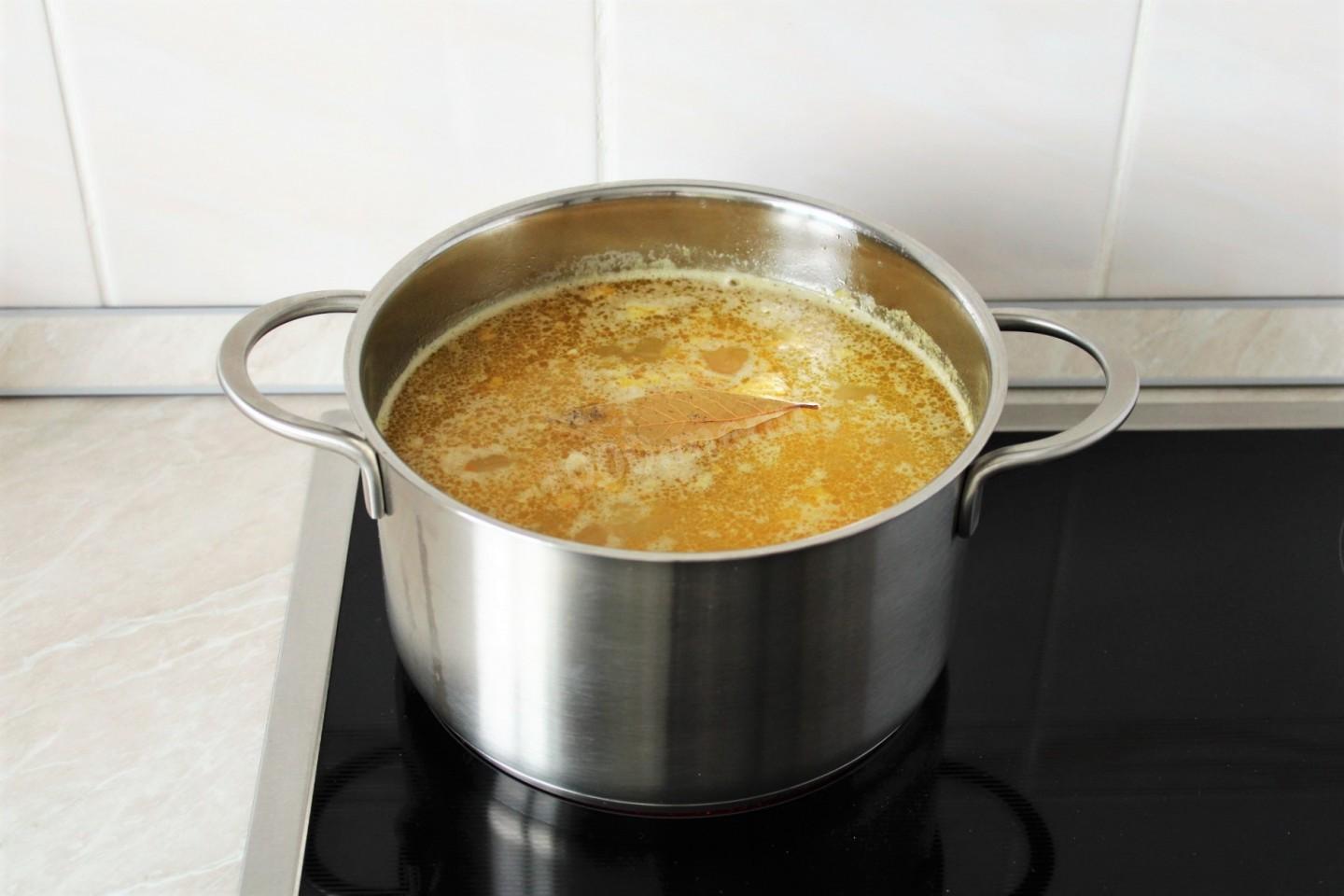
Rinse the bay leaf, add it to the soup, and stir. Add any other spices and seasonings to taste. Simmer the soup gently for 7-9 minutes.
-
Step 14:
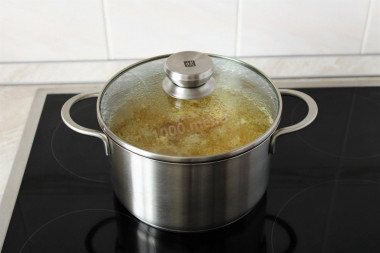
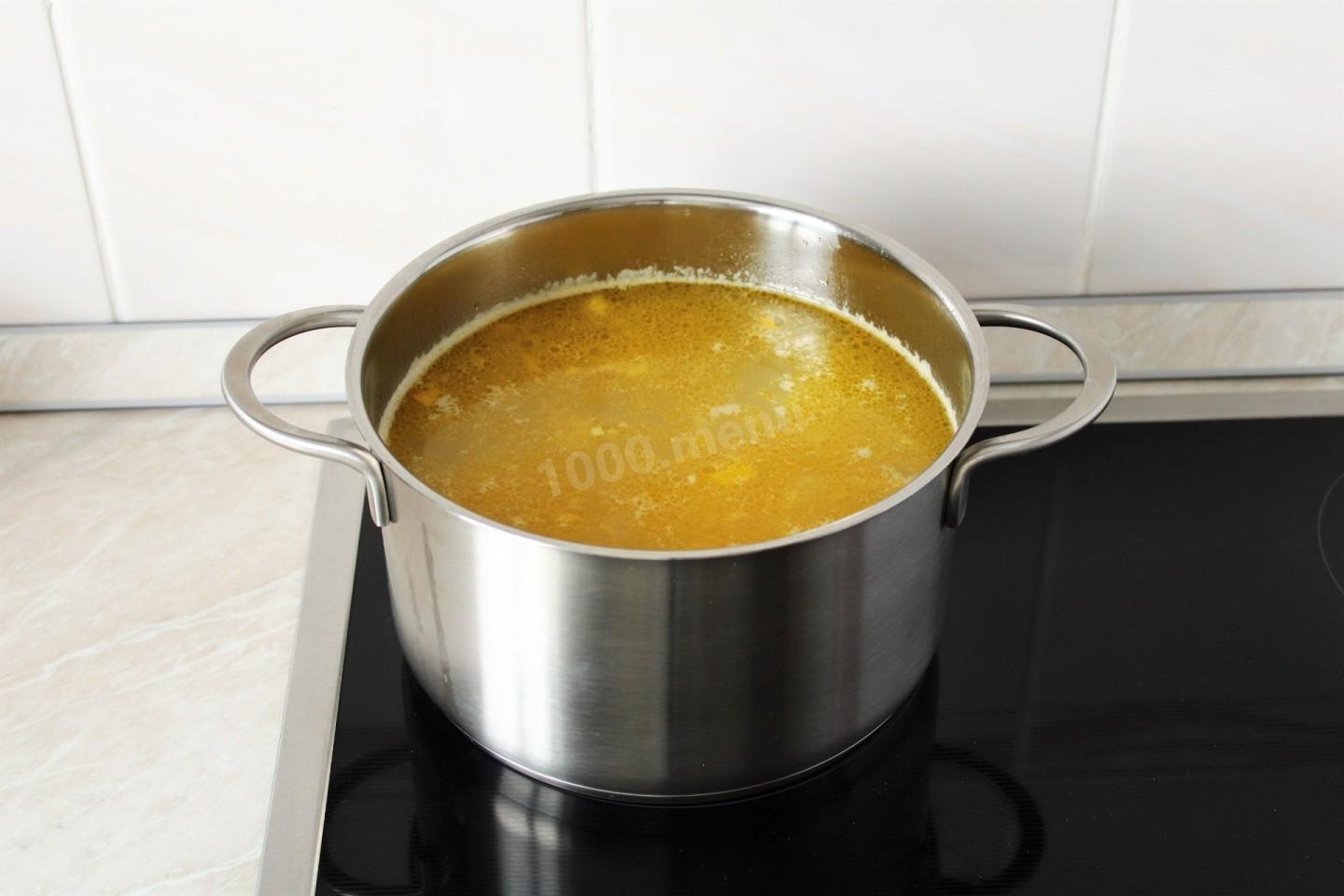
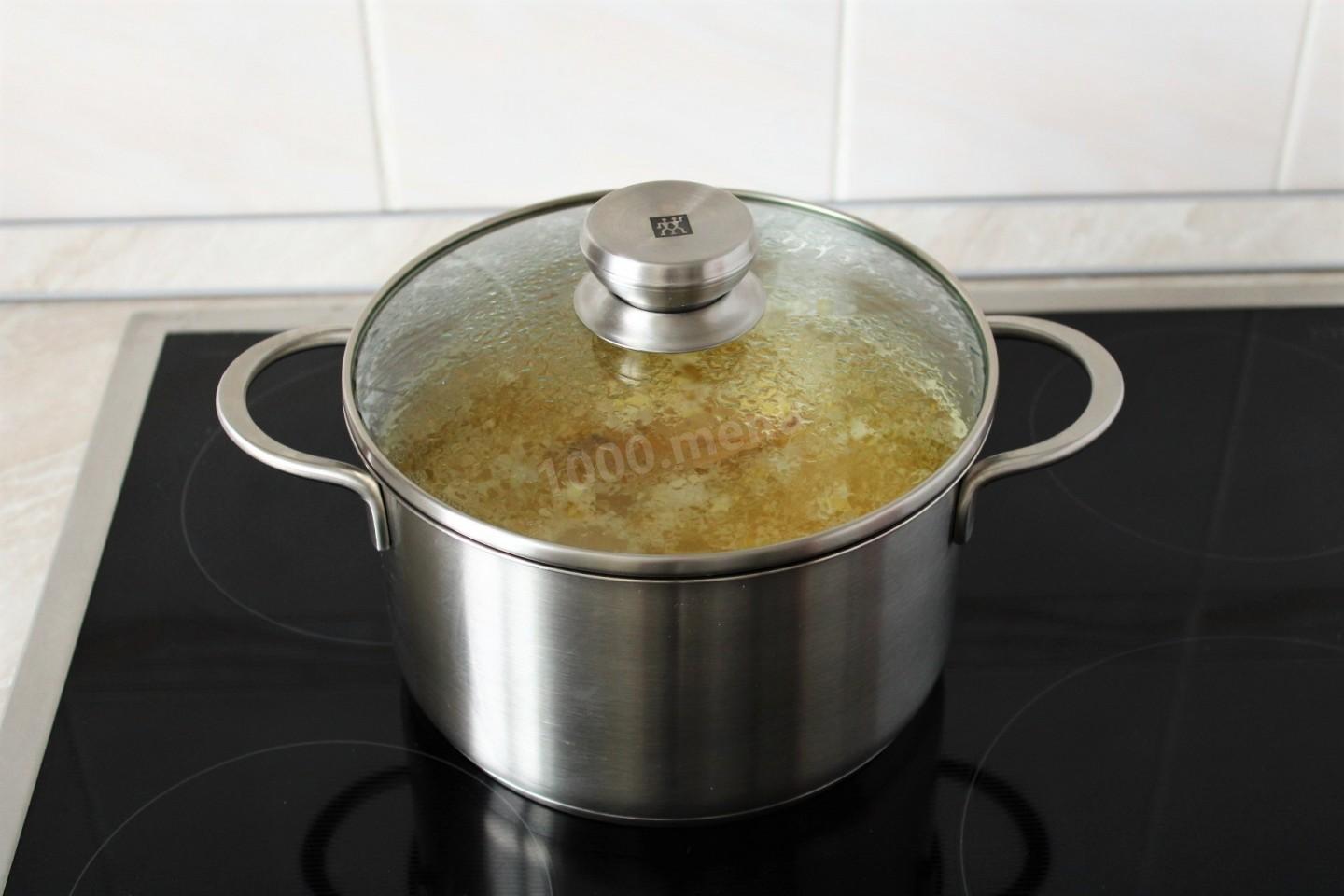
Take the pot off the heat and let the soup rest, covered, for 10-15 minutes. It will take on a pleasant, thicker consistency and become more fragrant.
-
Step 15:
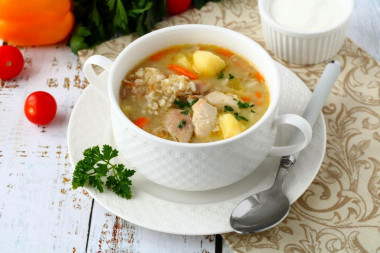
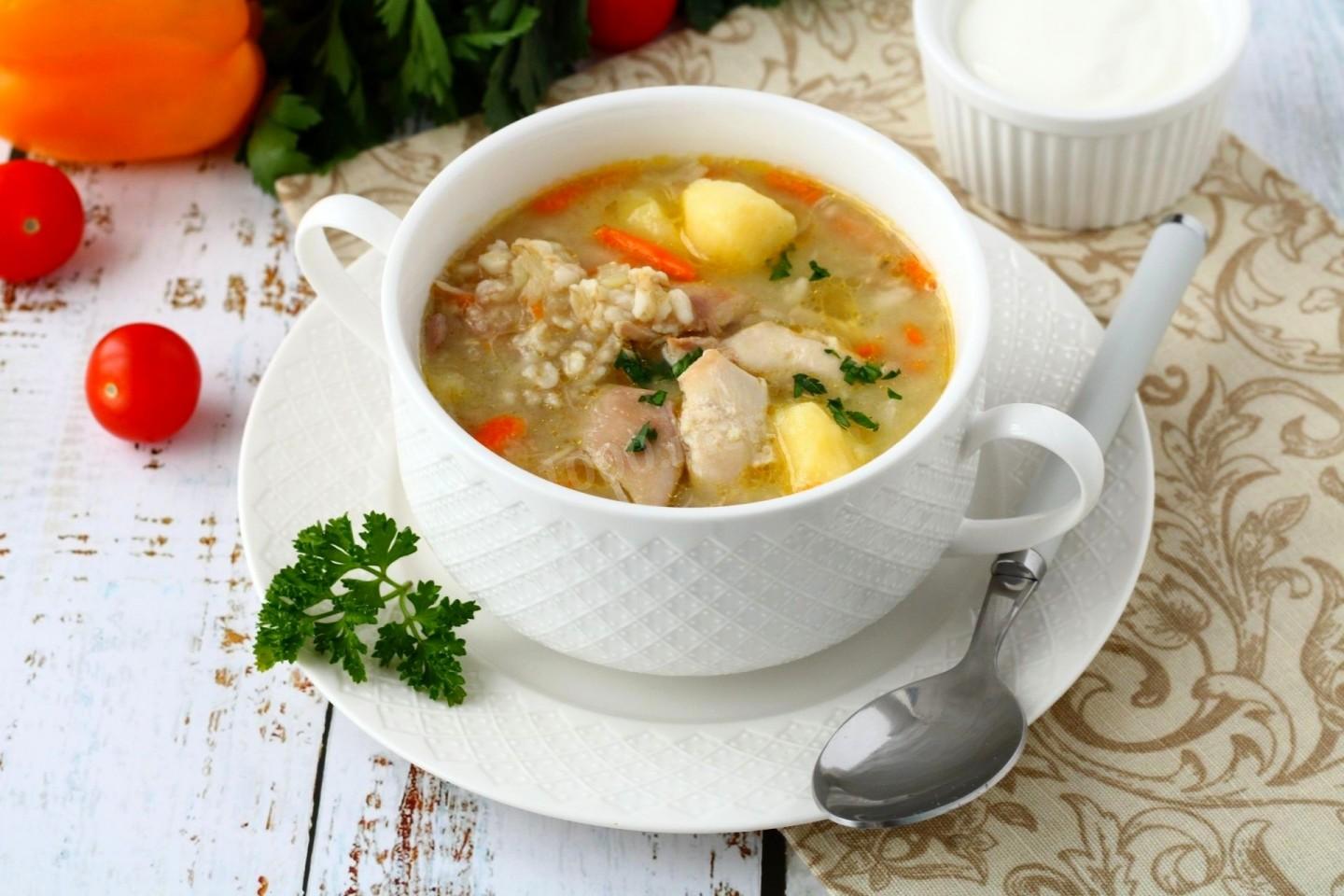
Serve the peasant soup with sour cream. Enjoy!

- Feel free to use less or more water than the recipe calls for, depending on whether you want a thicker or thinner soup.
- Keep in mind that how you cut the carrot affects the final result: grated carrot breaks down into a purée during cooking and blends evenly with the other ingredients, while carrot cut into strips or sticks holds its shape.
- For the best flavor, use filtered or bottled water with a neutral taste. Tap water can give the dish an off, characteristic aftertaste.
Caloric content of the products possible in the composition of the dish
- Category I chicken - 238 kcal/100g
- Chicken of the II category - 159 kcal/100g
- Chicken, flesh without skin - 241 kcal/100g
- Chickens - 140 kcal/100g
- Ripe potatoes - 80 kcal/100g
- Baked potatoes - 70 kcal/100g
- Mashed potatoes - 380 kcal/100g
- Boiled potatoes - 82 kcal/100g
- Potatoes in uniform - 74 kcal/100g
- Fried potatoes - 192 kcal/100g
- Green cabbage - 46 kcal/100g
- Fresh frozen green cabbage in a package - 45 kcal/100g
- Carrots - 33 kcal/100g
- Dried carrots - 275 kcal/100g
- Boiled carrots - 25 kcal/100g
- Bay leaf - 313 kcal/100g
- Vegetable oil - 873 kcal/100g
- Salt - 0 kcal/100g
- Water - 0 kcal/100g
- Onion - 41 kcal/100g
- Oat flakes - 305 kcal/100g
- Raw Hercules - 390 kcal/100g
Similar recipes
- Soups
- Meat and meat products
- Vegetables
- Cereals and cereal products
- Spices seasonings spices
- Fats and oils
- Other
- Bay leaf
- Salt
- Vegetable oil
- Water
- Cooking
- Frying
- Meat soup
- Cabbage soup
- Potato soup
- Soups with cereals
- Poultry
- Chicken with vegetables
- From carrots
- From potatoes
- From cabbage
- From onion
- No eggs
- Recipes for lean dishes without butter
- Oats