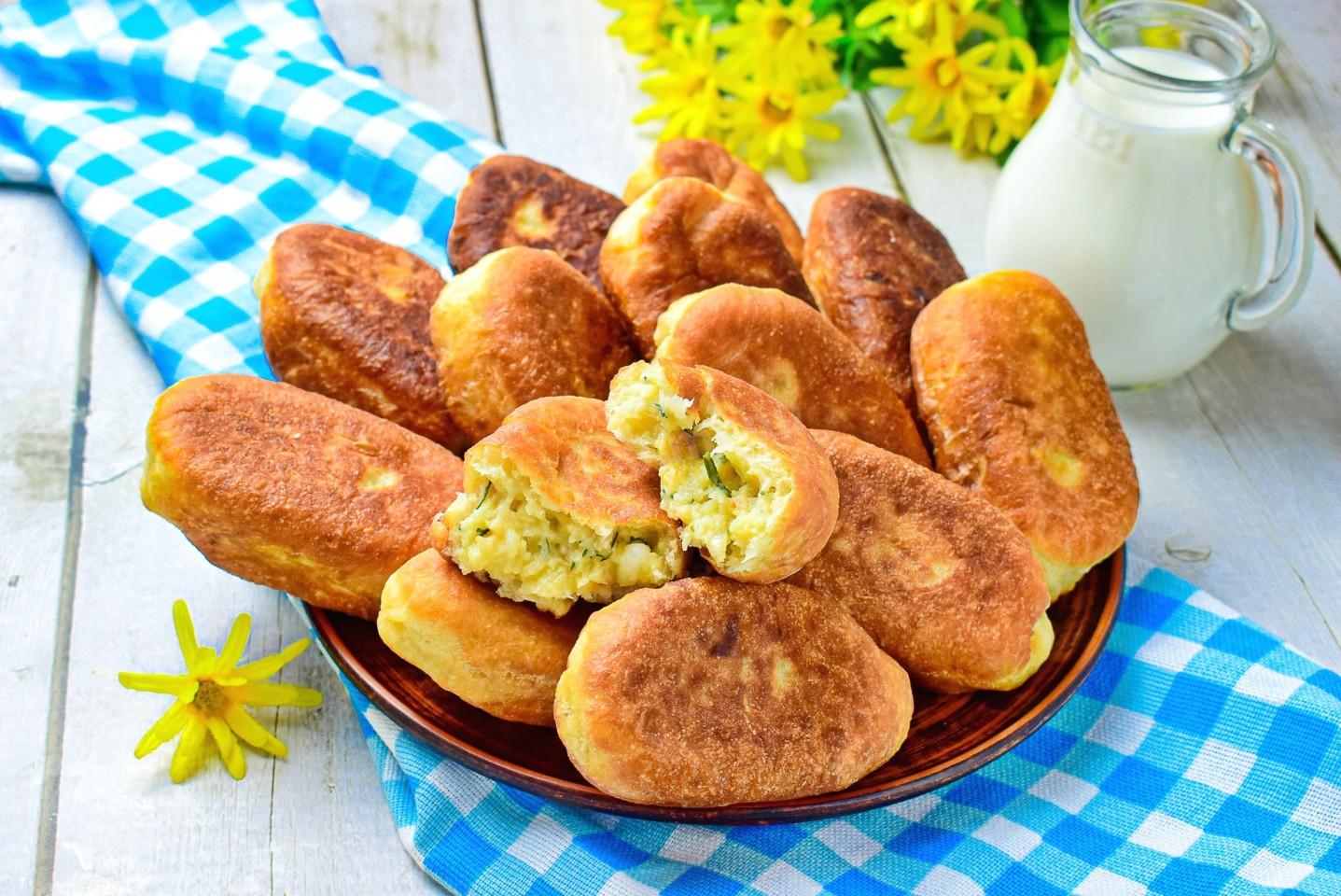
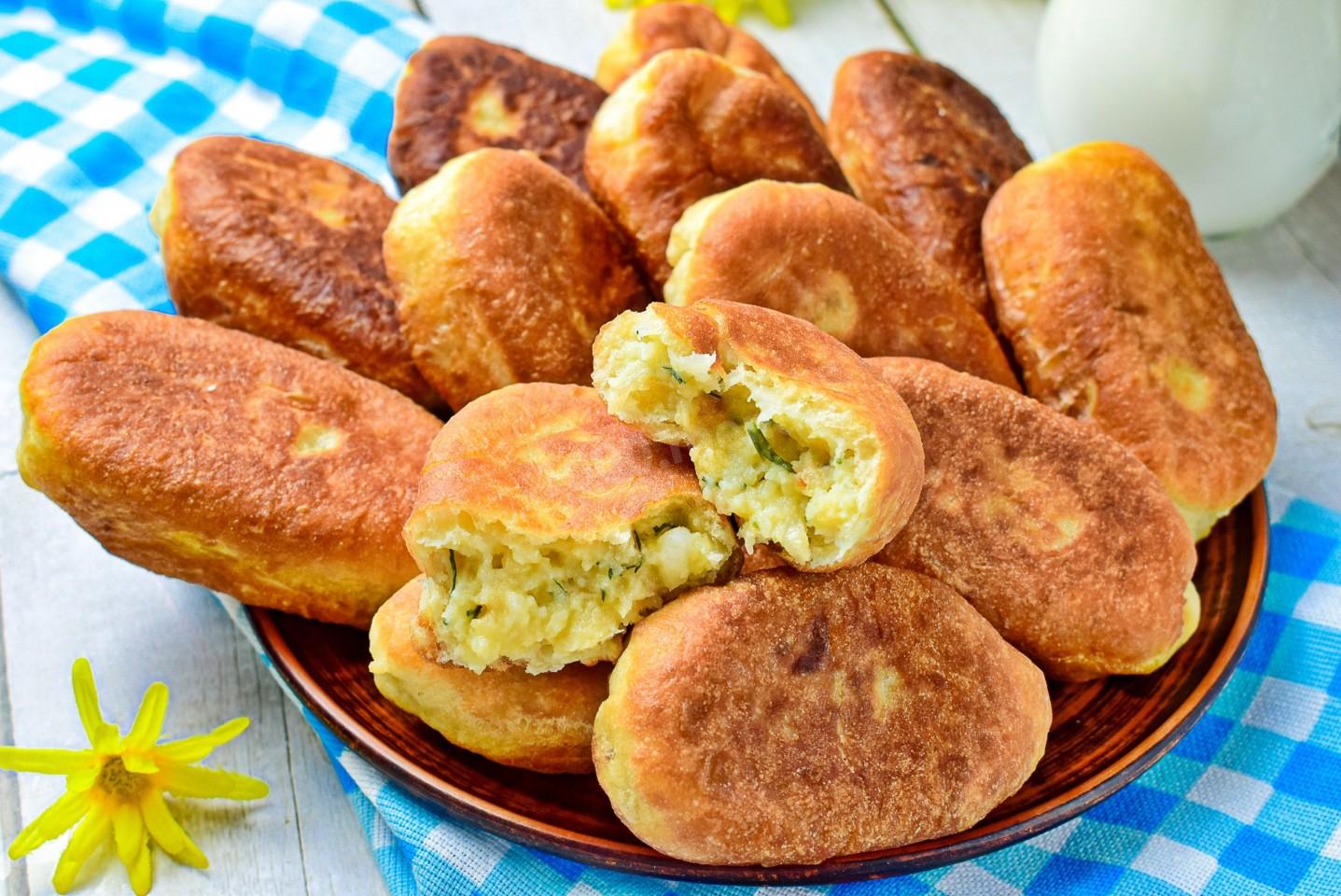
Fried Potato-Filled Hand Pies
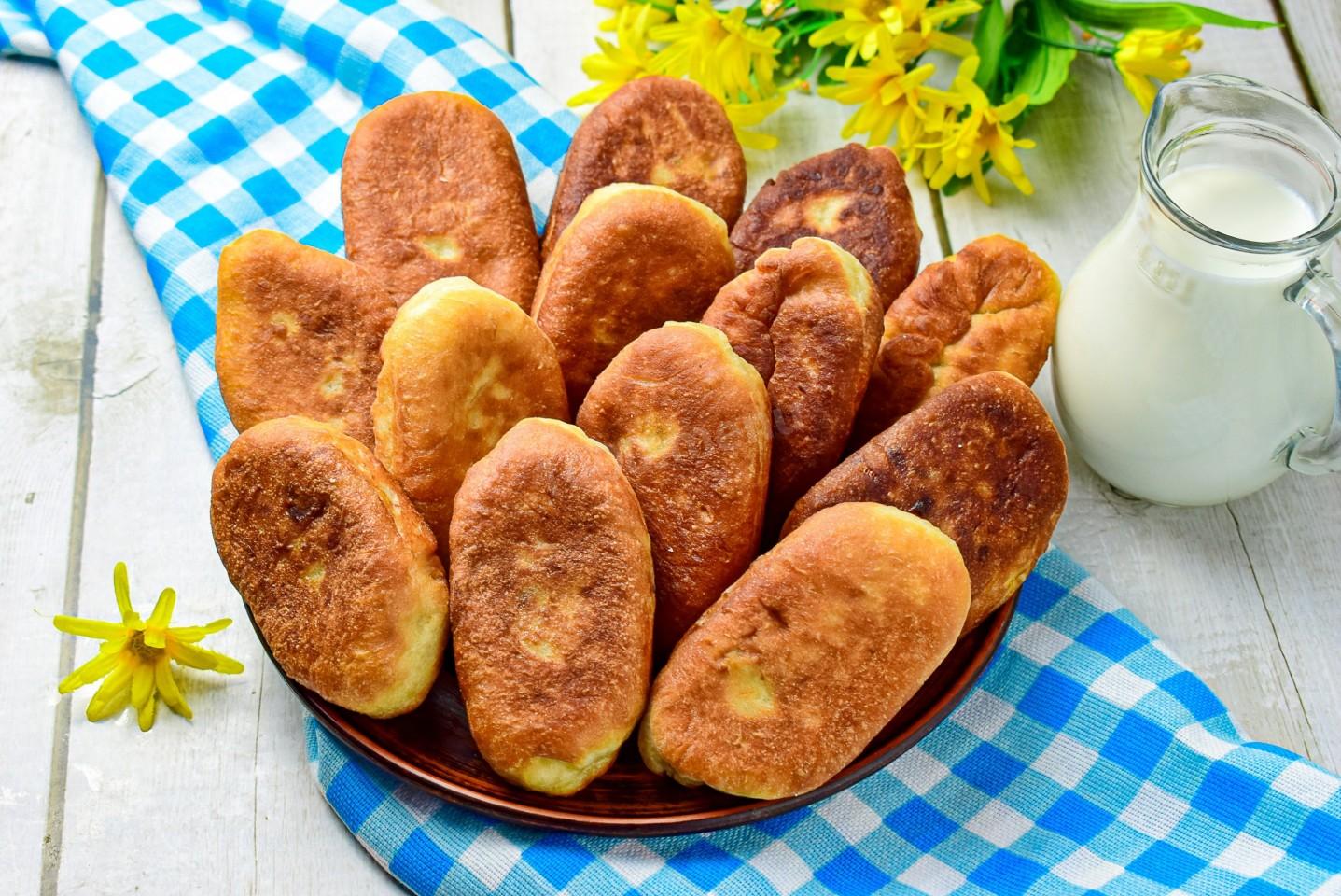
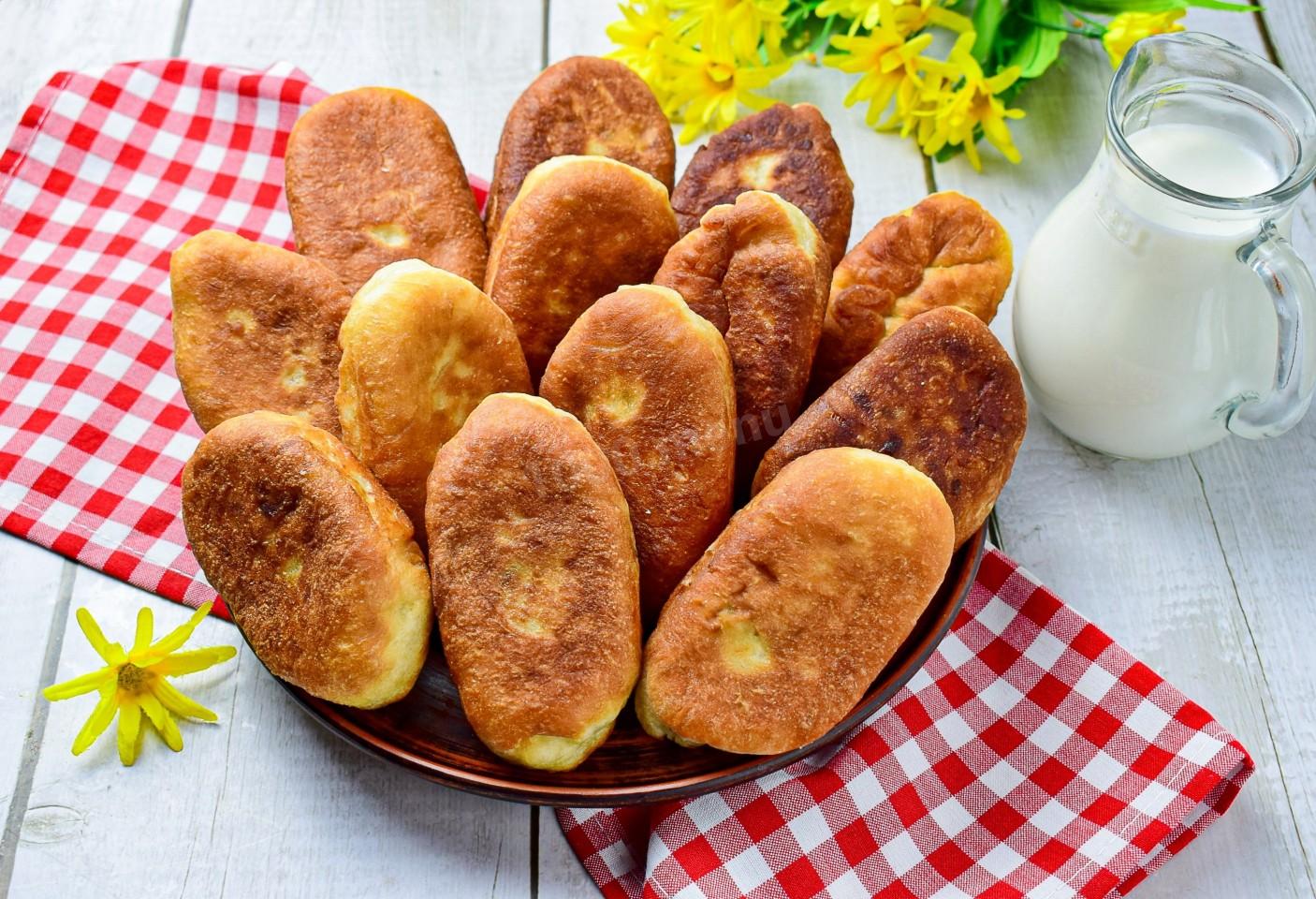
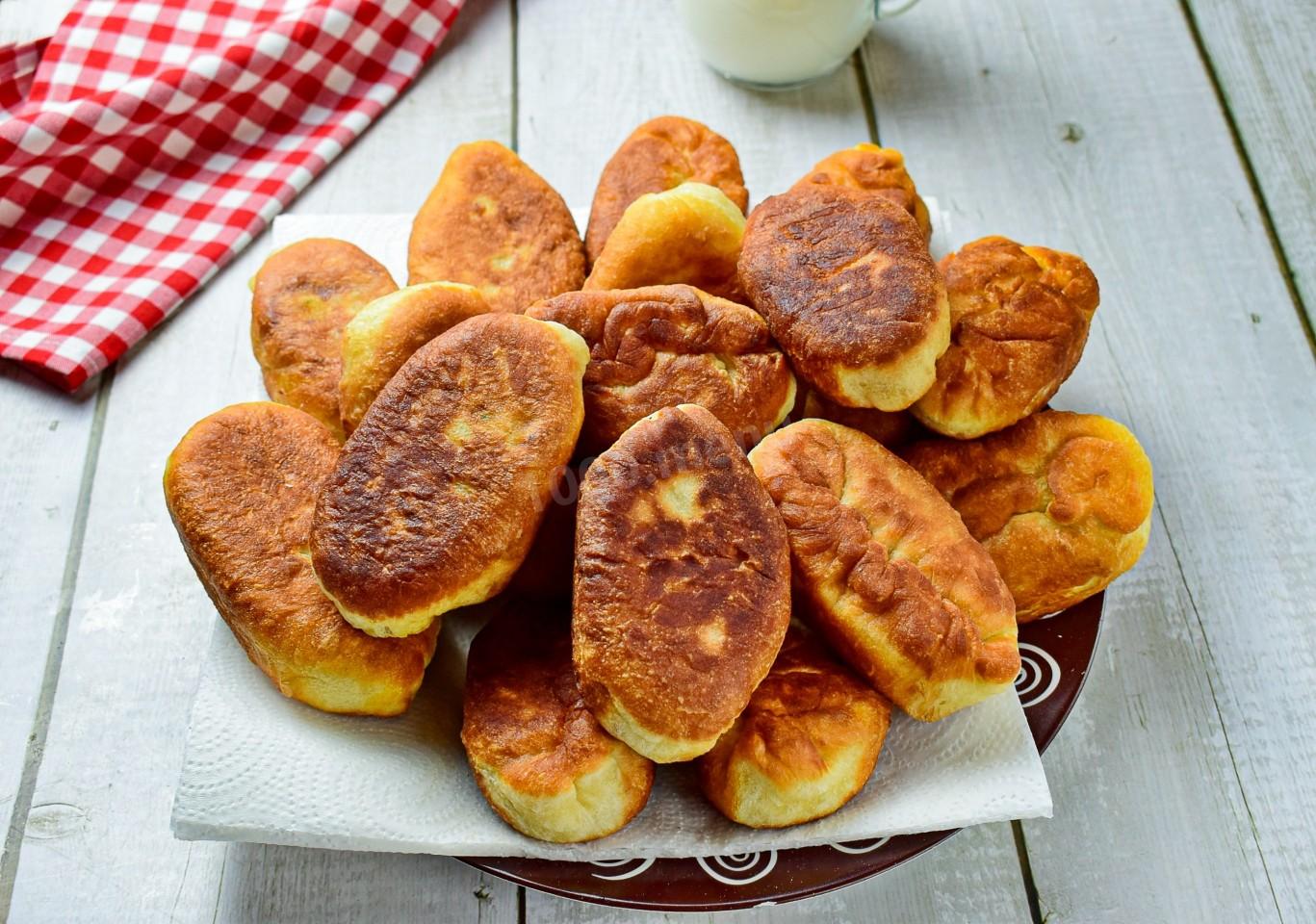
Golden, soft, made from the simplest ingredients — and so tasty! These fried potato hand pies use a dough that doesn't need to rise at all. Mix it and go straight to the skillet — quick, simple, no long fuss. You can change up the filling however you like; anything works here, even sweet ones!

Cooking method
-
Step 1:
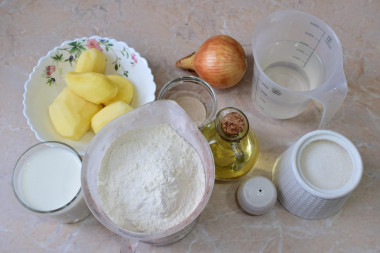
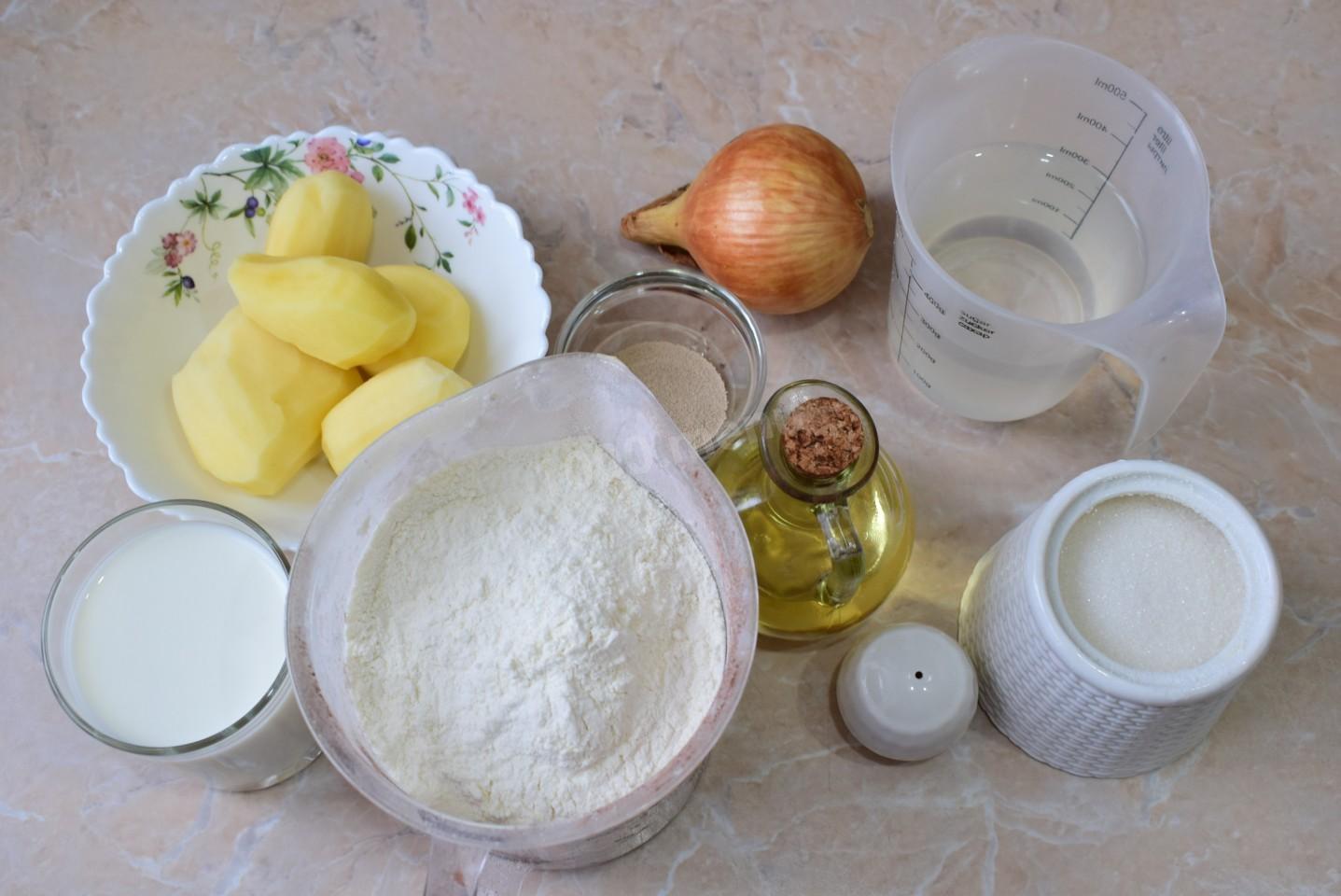
How do you fry potato-filled hand pies? Gather the ingredients. Peel the potatoes and rinse them clean under running water.
-
Step 2:
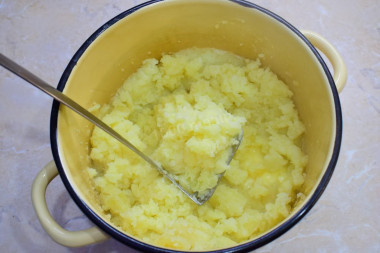
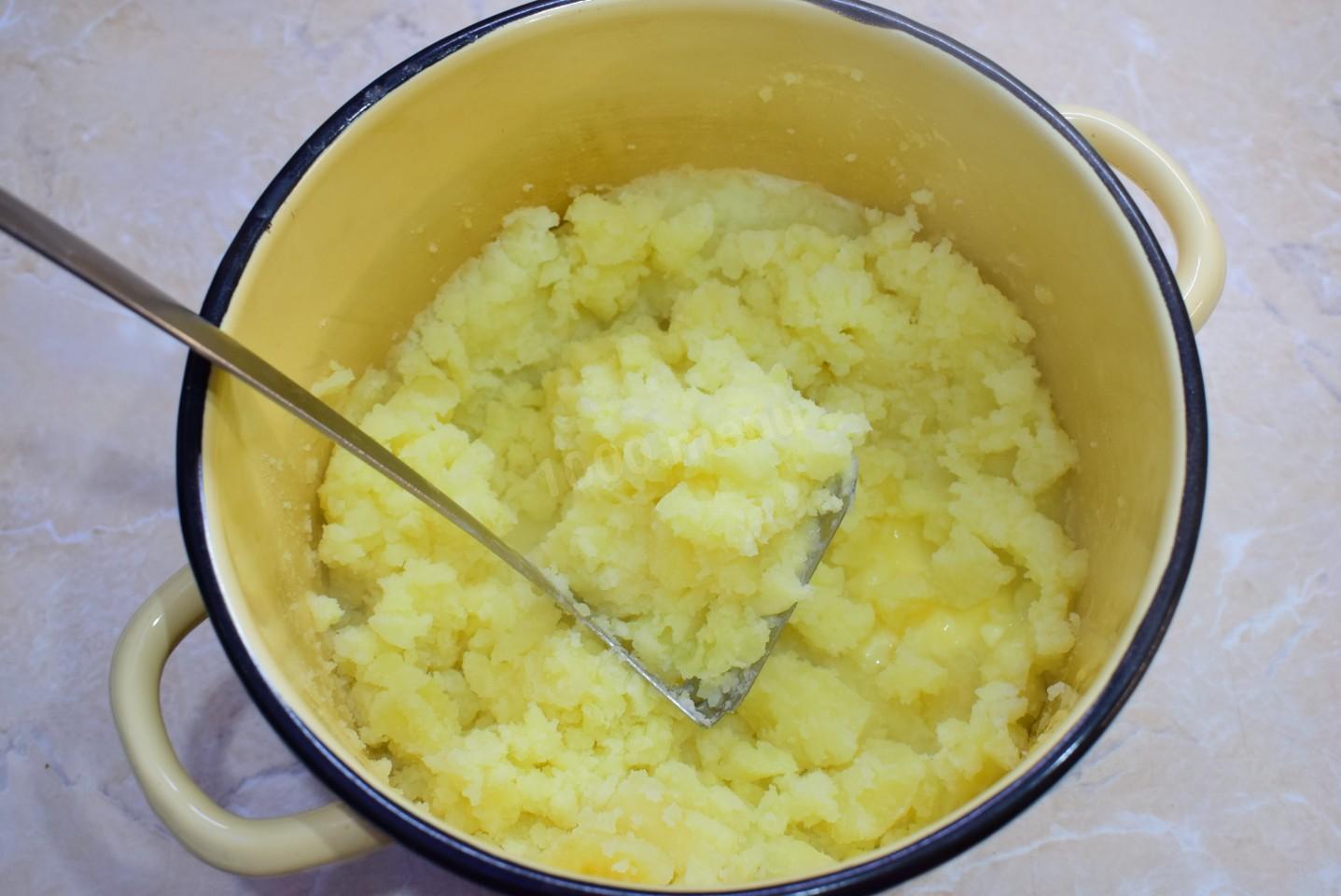
Cover the peeled potatoes with water, bring to a boil, and cook until tender, about 25–30 minutes. Add a little salt. Drain off the hot water and mash the potatoes until smooth. Stir in a little cream, then let the potato filling cool.
-
Step 3:
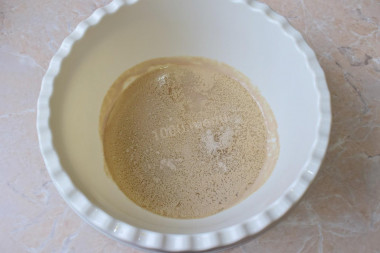
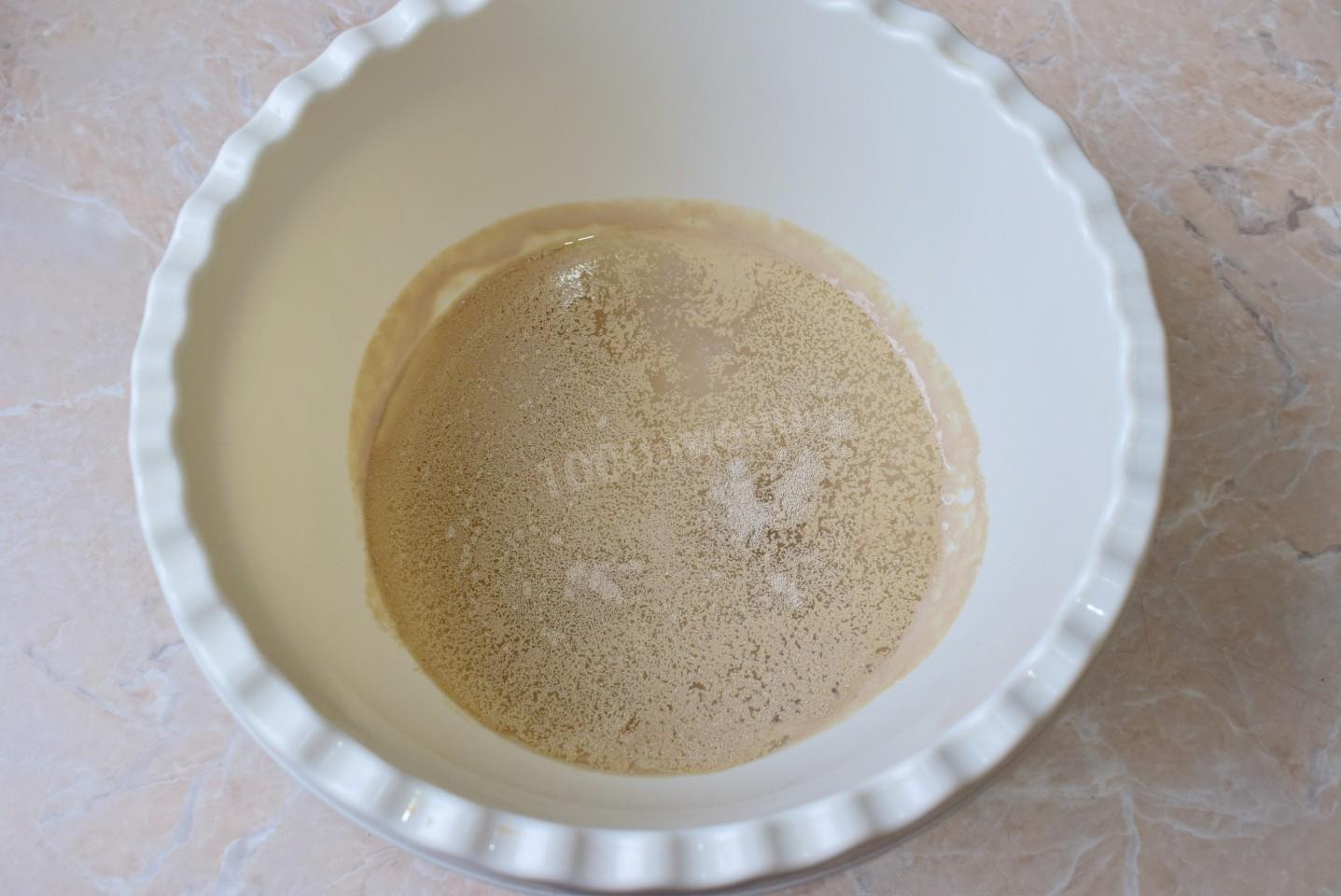
For the dough, combine warm water with the sugar and yeast. Stir.
-
Step 4:
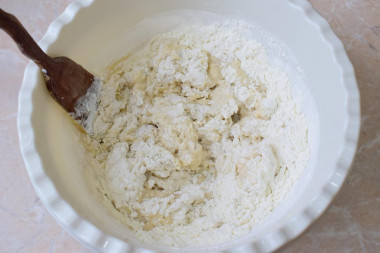
Then add the salt and vegetable oil. Stir in half of the flour.
-
Step 5:
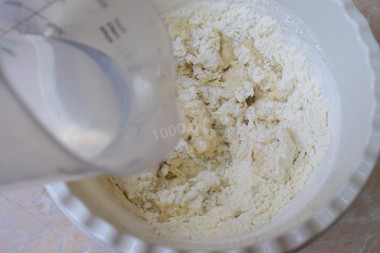
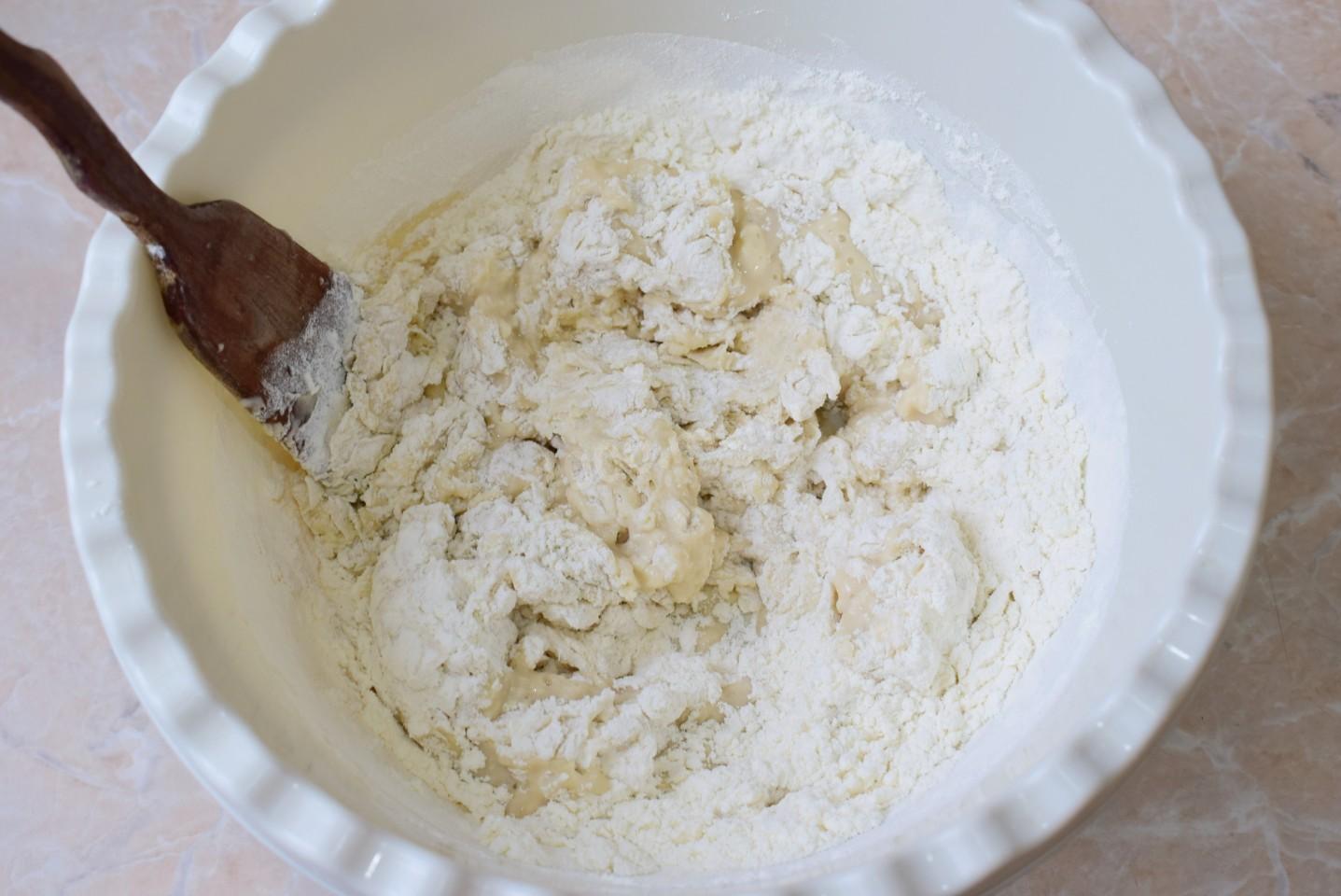
Now pour in the boiling water and work it into the dough with a wooden spatula. Add the rest of the flour and knead. You may need a little more or less; go by the consistency of the dough.
-
Step 6:
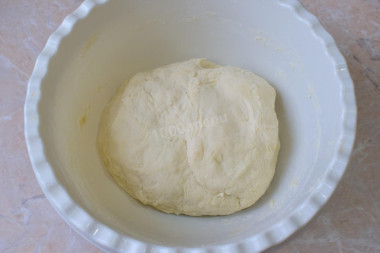
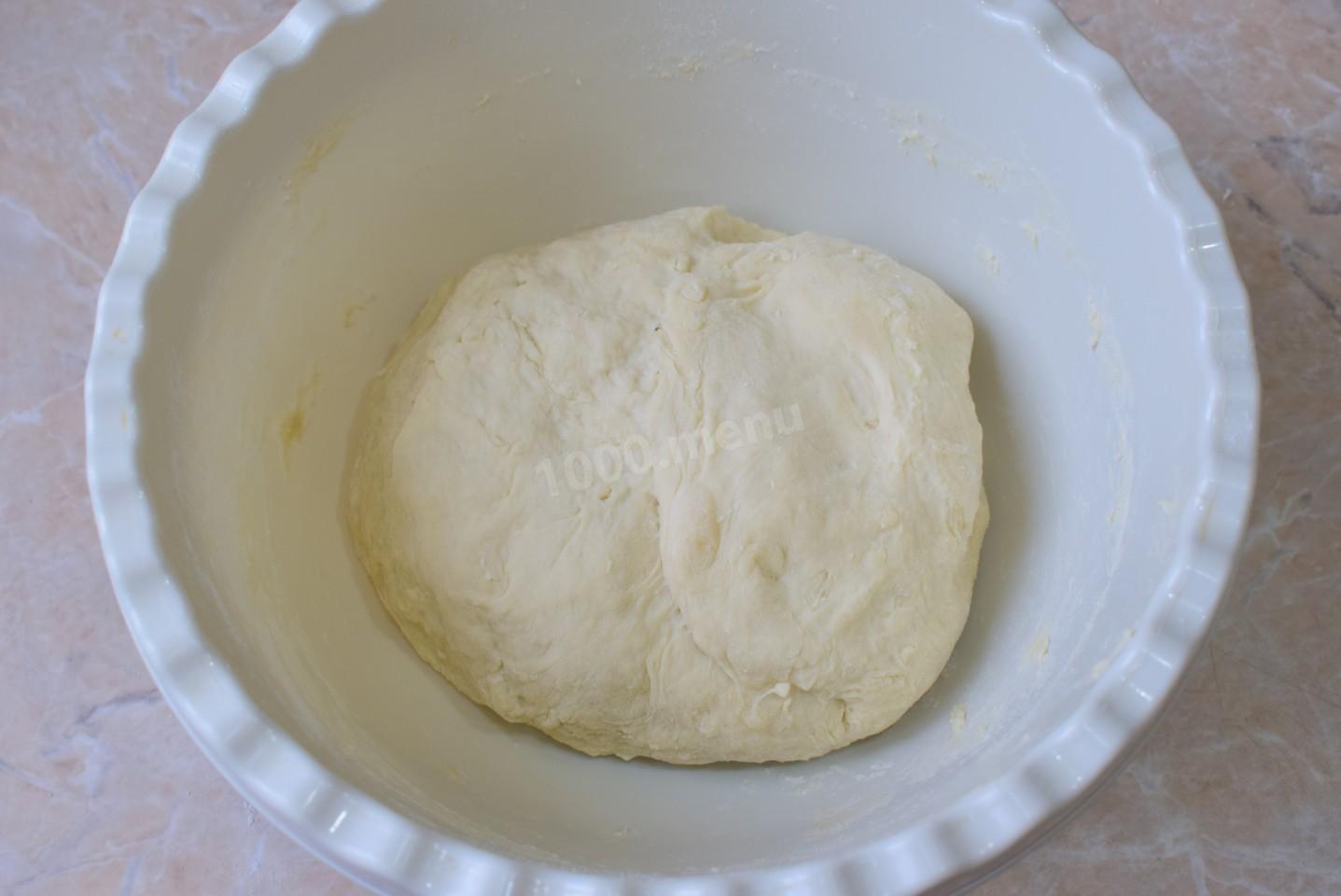
The dough comes out soft and tender, and it doesn't stick to your hands. There's no need to let it rise — you can shape the pies right away.
-
Step 7:
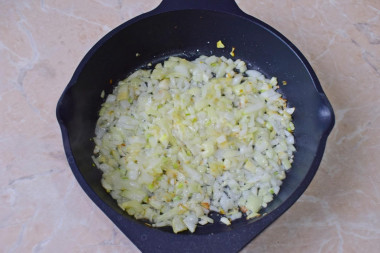
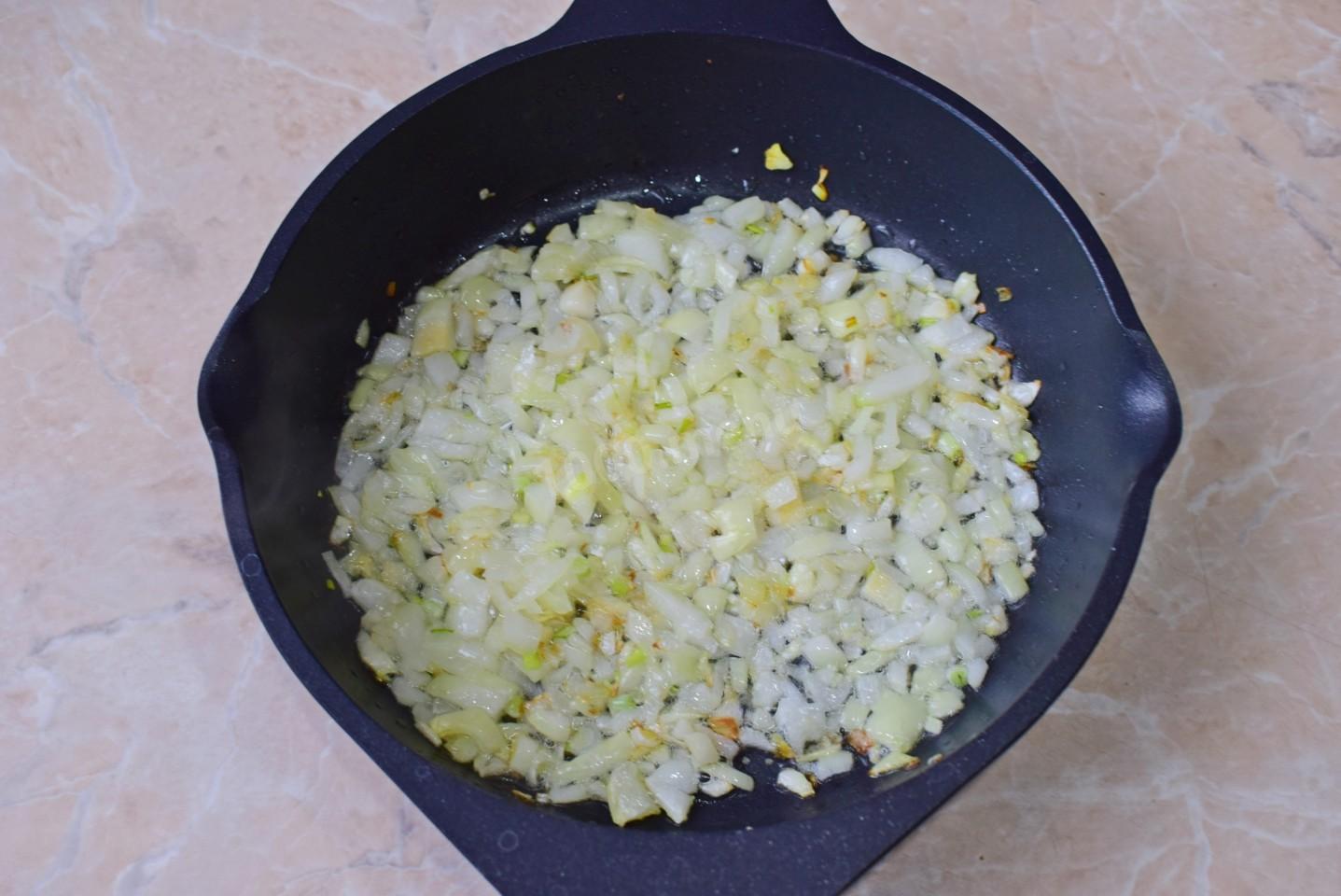
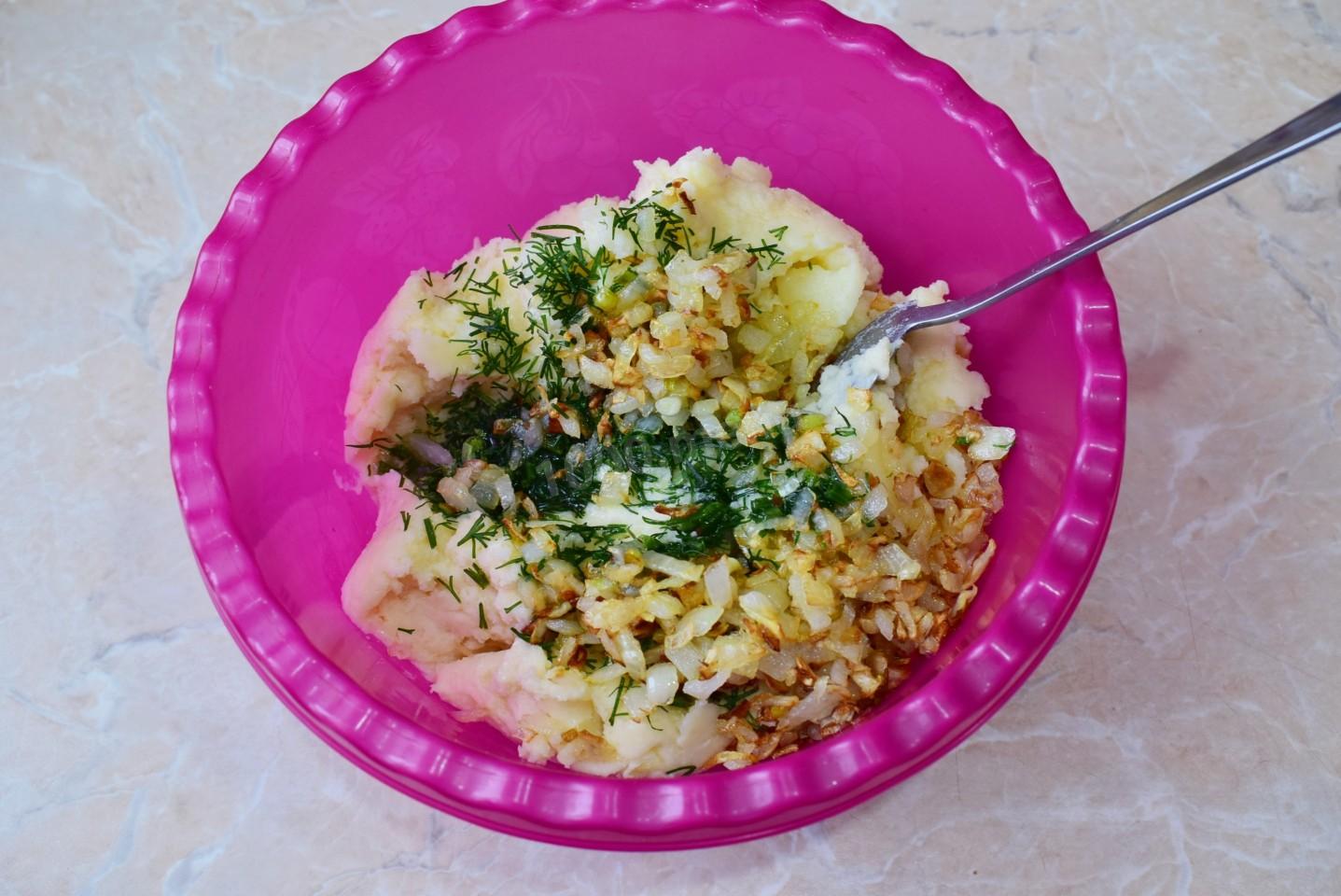
For the filling, peel and finely chop the onion. Add a little vegetable oil to a skillet and fry the onion until golden.
-
Step 8:
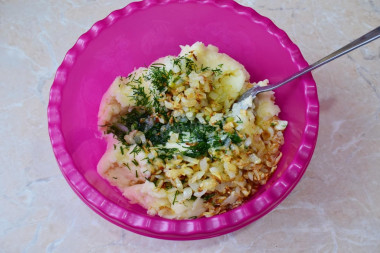
Stir the fried onion into the mashed potatoes. Add some chopped fresh herbs if you like. Mix well.
-
Step 9:
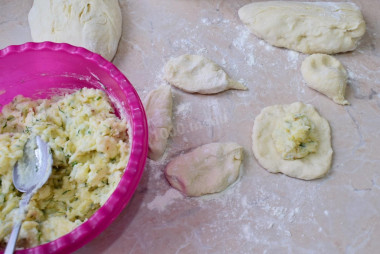
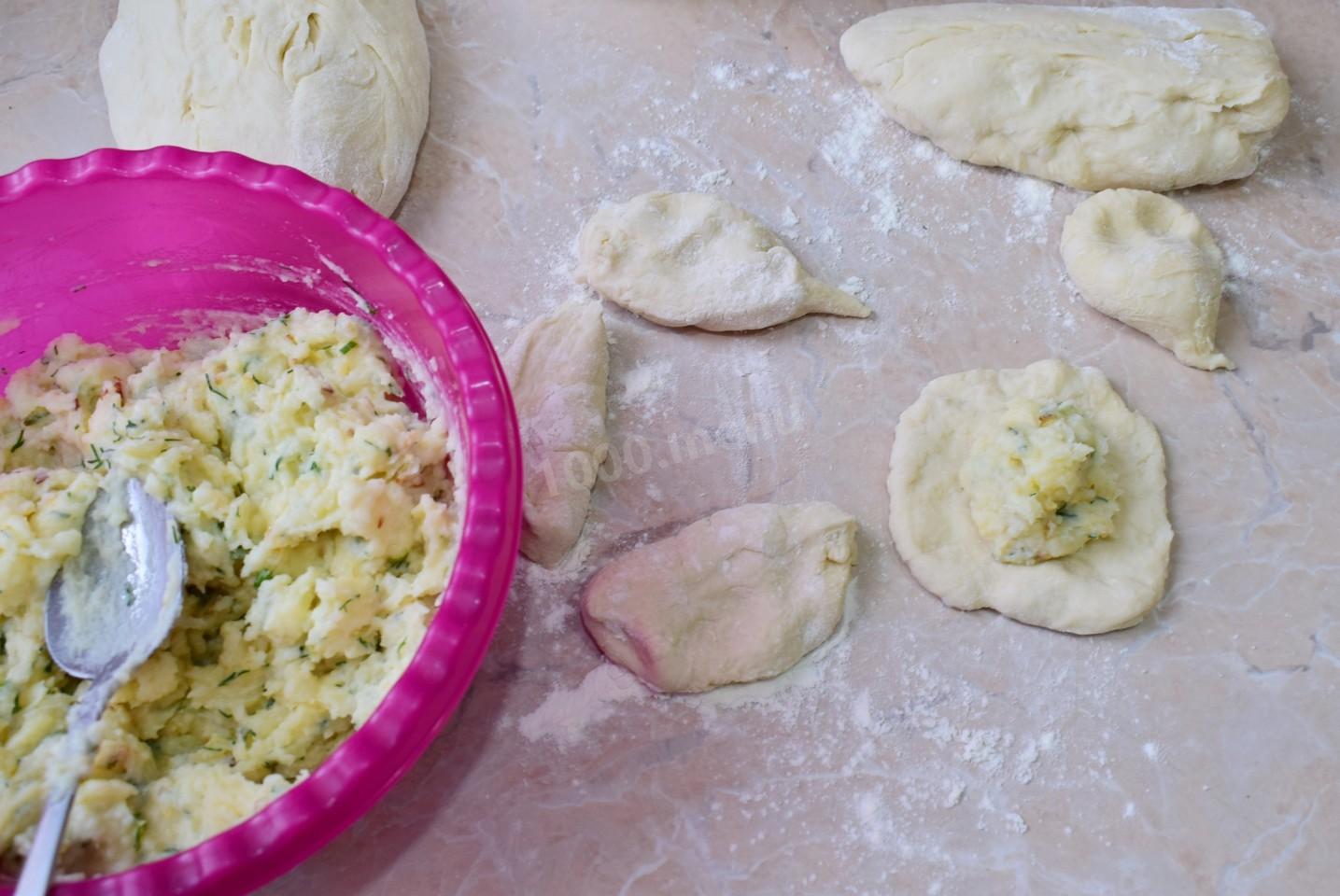
Divide the dough into small pieces. Flatten a piece into a small round, place potato filling in the center, and pinch the edges closed to form a pie.
-
Step 10:
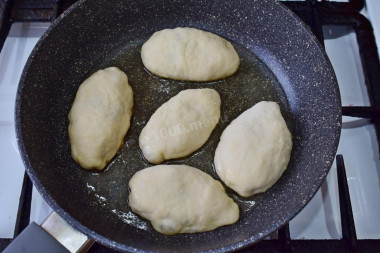
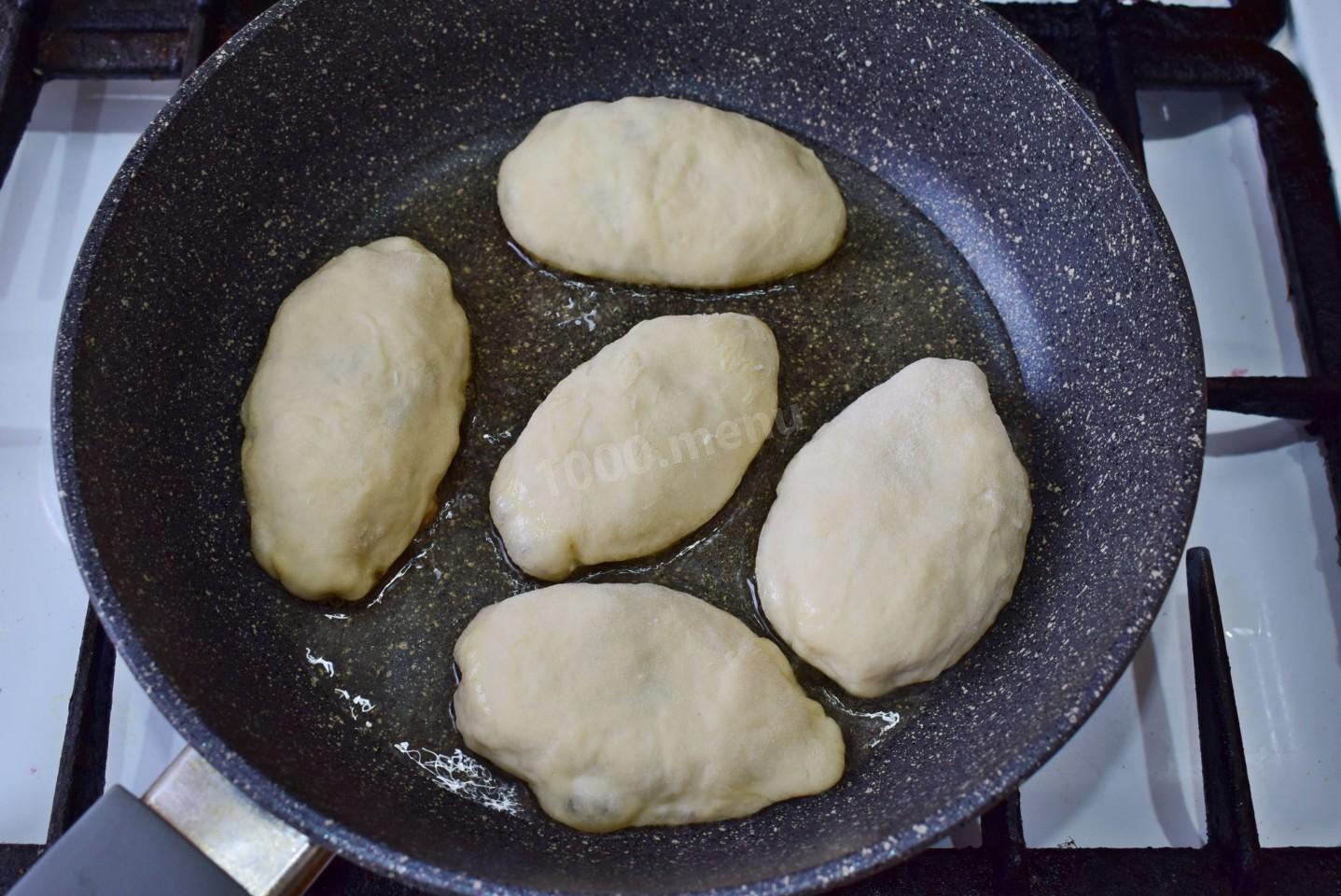
Fry the pies over low heat in vegetable oil, turning to brown all sides.
-
Step 11:
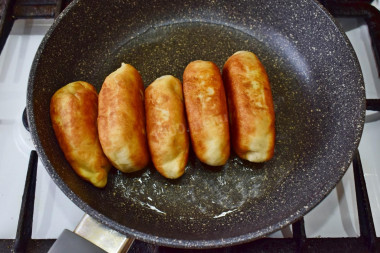
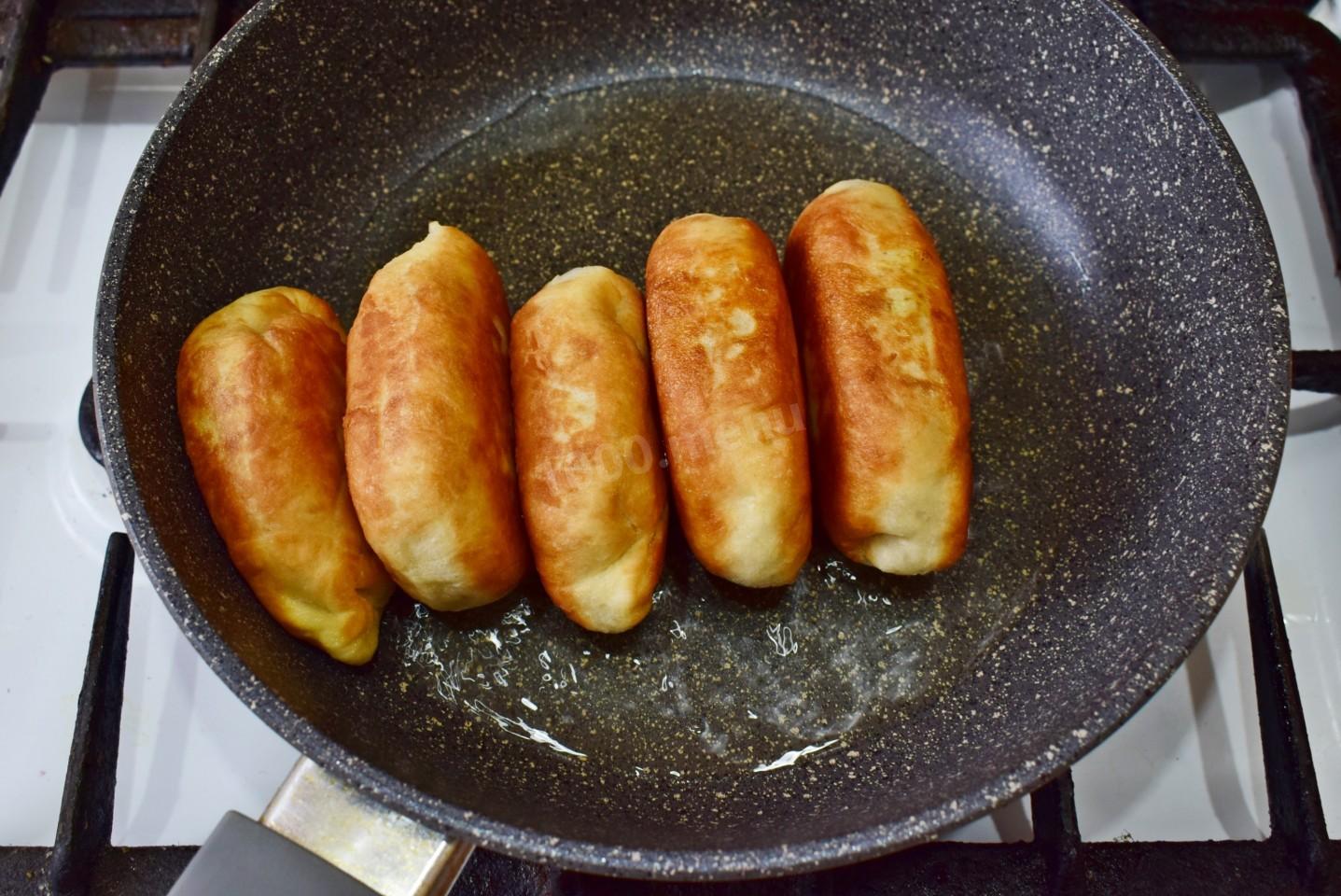
Stand the pies on their sides too, so they brown all around.
-
Step 12:

Transfer the finished pies to a paper towel to blot off excess oil. Let them cool a little, then serve. Enjoy!
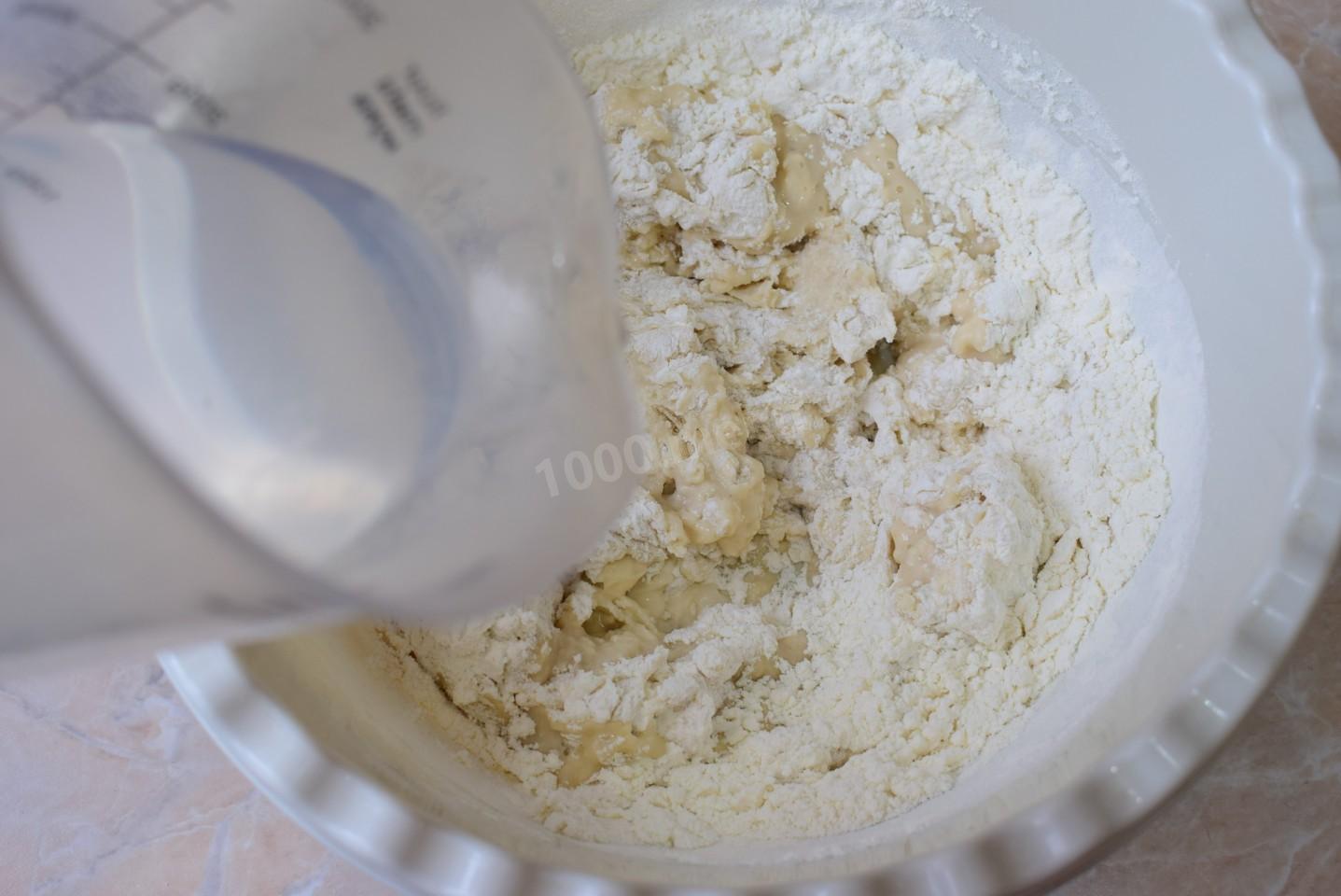
- Keep in mind that adding boiling water scalds the flour, so the dough thickens right away (much like a choux/éclair batter). Depending on your flour, you may need a bit more — but it's better to start with a little less and add more as you work. If you dump in all the flour at once, the dough can seize up stiff, and there's no fixing it after that.
- A word on the pan: the wrong skillet can spoil even the best recipe, so pick one suited to what you're cooking.
- Note that dry yeast comes in two forms — active and instant (read the package carefully!). Active dry yeast looks like little beads or granules and must be "woken up" first: dissolve it in warm sweet water, milk, or whey, and once bubbles, foam, or a "cap" form, it's ready. Active dry yeast must dissolve completely, or undissolved grains that end up in the dough won't activate and the pastry may not rise. Instant dry yeast is easier — no activation needed; just mix it in with the other ingredients, which shortens the prep. Note too that either type can vary in strength from brand to brand.
Caloric content of the products possible in the composition of the dish
- Ripe potatoes - 80 kcal/100g
- Baked potatoes - 70 kcal/100g
- Mashed potatoes - 380 kcal/100g
- Boiled potatoes - 82 kcal/100g
- Potatoes in uniform - 74 kcal/100g
- Fried potatoes - 192 kcal/100g
- Buttermilk - 36 kcal/100g
- Cream of 20 % fat content - 300 kcal/100g
- Cream of 10% fat content - 120 kcal/100g
- Cream - 300 kcal/100g
- Whole durum wheat flour fortified - 333 kcal/100g
- Whole durum wheat flour universal - 364 kcal/100g
- Flour krupchatka - 348 kcal/100g
- Flour - 325 kcal/100g
- Granulated sugar - 398 kcal/100g
- Sugar - 398 kcal/100g
- Vegetable oil - 873 kcal/100g
- Salt - 0 kcal/100g
- Water - 0 kcal/100g
- Onion - 41 kcal/100g
- Fresh frozen soup greens in a package - 41 kcal/100g
- Greenery - 41 kcal/100g
- Dry yeast - 410 kcal/100g