Roasted Chestnuts
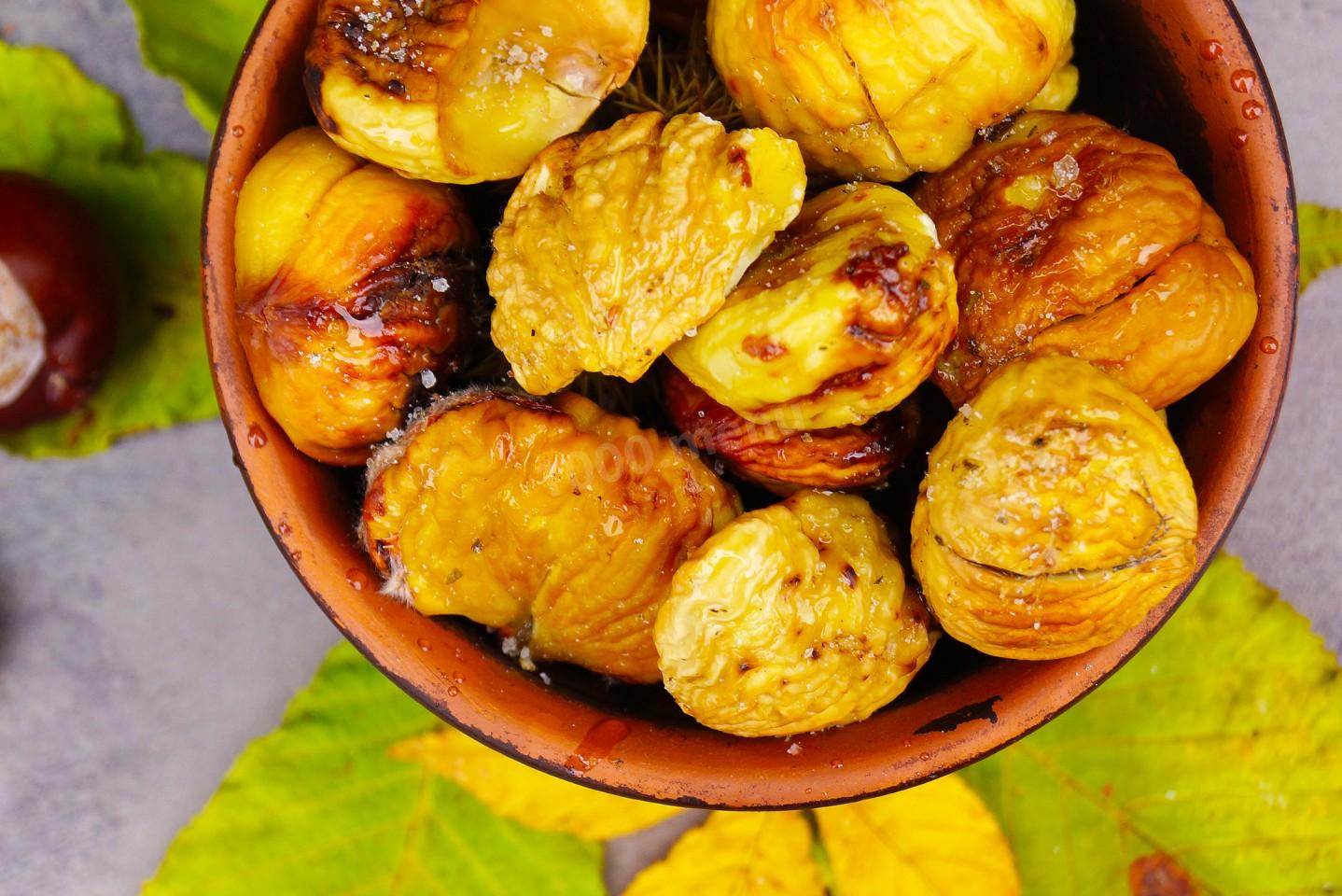
Delicious, unexpected, and incredibly nourishing! Roasted chestnuts are quick and easy to make. Serve them as a sweet, wholesome snack, or sprinkle them with salt and dried aromatic herbs to go with a glass of wine.

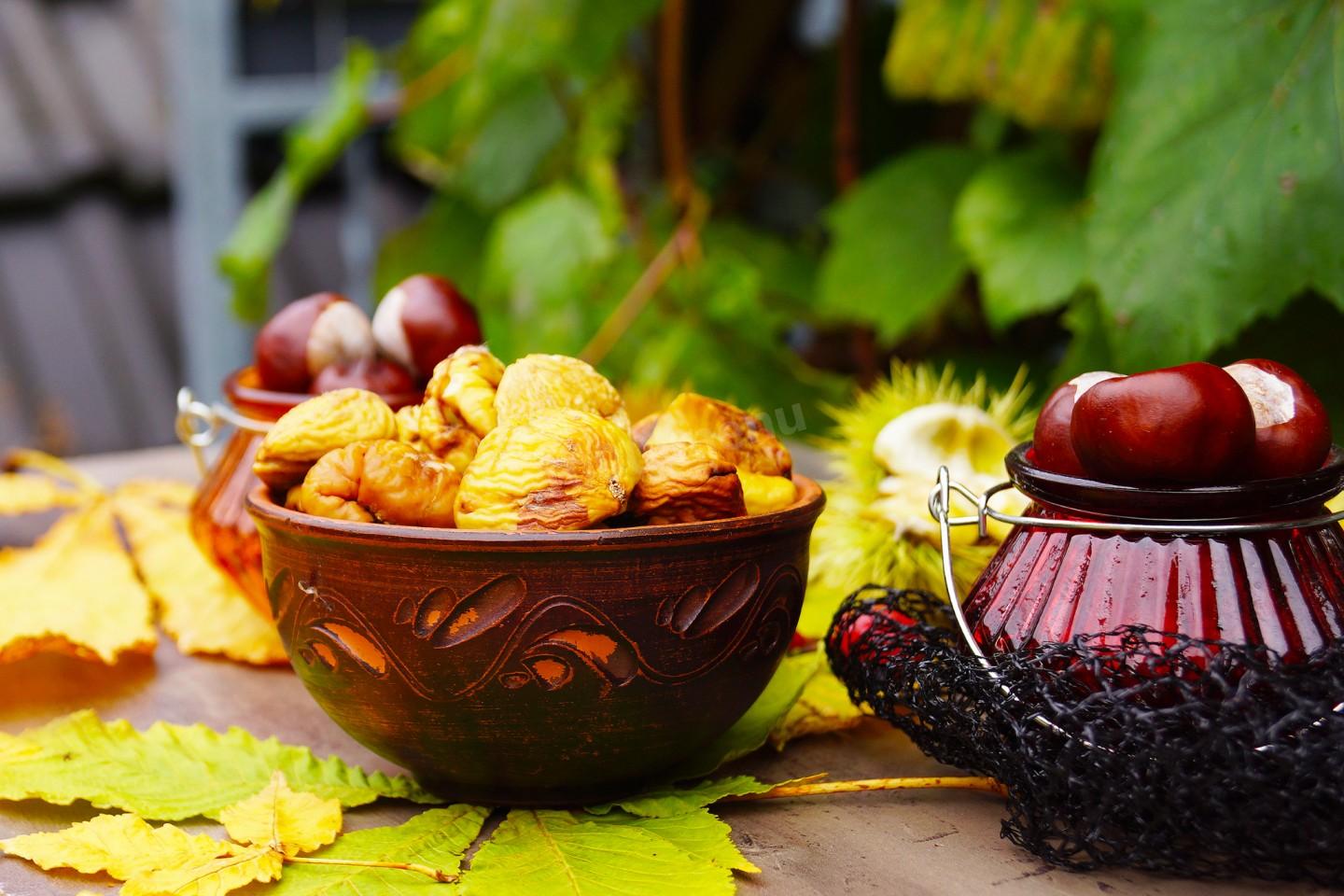
Cooking method
-
Step 1:
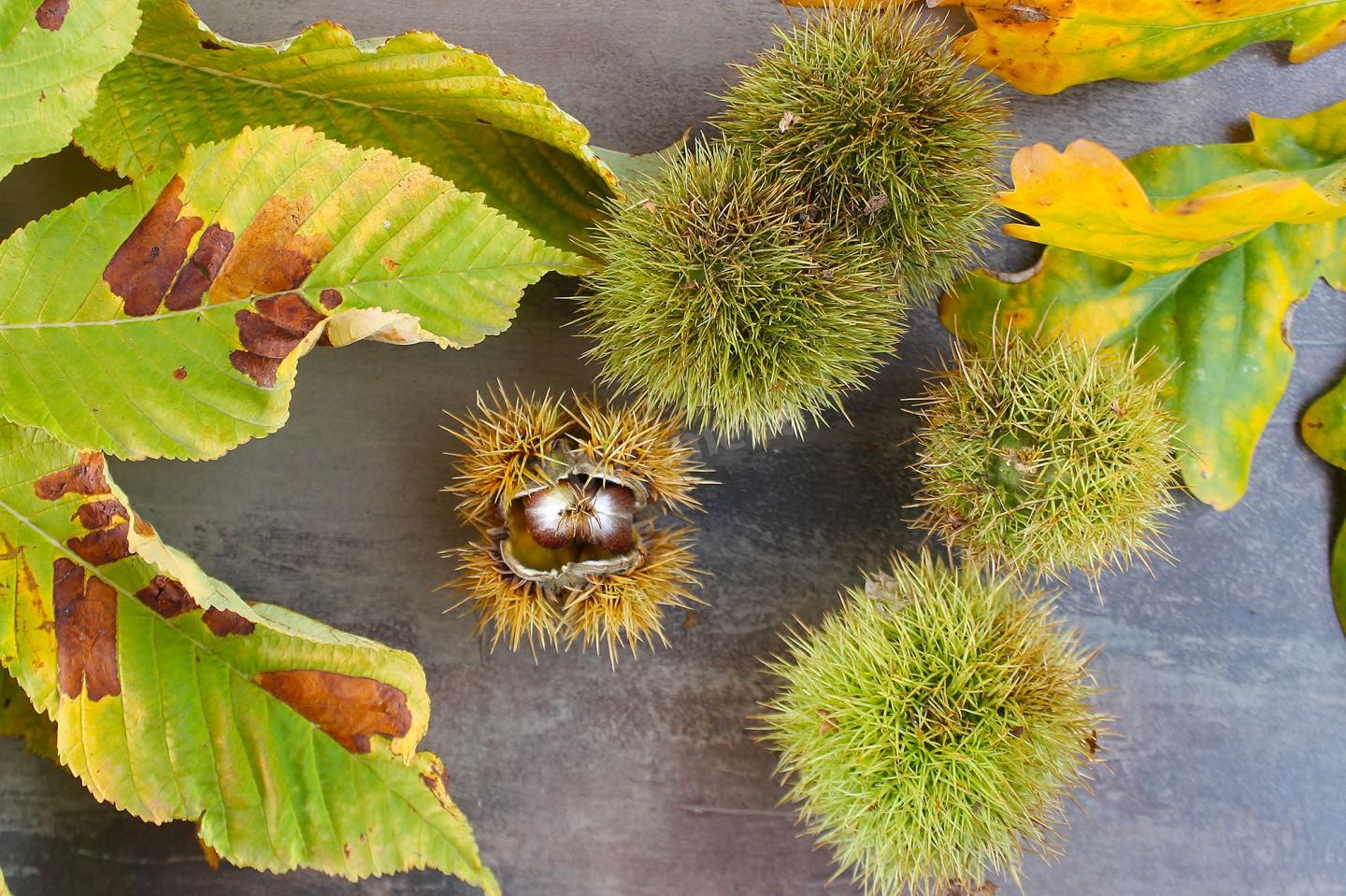
How do you tell edible chestnuts from inedible ones, and where do they grow? Edible chestnuts grow in France, Spain, and across Western Europe, as well as in Turkey, Southeast Asia, and the Caucasus.
-
Step 2:
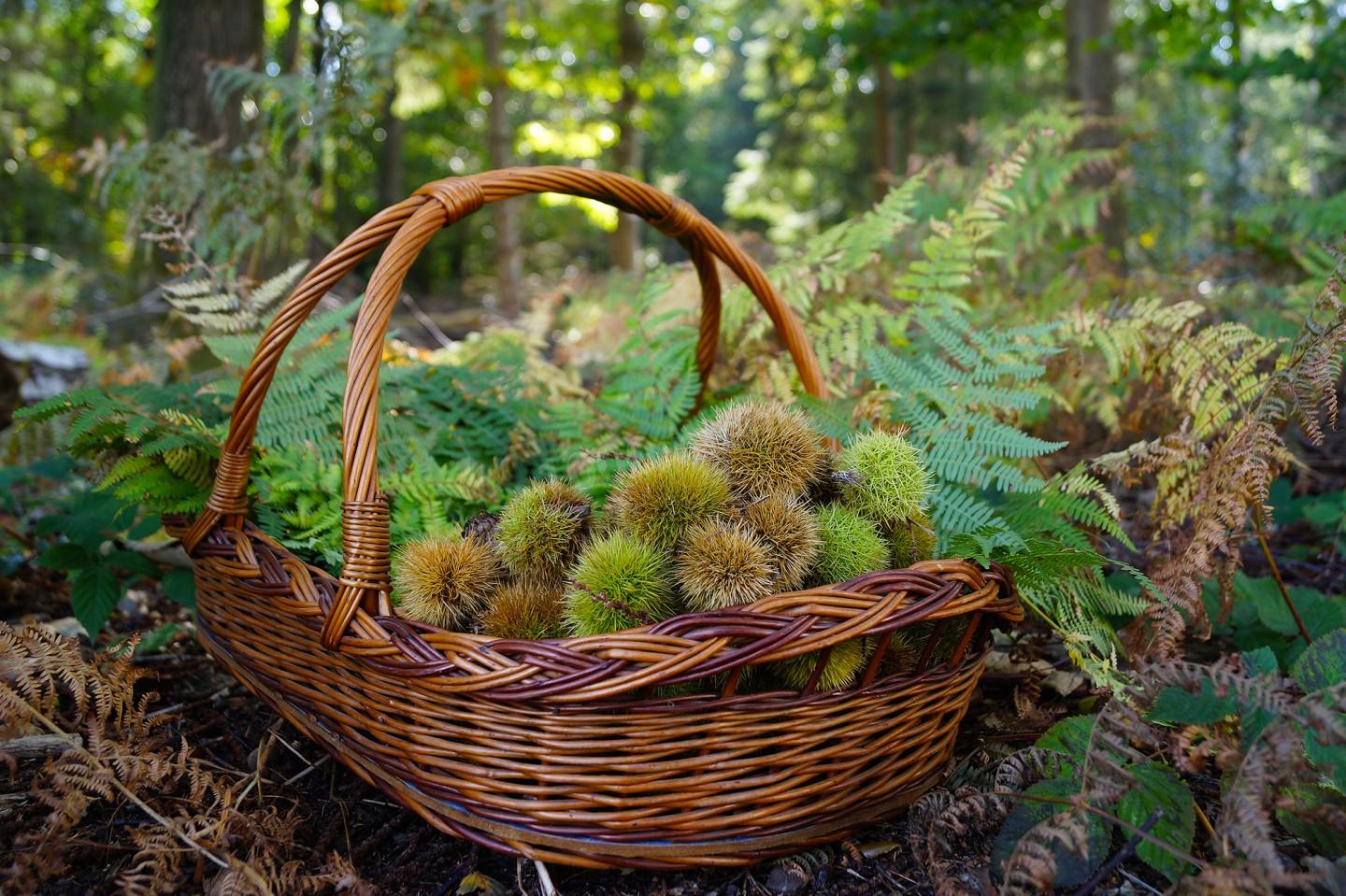
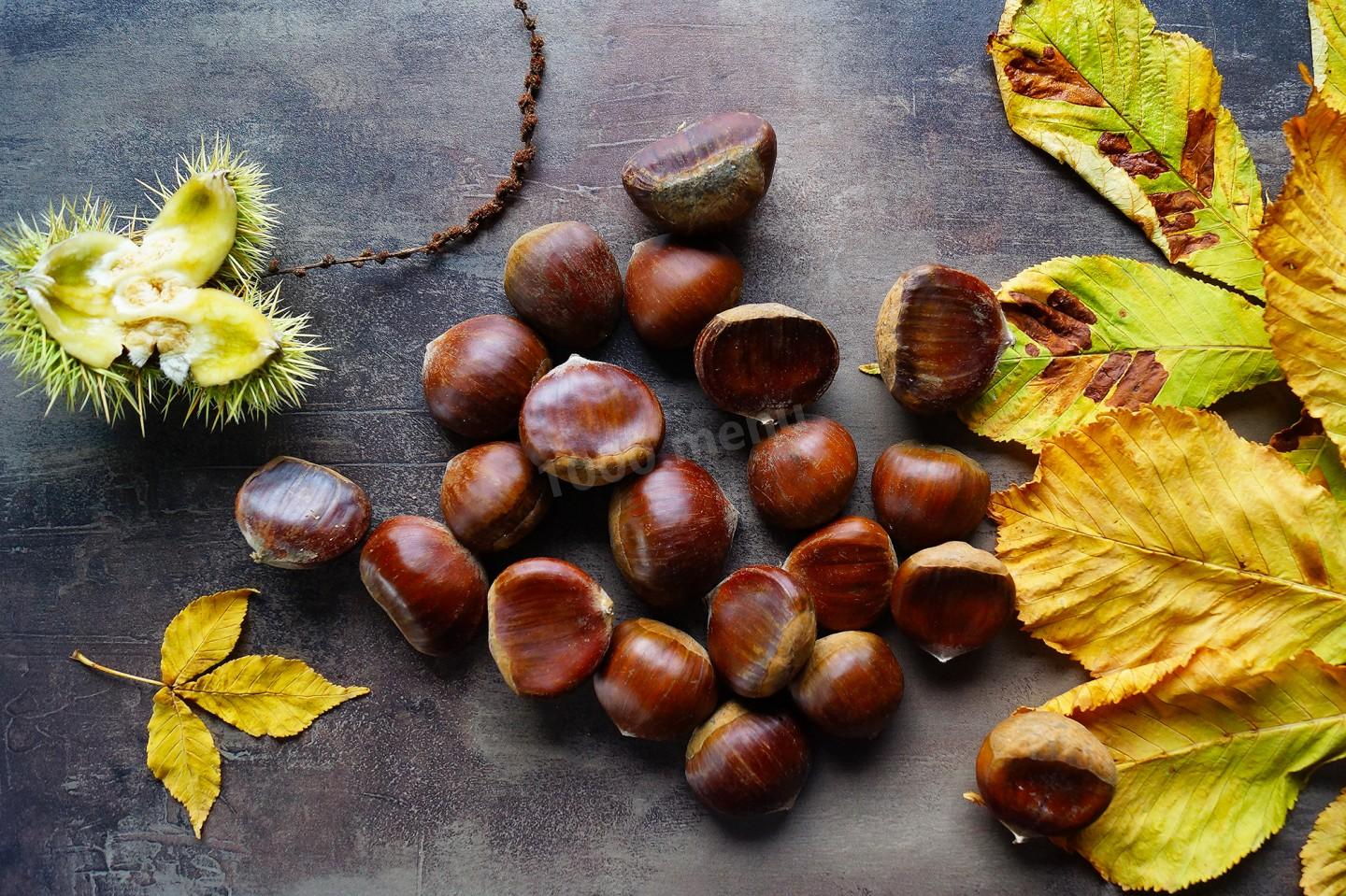
Edible chestnuts are enclosed in a spiky husk. Getting the nuts out with your bare hands isn't easy — better to use a sharp knife and thick gloves. Inside each husk are 2–3 nuts with a nicely rounded, almond-like shape.
-
Step 3:
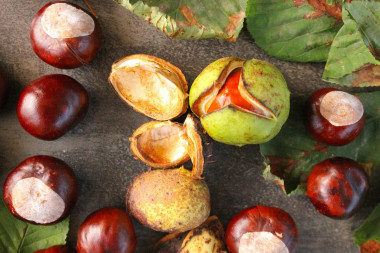
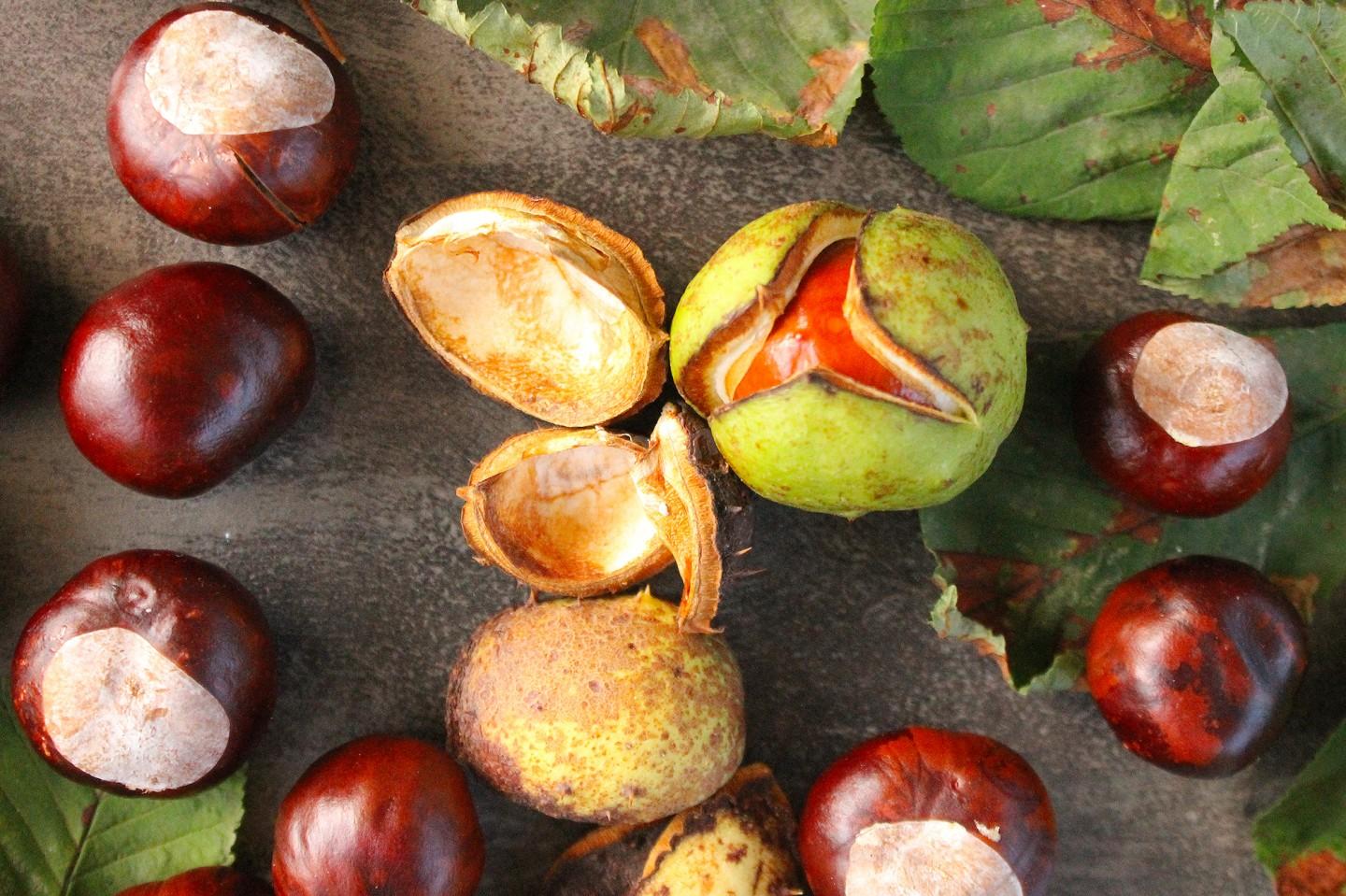
Inedible (horse) chestnuts usually have a smooth husk with slightly raised bumps, and the nuts inside are round or irregular. Horse chestnuts aren't safe to eat — they're more often used for animal feed or to make medicines and cosmetics.
-
Step 4:
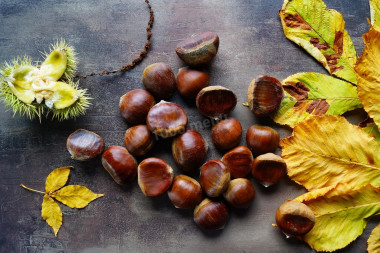
So, gather some chestnuts. If you can't forage your own, buy them at a store, supermarket, or market.
-
Step 5:
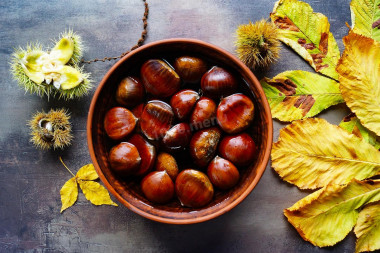
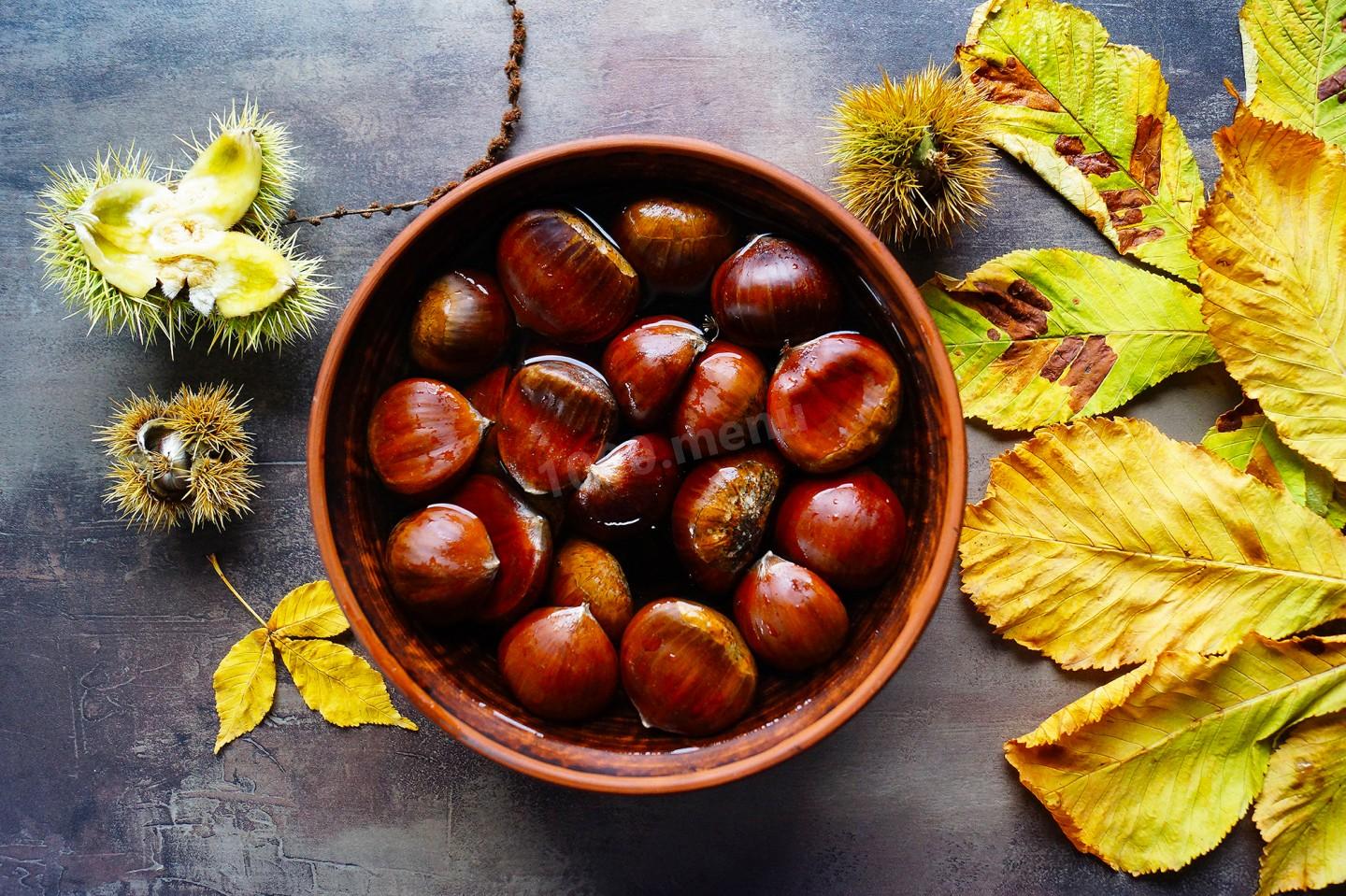
Submerge the chestnuts in cold water and let them sit for five minutes. Wash them well, drain, and dry the nuts with a kitchen towel or paper towels.
-
Step 6:
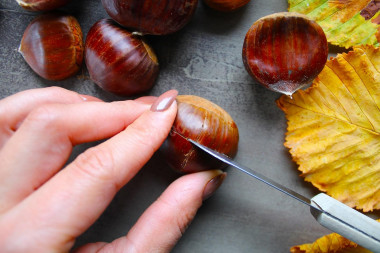
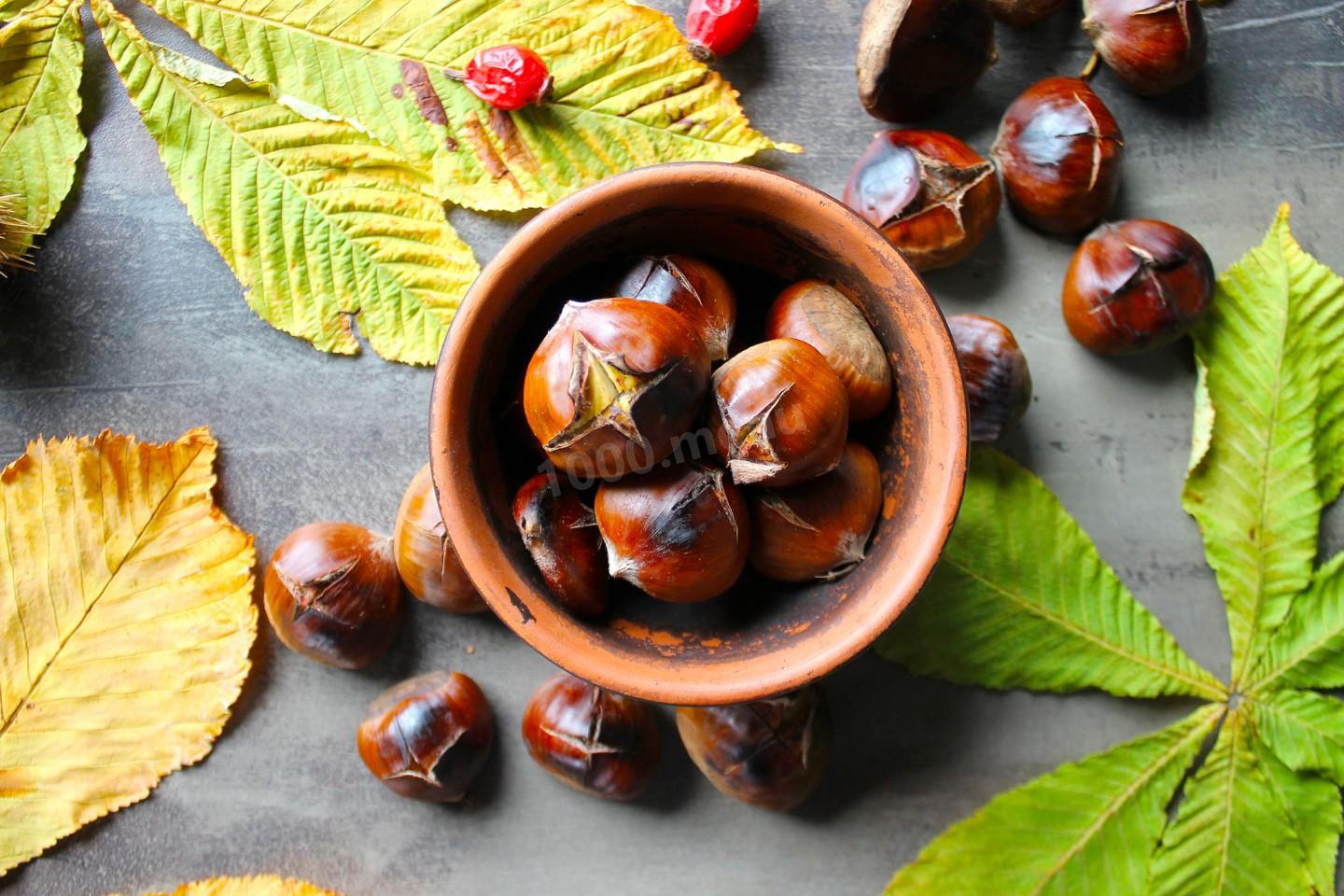
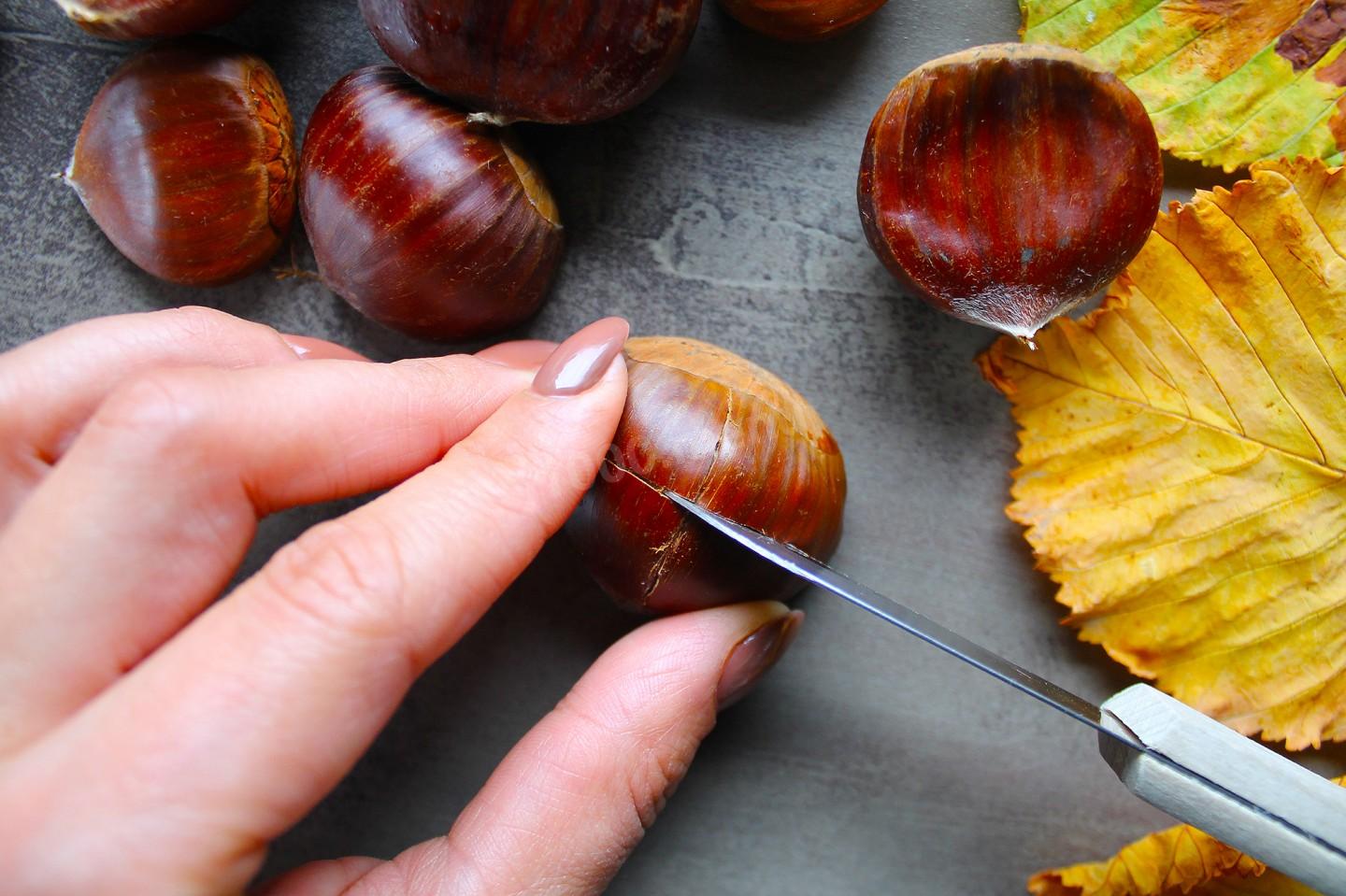
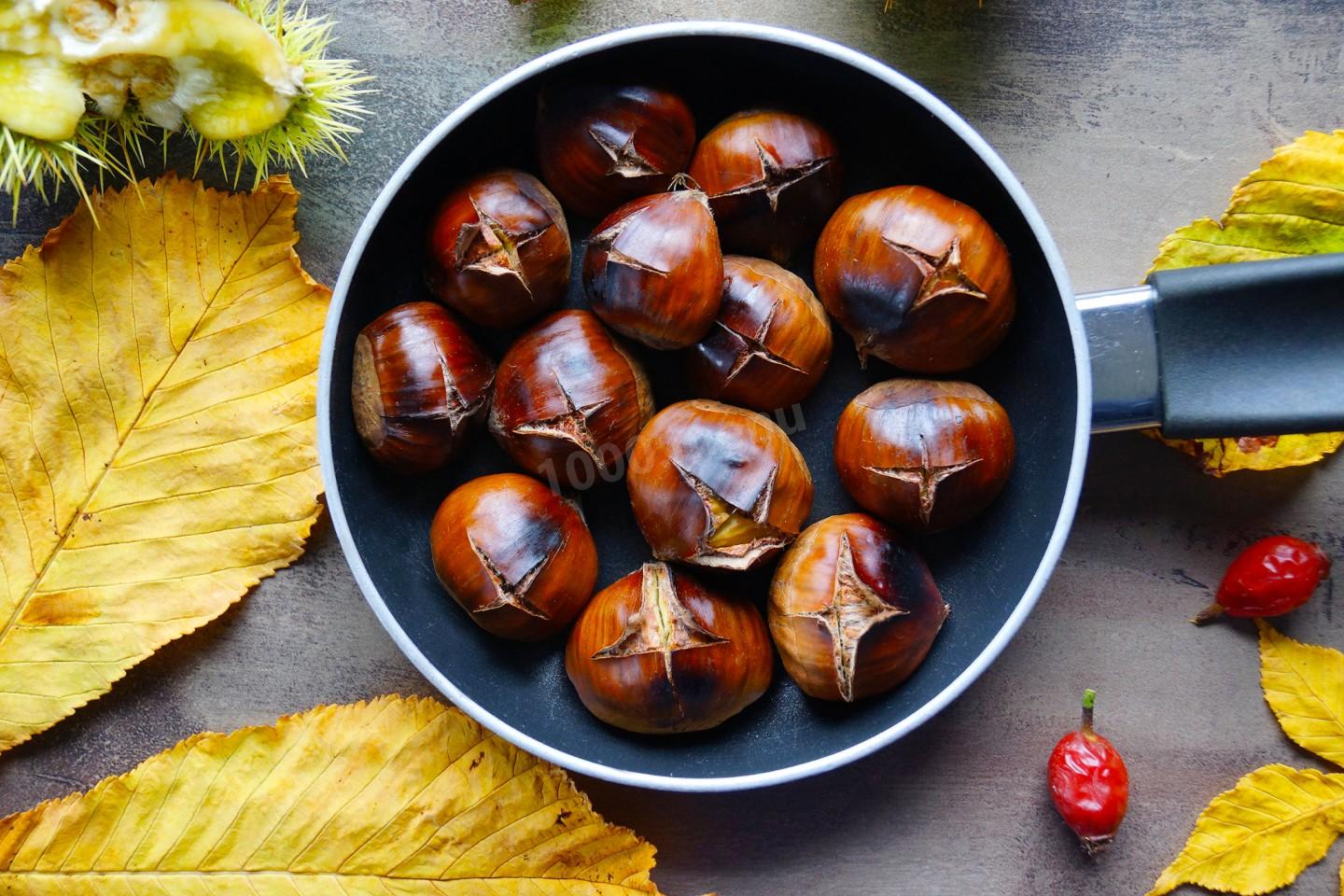
Cut a deep X into each nut. Use a sharp knife and be very careful — it's easy to cut your hand.
-
Step 7:
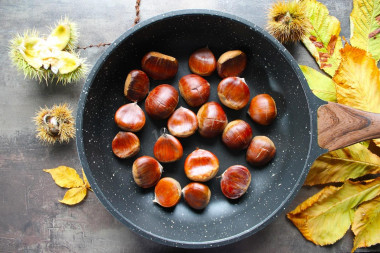
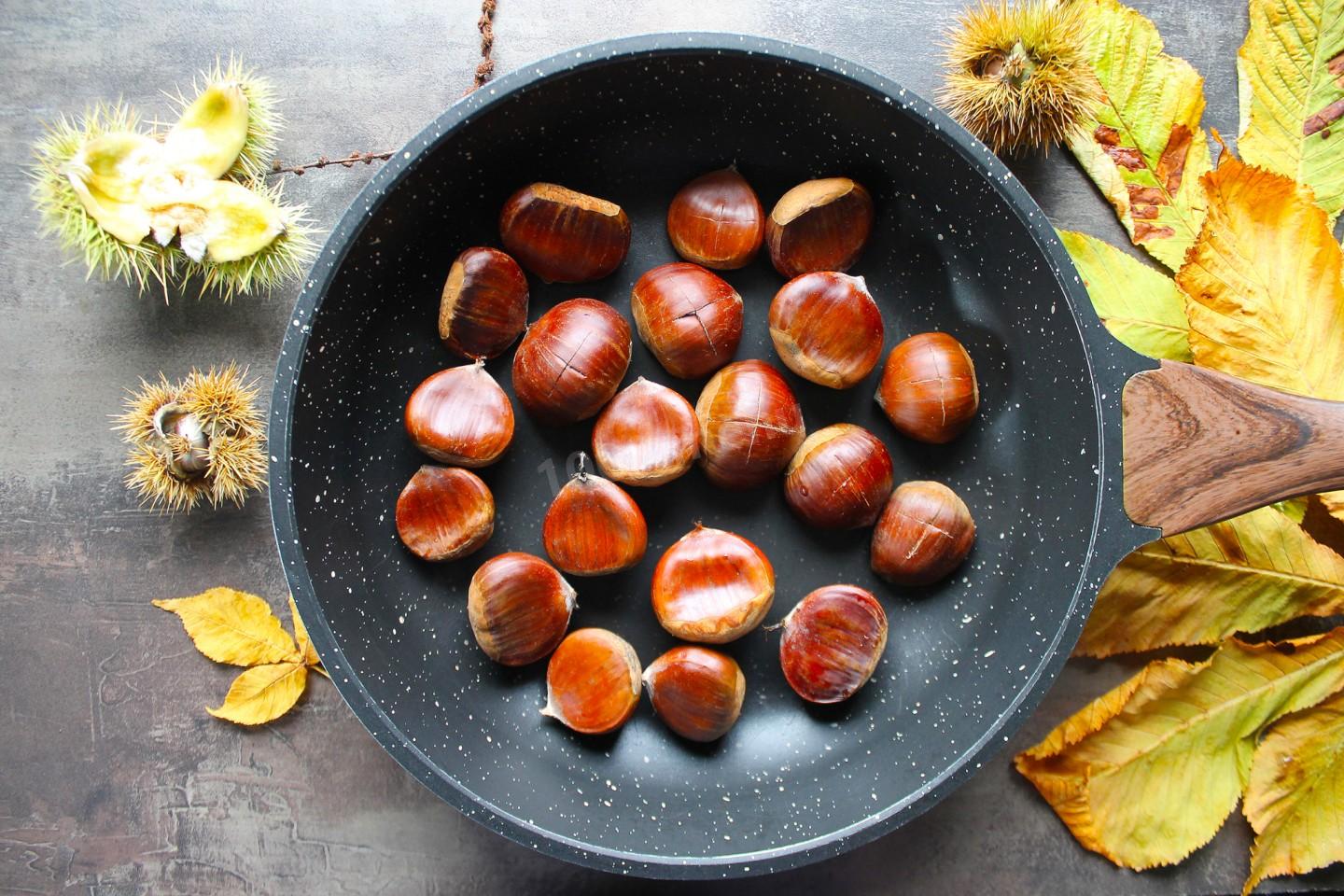
How do you roast chestnuts? Arrange them in a single even layer in a dry skillet. Which skillet is best? Use one with a thick bottom and sides.
-
Step 8:
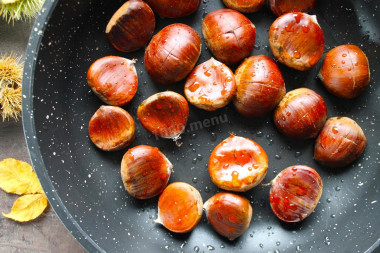
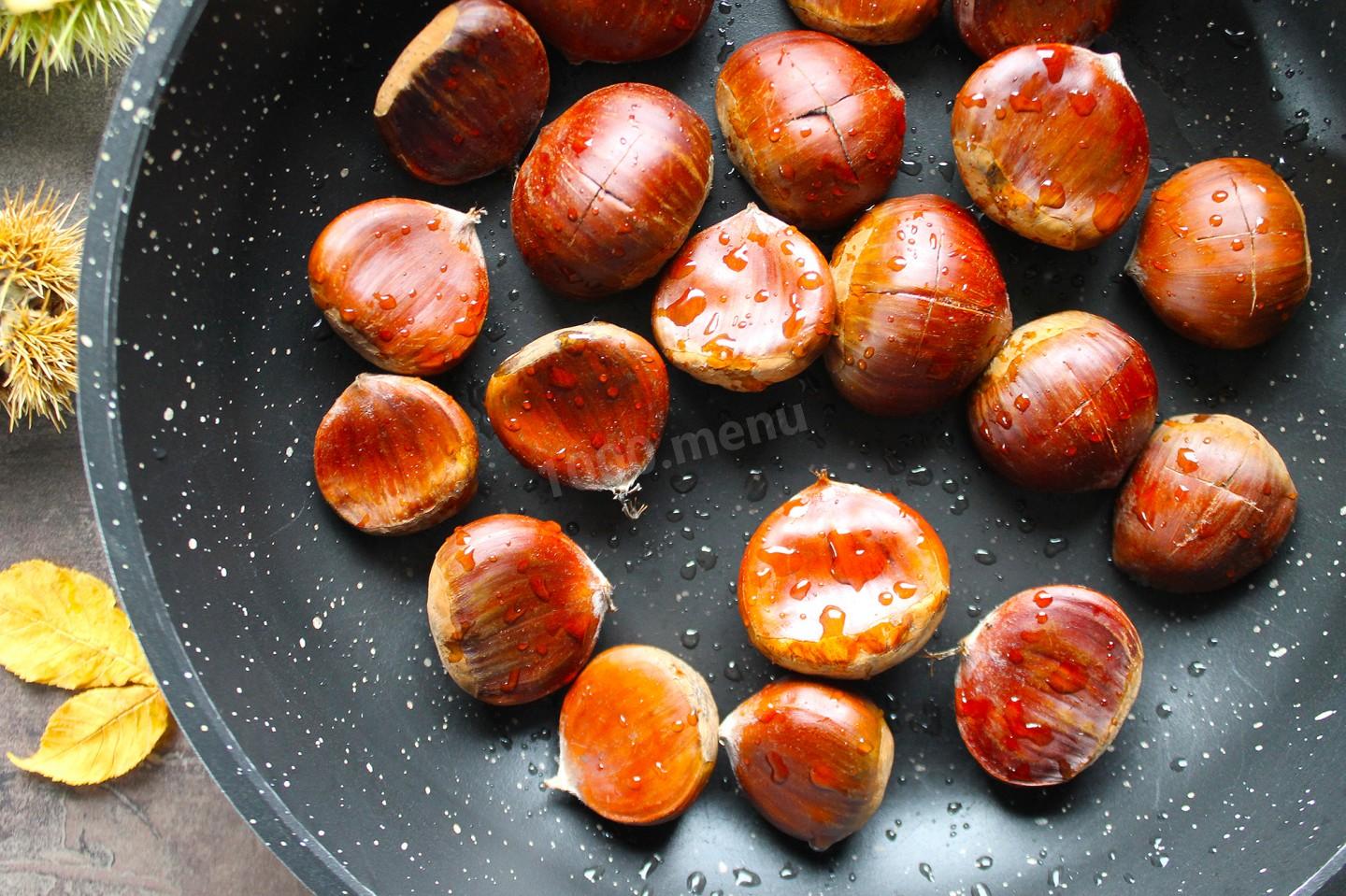
Sprinkle the chestnuts with cold water, cover the pan, and set it over high heat (you can also lay a damp cloth over the nuts to keep them from drying out as they cook). Once the pan heats up, turn the burner down to just above medium and cook for a few minutes.
-
Step 9:
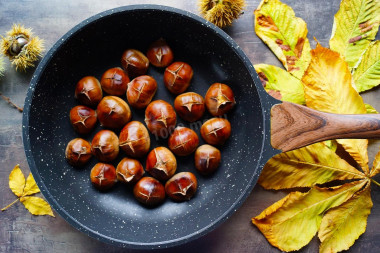
Lift the lid now and then and turn the nuts with a spoon or spatula. A couple of times during cooking, sprinkle the pan with more cold water (or re-dampen the cloth).
-
Step 10:
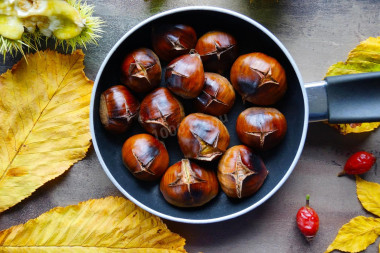
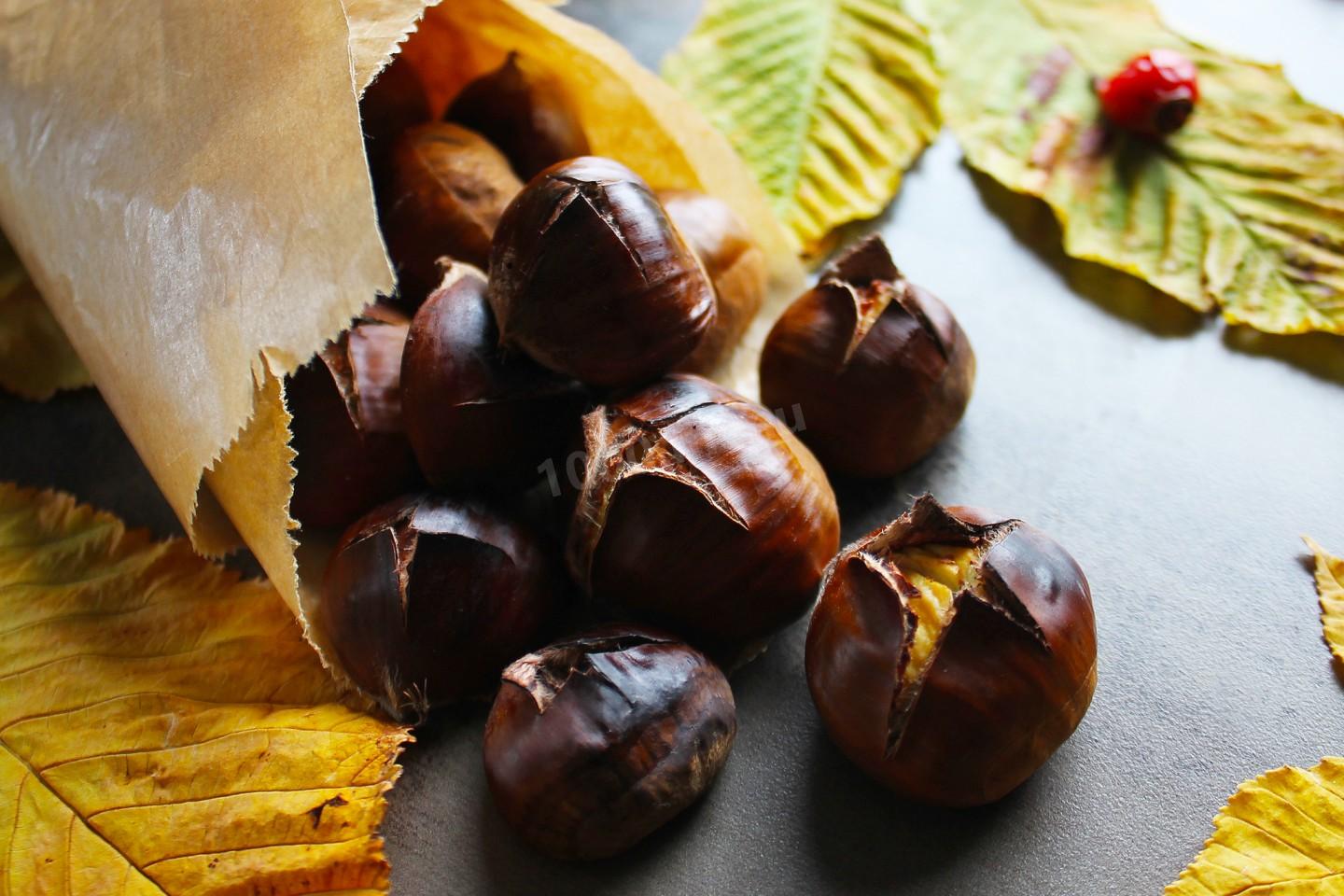
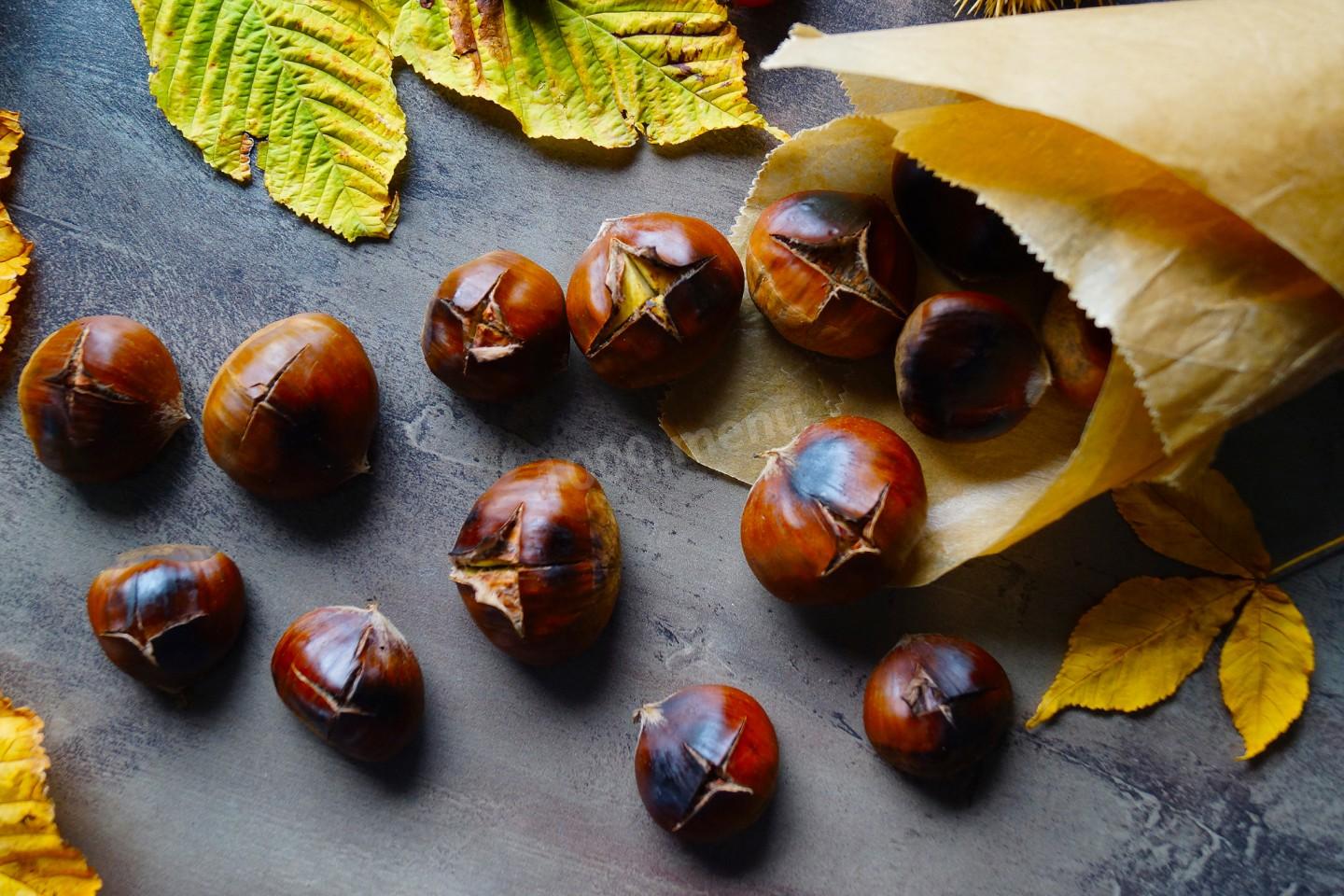
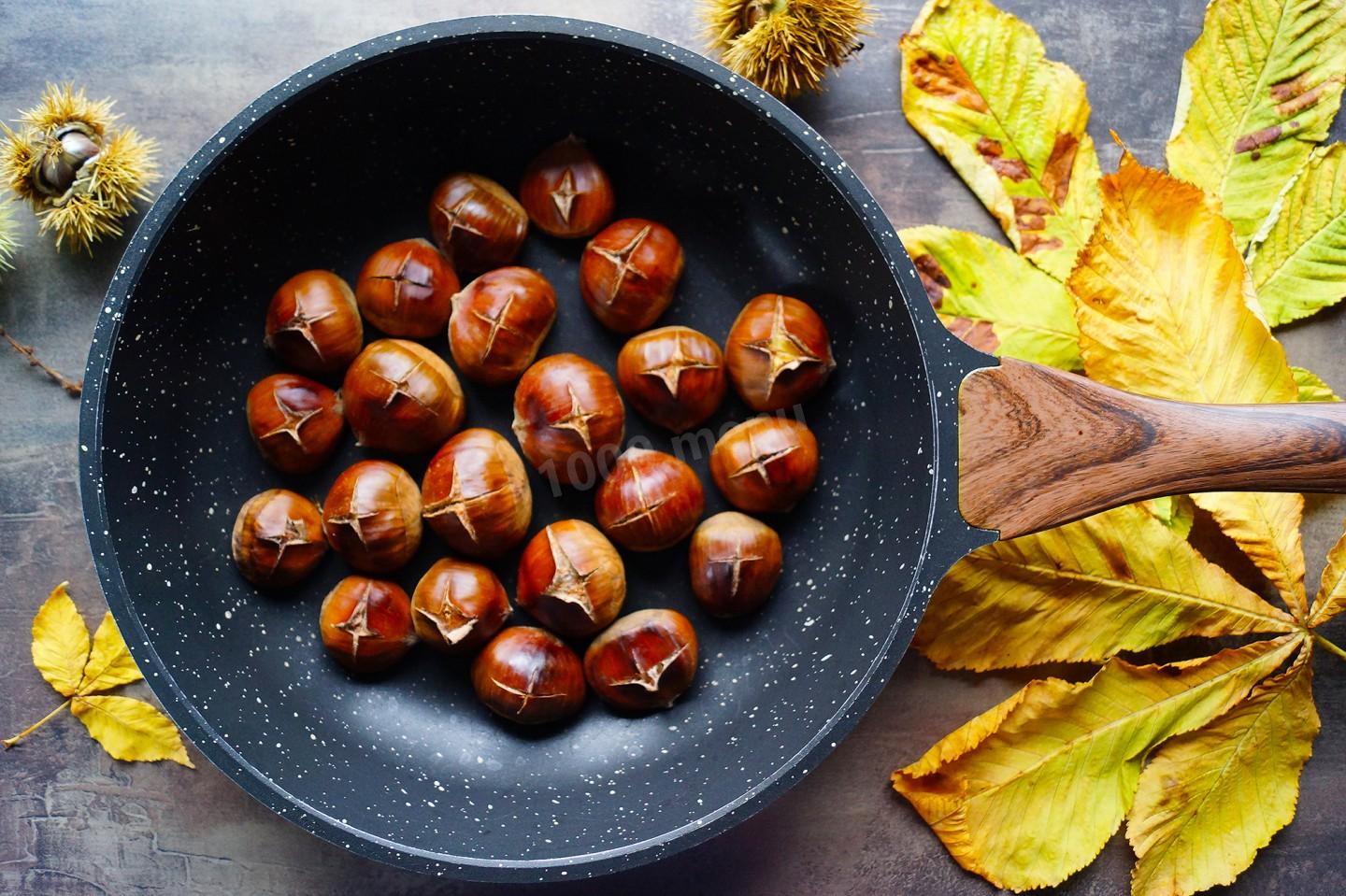
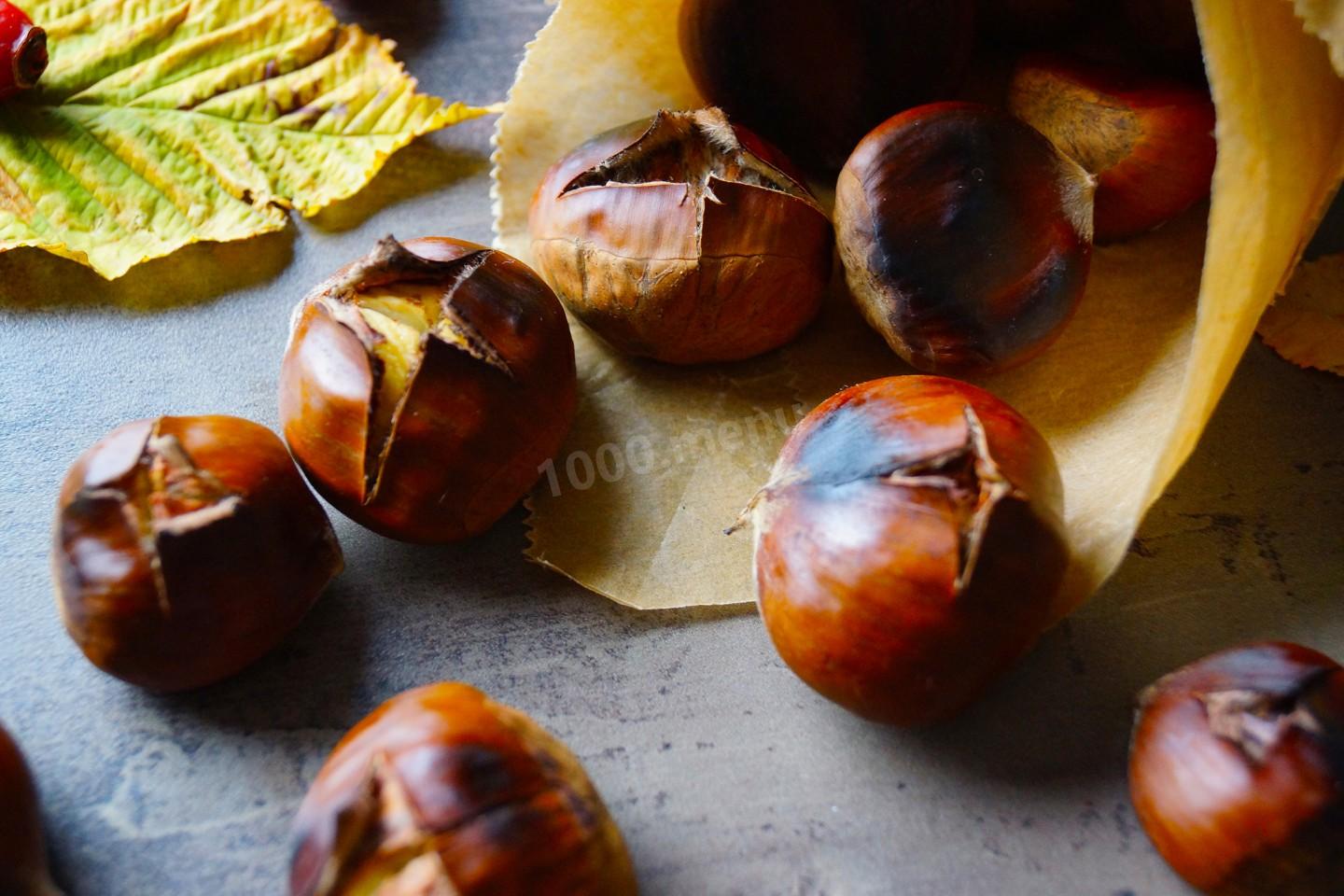
The chestnuts will be done in 20–30 minutes. The flesh may poke out of some of the shells — that's perfectly normal.
-
Step 11:
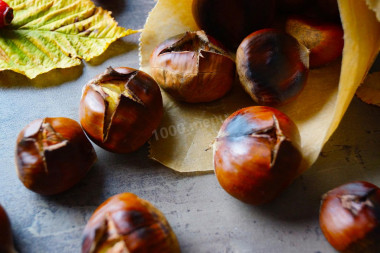
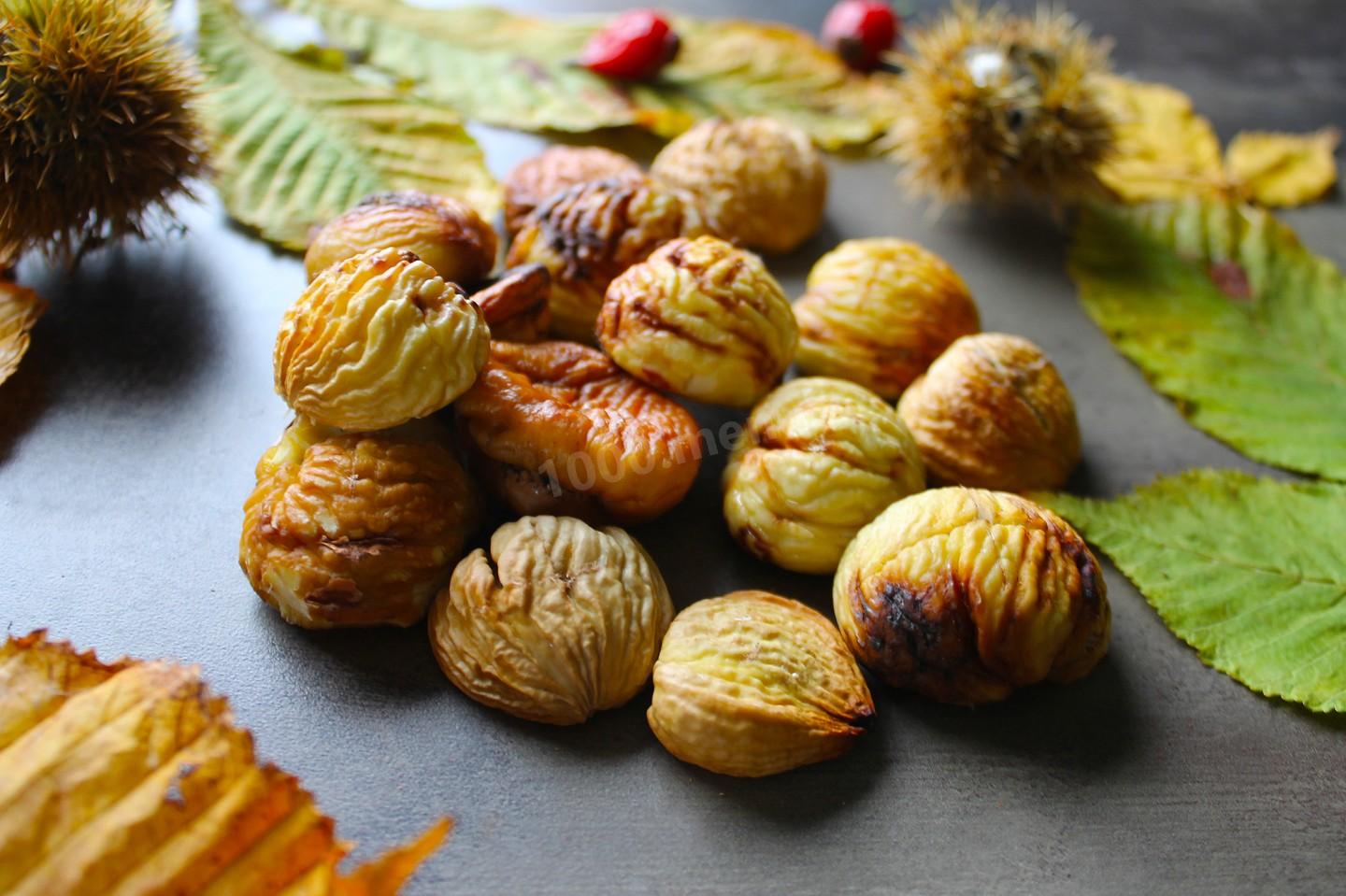
Take the nuts off the heat, let them cool a little, and peel them — it's easy while they're warm. Once they've cooled down, the kernel is much harder to pry loose.
-
Step 12:
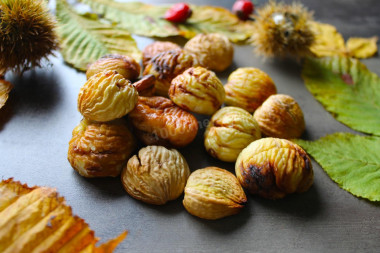
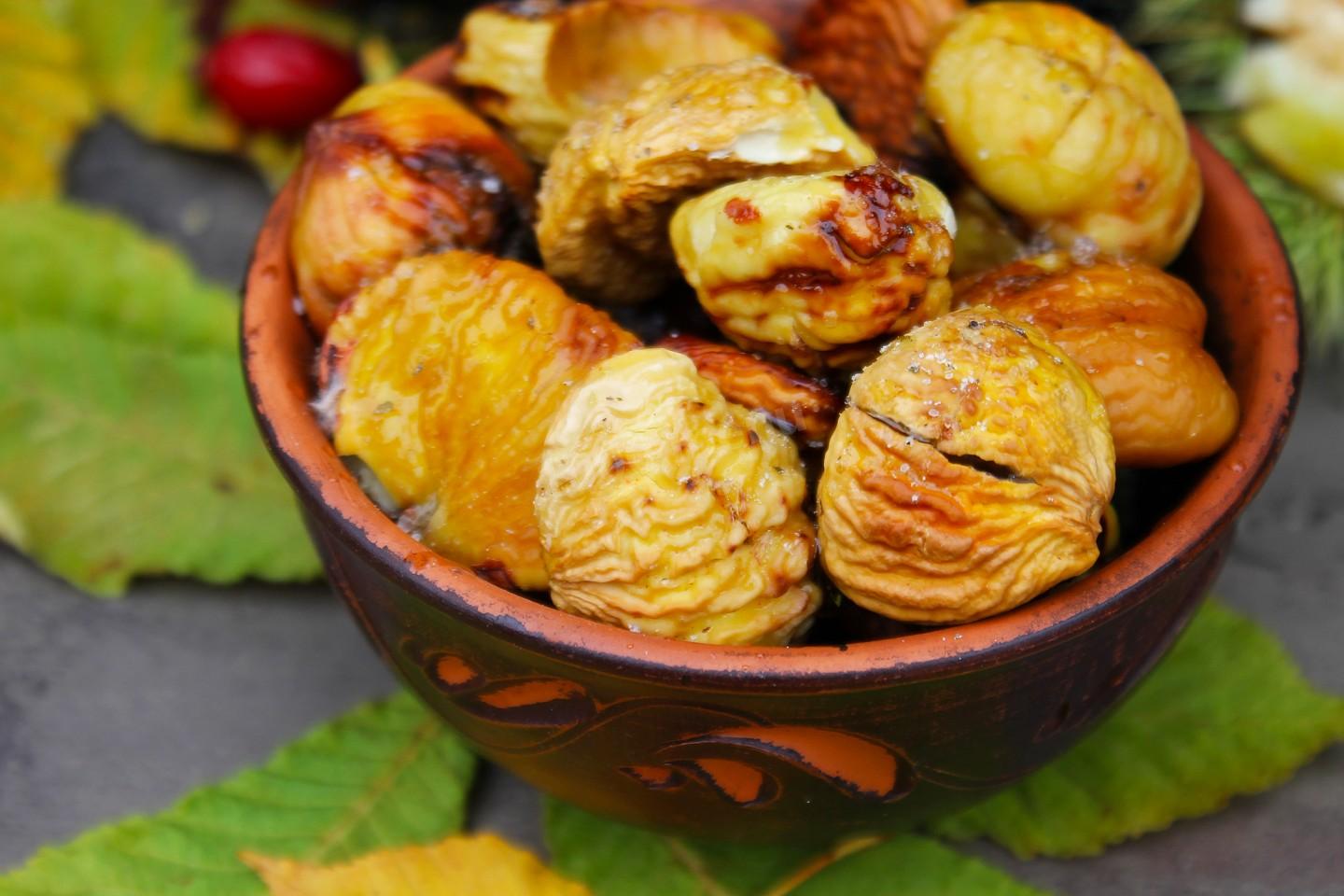
Here's what a finished roasted chestnut looks like.
-
Step 13:
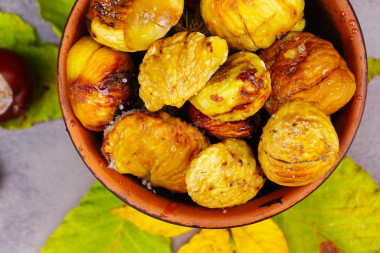
I like to drizzle the nuts with a little olive oil and sprinkle them with seasoned salt (Adyghe or Svan salt).
- Chestnuts go into all kinds of dishes. I add them to soups, and they work in mains, baked goods, and desserts. Dust peeled roasted chestnuts with powdered sugar for a lovely dessert. Fresh chestnuts freeze well and keep their nutritional value for up to six months. Enjoy!
Caloric content of the products possible in the composition of the dish
- Chestnut noble fresh - 194 kcal/100g
- Dried noble chestnut - 377 kcal/100g
- Boiled chestnuts - 131 kcal/100g
- Salt - 0 kcal/100g