Fried Zucchini with Garlic, Canned for Winter
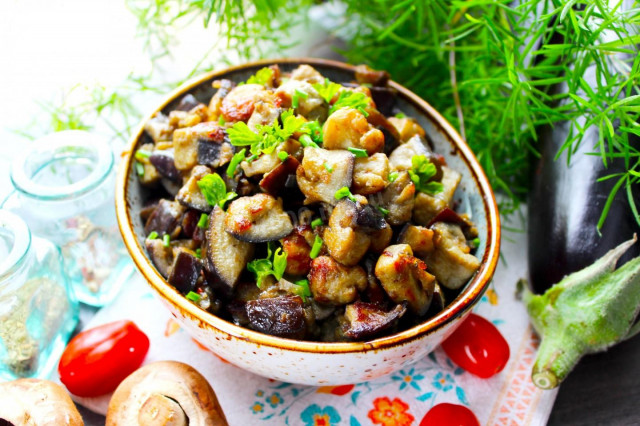
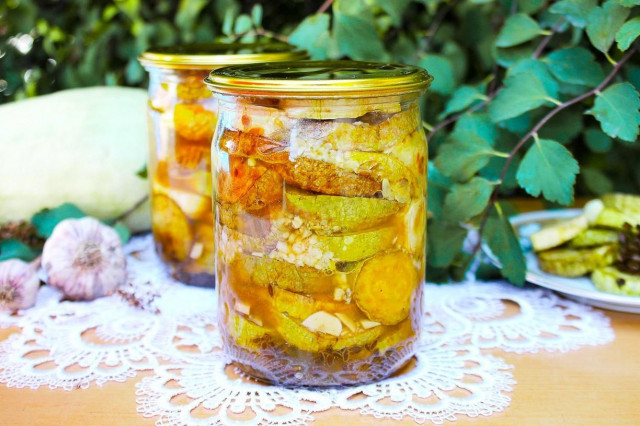
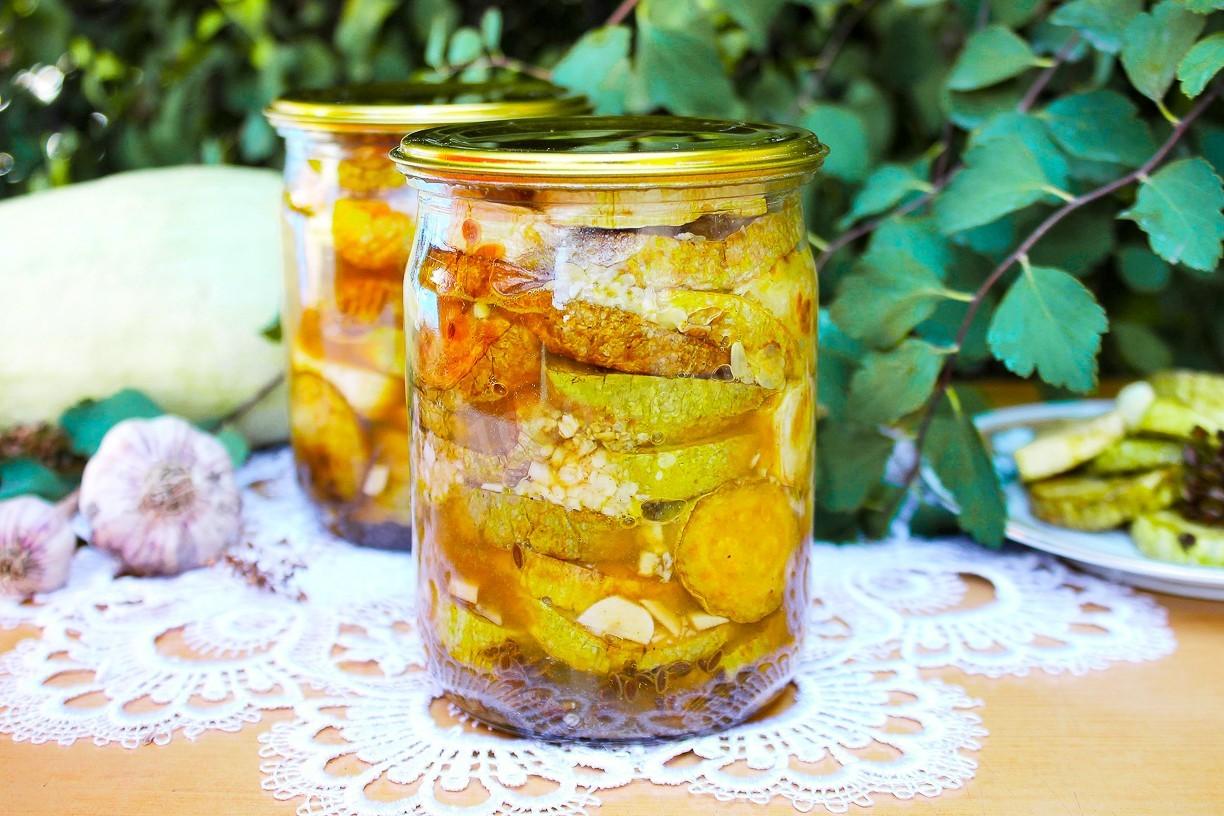
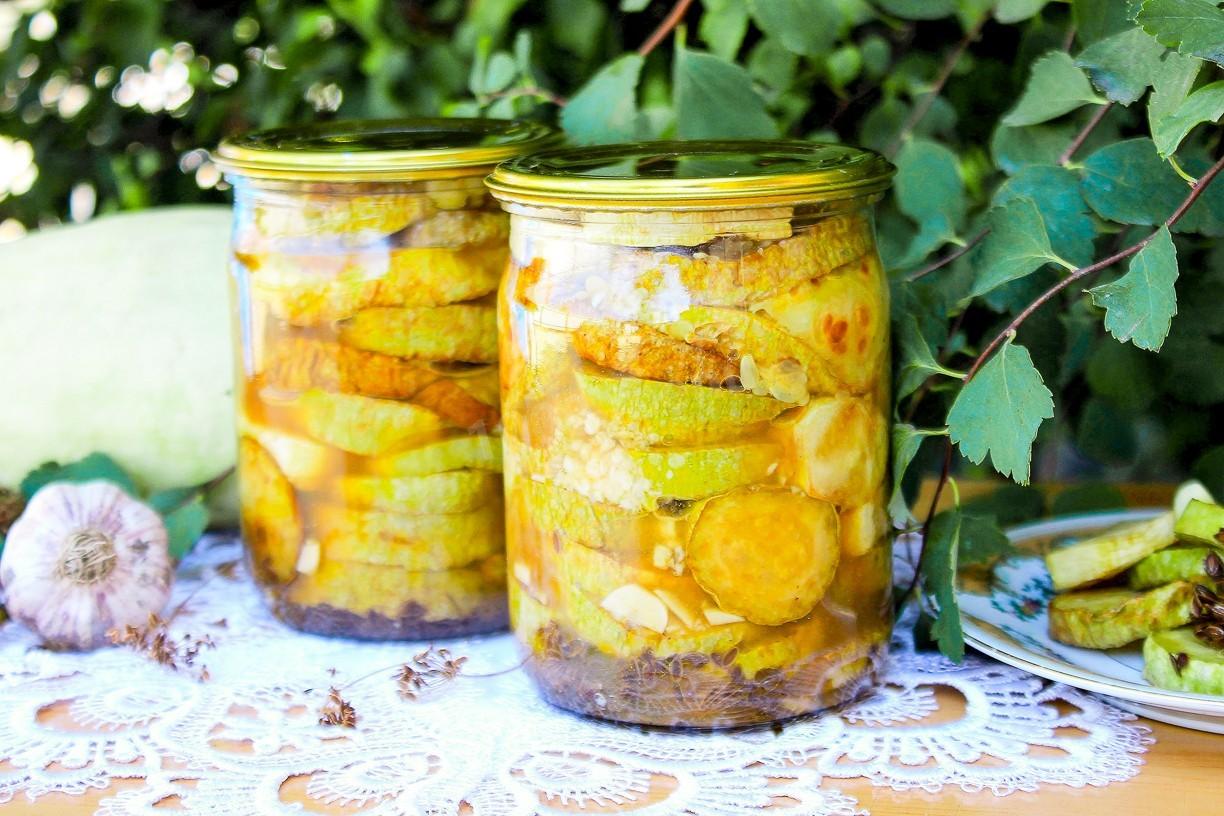
The most fragrant, most delicious dish, with the scent of summer! Fried zucchini with garlic will remind you of warm days. Open a jar on a winter evening and enjoy the incomparable flavor! Zucchini goes beautifully with any side dish or meat. And on their own with a crust of fresh bread, they're delicious too!

Cooking method
-
Step 1:
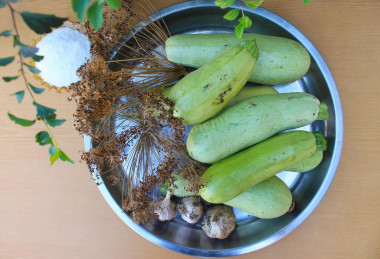
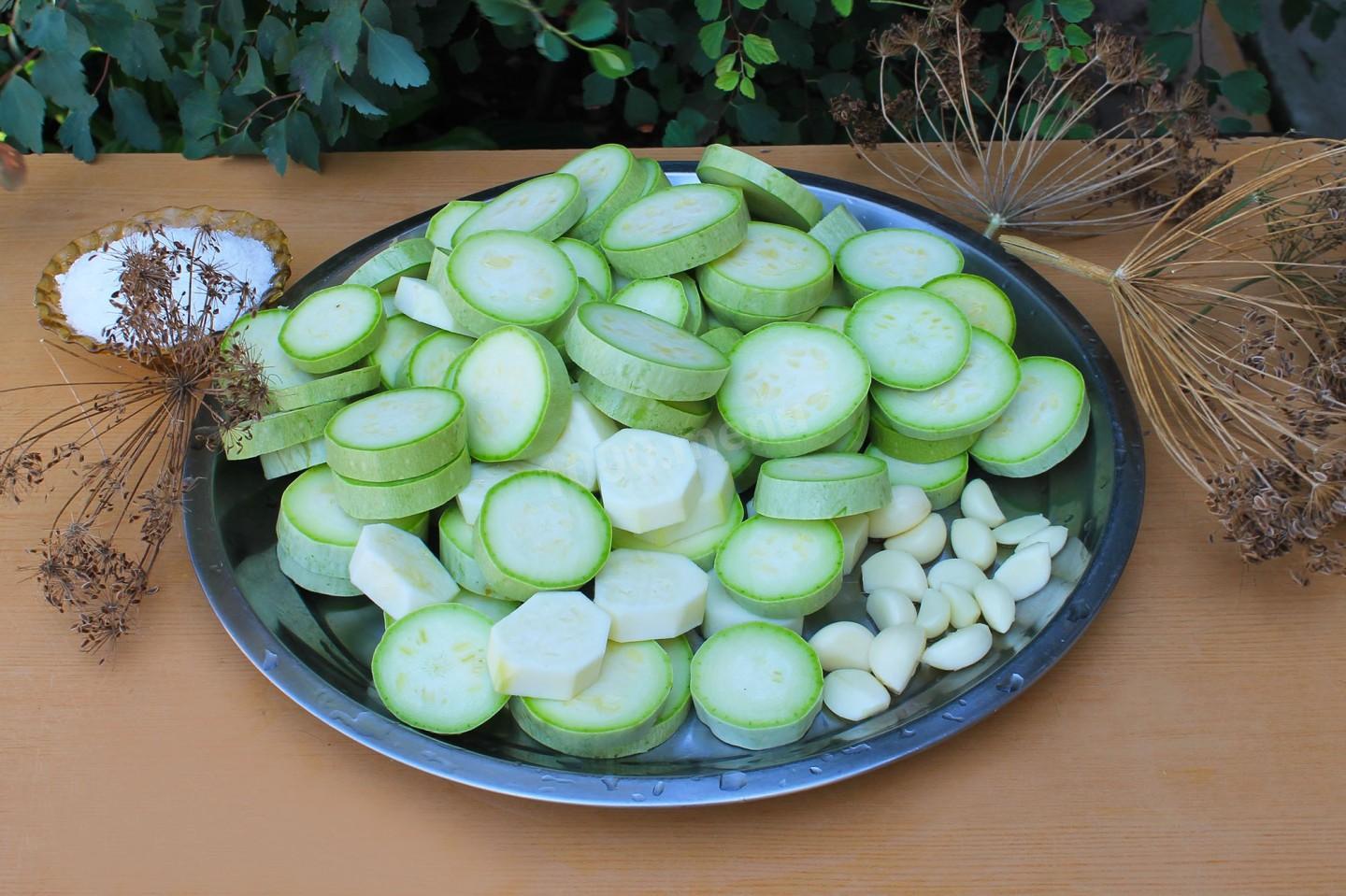
How do you make fried zucchini with garlic for winter? Gather all the ingredients on the list. Use young zucchini if you can — they have thin, tender skin and hardly any seeds inside. Wash the zucchini well and pat them dry with paper towels. If your zucchini are mature, cut off the peel and scoop out the seedy center.
-
Step 2:
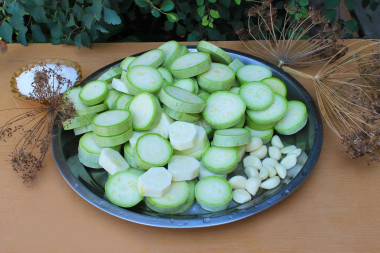
Peel the garlic and rinse it in clean water. Cut the zucchini into rounds about ⅜ inch (0.7–1 cm) thick.
-
Step 3:
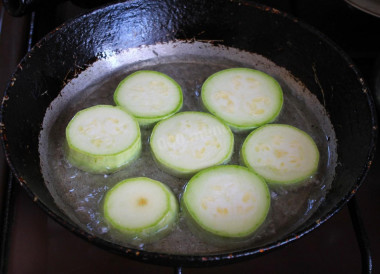
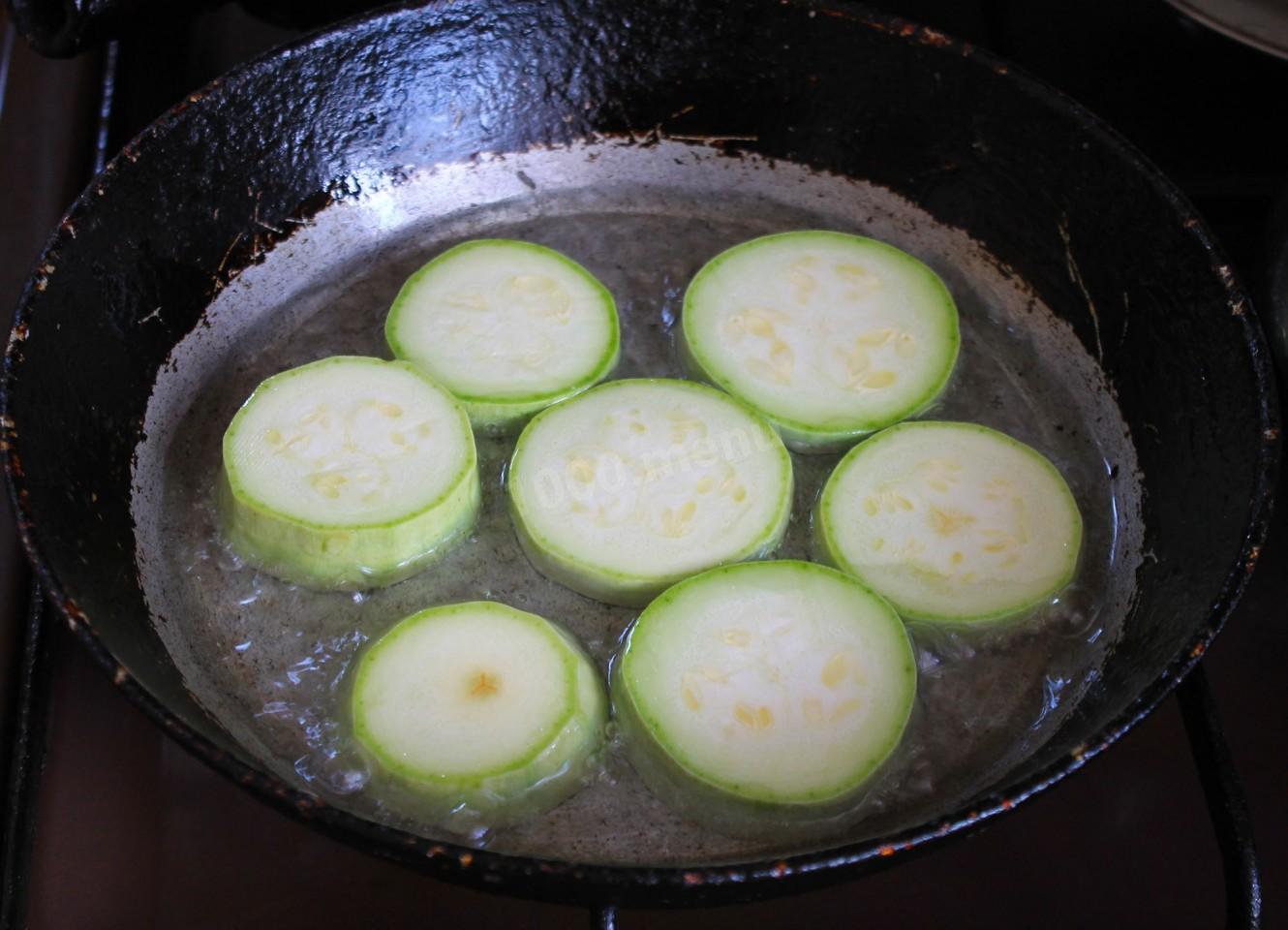
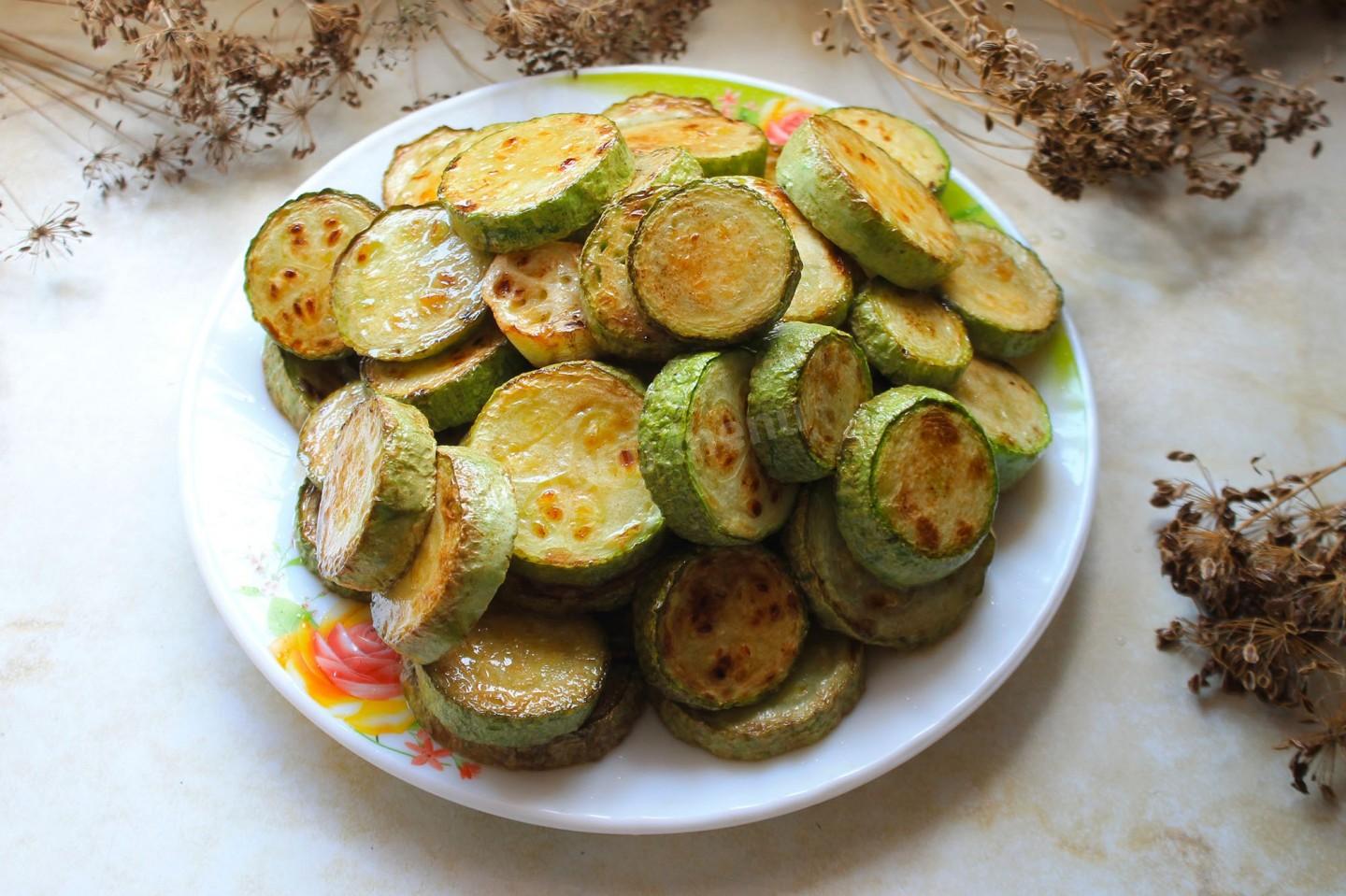
The next step is the most time-consuming — the zucchini need to be fried. To speed things up, use two skillets at once. Heat a neutral vegetable oil in a skillet and add the rounds. Fry until golden on both sides.
-
Step 4:
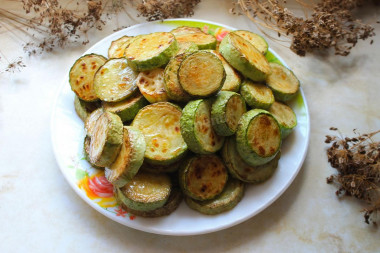
Set the zucchini on paper towels to drain off the excess oil.
-
Step 5:
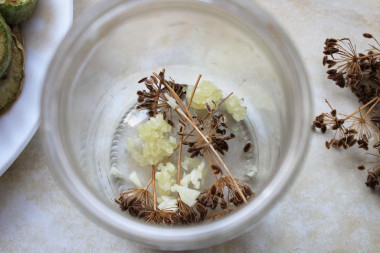
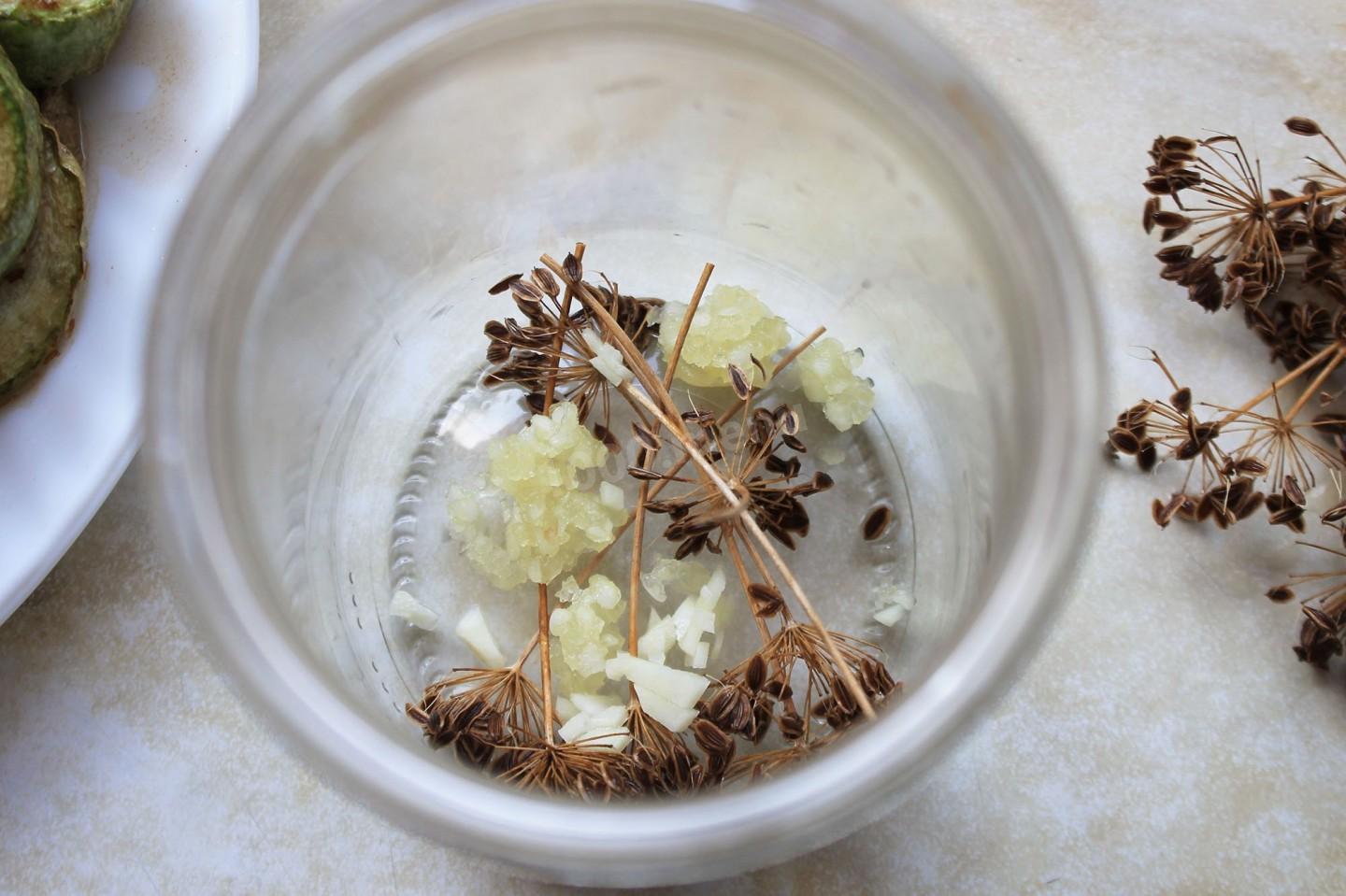
Press the garlic cloves through a garlic press. Rinse the dill heads. Wash the jars and lids thoroughly and sterilize them by whatever method you prefer — in a water bath, the microwave, or the oven. Put a dill head and some of the garlic in the bottom of the jar.
-
Step 6:
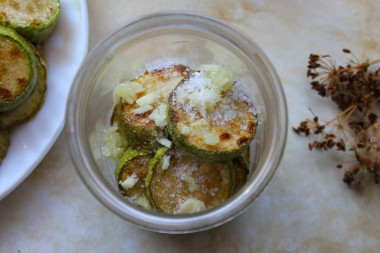
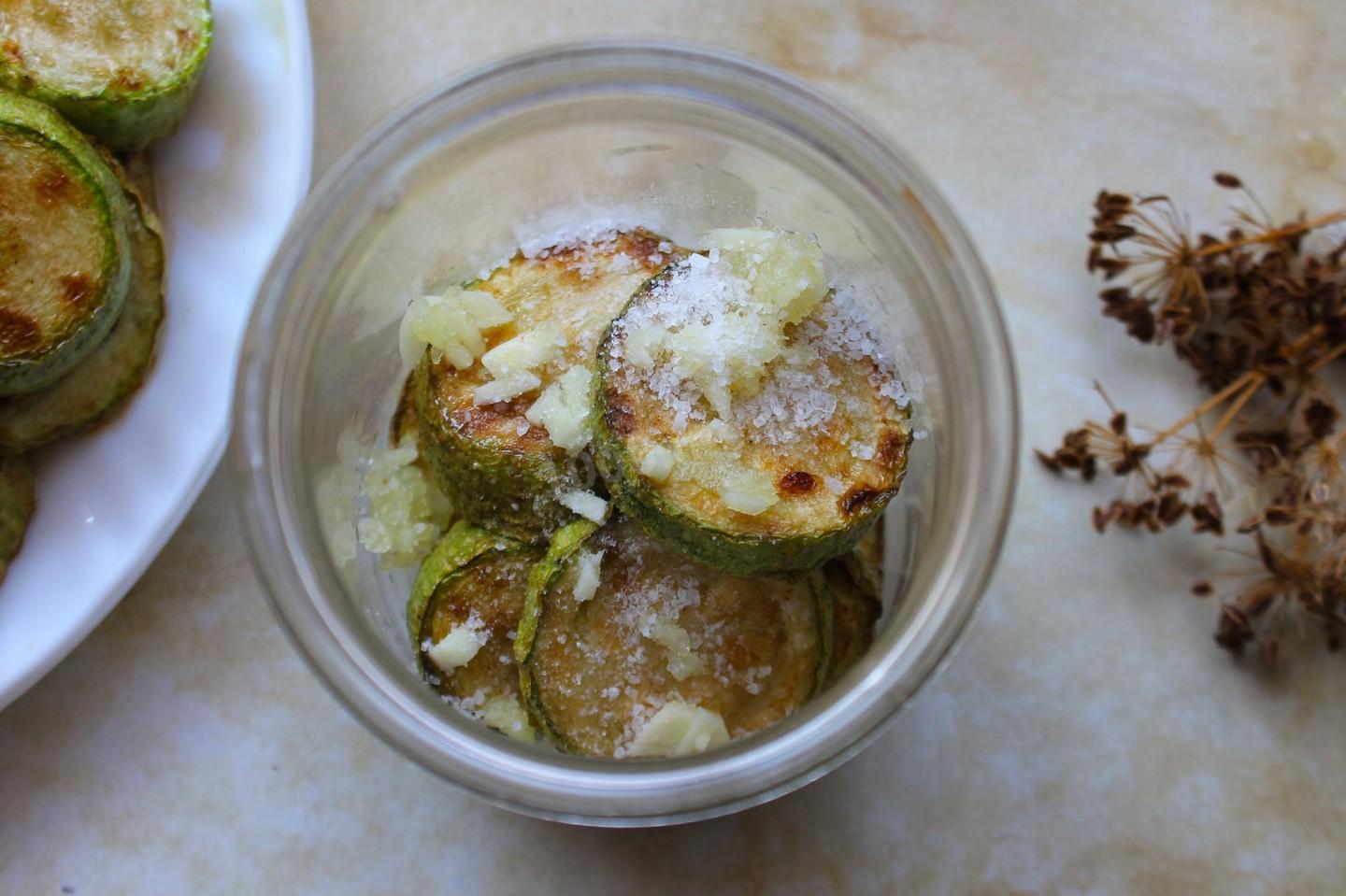
Next, add a layer of fried zucchini. Lay in some of the rounds and salt them. Add a little more garlic.
-
Step 7:
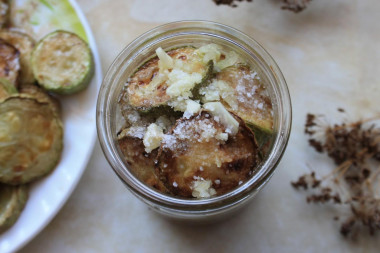
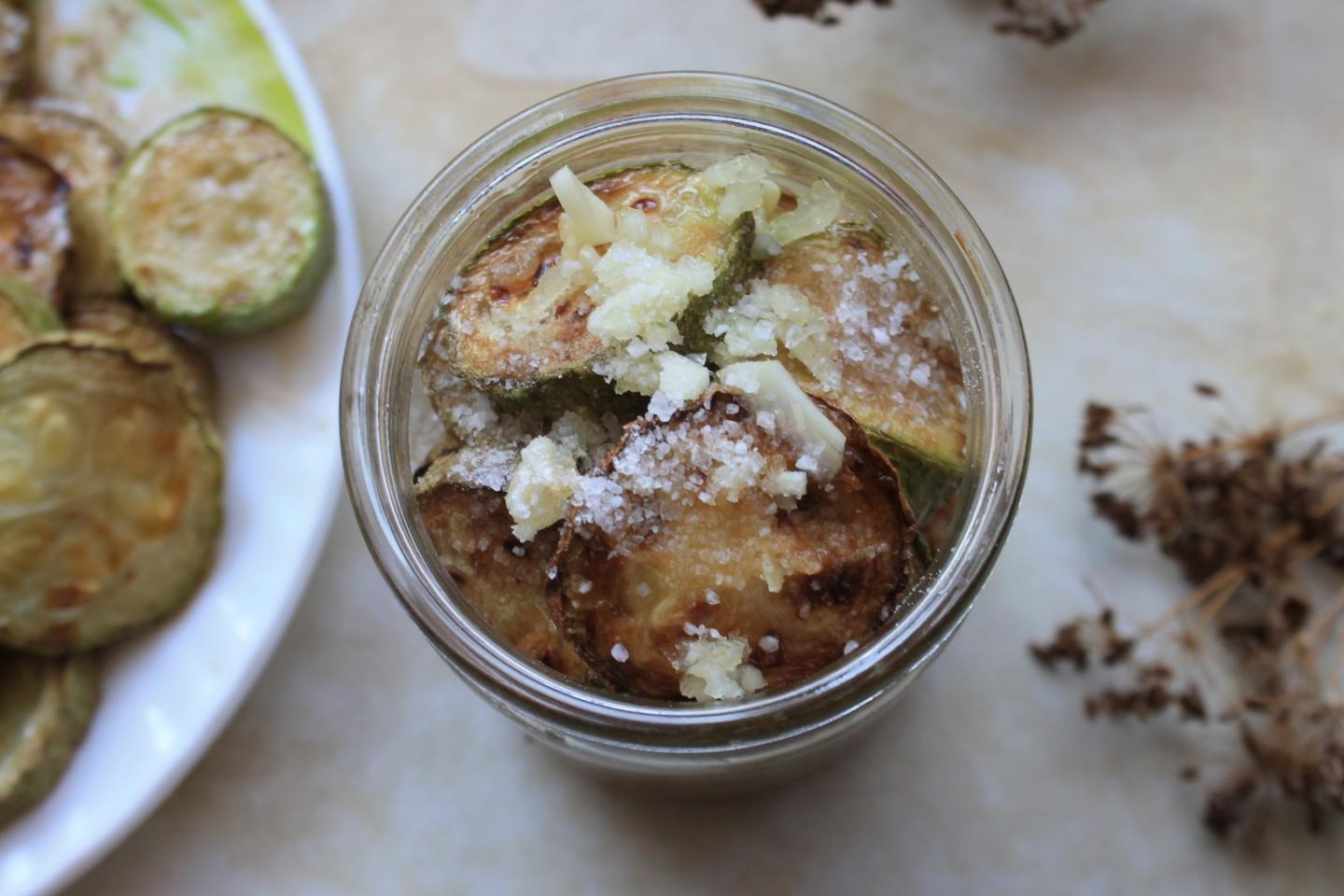
Then add another layer of zucchini. Salt it and add garlic. Keep going until the jars are completely full. As you fill them, shake the jars a couple of times so the zucchini packs in more tightly.
-
Step 8:
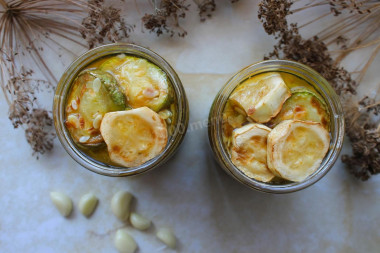
Pour vinegar over the top of each jar. I used about 20 ml per pint (half-liter) jar.
-
Step 9:
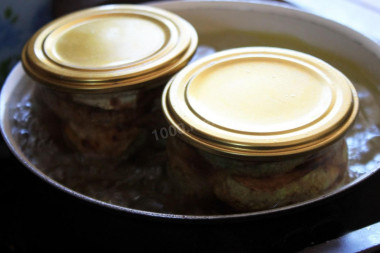
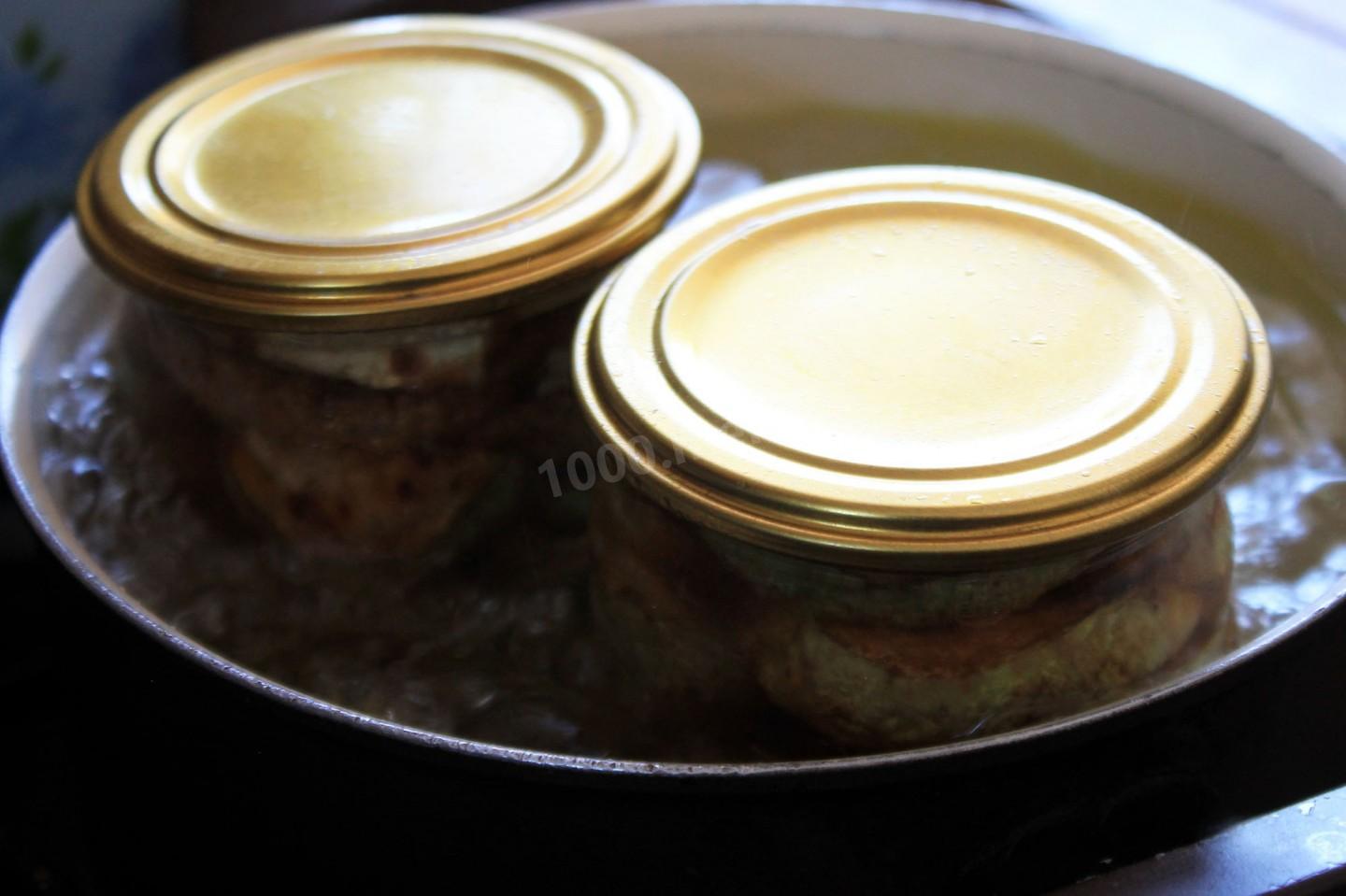
Set the lids loosely on the jars. Line the bottom of a wide pot with a thin towel. Put the jars in the pot, pour in warm water up to their shoulders, and set it over the heat. Once it boils, process the zucchini for about 20–25 minutes. During processing, liquid forms inside the jars and fills them to the top.
-
Step 10:
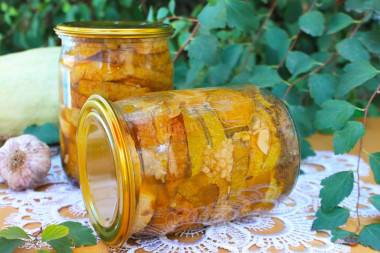
Seal the jars with the lids and turn them upside down. Wrap them in a warm blanket and leave them until completely cool. Then move the jars to any cool, dark place for long-term storage.
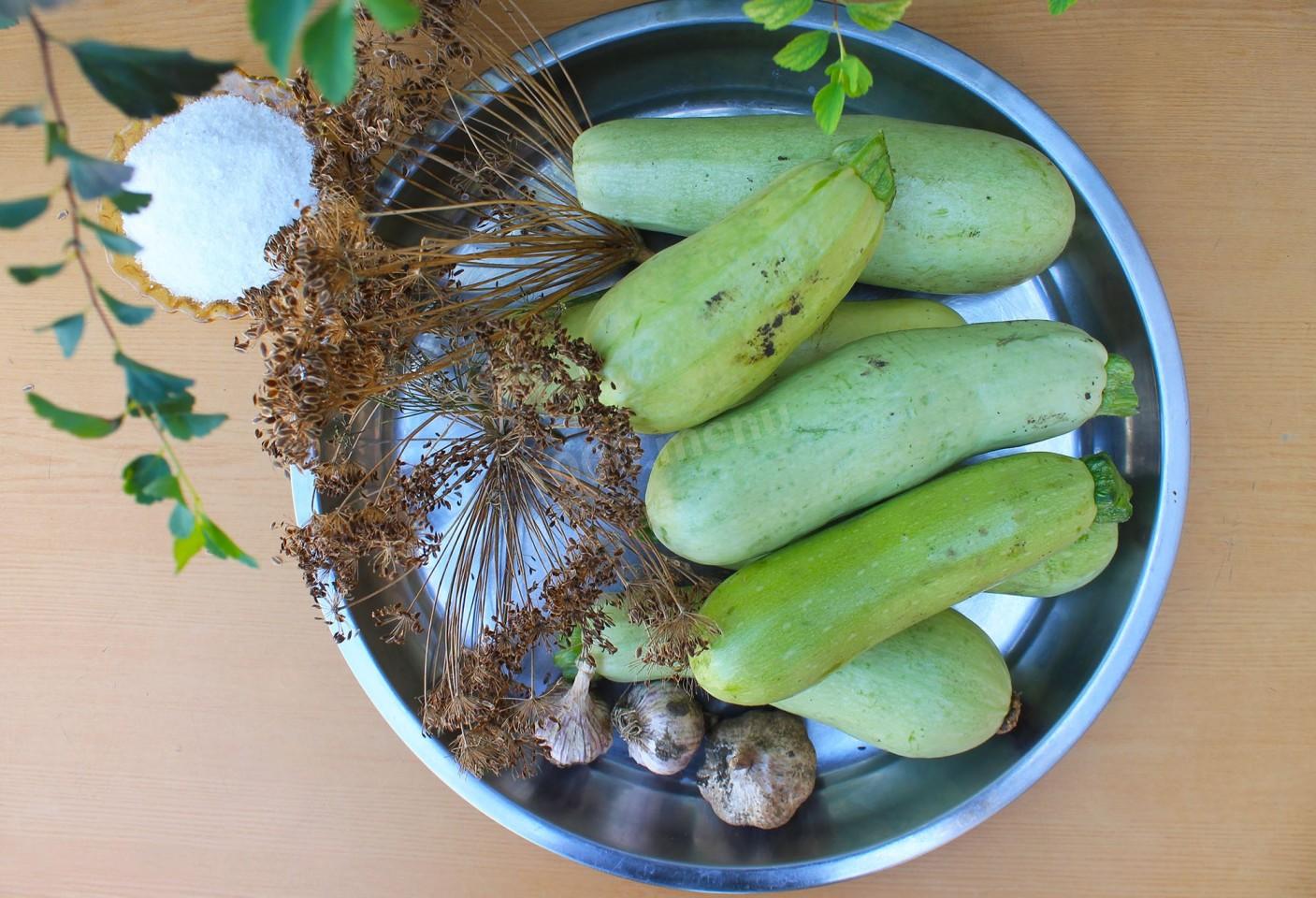
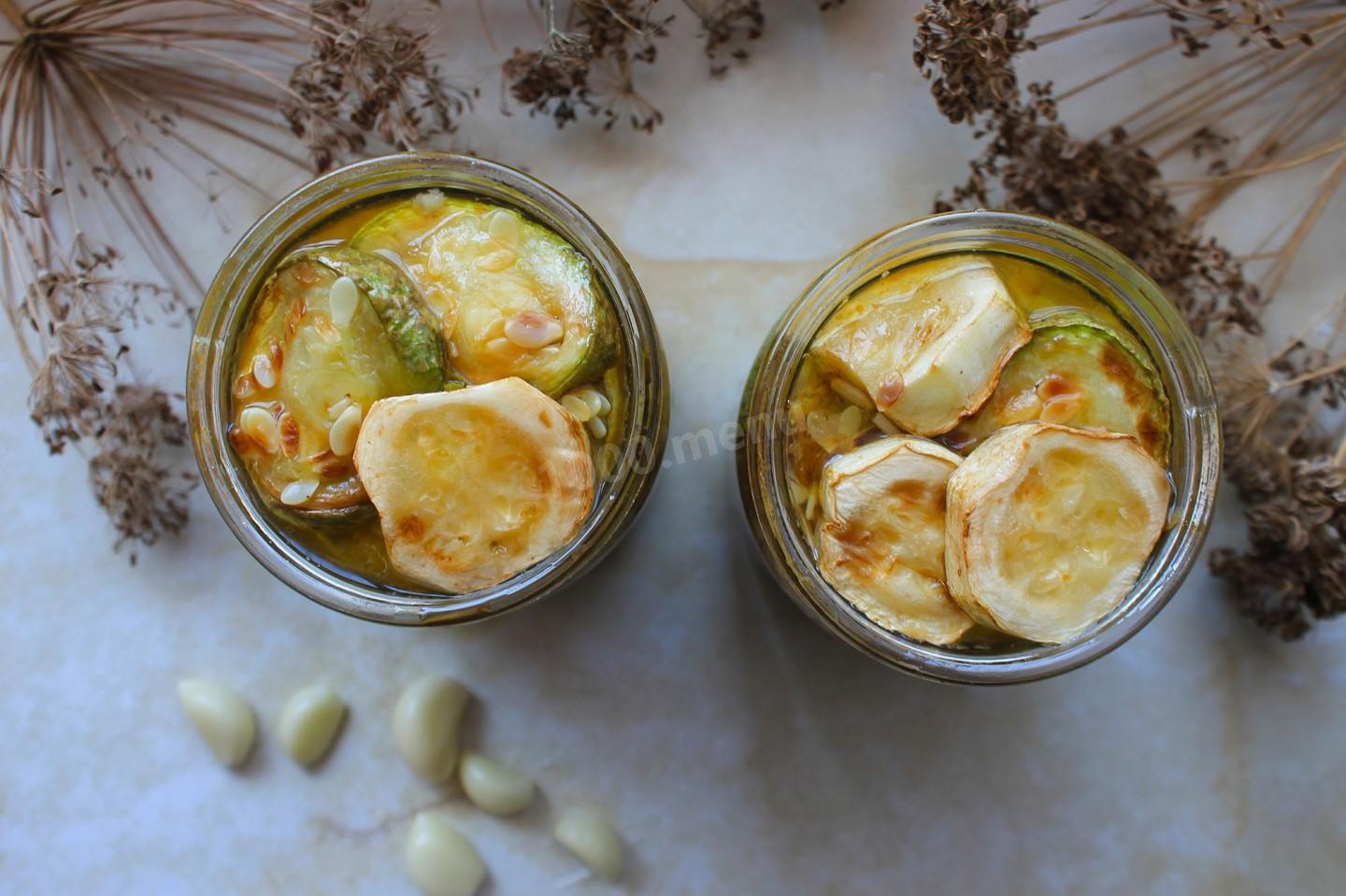
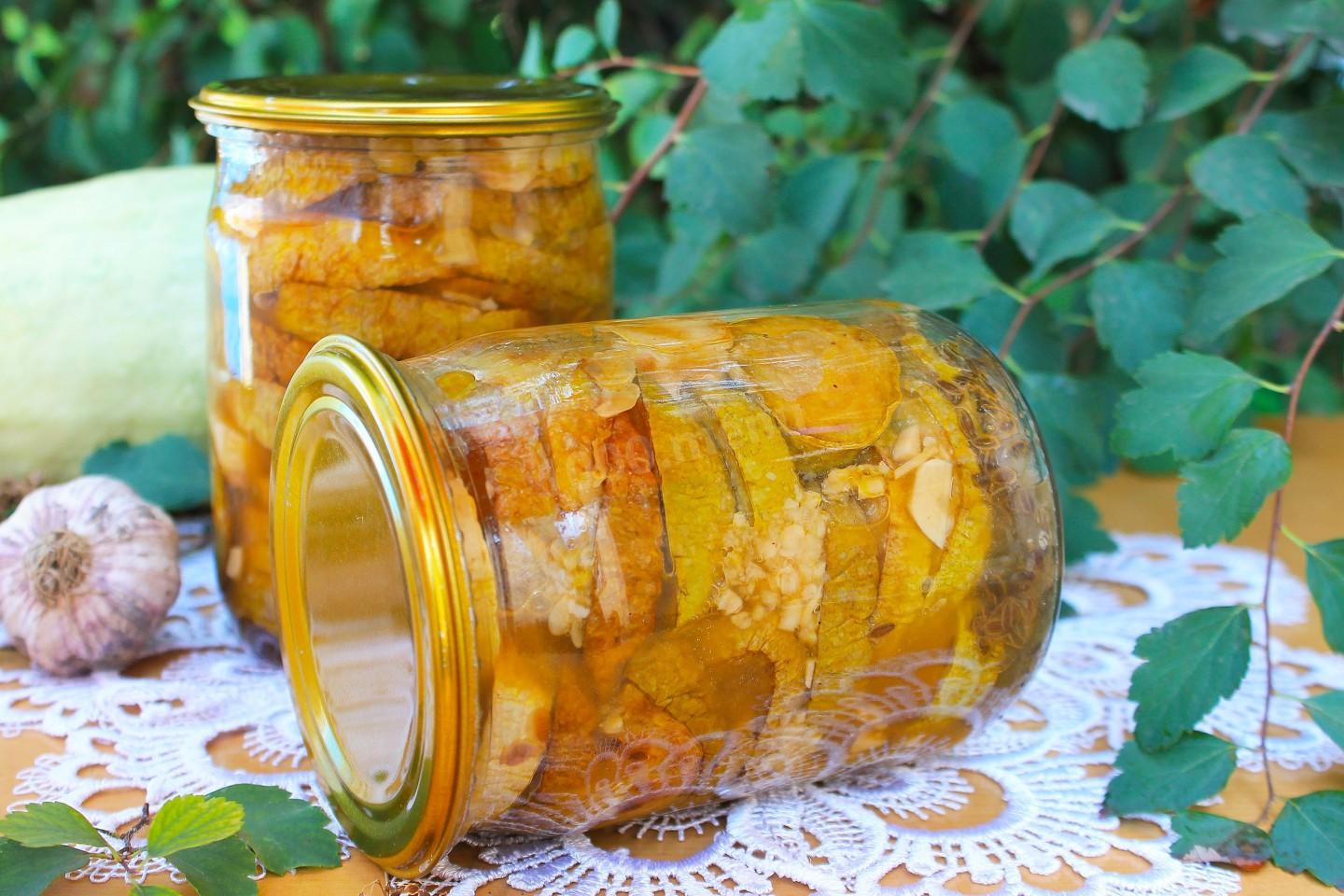
- This amount of ingredients made two 1-pint (0.5 L) jars for me. Enjoy!
- For how to figure out how many jars you'll need, why jars sometimes blow their seals and how to prevent it, plus other tips and tricks, read the article on winter canning.
- Use an oil with a high smoke point for frying! Any oil is only good up to a certain point — its smoke point, where it starts to burn and form toxic compounds, including carcinogens. Unrefined oils, with few exceptions, have a low smoke point; they contain lots of unfiltered organic particles that start to burn quickly. Refined oils hold up better to heat and have a higher smoke point. If you're going to cook in the oven, in a skillet, or on the grill, make sure you use a high-smoke-point oil. The most common ones are refined sunflower, olive, and grapeseed.
- Here's an easy way to tell if the oil in the skillet is hot enough: dip the tip of a wooden spatula into it. If bubbles gather around it, you're ready to start frying.
Caloric content of the products possible in the composition of the dish
- Zucchini - 23 kcal/100g
- Garlic - 143 kcal/100g
- Dill greens - 38 kcal/100g
- Wine vinegar (3%) - 9 kcal/100g
- Vinegar 9% - 11 kcal/100g
- Balsamic vinegar - 88 kcal/100g
- Apple vinegar - 14 kcal/100g
- Vinegar - 11 kcal/100g
- Vegetable oil - 873 kcal/100g
- Salt - 0 kcal/100g