Pan-Fried Battered Cod Fillet
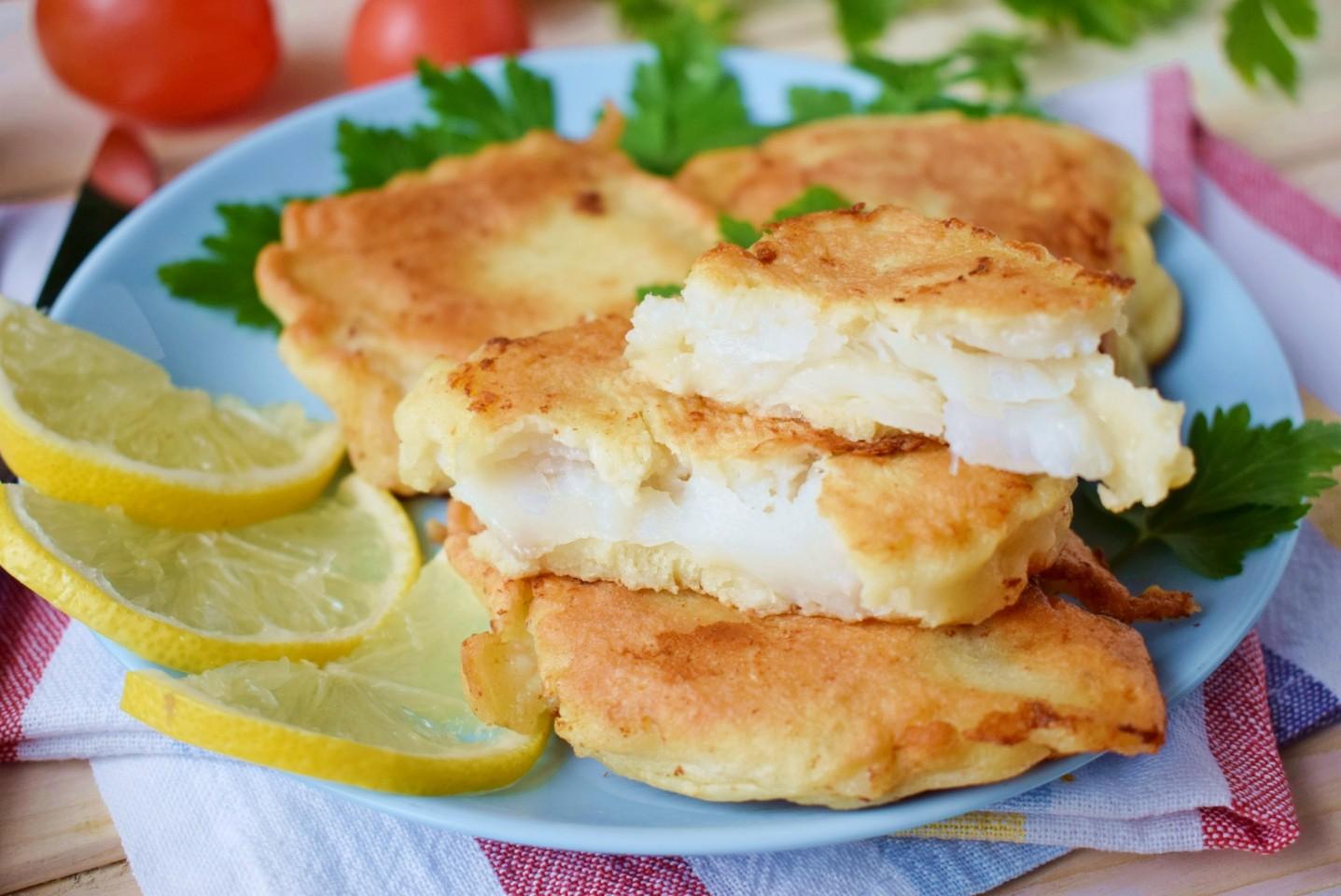
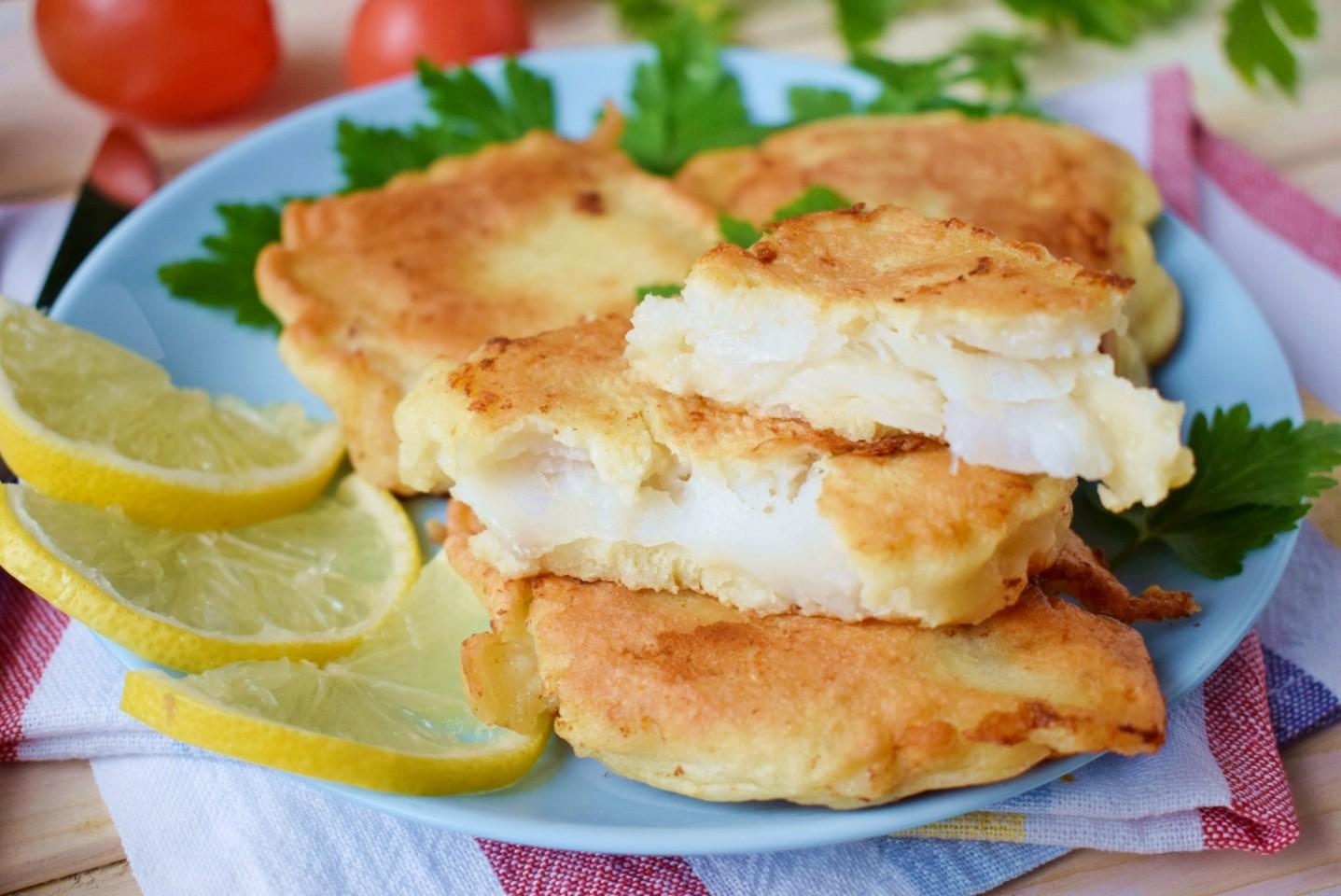
Incredibly delicious, in the best batter for fish! Cod fillet can be cooked in the skillet all sorts of ways. To keep the fish juicy, cook it in batter. And by the way, this recipe works for any fish fillet.




Cooking method
-
Step 1:

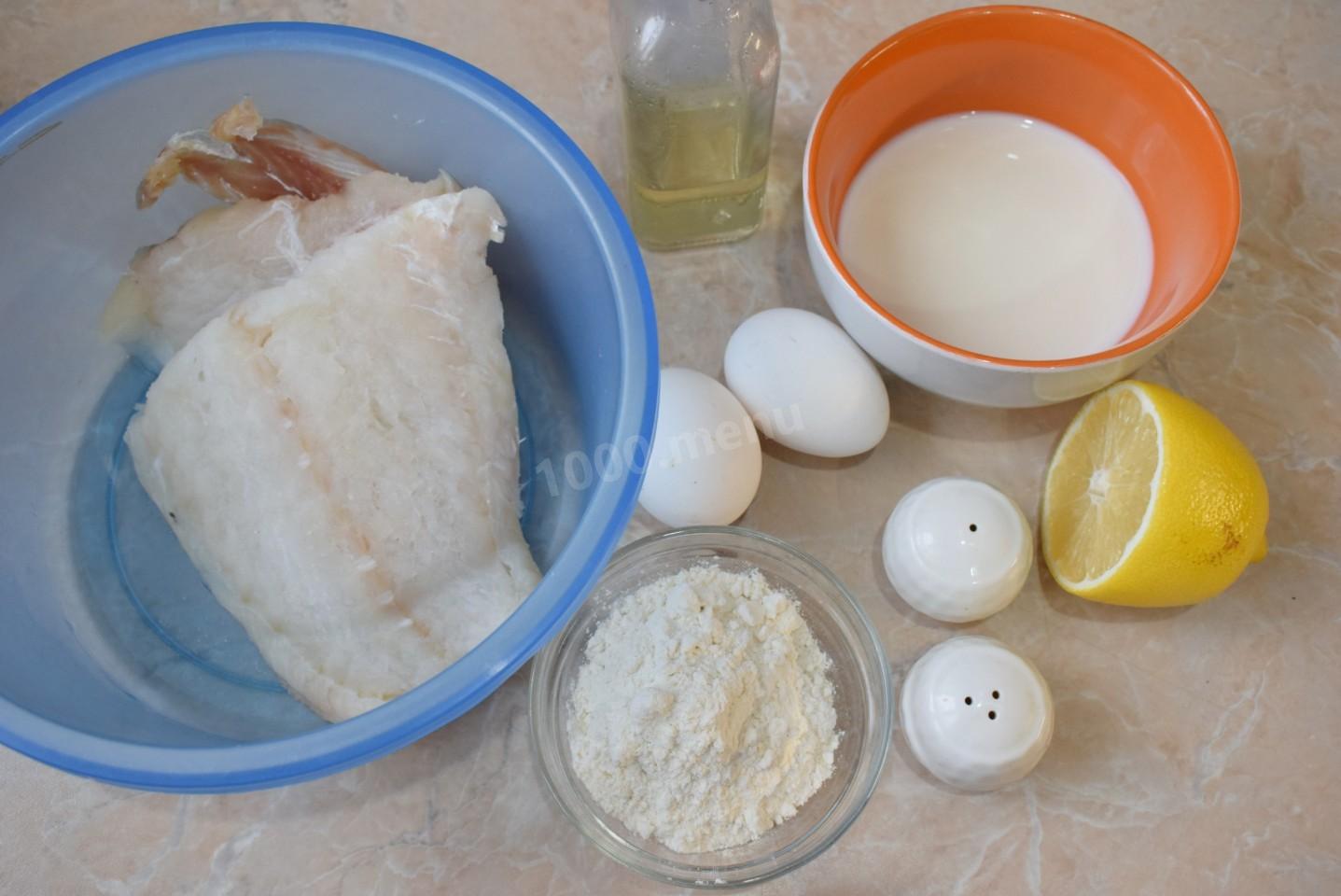
How do you fry cod in a skillet? Gather all your ingredients. If the fish is frozen, thaw it first at room temperature. Don't drop it into hot water to speed things up—it'll lose its juices and turn out dry. I usually set the fish in a colander the night before so any excess liquid can drain off.
-
Step 2:
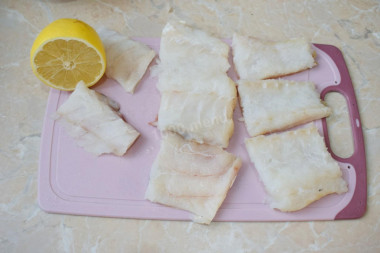
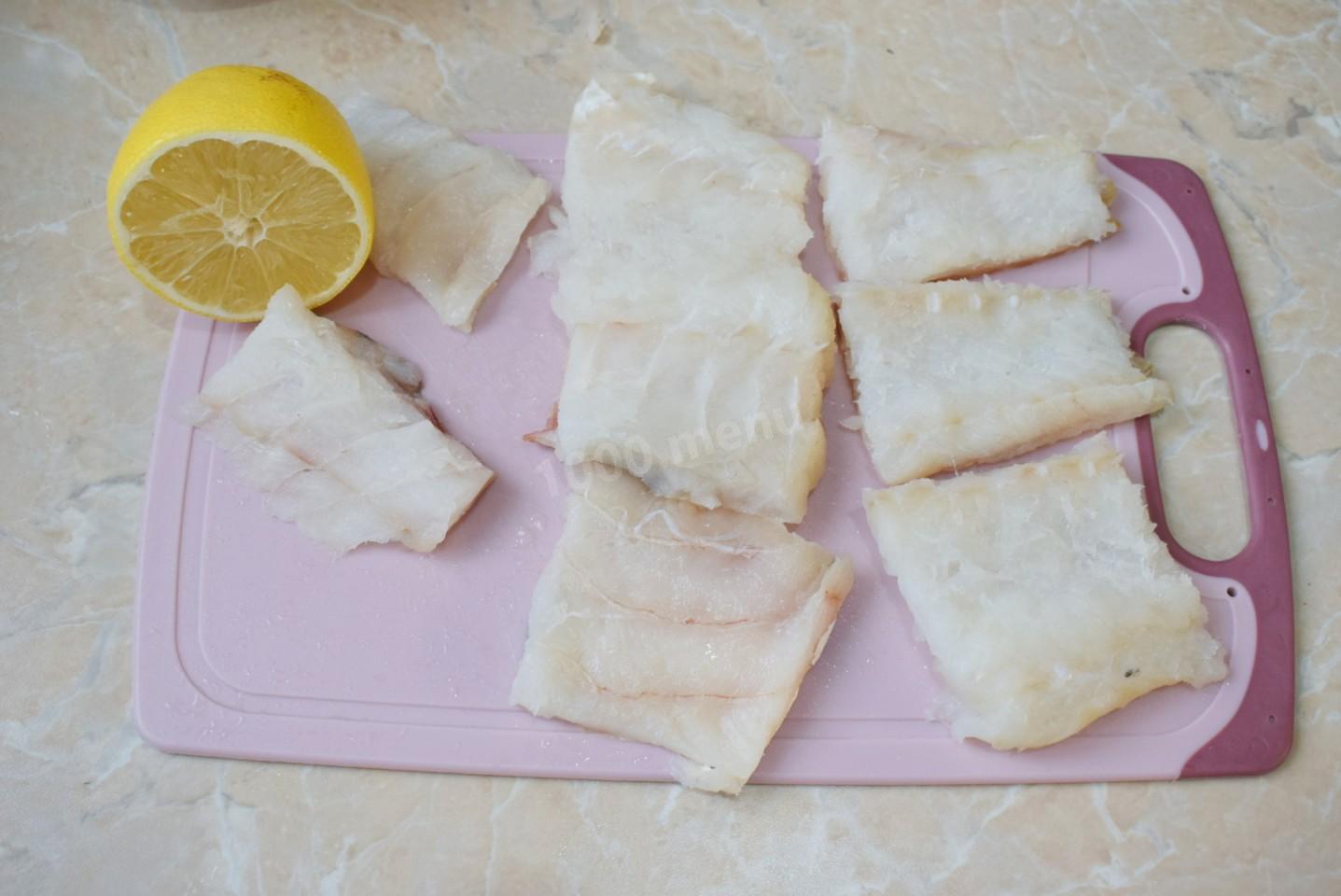
Blot the cod fillet with paper towels and cut it into serving-size pieces. Sprinkle the fish with a little lemon juice—this cuts any overly strong fishy smell.
-
Step 3:
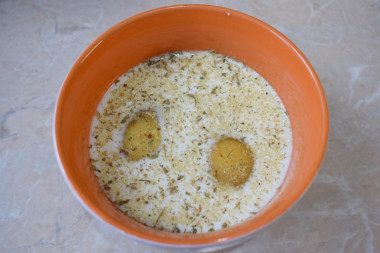
To make the batter, combine the eggs with the milk and add a little salt and spices. A ready-made fish seasoning works fine. Mix it all together.
-
Step 4:
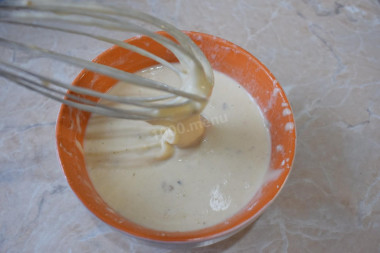
Then add the flour and whisk the batter smooth, with no flour lumps—a mixer helps here. Judge the final amount of flour by the batter's consistency: it should be a little thick so it doesn't run off the fish as it fries.
-
Step 5:
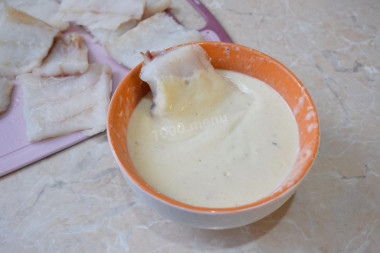
Dip each piece of fish fully into the batter.
-
Step 6:
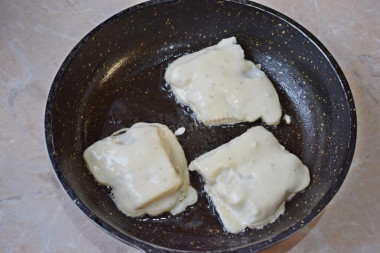
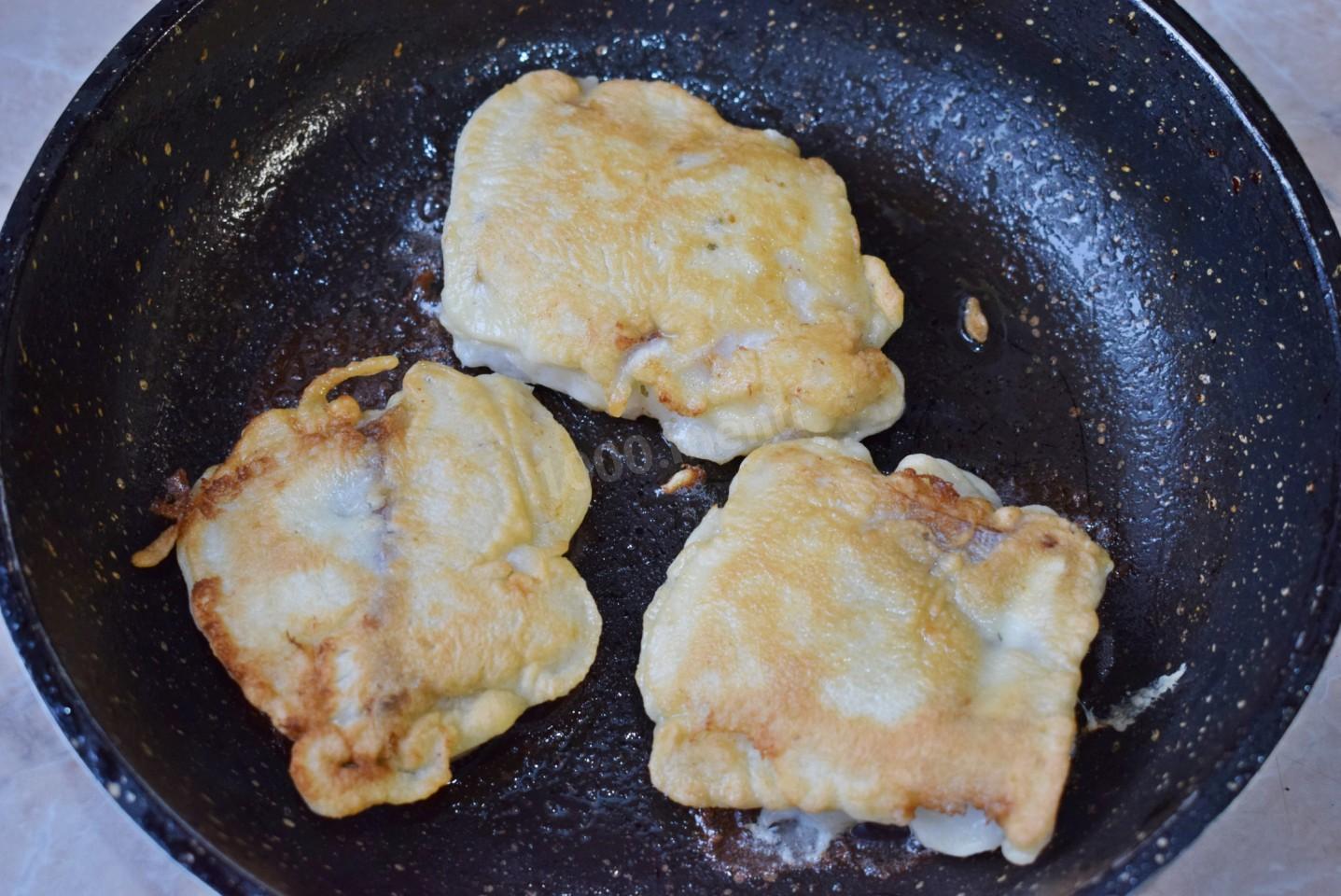
Heat a skillet until hot and add a little vegetable oil. Lay the battered fish in the pan and fry for 2–3 minutes per side. Lower the heat so the fish cooks through inside without the batter starting to burn.
-
Step 7:
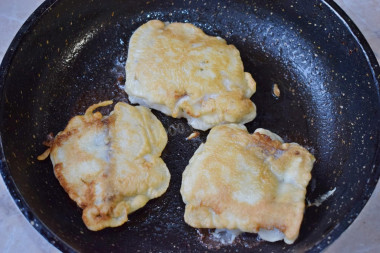
The finished pieces will turn an appetizing golden color.
-
Step 8:
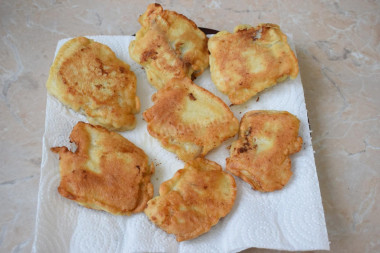
Transfer the finished fish to a paper towel to blot off excess oil.
-
Step 9:
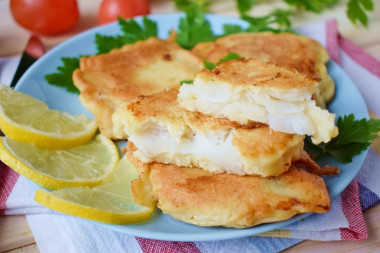
Battered cod is delicious on its own as an appetizer for a party table. You can also round it out with a side, such as mashed potatoes. Enjoy!



- Here's an easy way to check whether the oil in the pan is hot enough: dip in a wooden spatula. If bubbles gather around it, you're good to start frying.
- If you use a ready-made spice blend, always check the ingredient list on the package. These blends often already contain salt, so keep that in mind or you risk over-salting the dish.
- Every oil is only good up to a certain point—its smoke point, where it starts to burn and forms toxic compounds, including carcinogens. For how to gauge frying temperature and pick the best oil to fry with (and which ones to avoid entirely), read here.
Caloric content of the products possible in the composition of the dish
- Whole cow's milk - 68 kcal/100g
- Milk 3.5% fat content - 64 kcal/100g
- Milk 3.2% fat content - 60 kcal/100g
- Milk 1.5% fat content - 47 kcal/100g
- Concentrated milk 7.5% fat content - 140 kcal/100g
- Milk 2.5% fat content - 54 kcal/100g
- Chicken egg - 157 kcal/100g
- Egg white - 45 kcal/100g
- Egg powder - 542 kcal/100g
- Egg yolk - 352 kcal/100g
- Ostrich egg - 118 kcal/100g
- Hot smoked cod - 115 kcal/100g
- Fried cod - 111 kcal/100g
- Baked cod - 90 kcal/100g
- Smoked cod - 94 kcal/100g
- Boiled cod - 78 kcal/100g
- Grilled cod - 172 kcal/100g
- Fresh cod - 78 kcal/100g
- Salted cod - 98 kcal/100g
- Stewed cod - 101 kcal/100g
- Whole durum wheat flour fortified - 333 kcal/100g
- Whole durum wheat flour, universal - 364 kcal/100g
- Flour krupchatka - 348 kcal/100g
- Flour - 325 kcal/100g
- Vegetable oil - 873 kcal/100g
- Salt - 0 kcal/100g
- Spices dry - 240 kcal/100g
- Lemon juice - 16 kcal/100g
Similar recipes
- Fast and tasty
- Festive table
- Snacks
- Second course
- Baking
- Eggs
- Fish and seafood
- Dairy products
- Flour
- Spices seasonings spices
- Fats and oils
- Other
- Salt
- Dry spices
- Vegetable oil
- From juice
- Frying
- Hasty pastries
- Dishes in 30 minutes
- Кляр
- Fish second course
- Quick baking
- Yeast-free baking
- Recipes for March 8
- From cod
- Milk
- Recipes for lean dishes without butter