Lamb Cooked in a Cauldron over an Open Fire
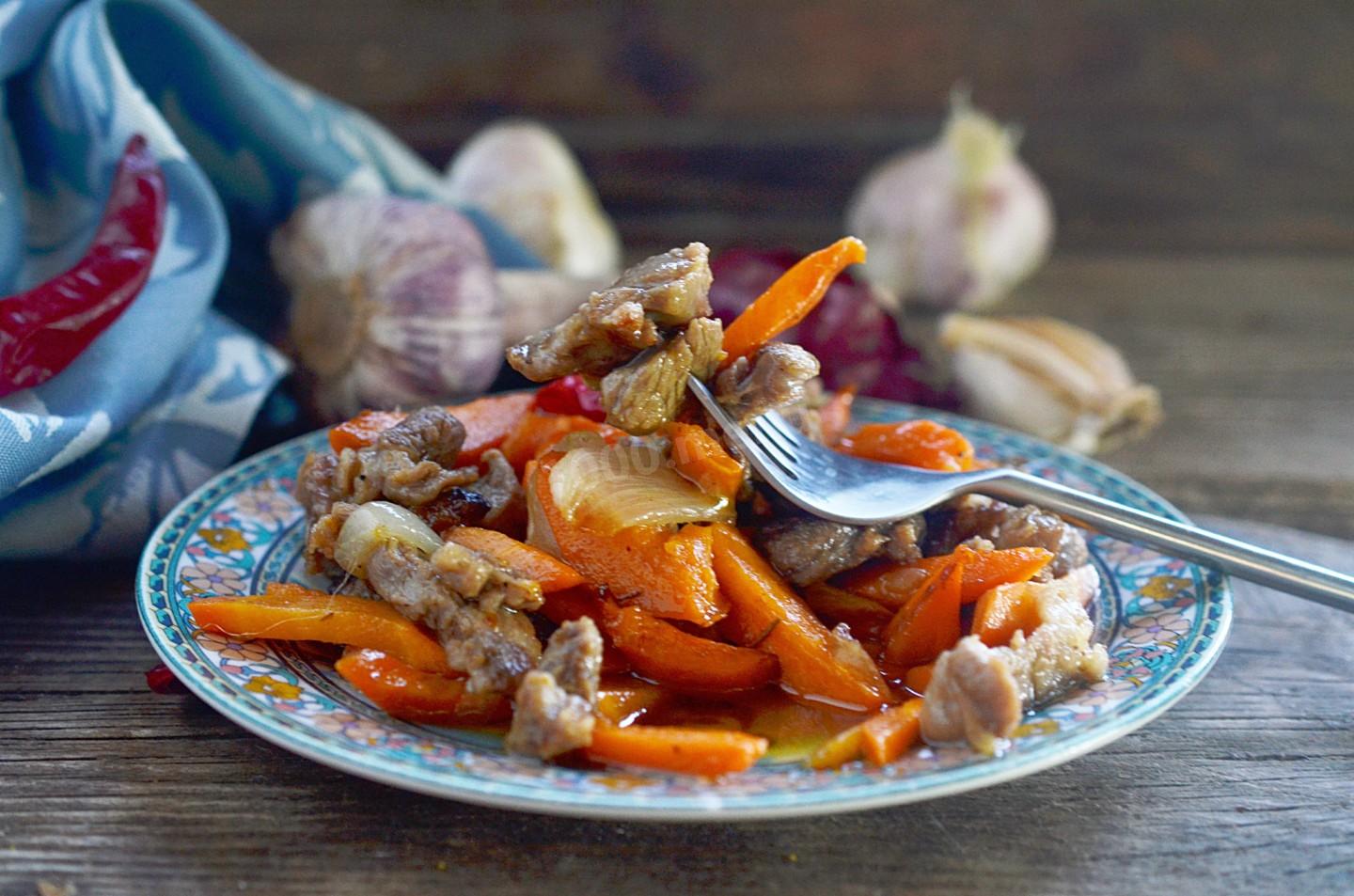
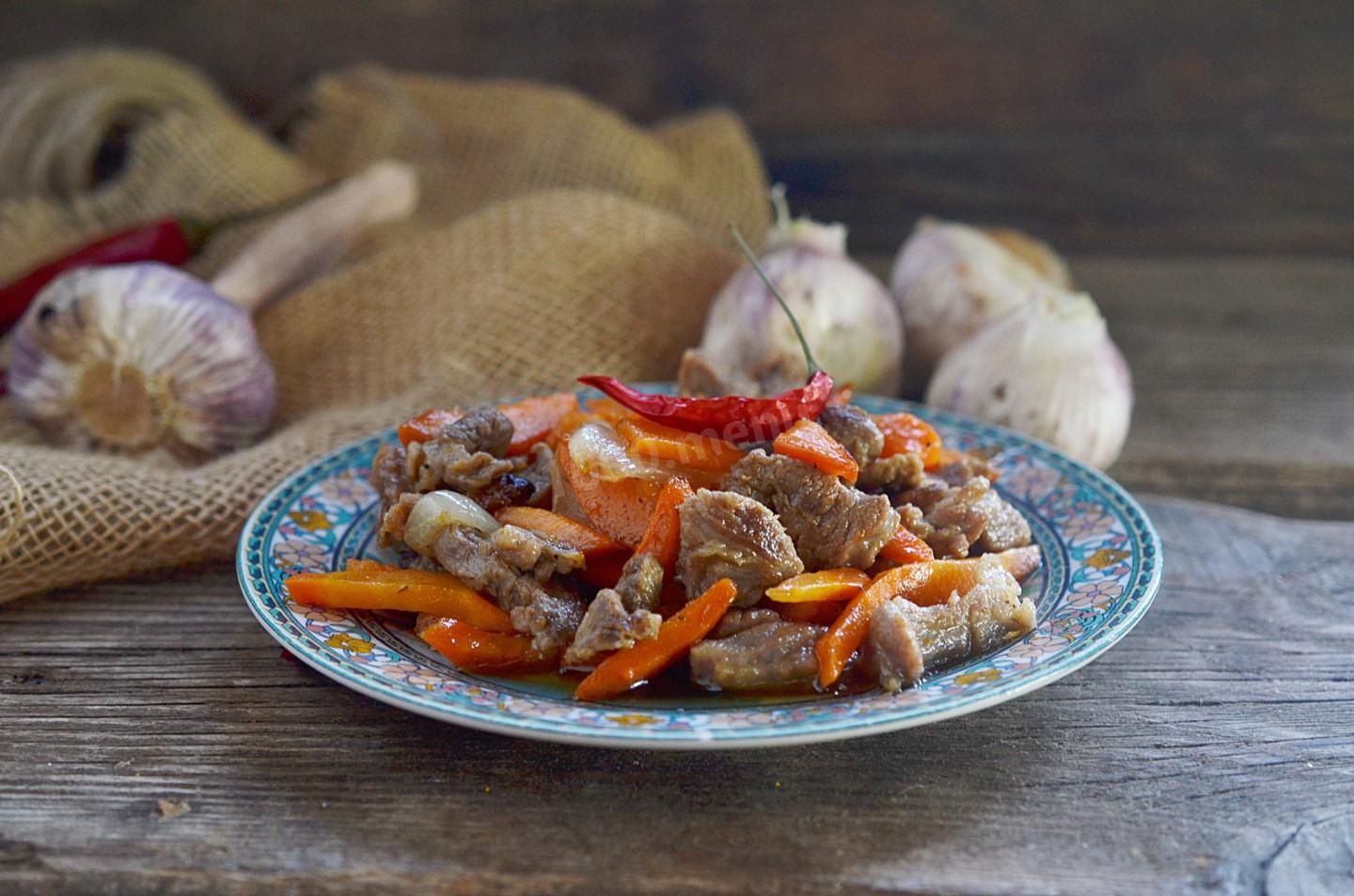
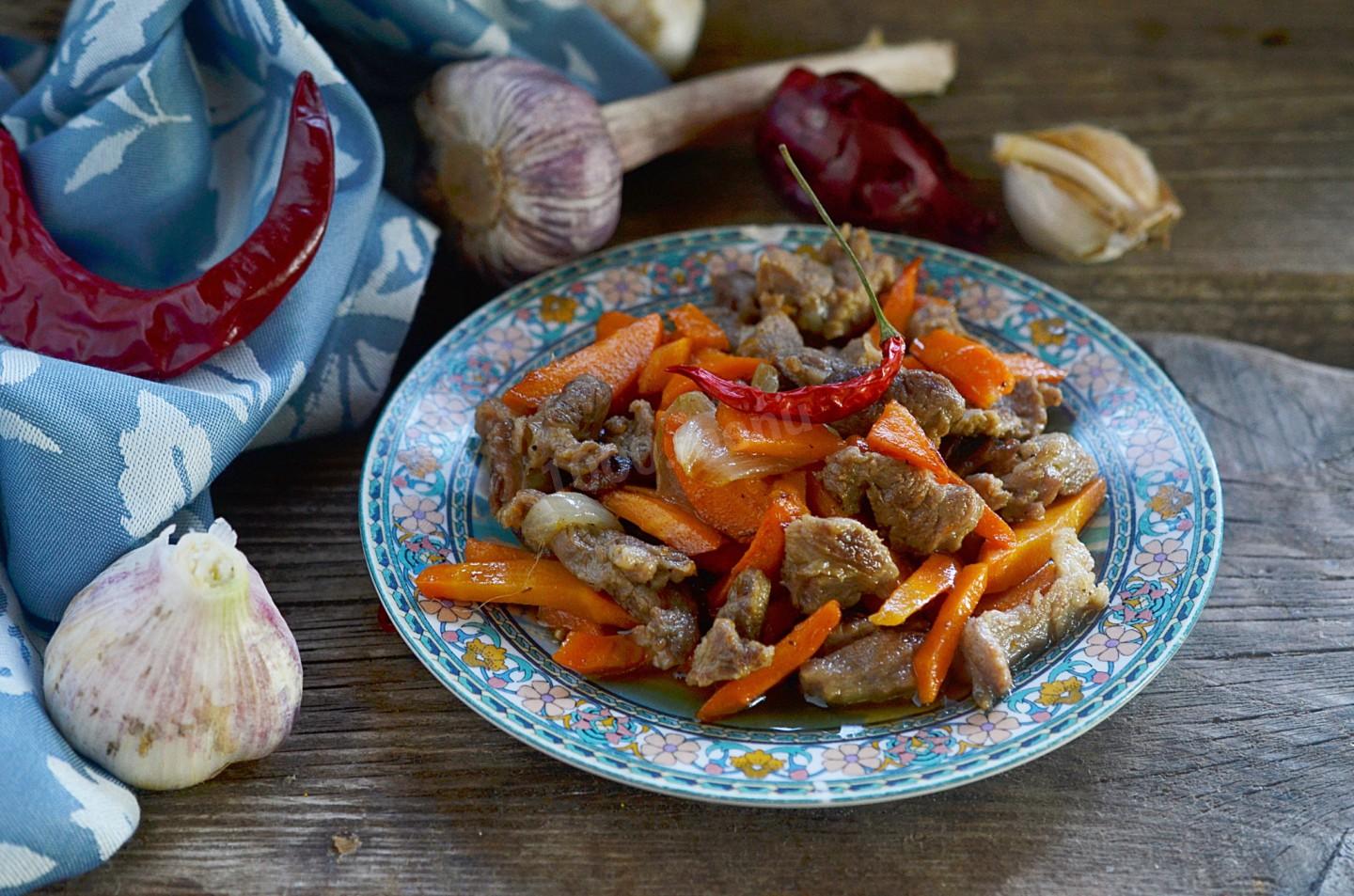
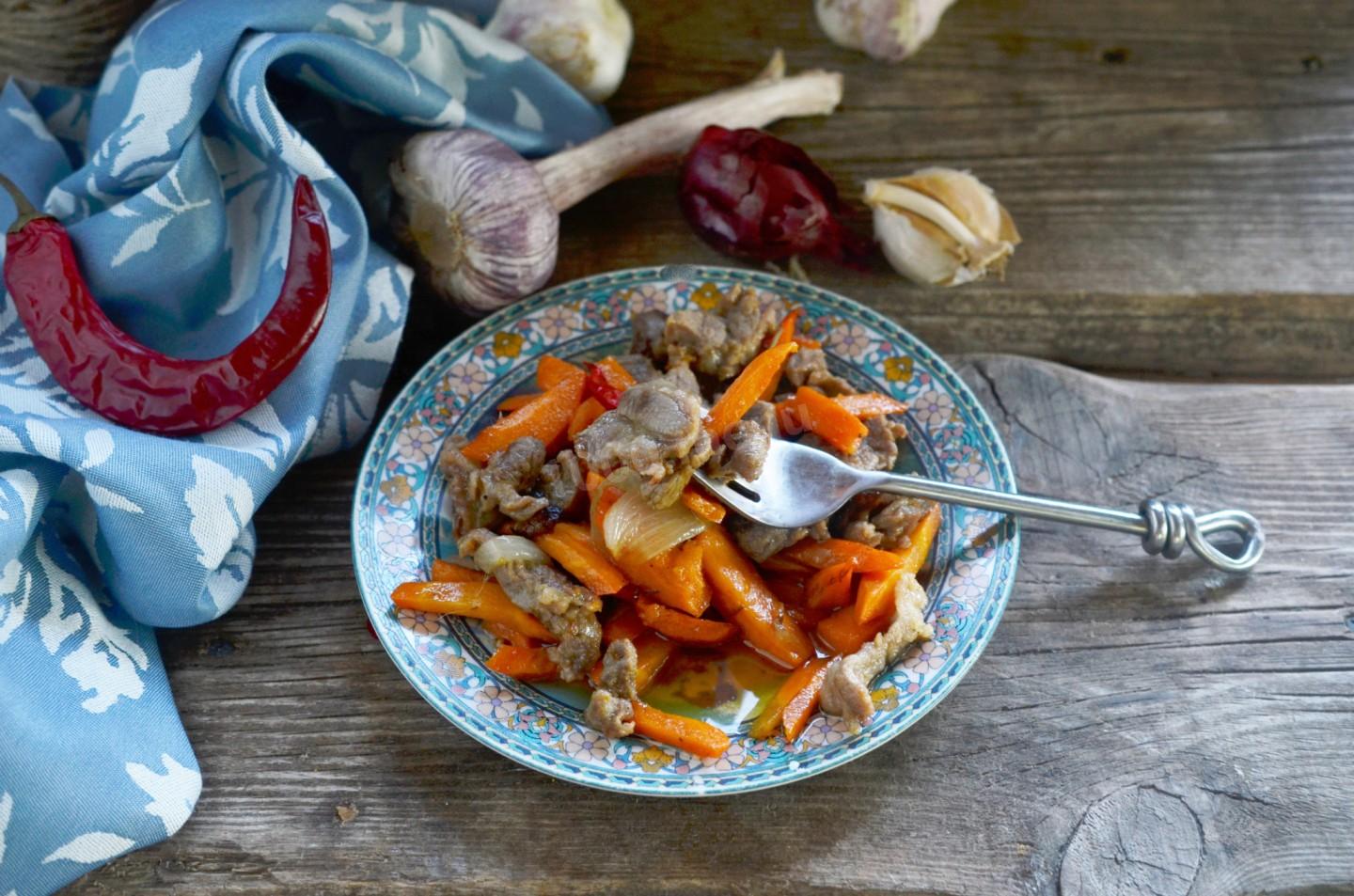
Fragrant, juicy, tender, and kissed with smoke! Food cooked in a cauldron always carries that irresistible campfire aroma — and it's gentler on you than anything off the grill. This cauldron lamb comes out incredibly tender, soft, and juicy. Give it a try!

Cooking method
-
Step 1:
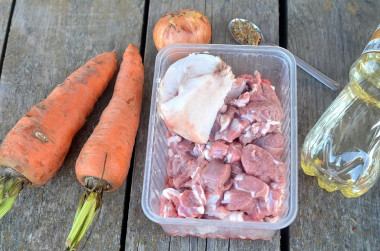
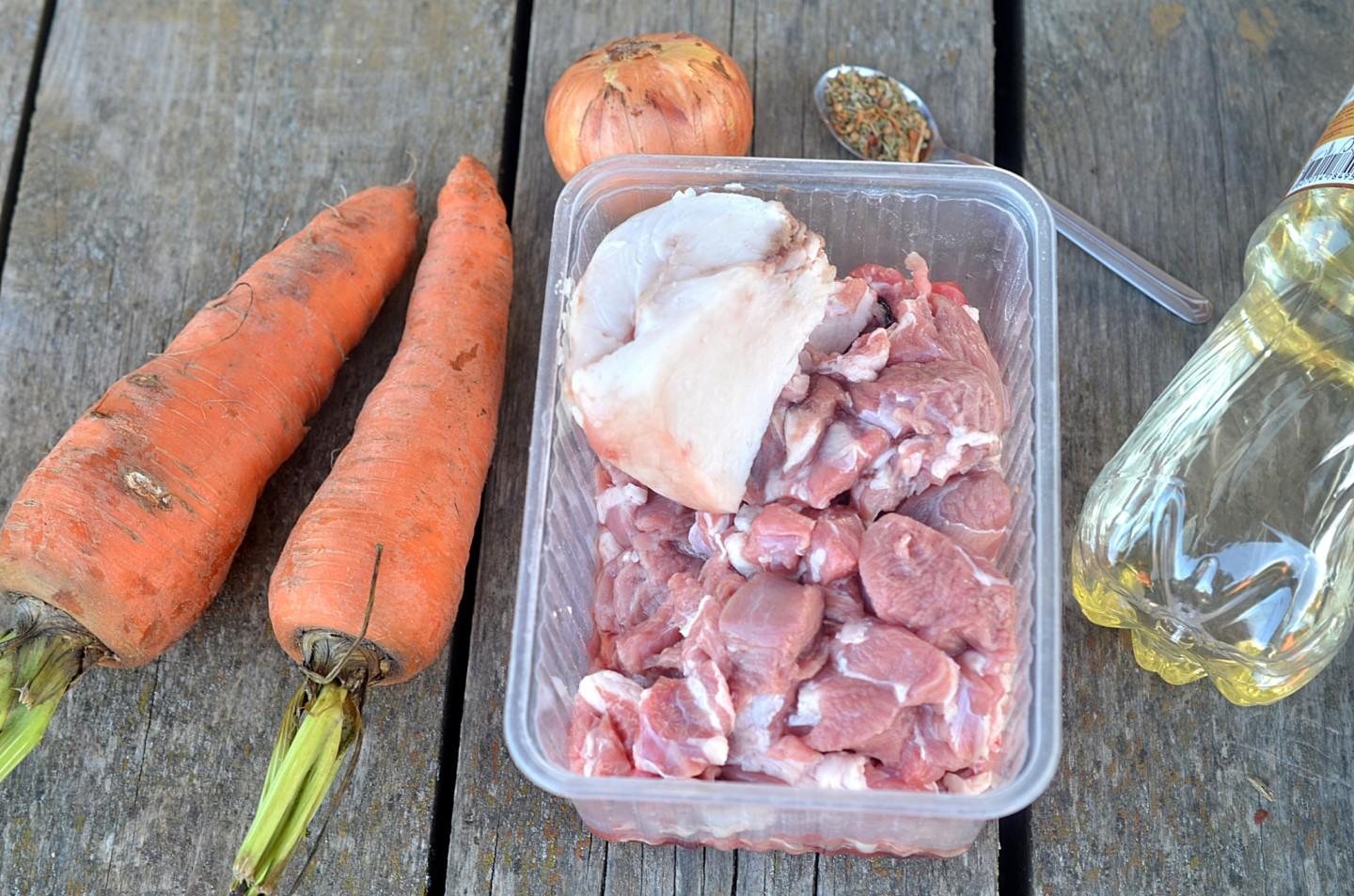
How do you cook lamb in a cauldron over a fire? Gather all your ingredients. Any lamb works, even bone-in pieces. Chilled lamb is best — it holds on to more of its good qualities than frozen.
-
Step 2:
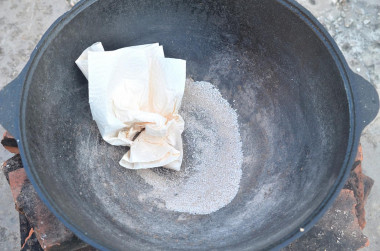
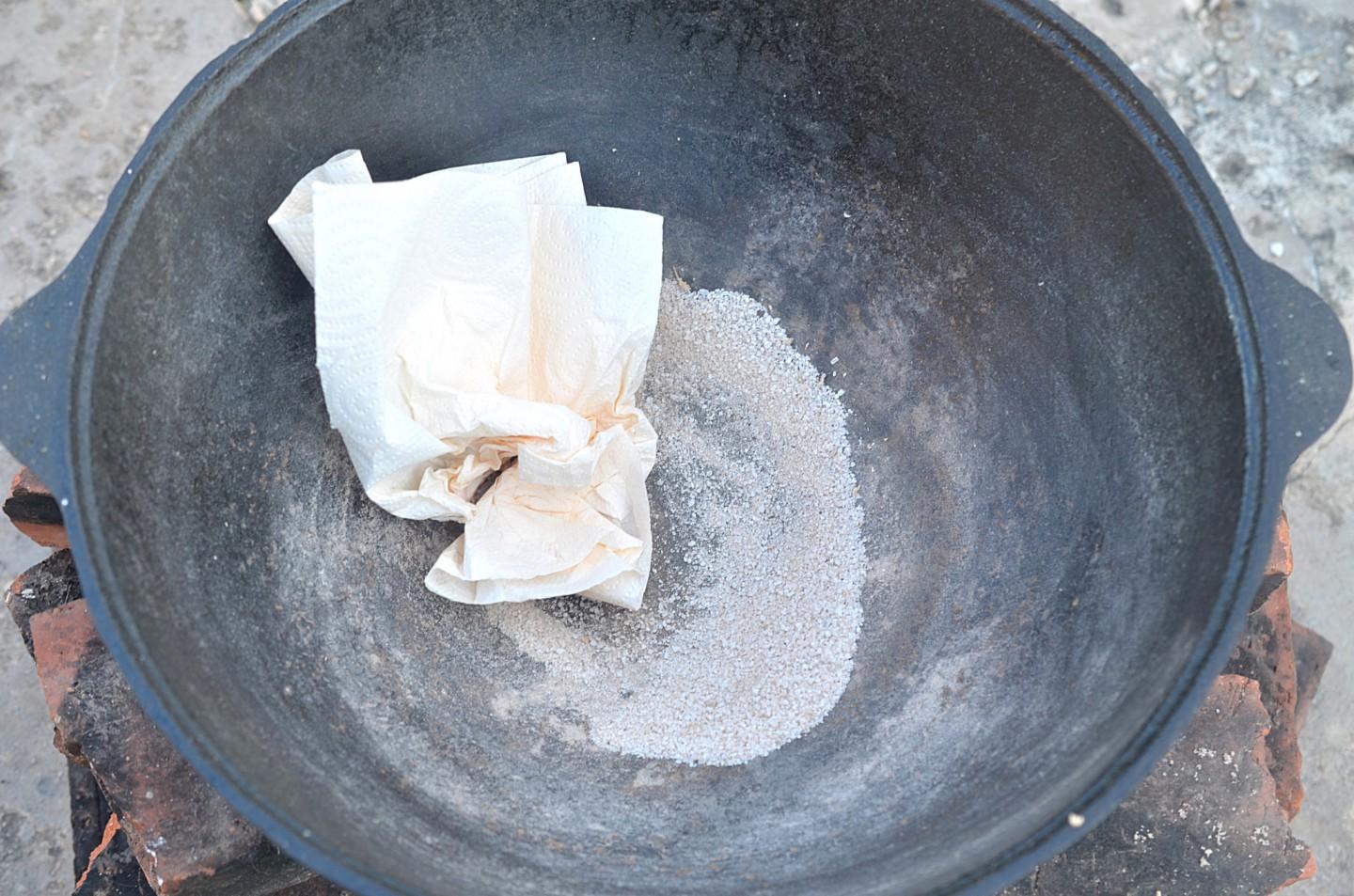
Set up your cauldron and clean it with salt: scrub it well with coarse salt, then rinse the dirty salt away with water.
-
Step 3:
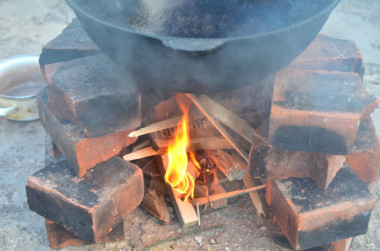
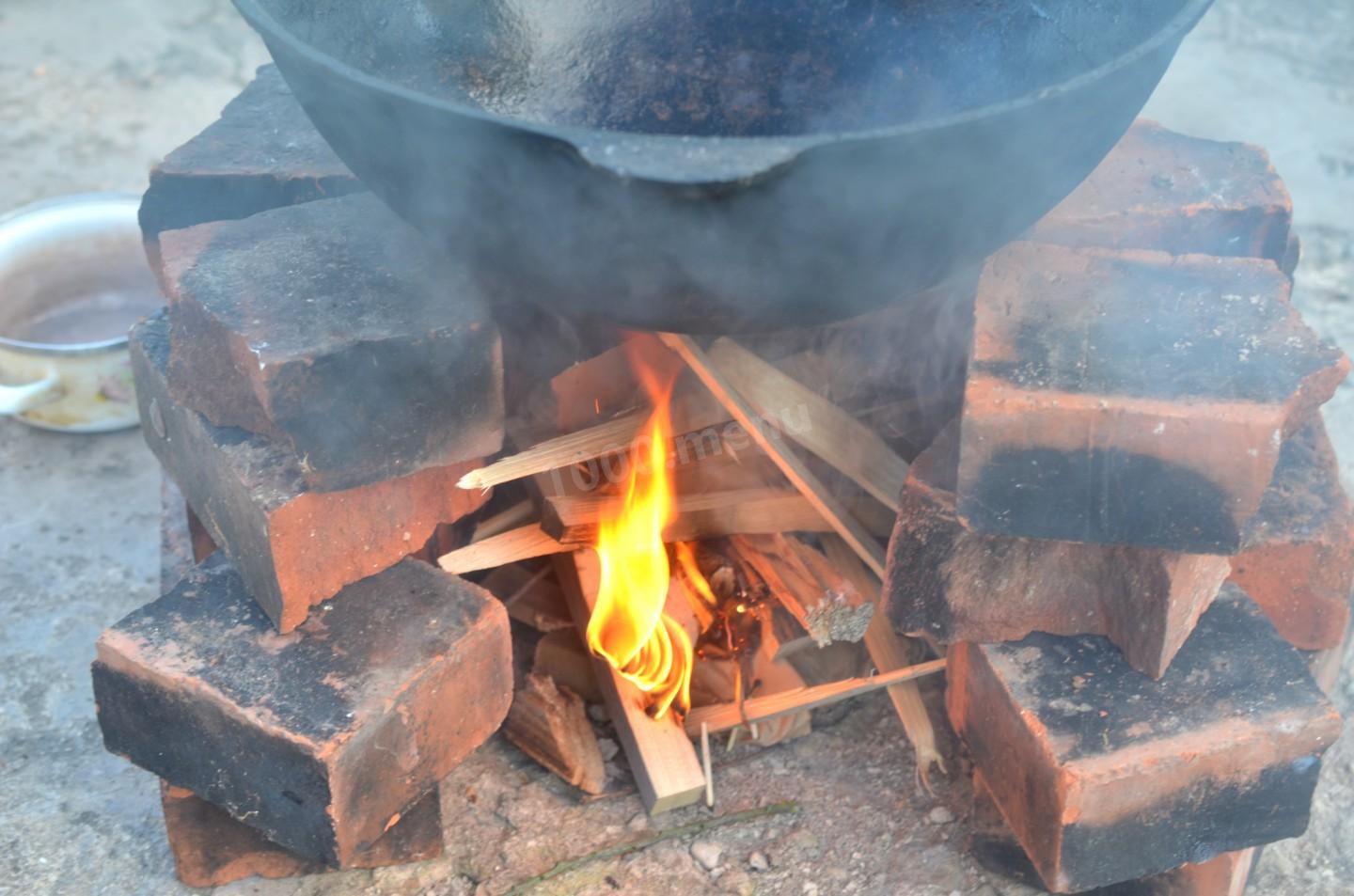
Build a good, strong fire under the cauldron.
-
Step 4:
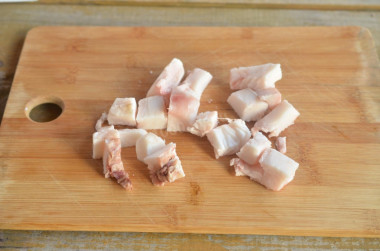
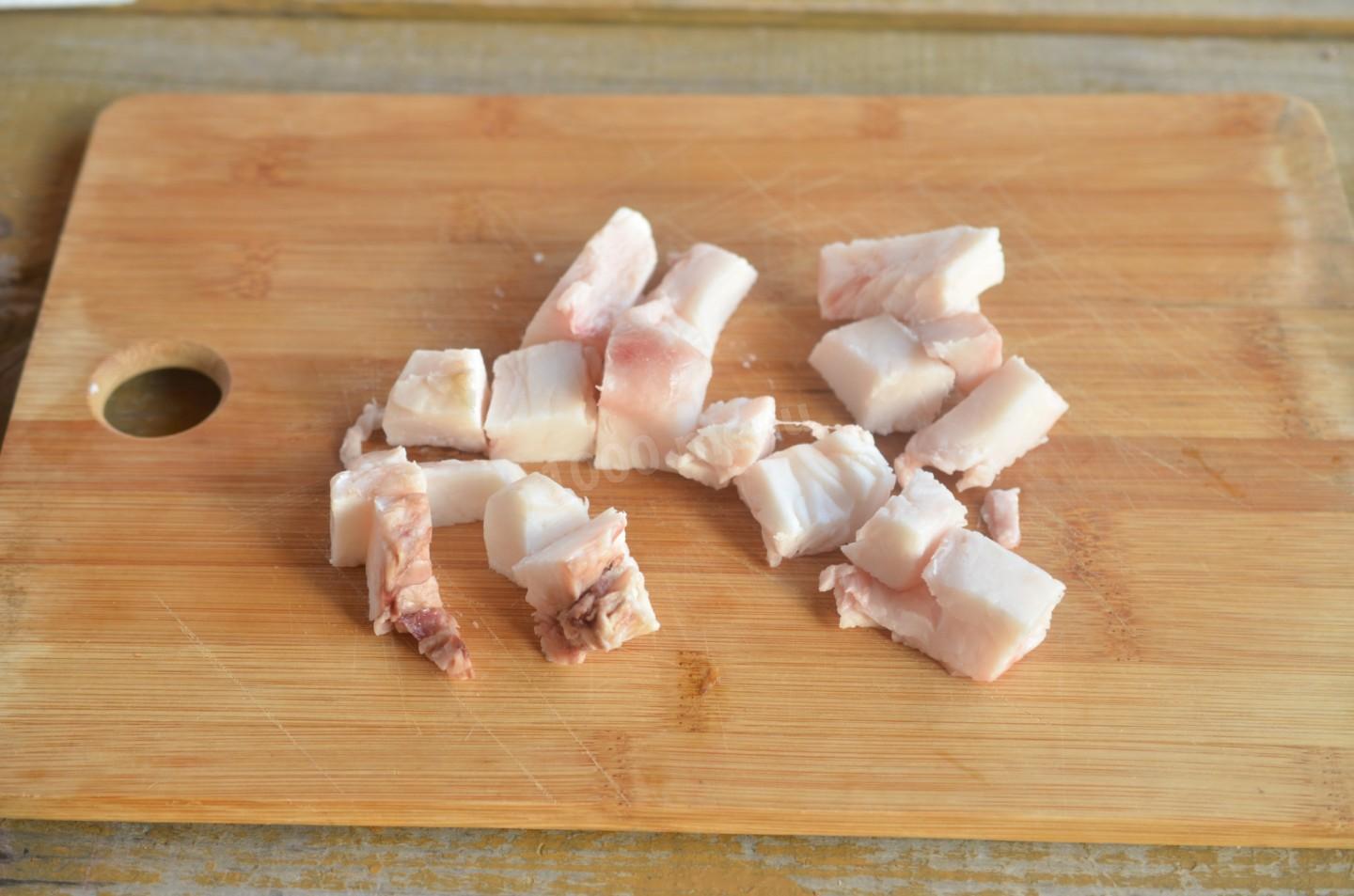
Rinse and pat dry the lamb tail fat, then cut it into medium pieces.
-
Step 5:
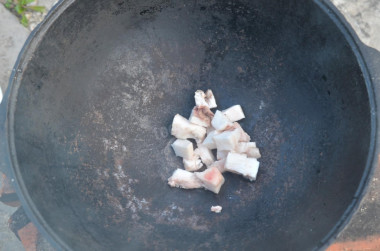
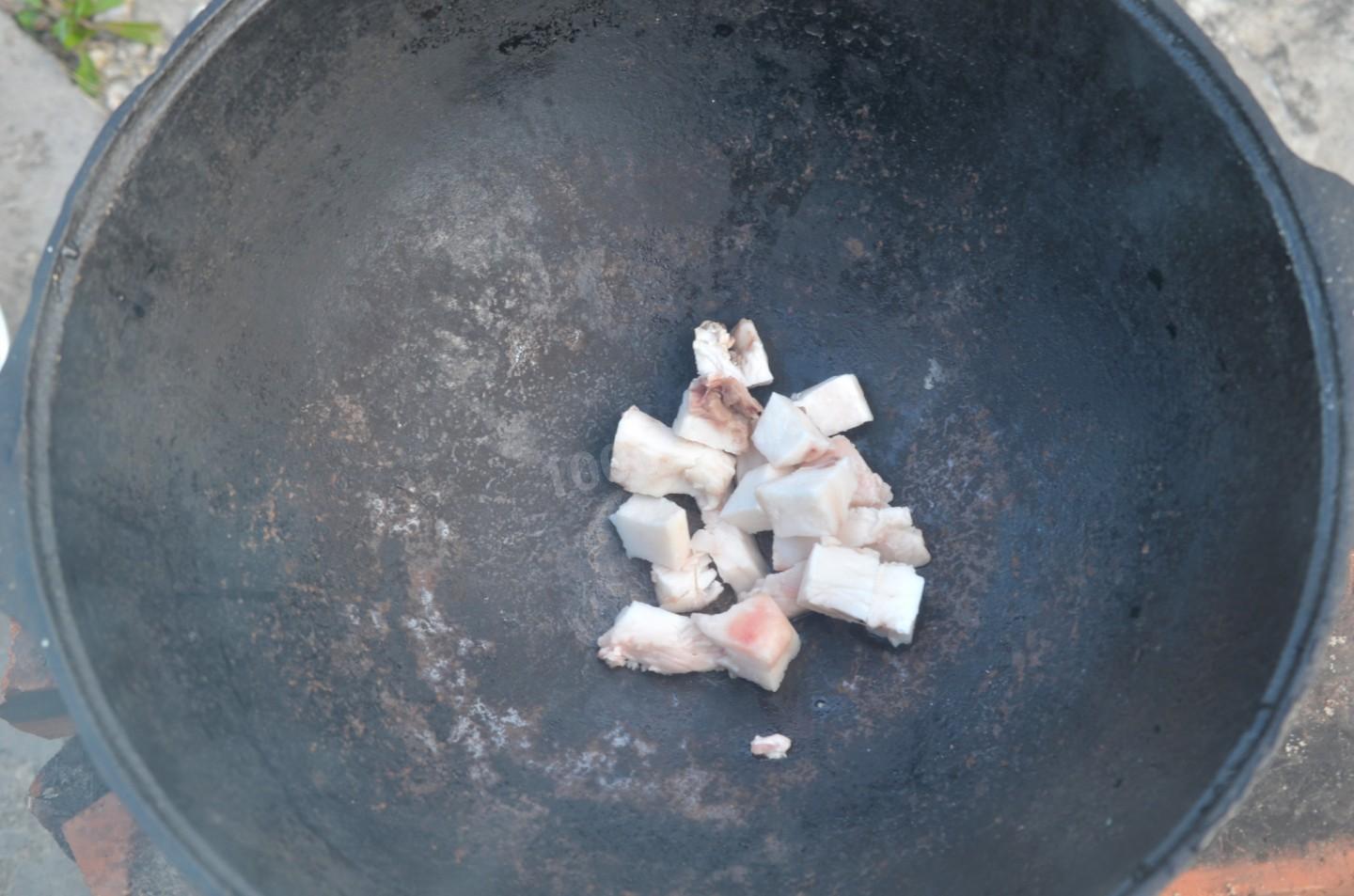
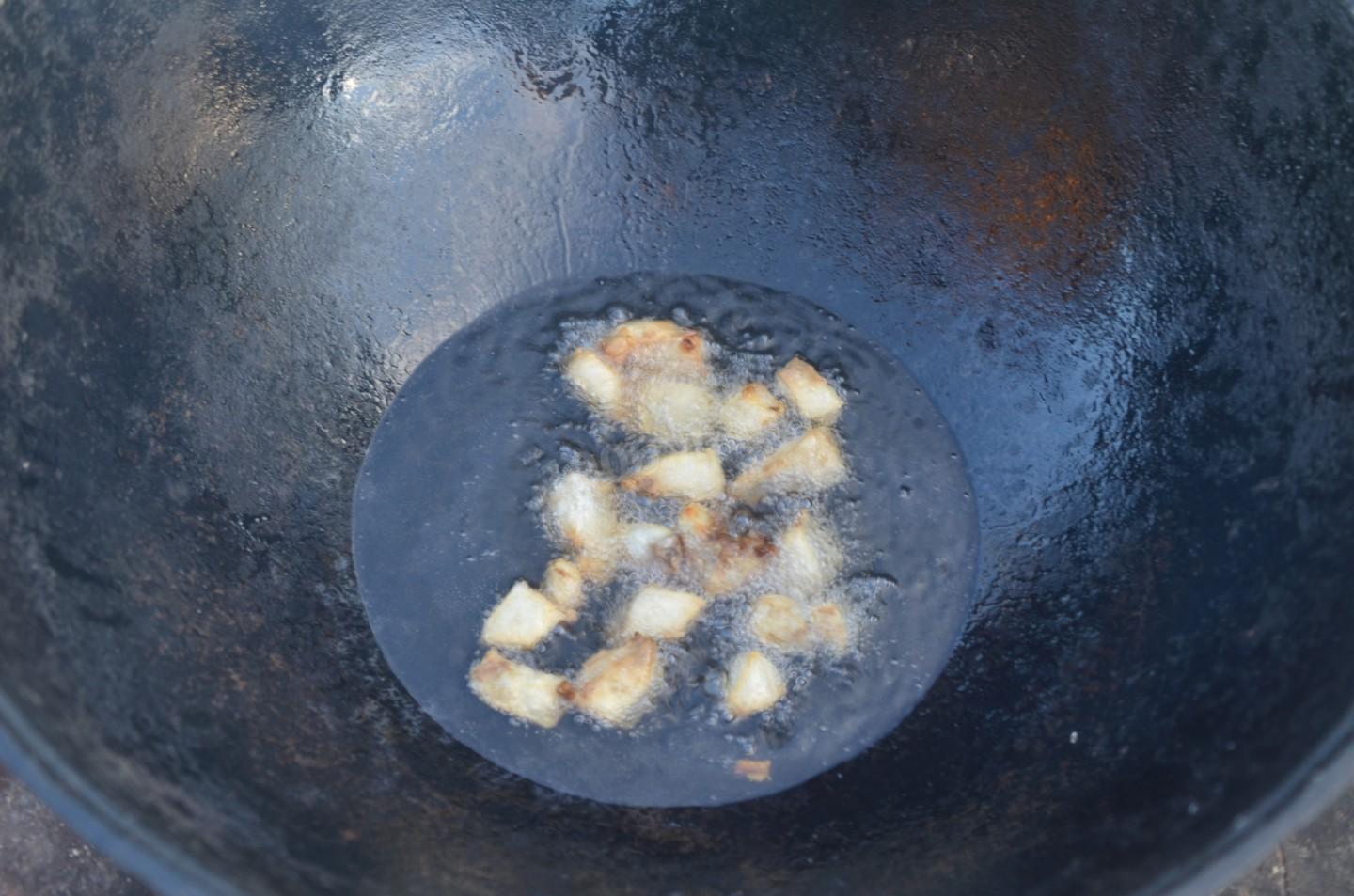
Put the tail fat into the cauldron.
-
Step 6:
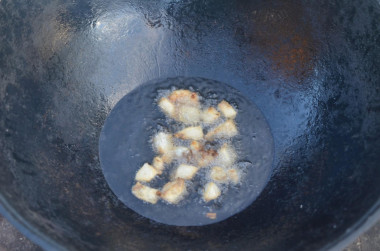
Let it crisp up and render out a good amount of fat.
-
Step 7:
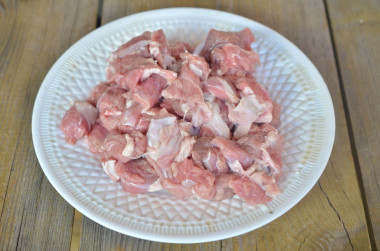
Rinse the meat, pat it dry, and cut it into medium pieces.
-
Step 8:
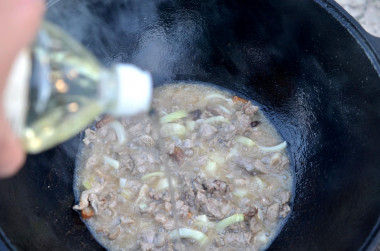
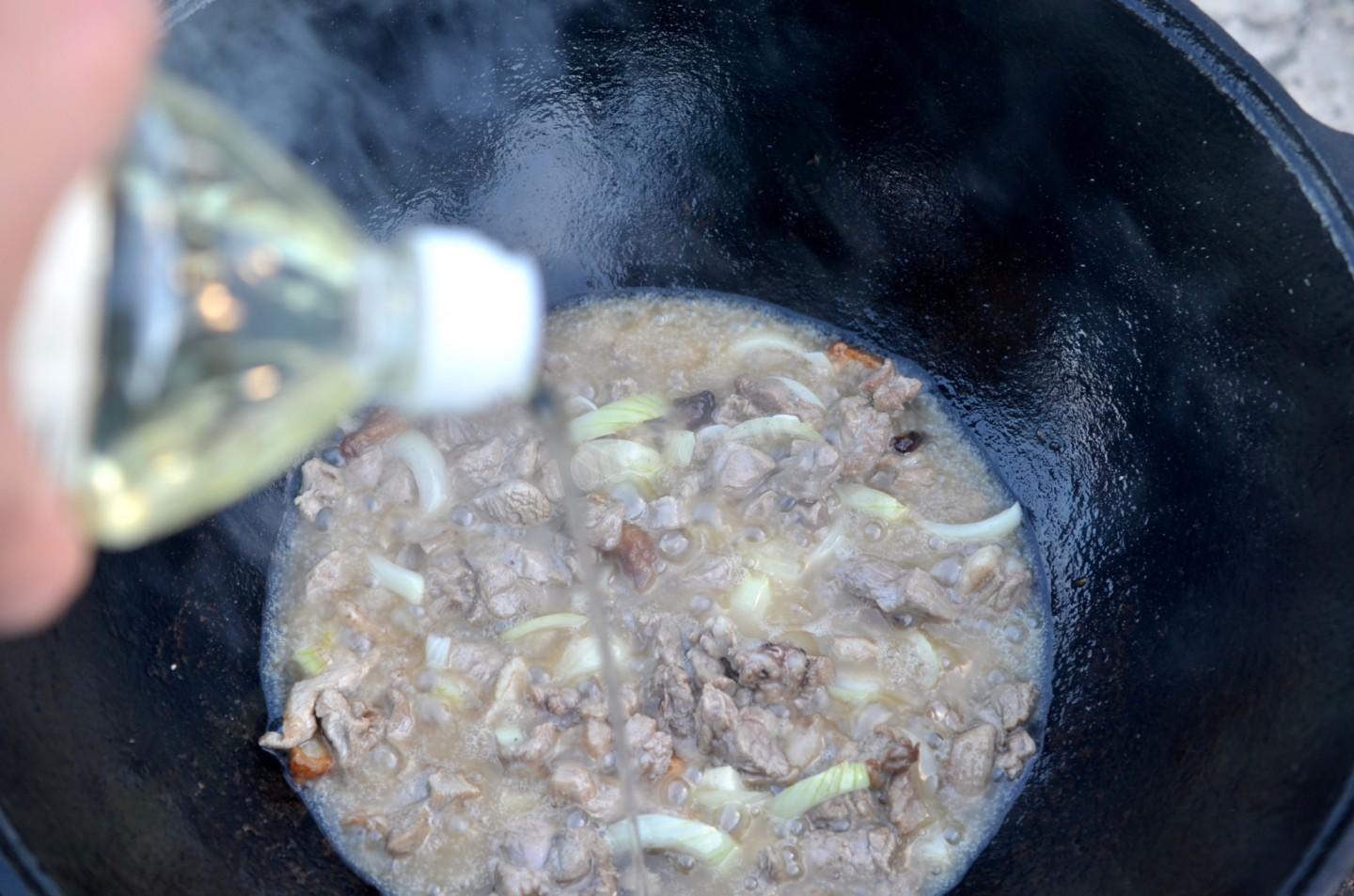
Add the lamb to the cauldron and fry everything together over fairly high heat. If the tail fat didn't render much, add some vegetable oil. Since we're frying, use a refined oil — any refined vegetable oil will do.
-
Step 9:
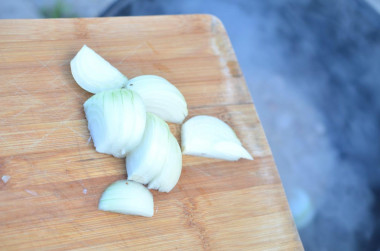
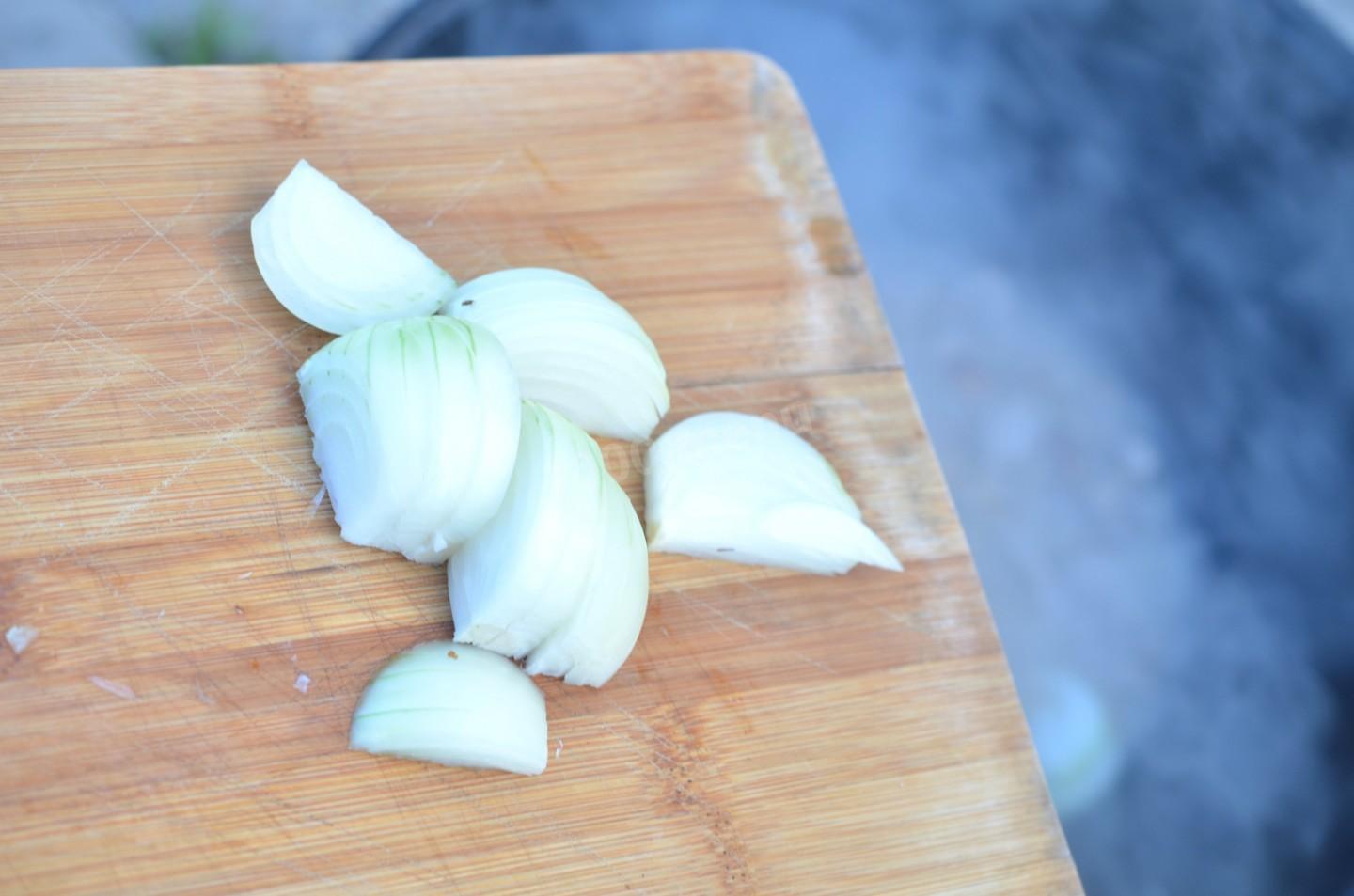
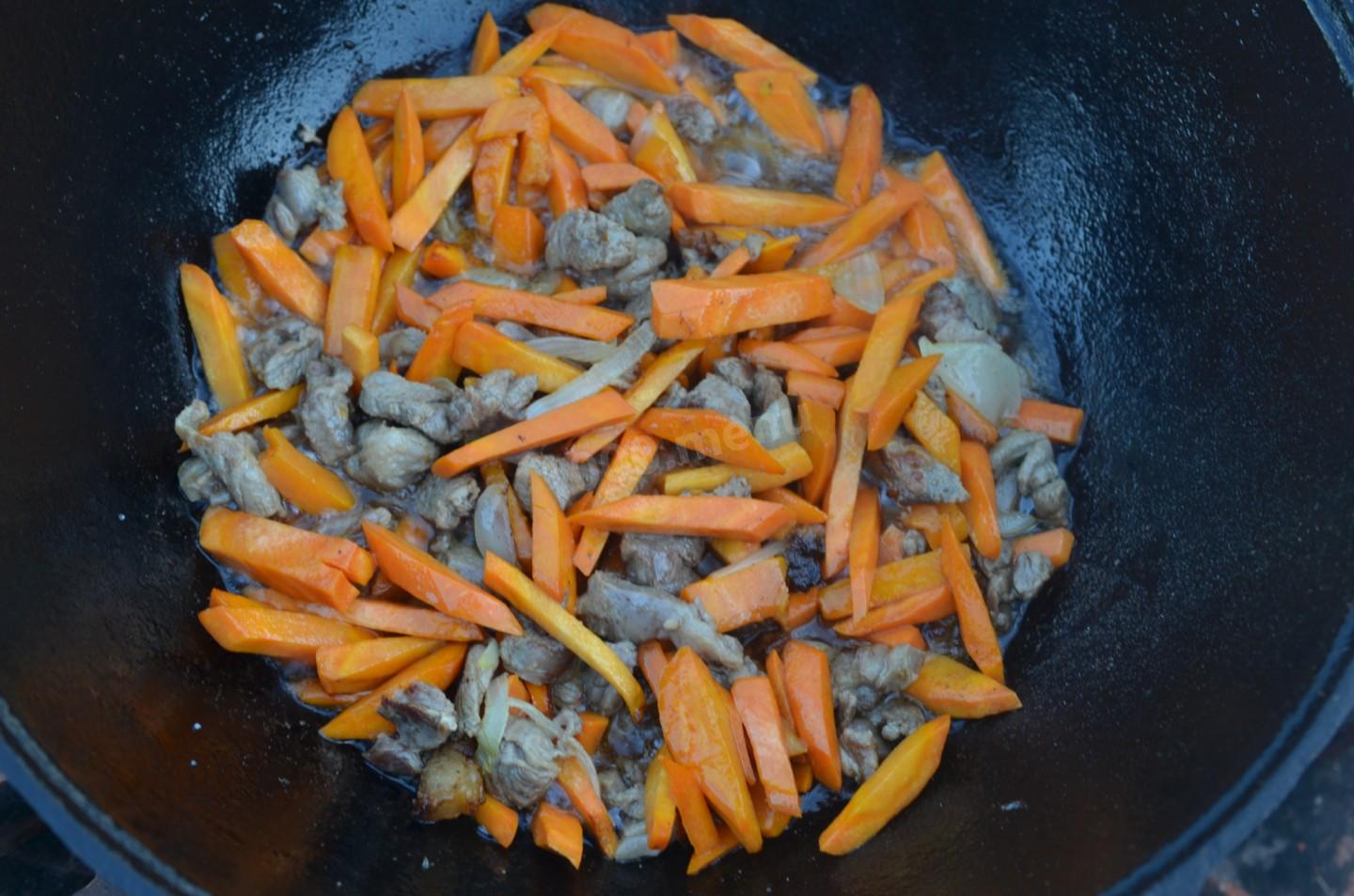
Peel the onion, slice it into thin wedges, and add it to the cauldron. Fry everything together for about 5 minutes.
-
Step 10:
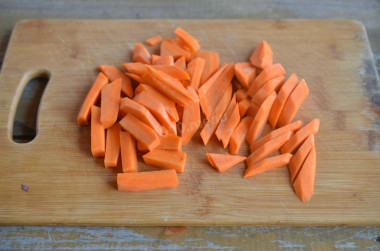
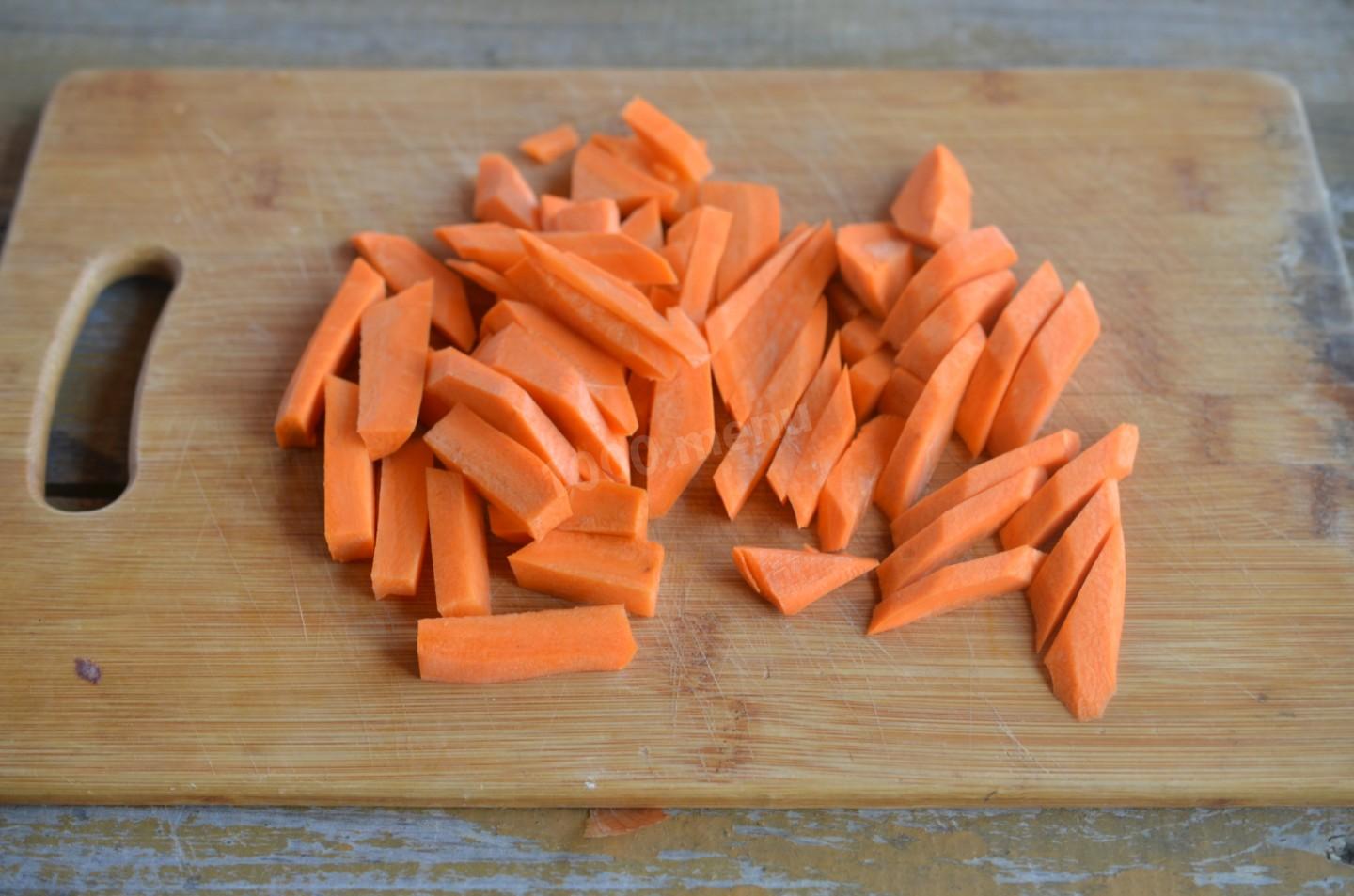
Peel the carrots and cut them into sticks.
-
Step 11:
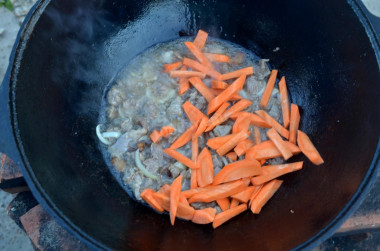
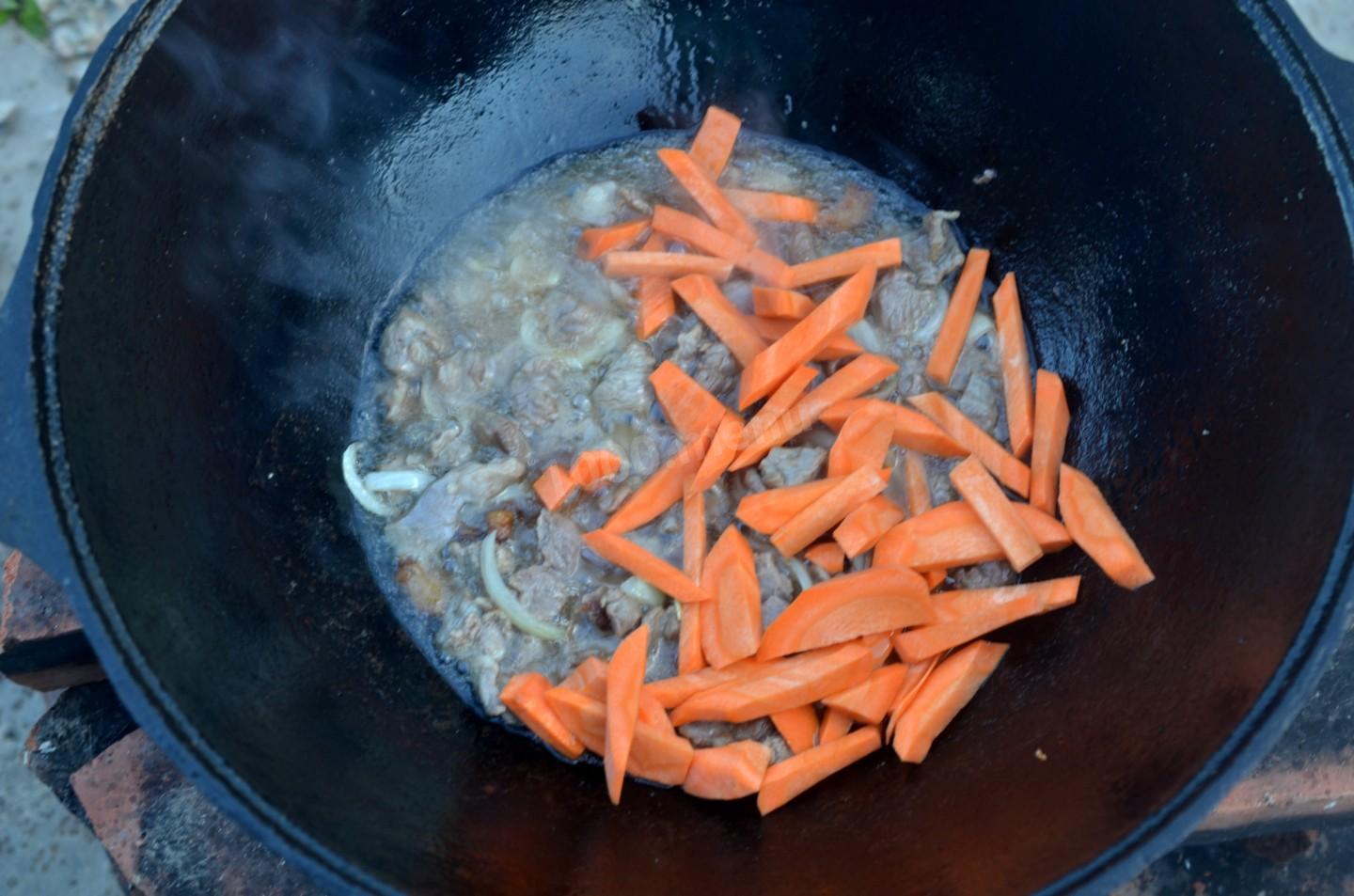
Add the carrots to the cauldron and fry everything together until the carrots are tender, about 15 minutes.
-
Step 12:
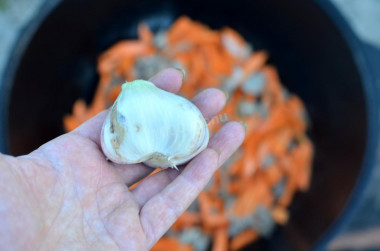
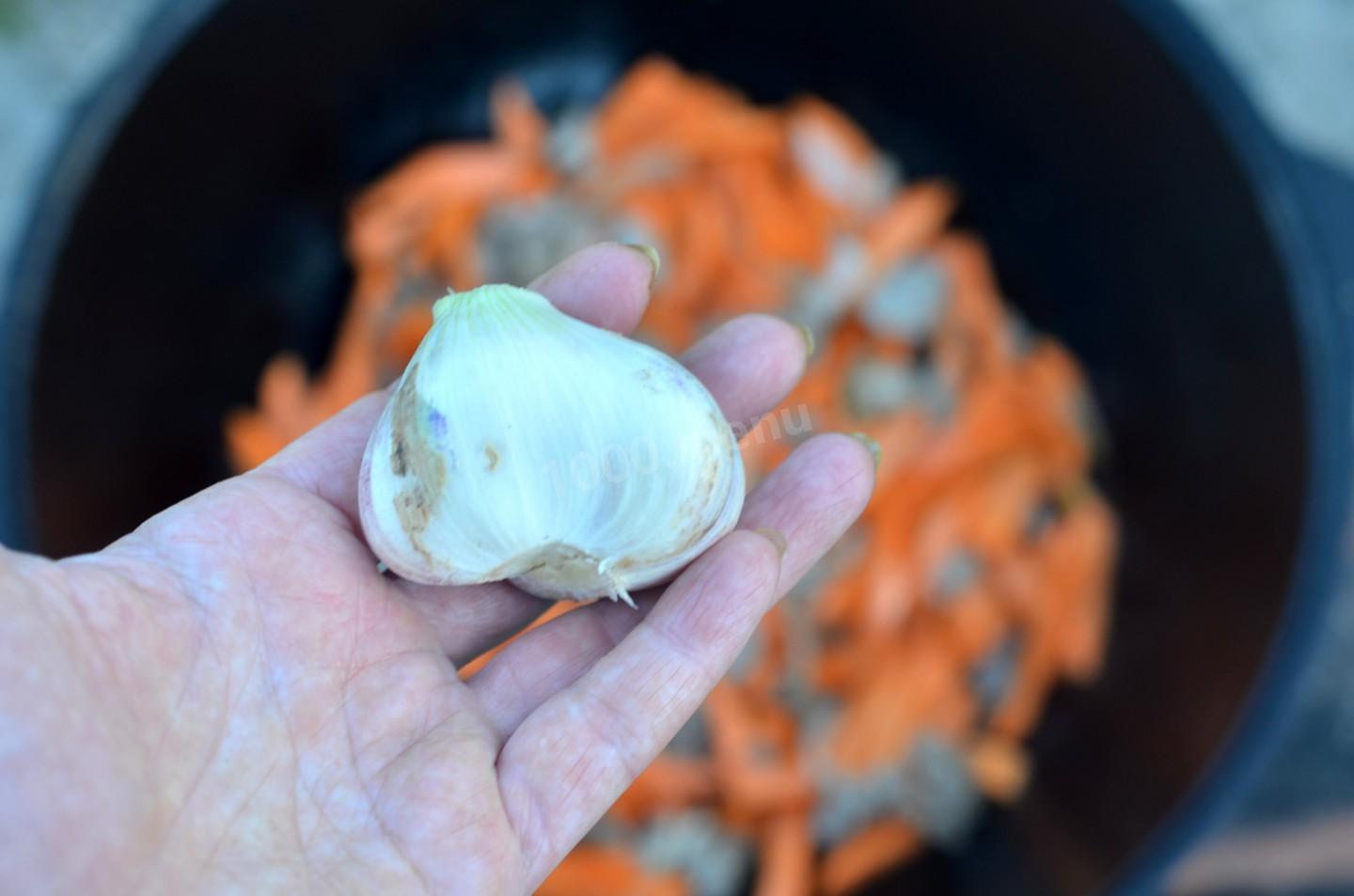
Add a whole head of garlic. Don't forget to give it a good rinse first.
-
Step 13:
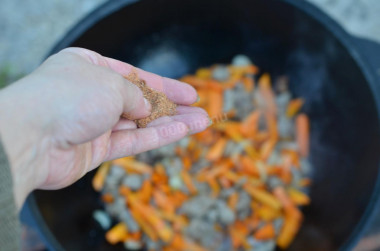
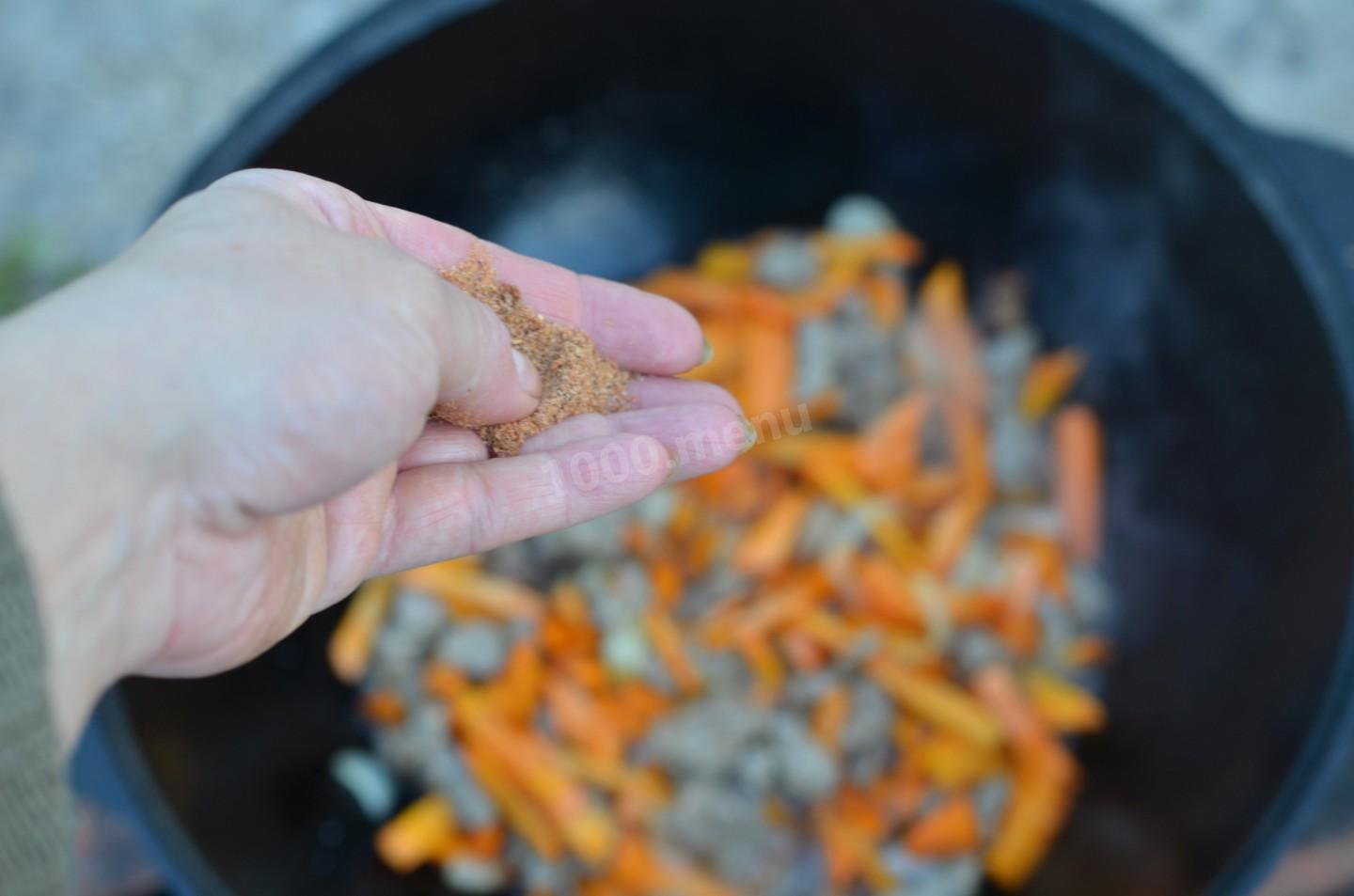
Season with salt and cumin.
-
Step 14:
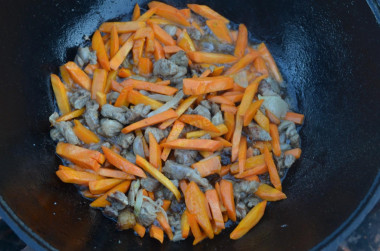
Stir and lower the heat. Cover and simmer over very low heat for about 15 minutes.
-
Step 15:
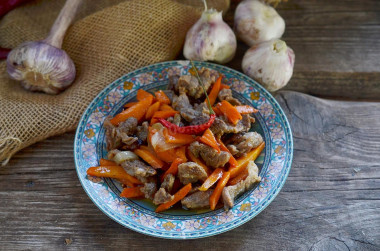
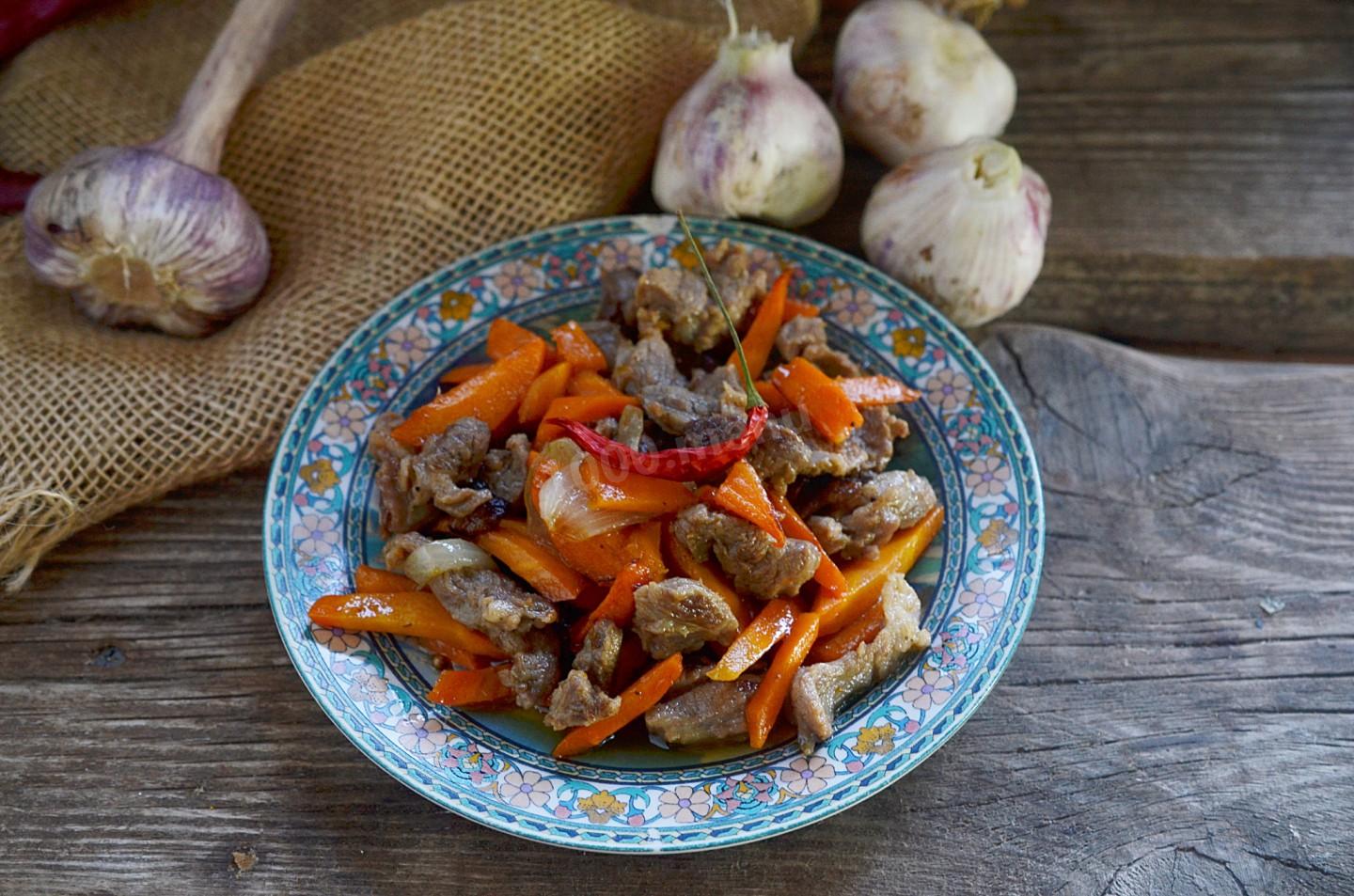
Serve the meat and vegetables hot. Enjoy!
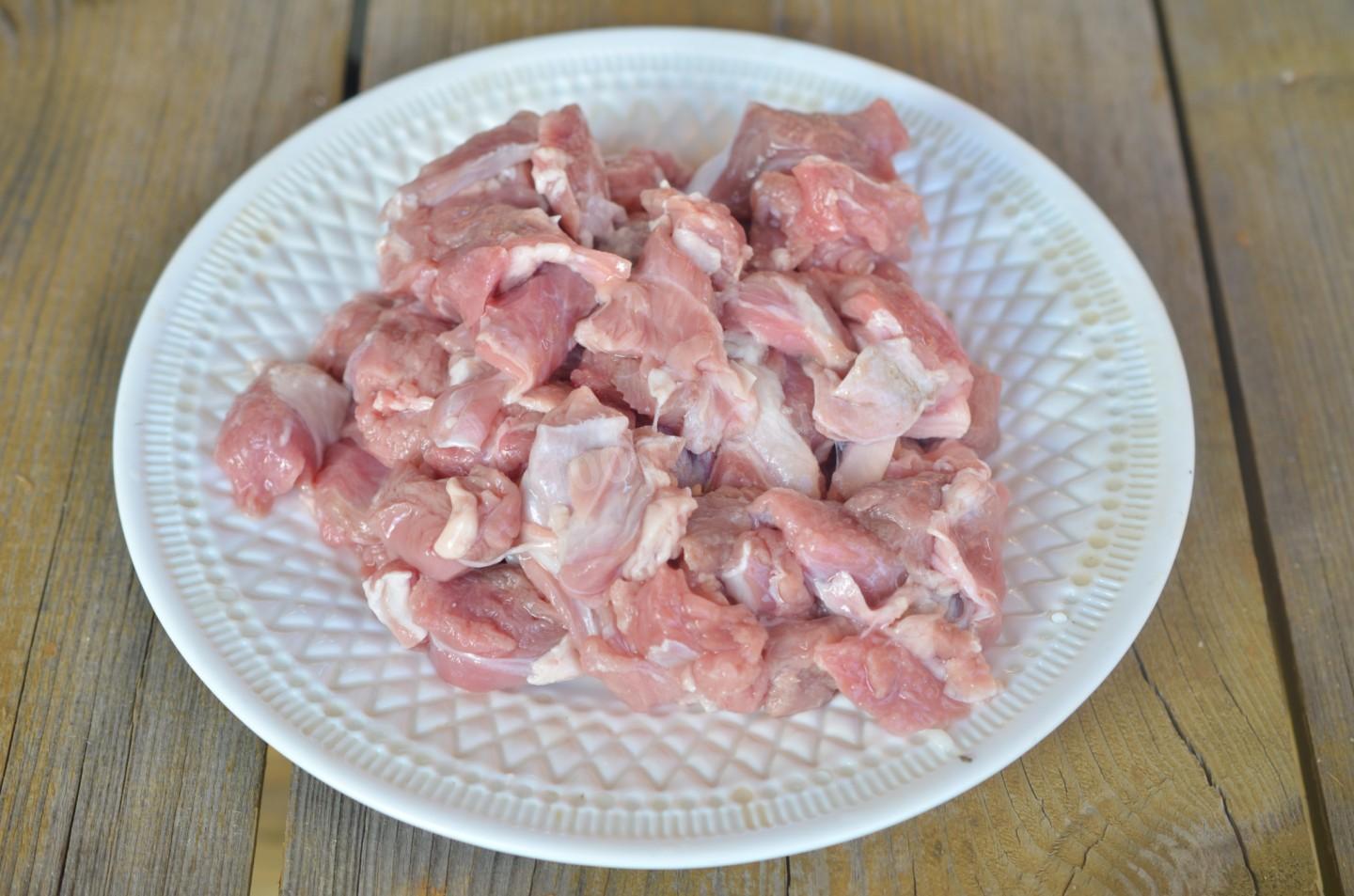
- Rinse the meat and be sure to pat it dry with a paper towel — too much surface moisture keeps it from browning, so it steams instead of frying.
- To keep your eyes from watering when you cut onions, rinse both the onion and the knife in cold water. And your cutting board won't hold on to the onion smell if you rub it with a cut piece of lemon before slicing.
- Use an oil with a high smoke point for frying! Every oil is only good up to a certain temperature — its smoke point, the point at which it starts to burn and forms toxic compounds, including carcinogens. Unrefined oils, with a few exceptions, have a low smoke point; they're full of unfiltered organic particles that scorch quickly. Refined oils stand up to heat better and have a higher smoke point. If you're cooking in the oven, in a skillet, or on the grill, make sure you're using an oil with a high smoke point. The most common high-smoke-point oils are refined sunflower, olive, and grapeseed oil.
Caloric content of the products possible in the composition of the dish
- Lean mutton - 169 kcal/100g
- Fat mutton - 225 kcal/100g
- Lamb - brisket - 533 kcal/100g
- Mutton - ham - 232 kcal/100g
- Lamb chop on a bone - 380 kcal/100g
- Lamb shoulder - 284 kcal/100g
- Mutton - back - 459 kcal/100g
- Carrots - 33 kcal/100g
- Dried carrots - 275 kcal/100g
- Boiled carrots - 25 kcal/100g
- Garlic - 143 kcal/100g
- Zira - 112 kcal/100g
- Vegetable oil - 873 kcal/100g
- Salt - 0 kcal/100g
- Onion - 41 kcal/100g
- Chicken fat - 897 kcal/100g
Similar recipes
- Festive table
- Eat outdoors
- Second course
- Meat and meat products
- Vegetables
- Spices seasonings spices
- Fats and oils
- Garlic
- Зера
- Salt
- Barbecue brazier grill
- Chicken fat
- Vegetable oil
- Frying
- In a cauldron
- Meat second course
- From carrots
- From onion
- Barbecue grill grill
- Meat on bonfire
- No eggs
- Recipes for lean dishes without butter