Stovetop Triangle Cookies
Delicious, tender, crumbly, simple, and quick! You can have these stovetop triangle cookies ready in about 20 minutes. They're the perfect sweet little treat for any occasion — a holiday table or an everyday cup of tea at home. You can make the dough with either butter or margarine.


Cooking method
-
Step 1:
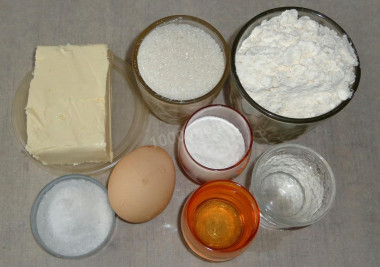
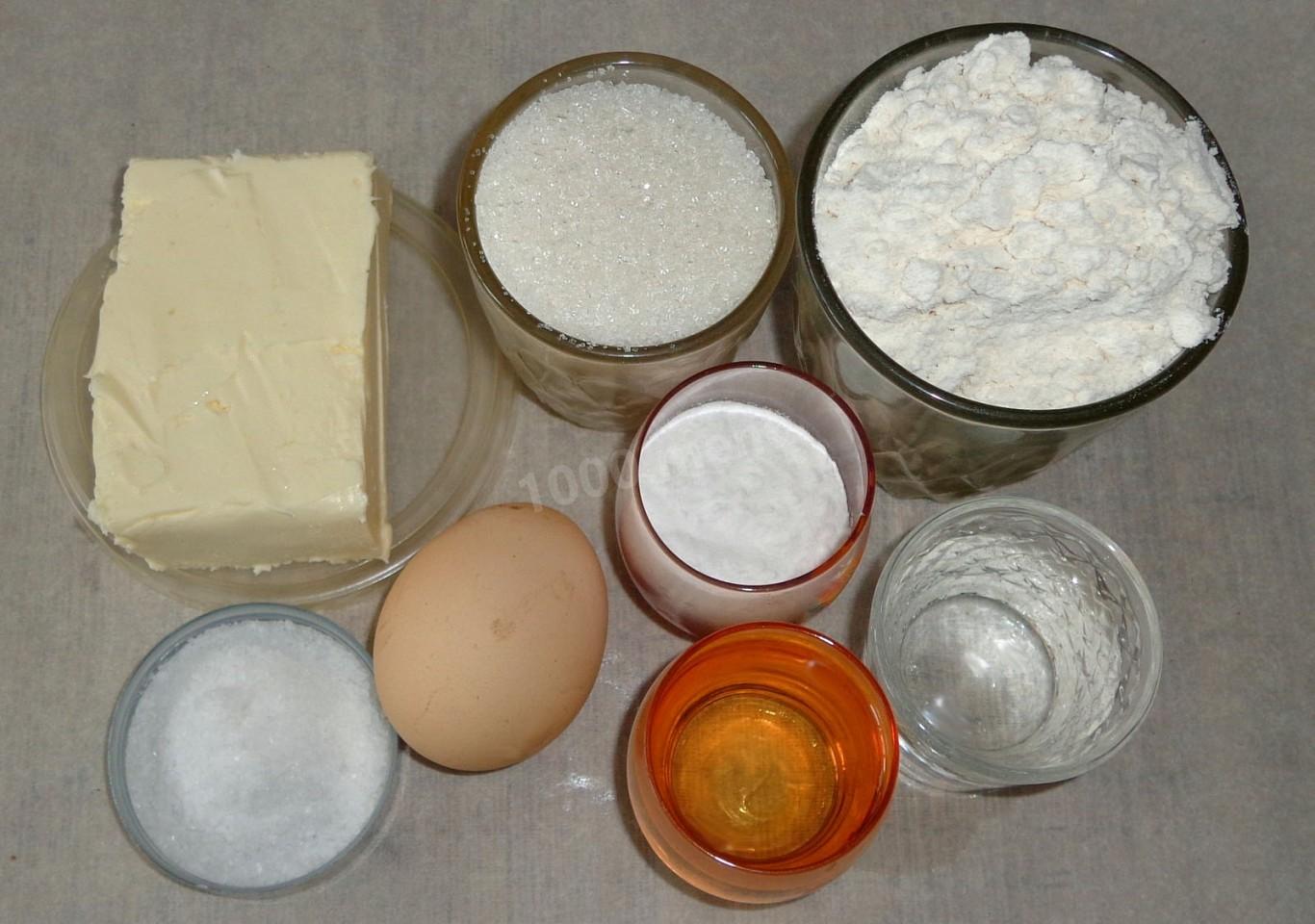
How do you make stovetop triangle cookies? Start by gathering your ingredients. You can use margarine in place of the butter. For greasing, use any refined vegetable oil. All-purpose flour works well here. Wash the egg and dry it with a paper towel.
-
Step 2:
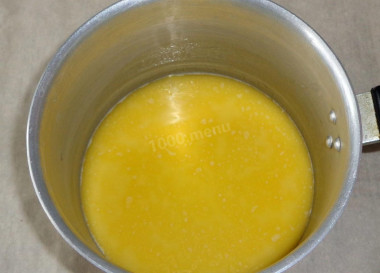
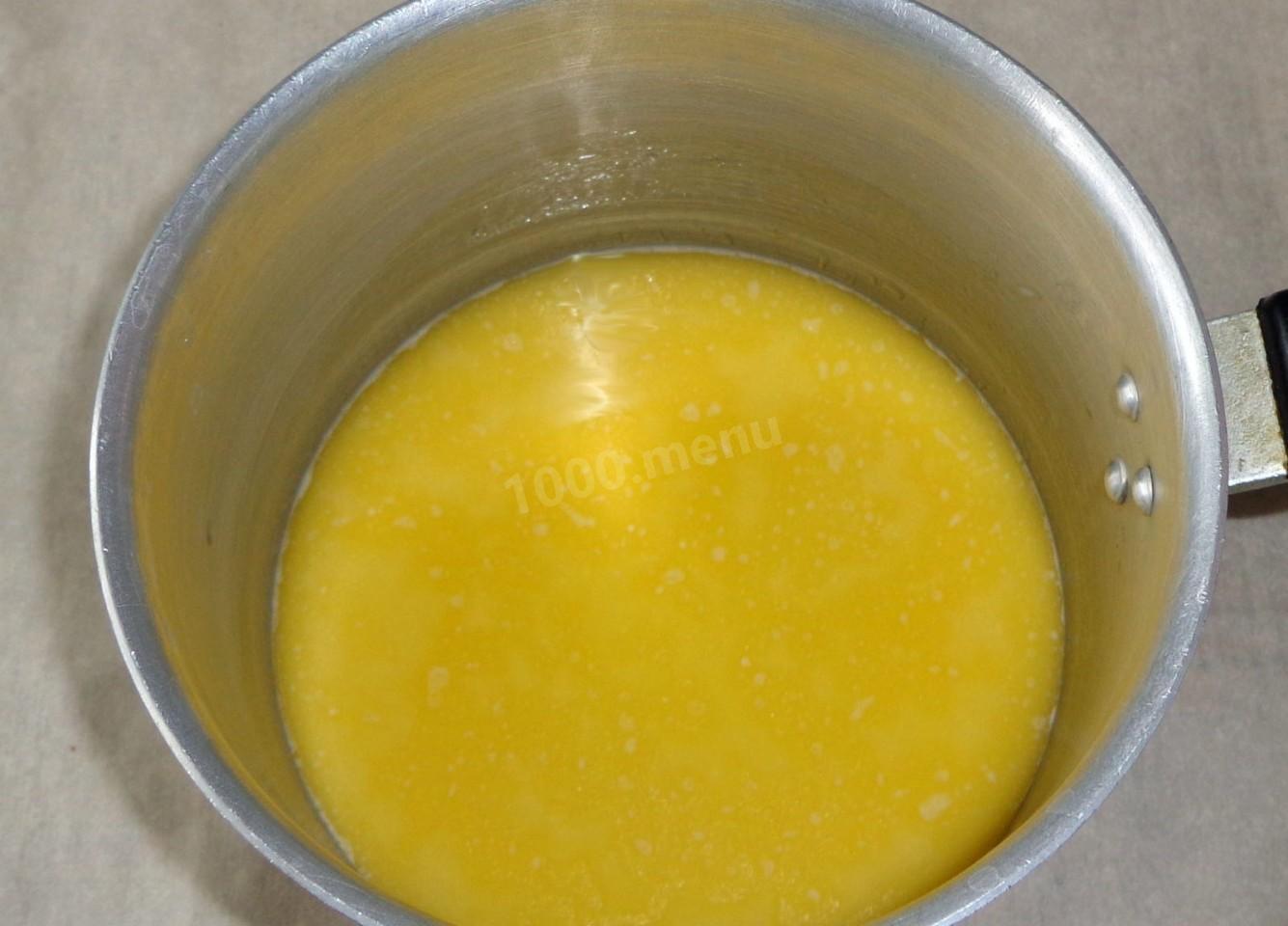
Melt the butter or margarine in a saucepan over low heat.
-
Step 3:
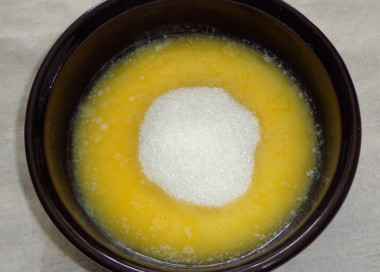
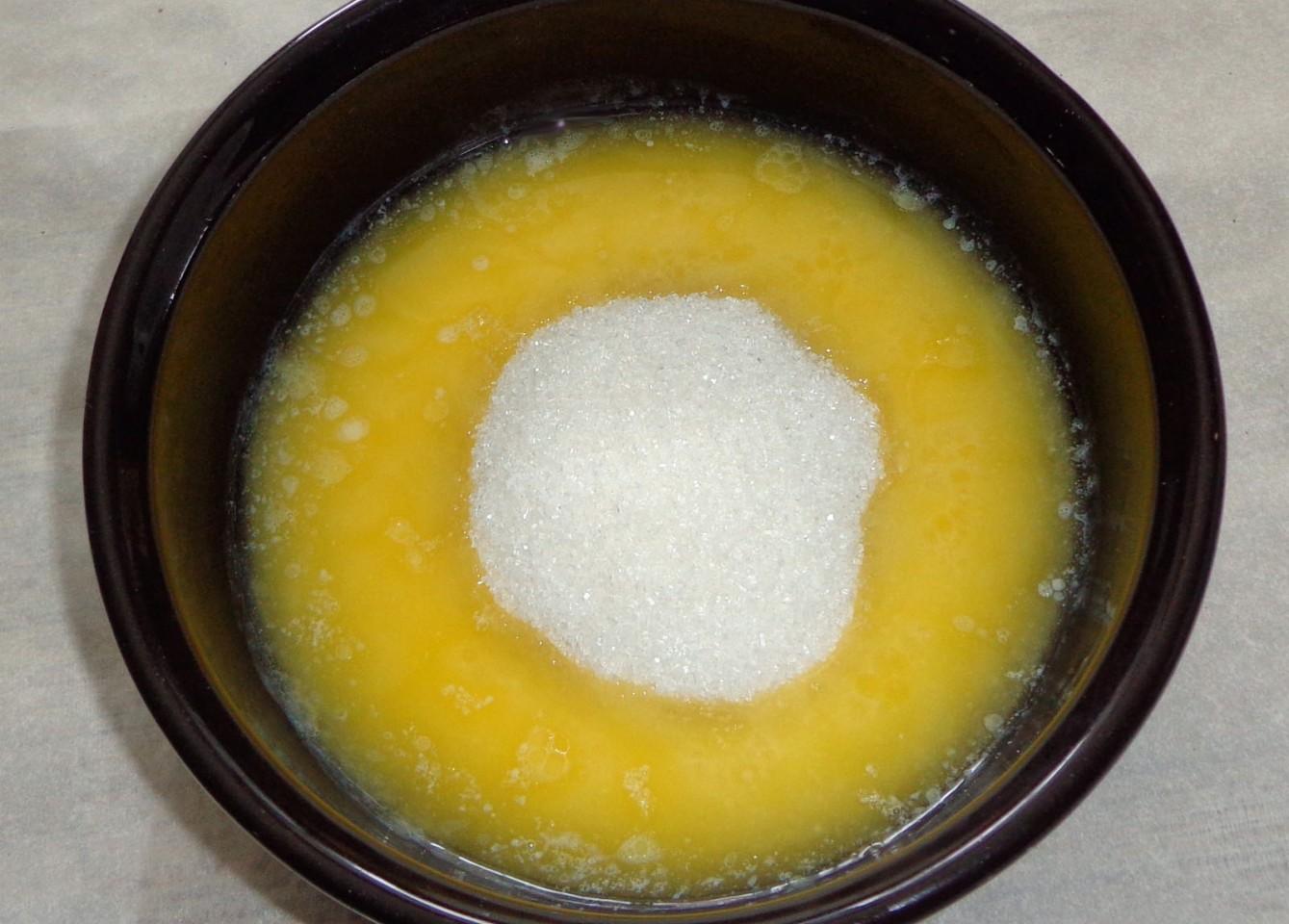
Add the sugar and salt to the warm butter and stir to combine.
-
Step 4:
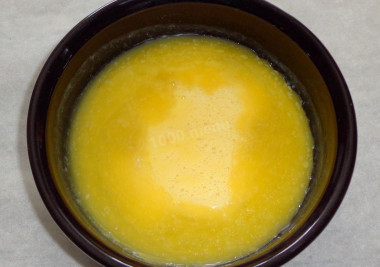
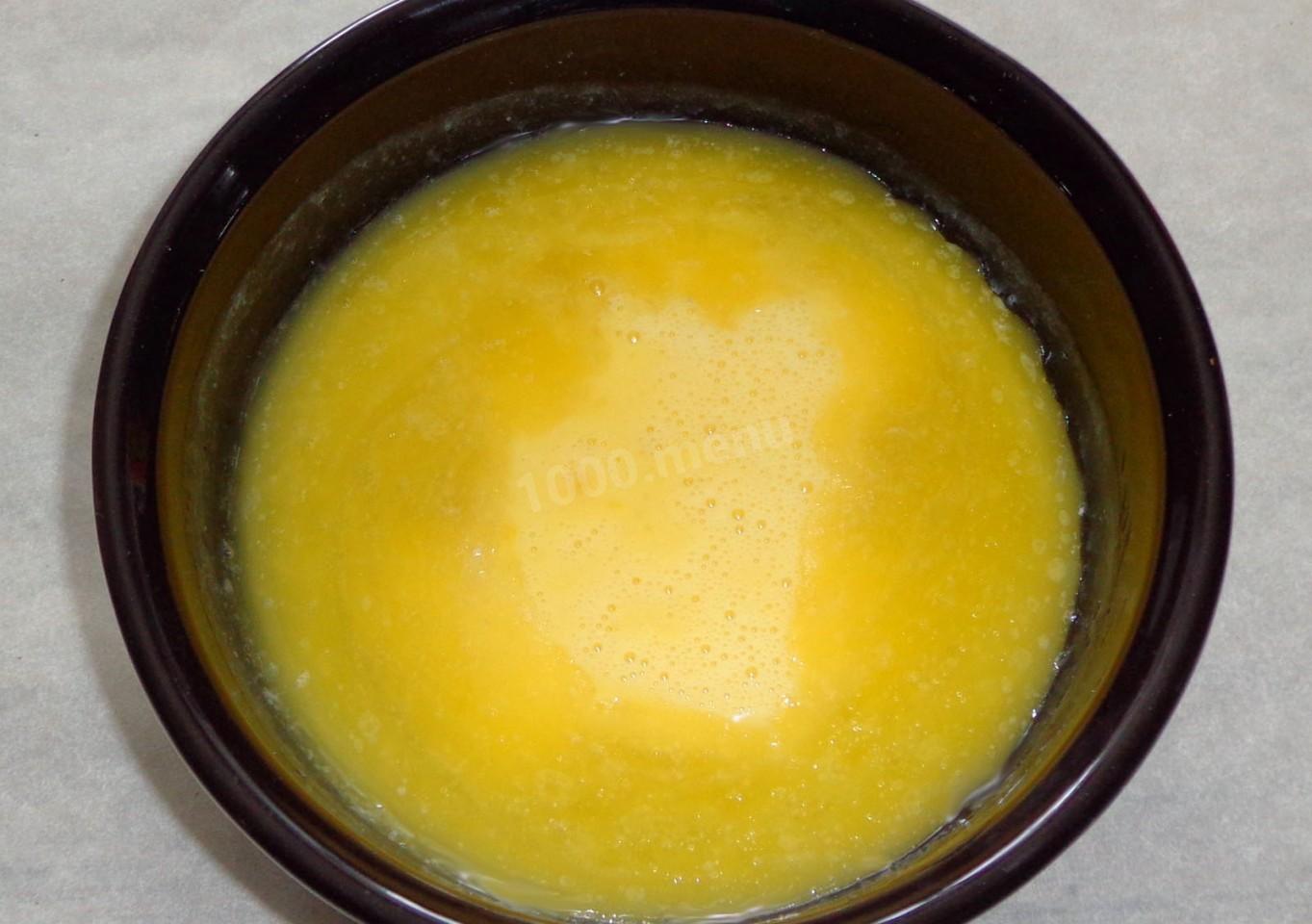
Whisk the raw egg separately, then pour it into the dough, stirring with a spatula as you go.
-
Step 5:
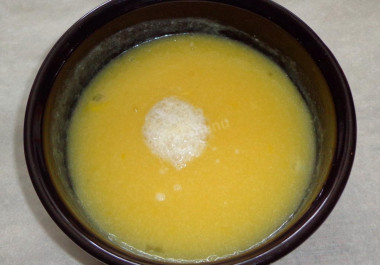
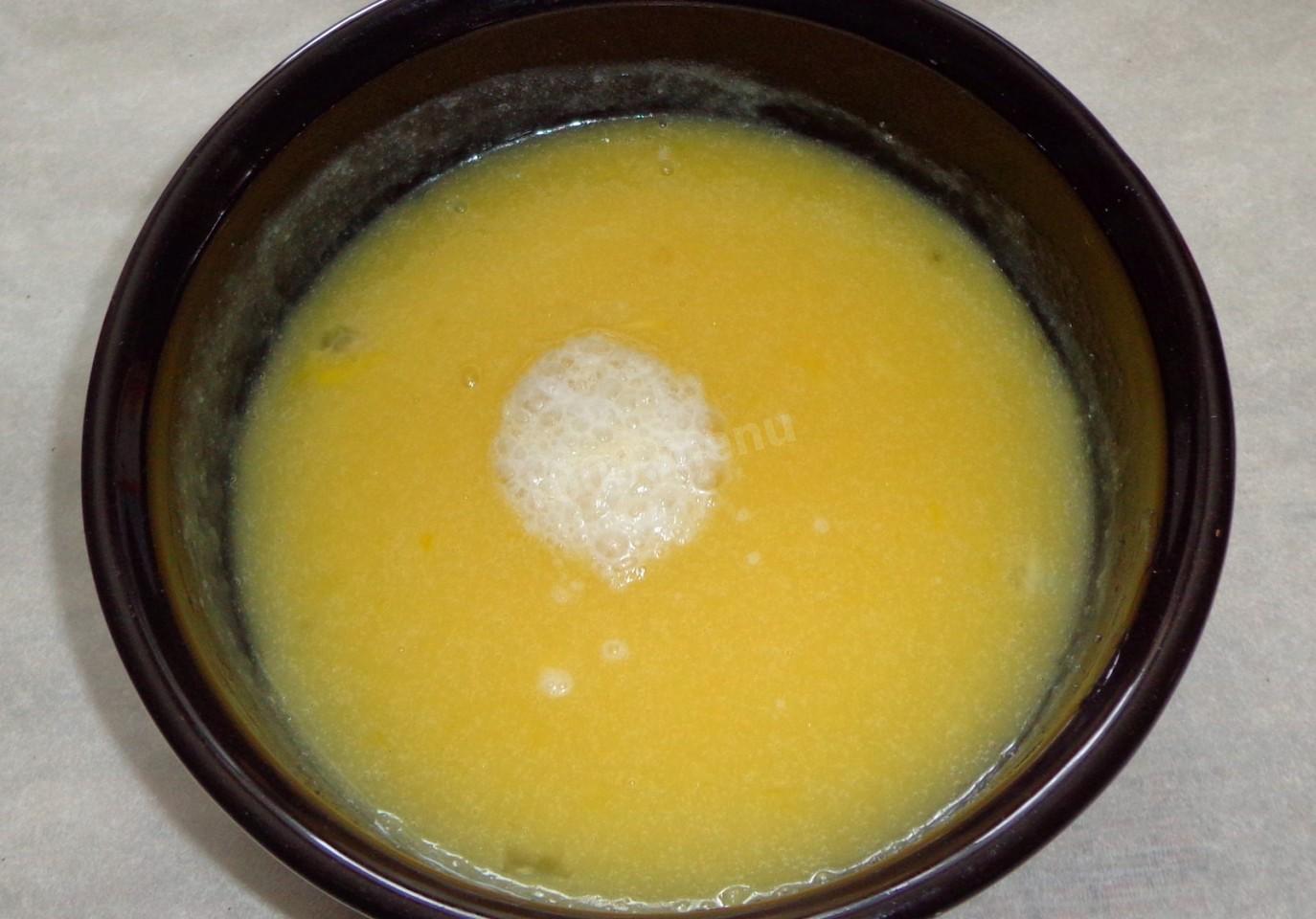
Stir the baking soda together with the vinegar to activate it, then mix it into the dough.
-
Step 6:
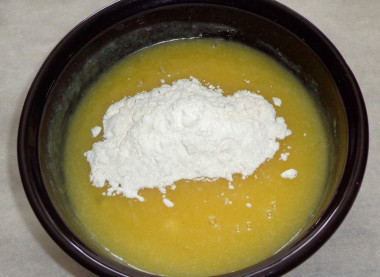
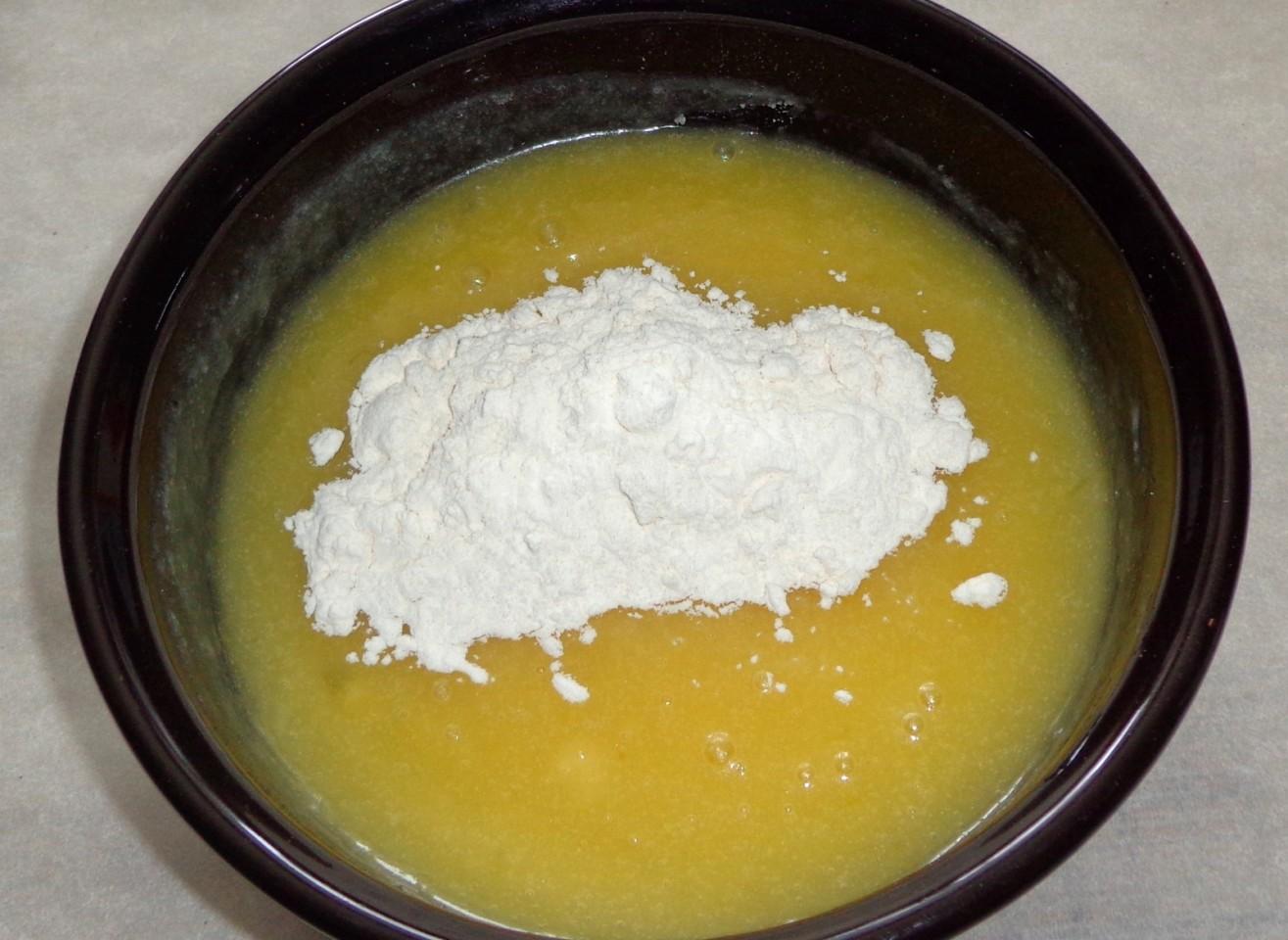
Sift the flour into the pan with the rest of the ingredients. Add it a little at a time rather than all at once — you may need more or less than I did, so go by the consistency of the dough.
-
Step 7:
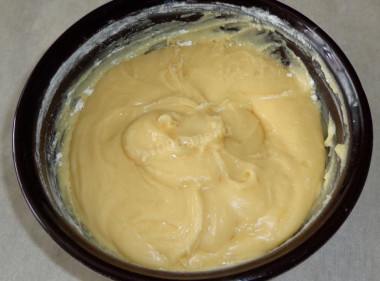
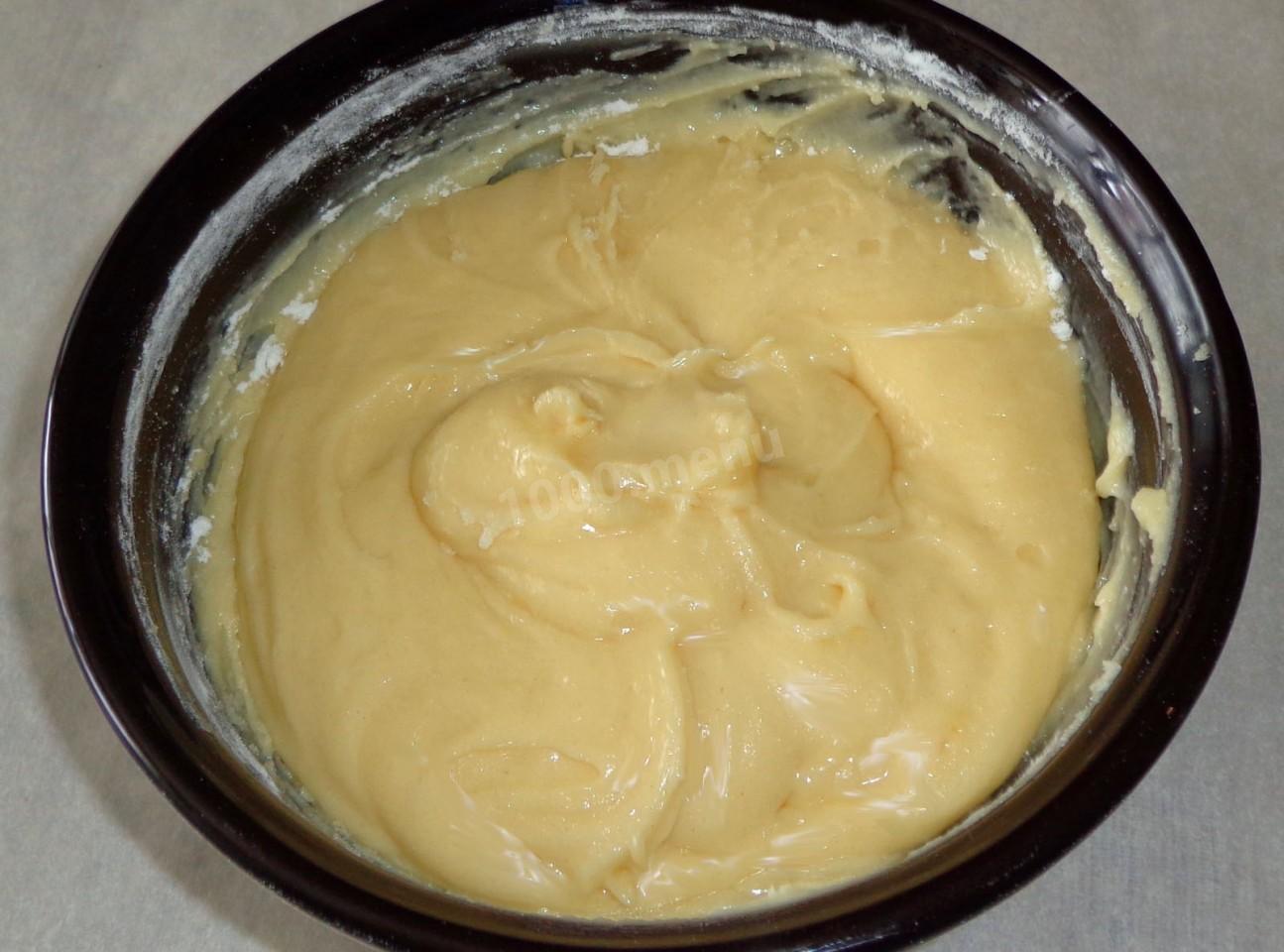
You want a thick dough that's still a little sticky to the touch.
-
Step 8:
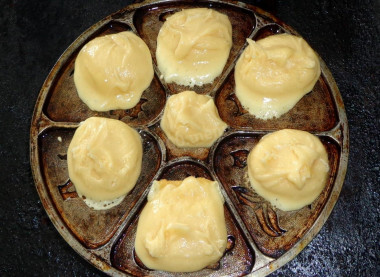
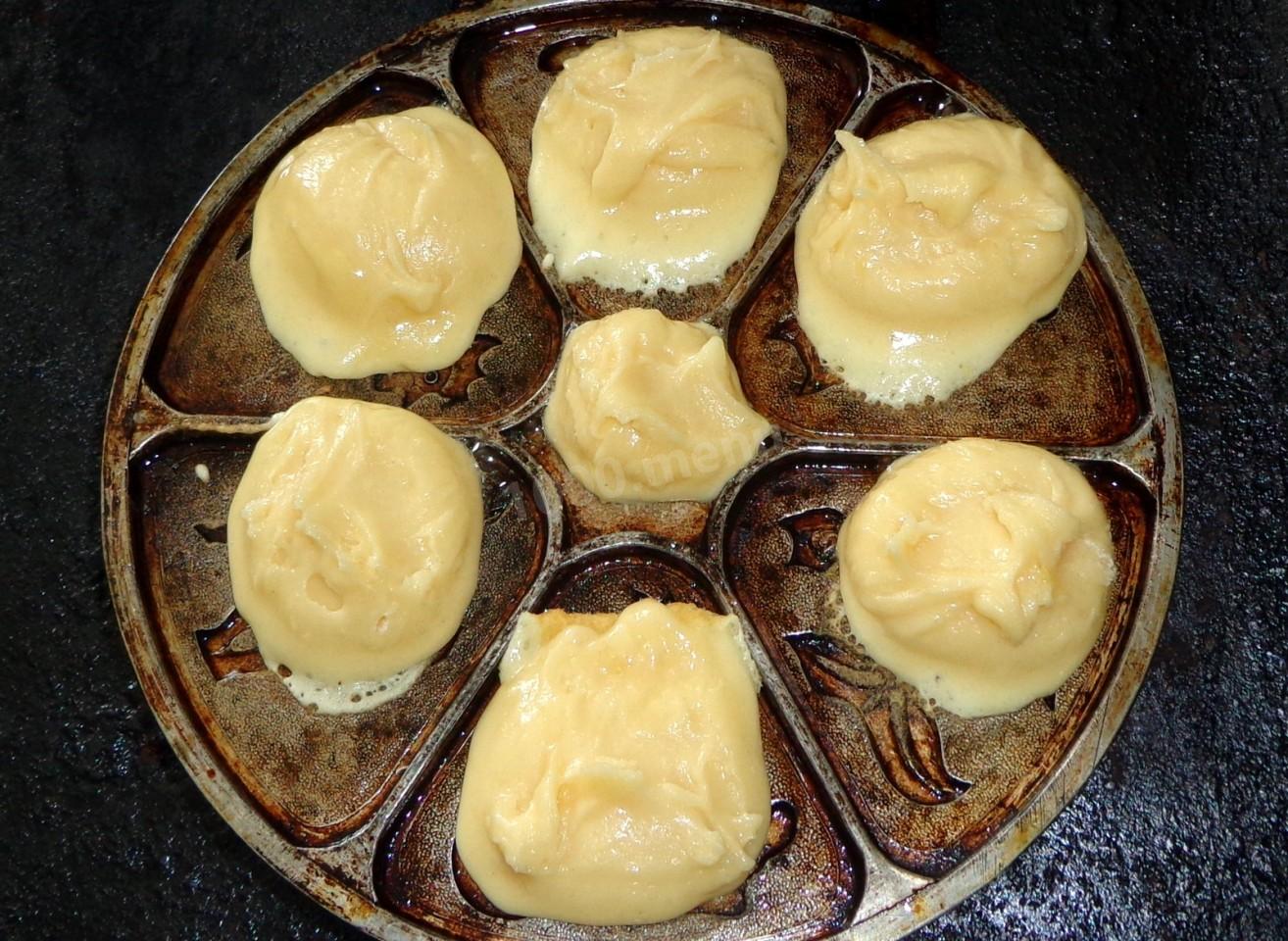
Heat the cookie mold over the burner and brush it with vegetable oil. Spoon the dough into the individual molds.
-
Step 9:
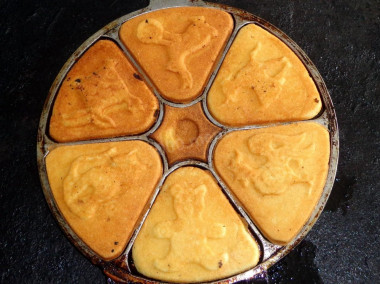
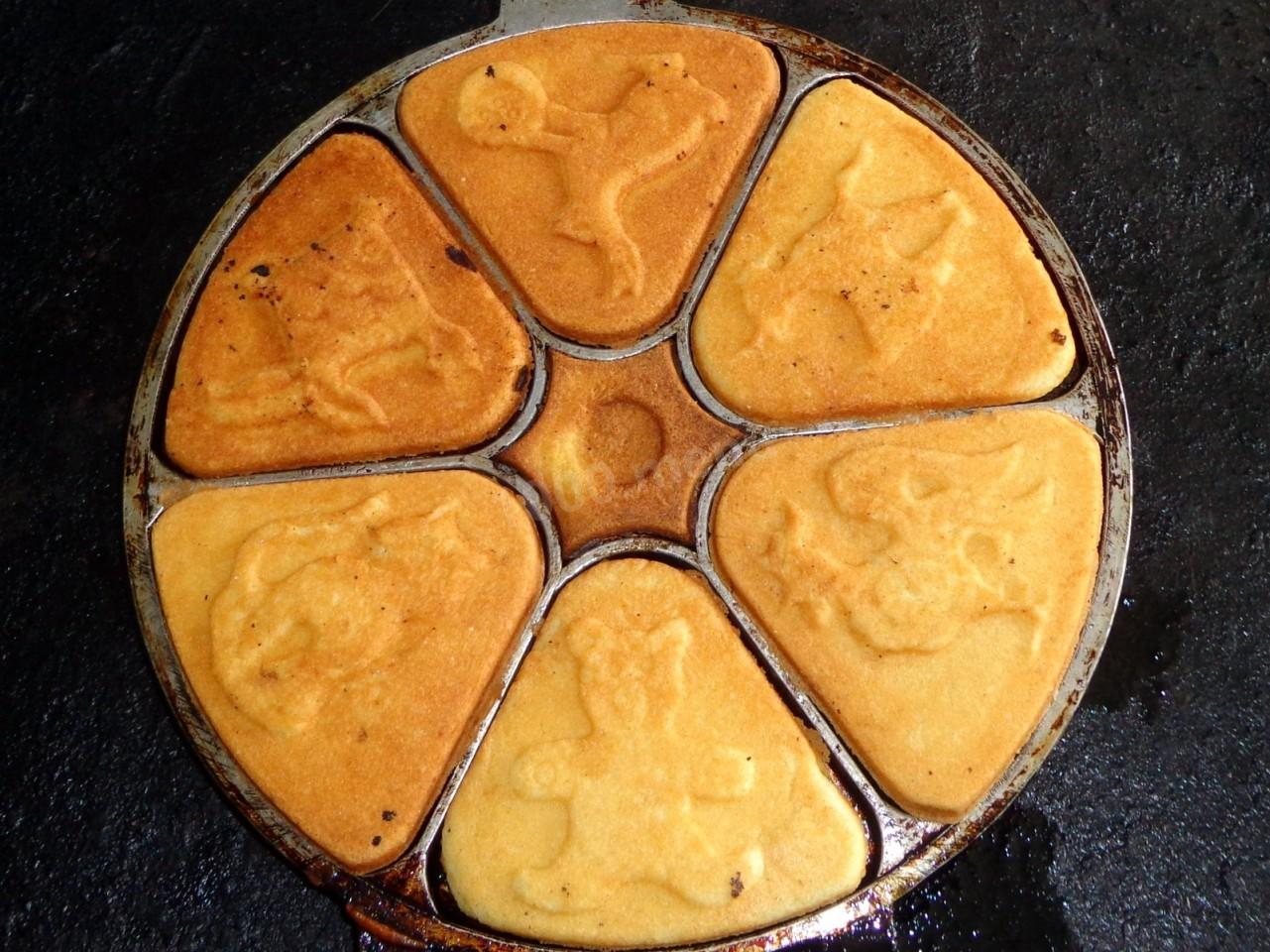
Close the lid of the mold and cook the cookies over medium heat, turning the mold now and then so they brown on both sides. Turn the finished cookies out of the mold and serve them warm with tea. Enjoy!
- You can replace the baking soda and vinegar in this recipe with baking powder.
- Be ready for the flour amount to shift a little up or down from what's listed. Go by the consistency of the dough rather than a fixed amount of flour. To avoid missteps, it helps to understand how flour behaves.
- Wondering whether you can swap baking powder for baking soda, how to add each one so your baked goods rise well, and how to avoid that unpleasant soda aftertaste? It's worth reading up on the difference between baking powder and baking soda.
Caloric content of the products possible in the composition of the dish
- Granulated sugar - 398 kcal/100g
- Sugar - 398 kcal/100g
- Butter 82% - 734 kcal/100g
- Amateur unsalted butter - 709 kcal/100g
- Unsalted peasant butter - 661 kcal/100g
- Peasant salted butter - 652 kcal/100g
- Melted butter - 869 kcal/100g
- Vegetable oil - 873 kcal/100g
- Salt - 0 kcal/100g
- Wheat flour - 325 kcal/100g
- Baking soda - 0 kcal/100g
- Chicken egg - 80 kcal/100g
- Table vinegar - 11 kcal/100g