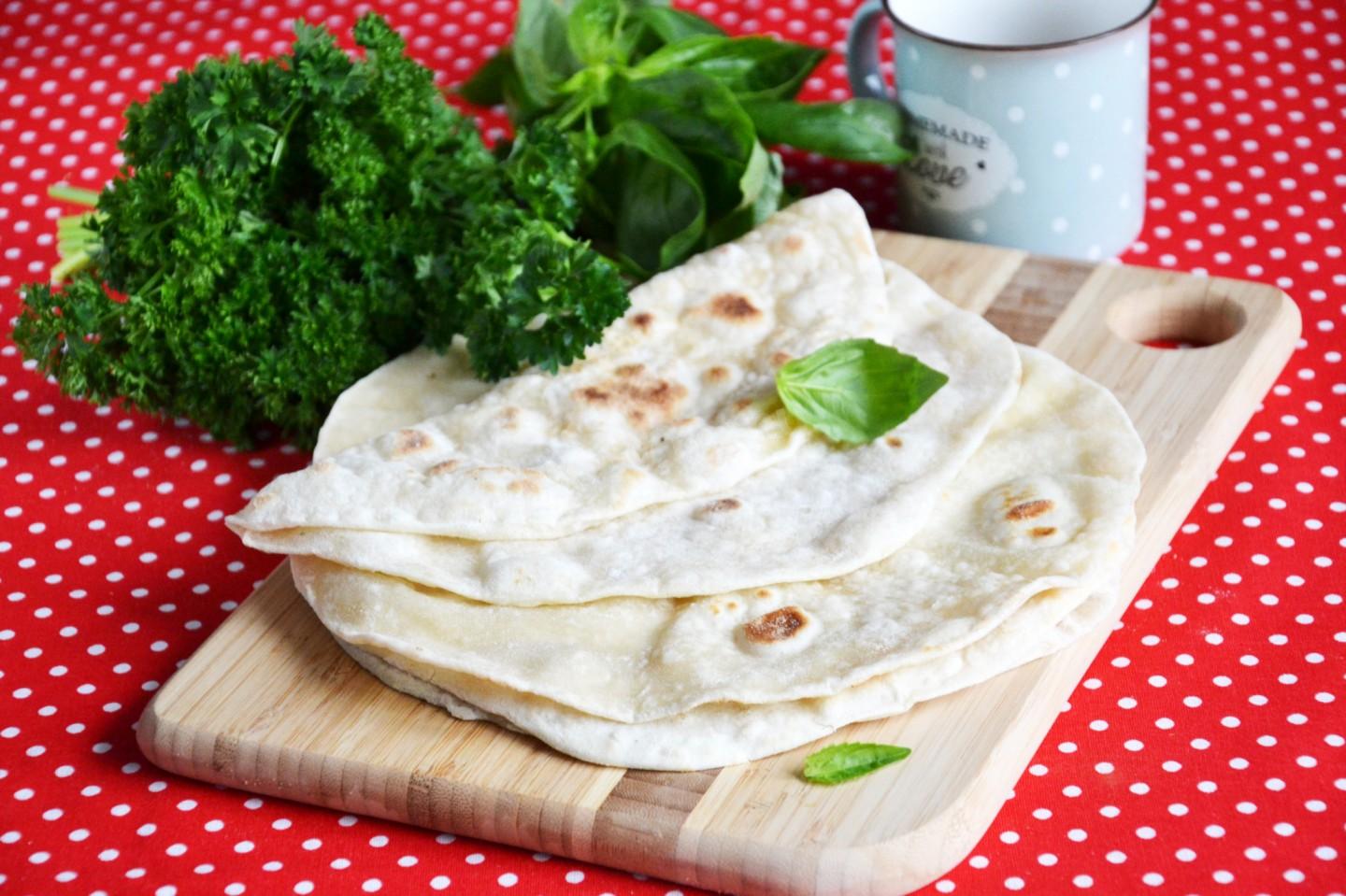
Homemade Armenian Lavash
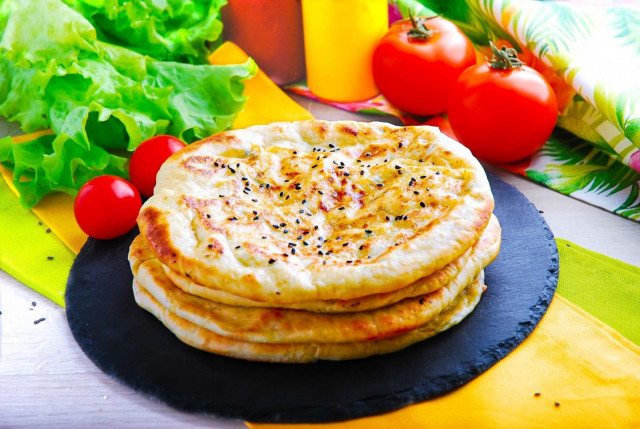
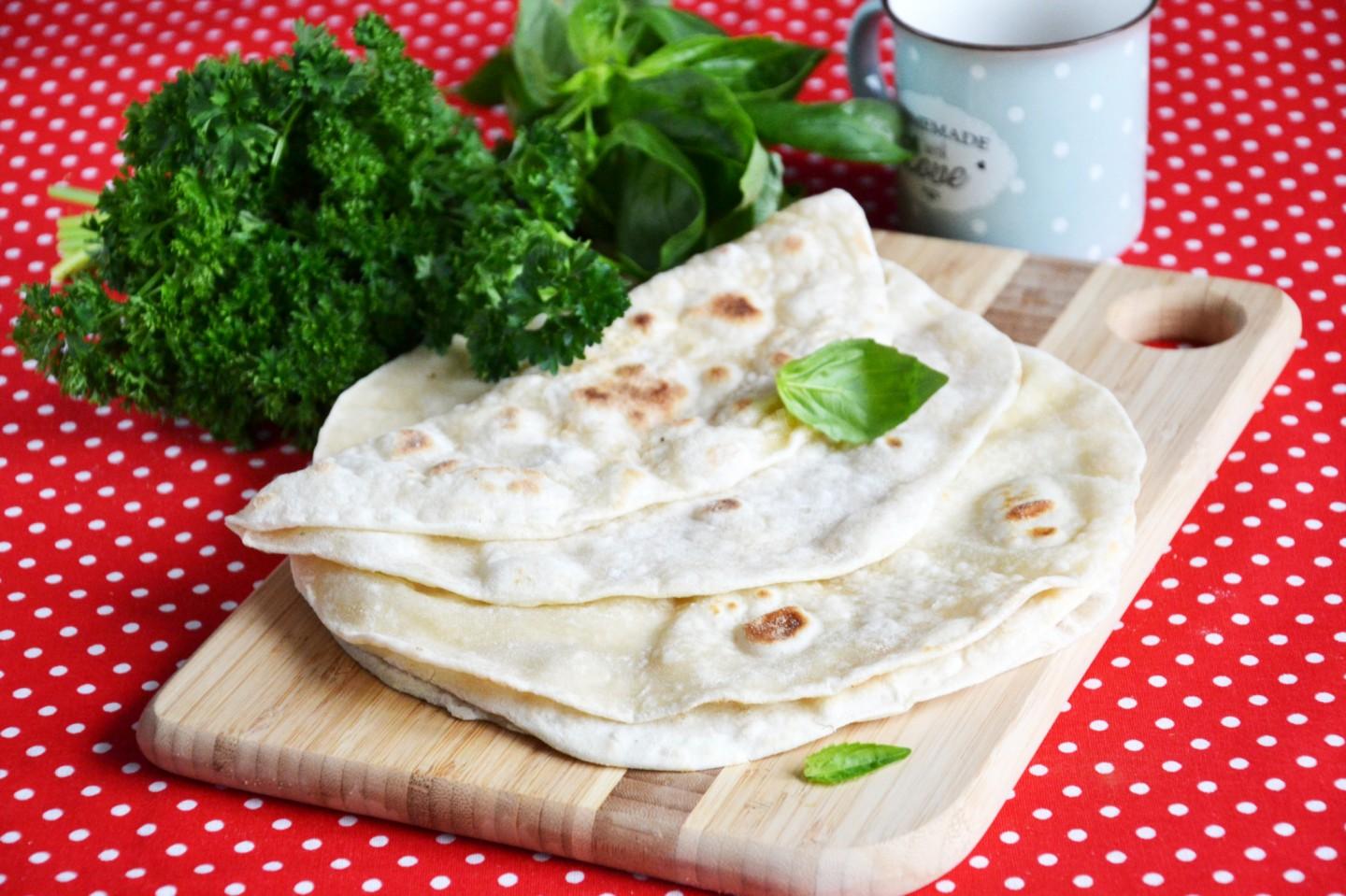
Homemade lavash is far tastier than store-bought — it's true! Making thin lavash at home isn't just easy, it's really easy. You don't need to be a chef; even a beginner can do it, especially with our tried-and-true recipe. This kind of flatbread is also made in Azerbaijani and Turkish cooking.
Cooking method
-
Step 1:
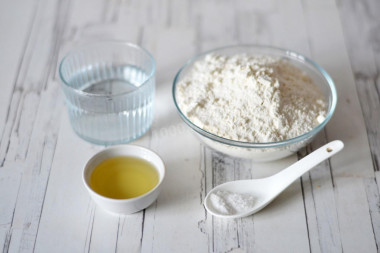
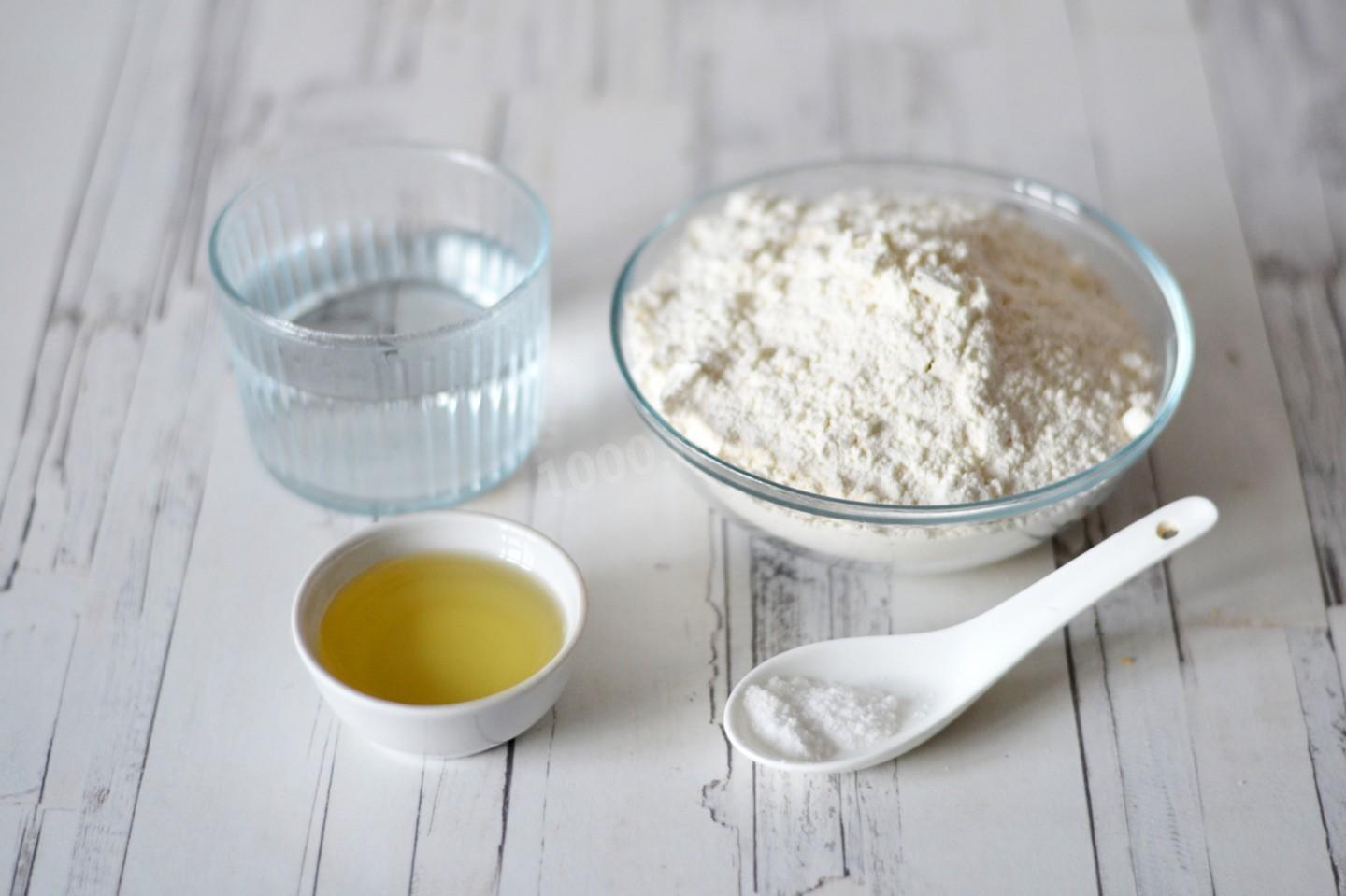
Gather the ingredients. To make Armenian lavash at home you'll need: 250 g (2 cups) flour, 125 ml (1/2 cup) water, 1 tablespoon sunflower oil, and 1/4 teaspoon salt.
-
Step 2:
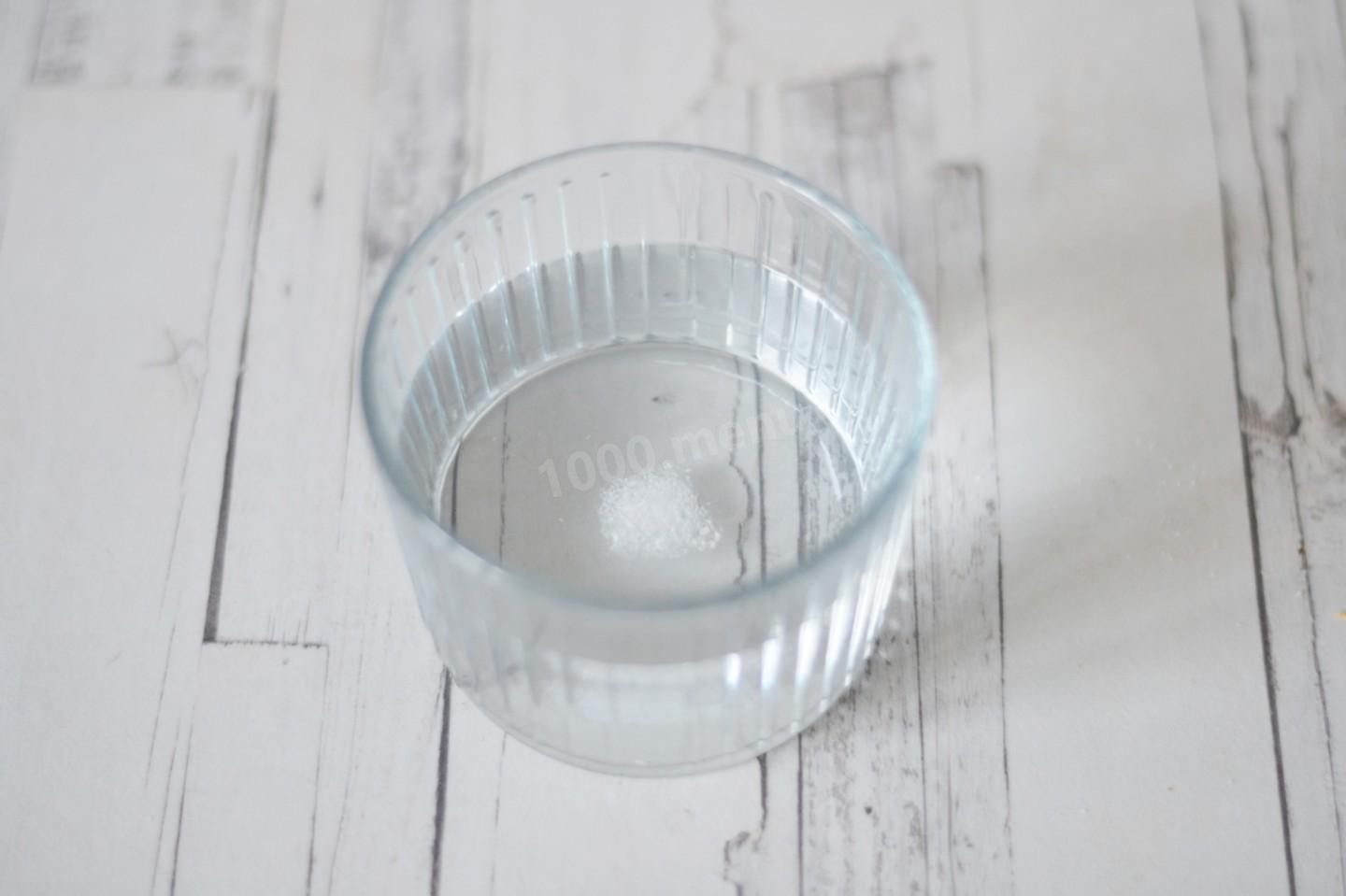
Stir the salt into the hot water until it dissolves.
-
Step 3:
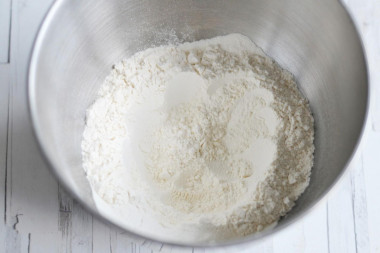
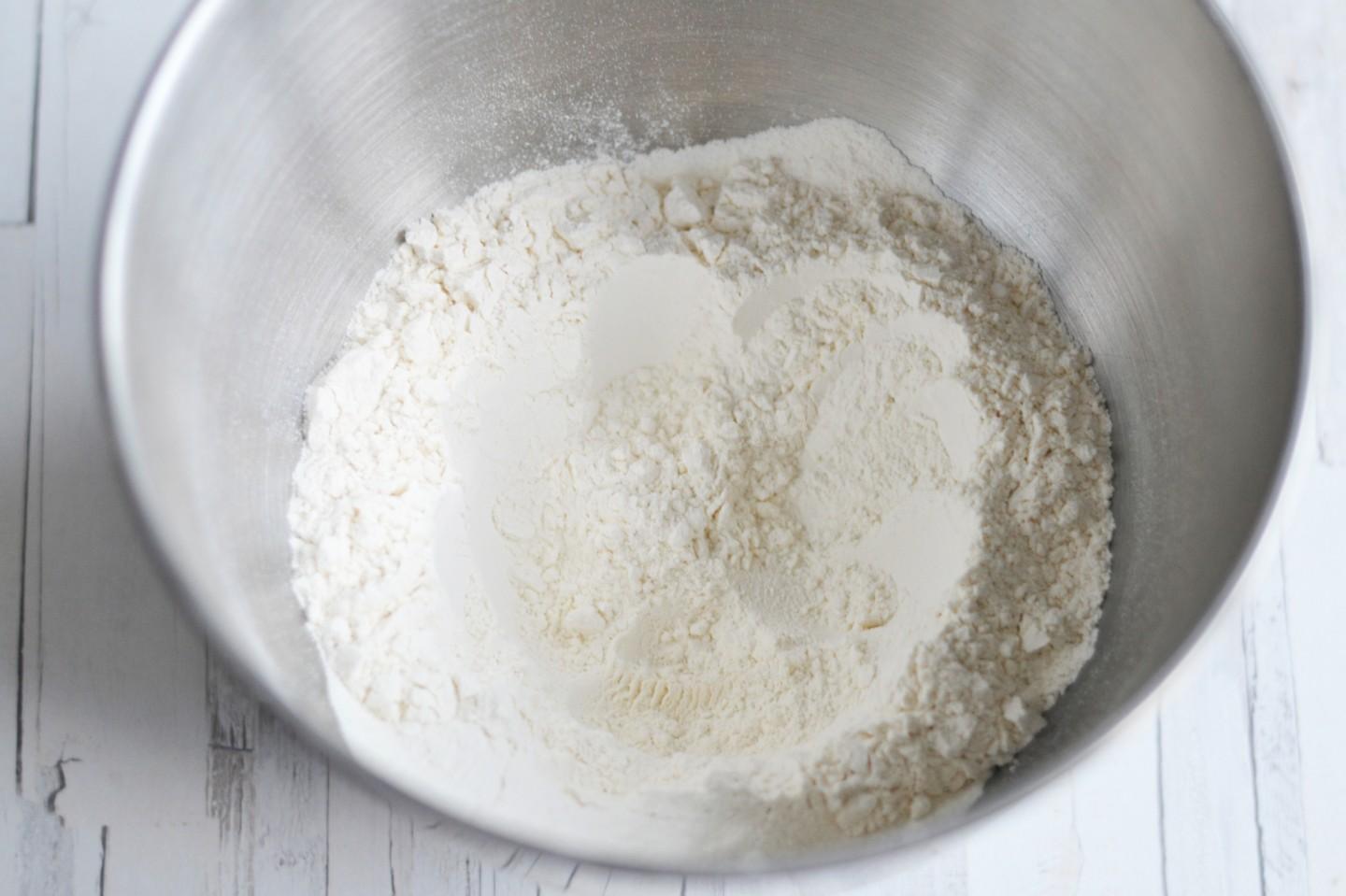
Sift the flour into a deep bowl — I sifted mine right into the bowl of my stand mixer, where I kneaded the dough. Make a well in the center of the flour.
-
Step 4:
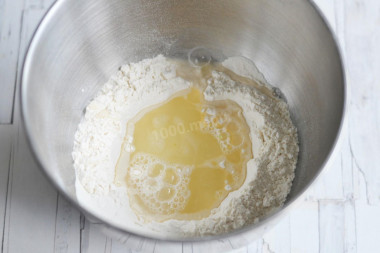
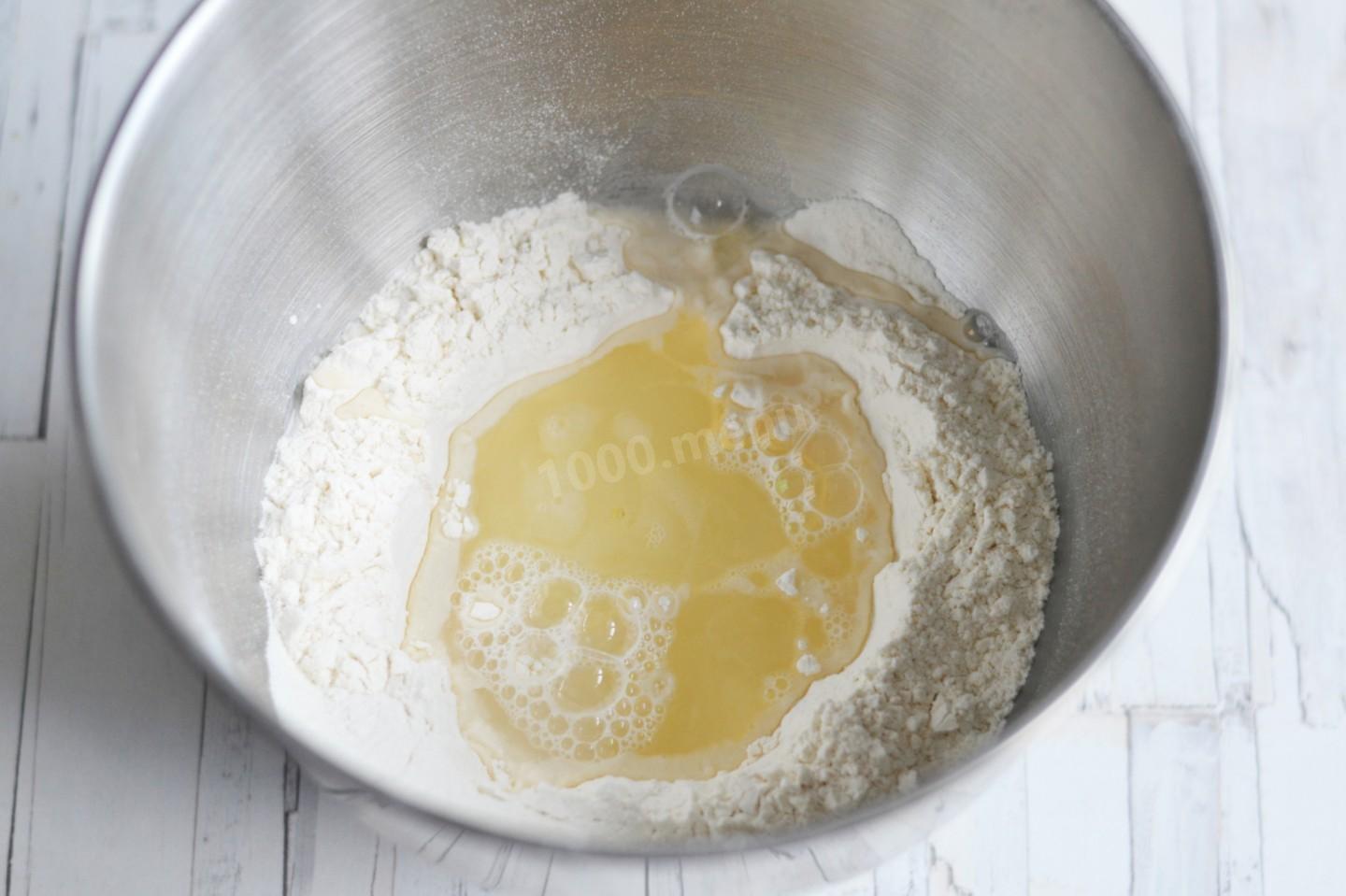
Pour the hot salted water and the oil into the well.
-
Step 5:
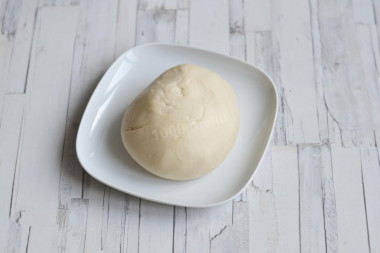
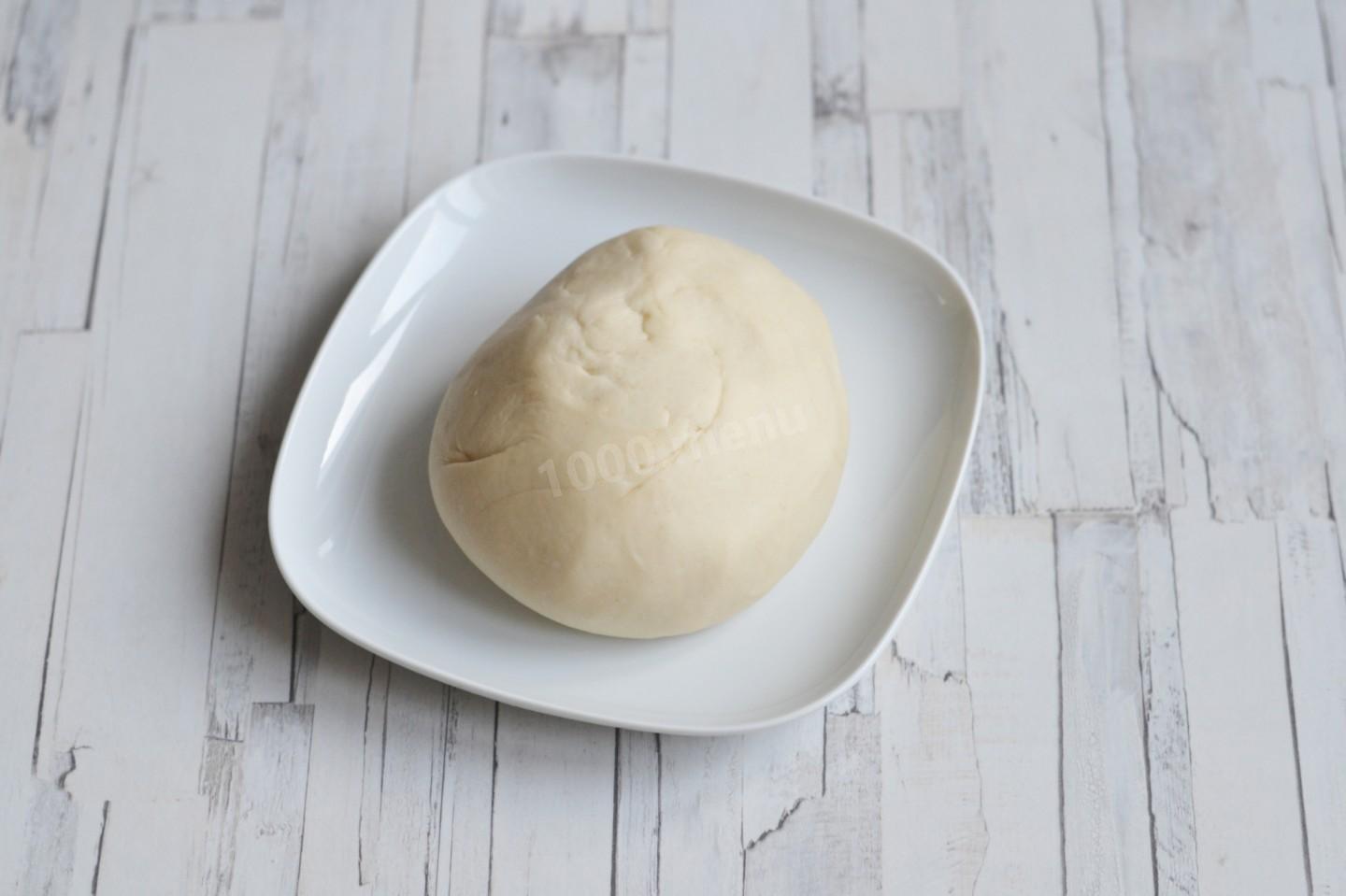
Knead the dough. It's very stiff at first but grows more supple as you work it. Knead for about 15–20 minutes.
-
Step 6:
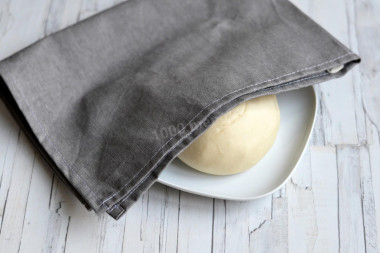
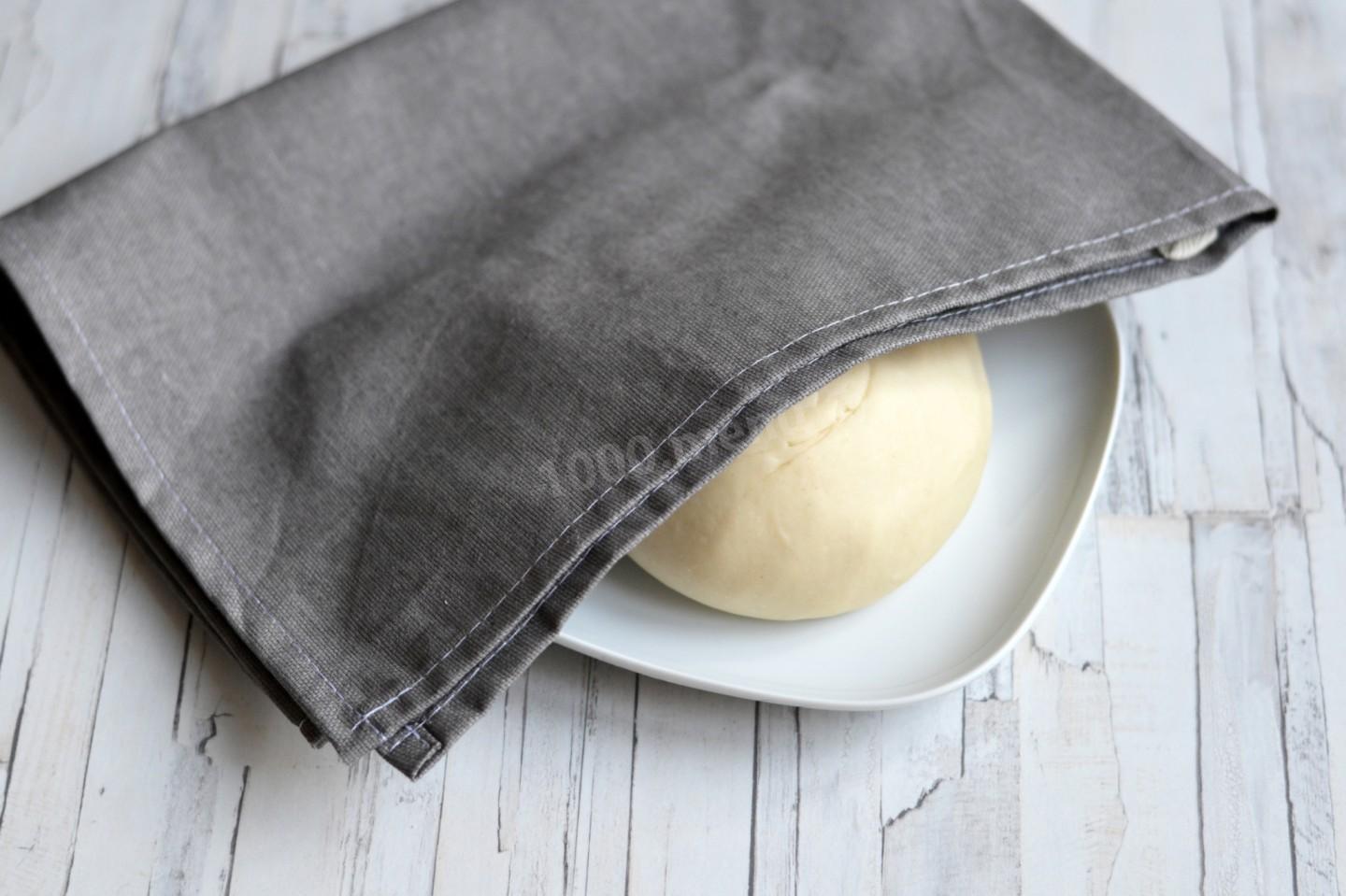
Cover the dough with a towel and let it rest for 30 minutes.
-
Step 7:
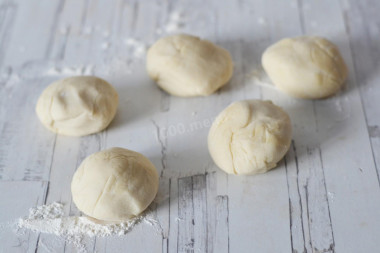
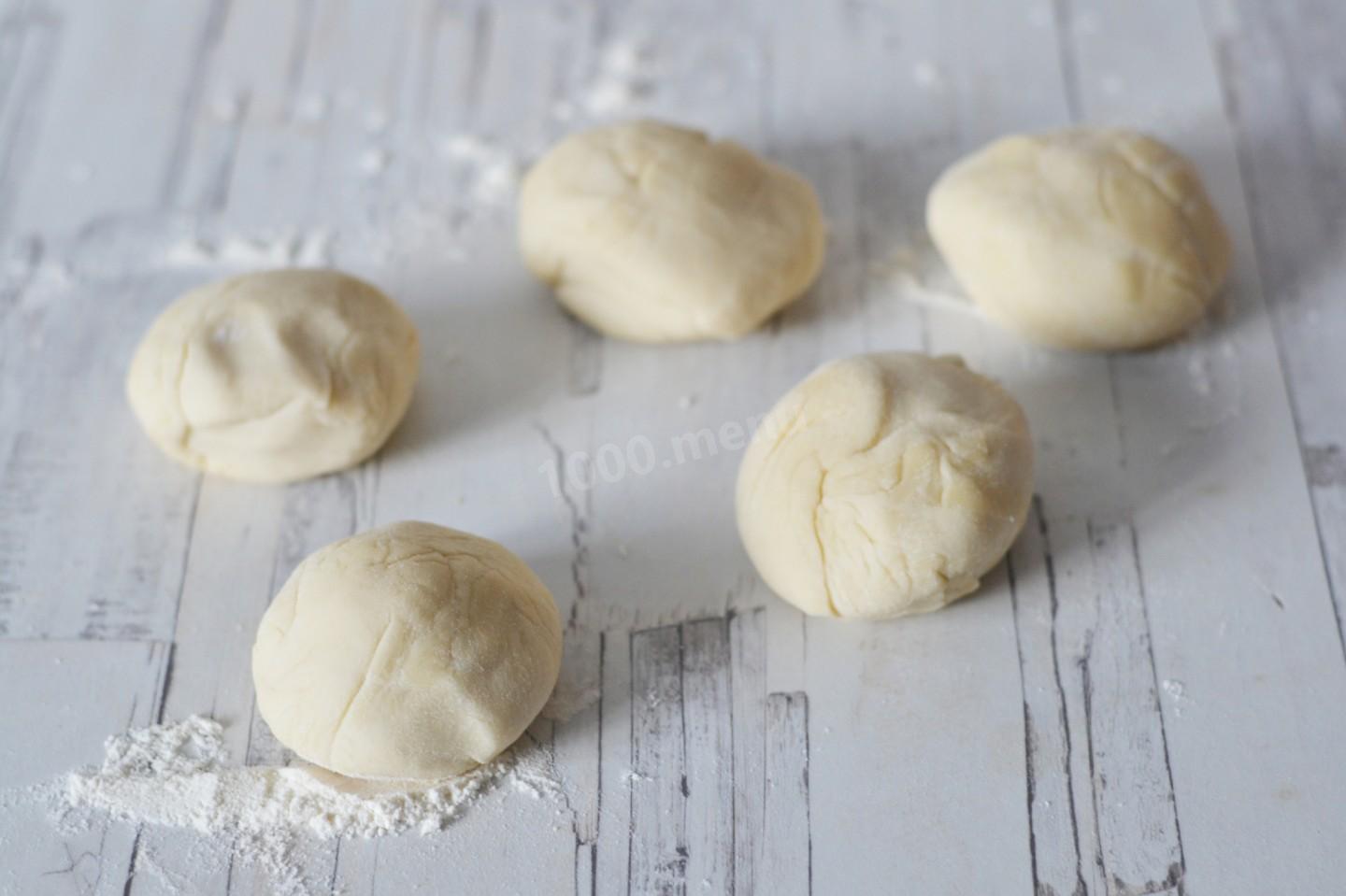
Divide the dough into 4–5 equal pieces and roll each into a ball. Keep the balls under a towel so they don't dry out.
-
Step 8:
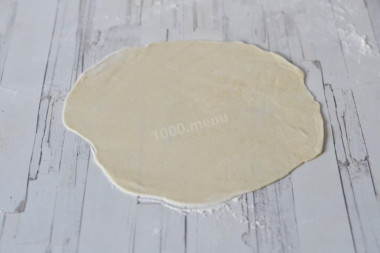
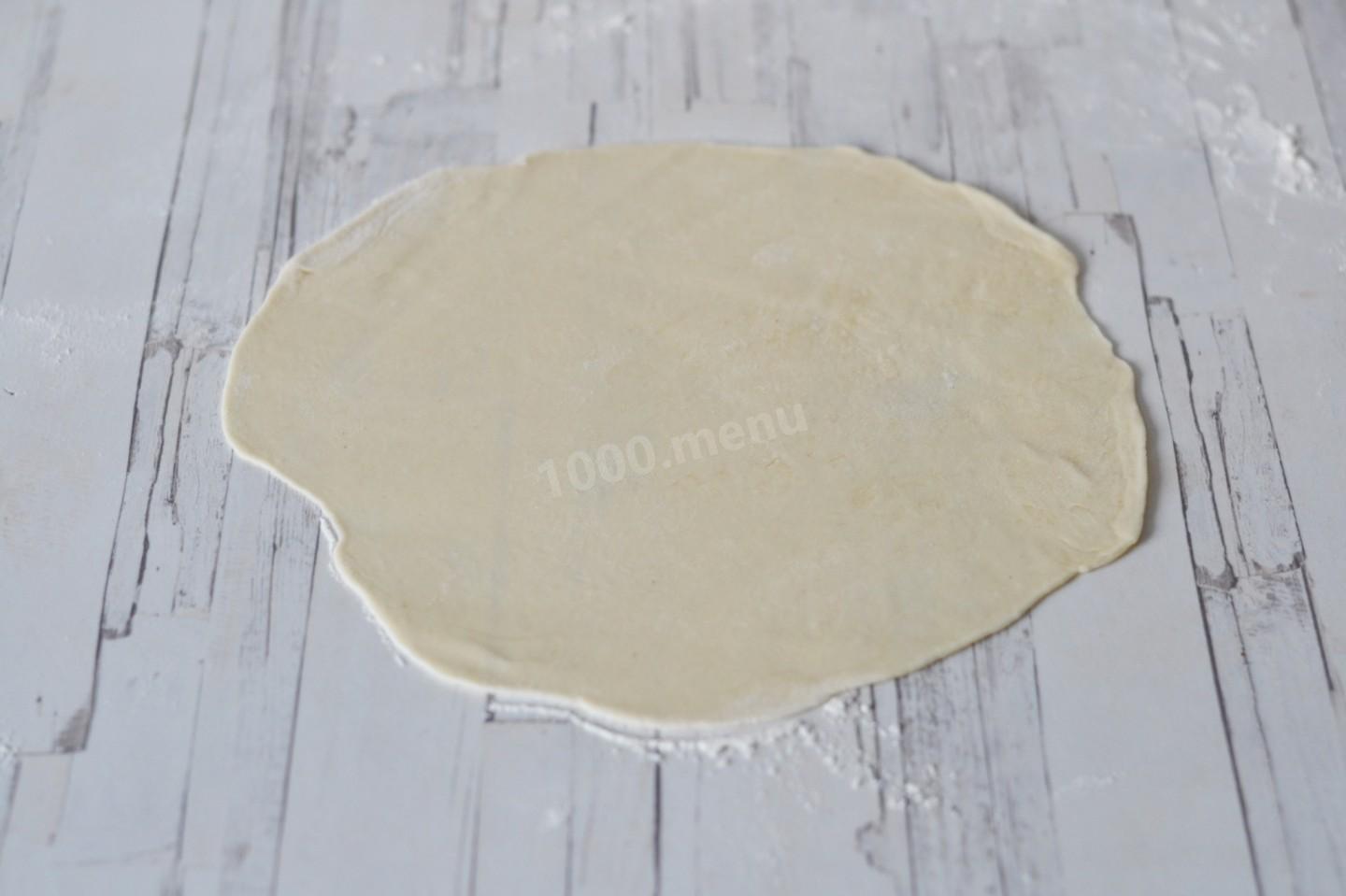
Dust your work surface with flour so the dough doesn't stick. Roll each ball into a thin round the size of the skillet you'll cook it in.
-
Step 9:
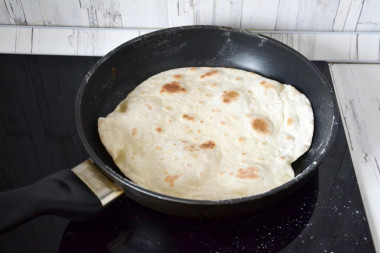
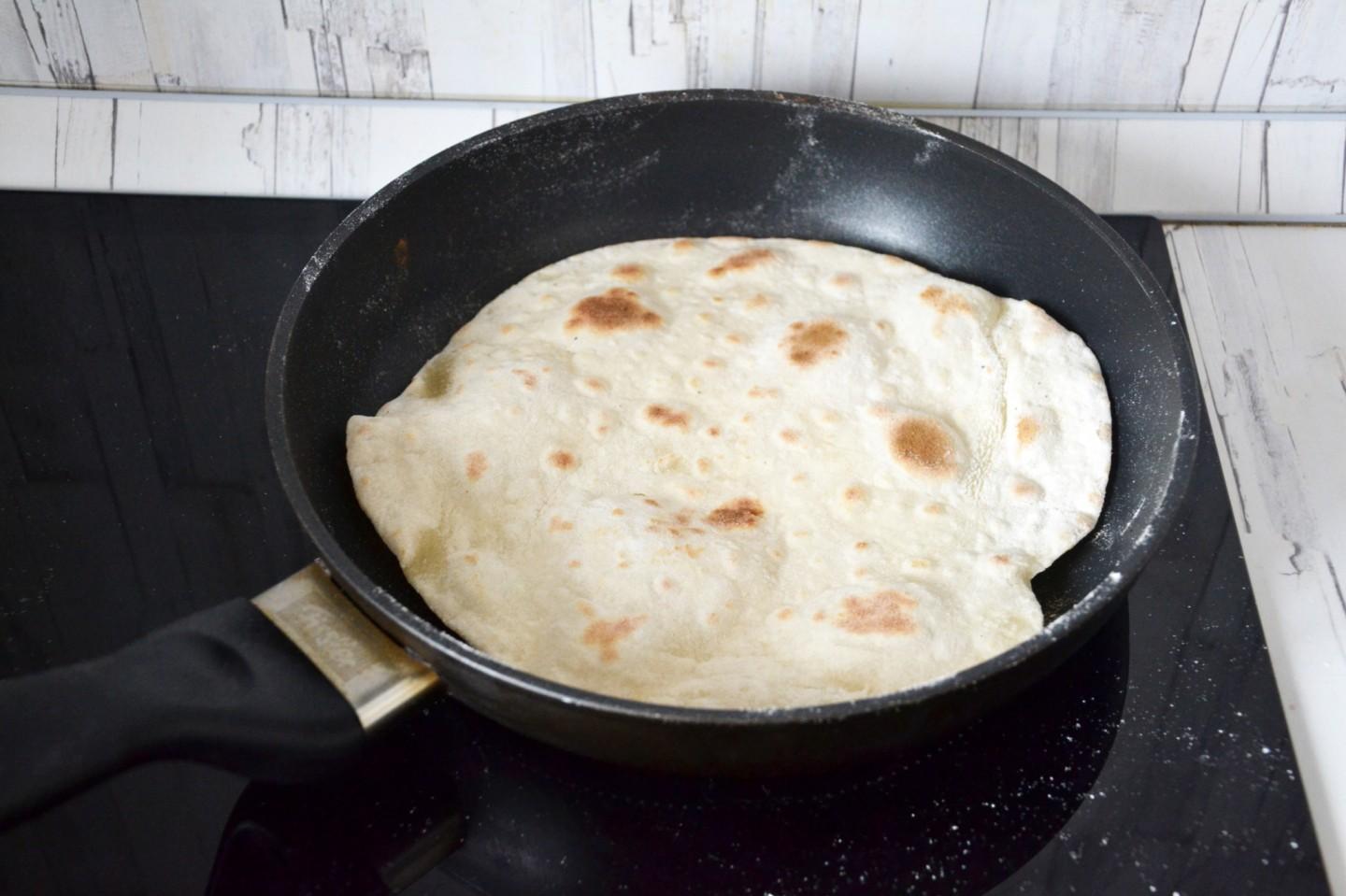
Cook each round in a dry, hot skillet over low heat, about 1 1/2 minutes on the first side, until golden-brown spots appear. Flip and cook the other side for about 30 seconds more.
-
Step 10:
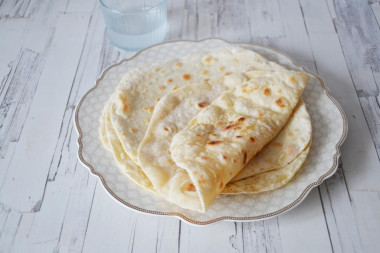
Transfer the finished lavash to a plate, sprinkle it with water, and cover it with a towel — that keeps it soft and pliable. Enjoy!
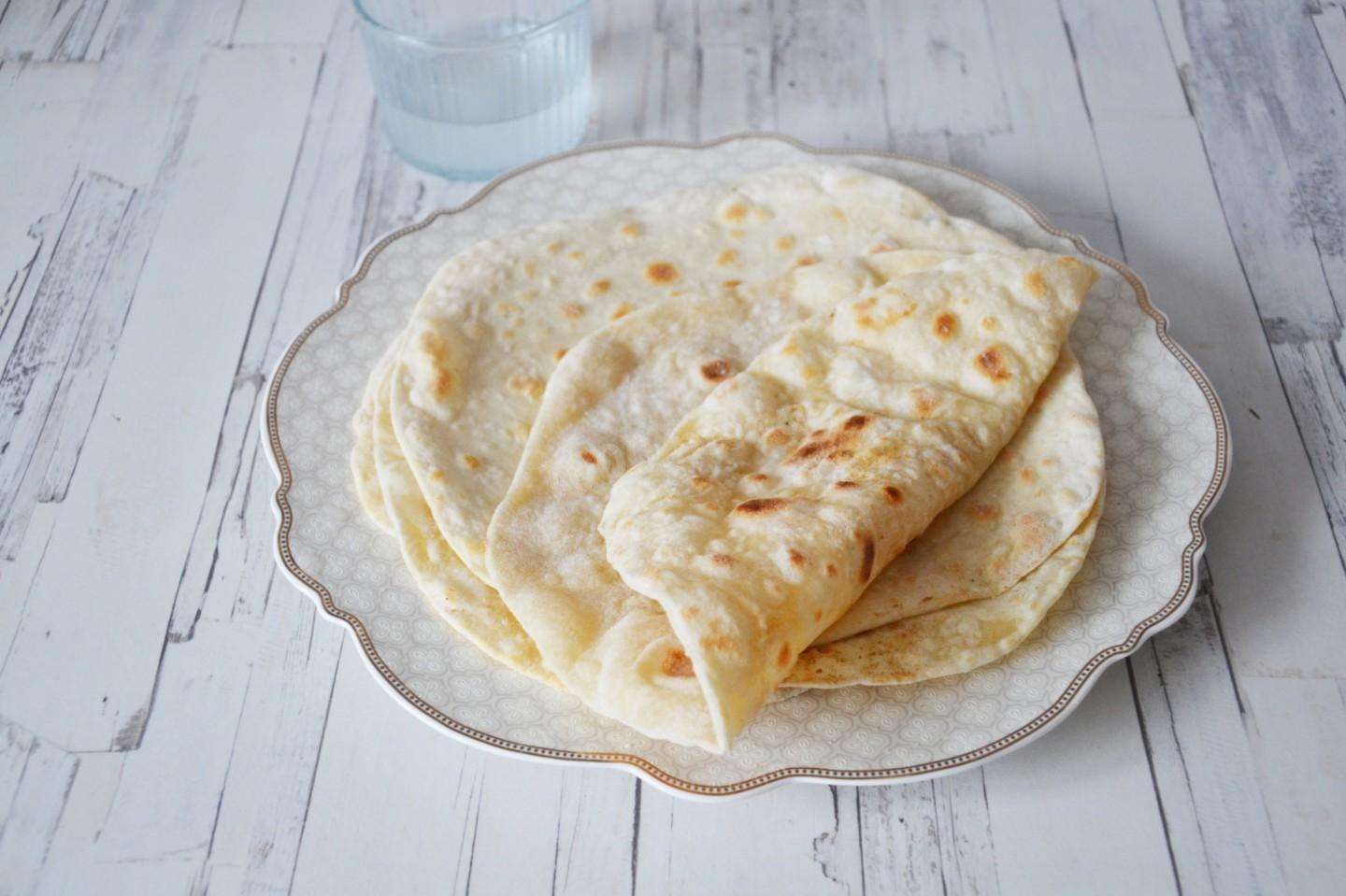
- Lavash is probably the first thing that comes to mind at the mention of Armenian cooking. To Armenians it's as fundamental as pancakes are elsewhere, with a history stretching back to ancient times. Traditionally the dough is kneaded in a large wooden trough by the eldest woman of the house. In the original method, the rolled-out dough was slapped onto the inside walls of a tonir — a round clay oven — and archaeologists still find remnants of lavash in old ones today. It's baked from wheat flour, then dried hanging and stacked; it can be round, rectangular, or oval, but a crisp top is what matters. In Azerbaijan a special clay griddle called a "saj" is used. Lacking a tonir or a saj, we'll make ours in an ordinary skillet — it's delicious all the same!
- If you've only ever bought lavash, you've been missing out! The dough is the same simple mix — flour, water, oil, and salt — yet homemade lavash comes out airy, soft, and remarkably tender. You can't buy that in a store!
Caloric content of the products possible in the composition of the dish
- Whole durum wheat flour fortified - 333 kcal/100g
- Whole durum wheat flour, universal - 364 kcal/100g
- Flour krupchatka - 348 kcal/100g
- Flour - 325 kcal/100g
- Salt - 0 kcal/100g
- Water - 0 kcal/100g
- Sunflower oil - 898 kcal/100g
- Refined sunflower oil - 899 kcal/100g