Hand-Chopped Pork Patties
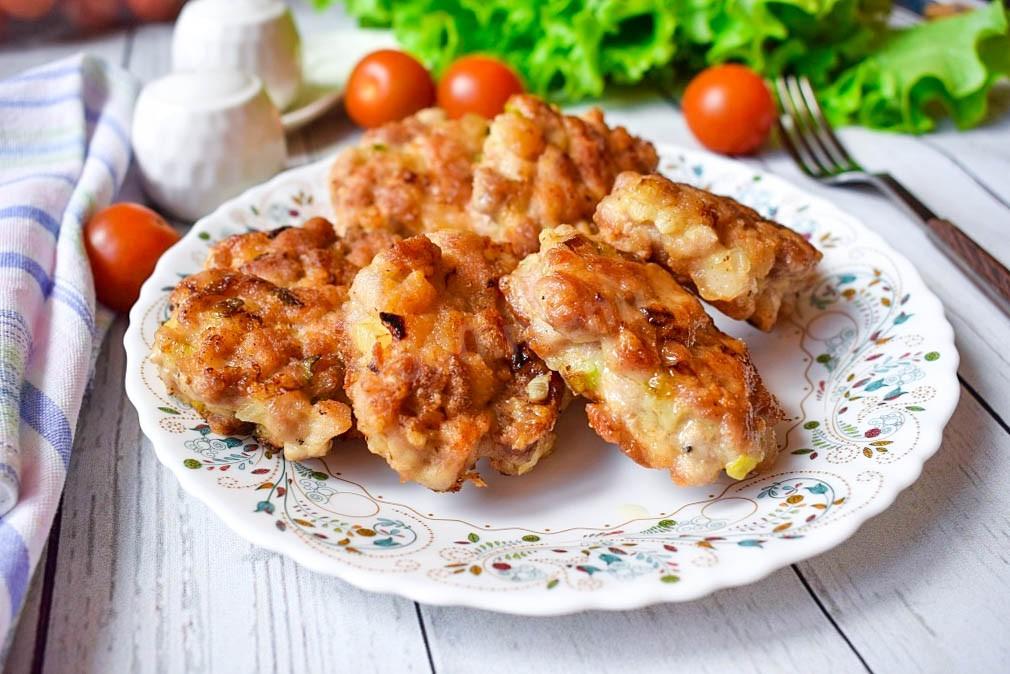
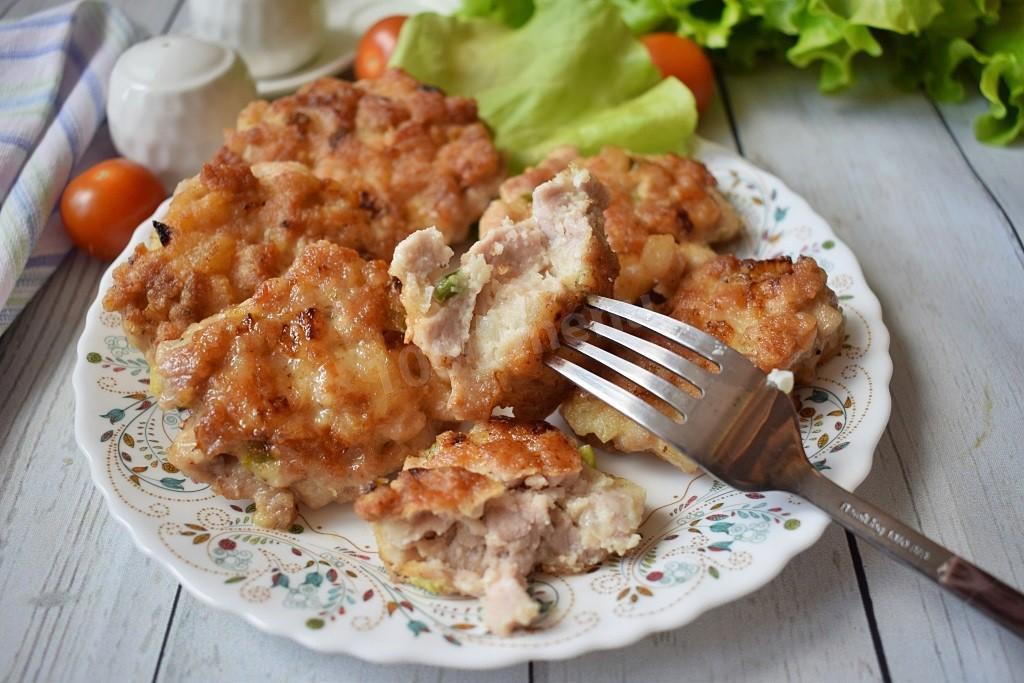
Juicy, appetizing, aromatic, and perfect for any day! These hand-chopped pork patties are a lifesaver when you don't have a meat grinder. The meat is cut into small pieces with a knife, which makes the patties a bit denser but more flavorful than usual. You can make other kinds of meat this way too.

Cooking method
-
Step 1:
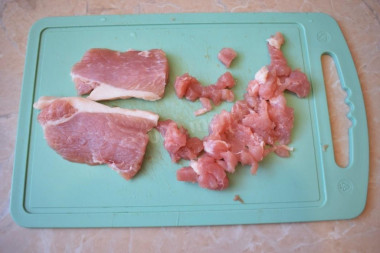
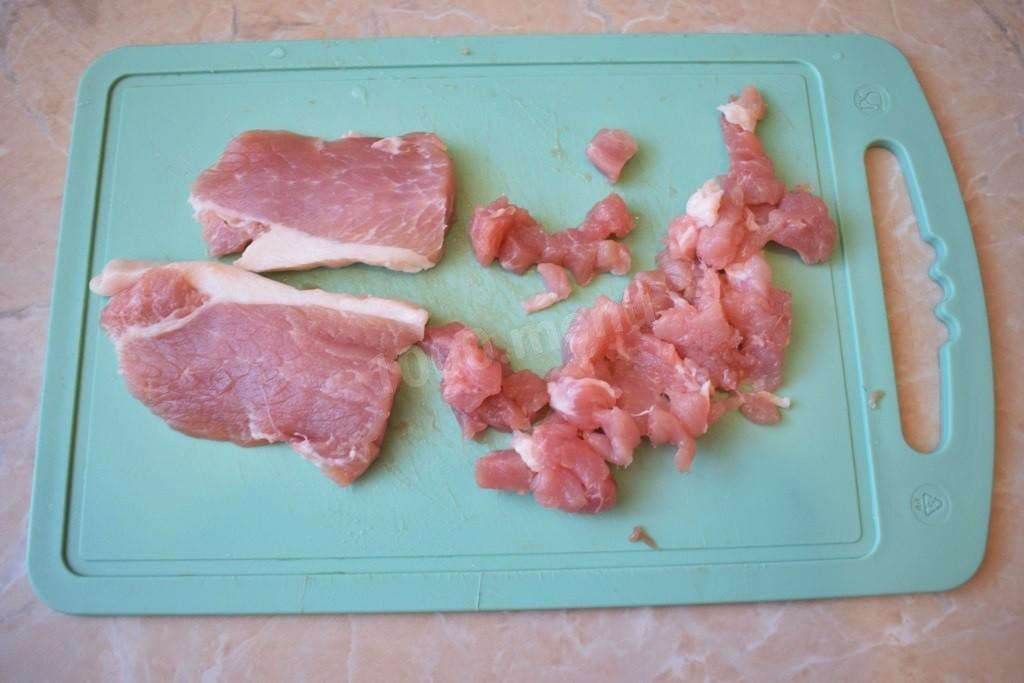
How do you make hand-chopped pork patties? Gather your ingredients. Choose meat with some marbling of fat for juicier patties. To make the meat easier to cut, chill it briefly in the freezer if it's fresh, or leave it not-quite-thawed if it's frozen. Cut the meat into very small pieces.
-
Step 2:
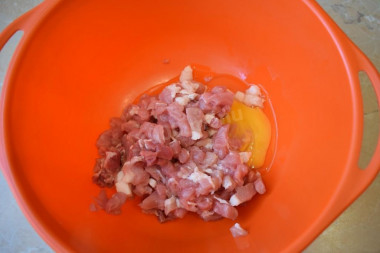
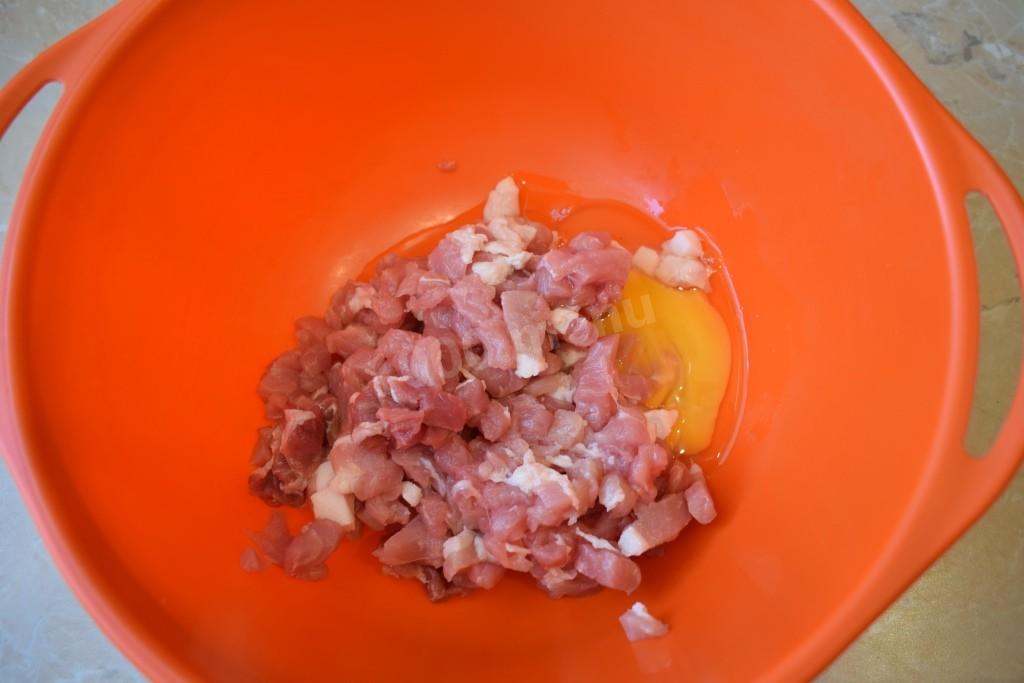
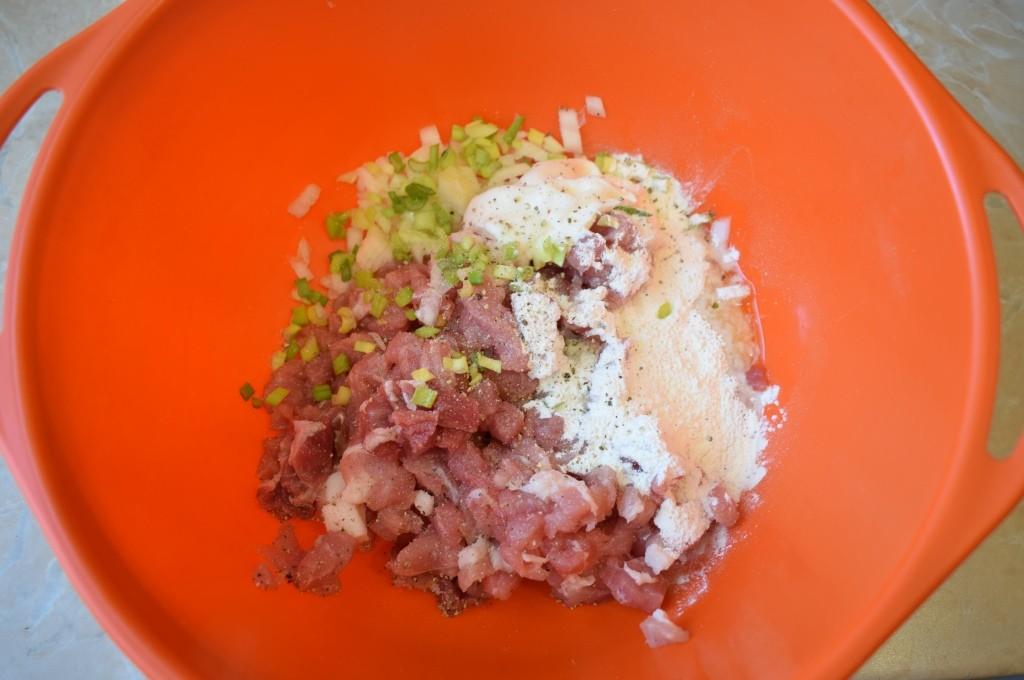
Put the finely chopped meat in a bowl and crack in the egg. Peel the onion and cut it into small dice — or better yet, grate it, which gives the patties extra juiciness. You can add grated garlic too.
-
Step 3:
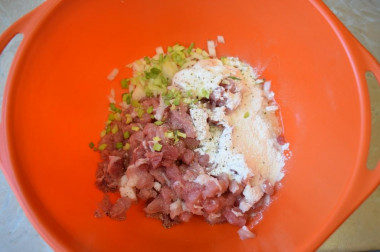
Then add a little mayonnaise — you can use kefir or sour cream instead. To bind the mixture, stir in the starch (or flour if you don't have starch). Add some chopped fresh herbs to taste; green onion works well. Wash and dry the herbs first.
-
Step 4:
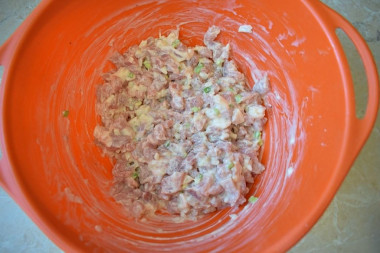
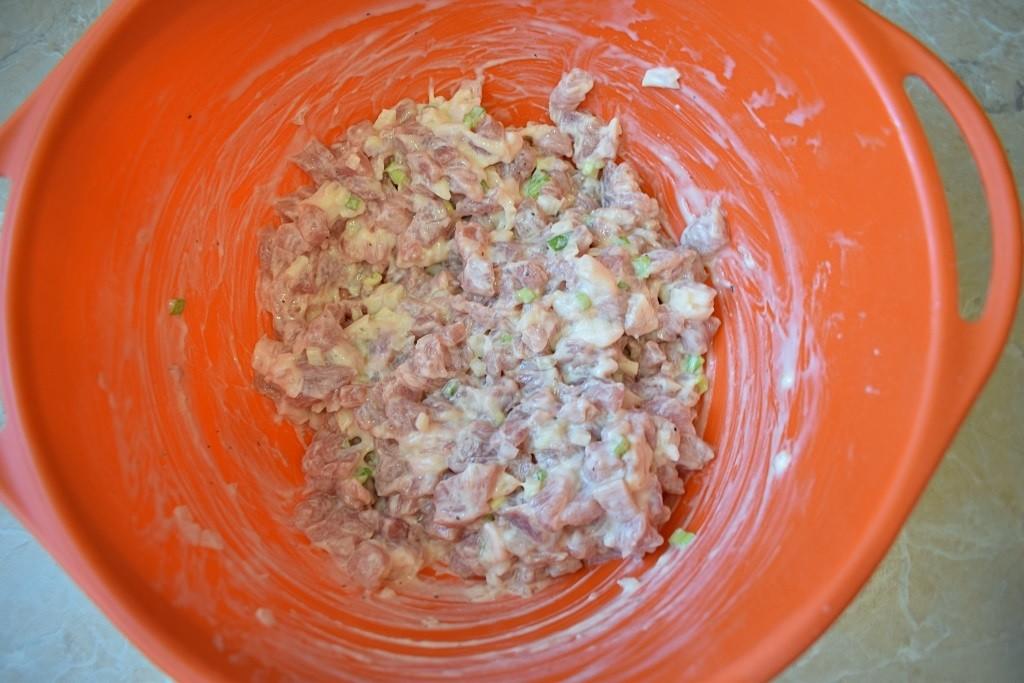
Salt the mixture lightly (remember the mayonnaise already contains salt) and add spices to taste. Mix everything thoroughly until well combined.
-
Step 5:
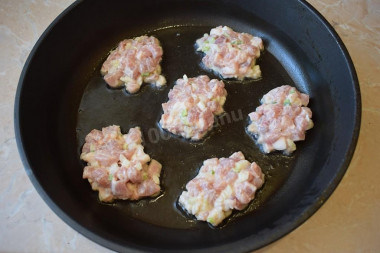
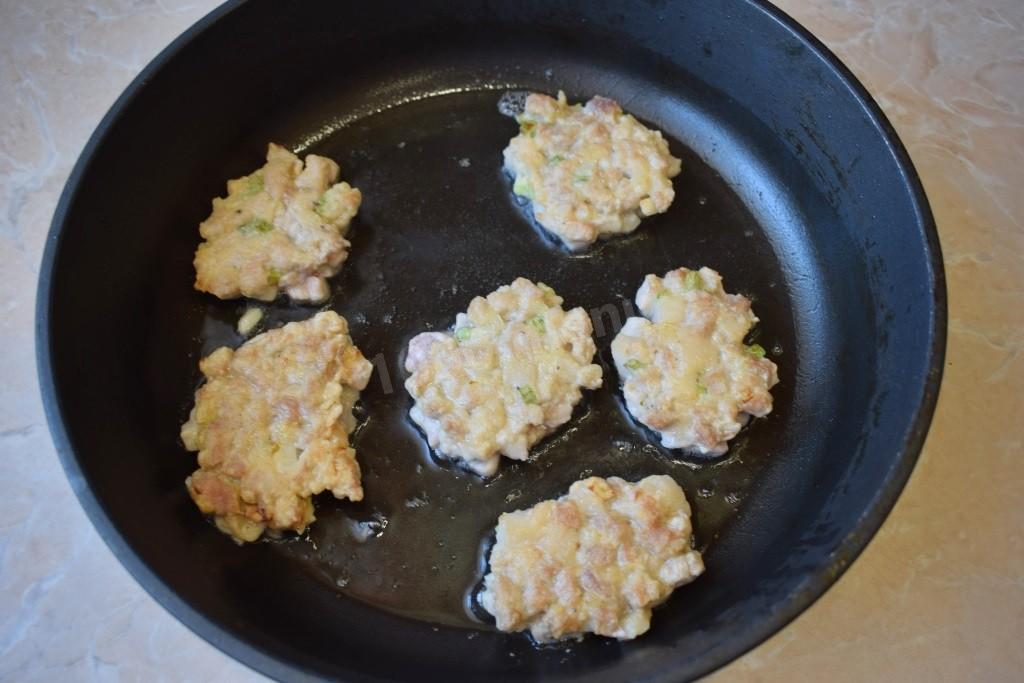
Heat a skillet over high heat and add a little vegetable oil. The mixture is very soft and juicy, so you won't be able to shape patties by hand. Instead, spoon it into the skillet, forming small patties that aren't too thick so they cook through. Fry them on both sides over low heat until golden.
-
Step 6:
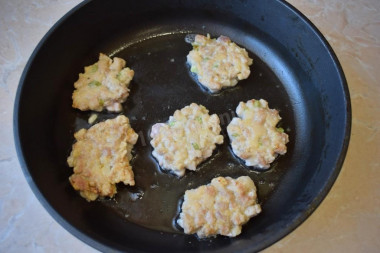
The patties need to cook all the way through, so flip them a few times. At the very end, it's best to cover the skillet and let them sit for 5 minutes over the lowest heat.
-
Step 7:
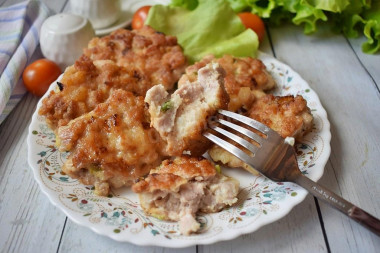
Round out the finished patties with any side or a vegetable salad. Enjoy!

- Rinse the meat and be sure to pat it dry with a paper towel — otherwise the excess moisture keeps it from browning and it just steams instead.
- Important! The wrong skillet can ruin even the best recipe. For all the details on picking the perfect pan for different dishes, read more here.
- Fry with an oil that has a high smoke point. Every oil is good only up to a certain temperature — its smoke point — beyond which it starts to burn and form harmful compounds, including carcinogens. Unrefined oils, with few exceptions, have a low smoke point; they're full of unfiltered particles that quickly start to burn. Refined oils stand up to heat better and have a higher smoke point. Whether you're cooking in the oven, in a skillet, or on the grill, use an oil with a high smoke point. The most common high-smoke-point choices are refined sunflower, olive, and grapeseed oil.
Caloric content of the products possible in the composition of the dish
- Onion - 41 kcal/100g
- Chicken egg - 157 kcal/100g
- Egg white - 45 kcal/100g
- Egg powder - 542 kcal/100g
- Egg yolk - 352 kcal/100g
- Ostrich egg - 118 kcal/100g
- Pork fat - 333 kcal/100g
- Pork meat - 357 kcal/100g
- Pork - low-fat roast - 184 kcal/100g
- Pork chop on a bone - 537 kcal/100g
- Pork - schnitzel - 352 kcal/100g
- Pork Shoulder - 593 kcal/100g
- Boar's leg - 113 kcal/100g
- Pork - 259 kcal/100g
- Starch - 320 kcal/100g
- Salad mayonnaise of 50 % fat content - 502 kcal/100g
- Light mayonnaise - 260 kcal/100g
- Provencal Mayonnaise - 624 kcal/100g
- Provencal mayonnaise - 627 kcal/100g
- Table mayonnaise - 627 kcal/100g
- Vegetable oil - 873 kcal/100g
- Salt - 0 kcal/100g
- Spices dry - 240 kcal/100g
- Fresh frozen soup greens in a package - 41 kcal/100g
- Greenery - 41 kcal/100g