Sweet Pilaf with Raisins, Dried Apricots, and Prunes
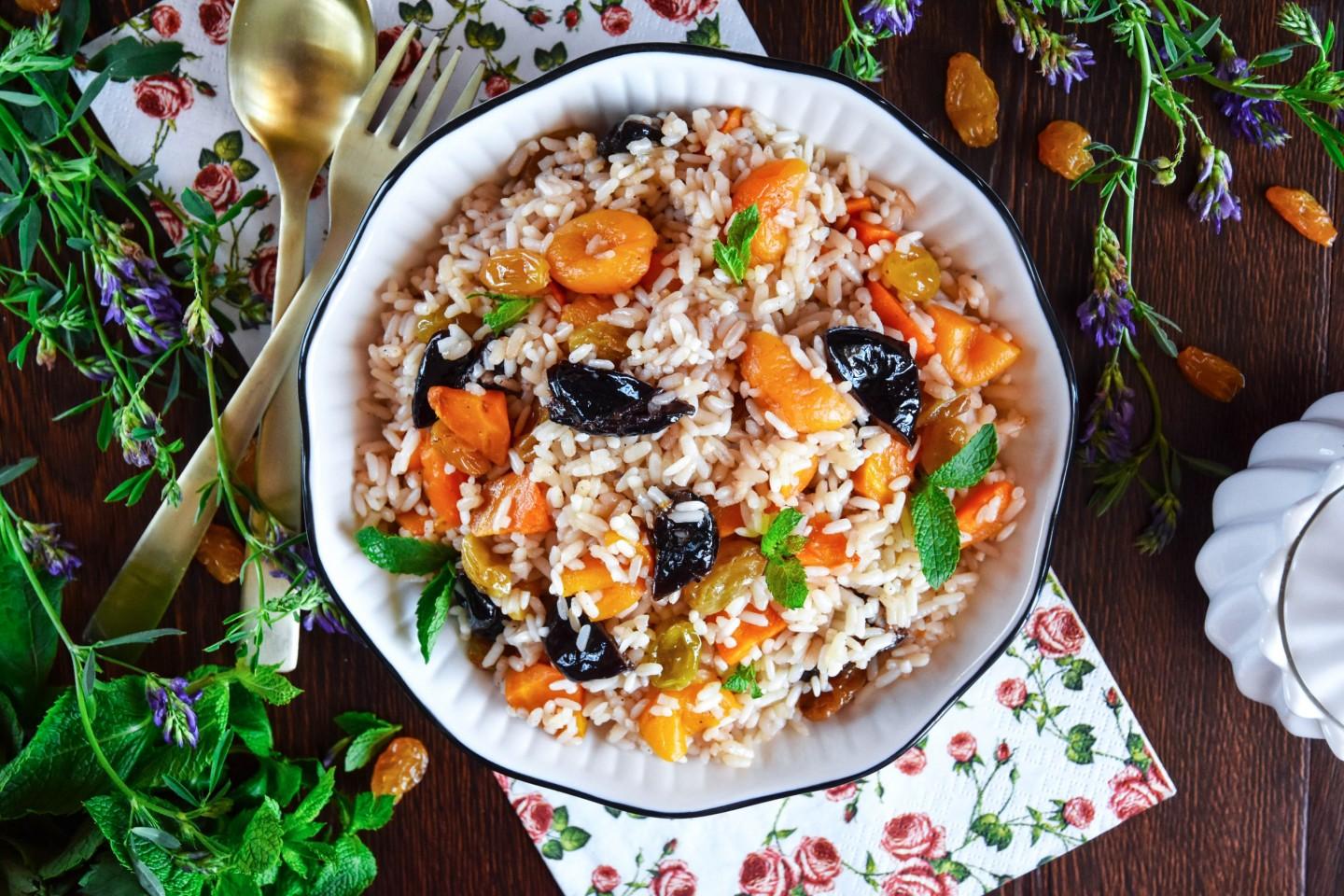
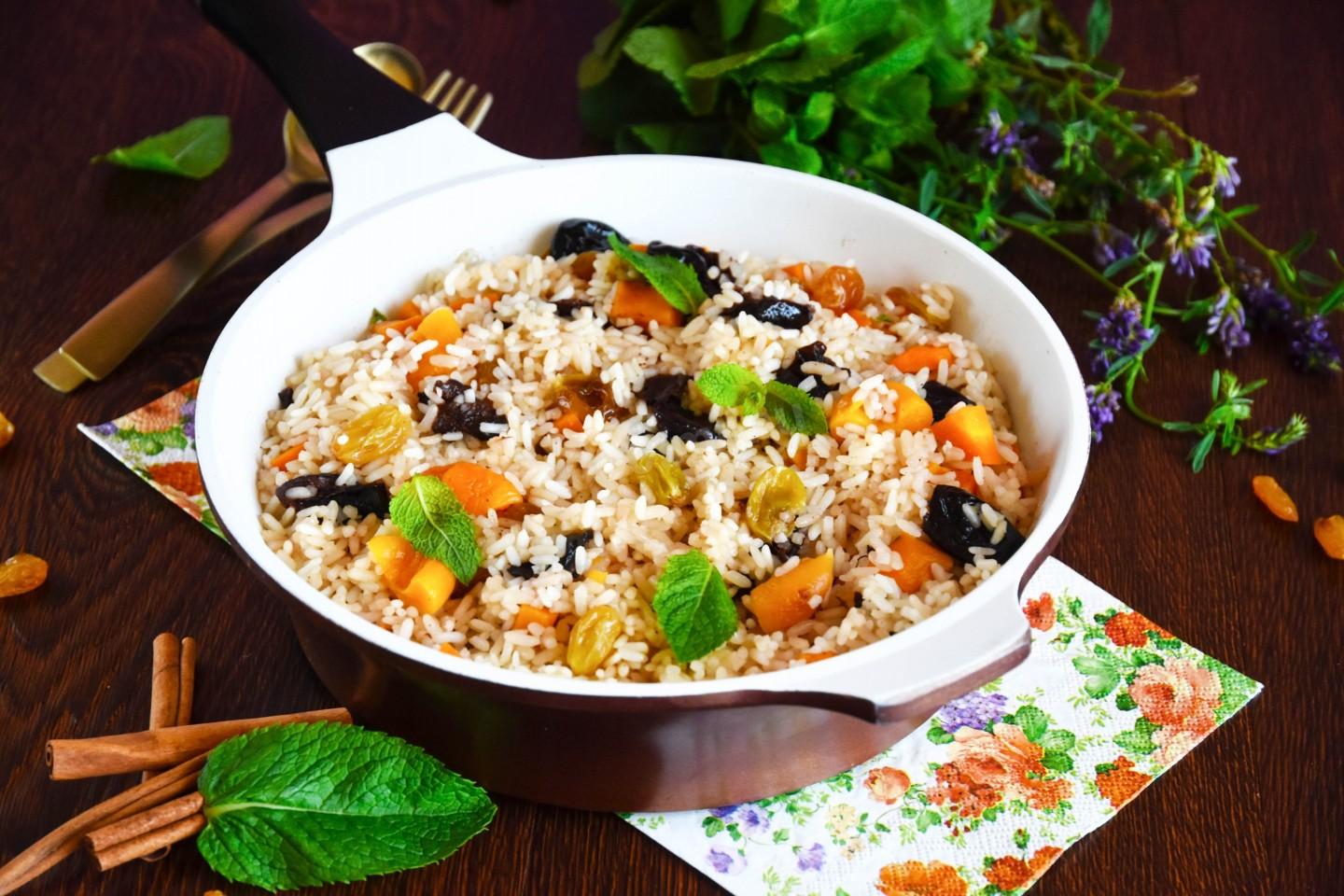
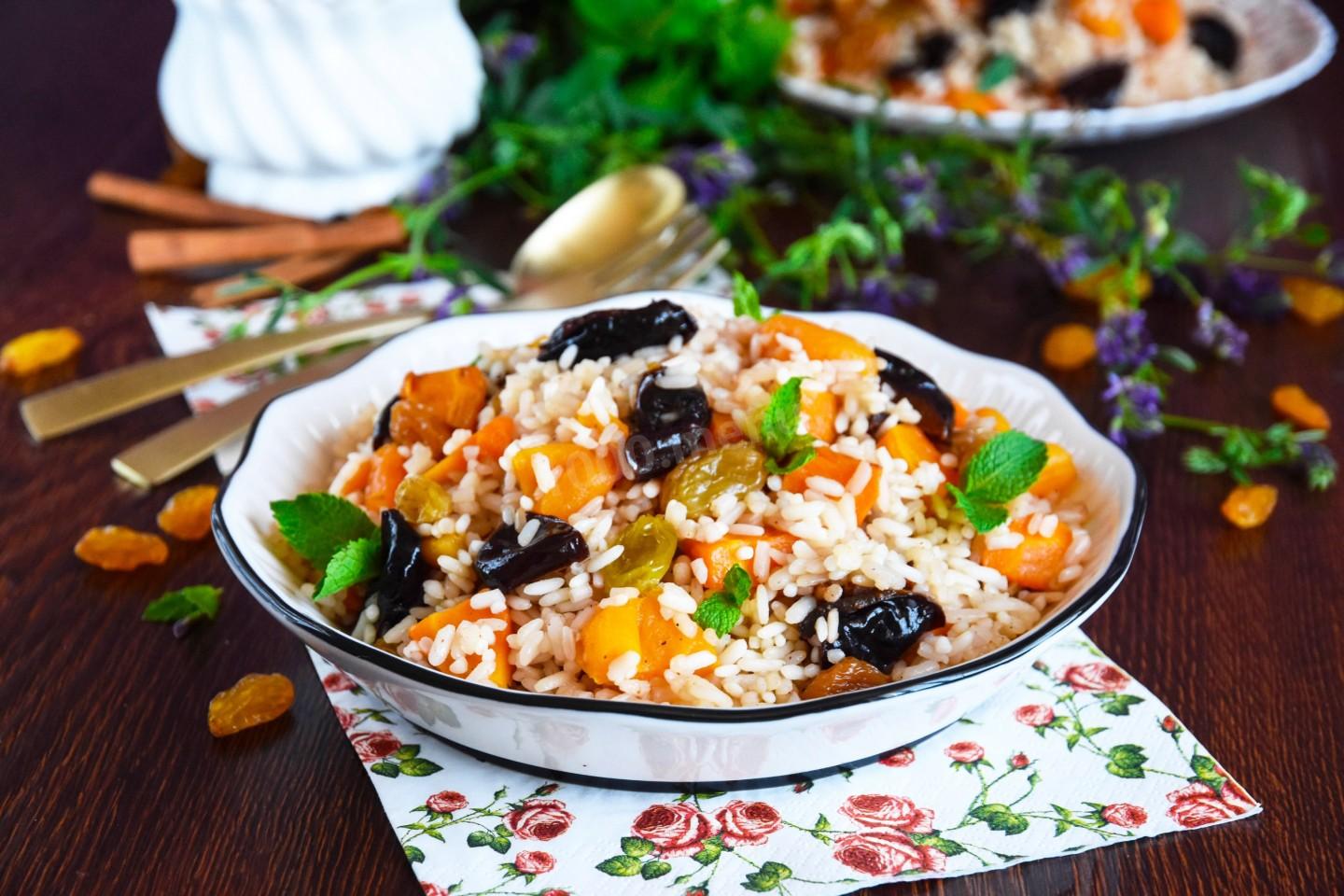
Colorful, tempting, and so easy to make! This sweet pilaf with raisins, dried apricots, and prunes is great for lunch or dinner — and kids will love it. The fragrant dried fruit pairs beautifully with fluffy rice and warm spices.

Cooking method
-
Step 1:
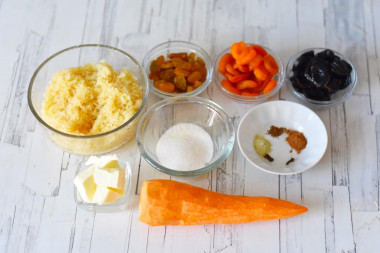
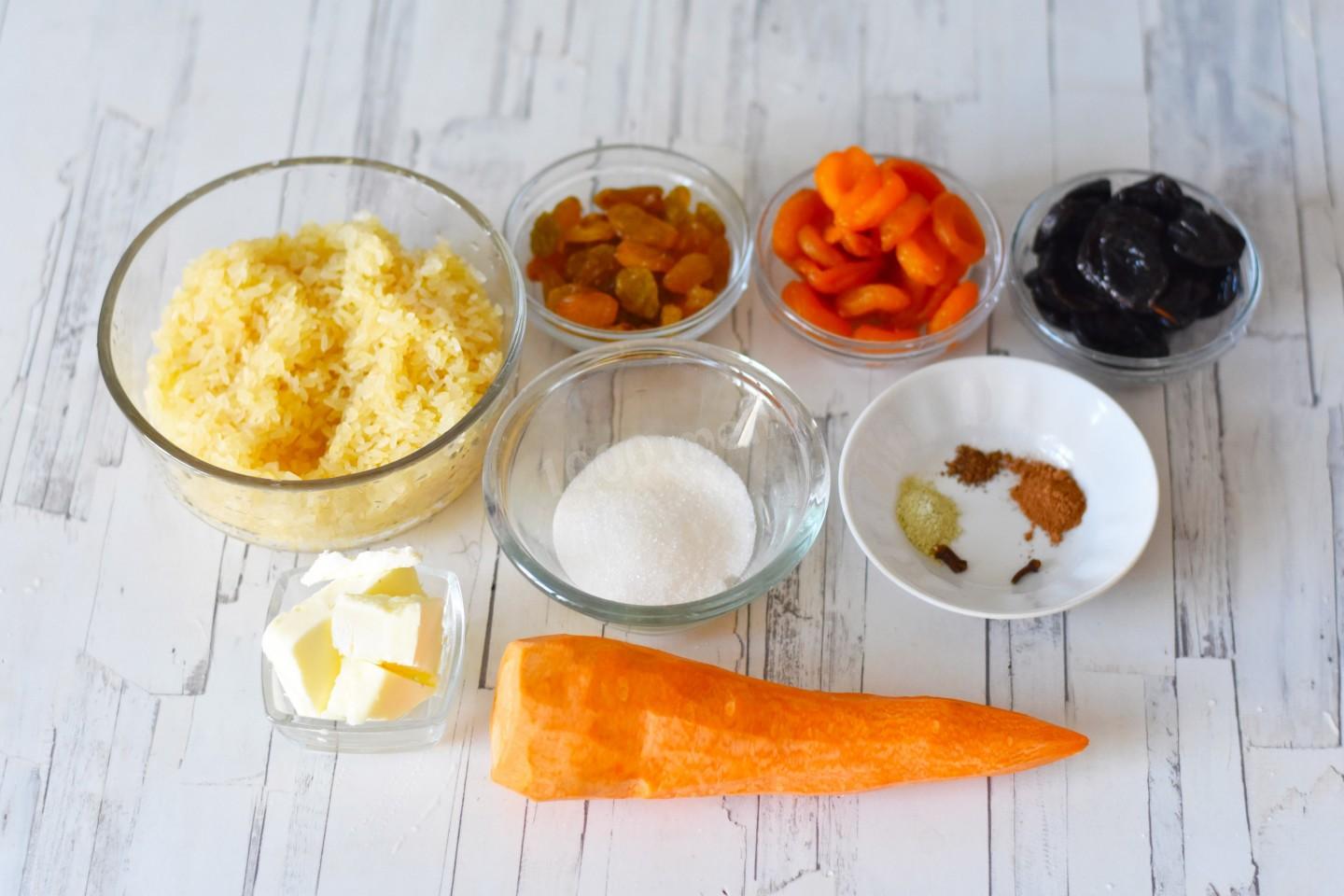
How do you make sweet pilaf with raisins, dried apricots, and prunes? It's even easier than the meat version! Start by gathering the ingredients on the list. You can use rice made for pilaf or regular parboiled rice. I'm using golden parboiled rice — it holds its shape well and won't turn mushy even with long cooking. You can swap the sugar for honey. Beyond the dried fruit listed, feel free to add dried apples or pears, dried cranberries, and so on.
-
Step 2:
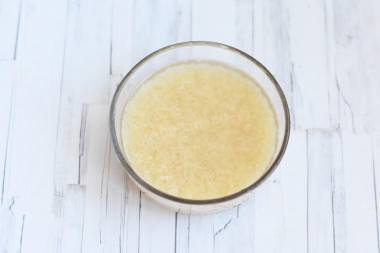
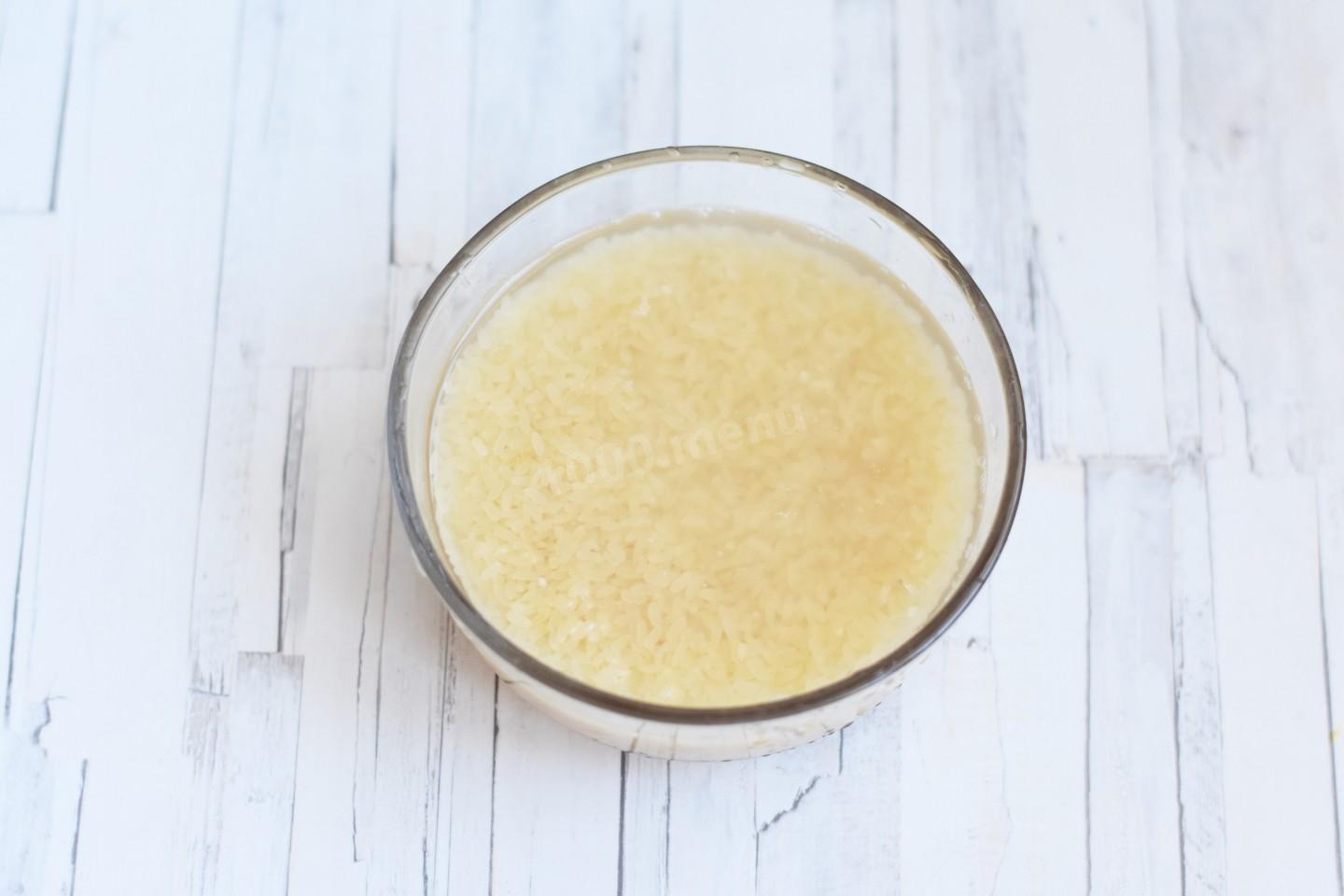
Rinse the rice thoroughly until the water runs clear. Cover it with water and let it soak while you prep the dried fruit. Drain it in a sieve just before adding it to the pan.
-
Step 3:
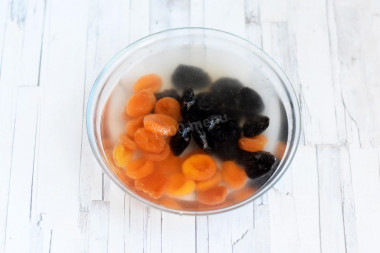
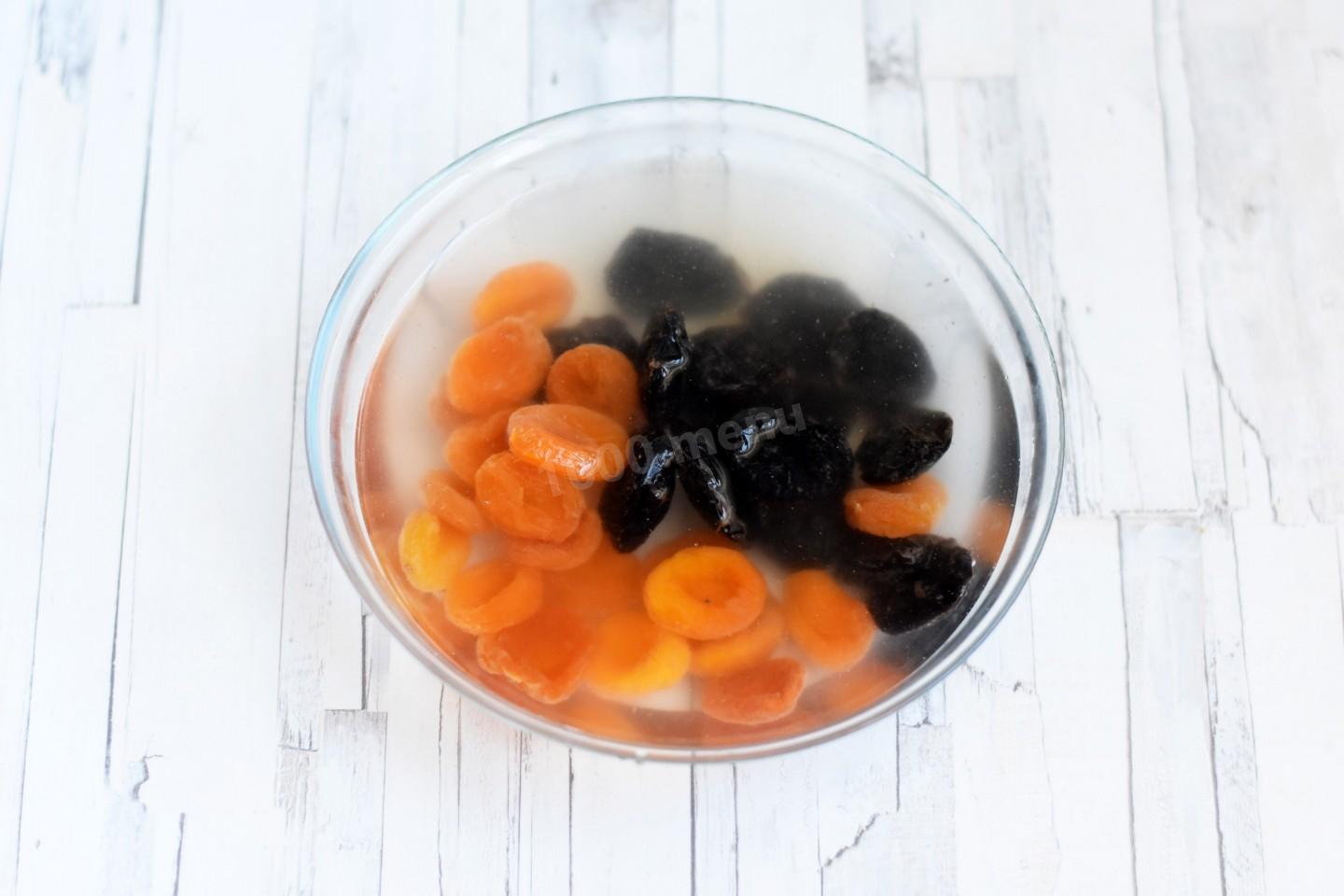
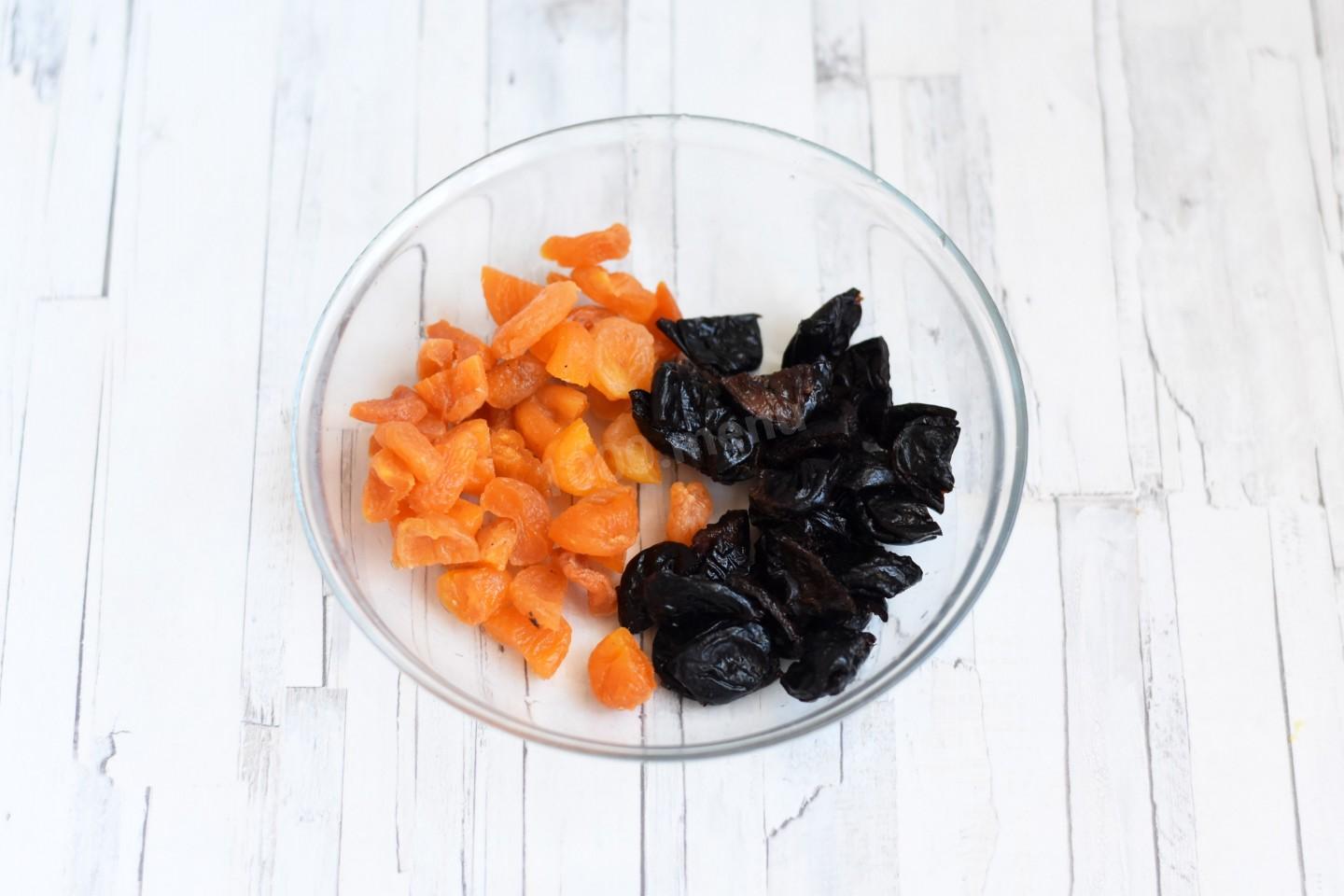
Wash all the dried fruit. Cover the dried apricots and prunes with hot water and let them plump up for 5–7 minutes. Soaking is optional, though — the frying and simmering time is plenty to soften them.
-
Step 4:
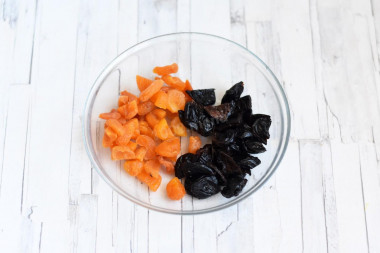
Drain the water. Cut the prunes and dried apricots into 2–3 pieces each.
-
Step 5:
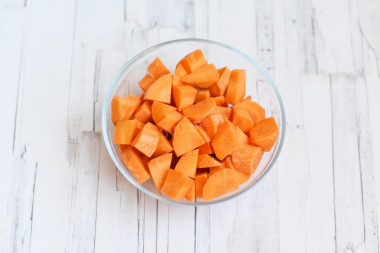
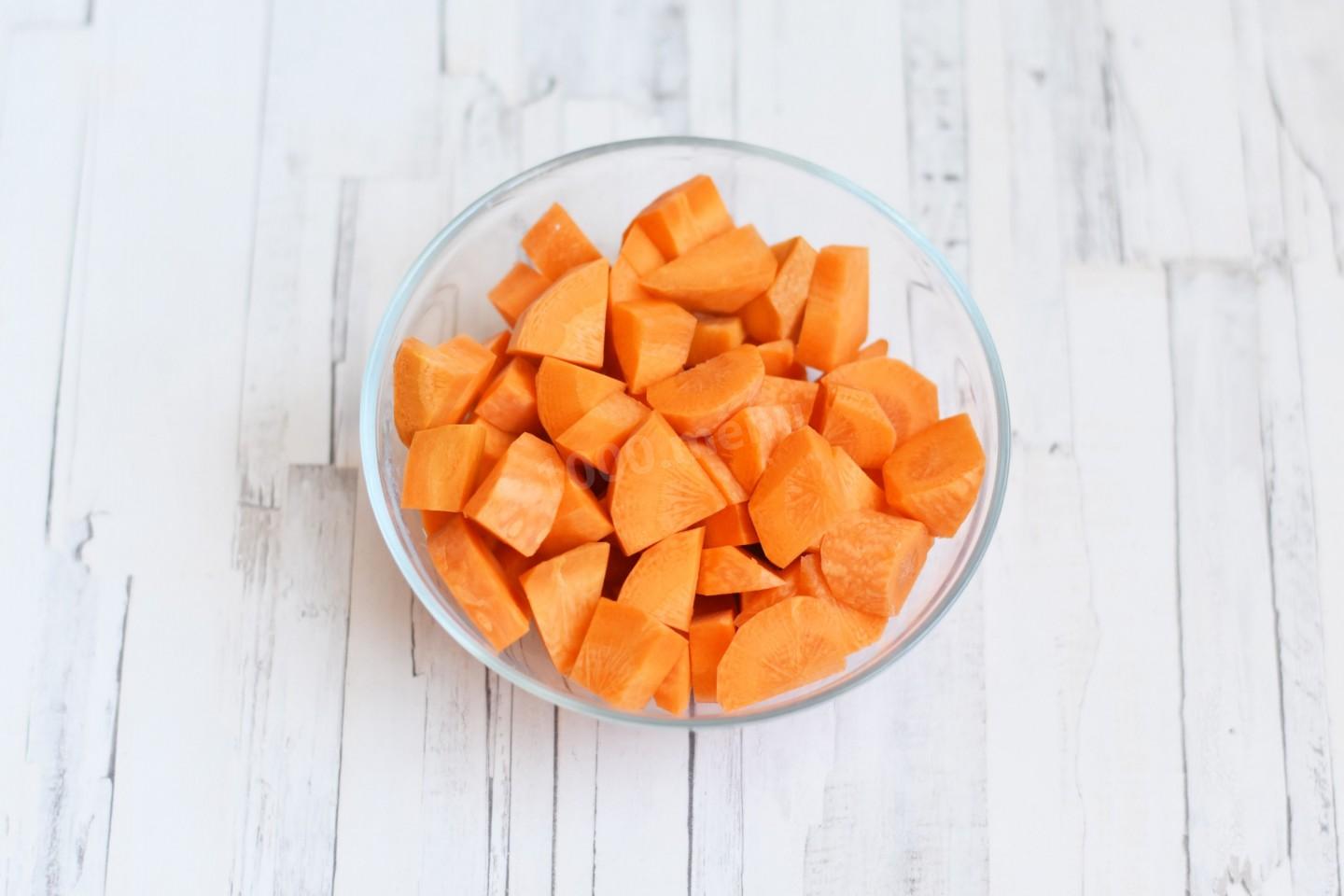
Peel the carrot and cut it into small pieces. If your carrots are small, use 2–3. It's especially good with young, tender carrots.
-
Step 6:
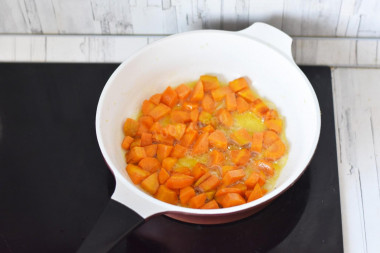
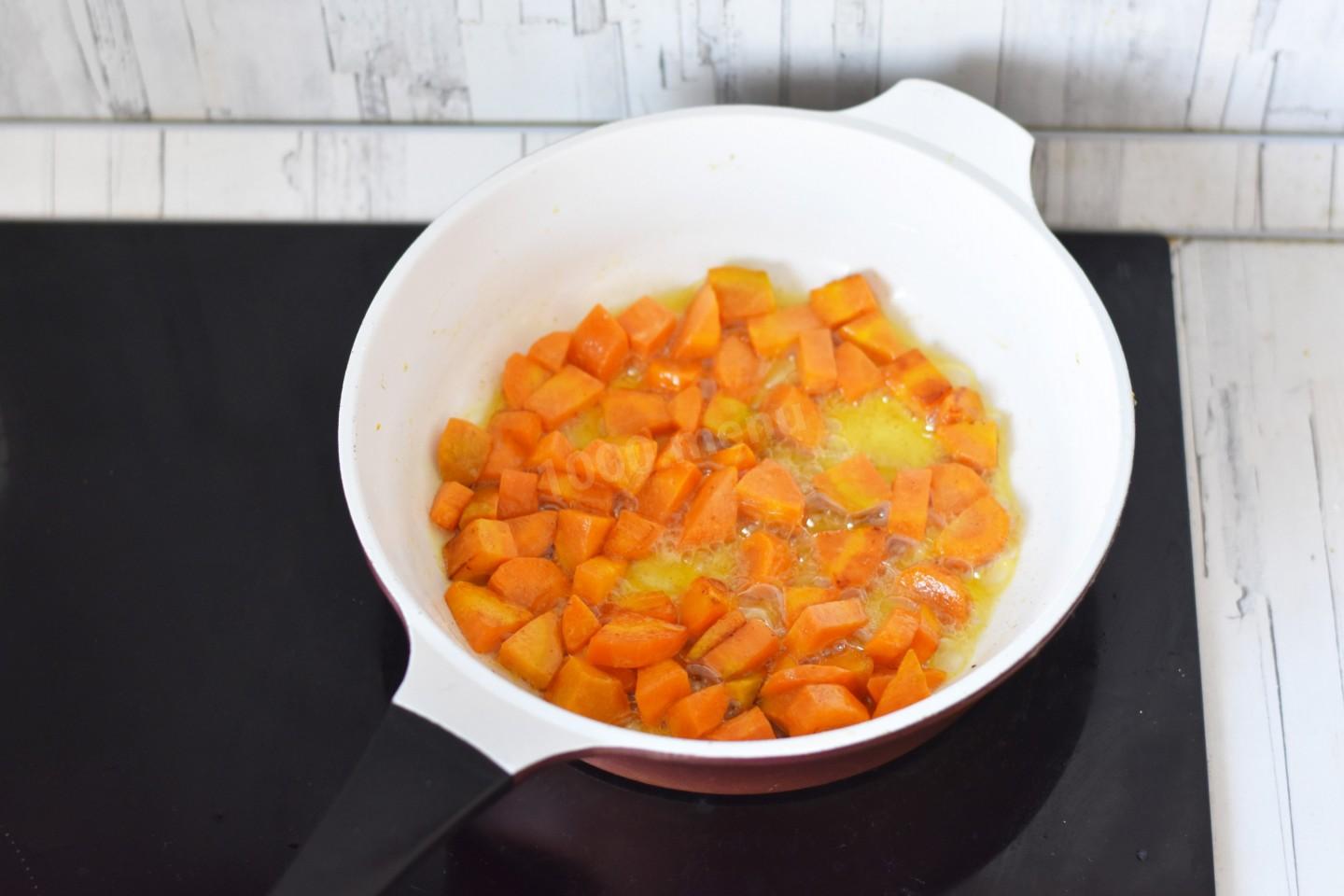
Melt the butter in a sauté pan or deep skillet. Add the carrot and cook over low heat for 5–7 minutes.
-
Step 7:
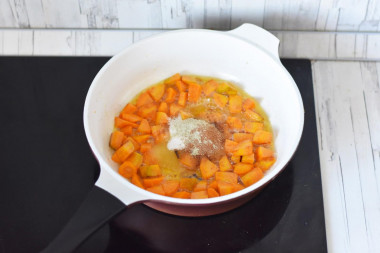
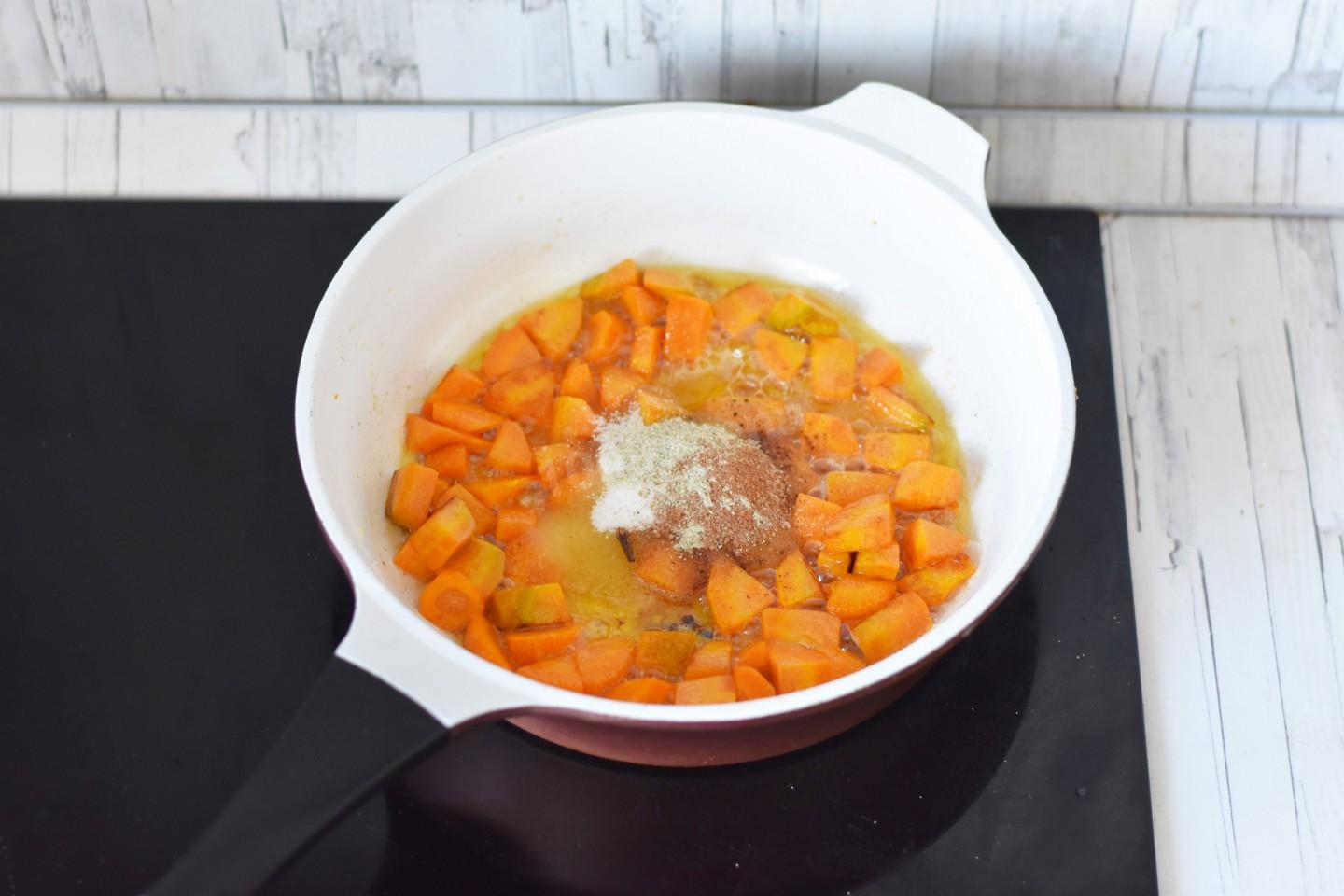
Add the sugar (or honey), cloves, cinnamon, and cardamom. Cook, stirring, until the carrot caramelizes. Feel free to adjust or leave out any of these spices to taste — for instance, swap ground cinnamon for a whole stick, or use regular sugar plus a pinch of vanilla in place of the vanilla sugar. If you don't care for the scent of cloves, just skip them.
-
Step 8:
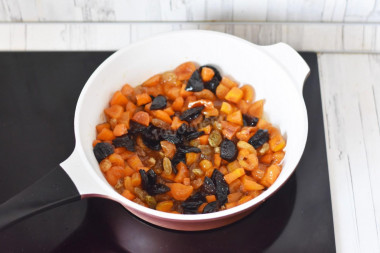
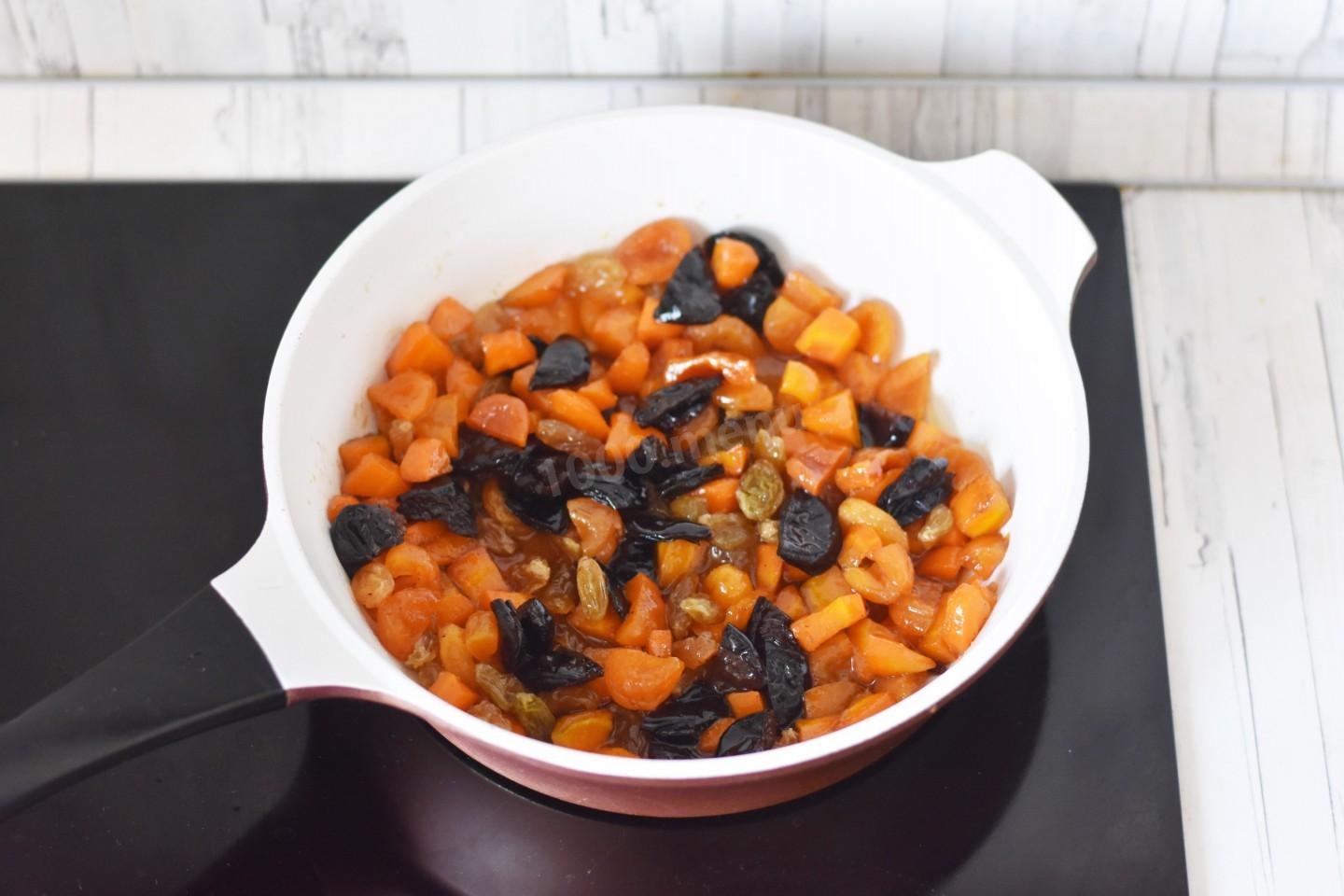
Add the raisins, dried apricots, and prunes to the carrot. Stir everything together.
-
Step 9:
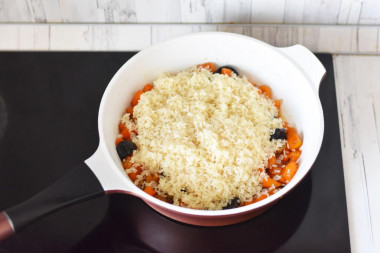
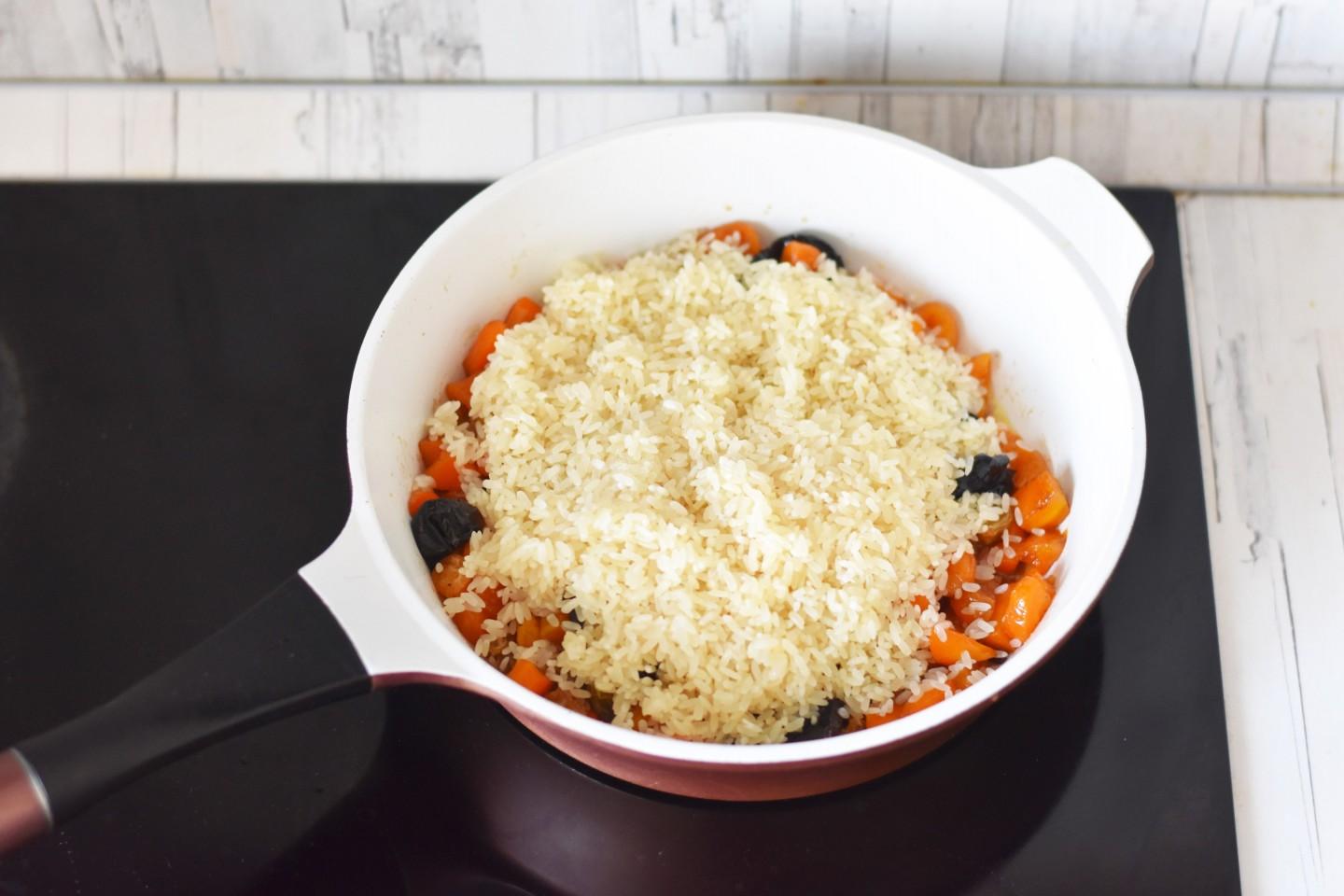
Pour in the rinsed rice.
-
Step 10:
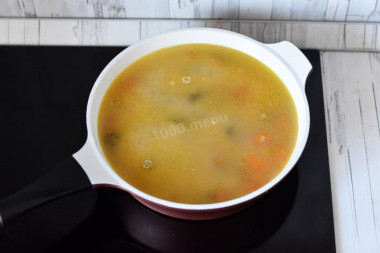
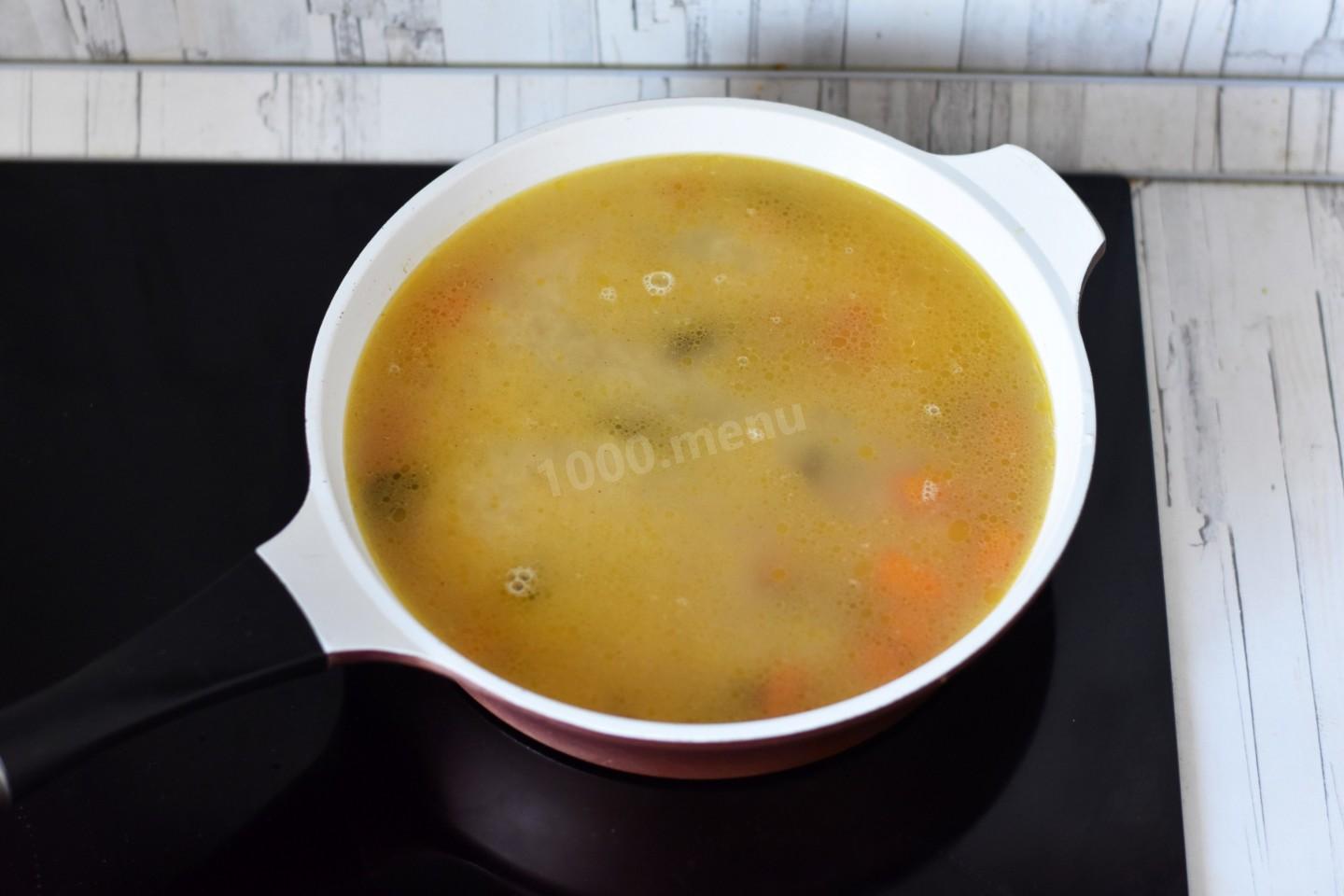
Add enough water to sit about an inch (1–2 finger-widths) above the rice.
-
Step 11:
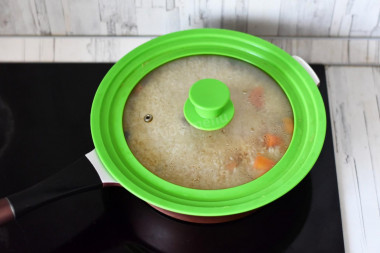
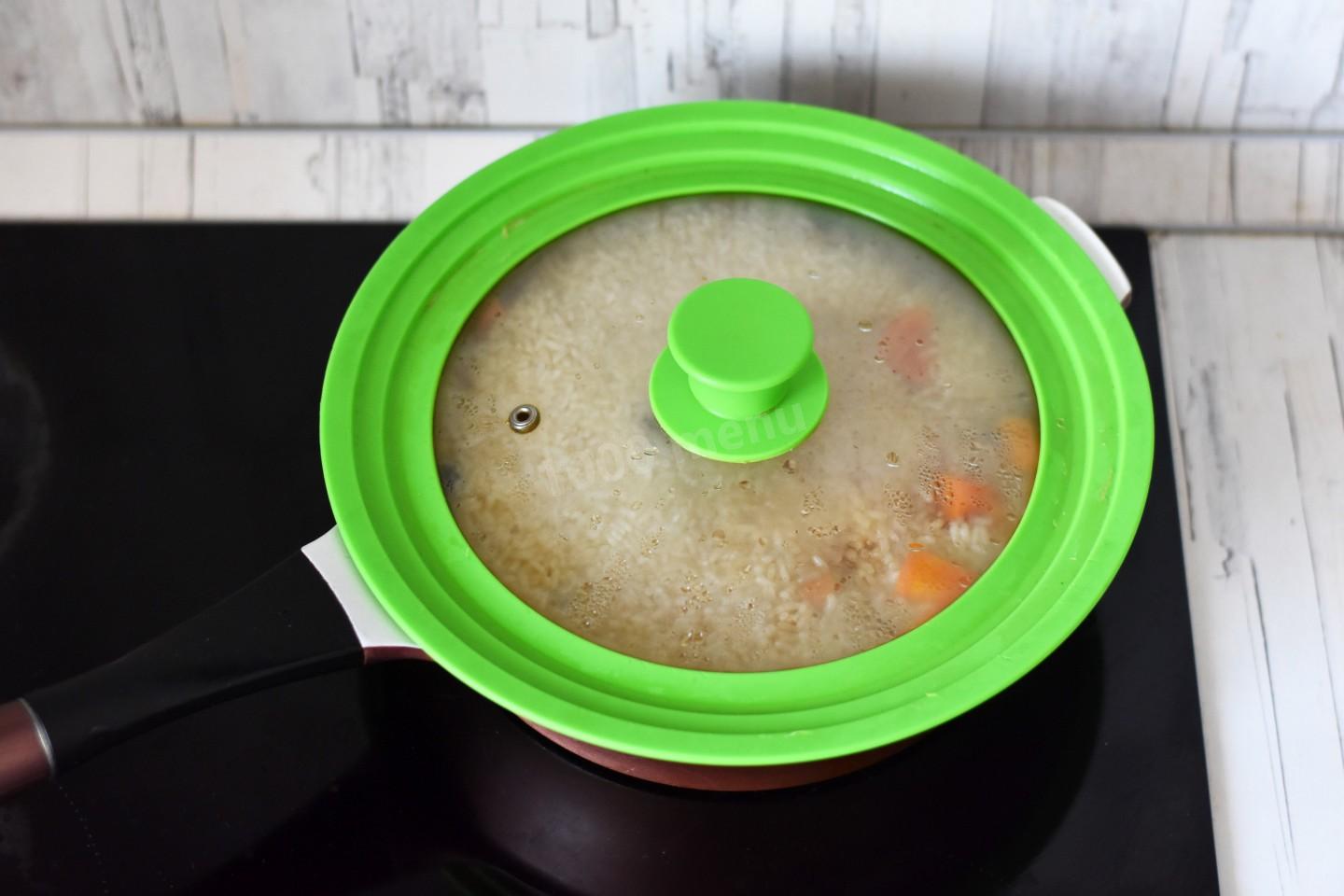
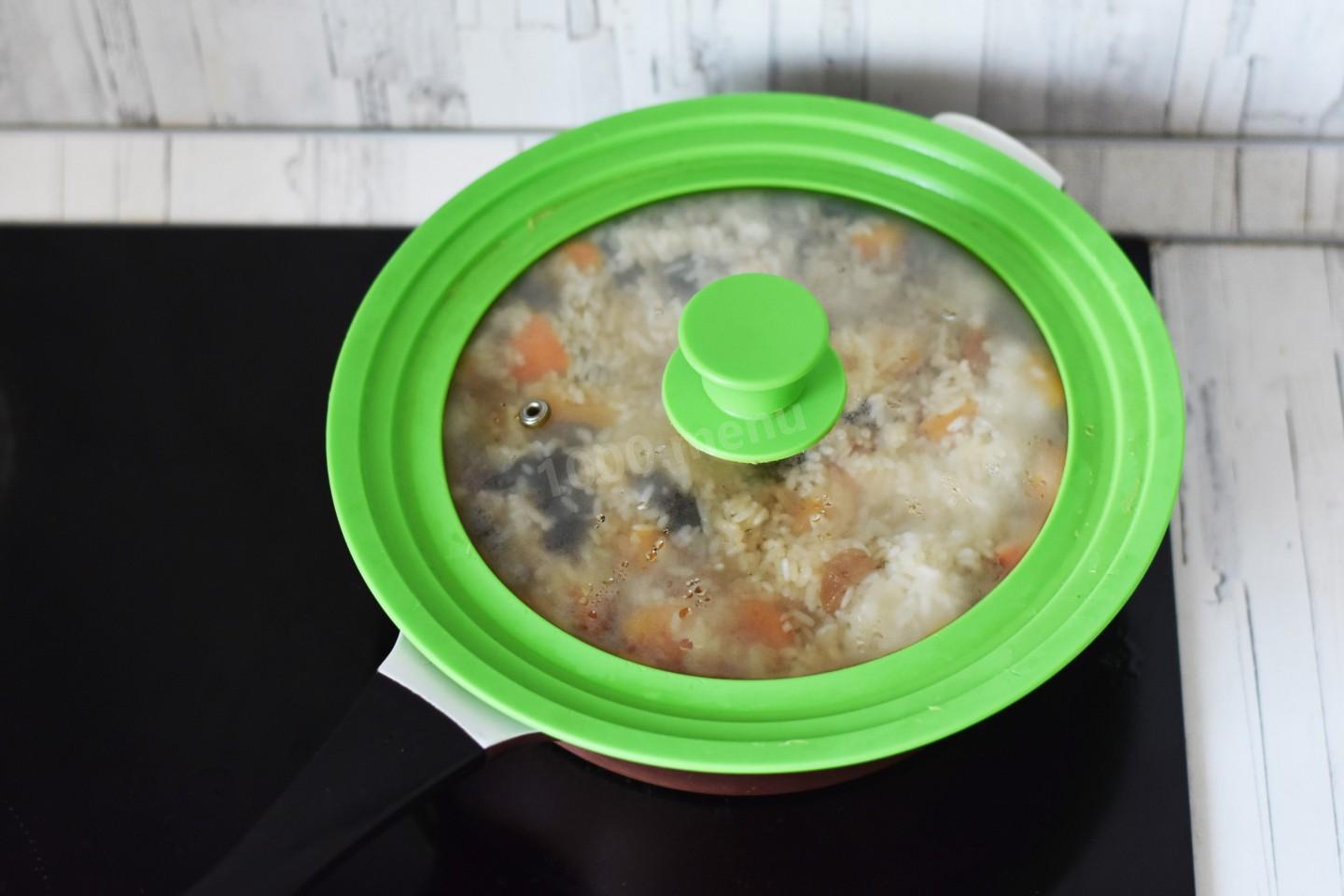
Cover the pan and simmer the pilaf over low heat for about 30 minutes, or a little longer, until the water is fully absorbed.
-
Step 12:
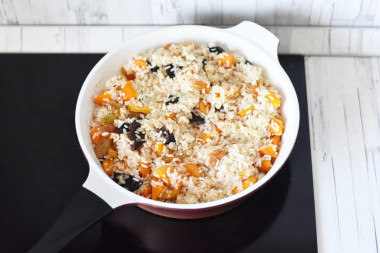
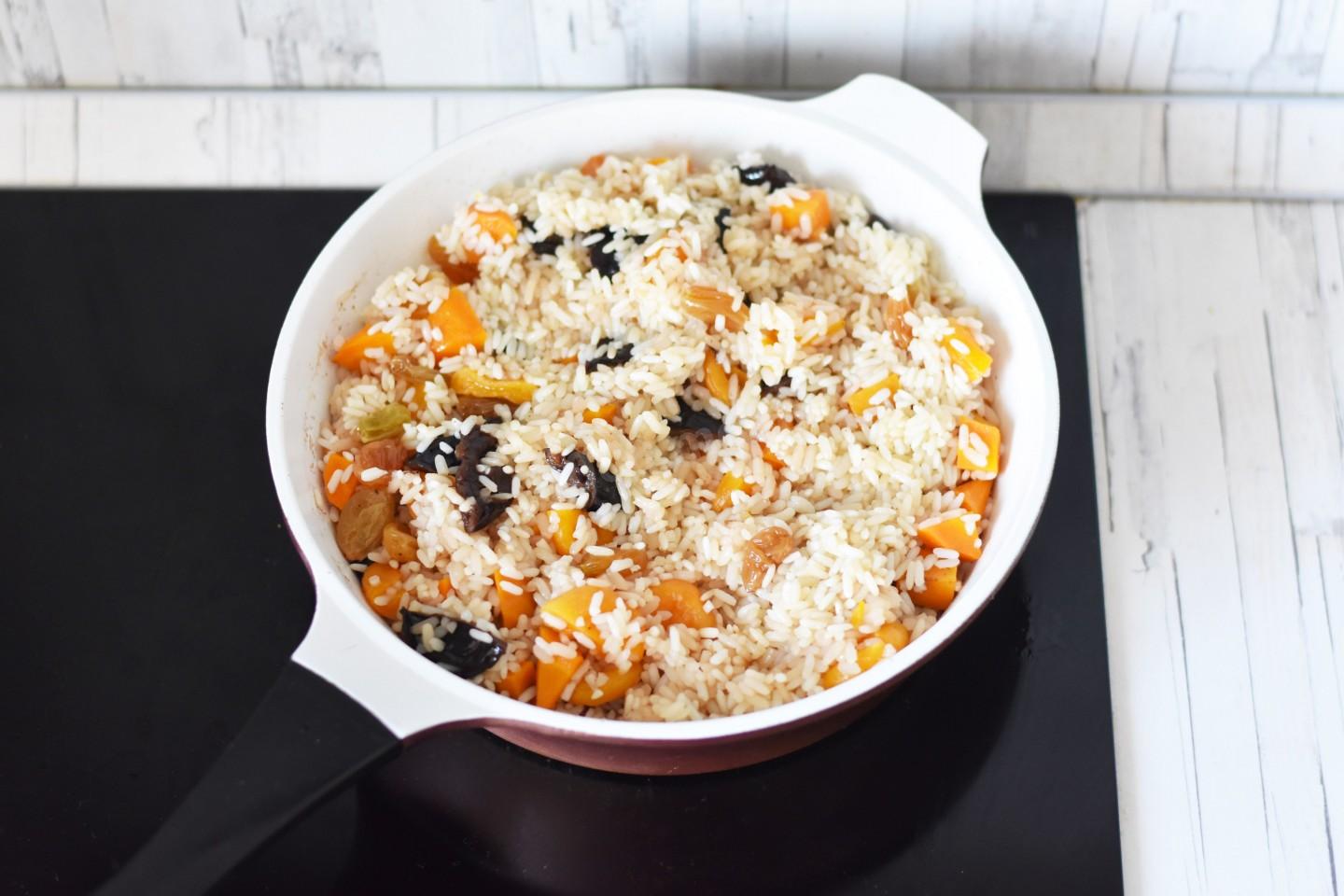
Take the finished rice off the heat and stir the pilaf.
-
Step 13:
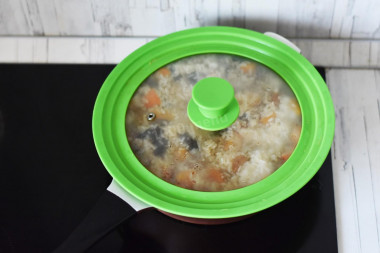
Cover the pan and let the pilaf rest for 10–15 minutes. Enjoy!
- Since everyone's sense of salty, sweet, bitter, spicy, sour, and hot is different, always add spices and seasonings to your own taste. If you're using a seasoning for the first time, keep in mind that some are especially easy to overdo — chili pepper, for one.
- To make sure rice dishes come out delicious every time, read up on the ins and outs of choosing rice and the secrets to cooking it well.
Caloric content of the products possible in the composition of the dish
- Raw wild rice - 353 kcal/100g
- Raw brown rice - 360 kcal/100g
- Boiled brown rice - 119 kcal/100g
- Raw fortified white rice - 363 kcal/100g
- Boiled fortified white rice - 109 kcal/100g
- Raw long-grain parboiled white rice - 369 kcal/100g
- Boiled long-grain parboiled white rice - 106 kcal/100g
- Instant dry rice - 374 kcal/100g
- Instant rice, ready to eat - 109 kcal/100g
- Rice - 344 kcal/100g
- Carrots - 33 kcal/100g
- Dried carrots - 275 kcal/100g
- Boiled carrots - 25 kcal/100g
- Cloves - 323 kcal/100g
- Cardamom - 311 kcal/100g
- Cinnamon - 247 kcal/100g
- Butter, 82% - 734 kcal/100g
- Amateur unsalted butter - 709 kcal/100g
- Unsalted peasant butter - 661 kcal/100g
- Salted peasant butter - 652 kcal/100g
- Clarified butter - 869 kcal/100g
- Dried apricots - 215 kcal/100g
- Dried apricots (with pits) - 290 kcal/100g
- Dried peaches - 254 kcal/100g
- Raisins - 280 kcal/100g
- Seedless raisins - 279 kcal/100g
- Prunes - 227 kcal/100g
- Vanilla sugar - 379 kcal/100g