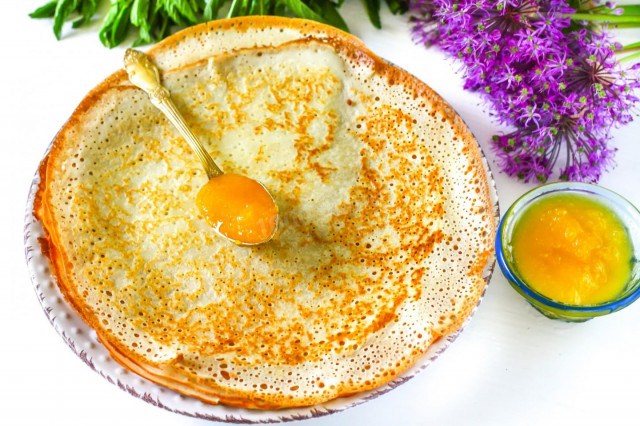
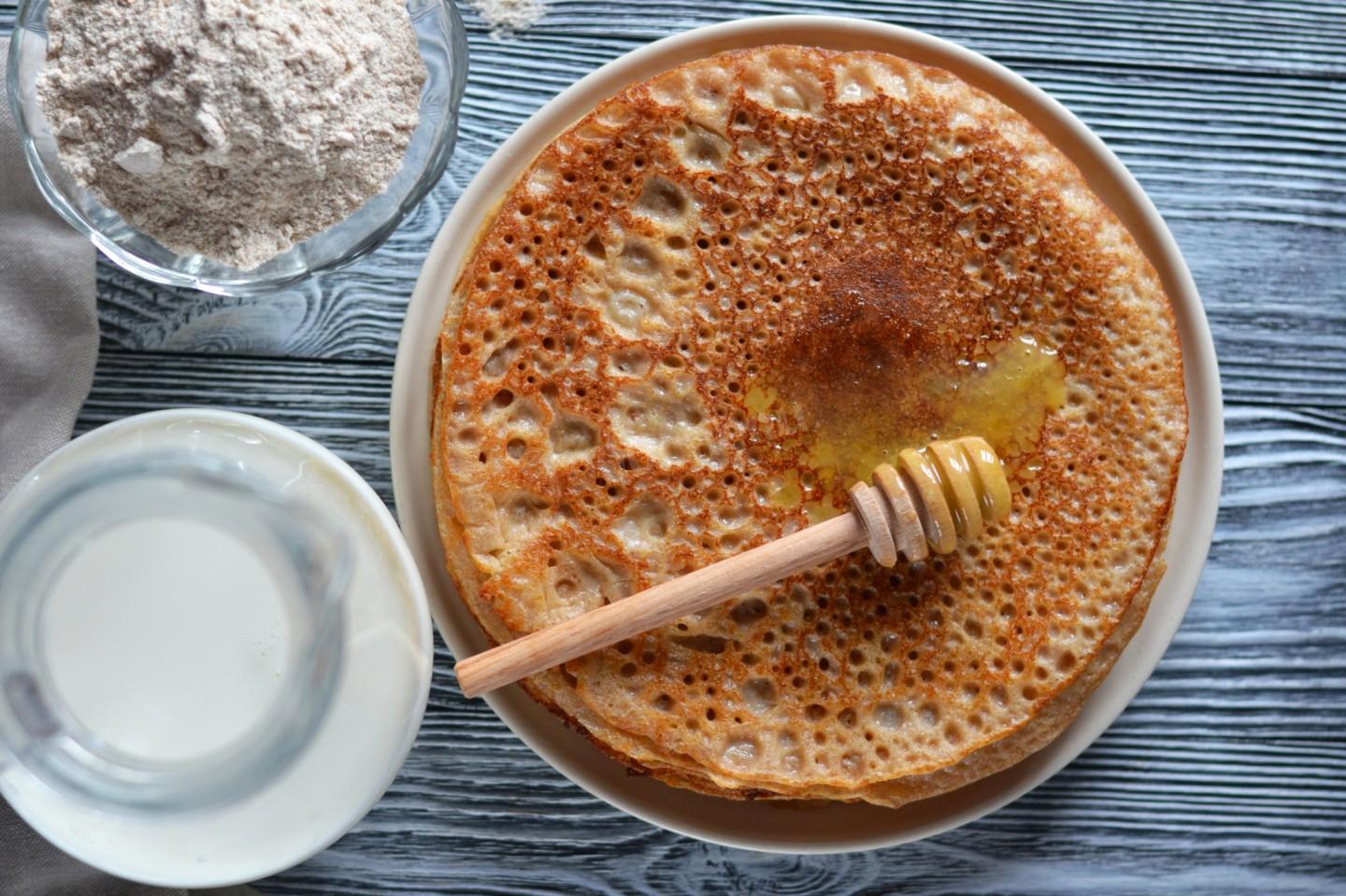
Whole Wheat Pancakes with Milk
Give whole wheat pancakes a try. Even though this flour is coarser than regular white flour, the pancakes still turn out soft and tender. The flavor and color are a little different from what you're used to, but that's a good thing — whole grain flour is rich in fiber and minerals.



Cooking method
-
Step 1:
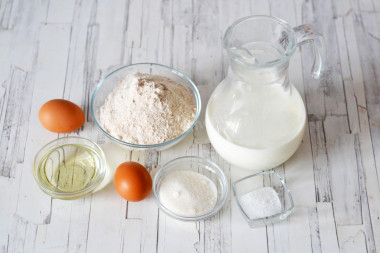
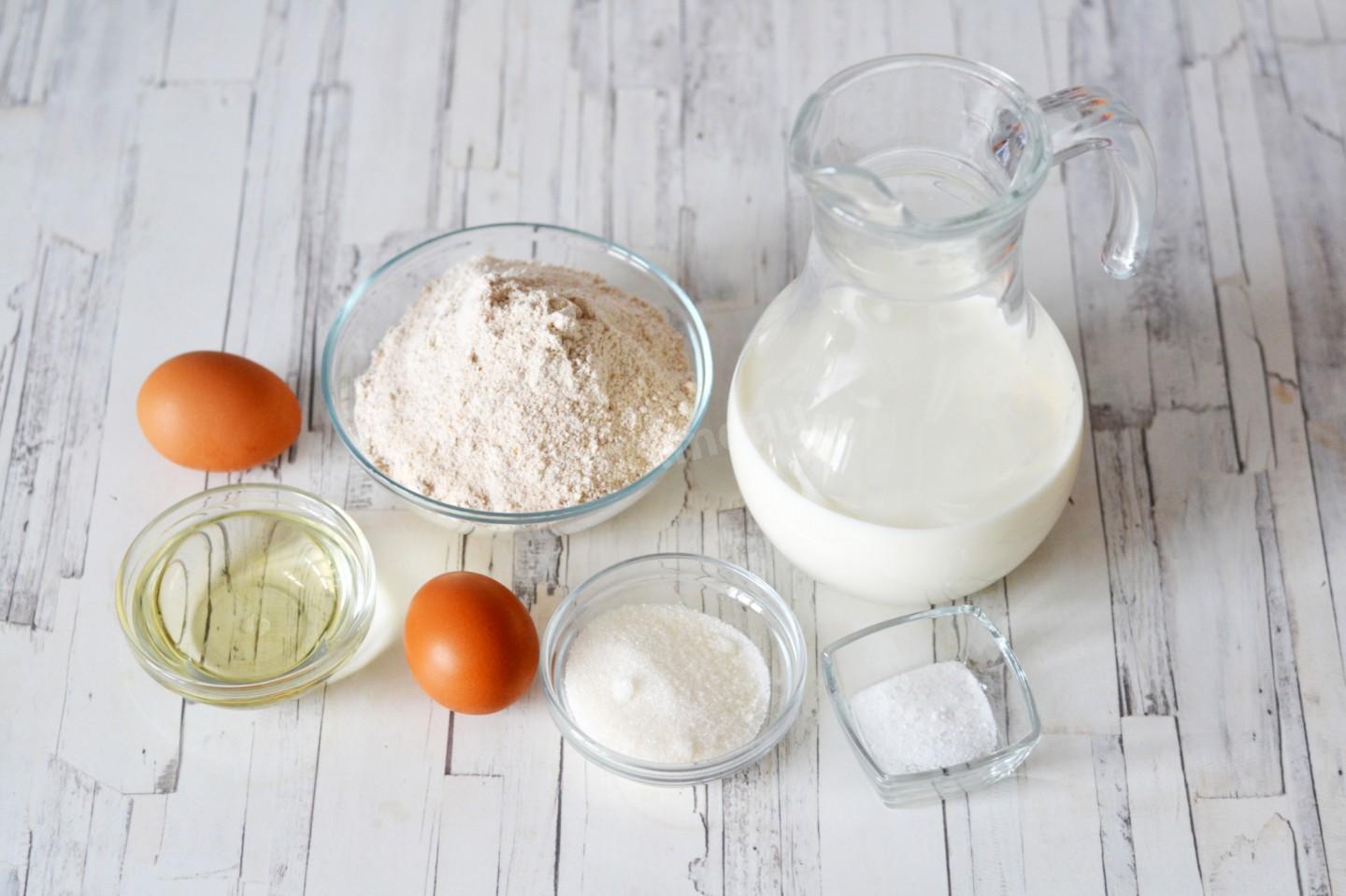
How do you make whole wheat pancakes? Prep the ingredients. Everything should be at room temperature, so take the milk and eggs out of the fridge about an hour to an hour and a half ahead. Use large eggs. Whole wheat flour differs from regular flour in that it's more coarsely ground: the whole wheat kernel goes into it — not just the core, but the outer part too. Regular flour is made only from the inner part of the grain.
-
Step 2:
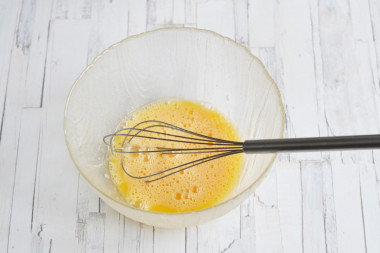
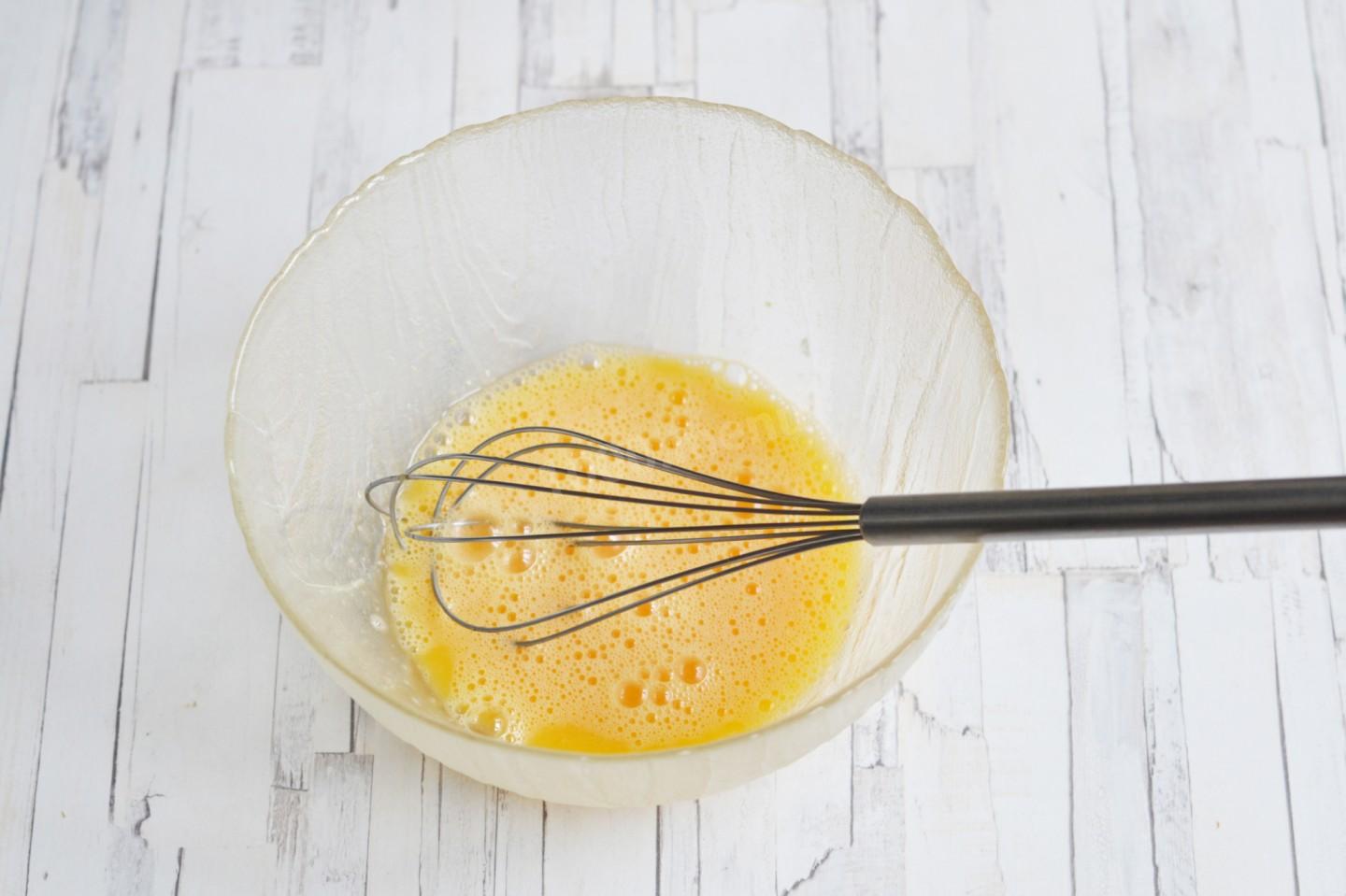
Combine the eggs with the sugar and whisk until smooth.
-
Step 3:
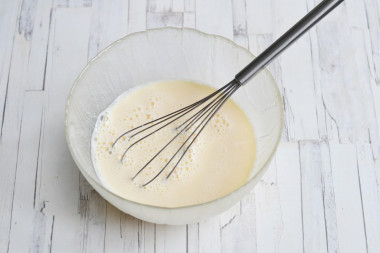
Pour about half the milk (300 ml), at room temperature, into the beaten eggs and stir.
-
Step 4:

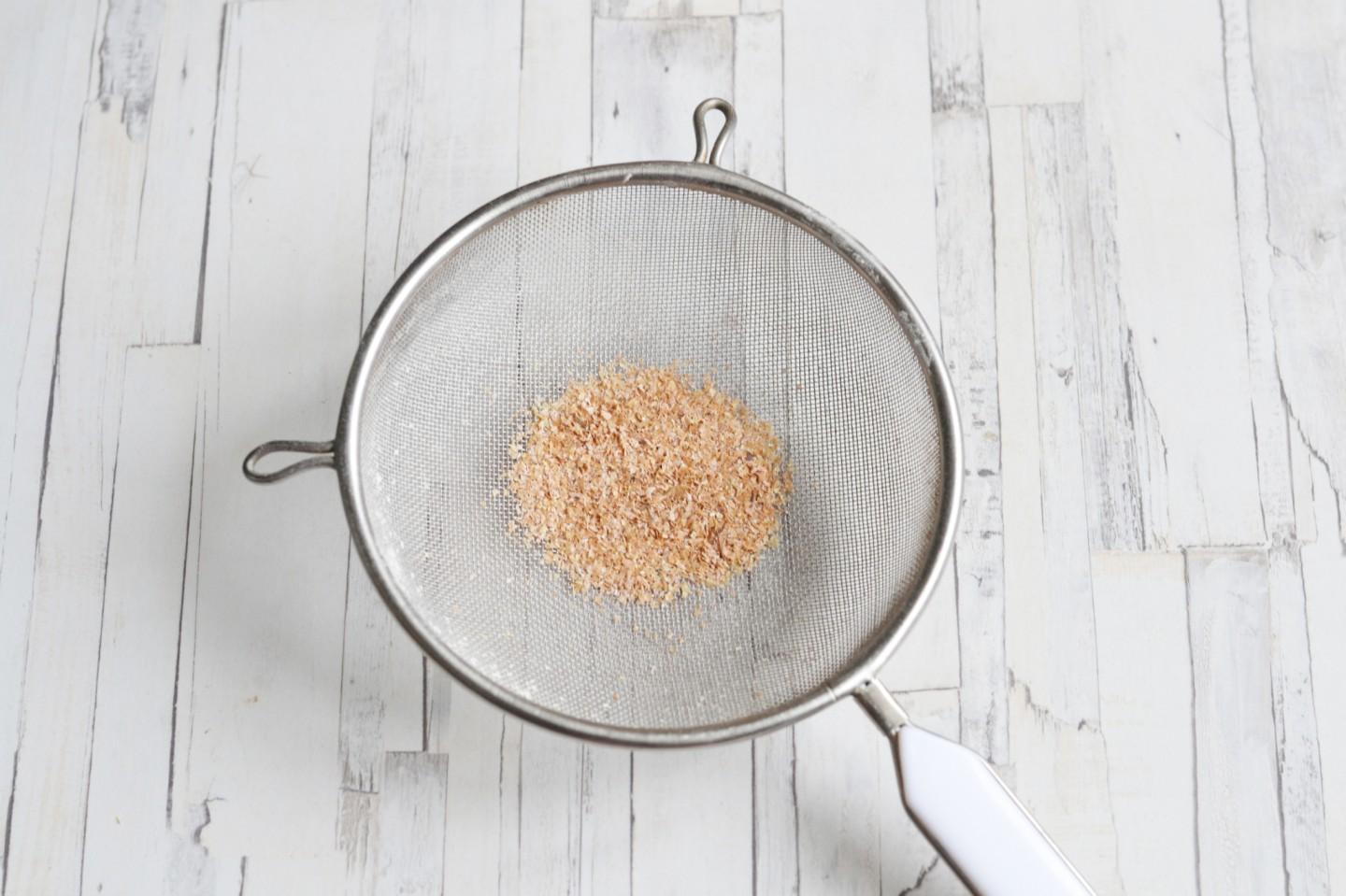
Whole wheat flour is milled just once, so it's coarser and its particles are larger. It has a pale cream color from the outer grain husk, so be sure to sift it through a fine sieve — twice is even better.
-
Step 5:
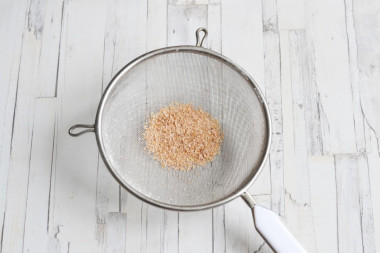
Here's how much husk stays behind at the bottom of the sieve.
-
Step 6:
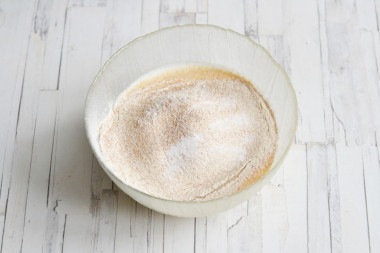
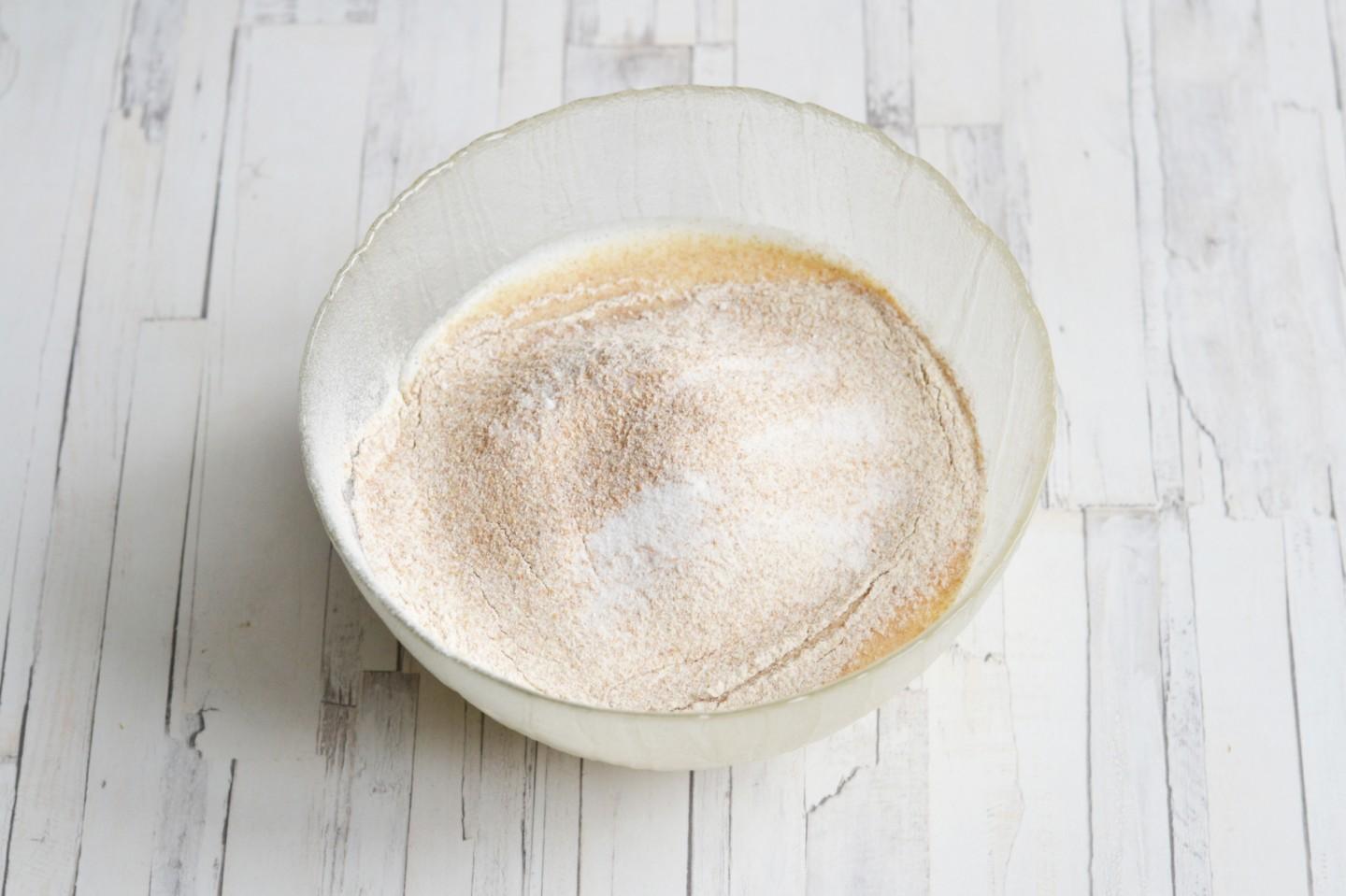
Add the sifted flour and the salt to the batter.
-
Step 7:
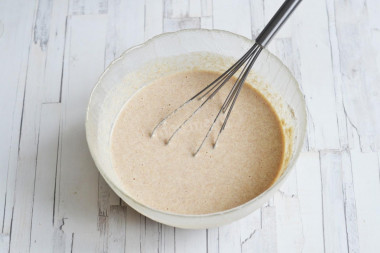
Whisk everything until smooth. At this stage the lumps break up easily thanks to the thickness of the batter.
-
Step 8:
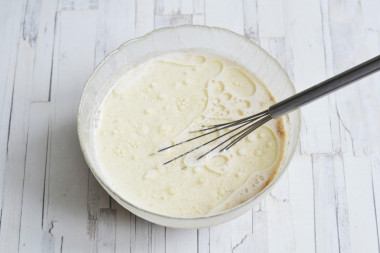
Pour in the remaining milk and the vegetable oil. Whisk again until the oil is fully worked into the batter.
-
Step 9:
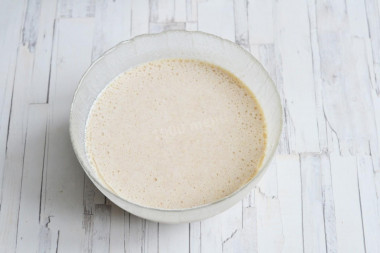
Let the batter rest for 20 minutes at room temperature. During this time the gluten in the flour will thicken it slightly, so if the batter looks a bit denser than before, that's exactly right. It should be about the consistency of pourable sour cream; add a little more flour if needed. Whisk it well again with a whisk or ladle right before cooking.
-
Step 10:
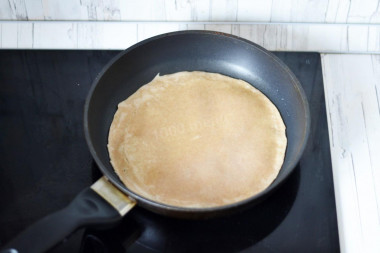
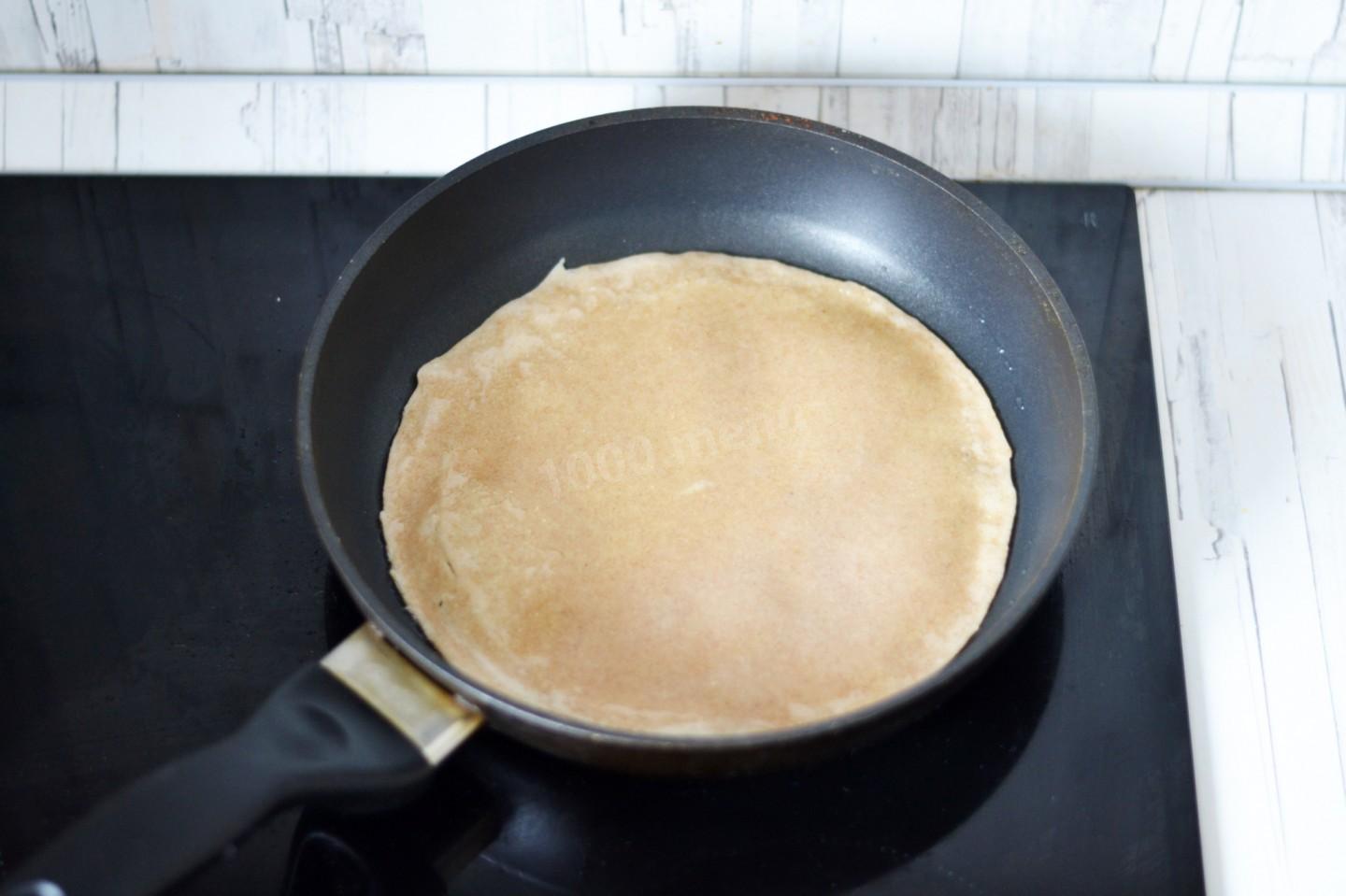
Heat a skillet and brush it with vegetable oil. Ladle in a little batter and swirl to cover the whole pan. Cook the pancakes on both sides until golden. I recommend brushing the pan with oil before each pancake — I've made them both with and without, and with oil they come out more delicate and don't dry out.
-
Step 11:
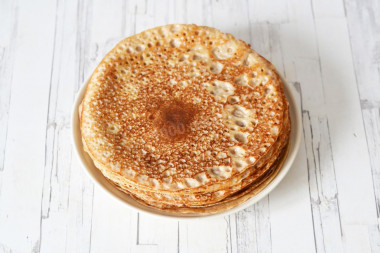
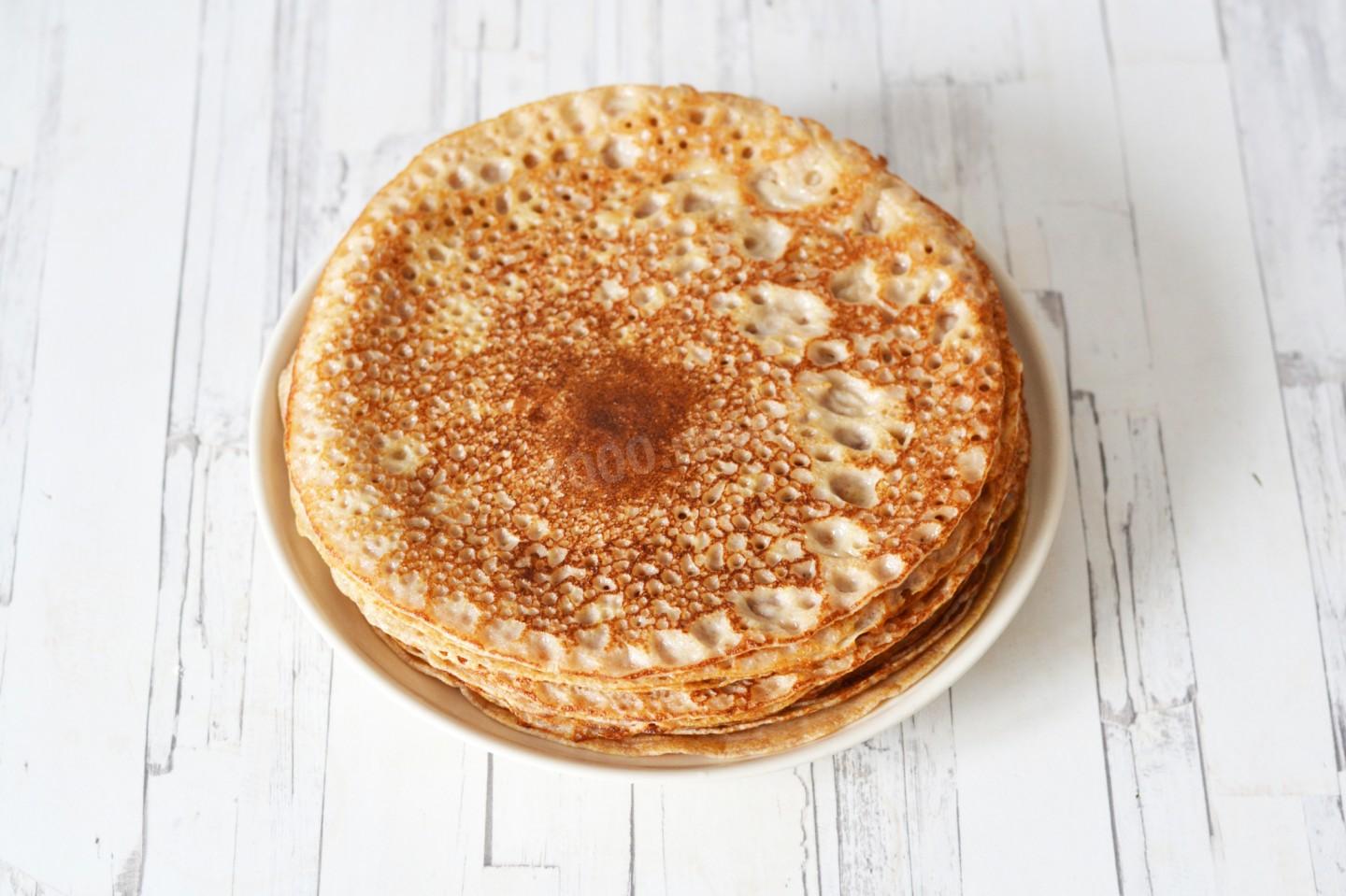
Stack the finished pancakes on top of each other. Once you've cooked the last one, bring them to the table. These pancakes are perfect for filling with meat, cottage cheese, or fruit. Enjoy!




- Be ready for the flour to run a little more or less than the recipe calls for. Go by the consistency of the batter, not the exact amount of flour.
- Any oil is only good up to a certain temperature — its smoke point, past which it starts to burn and forms harmful compounds. Choose an oil with a high smoke point for frying.
Caloric content of the products possible in the composition of the dish
- Whole cow's milk - 68 kcal/100g
- Milk 3.5% fat content - 64 kcal/100g
- Milk 3.2% fat content - 60 kcal/100g
- Milk 1.5% fat content - 47 kcal/100g
- Concentrated milk 7.5% fat content - 140 kcal/100g
- Milk 2.5% fat content - 54 kcal/100g
- Chicken egg - 157 kcal/100g
- Egg white - 45 kcal/100g
- Egg powder - 542 kcal/100g
- Egg yolk - 352 kcal/100g
- Ostrich egg - 118 kcal/100g
- Granulated sugar - 398 kcal/100g
- Sugar - 398 kcal/100g
- Vegetable oil - 873 kcal/100g
- Salt - 0 kcal/100g
- Whole wheat flour - 298 kcal/100g