Georgian Stuffed Eggplant Rounds with Garlic-Walnut Filling
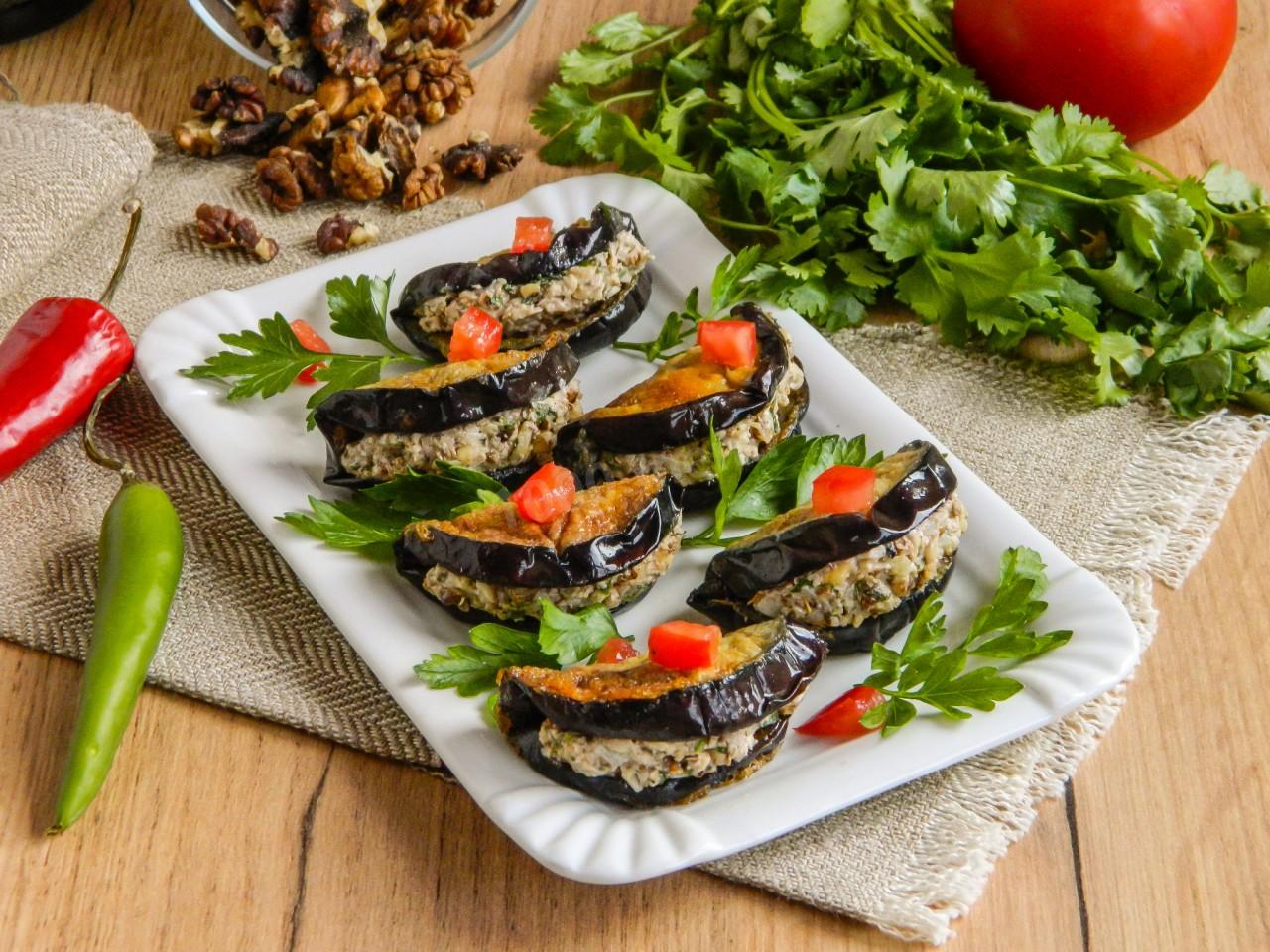
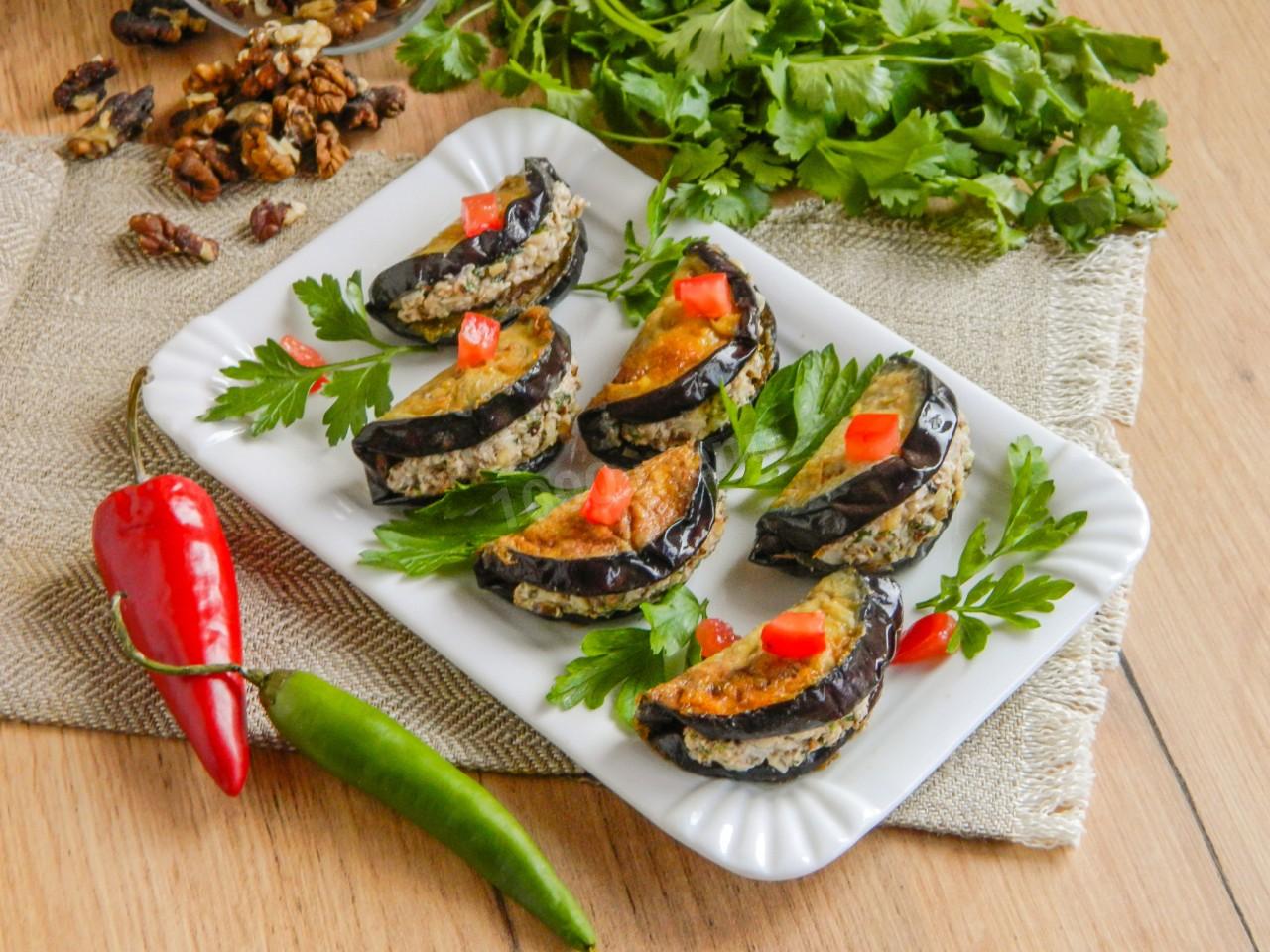
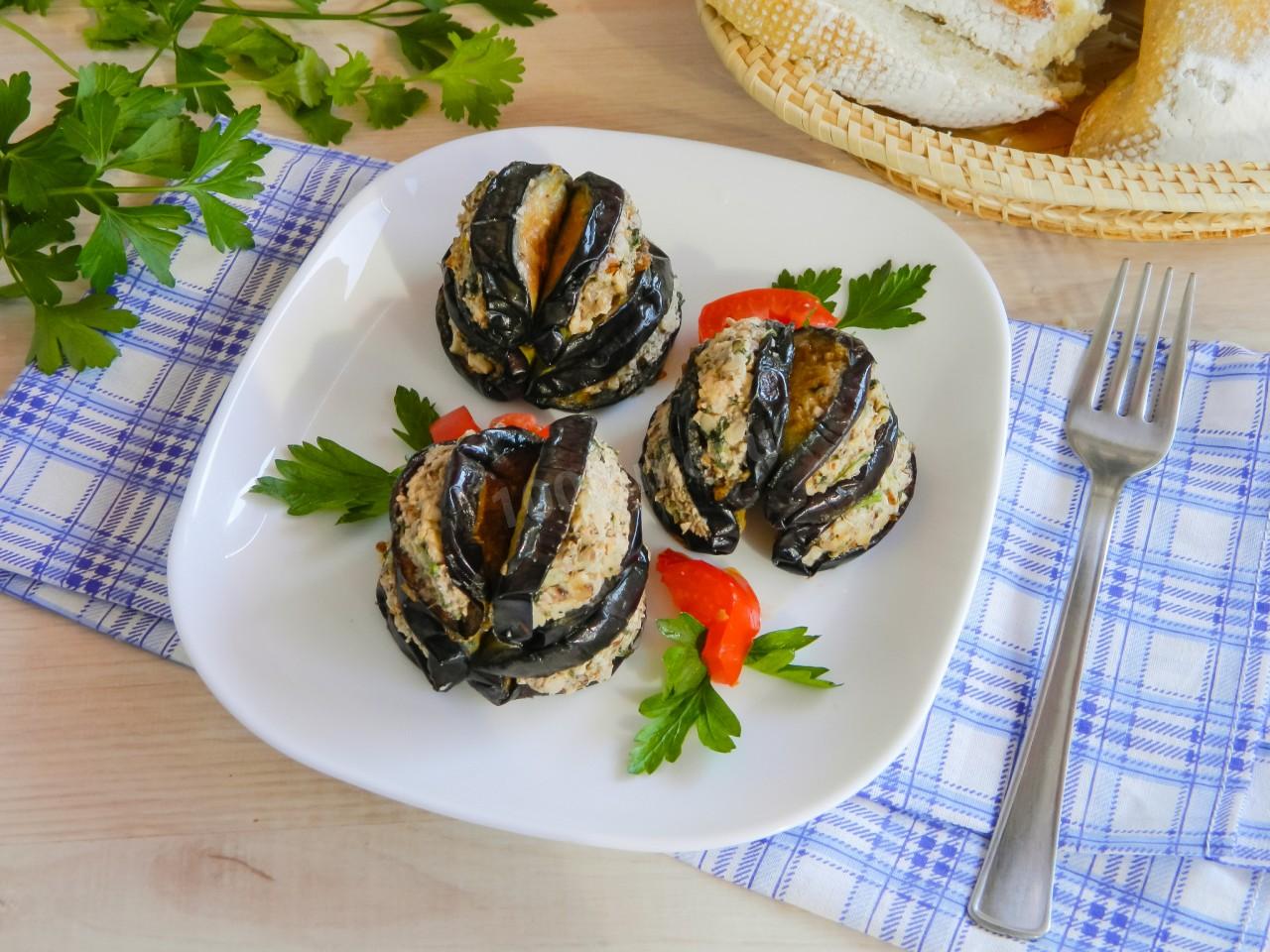
A fantastic cold Georgian eggplant appetizer—give it a try! These Georgian-style stuffed eggplant rounds are savory, garlicky, and really satisfying. Their eye-catching look will dress up any holiday spread. Beyond the great taste and good looks, eggplant is good for you and sure to lift your spirits.


Cooking method
-
Step 1:
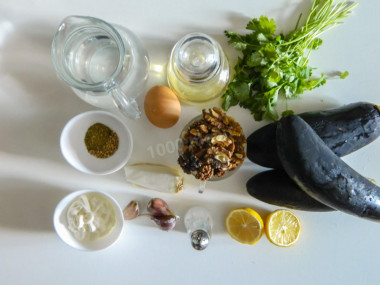
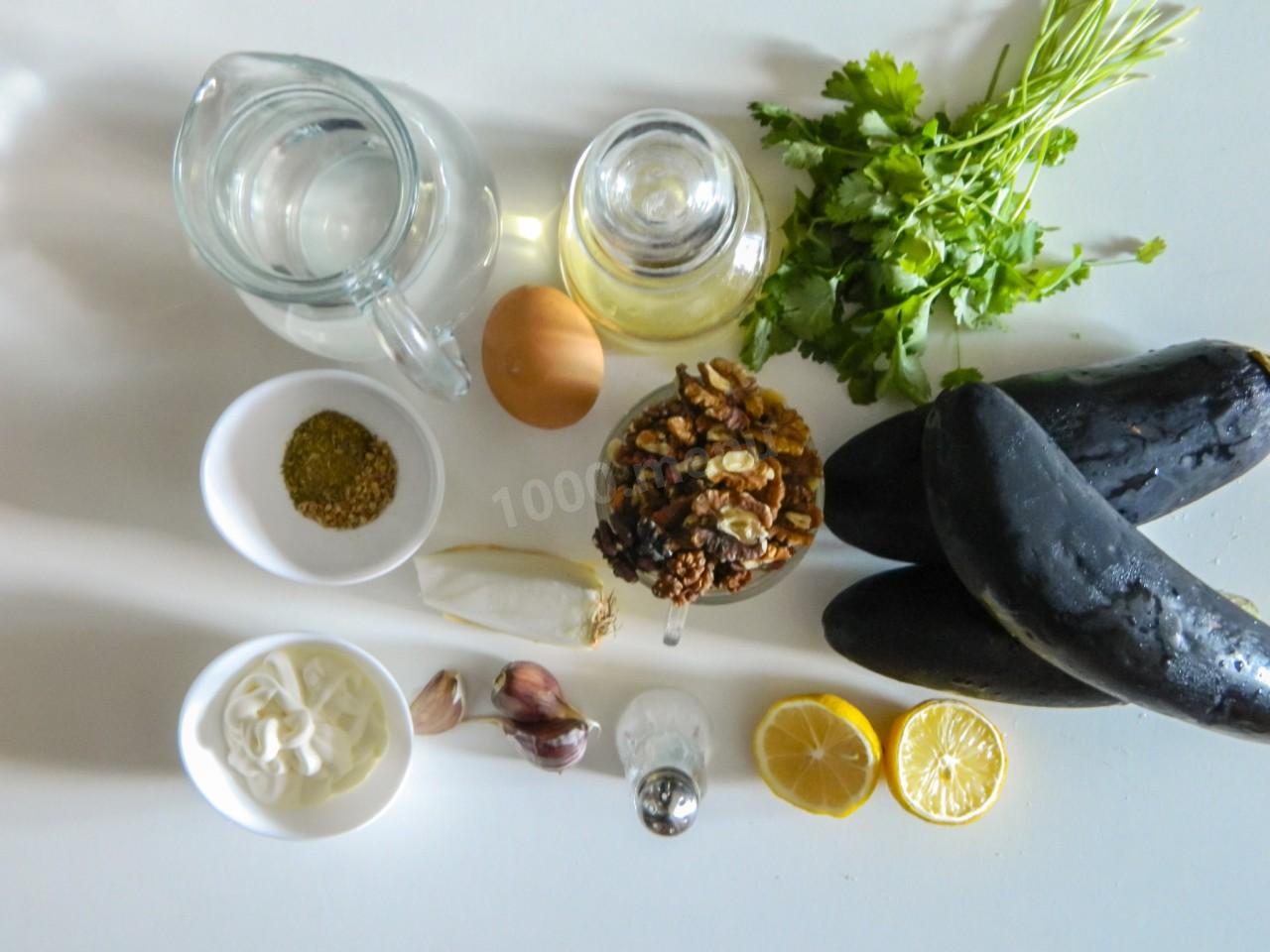
How do you make Georgian-style stuffed eggplant rounds with garlic in a skillet? Start by gathering all your ingredients. This dish is best made in summer or fall, when eggplant is in season. Choose young eggplants with unblemished skin, but not too slender, so they're easy to fold around the filling. Homemade mayonnaise is best—it's much better for you—or you can swap in thick sour cream. Use one large egg, or two smaller ones.
-
Step 2:
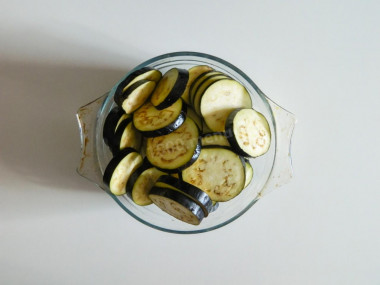
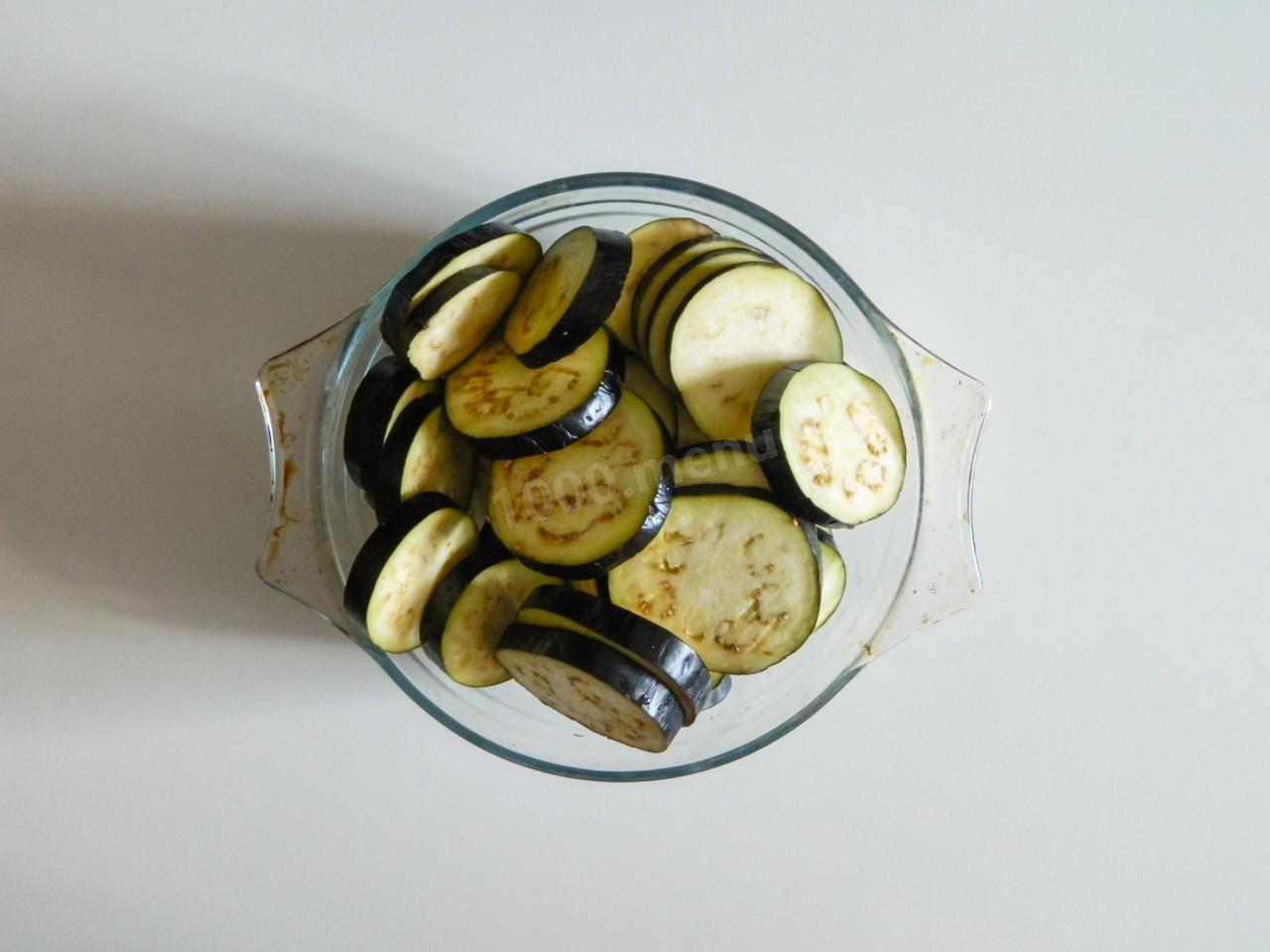
Wash and dry the eggplants and trim off the stems. Cut them into rounds about 1/4 inch (0.4–0.6 cm) thick.
-
Step 3:
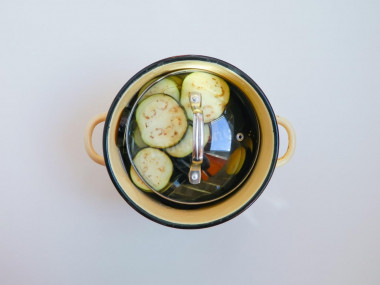
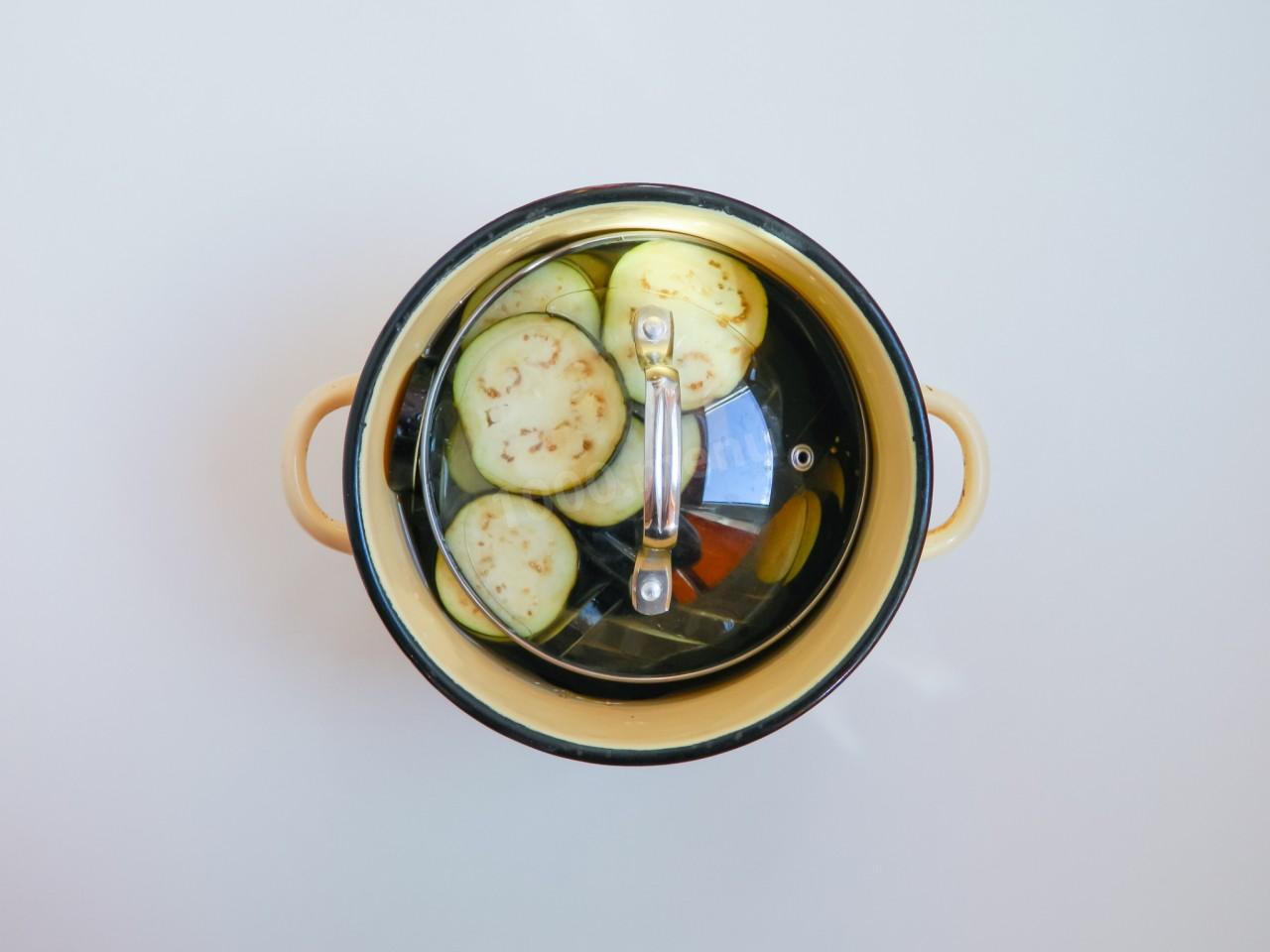
To draw out the bitterness eggplant is known for, soak the slices in salt water. In a deep container (I used a saucepan), dissolve a heaping teaspoon of salt in about 4 cups (1 liter) of water. Add the eggplant rounds and let them soak for 30 minutes. To keep them submerged, weigh them down with something small, like a smaller lid.
-
Step 4:
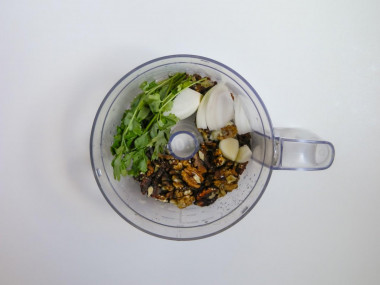
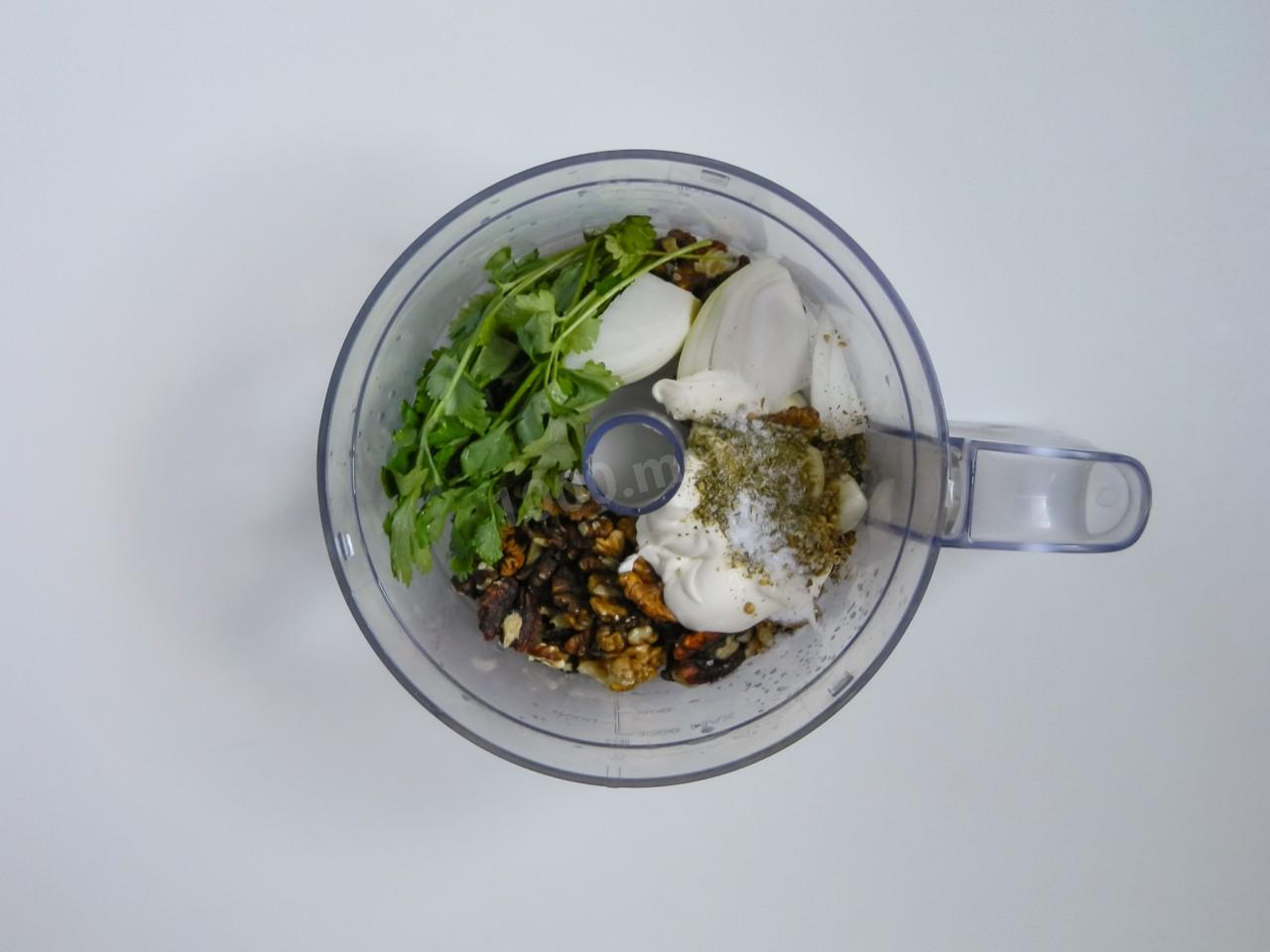
While the eggplant soaks, make the filling. Chop all the filling ingredients however you like—this time I used a food processor. Trim the tough stems and any wilted leaves from the herbs, then rinse and dry them. Wash the onion and garlic well, peel them, and cut into large pieces. Add the walnuts, garlic, onion, and herbs to the food processor bowl.
-
Step 5:
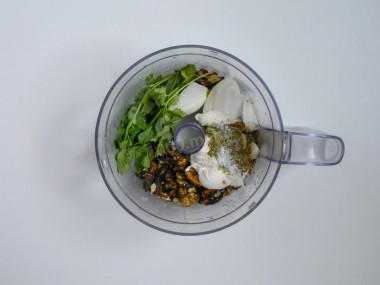
Add the lemon juice, water, mayonnaise, salt, and spices. If you're using a fresh lemon instead of bottled juice, wash it, wipe it dry with a towel or napkin, and squeeze out the juice.
-
Step 6:
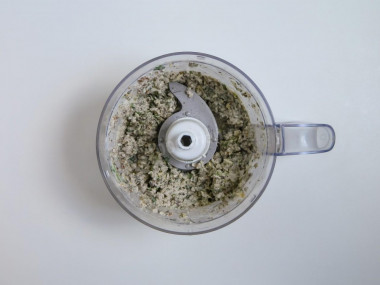
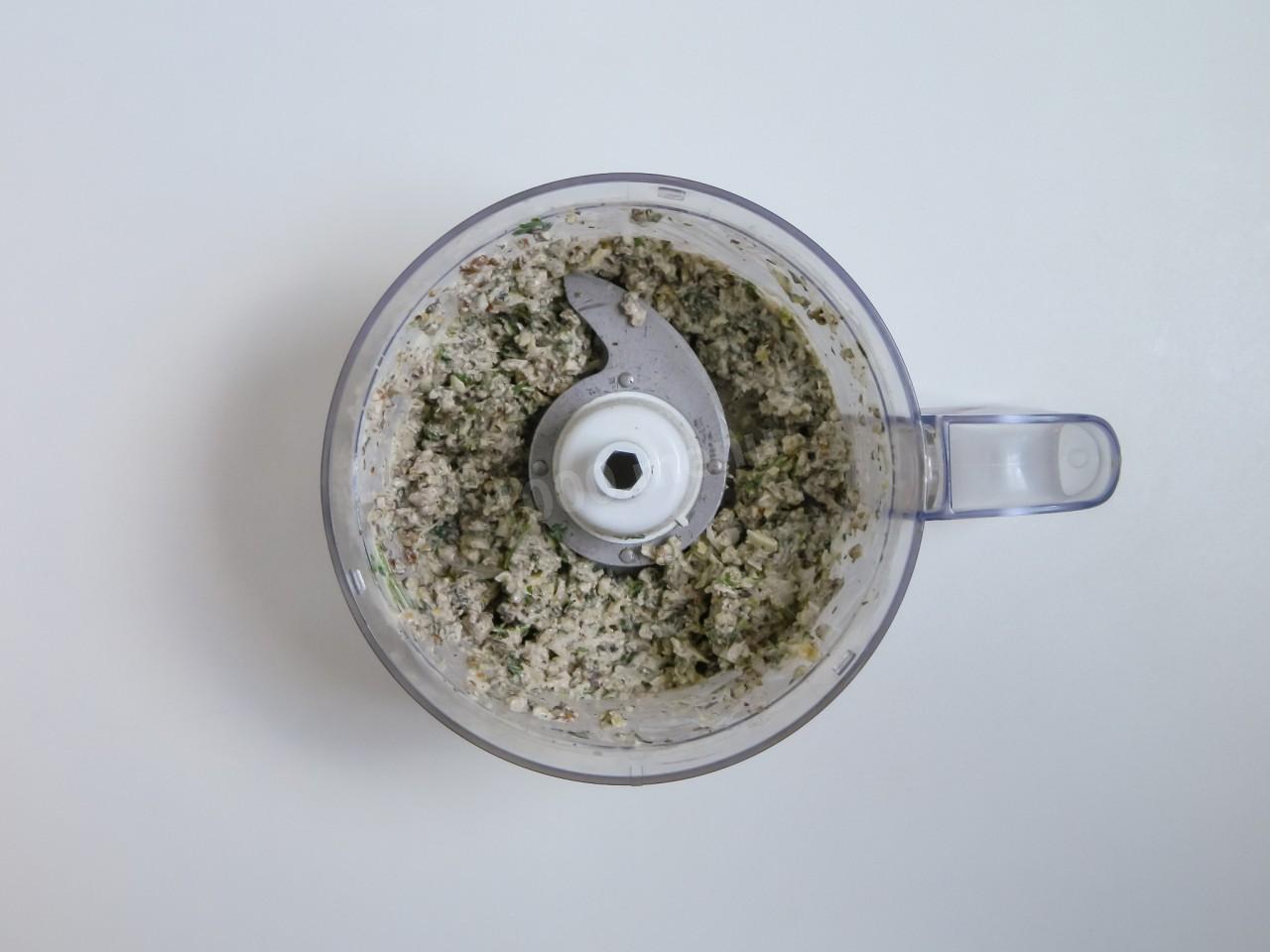
Process the filling on high speed until smooth. Refrigerate the filling while you work on the eggplant.
-
Step 7:
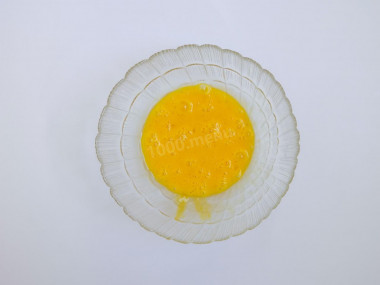
Rinse the eggs and pat them dry. Add a pinch of salt and beat them with a fork or whisk—the salt makes the eggs easier to beat.
-
Step 8:
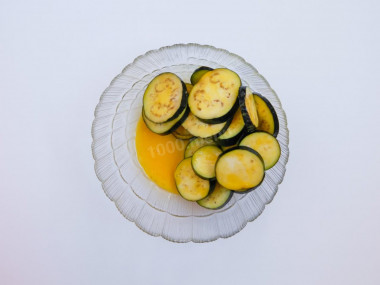
Drain the salt water from the eggplant and pat each round dry. Any leftover water can cause the oil to spatter while frying. Dip each round in the beaten egg on both sides—this keeps the eggplant from soaking up too much oil as it cooks.
-
Step 9:
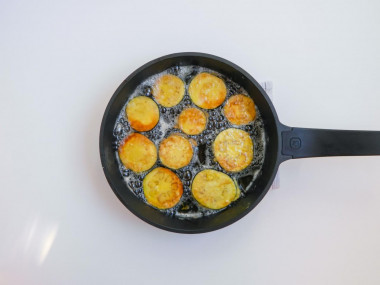
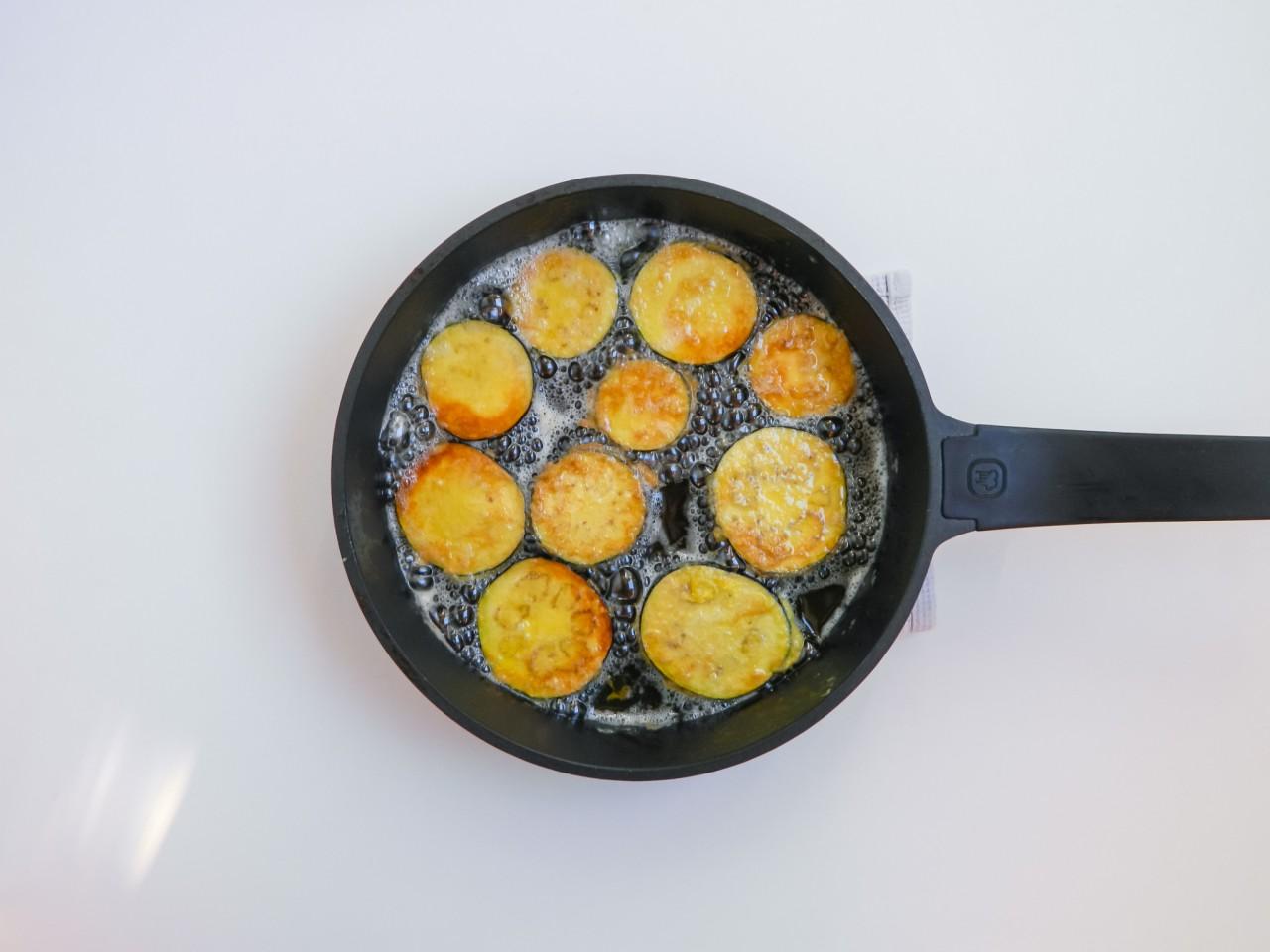
Heat a skillet, add the oil, and let it get hot. Fry the eggplant rounds over medium heat on both sides until lightly golden, adding more oil to the pan as needed. Transfer them to a few layers of paper towels to drain the excess oil.
-
Step 10:
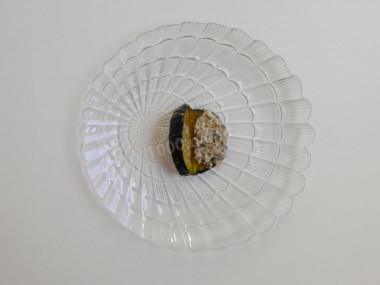
Now assemble the rounds: take an eggplant slice and spoon about a teaspoon of the filling into the center.
-
Step 11:
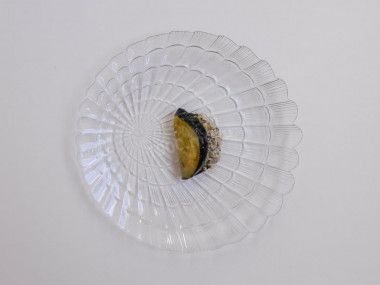
Fold the eggplant round in half over the filling. Hold it for a few seconds so the filling sticks, then let go.



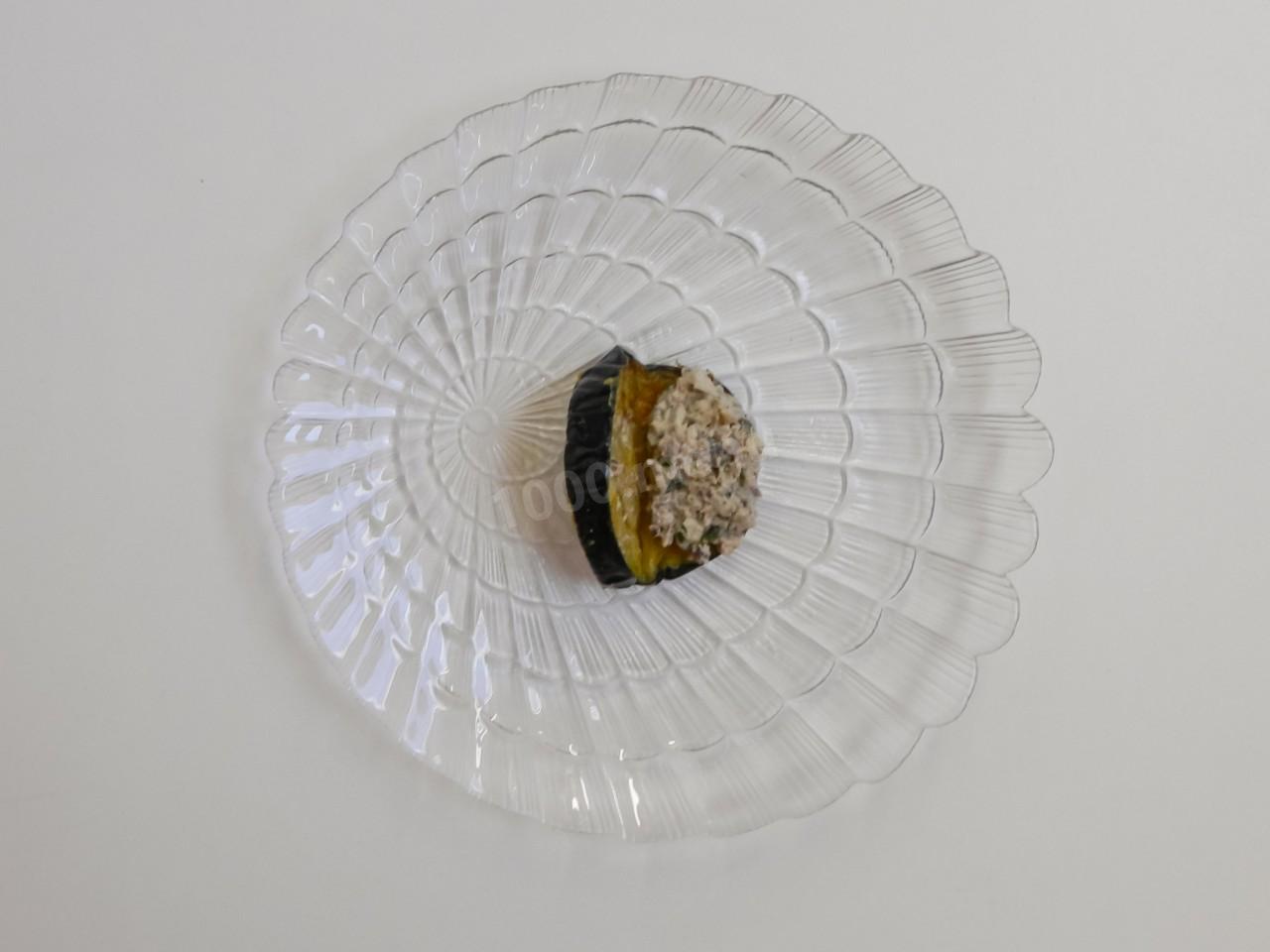
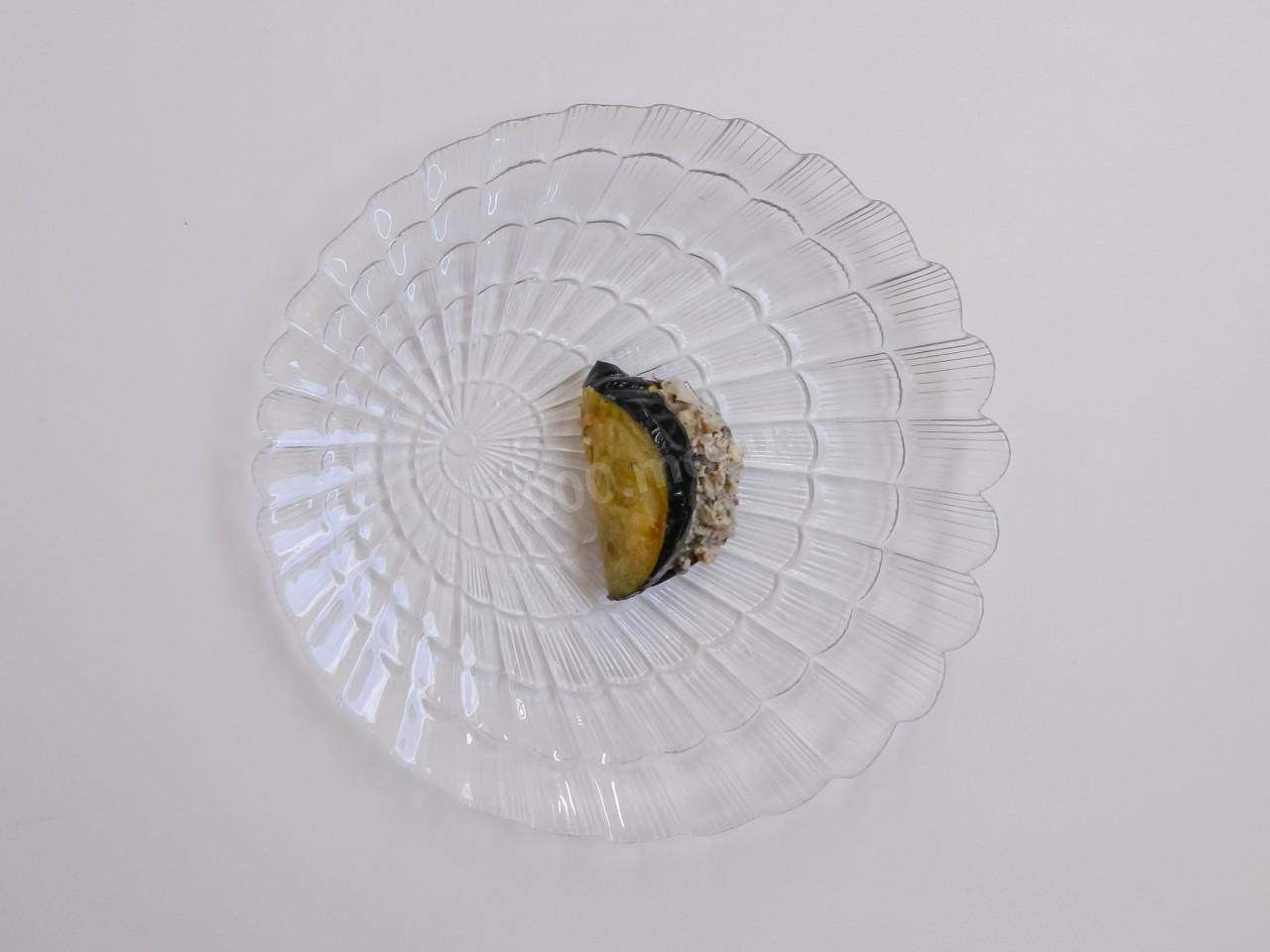
- This cold appetizer tastes great both right after you make it and the next day. Store the eggplant in a covered container in the refrigerator.
- Since everyone's preference for saltiness, sweetness, bitterness, heat, tang, and spice is different, always add spices and seasonings to your own taste! If you're using a seasoning for the first time, keep in mind that some spices are especially easy to overdo (chili pepper, for example).
- Homemade mayonnaise is the way to go—it's tastier and better for you. You can also use sour cream or plain yogurt as the dressing, either on their own or mixed with the mayonnaise in any ratio you like—this lightens up the dish.
- Fry with an oil that has a high smoke point! Every oil is only healthy up to a certain temperature—its smoke point—beyond which it starts to burn and forms harmful compounds, including carcinogens. With few exceptions, unrefined oils have a low smoke point; they contain lots of unfiltered organic particles that scorch quickly. Refined oils stand up to heat better and have a higher smoke point. Make sure you use a high-smoke-point oil—the most common ones are refined sunflower, olive, and grapeseed oil.
Caloric content of the products possible in the composition of the dish
- Chicken egg - 157 kcal/100g
- Egg white - 45 kcal/100g
- Egg powder - 542 kcal/100g
- Egg yolk - 352 kcal/100g
- Ostrich egg - 118 kcal/100g
- Eggplant - 24 kcal/100g
- Walnuts - 650 kcal/100g
- Black Walnut English Walnut - 628 kcal/100g
- Black Persian Walnut - 651 kcal/100g
- Walnut oil - 925 kcal/100g
- Garlic - 143 kcal/100g
- Salad mayonnaise of 50% fat content - 502 kcal/100g
- Light mayonnaise - 260 kcal/100g
- Provencal Mayonnaise - 624 kcal/100g
- Provencal mayonnaise - 627 kcal/100g
- Table mayonnaise - 627 kcal/100g
- Vegetable oil - 873 kcal/100g
- Hop-suneli - 417 kcal/100g
- Salt - 0 kcal/100g
- Water - 0 kcal/100g
- Onion - 41 kcal/100g
- Lemon juice - 16 kcal/100g
- Coriander greens - 25 kcal/100g
- Ground coriander - 25 kcal/100g
Similar recipes



- Eat outdoors
- Kitchen utensils
- National cuisine
- Snacks
- Eggs
- Vegetables
- Nuts
- Spices seasonings spices
- Fats and oils
- Other
- Garlic
- Кинза
- Salt
- Hops suneli
- Mayonnaise
- Vegetable oil
- Water
- From juice
- Caucasian cuisine
- Cold snacks
- Frying
- From eggplant
- From onion
- Snacks and salads for picnics and kebabs
- Vegetarianism
- Recipes for lean dishes without butter
- From walnuts