Milk Pancakes in a Slow Cooker
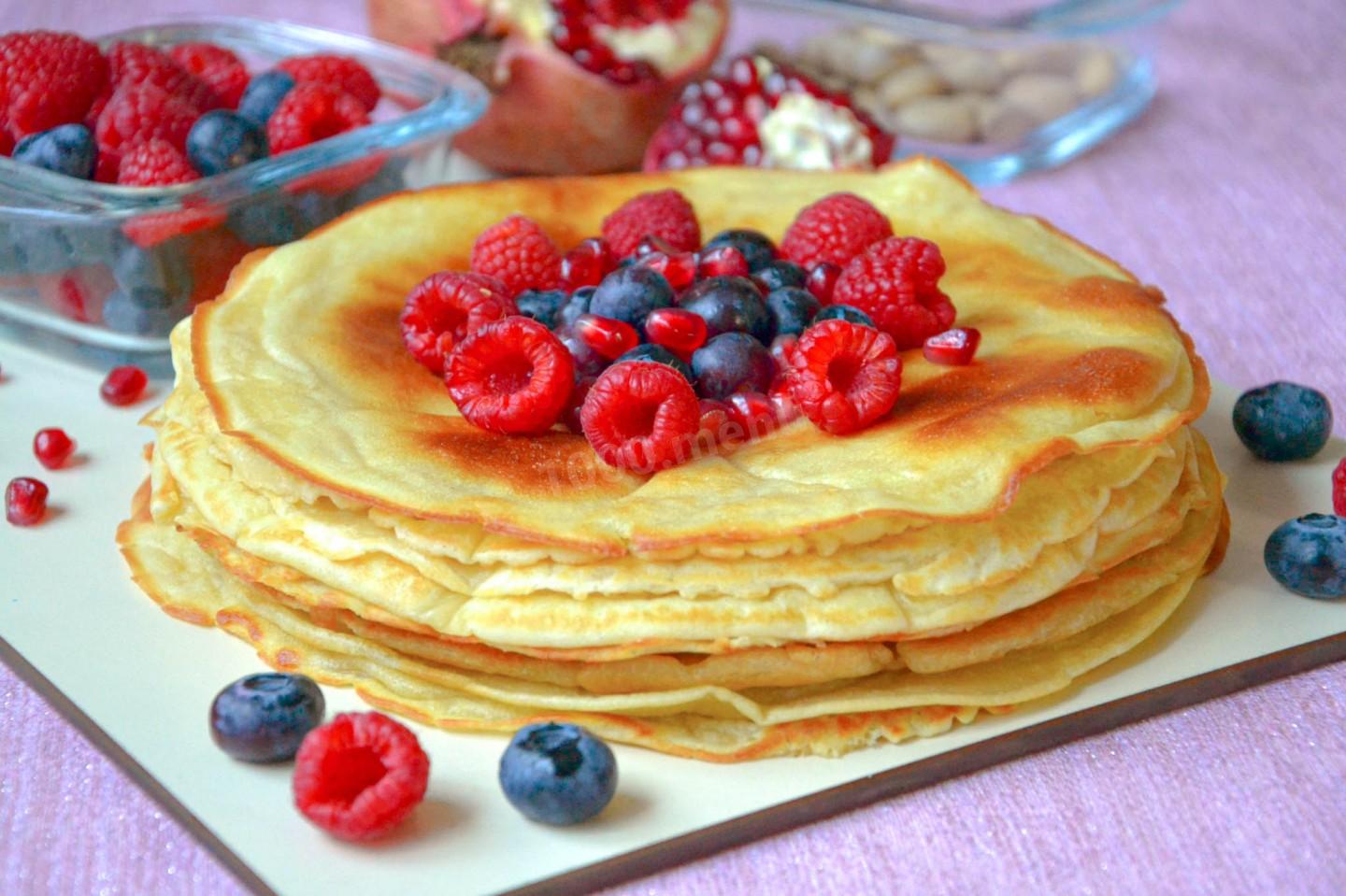
Different, appetizing, and delicious — perfect for breakfast! You can make milk pancakes not just in a skillet but in a slow cooker, too. These land somewhere between a thick American pancake and a classic thin crêpe. They're substantial enough that a couple of them will fill you up.
Cooking method
-
Step 1:
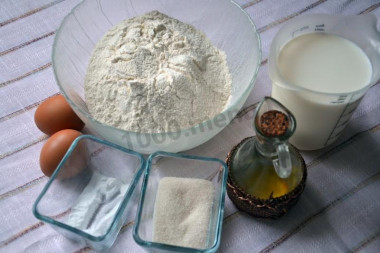
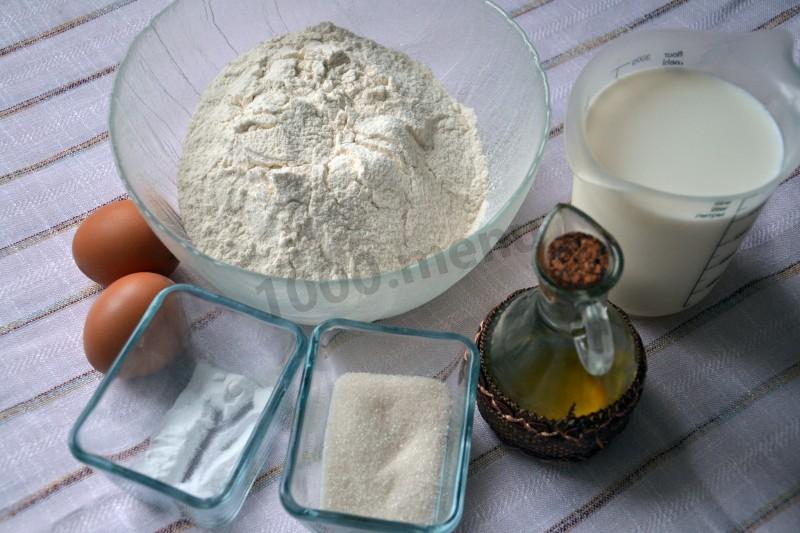
How to make milk pancakes in a slow cooker? Gather your ingredients. Any fat content of milk works — you can even replace some of it with water. In place of the vegetable oil, you can use melted butter in the batter, and add 1/2 tsp of vanilla sugar for flavor.
-
Step 2:
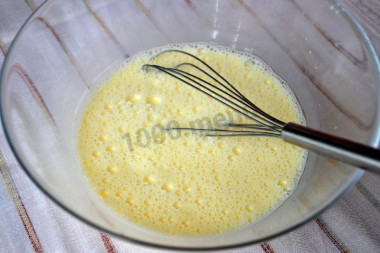
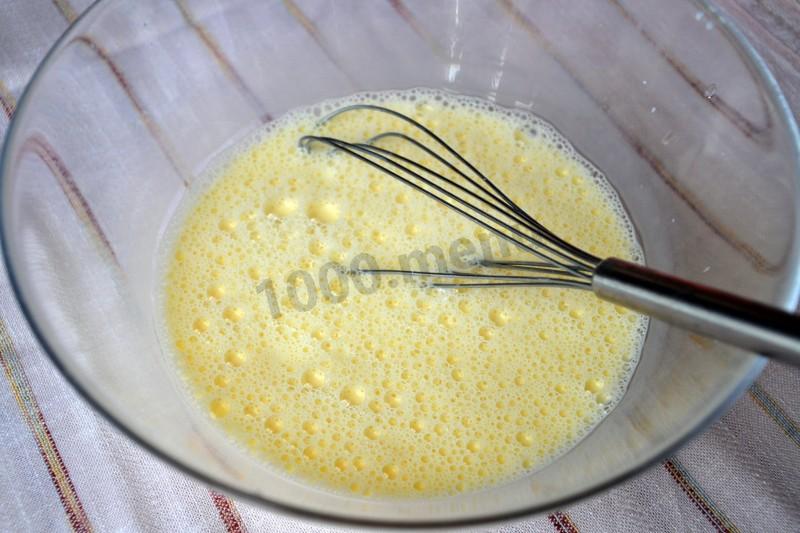
Warm the milk, crack in two room-temperature eggs, and whisk until smooth — flour blends in more easily with a warm mixture. Always wash eggs before using them, since even a seemingly clean shell can carry harmful bacteria; a food-safe wash and a brush work best.
-
Step 3:
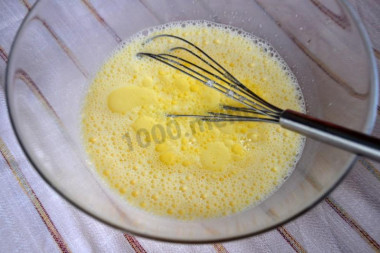
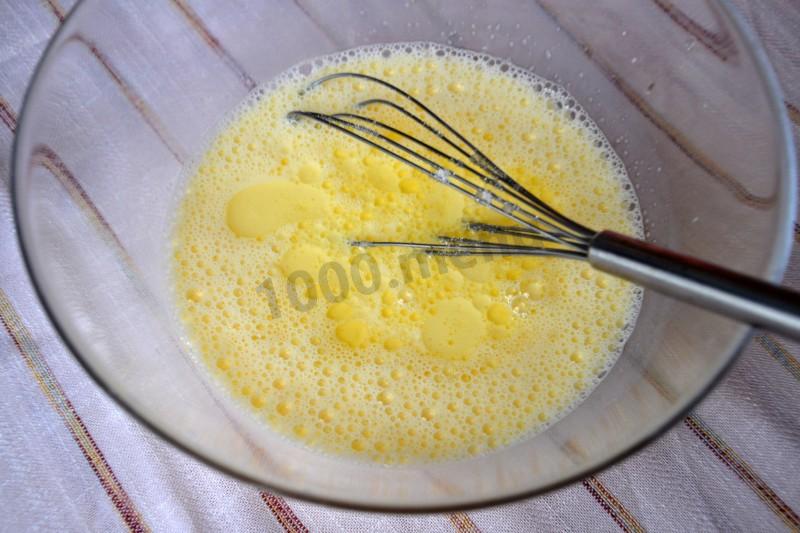
Add the sugar, pour in the vegetable oil (or melted butter), and whisk again.
-
Step 4:
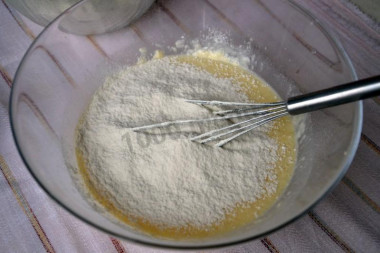
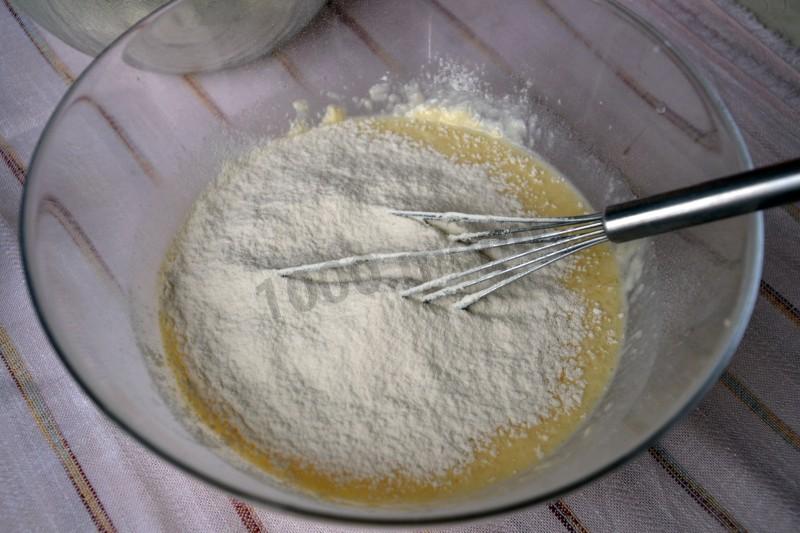
Sift the flour and add it to the batter a little at a time, whisking well after each addition so no lumps form. You may need a bit more or less flour than the recipe calls for — go by the consistency of the batter.
-
Step 5:
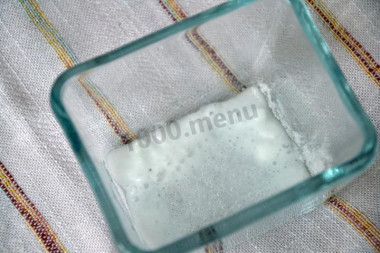
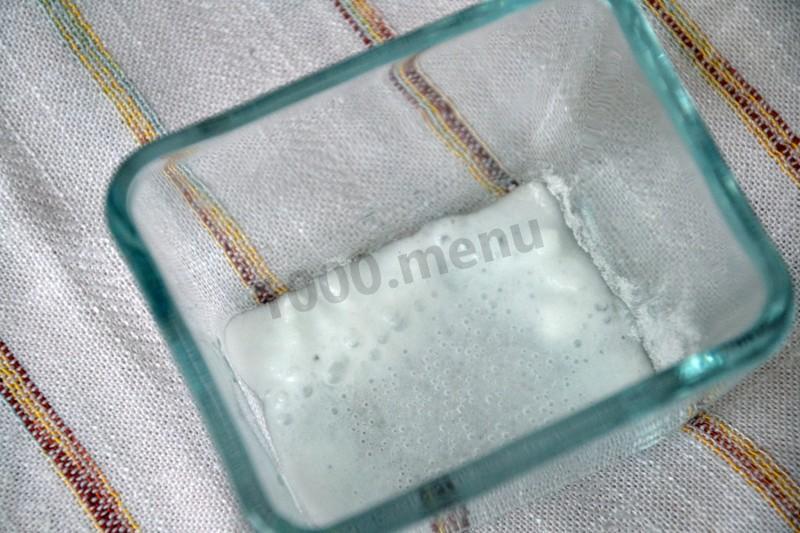
Dissolve the baking soda in the vinegar, stir it into the batter, and let it rest for 15 minutes. This gives the gluten time to develop, which keeps the pancakes elastic so they won't tear when you flip them. The batter should be pourable but not too thin or gluey.
-
Step 6:
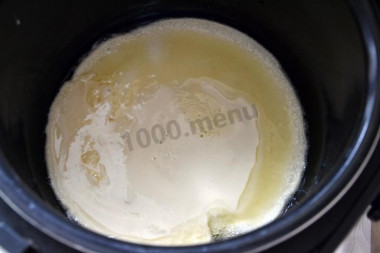
Set the slow cooker to "Fry" (or whatever suitable mode your model has) for 1 hour. Add a little vegetable oil. Ladle a portion of batter into the center of the pot and spread it evenly across the bottom. Close the lid and cook for 2–3 minutes. Then open the lid, flip the pancake with a spatula, and cook, covered, for another 2–3 minutes, until golden. Repeat with the rest of the batter.
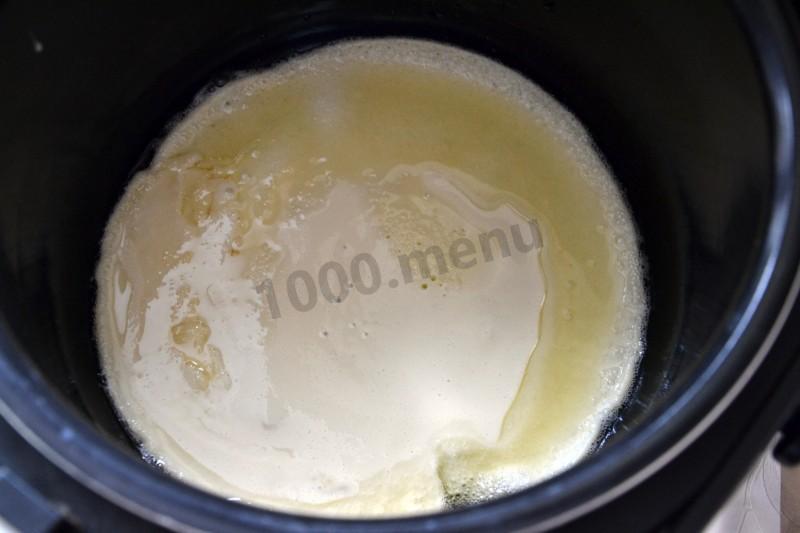
- It takes a little practice at first to spread the batter evenly across the bottom of the pot — it's hot (bonus points if your insert has handles) and deep. Flipping the pancakes, though, is easy: they're thicker than usual and don't tear when turned.
- It's important to sift the flour to aerate it. That way the pancakes come out light and rise nicely as they cook.
- Keep in mind that the cooking time and setting here are approximate. Every slow cooker behaves differently — even identical models from the same maker can have their quirks. Before trying a new dish in yours, read the manual, then start with dishes you already know before moving on to new ones, dialing in the setting and timing to suit your own machine.
- For whether you can swap baking powder for baking soda, how to add each so your baked goods rise well, how to avoid a soapy soda aftertaste, and more, see our article "Baking powder or baking soda — which is better?"
Caloric content of the products possible in the composition of the dish
- Whole cow's milk - 68 kcal/100g
- Milk 3.5% fat content - 64 kcal/100g
- Milk 3.2% fat content - 60 kcal/100g
- Milk 1.5% fat content - 47 kcal/100g
- Concentrated milk 7.5% fat content - 140 kcal/100g
- Milk 2.5% fat content - 54 kcal/100g
- Chicken egg - 157 kcal/100g
- Egg white - 45 kcal/100g
- Egg powder - 542 kcal/100g
- Egg yolk - 352 kcal/100g
- Ostrich egg - 118 kcal/100g
- Whole durum wheat flour fortified - 333 kcal/100g
- Whole durum wheat flour universal - 364 kcal/100g
- Flour krupchatka - 348 kcal/100g
- Flour - 325 kcal/100g
- Granulated sugar - 398 kcal/100g
- Sugar - 398 kcal/100g
- Vegetable oil - 873 kcal/100g
- Salt - 0 kcal/100g
- Baking soda - 0 kcal/100g
- Table vinegar - 11 kcal/100g
Similar recipes
- For breakfast
- Baking
- Eggs
- Dairy products
- Flour
- Sweet
- Spices seasonings spices
- Fats and oils
- Other
- Salt
- Vinegar
- Vegetable oil
- Baking soda
- Frying
- Recipes for a slow cooker
- Pancakes and pancakes
- Sweet pastry
- Yeast-free baking
- Egg breakfast
- Milk
- Vegetarianism
- Recipes for lean dishes without butter
- Sugar