Yeast-Risen Thin Pancakes
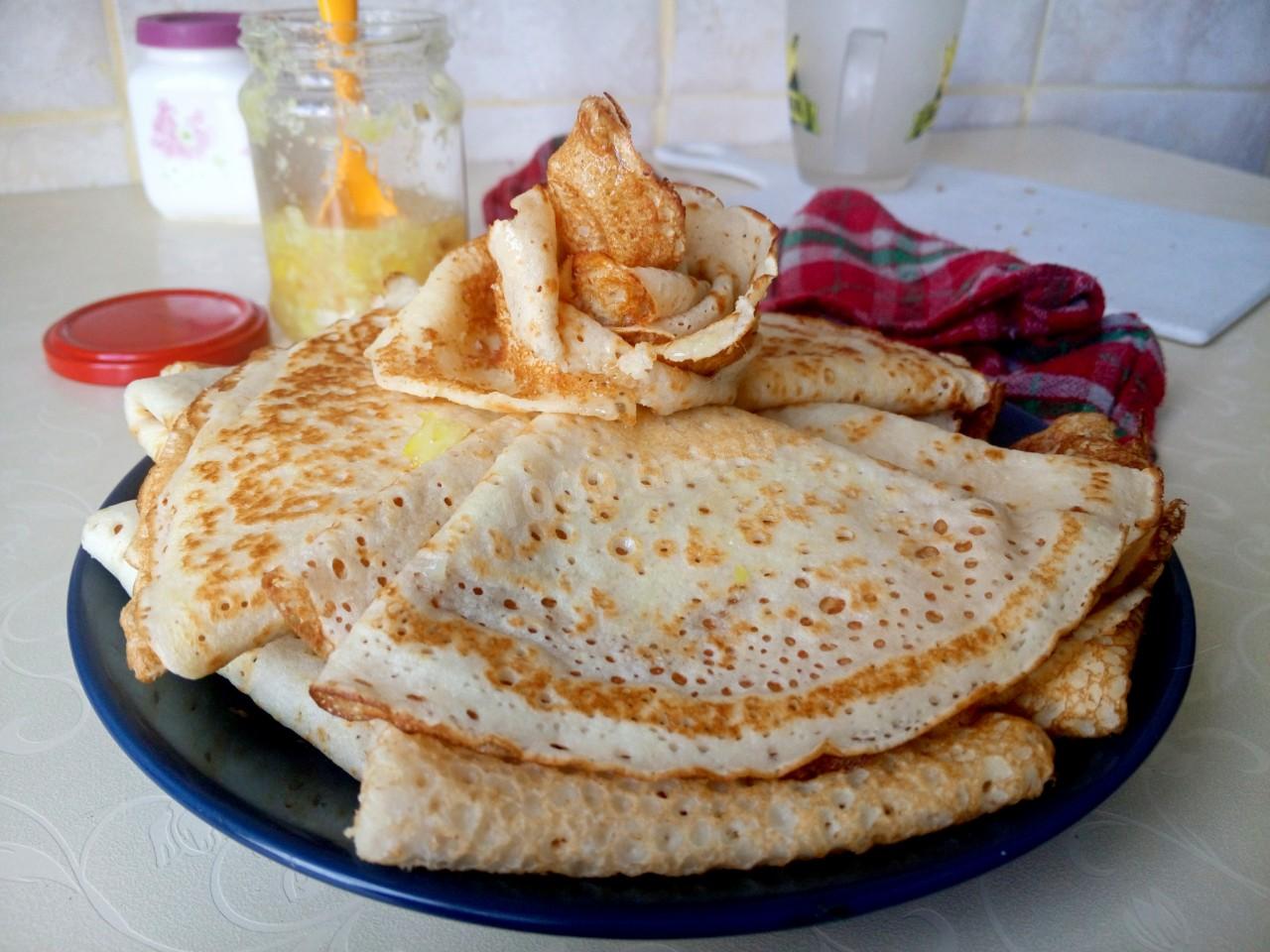
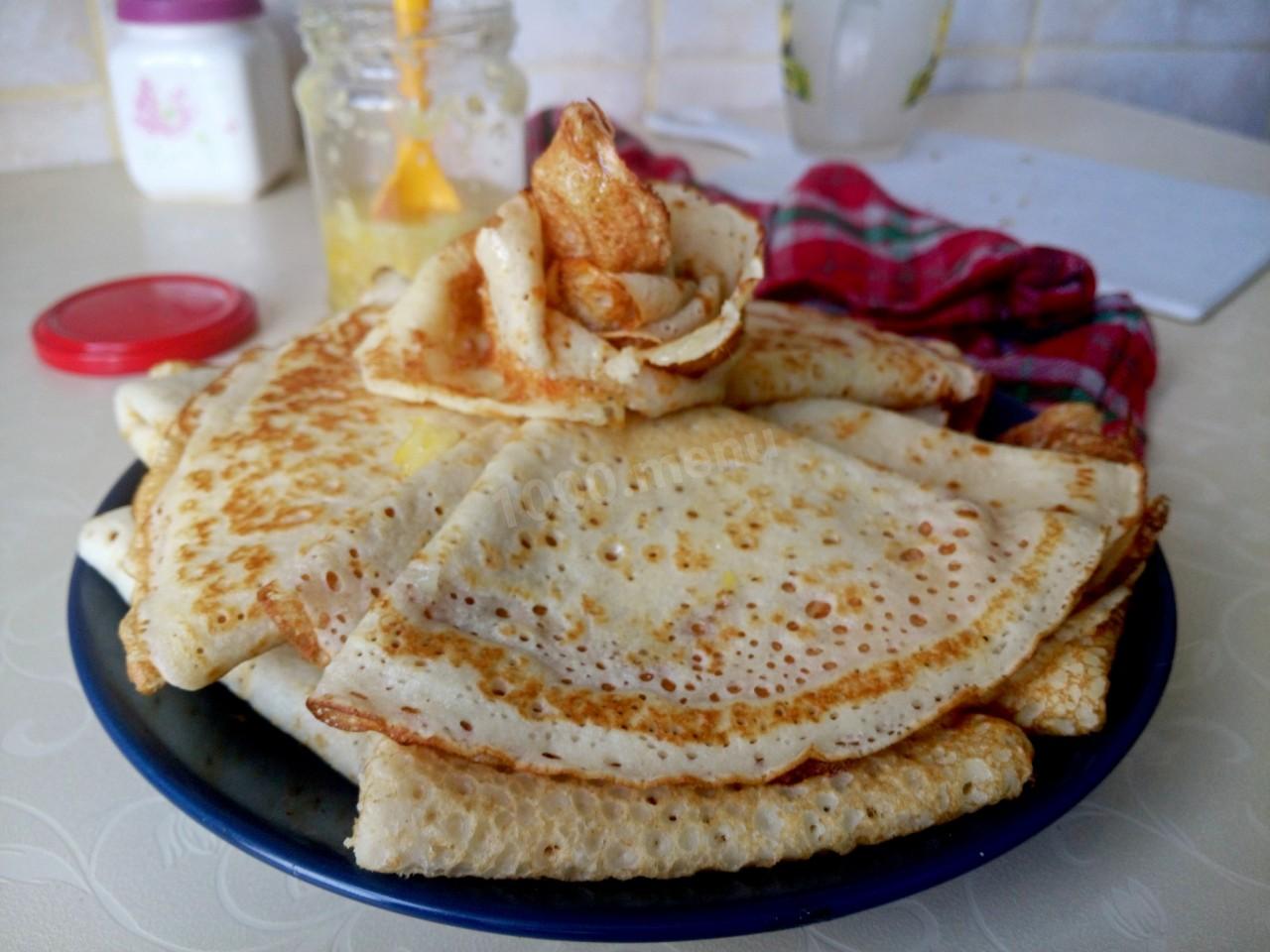
The perfect way to make thin pancakes with a yeast sponge. Yes, they take some time, but you'll fall in love with this recipe — because these are pancakes done right. Even if you're a beginner who's never mixed pancake batter before, don't click away just yet. Follow the recipe and the tips, and you'll end up with truly stellar pancakes — thin, lacy, and crisp at the edges. You won't even lose the first one to the pan. Serve them however you like best. Pancakes like these are just as good plain, with butter or sour cream, jam, condensed milk, and so on — and with any filling, sweet or savory.

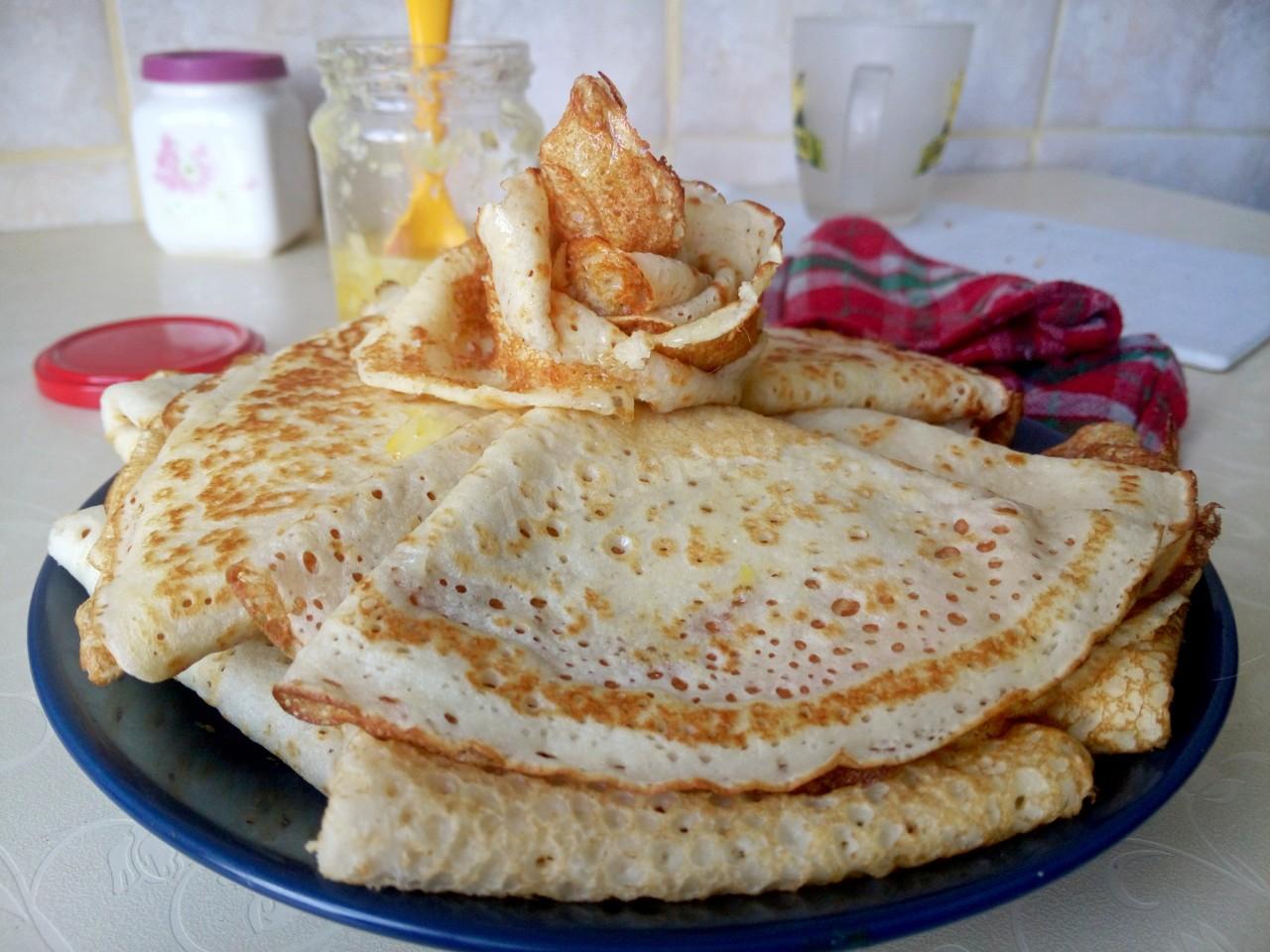
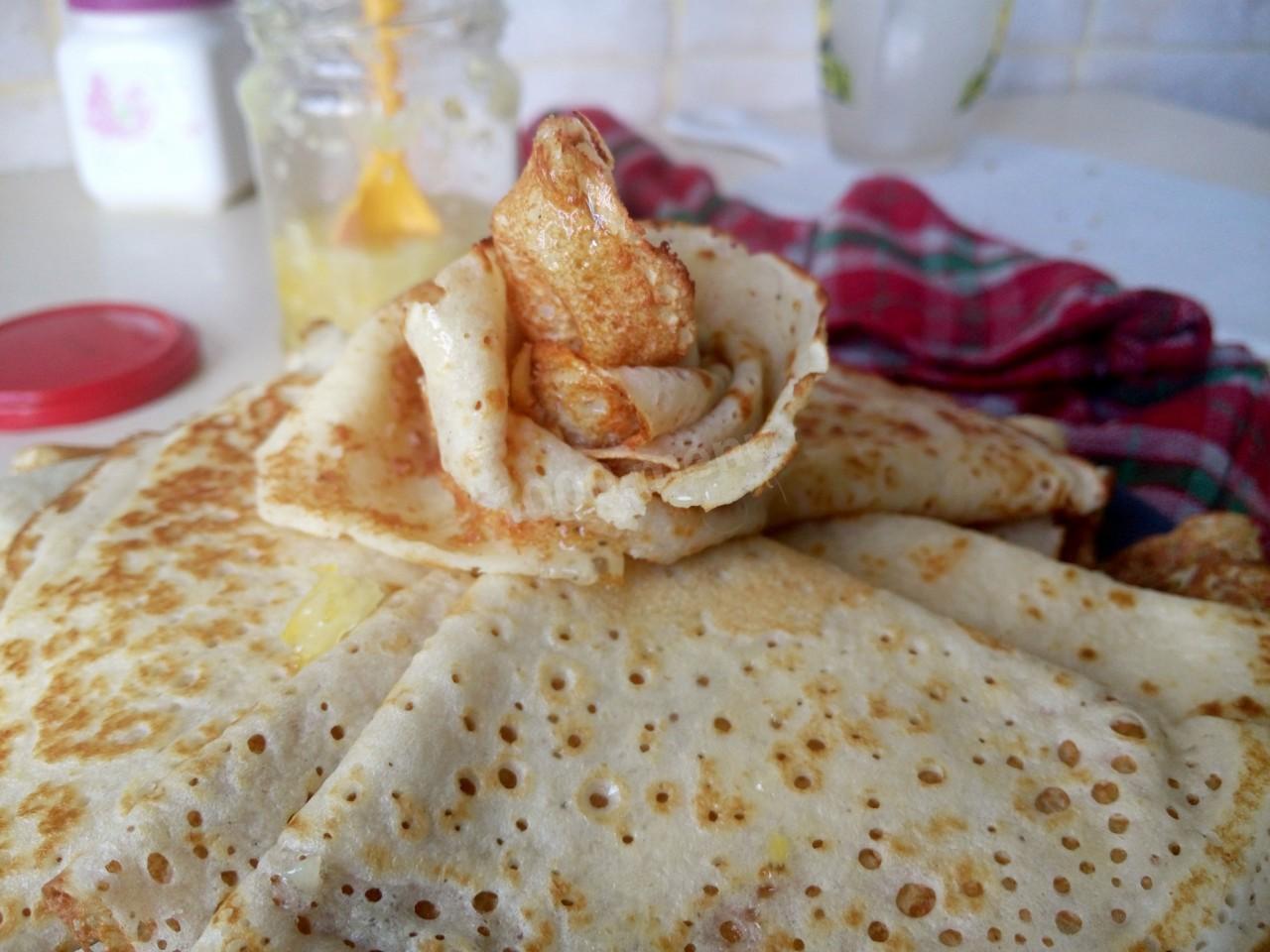
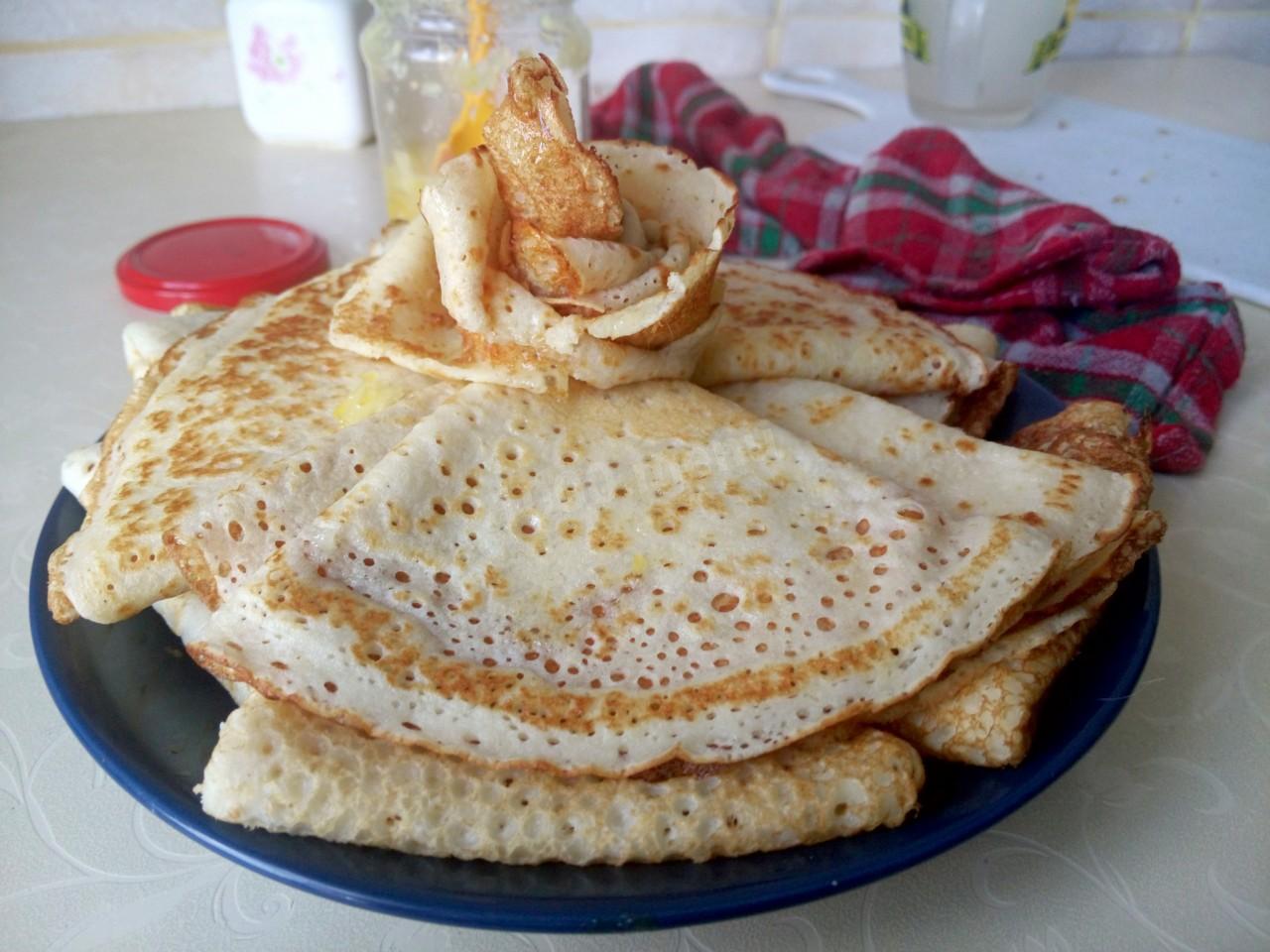
Cooking method
-
Step 1:
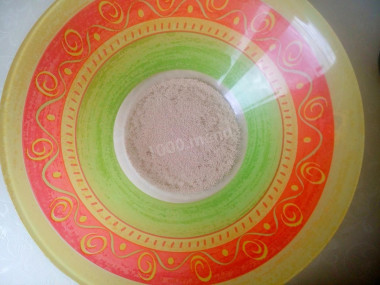
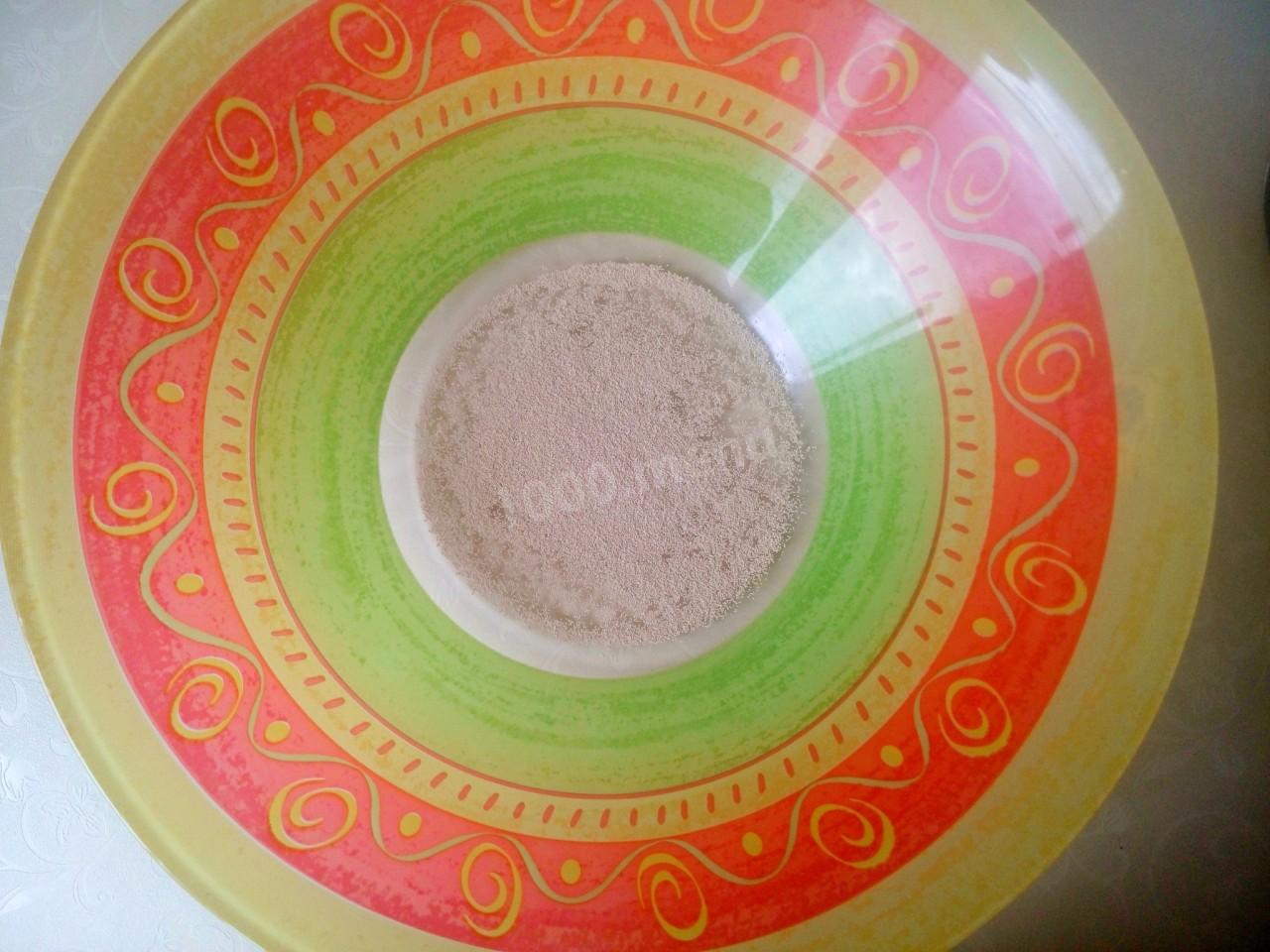
First, let's make a quick sponge. Pour the yeast into a bowl (if you're using fresh yeast, take 16 g and crumble it in).
-
Step 2:
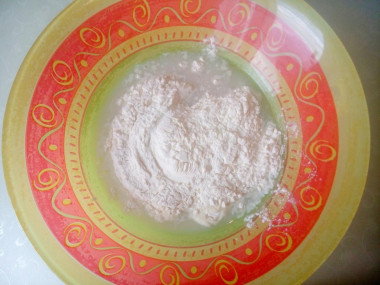
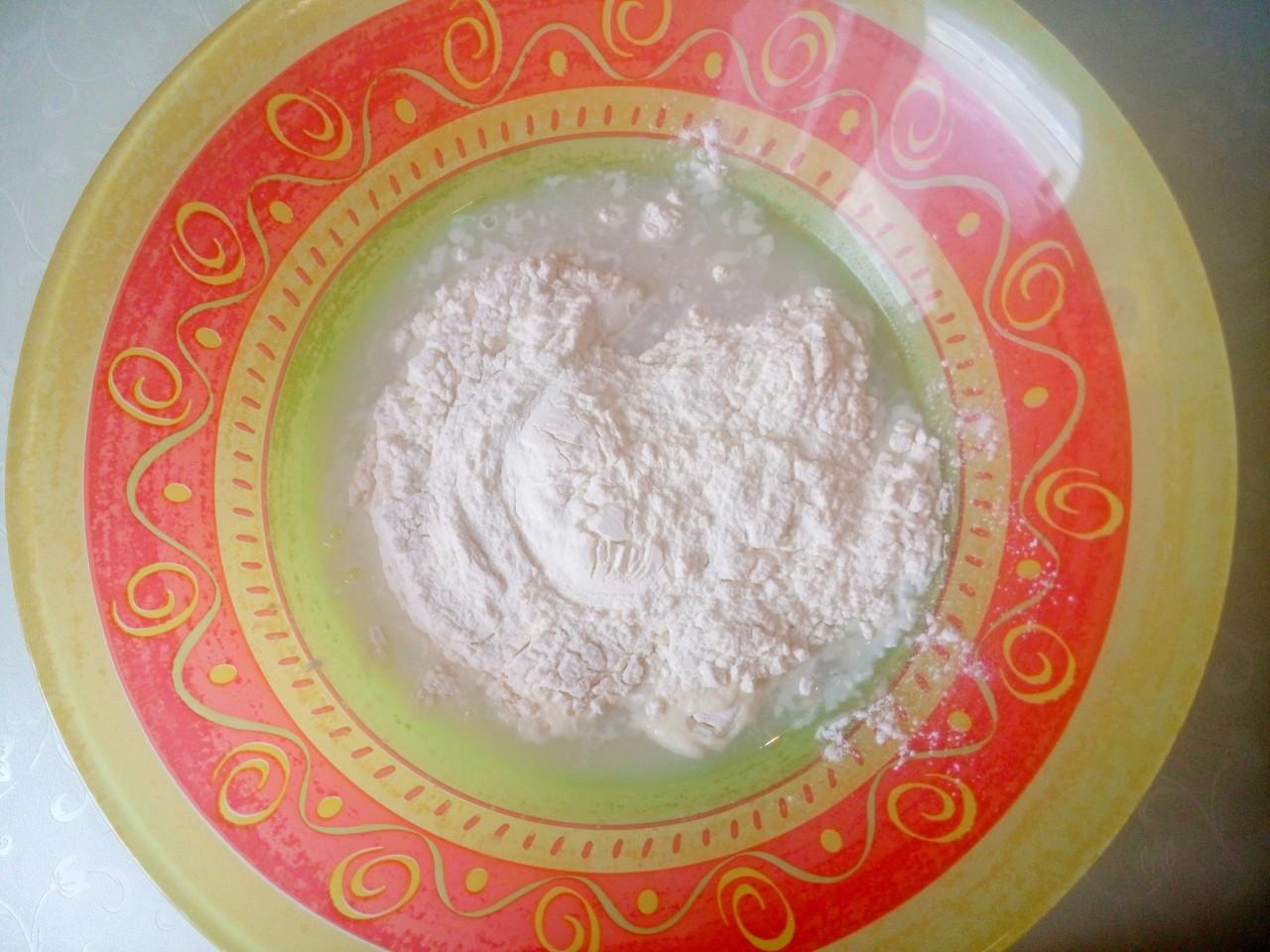
Warm the water slightly (that's the 1 cup) and add it to the yeast. Stir until the yeast is fully dissolved, then add 1 cup of sifted flour to the bowl. Mix well however is easiest for you (I used a mixer to avoid lumps).
-
Step 3:
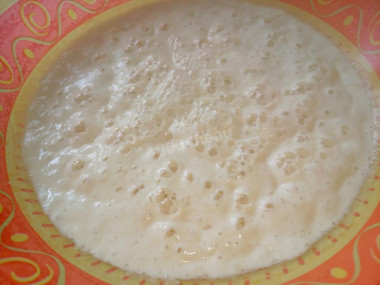
Add the sugar and mix again — a fork or whisk is fine now. The sponge is already foaming as you stir. Cover the bowl with plastic wrap and set it in a warm spot for half an hour. As soon as you see a foamy cap rise over the sponge, it's time to mix up the batter.
-
Step 4:
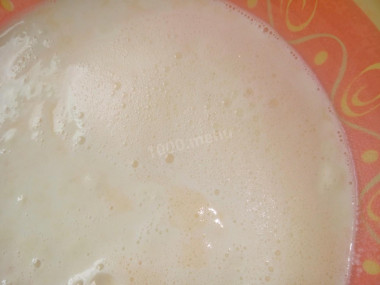
Warm the milk until it's just warm and pour it into the sponge. Beat the eggs and add them to the bowl too. Mix well.
-
Step 5:
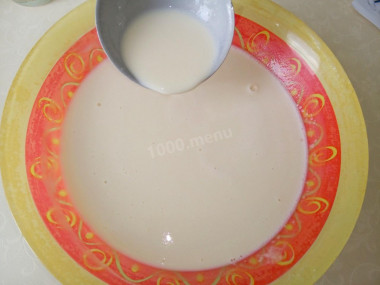
Salt the mixture and stir in the remaining flour set aside for the batter (100 g). It'll come out smooth if, like me, you use a mixer. Remember, the batter should be an even consistency — neither thick nor runny.
-
Step 6:
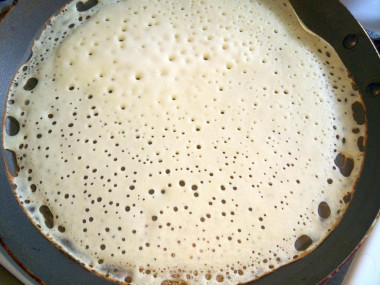
Set the bowl back in a warm spot, again for about half an hour (it may rise sooner, so keep an eye on it). Once the surface starts to bubble, you can put the skillet on the stove. Grease it with oil, ladle in some batter, pour it into the center, and swirl to coat the bottom evenly. If you've mixed and rested the batter properly, it will spread out thin and even. Look how lacy the pancake comes out!
-
Step 7:
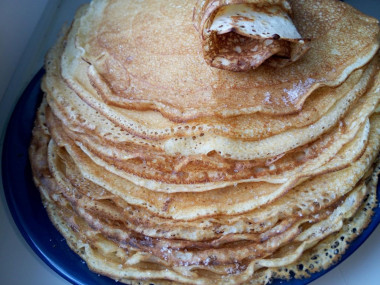
Flip it and cook until the second side is browned. These pancakes cook fast. Dust each one with a little sugar or brush with honey — whatever you like!
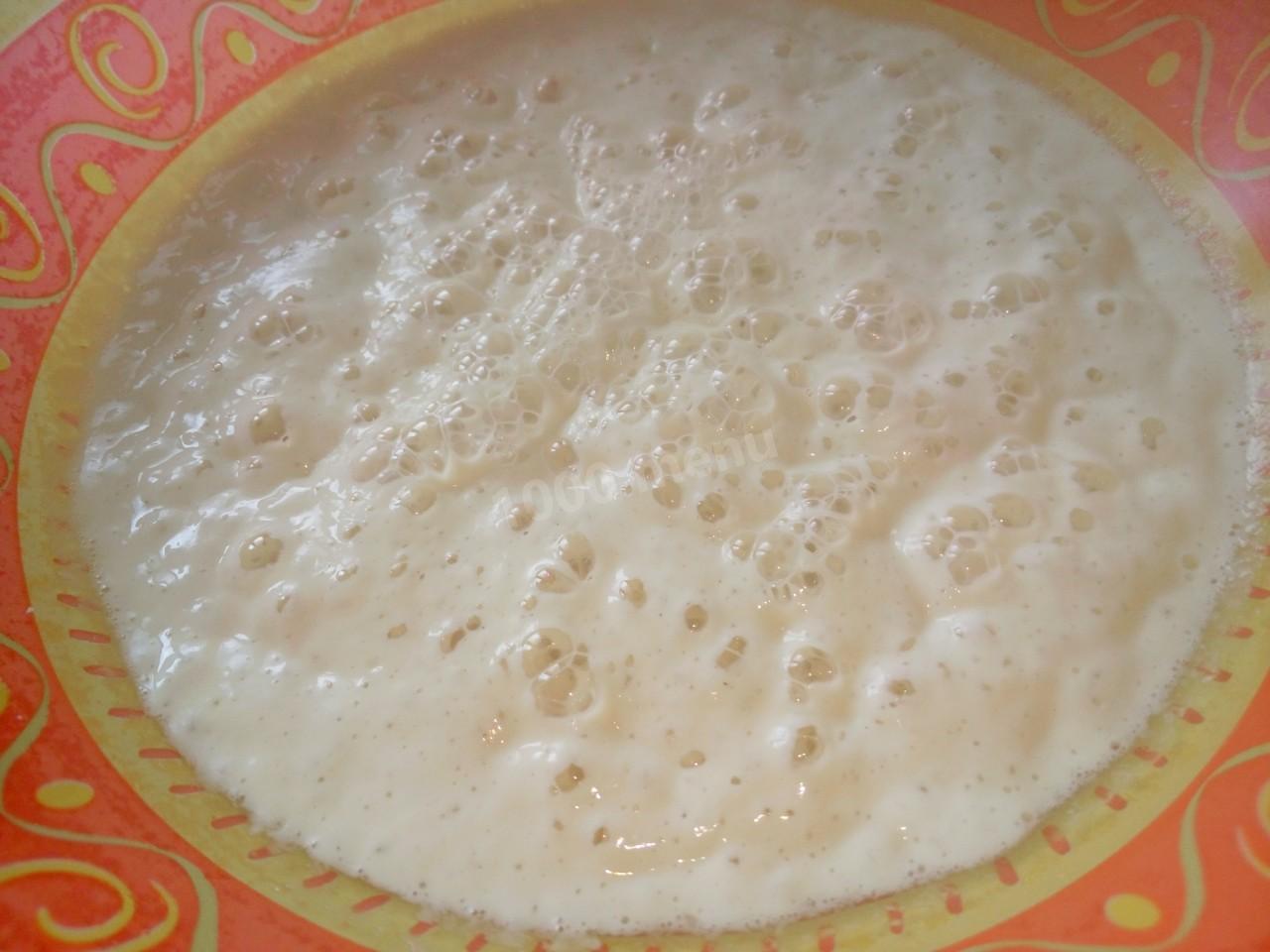
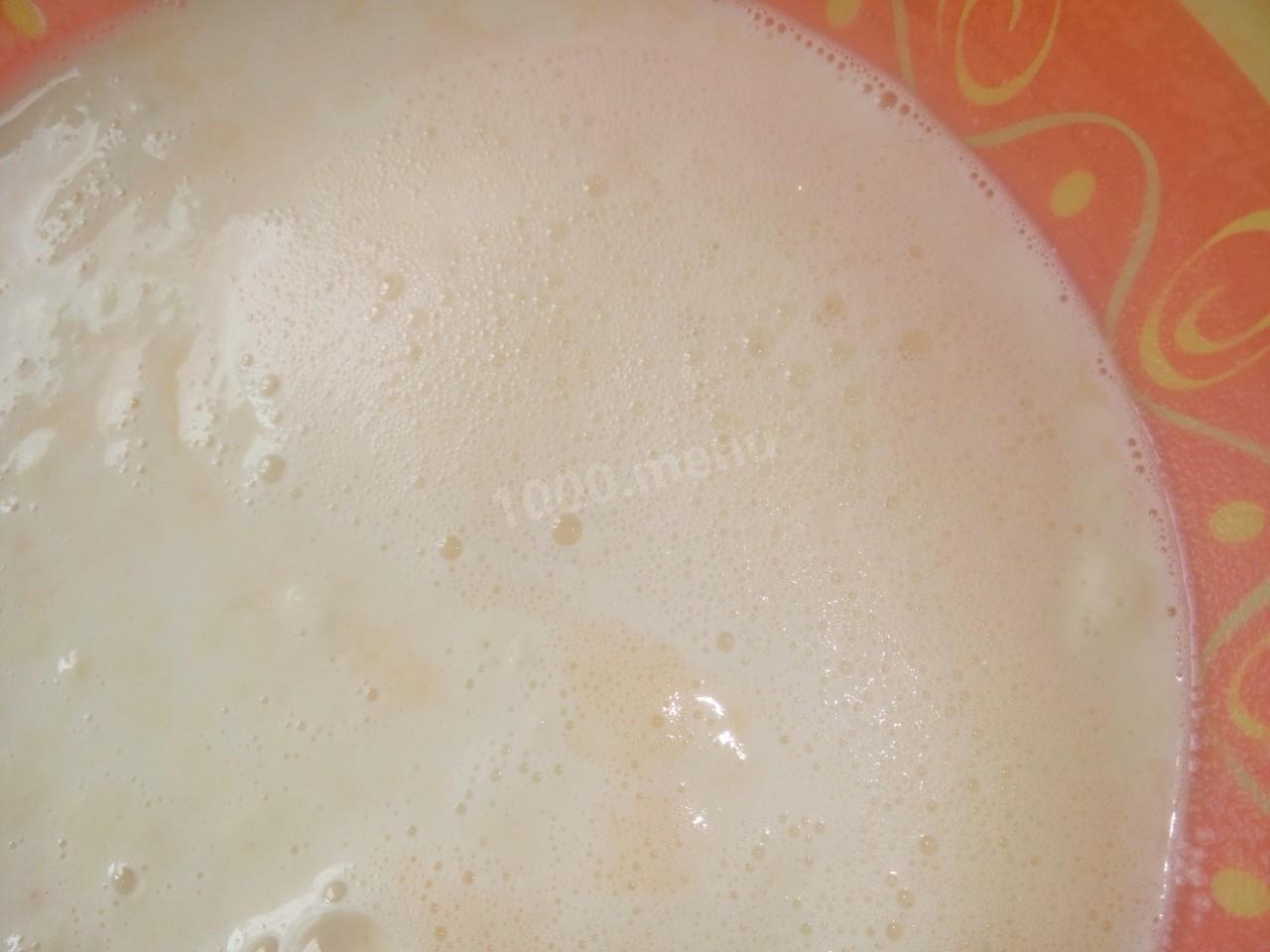
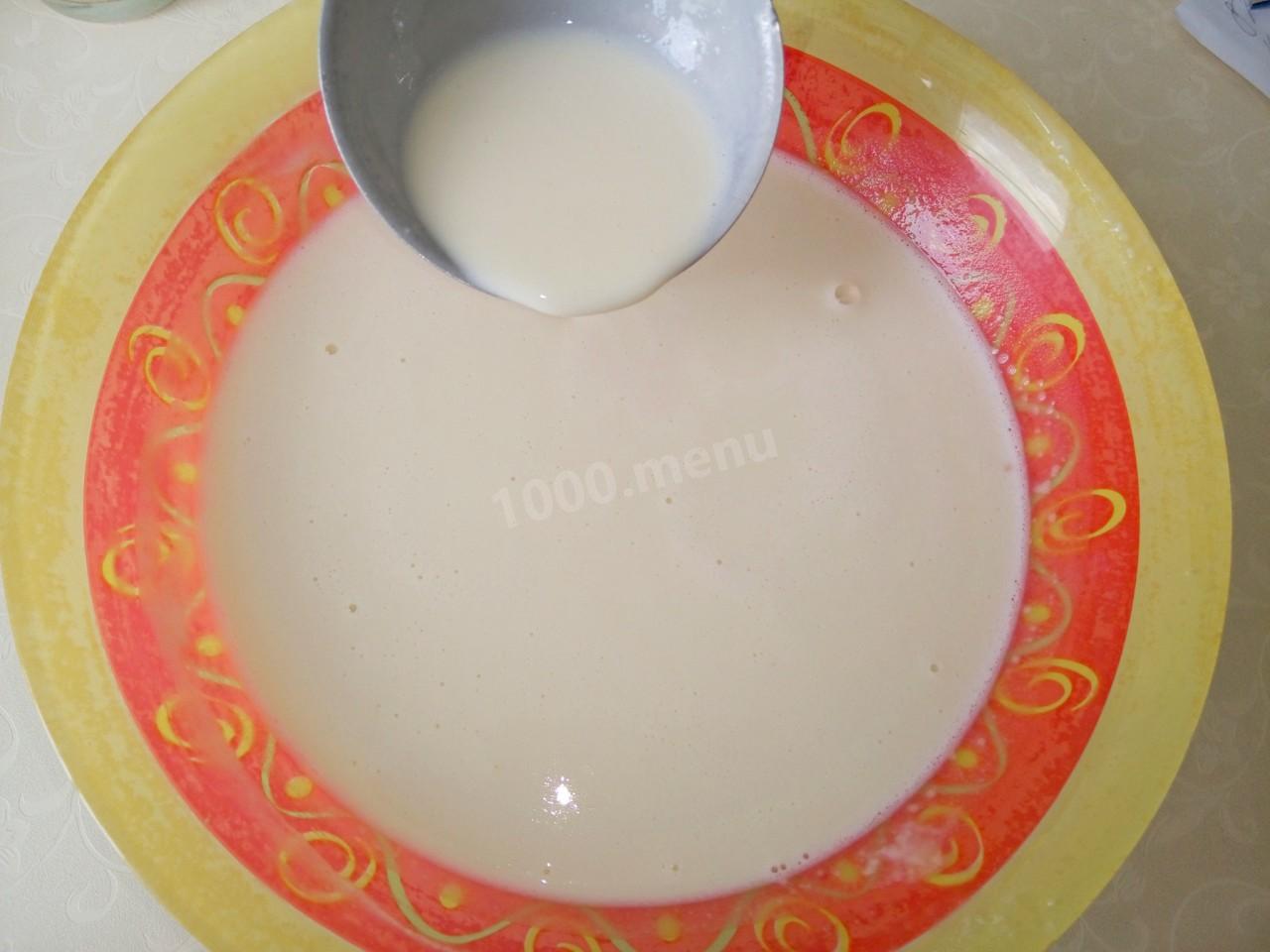
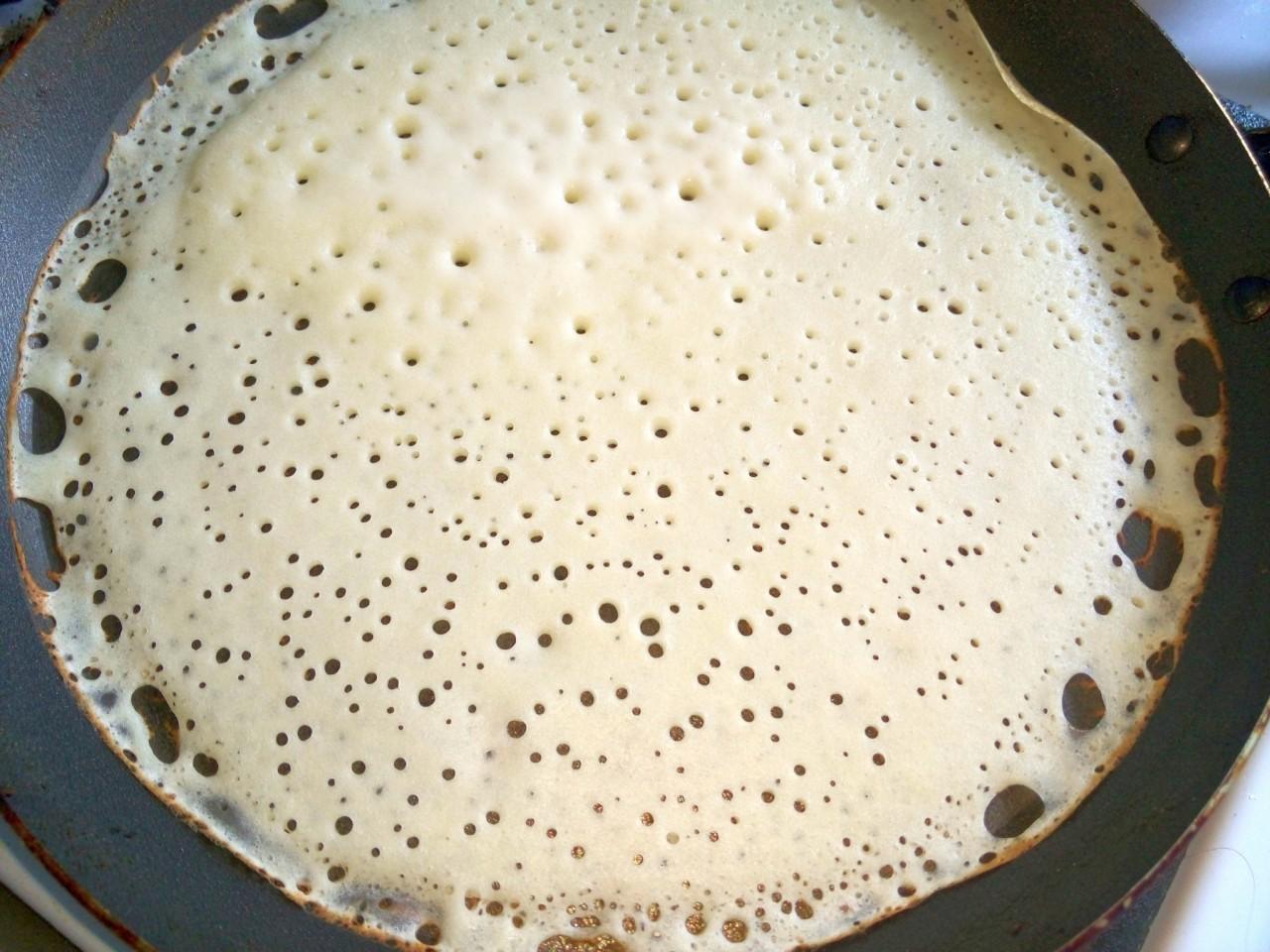
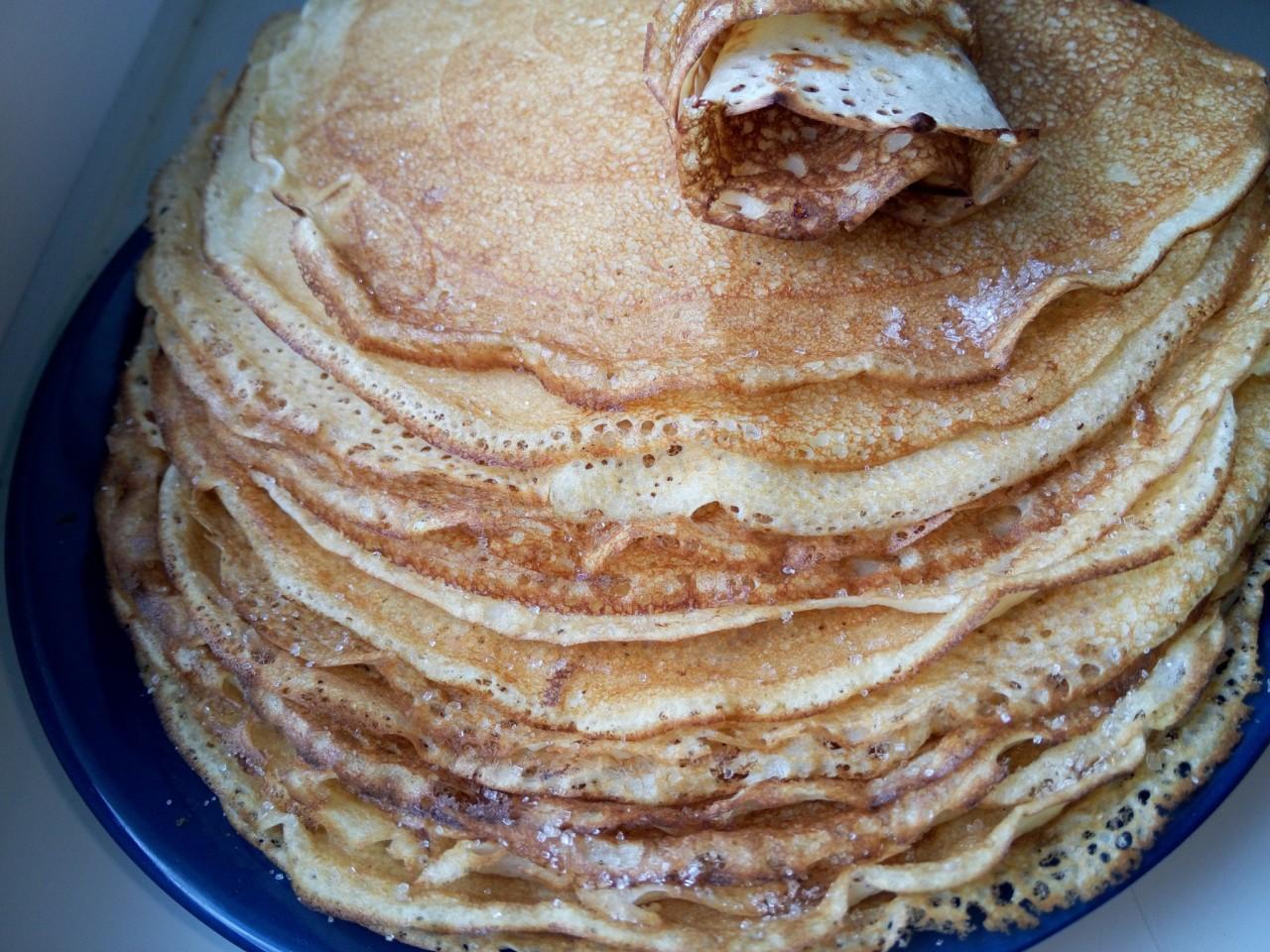
- A few more tips. The recipe is simple, really — the main thing is to stick to the proportions and the order of steps. The one thing worth adding is the frying technique. A couple of small points: it's handy to grease the pan (ideally a crepe pan) with oil using a brush. Fry the pancakes over high heat, but don't leave the stove unless you want burnt pancakes. Once they're done, stack them however you like — in a pile, sprinkled with sugar or drizzled with melted butter, folded into envelopes, and so on.
Caloric content of the products possible in the composition of the dish
- Whole cow's milk - 68 kcal/100g
- Milk 3.5% fat content - 64 kcal/100g
- Milk 3.2% fat content - 60 kcal/100g
- Milk 1.5% fat content - 47 kcal/100g
- Concentrated milk 7.5% fat content - 140 kcal/100g
- Milk 2.5% fat content - 54 kcal/100g
- Chicken egg - 157 kcal/100g
- Egg white - 45 kcal/100g
- Egg powder - 542 kcal/100g
- Egg yolk - 352 kcal/100g
- Ostrich egg - 118 kcal/100g
- Whole durum wheat flour fortified - 333 kcal/100g
- Whole durum wheat flour universal - 364 kcal/100g
- Flour krupchatka - 348 kcal/100g
- Flour - 325 kcal/100g
- Granulated sugar - 398 kcal/100g
- Sugar - 398 kcal/100g
- Vegetable oil - 873 kcal/100g
- Salt - 0 kcal/100g
- Water - 0 kcal/100g
- Dry yeast - 410 kcal/100g