Homemade chicken thigh sausages with cream cheese
Make delicious homemade chicken sausages! All natural, tasty, with no flavorings or additives. Cook these chicken sausages at home and you'll never have to wonder about their quality. They're safe to serve your kids, and the grown-ups will love them too.


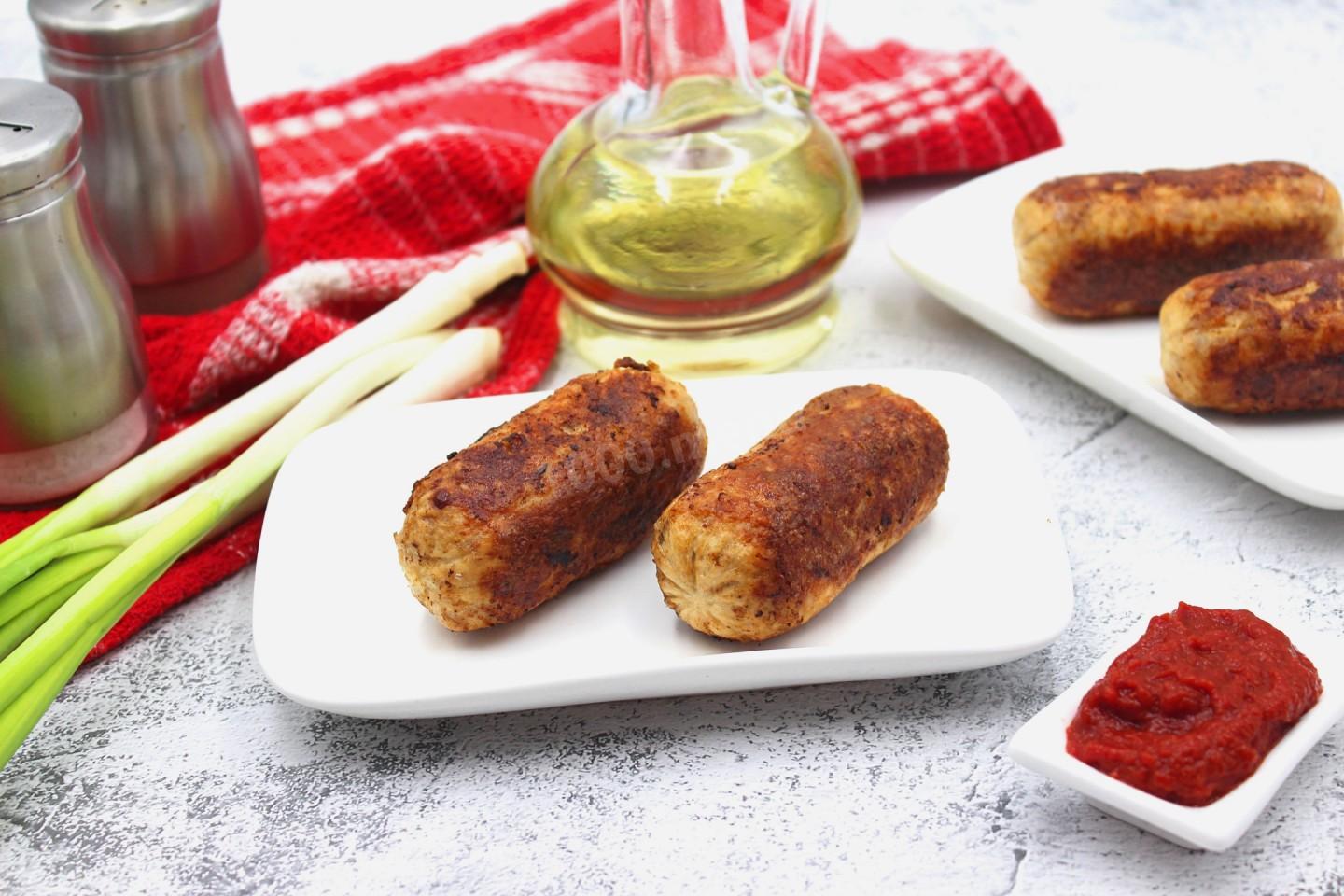
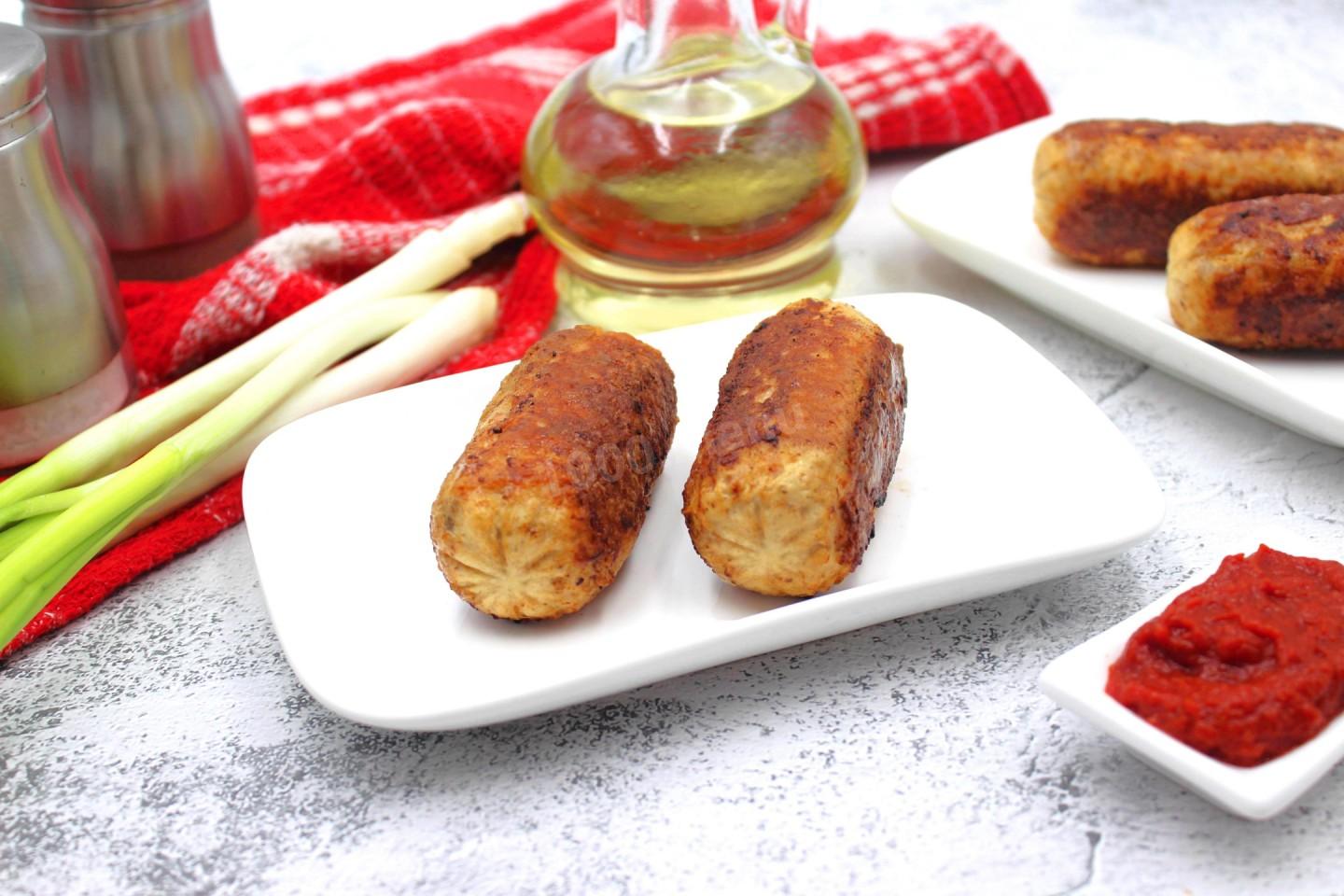
Cooking method
-
Step 1:
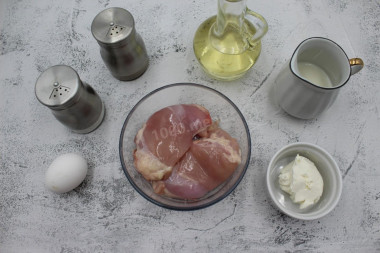
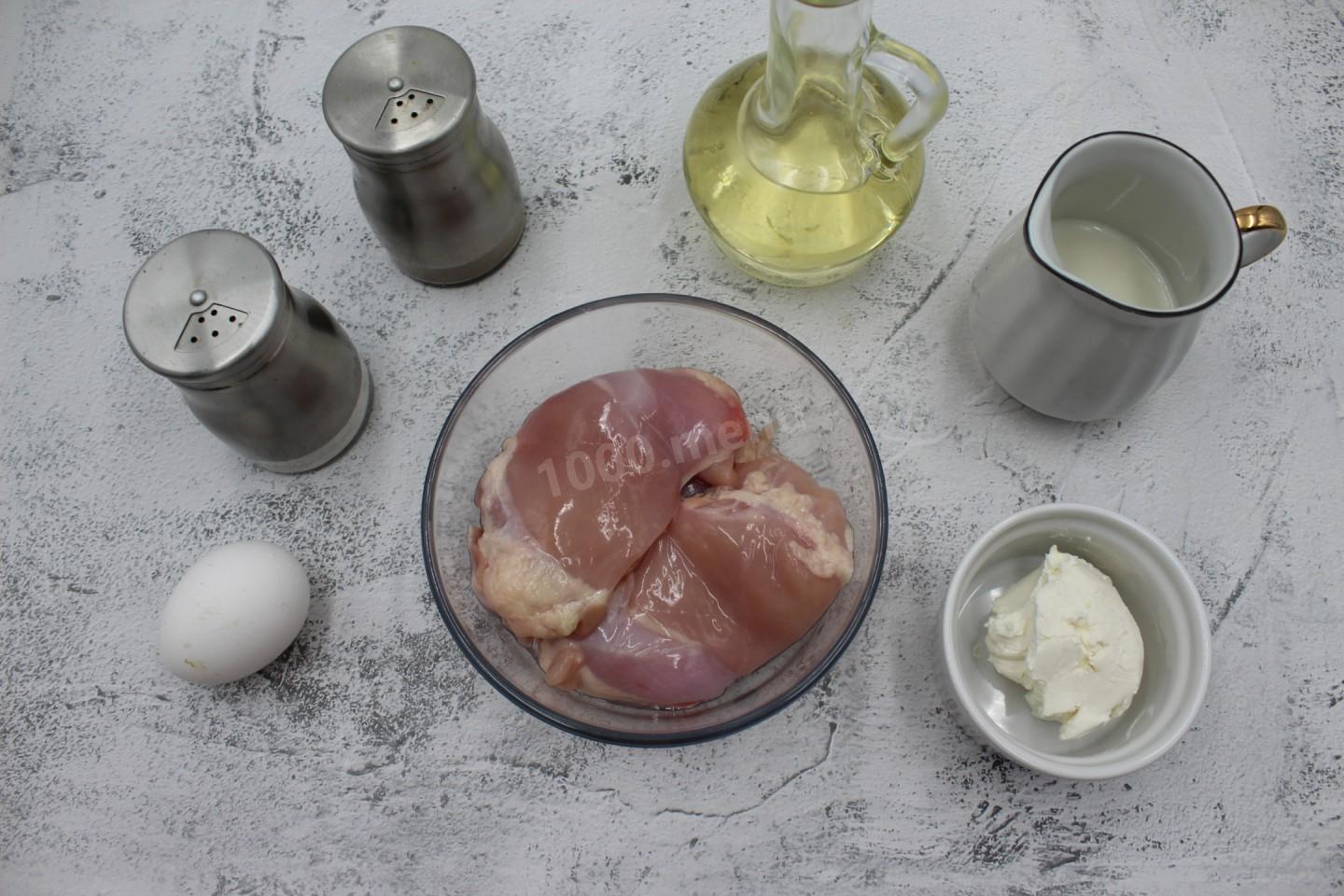
Gather all your ingredients. You can use milk of any fat content and a large egg. Instead of thigh meat, you can use meat from chicken breasts or drumsticks — just make sure the boneless, skinless chicken weighs about 1 pound (500 g). Feel free to add your favorite spices, too.
-
Step 2:
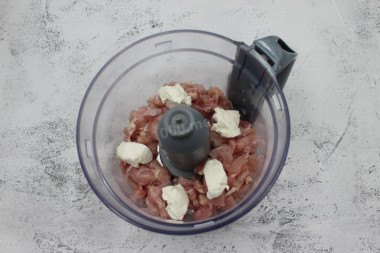
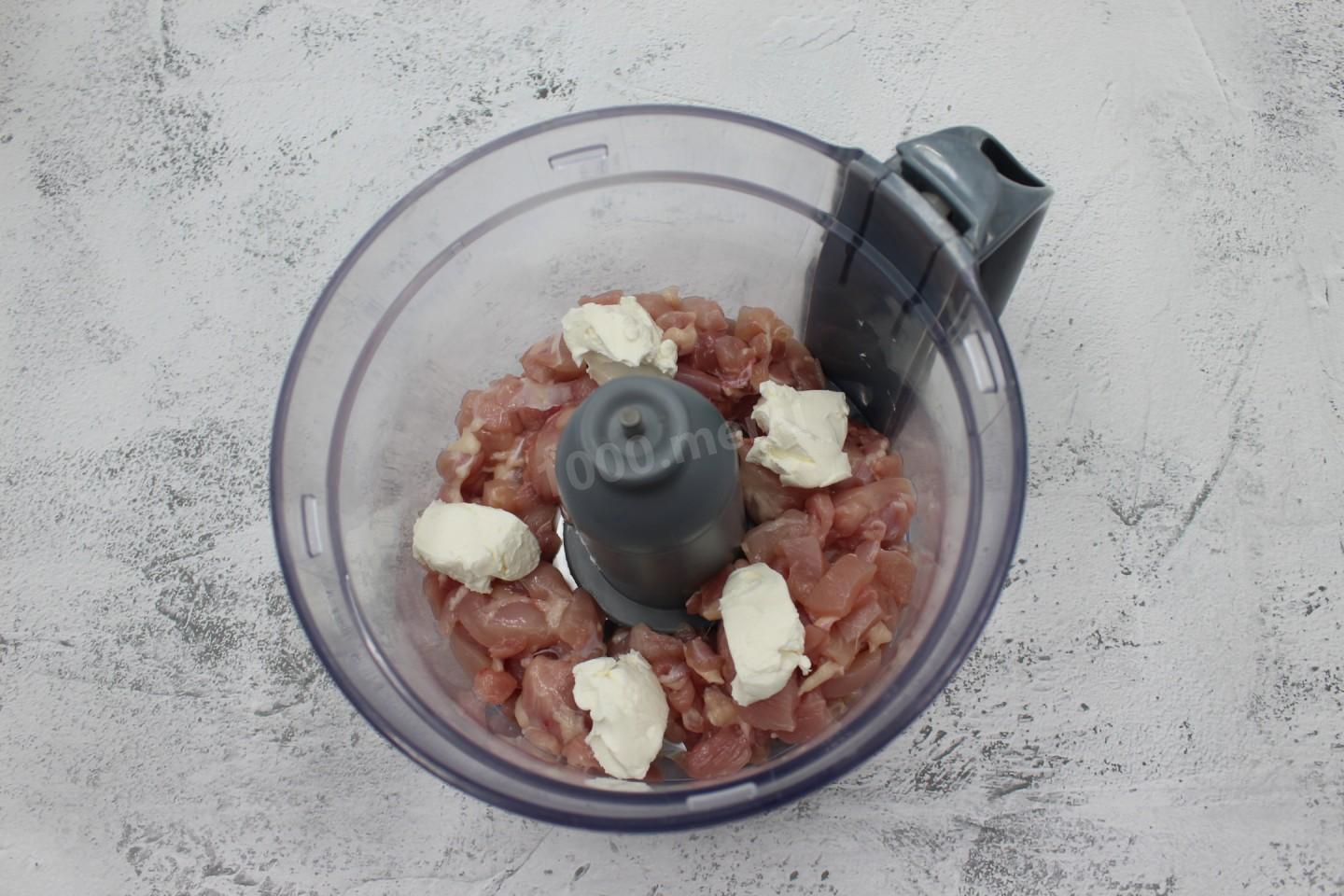
Rinse the chicken under running water and pat it dry with paper towels. Trim off any excess membrane and fat, then cut the meat into medium pieces with a sharp knife and add it to a blender or food processor. Add the cream cheese as well.
-
Step 3:
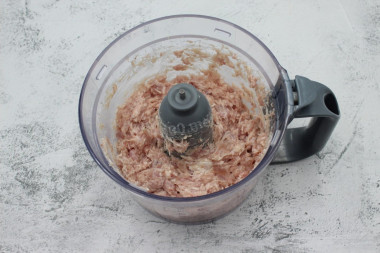
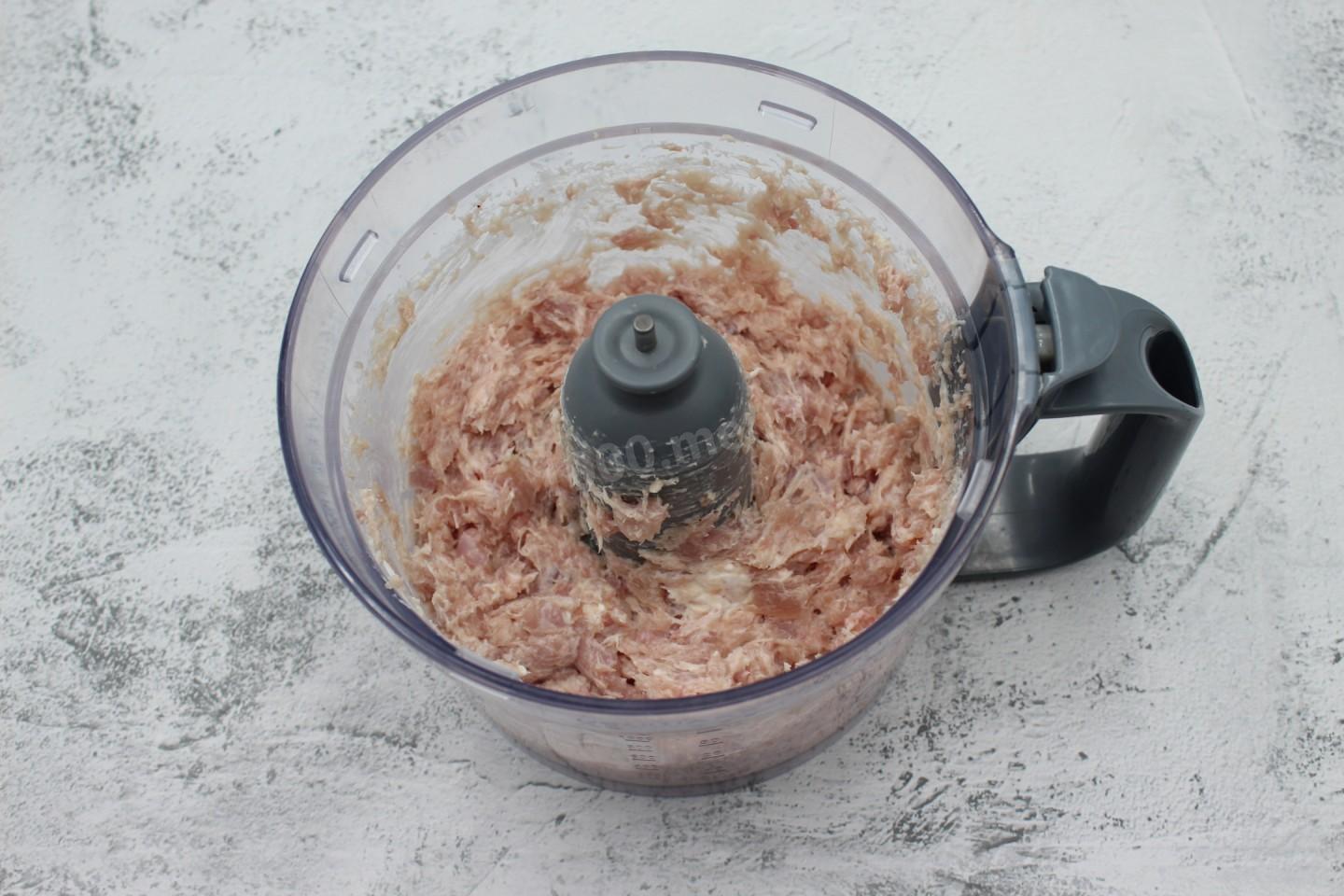
Blend on high until you have a smooth, uniform mixture. If you don't have a blender, you can run everything through a meat grinder fitted with a fine plate.
-
Step 4:
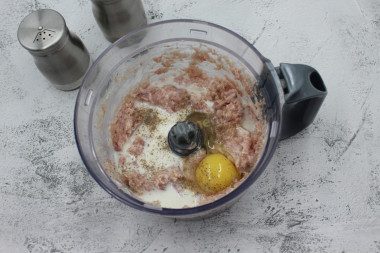
Remove the blade from the blender. Pour the milk into the ground mixture, crack in the egg, add ground black pepper, salt, and any other spices you like, and stir everything together with a fork.
-
Step 5:
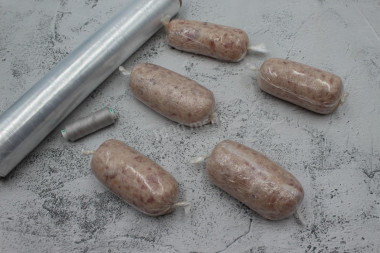
Spoon the meat mixture onto a rectangular piece of plastic wrap and shape it into a sausage. Wrap it up like a piece of candy, twisting the ends and tying them off with plain kitchen string.
-
Step 6:
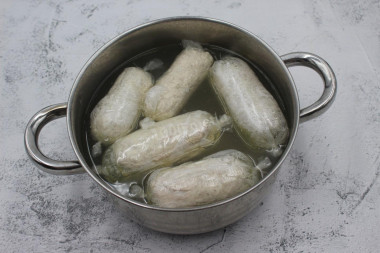
Boil the wrapped sausages for 20 minutes once the water returns to a boil. By then they'll be firm and will hold their shape.
-
Step 7:
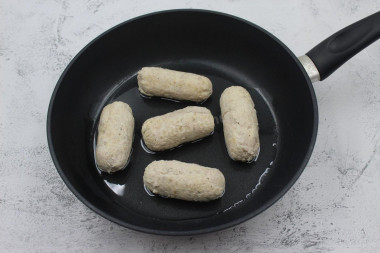
Lift the cooked sausages out of the water with a slotted spoon and let them cool a bit. Carefully unwrap them (watch out for steam), then fry the chicken sausages in a little vegetable oil, turning to brown them on all sides until golden.

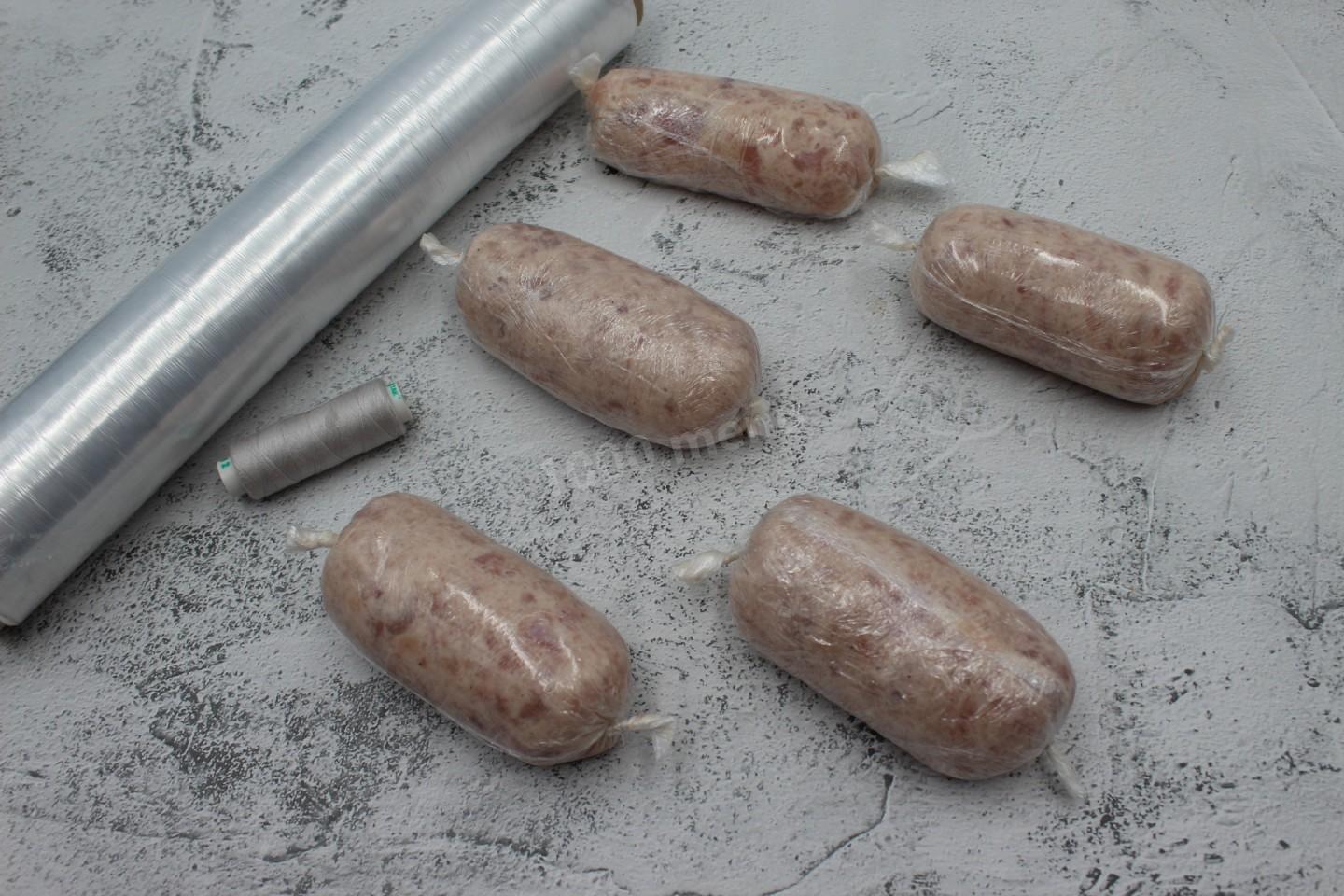

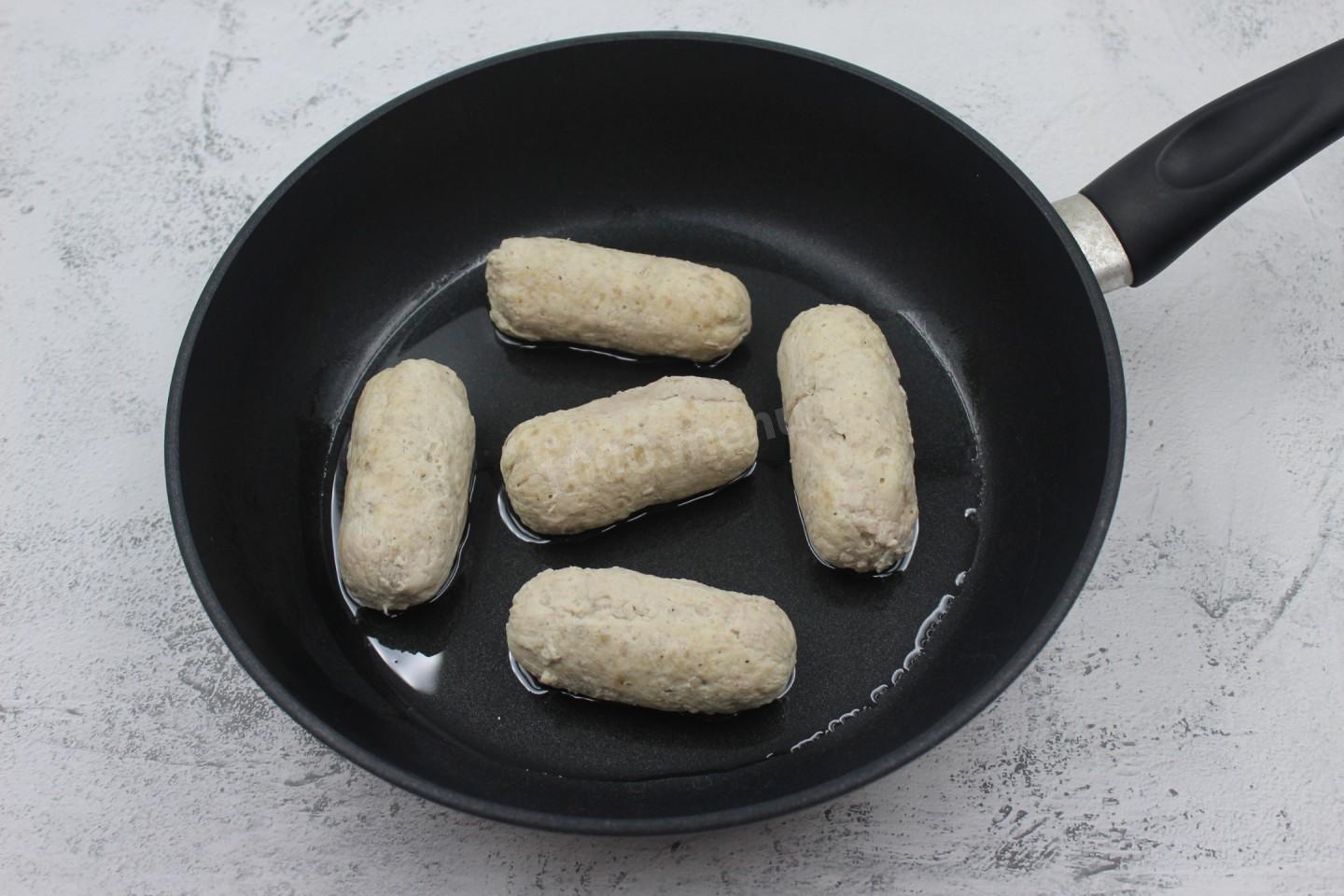
- To keep these sausages lighter and more diet-friendly, you can skip the frying altogether or cook them on the grill instead.
- They're also great to make ahead, like dumplings. Just wrap the raw mixture in plastic wrap, tie off the ends, and freeze. Whenever you're in the mood, pull them from the freezer, boil them, and fry them if you like.
- Always wash eggs before using them — even a shell that looks clean can carry harmful bacteria. It's best to use a food-safe wash and a brush.
- Not sure if an egg is fresh? Crack it into a separate bowl. First, there should be no off smell. The white of a fresh egg is clear and clean, and the yolk should sit up firm, shiny, and rounded rather than running flat.
- Use an oil with a high smoke point for frying. Every oil is only good up to a certain temperature — its smoke point — beyond which it starts to burn and forms harmful compounds. Refined oils handle heat better and have higher smoke points than most unrefined ones. If you're cooking in the oven, in a skillet, or on the grill, reach for a high-smoke-point oil such as refined sunflower, olive, or grapeseed.
Caloric content of the products possible in the composition of the dish
- Whole cow's milk - 68 kcal/100g
- Milk 3.5% fat content - 64 kcal/100g
- Milk 3.2% fat content - 60 kcal/100g
- Milk 1.5% fat content - 47 kcal/100g
- Concentrated milk 7.5% fat content - 140 kcal/100g
- Milk 2.5% fat content - 54 kcal/100g
- Chicken egg - 157 kcal/100g
- Egg white - 45 kcal/100g
- Egg powder - 542 kcal/100g
- Egg yolk - 352 kcal/100g
- Ostrich egg - 118 kcal/100g
- Vegetable oil - 873 kcal/100g
- Salt - 0 kcal/100g
- Cream cheese with 50% fat content - 349 kcal/100g
- Pepper - 26 kcal/100g
- Chicken thighs - 185 kcal/100g
Similar recipes

- Homemade dinner
- Kitchen utensils
- Snacks
- Second course
- Eggs
- Meat and meat products
- Cheese
- Dairy products
- Spices seasonings spices
- Fats and oils
- Pepper
- Salt
- Blender
- Vegetable oil
- Homemade sausage
- Meat snacks
- Frying
- In a frying pan
- Simple dinner
- Meat second course
- Poultry
- Soft cheese
- Simple quick dinner
- Milk