Pan-Fried Pangasius with Vegetables and Sour Cream
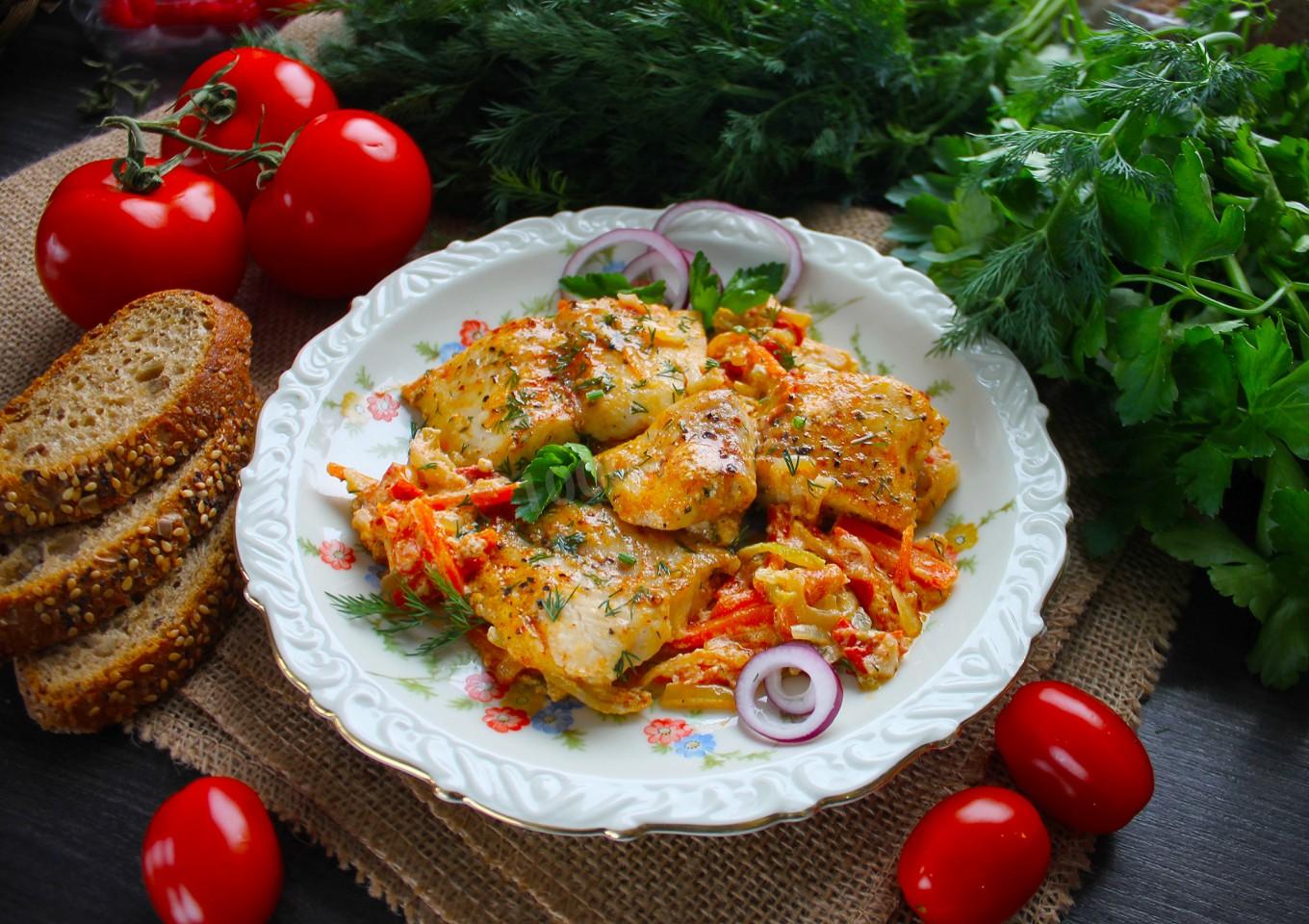
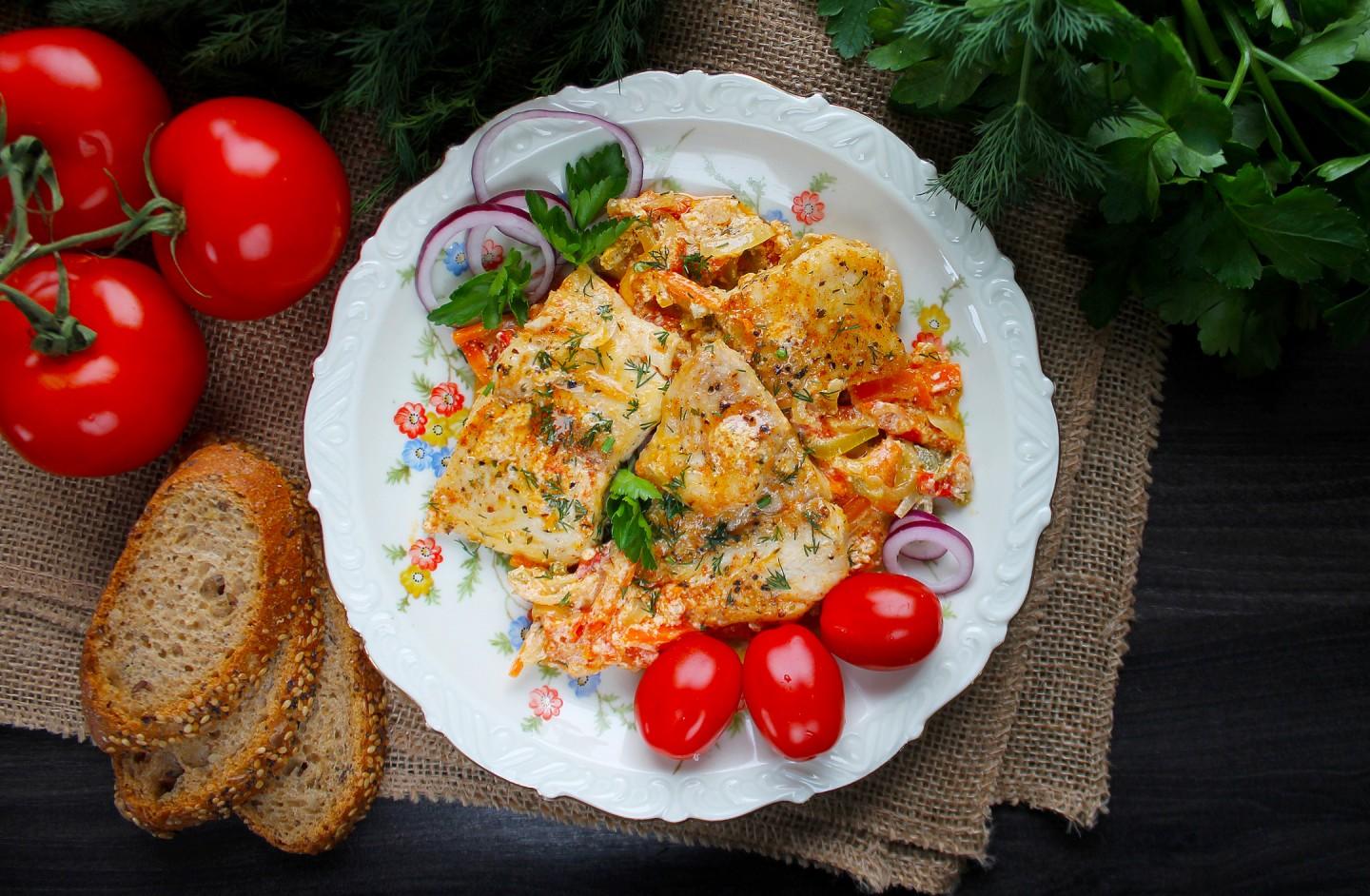
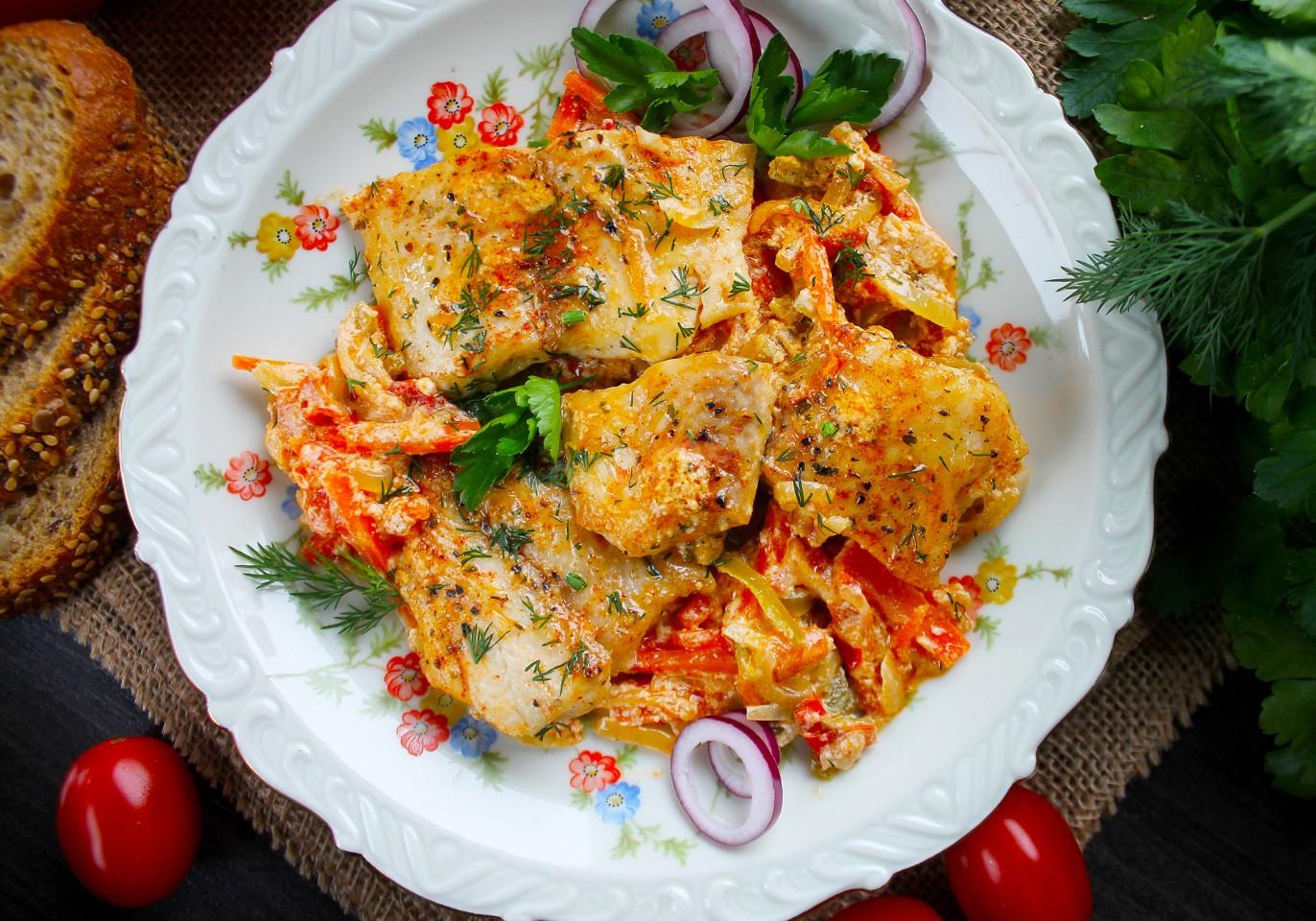
Incredibly tender, delicious fish that melts in your mouth! Pangasius fillet cooked this way turns out soft and juicy. The sour cream and vegetable sauce pairs beautifully with the fish, keeping it tender and full of flavor. Even kids will love it.

Cooking method
-
Step 1:
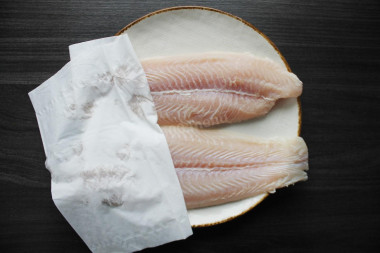
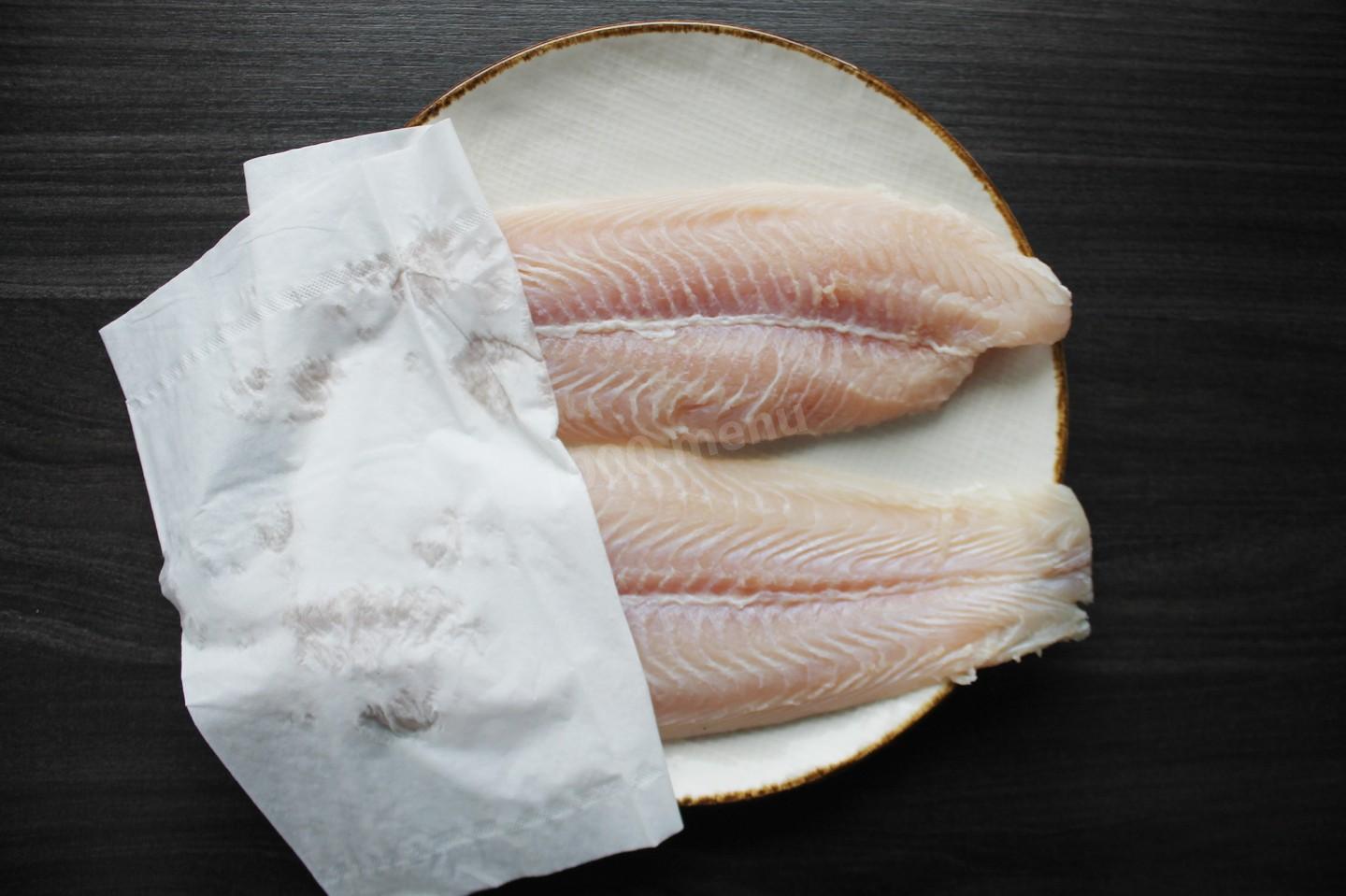
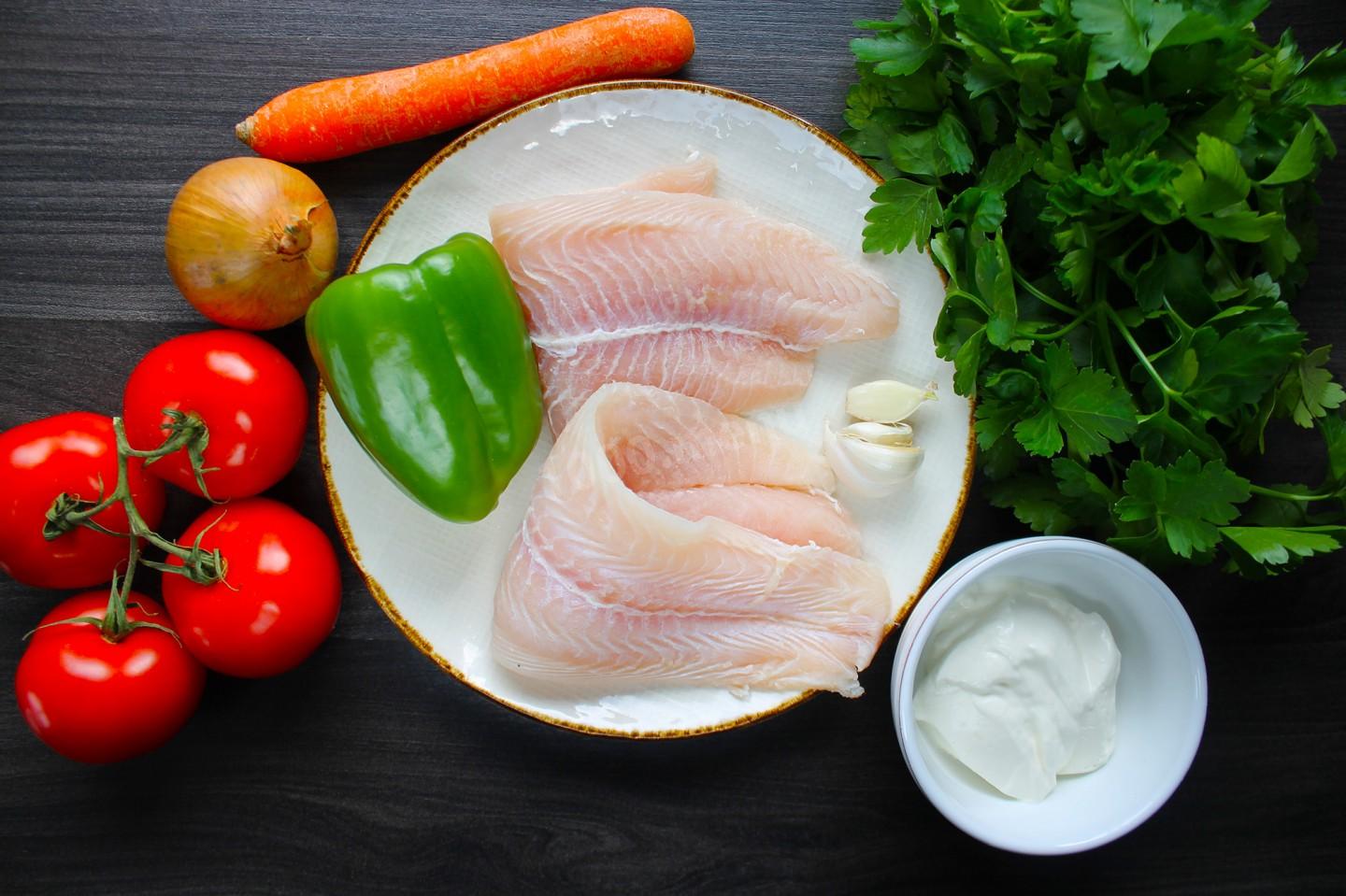
How do you make pangasius with sour cream and vegetables? Start by prepping the fish fillets. Take them out of the freezer and let them thaw completely at room temperature. Rinse the pangasius under cold running water and pat it dry with paper towels — there should be no excess moisture left on the fish. (The cooking time in the recipe doesn't include thawing.)
-
Step 2:
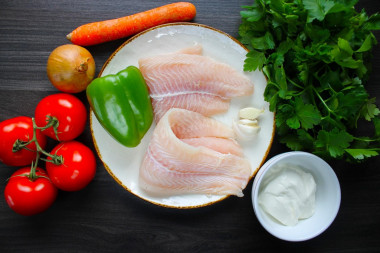
Prep the rest of the ingredients from the list. Use ripe, juicy tomatoes and a sweet carrot, and the sour cream sauce will come out rich and full of flavor.
-
Step 3:
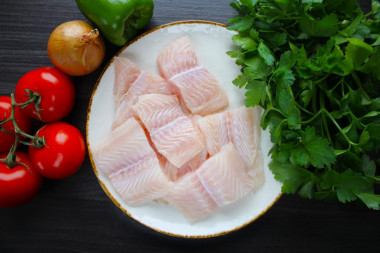
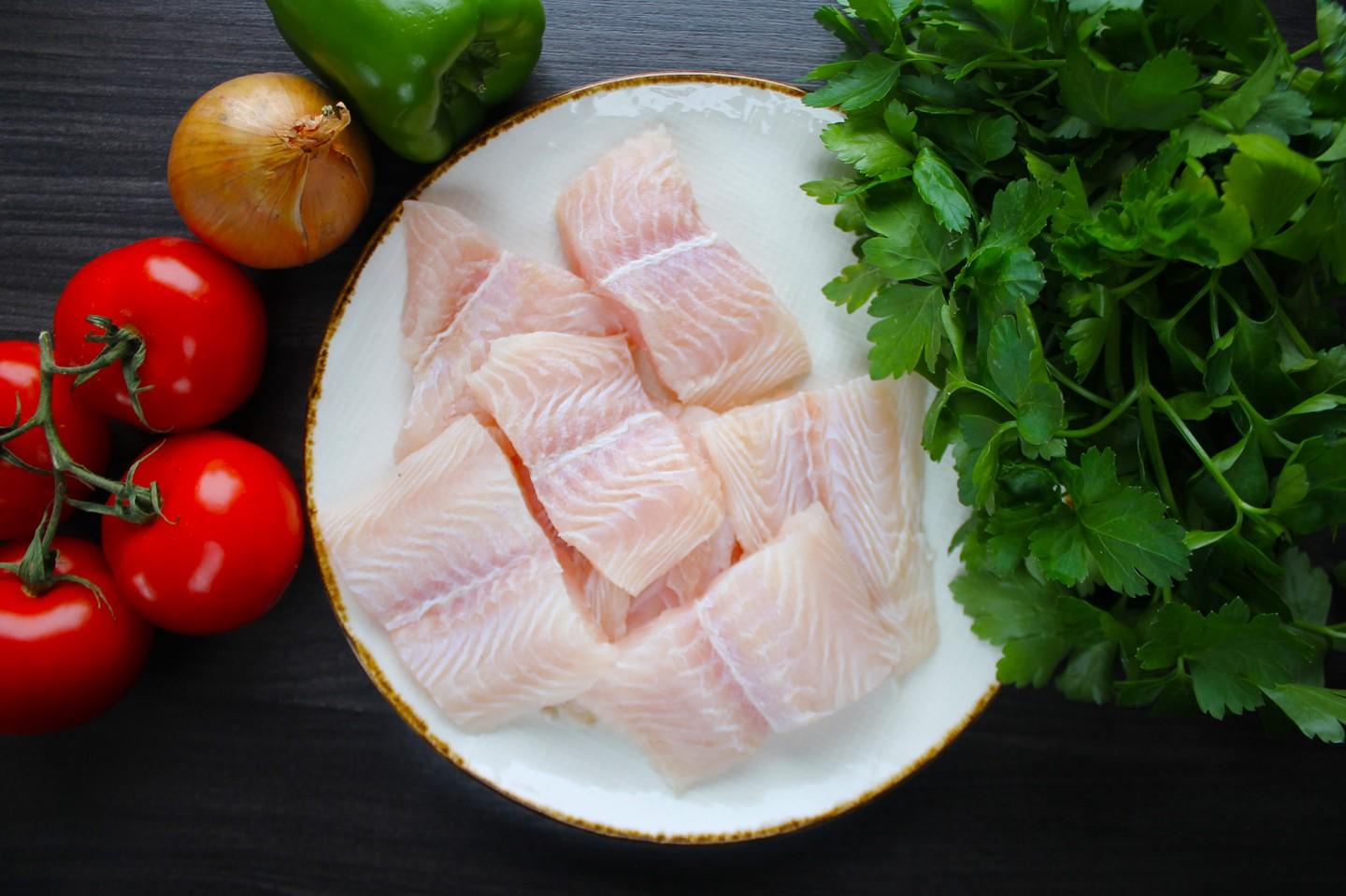
Cut the fish into pieces about 1 1/2 inches (3–4 cm) long.
-
Step 4:
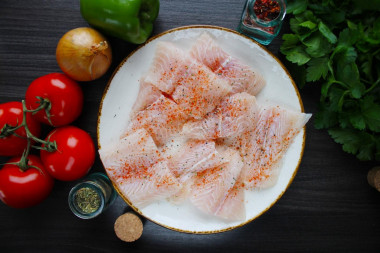
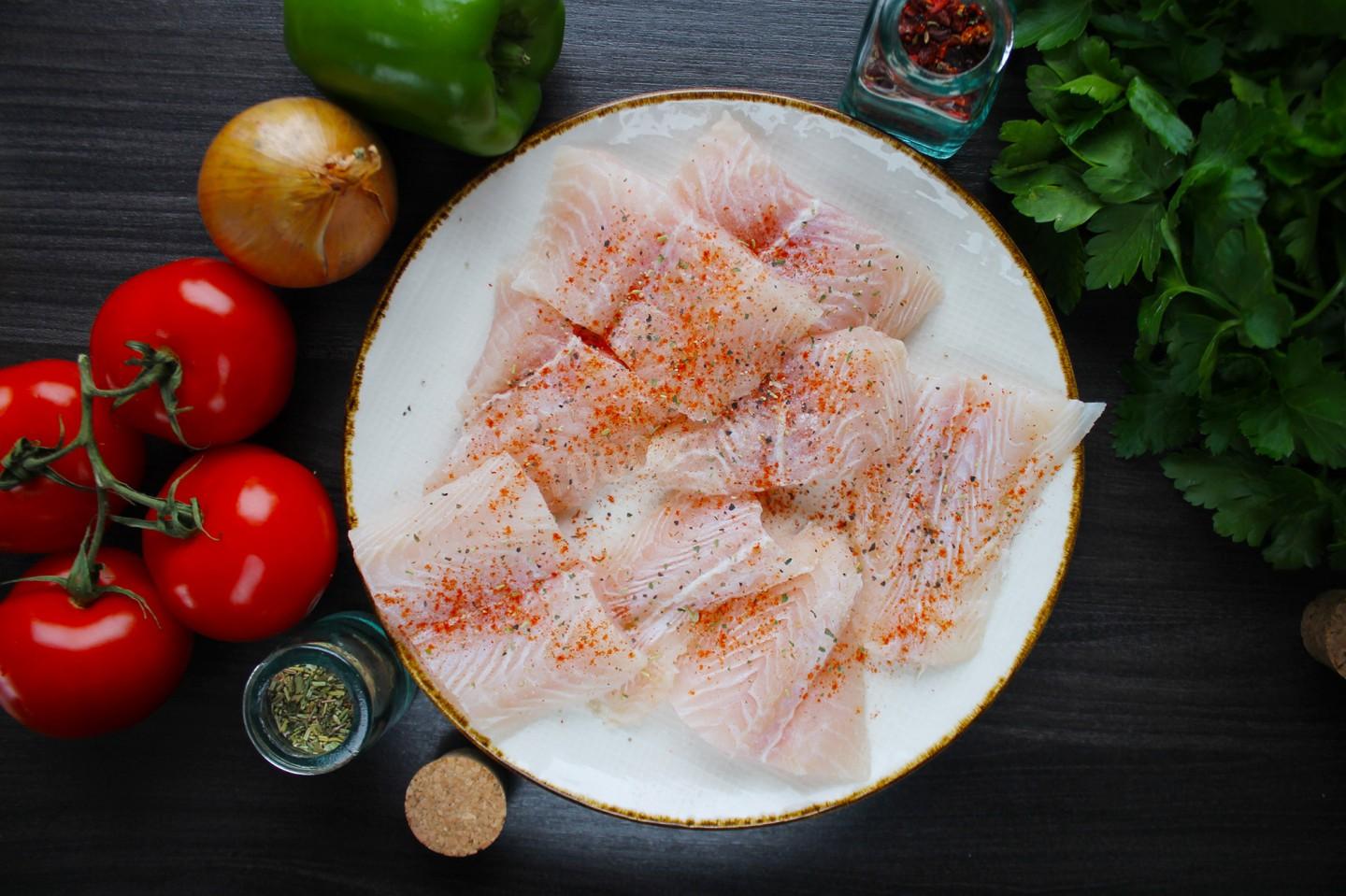
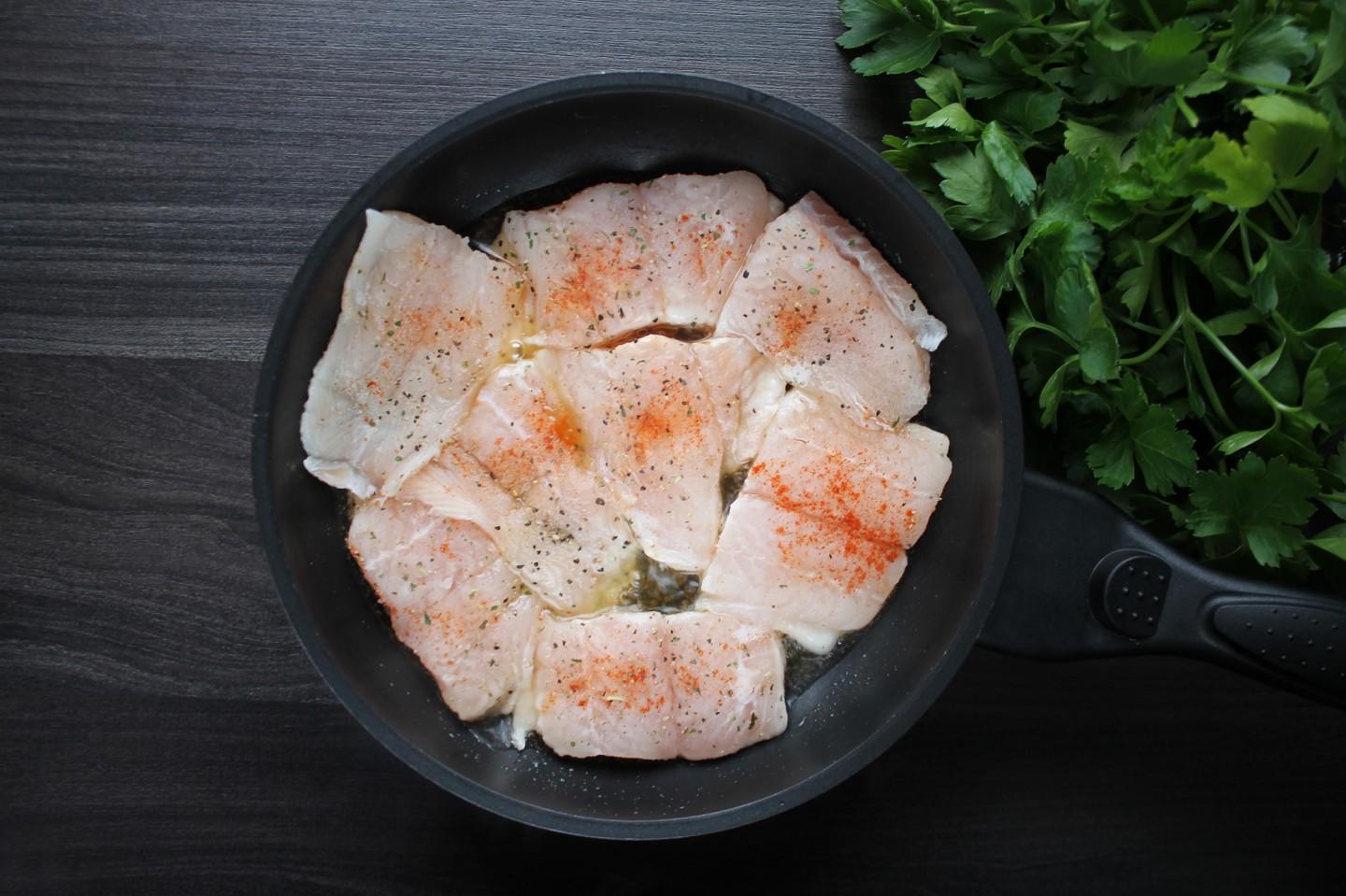
Sprinkle the pangasius with a little salt and season with ground pepper. Flip each piece and do the same on the other side. Let the fish sit for 5–10 minutes while you work on the vegetables.
-
Step 5:
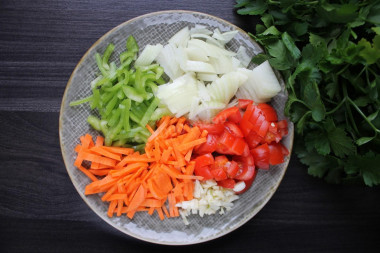
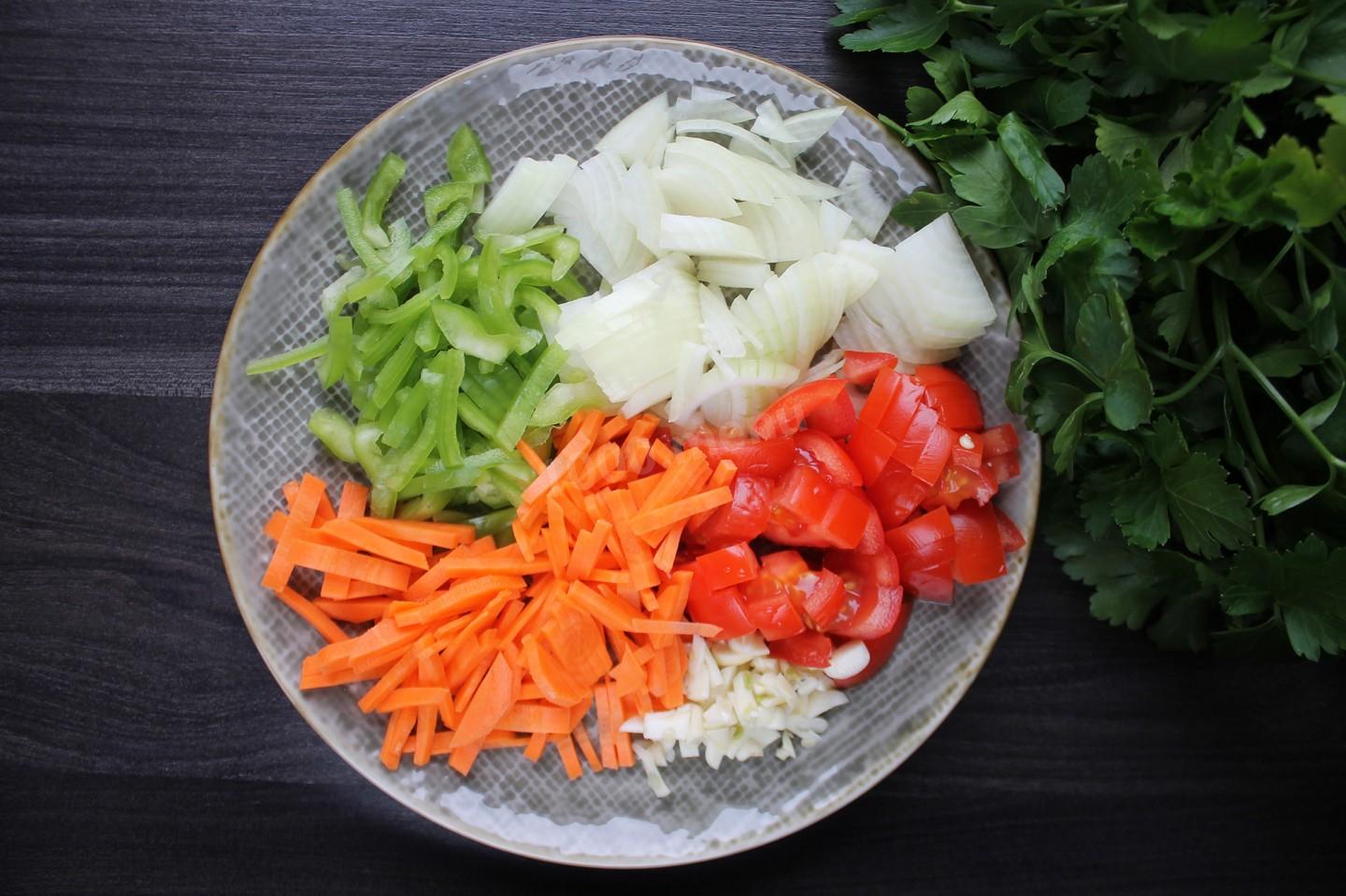
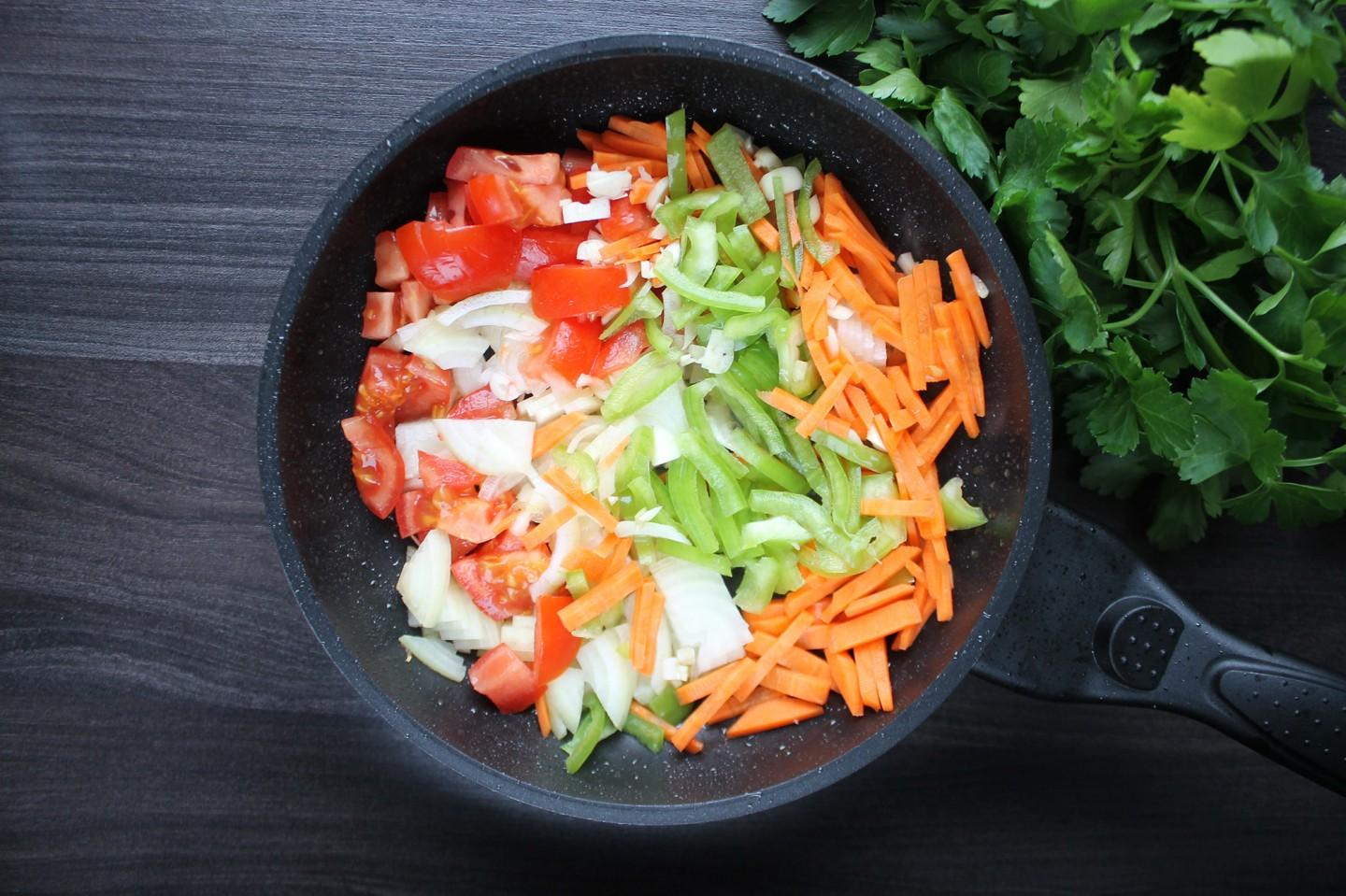
Peel the onion, carrot, and garlic. Remove the stem and the seedy core from the bell pepper. Rinse all the vegetables in clean water and pat them dry. Cut the carrot and pepper into thin sticks, or grate the carrot if that's easier for you. Chop the tomato and onion into small cubes; peel the tomato first if you prefer. Press the garlic or mince it finely with a thin knife.
-
Step 6:
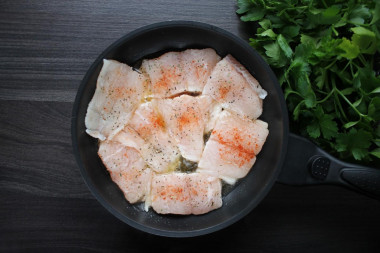
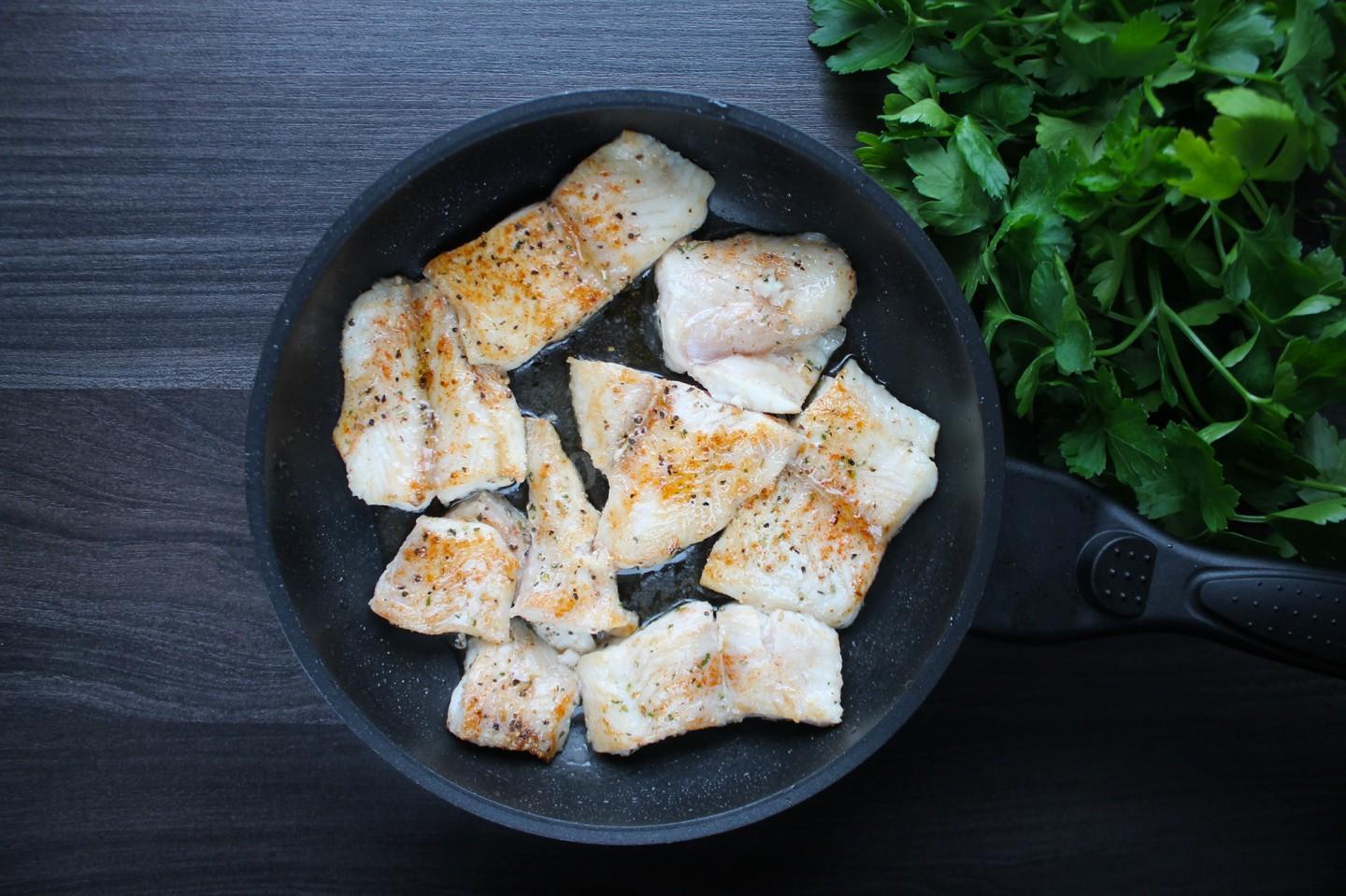
Pour a neutral (odorless) vegetable oil into the pan. Heat the skillet over high heat and add the pangasius to fry. Cook for about 1–2 minutes on one side.
-
Step 7:
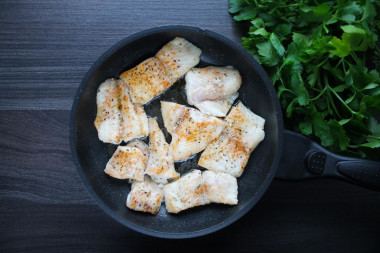
Then flip each piece and fry for another 1–2 minutes on the other side. You can dredge the pangasius in flour before frying, though I usually cook it without.
-
Step 8:
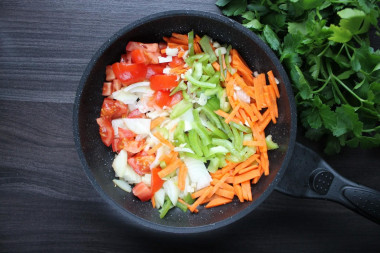
Carefully lift the fish out with a spoon or fork. Add all the vegetables to the same pan, along with a little more oil if needed. Fry, stirring, for about 5–7 minutes. Lower the heat slightly if needed so the vegetables don't scorch.
-
Step 9:
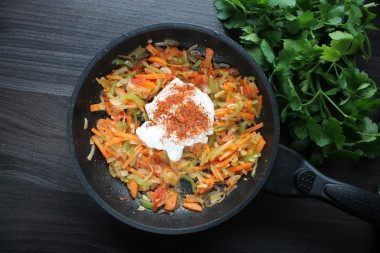
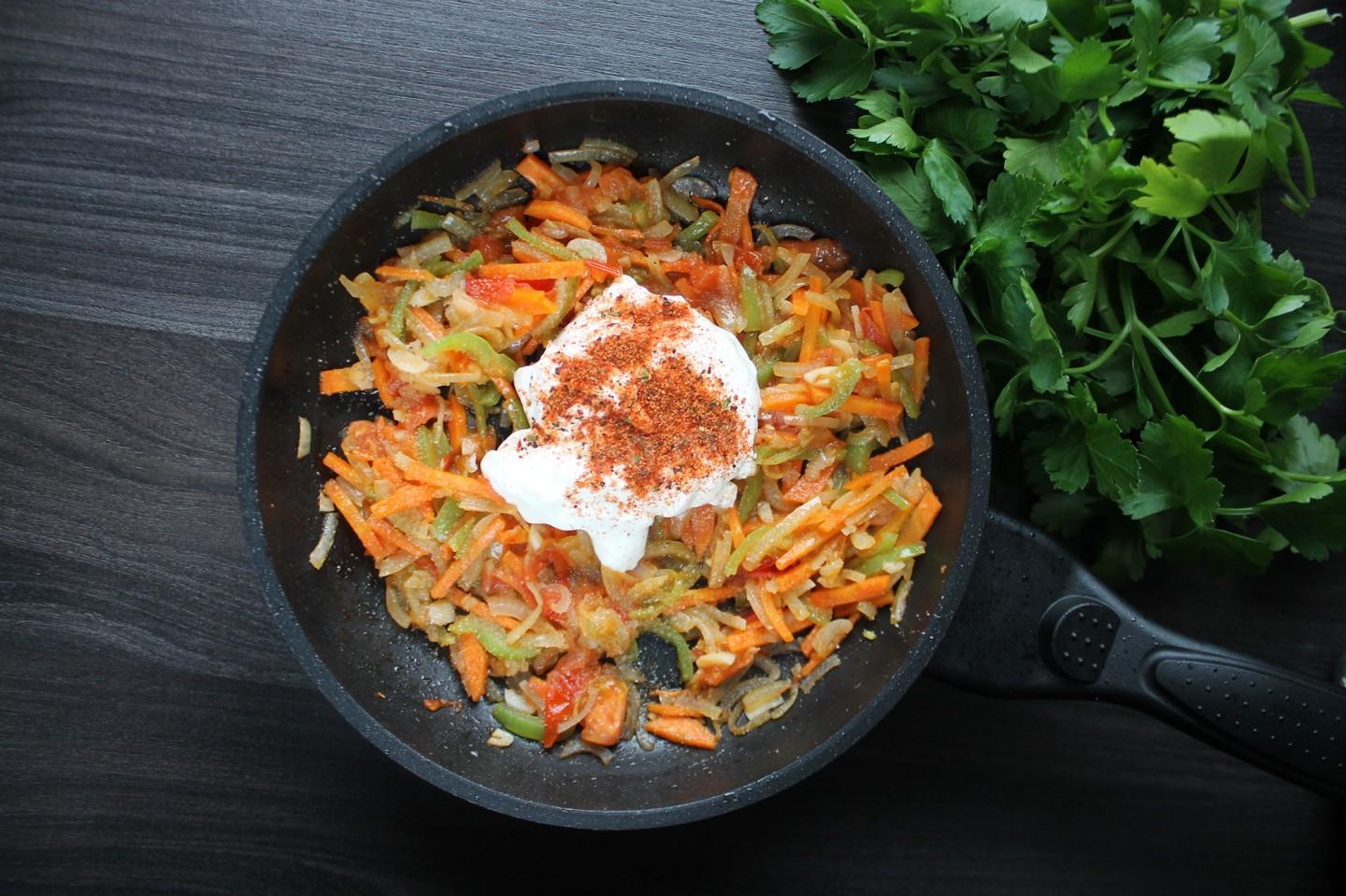
Add the sour cream, a little salt, and your favorite seasonings to the pan. I use a tomato seasoning, a pinch of herbes de Provence, and some allspice. Stir everything together until smooth.
-
Step 10:
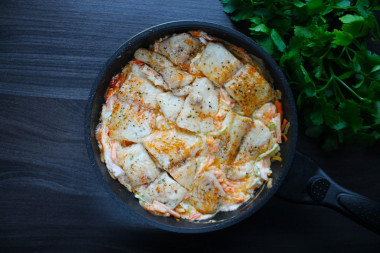
Lay the fish pieces back in, gently pressing them into the sour cream–vegetable mixture. Cover with a lid and turn the heat down to low. Simmer, covered, for about 10–12 minutes.
-
Step 11:
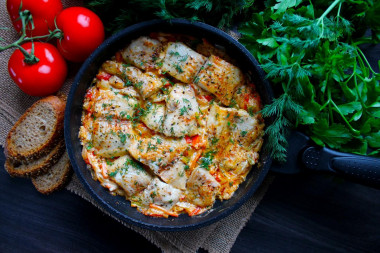
Sprinkle the finished dish with finely chopped fresh herbs and add pepper if needed.
-
Step 12:
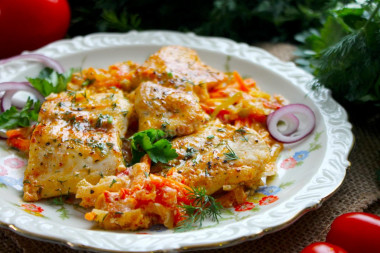
Done — time to serve!
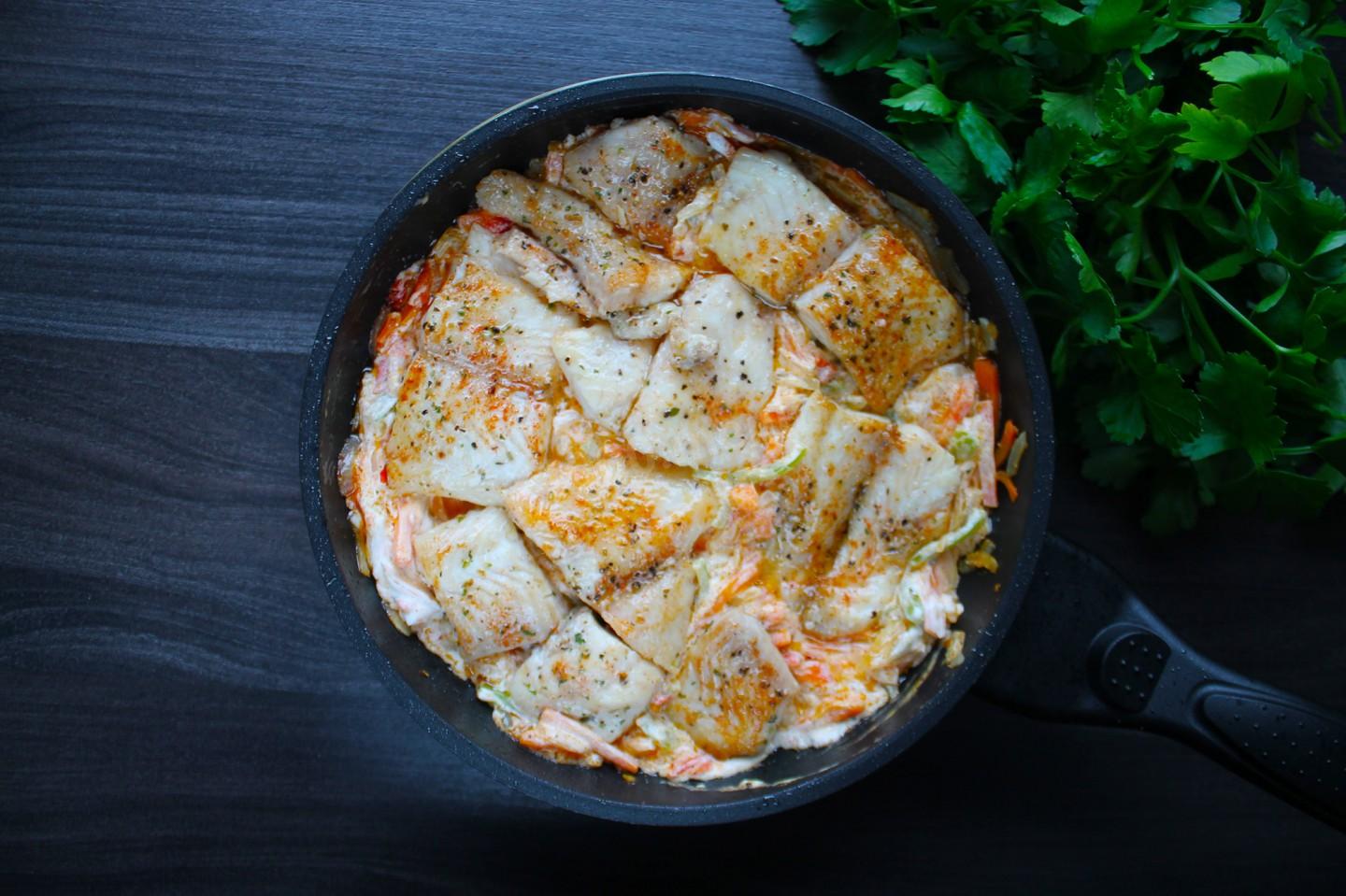
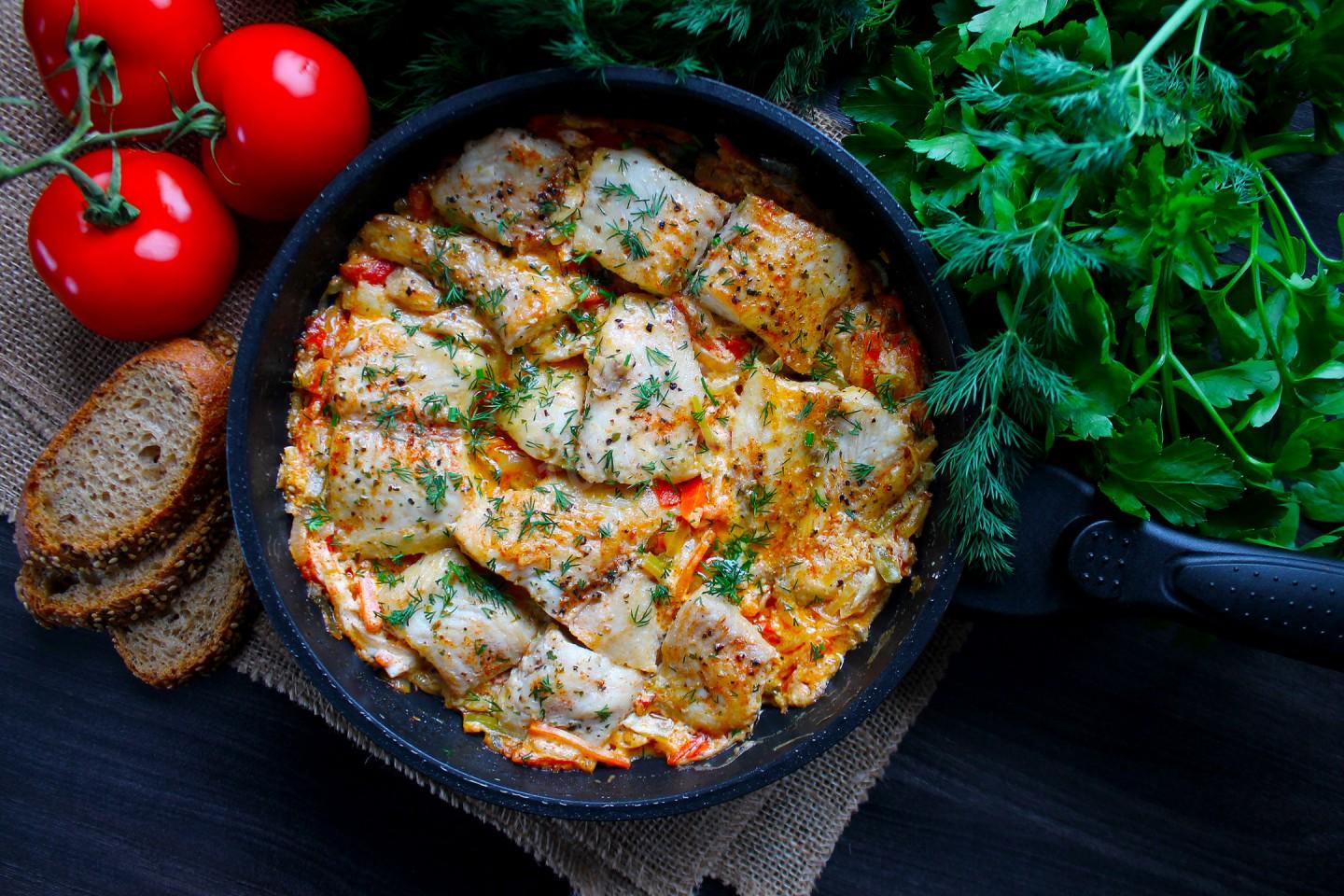
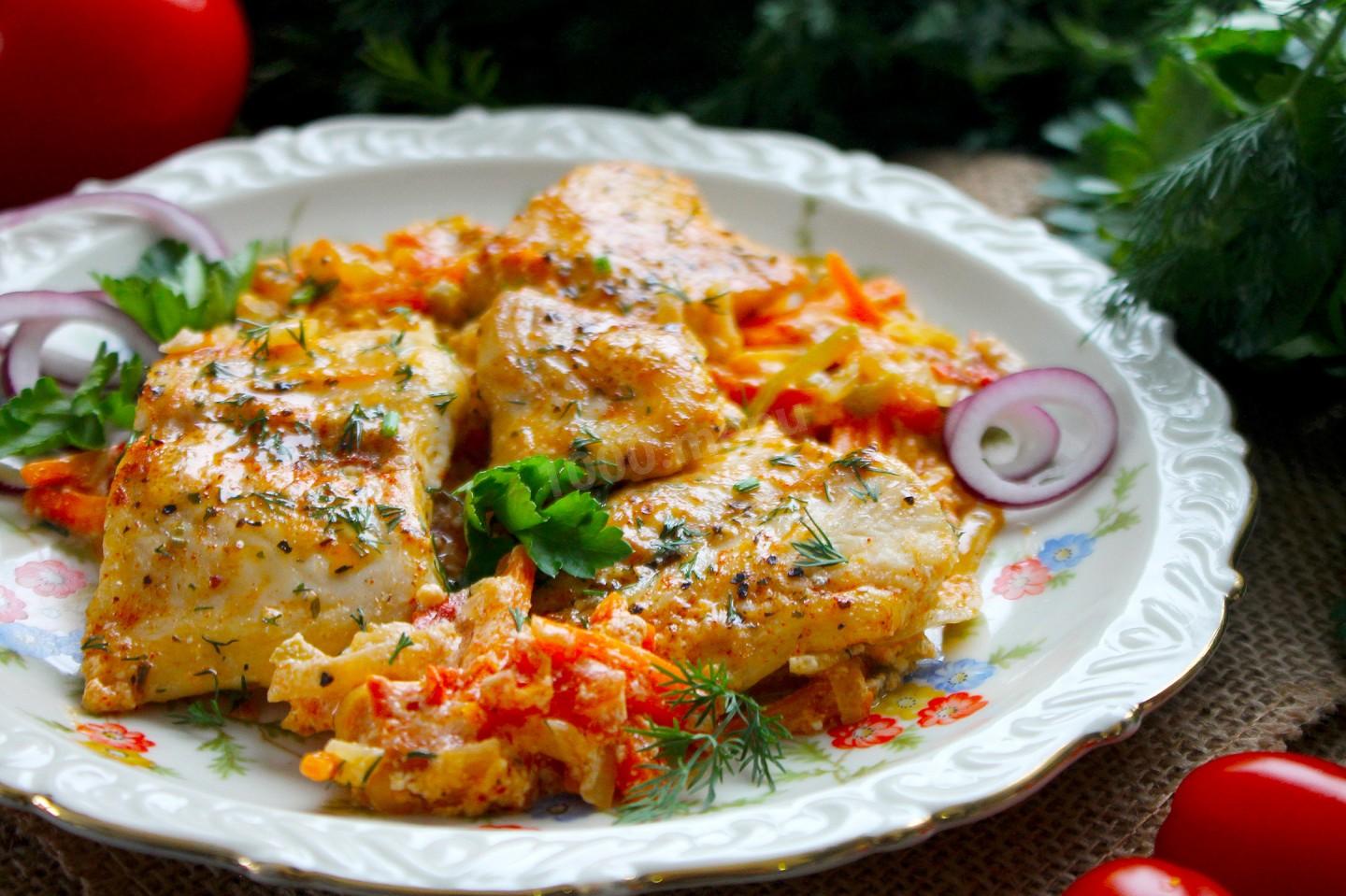
- For cooking pangasius fillet, use a heavy-bottomed skillet with high sides so the fish and sauce don't scorch. Pangasius in sour cream sauce is delicious both hot and cold. Give it a try — enjoy!
- For tips on how to defrost frozen fish properly, see a guide on thawing foods the right way.
- Here's an easy way to peel tomatoes: wash them, score a shallow X on top with a sharp knife, and drop them into boiling water for 1–2 minutes. Take them out, let them cool slightly, and slip off the skin.
- To keep the sour cream from curdling or separating as it simmers, first stir it together with a spoonful of flour in a small bowl, then add it to the pan. You can substitute cream of any fat content for the sour cream, but remember that the richer the sour cream or cream, the more calories the dish will have.
- Use an oil with a high smoke point for frying. Every oil is only healthy up to a certain temperature — its smoke point — beyond which it starts to burn and forms harmful compounds, including carcinogens. Unrefined oils, with few exceptions, have a low smoke point: they contain many unfiltered organic particles that quickly begin to burn. Refined oils stand up to heat better and have a higher smoke point. If you're cooking in the oven, in a skillet, or on the grill, make sure you use an oil with a high smoke point. The most common high-smoke-point choices are refined sunflower, olive, and grapeseed oils.
Caloric content of the products possible in the composition of the dish
- Onion - 41 kcal/100g
- Tomatoes - 23 kcal/100g
- Sour cream with 30% fat content - 340 kcal/100g
- Sour cream with 25 % fat content - 284 kcal/100g
- Sour cream with 20 % fat content - 210 kcal/100g
- Sour cream of 10% fat content - 115 kcal/100g
- Sour cream - 210 kcal/100g
- Sweet pepper - 27 kcal/100g
- Carrots - 33 kcal/100g
- Dried carrots - 275 kcal/100g
- Boiled carrots - 25 kcal/100g
- Garlic - 143 kcal/100g
- Vegetable oil - 873 kcal/100g
- Salt - 0 kcal/100g
- Spices dry - 240 kcal/100g
- Pepper - 26 kcal/100g
- Pangasius - 89 kcal/100g
Similar recipes


- Fast and tasty
- Homemade dinner
- Second course
- Fish and seafood
- Dairy products
- Vegetables
- Spices seasonings spices
- Fats and oils
- Garlic
- Pepper
- Salt
- Dry spices
- Vegetable oil
- Frying
- Stewing
- Tomatoes fast and delicious
- The second is fast and delicious
- Dishes in 30 minutes
- Stewed vegetables
- Fish second course
- Fish with vegetables
- Pangasius
- Sour cream
- From carrots
- From tomato
- From sweet pepper
- From onion
- No eggs
- Recipes for lean dishes without butter