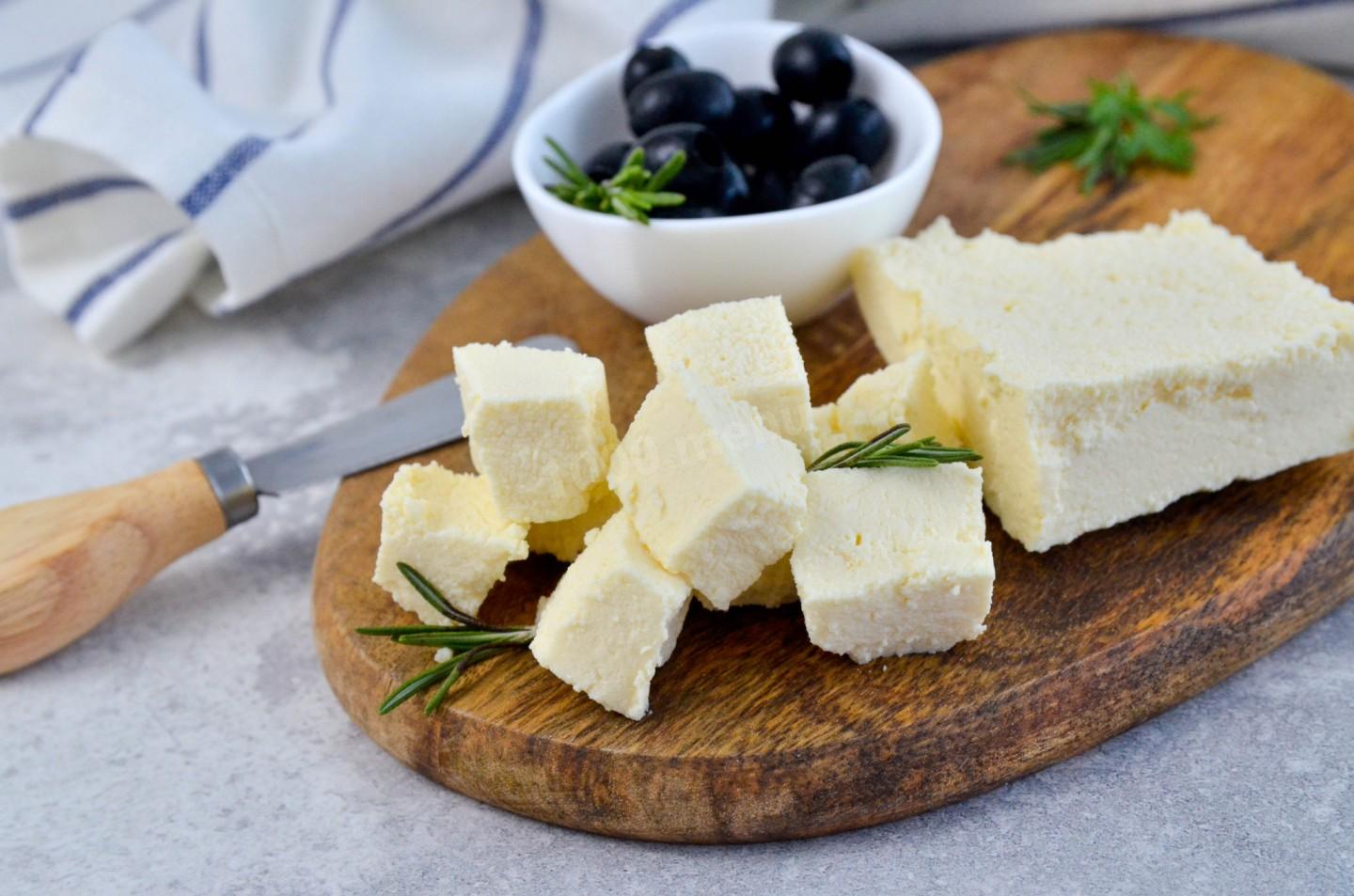
Homemade Kefir Cheese
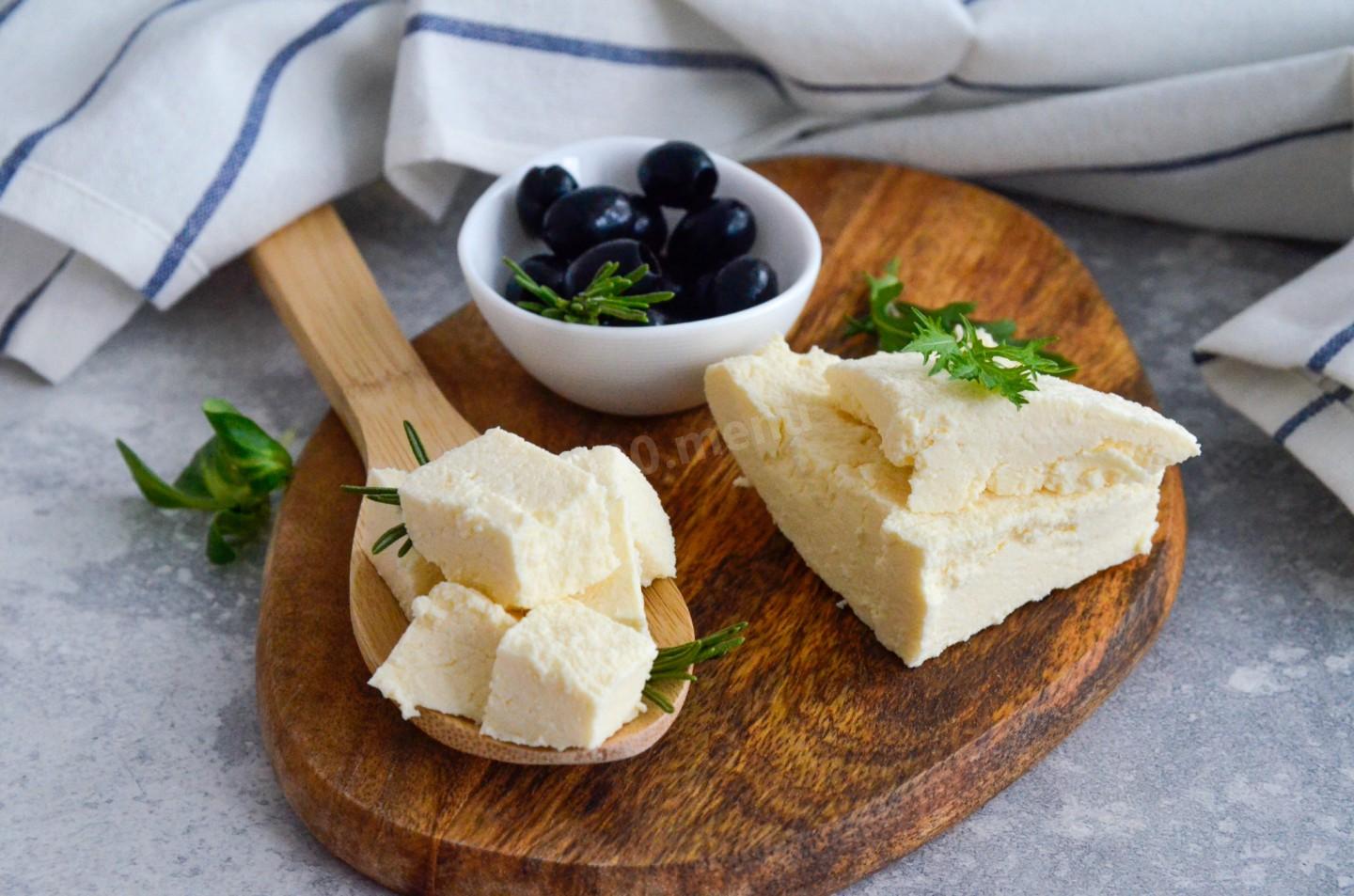
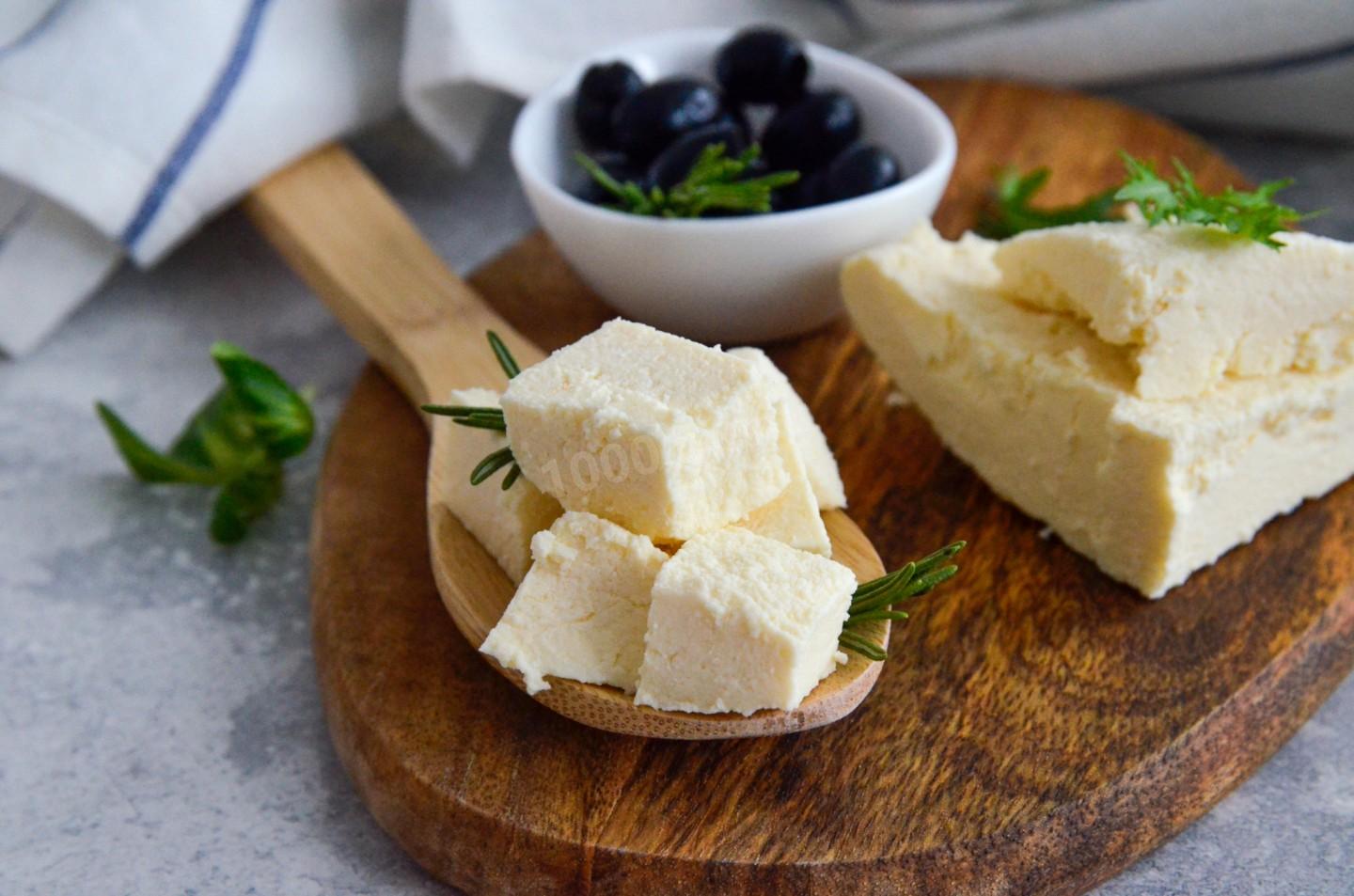
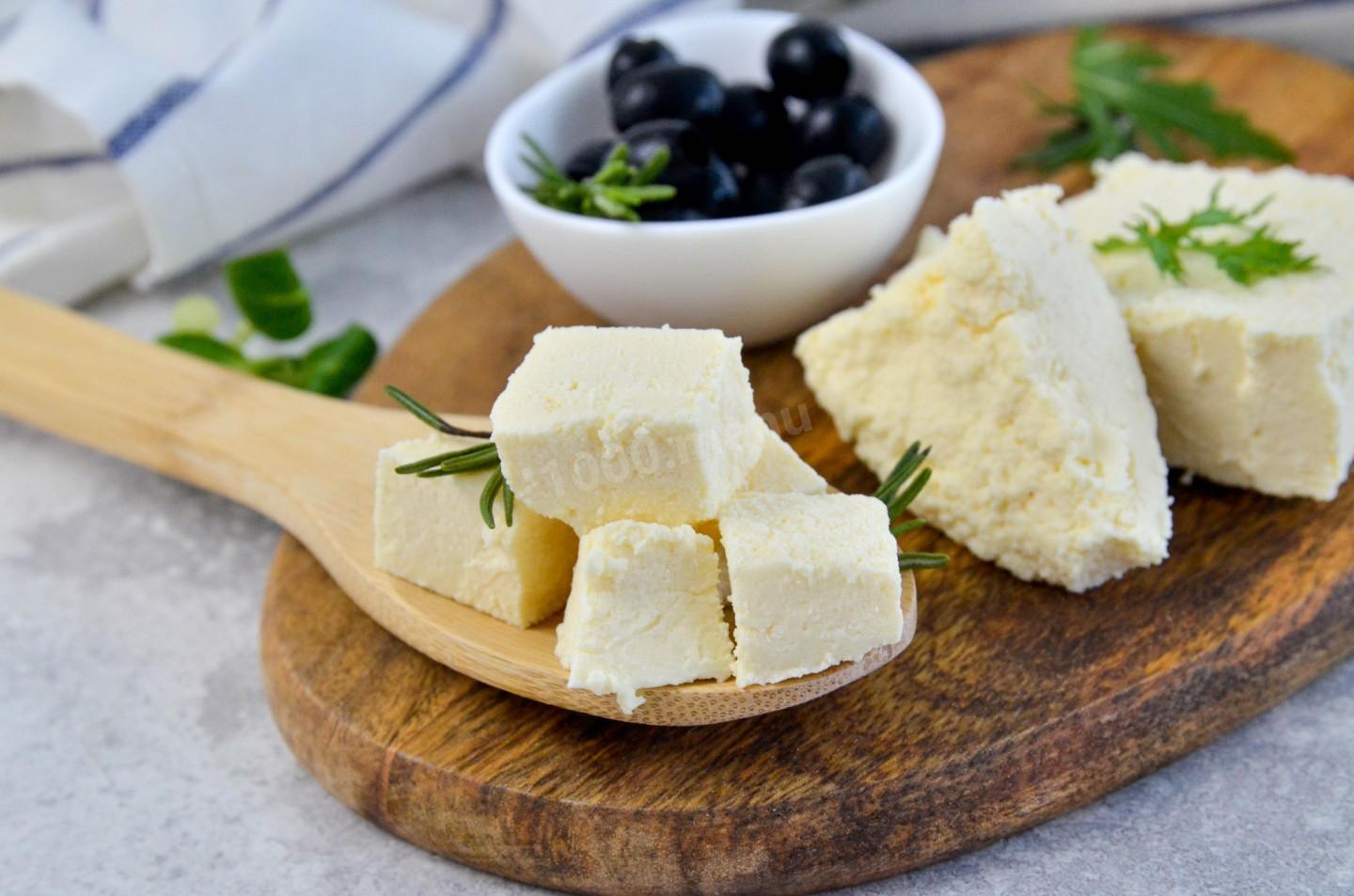
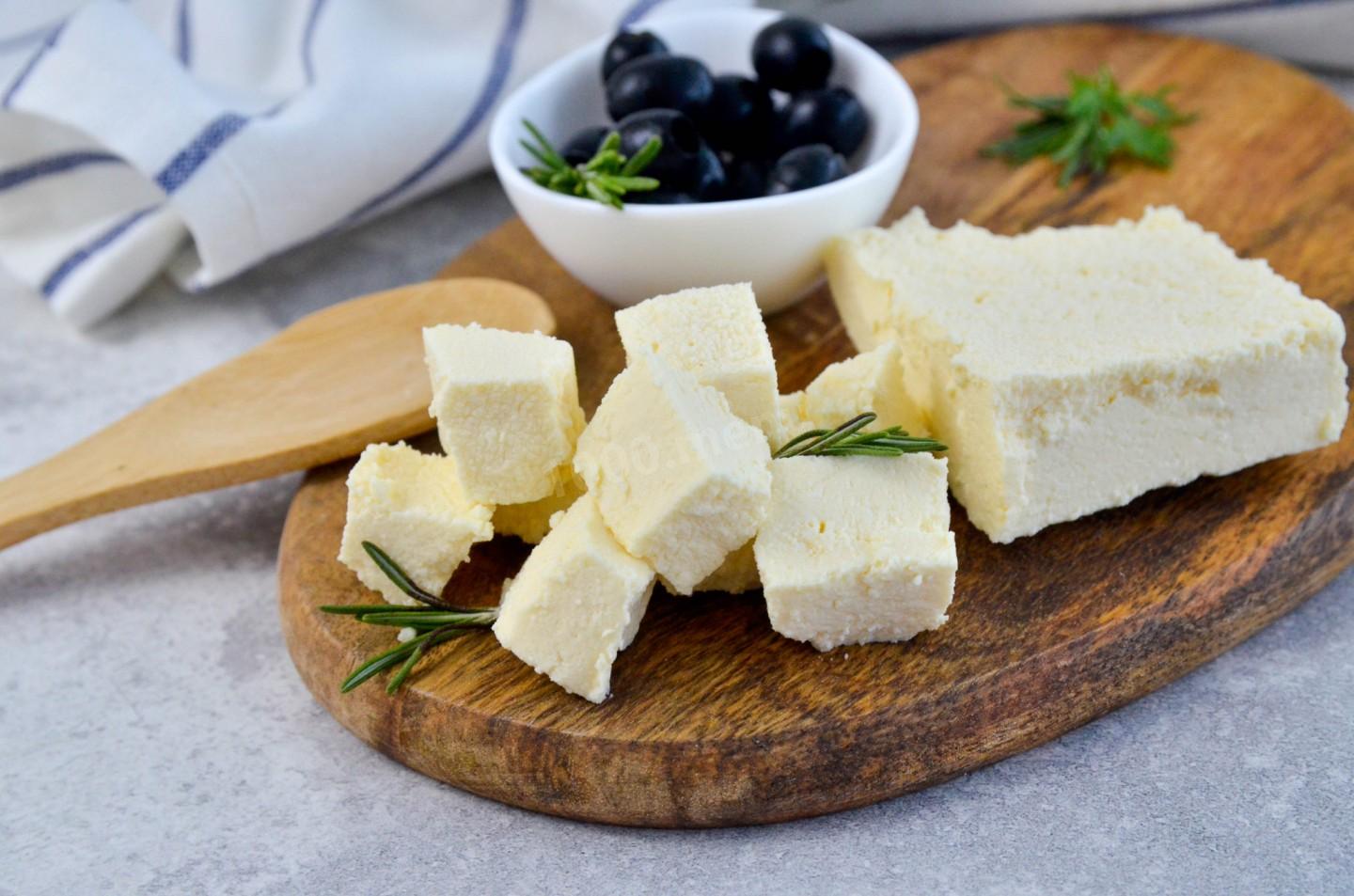
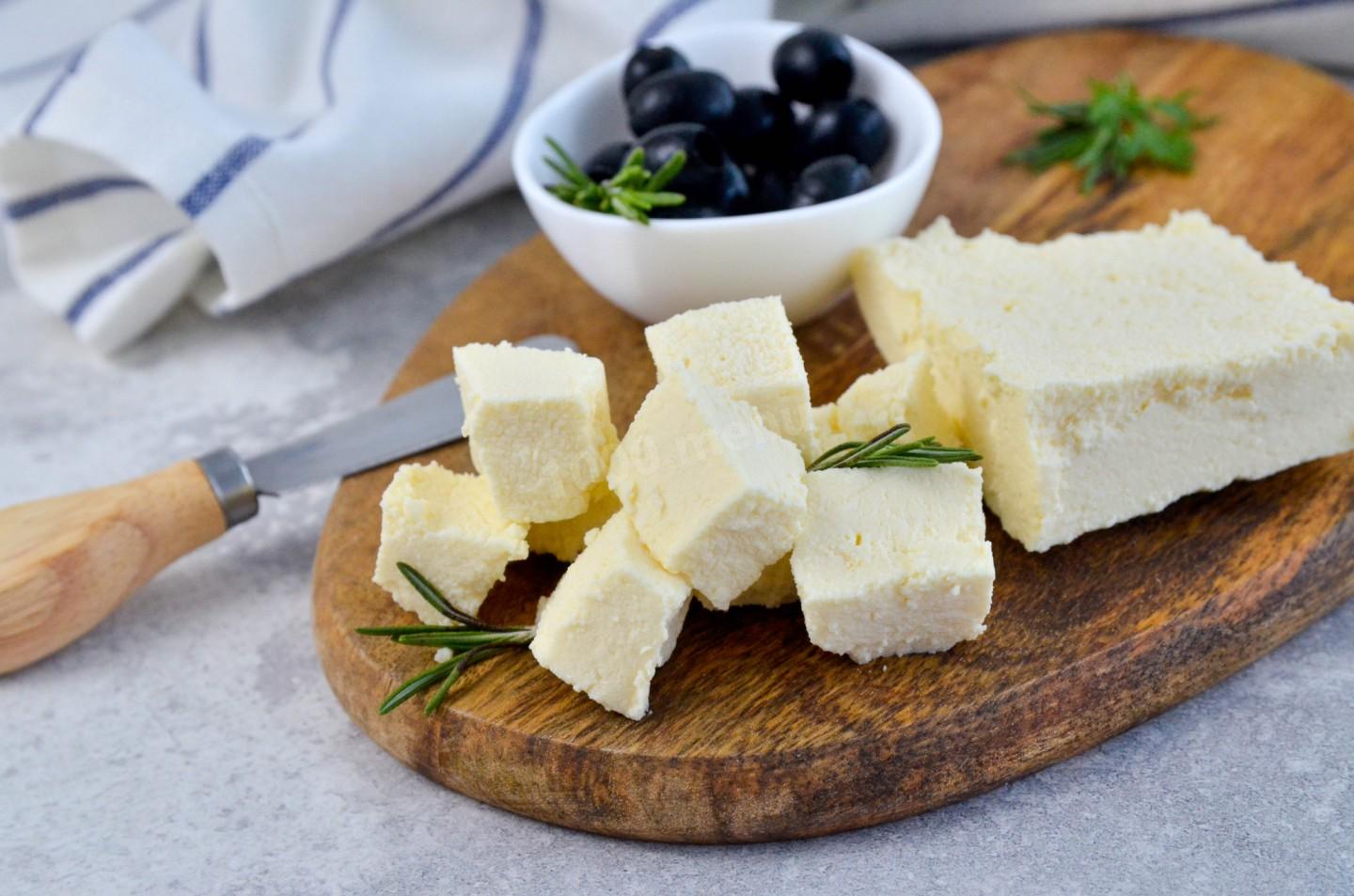
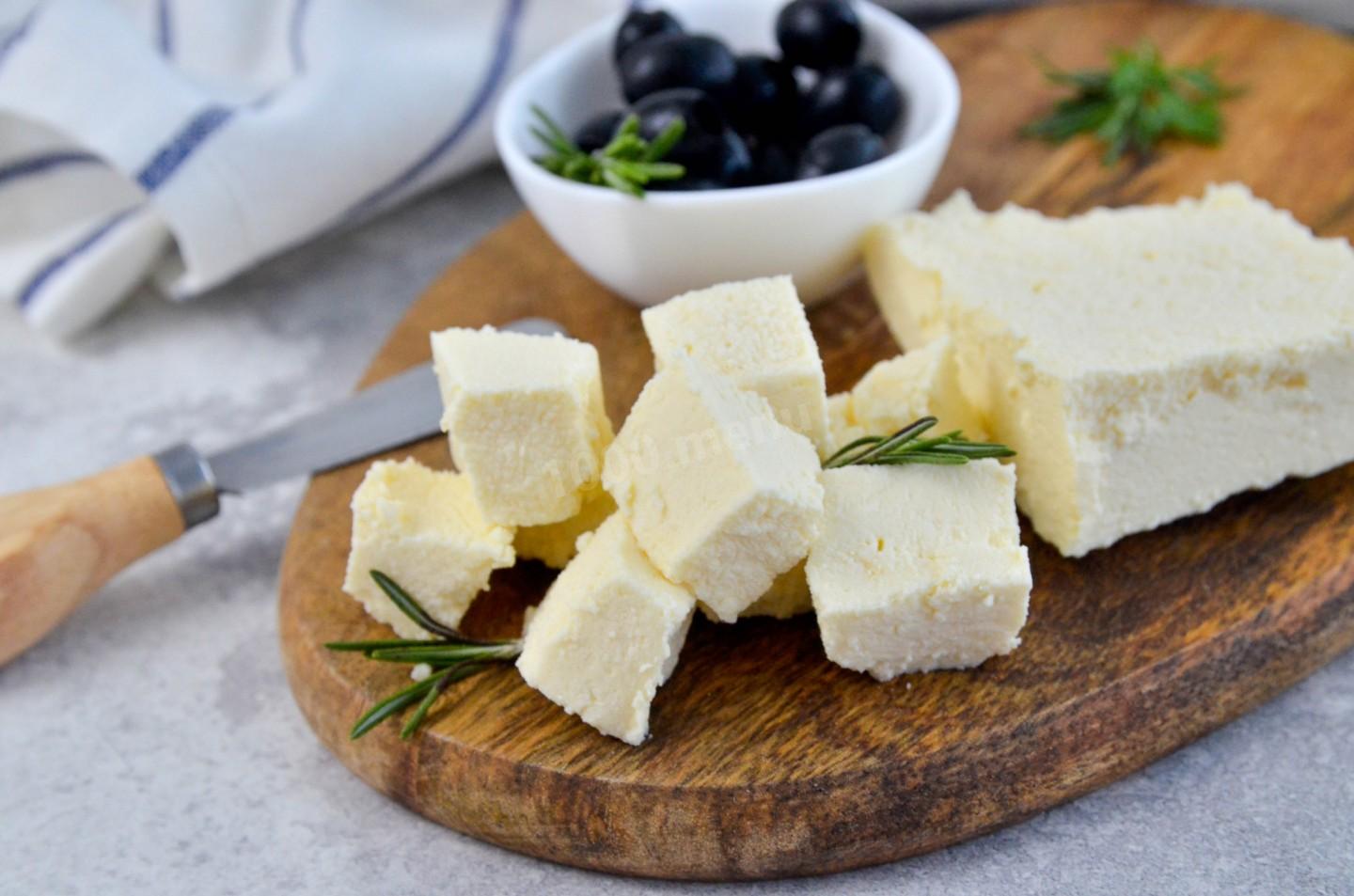
A tender, natural homemade cheese with no harmful additives! It's very simple and quick to make, with the most affordable ingredients. The flavor comes out a lot like Adyghe cheese, but you can make it sweet or slightly tangy by adding different ingredients.

Cooking method
-
Step 1:
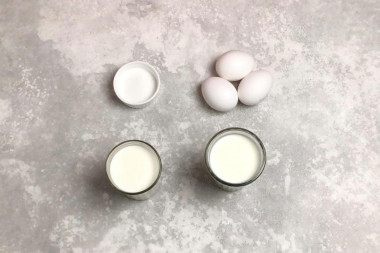
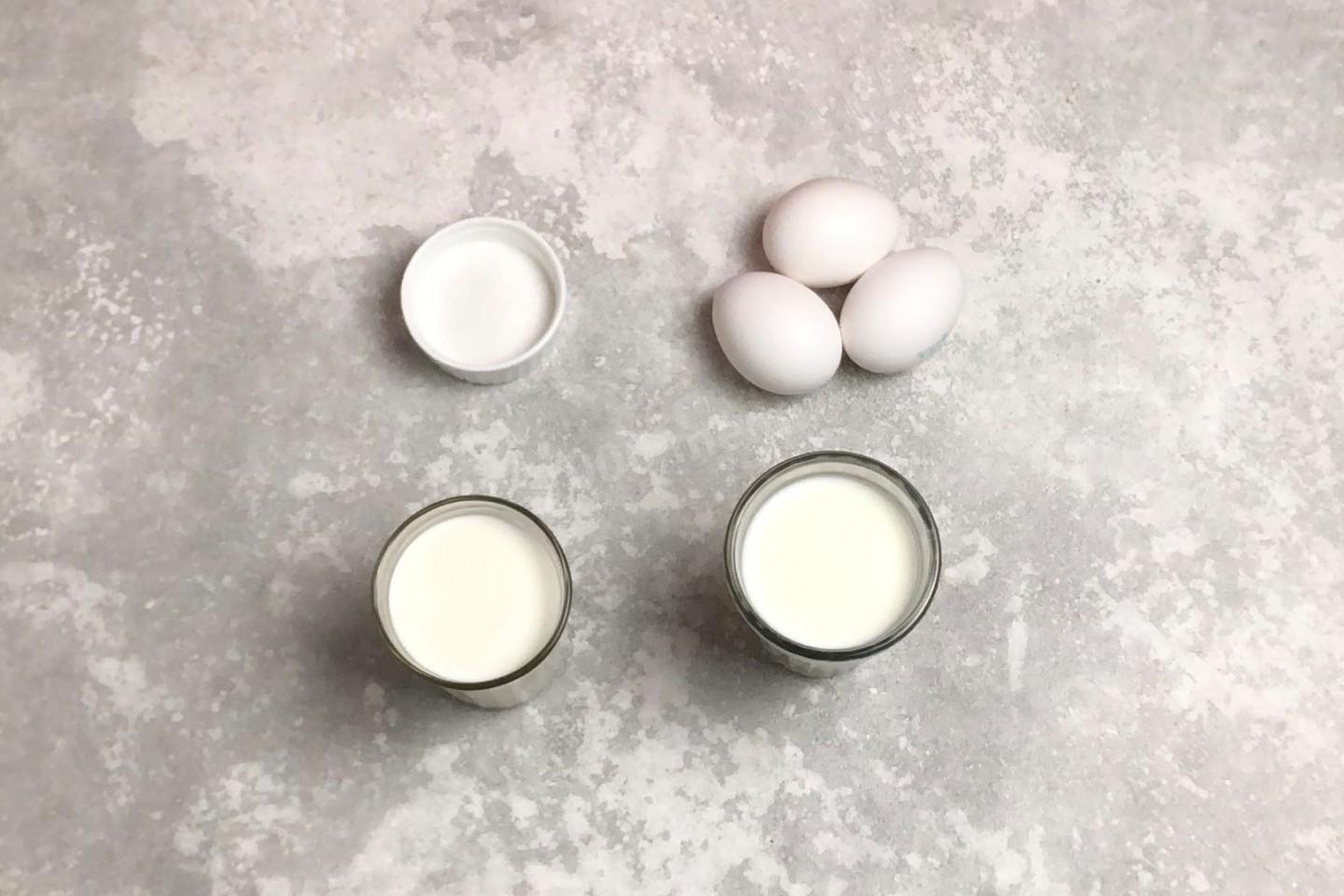
Gather the ingredients for making the cheese. My milk and kefir are store-bought, both 2.5% fat.
-
Step 2:
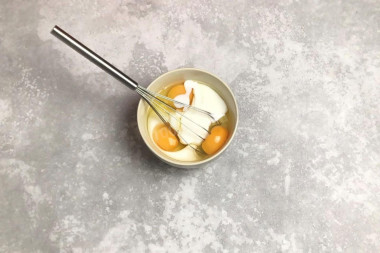
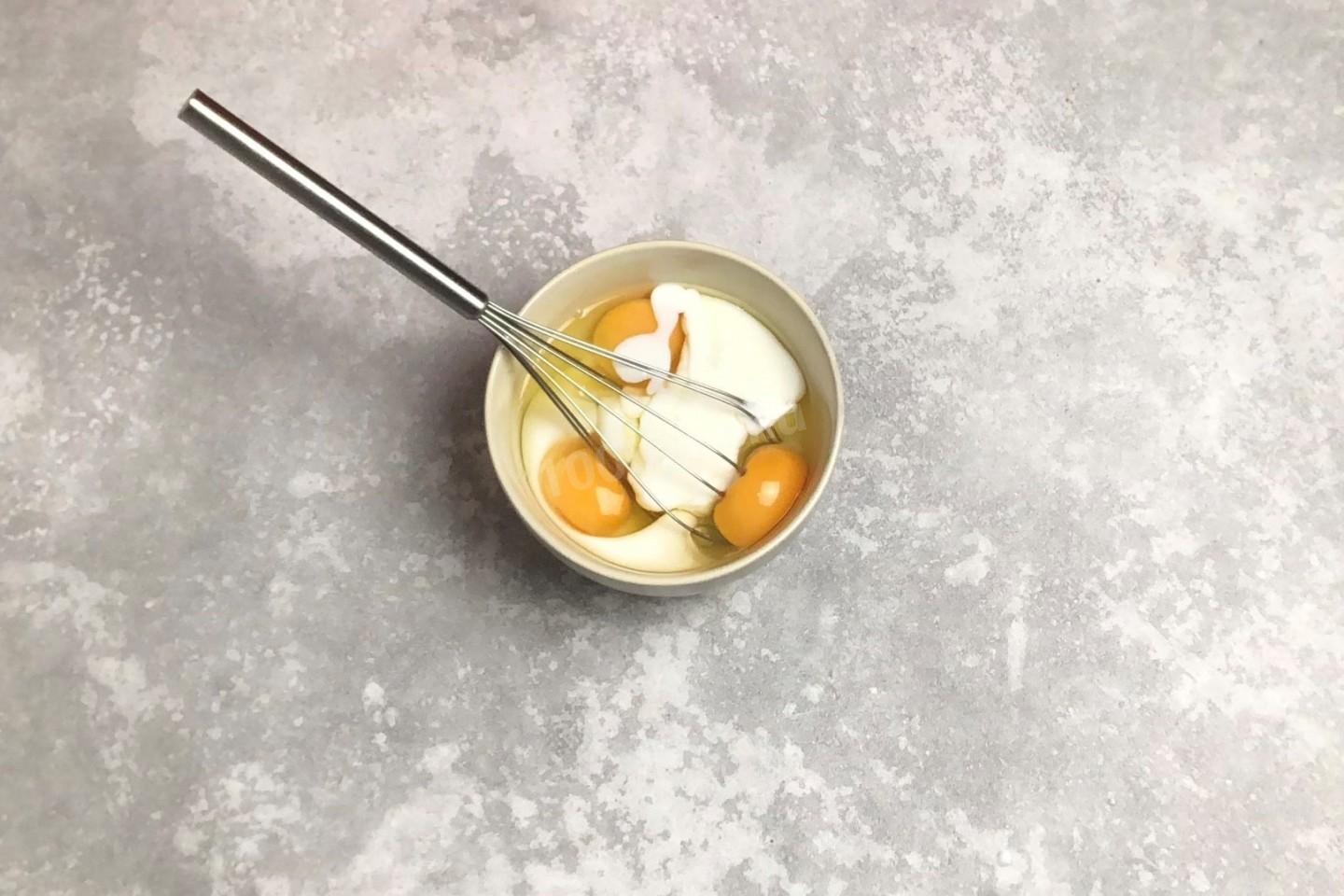
Crack the eggs into a bowl, add a little kefir (about a cup) and the salt.
-
Step 3:
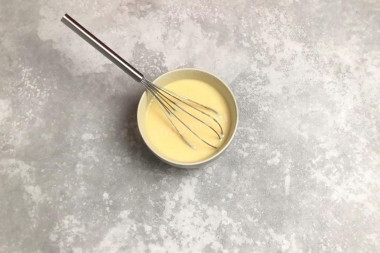
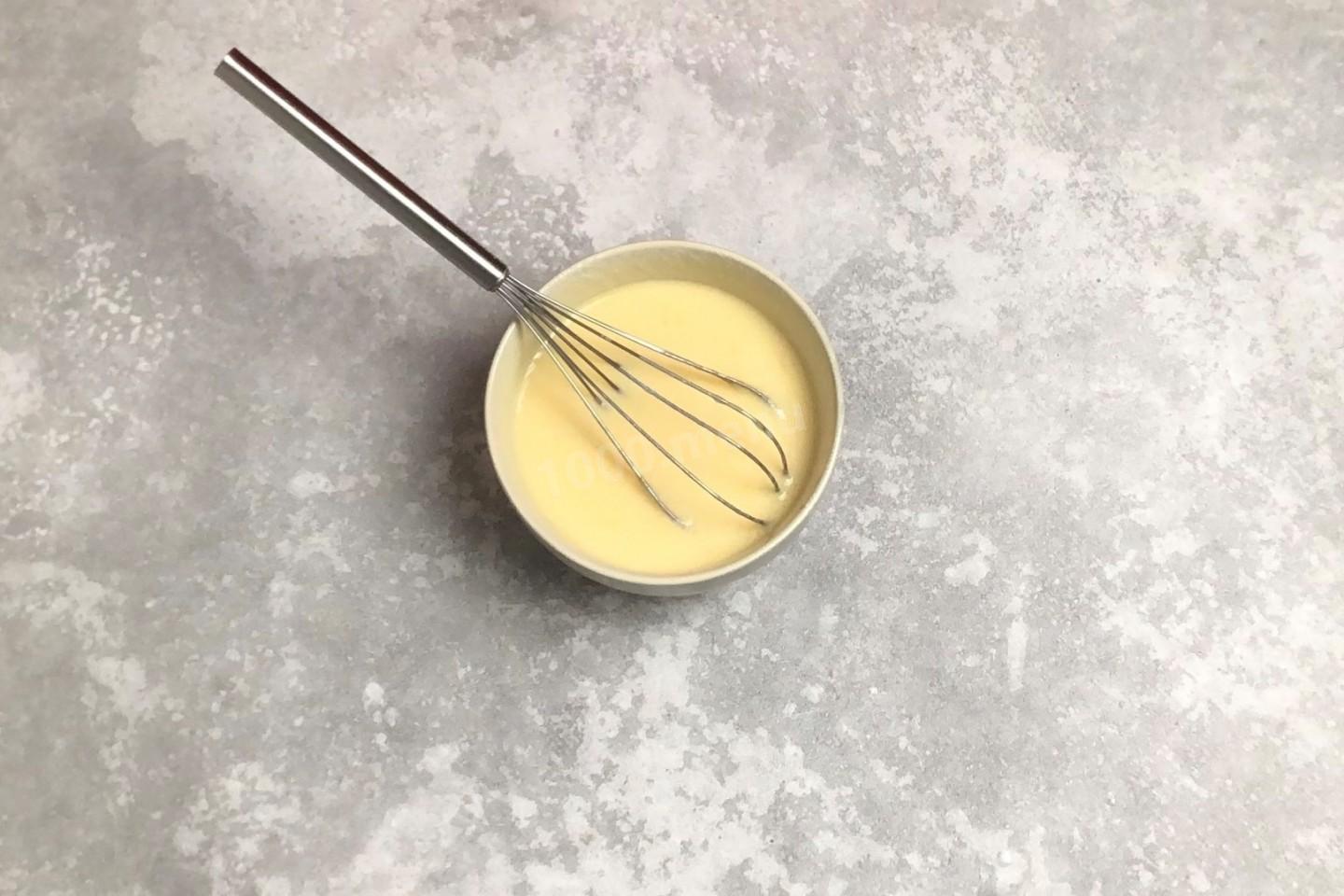
Whisk them together well until smooth.
-
Step 4:
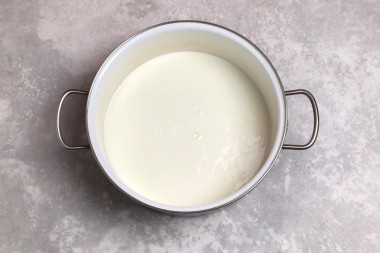
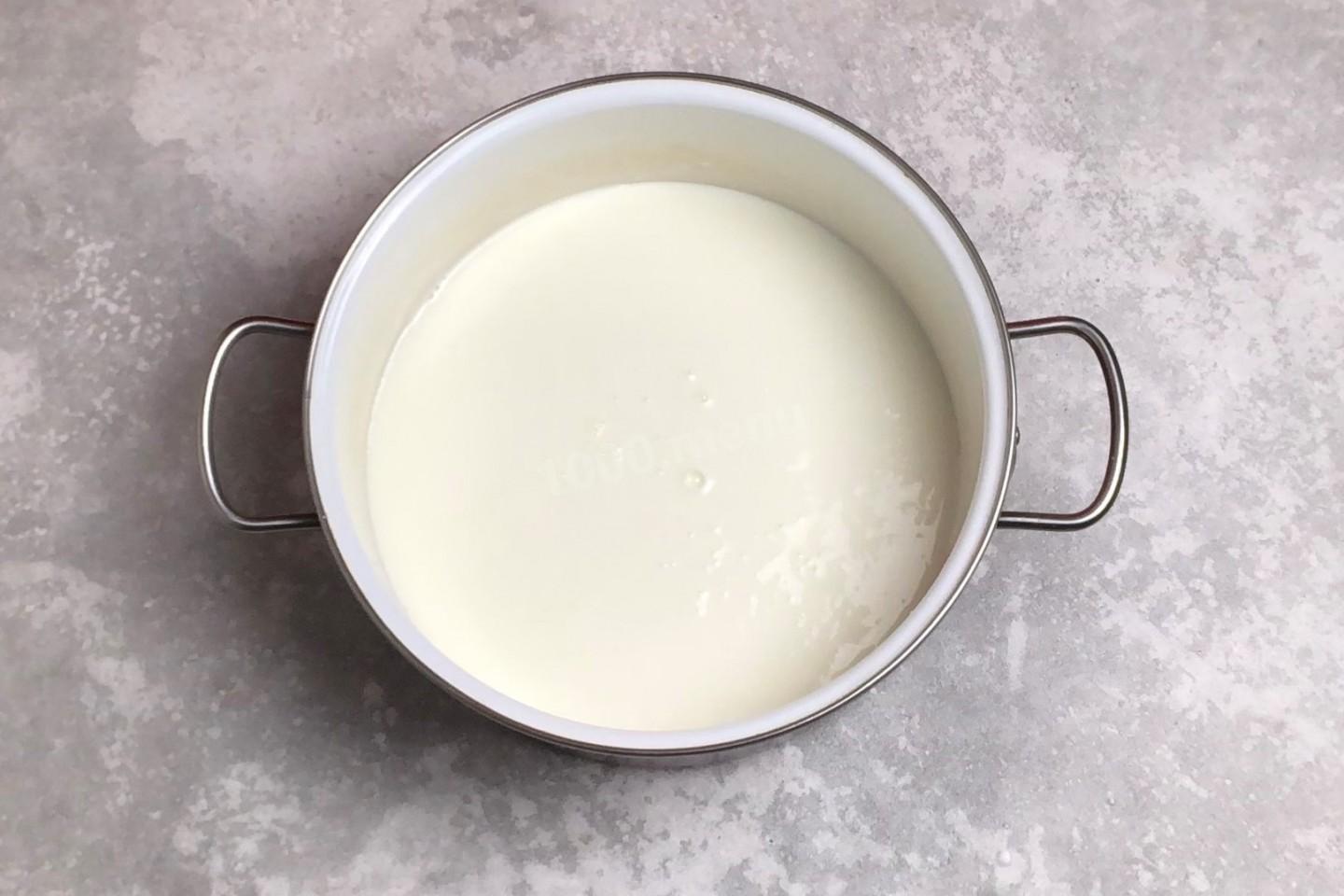
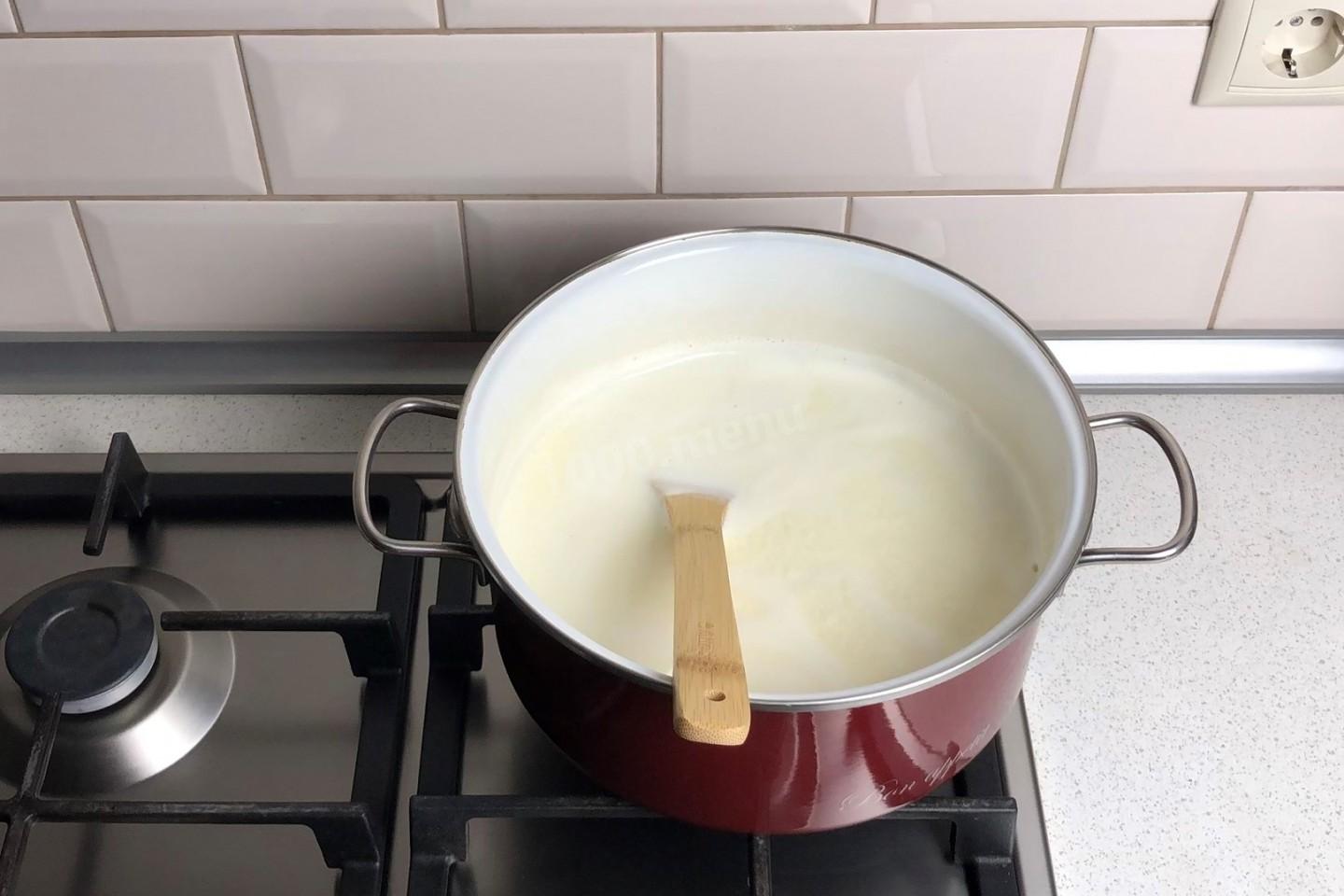
Pour the milk and kefir into a large pot. A heavy-bottomed pot is best; mine is a regular one, so it scorched a little.
-
Step 5:
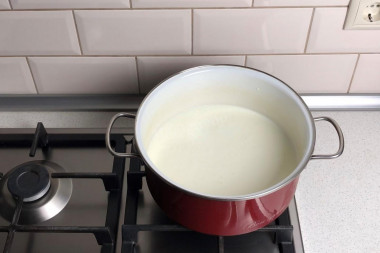
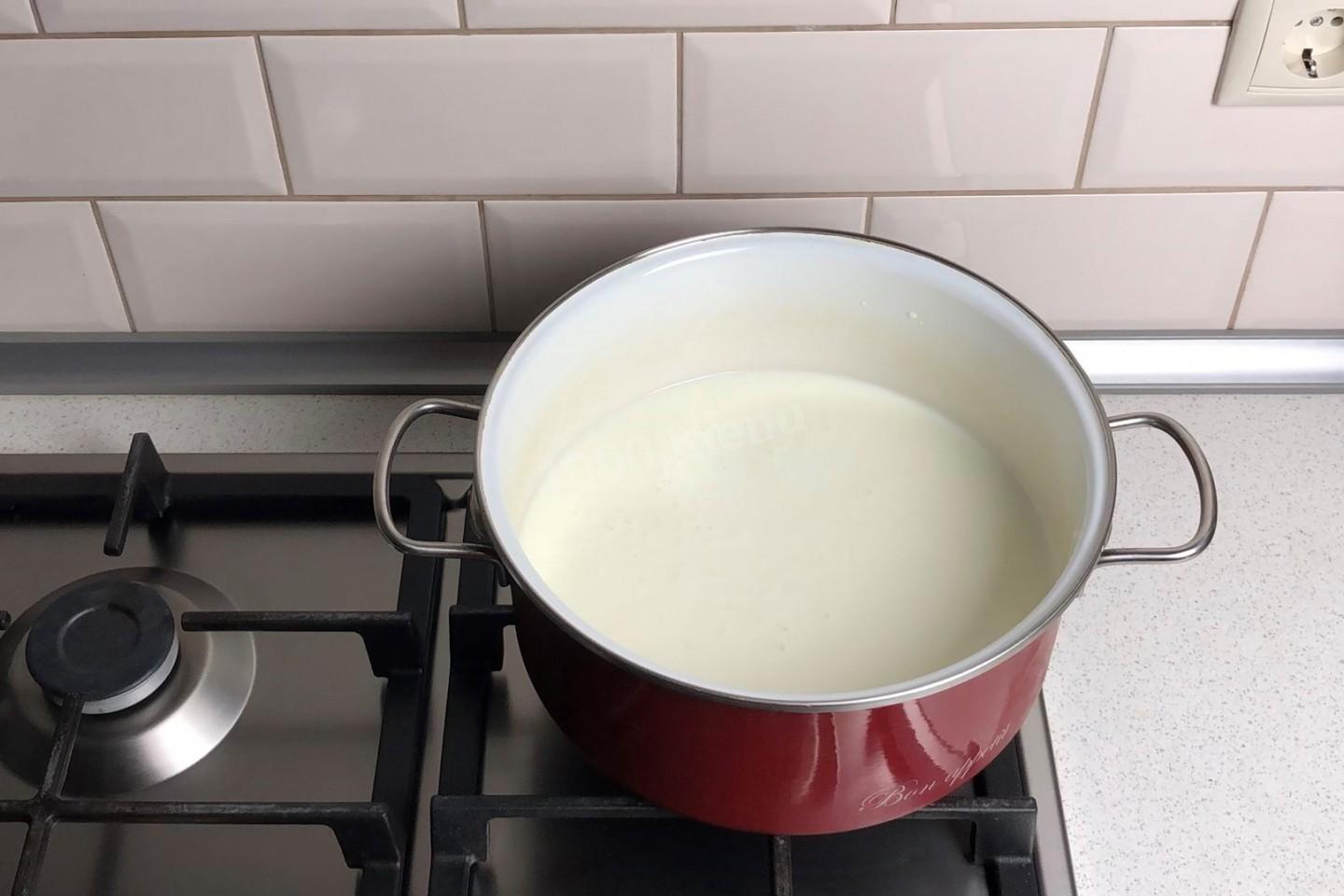
Put the pot of dairy on the stove over low heat.
-
Step 6:
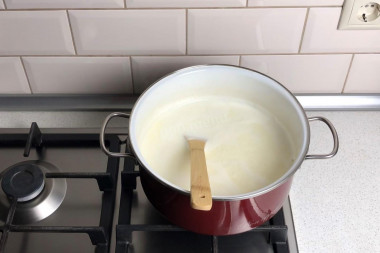
Pour the egg mixture into the pot and stir it into the rest.
-
Step 7:
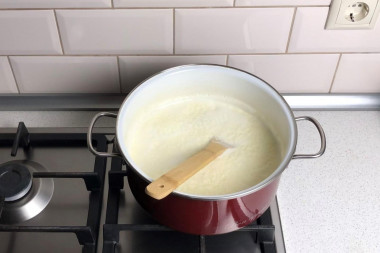
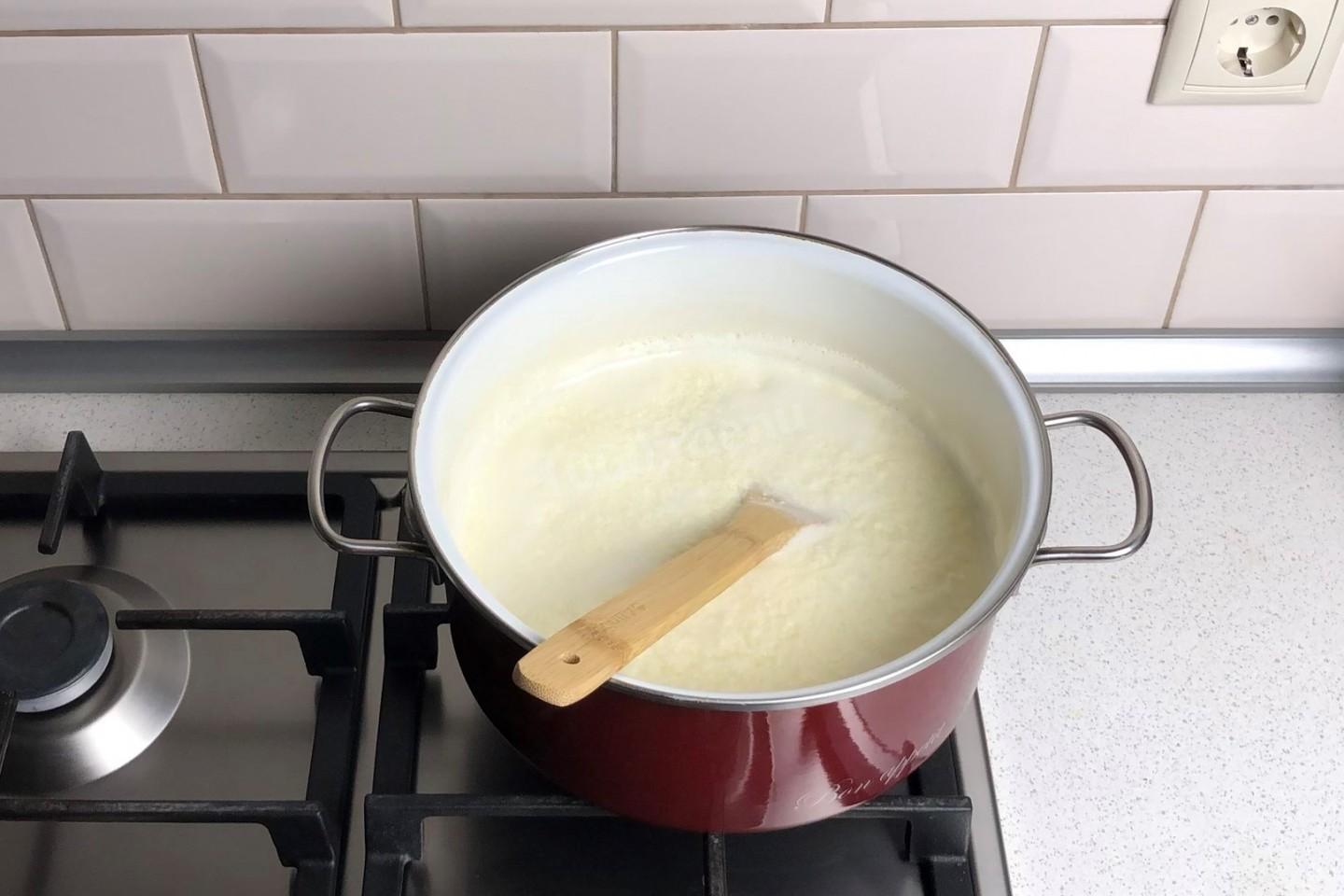
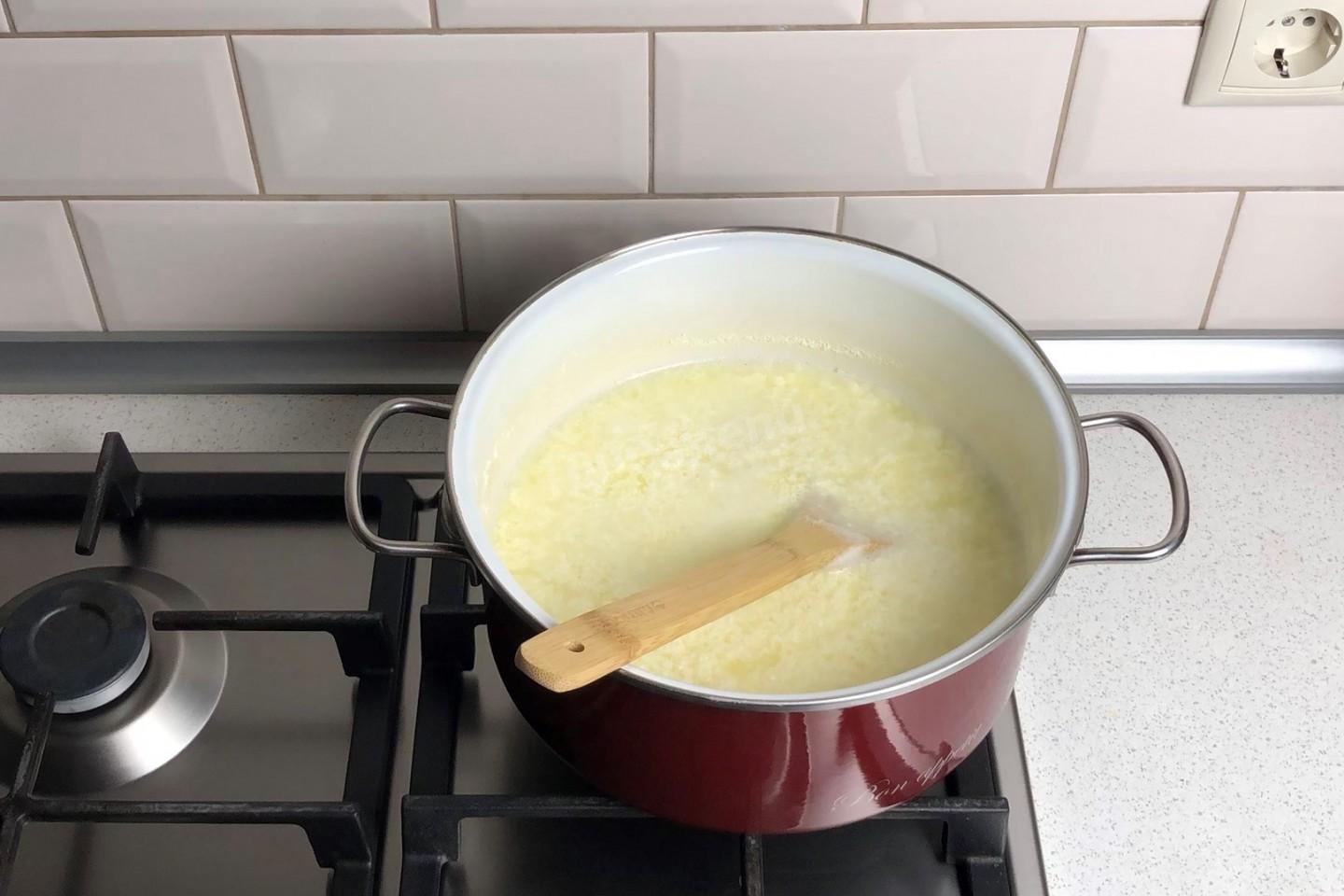
Cook the mixture up to a boil, stirring constantly so it doesn't scorch. Gradually, curds will form and the whey will separate.
-
Step 8:
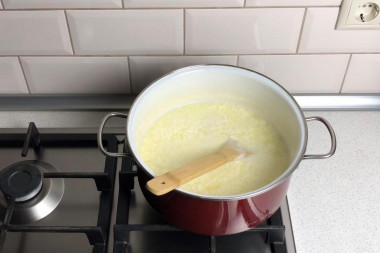
Keep cooking for 10 minutes. The mixture should curdle completely.
-
Step 9:
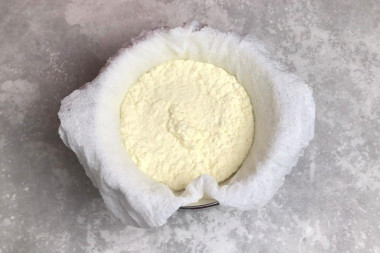
Set a colander over a pot and line it with cheesecloth folded several times. Drain the cheese mixture into the colander and leave it for 5 minutes.
-
Step 10:
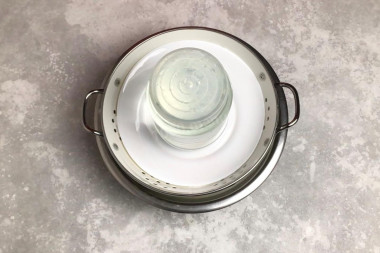
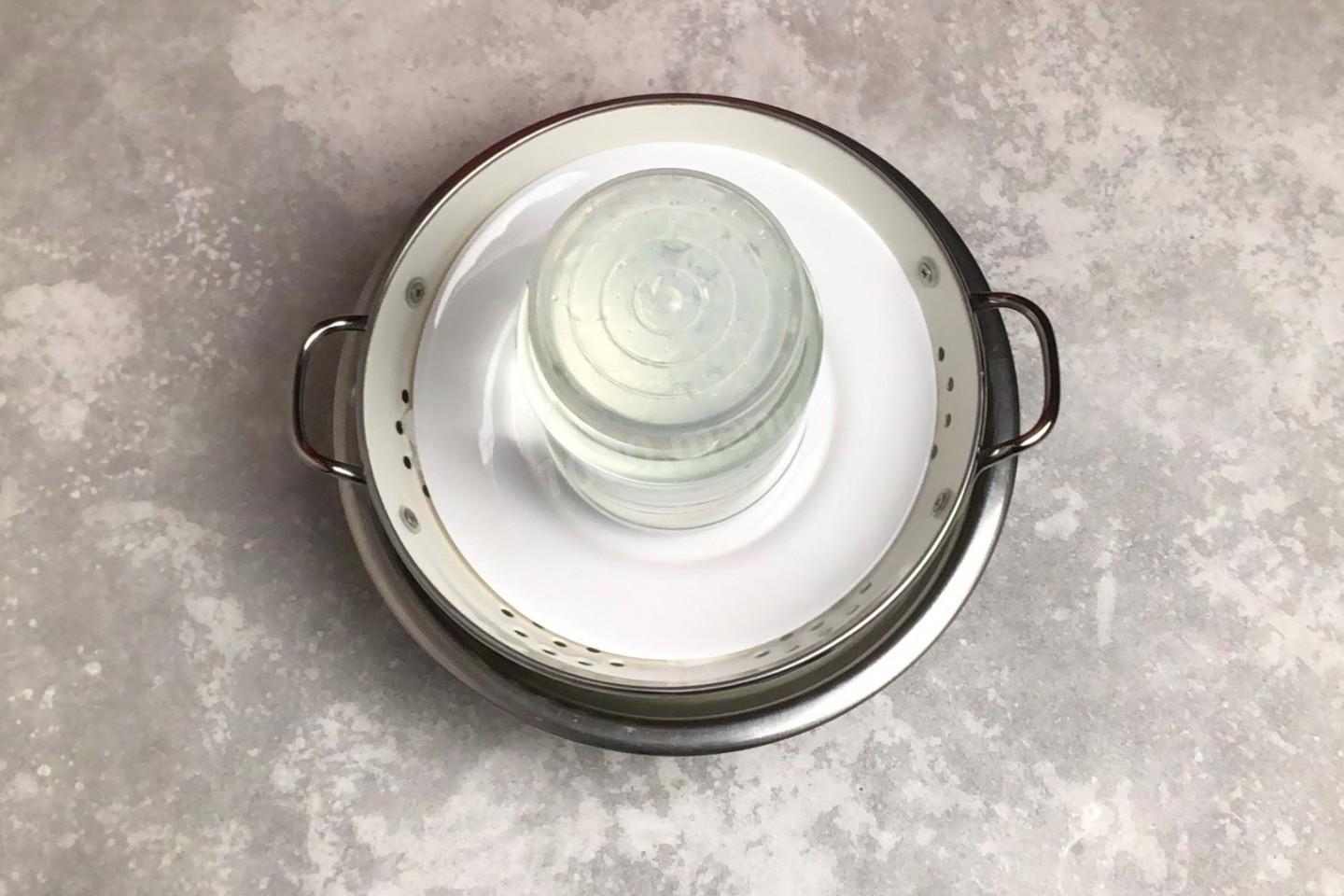
Fold the ends of the cheesecloth over the cheese and set a flat plate on top. Place a weight on the plate — a jar of water, for instance. Wait for the cheese to cool completely, then put the whole setup in the refrigerator overnight.
-
Step 11:
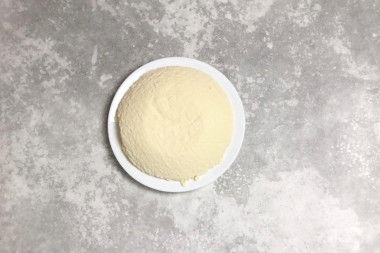
In the morning, take the colander with the cheese out and free it from the cheesecloth. It's ready to eat.
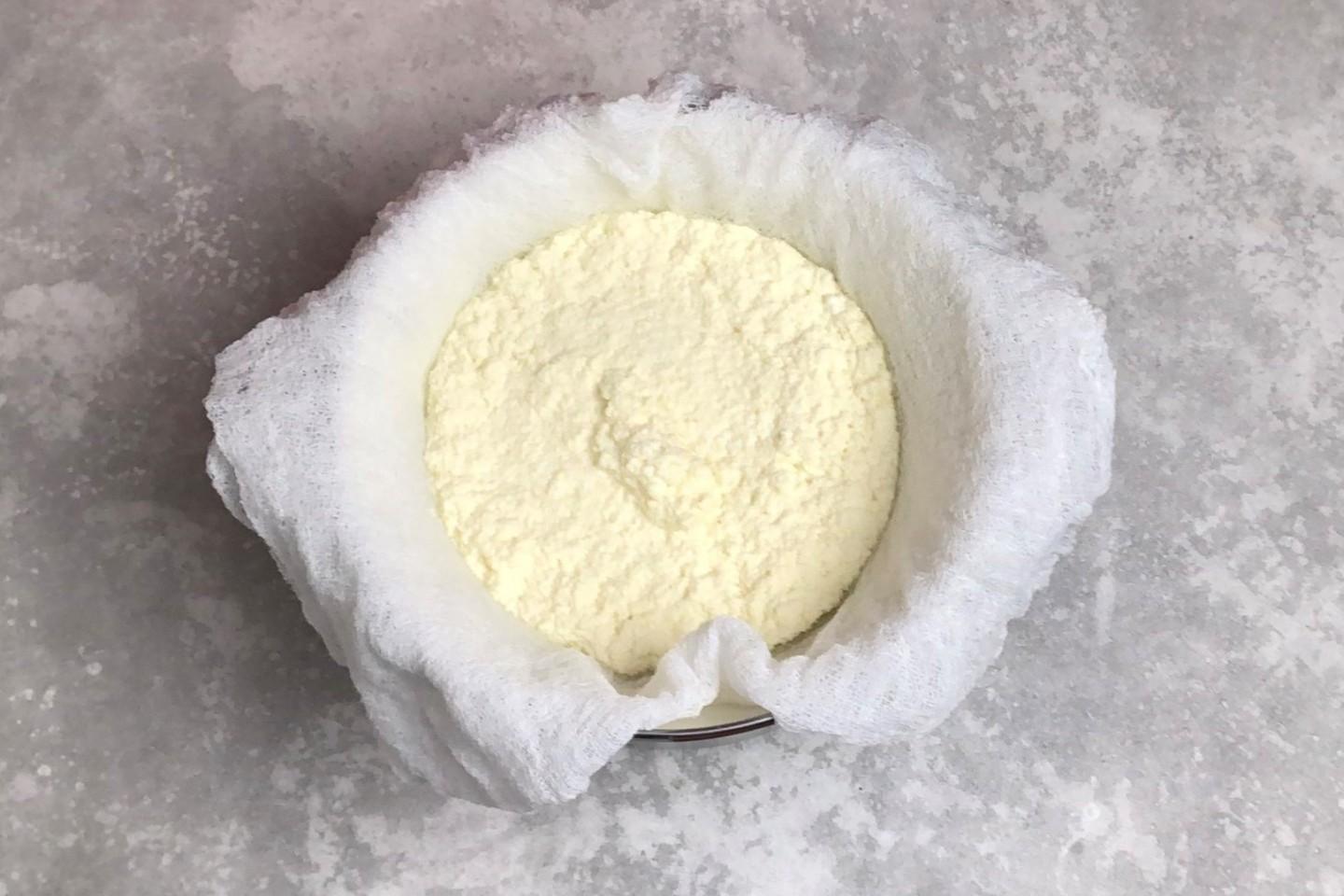
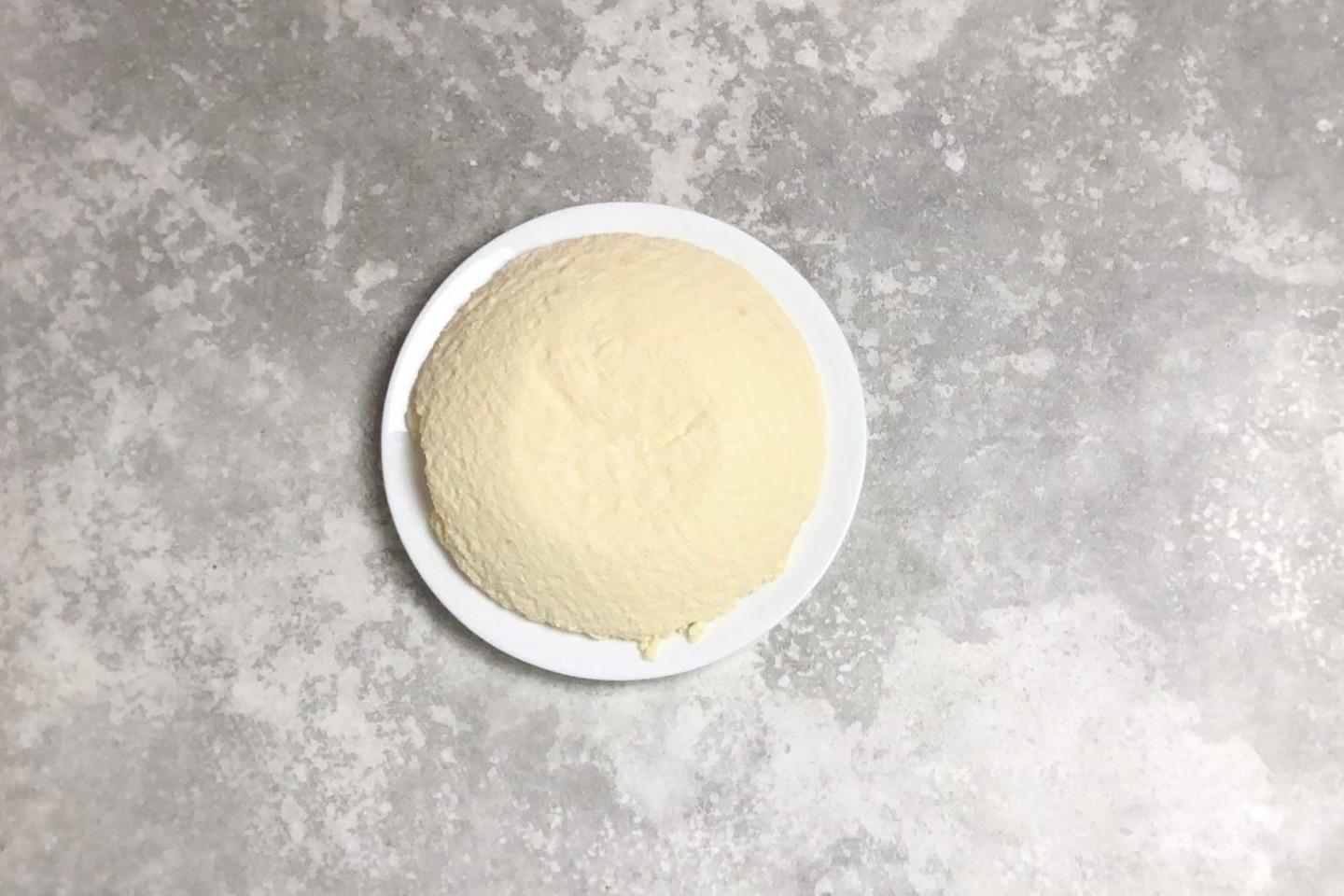
- The cheese came out soft; it slices well and crumbles only a little. The taste is moderately salty and not firm, somewhat like Adyghe cheese. Two liters of dairy yielded about 200–250 grams of cheese. With higher-fat milk, you'll get more cheese. The tastiest cheese comes from farm-fresh milk. To increase the fat content, you can replace part of the kefir with sour cream. You can make the cheese with no eggs at all, but they give it firmness so it can be sliced — without them, the cheese comes out more like a soft curd. You can add any herbs and spices to this cheese, as well as lemon juice. If you leave out the salt and add sugar and dried fruit, you'll get something like a paskha (Easter cheese dessert). Store homemade cheese either in brine or in cheesecloth soaked in brine. Its shelf life is short.
Caloric content of the products possible in the composition of the dish
- Whole cow's milk - 68 kcal/100g
- Milk, 3.5% fat - 64 kcal/100g
- Milk, 3.2% fat - 60 kcal/100g
- Milk, 1.5% fat - 47 kcal/100g
- Concentrated milk, 7.5% fat - 140 kcal/100g
- Milk, 2.5% fat - 54 kcal/100g
- Chicken egg - 157 kcal/100g
- Egg white - 45 kcal/100g
- Egg powder - 542 kcal/100g
- Egg yolk - 352 kcal/100g
- Ostrich egg - 118 kcal/100g
- Full-fat kefir - 62 kcal/100g
- Kefir, 1% fat - 38 kcal/100g
- Low-fat kefir - 30 kcal/100g
- Kefir 'Doctor Bifi', 1.8% fat - 45 kcal/100g
- Kefir, 2.5% fat - 53 kcal/100g
- Salt - 0 kcal/100g