Homemade Apple Marmalade with Agar-Agar
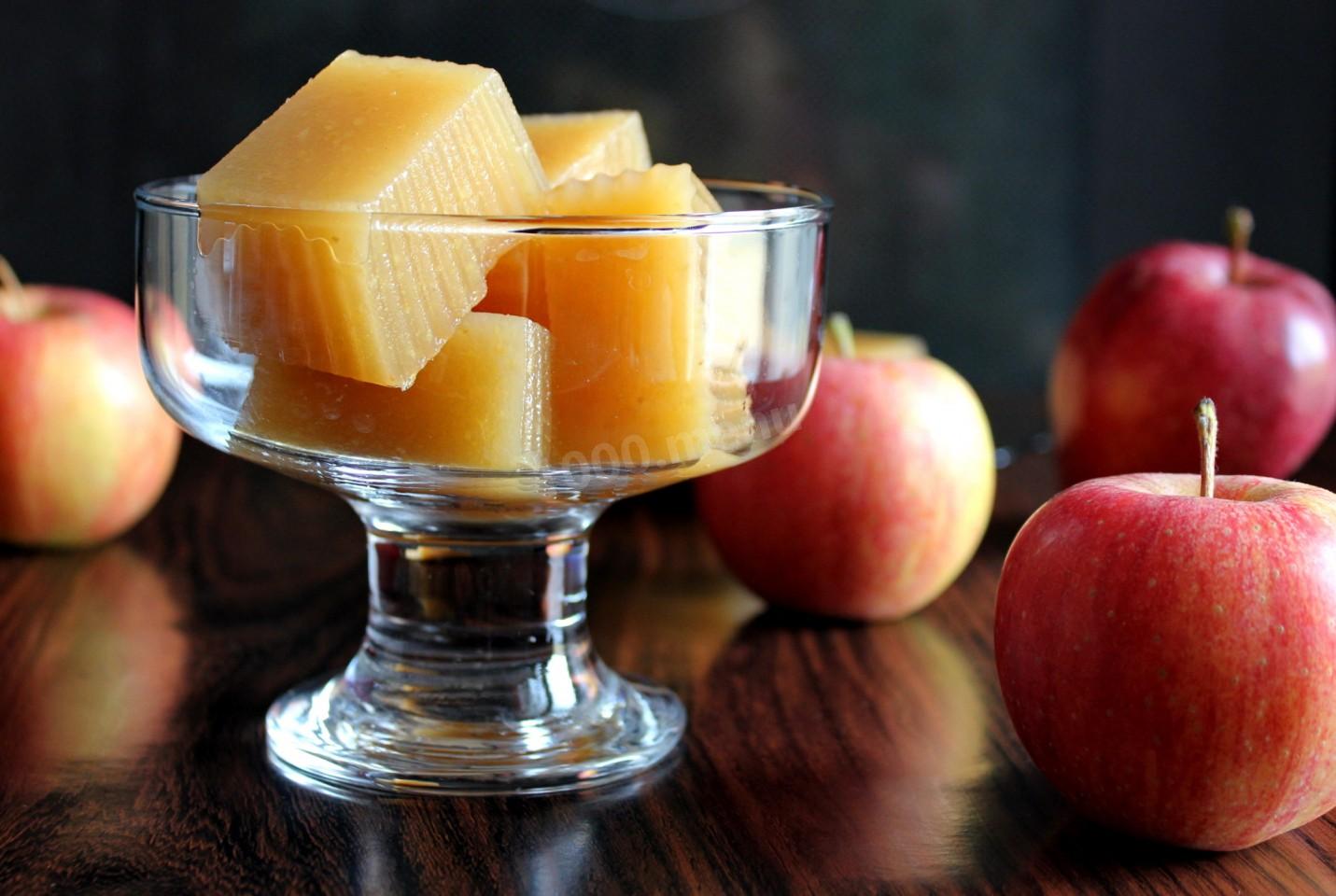
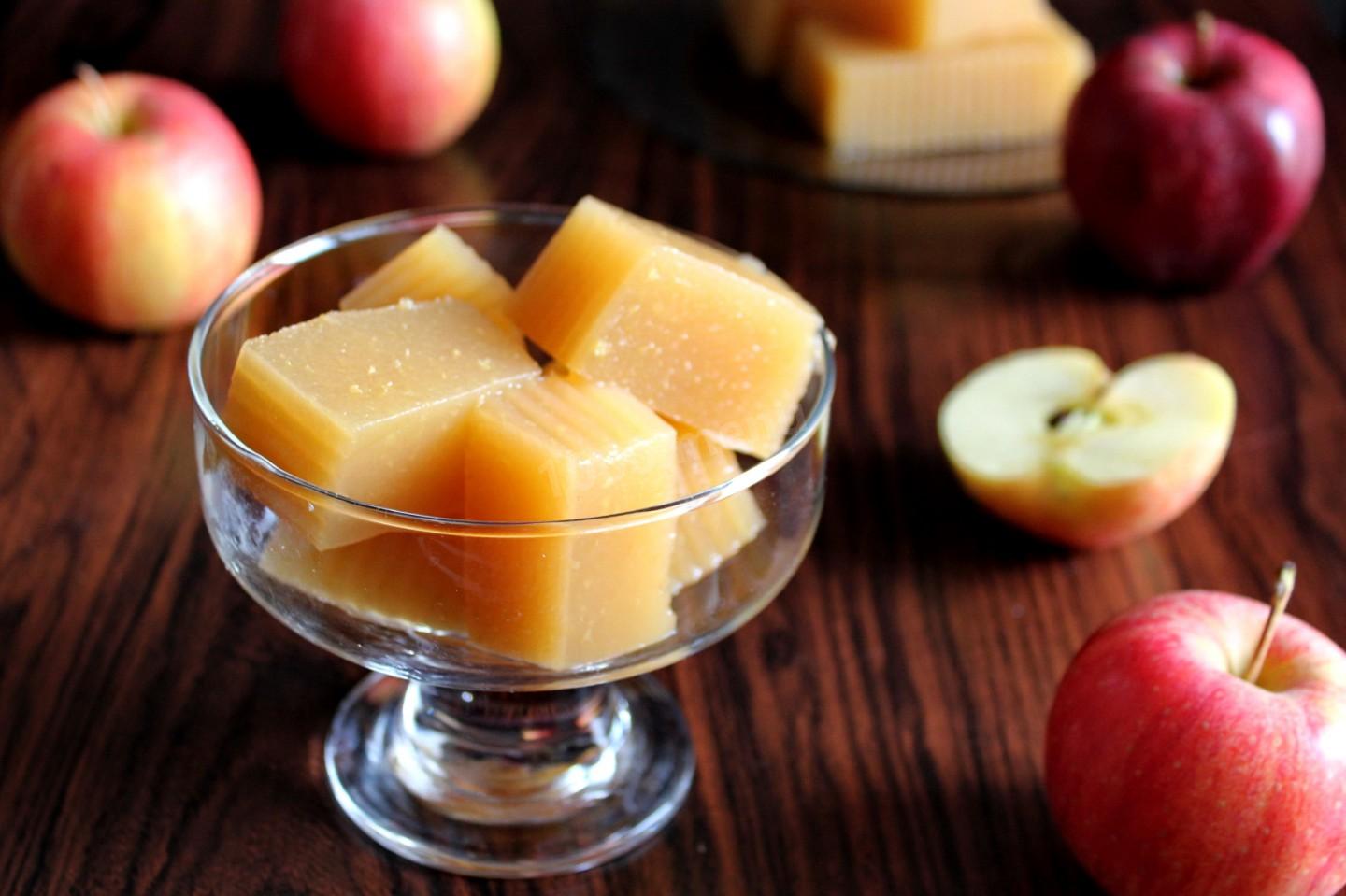
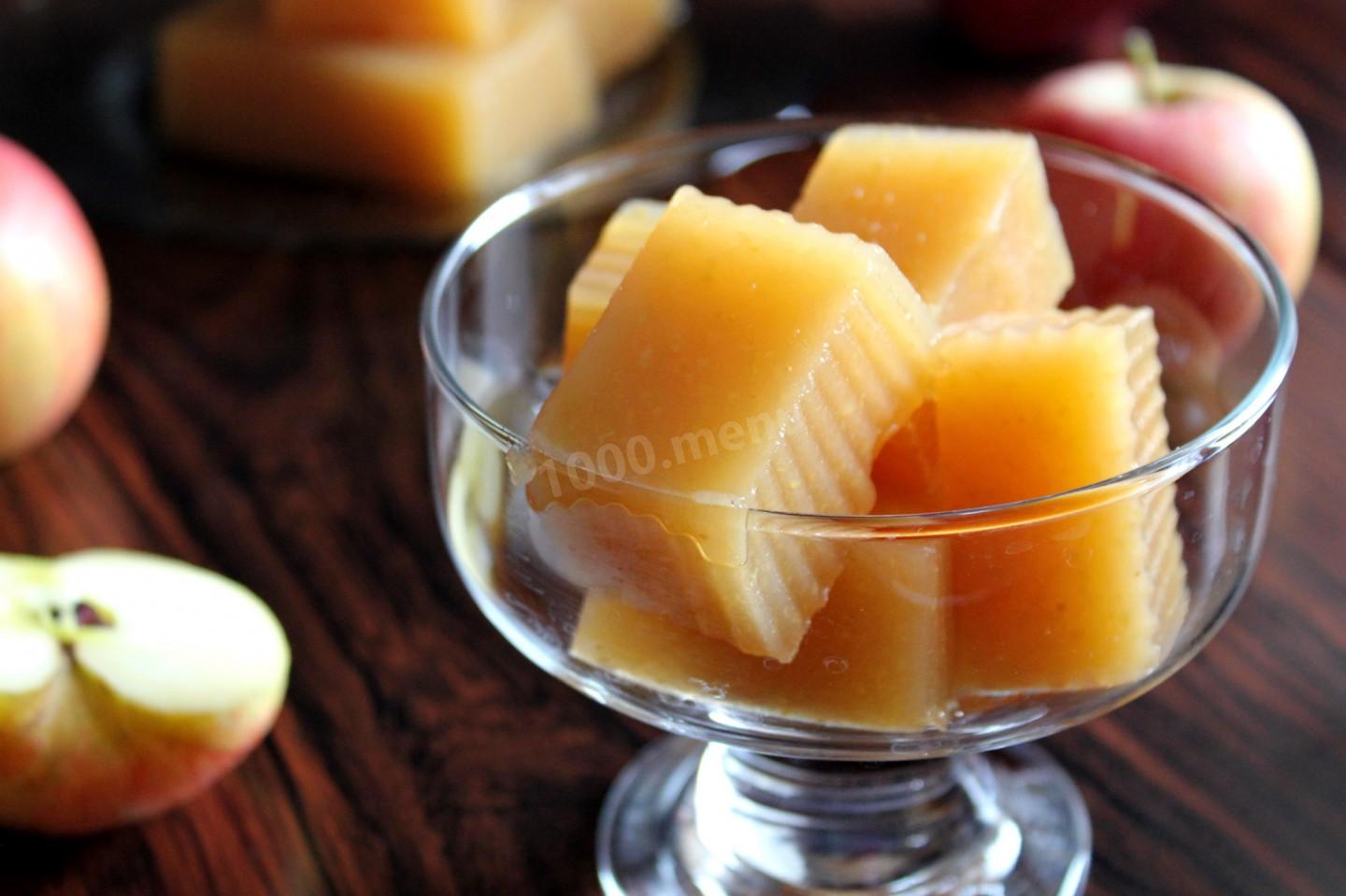
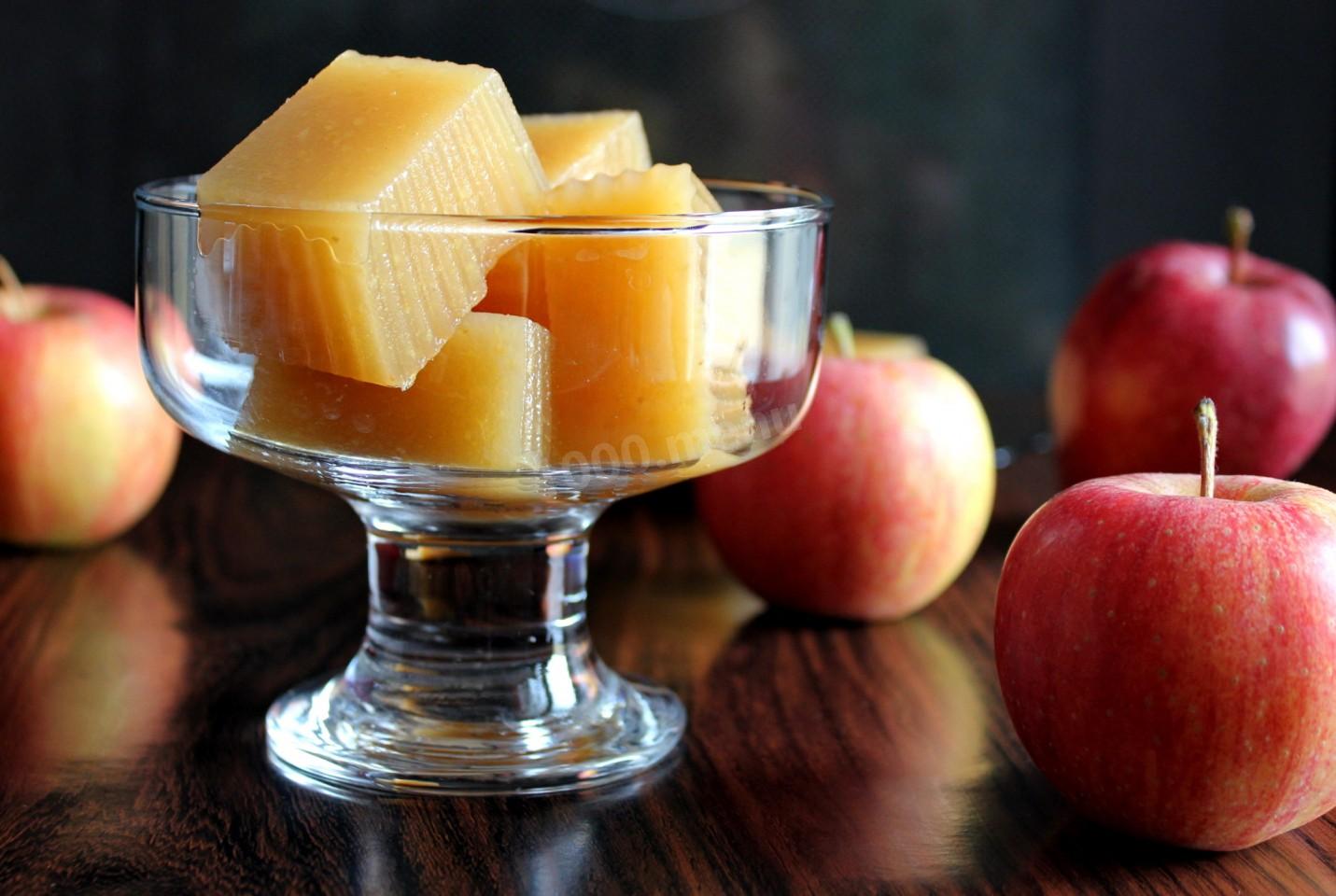
A simple, quick agar-agar marmalade recipe! Apple marmalade with agar-agar is a great way to treat your kids to a wholesome sweet. This recipe won't give you much trouble, and if you have a blender, making homemade agar marmalade is a breeze.

Cooking method
-
Step 1:
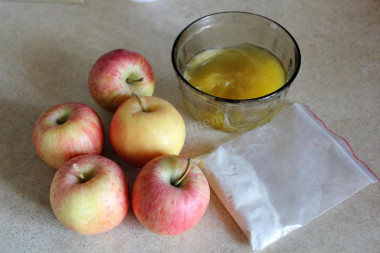
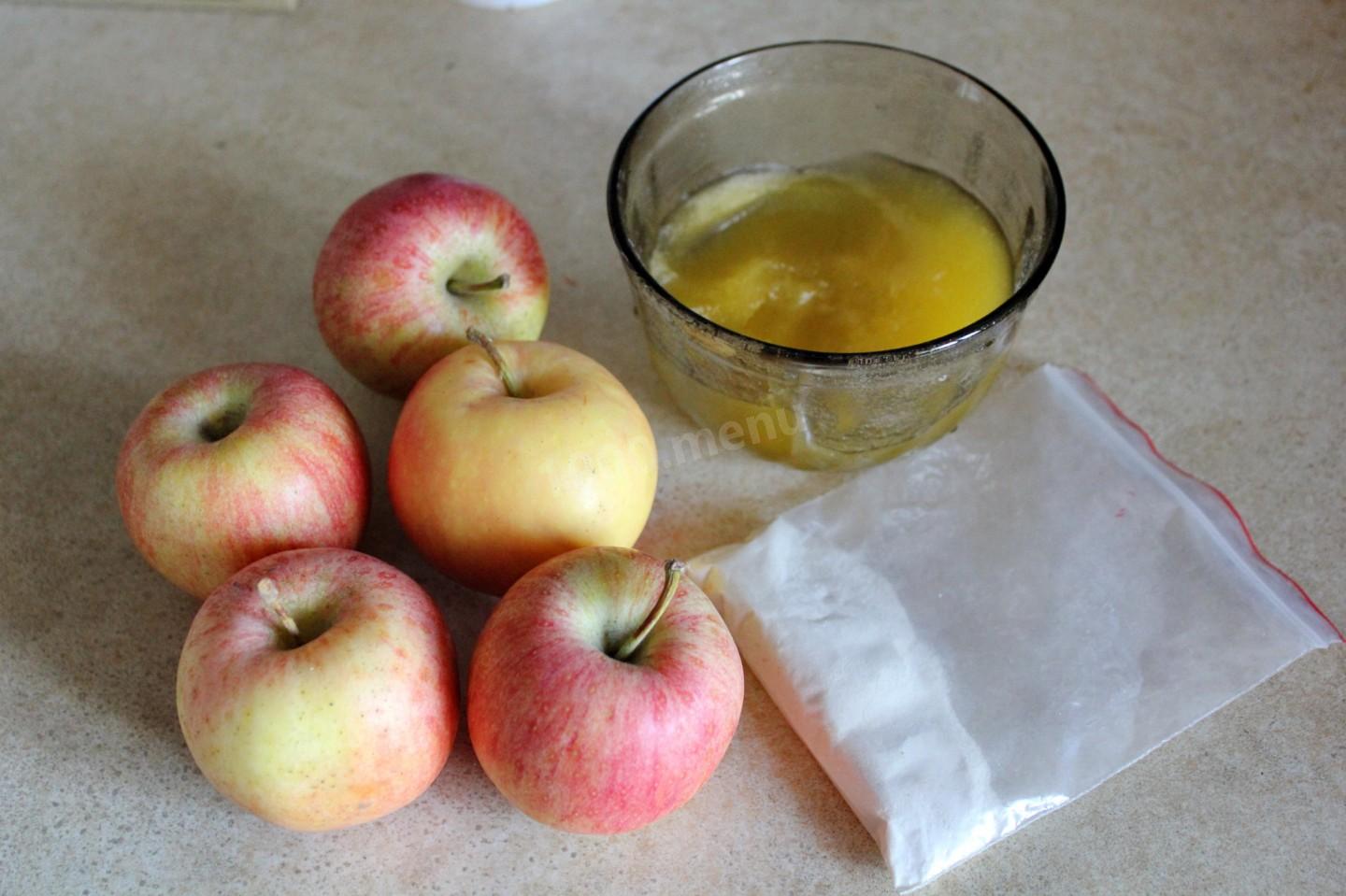
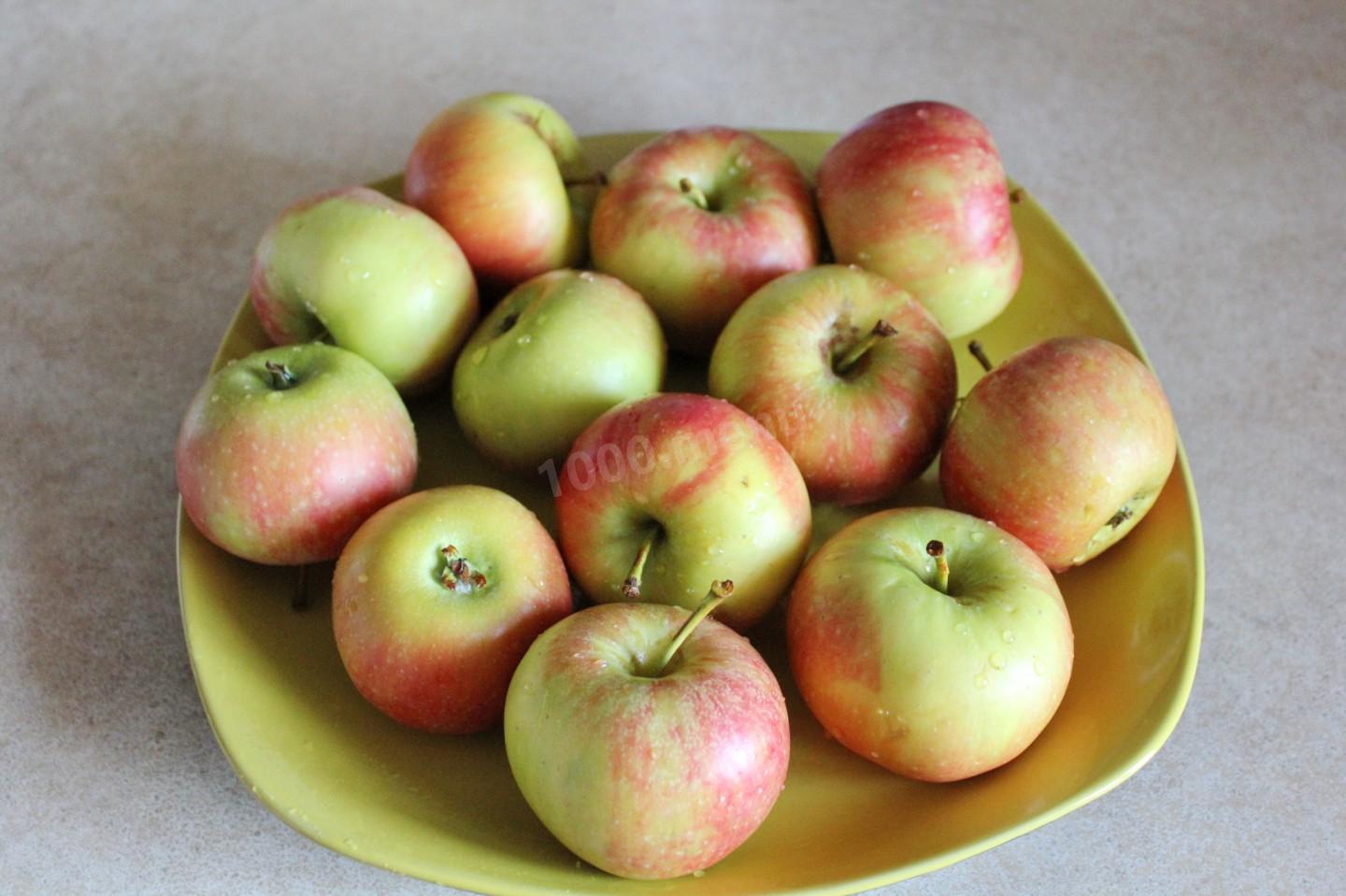
How do you make homemade marmalade with agar-agar? Get your ingredients ready. The flavor of the apples largely determines the flavor of the treat, as well as how much sugar or sweetener you'll need. The sweeter the apples, the less sweetener you have to add.
-
Step 2:
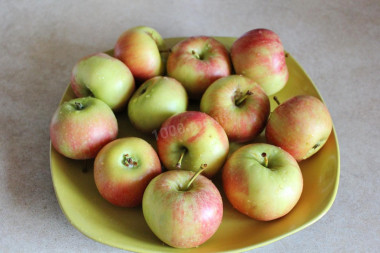
Wash the apples thoroughly.
-
Step 3:
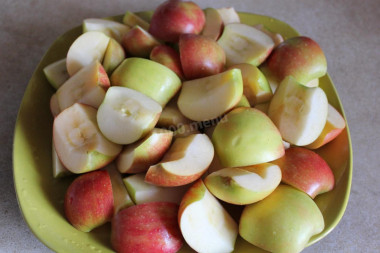
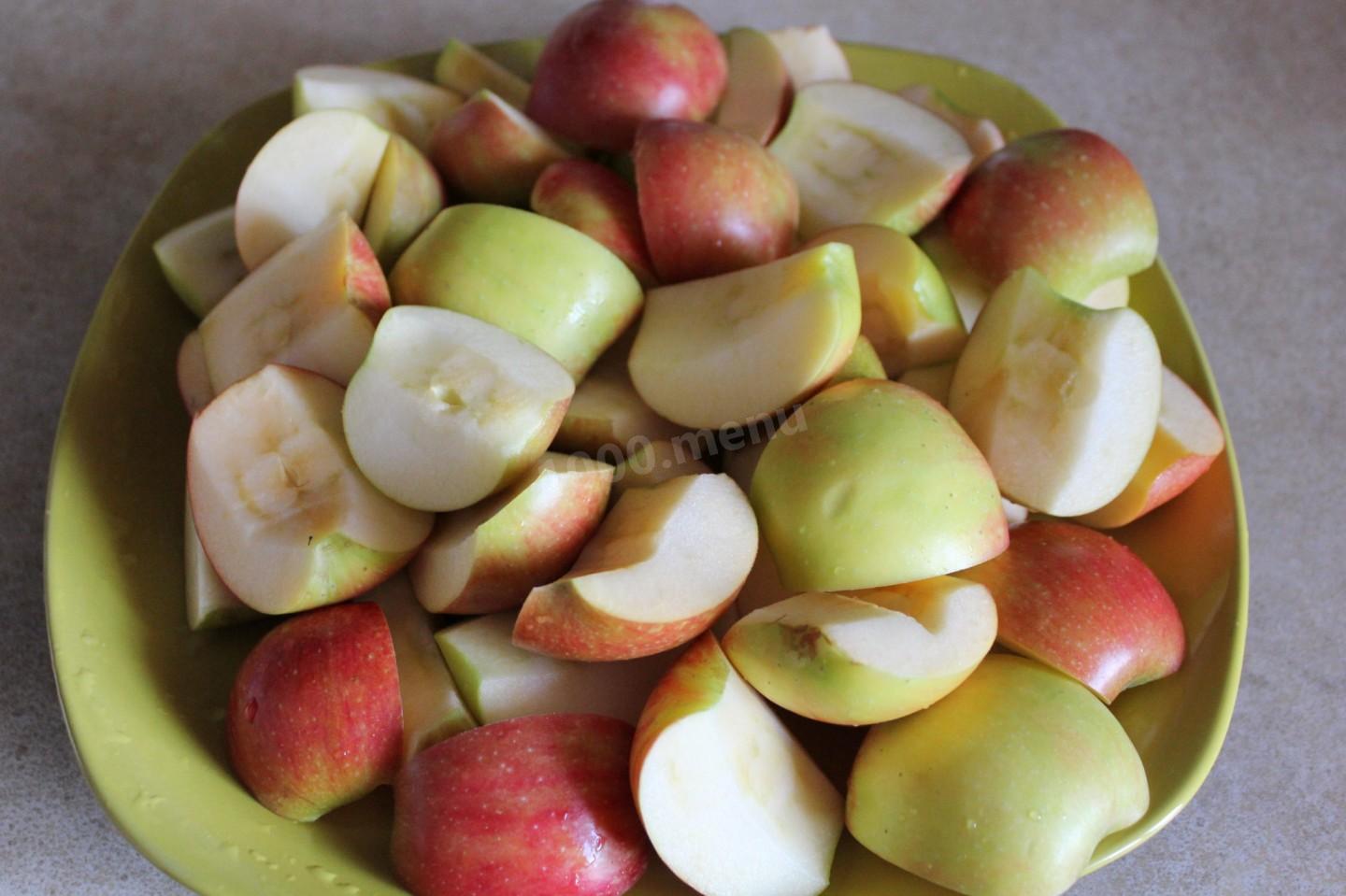
Then cut the apples into wedges, removing the cores and any bad spots.
-
Step 4:
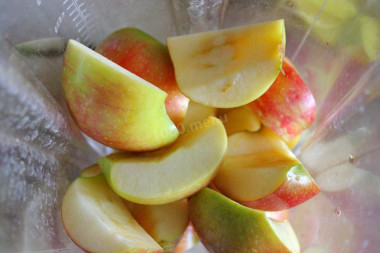
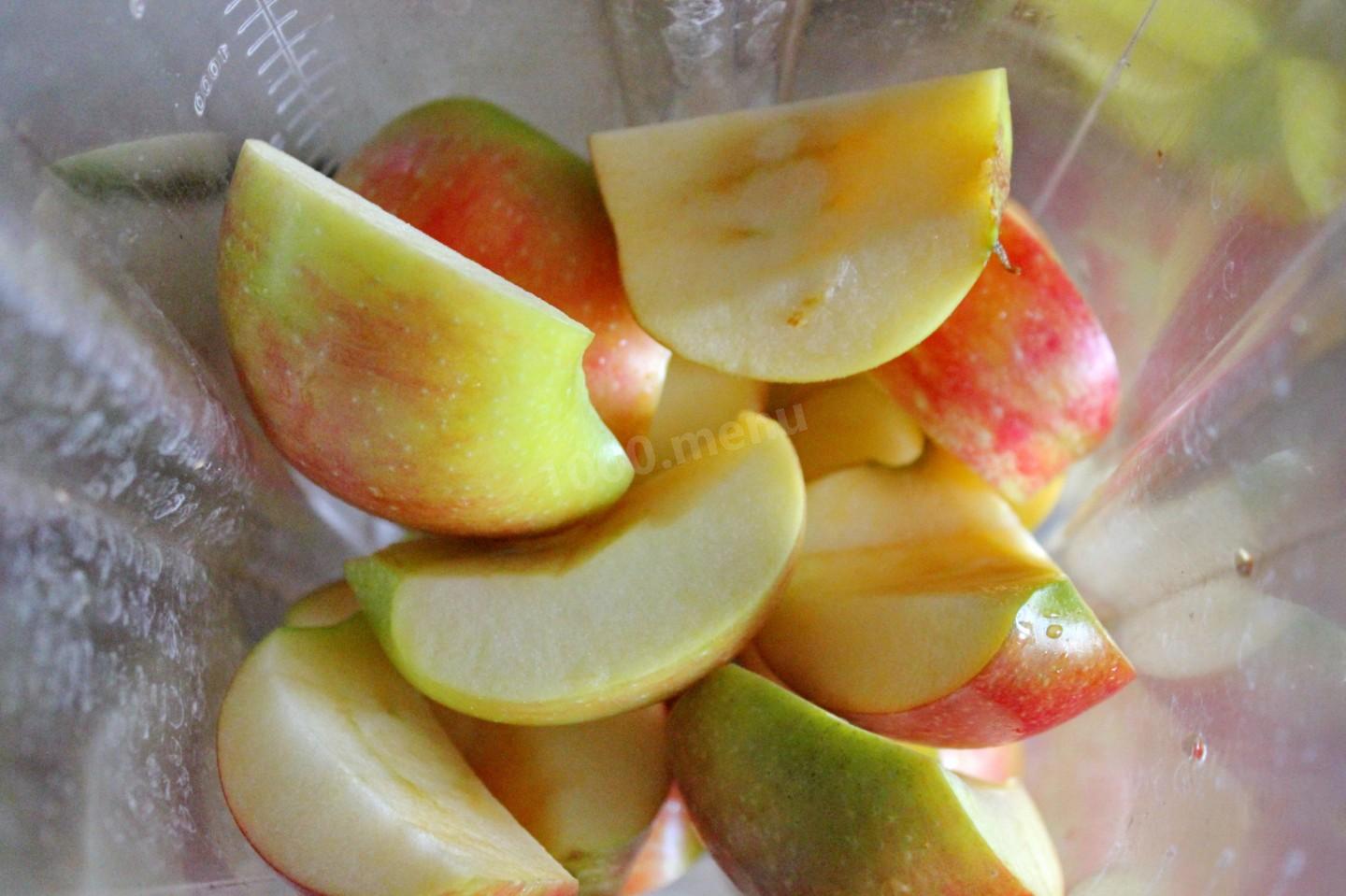
Put the apples in a blender, add the water, and purée the apples.
-
Step 5:
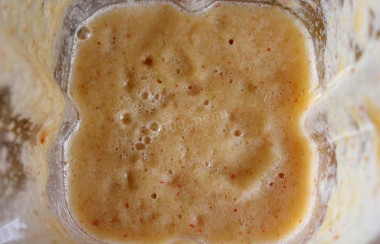
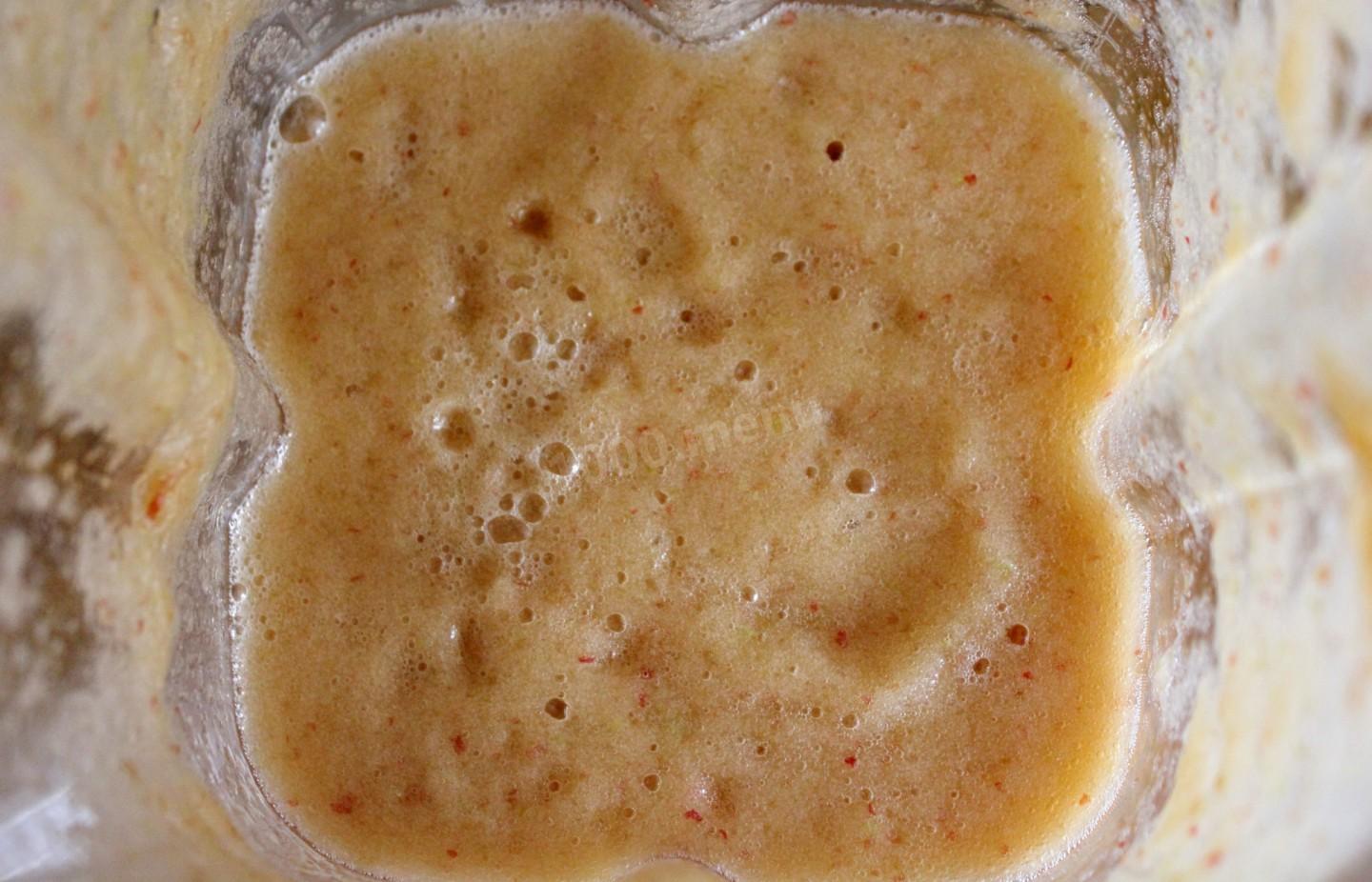
You should end up with a smooth, uniform purée like this.
-
Step 6:
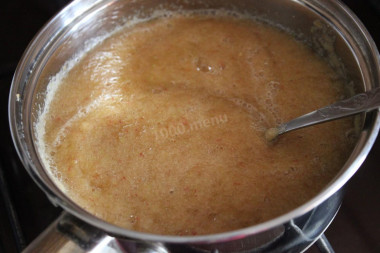
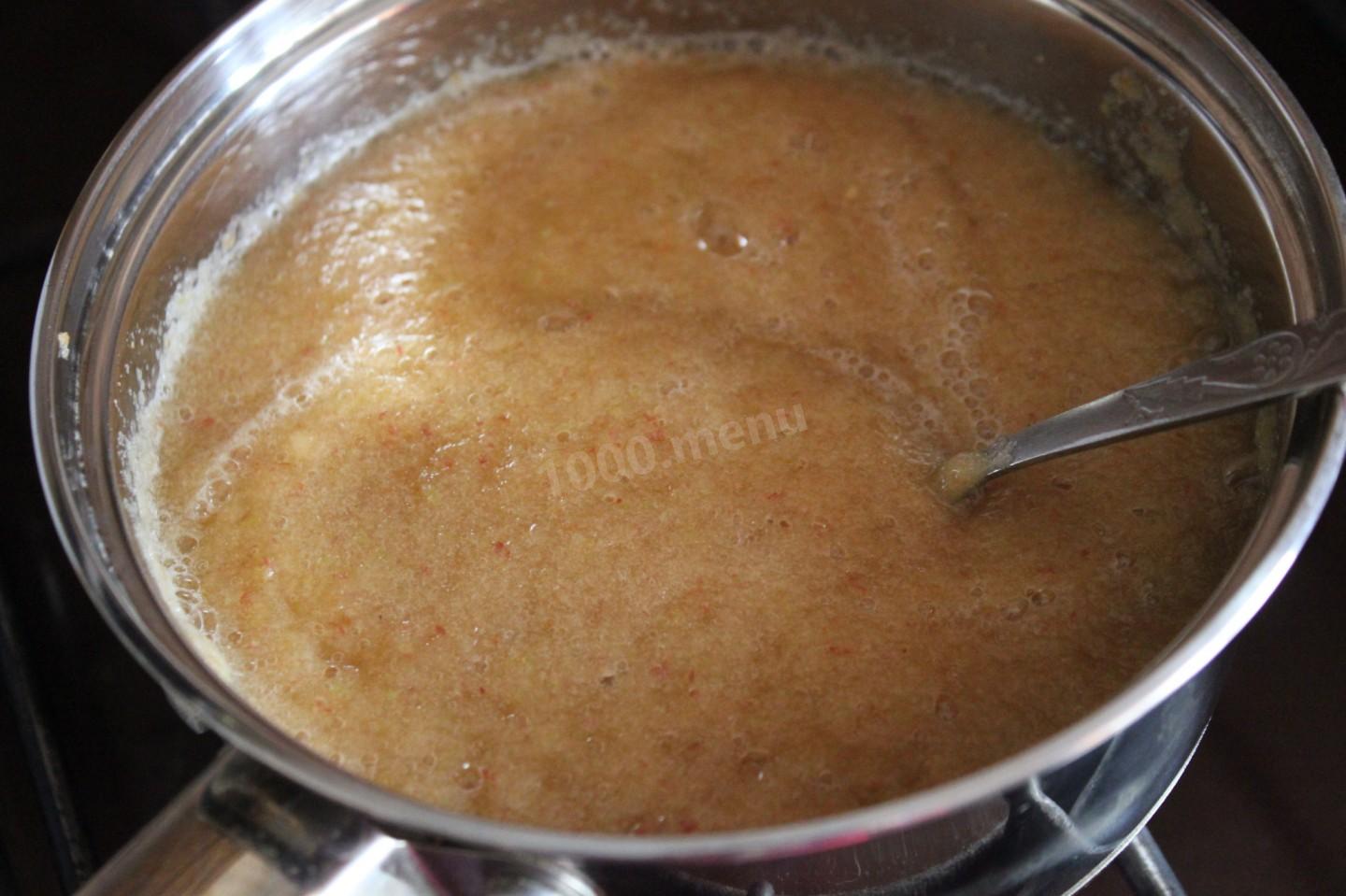
Pour the applesauce into a pot and bring it to a boil over low heat.
-
Step 7:
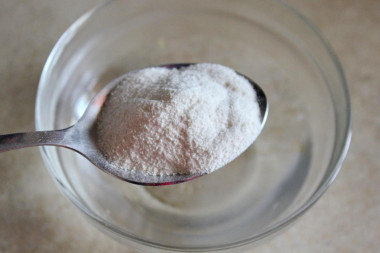
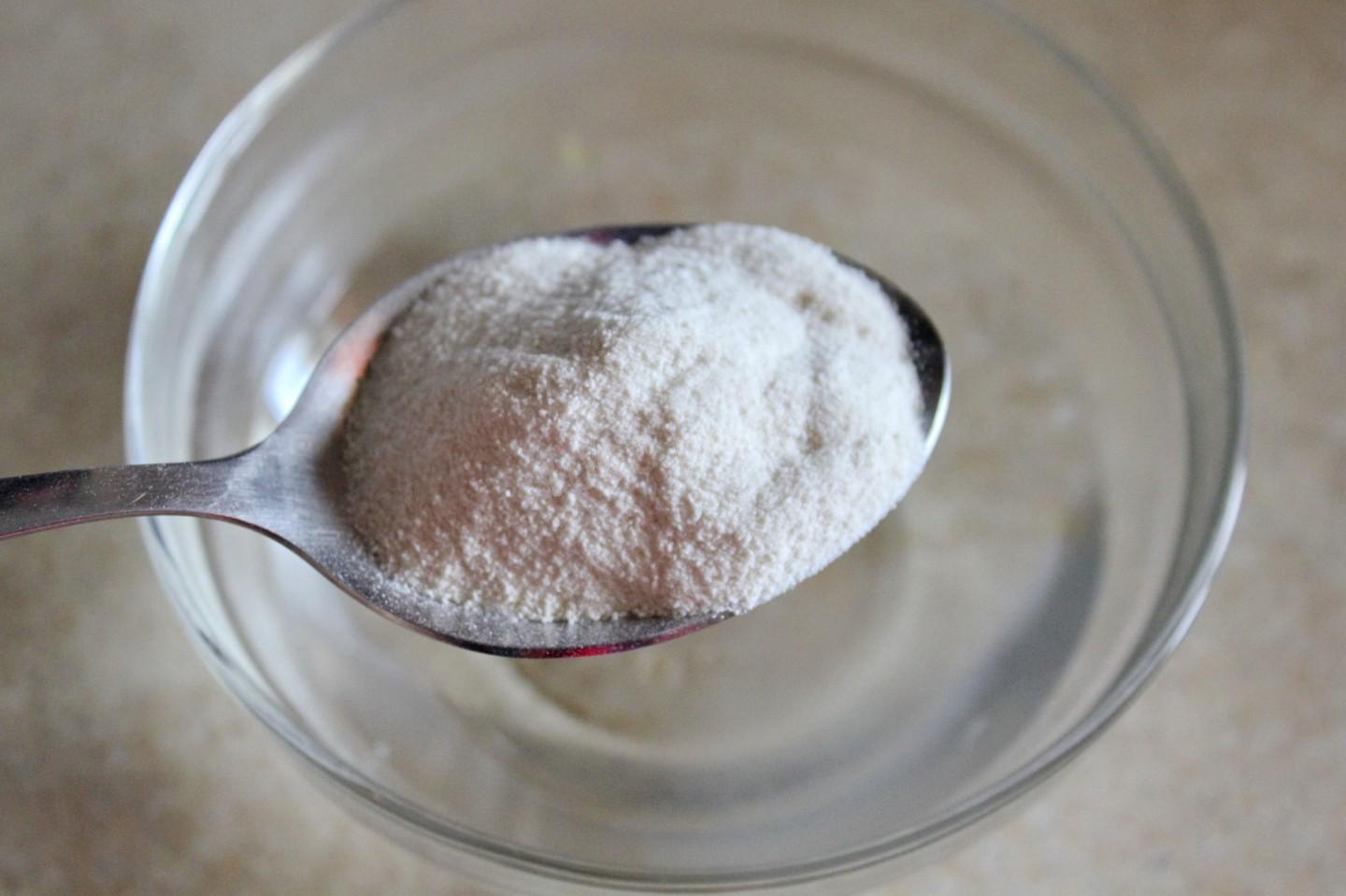
In a separate bowl, add the agar-agar to warm water.
-
Step 8:
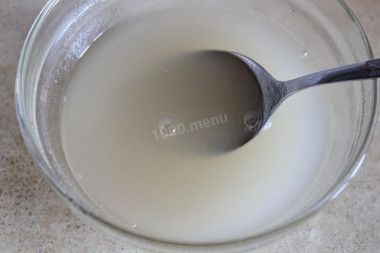
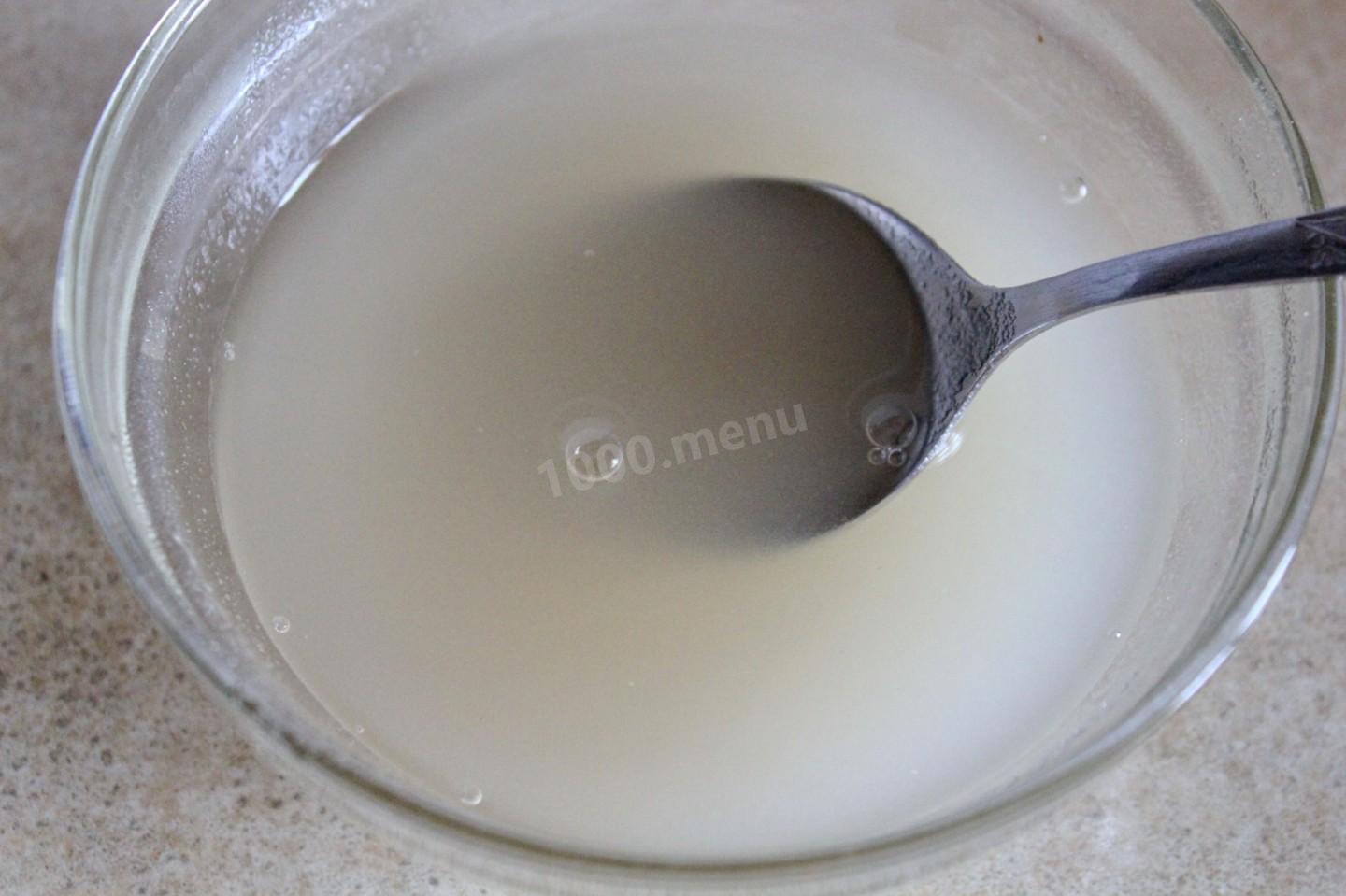
Stir until completely dissolved.
-
Step 9:
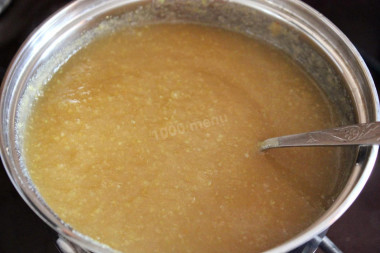
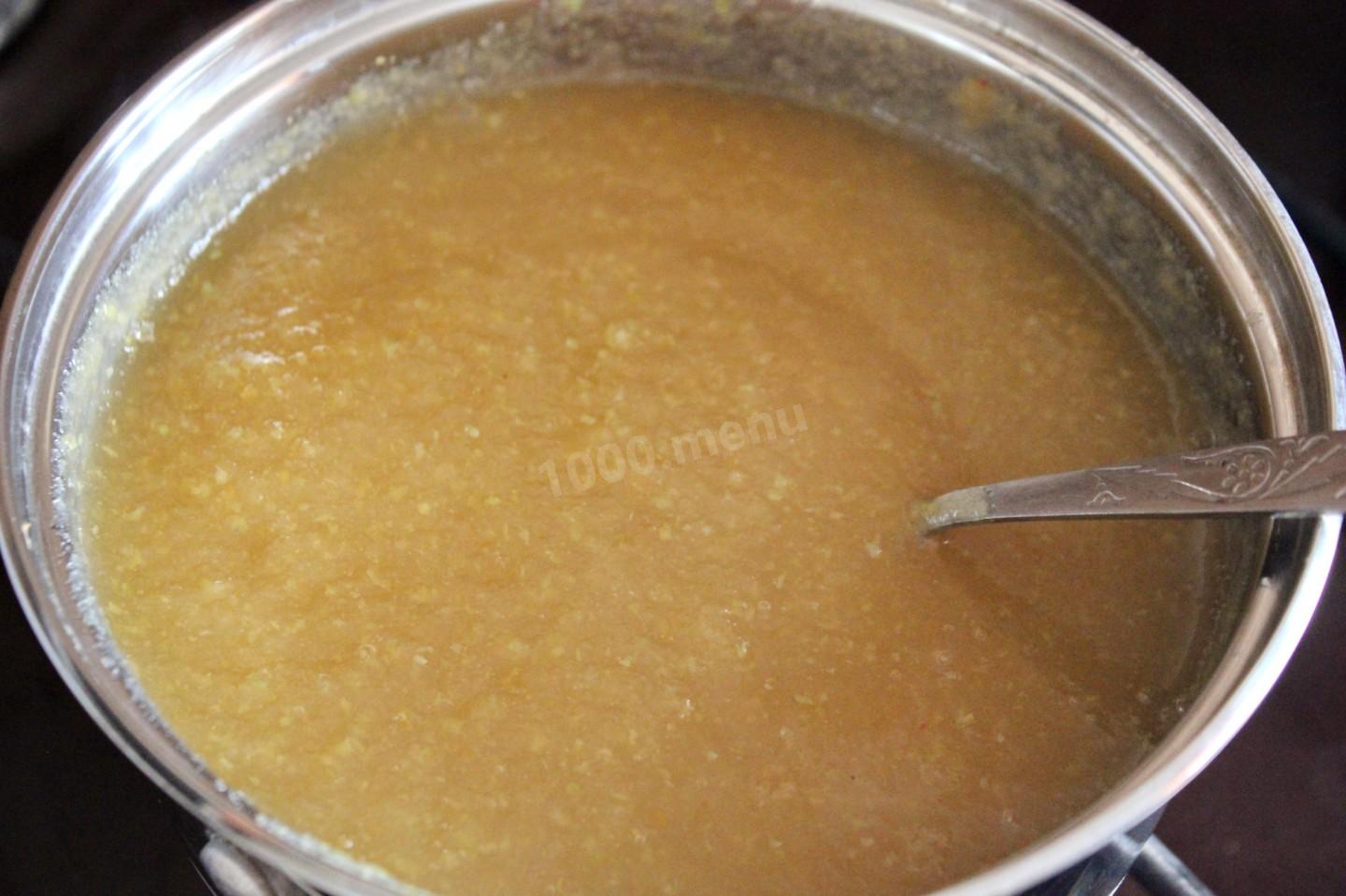
Add the water-dissolved agar-agar to the pot of boiling applesauce. Stir thoroughly. You'll see the purée change right away — it becomes smoother and thicker. Let the purée with agar simmer for a few more minutes, stirring, then turn off the heat.
-
Step 10:
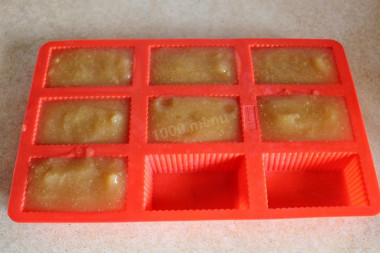
Wait until the purée cools to 40°C (104°F), then add the honey and mix well. Now you can pour it into molds or onto a baking tray.
-
Step 11:
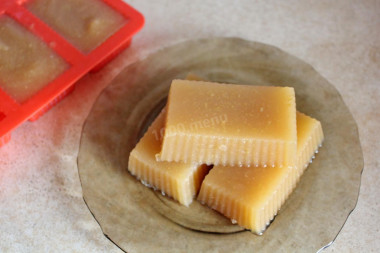
Let the marmalade set for a few hours, then turn it out of the molds, cut it into pieces, and dig in. Enjoy!
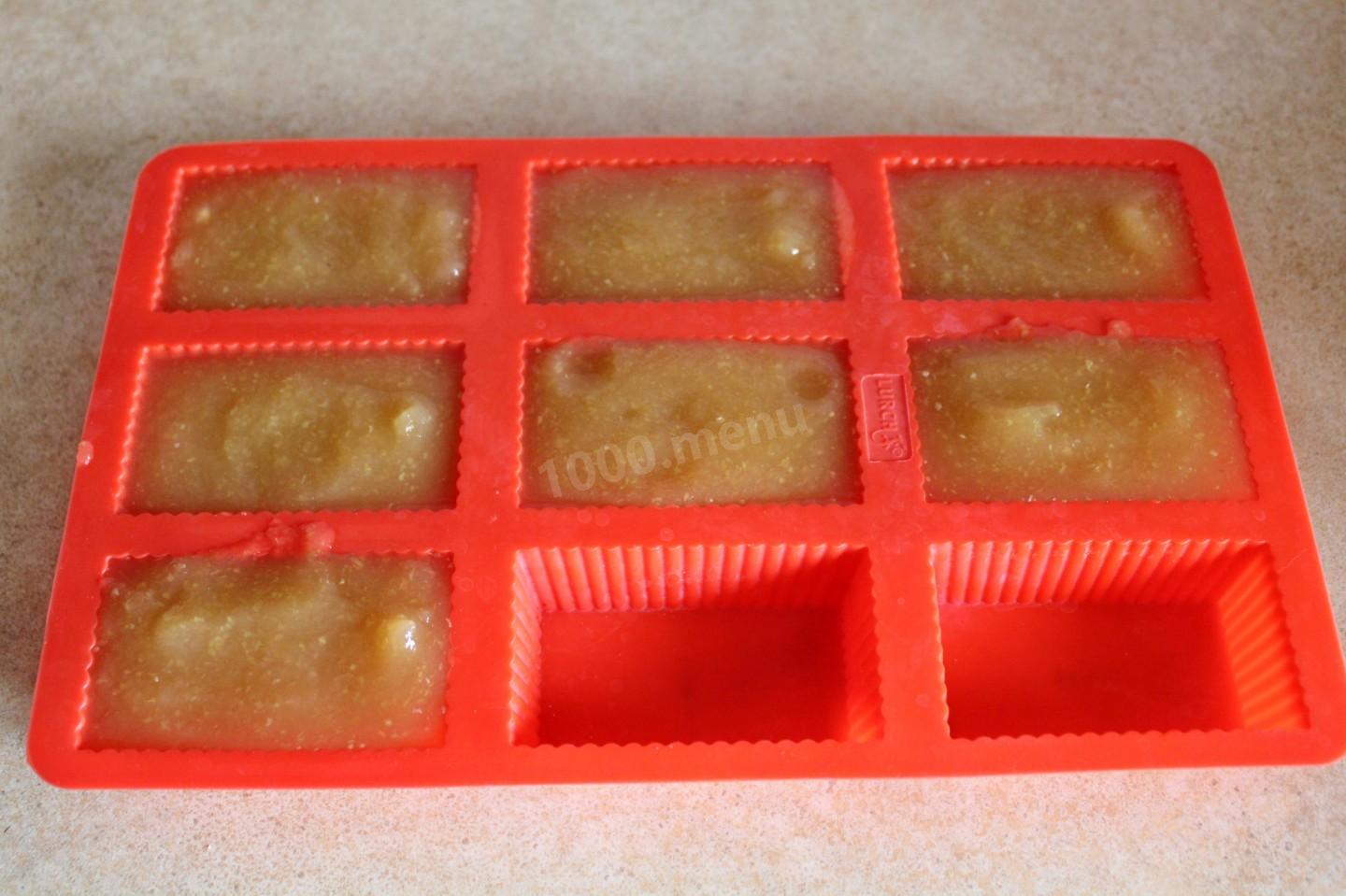
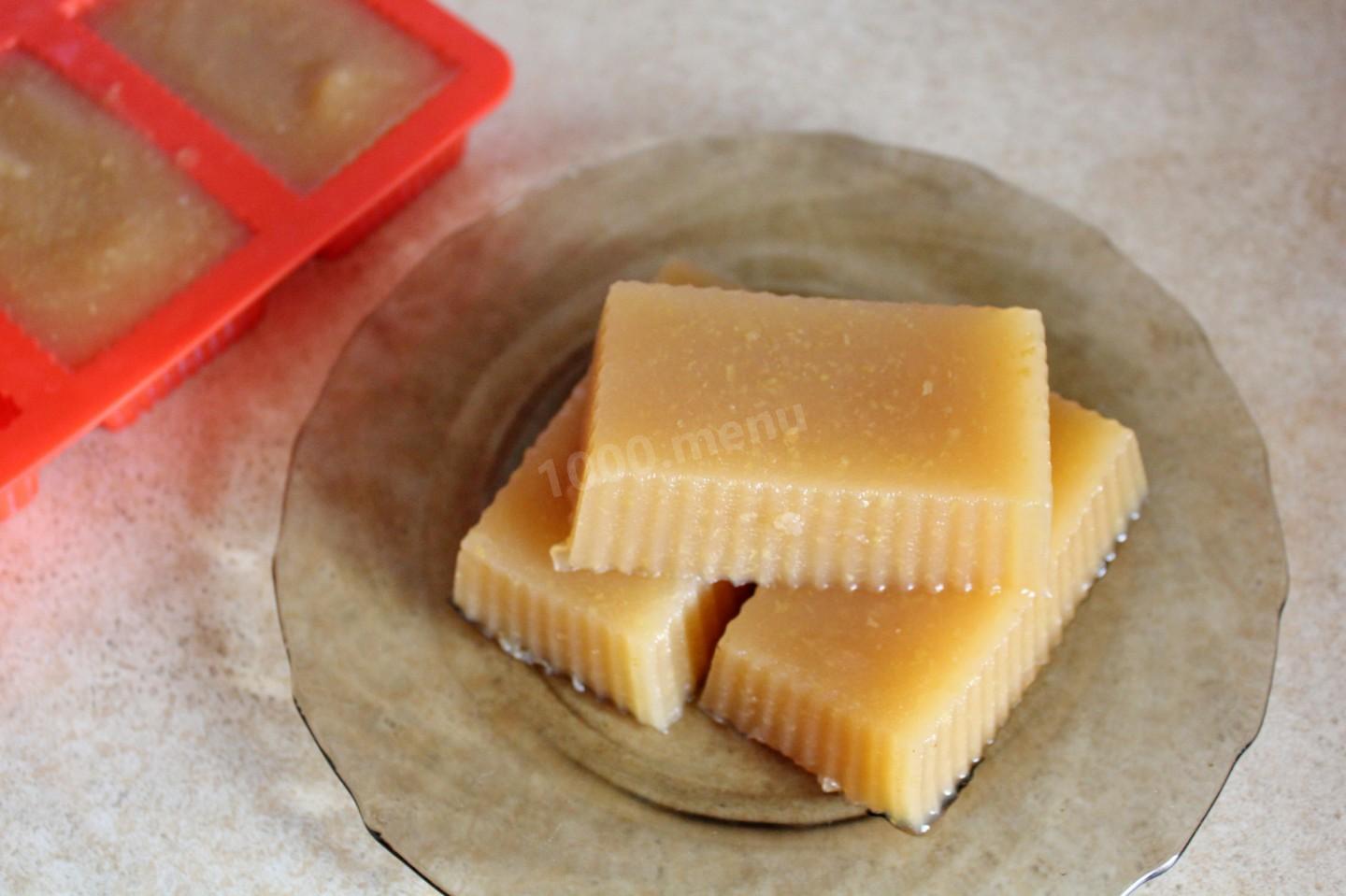
- There are many ways to make marmalade at home. You can cook the applesauce for a long time and let it set thanks to the natural pectin in the apples — but that's a much more labor-intensive process. You can make marmalade from juice by adding gelling agents; it comes out clear and pretty, but then it has none of the fiber, which is considered very healthy. My recipe seems the best balance to me: you don't have to cook the applesauce for long, and it still has all the fiber from the apples, which gives you the most benefit from the marmalade. You can also use different sweeteners — instead of honey, use sugar, stevia, or others. And if you use very sweet apple varieties, you can skip the sweetener entirely. Super healthy! You can also adjust the firmness of your marmalade, from tender and melt-in-the-mouth to chewy and dense, by using less or more agar (or gelatin). Enjoy!
- Before adding agar, check its rating. The numbers on the package — 600, 900, or 1200, for example — indicate the strength (firmness) of the resulting gel. The higher the number, the firmer the jelly. Always keep in mind that the agar-agar proportions given in a recipe are relative, since the result depends not only on the gel strength (the number on the package) but also on the quality of the agar-agar and the amount of sugar and acid in the dish. To avoid mistakes and get the result you want, it's a good idea to do a test: take 1 tablespoon of the finished but not-yet-cooled mixture and put it in the freezer for 1 minute. If the jelly sets to the consistency you want, your proportions are right. If not, you'll need to thicken or thin the mixture.
- An opened package of agar-agar keeps for quite a while, but check it before using, since exposure to sunlight and air can cause the agar to lose its gelling power.
- For why agar-agar sometimes doesn't set, how to work with it correctly and avoid frustrating mistakes, and all the fine points of cooking various dishes with this gelling agent, read the article on agar-agar.
Caloric content of the products possible in the composition of the dish
- Apples - 47 kcal/100g
- Dried apples - 210 kcal/100g
- Canned apple mousse - 61 kcal/100g
- Honey - 400 kcal/100g
- Water - 0 kcal/100g
- Agar-agar - 301 kcal/100g