Classic Homemade Pelmeni
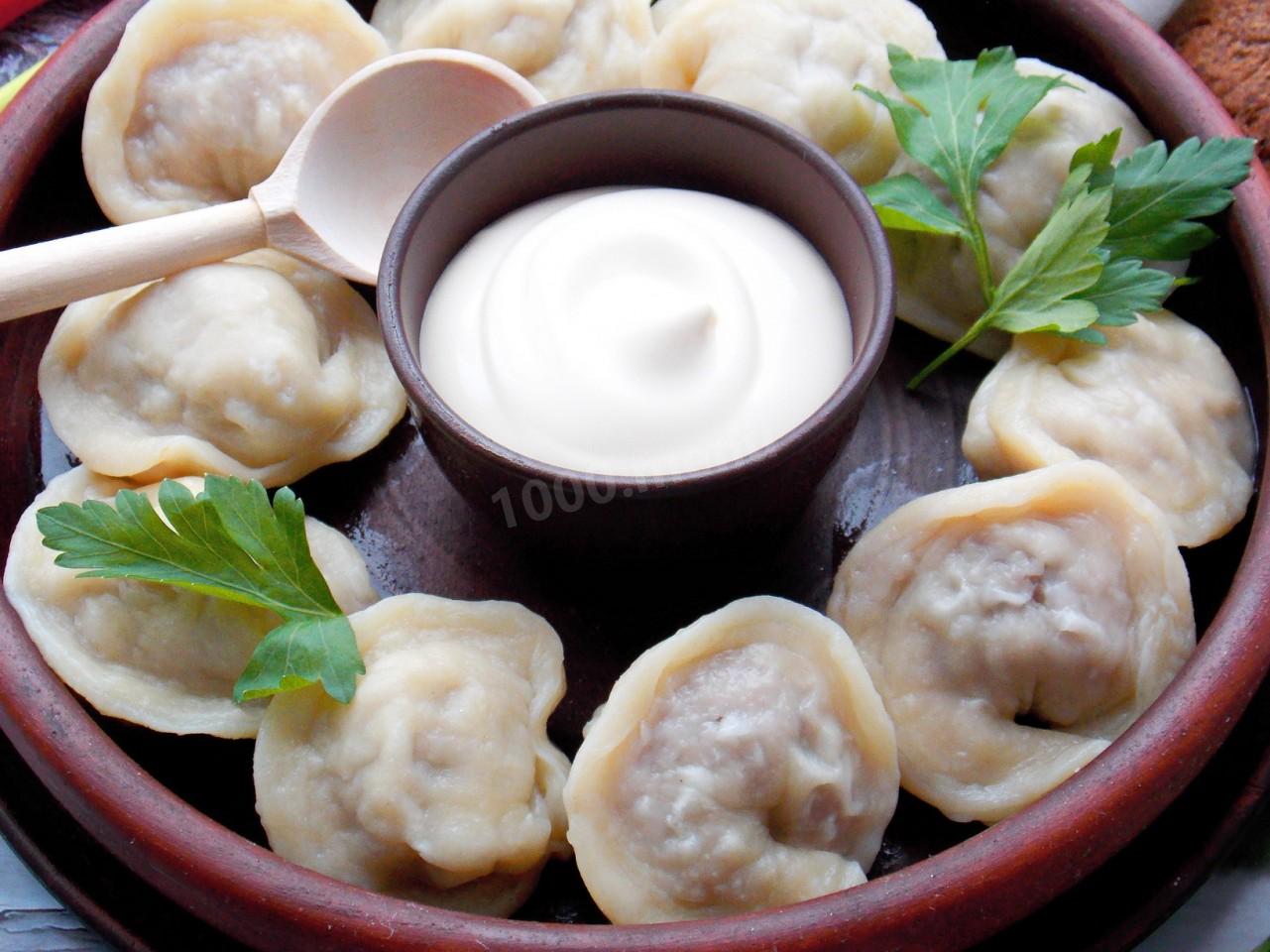
Very tasty, for the whole family, for lunch and dinner! Classic homemade pelmeni take a while to make, but they're very convenient to keep on hand — they're the perfect thing to freeze. Make a big batch so you've always got a quick, no-fuss meal for the family! The mixed-meat filling is wonderfully juicy and tasty.



Cooking method
-
Step 1:
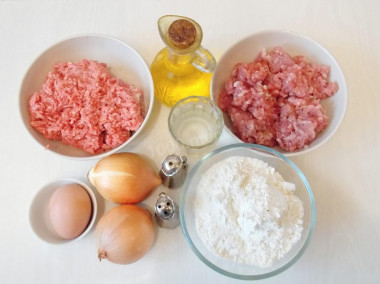
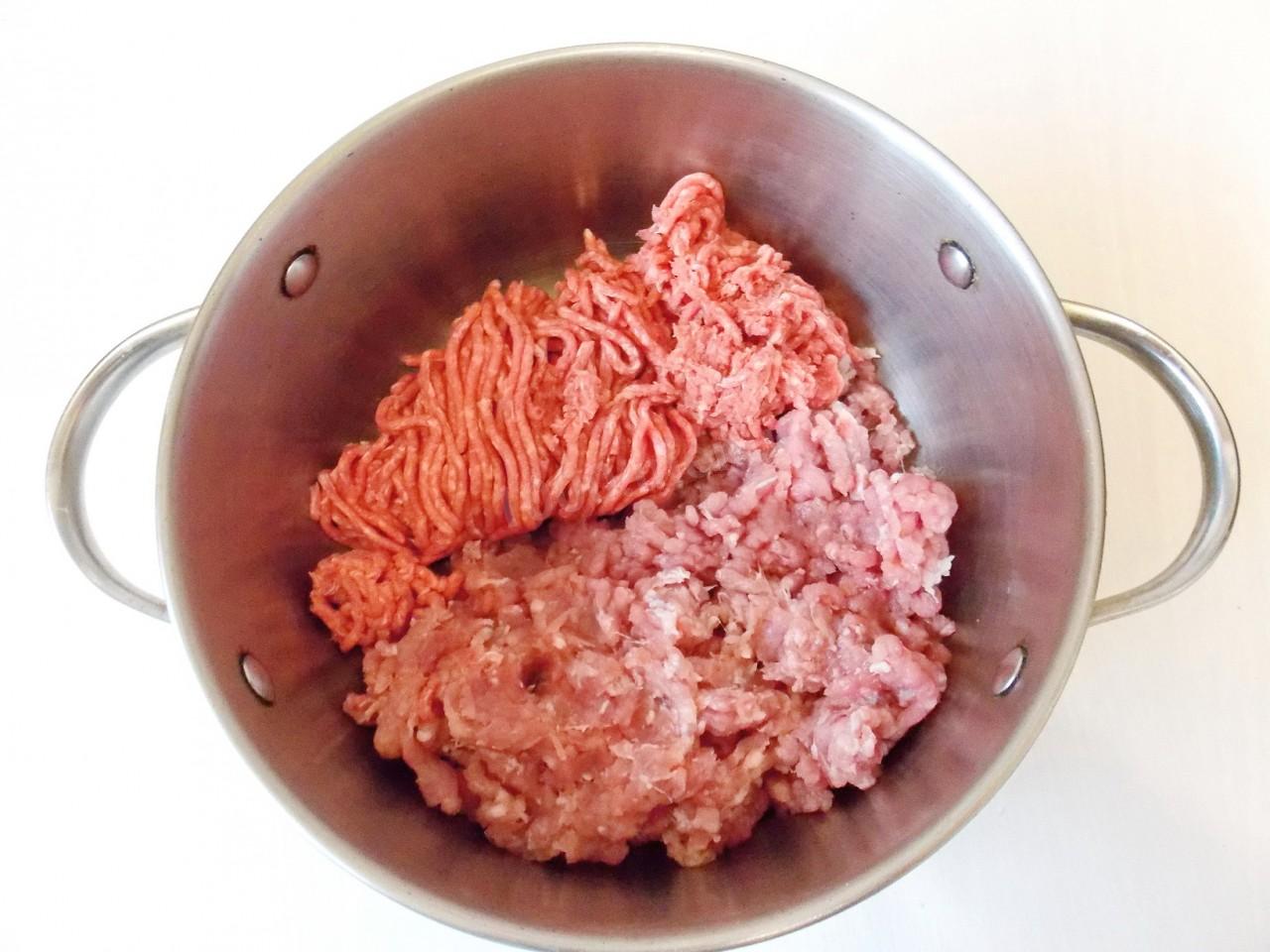
How do you make classic pelmeni? Get the ingredients ready. You can use ready-made ground pork and beef, but it's best to grind it yourself. Peel the onion, wash it, and pat it dry.
-
Step 2:
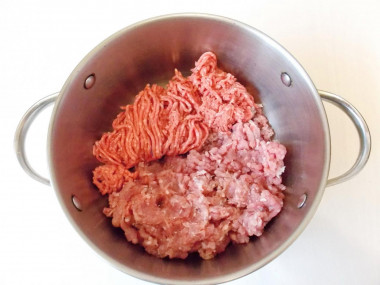
Put the ground pork and ground beef in a deep bowl.
-
Step 3:
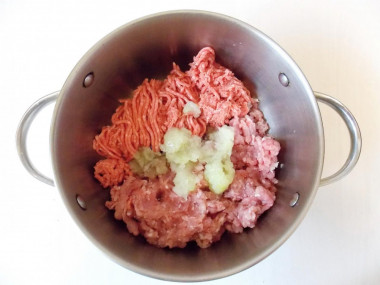
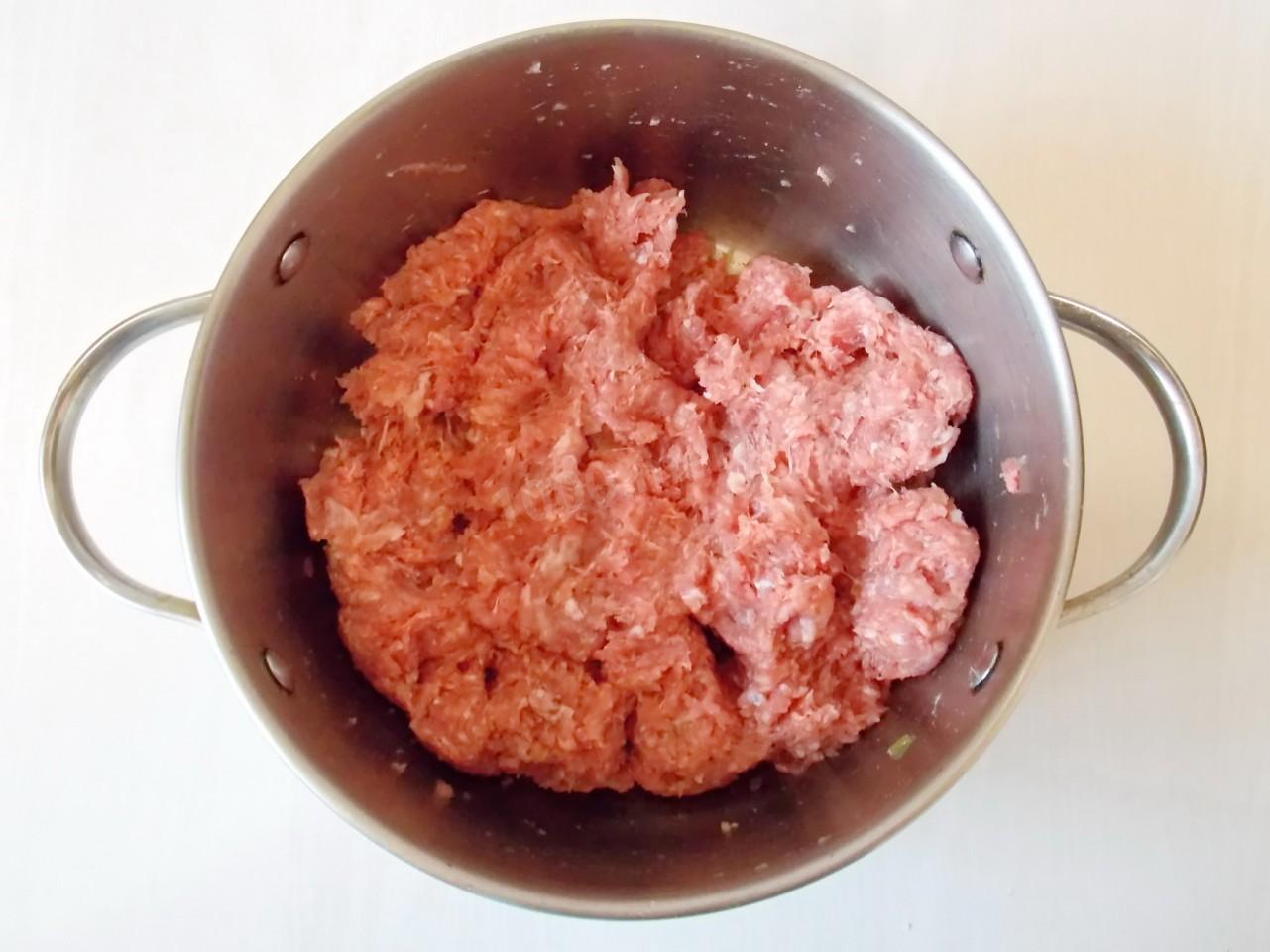
Cut up the peeled onion and run it through a meat grinder with a fine plate. You can use any onion you like. The more onion, the juicier and softer the filling will be — but it all comes down to your taste.
-
Step 4:
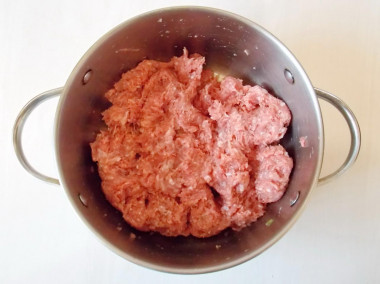
Add salt and pepper and mix well. For me, nothing beats regular ground black pepper, but you can use white or green ground pepper too. Cover the bowl and put it in the fridge for 30 minutes to let the meat rest.
-
Step 5:
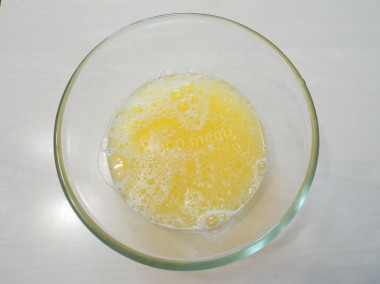
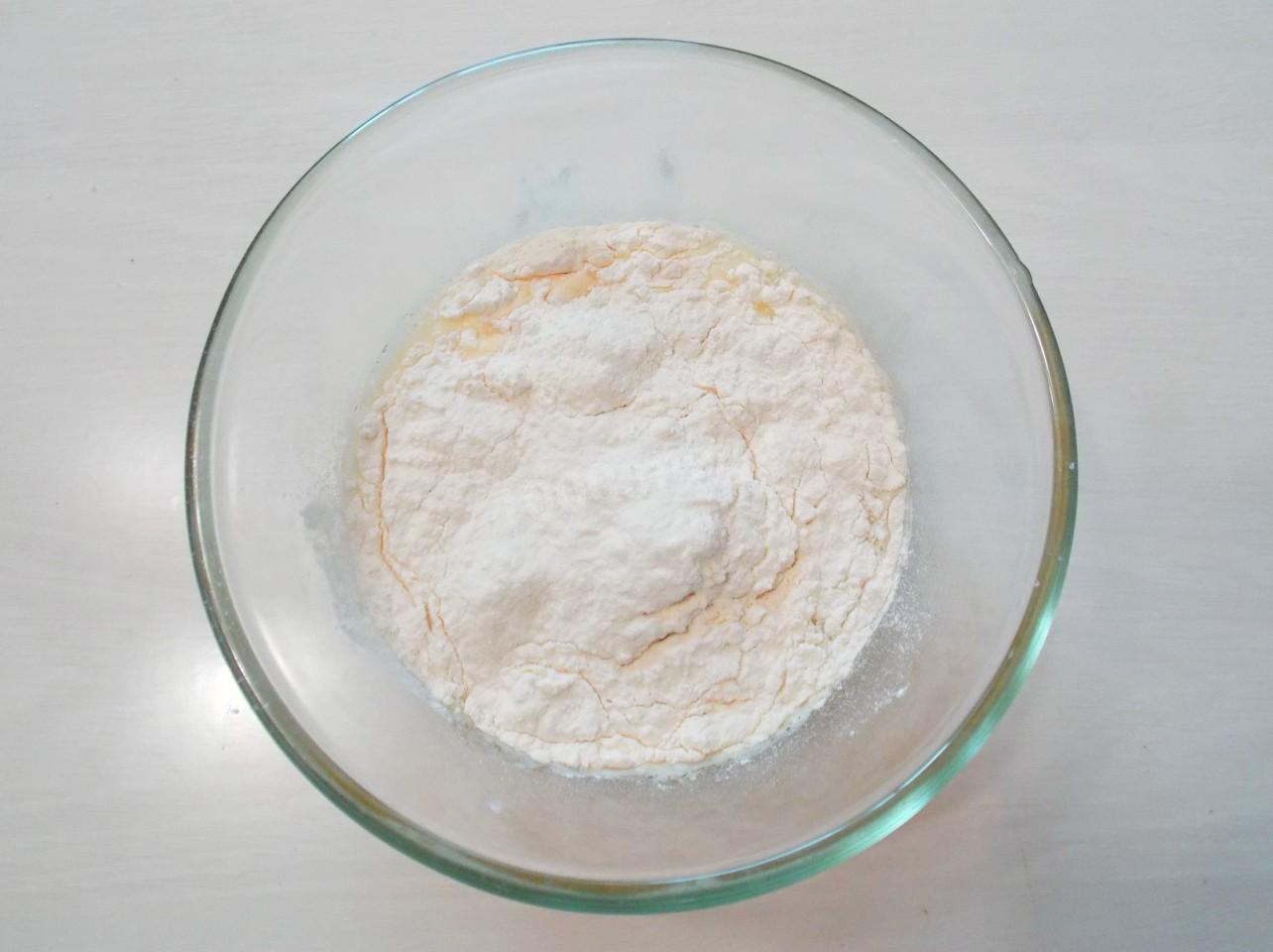
While the meat is in the fridge, make the dough. Pour room-temperature water into a deep bowl, so it's comfortable for your hands. Crack a raw egg into the bowl, add the oil and salt, and mix everything until smooth.
-
Step 6:

Sift most of the flour into the bowl with the egg and start kneading the dough, adding flour a little at a time. Go by the consistency of the dough rather than the amount of flour.
-
Step 7:
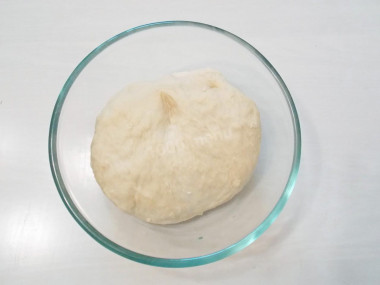
The dough should be elastic and tender, and shouldn't stick to your hands. Gather the finished dough into a ball and cover it with a towel or plastic wrap. Leave it on the counter for 20 minutes.
-
Step 8:
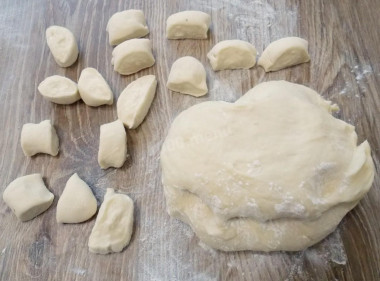
Dust the counter with a little flour and turn the dough out onto it. Divide the dough into portions and roll each one into a thick rope. Then cut them into small pieces — one per pelmen. While you work with one portion of dough, keep the rest covered with a towel so it doesn't dry out.
-
Step 9:
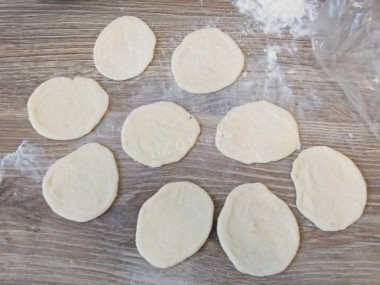
Roll the cut pieces of dough into thin rounds. Ideally they should be uniform and as round as possible.
-
Step 10:
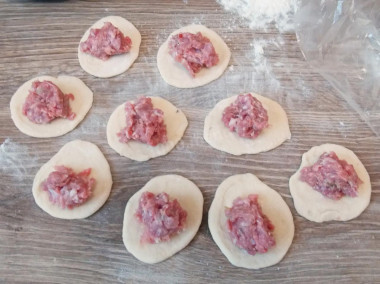
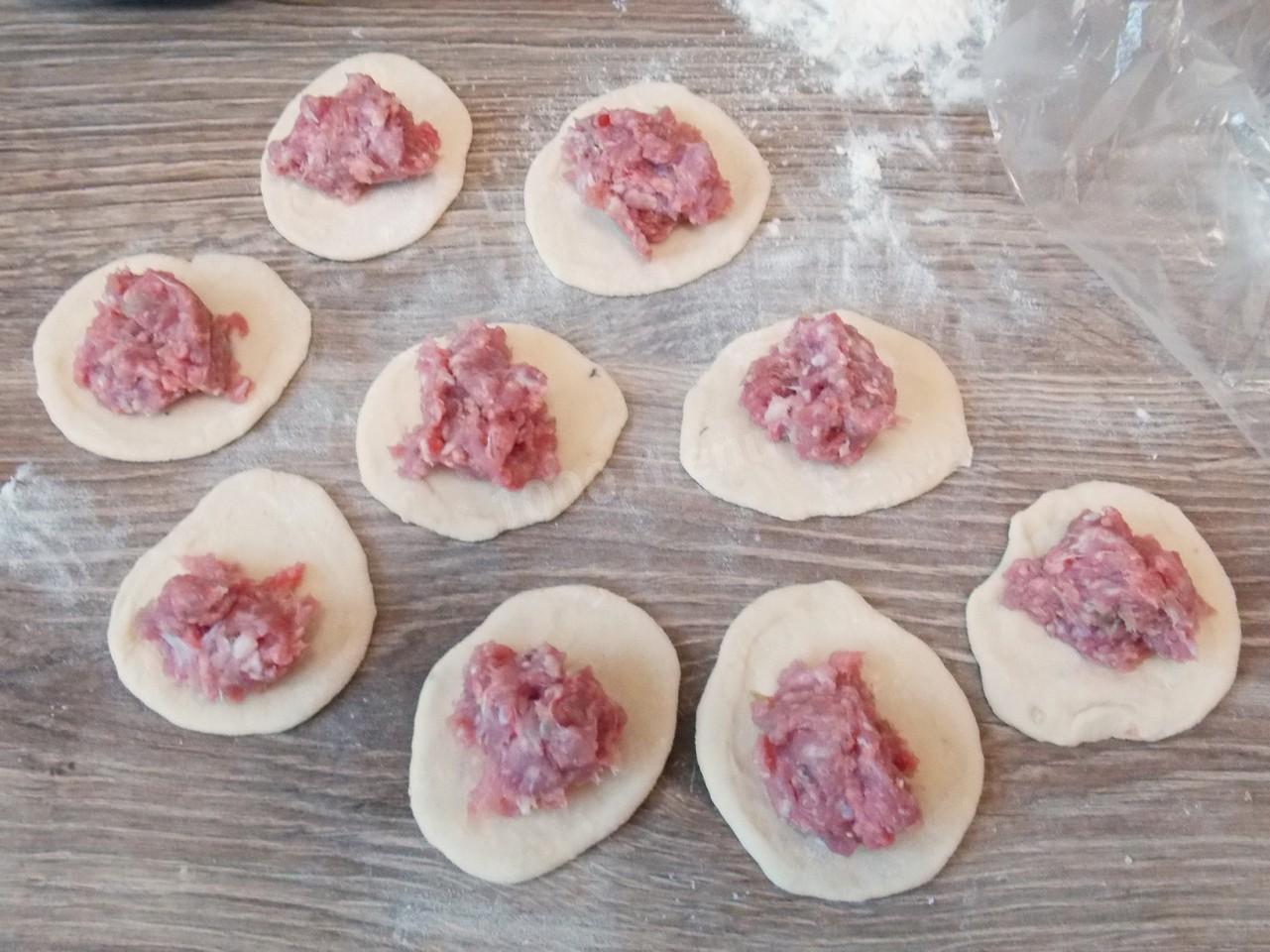
Spoon some meat filling onto each rolled-out round.
-
Step 11:
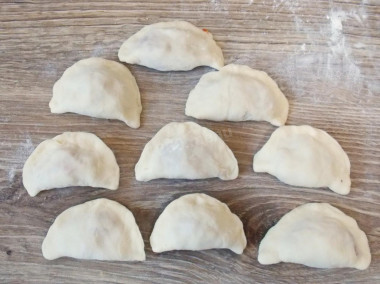
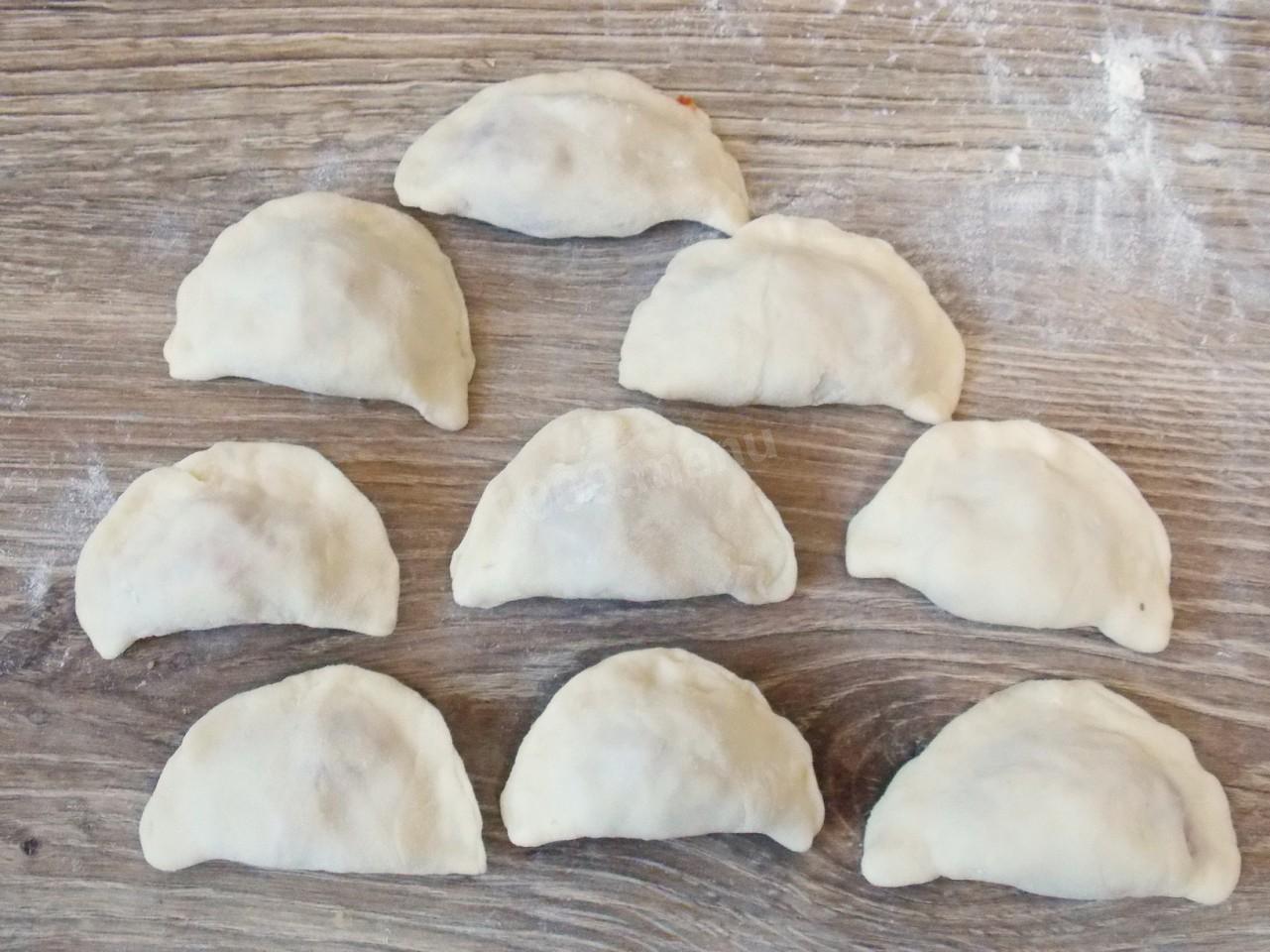
Bring the opposite edges of the round together and pinch them tightly to seal. You'll get half-moon dumplings like these.
-
Step 12:
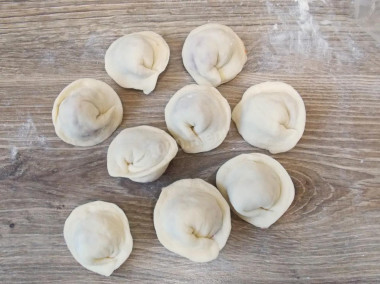
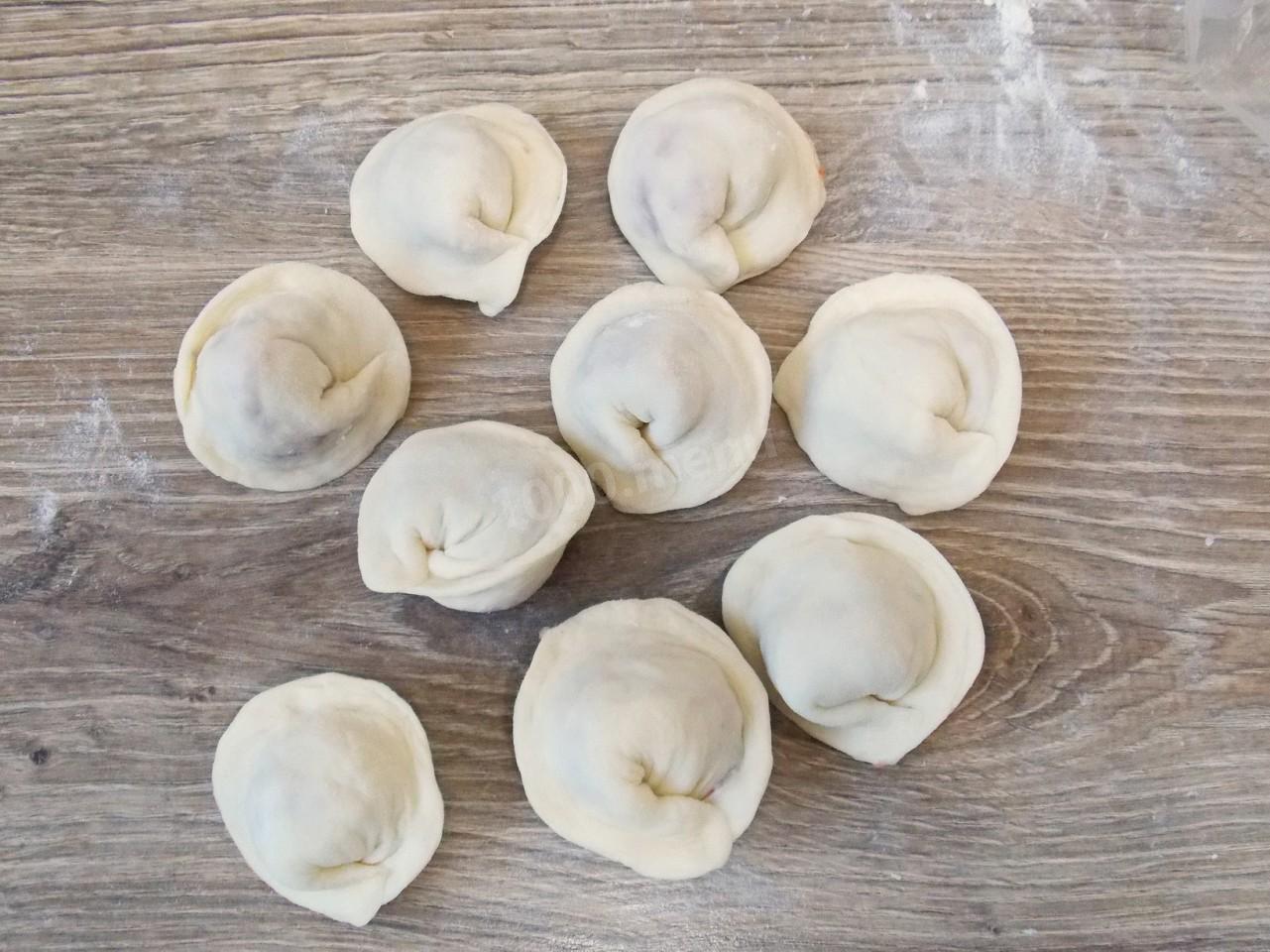
Then bring the two opposite tips of each dumpling together and press firmly. You get round pelmeni like these. If you've made a lot, dust a flat surface with flour and lay the pelmeni out in a single layer, not touching. Dust them with flour again and put them in the freezer. Once frozen, sort them into bags and return them to the freezer.
-
Step 13:
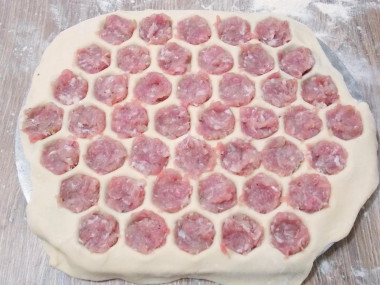
If you don't like to, or don't want to, shape pelmeni by hand, use a pelmeni mold. They'll lose their individual look, but they'll be just as delicious.
-
Step 14:

When the family is in the mood for pelmeni, put a pot of water on the stove, bring it to a boil, and salt it. Drop the pelmeni into the boiling water one at a time. Stir gently and cook over medium heat until done.
-
Step 15:
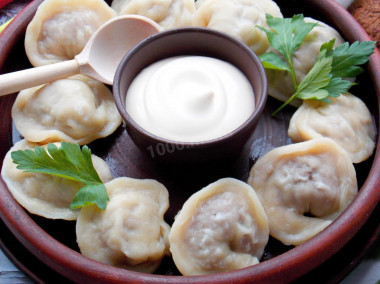
Enjoy!







- Making pelmeni isn't as hard as it might seem. Every cook has their own secrets and recipes for the dough and filling. But today we'll make a classic version with a few little tricks for a tastier result. Classic pelmeni dough is made of water, egg, salt, and flour, of course. But to make it roll out better and be more workable, we add vegetable oil — just a little, but it makes the dough much easier to handle. When kneading, you may need more or less flour, since flour quality varies. So add the flour gradually; the dough should be soft and elastic and hold the mark of your finger when pressed. And be sure to let the dough rest for 20–30 minutes so it relaxes and rolls out more easily. For classic pelmeni you usually use equal parts pork and beef. But to keep the meat tasty and juicy in the finished pelmeni, add a little water to the filling.
- Be prepared for the fact that you may need more or less flour than the recipe calls for. Go by the desired consistency of the dough rather than the amount of flour. To avoid mistakes, read up on flour and its properties!
- For how to choose the perfect pot for soup, porridge, or pickling cucumbers, see the article on pots.
Caloric content of the products possible in the composition of the dish
- Chicken egg - 157 kcal/100g
- Egg white - 45 kcal/100g
- Egg powder - 542 kcal/100g
- Egg yolk - 352 kcal/100g
- Ostrich egg - 118 kcal/100g
- Ground black pepper - 255 kcal/100g
- Vegetable oil - 873 kcal/100g
- Salt - 0 kcal/100g
- Water - 0 kcal/100g
- Onion - 41 kcal/100g
- Wheat flour - 325 kcal/100g
- Ground beef - 254 kcal/100g
- Ground pork - 263 kcal/100g