Classic Hot Beet Soup with Meat
Thick, hearty, appetizing, and pretty — for the whole family! This classic hot beet soup with meat is much like borscht, just without the cabbage. Even so, it's anything but thin — it comes out rich, fragrant, and very tasty!

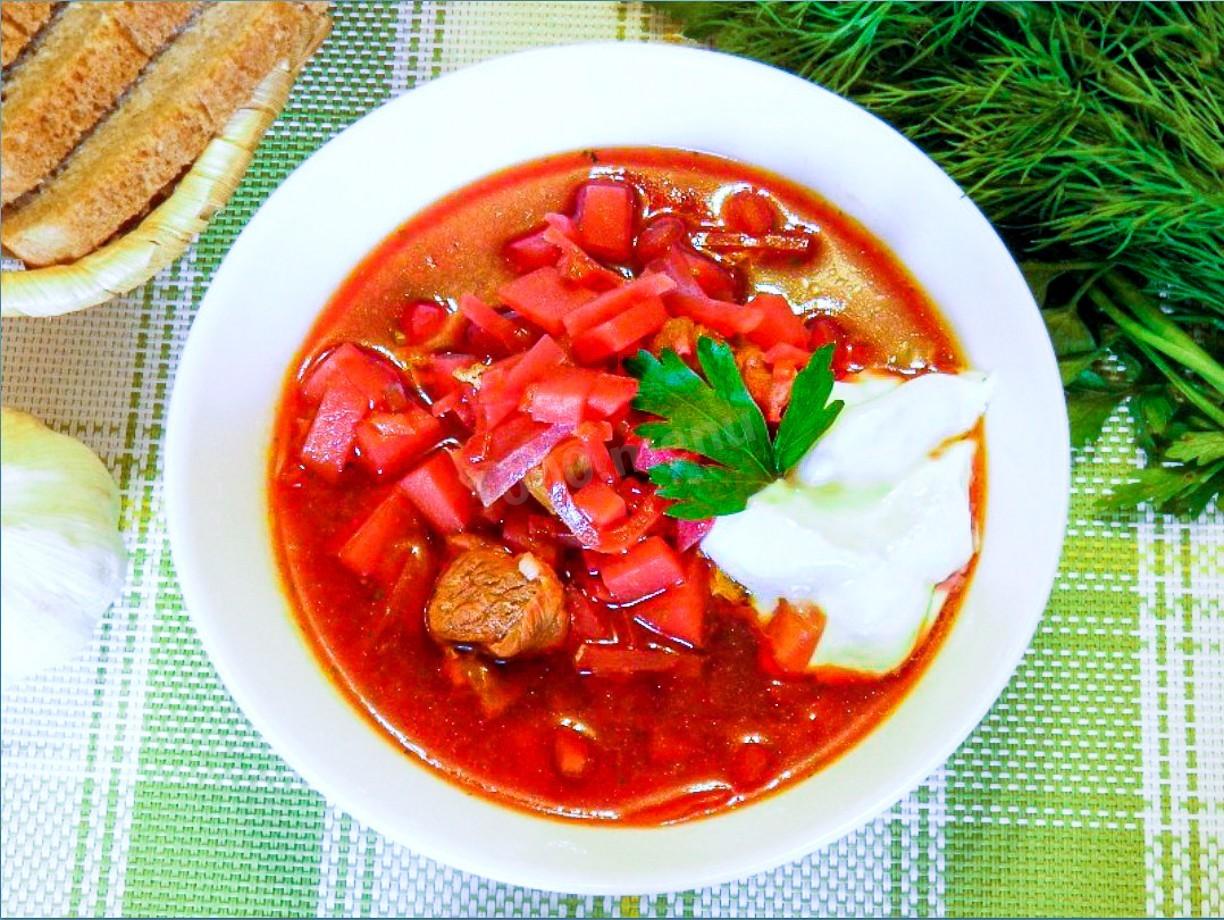
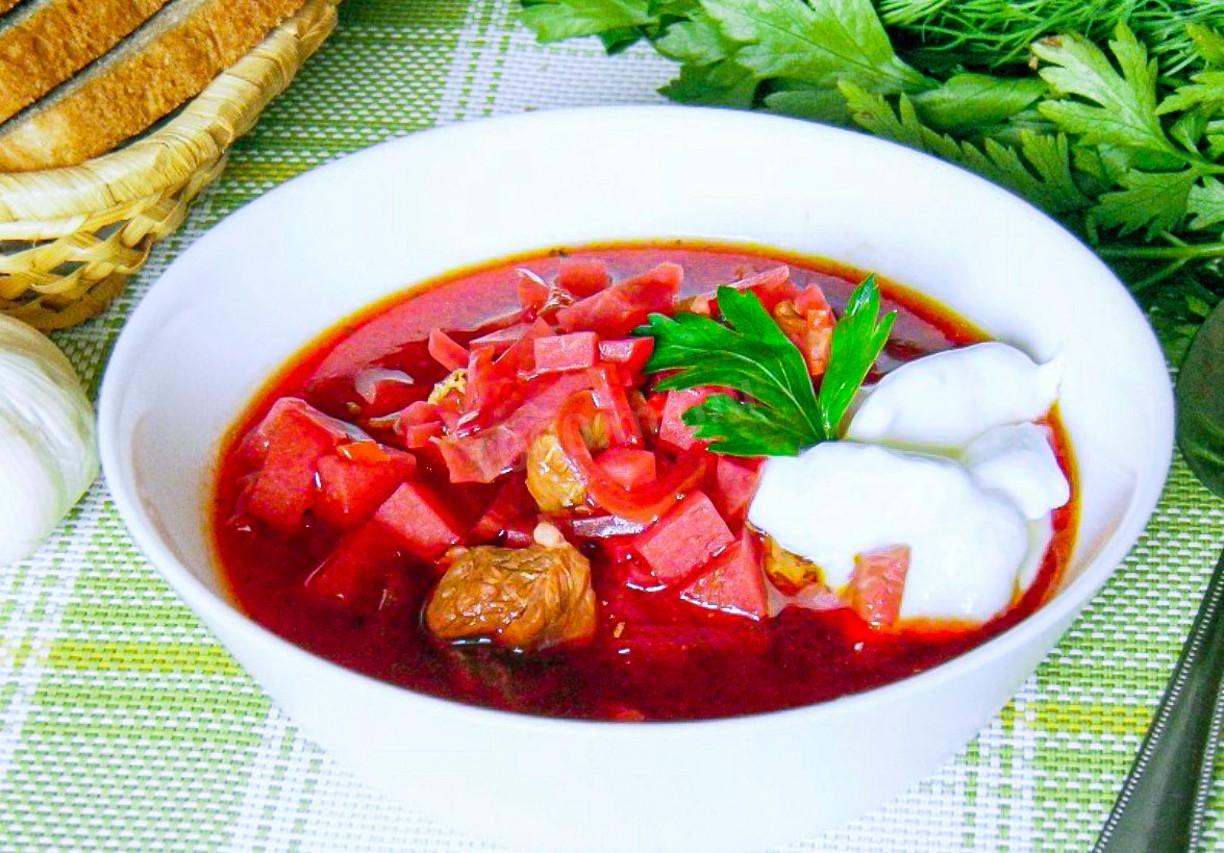
Cooking method
-
Step 1:
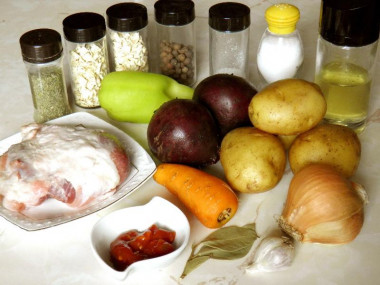
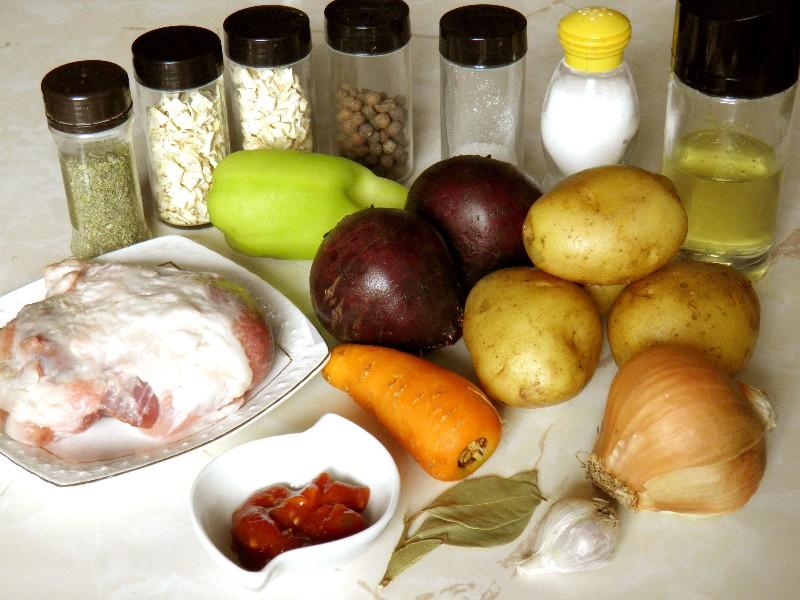
How do you make classic hot beet soup with meat? Get your ingredients ready. If needed, thaw the meat by moving it from the freezer to the bottom shelf of the fridge. Pork neck or tenderloin works, but bone-in meat makes a richer soup — in that case, cook it in one whole piece. Once the pork is tender, lift it out with a slotted spoon, cut it up, remove the bone, and return the meat to the broth.
-
Step 2:
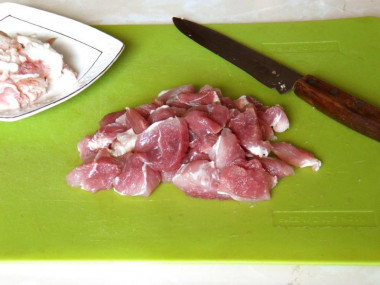
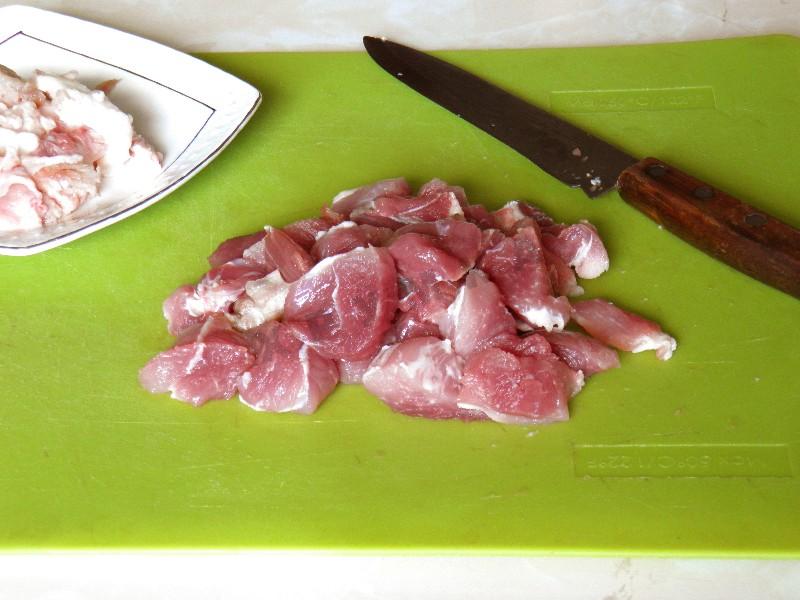
Pour clean filtered water into a pot. Don't use tap water — it will hurt the flavor. Rinse the pork, pat it dry, and trim off any excess fat and silverskin. Cut it into small pieces and add it to the pot. Stir in the ground dried soup roots (celery and parsley root). Salt it. Once it boils, reduce the heat to its lowest setting and cook for about 40–60 minutes until the pork is done. Remember to skim off the foam.
-
Step 3:
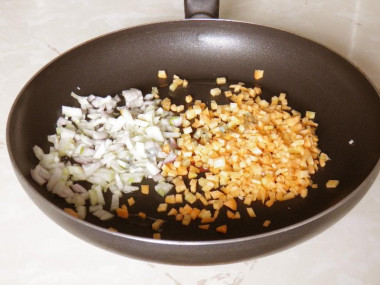
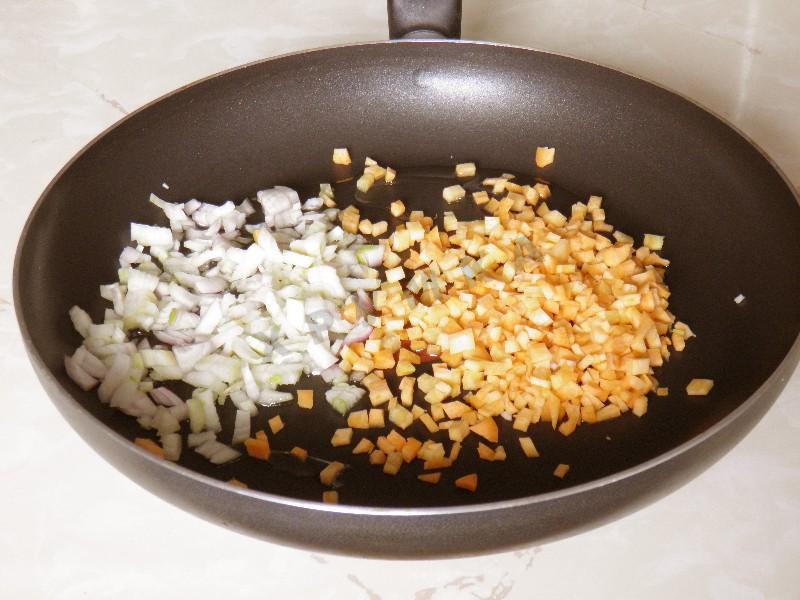
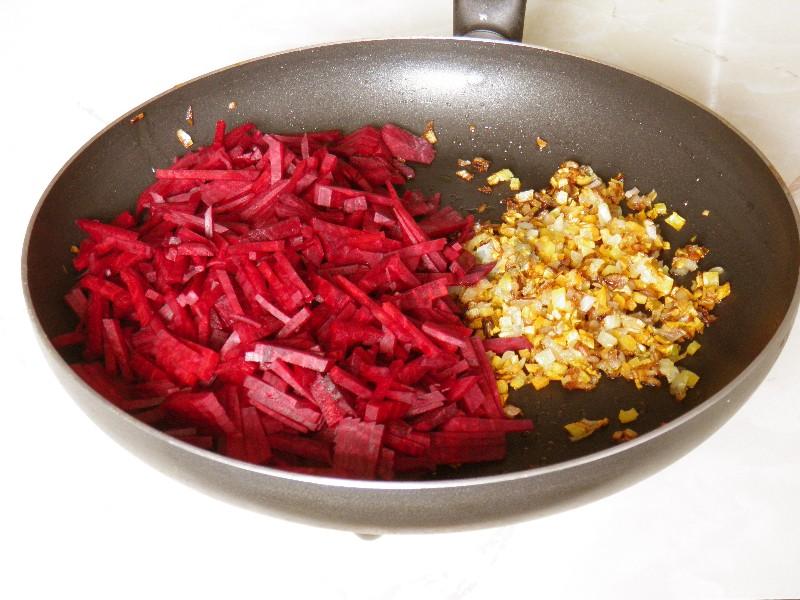
Rinse the peeled onion and your knife with cold water so the onion juices don't sting your eyes. Cut it into small cubes. Scrub the carrot clean with a brush and peel it with a knife or vegetable peeler, then dice it small, too. Heat vegetable oil in a skillet. Sauté the onion first until golden, then add the carrot and cook over low heat until soft (about 2–3 minutes).
-
Step 4:
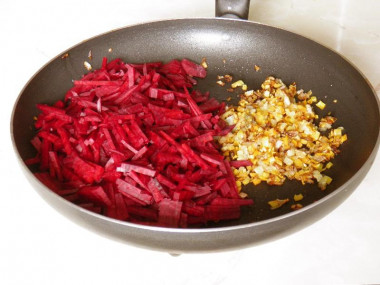
Wash and peel the beets. Cut them into thin sticks and add them to the sauté. Cook, stirring, for about 5 more minutes, until they soften. To save time, you can use ready-cooked vacuum-packed beets — no need to sauté them; just cut them up and add them to the soup 5–7 minutes before the end of cooking.
-
Step 5:
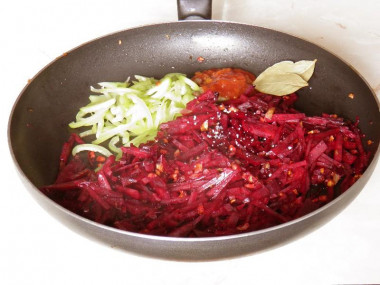
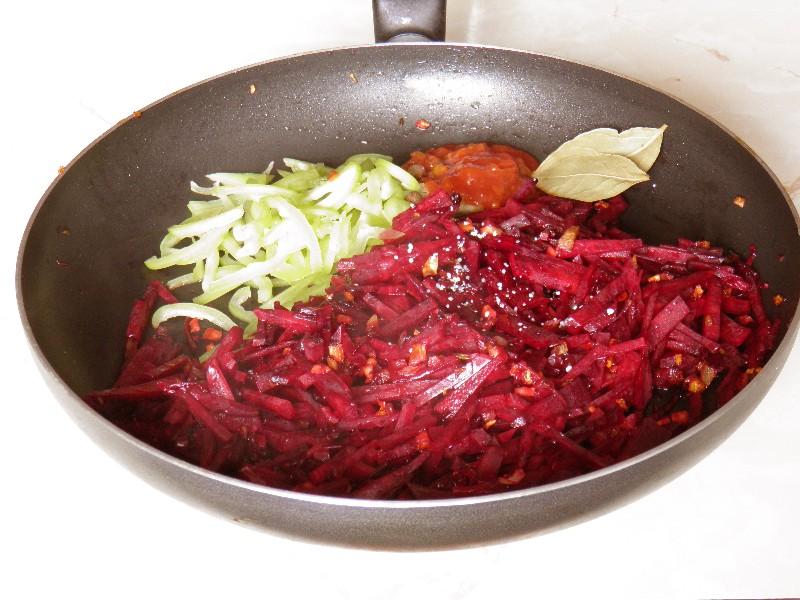
Wash the bell pepper and pat it dry with paper towels. Halve it, remove the core and seeds, cut it into strips, and add it to the skillet. Add the bay leaf, citric acid (a pinch, on the tip of a teaspoon), tomato sauce, and allspice. Cook over low heat, stirring, for about 3 minutes. Instead of citric acid, you can add a tablespoon of lemon juice.
-
Step 6:
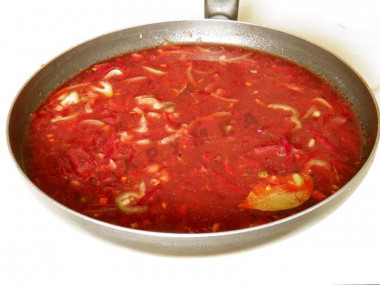
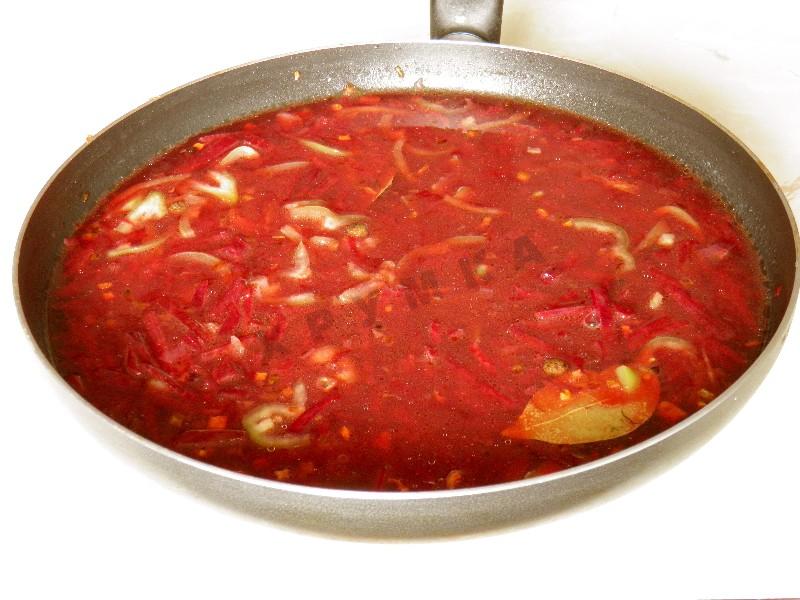
Pour a cup of boiled water into the skillet. Cover and simmer over low heat for about 10 minutes after it comes to a boil.
-
Step 7:
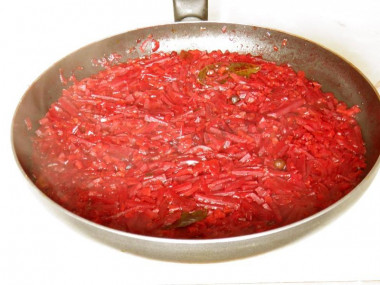
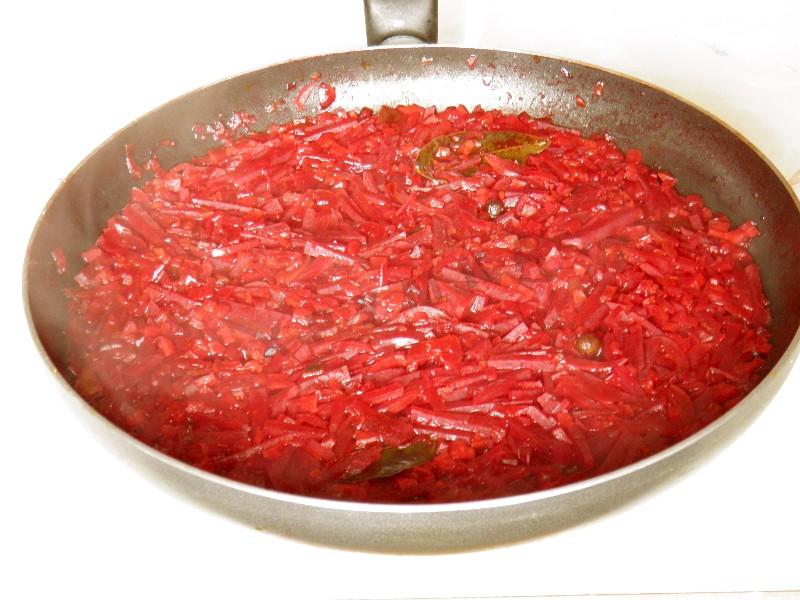
When the vegetables have steamed and softened, add them to the pot with the meat broth.
-
Step 8:
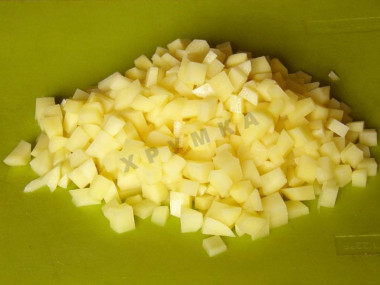
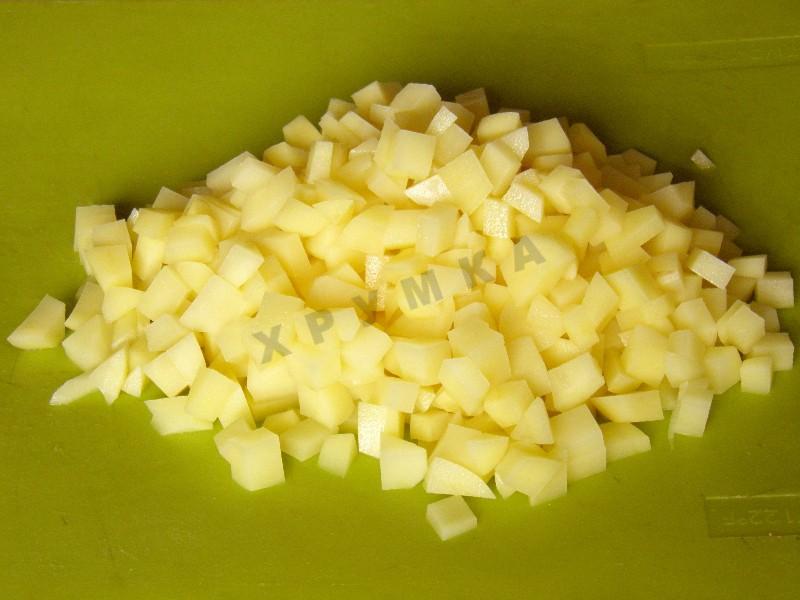
Wash and peel the potatoes. Cut them into small cubes and add them to the soup. Cook over medium heat until done, about 10 minutes (they should break apart easily when pressed with a spoon).
-
Step 9:
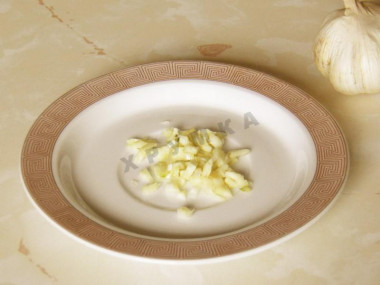
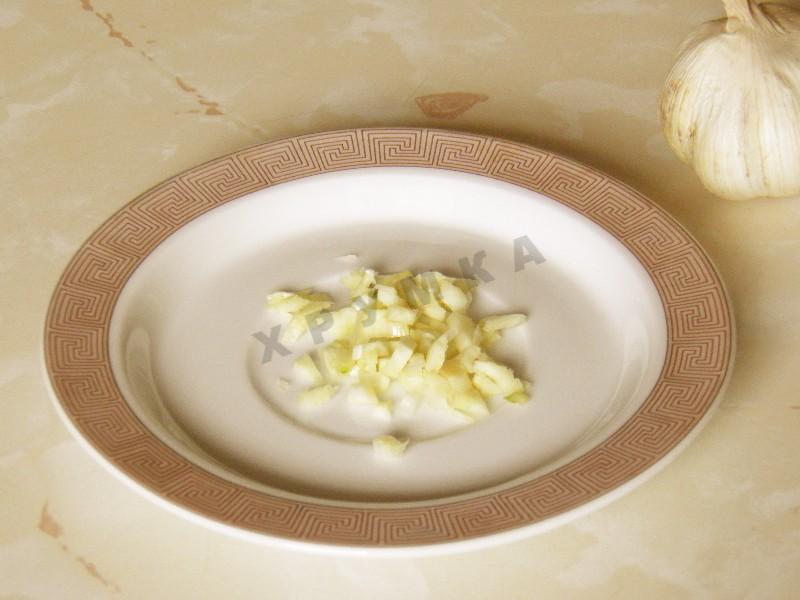
Peel the garlic. Press it into the soup and cook for another 3 minutes.
-
Step 10:
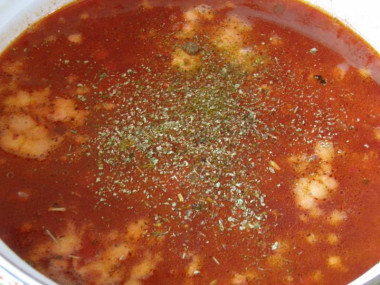
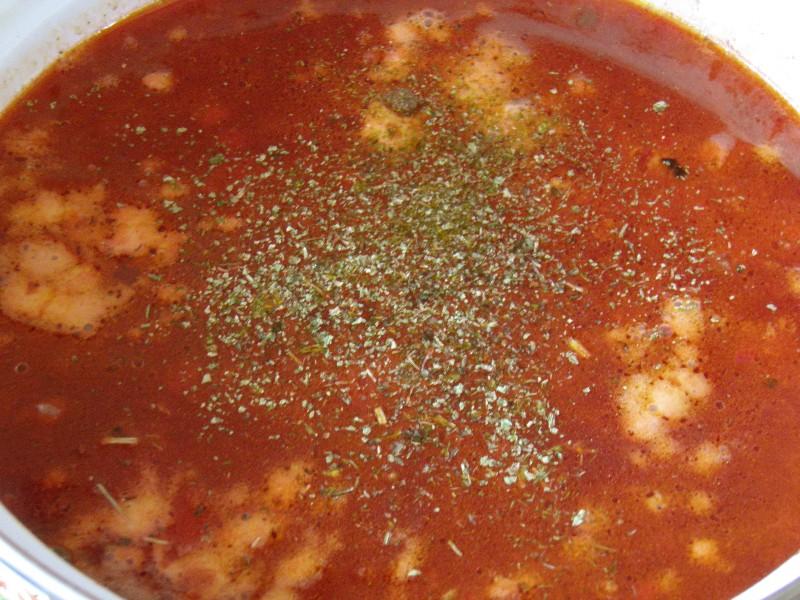
Wash and dry the fresh herbs, chop them, and add them to the pot — or stir in dried dill. Mix. Turn off the heat and let the soup rest, covered, for 15 minutes.
-
Step 11:
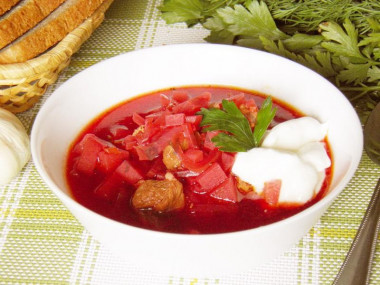
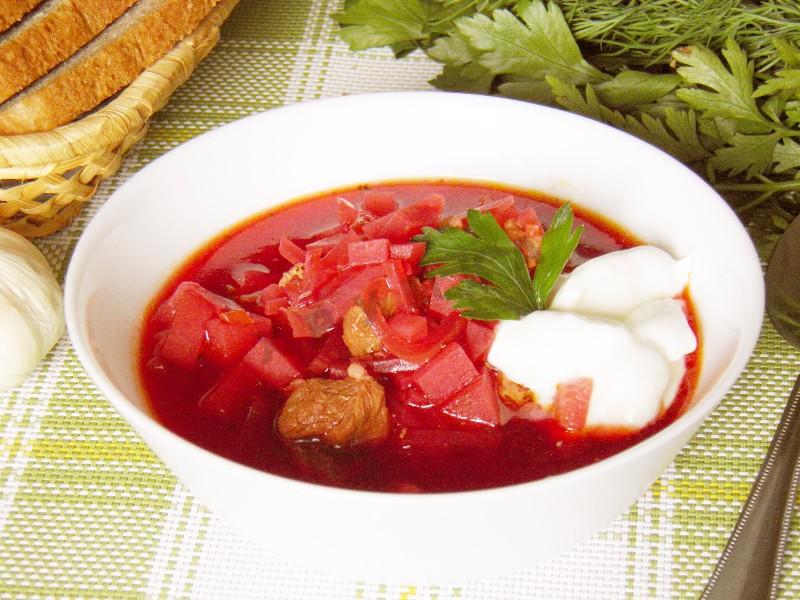
Now ladle it into bowls, sprinkle with chopped fresh herbs (dill, parsley, green onion), add a spoonful of sour cream (any fat content), and serve. Enjoy!
- You can make the broth with beef or chicken instead of pork. Just note that the cooking time will change — beef takes longer than pork, chicken less.
- You can replace the tomato sauce with tomato juice, another tomato sauce, or fresh tomatoes that you've grated or run through a grinder.
- Just before serving, you can add a quarter of a hard-boiled egg to each bowl.
- Important: whether or not the recipe gives an amount of water, it's best to go by your own preference (thicker or thinner soup), the size of your pot, and the ingredients you're using. Keep in mind the author's idea of how much meat, potatoes, grains, and so on belong in the soup may not match yours. In practice, if you're making it for the first time, don't cook a whole pot at once — make a tasting batch for one or two people. Scale all the ingredients down to 1–2 servings, and figure on anywhere from about 1 cup of water per serving (for a very thick soup) up to 1.5–2 cups (for a thinner one). Remember that some liquid boils off as it cooks. After tasting a small batch, you can adjust both the liquid and the proportions to your taste. After that, like most experienced cooks, you'll be able to add the water and the ingredients by eye.
- For how to choose the perfect pot for soup, porridge, or pickling cucumbers, see our article on pots.
- Use an oil with a high smoke point for frying! Any oil is only healthy up to a certain temperature — the smoke point, beyond which it starts to burn and form toxic compounds, including carcinogens. With rare exceptions, unrefined oils have a low smoke point: they contain many unfiltered organic particles that quickly start to burn. Refined oils stand up to heat better and have a higher smoke point. If you're cooking in the oven, in a skillet, or on the grill, make sure you use a high-smoke-point oil. The most common ones are refined sunflower, olive, and grapeseed oil.
Caloric content of the products possible in the composition of the dish
- Ripe potatoes - 80 kcal/100g
- Baked potatoes - 70 kcal/100g
- Mashed potatoes - 380 kcal/100g
- Boiled potatoes - 82 kcal/100g
- Potatoes in uniform - 74 kcal/100g
- Fried potatoes - 192 kcal/100g
- Pork fat - 333 kcal/100g
- Pork meat - 357 kcal/100g
- Pork - lean roast - 184 kcal/100g
- Pork chop on a bone - 537 kcal/100g
- Pork - schnitzel - 352 kcal/100g
- Pork shoulder - 593 kcal/100g
- Boar's leg - 113 kcal/100g
- Pork - 259 kcal/100g
- Beetroot - 40 kcal/100g
- Dried beetroot - 278 kcal/100g
- Boiled beets - 49 kcal/100g
- Sweet pepper - 27 kcal/100g
- Carrots - 33 kcal/100g
- Dried carrots - 275 kcal/100g
- Boiled carrots - 25 kcal/100g
- Garlic - 143 kcal/100g
- Bay leaf - 313 kcal/100g
- Vegetable oil - 873 kcal/100g
- Citric acid - 0 kcal/100g
- Salt - 0 kcal/100g
- Onion - 41 kcal/100g
- Fresh frozen soup greens in a package - 41 kcal/100g
- Greenery - 41 kcal/100g
- Hot tomato sauce - 99 kcal/100g
- Allspice - 263 kcal/100g
- Roots - 32 kcal/100g
Similar recipes



- Classic recipes
- Soups
- Meat and meat products
- Semi-finished products
- Vegetables
- Spices seasonings spices
- Root flower leaves
- Fats and oils
- Garlic
- Зелень
- Bay leaf
- Lemon acid
- Pepper
- Salt
- Roots
- Vegetable oil
- Classic borscht
- Classic soups
- Cooking
- Borscht
- Meat soup
- Potato soup
- Pork
- Sauce
- From carrots
- From beets
- From potatoes
- From sweet pepper
- From onion
- No eggs
- Recipes for lean dishes without butter