Classic Seafood Risotto
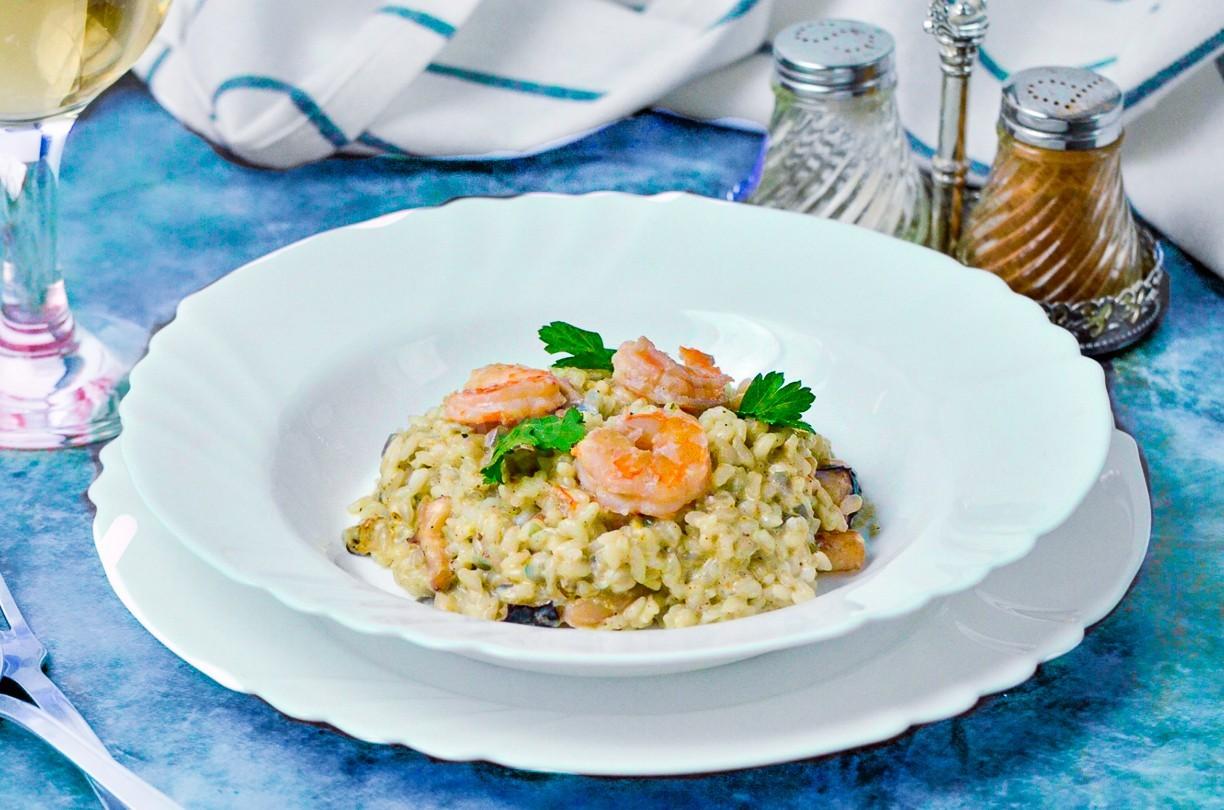
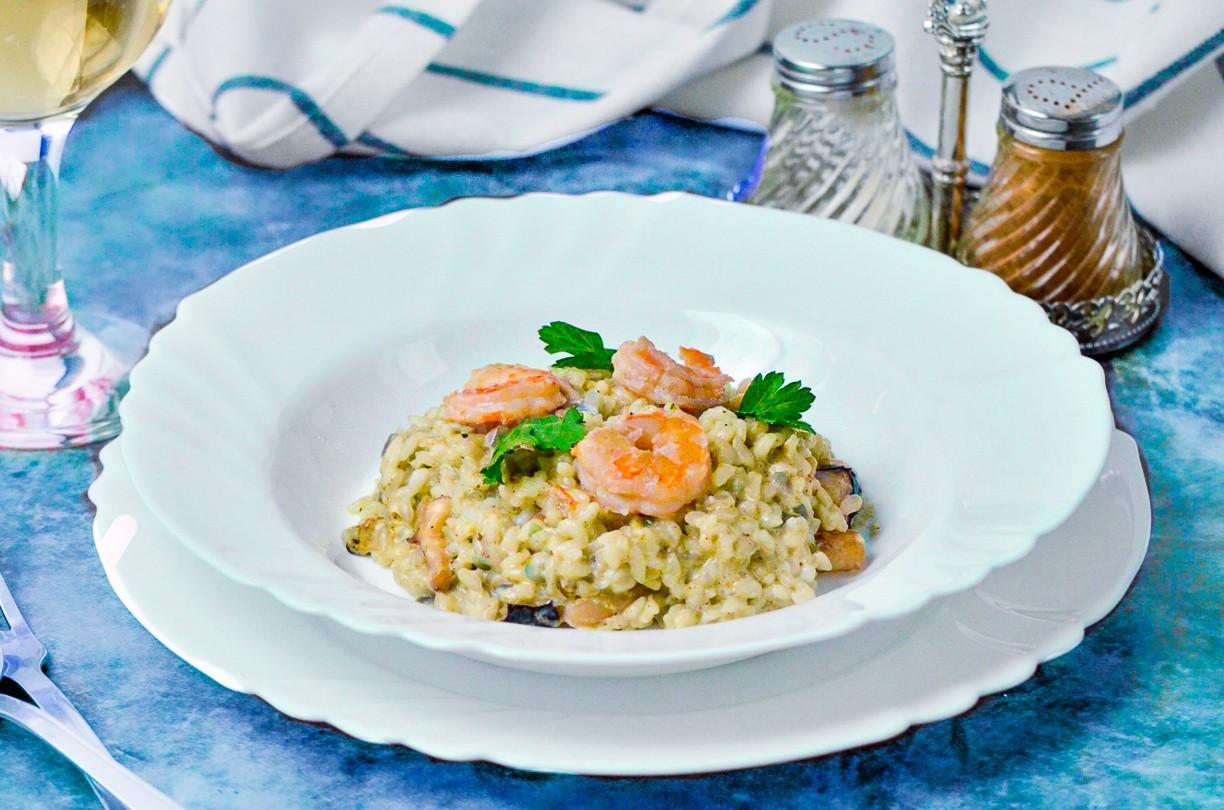
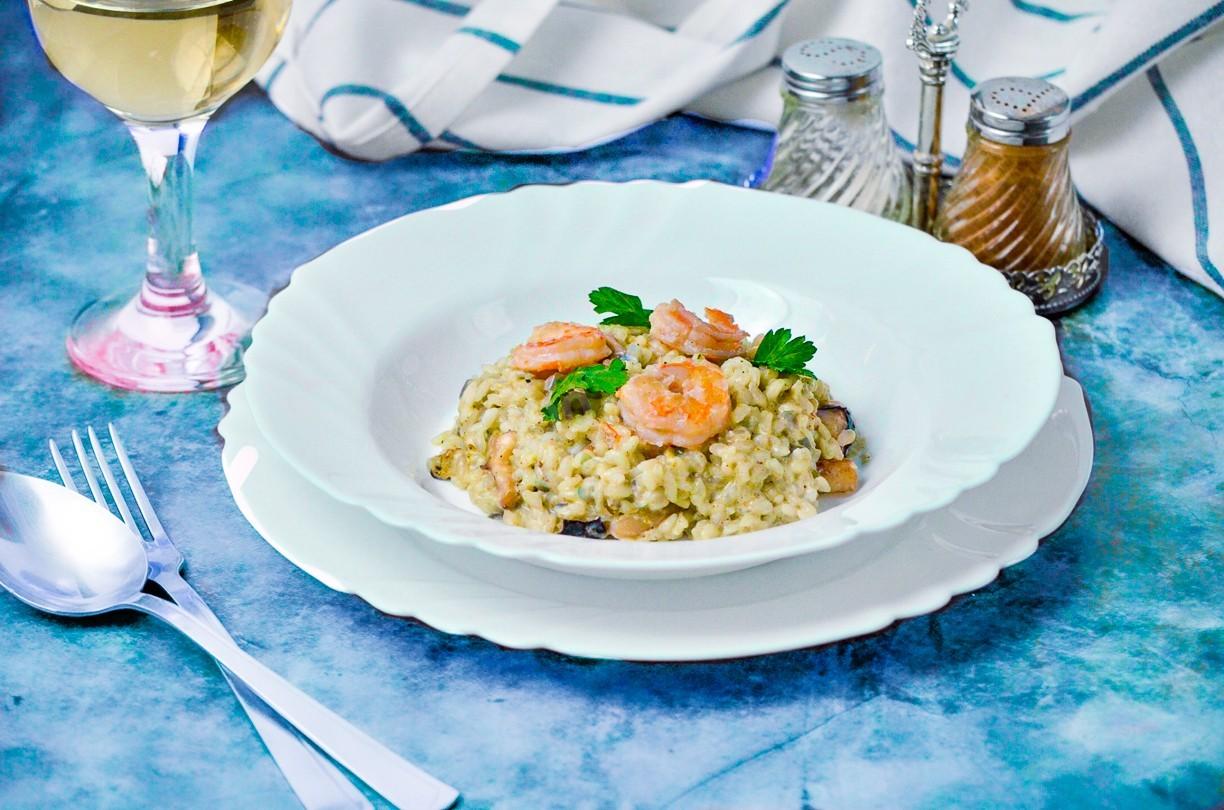
Original, unusual — a celebration any day! Classic seafood risotto is a well-known Italian dish. It's neither pilaf nor porridge: risotto has its own creamy, silky consistency, achieved through a special cooking method. And it's not hard to make at all.

Cooking method
-
Step 1:
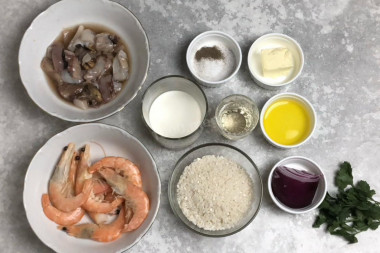
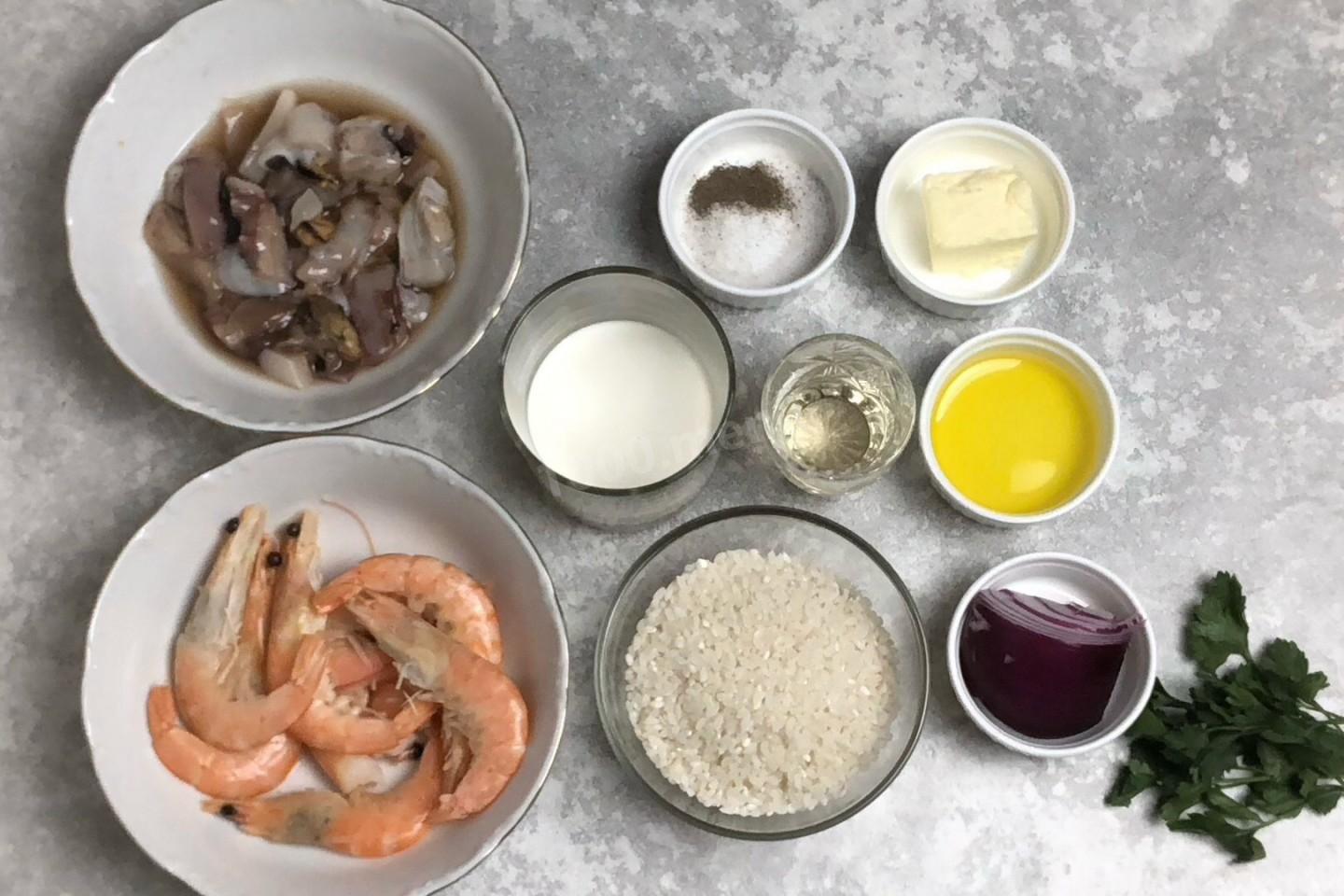
How do you make classic seafood risotto? Get your ingredients ready. Thaw the seafood first — I'm using shrimp and a seafood mix. It's important to do this very gently, without sharp temperature swings, so move it from the freezer to the bottom shelf of the refrigerator. Choose a rice high in starch and definitely not parboiled. If you can't find special risotto rice, use a regular short-grain variety.
-
Step 2:
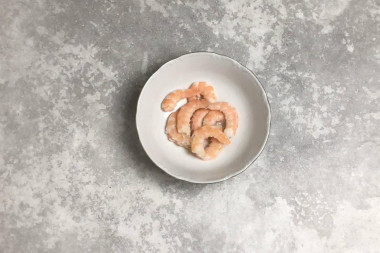
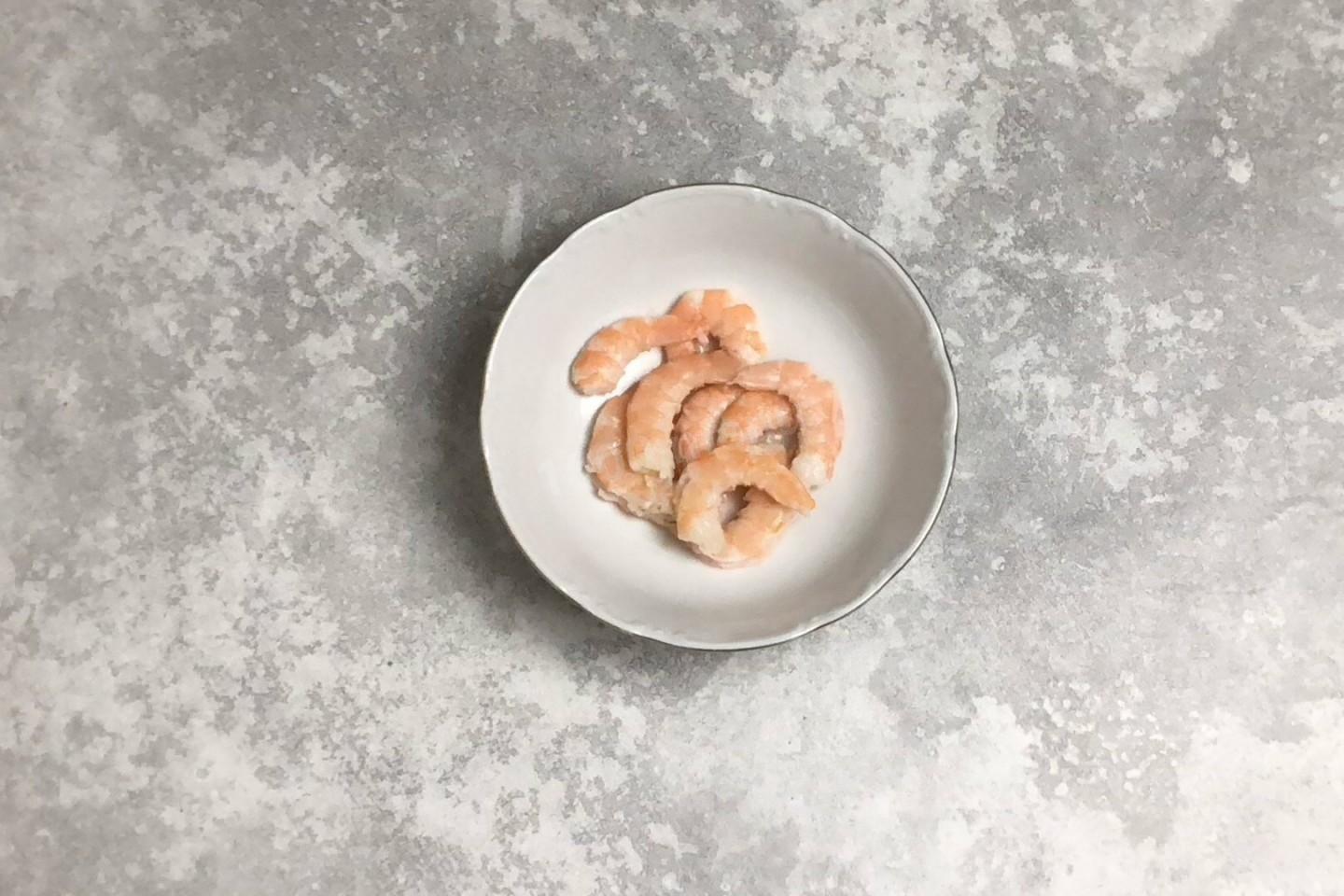
Peel the thawed shrimp and remove the dark vein.
-
Step 3:
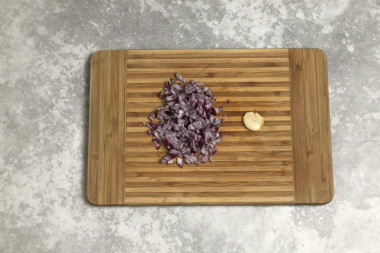
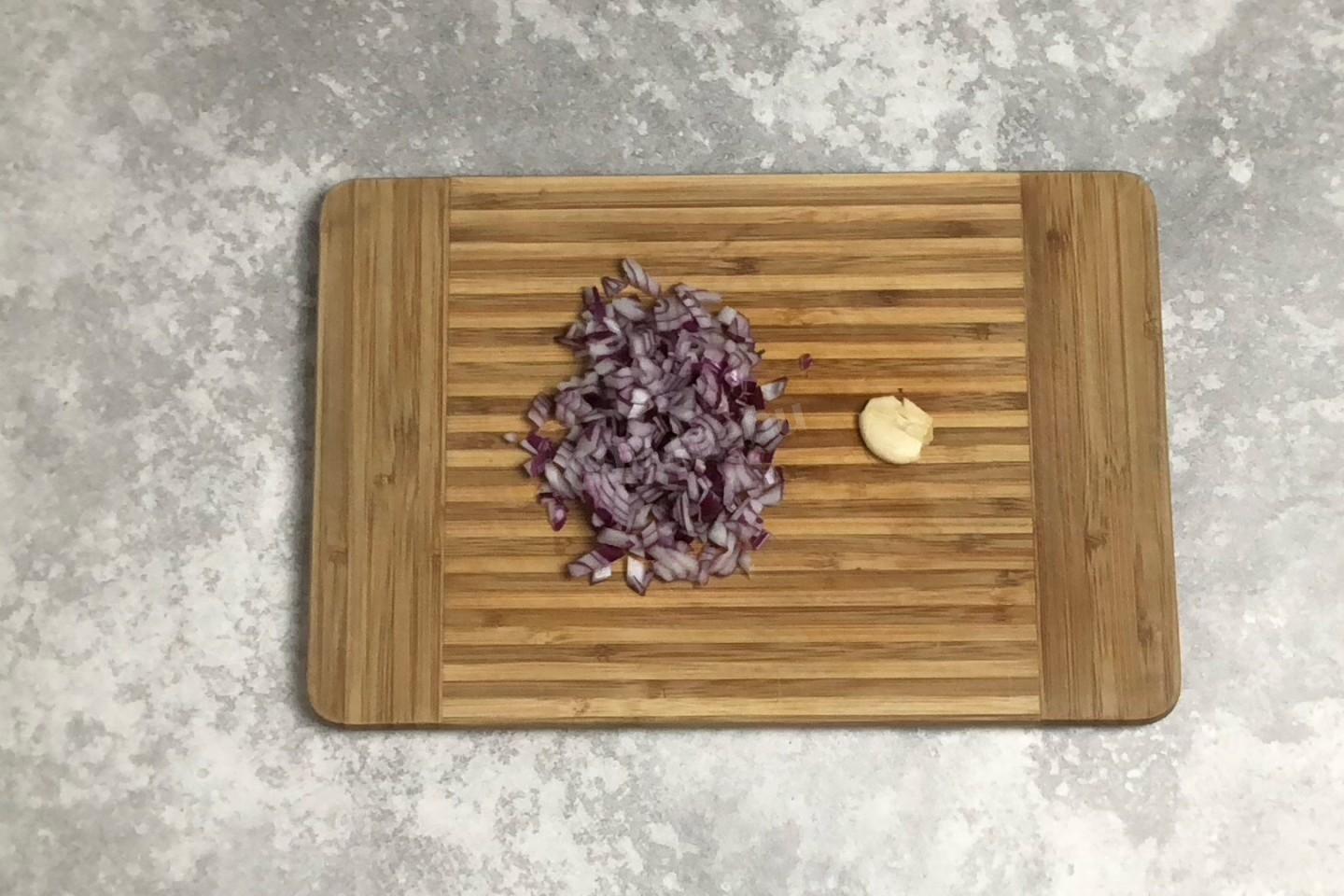
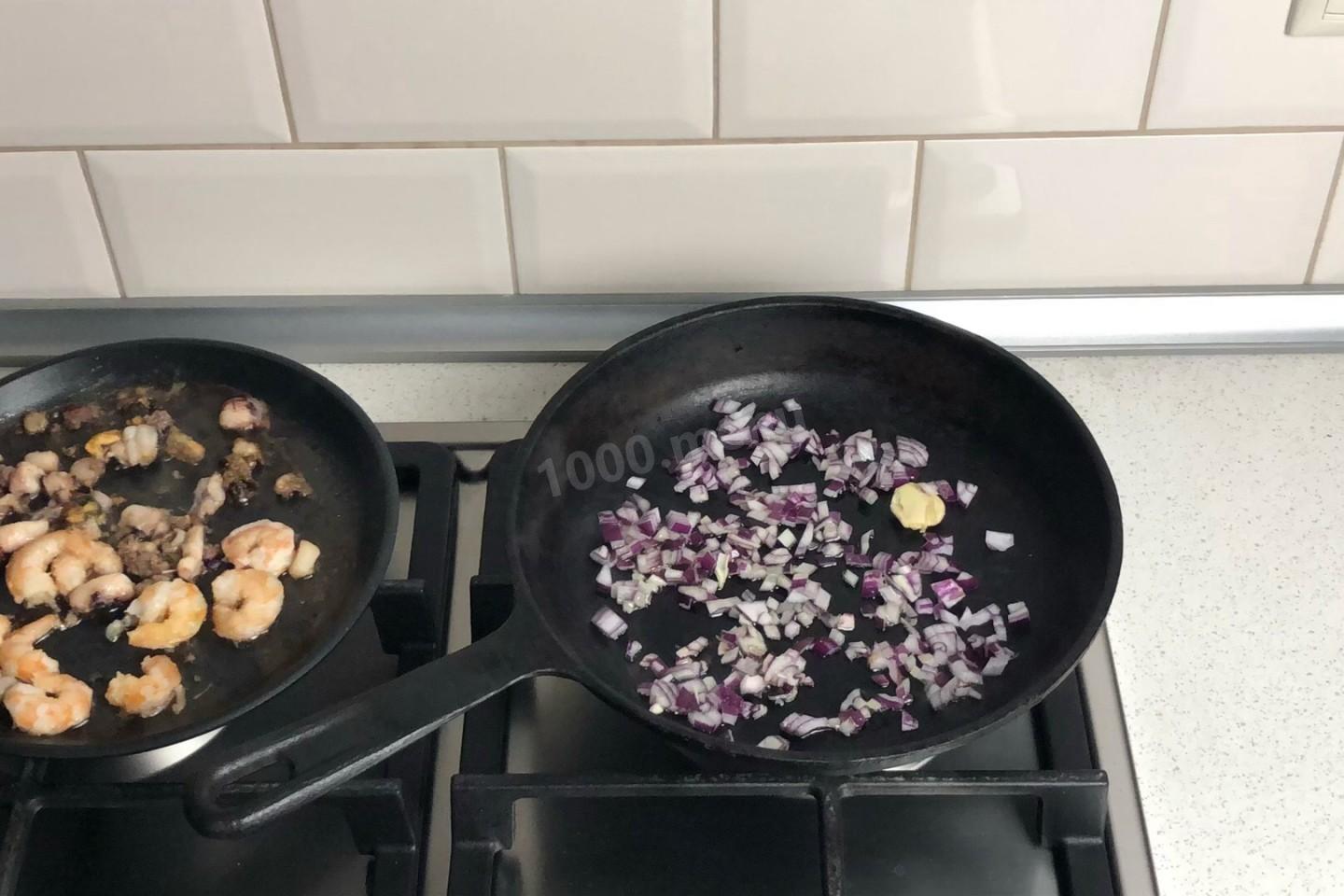
Peel and finely chop the onion, and crush the garlic with the flat of a knife. I used red onion, but a regular yellow onion or a shallot is better.
-
Step 4:
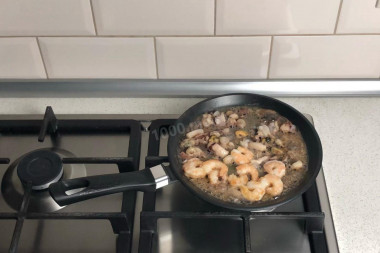
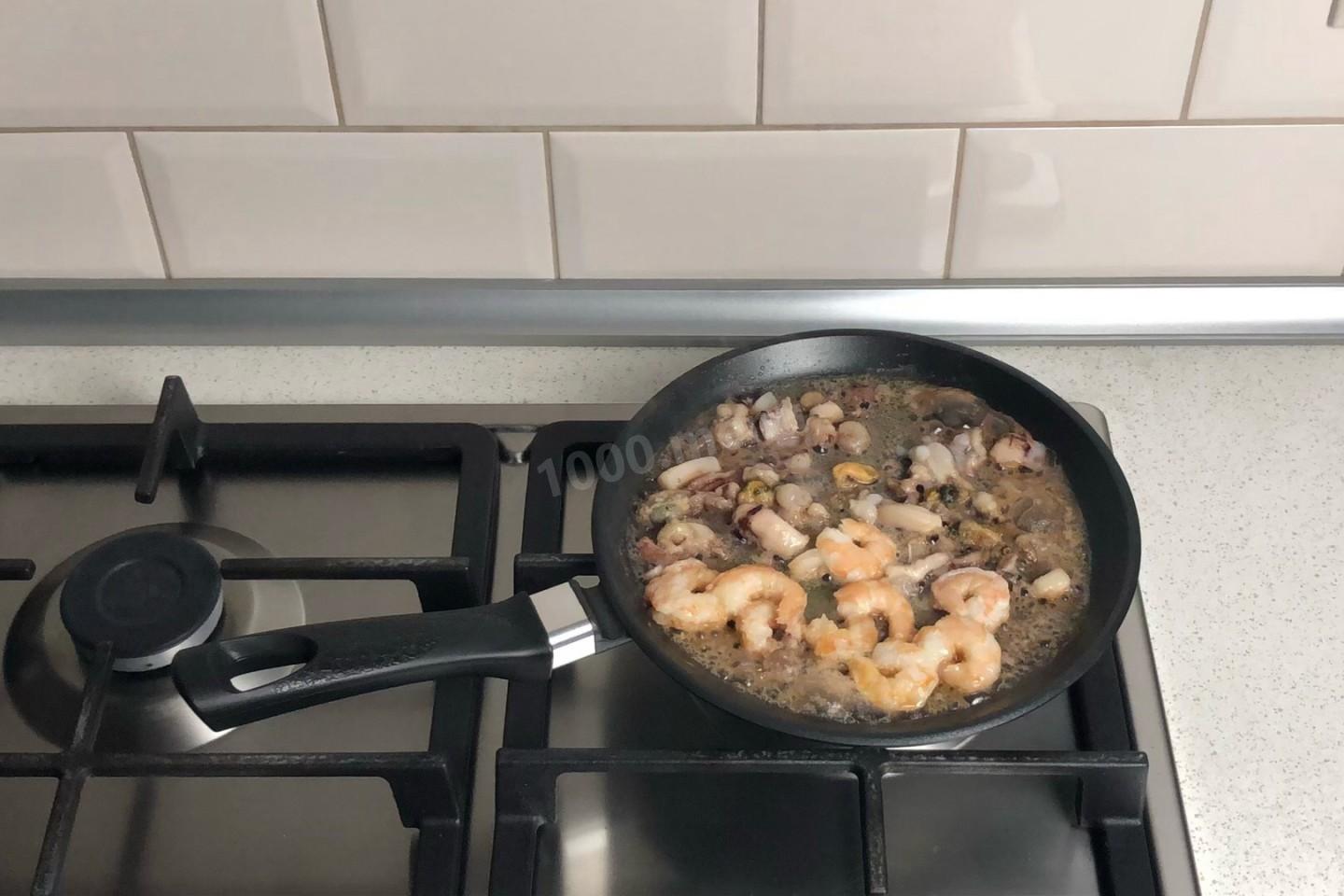
Heat the olive oil in a skillet over medium heat — you can use any frying oil in place of olive. Add the seafood and fry it for 3–4 minutes over high heat; any longer and it'll turn rubbery. Salt the seafood at the very end.
-
Step 5:
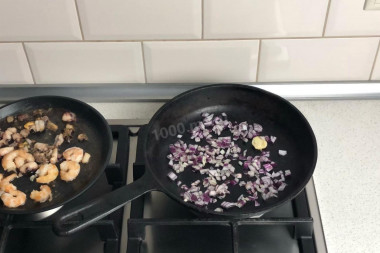
In another skillet, start cooking the onion and garlic in olive oil over low heat. The onion shouldn't brown or even turn golden.
-
Step 6:
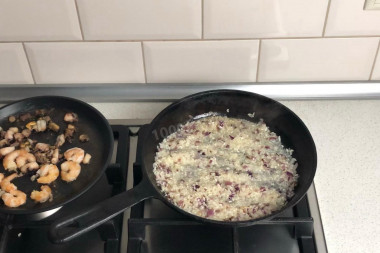
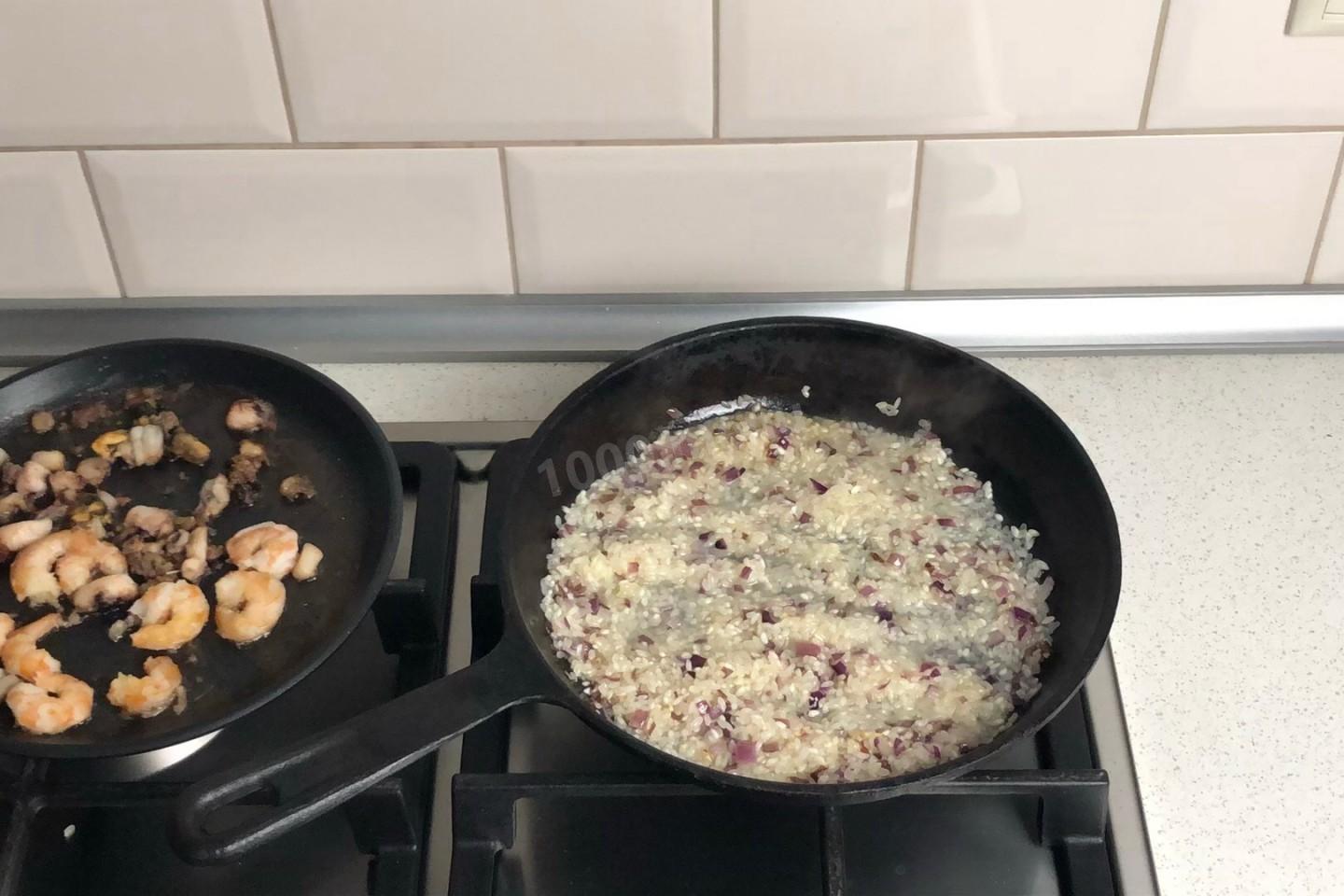
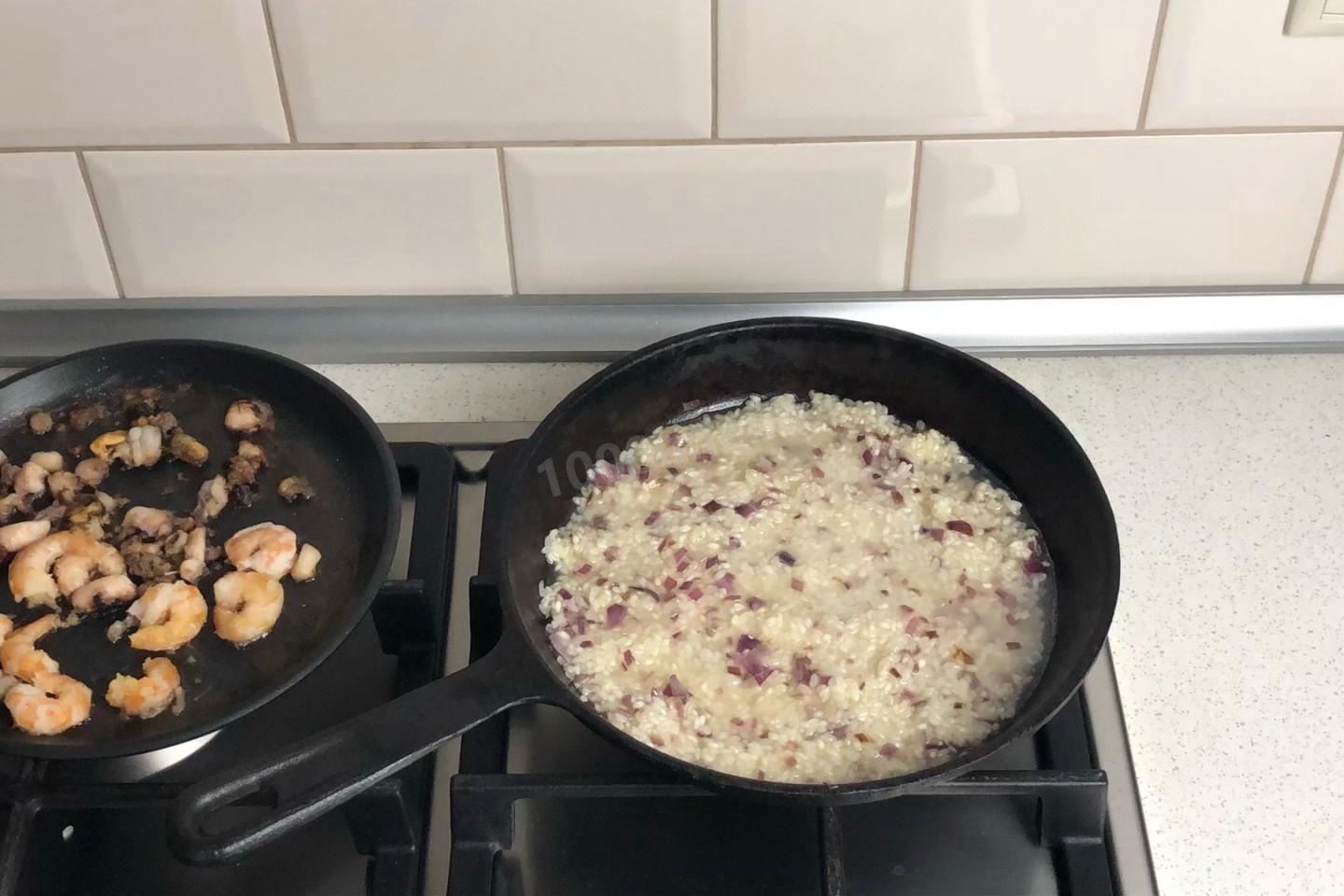
Once the onion is translucent, add the rice to the skillet. Toast the rice until the grains turn translucent, keeping the heat low. When the rice reaches that point, pour in the wine. Stir the rice and wait for the alcohol to cook off, leaving just the aroma behind. As soon as the liquid evaporates, pour in a third of the water, 80 ml. From here, cook the risotto with constant gentle stirring. This helps the released starch spread evenly, which makes the risotto creamy.
-
Step 7:
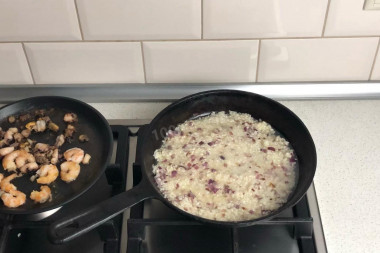
Once that first portion of water has cooked away, add the next. Stir gently again and wait for it to fully evaporate — about 4 minutes. Add water once more, the third and final time. Before this, salt and season the rice. Taste it, and if it seems underdone, repeat the water step one more time.
-
Step 8:
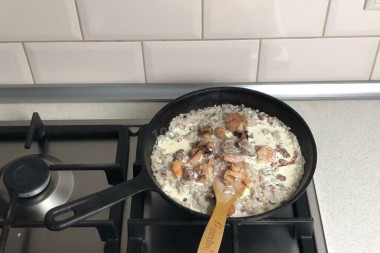
When the rice is almost done — what's called al dente, meaning it stays slightly firm — and all the water has cooked off, add the seafood. Then pour in the cream (20% fat works best for sauces). Cook the risotto for about 3 more minutes, still stirring gently.
-
Step 9:
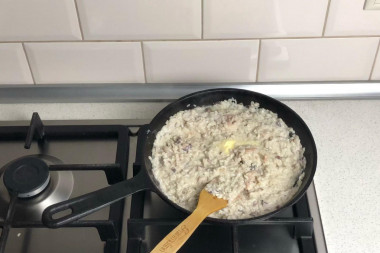
At the very end, add the butter to the risotto and stir it in. Use a good-quality butter with no milk-fat substitutes.
-
Step 10:
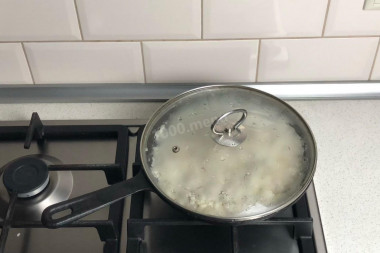
Turn off the heat, cover the skillet, and let it "rest" for 2 minutes. In that time the rice finishes cooking through. Sprinkle the dish with parsley when serving. Enjoy!
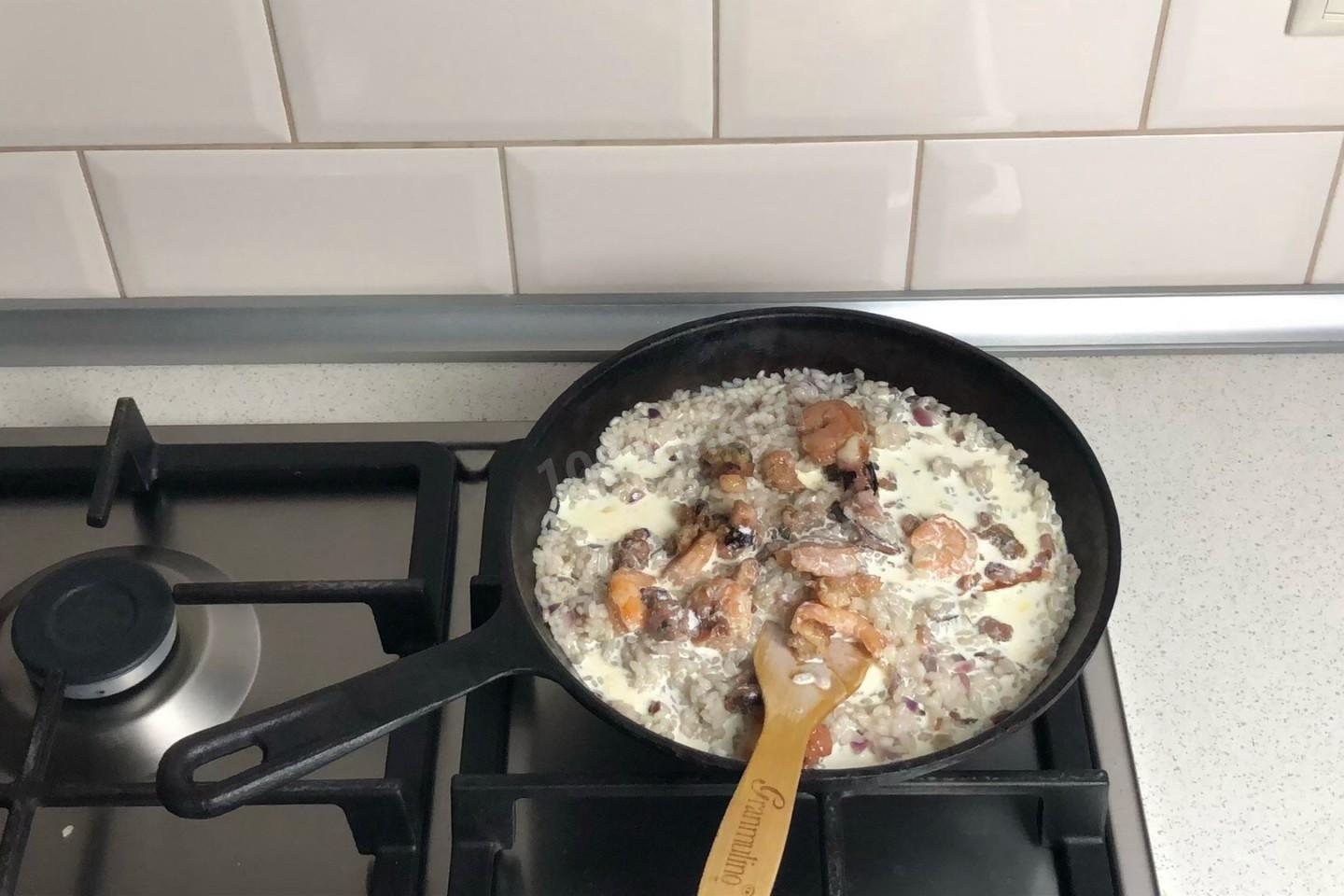
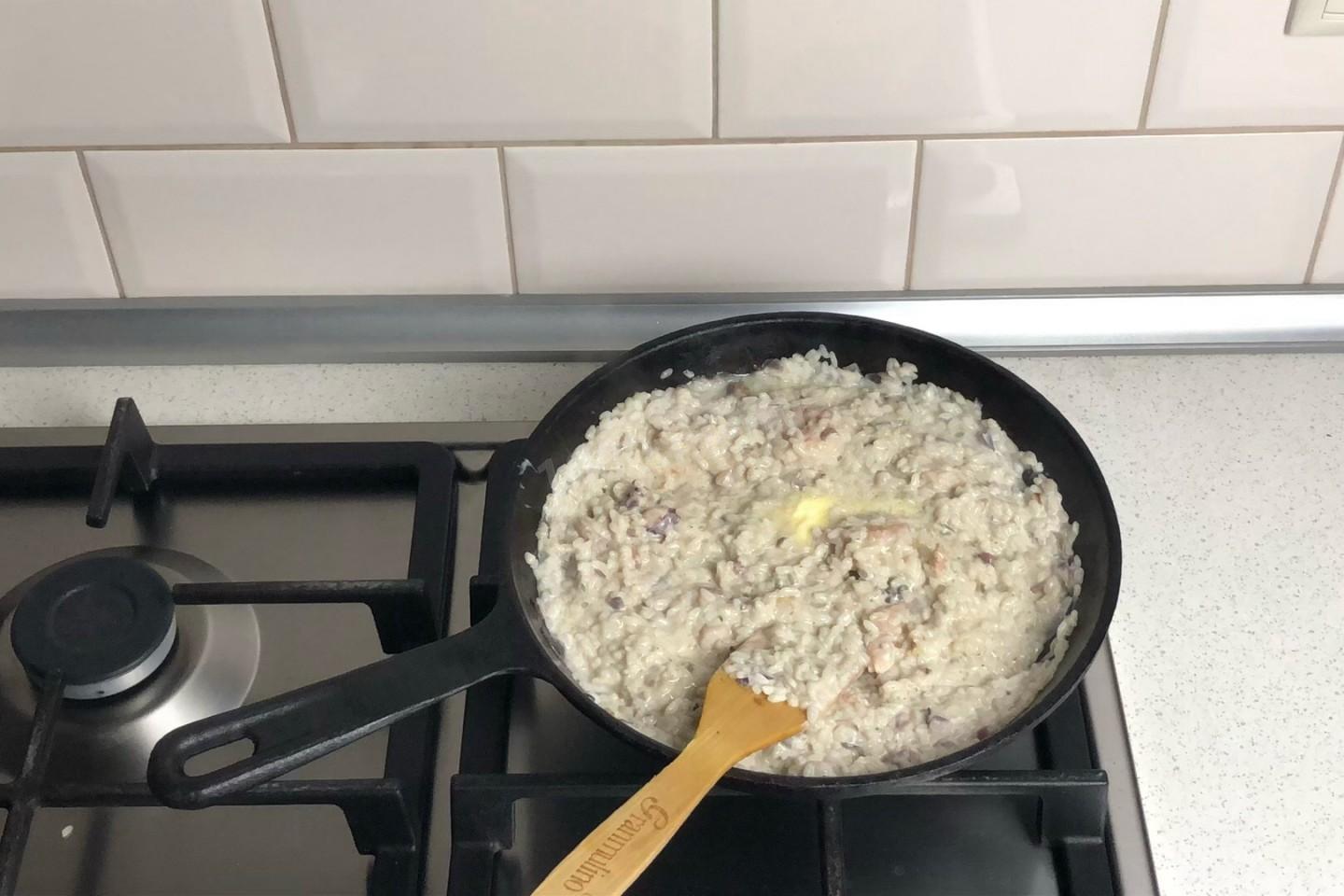
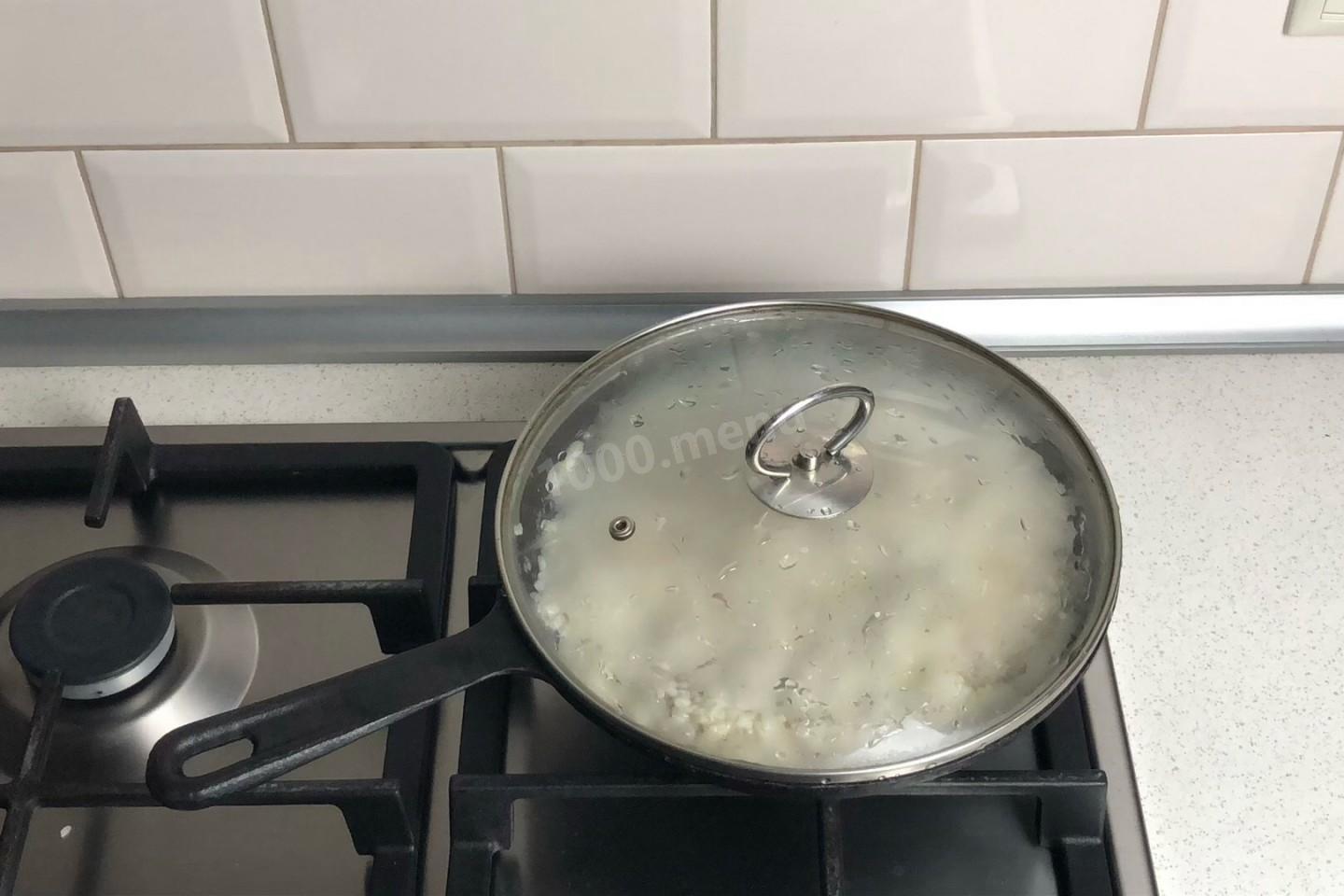
- The risotto came out very creamy, with a bright seafood flavor. It's best not to use red onion — it tinted the rice blue. For a richer flavor, you can use fish stock.
- Note that risotto rice isn't rinsed, so that all the starch needed for the right consistency stays in the grains.
- Important! For rice dishes that turn out delicious every time, read our article on the fine points of choosing rice and the secrets to cooking it.
- It's best to cook with neutral-tasting filtered or bottled water. If you use tap water, keep in mind it can give the dish an off, distinctive taste.
- Use an oil with a high smoke point for frying! Every oil is good only up to a certain temperature — its smoke point, beyond which it begins to burn and form toxic compounds, including carcinogens. Unrefined oils, with rare exceptions, have a low smoke point; they contain lots of unfiltered organic particles that quickly start to burn. Refined oils stand up to heat better and have a higher smoke point. If you're going to cook in the oven, in a skillet, or on the grill, make sure you use an oil with a high smoke point. The most common high-smoke-point oils are refined sunflower, olive, and grapeseed oil.
Caloric content of the products possible in the composition of the dish
- Canned shrimp - 81 kcal/100g
- Boiled shrimp - 95 kcal/100g
- Shrimps peeled frozen - 60 kcal/100g
- Fresh shrimp - 97 kcal/100g
- Onion - 41 kcal/100g
- Raw wild rice - 353 kcal/100g
- Brown raw rice - 360 kcal/100g
- Boiled brown rice - 119 kcal/100g
- White fortified raw rice - 363 kcal/100g
- White fortified boiled rice - 109 kcal/100g
- White rice, steamed, with long grains raw - 369 kcal/100g
- Steamed white rice, boiled with long grains - 106 kcal/100g
- Instant dry rice - 374 kcal/100g
- Instant rice, ready to eat - 109 kcal/100g
- Rice - 344 kcal/100g
- Garlic - 143 kcal/100g
- Ground black pepper - 255 kcal/100g
- Parsley greens - 45 kcal/100g
- White wine - 78 kcal/100g
- Butter 82% - 734 kcal/100g
- Amateur unsalted butter - 709 kcal/100g
- Unsalted peasant butter - 661 kcal/100g
- Peasant salted butter - 652 kcal/100g
- Melted butter - 869 kcal/100g
- Salt - 0 kcal/100g
- Water - 0 kcal/100g
- Cream 35% - 337 kcal/100g
- Cream 40% - 362 kcal/100g
- Olive oil - 913 kcal/100g
- Sea cocktail - 95 kcal/100g
Similar recipes

- Fast and tasty
- Homemade dinner
- National cuisine
- Classic recipes
- Second course
- Seafood
- Dairy products
- Vegetables
- Cereals and cereal products
- Spices seasonings spices
- Fats and oils
- Alcohol
- Other
- Garlic
- Pepper
- Parsley
- Salt
- Vegetable oil
- Butter
- Purchased wine
- Water
- Mediterranean cuisine
- Cooking
- Frying
- In a frying pan
- The second is fast and delicious
- Dishes in 30 minutes
- Ризотто
- Shrimp
- Sea cocktail
- Romantic dinner
- Сливки
- From onion
- No eggs
- From rice