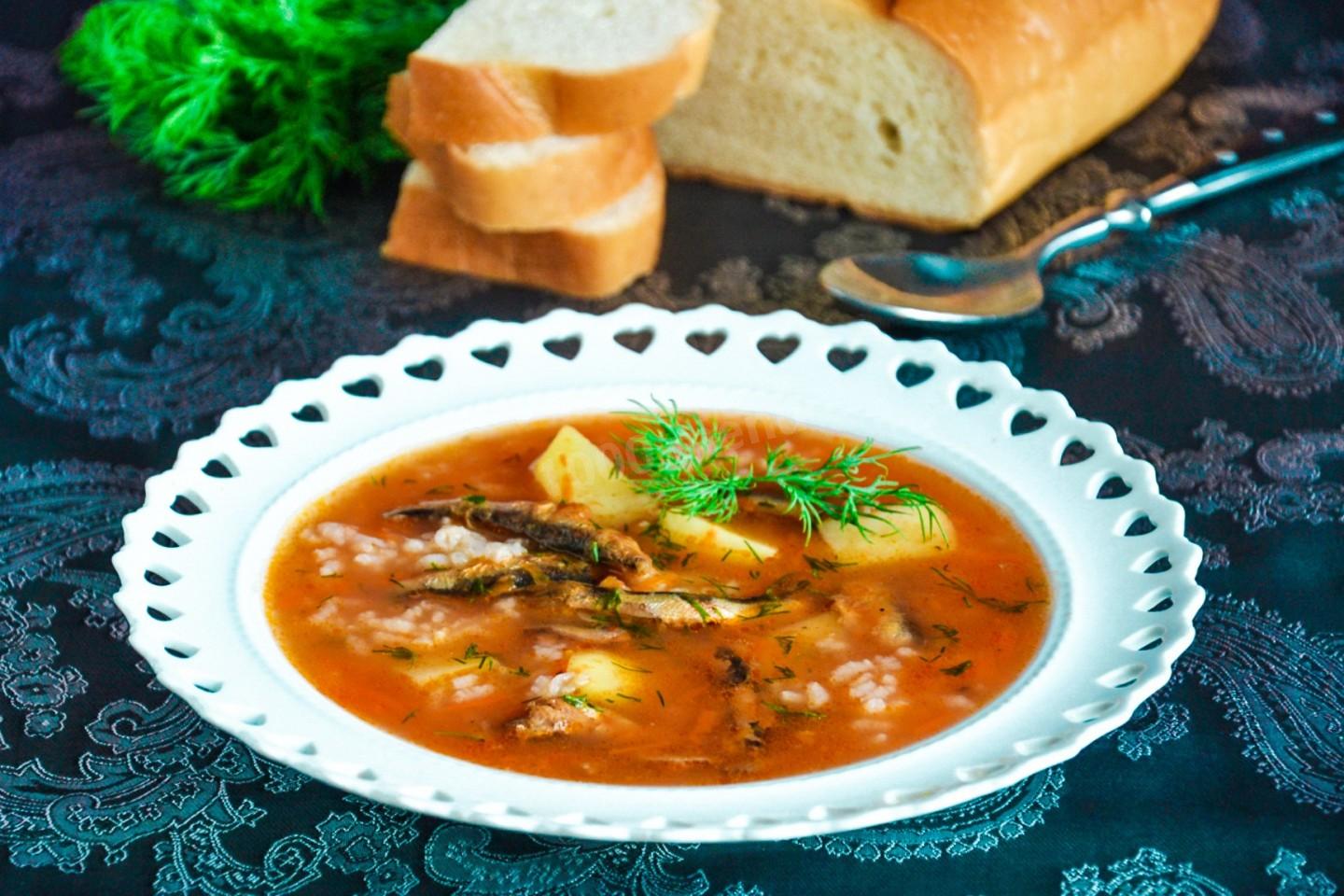
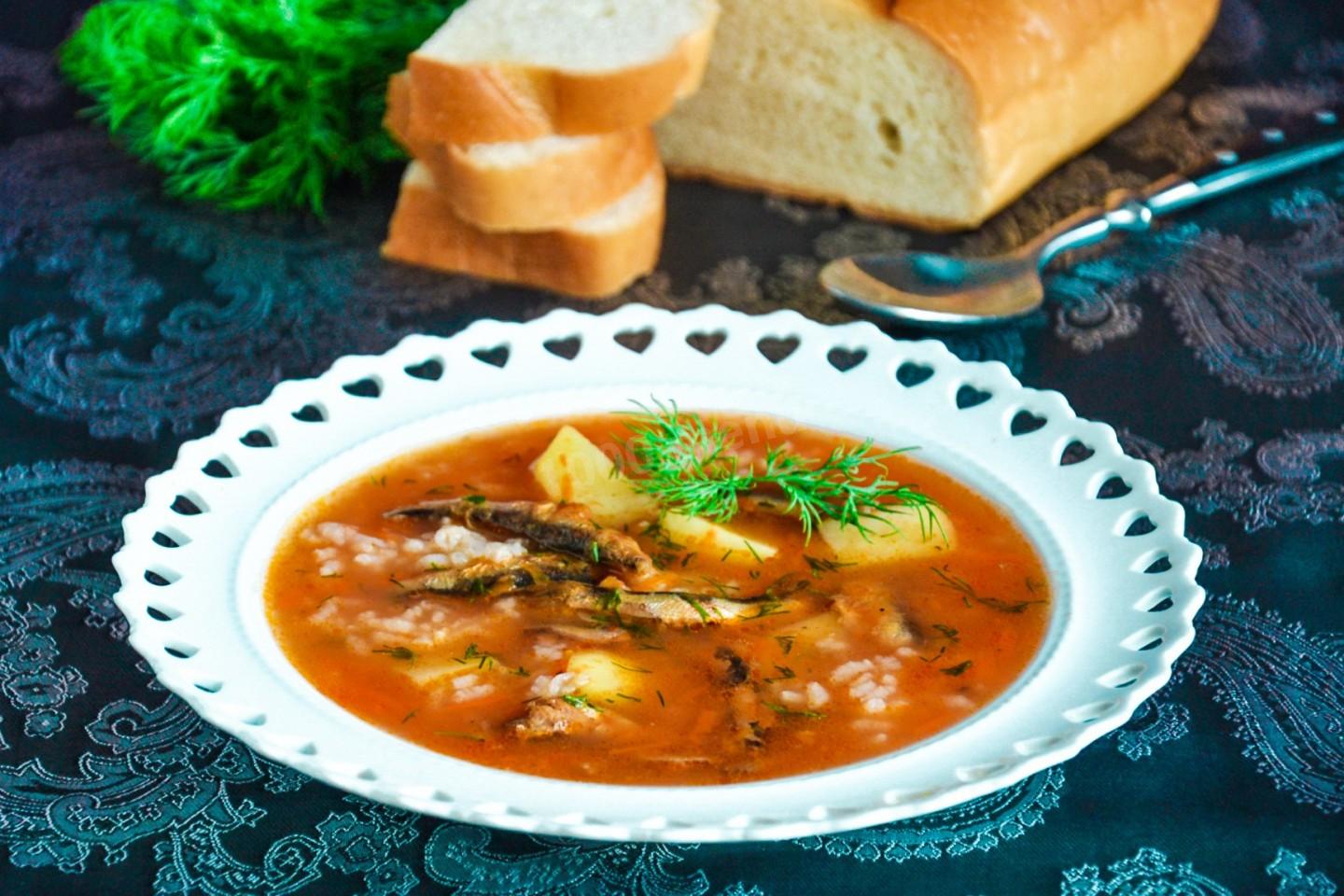
Sprat in Tomato Sauce Soup with Potatoes and Rice
Budget-friendly, made from everyday ingredients, and so tasty! This soup of canned sprats in tomato sauce with potatoes and rice is a simple but genuinely appetizing first course. It cooks in water, counts as light fare, and uses vegetables you always have on hand.

Cooking method
-
Step 1:
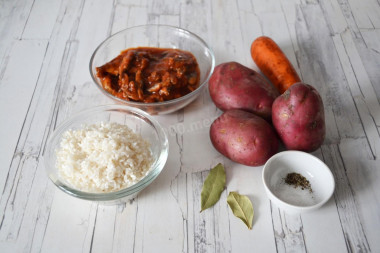
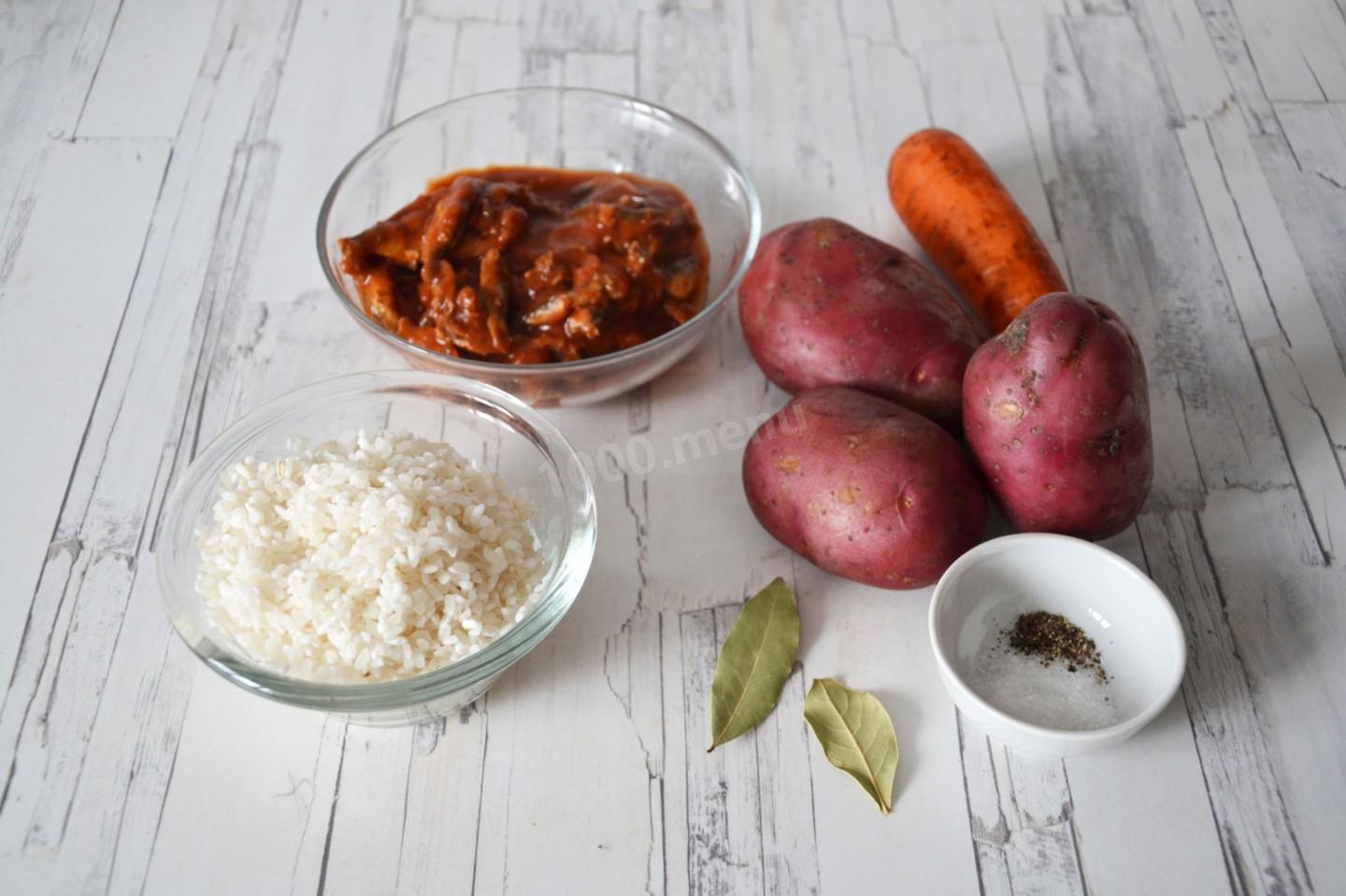
How do you make sprat-in-tomato-sauce soup with potatoes and rice? Gather your ingredients. Scrub the vegetables well under running water with a brush, then pat them dry. Choose good-quality, tasty canned sprats from a brand you trust. Any rice works, short-grain, long-grain, parboiled, whatever you have. You can use fish or vegetable broth in place of the water.
-
Step 2:
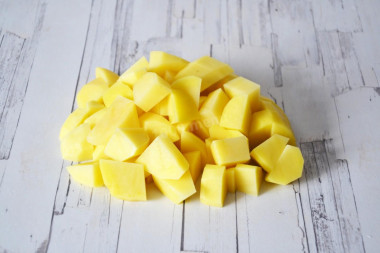
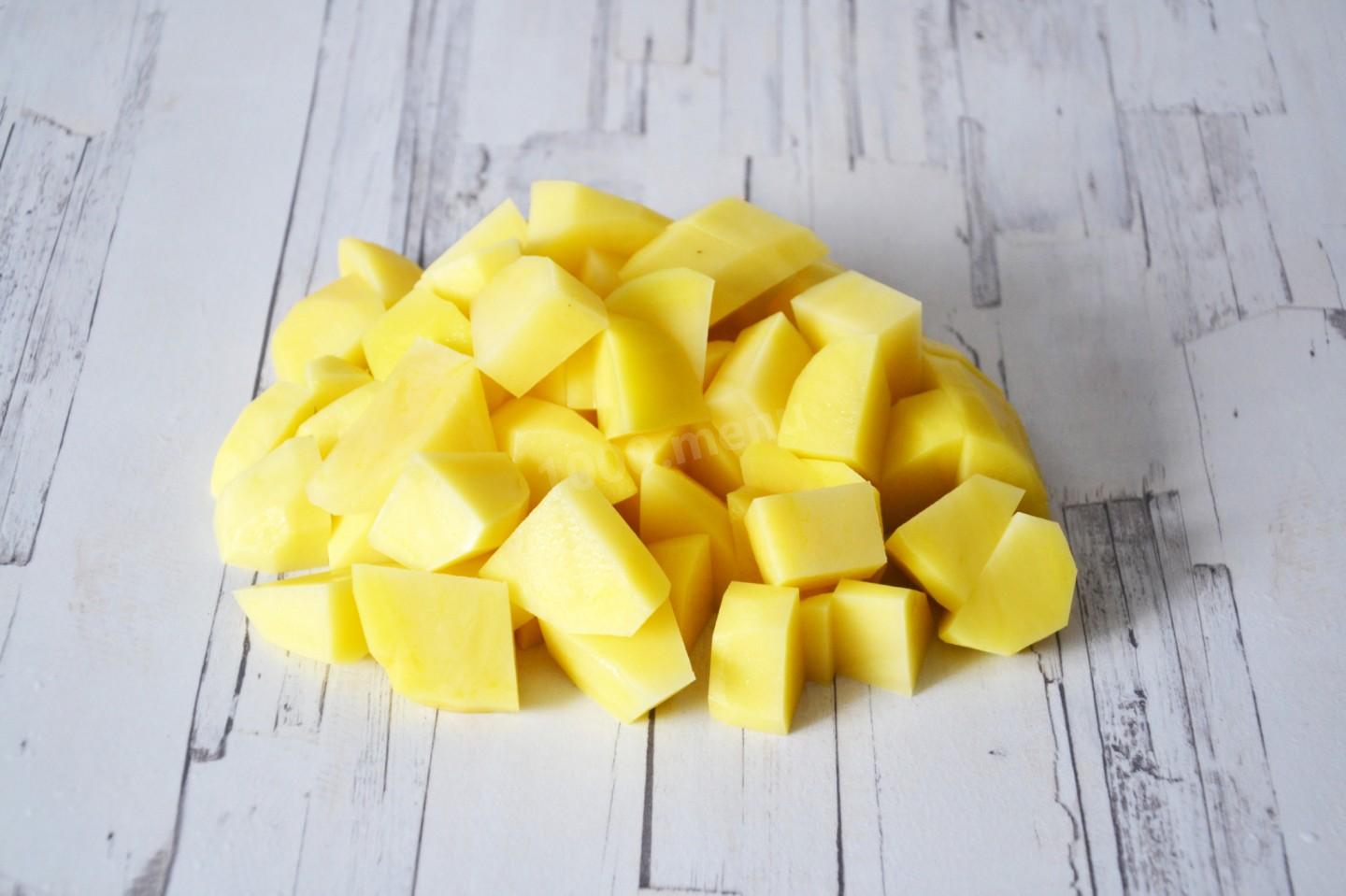
Peel and dice the potatoes.
-
Step 3:
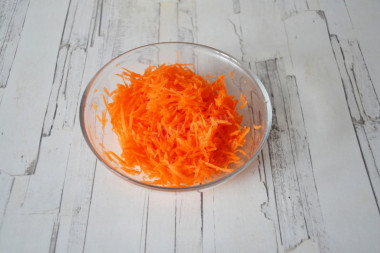
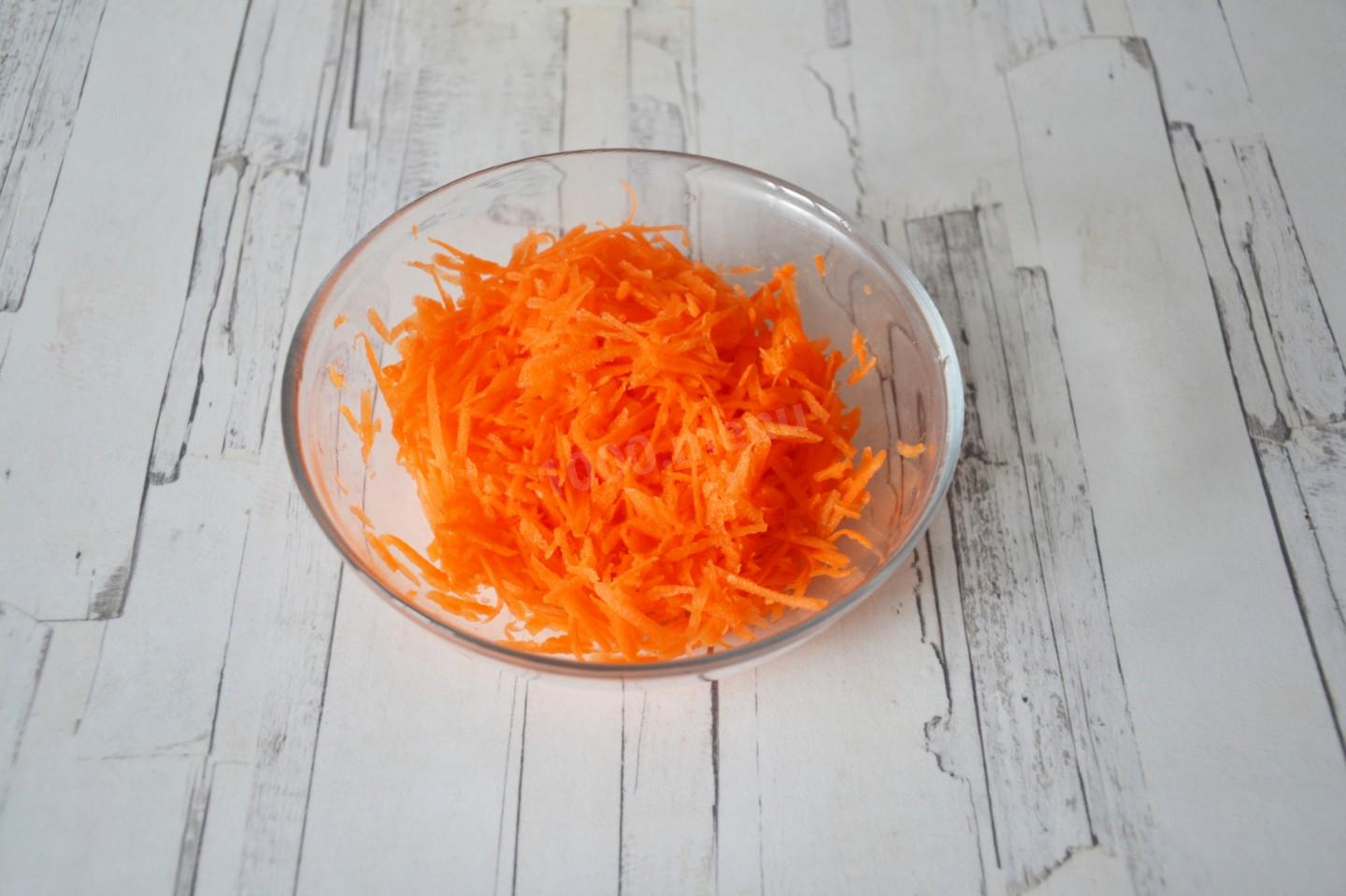
Peel the carrot, then grate it on the coarse or medium side of a box grater.
-
Step 4:
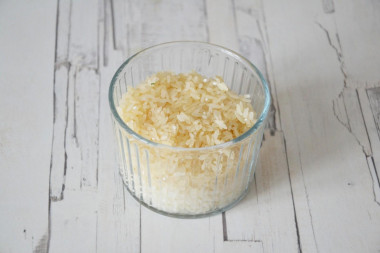
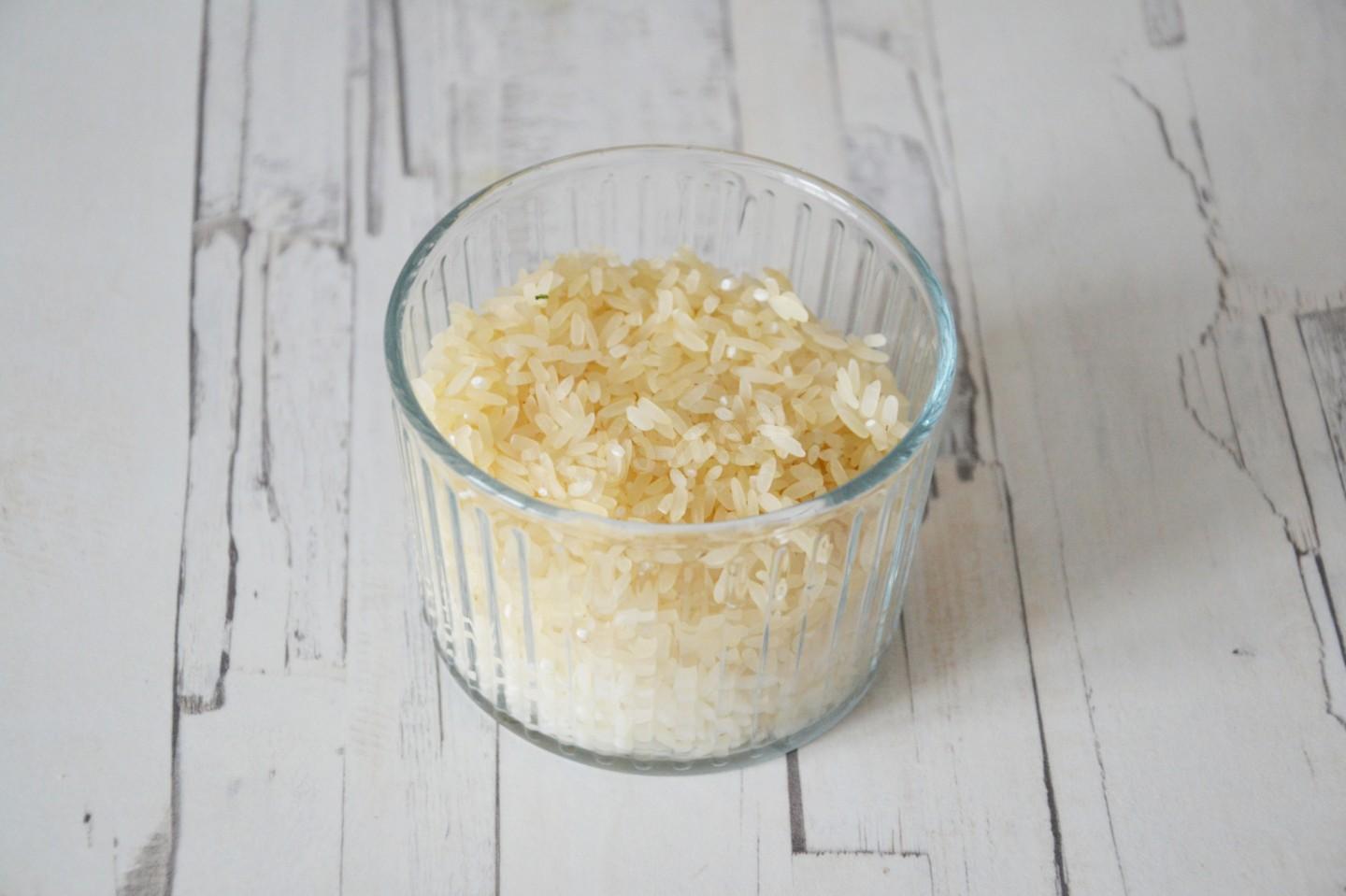
Rinse the rice thoroughly in several changes of water to wash off the excess starch, so it won't clump as it cooks.
-
Step 5:
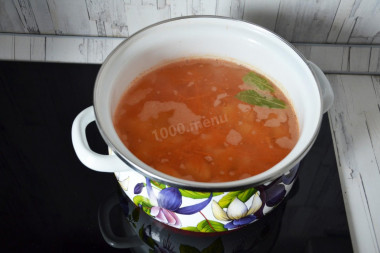
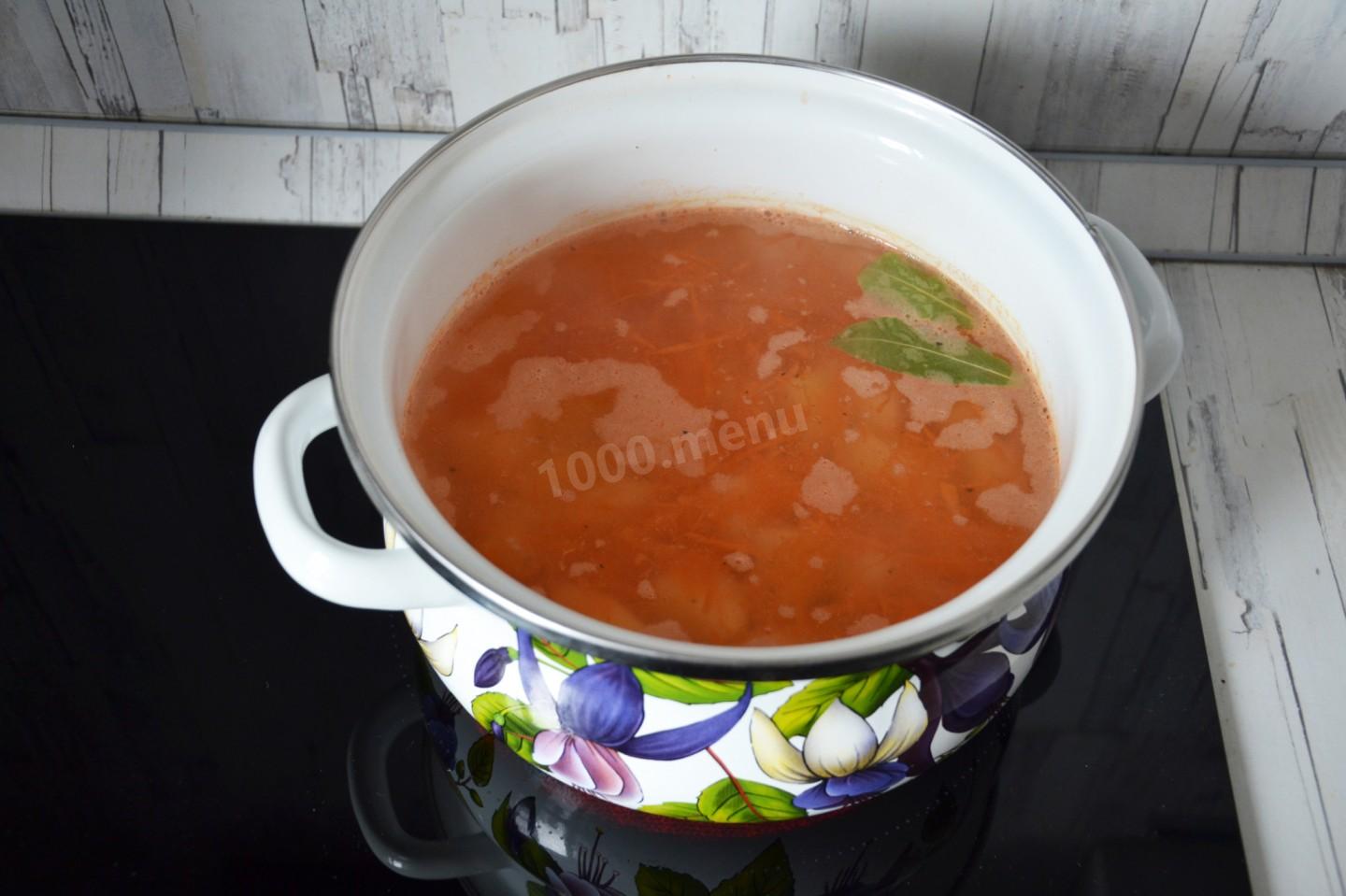
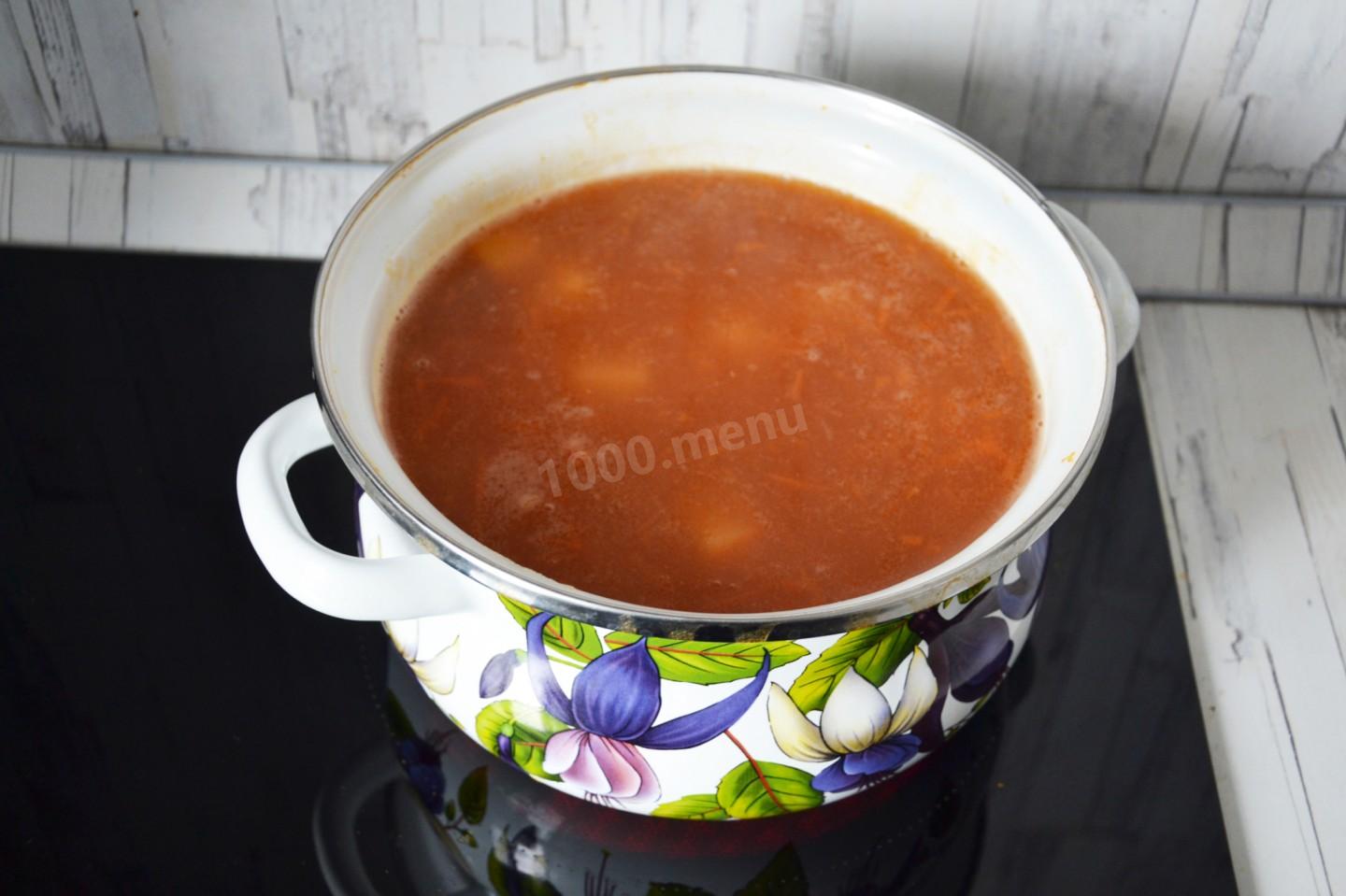
Bring the water or broth to a boil. Add the potatoes, carrot, bay leaf, and salt. Bring it back to a boil over medium heat.
-
Step 6:
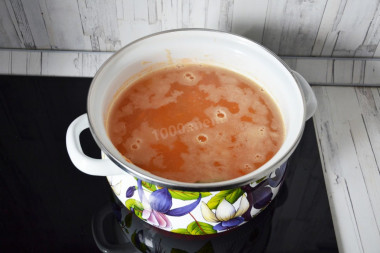
Once it boils, add the rinsed rice.
-
Step 7:
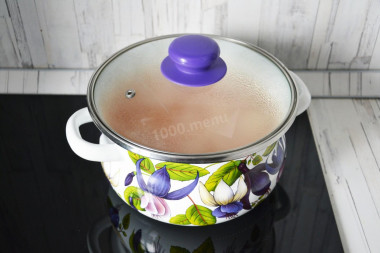
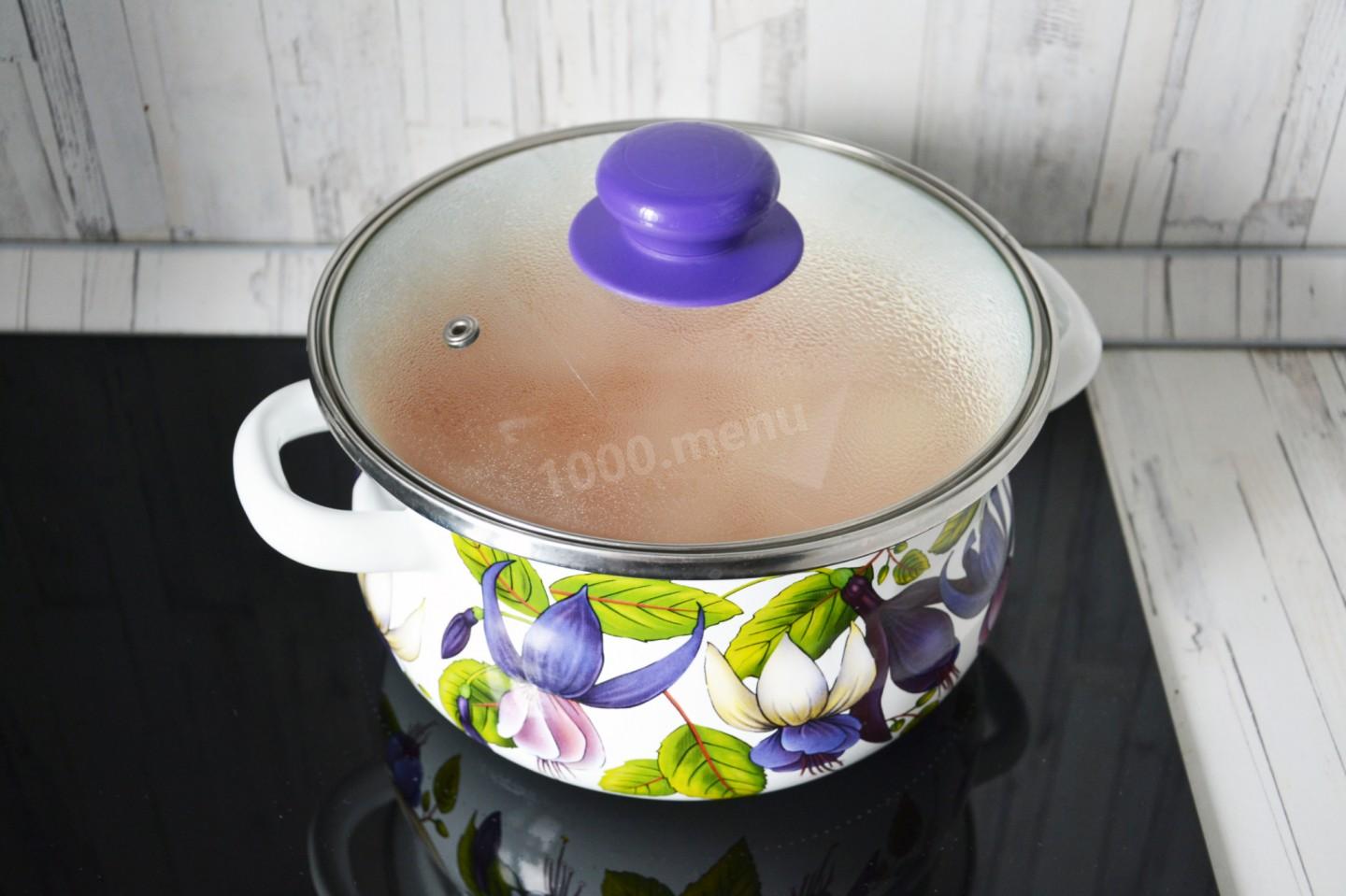
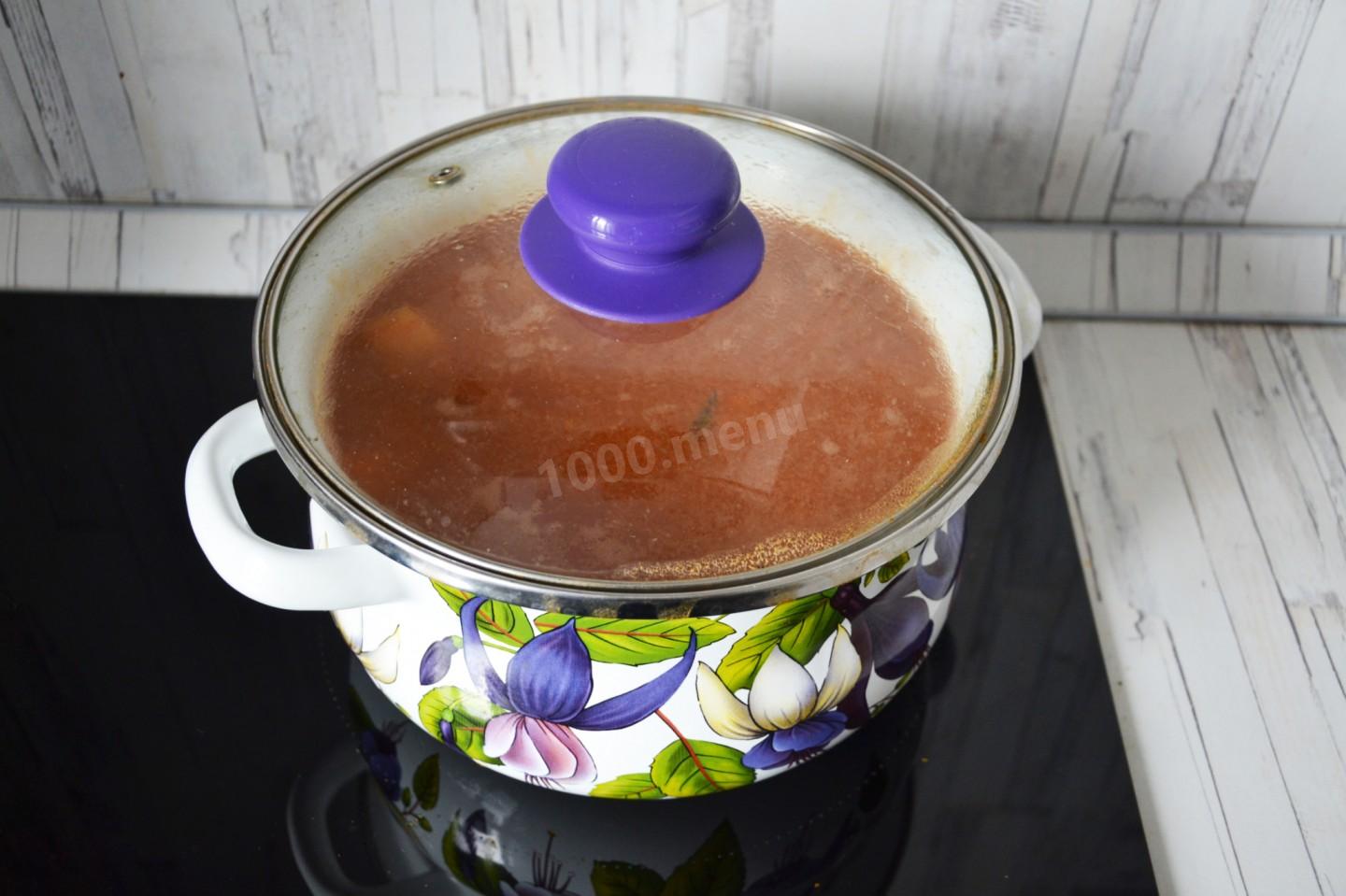
Cover the pot, leaving the lid slightly ajar so steam can escape, this matters when cooking rice dishes, or they'll boil over. Simmer over low heat for about 15 to 20 minutes, until the potatoes are tender.
-
Step 8:
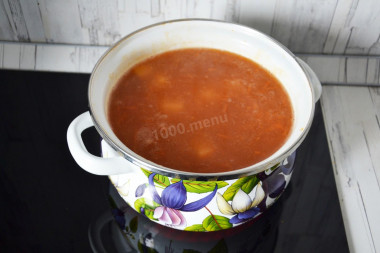
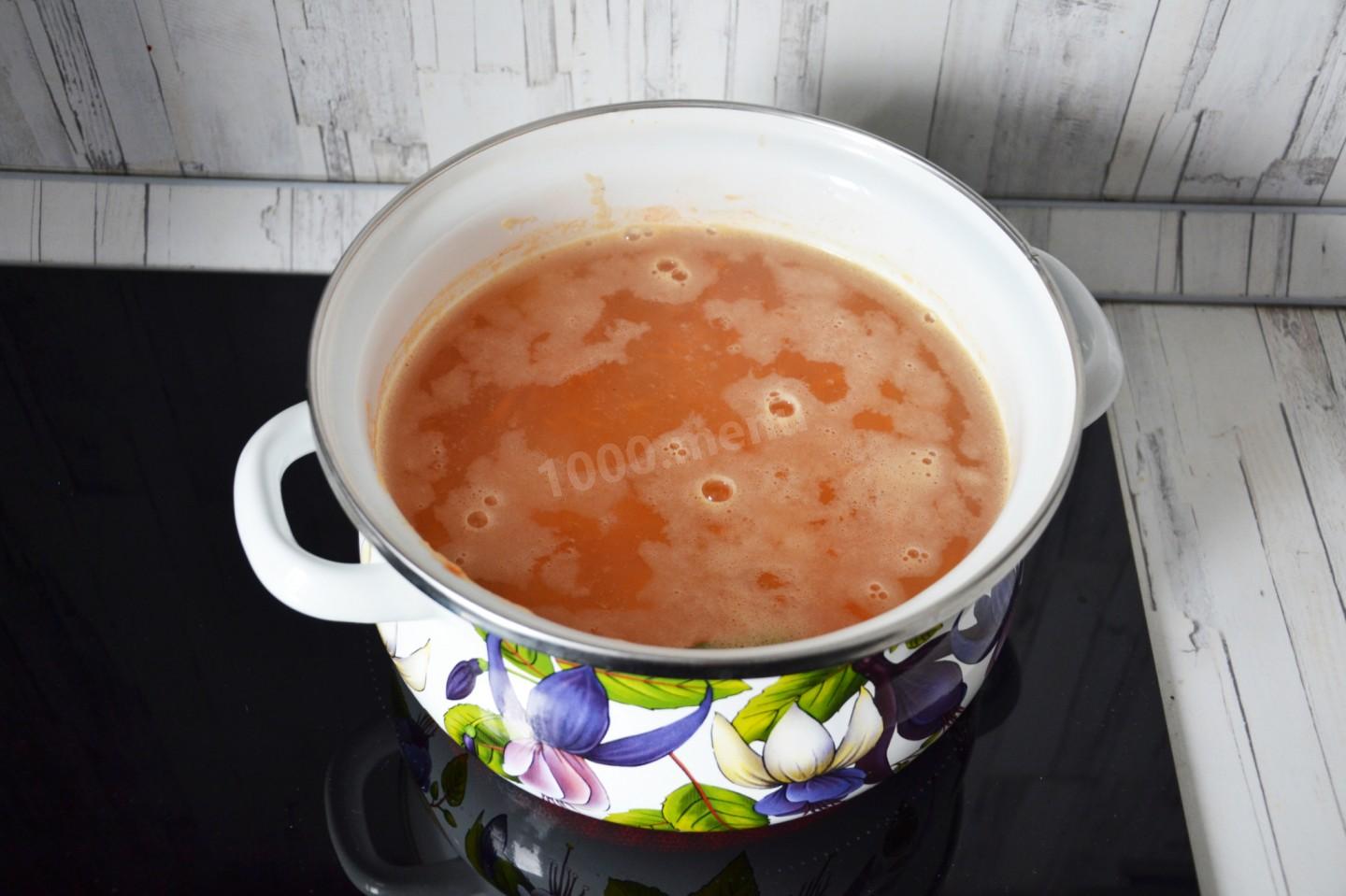
Add the canned sprats in tomato sauce to the soup. Cook another 5 minutes at a gentle simmer.
-
Step 9:
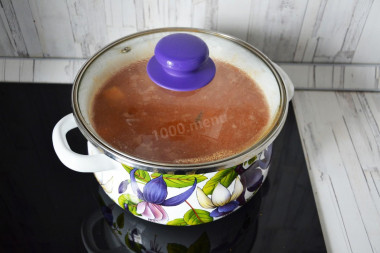
Take the pot off the heat, cover it, and let it rest for about 10 minutes.
-
Step 10:
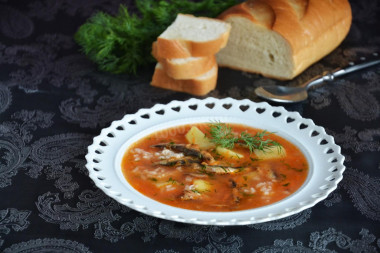
Ladle the soup into bowls and serve, sprinkled with chopped fresh herbs if you like. Enjoy!
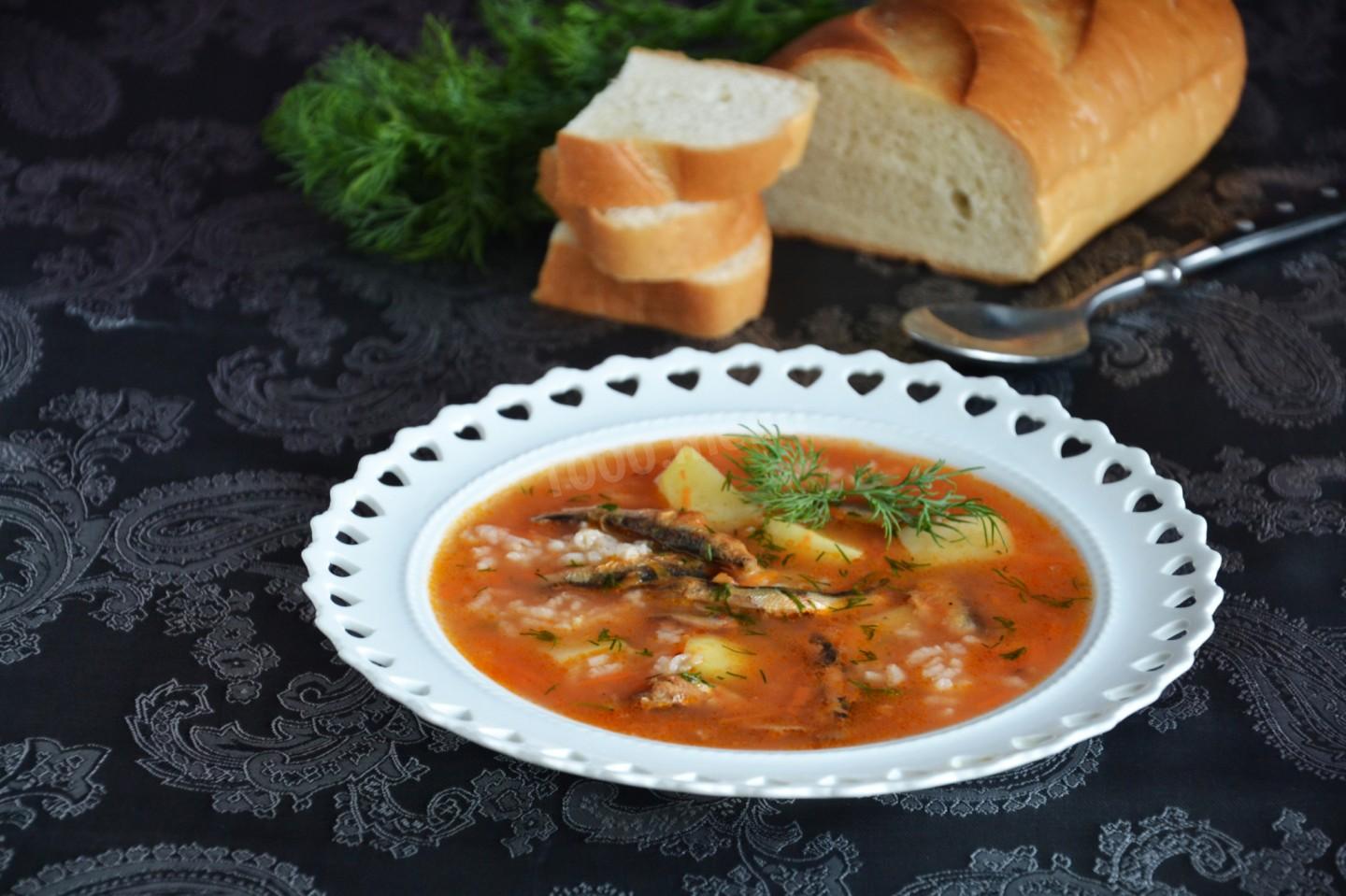
- Instead of rice, you can use any other grain in this soup, buckwheat, millet, or pearl barley, or even pasta. Adding fresh tomatoes will definitely make it tastier. It's best served with rye bread or crisp croutons. And if you add cabbage and beets to the rest, you'll have a wonderful borscht.
- A note on quantities: whether or not a soup recipe gives an exact amount of water, it's best to go by your own preference (thick or brothy?), the size of your pot, and the ingredients you're using. The cook's idea of how much potato, grain, or other ingredients belong in the soup may not match yours. In practice, if you're making it for the first time, don't cook a full pot. Make a tasting batch for one or two: scale everything down to 1-2 servings and figure on about 1 cup of water per serving for a very thick soup, up to 1 1/2 to 2 cups for a thinner one. Remember that some liquid boils off as it cooks. After tasting a small portion, you can dial in the liquid and proportions to your taste. Before long you'll be adding water and ingredients by eye.
- For the best flavor, use filtered or bottled water with a neutral taste. Tap water can sometimes give the dish an off, characteristic flavor.
- For the best results with rice dishes, choose good-quality rice and rinse it well.
Caloric content of the products possible in the composition of the dish
- Ripe potatoes - 80 kcal/100g
- Baked potatoes - 70 kcal/100g
- Mashed potatoes - 380 kcal/100g
- Boiled potatoes - 82 kcal/100g
- Potatoes in skins - 74 kcal/100g
- Fried potatoes - 192 kcal/100g
- Raw wild rice - 353 kcal/100g
- Raw brown rice - 360 kcal/100g
- Boiled brown rice - 119 kcal/100g
- Raw fortified white rice - 363 kcal/100g
- Boiled fortified white rice - 109 kcal/100g
- Raw parboiled long-grain white rice - 369 kcal/100g
- Boiled parboiled long-grain white rice - 106 kcal/100g
- Dry instant rice - 374 kcal/100g
- Ready-to-eat instant rice - 109 kcal/100g
- Rice - 344 kcal/100g
- Carrots - 33 kcal/100g
- Dried carrots - 275 kcal/100g
- Boiled carrots - 25 kcal/100g
- Bay leaf - 313 kcal/100g
- Ground black pepper - 255 kcal/100g
- Baltic sprat - 137 kcal/100g
- Hot-smoked sprat - 162 kcal/100g
- Caspian sprat - 191 kcal/100g
- Spice-salted sprat - 154 kcal/100g
- Salted sprat - 137 kcal/100g
- Salt - 0 kcal/100g
- Water - 0 kcal/100g