Frozen Green Beans in a Skillet
Healthy, light, diet-friendly, and so tasty! Frozen green beans cook up quick and easy, and you don't need any special skills to make them. They not only add variety to your menu but also enrich your diet with good nutrients.

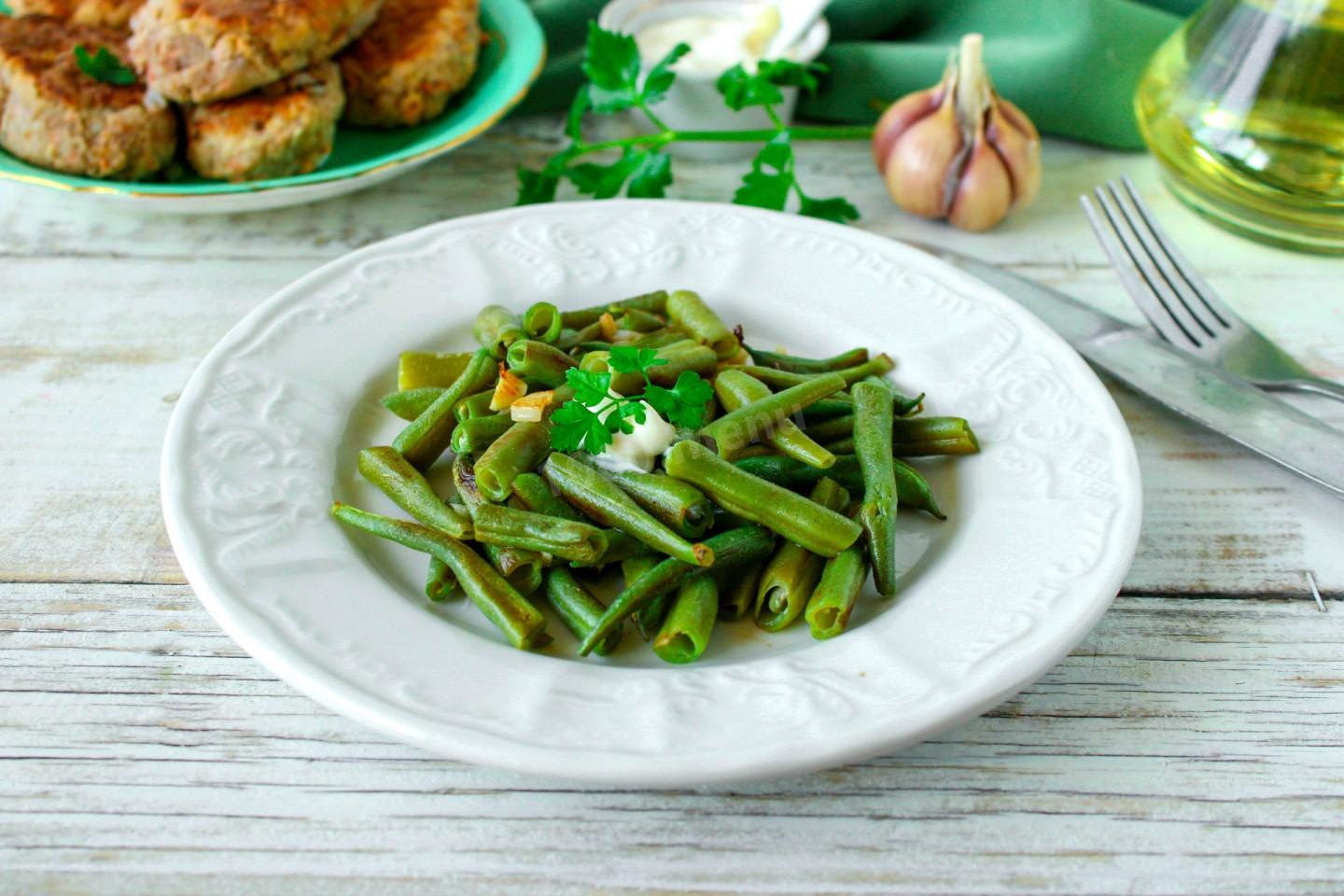
Cooking method
-
Step 1:
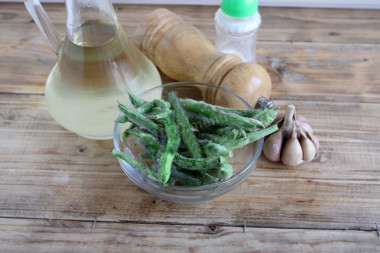
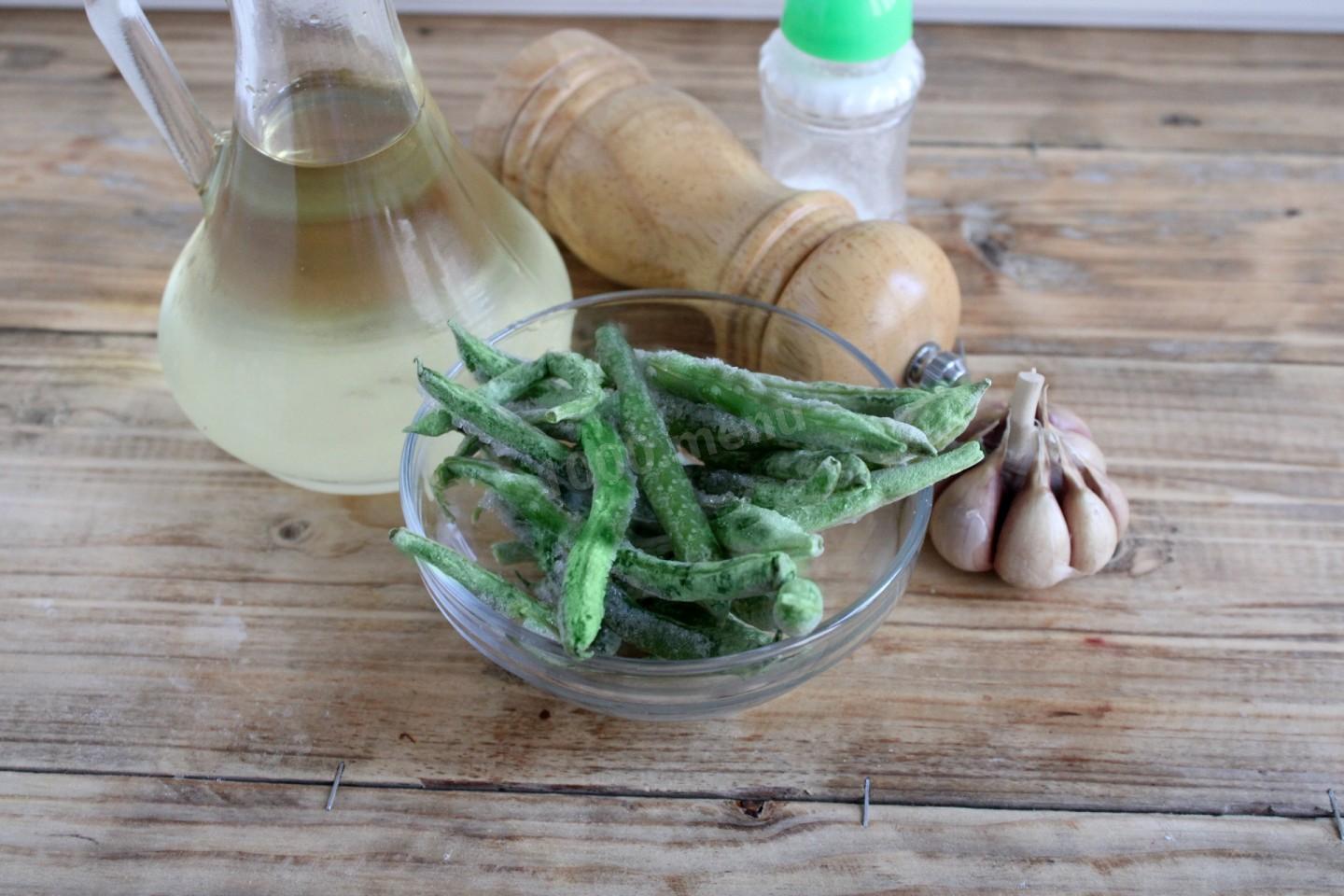
How do you pan-fry frozen green beans? Gather your ingredients. You can use store-bought beans or ones from your own garden. If buying them at the store, always check the date — the pods should come apart easily and not be frozen into a single clump.
-
Step 2:
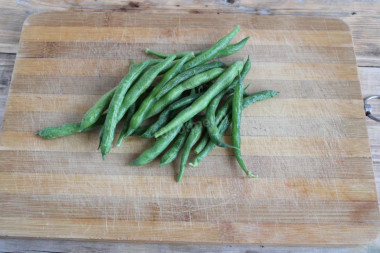
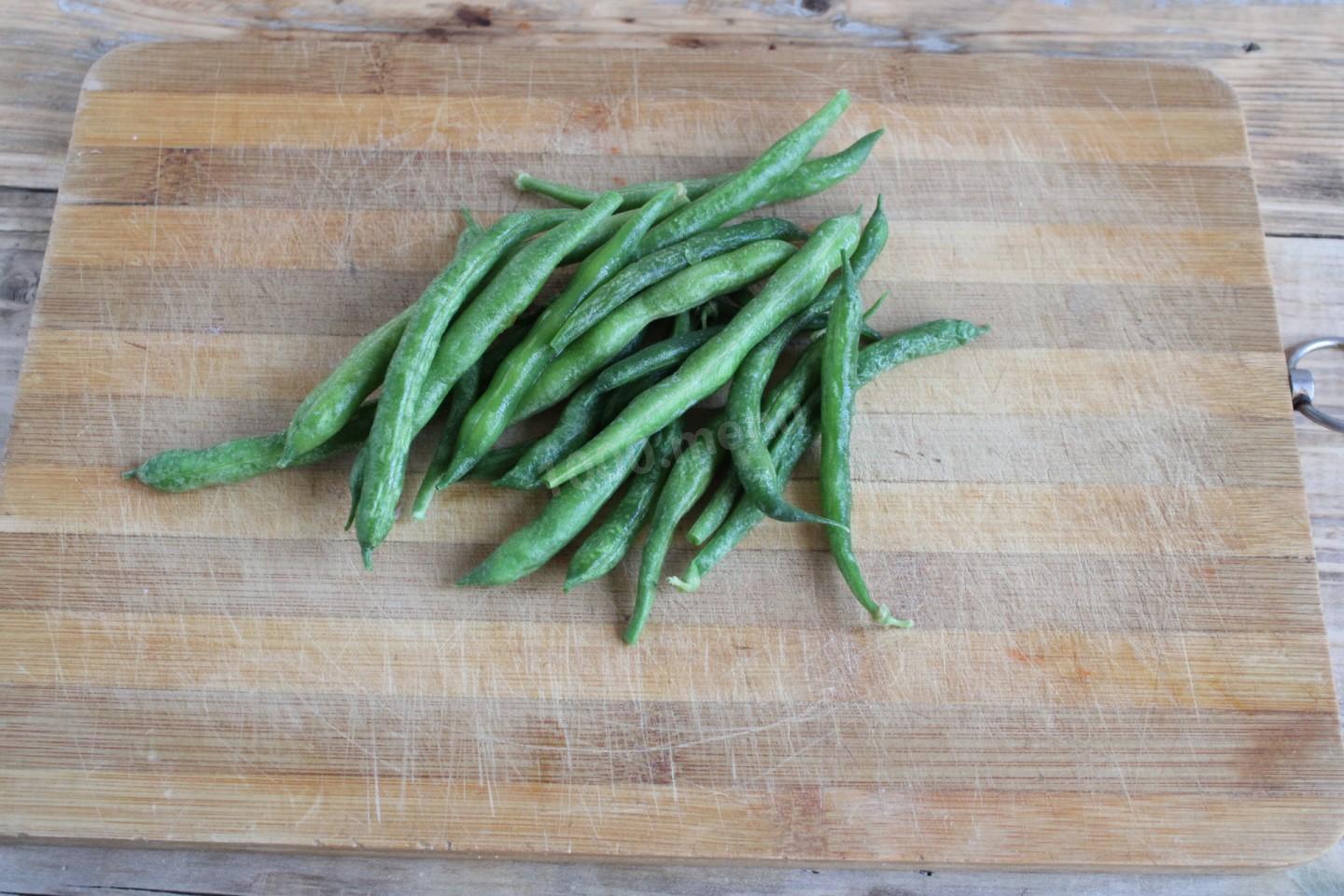
Thaw the beans. How? There are two ways. Put them in a bowl and move them to the refrigerator so they thaw gradually — a good option if you're making them for breakfast. If you're in a hurry, put the frozen beans in a colander and pour boiling water over them. Never leave them sitting in warm water, or most of the vitamins will be lost.
-
Step 3:
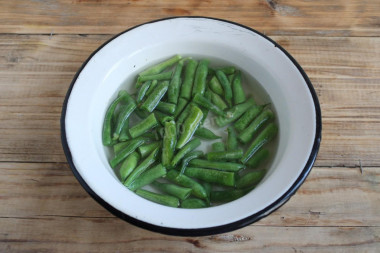
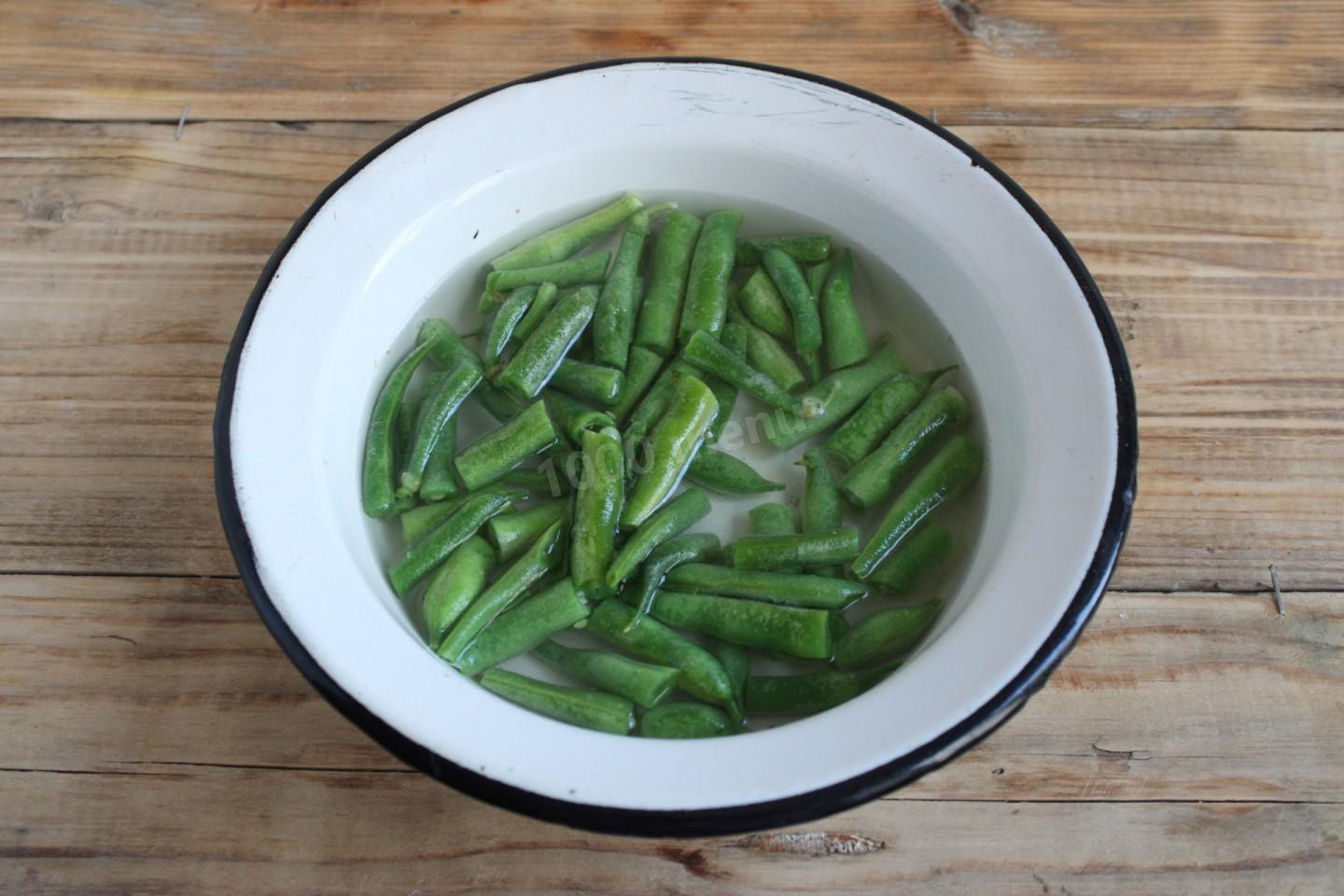
Store-bought beans in bags are usually already washed and cut up. If the pods are long, cut them into smaller, easy-to-eat pieces. Pour water into a saucepan, add a pinch of salt, and bring to a boil. Carefully lower the beans into the boiling water.
-
Step 4:
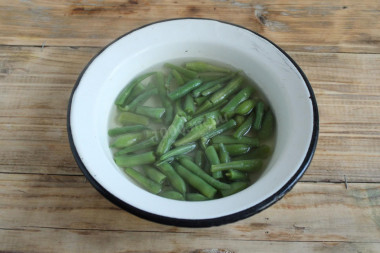
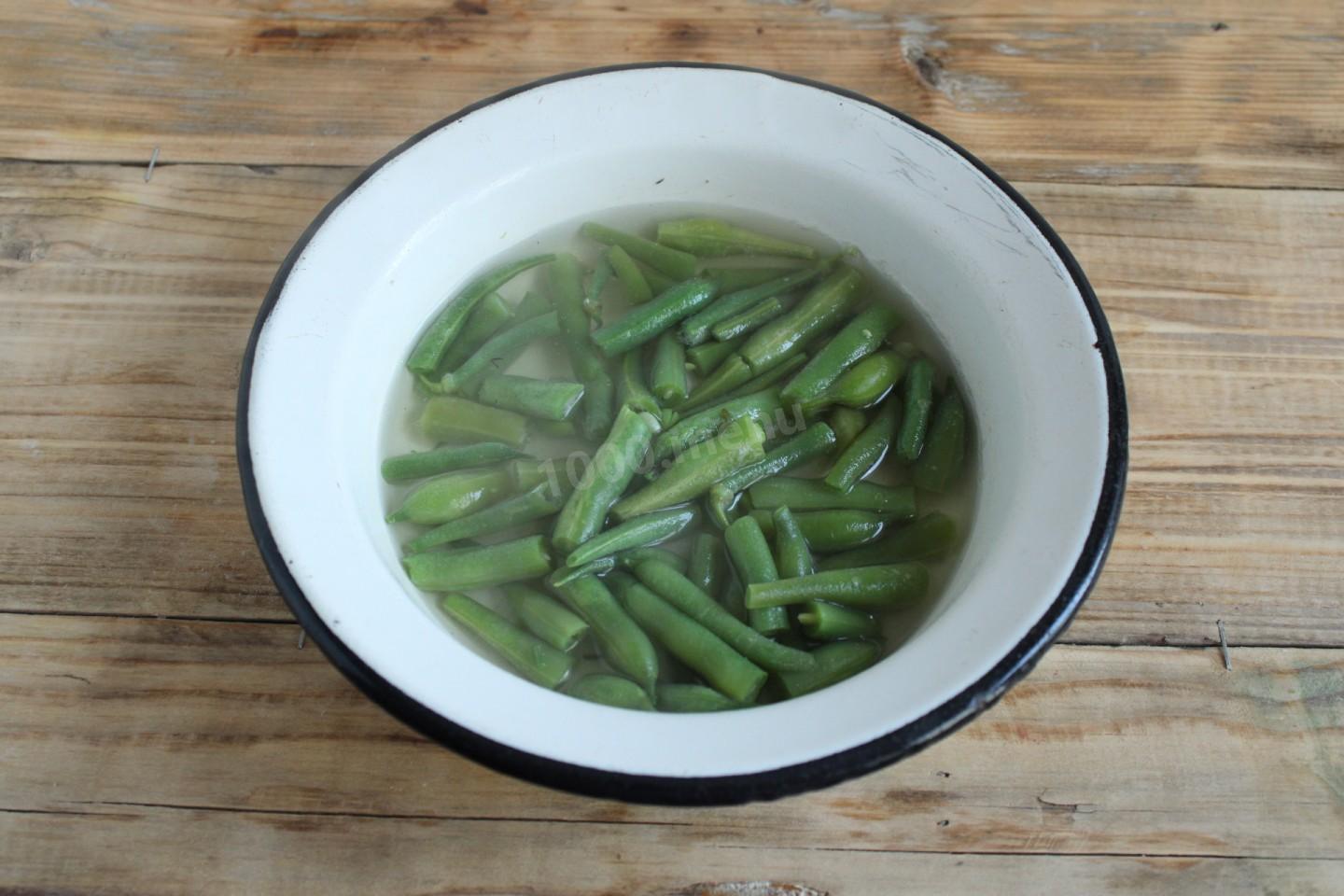
Reduce the heat to medium and boil the beans for about 5 minutes, to al dente — just shy of done. Green beans don't take well to long cooking; the flavor suffers and the nutrients cook away. Drain the beans in a colander.
-
Step 5:
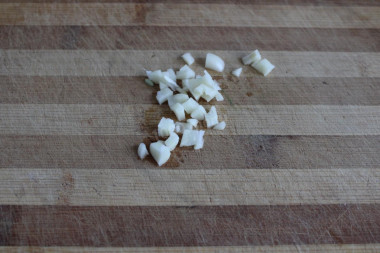
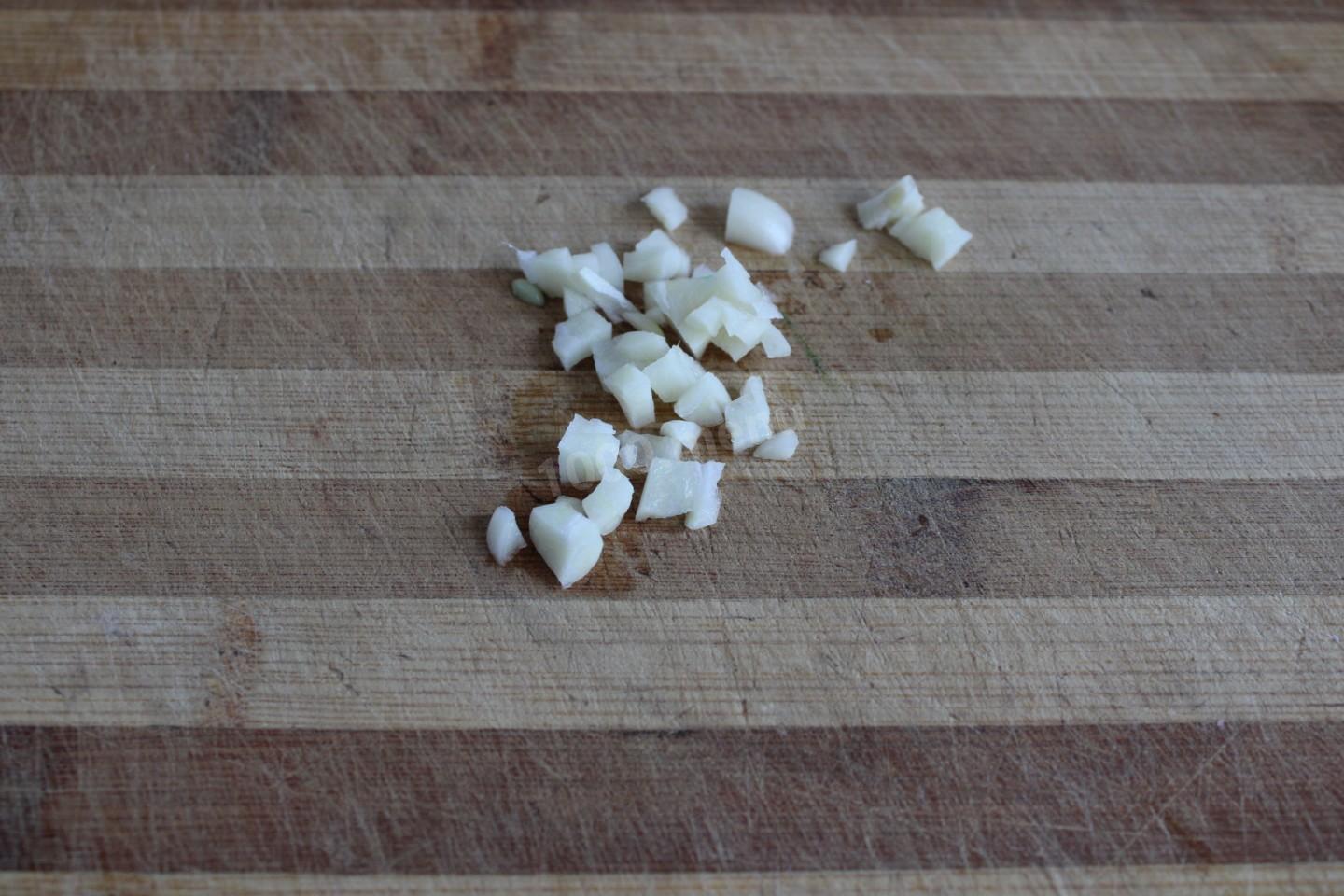
Peel the garlic cloves. Slice some of the garlic and finely mince or press the rest.
-
Step 6:
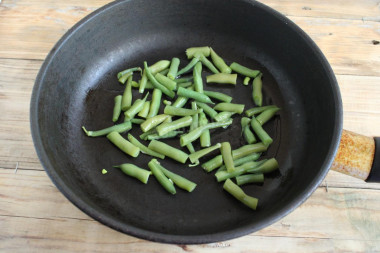
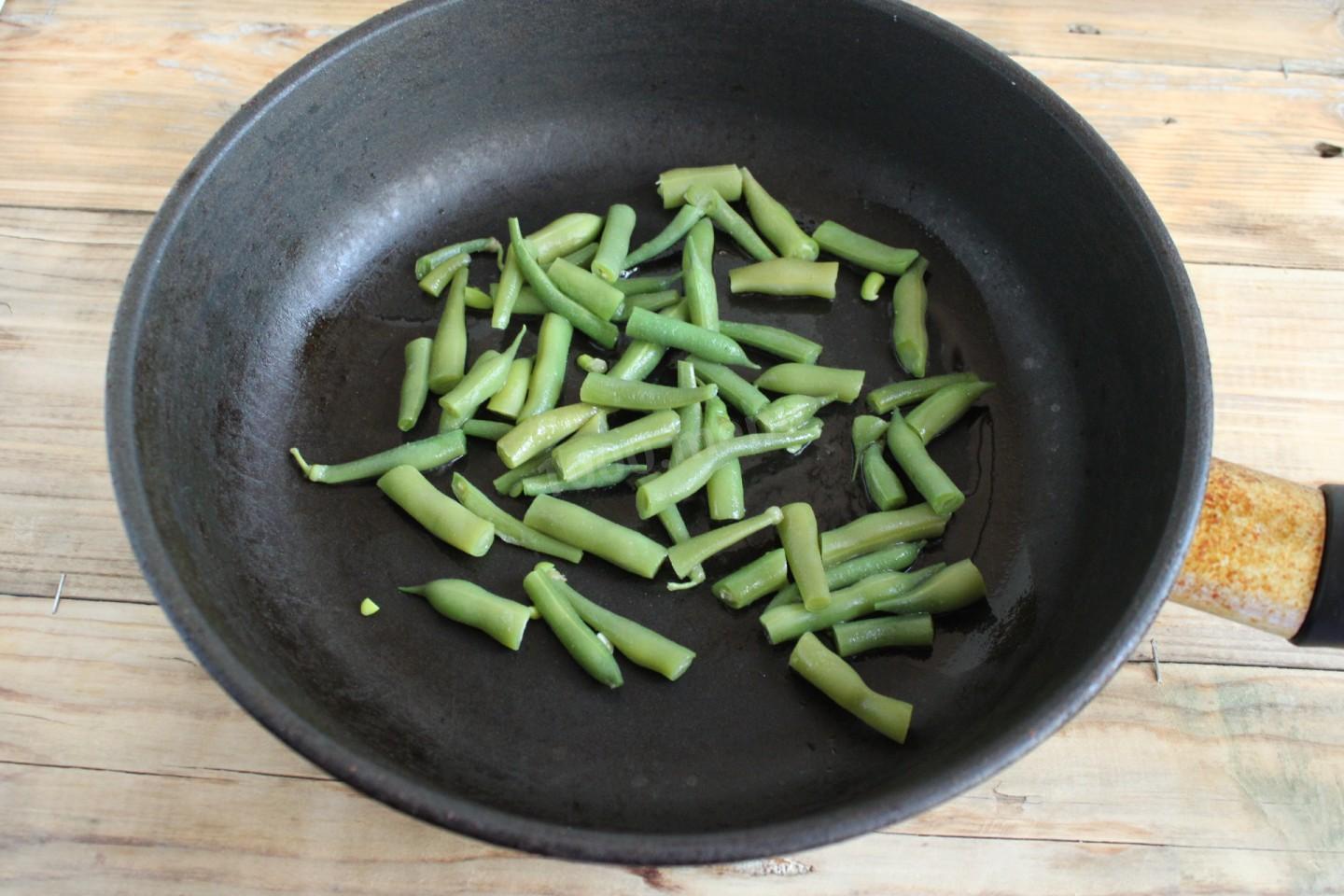
Pour a couple of tablespoons of olive oil into a skillet and heat it well over medium. Add the garlic slices and let them turn golden so the garlic flavors the oil. Then lift the garlic out. Add the boiled beans to the garlic oil and fry over moderate heat for 2–3 minutes, stirring with a spatula, uncovered.
-
Step 7:
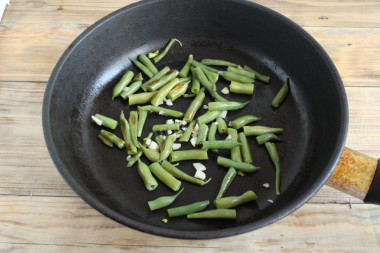
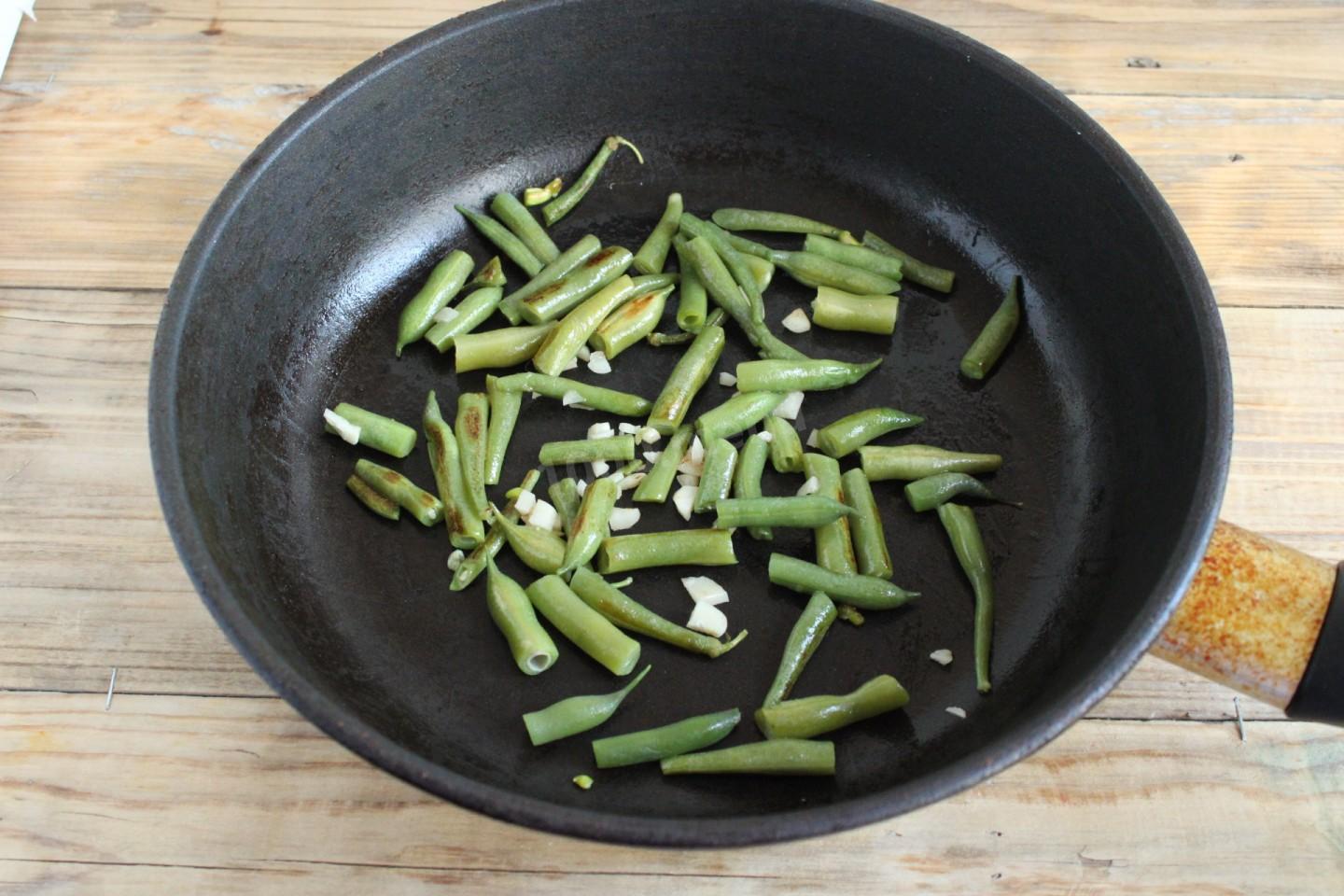
Then add the reserved minced garlic, stir, and fry for another couple of minutes. The dish is ready. Serve the beans on their own or as a side for meat, chicken, or fish. Enjoy!
- Because everyone's sense of salty, sweet, bitter, spicy, sour, and hot is different, always add spices and seasonings to your own taste! If you're using a seasoning for the first time, remember that some are especially easy to overdo (chili pepper, for example).
- Use an oil with a high smoke point for frying! Oils are only healthy up to a certain temperature — the smoke point — above which the oil starts to burn and form harmful compounds, including carcinogens. Unrefined oils, with few exceptions, have a low smoke point; they contain many unfiltered organic particles that burn quickly. Refined oils handle heat better and have a higher smoke point. If you're cooking in the oven, in a skillet, or on the grill, make sure you're using a high-smoke-point oil. The most common ones are refined sunflower, olive, and grapeseed oil.
- Here's an easy way to tell if the oil is hot enough: dip a wooden spoon or spatula into it. If bubbles gather around it, you're ready to fry.
Caloric content of the products possible in the composition of the dish
- Garlic - 143 kcal/100g
- Ground black pepper - 255 kcal/100g
- Salt - 0 kcal/100g
- Olive oil - 913 kcal/100g
- String beans - 24 kcal/100g
Similar recipes


- Fast and tasty
- For breakfast
- Homemade dinner
- Second course
- Side dishes
- Legumes
- Spices seasonings spices
- Fats and oils
- From beans
- Garlic
- Pepper
- Salt
- Vegetable oil
- Cooking
- Frying
- In a frying pan
- The second is fast and delicious
- Dishes in 30 minutes
- Second lean dishes
- Side dish to cutlets
- Side dish to meat
- No eggs
- Low-calorie recipes
- Vegetarianism
- Lean table
- Recipes for lean dishes without butter