Shchi — Sauerkraut Soup with Meat
Rich, incredibly fragrant, and very tasty! This sauerkraut shchi with meat takes a bit of work in the kitchen, but the result more than makes up for it — you've never tasted a better soup! You can make it with any meat, poultry, or a vegetable or mushroom broth.

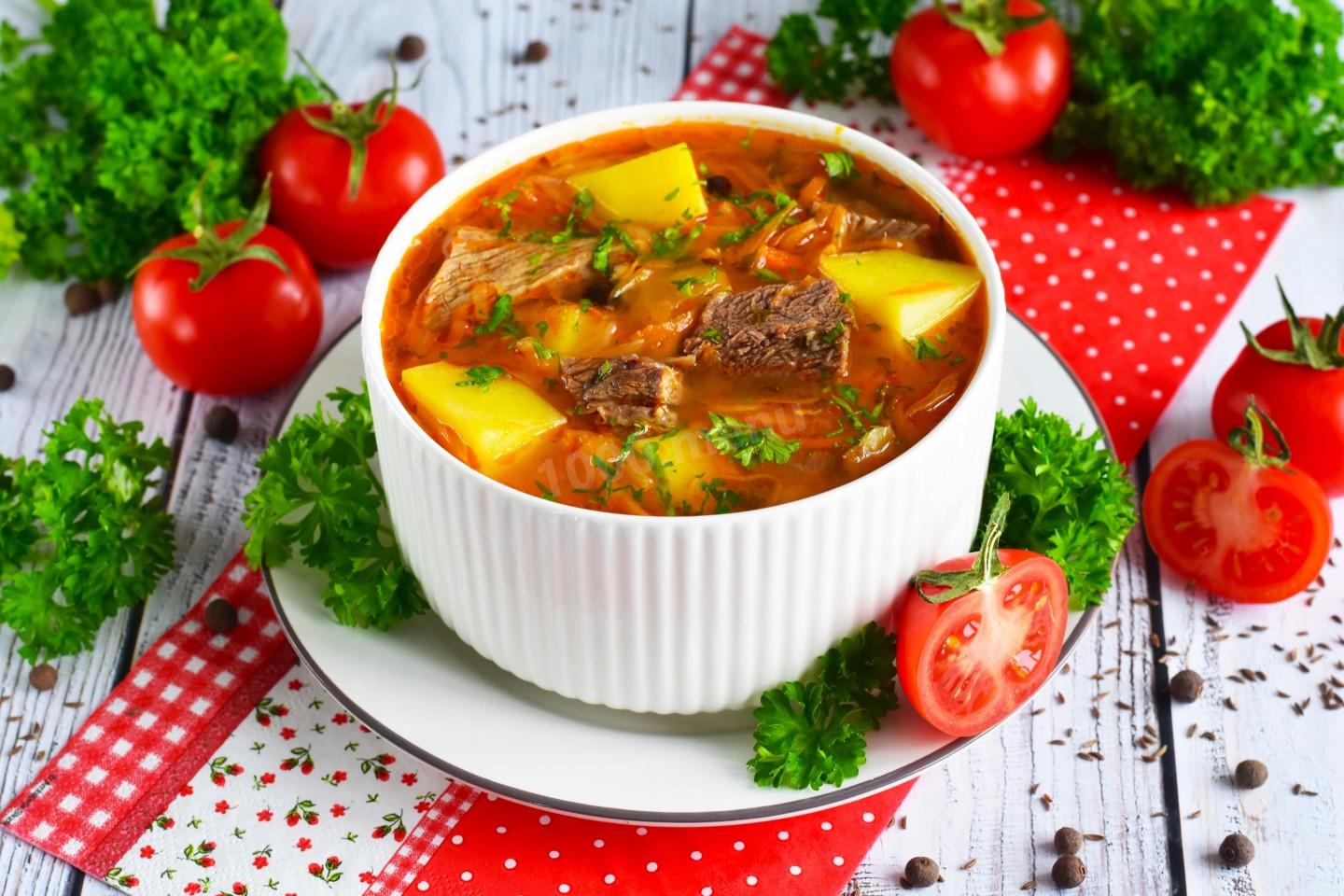
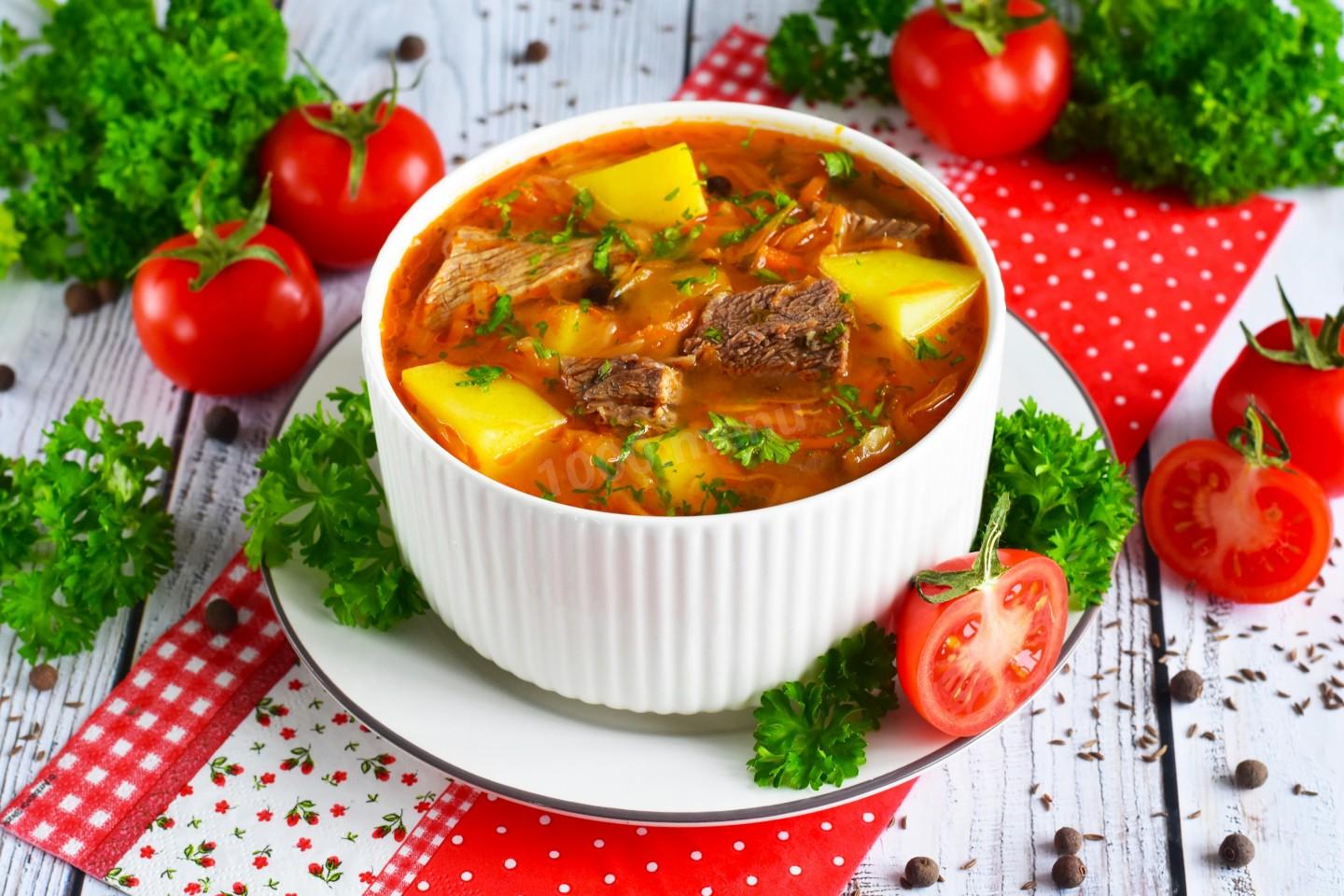
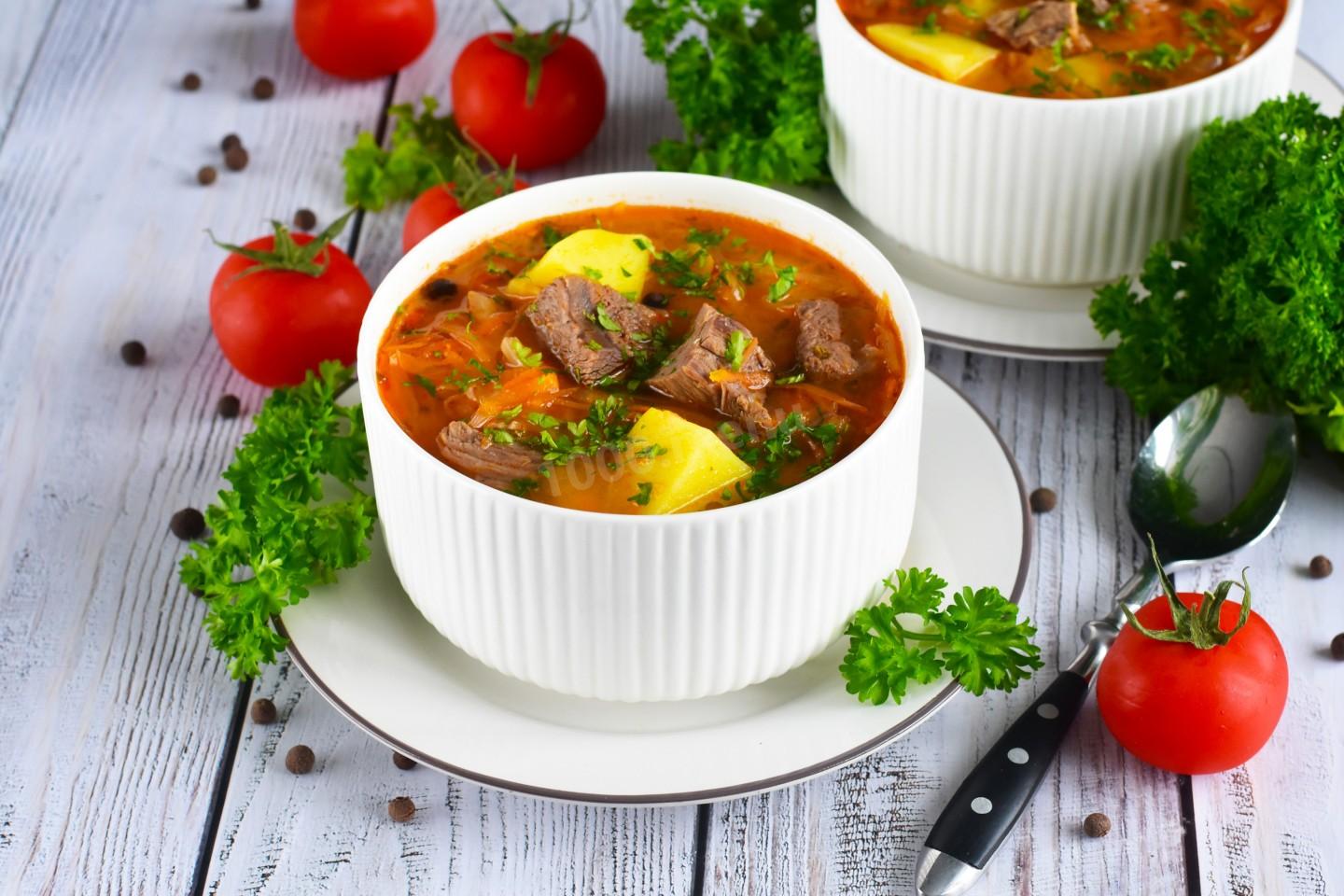
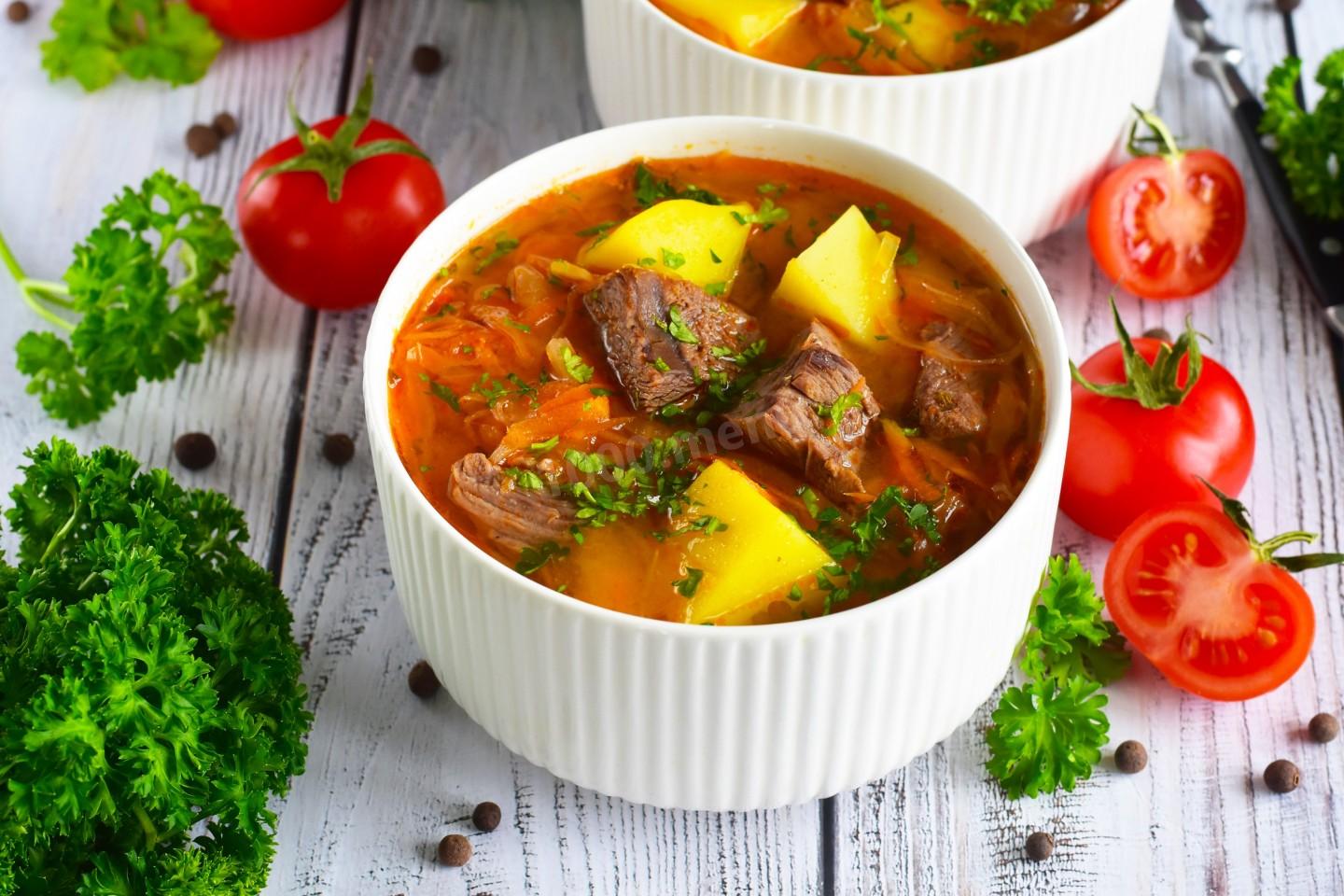
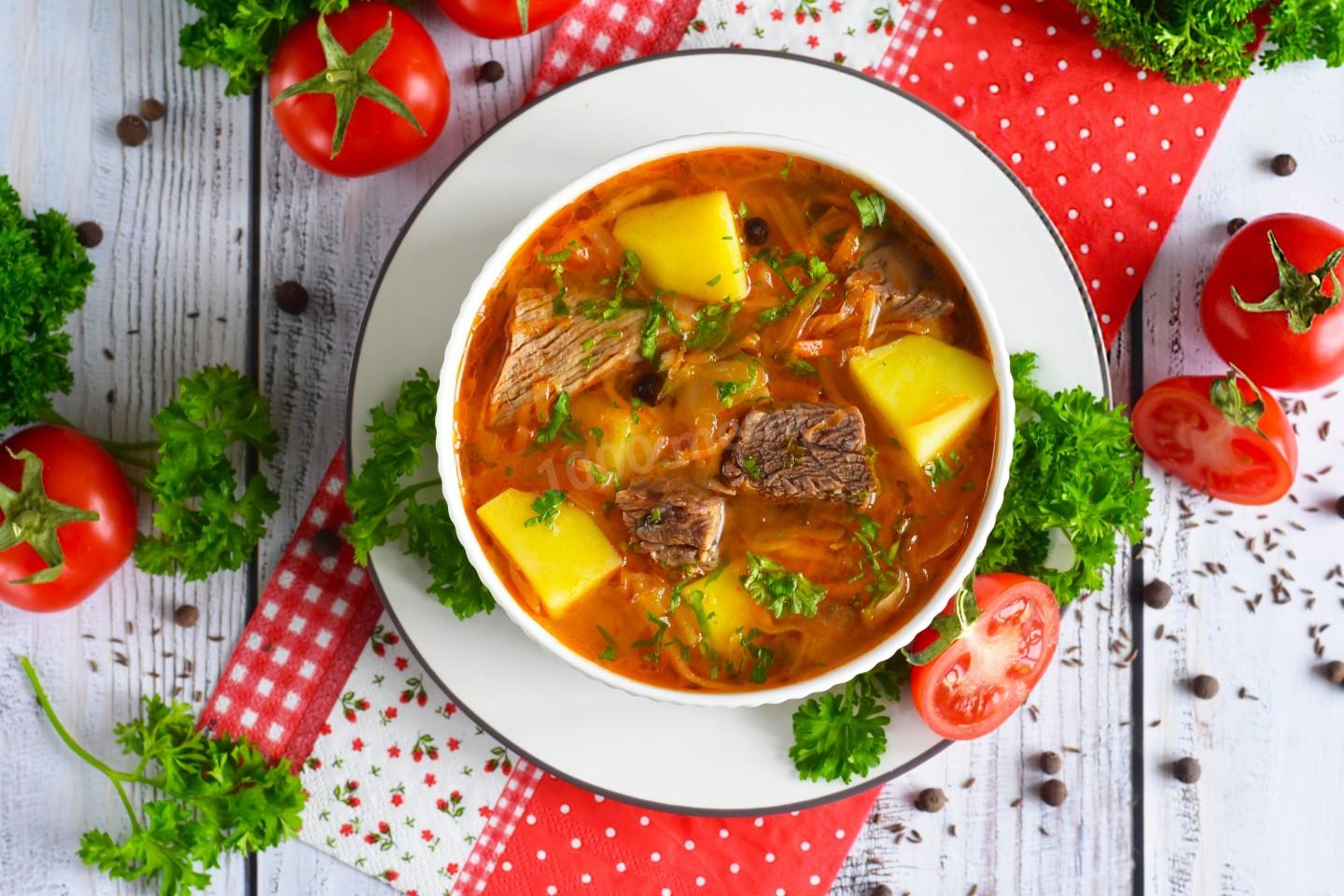
Cooking method
-
Step 1:
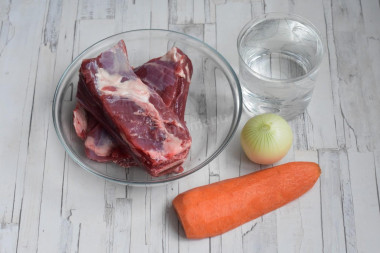
How do you make delicious sauerkraut shchi with meat? It takes some effort, but the result is truly worth it. Start by cooking the base broth. Use bone-in meat — it makes a richer-tasting broth.
-
Step 2:
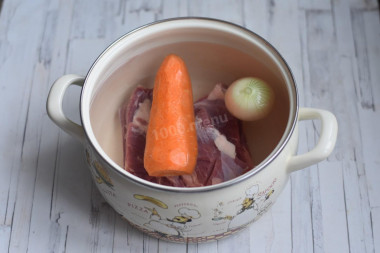
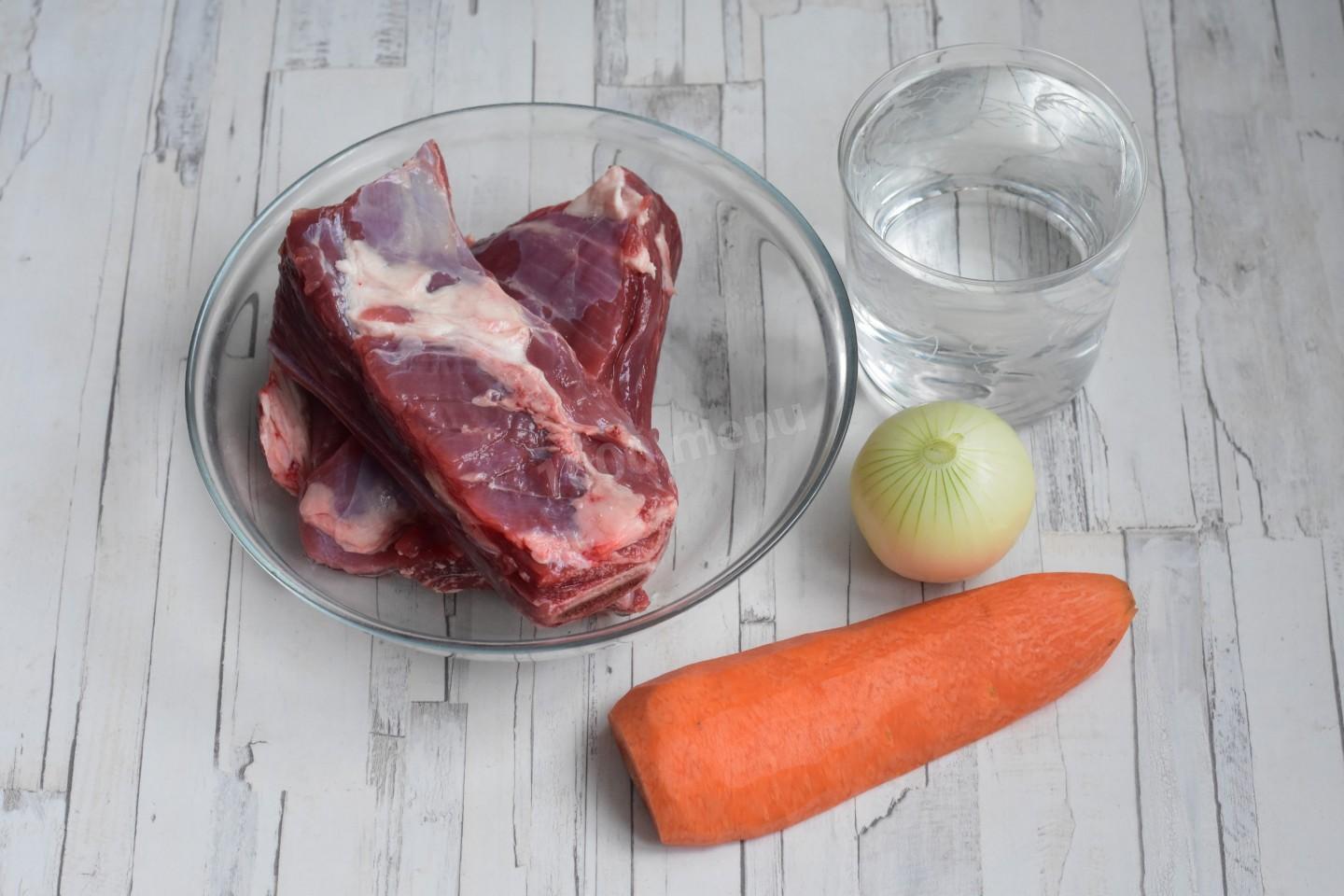
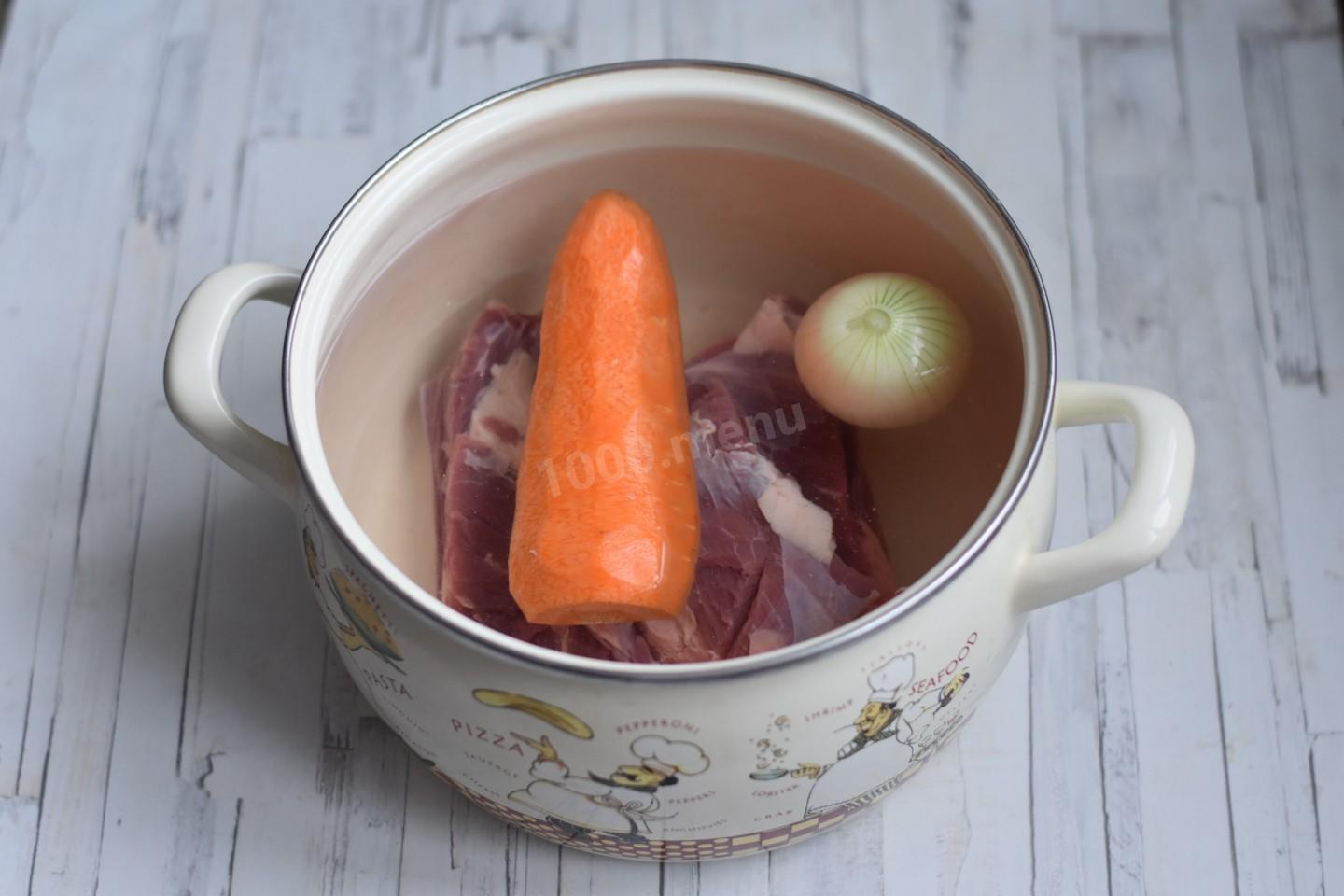
Put the meat, a peeled onion, and one carrot in a large pot. Add clean water. Set the pot over high heat, bring to a boil, then cook over medium heat for 1 1/2 hours, skimming off the foam. If you can add a parsley or celery root, the broth will be even more aromatic.
-
Step 3:
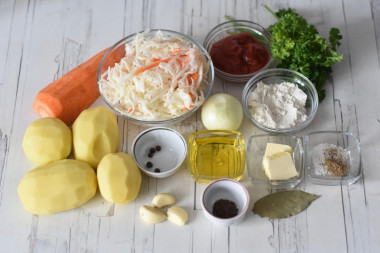
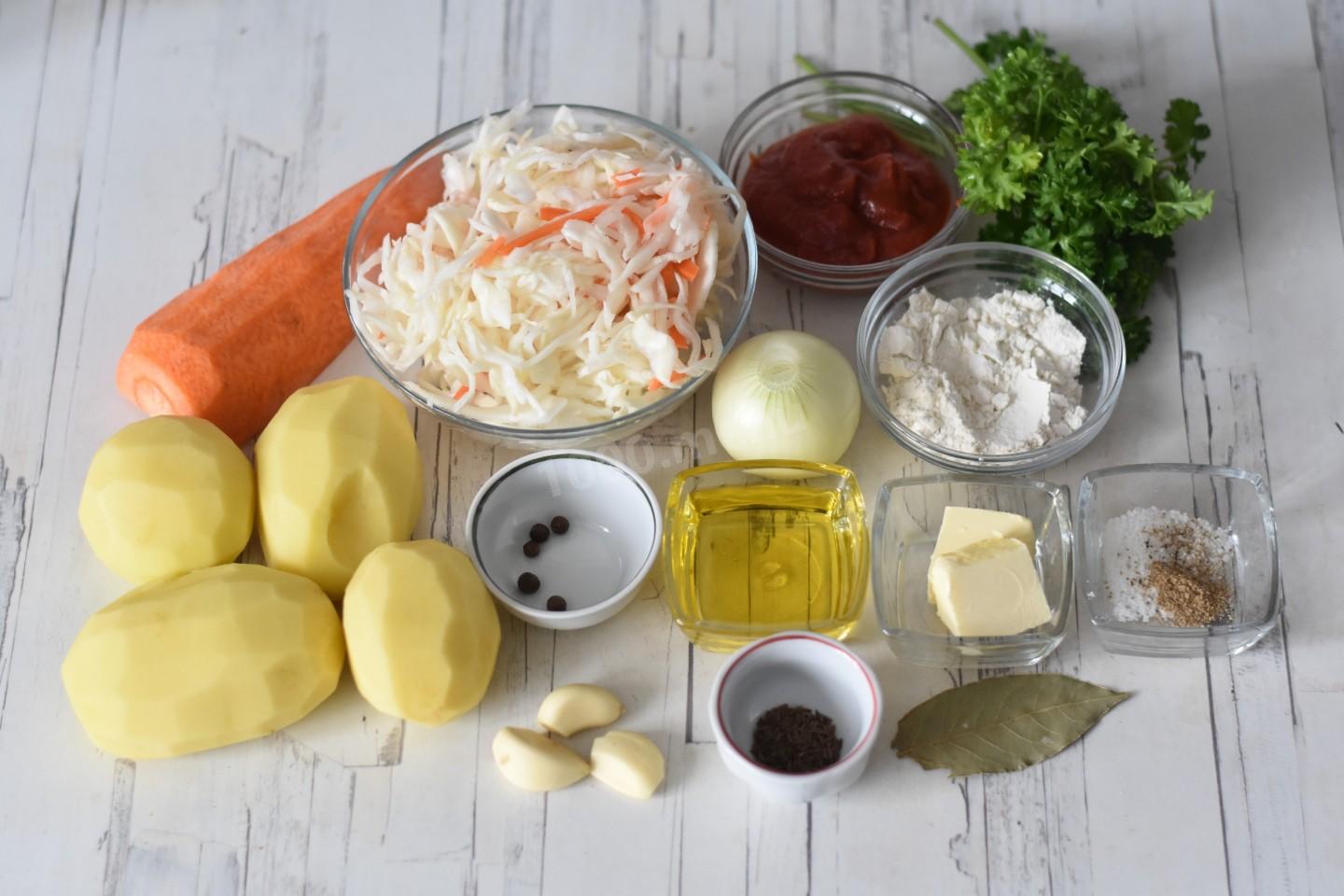
Now prep the rest of the ingredients. You can swap the sauerkraut for marinated cabbage.
-
Step 4:
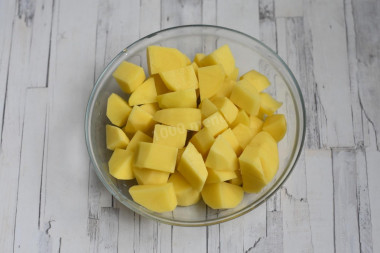
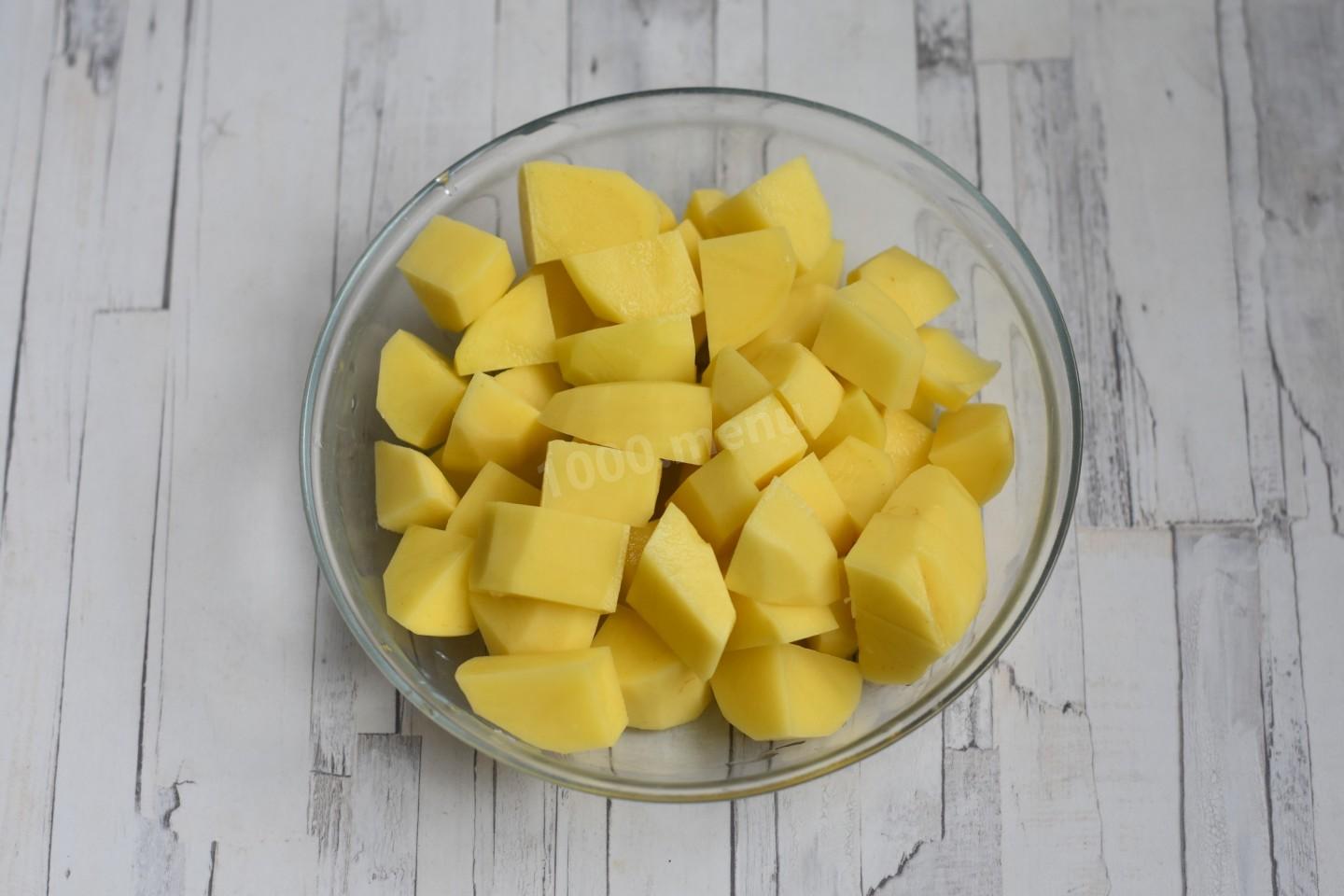
Peel the potatoes and cut them into small cubes.
-
Step 5:
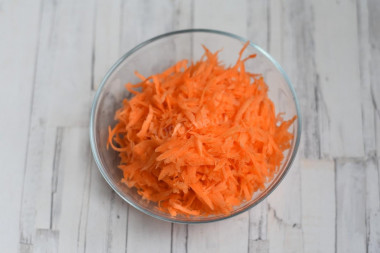
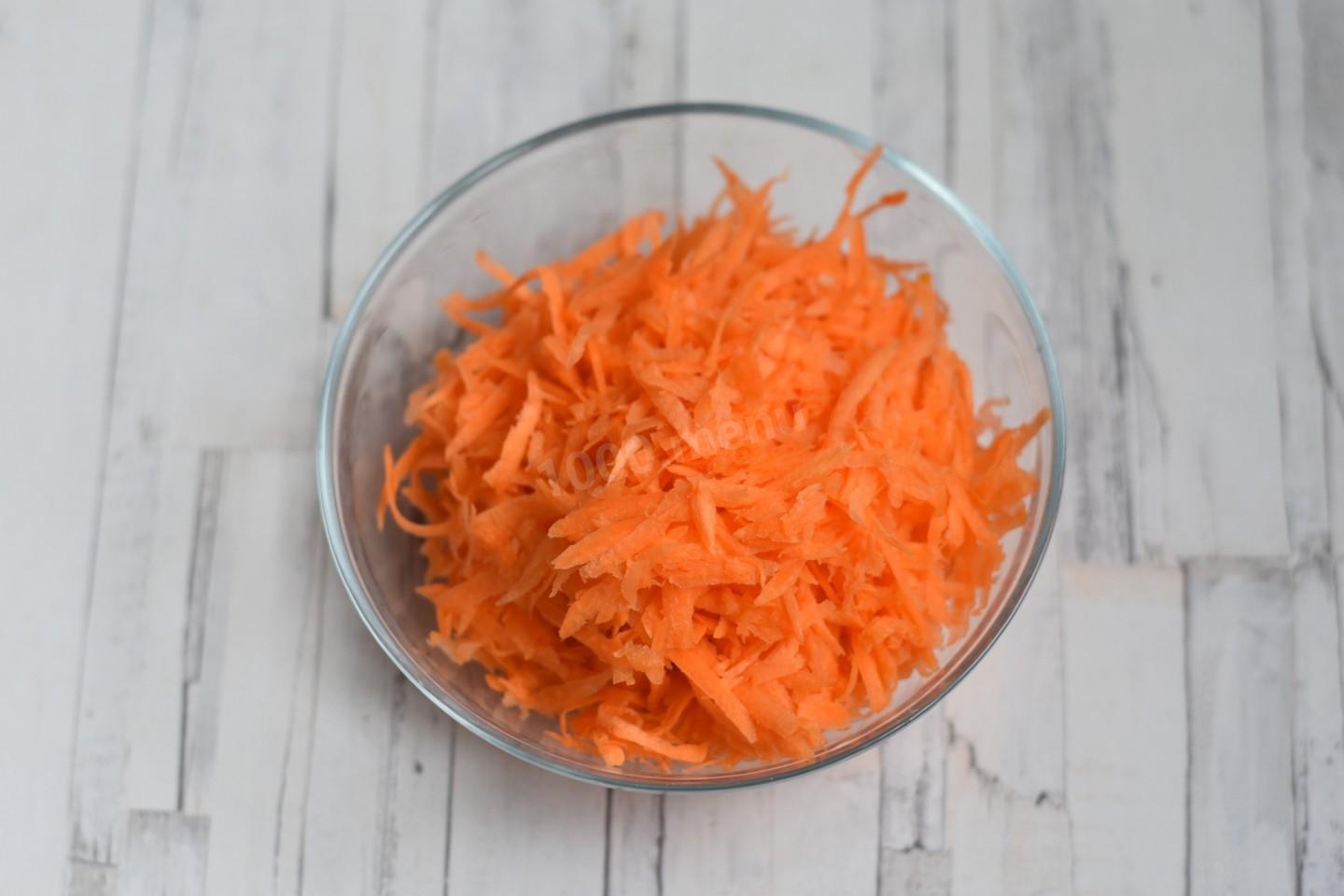
Peel the remaining carrot and grate it on the coarse side of a box grater.
-
Step 6:
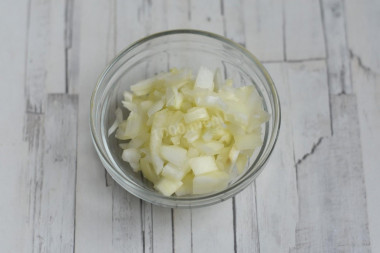
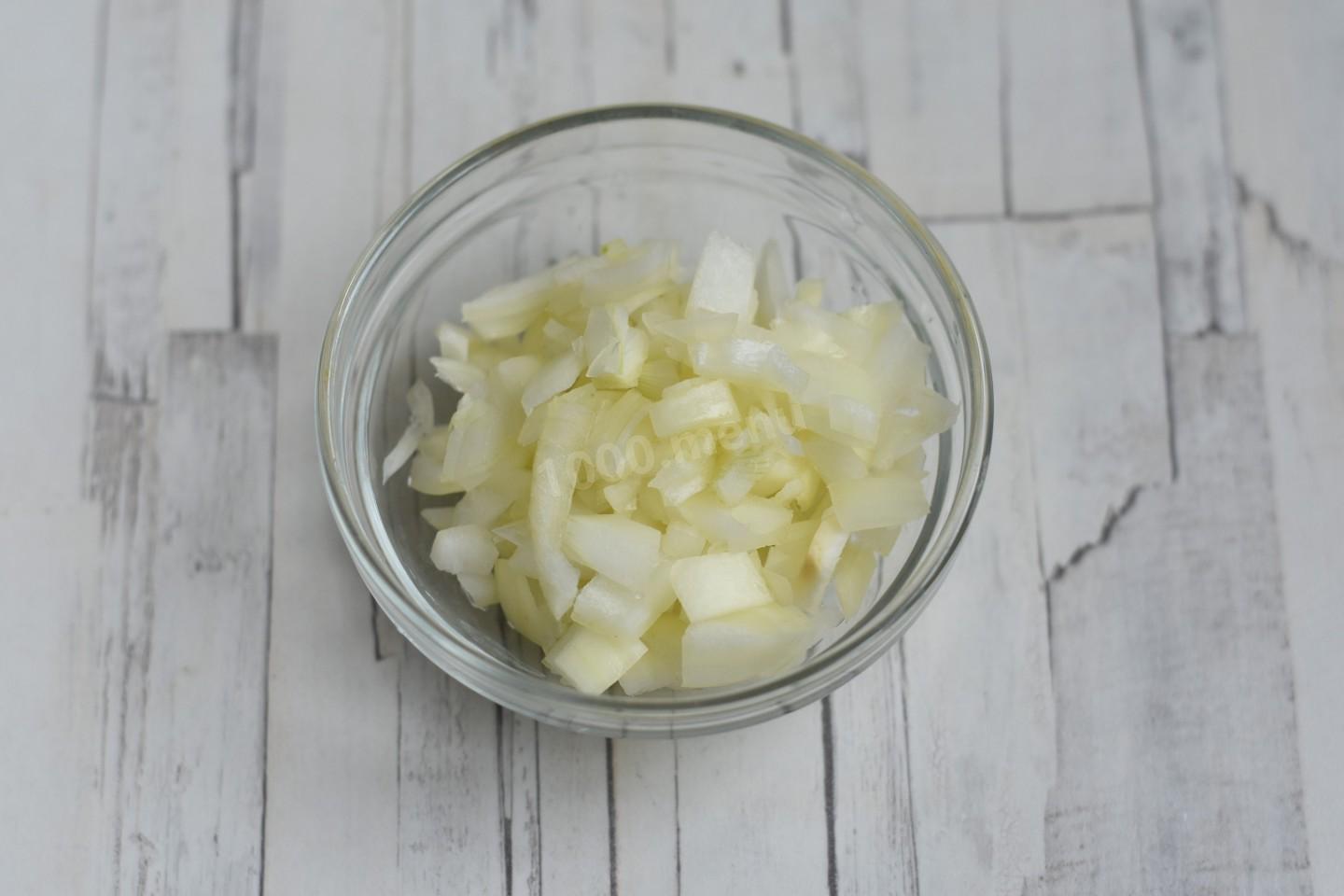
Cut the second onion into small cubes.
-
Step 7:
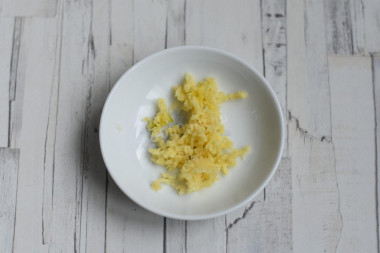
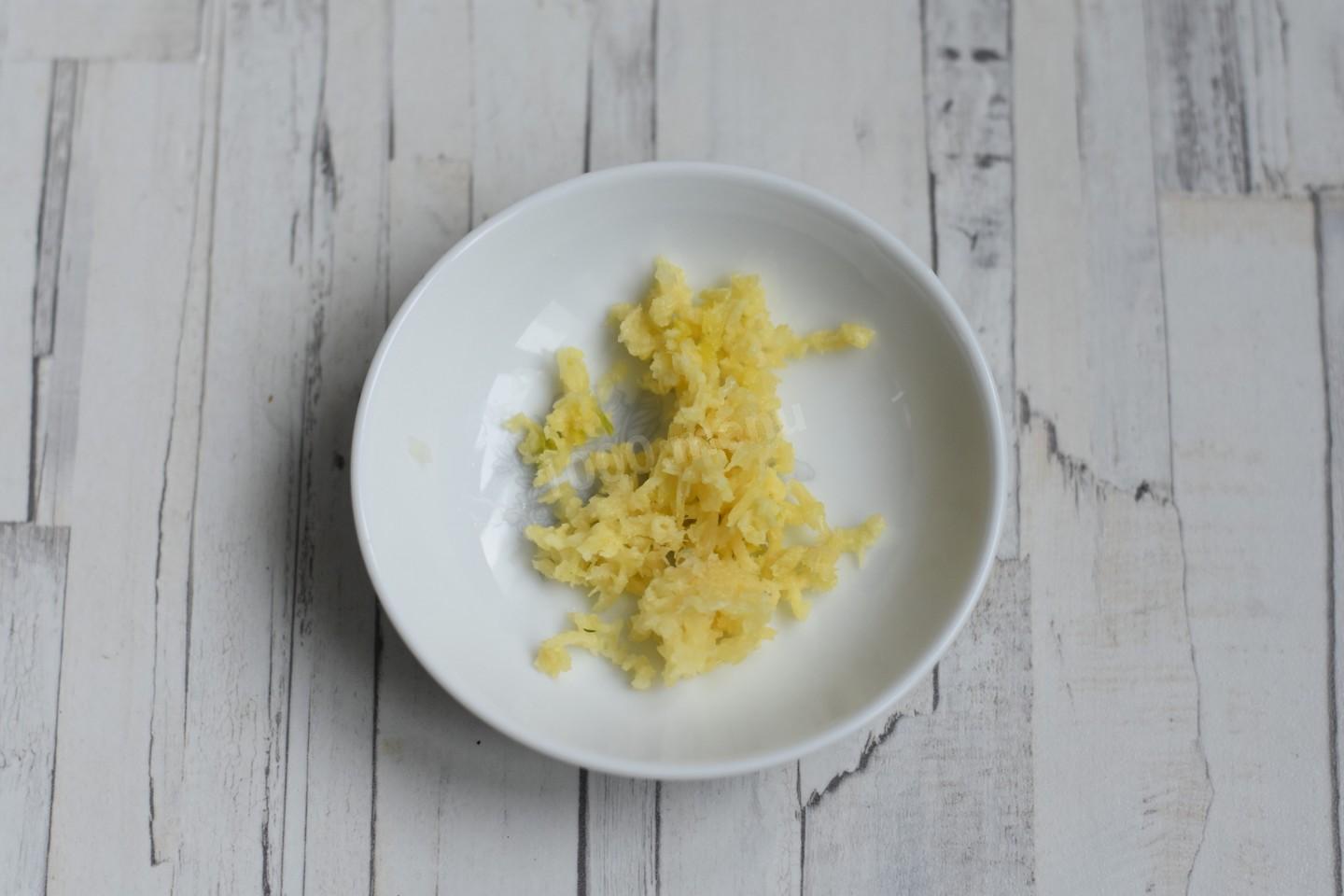
Peel the garlic and press it through a garlic press.
-
Step 8:
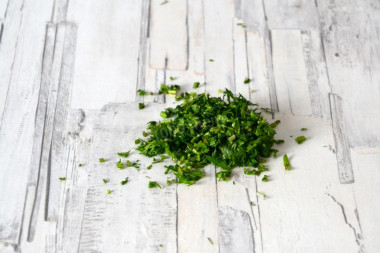
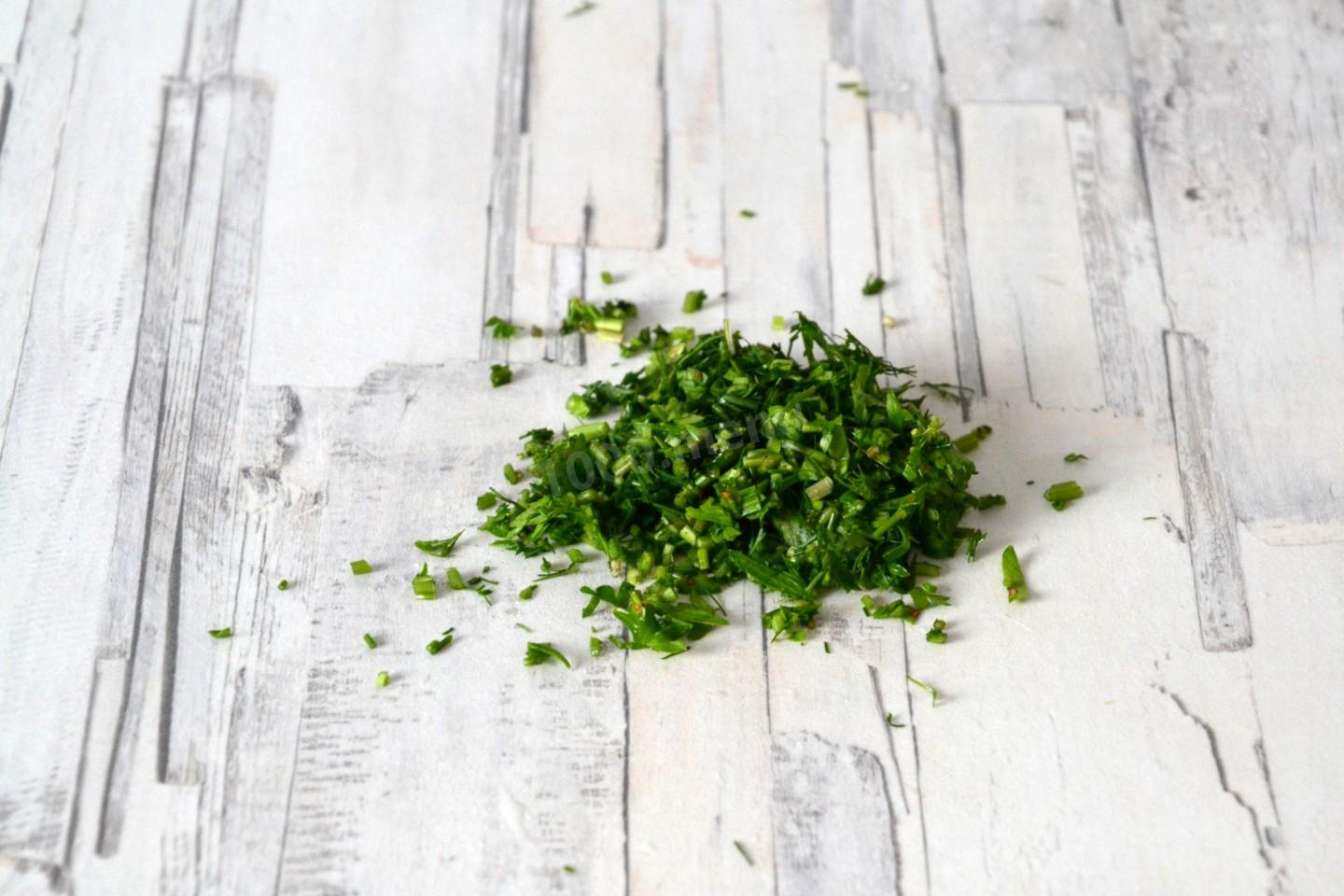
Wash, dry, and finely chop the dill and parsley. If you like, swap in or add other herbs — green onion, cilantro, or a mix.
-
Step 9:
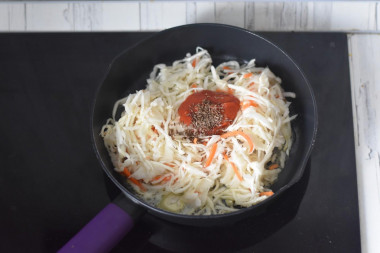
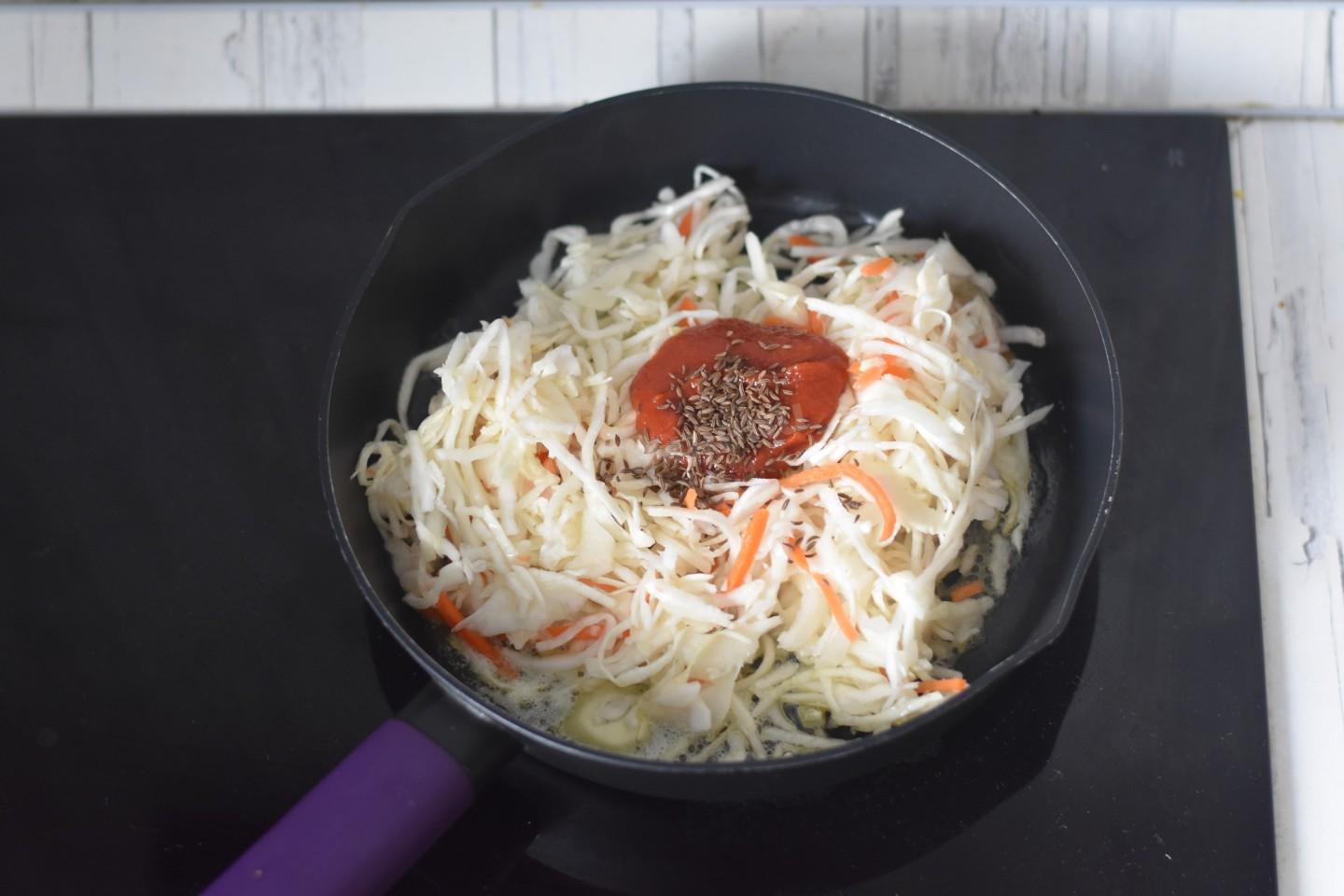
Melt half the butter in a skillet over low heat. Add the sauerkraut, 1 tablespoon of tomato paste, and the caraway seeds. Stir.
-
Step 10:
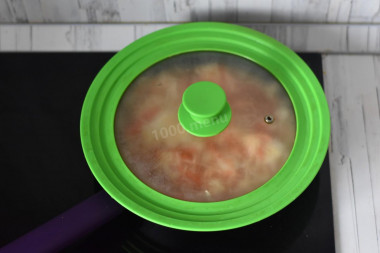
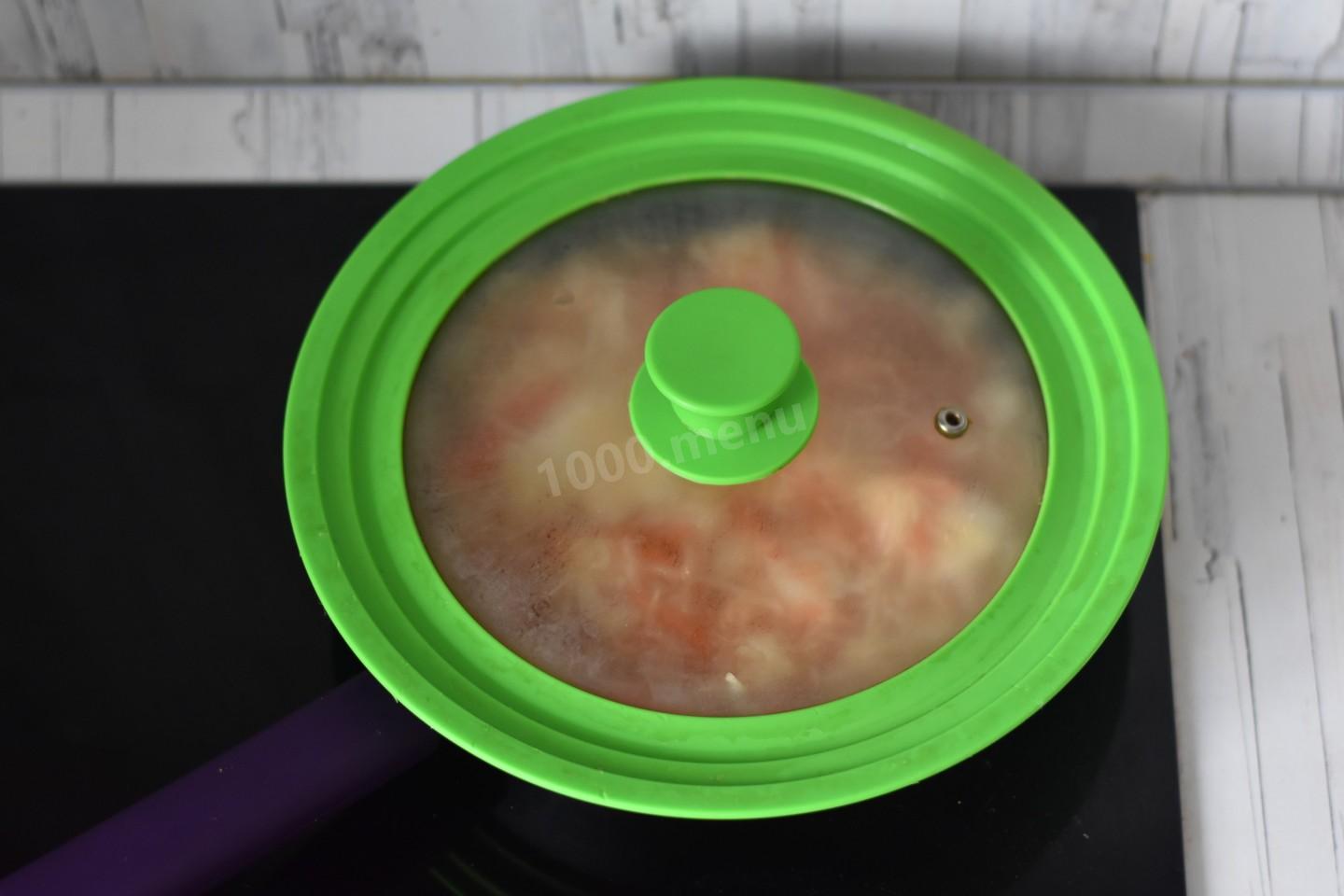
Cover and simmer for 30 minutes over low heat.
-
Step 11:
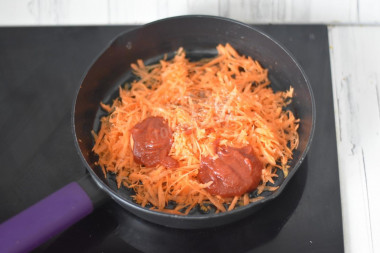
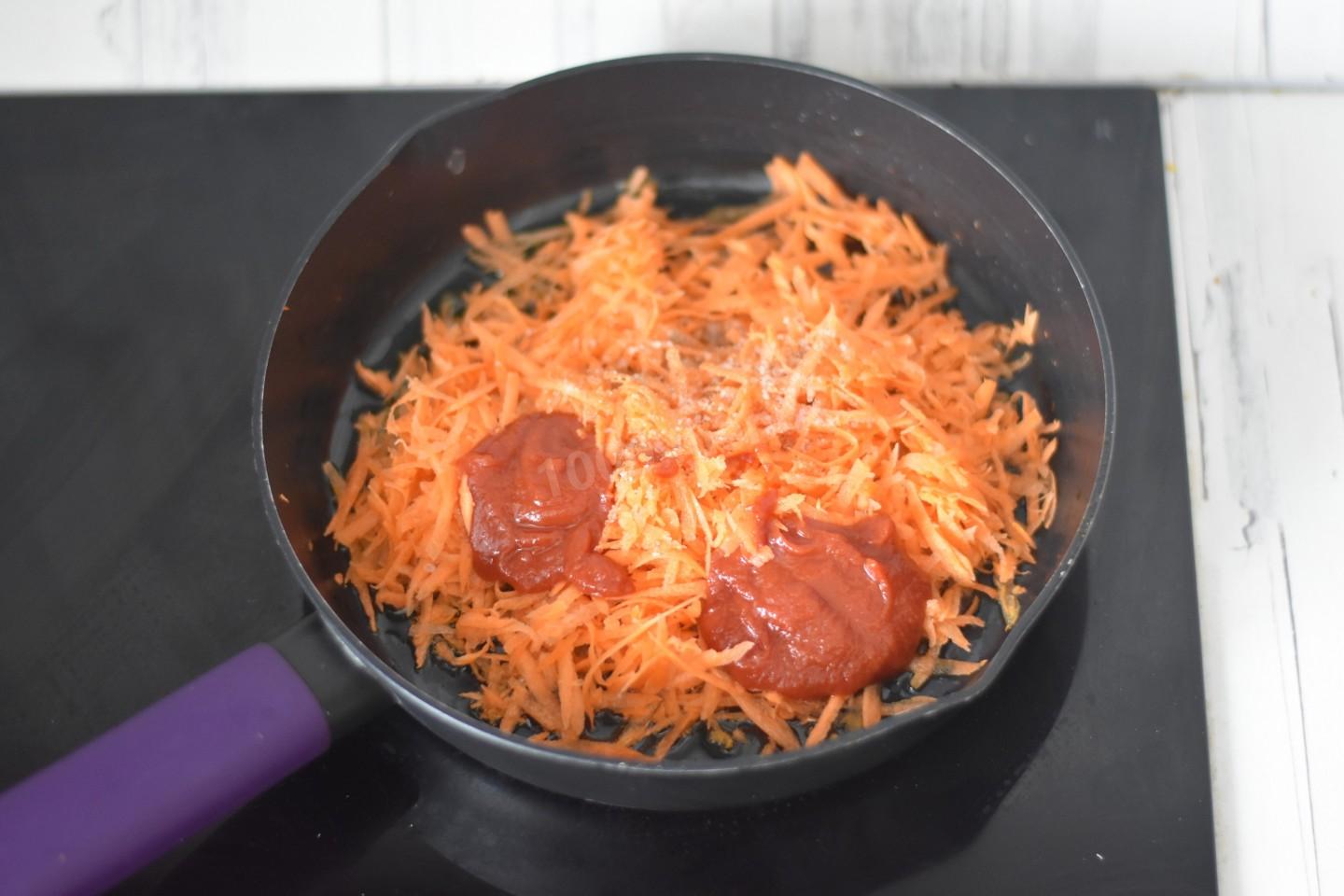
In another skillet, heat the vegetable oil and add the onion, carrot, the remaining tomato paste, salt, and pepper. Fry for 5 minutes.
-
Step 12:
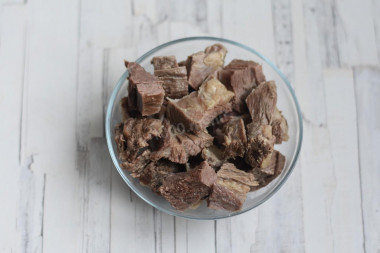
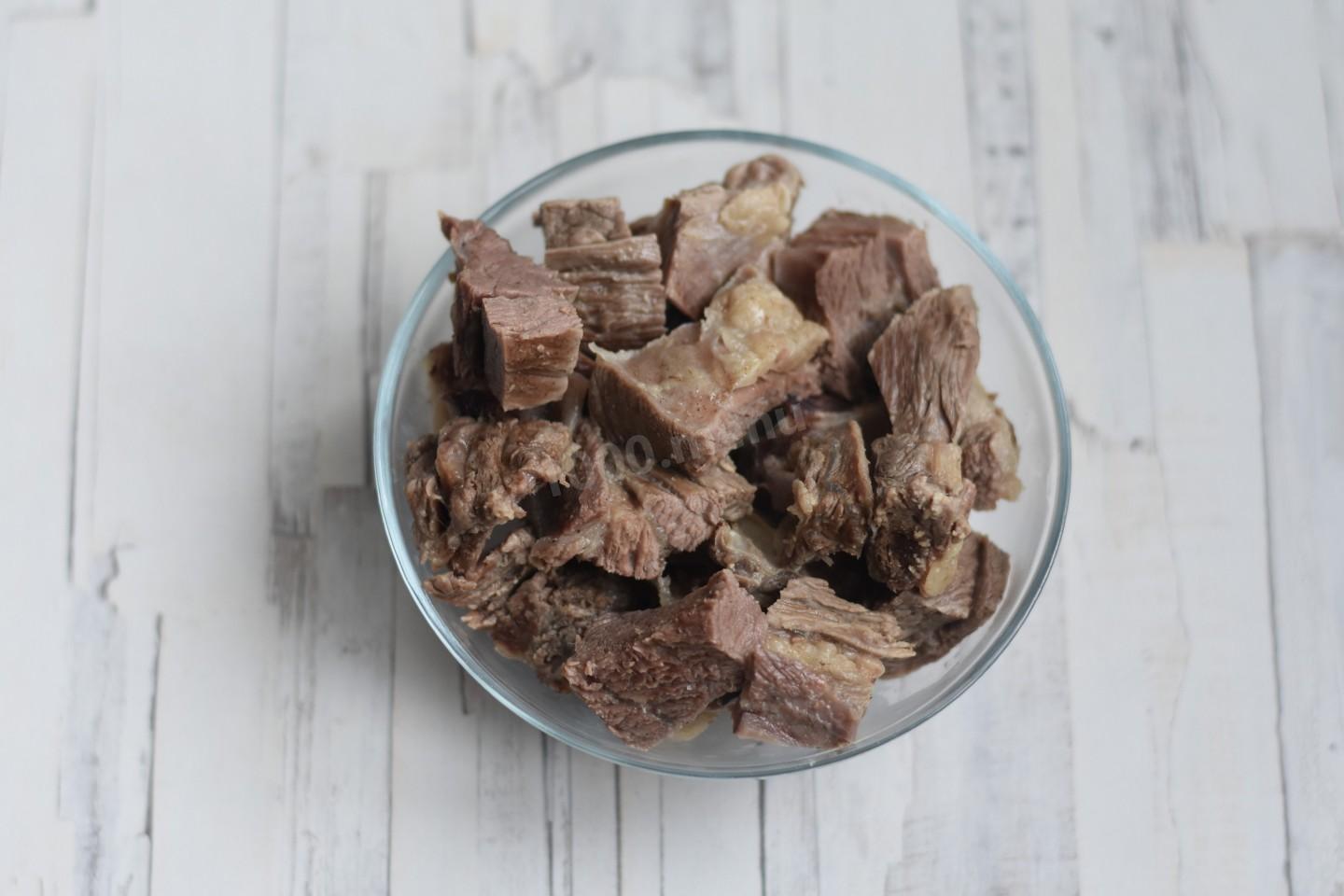
Lift the cooked meat out of the broth, take it off the bone, and cut it into pieces.
-
Step 13:
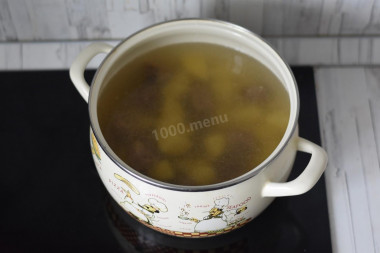
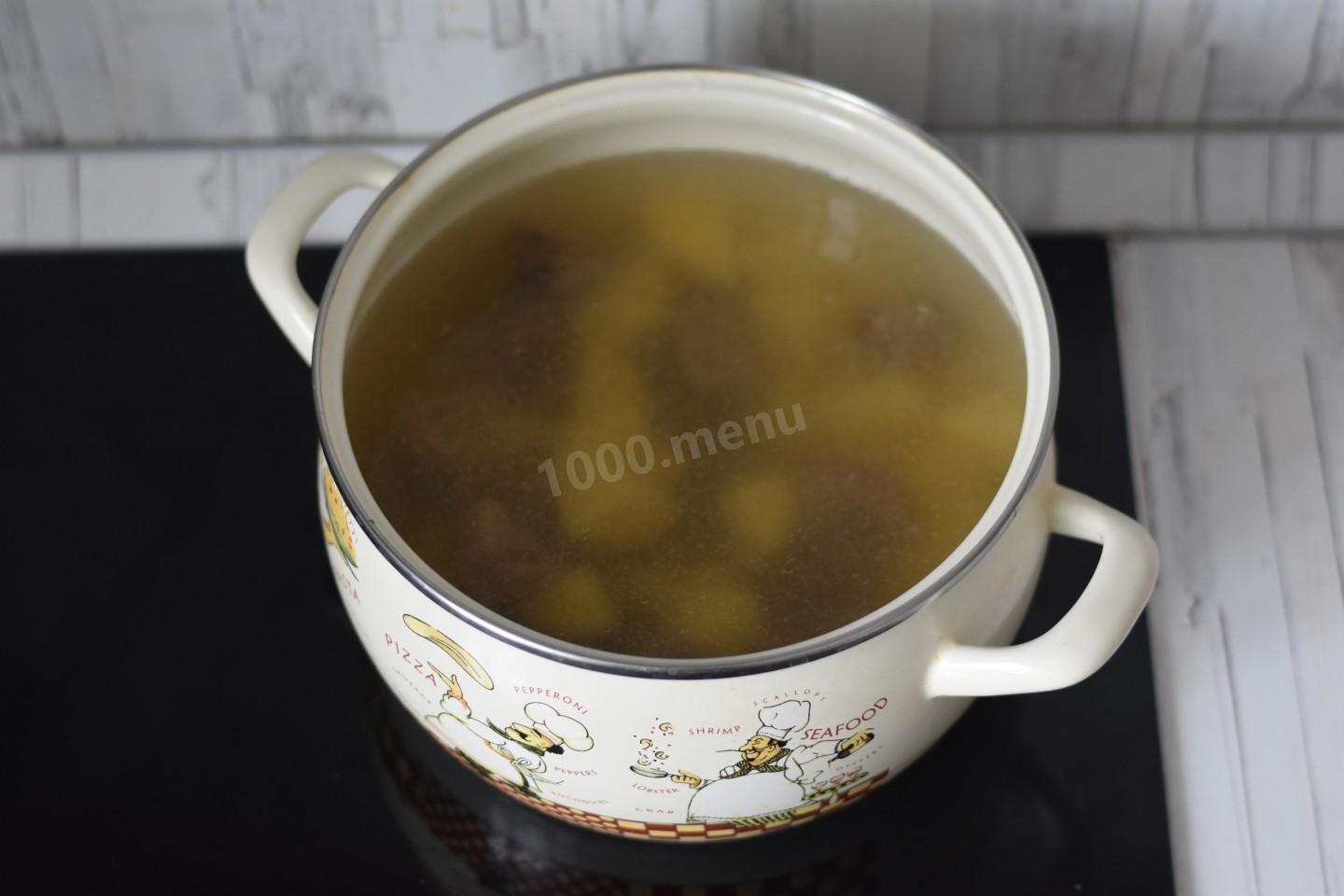
Strain the broth and return it to the heat. Add the chopped meat and the potatoes and cook for 10 minutes.
-
Step 14:
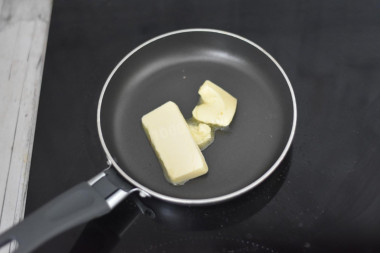
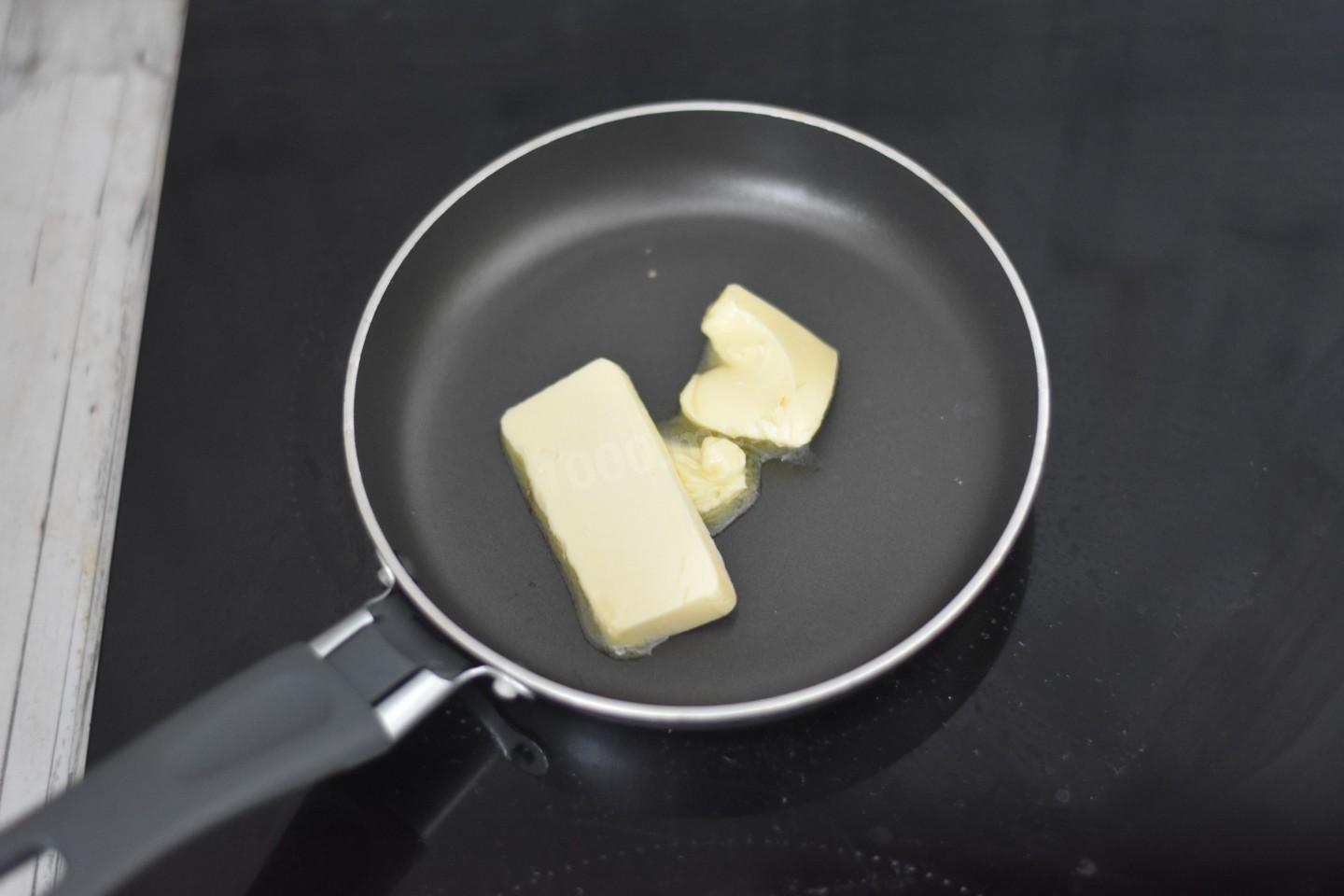
Melt the remaining butter in a skillet.
-
Step 15:
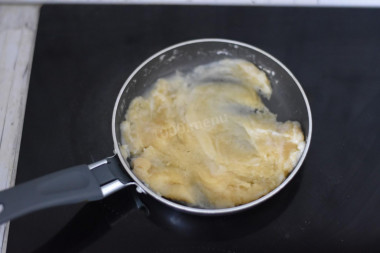
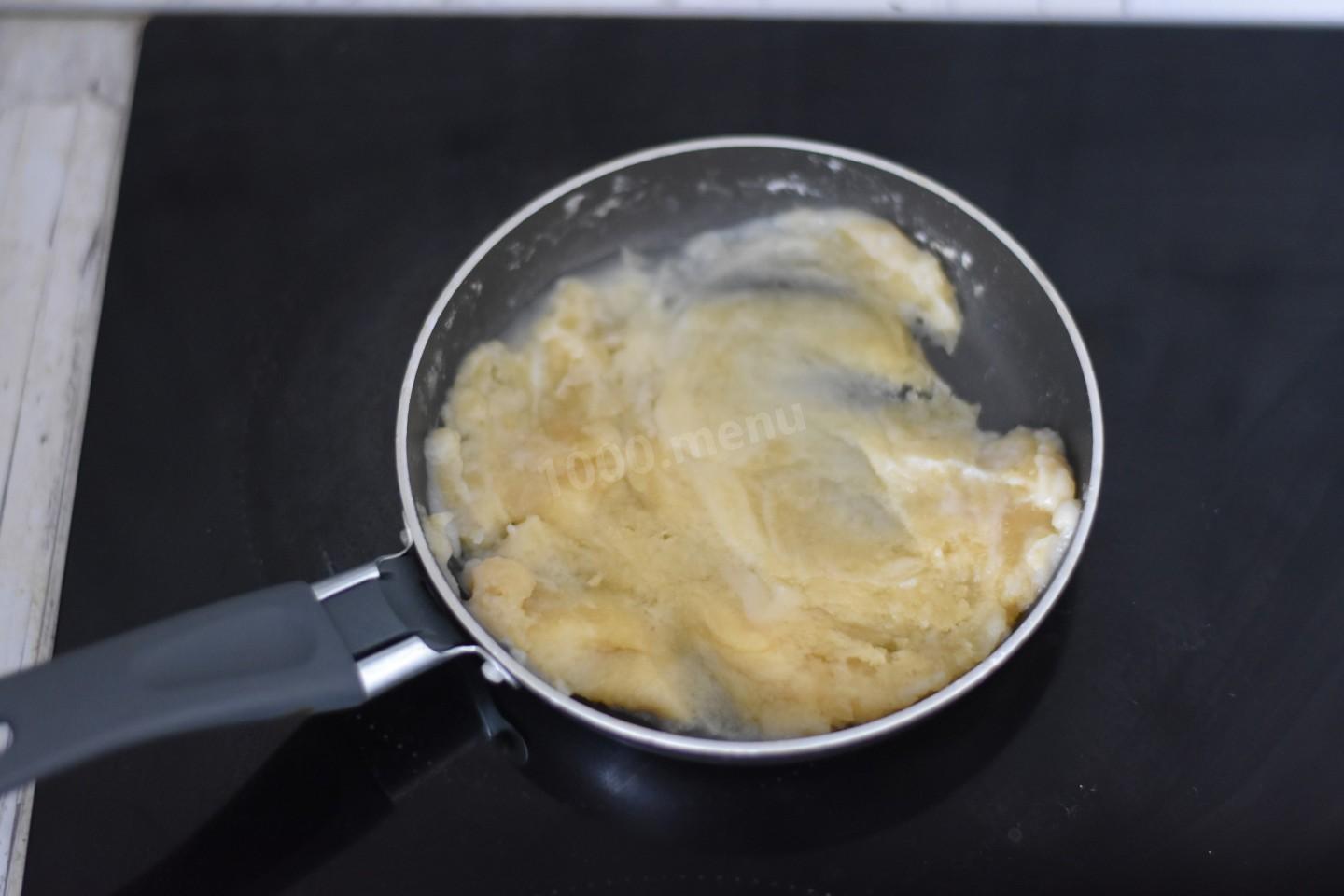
Add the flour and fry, stirring, until golden. If you prefer, you can skip steps 14–15 and leave the flour out. But the soup came out tastier and thicker with it.
-
Step 16:
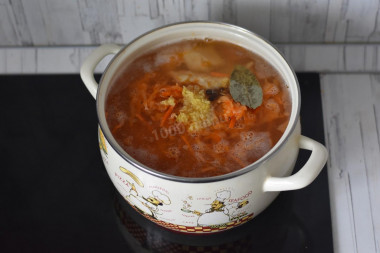
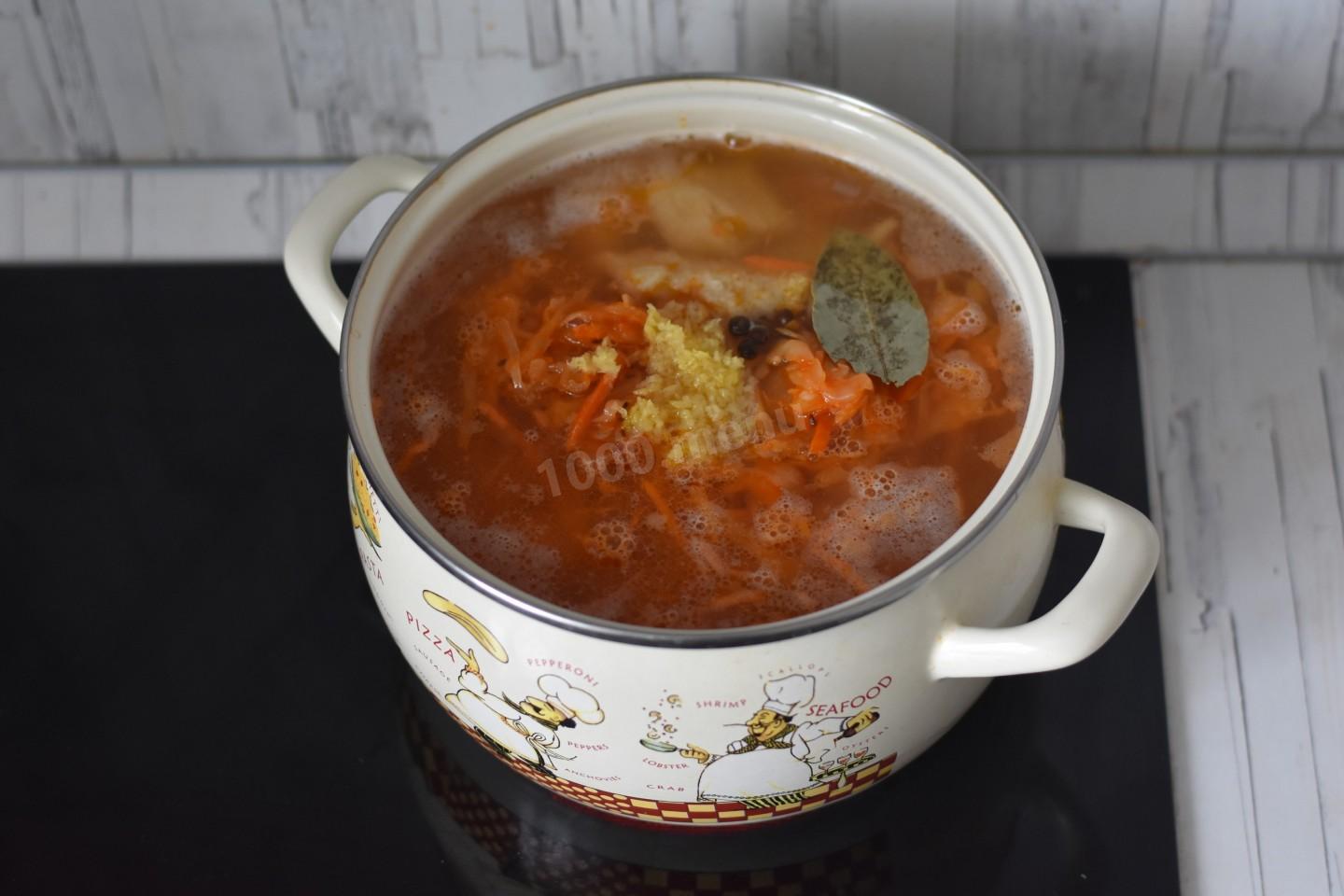
Add the fried onion and carrot, the braised sauerkraut, the browned flour, the pressed garlic, the bay leaf, and the allspice to the pot. Stir everything together — the flour should fully blend into the soup. Bring to a boil and cook for 6–8 minutes.
-
Step 17:
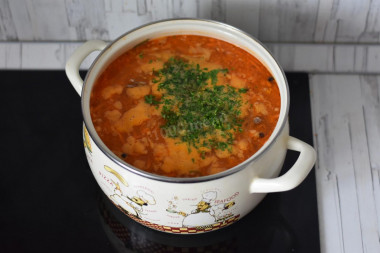
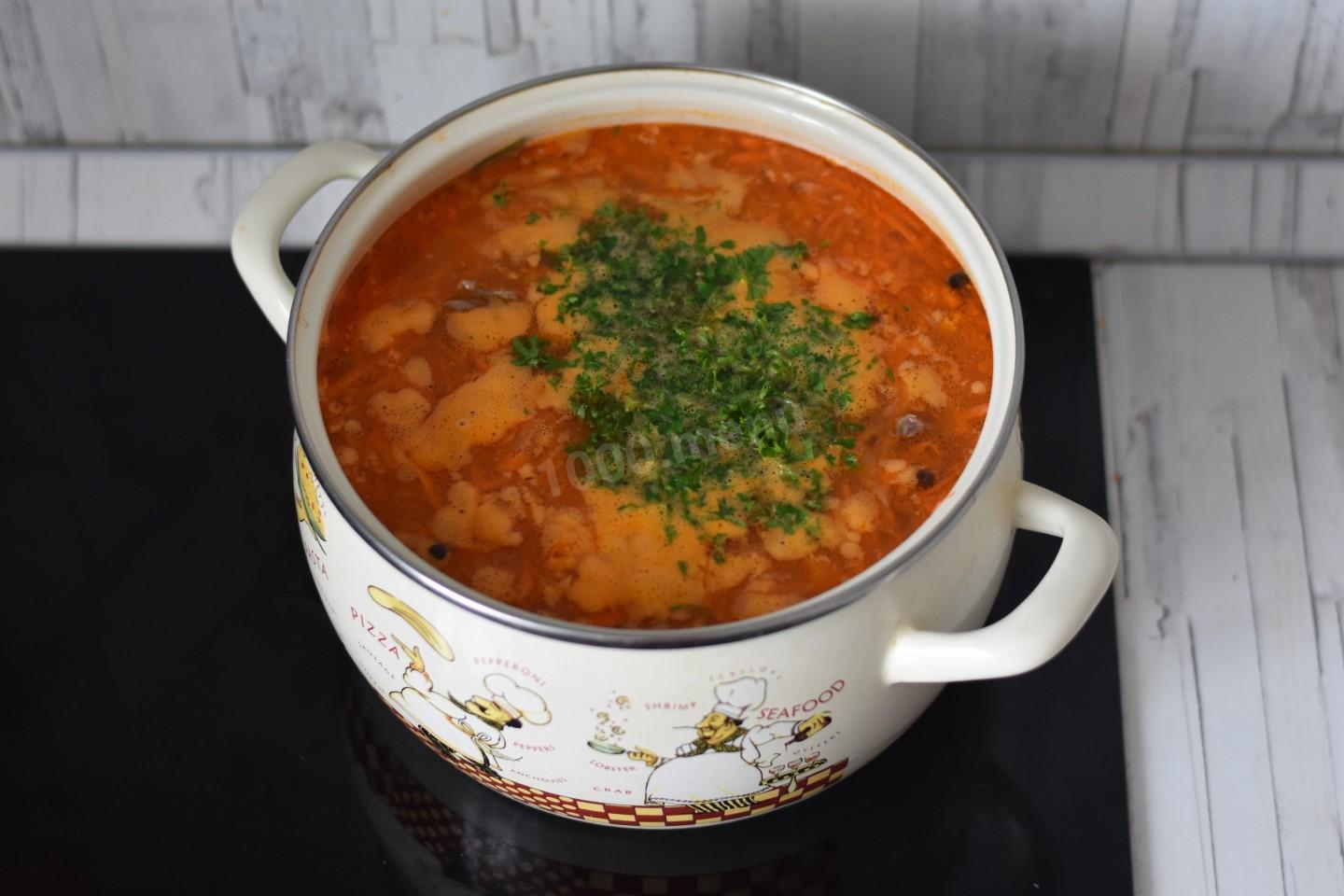
At the end, stir in the chopped herbs.
-
Step 18:
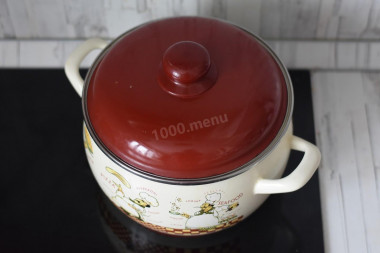
Take the finished shchi off the heat and let it rest, covered, for 20–30 minutes. Enjoy!
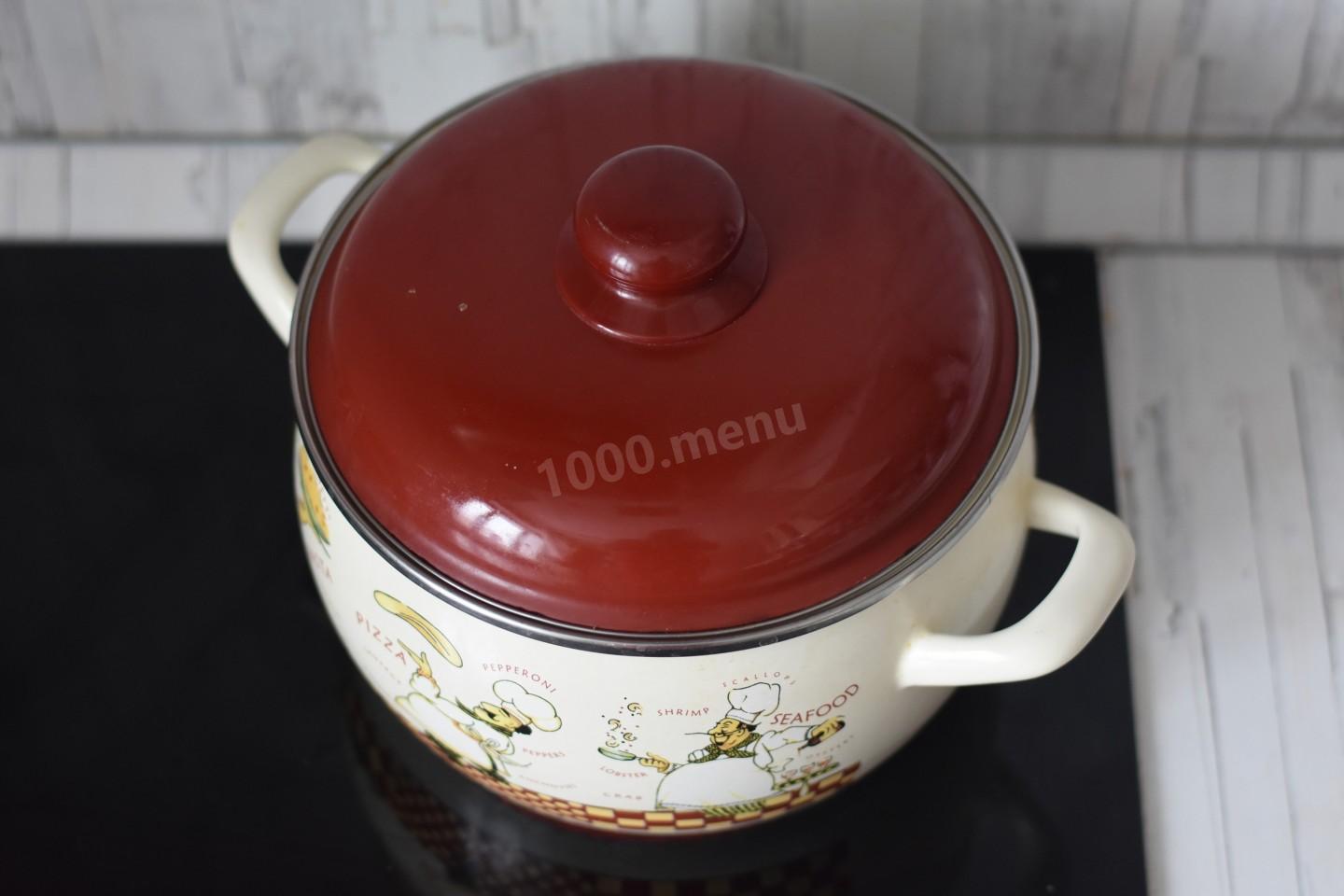
- Important! Whether or not the recipe gives an exact amount of water, it's best to go by your own preference (thick or thinner soup), the size of your pot, and the ingredients you're using. Keep in mind that the author has their own idea of how much meat, potato, grain, and other ingredients belong in the soup, and it may not match yours. In practice, if you're cooking for the first time, don't make a whole pot at once. Make a tasting batch for one or two people: scale all the ingredients down to 1–2 servings and figure the water at roughly one cup per serving for a very thick soup, up to 1 1/2–2 cups for a thinner one. Remember that some liquid boils off as it cooks. After tasting a small batch, you can adjust both the amount of liquid and the proportions to your taste. Before long, like most experienced cooks, you'll be adding water and ingredients by eye.
- Because everyone's sense of salty, sweet, bitter, spicy, sour, and hot is different, always add spices and seasonings to your own taste! If you're using a seasoning for the first time, remember that some are especially easy to overdo (chili pepper, for example).
Caloric content of the products possible in the composition of the dish
- Onion - 41 kcal/100g
- Ripe potatoes - 80 kcal/100g
- Baked potatoes - 70 kcal/100g
- Mashed potatoes - 380 kcal/100g
- Boiled potatoes - 82 kcal/100g
- Potatoes in uniform - 74 kcal/100g
- Fried potatoes - 192 kcal/100g
- Melted beef fat - 871 kcal/100g
- Fat beef - 171 kcal/100g
- Lean beef - 158 kcal/100g
- Beef brisket - 217 kcal/100g
- Beef - okovalok - 380 kcal/100g
- Beef - lean roast - 200 kcal/100g
- Beef shoulder - 137 kcal/100g
- Beef - ribs - 233 kcal/100g
- Beef - ham - 104 kcal/100g
- Beef - tail - 184 kcal/100g
- Boiled ham - 269 kcal/100g
- Beef corned beef - 216 kcal/100g
- Carrots - 33 kcal/100g
- Dried carrots - 275 kcal/100g
- Boiled carrots - 25 kcal/100g
- Garlic - 143 kcal/100g
- Bay leaf - 313 kcal/100g
- Dill greens - 38 kcal/100g
- Whole durum wheat flour fortified - 333 kcal/100g
- Whole durum wheat flour, universal - 364 kcal/100g
- Flour krupchatka - 348 kcal/100g
- Flour - 325 kcal/100g
- Cumin - 333 kcal/100g
- Butter 82% - 734 kcal/100g
- Amateur unsalted butter - 709 kcal/100g
- Unsalted peasant butter - 661 kcal/100g
- Peasant salted butter - 652 kcal/100g
- Melted butter - 869 kcal/100g
- Vegetable oil - 873 kcal/100g
- Tomato paste - 28 kcal/100g
- Sauerkraut - 19 kcal/100g
- Salt - 0 kcal/100g
- Water - 0 kcal/100g
- Allspice - 263 kcal/100g
Similar recipes


- National cuisine
- Soups
- Meat and meat products
- Vegetables
- Flour
- Spices seasonings spices
- Fats and oils
- Other
- Garlic
- Bay leaf
- Pepper
- Salt
- Cumin
- Dill
- Vegetable oil
- Butter
- Water
- Tomato paste
- Russian cuisine
- Cooking
- Shchi soup
- Meat soup
- Cabbage soup
- Tomato soup
- Potato soup
- Thick soup
- Beef
- From carrots
- From potatoes
- From cabbage
- From onion
- No eggs