Sour Pickles for Winter in Jars Without Vinegar
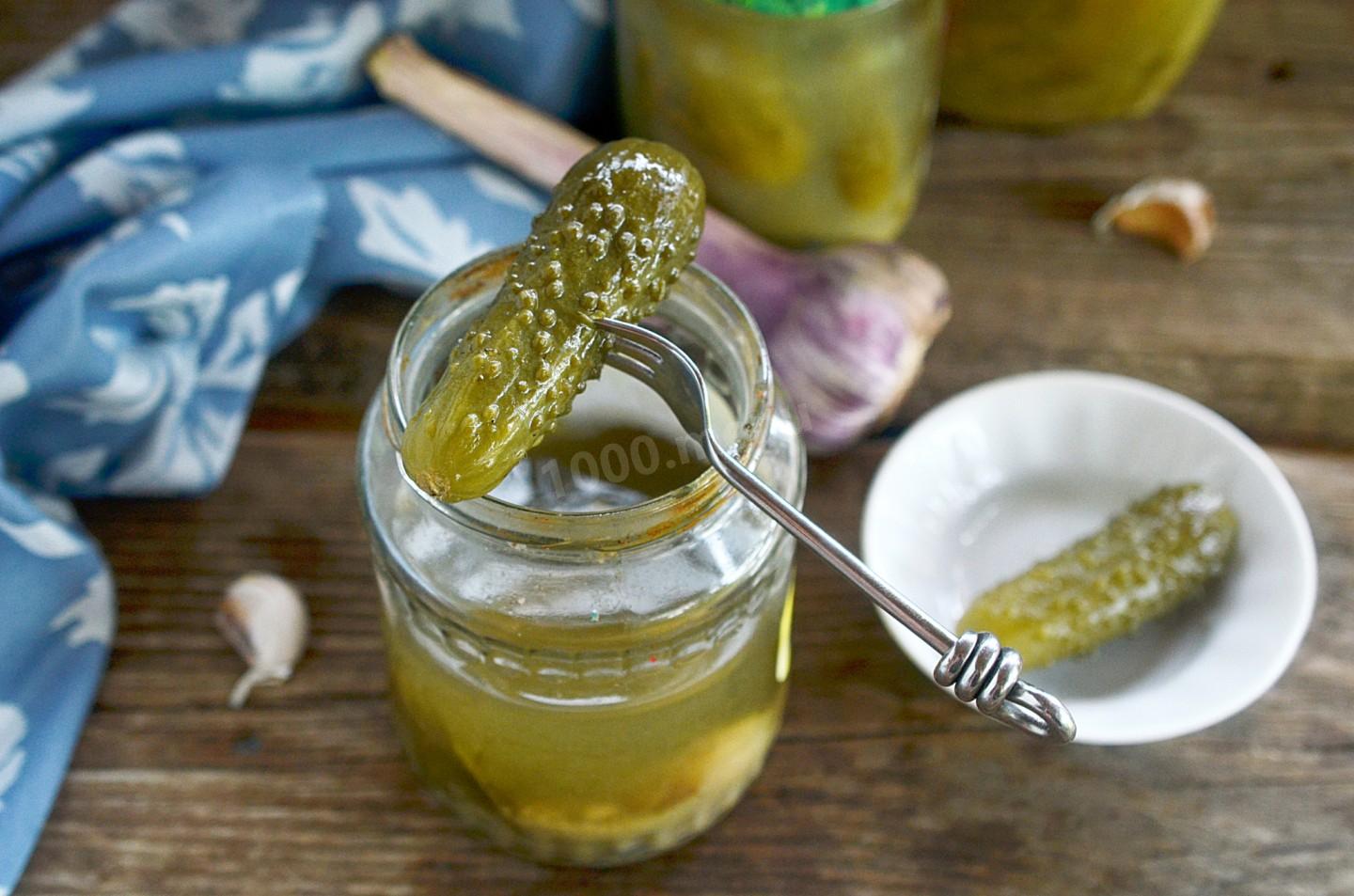
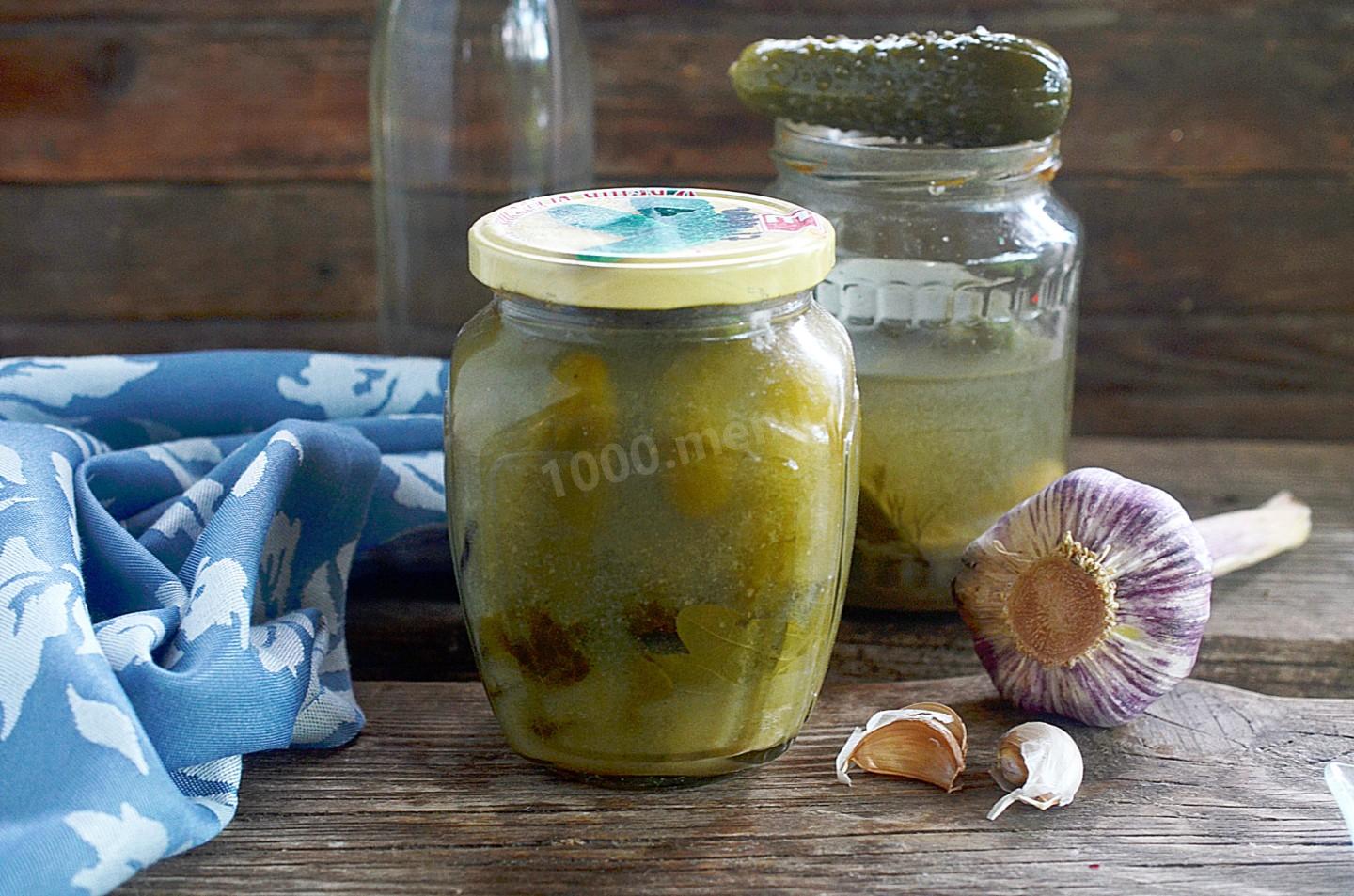
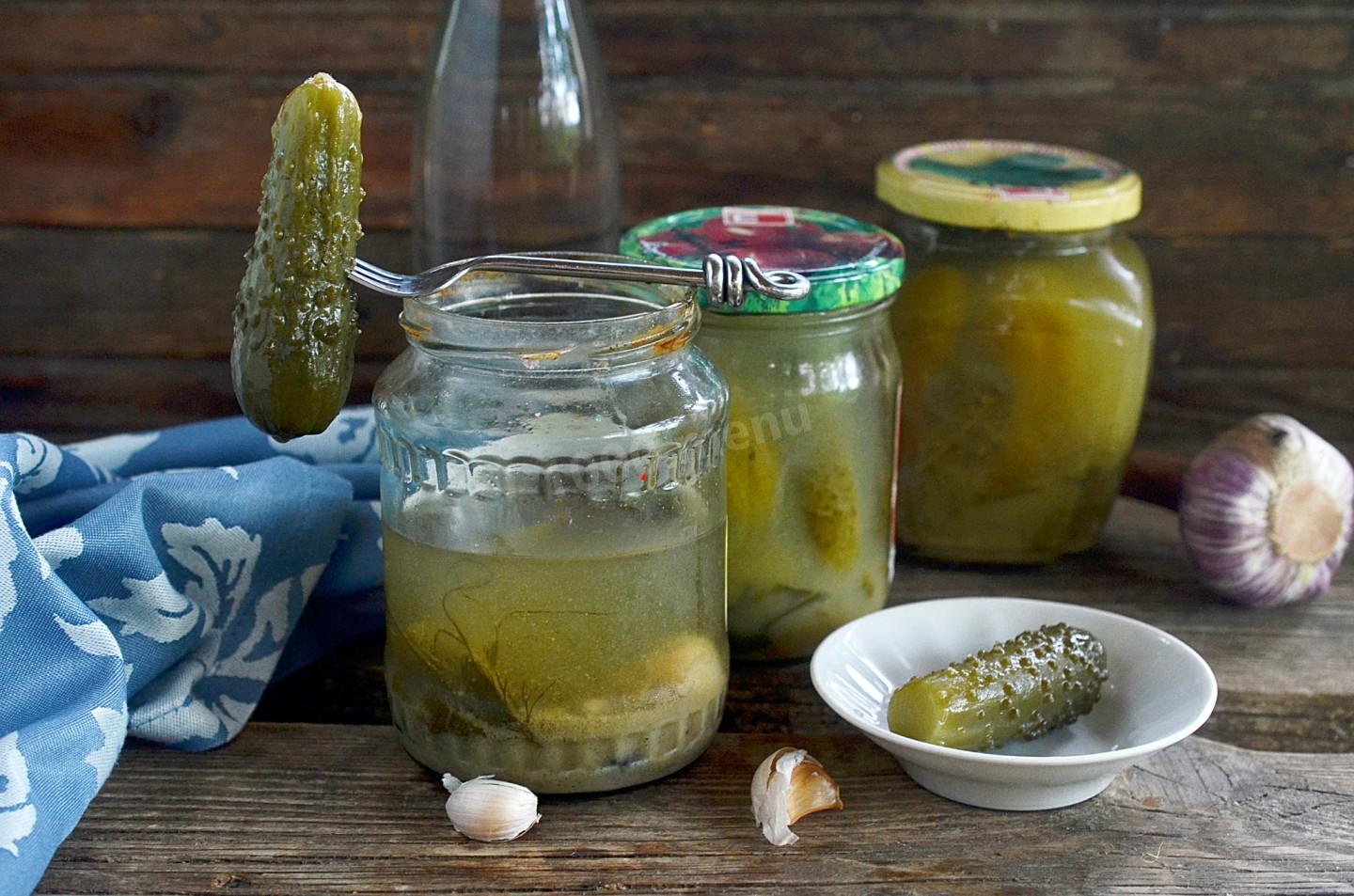
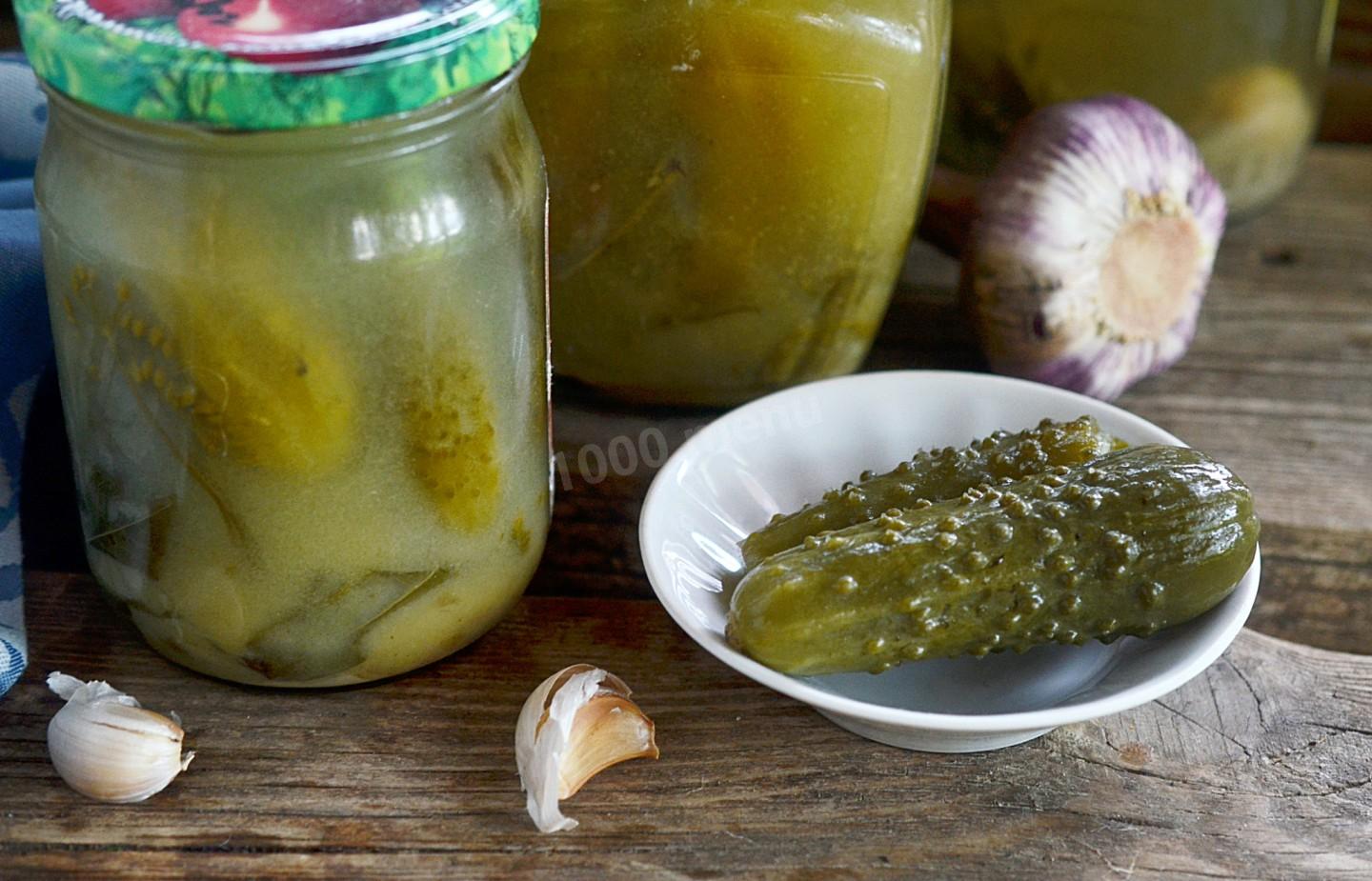
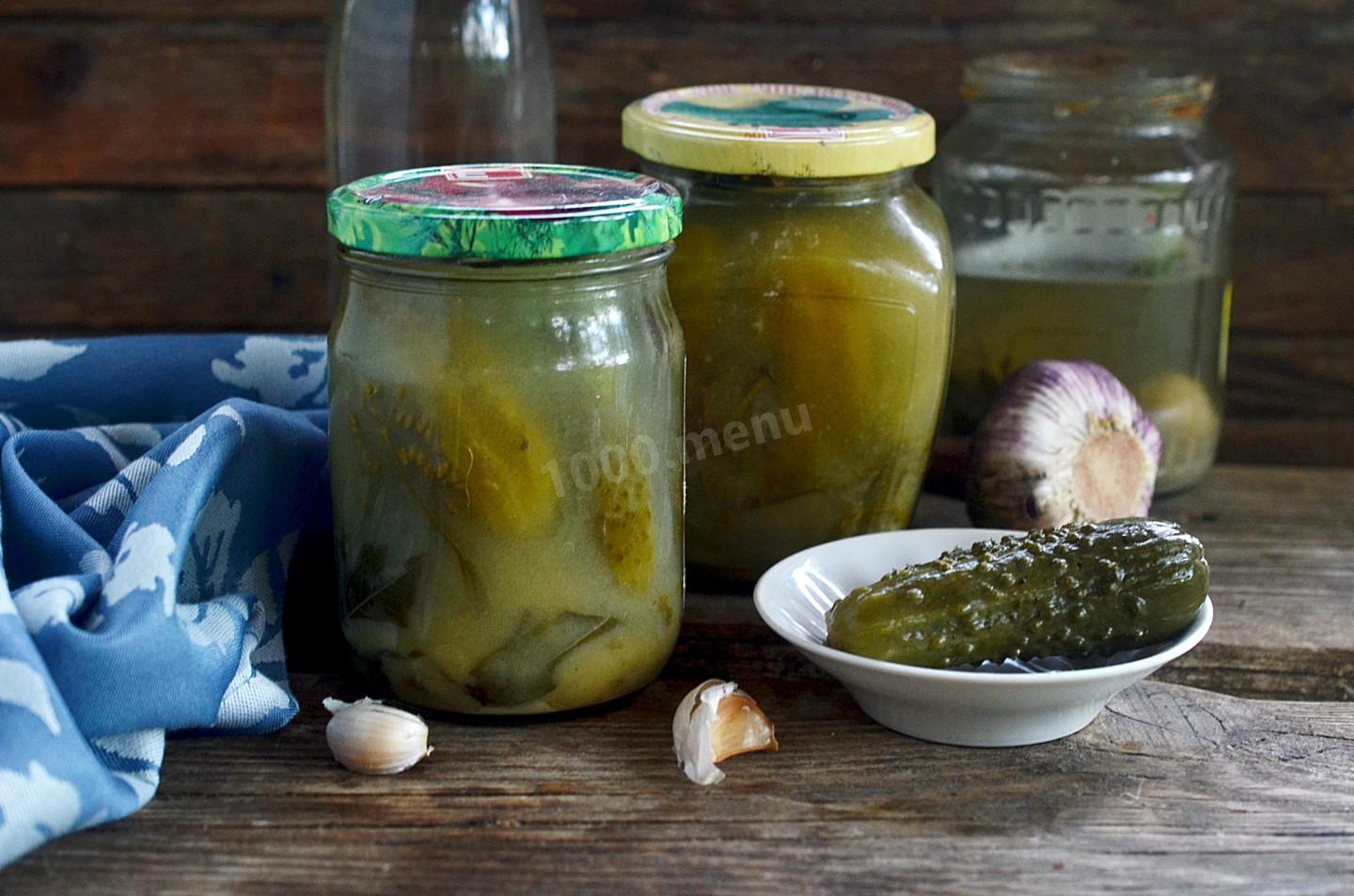
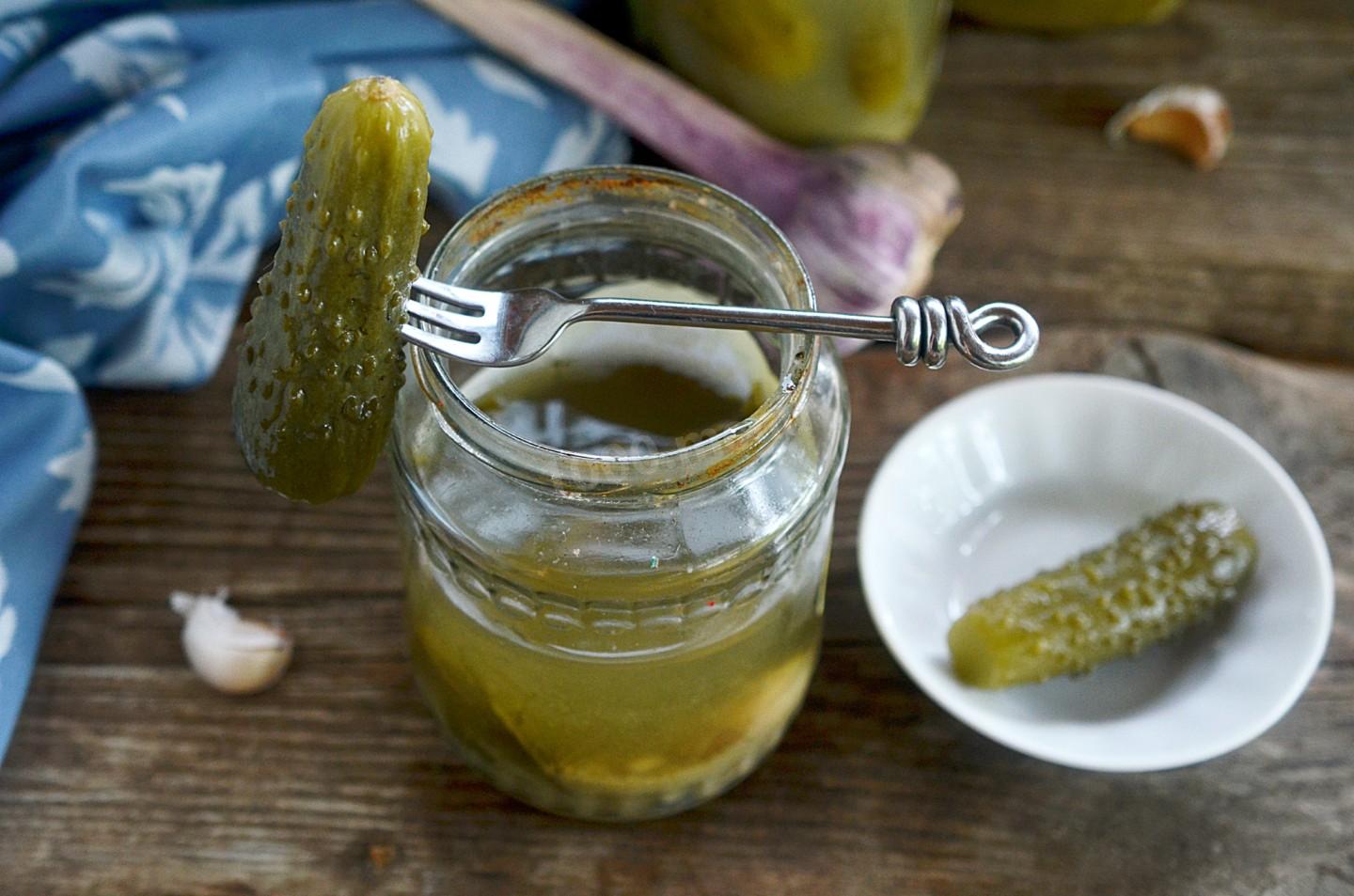
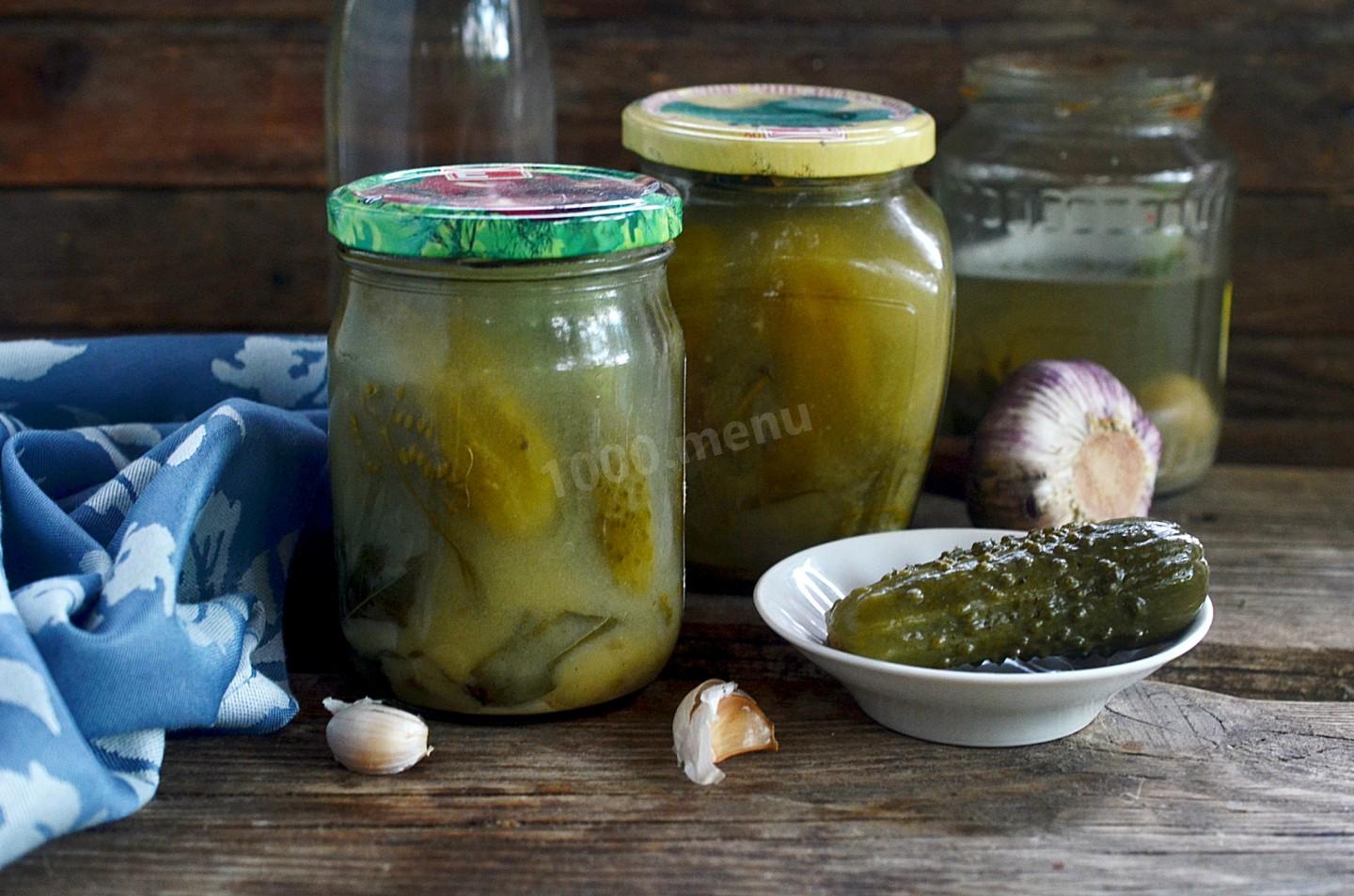
Crisp, zesty pickles with a gentle sourness! These crunchy, lightly spicy pickles ferment right in the jar. Fragrant pickles with a subtle tang, made by a classic country recipe. They're simple to make — everyone will love them!

Cooking method
-
Step 1:
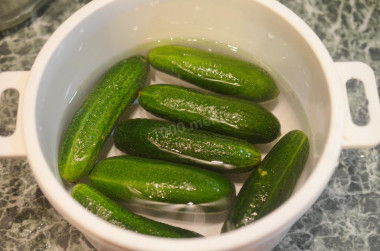
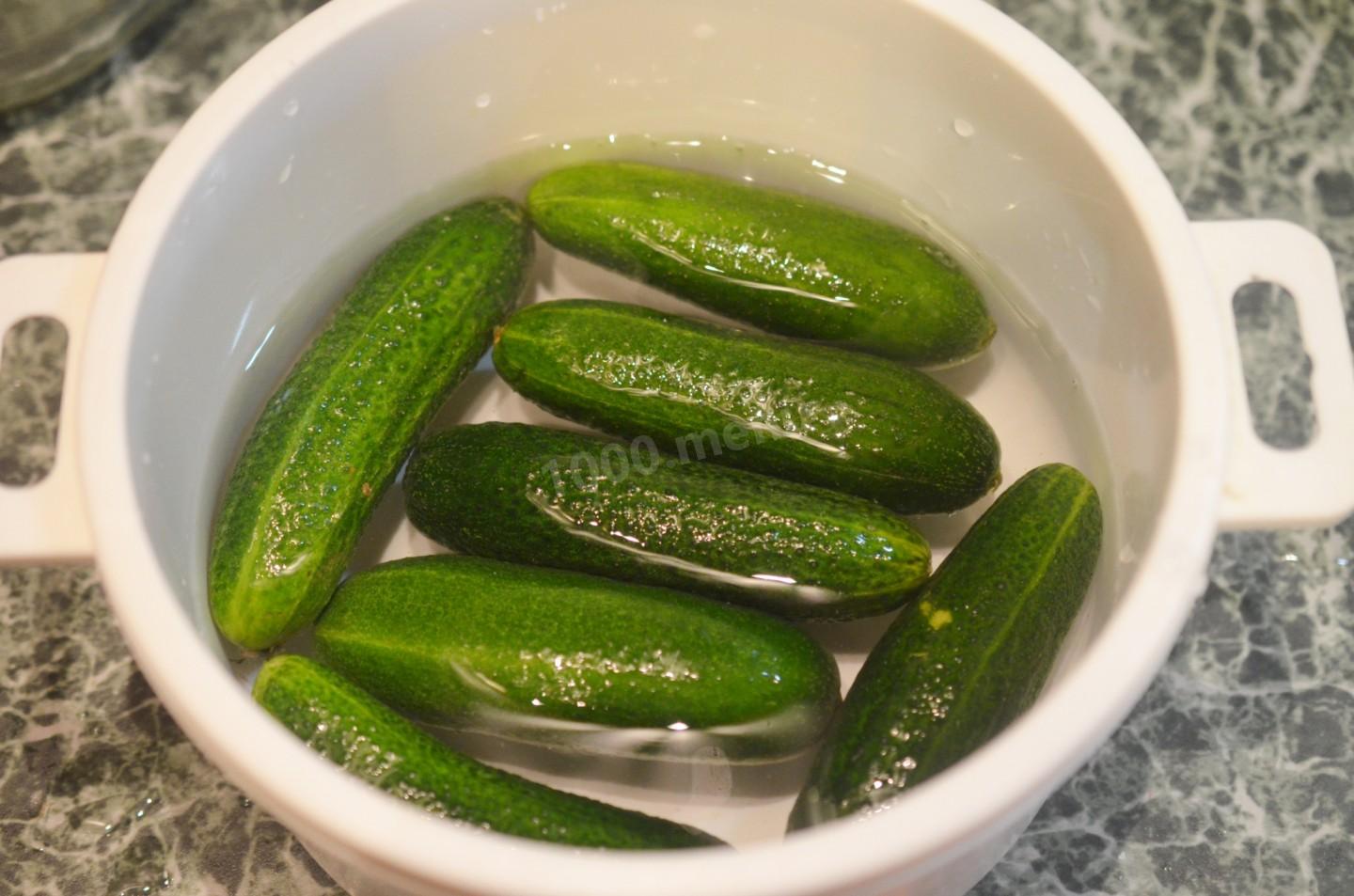
Prepare the cucumbers. It's best to use your own, freshly picked. I usually pick them small, about 1–2 inches (3–5 cm) long — they're great for snacking. I always put up a few jars of larger cucumbers, 3.5–5 inches (9–12 cm), too — I use those later for rassolnik (a brine-based soup), as well as for salads and vinaigrettes. If you're using store-bought cucumbers and don't know when they were picked, soak them in ice water for a few hours.
-
Step 2:
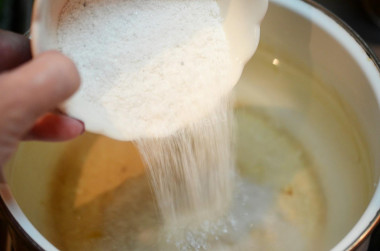
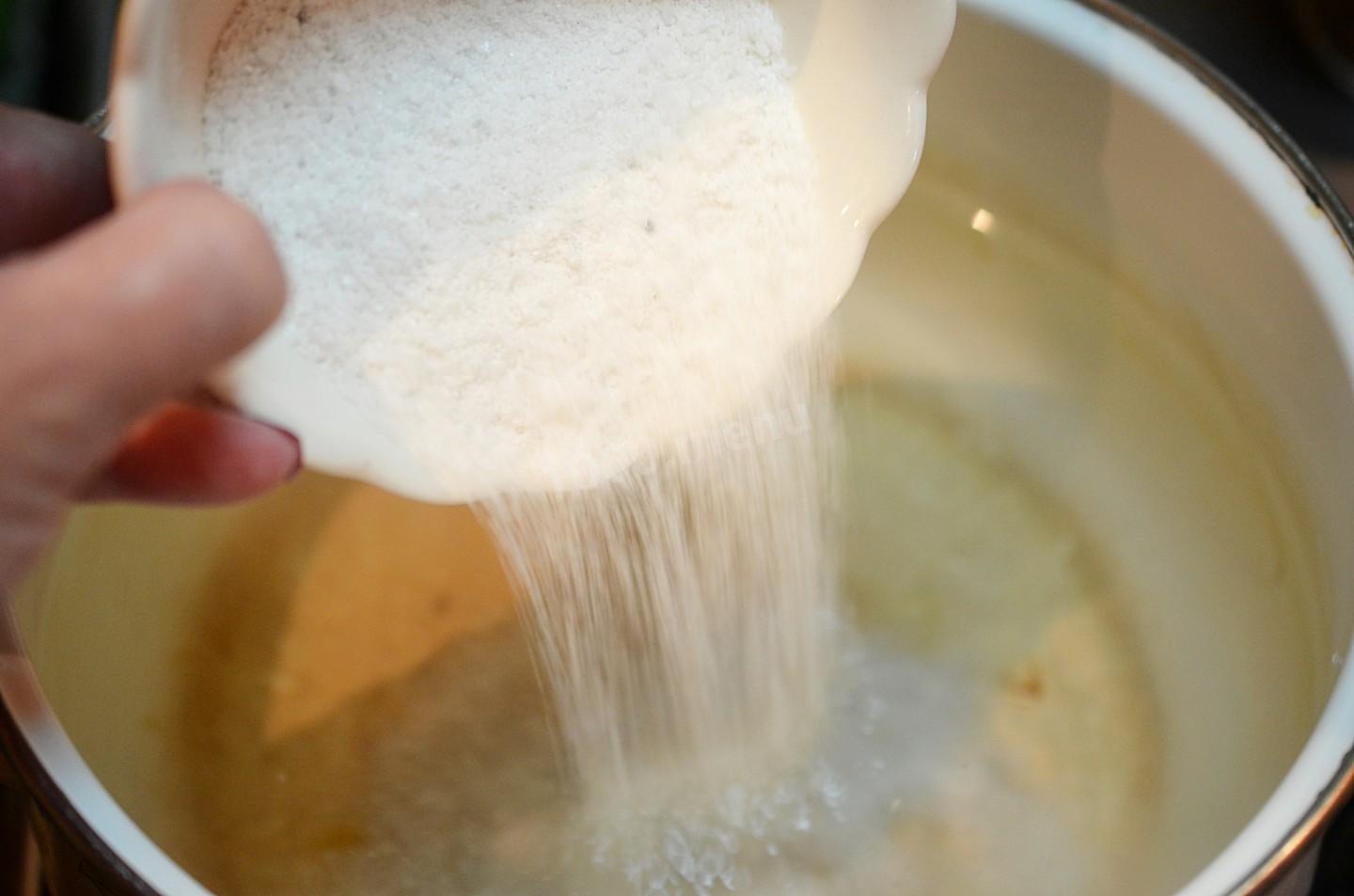
Make the brine. For every 1 quart (1 liter) of water, use 2 tablespoons of salt; for 2 quarts, 4 tablespoons. Judge by how many cucumbers you have and make the brine accordingly. Bring the brine to a boil, then cool it completely to room temperature. I recommend coarse, non-iodized rock salt — it's ideal for pickling.
-
Step 3:
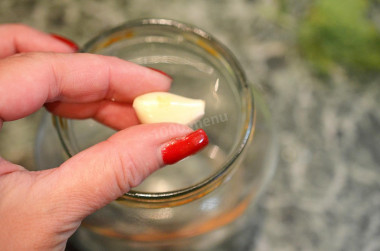
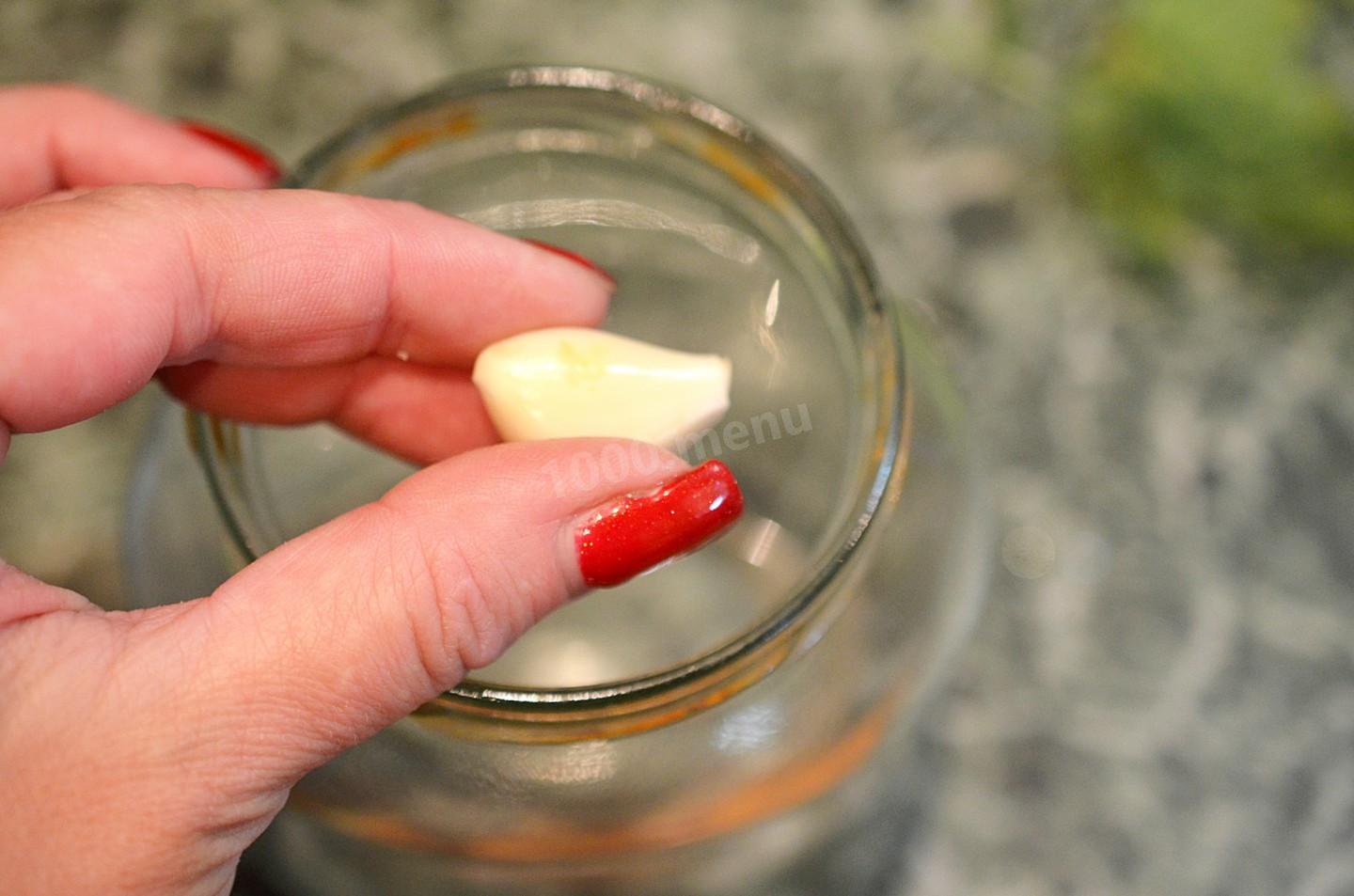
You don't have to sterilize the jars, but wash them well. Put garlic in each jar — as much as you like. You don't have to peel it; just cut the head crosswise.
-
Step 4:
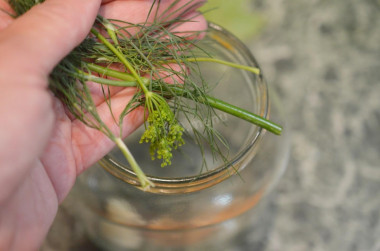
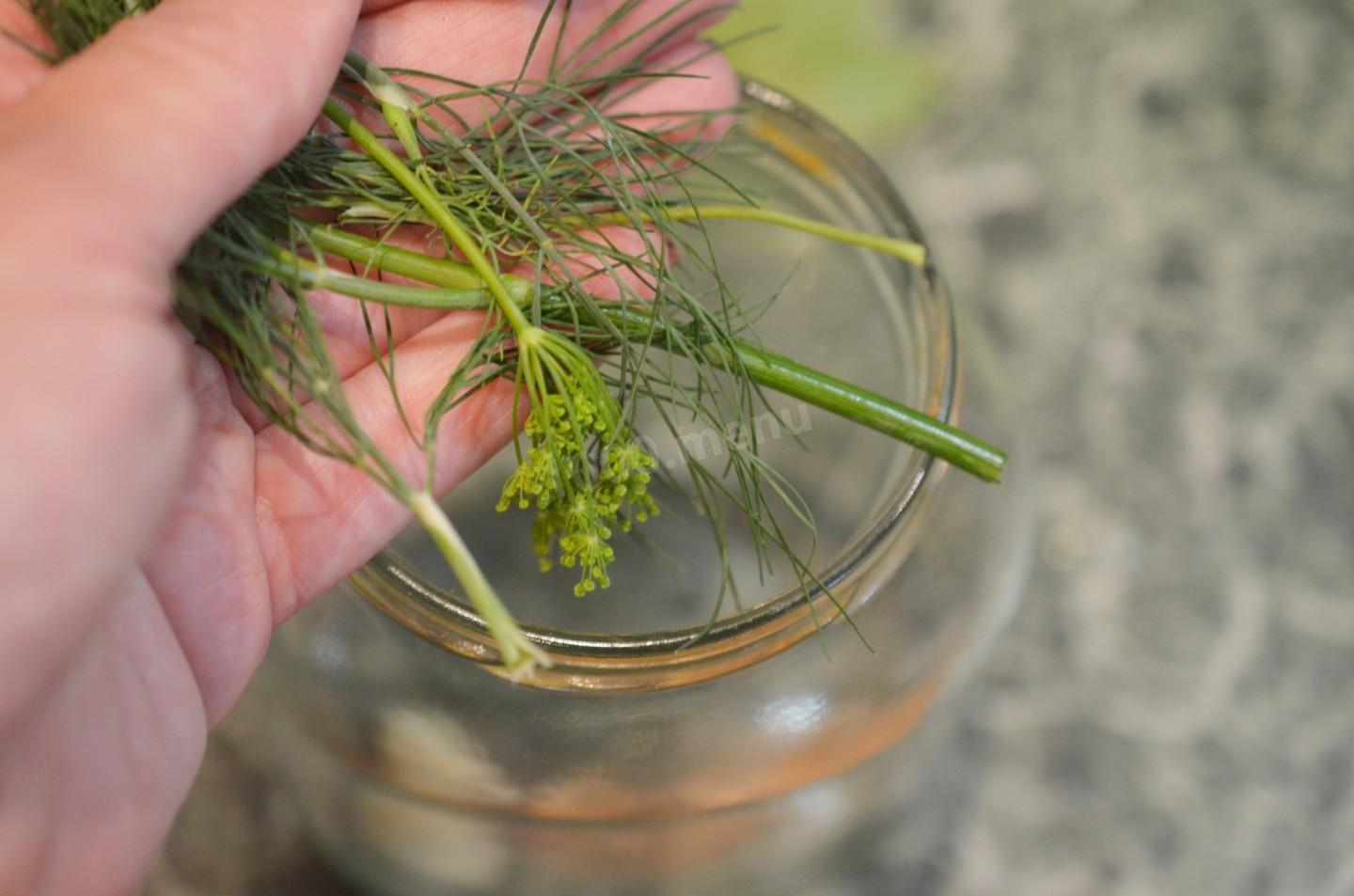
Next, wash all the greens and add them to the jars one at a time. First the dill flower heads (umbels) — they give the cucumbers their aroma.
-
Step 5:
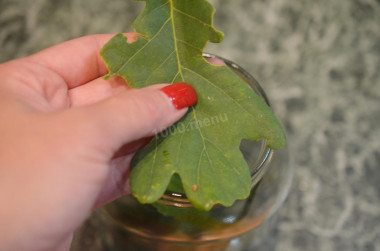
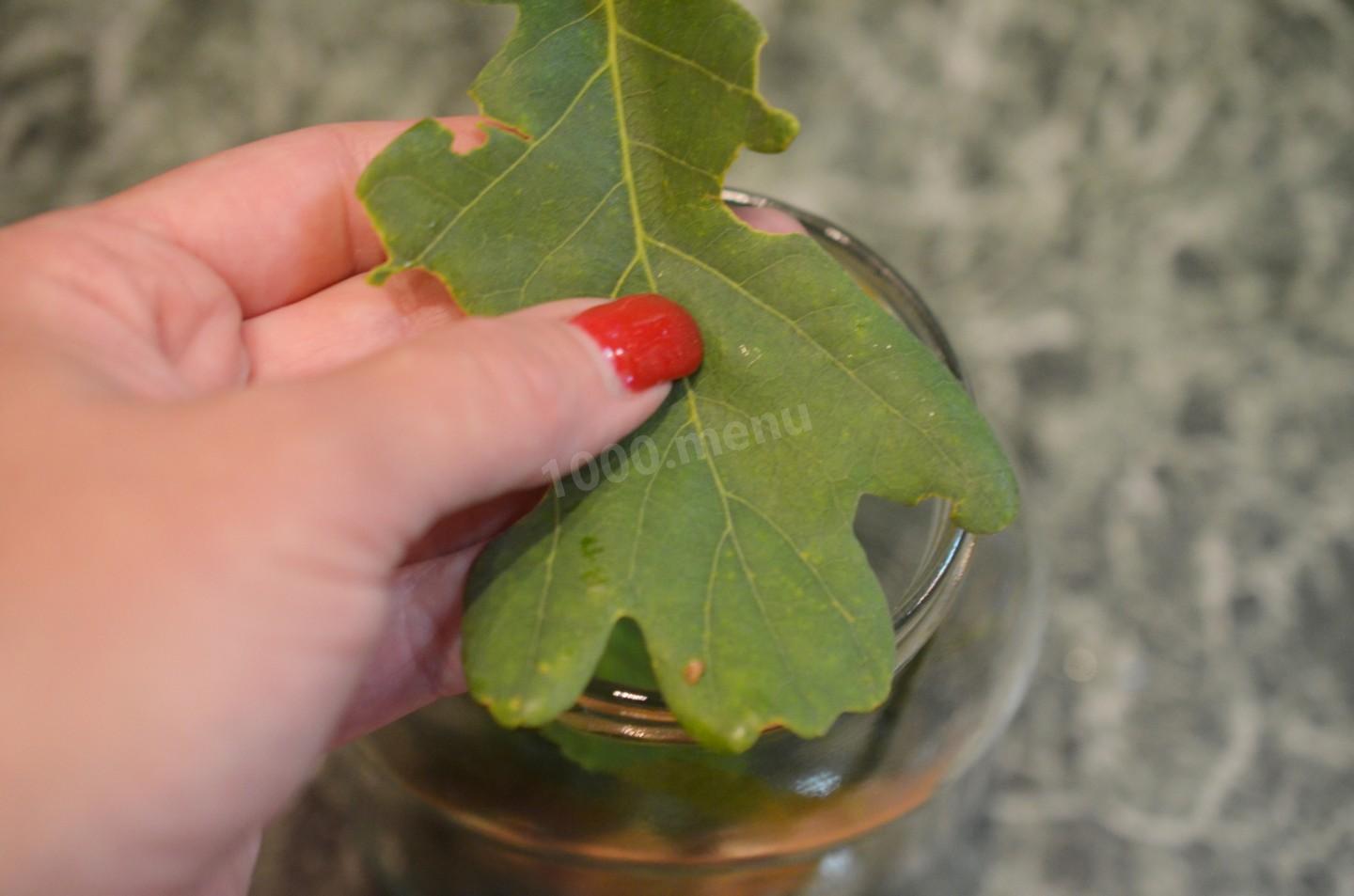
An oak leaf. No more than one per jar. Its tannins keep the cucumbers crisp.
-
Step 6:
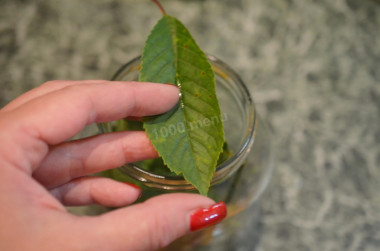
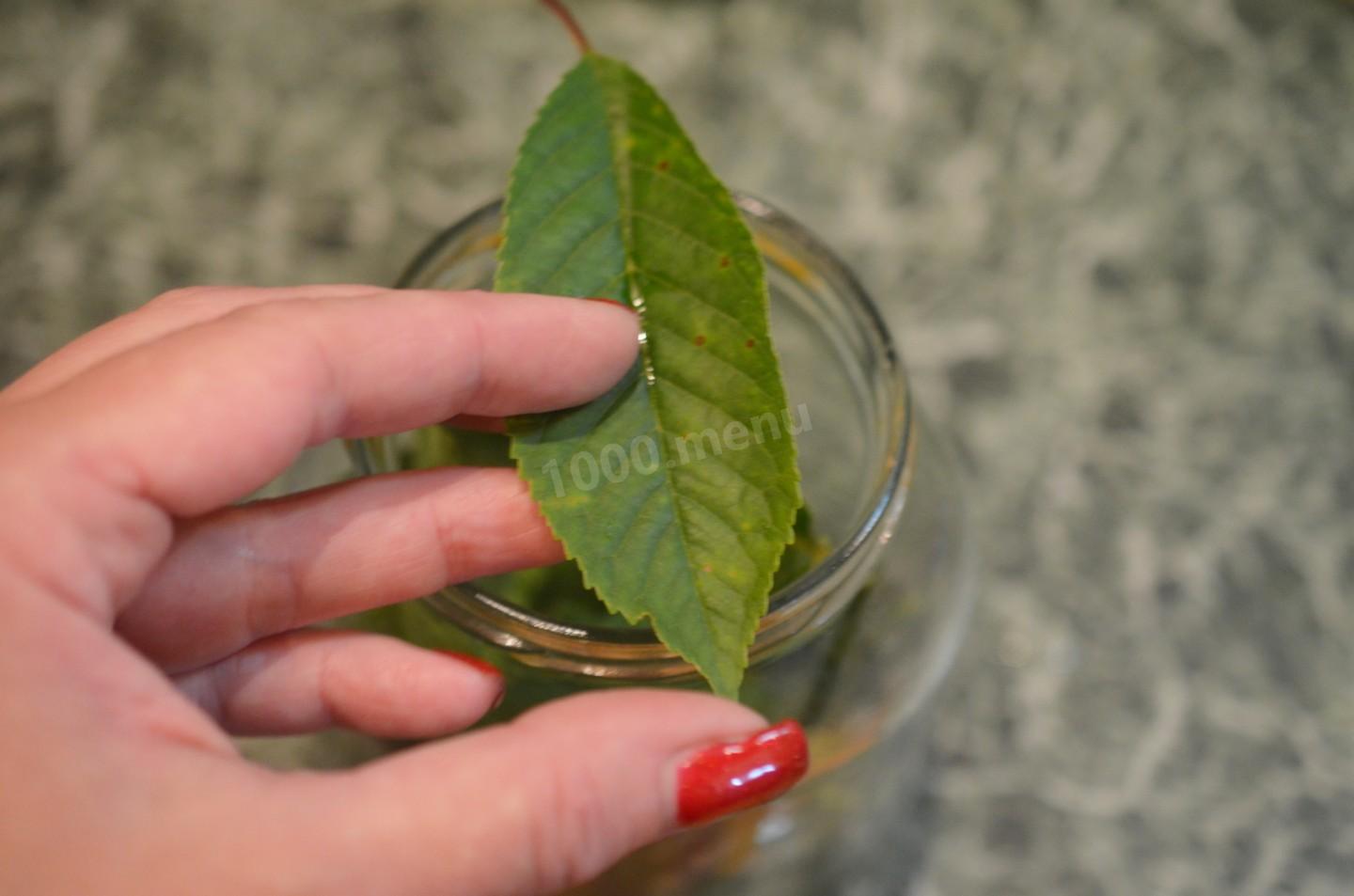
A cherry leaf adds tartness and aroma, too.
-
Step 7:
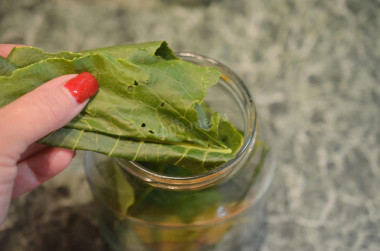
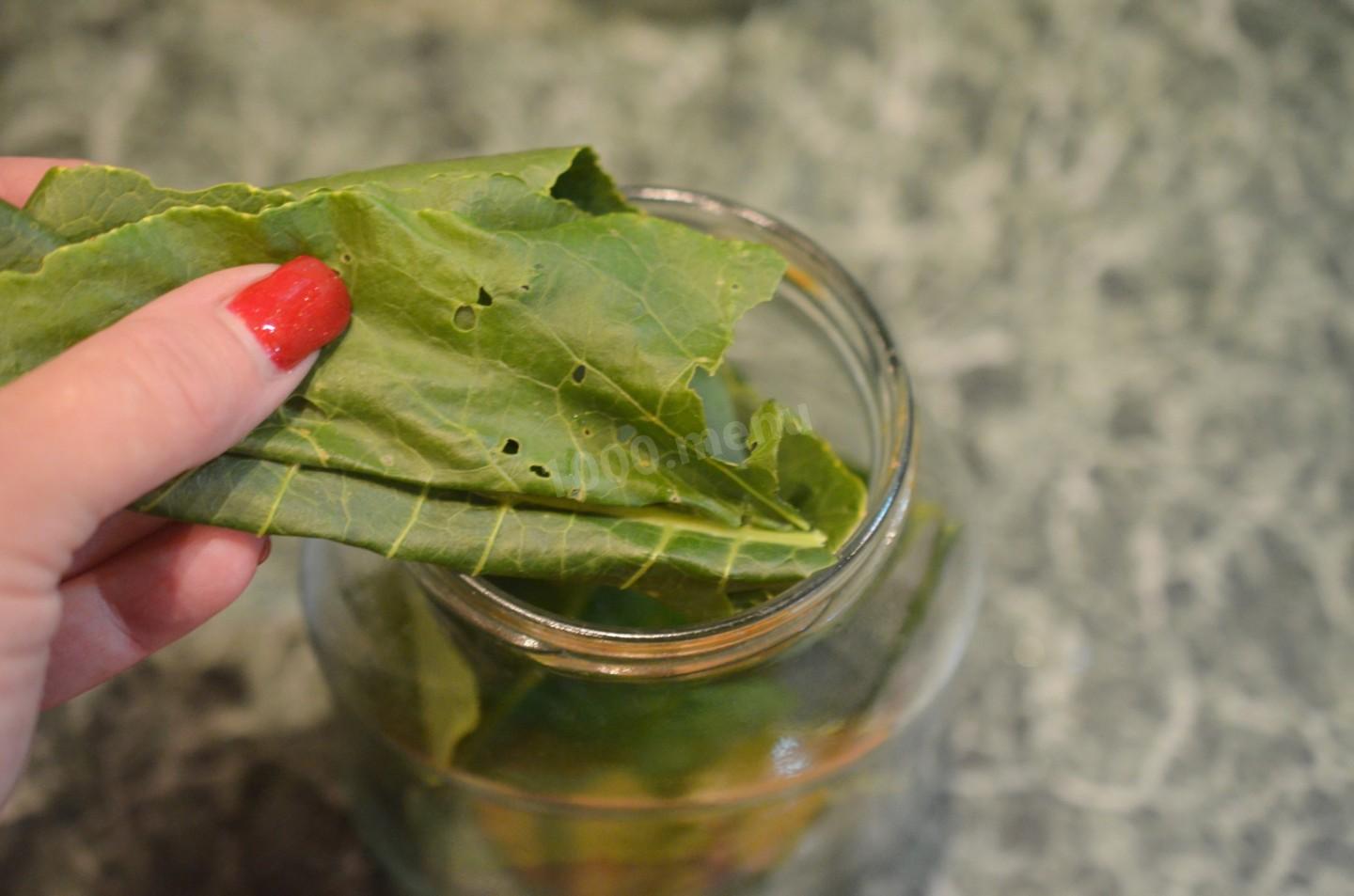
And a horseradish leaf — indispensable. Horseradish also keeps the cucumbers crunchy. You might also add a bay leaf, allspice berries, or a chili.
-
Step 8:
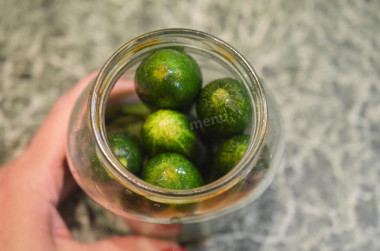
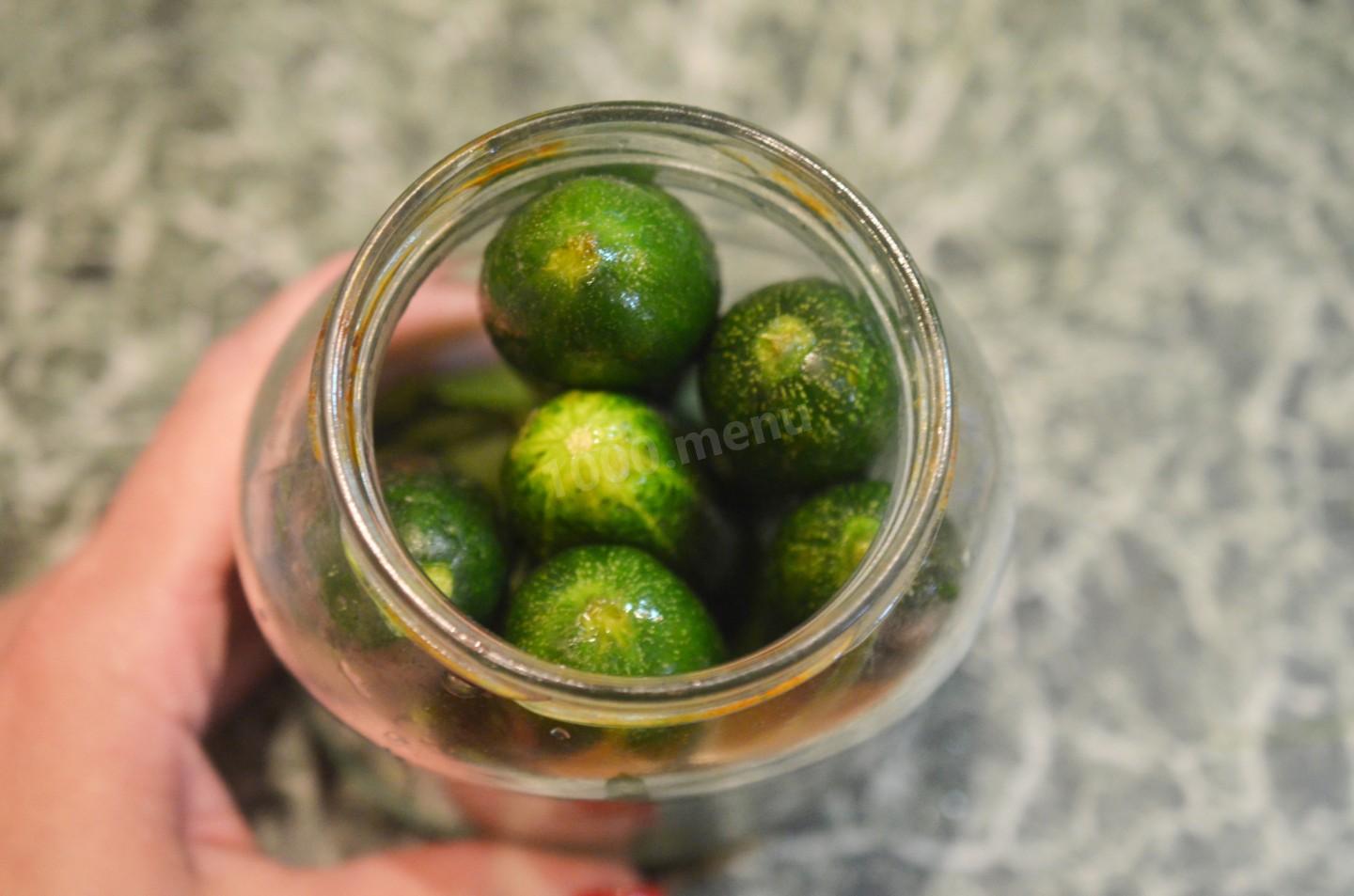
Wash the cucumbers. You can trim the ends, but I don't. Pack the cucumbers tightly into the jars.
-
Step 9:
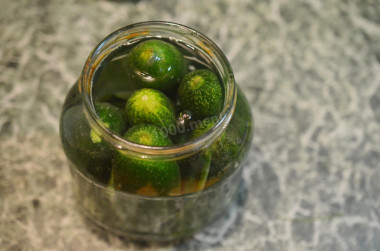
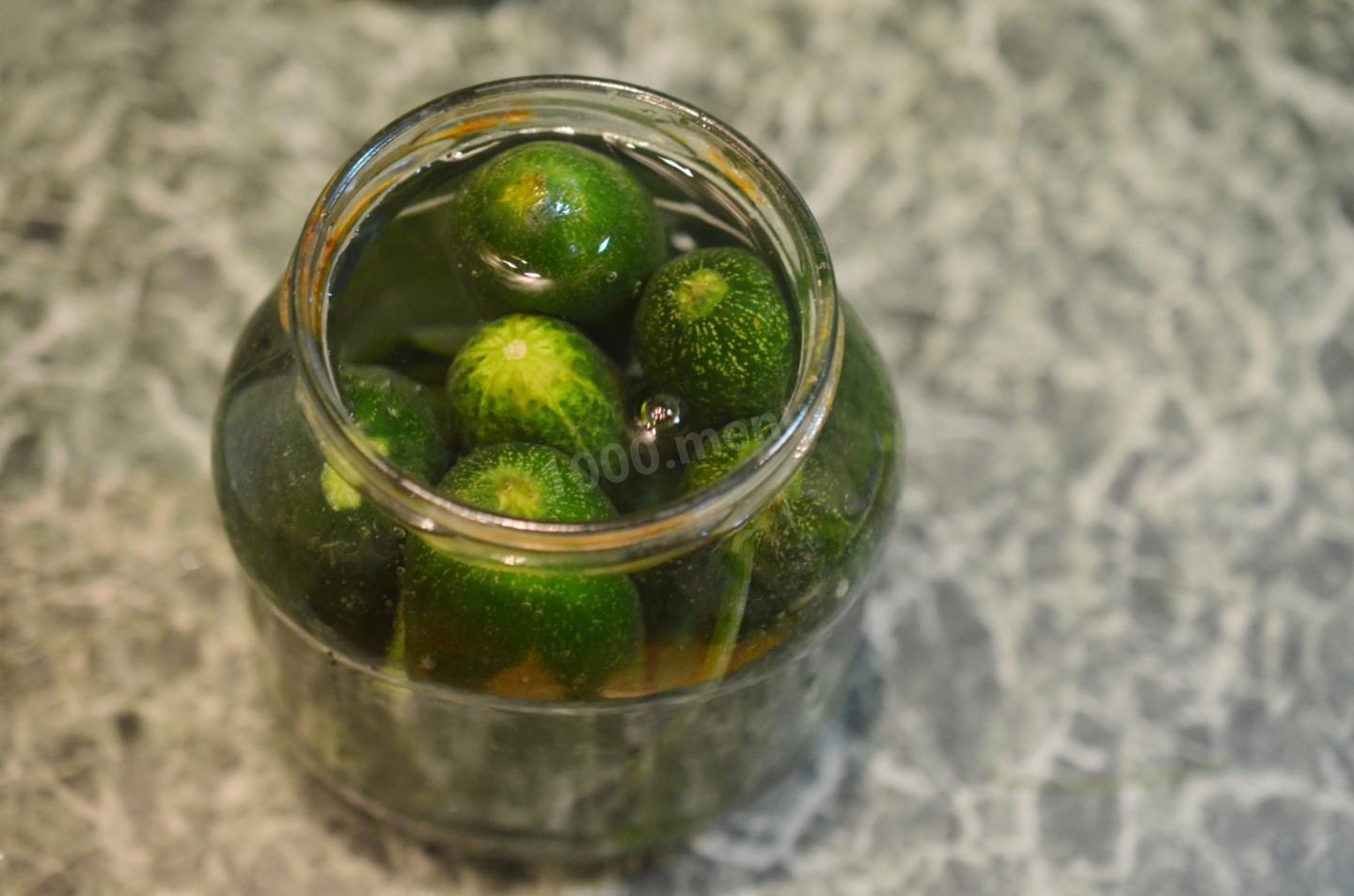
Pour in the room-temperature brine.
-
Step 10:
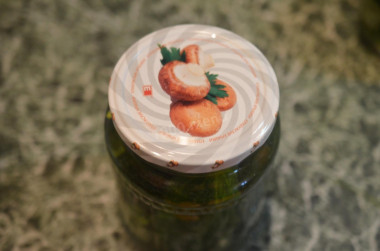
Cover with lids and leave to ferment for 2–3 days.
-
Step 11:
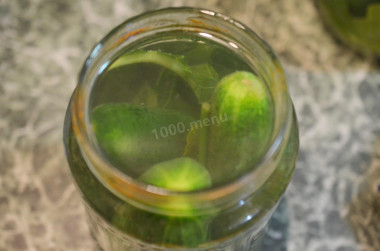
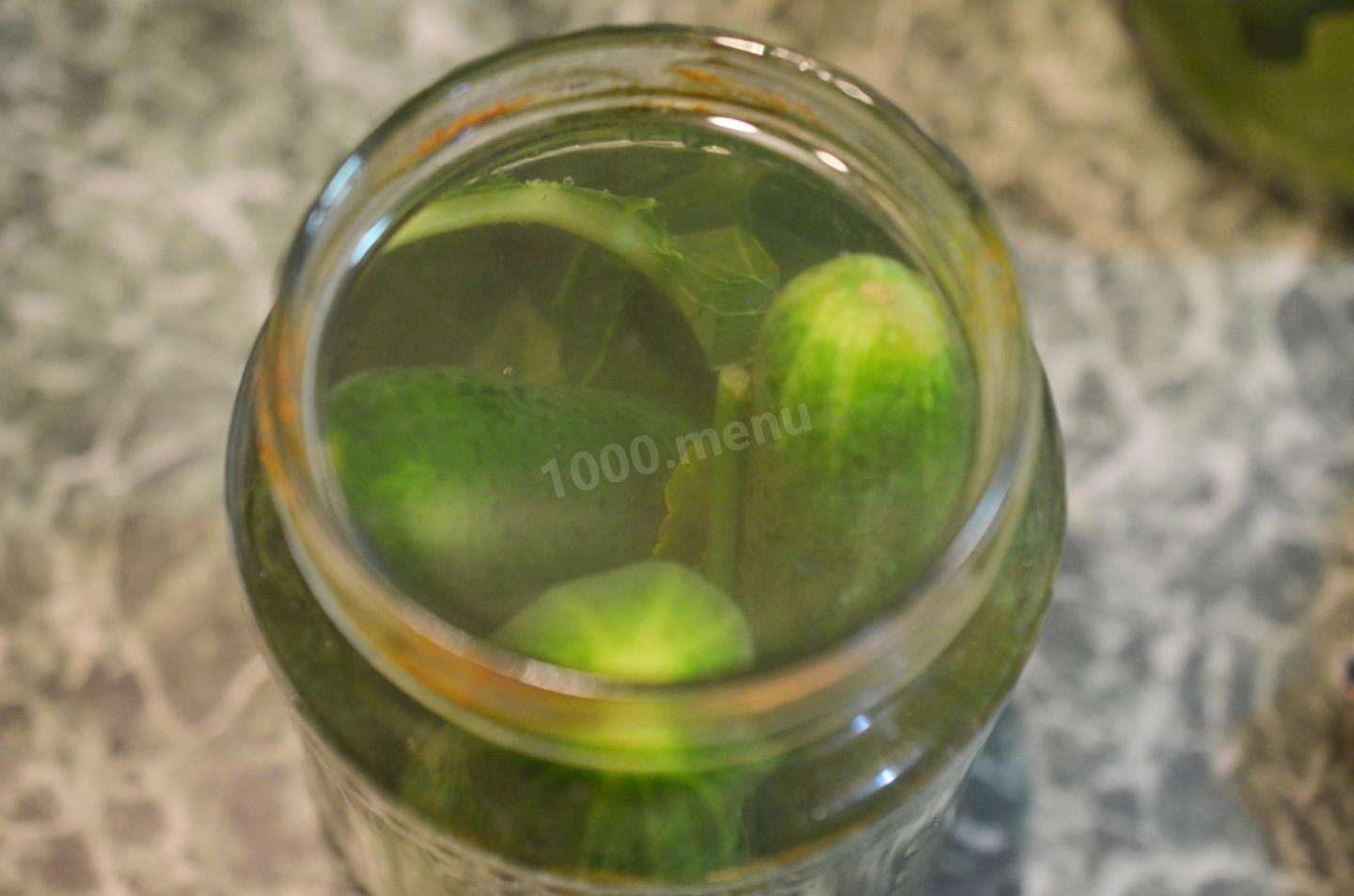
If your room is about 72–75°F (22–24°C), 48 hours is plenty. Foam will form on the surface — skim it off. The brine should turn cloudy.
-
Step 12:
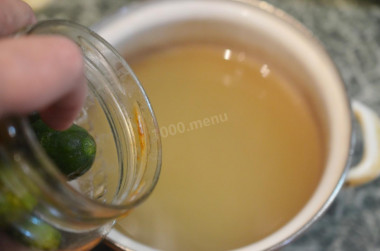
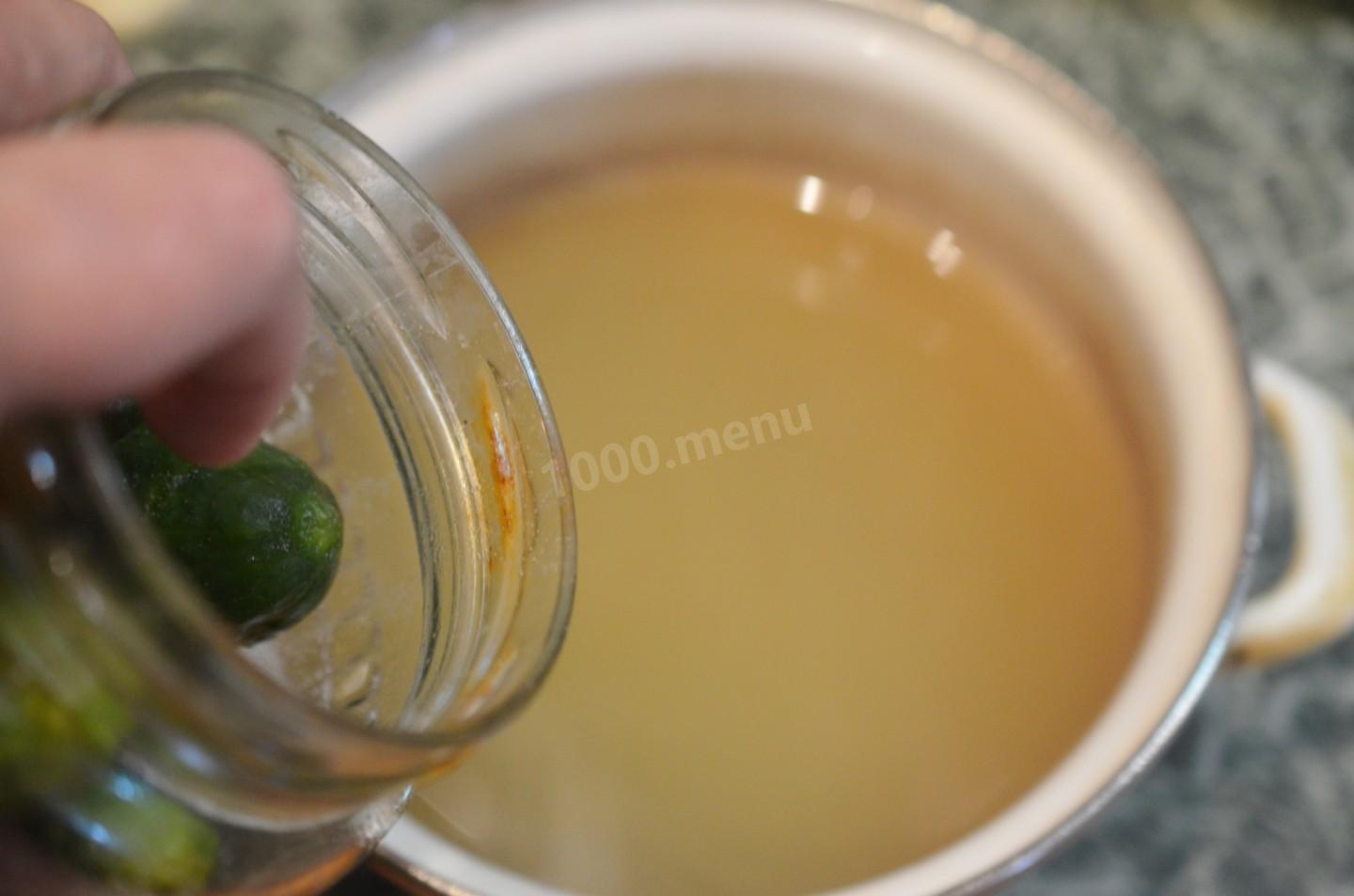
Then pour the brine into a separate pot and bring it to a boil. To make sure there's enough, add a cup of water and 1 teaspoon of salt to the pot.
-
Step 13:
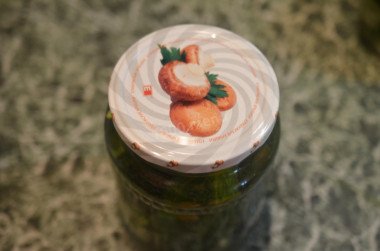
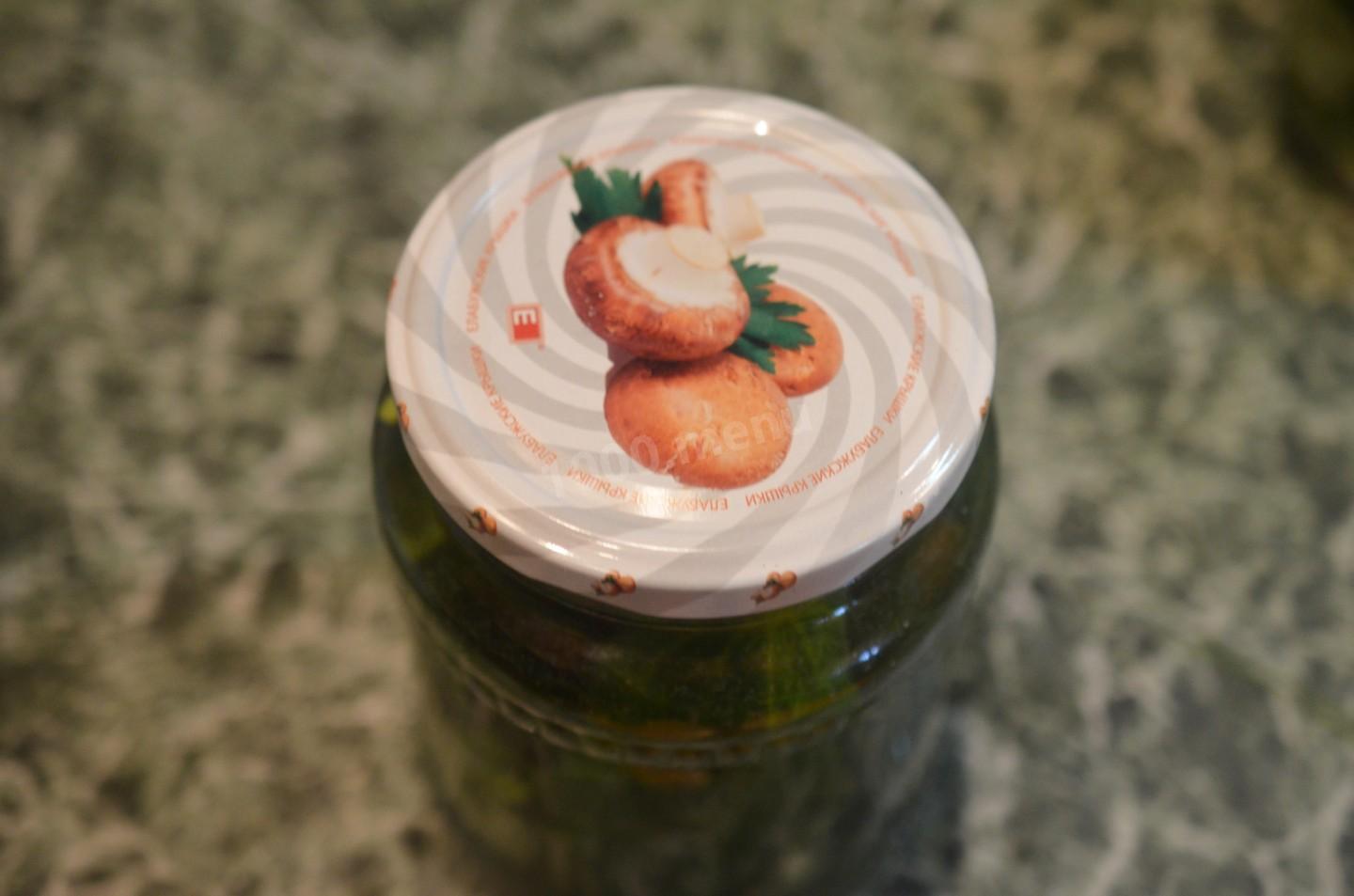
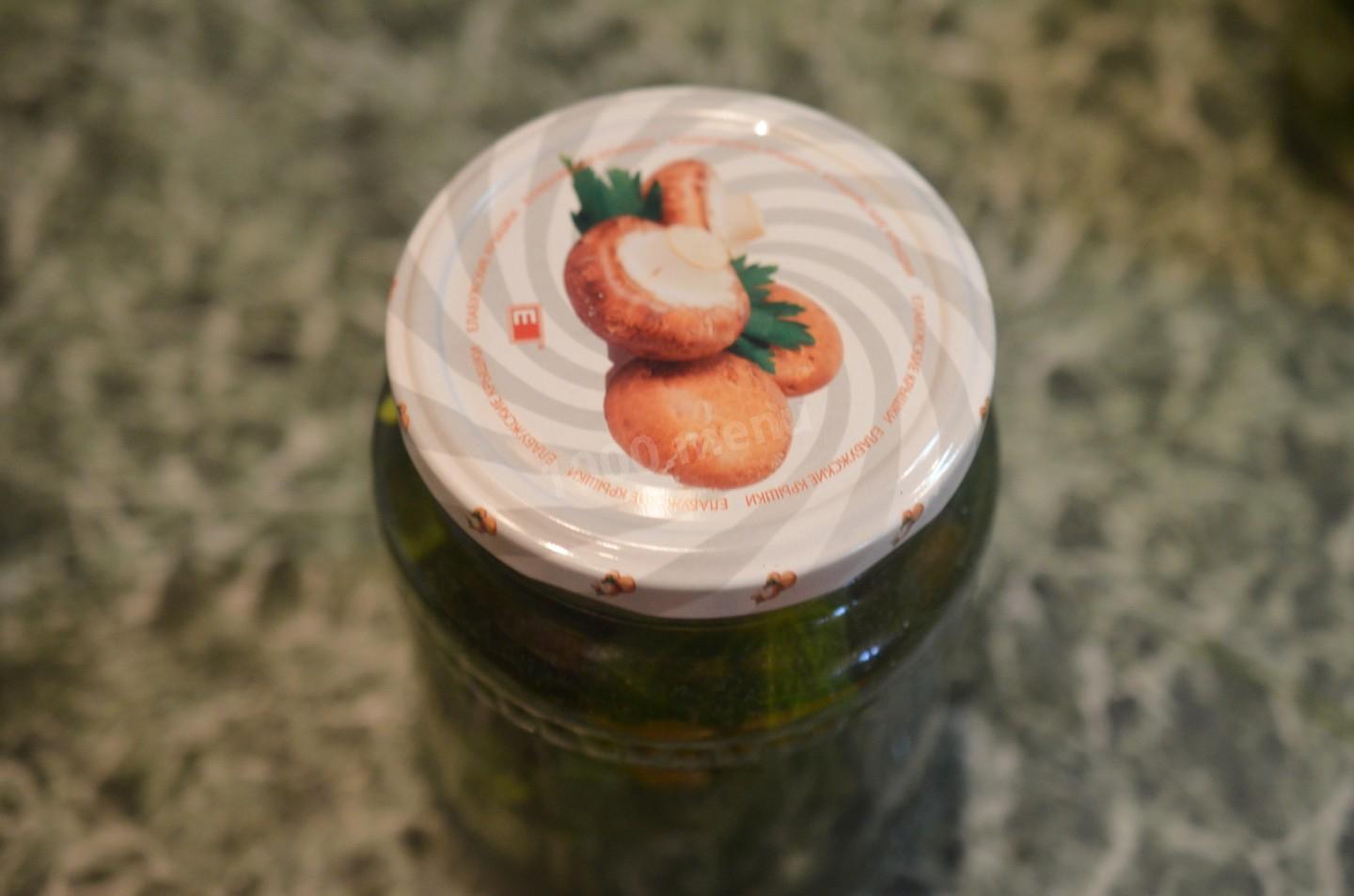
Leave everything in the jars as it is. Pour in the boiling brine. Seal with boiled lids or process with a canning sealer. You can also use a plastic snap-on lid. No sterilizing needed. These pickles keep beautifully at room temperature.
-
Step 14:
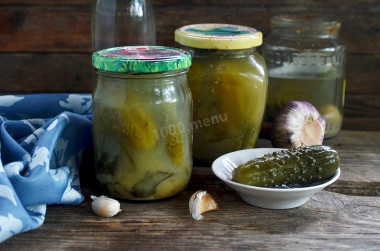
Enjoy!
- So your preserves don't sour and your jars of cucumbers don't burst, read up on the basic rules, secrets, and tips for winter canning.
- Since everyone's preferred level of salt, sweetness, bitterness, sharpness, acidity, and heat is different, always add spices and seasonings to your own taste! If you're using a particular seasoning for the first time, keep in mind that some are especially easy to overdo (chili pepper, for example).
Caloric content of the products possible in the composition of the dish
- Fresh cucumbers - 15 kcal/100g
- Garlic - 143 kcal/100g
- Horseradish - 49 kcal/100g
- Grated horseradish with lemon - 117 kcal/100g
- Grated horseradish with garlic - 72 kcal/100g
- Horseradish grated table - 117 kcal/100g
- Dill greens - 38 kcal/100g
- Salt - 0 kcal/100g
- Cherry leaves - 0 kcal/100g
- Oak leaves - 0 kcal/100g
- Currant leaves - 0 kcal/100g