Hollandaise Sauce
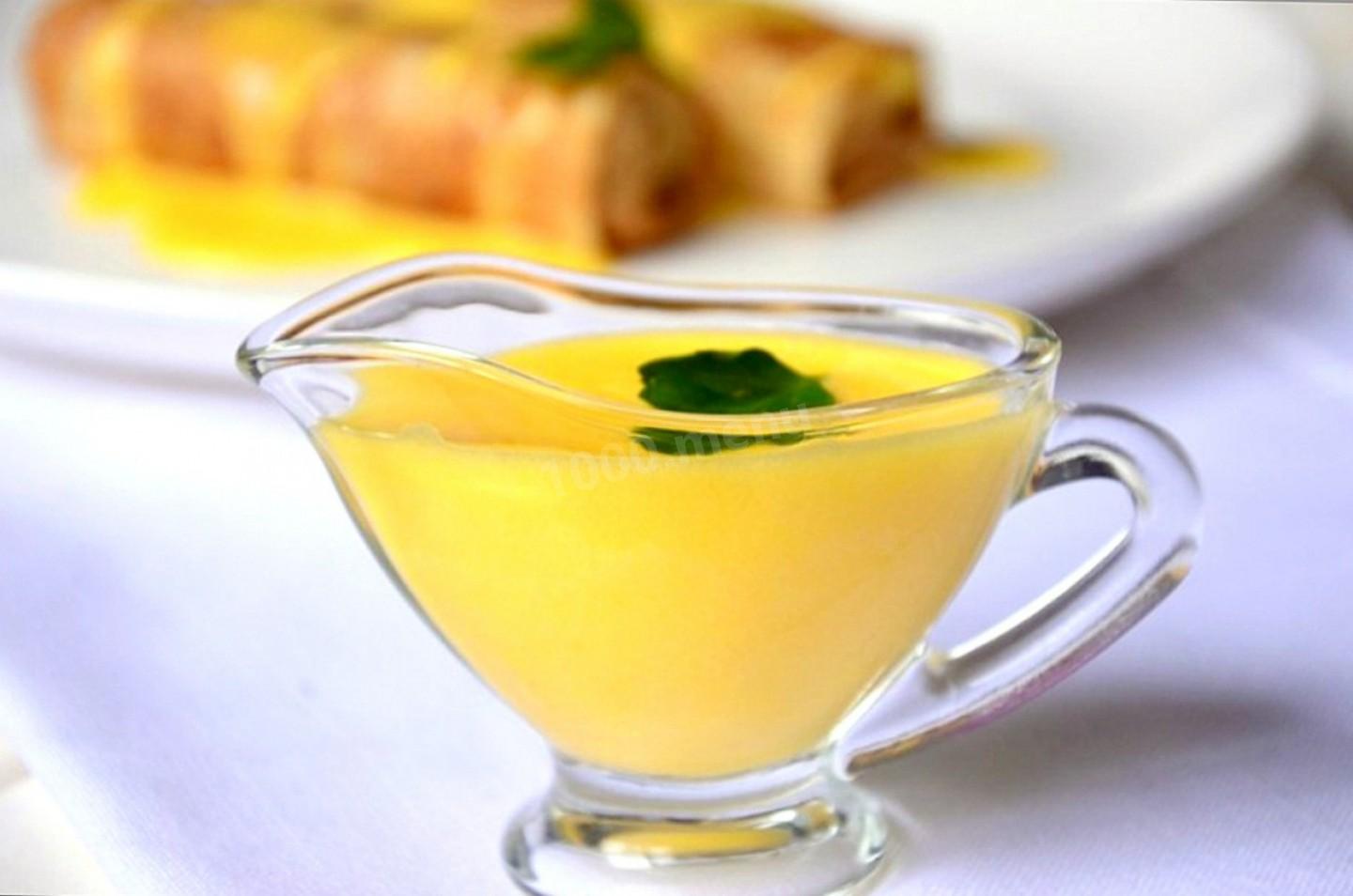
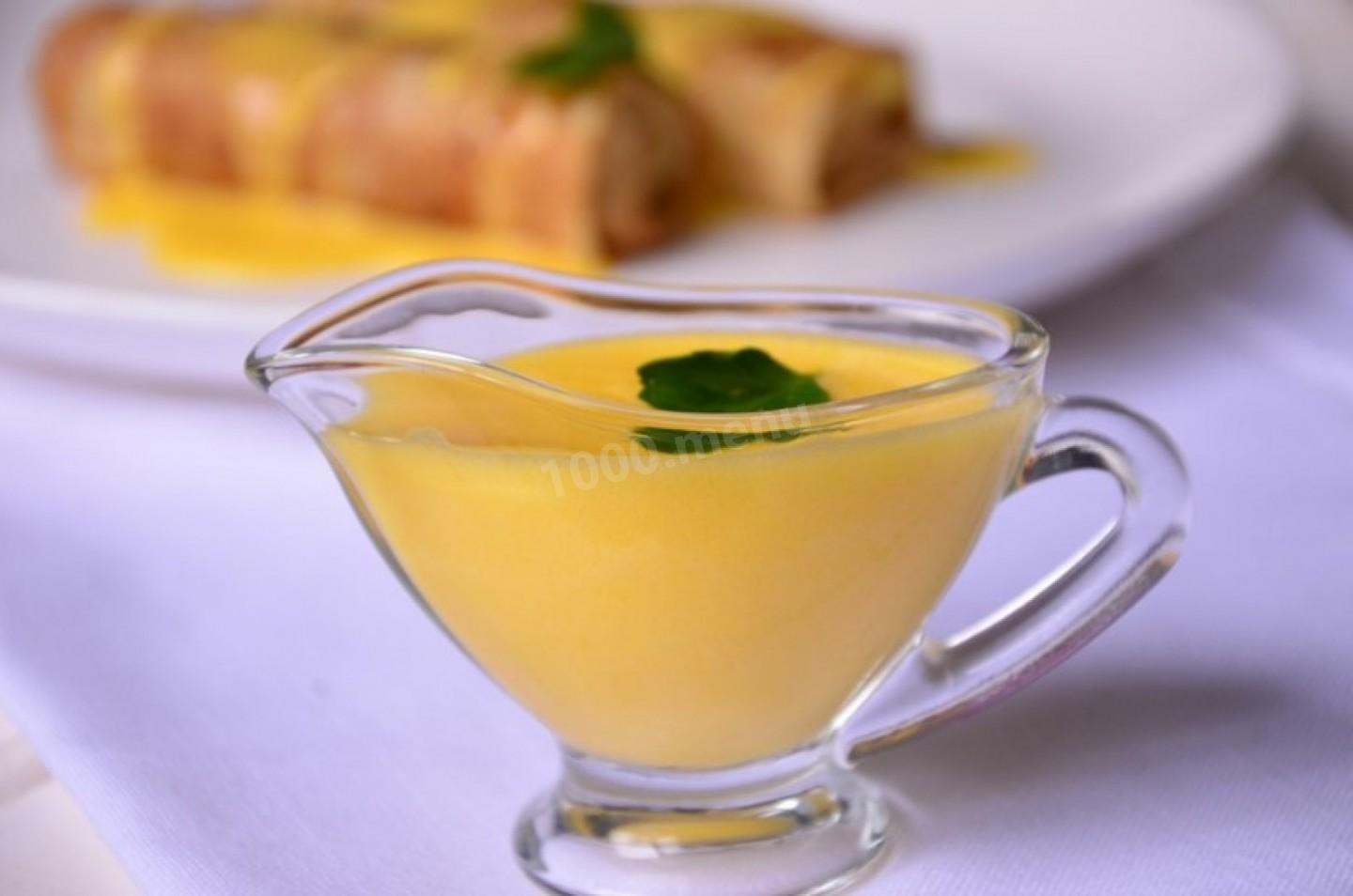
Famous, classic, very French! Hollandaise sauce is a very delicate, light sauce from French cuisine. It's served only freshly made. It goes beautifully with any vegetables, eggs, white meat, or fish.

Cooking method
-
Step 1:
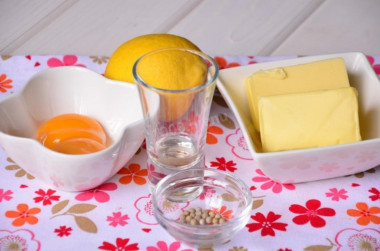
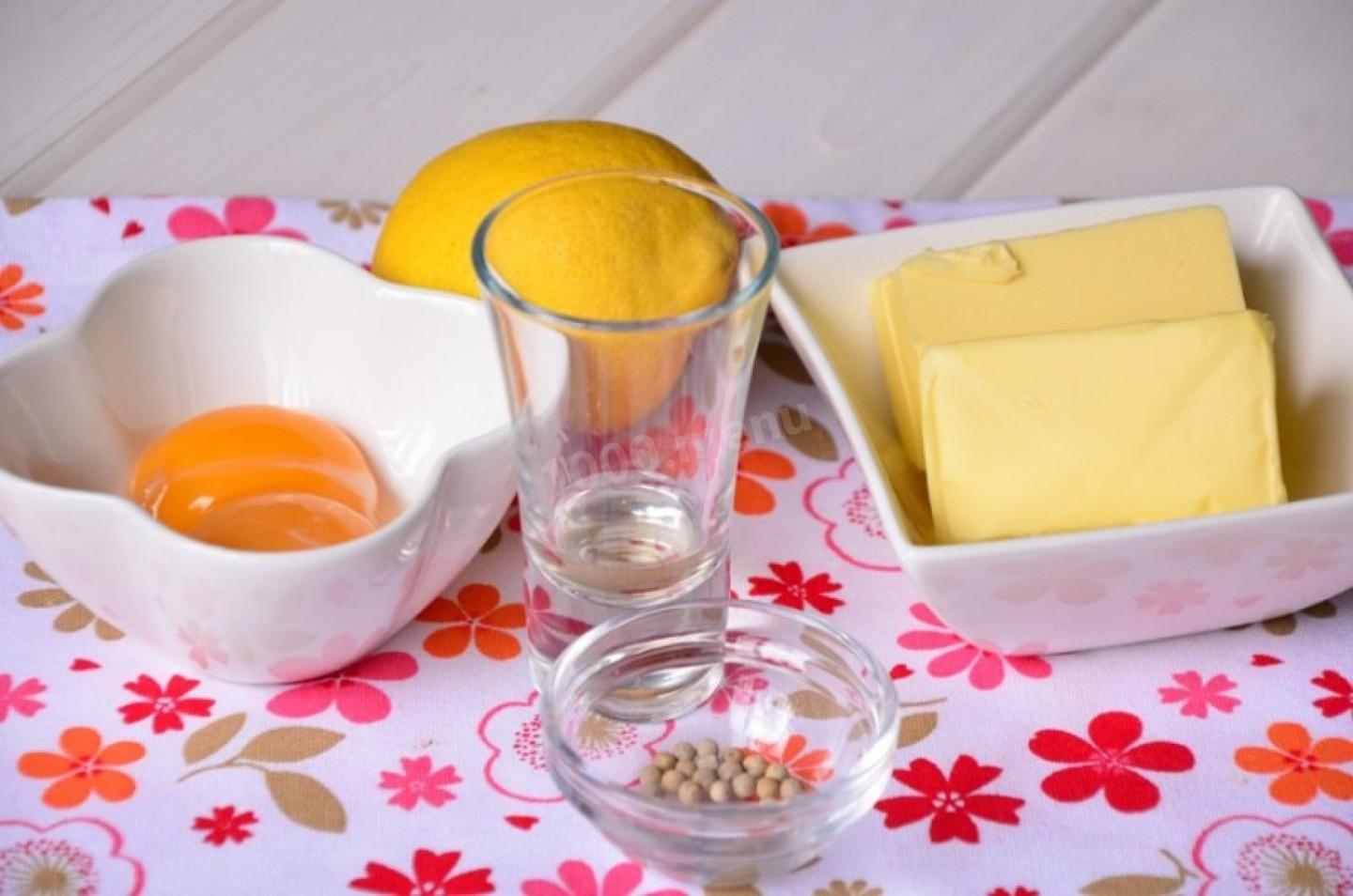
How do you make hollandaise at home? First, gather the ingredients. The better the clarified butter, the tastier the sauce; it's best, of course, to make it yourself and ahead of time.
-
Step 2:
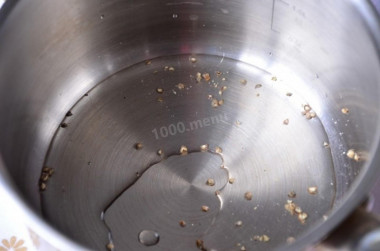
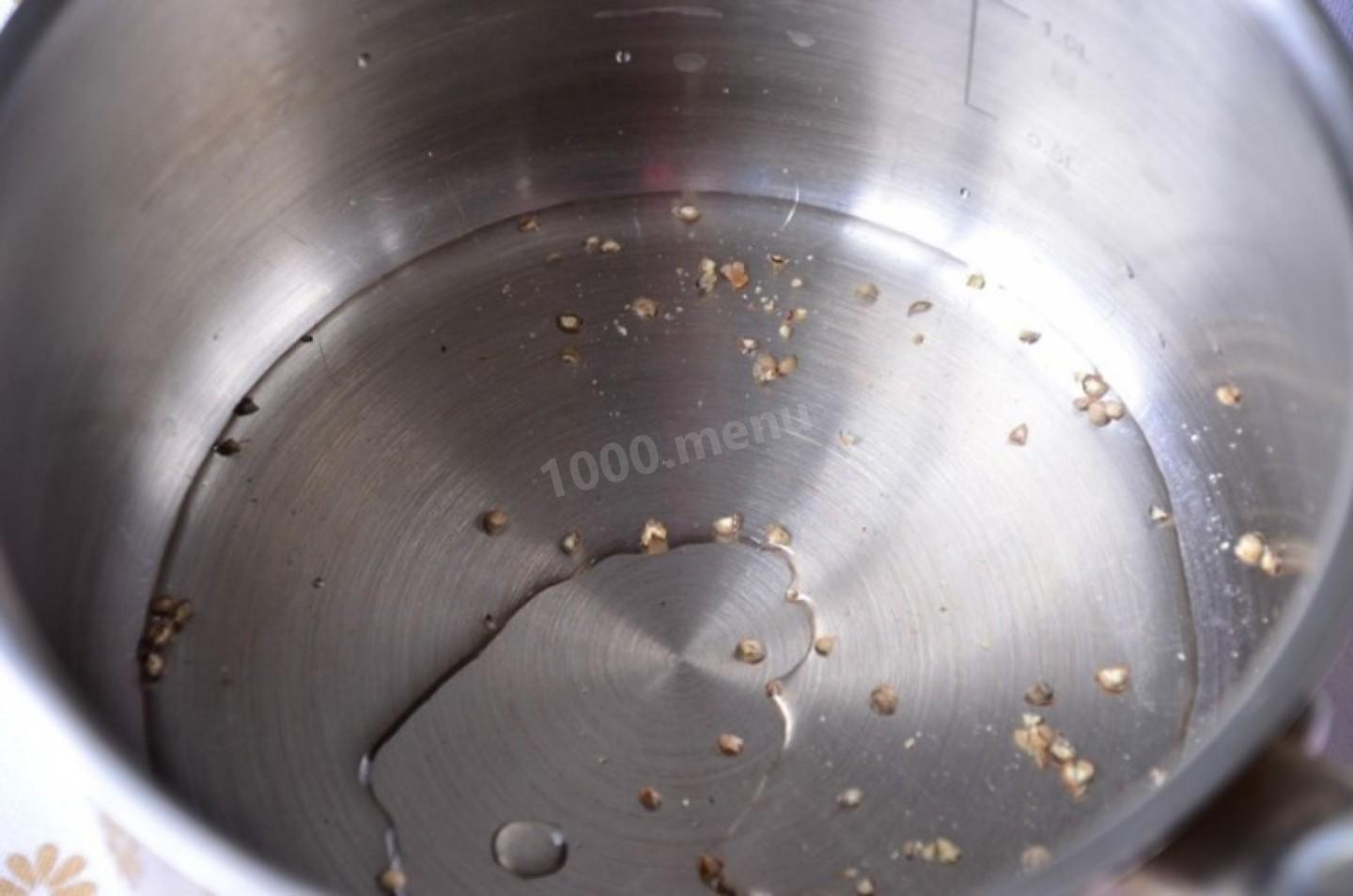
Crush the white pepper with a knife, put it in a saucepan, and add the white wine vinegar and water. Set the pan on the stove and reduce the mixture by a third — you should end up with about 1 tablespoon of liquid. Strain it and let it cool.
-
Step 3:
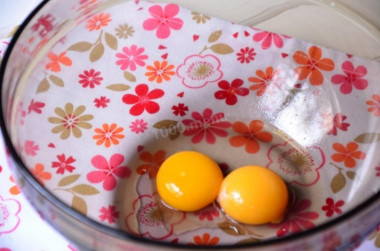
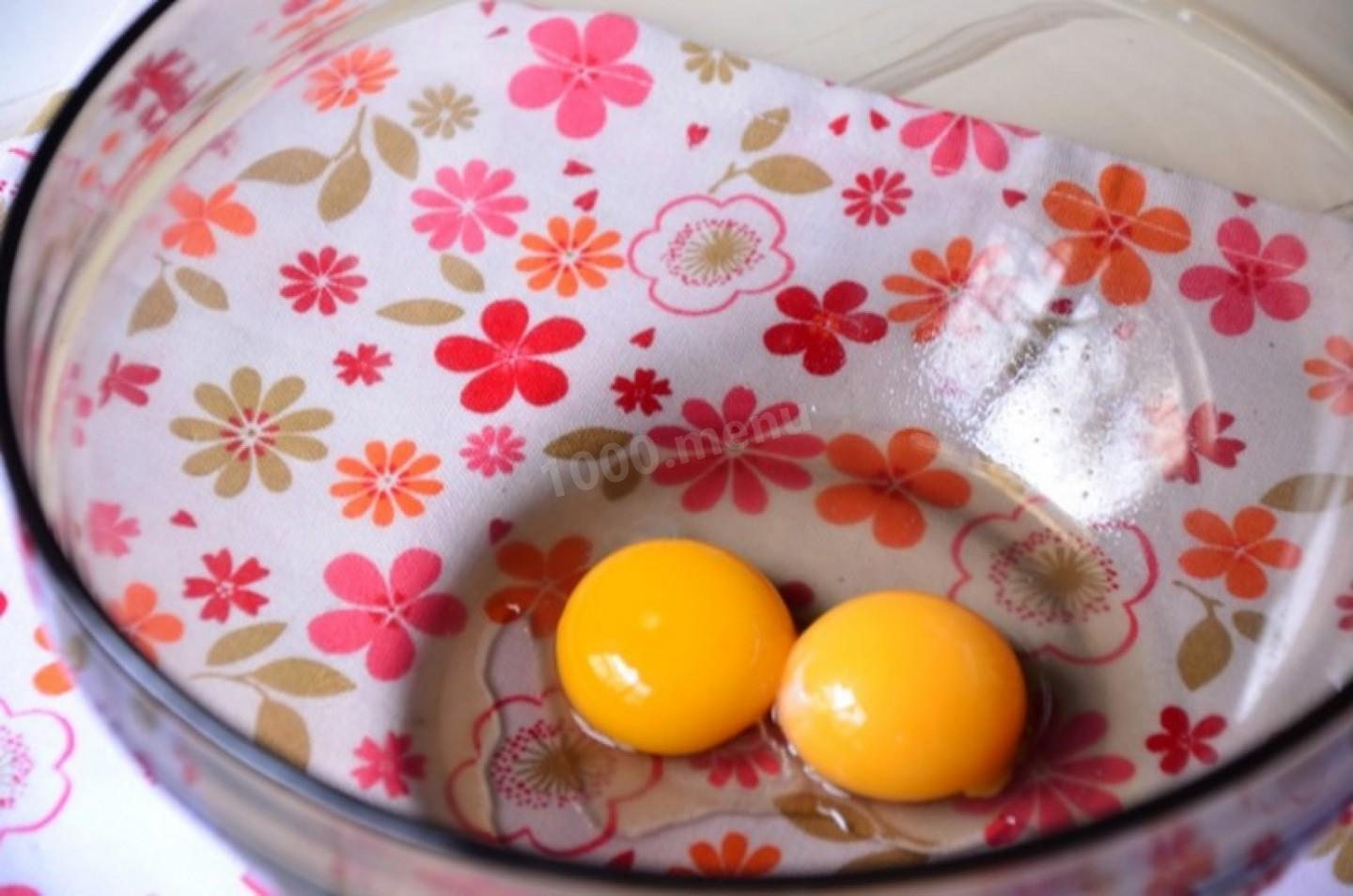
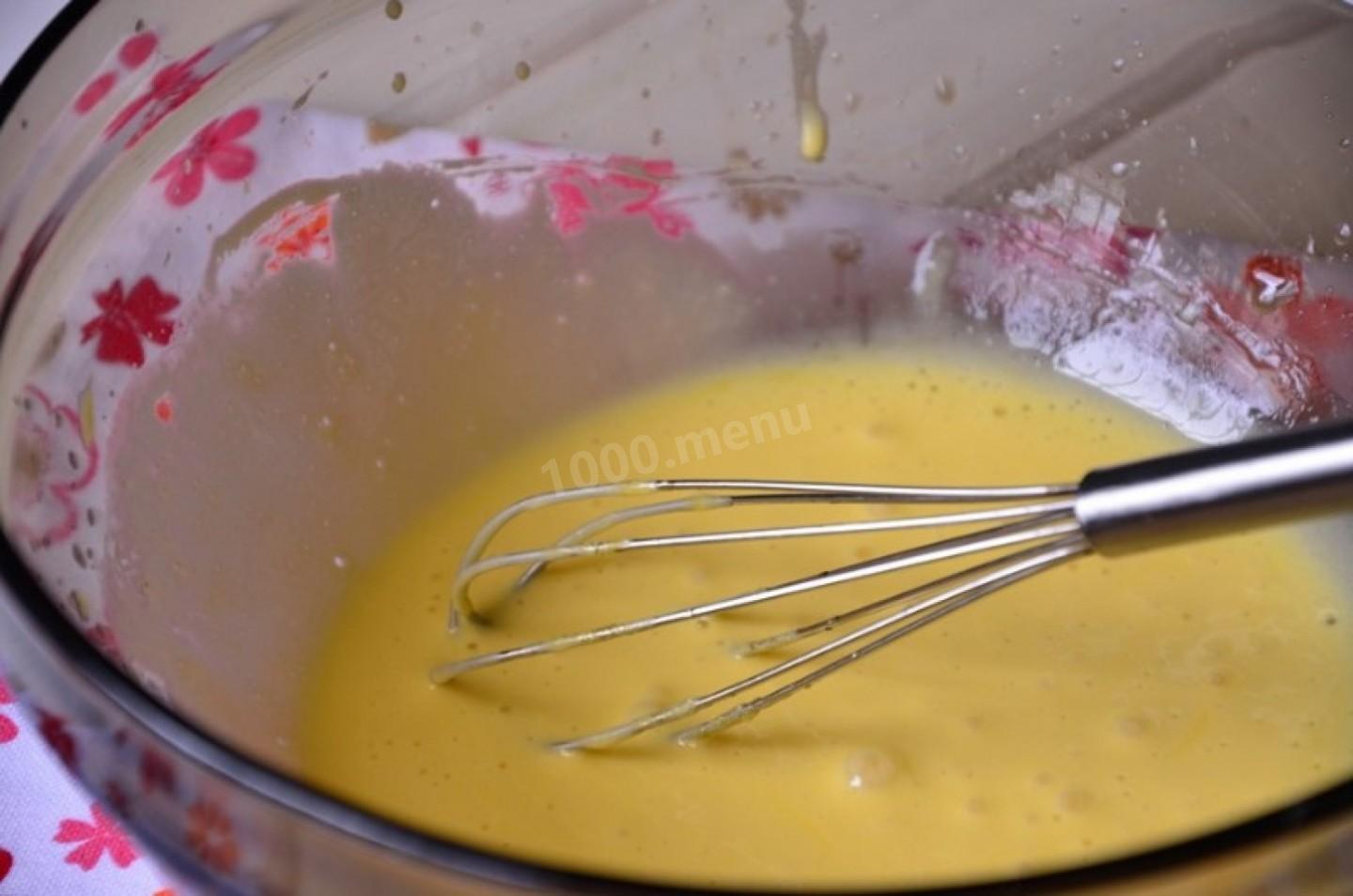
Crack the raw egg yolks into a bowl. Pour in the vinegar mixture and whisk until smooth.
-
Step 4:
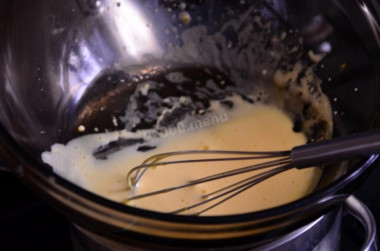
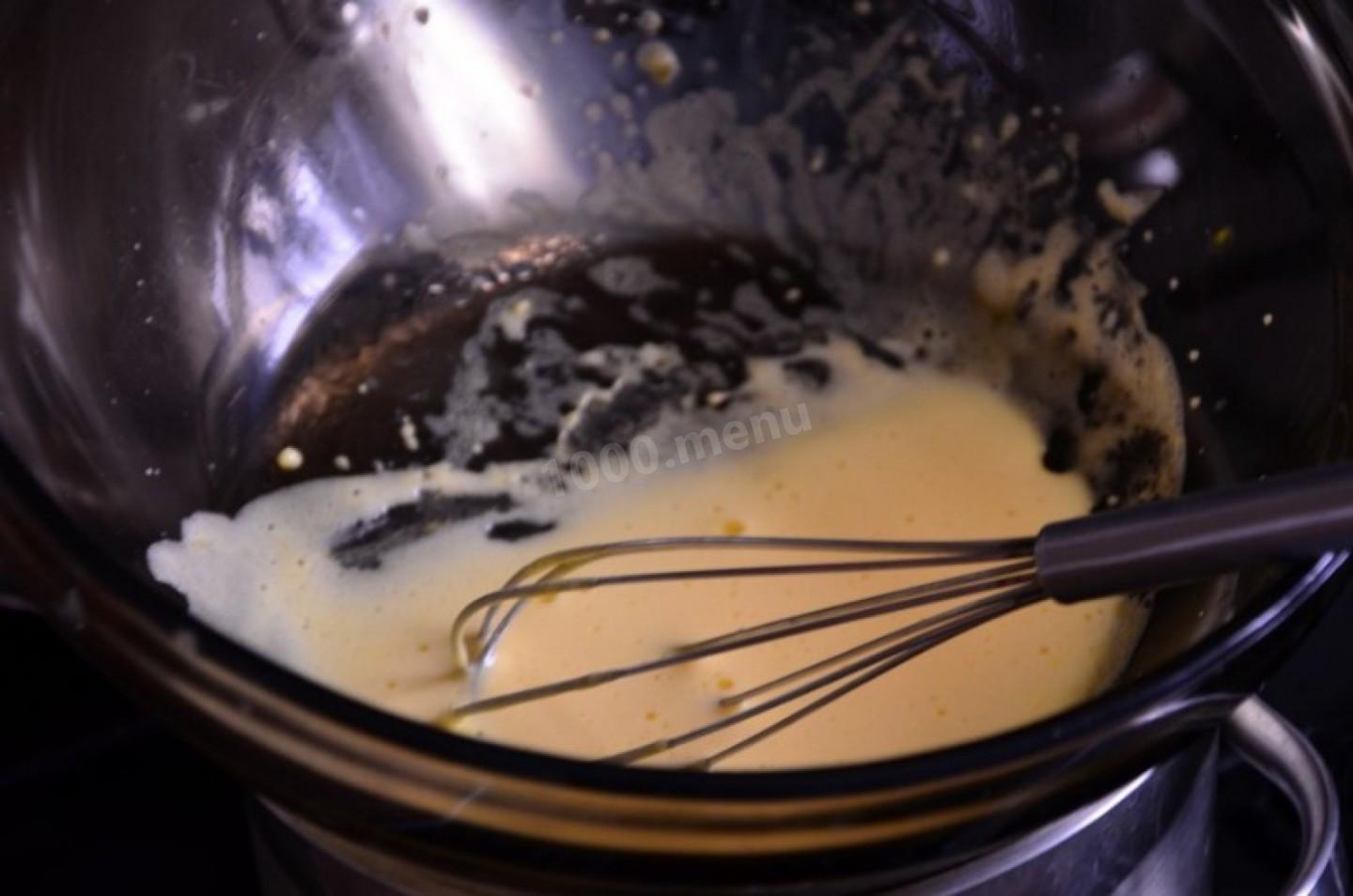
Set the bowl of yolks over a water bath (double boiler). Cook the yolks over low heat, whisking constantly. After about 10 minutes you should have a thick sauce. It's important not to overheat the yolks so they don't curdle — keep an eye on it!
-
Step 5:
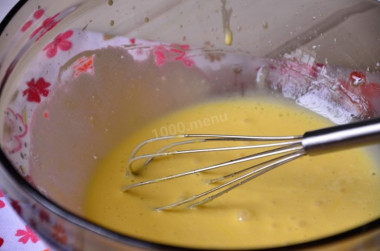
Take the egg sauce off the water bath and, whisking constantly, pour in the warm clarified butter — first drop by drop, then in a thin stream. At the very end, season the hollandaise with lemon juice and salt. Taste it, and add more of anything that seems lacking.
-
Step 6:
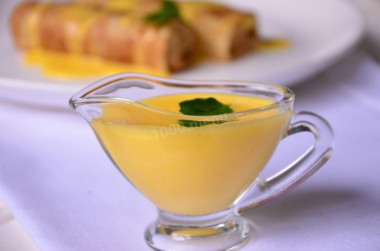
Serve the hollandaise warm. Enjoy!
- In this recipe the white wine vinegar can be replaced with white wine — dry or off-dry. The original recipe actually uses wine. Despite its name, hollandaise is a classic French sauce, traditionally served with eggs Benedict, poached eggs, vegetables, and fish. It usually isn't made ahead, because it can form a not-very-attractive skin during storage — so I'd eat it right after making it. But given how delicious it is, I doubt there'll be any left on the table after a meal anyway. (:
- How do you tell if an egg is fresh? Crack it into a separate bowl. First, there should be no off smell. The white of a fresh egg is clear and clean. The yolk shouldn't spread — it stays shiny, domed, and uniform.
- For cooking, it's better to use filtered or bottled water with a neutral taste. Tap water can give the dish an unpleasant off-flavor.
Caloric content of the products possible in the composition of the dish
- Water - 0 kcal/100g
- Lemon juice - 16 kcal/100g
- White wine vinegar - 14 kcal/100g
- Egg yolks - 352 kcal/100g
- Table salt - 0 kcal/100g
- Ghee - 892 kcal/100g
- White pepper - 0 kcal/100g