Meat-Free Vegetable Pilaf in a Skillet
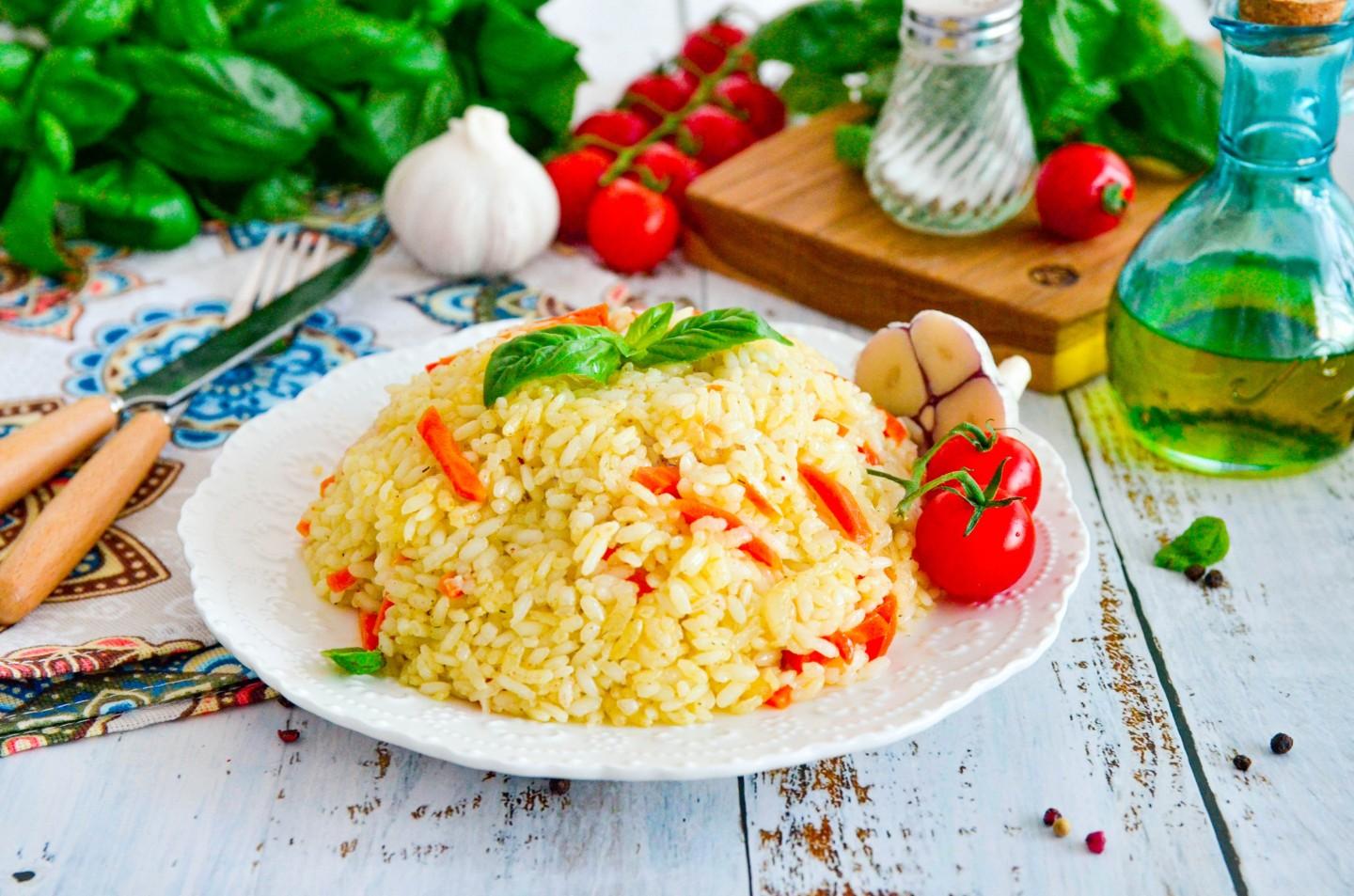
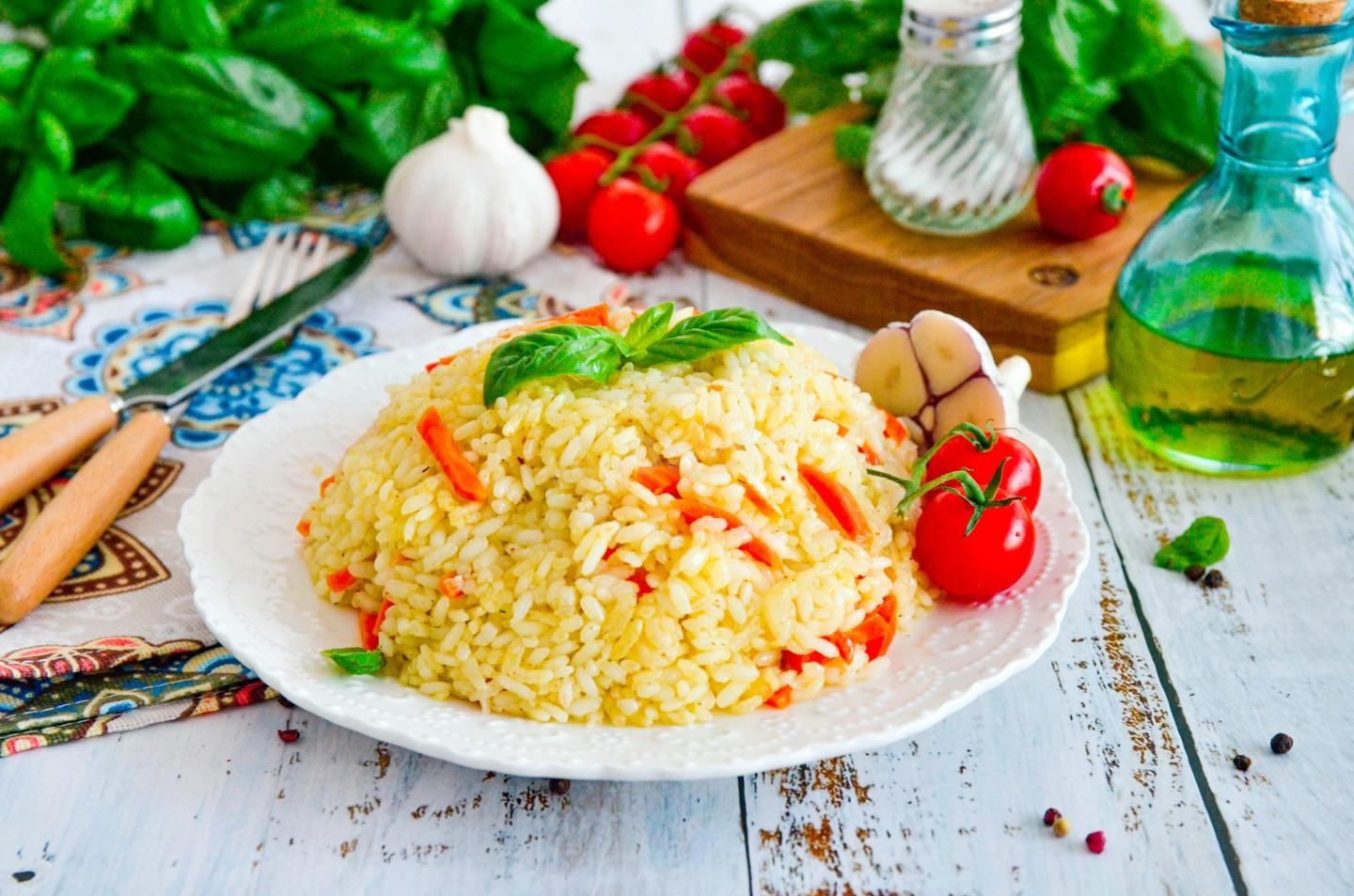
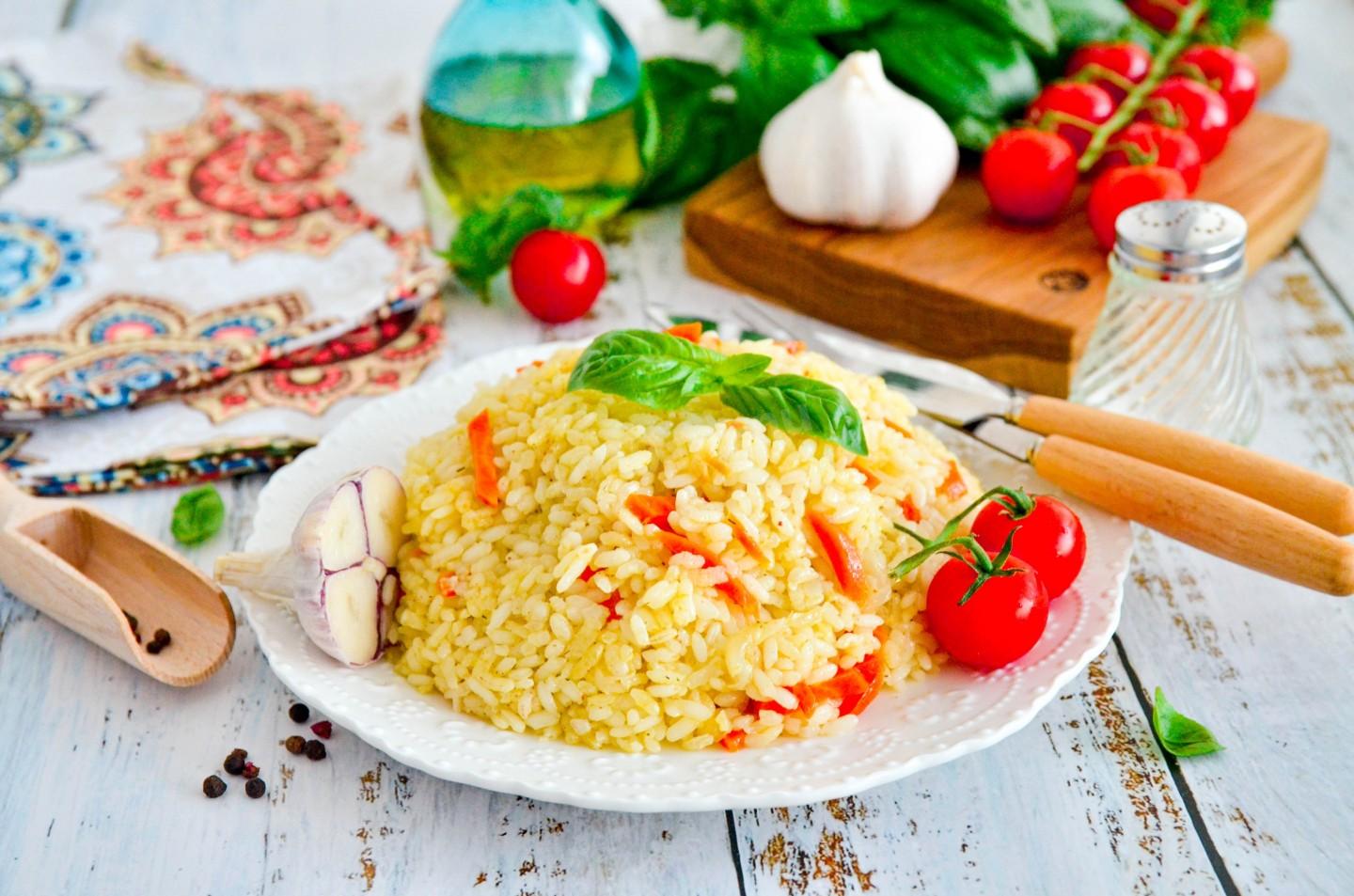
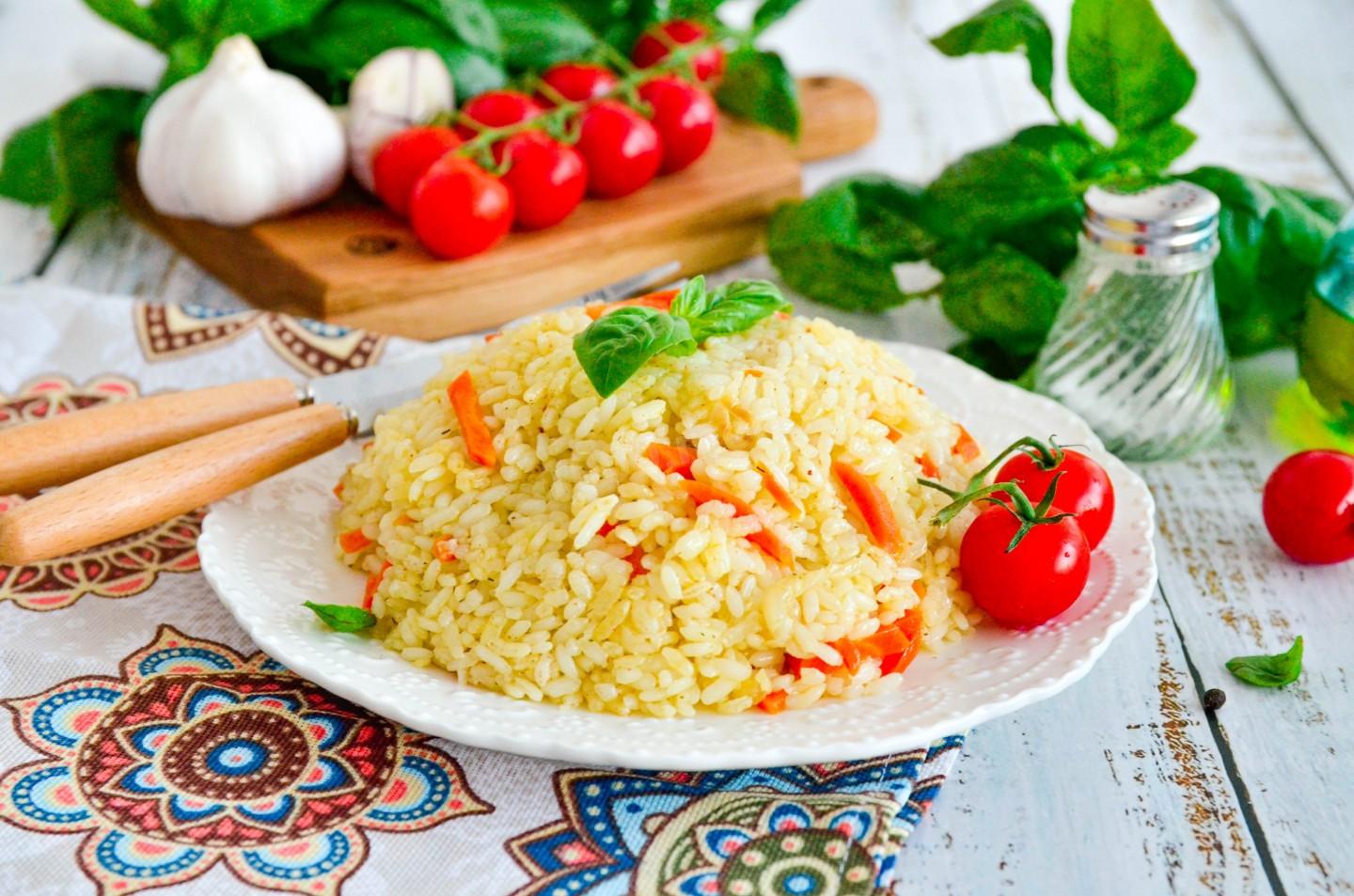
A quick, simple side from the most ordinary ingredients! Meat-free vegetable pilaf in a skillet is made the same way as the classic meat version. It's a good one for anyone fasting or eating vegetarian.

Cooking method
-
Step 1:
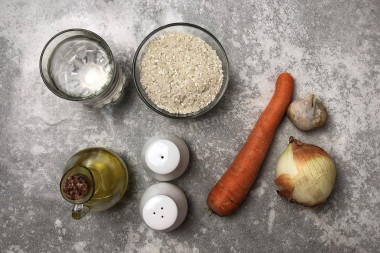
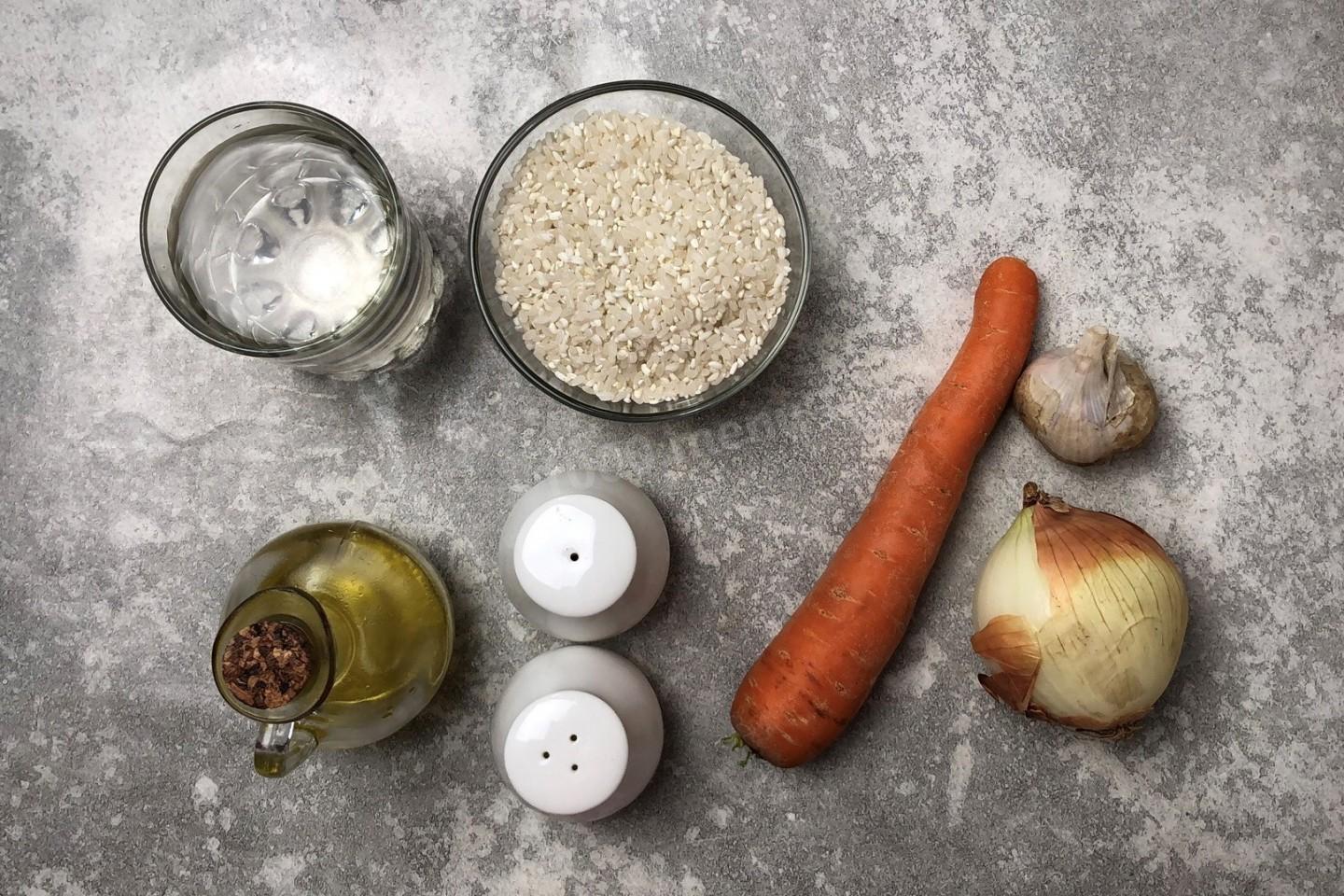
How do you make meat-free vegetable pilaf in a skillet? Get the ingredients ready. Any rice works — round, long, brown, red. The one I wouldn't recommend is parboiled rice — it doesn't absorb the fat and the pilaf won't be as tasty. Use plenty of onion and carrot; they add juiciness. Use garlic to taste — you can even add three heads. I went with one. For spices, I suggest a special pilaf blend, which includes cumin (zira) and barberries.
-
Step 2:
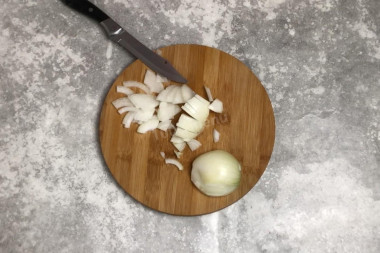
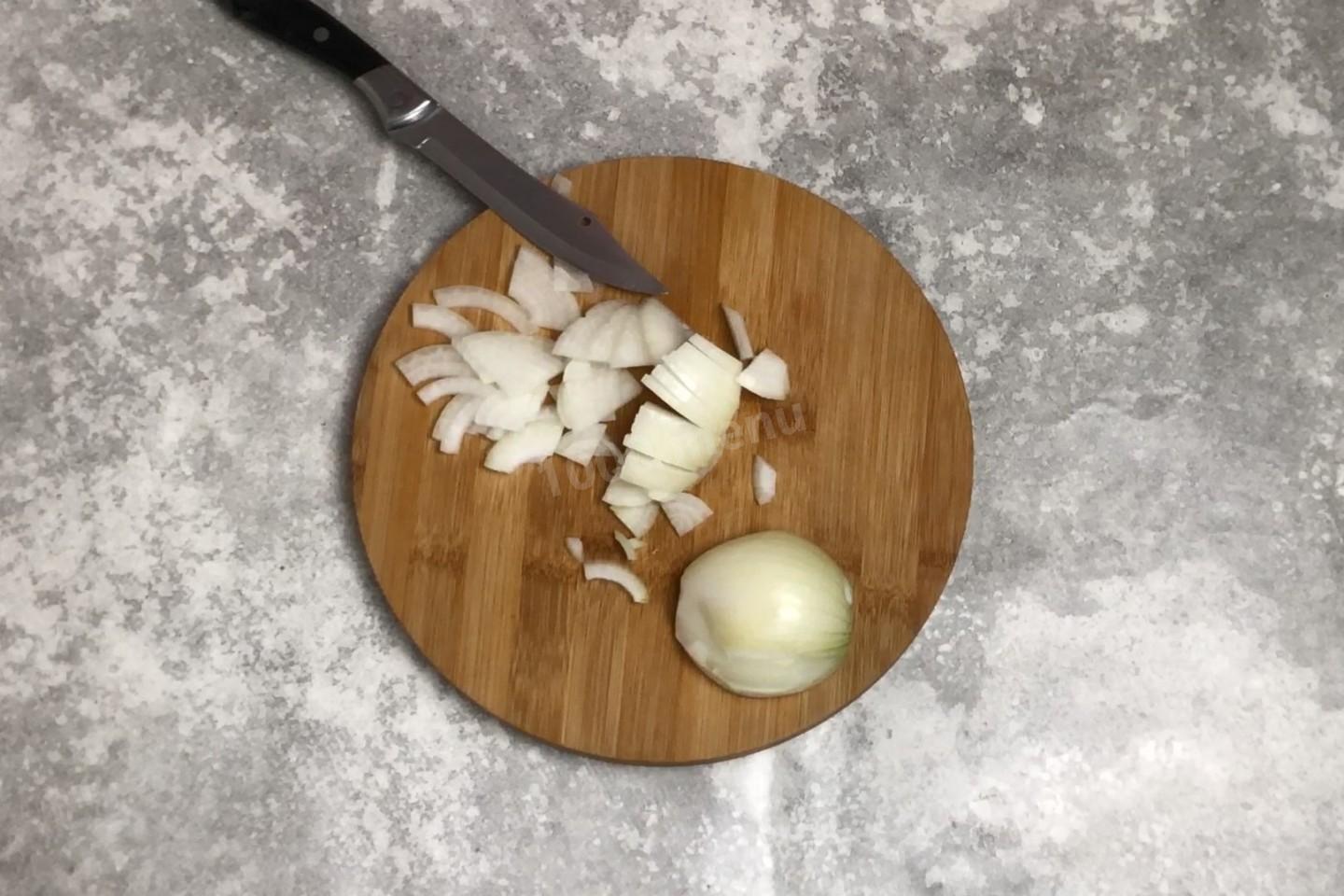
First, prep the vegetables. Peel the onion and cut it into quarter-rings.
-
Step 3:
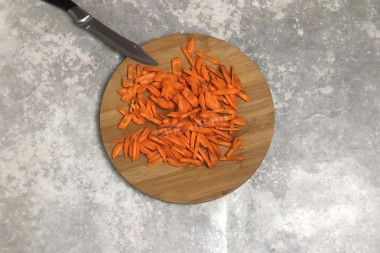
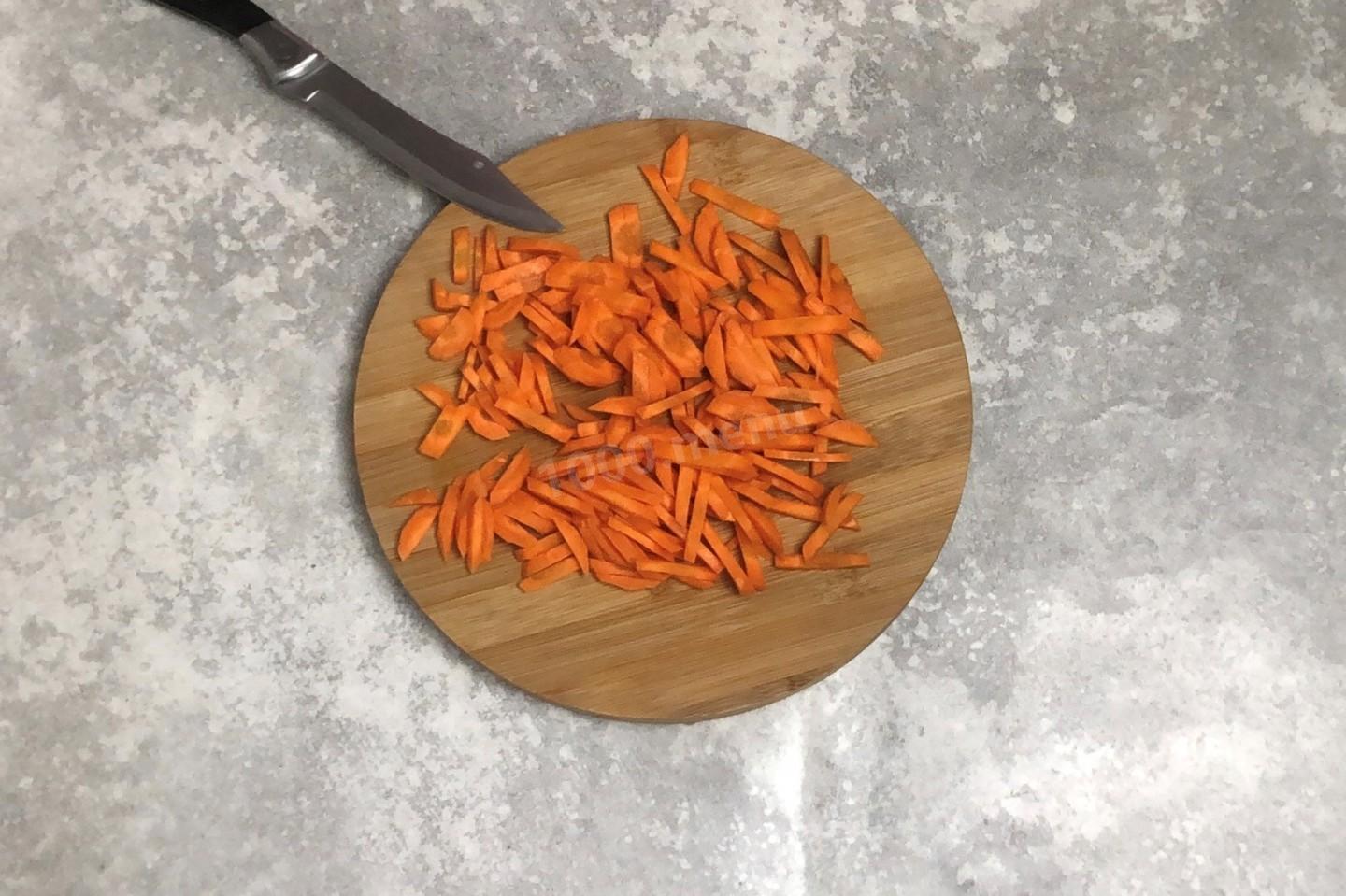
Cut the peeled carrot into strips. Don't grate it, or it'll turn to mush — in a real pilaf the texture of each ingredient matters.
-
Step 4:
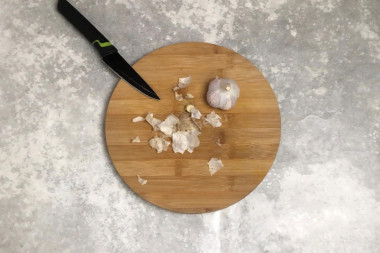
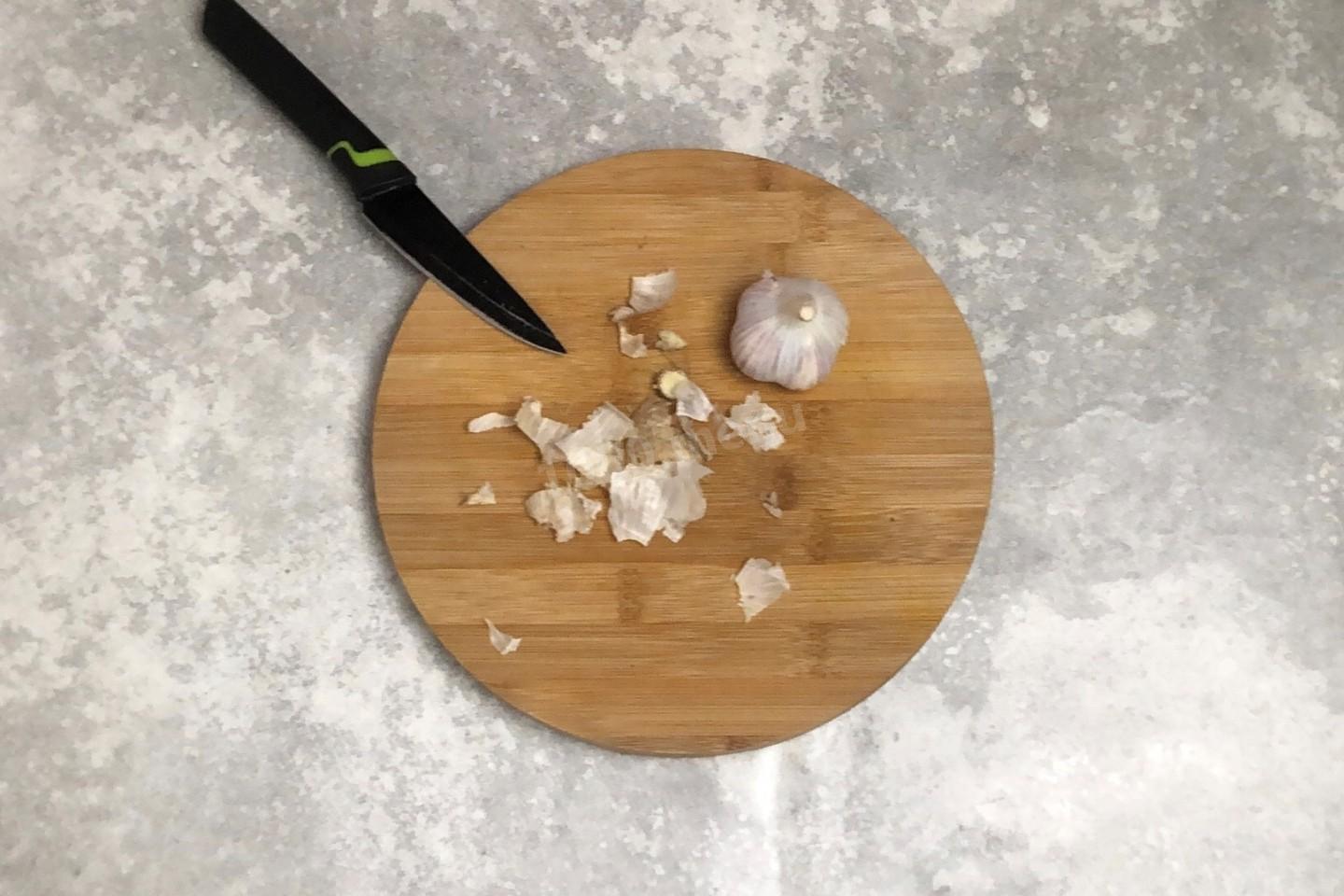
Peel just the top layer of papery skin off the garlic head, no more — it's used whole.
-
Step 5:
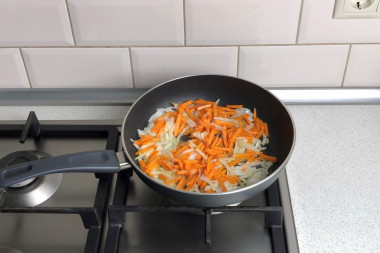
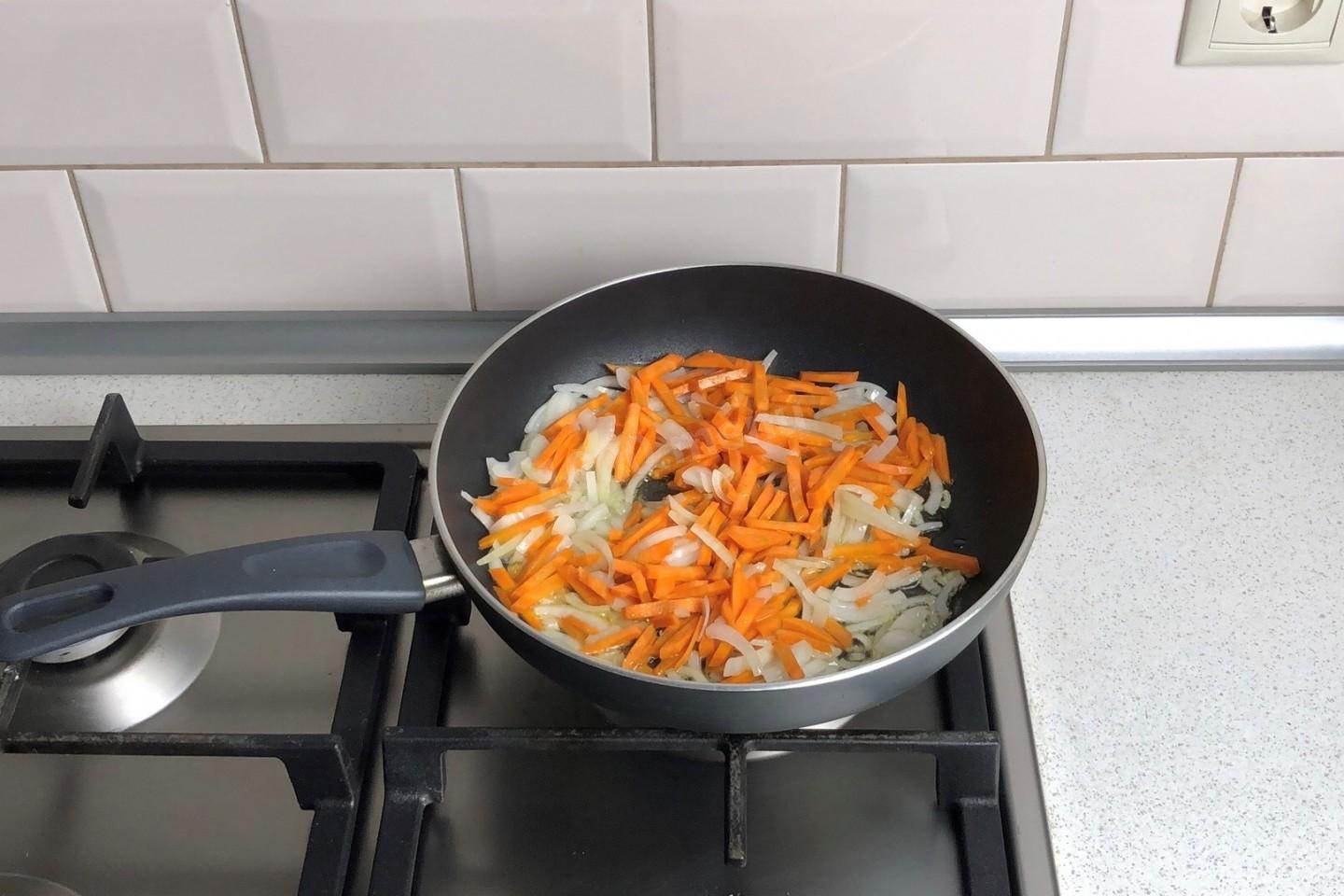
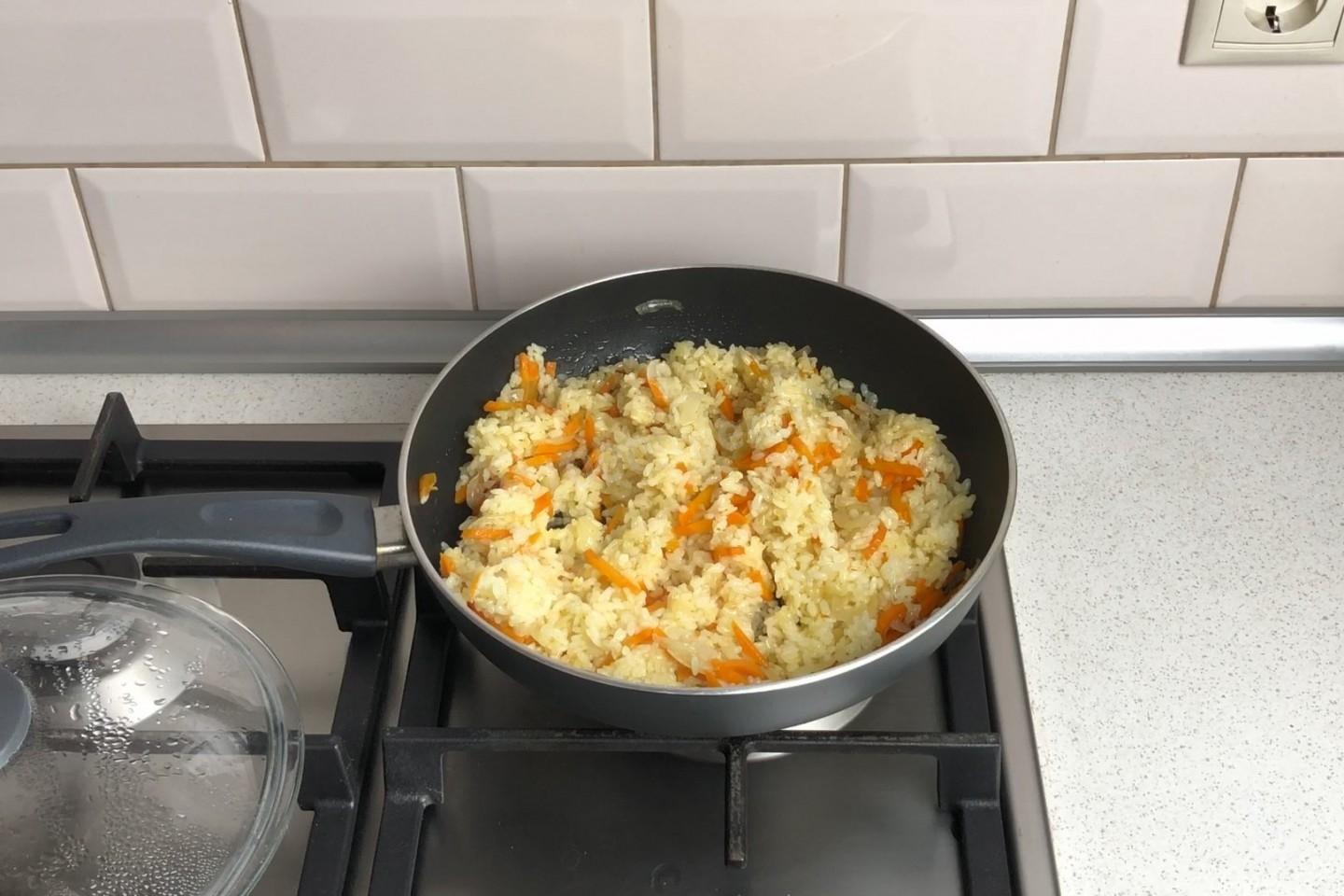
Take a heavy-bottomed skillet or a cauldron. Heat it over high heat and pour in the vegetable oil. Add the cut onion and fry, stirring, for a couple of minutes. Then add the carrot. Fry the vegetables over high heat, stirring, for about 5 minutes. They should fry, not steam. At the end, add salt and spices and stir.
-
Step 6:
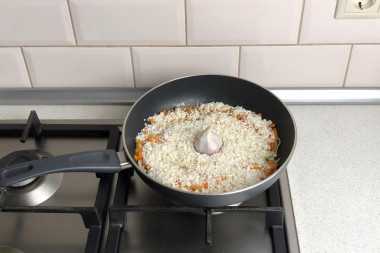
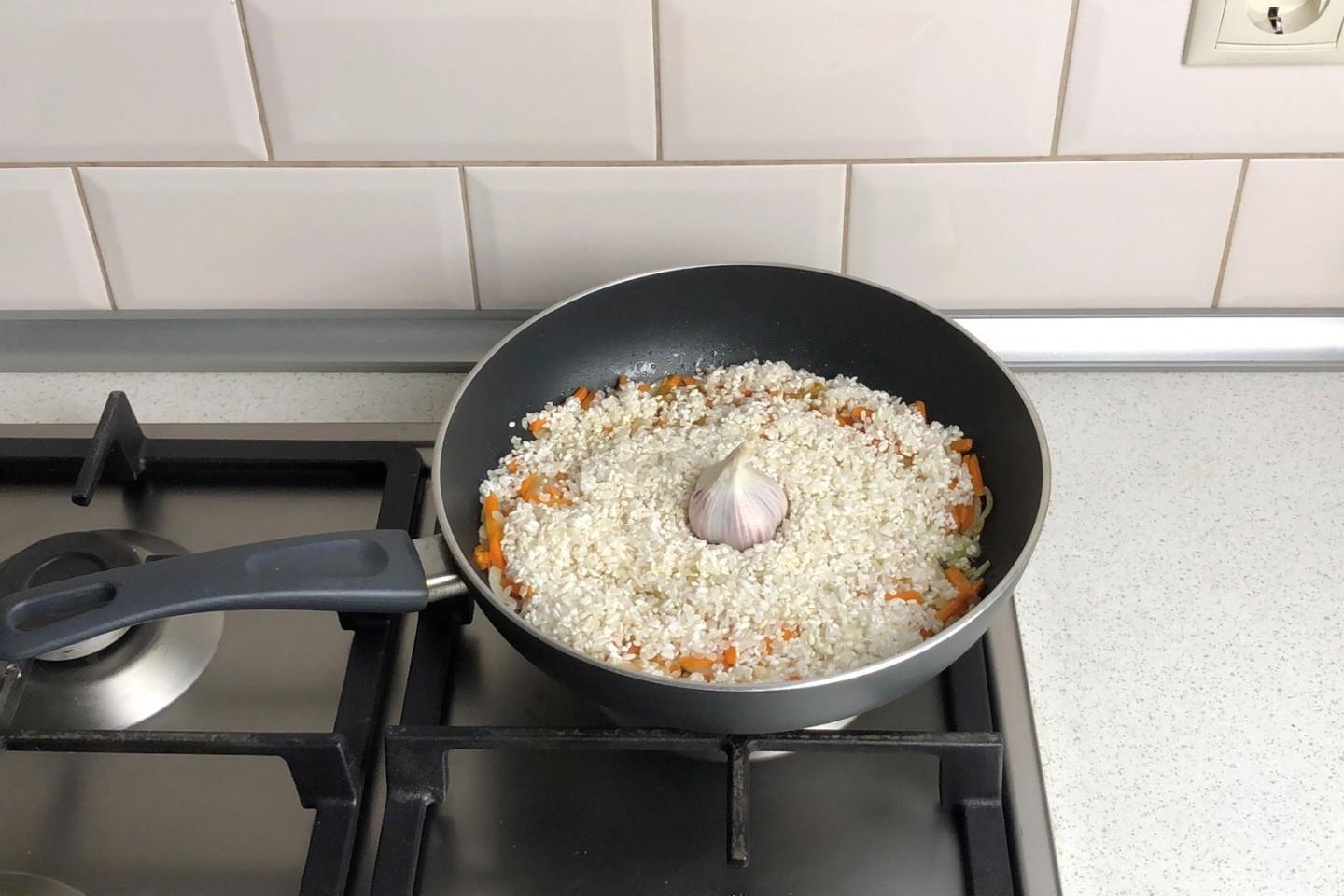
While the vegetables fry, rinse the rice. Rinse it for a good while, until the water runs completely clear — this washes out the starch so the pilaf turns out fluffy. Spread the rinsed rice in an even layer over the vegetables. Push the garlic heads into it.
-
Step 7:
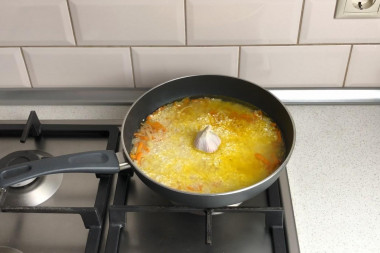
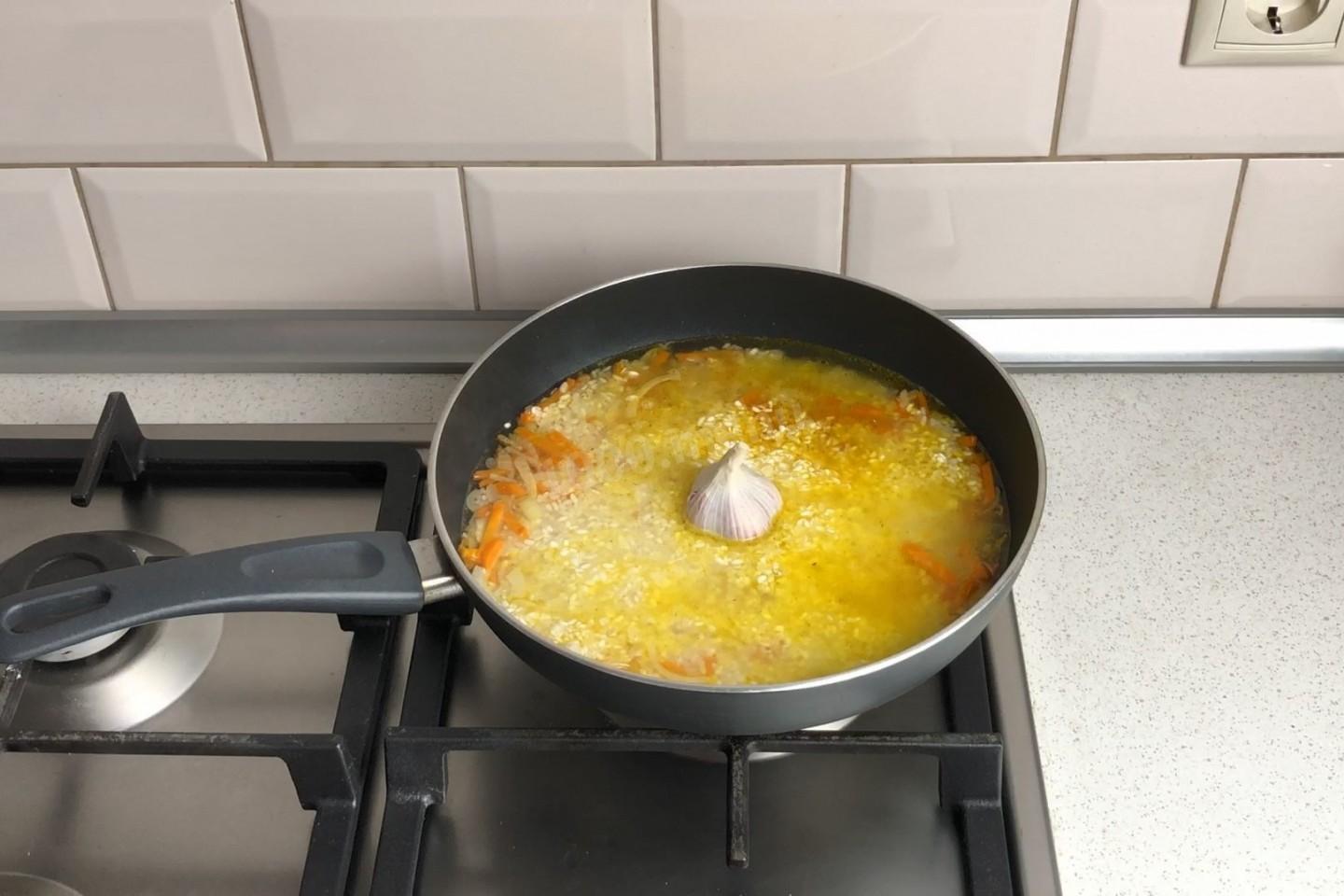
Pour hot water over the rice — this cuts the cooking time. Pour the water in gently down the side so the rice stays on top. Whatever you do, don't stir the pilaf; that's just how it's made.
-
Step 8:
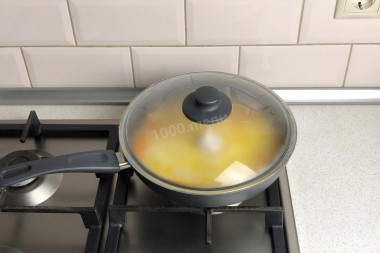
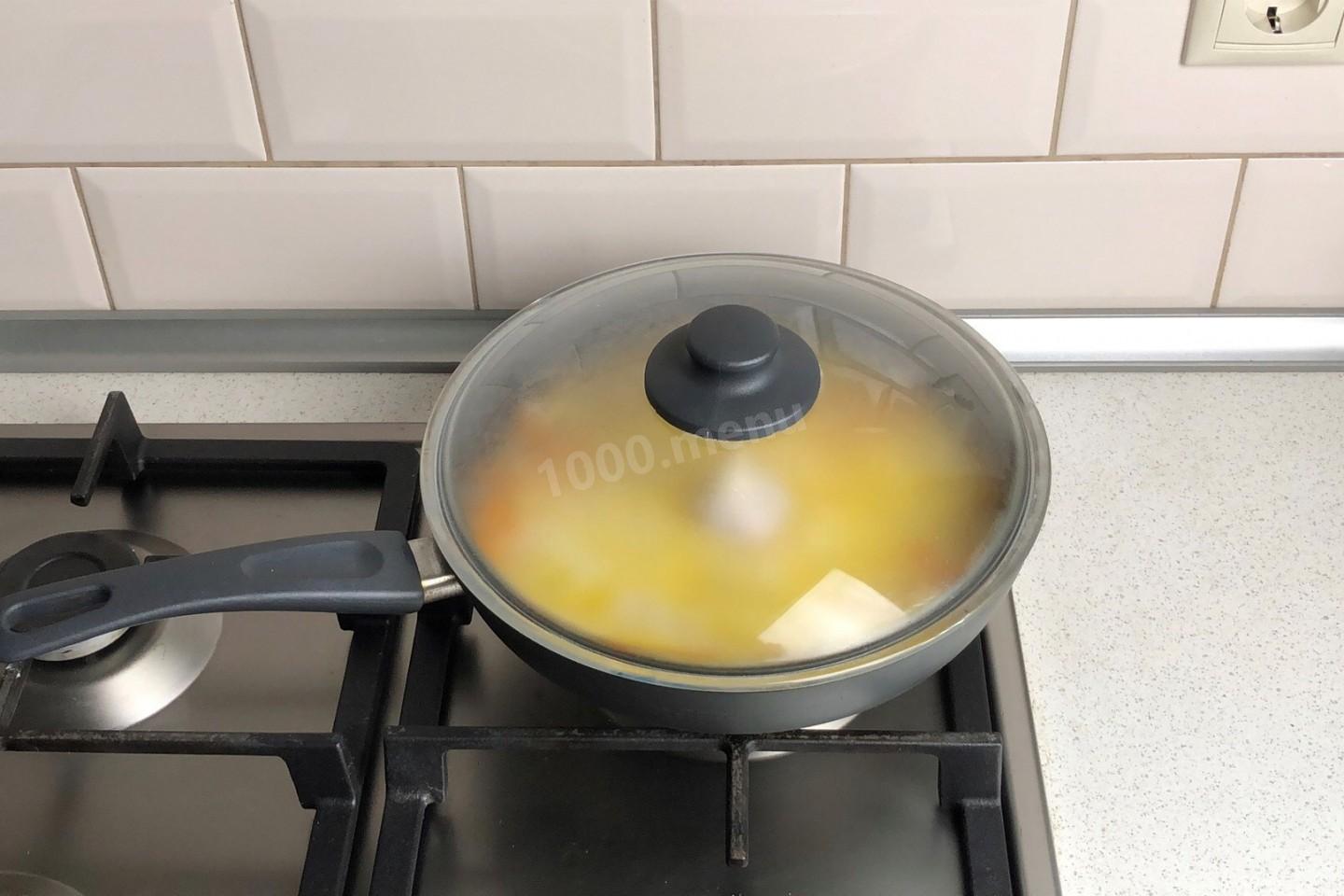
Turn the heat to its lowest, cover the skillet, and let the pilaf cook until the liquid has completely evaporated. That takes 10 to 15 minutes, depending on how much rice you used.
-
Step 9:
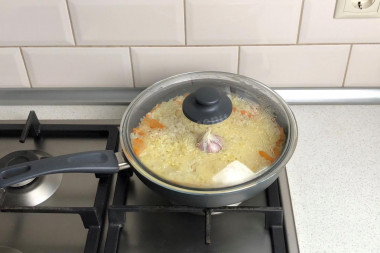
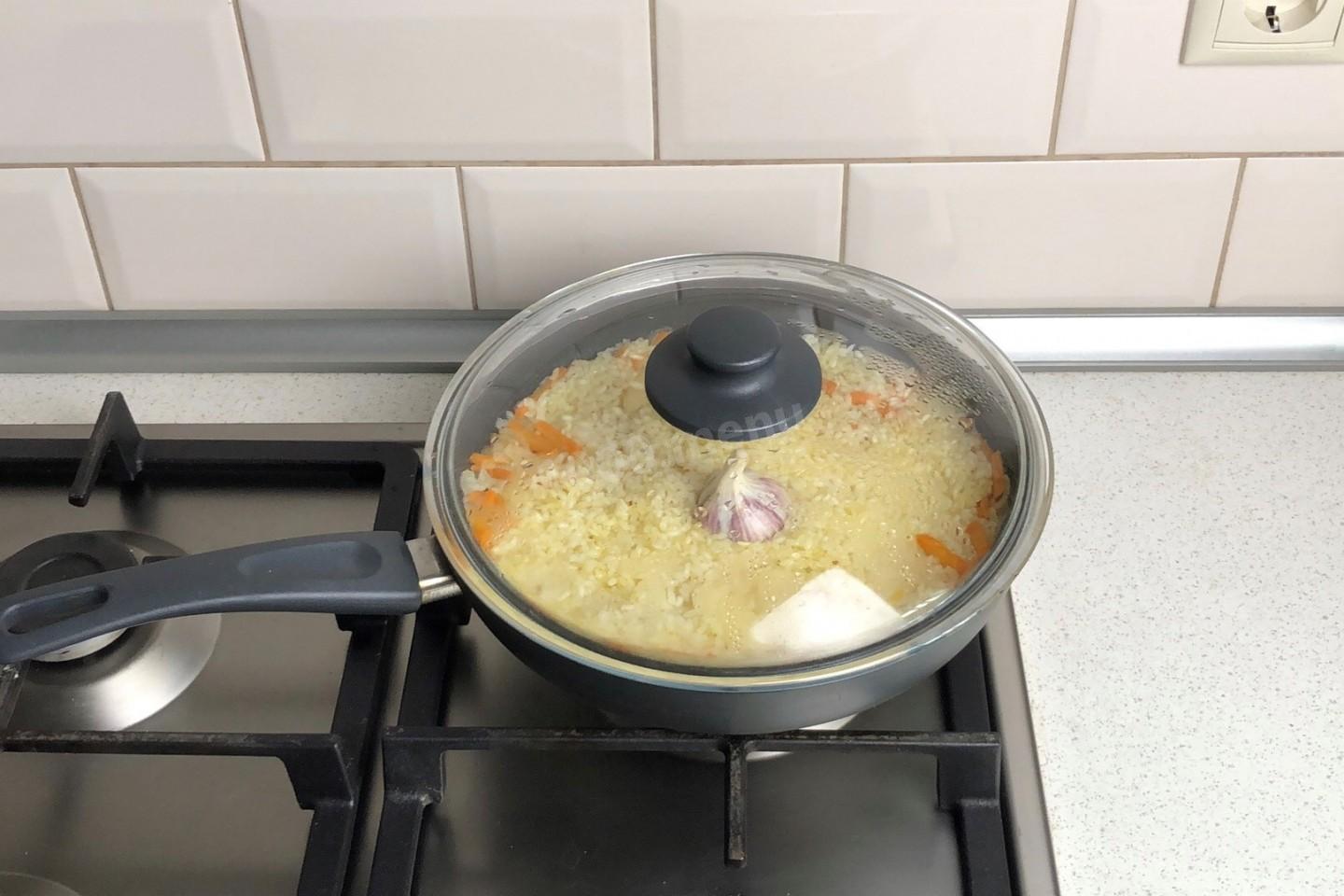
Once all the water is gone, turn off the heat and let the pilaf rest, covered, for about 15 minutes. The rice finishes cooking through.
-
Step 10:
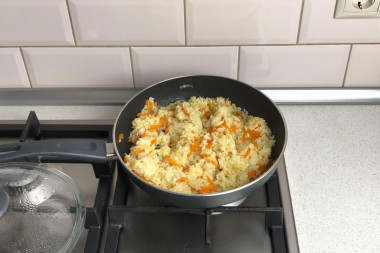
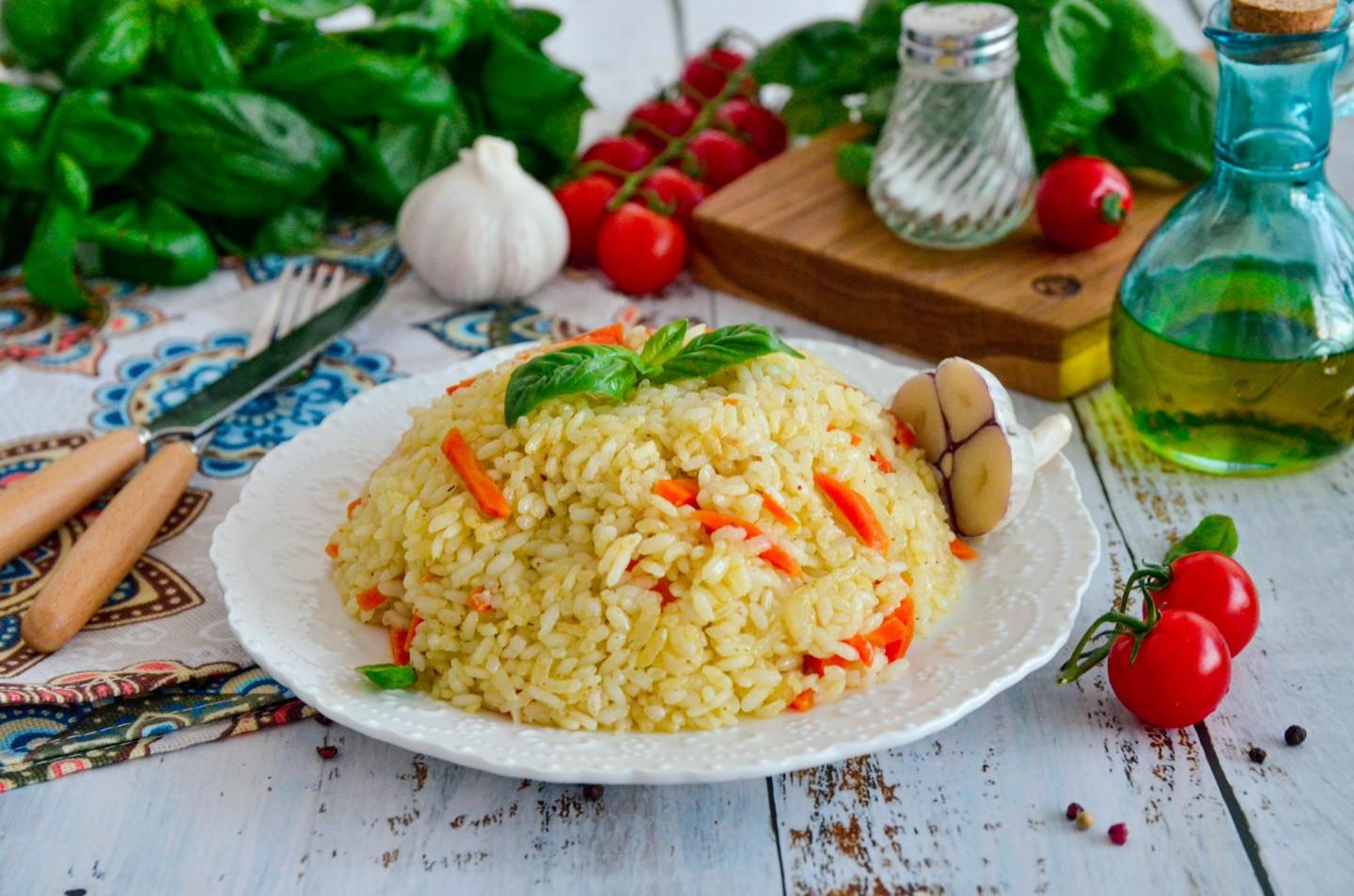
Only then take out the garlic and stir the rice together with the vegetables. The meat-free pilaf is ready. You can serve it.
-
Step 11:
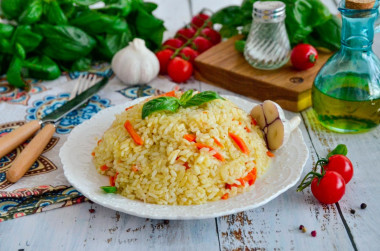
Serve the garlic along with the pilaf — it comes out steamed and very fragrant. Enjoy!
- Important! For rice dishes that always come out tasty, read the article on the finer points of choosing and cooking rice.
- Use an oil with a high smoke point for frying! Every oil is good only up to a certain temperature — its smoke point, beyond which it starts to burn and form toxic compounds, including carcinogens. Unrefined oils, with rare exceptions, have a low smoke point: they're full of unfiltered organic particles that scorch quickly. Refined oils handle heat better and have a higher smoke point. If you're cooking in the oven, in a pan, or on the grill, make sure you use a high-smoke-point oil. The most common ones: refined sunflower, olive, and grapeseed.
- Keep in mind that how you cut the carrot affects the final result: grated carrot turns to mush during cooking and blends evenly into everything else, while carrot cut into strips or sticks keeps its shape.
Caloric content of the products possible in the composition of the dish
- Onion - 41 kcal/100g
- Raw wild rice - 353 kcal/100g
- Brown raw rice - 360 kcal/100g
- Boiled brown rice - 119 kcal/100g
- White fortified raw rice - 363 kcal/100g
- White fortified boiled rice - 109 kcal/100g
- White rice, steamed, with long grains raw - 369 kcal/100g
- Steamed white rice, boiled with long grains - 106 kcal/100g
- Instant dry rice - 374 kcal/100g
- Instant rice, ready to eat - 109 kcal/100g
- Rice - 344 kcal/100g
- Carrots - 33 kcal/100g
- Dried carrots - 275 kcal/100g
- Boiled carrots - 25 kcal/100g
- Garlic - 143 kcal/100g
- Vegetable oil - 873 kcal/100g
- Salt - 0 kcal/100g
- Spices dry - 240 kcal/100g
Similar recipes

- Fast and tasty
- Homemade dinner
- Second course
- Side dishes
- Vegetables
- Cereals and cereal products
- Spices seasonings spices
- Fats and oils
- Garlic
- Salt
- Dry spices
- Vegetable oil
- Cooking
- Frying
- In a frying pan
- The second is fast and delicious
- Second lean dishes
- Pilaf
- Rice to garnish
- Side dish to fish
- Side dish to meat
- Side dish to chicken
- Side dish of cereals
- From carrots
- From onion
- No eggs
- Vegetarianism
- Lean table
- Recipes for lean dishes without butter
- From rice