Cardamom coffee
Fragrant, original, lively — an unusual flavor! Cardamom coffee is sure to win over fans of Middle Eastern cooking: it comes out spiced, invigorating, and warming. This drink is perfect for a fall or winter evening, when you most crave a little warmth and coziness.

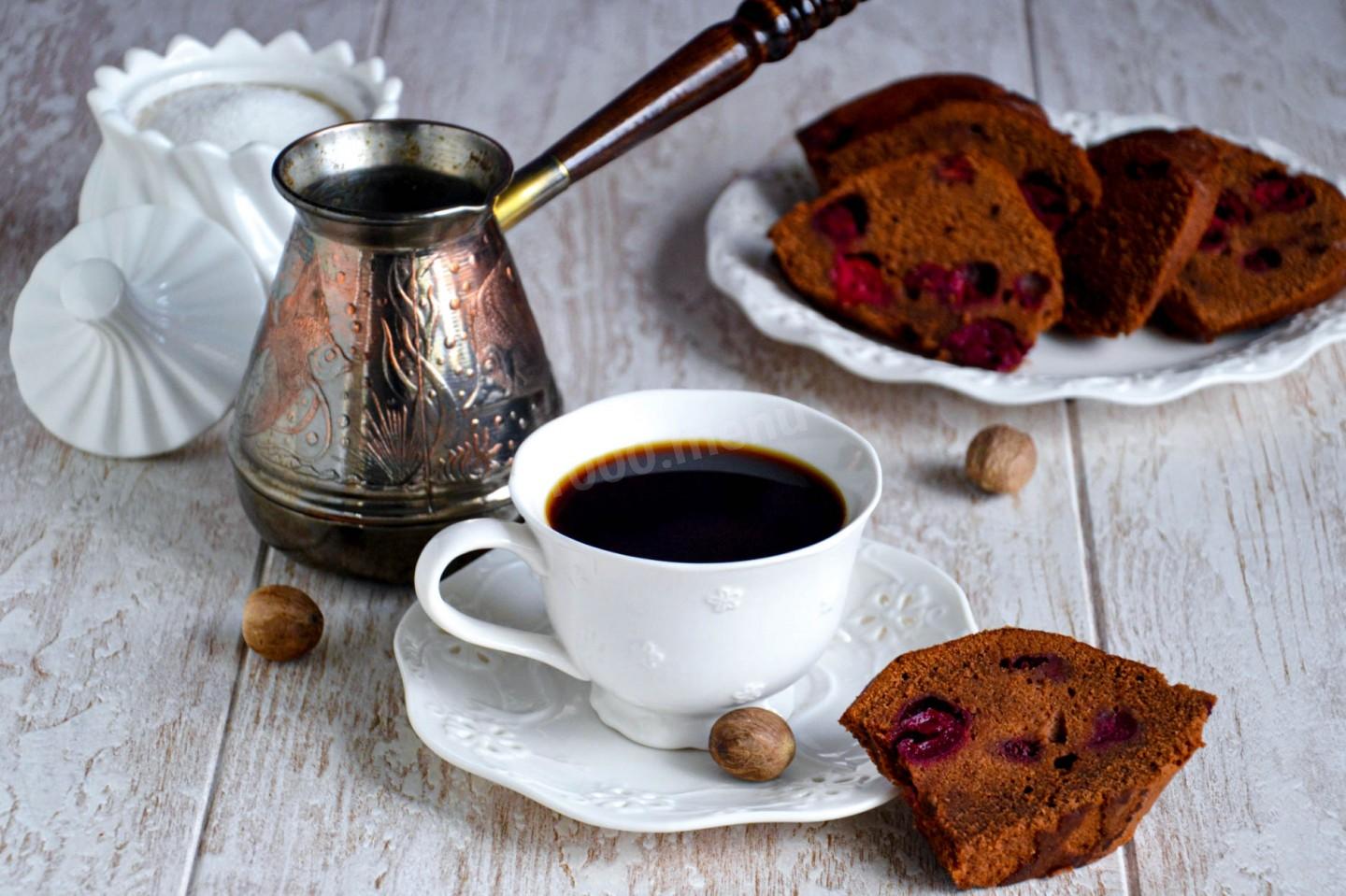
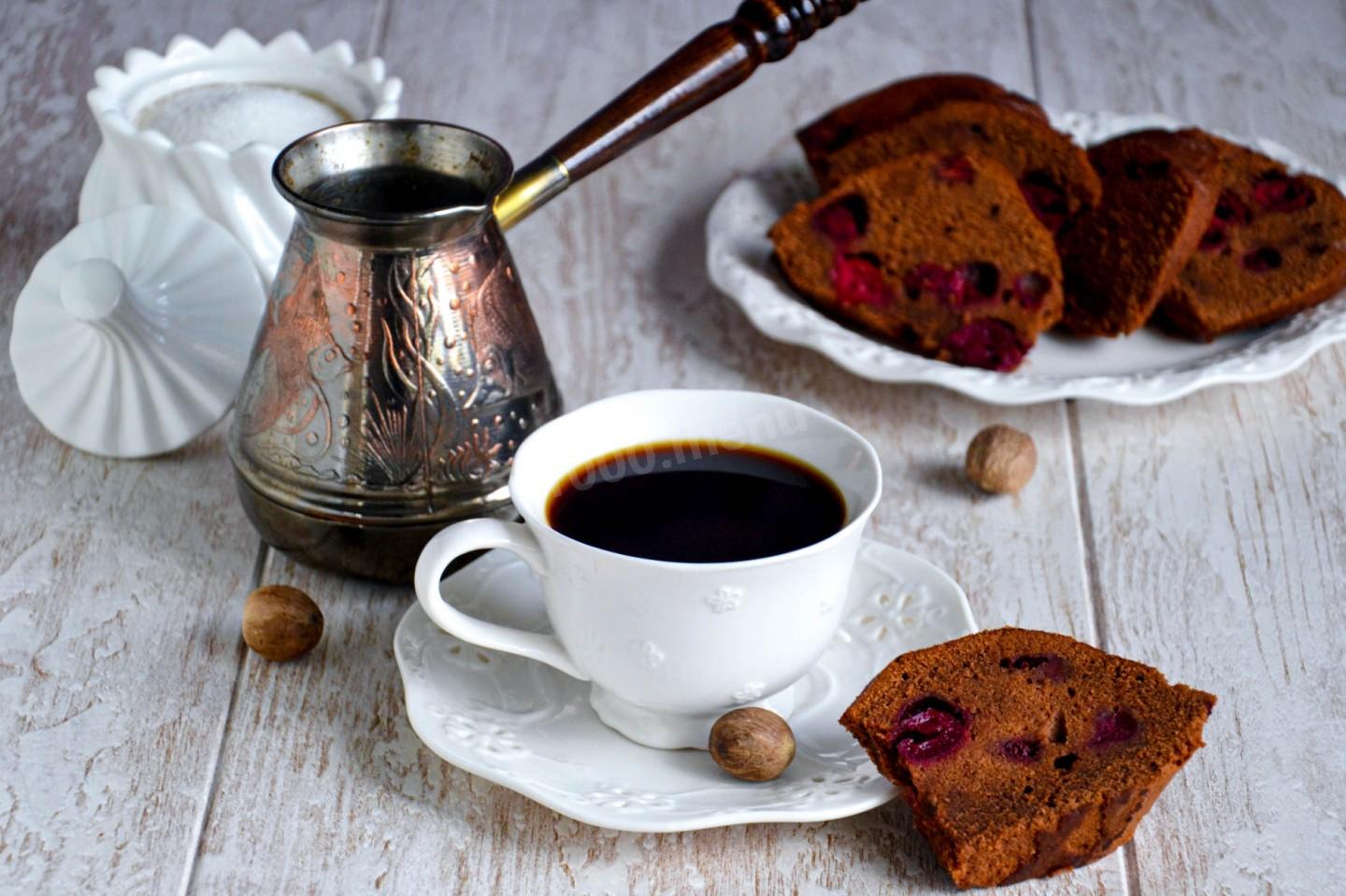
Cooking method
-
Step 1:
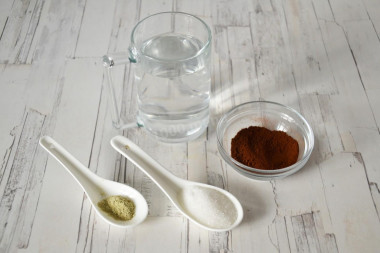
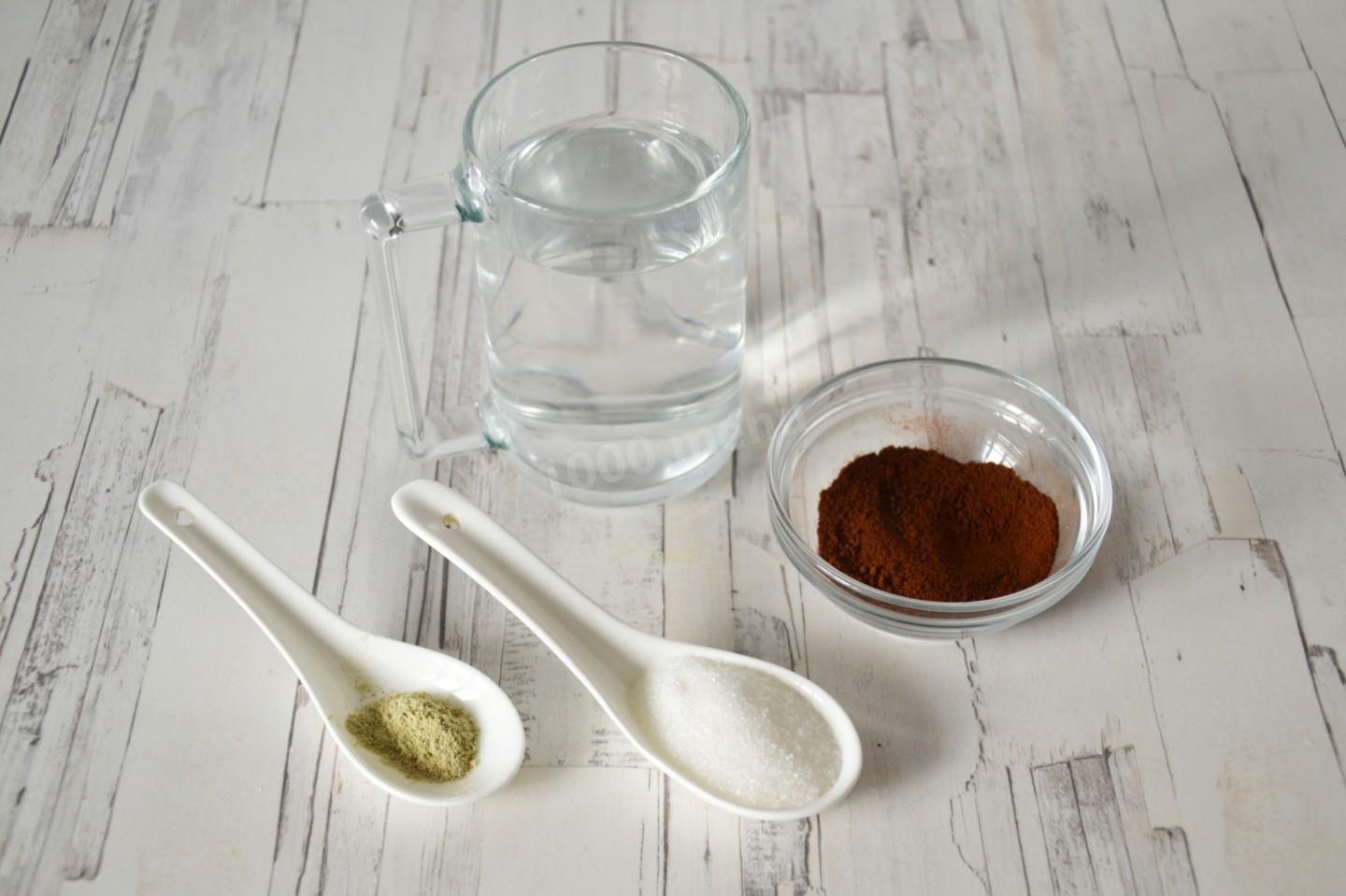
How do you make cardamom coffee? Gather your ingredients. I'll be brewing real ground coffee in a cezve (a Turkish coffee pot), but you can use instant coffee instead, which you just steep with boiling water. The cardamom can be ground or whole — if whole, you'll need 3–4 pods. Adjust the sugar to your taste.
-
Step 2:
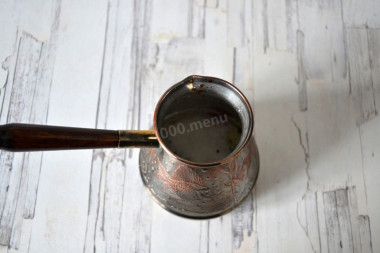
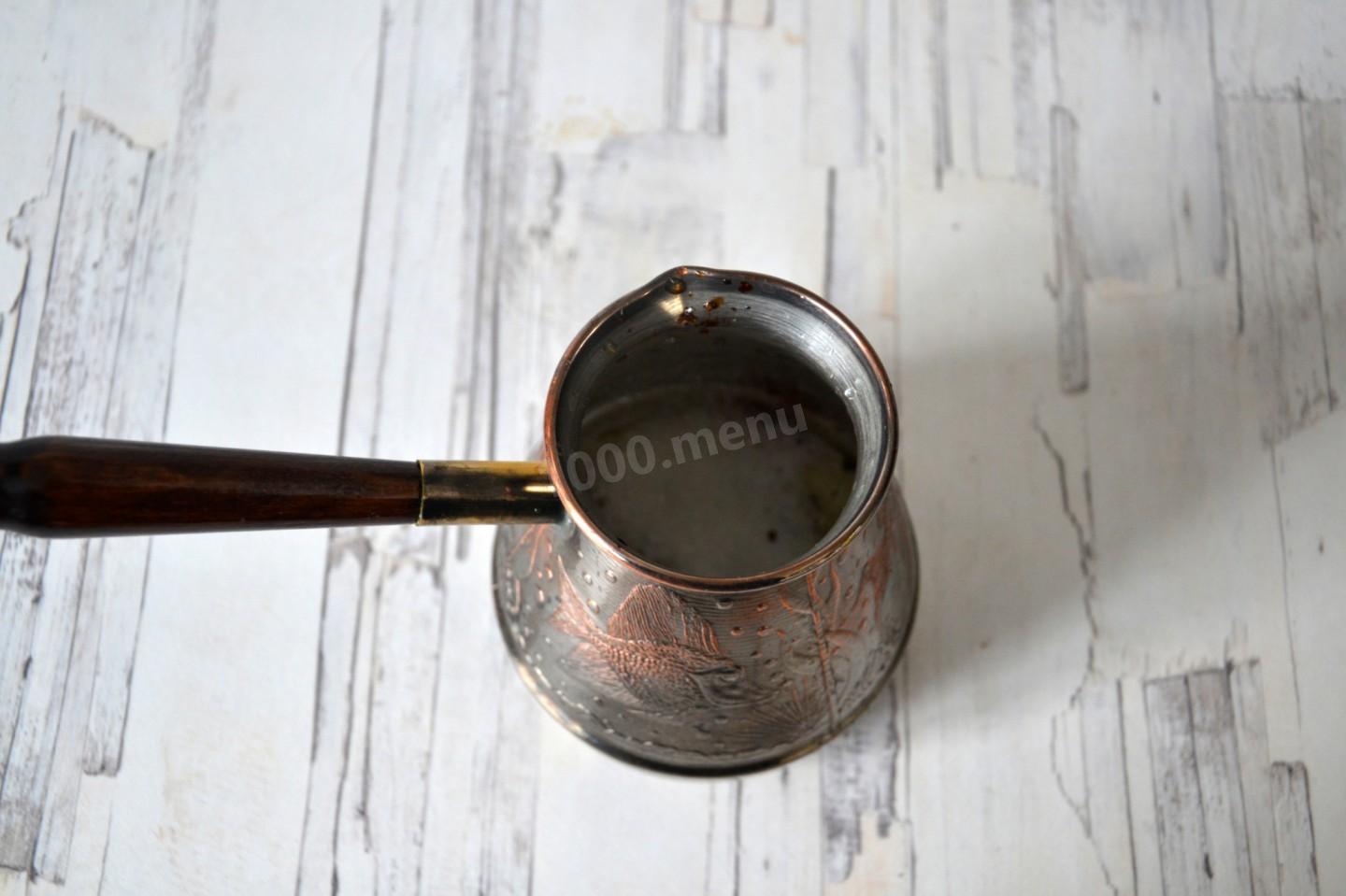
Put the ground coffee, sugar, and cardamom into the cezve. You can grind the coffee beans and cardamom yourself for an even more fragrant drink.
-
Step 3:
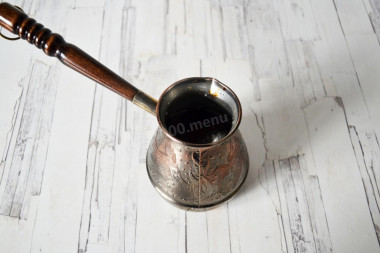
Fill the cezve with clean cold water up to where the neck narrows, and stir.
-
Step 4:
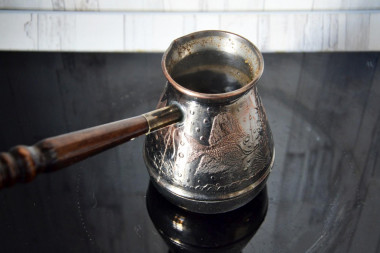
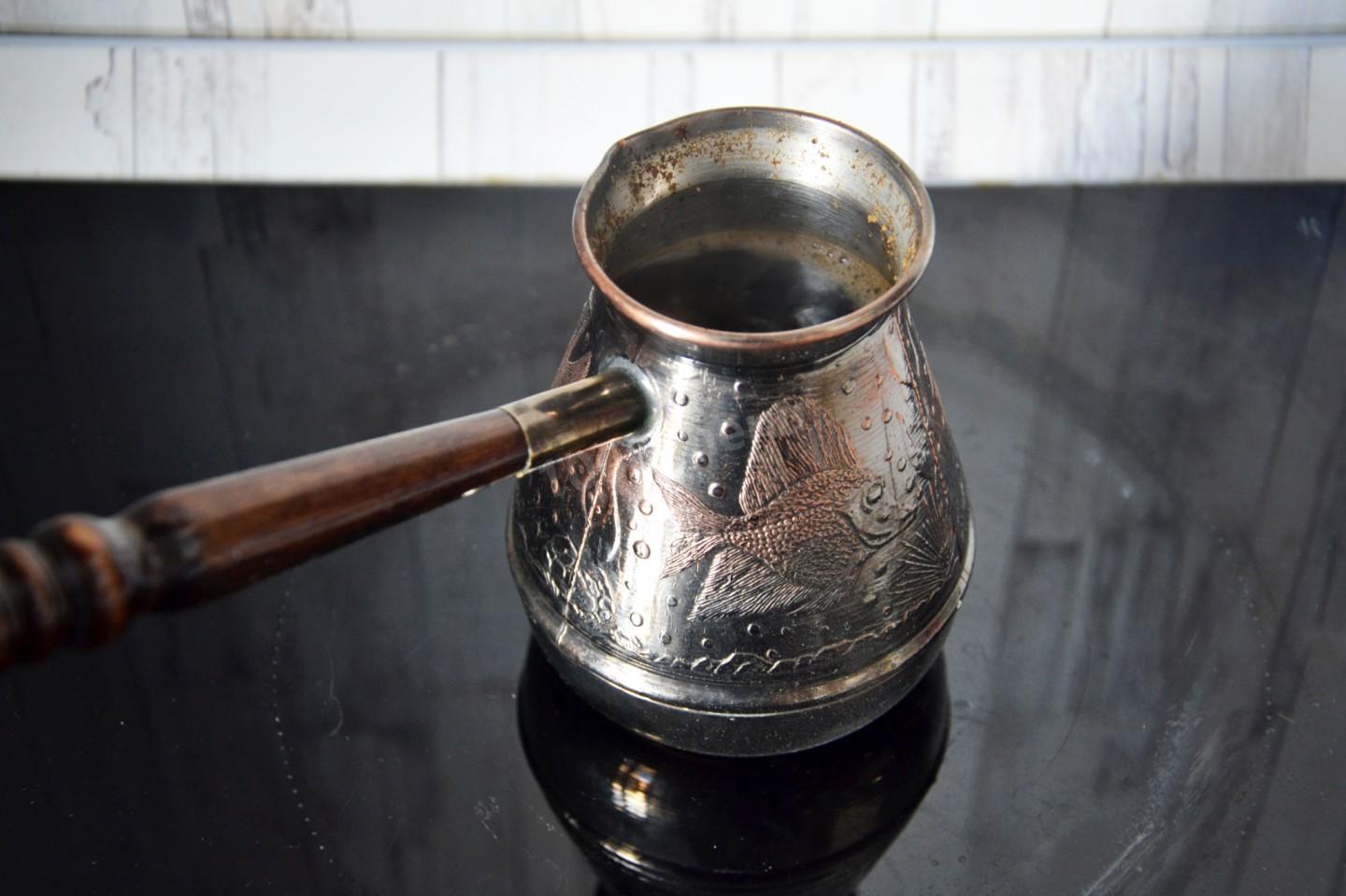
Set the cezve over the heat. From here you have two options.
- Bring the coffee to a boil over low heat. When the foam rises to the rim of the cezve, take it off the heat. Wait for the foam to settle, return it to the heat, and bring it to a boil again. Repeat 1–2 more times.
- Bring the coffee to a boil over medium heat, then lower it right away. Simmer the coffee for about 4 minutes.
-
Step 5:

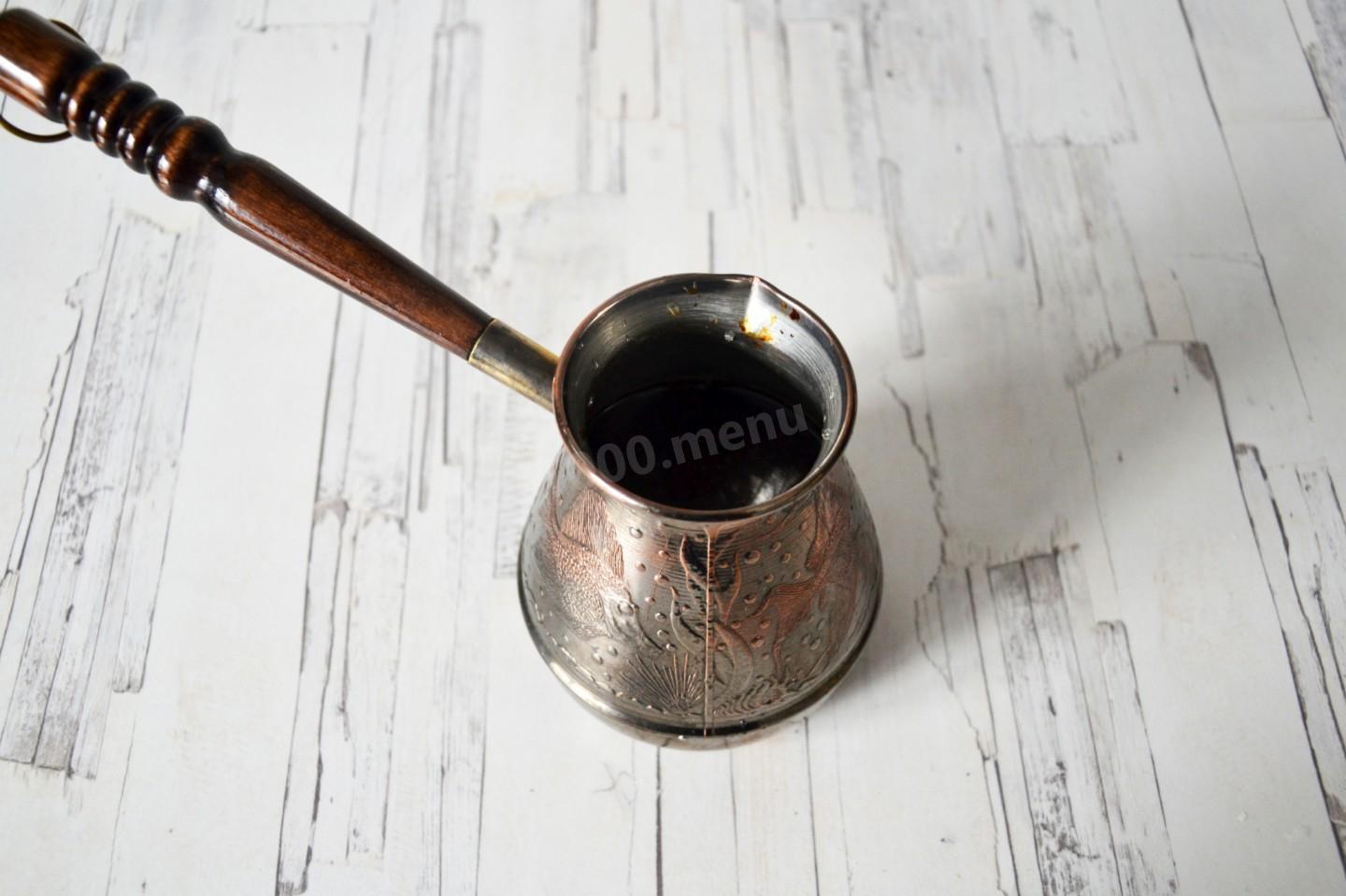
Pour the cardamom coffee into cups and serve. Offer light cream (10%) or milk alongside. Enjoy!

- Cardamom is a seasoning prized by cooks the world over! This spice has a sweetish aroma and a slightly hot taste. It's added to all kinds of dishes, from soups to cold appetizers.
- This seasoning is the fruit of a perennial herbaceous plant in the ginger family, genus Elettaria. It looks like a green seed pod up to 2 cm long — a three-chambered capsule holding small brown, dark-brown, or black seeds. It's these tiny seeds that are added to dishes as a seasoning. Cardamom can be bought ground, but many cooks prize whole, natural cardamom.
- Cardamom became popular here relatively recently, but in India this culinary ingredient has been treasured since ancient times. It's also long been common in Israel, Turkey, Egypt, and Saudi Arabia. In some Asian countries, adding cardamom to dishes is considered a mark of good culinary form. It's added to black teas, where it pairs harmoniously with the tart, sweet aroma of the leaves and gives the drink warm, homey notes. But it's not only tea and coffee that benefit from this spice — a lesser-known but very interesting option is milk with cardamom. That drink soothes, relaxes the nervous system, and helps you drift off to a quick, restful sleep.
- Since everyone's tolerance for salty, sweet, bitter, spicy, sour, and hot is different, always add spices and seasonings to your own taste! And if you're using a particular seasoning for the first time, keep in mind that some are especially easy to overdo (chili pepper, for example).
- For making this, it's best to use filtered or bottled water with a neutral taste. If you use tap water, keep in mind it can give the drink an off, characteristic flavor.
- Instead of sugar, you can use a heat-stable sweetener.
Caloric content of the products possible in the composition of the dish
- Cardamom - 311 kcal/100g
- Granulated sugar - 398 kcal/100g
- Sugar - 398 kcal/100g
- Water - 0 kcal/100g
- Ground coffee - 200 kcal/100g