Oak-aged moonshine
If you want it done right, make the spirit yourself! To avoid a headache after a get-together with friends, take the process into your own hands. That's the only way to be sure exactly what's in your glass. And to surprise and delight your guests, make oak-aged moonshine.




Cooking method
-
Step 1:
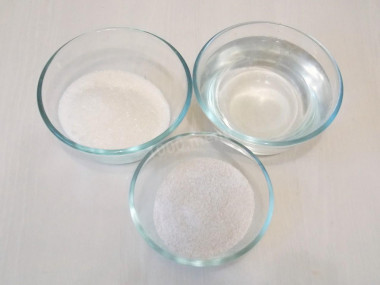
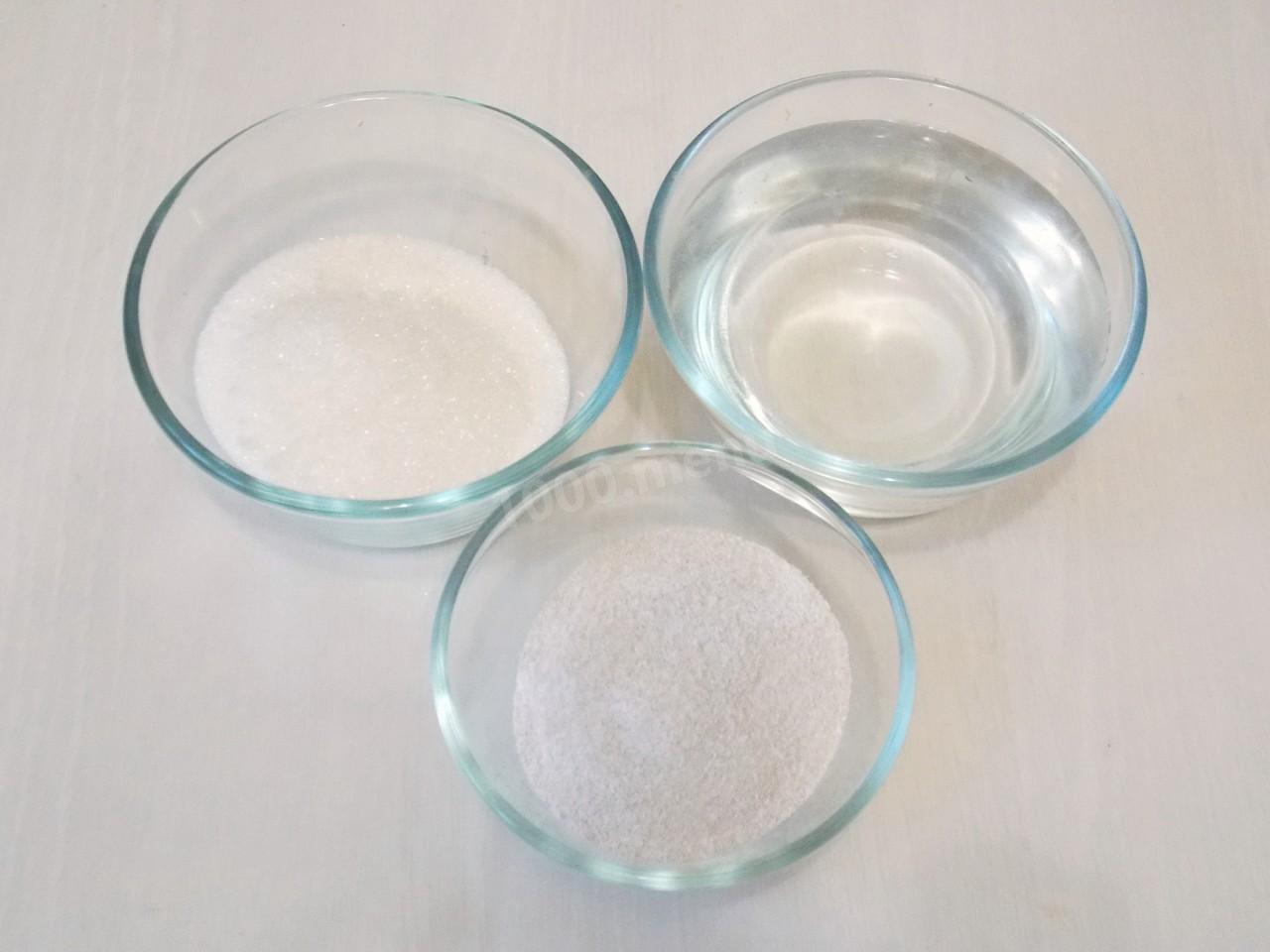
To make moonshine aged on oak chips, we'll start by making the moonshine itself. In principle, it doesn't matter which moonshine you use; I'll make the simplest sugar-based one. Gather all the ingredients for it. We use dry yeast bought from a specialty store. Mine is the "turbo" type, so I'll describe my whole process according to the instructions for that type.
-
Step 2:
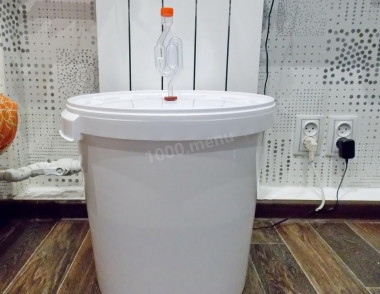
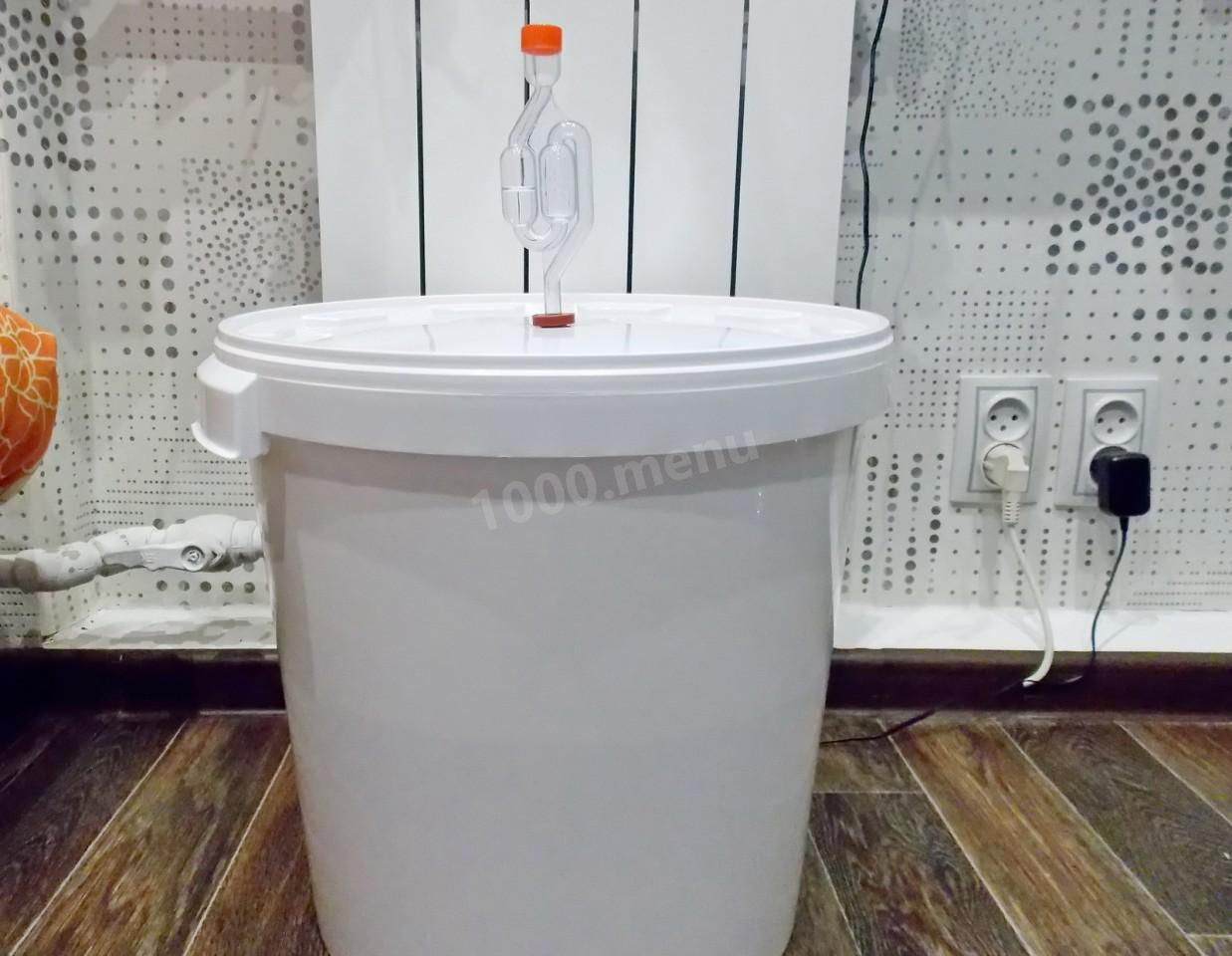
Use water that's about 95°F (35°C). Add the sugar and yeast and stir well until you have a uniform liquid. It will be cloudy at first, but that's normal—don't worry. Do all this in a special fermentation tank with an airlock in the lid, which you can also buy from a winemaking store. Put it in a warm spot for 5–7 days, then leave it at room temperature for 3–4 days.
-
Step 3:
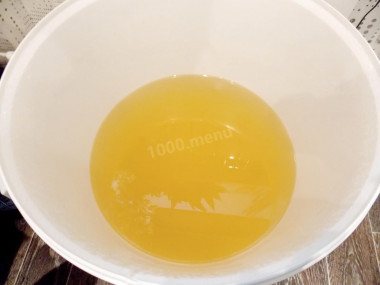
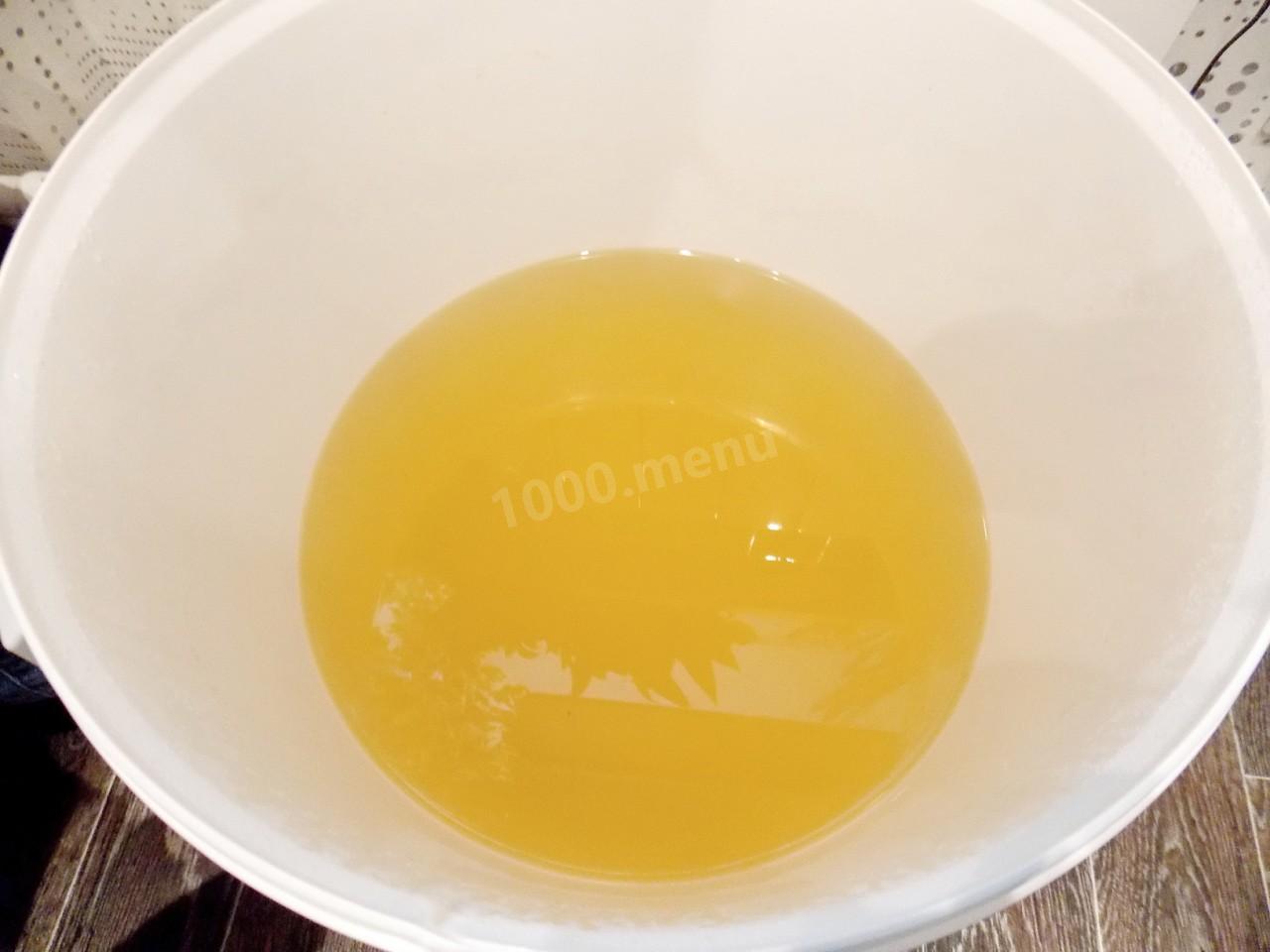
The mash (braga) is ready when bubbles stop coming through the airlock. If you don't have a tank like this, you can pour the liquid into jars and stretch an ordinary rubber glove over the top. It will inflate once the yeast starts working, and deflate once the mash is done—that means it's ready for distilling. It comes out clear, yellow, and with a distinctive smell.
-
Step 4:
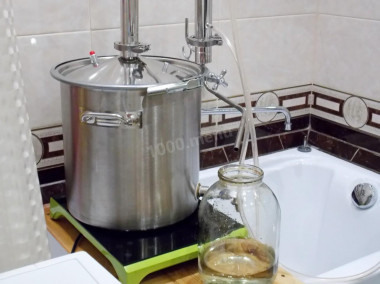
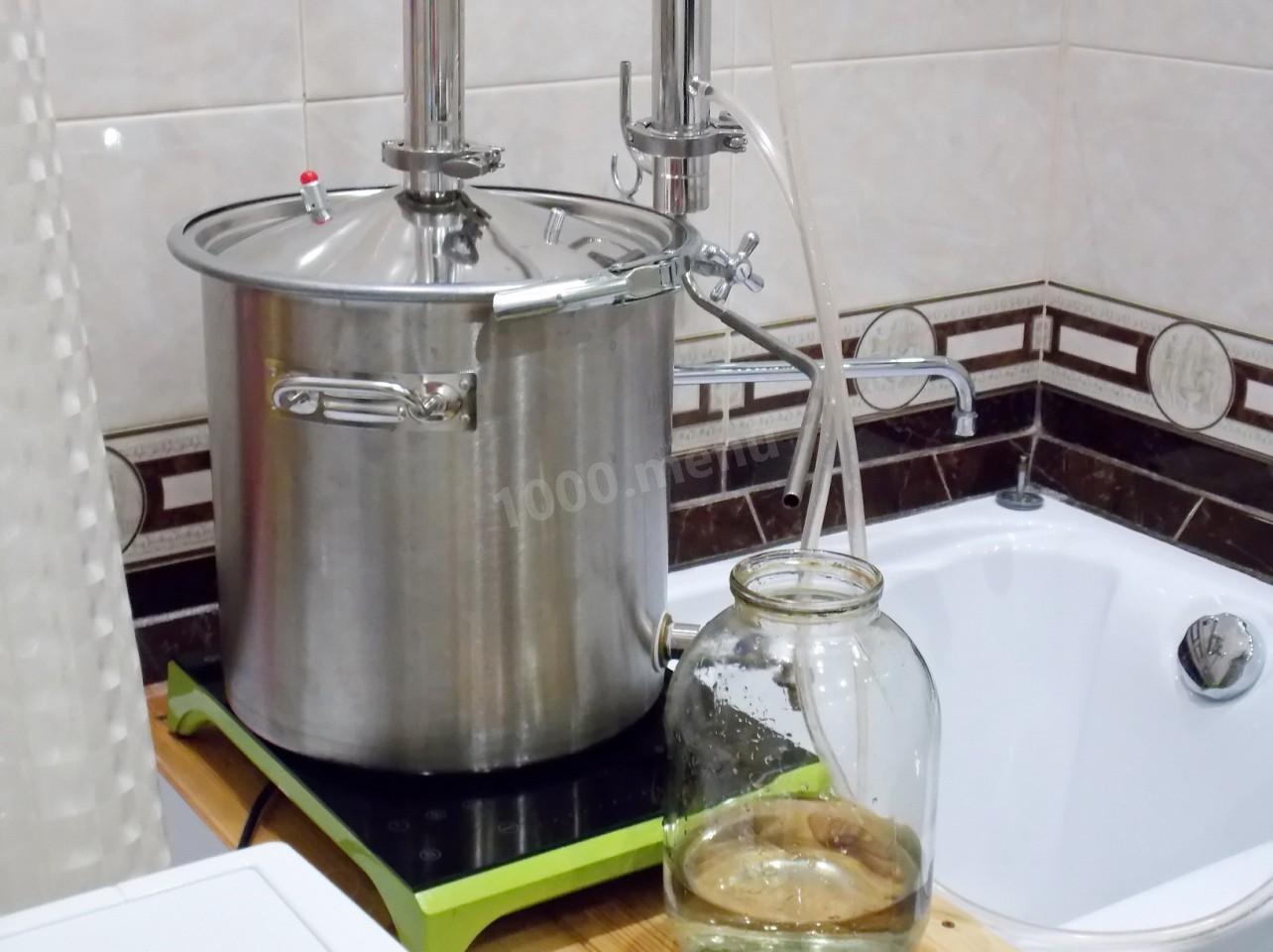
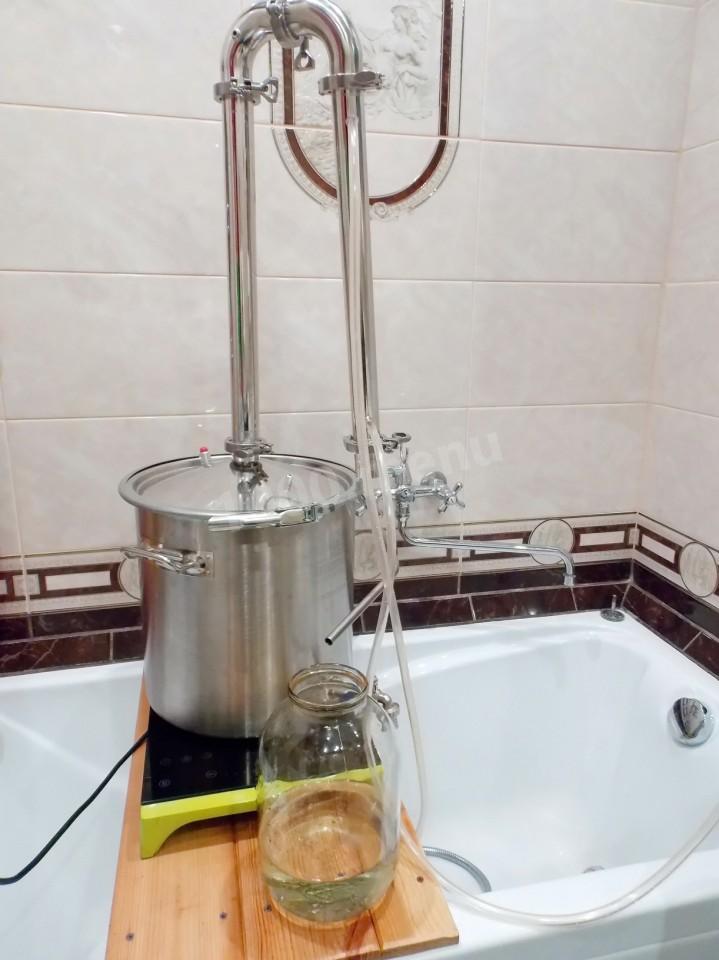
Now you can distill the mash into moonshine. Assemble the still and pour in the mash according to the instructions. Set it over medium heat and warm it up. As soon as the temperature in the column reaches 140°F (60°C), turn on the cold water.
-
Step 5:
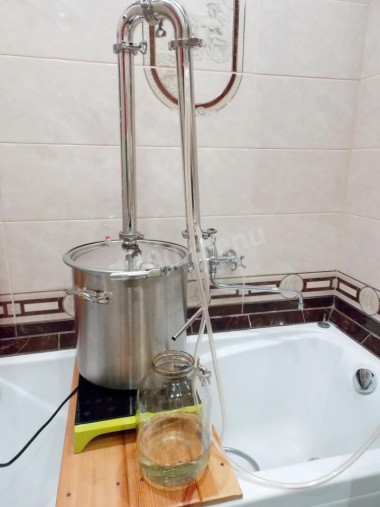
At a column temperature of 167°F (75°C), the actual process you've been working toward begins. I just want to warn you to watch the temperature: as soon as it hits 176°F (80°C), turn the heat down right away, or you may be looking at repairs before long. I do this in the bathroom on an electric hot plate at medium power.
-
Step 6:
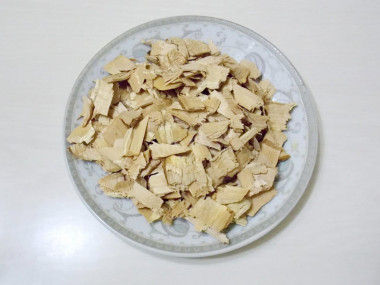
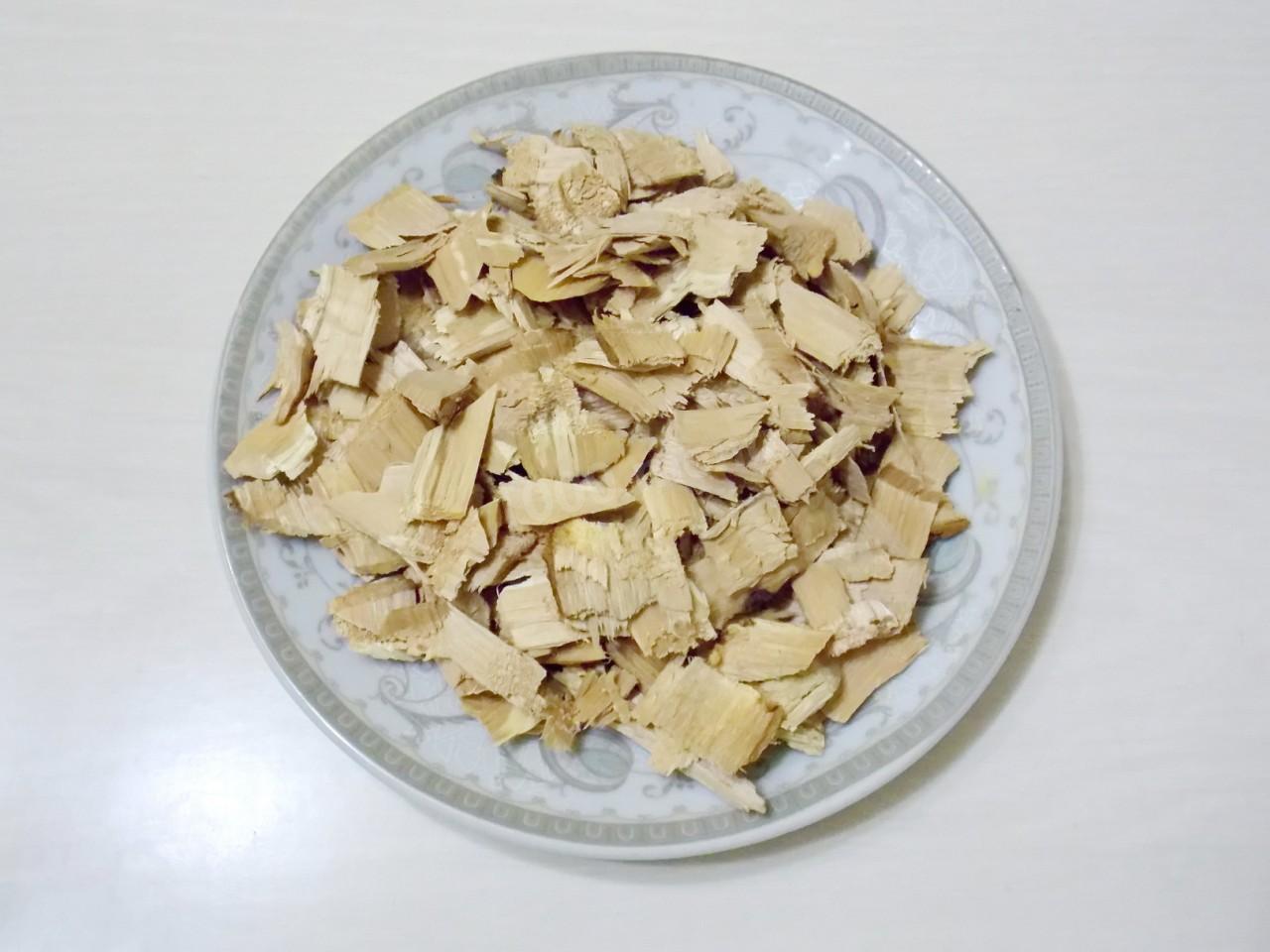
While all this is fermenting and distilling, let's deal with the oak chips themselves. You can buy them at a specialty store, but they aren't always in stock. So we'll make our own. You can finely chop a dry oak log yourself, or get them from a furniture maker—just make sure they haven't been treated with anything.
-
Step 7:
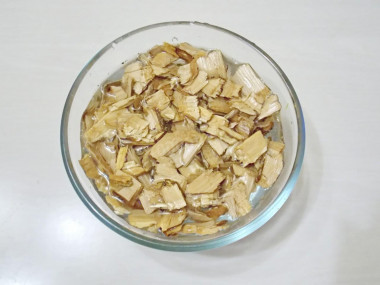
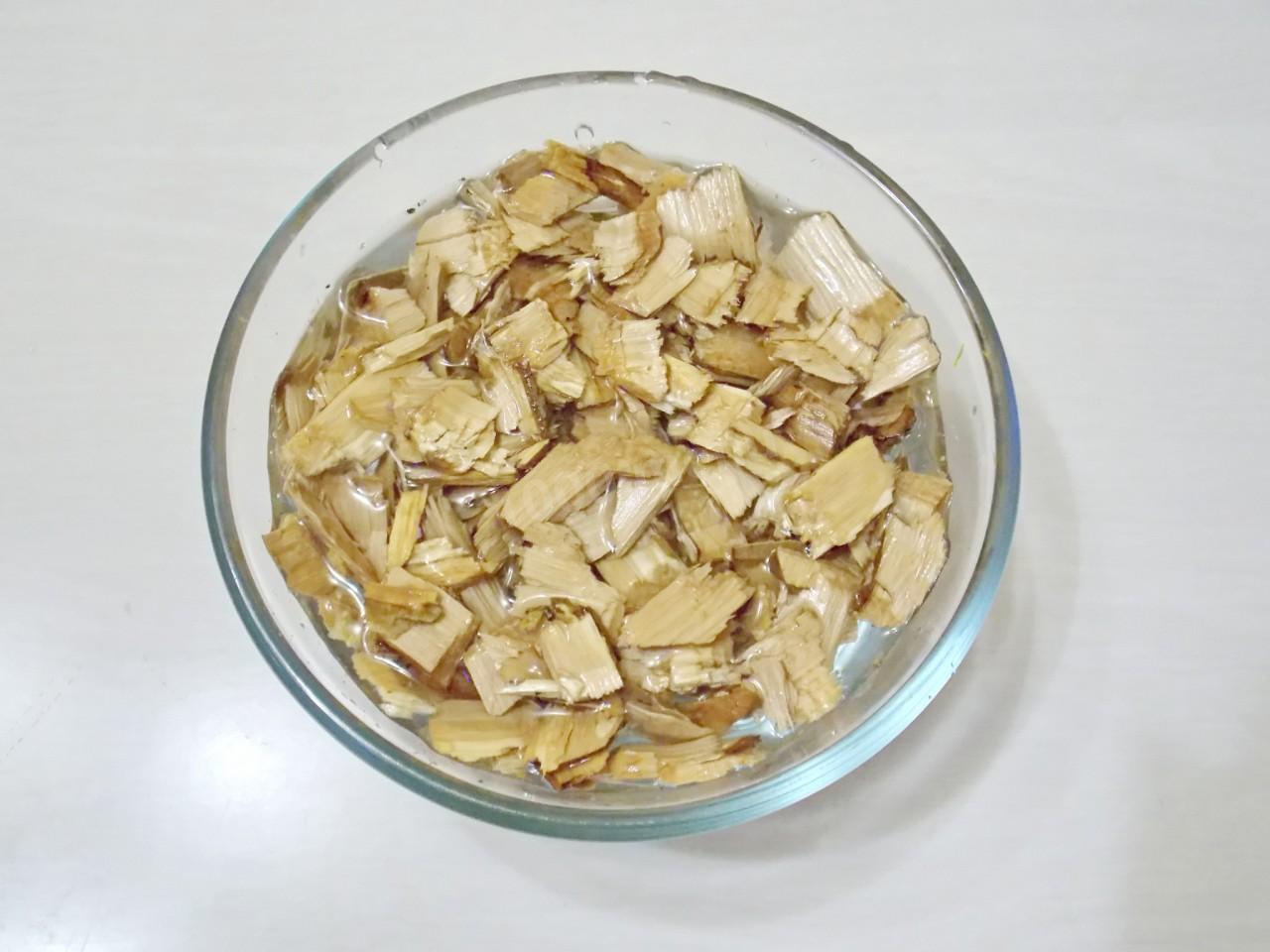
Wash the oak chips and cover them with cold water for a day, changing the water every 6 hours. Then drain the water and rinse them under running water.
-
Step 8:
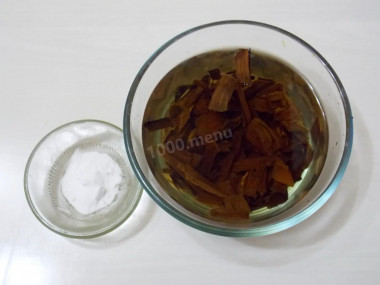
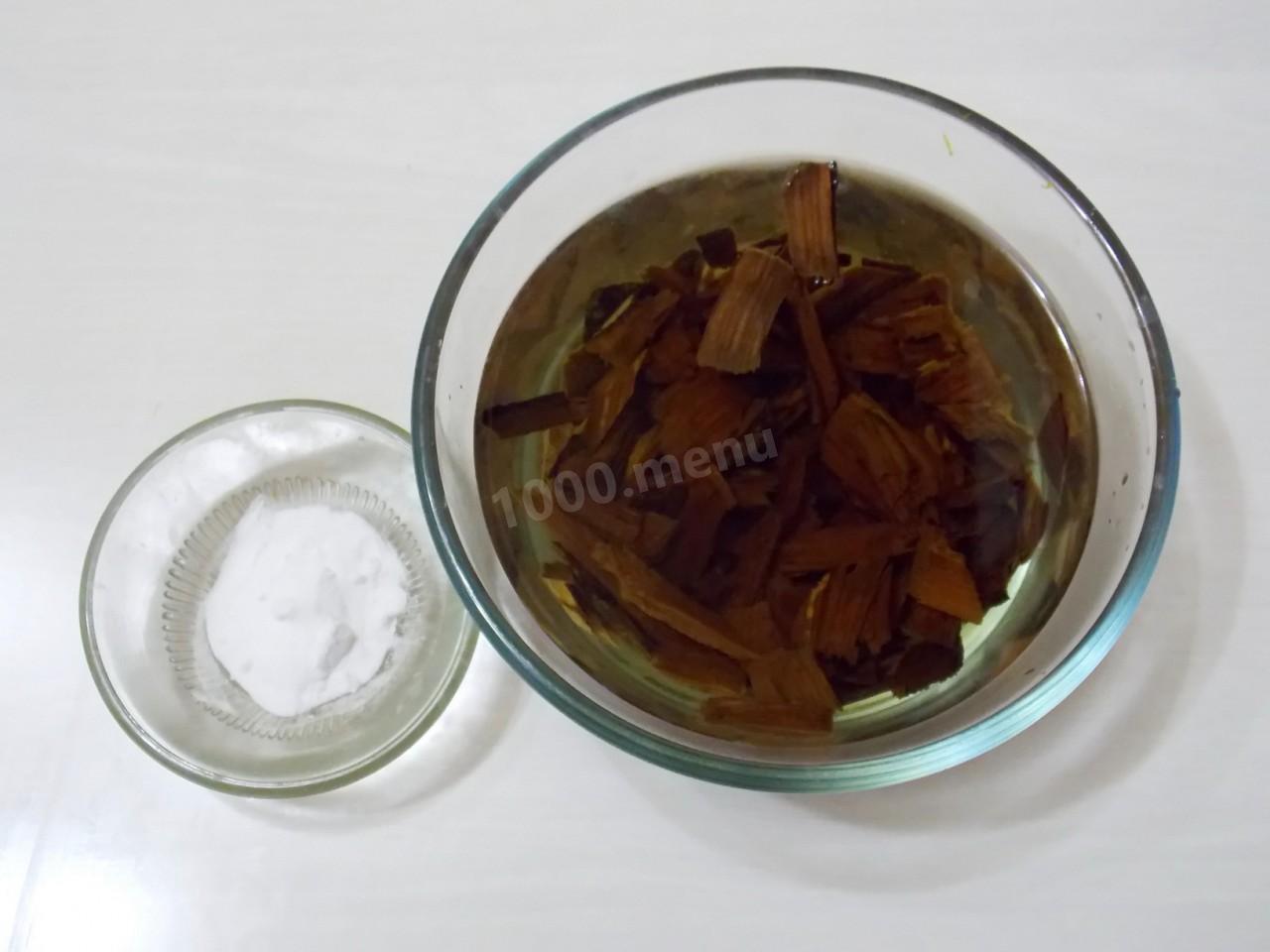
Bring 500 milliliters of water to a boil. Pour the hot water over the chips and add 13 grams of baking soda. Leave it all to cool completely. Drain the water and rinse the chips.
-
Step 9:
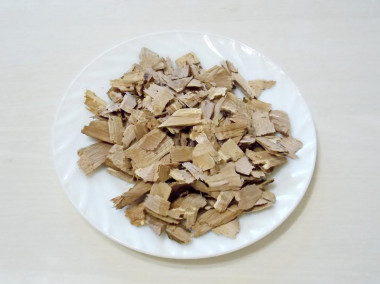
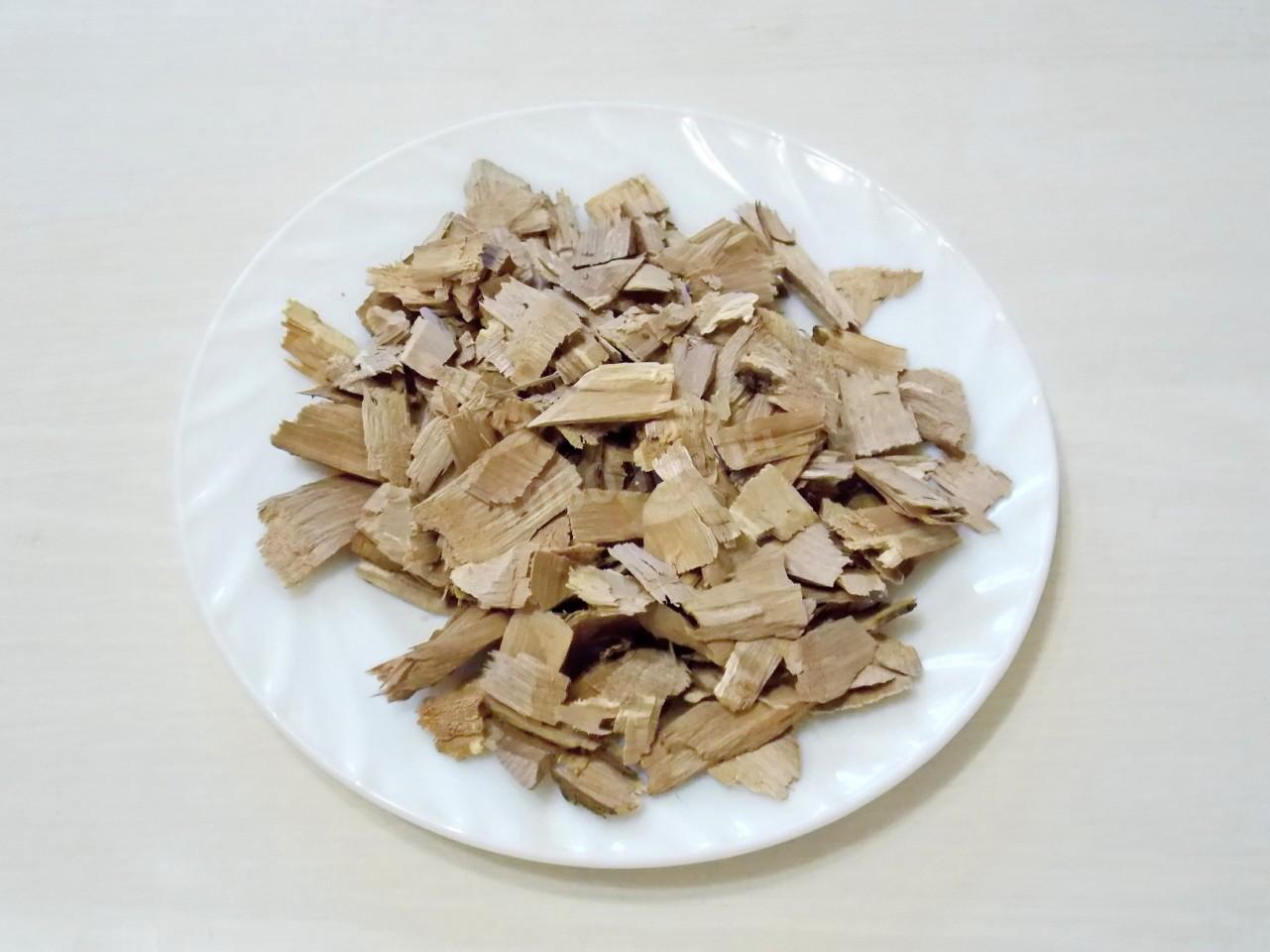
Spread the chips out in a single layer and dry them however is easiest. The handiest way is in the sun, or on a radiator in winter. The chips should snap easily and become half as heavy. This usually takes 2–3 days.
-
Step 10:
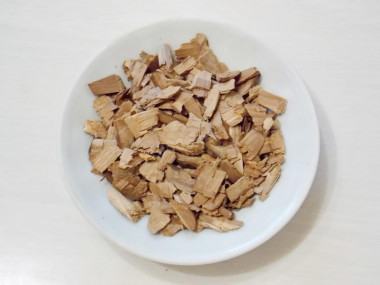
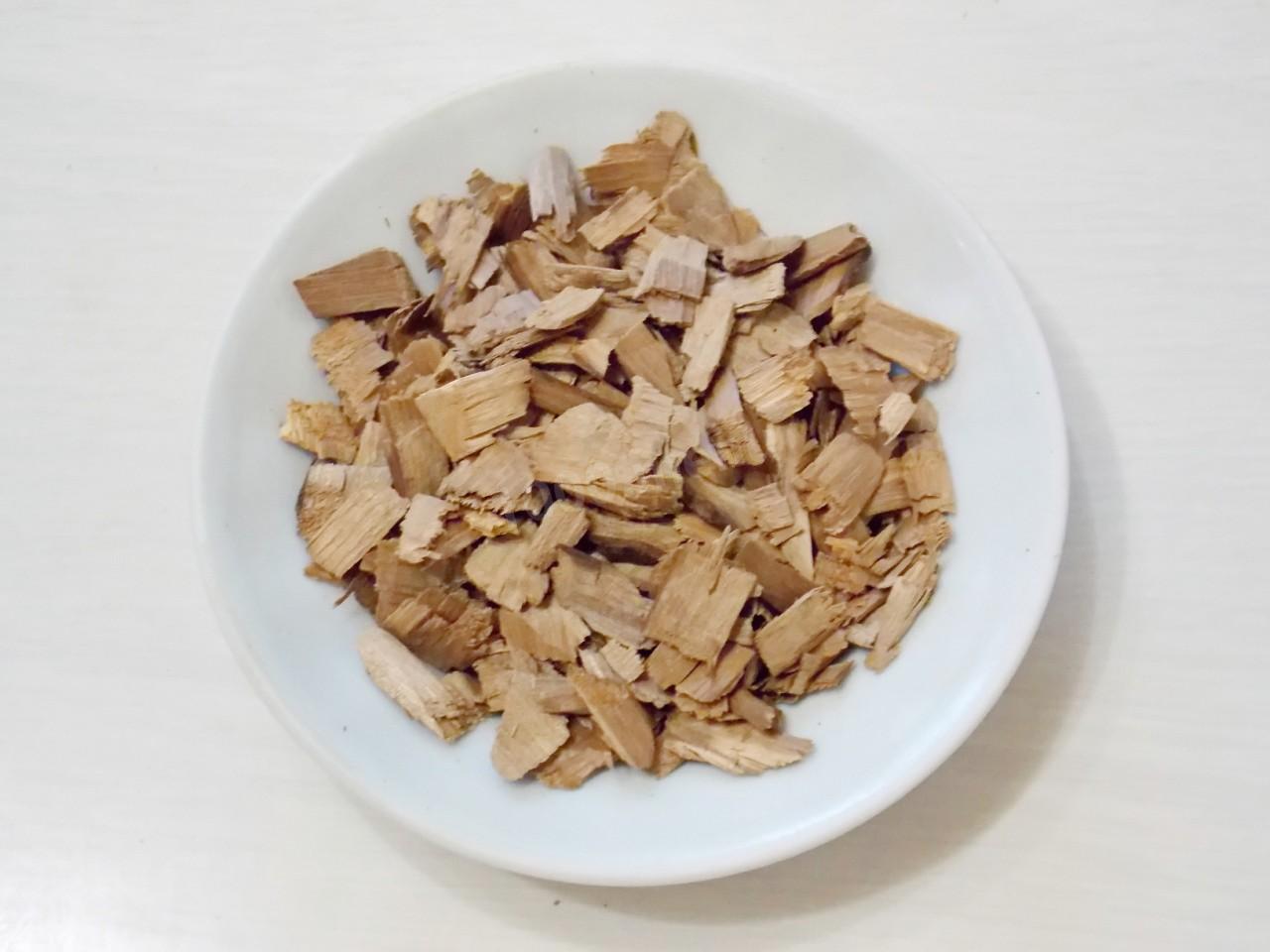
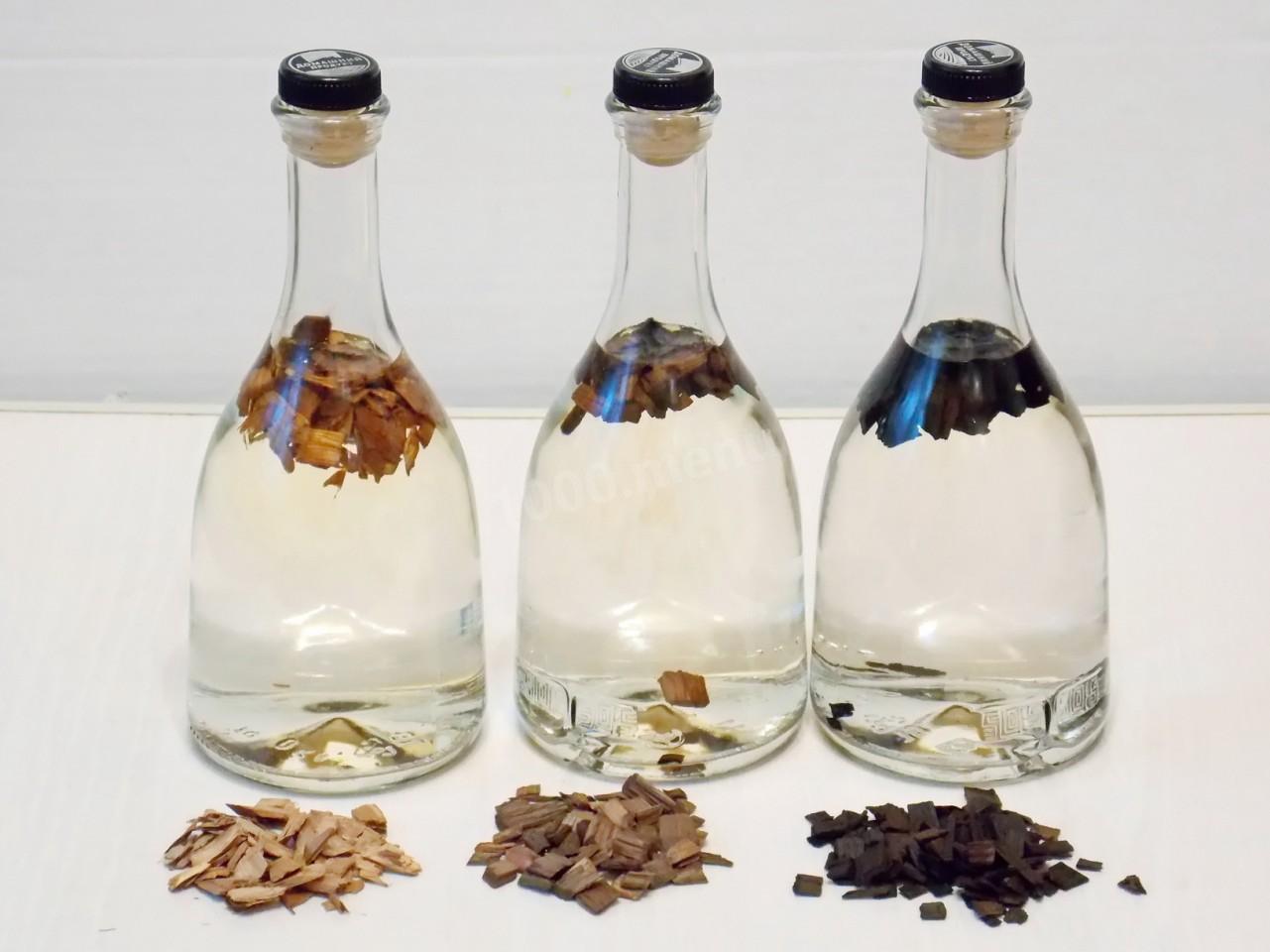
Now on to the toasting. You can do it on a grill by wrapping the chips in foil, but that makes it very hard to control how dark they get. We'll do it at home in a convection oven—but you'll need a very good range hood in the house. Spread the chips in a single layer on a baking sheet and put them in the oven at 300°F (150°C). For the lightest level, hold them for 1.5–2 hours, until they turn golden.
-
Step 11:
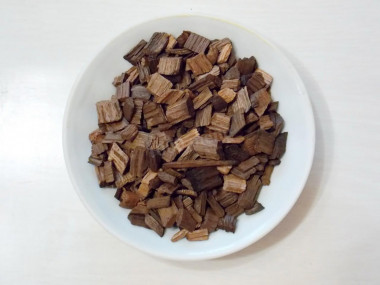
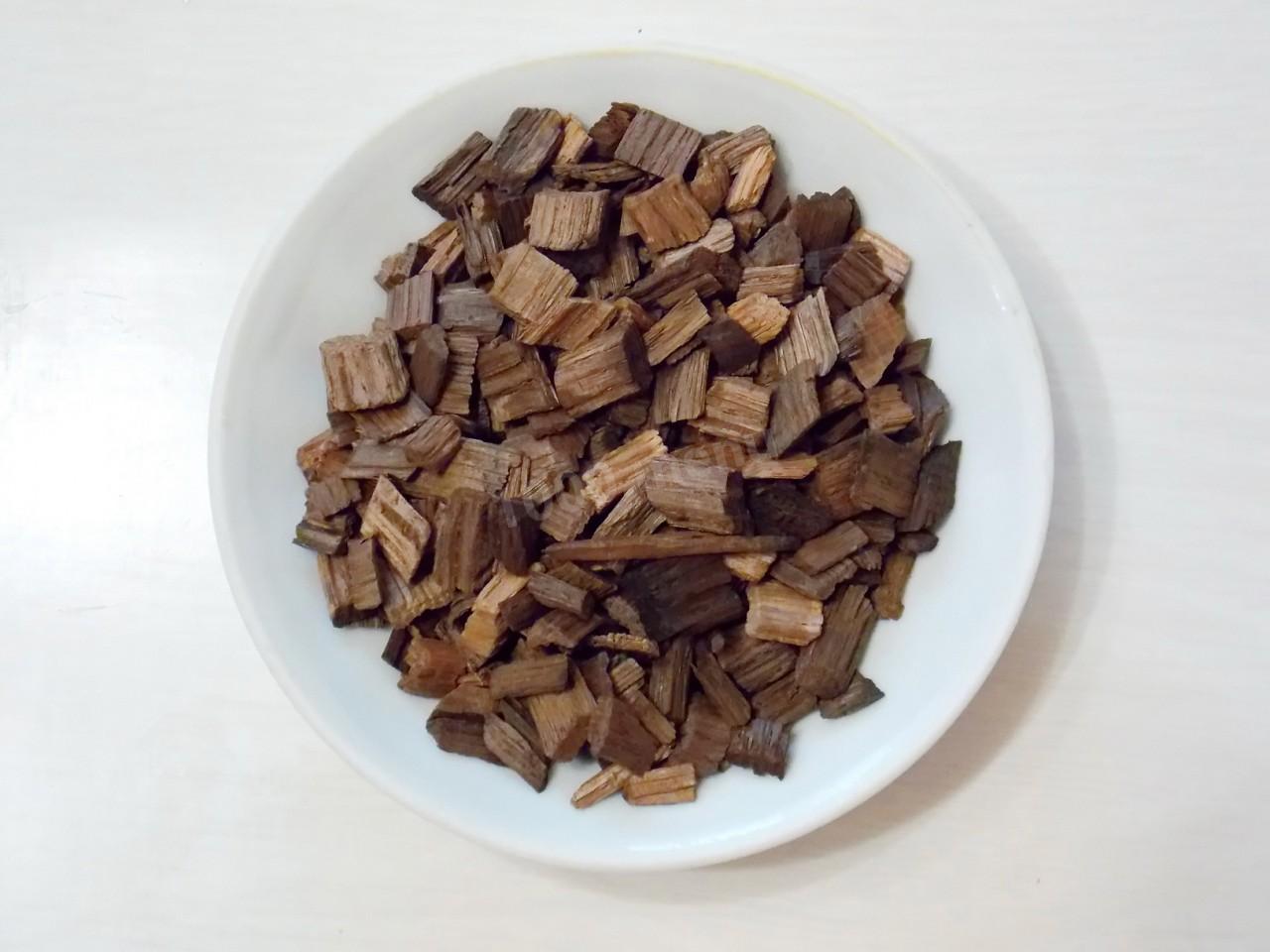
Then keep toasting until they turn brown—a medium toast. That takes another 40 minutes to an hour, and there will be more smoke.
-
Step 12:
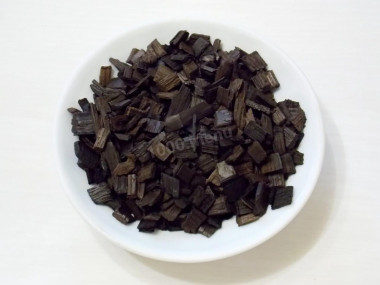
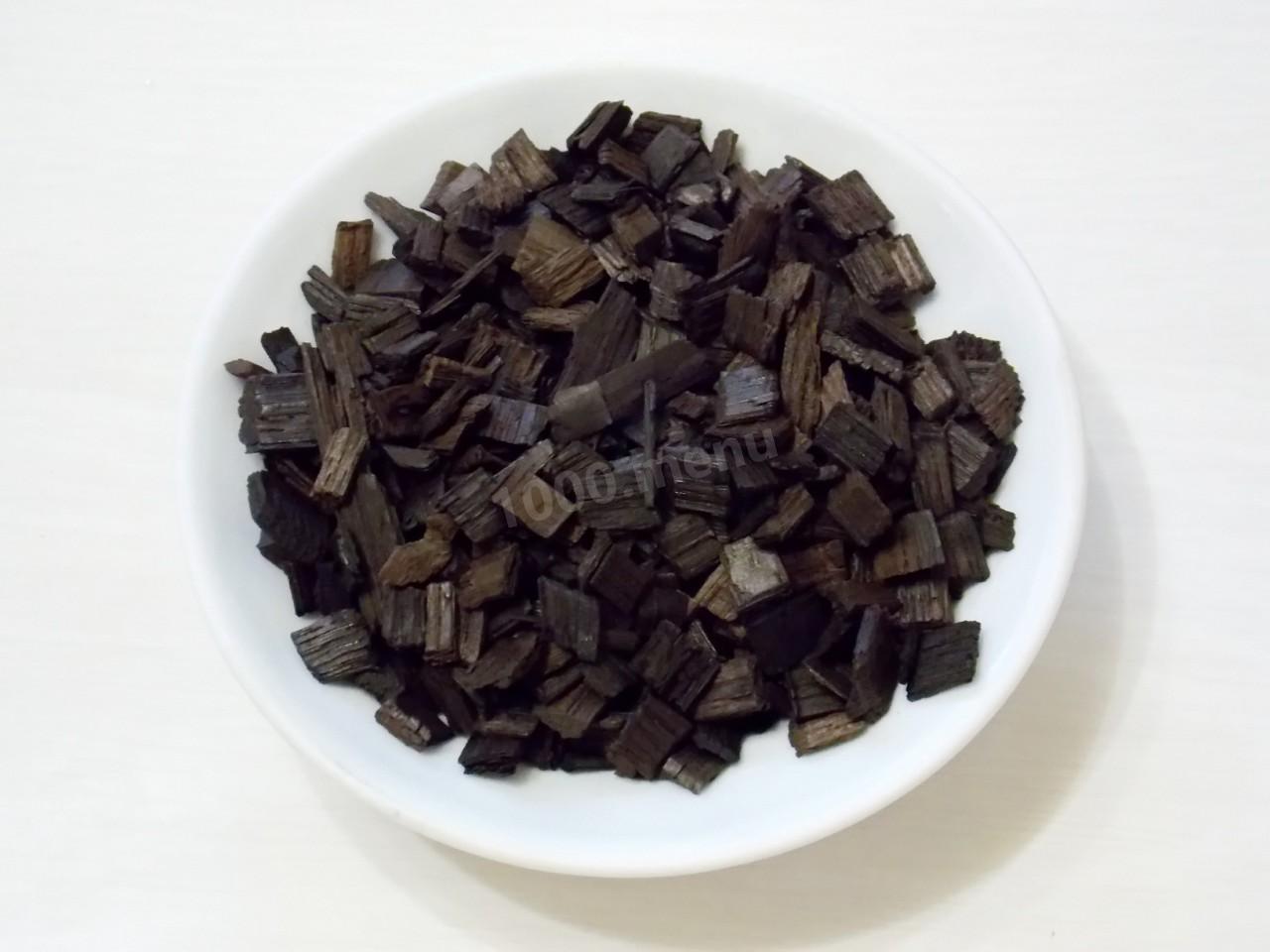
Then keep going until they're lightly charred—the chips should turn almost black but not become embers. That takes about another hour, and I'll tell you right now, the smell of a campfire spreads through the house, so it really is better to try to find them at a store. Take the chips out and let them cool completely.
-
Step 13:
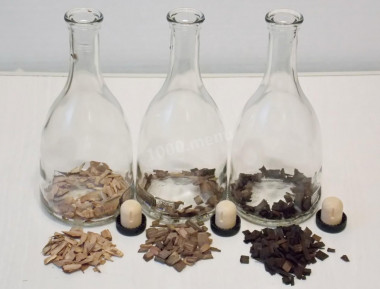
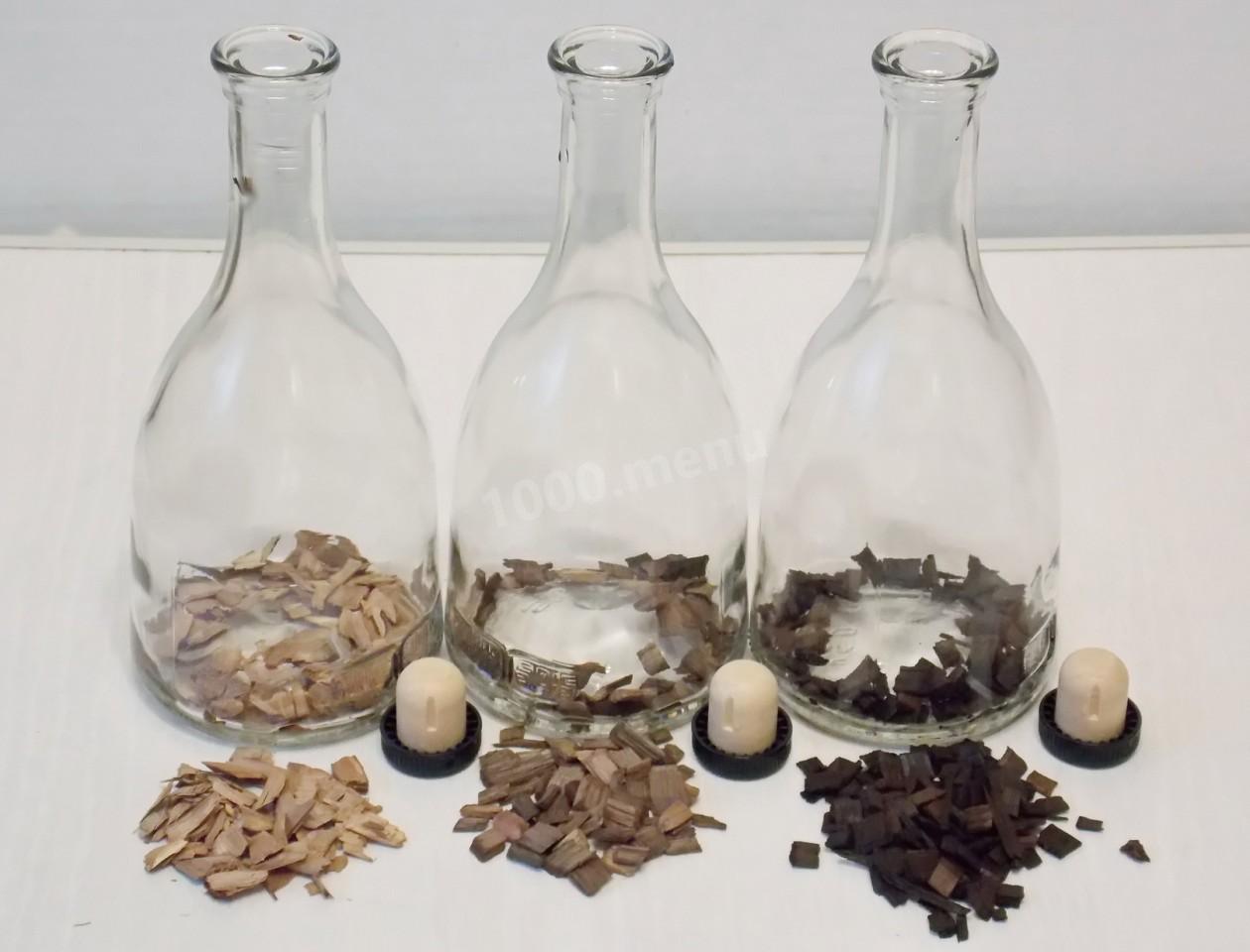
Get ready the containers and lids you'll use to infuse the moonshine. Distribute the chips among the containers. You'll need 10 grams of chips per liter of moonshine.
-
Step 14:
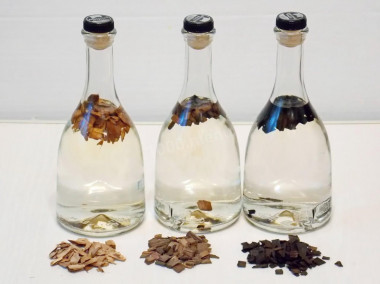
Fill the prepared containers (with the chips) and close the lids tightly. Put them in a dark place for anywhere from 3 weeks to 2 months, depending on your taste.
-
Step 15:
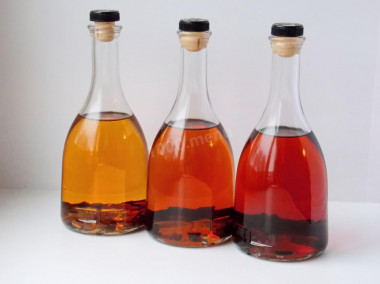
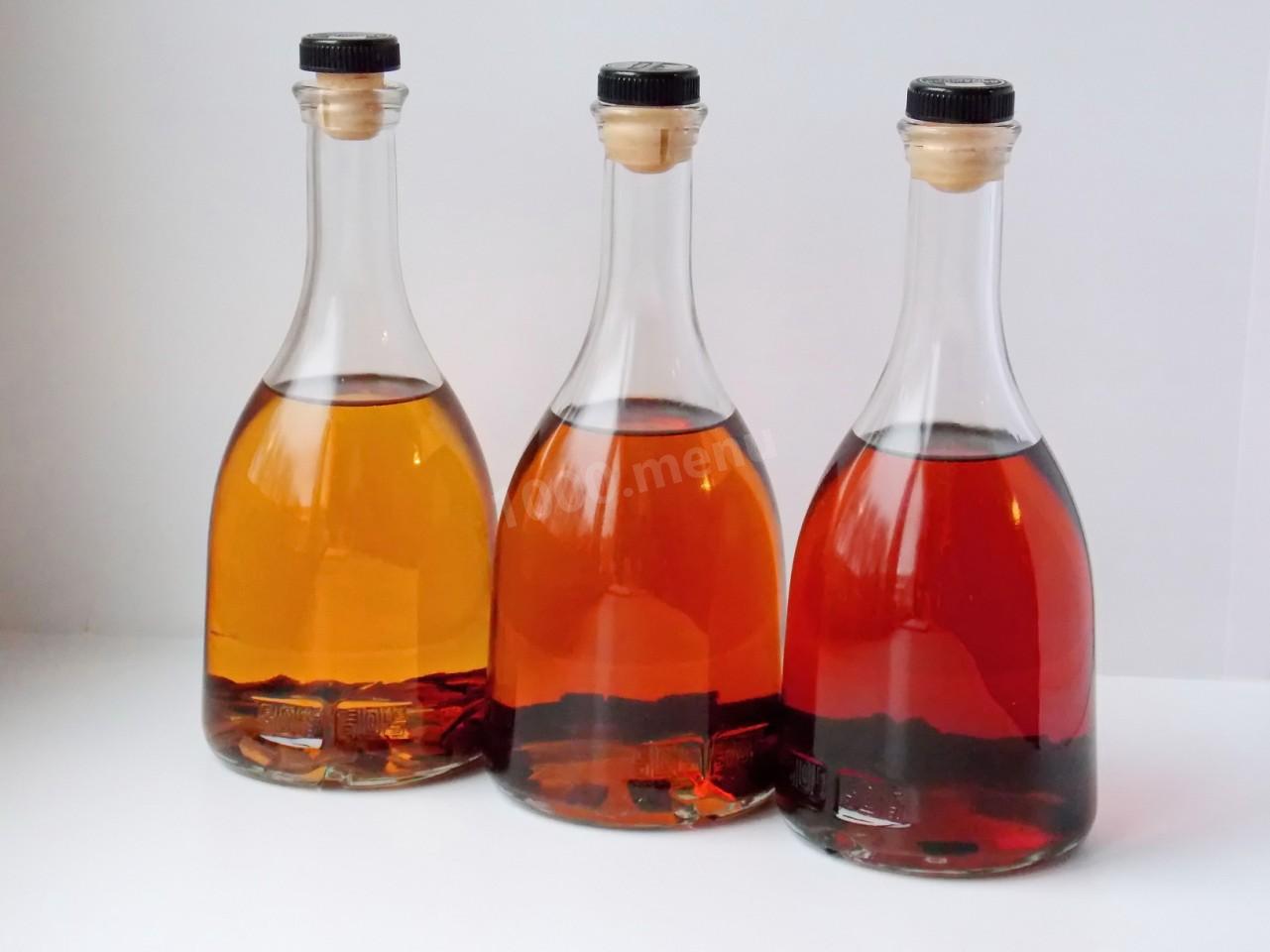
This is what it looks like after three weeks.
-
Step 16:
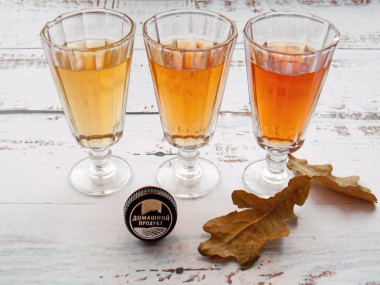
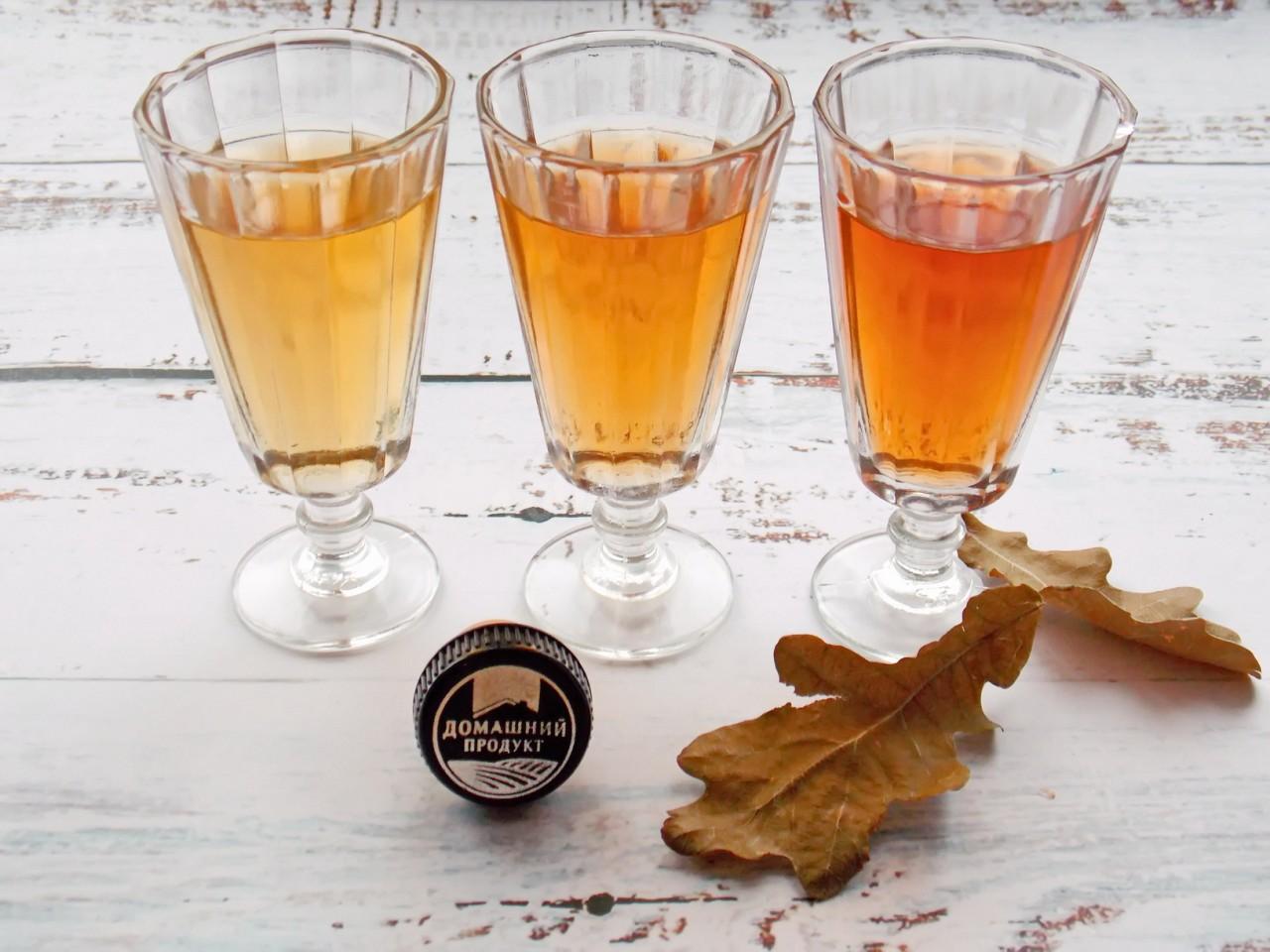
The color and aftertaste of the moonshine depend on how dark the chips are toasted.
-
Step 17:

Here's to a merry table with good company.

Caloric content of the products possible in the composition of the dish
- Granulated sugar - 398 kcal/100g
- Sugar - 398 kcal/100g
- Water - 0 kcal/100g
- Dry yeast - 410 kcal/100g