Creamy Carbonara Sauce for Pasta
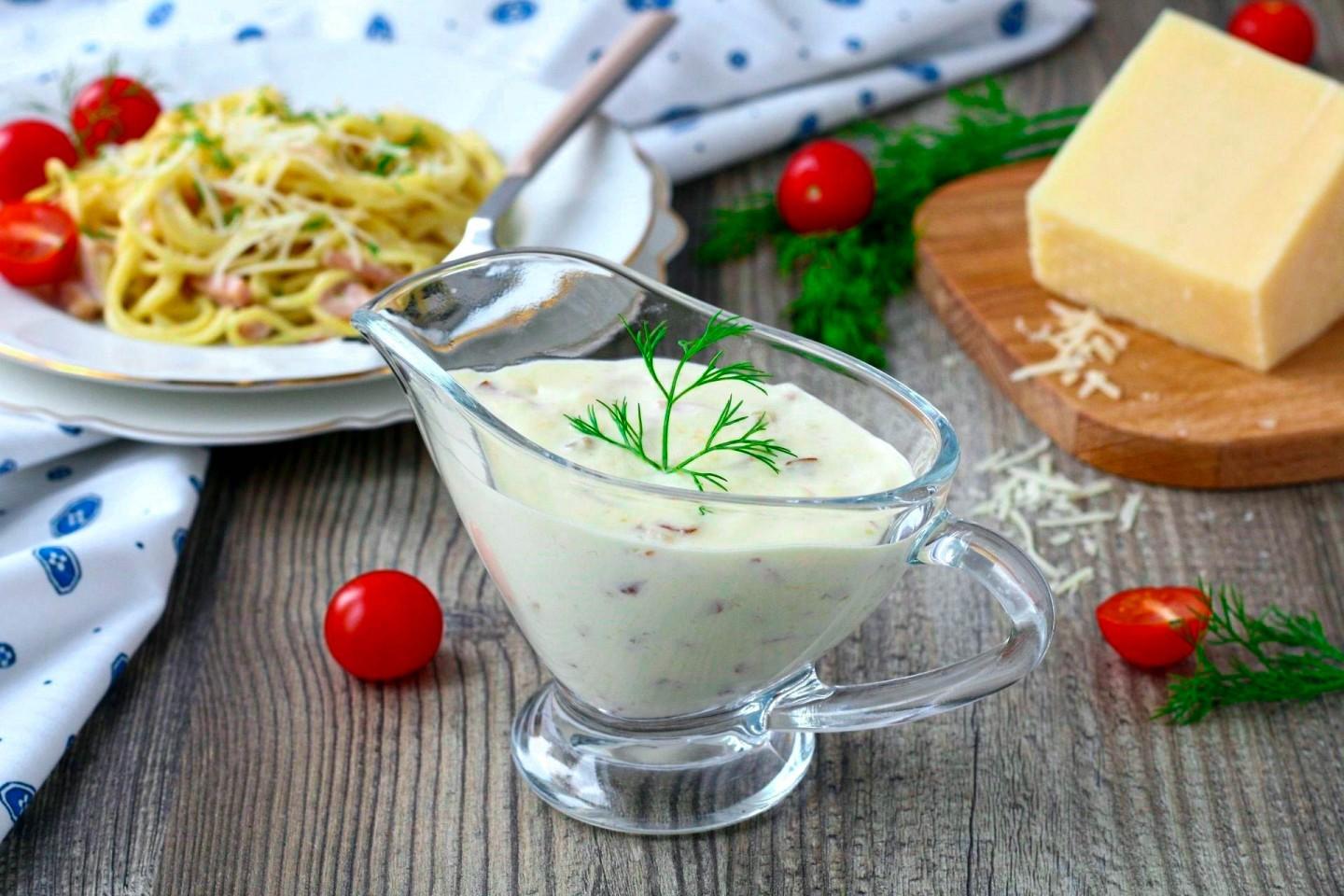
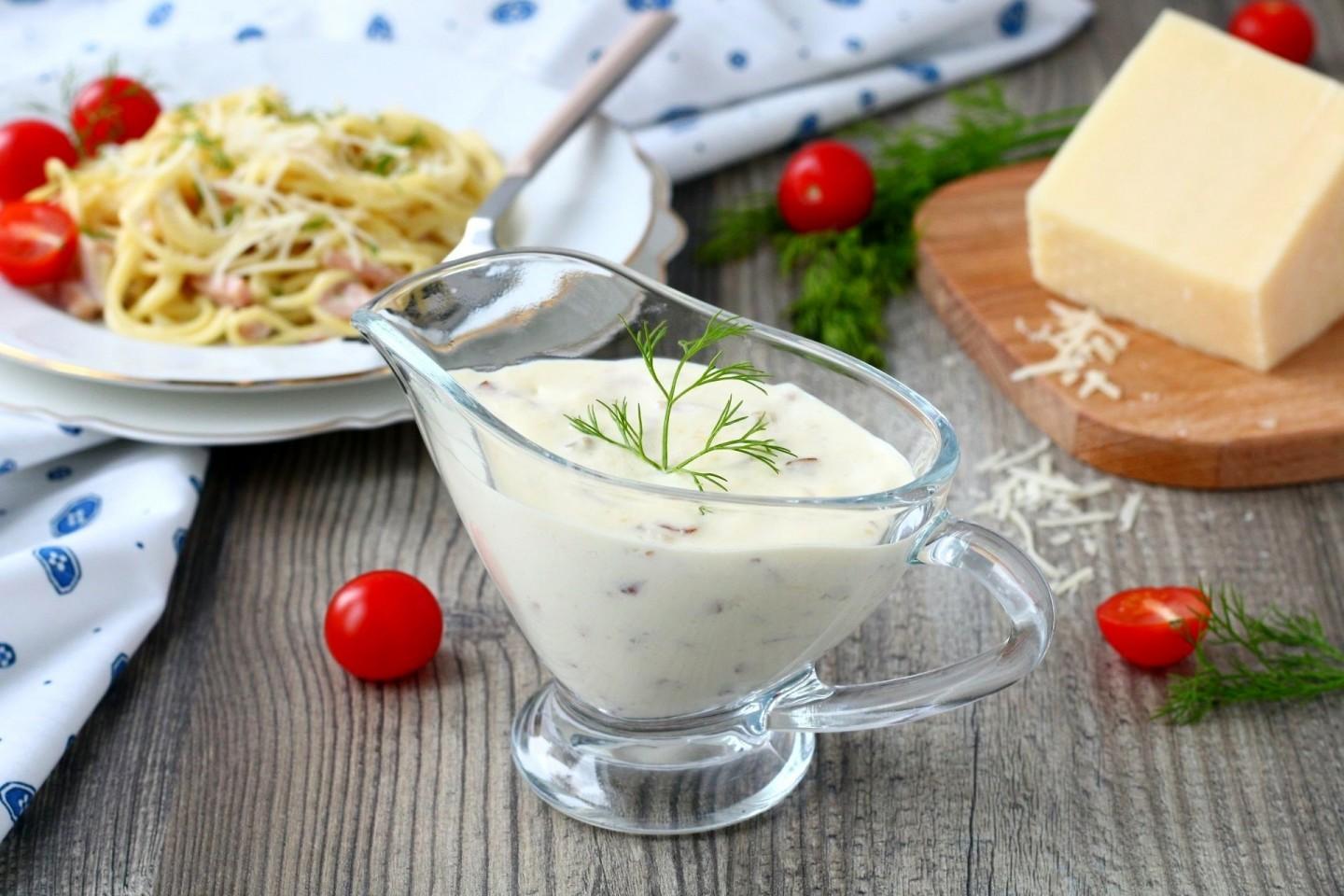
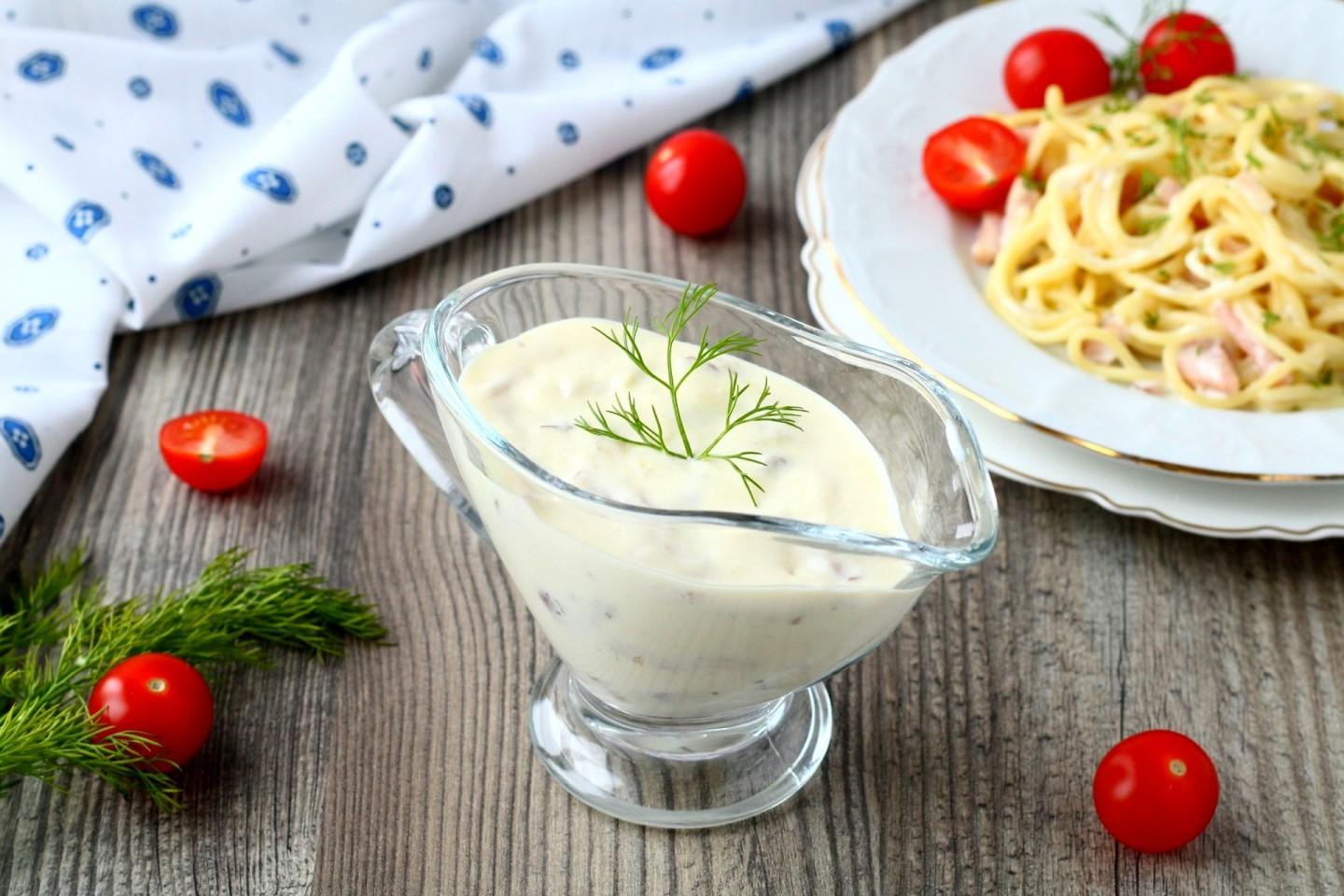
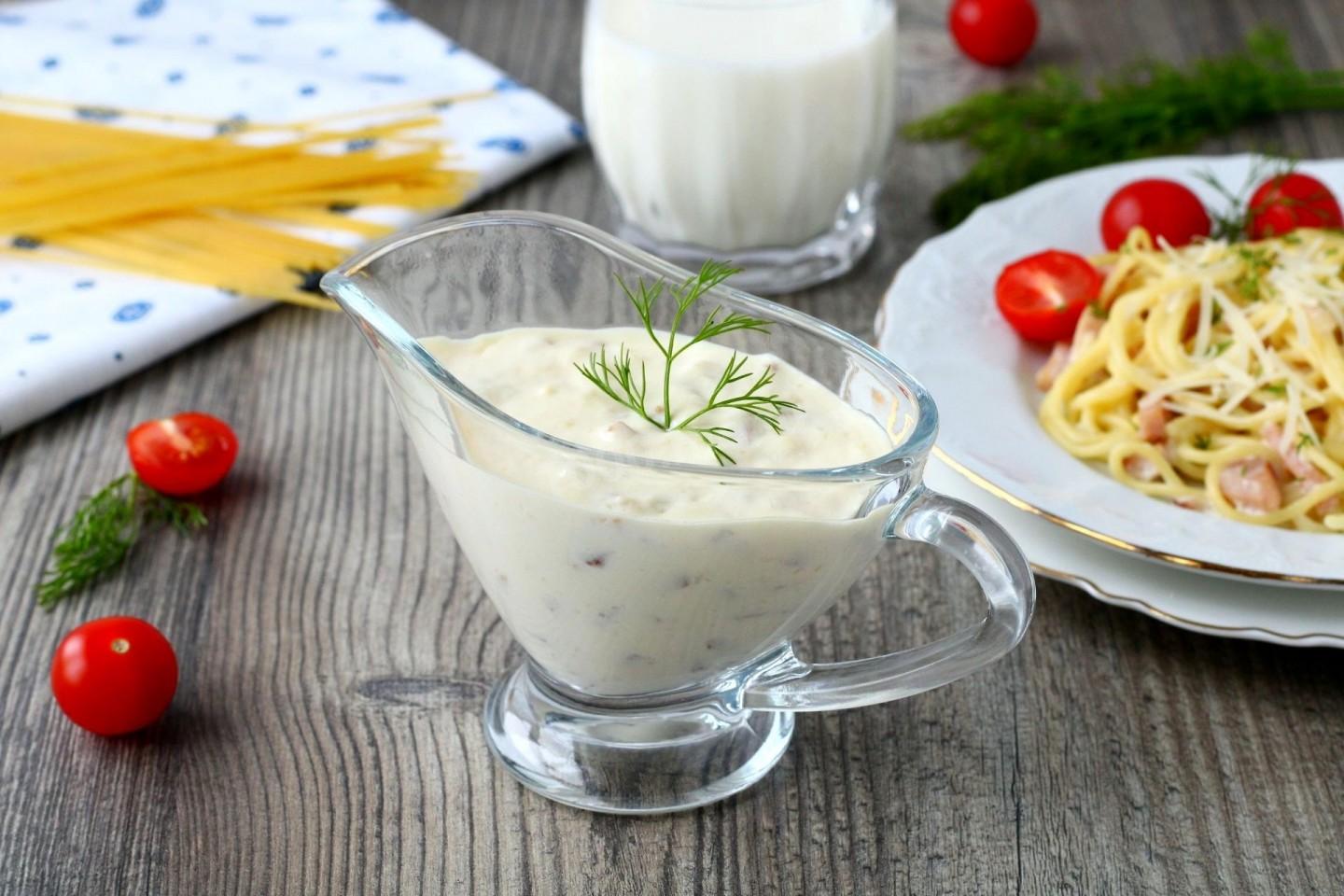
Delicate, with a pronounced flavor, and beloved well beyond Italy! This creamy carbonara sauce for pasta is fairly simple and straightforward to make—but there are a few tricks that give you a truly flawless, delicious, silky sauce. Lovers of Italian food are sure to appreciate it!

Cooking method
-
Step 1:
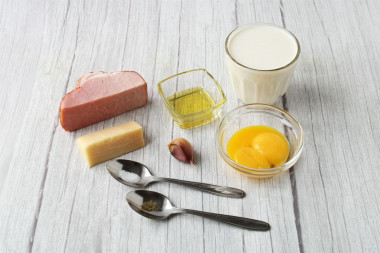
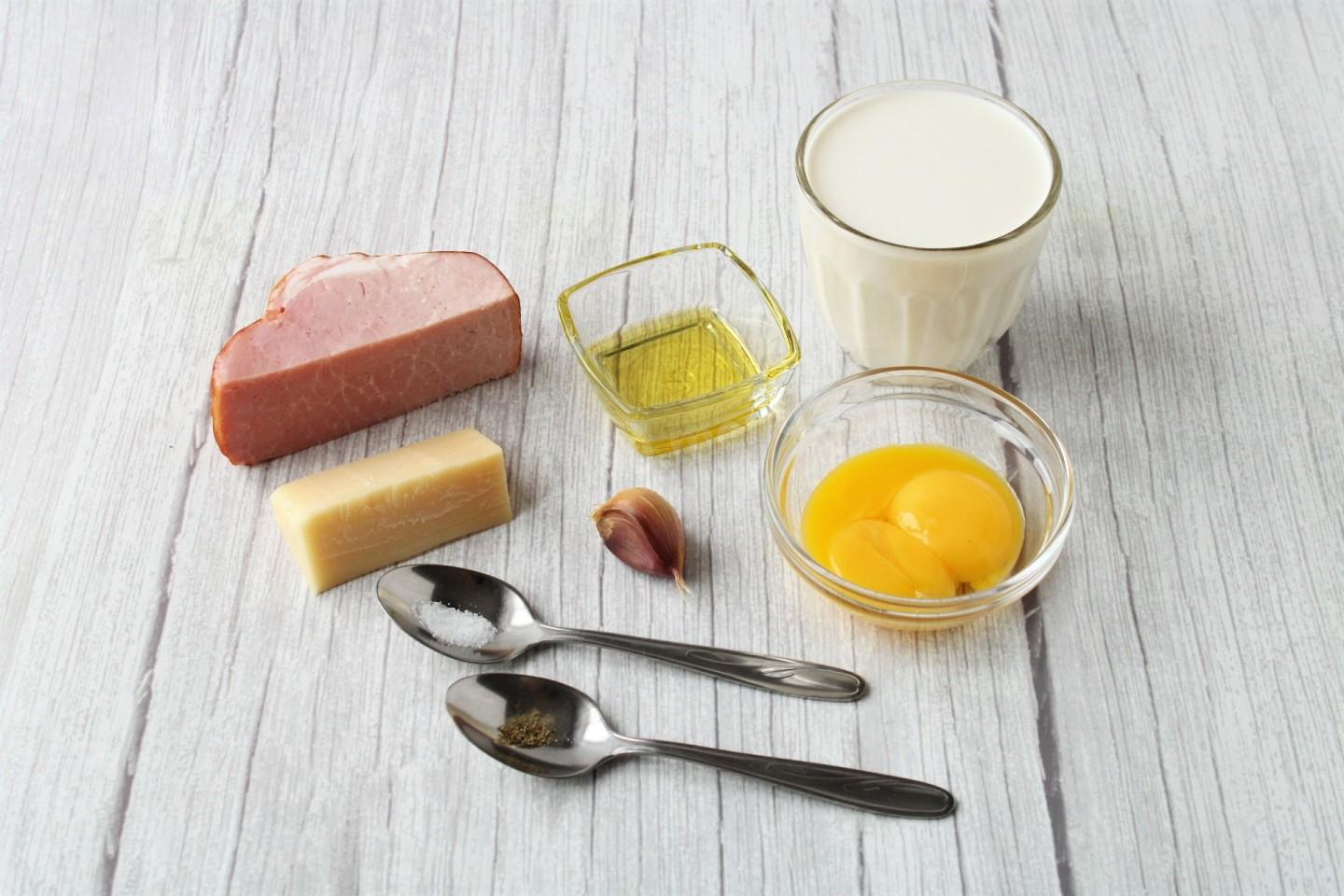
How do you make creamy carbonara sauce for pasta? Measure out your ingredients. It's best to use bacon that isn't too fatty—mine is a lean cut with a little marbling. The egg yolks must be fresh.
-
Step 2:
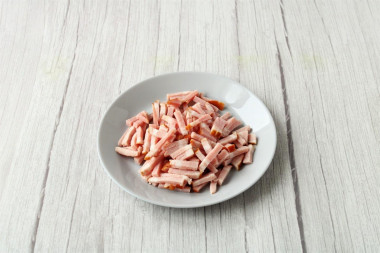
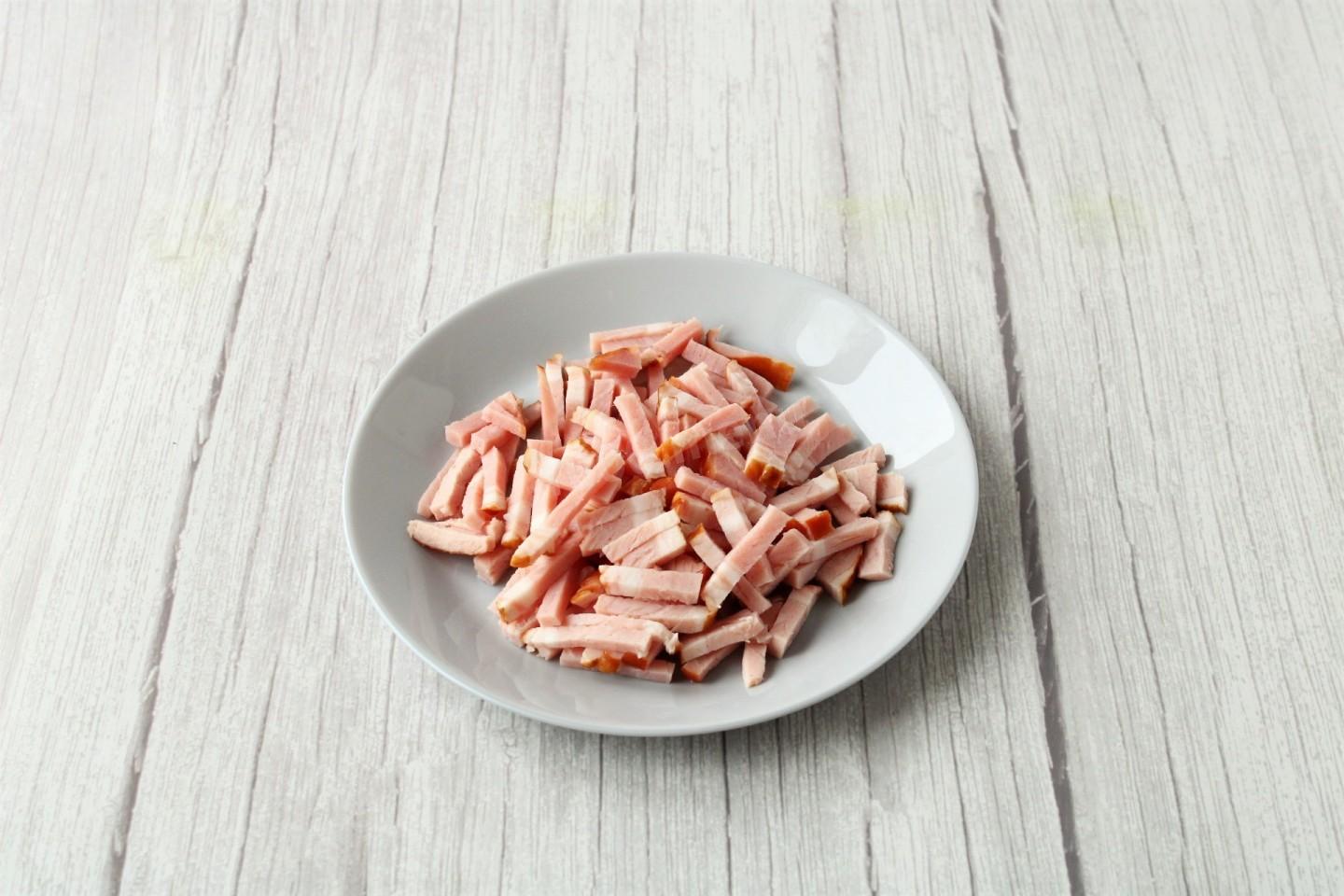
Cut the bacon however you like—into short strips or thin little slices.
-
Step 3:
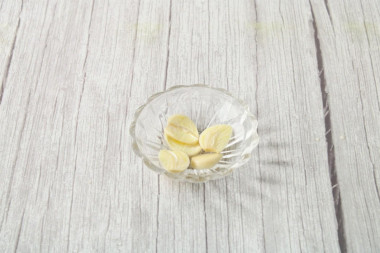
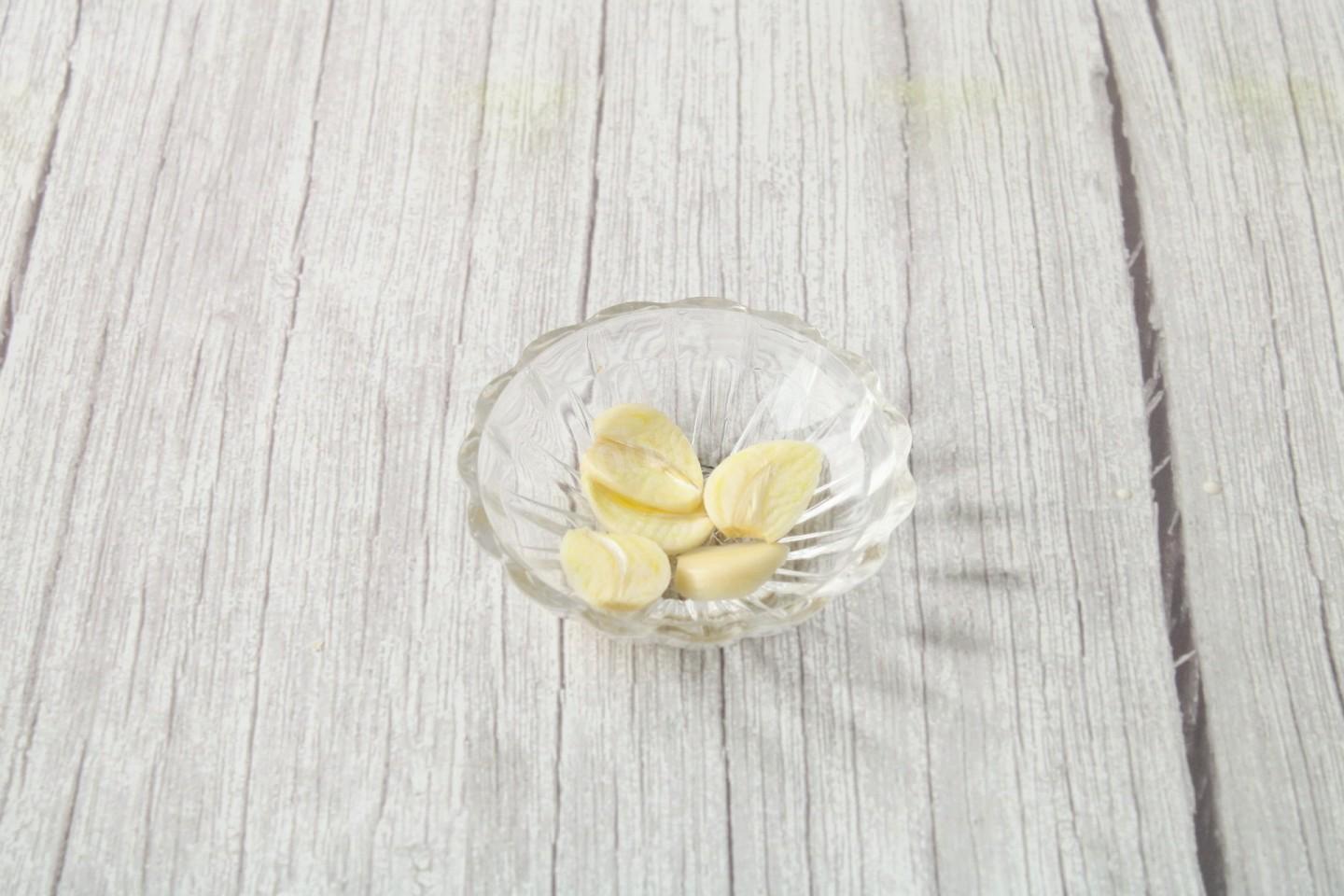
Peel and wash the garlic. I don't leave the garlic in the sauce, so I sliced it thin; if you want garlic in the sauce, mince the clove finely instead.
-
Step 4:
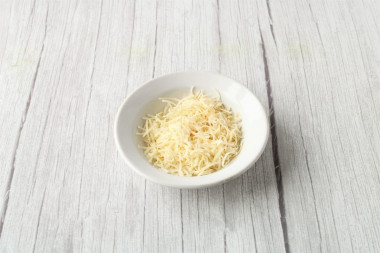
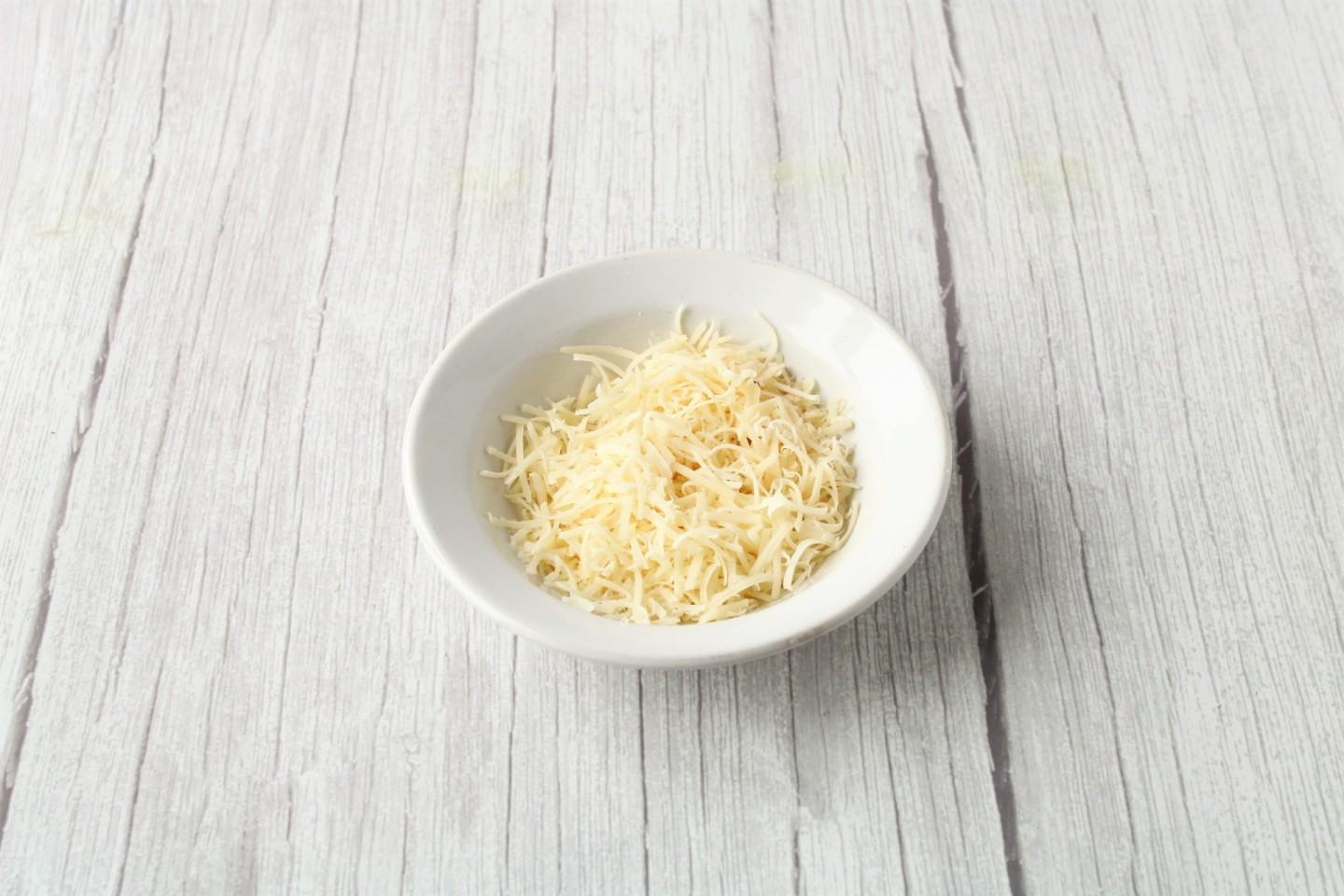
Finely grate the Parmesan.
-
Step 5:
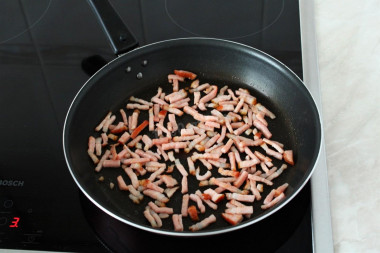
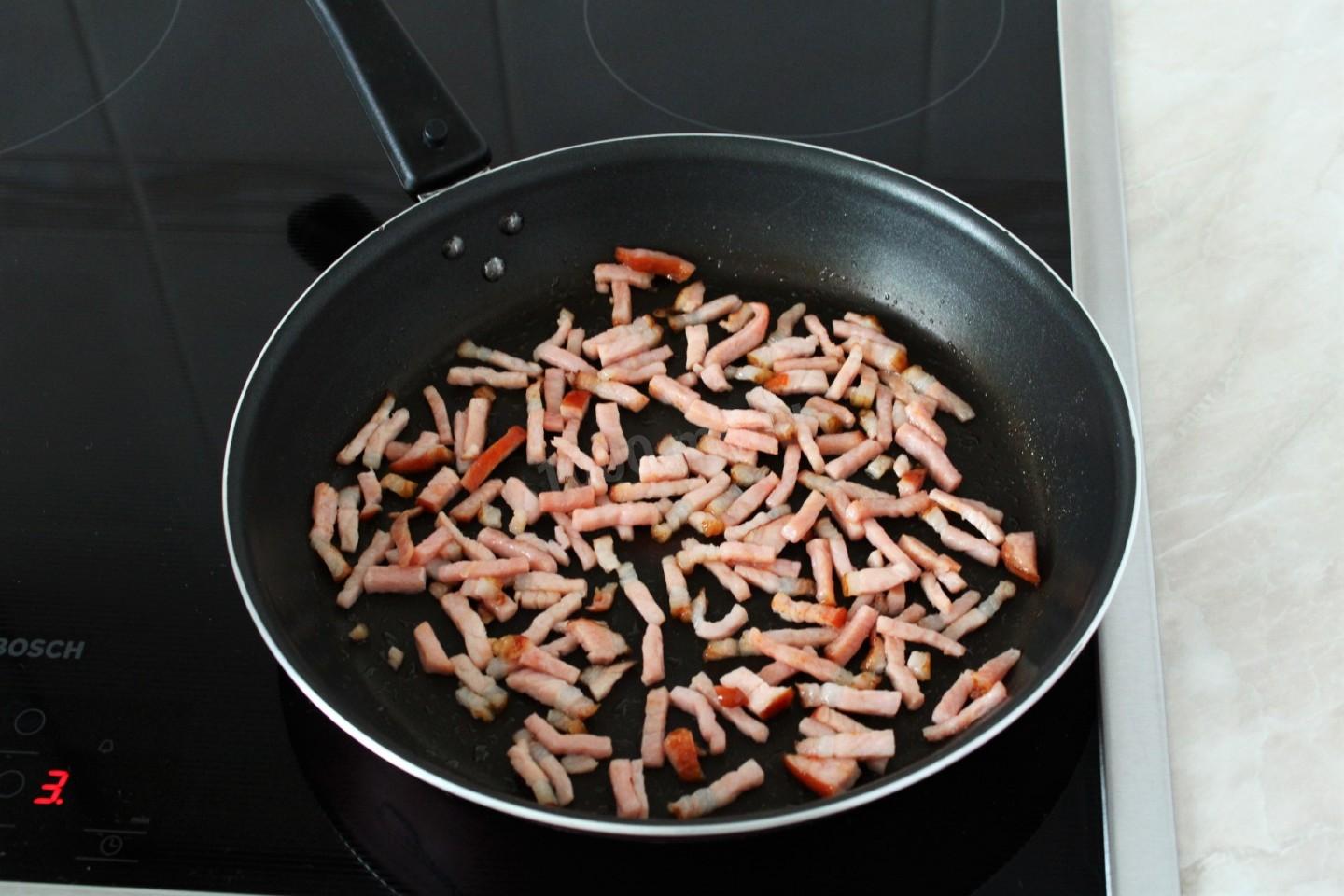
Heat the olive oil in a skillet and add the bacon. Cook over medium heat, stirring, until lightly browned. If the bacon is very fatty, you can use less oil or none at all.
-
Step 6:
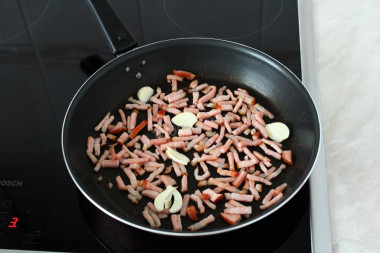
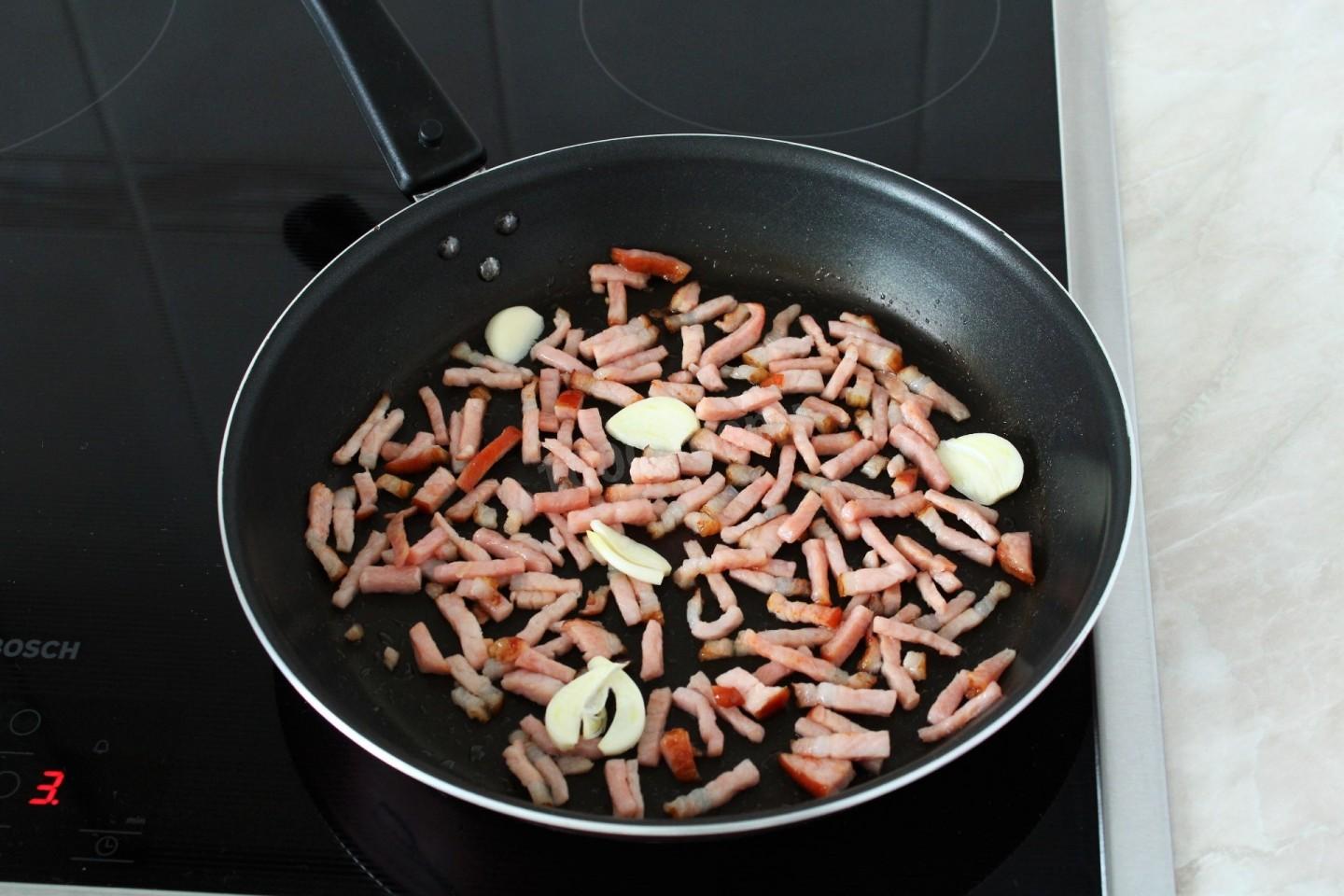
Add the garlic to the pan. Cook the bacon and garlic together, stirring, for another 1 minute so the sauce takes on a light, savory aroma. I took the garlic out of the pan; if you like, leave the finely minced garlic in the sauce.
-
Step 7:
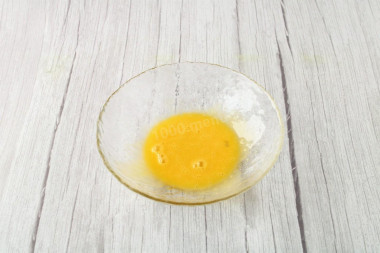
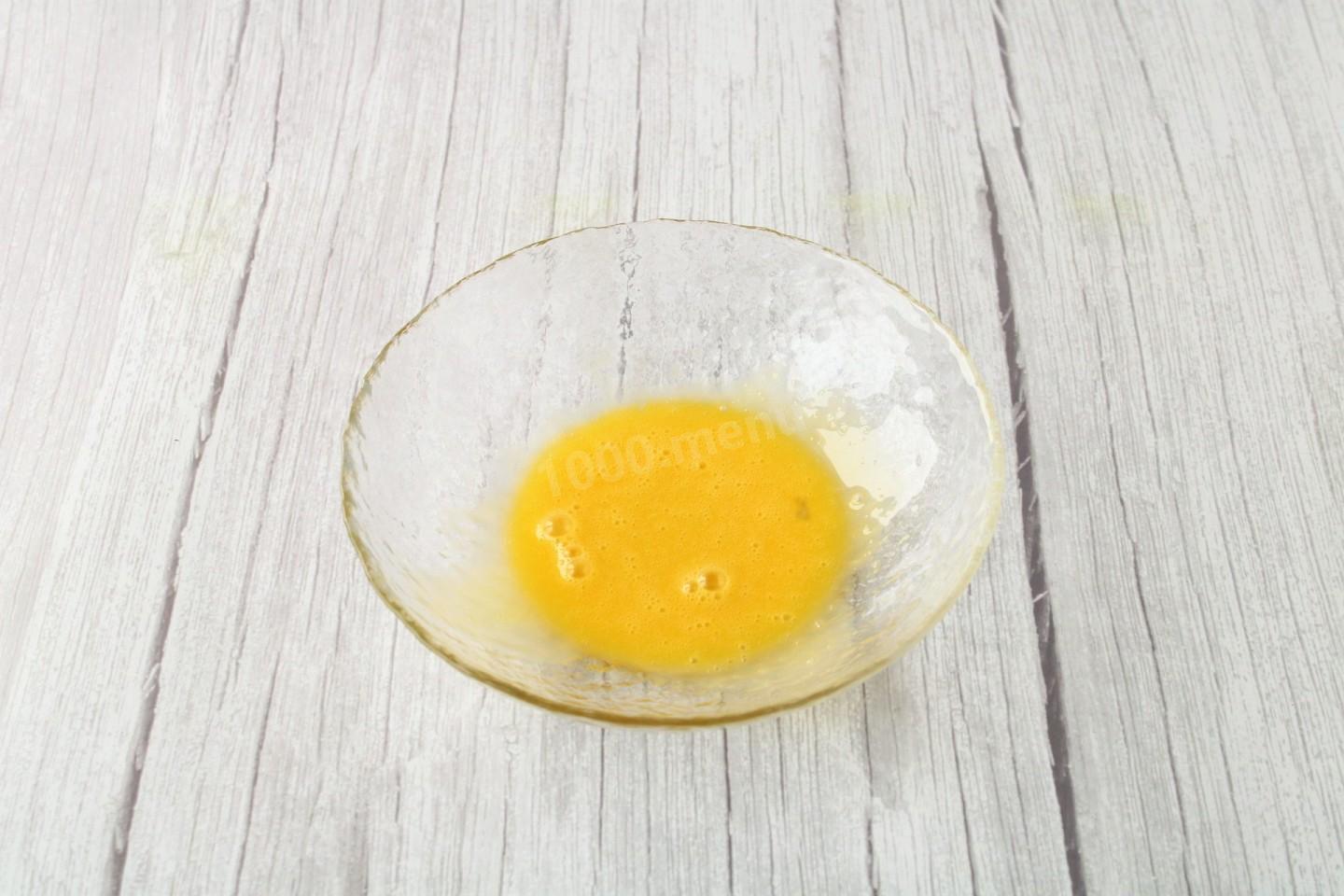
In a suitably sized bowl, beat the egg yolks with a whisk or fork.
-
Step 8:
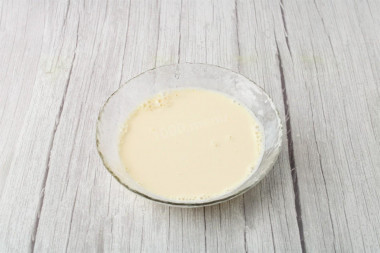
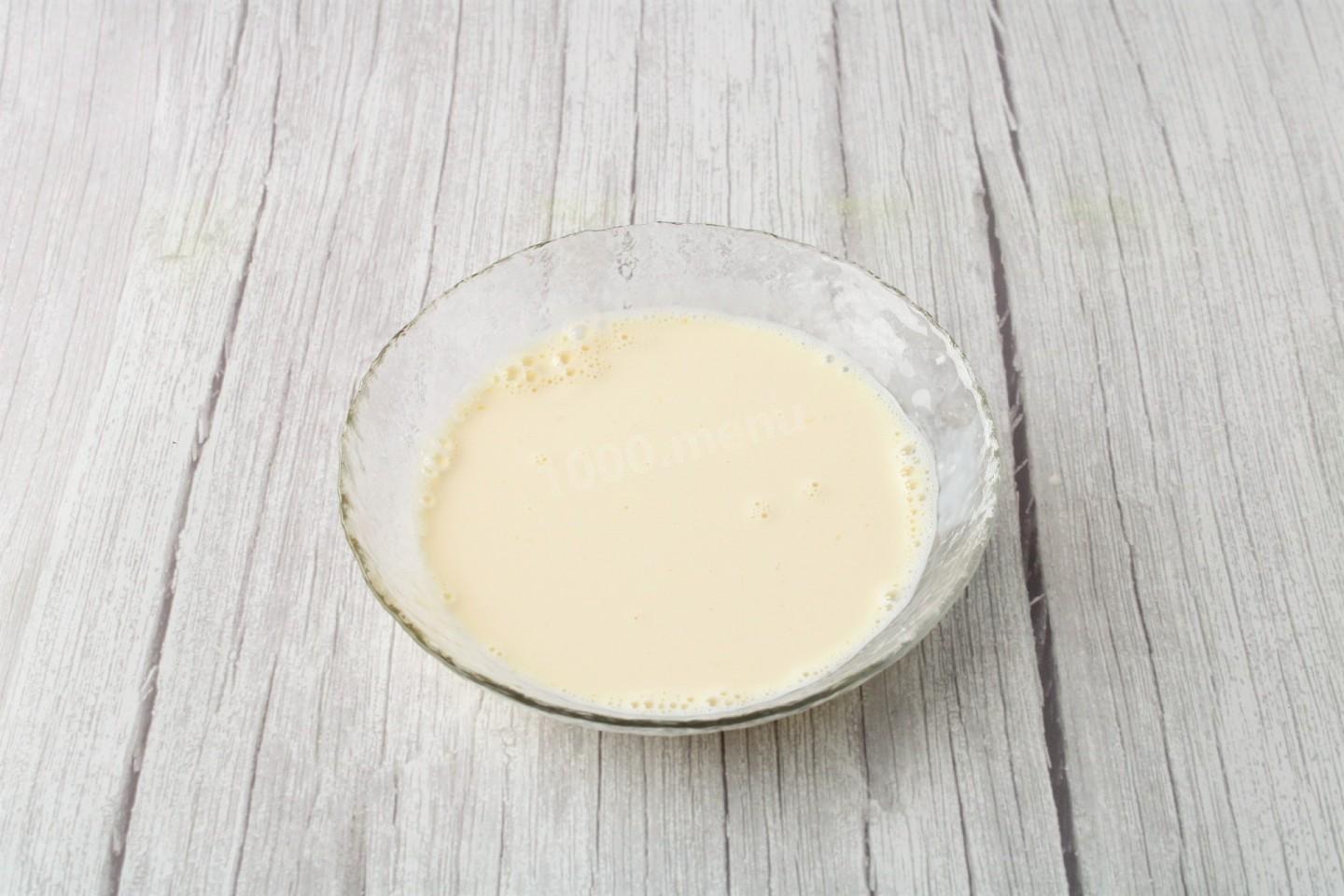
Combine the yolks with the cream and whisk until smooth.
-
Step 9:
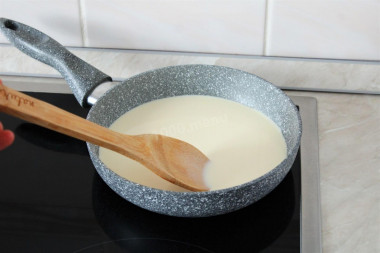
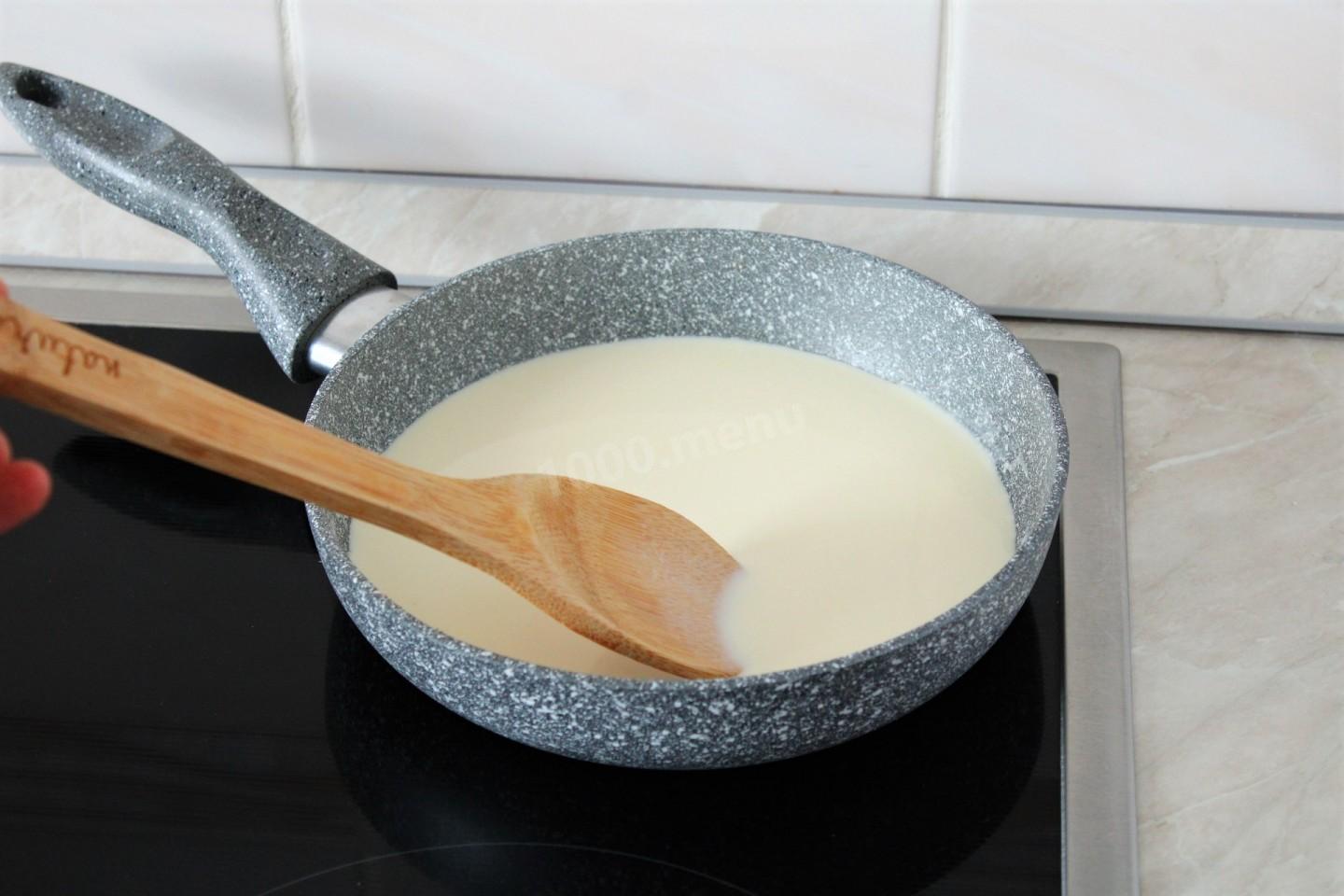
Pour the yolks and cream into a separate skillet. Over low heat, stirring constantly, bring the mixture to a slight thickening. It's very important to do this over low heat—at high temperatures the yolks and cream can curdle, leaving lumps that spoil the look and taste.
-
Step 10:
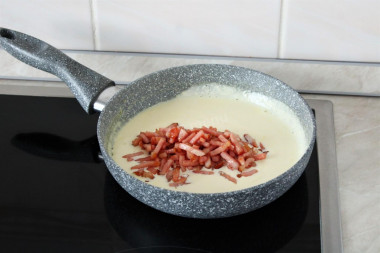
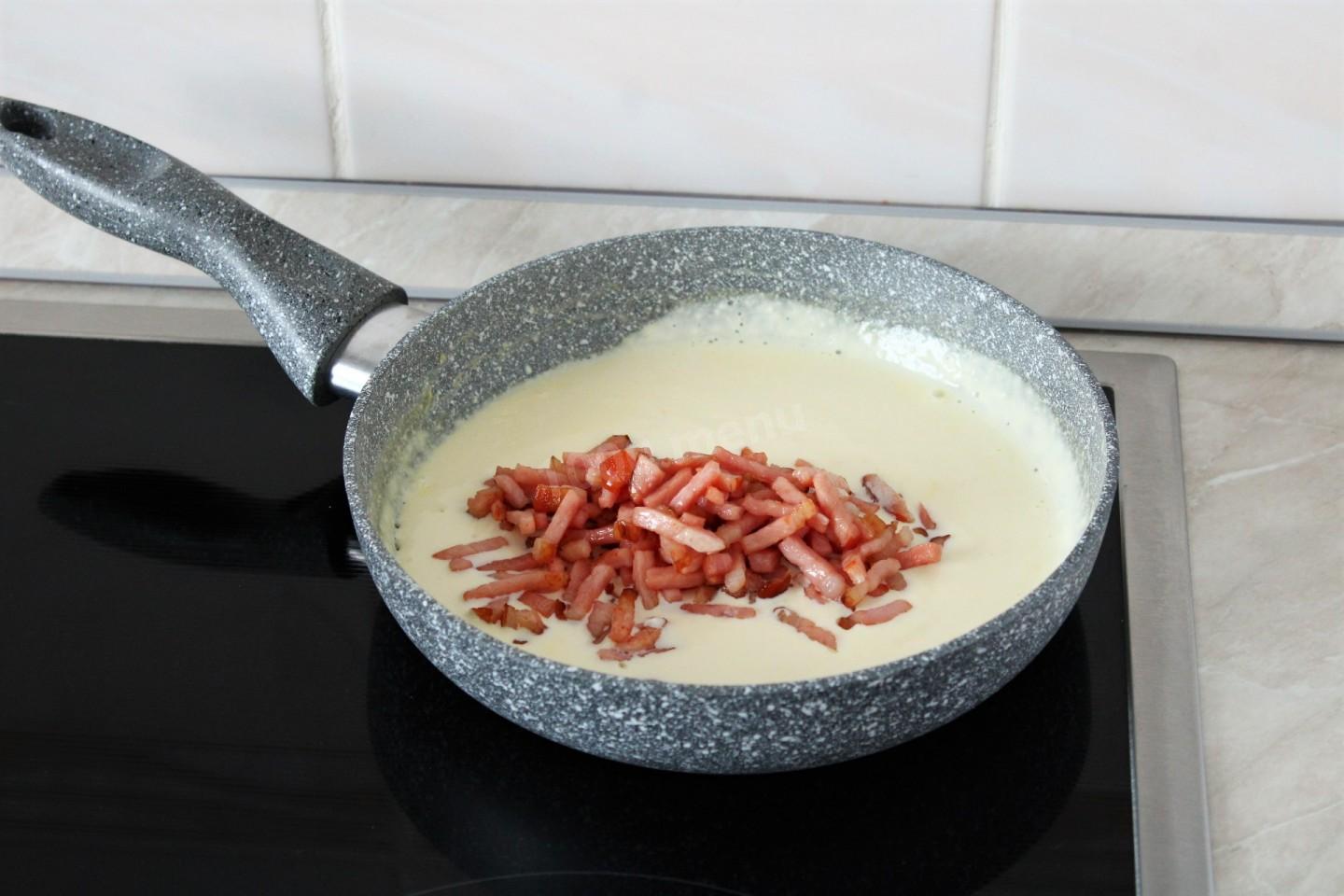
Add the cooked bacon to the thickened mixture and stir.
-
Step 11:
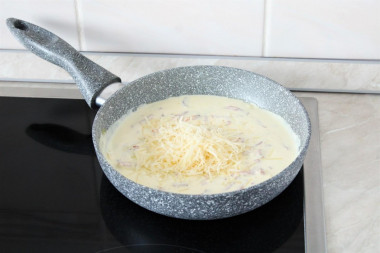
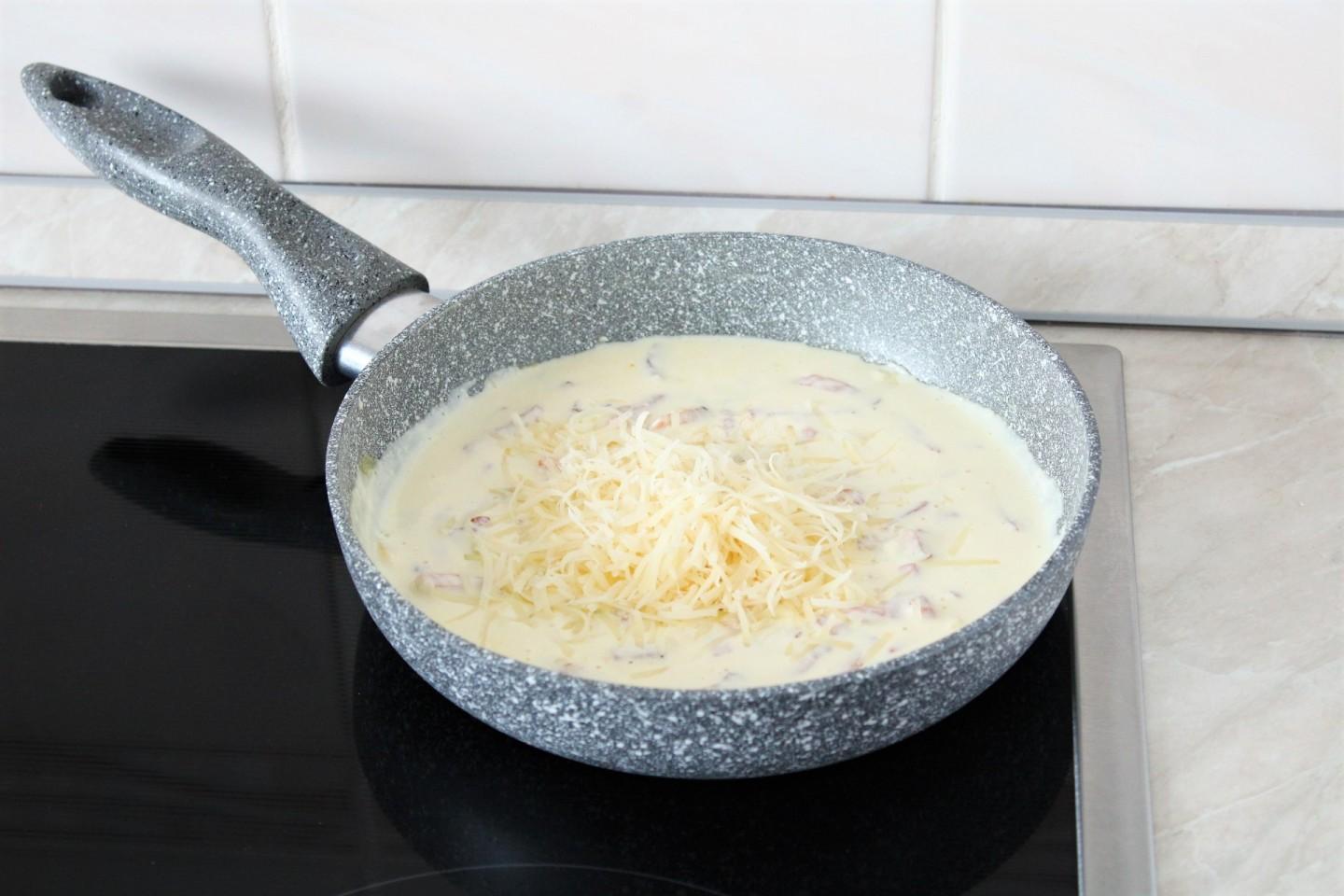
Add the grated cheese to the sauce. Over low heat, stirring constantly, warm it until the cheese melts completely. Salt and add black pepper if you like—I didn't salt it, since the pasta cooks in salted water and the Parmesan gives the sauce a salty, slightly spicy taste.
-
Step 12:
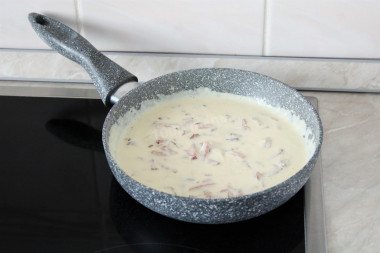
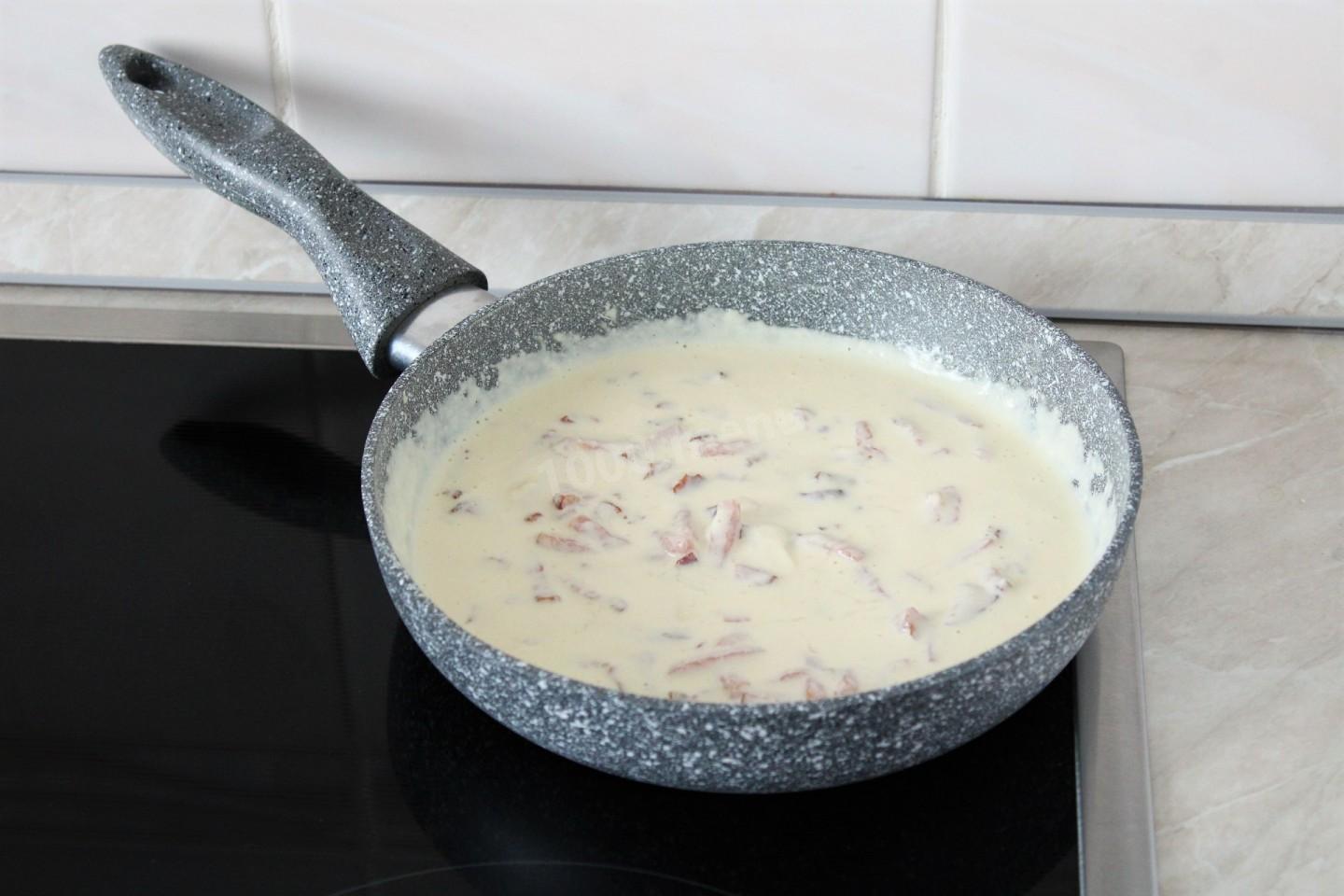
The carbonara sauce is ready. It should be about the consistency of not-too-thick sour cream. If you used lower-fat cream, the sauce may be thinner; you can thicken it by adding more cheese. If it's too thick, thin it with some of the hot water the pasta cooked in.
-
Step 13:
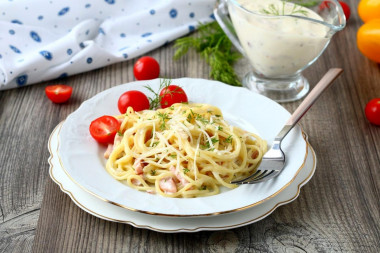
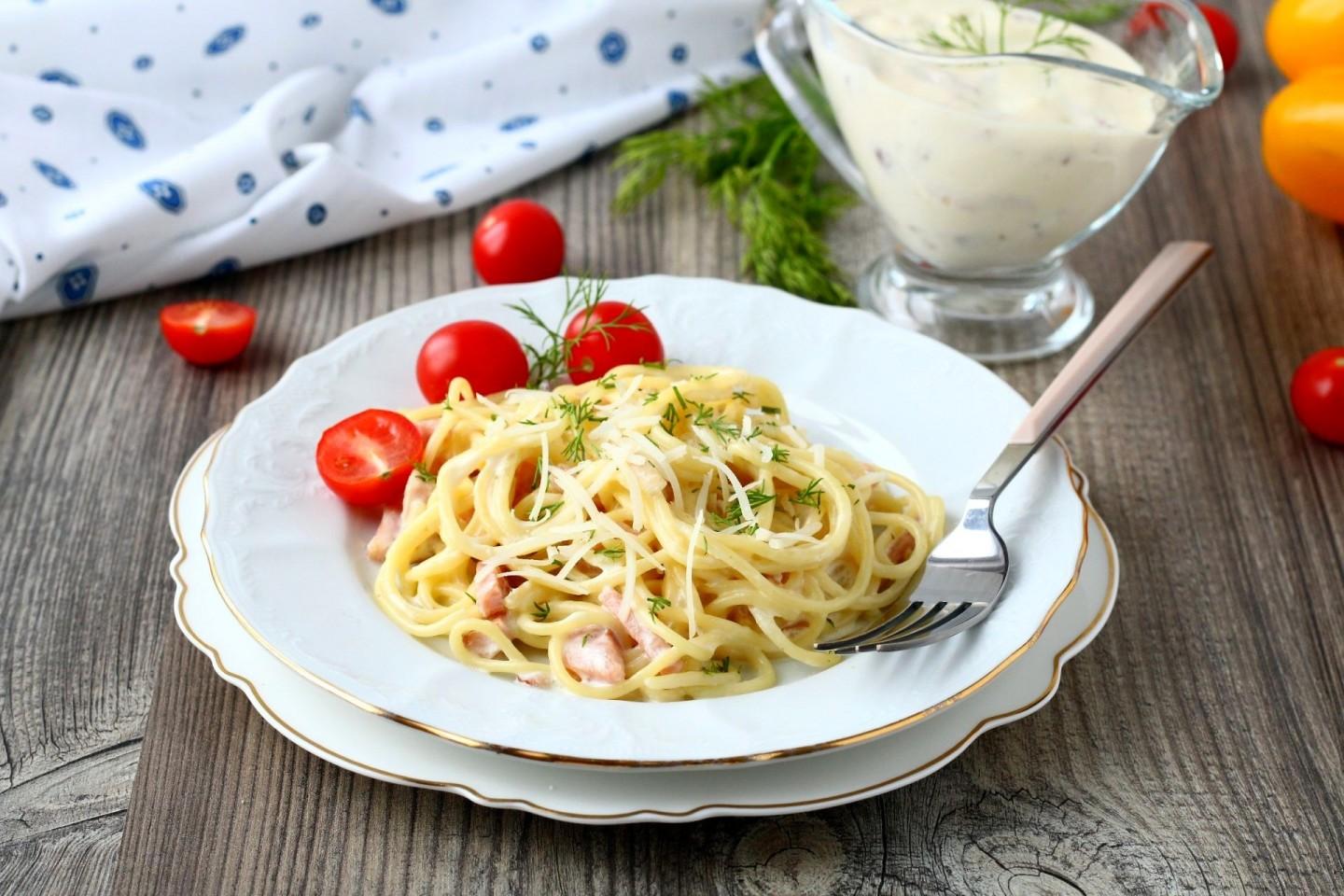
Meanwhile, add the hot, just-cooked pasta to the sauce, toss, and serve right away, sprinkled with finely chopped herbs and grated Parmesan. Enjoy!
- If you want to add spices or aromatic herbs to the sauce, use them sparingly so they don't overpower the sauce's delicate flavor.
- Use an oil with a high smoke point for frying! Oils are only beneficial up to a certain temperature—the smoke point—beyond which they begin to burn and form toxic compounds, including carcinogens. With few exceptions, unrefined oils have a low smoke point; they're full of unfiltered particles that scorch quickly. Refined oils tolerate heat better and have a higher smoke point. If you're cooking in the oven, in a skillet, or on the grill, use a high-smoke-point oil. The most common ones are refined sunflower, olive, and grapeseed oil.
Caloric content of the products possible in the composition of the dish
- Buttermilk - 36 kcal/100g
- Cream of 20% fat content - 300 kcal/100g
- Cream of 10% fat content - 120 kcal/100g
- Cream - 300 kcal/100g
- Garlic - 143 kcal/100g
- Ground black pepper - 255 kcal/100g
- Boiled bacon - 447 kcal/100g
- Salt - 0 kcal/100g
- Olive oil - 913 kcal/100g
- Egg yolks - 352 kcal/100g
- Parmesan cheese 45% fat content - 389 kcal/100g
Similar recipes

- National cuisine
- Second course
- Sauces
- Eggs
- Meat and meat products
- Cheese
- Dairy products
- Spices seasonings spices
- Fats and oils
- Garlic
- Pepper
- Salt
- Vegetable oil
- Mediterranean cuisine
- Cooking
- Frying
- In a frying pan
- Meat second course
- Pasta sauce
- Garlic sauce
- Cheese sauce
- Egg yolks
- Meat semi-finished products
- Made of solid cheese
- Сливки
- Recipes for lean dishes without butter